Operations

by David Klemt David Klemt No Comments

Raise Your Glass to Canadian Beer Day

Raise Your Glass to Canadian Beer Day

by David Klemt

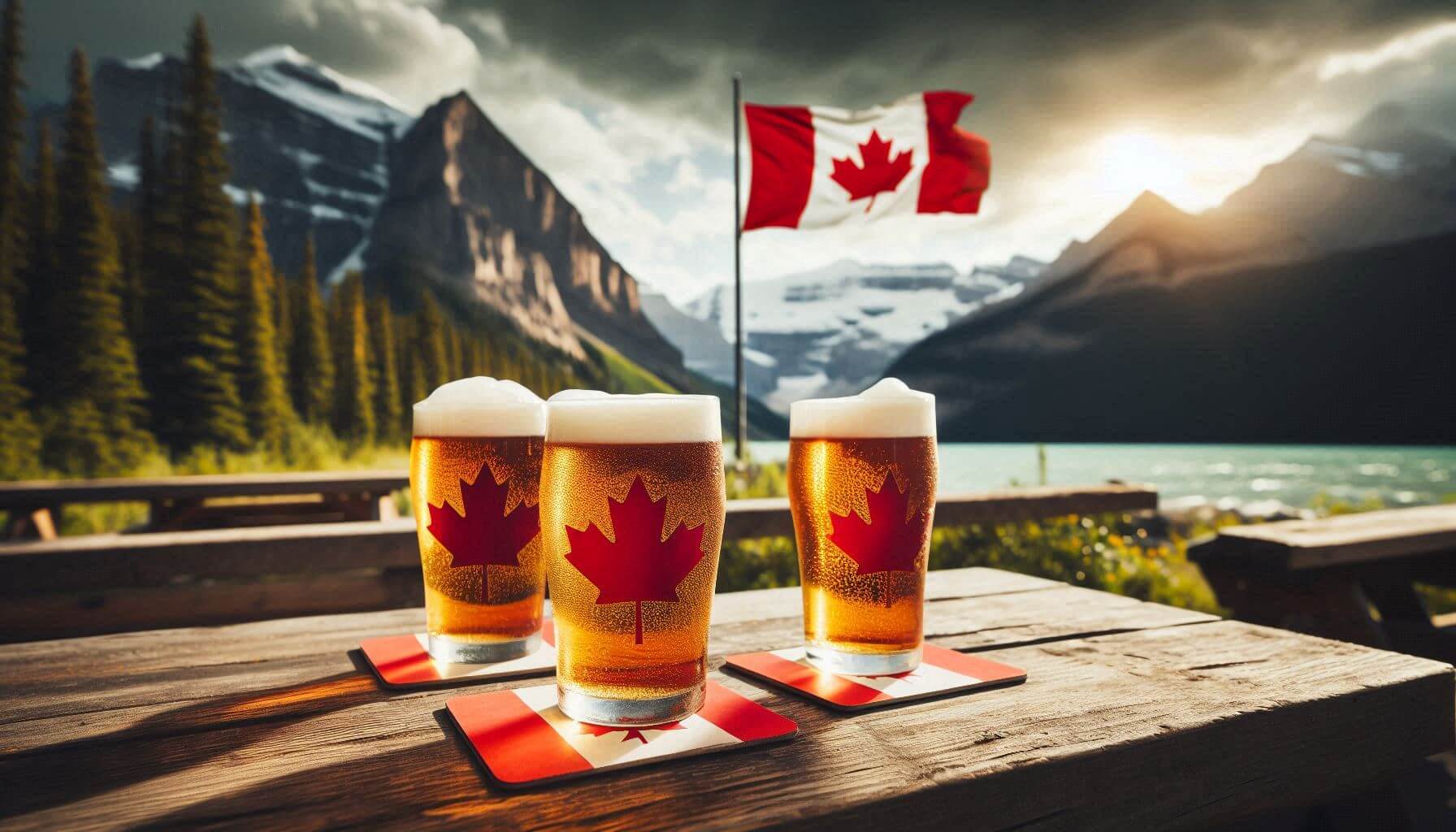
An AI-generated image of three pint glasses filled with beer sitting on Canadian flag coasters on a picnic table, with a mountain, lake, and Canadian flag in the background

This is an AI-generated image, but I still want to visit and drink those beers.

Operators and their guests will raise their glasses and celebrate Canadian beer on October 9, also known as Canadian Beer Day.

This year represents the sixth-annual Canadian Beer Day. Beer Canada created the holiday, with first event launching in 2019.

Not only does this beer-centric holiday honor one of the world’s most-popular drinks, it’s a day to observe its impact on Canada. According to the Beer Canada website, which is an excellent resource that I recommend everyone visit, brewers in the country employ 21,000 Canadians directly.

Zoom out and that number jumps to nearly 150,000 Canadians overall. There are farmers, bartenders, retailers, truckers, designers, and many other people whose employment relies on beer production. Further, almost 90 percent of beer purchased in Canada is brewed locally.

Each year, Beer Canada crafts a theme to go along with Canadian Beer Day. This year, that theme celebrates the cultural significance of the nation’s beer culture.

As an American, I think I’m qualified to say that people have seemed more divided over the past decade than in recent memory. At least, that’s what we’re often being told in the US, Canada, and other countries.

But think about how powerful gathering in pubs and bars has been for breaking down barriers. Having a beer with a stranger and finding middle ground can lower temperatures, and go a long way toward healing communities.

We should all strive to get back to that simple, comforting practice.

“Local” Impact

I may date myself a bit here but I remember the first Canadian beer I ever tried. Growing up in the Midwest in America, it was common to have friends who visited or had family and friends in Canada.

One day in the Nineties, some friends of mine and I got into a lighthearted debate about beer. One of our friends, who had just come back from a trip to Canada, scoffed at our light American pilsners and lagers, stating that we were essentially drinking water.

Then, he opened a cooler and pulled out bottles of Moose Drool Brown Ale. Not long after that moment, I’d be introduced to Moosehead and Labatt.

I still think about that first sip of Moose Drool, particularly when a beer debate heats up. I’m just one person but Canadian beer has had an impact on little old American me.

Canadian Beer

Head to Montréal, Québec, and you can visit the Talon Vaults, the archaeological remains of Canada’s first commercial brewery.

This important bit of beer-brewing history dates back to the late 1660s, when La Brasseries du Roy was opened by Jean Talon in Québec City. However, beer brewing in Canada dates back to at least the 1620s.

In 1786, the legendary John Molson established the Molson Brewery, also in Québec City. I think we all know how significant the Molson story is to Canadian beer.

Today, there are more than 1,300 breweries operating and employing people across Canada. Most are located in Ontario, Québec, British Columbia, and Alberta. Although, there at least a single brewery in every province. For example, there’s one brewery in the Northwest Territories, and one in Nunavut.

Per Statista data, the Canadian beer industry generated $18.43 billion (US $13.6 billion) in 2023, with $7.8 billion (US $5.8 billion) coming from restaurants and bars.

Those are big numbers being put up by just 1,300 breweries.

Celebrate in Style

Along with having a beer and getting to know someone, a great beer and food pairing can improve your day.

So, I asked Nathen Dubé, our chef consultant at KRG Hospitality, for some of his favorite beer pairings. And, wow, did he deliver.

Check out his recommendations below, and consider using them for a Canadian Beer Day limited-time-offer menu.

Let’s start with his favorite personal pairing.

“One of my favorite beer and food pairings is a robust, malty, Canadian brown ale with a perfectly grilled bison burger topped with aged cheddar, caramelized onions, and a touch of maple bacon,” says Nathen. “The rich malt character of the brown ale complements the hearty, gamey flavor of the bison, while the subtle sweetness from the caramelized onions and bacon plays beautifully with the ale’s caramel notes. The cheddar adds a creamy, sharp contrast, making each bite and sip a delightfully balanced experience.”

Now, let’s jump into Nathen’s LTO suggestions. This Canadian Beer Day, he recommends crafting unique, gourmet poutines.

Traditional Poutine

Beer Pairing: Local Pale Ale

Description: Hand-cut fries topped with squeaky cheese curds and a rich beef gravy. The pale ale’s mild bitterness cuts through the gravy’s richness, while its effervescence balances the cheese’s creaminess.

Butter Chicken Poutine

Beer Pairing: Indian Pale Ale (IPA)

Description: Fries smothered in creamy, spiced butter chicken sauce, topped with fresh cilantro and a dollop of yogurt. The hoppy and citrusy notes of the IPA enhance the spices in the butter chicken, creating a vibrant and aromatic pairing.

Pulled Pork BBQ Poutine

Beer Pairing: Smoked Porter

Description: Crispy fries loaded with slow-cooked pulled pork, tangy BBQ sauce, and cheddar cheese. The smoked porter’s roasted malt flavors complement the smoky pork, while its subtle sweetness balances the BBQ sauce’s tang. This poutine can be—or rather should be—prepared and served individually. As a general, Nathen always thinks the darker the beer, the stronger the cheese. On the other flavor profile side, the lighter/fruitier beer, the lighter the cheese.

Be sure to add these tempting poutines to your LTO menu, and visit the Canadian Beer Day website to download their digital and social media assets. Cheers!

Image: Microsoft Designer

KRG Hospitality Contact Request for Proposal 30 Minute Discovery Session

Book Below to Setup a 30-Minute Complimentary Discovery Call and Request for Proposal.


by David Klemt David Klemt No Comments

National Taco Day Makes its Move

National Taco Day Makes its Move

by David Klemt

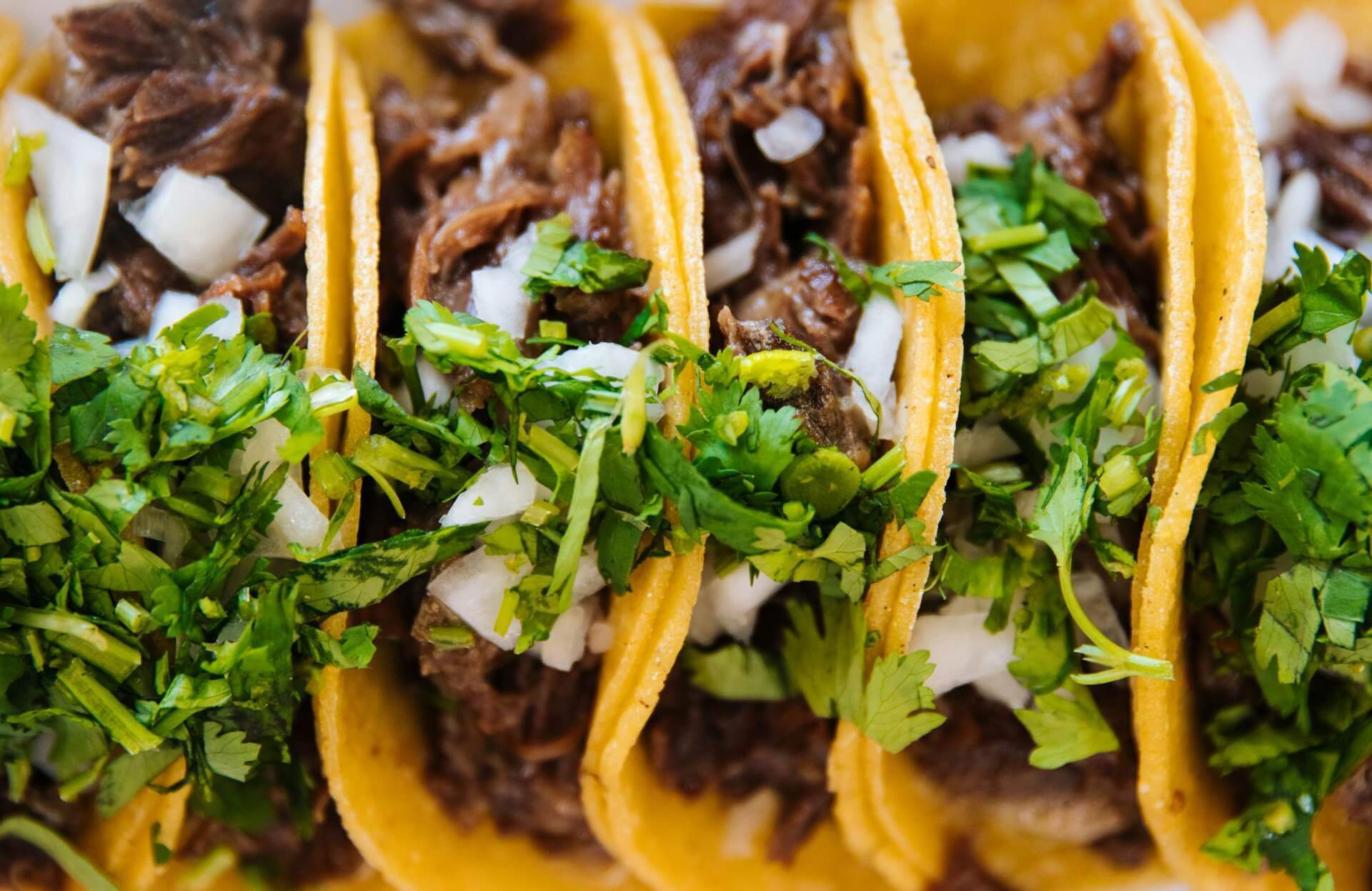
A closeup photograph of four street tacos with meat, onions, and cilantro in soft corn tortillas

I call this a good start.

I don’t know how to break this to you, so I’m just going to say it: National Taco Day, one of the world’s most important holidays, has made a big move.

For the past 15 years, National Taco Day has been celebrated on October 4. That means that since its inception, the annual holiday that celebrates the taco has only fallen on a Taco Tuesday three times.

In fact, it didn’t even fall on Taco Tuesday until its third year, in 2011. National Taco Day didn’t repeat the feat again until 2016, and then 2022. Had the date remained the same in perpetuity, we wouldn’t get another National Taco Day on a Taco Tuesday until 2028 at the earliest.

Starting this year—in a week and a half, in fact—National Taco Day will fall on the first Tuesday in October.

I’m going to share my thought process after I first found out about this news.

How did I learn about this massive change? Via a post by Smirnoff. You see, National Taco Day and National Vodka Day have been linked since they each first launched in 2009.


View this post on Instagram


A post shared by Smirnoff (@smirnoff)

It seems that Smirnoff is none too pleased with this news, though they’ll reunite with National Taco Day in 2028.

My first reaction was “I can’t believe this is news,” for a few seconds. That evolved into “I can’t believe this took so long to resolve” rather quickly.

And then I told the KRG Hospitality team about this news.

Finally!

I’ve always thought “Why isn’t National Taco Day always on a Taco Tuesday?” when the holiday has come around.

Finally, someone has acted to rectify this oversight; Taco Bell appealed to National Day Calendar to change the date. It may seem to trivial for a fast-food giant (or anyone else, for that matter) to petition to have a holiday’s date changed when it isn’t a legal holiday.

However, according to a Taco Bell press release addressing this National Taco Day news, it’s rare that National Day Calendar makes such a change. The release goes on to quote Marlo Anderson, the founder of National Day Calendar, which launched in 2013.

“For years, we’ve celebrated National Taco Day on October 4th, but it’s always felt like there was a bigger opportunity to align it with something even more special—Taco Tuesday,” said Anderson.

Interestingly, another fast food chain is credited with creating National Taco Day: Del Taco. Keeping the trivia going, “National” reportedly doesn’t actually pertain to any one country; it’s just what the holiday is called.

While this news is certainly another win for Taco Bell and their, well, obsession with Taco Tuesday (understandable, of course), it’s a win for everyone who loves tacos.

Operators need to pull out all the stops for October 1, the first of the newly revised National Taco Day celebrations. Task your kitchen team with creating LTO tacos, crafting a super-premium version of your signature taco if you have one, and ensuring there are vegetarian- and vegan-friendly options to appeal to every single taco-loving guest.

Let’s go all out!

Image: Jeswin Thomas on Unsplash

KRG Hospitality Contact Request for Proposal 30 Minute Discovery Session

Book Below to Setup a 30-Minute Complimentary Discovery Call and Request for Proposal.


by David Klemt David Klemt No Comments

The Modern Approach to Systems: Part 1

The Modern Approach to Systems: Part 1

by Doug Radkey

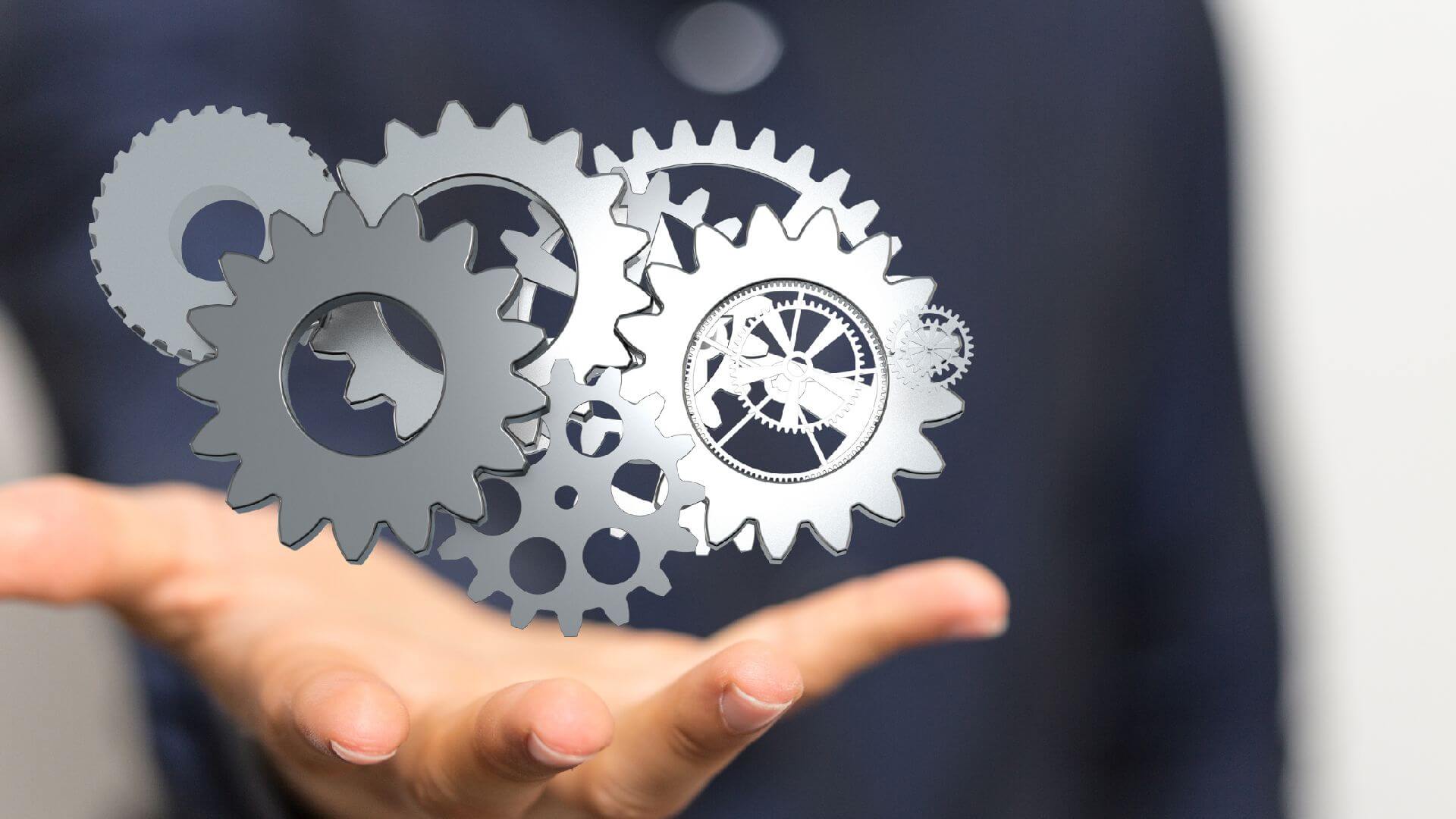
An AI-generated image of an open hand "holding" gears that are hovering over the palm, illustrating the concept of systems

Must be a magician.

In the hospitality industry, where guest satisfaction and operational efficiencies are paramount, systematic strategies are essential for maintaining a high-level of excellence.

Whether you’re running a high-end cocktail bar, a fast-casual restaurant, or an elevated boutique hotel, the intricacies of daily operations demand a structured approach to ensure smooth functionality, and exceptional service delivery.

After walking through this approach recently with a client, I thought it would be a great opportunity to introduce you to two powerful methodologies that have transformed businesses worldwide: the Kaizen methodology, and Six Sigma strategies. We use both of these approaches with all our clients at KRG Hospitality because they offer comprehensive frameworks for achieving operational excellence through continuous improvement and efficiency.

Kaizen, with its focus on incremental changes and fostering a culture of constant innovation, and Six Sigma, with its emphasis on reducing variability and enhancing quality, provide invaluable tools for those in this industry.

By exploring their application in bars, restaurants, and hotels, I am going to highlight how these systematic strategies can elevate guest experiences, and create a culture of excellence that will help improve nearly every aspect of your business.

Understanding Kaizen

Kaizen is a Japanese term that translates to “change for the better,” or “continuous improvement.” It represents a philosophy that emphasizes small, incremental changes to processes, products, or services rather than large-scale transformations.

This approach fosters a culture of constant improvement, encouraging everyone in an organization to contribute to enhancing efficiency and quality.

The concept of Kaizen originated in post-war Japan, where it was developed as a response to the need for rapid industrial growth and efficiency. It gained widespread recognition and was popularized by Toyota’s production process, known as the Toyota Production System (TPS).

Toyota implemented Kaizen principles to streamline its manufacturing processes, reduce waste, and improve overall quality. Ultimately, this approach played a crucial role in establishing the company as a global leader in the automotive industry today.

The Core Principles of Kaizen

  • Focus on Incremental Changes and Continuous Improvement: Kaizen emphasizes making small, manageable changes regularly rather than waiting for major breakthroughs. This approach allows for the constant refinement and improvement of processes, leading to significant compounded gains over time. Seeking better ways to do things continuously helps organizations stay agile, and respond to changes in the market or industry quickly.
  • Emphasis on Teamwork and Employee Involvement: A key aspect of Kaizen is the active involvement of all employees, from top management to frontline workers. Everyone is encouraged to identify areas for improvement, and to contribute ideas. This inclusive approach fosters a sense of ownership and accountability, as employees at all levels feel empowered to make meaningful changes. Teamwork is essential in Kaizen, as collaboration and open communication enable the sharing of knowledge and best practices.
  • A Culture of Continuous Learning: Kaizen promotes a learning-oriented culture in which employees are encouraged to develop their skills and knowledge continuously. This focus on education and training helps create a workforce that is adaptable and capable of implementing improvements. By cultivating a mindset of curiosity and openness to new ideas, organizations can foster innovation, and sustain long-term growth.

The Plan-Do-Check-Act Cycle

The PDCA cycle, also known as the Deming Cycle, is a foundational tool in the Kaizen methodology. It provides a structured framework for implementing changes, and ensuring their effectiveness. The cycle consists of four stages:

    • Plan: Identify an area for improvement, set objectives, and develop an action plan.
    • Do: Implement the plan on a small scale, testing the proposed changes.
    • Check: Evaluate the results of the implementation, comparing against objectives.
    • Act: Based on the evaluation, make necessary adjustments, and standardize the successful changes. If the results are not satisfactory, revisit the Plan stage, and repeat the cycle.

The PDCA cycle is a continuous loop that encourages organizations to keep refining their processes, and strive for excellence continuously. It ensures that improvements are data-driven and based on careful analysis, reducing the risk of failure, and increasing the likelihood of sustainable success.

Applying Kaizen to the Industry

By fostering a culture of efficiency, teamwork, and guest-centricity, Kaizen helps bars, restaurants, and hotels enhance their operations, and deliver exceptional guest experiences.

Here, I explore how Kaizen can be applied, using three key areas as examples.

Kaizen in Bars

Streamlining Bar Layout and Workflow: In a bar setting, the layout and workflow are crucial for ensuring quick service, and minimizing wait times. Kaizen encourages a meticulous examination of the bar’s physical layout, from the positioning of glassware and bottles to the arrangement of mixing stations and garnishes. By optimizing these elements, bars can reduce the time taken to prepare and serve drinks, leading to faster service, and increased guest satisfaction. For example, organizing the bar setup to minimize the distance bartenders need to travel can enhance efficiency significantly.

Continuous Menu Optimization: Guest preferences and trends in the beverage industry are evolving constantly. Kaizen’s principle of continuous improvement can be applied to menu optimization, where bars review sales data and guest feedback regularly to refine their offerings. By identifying popular drinks and experimenting with new mixes, bars can keep their menus fresh and appealing. Additionally, removing underperforming items helps streamline inventory and reduce waste, contributing to overall cost efficiency.

Enhancing the Guest Experience: Kaizen emphasizes the importance of guest interaction in creating a memorable experience. Regular staff training is vital to ensure that bartenders and servers are skilled in both mixology and guest services. Training sessions can focus on refining communication skills, upselling techniques, and handling guest questions more effectively. By fostering a welcoming and engaging atmosphere, bars can enhance satisfaction, and encourage repeat business.

Kaizen in Restaurants

Implementing Lean Kitchen Practices: In restaurants, the kitchen is the heart of operations. Kaizen can be applied to implement lean kitchen practices that minimize waste, and improve efficiency. This includes optimizing food preparation processes, standardizing portion sizes, and ensuring proper inventory management. By reducing unnecessary steps and streamlining workflows, restaurants can decrease preparation times, reduce food waste, and, ultimately, lower their food costs.

Refining Service Protocols: Refining service protocols regularly is essential for maintaining high standards of guest service. Kaizen encourages continuous evaluation and improvement of service procedures, from seating arrangements to cleaning protocols to table service. Restaurants can identify bottlenecks in service delivery by analyzing guest flow and feedback, and make necessary adjustments. For instance, optimizing the sequence of service can increase table turnover rates, allowing restaurants to serve more guests during peak hours, and maximize revenue.

Encouraging Staff Participation: A core tenet of Kaizen is the involvement of all employees in the improvement process. In restaurants, this means encouraging staff to identify operational challenges and propose solutions. Restaurants can tap into a wealth of boots-on-the-ground insights by fostering an inclusive environment in which employees feel valued and heard. Regular pre-shift meetings, team meetings, and one-on-ones can be effective platforms for gathering feedback and implementing changes. This participatory approach not only enhances operational efficiency but also boosts employee morale and engagement.

Kaizen in Hotels

Optimizing Housekeeping Processes: Housekeeping is, of course, a crucial component of hotel operations, impacting guest satisfaction directly. Kaizen can be applied to optimize housekeeping processes, ensuring timely room turnovers, and maintaining high cleanliness standards. This involves standardizing cleaning procedures, scheduling, and the use of cleaning supplies. Hotels can reduce the time required to prepare rooms for new guests by implementing efficient practices, improving occupancy rates, check-in times, and guest experiences.

Improving Front Desk Operations: The front desk is still the first point of contact for guests at many hotels, and it plays a crucial role in shaping a guest’s first impressions. Kaizen encourages continuous improvement in front desk operations, focusing on streamlining check-in/check-out processes, managing guest inquiries, and handling reservations. By leveraging technology and training staff, hotels can reduce wait times, enhance service accuracy, and provide personalized experiences. For example, implementing mobile check-in options can expedite the process and cater to tech-savvy travelers while freeing up time for staff to spend with guests who are not so tech-savvy.

Fostering a Culture of Hospitality and Attentiveness: Beyond operational efficiency, Kaizen promotes a culture of hospitality, and attentiveness among hotel staff. This involves training employees to anticipate guest needs, provide courteous service, and handle special requests with care. Hotels can cultivate loyalty and encourage positive reviews by creating a welcoming environment, and exceeding guest expectations consistently. Regular feedback loops, such as guest satisfaction surveys, can help hotels identify areas for improvement, and ensure that staff remain committed to providing exceptional service.

Takeaway

The application of Kaizen in bars, restaurants, and hotels leads to enhanced efficiency, improved service quality, and increased satisfaction.

By focusing on continuous improvement and involving all employees in the process, your business can create a dynamic and responsive environment that adapts to changing guest needs and market conditions. This commitment to excellence not only drives operational success but also strengthens your brand reputation, and guest loyalty.

To keep this from being too long, I’ve broken this article into two parts. Look for part-two on developing Six Sigma, and how combining both Kaizen and Six Sigma can take your business to new heights.

Image: DALL-E

KRG Hospitality Contact Request for Proposal 30 Minute Discovery Session

Book Below to Setup a 30-Minute Complimentary Discovery Call and Request for Proposal.


by David Klemt David Klemt No Comments

How do You Measure Success?

How do You Measure Success?

by David Klemt

An AI-generated image of a tattooed female bartender, standing and smiling behind the bar

That’s a lot of pens…and possibly paintbrushes.

When you take a moment to reflect on your business, what does success mean to you, and what steps are you taking to achieve it?

One obvious measure of success, of course, is monetary. Whether you operate a bar, restaurant, cafe, lounge, nightclub, hotel or other hospitality business, this is a stressful business. Why subject yourself and your team to the hardships hospitality throws at us if there are no financial rewards?

To many, a successful business is one that operates a profit. One that provides the entire team with not just enough money to get by but to thrive and experience financial freedom.

I like to think that mostthe vast majority would be niceoperators want the people who believe in their vision enough to work with them to achieve it to make more than just a living wage.

Speaking of buy-in from others, finding people eager to work for them is a measure of success to some operators.

Others find success in achieving accolades. If we were to look at these operators and those who measure success financially, there would surely be an overlap in a Venn diagram.

Operators who find awards, invitations to share their stories, and opportunities to speak and educate others find the validation of their vision to mean they’re successful.

There’s absolutely nothing wrong with measuring success by profits and awards earned. After all, a hospitality business won’t be a business for long if it operates in the red, or people are unaware it exists.

But what about considering how your business makes you feel?

For Your Condsideration

Yes, I’m going to talk about feelings. Our industry is too challenging to pretend money is the only thing that matters. And we simply can’t keep ignoring the topic of mental health and the toll the hospitality industry can take on a person.

So, let’s take a moment to consider some key questions.

Is just the thought of your business accompanied by positive or negative feelings? When it’s time to head into your restaurant, bar or hotel, are you happy and excited? Or does the thought fill you with stress, or worse yet, dread?

I’m speaking on balance, of course. Stress is inescapable. New operator? Stress. A year or two in? Stress. Veteran operator? Stress.

On the whole, however, do you feel satisfied with what you’ve built, and what you’re operating? When you consider your business and brand, are you proud?

Satisfaction, Happiness, and Pride

I was reading a profile on Hotel Management a few days ago that I’m still thinking about.

Speaking of the brand and success, Red Roof Inn president Zack Gharib says, “To me, [ultimately], the measurement is, how are we making the people feel who are invested in us most—our employees, our franchisees, our communities, our guests? If there’s a sense of satisfaction and happiness and pride to be part of [the brand], then we have achieved success.”

Again, there’s nothing wrong with measuring the success of your business in financial terms. When we’re working with a client to bring their vision to life we’re laser focused on long-term financial viability.

However, leading your business toward becoming a brand you’re proud of and happy to operate should also be a consideration.

Picture operating your business so well that your team is proud to work for you. Imagine how you’d feel if the people you serve feel pride having your business in the community.

This business is too challenging to allow it to drain you psychologically, physically, and financially. If you’ve lost control of parts of your business or lost sight of your vision, it’s time to stabilize. Should you feel that you want to build your brand into something bigger, it’s time to consider scaling it. If you’re not proud to tell people about your business, you need a shift in mindset.

Image: Microsoft Designer

KRG Hospitality Contact Request for Proposal 30 Minute Discovery Session

Book Below to Setup a 30-Minute Complimentary Discovery Call and Request for Proposal.


by David Klemt David Klemt No Comments

Balancing Menu Creativity with Preferences

Menu Design: Balancing Creativity and Guest Preferences

by Nathen Dubé

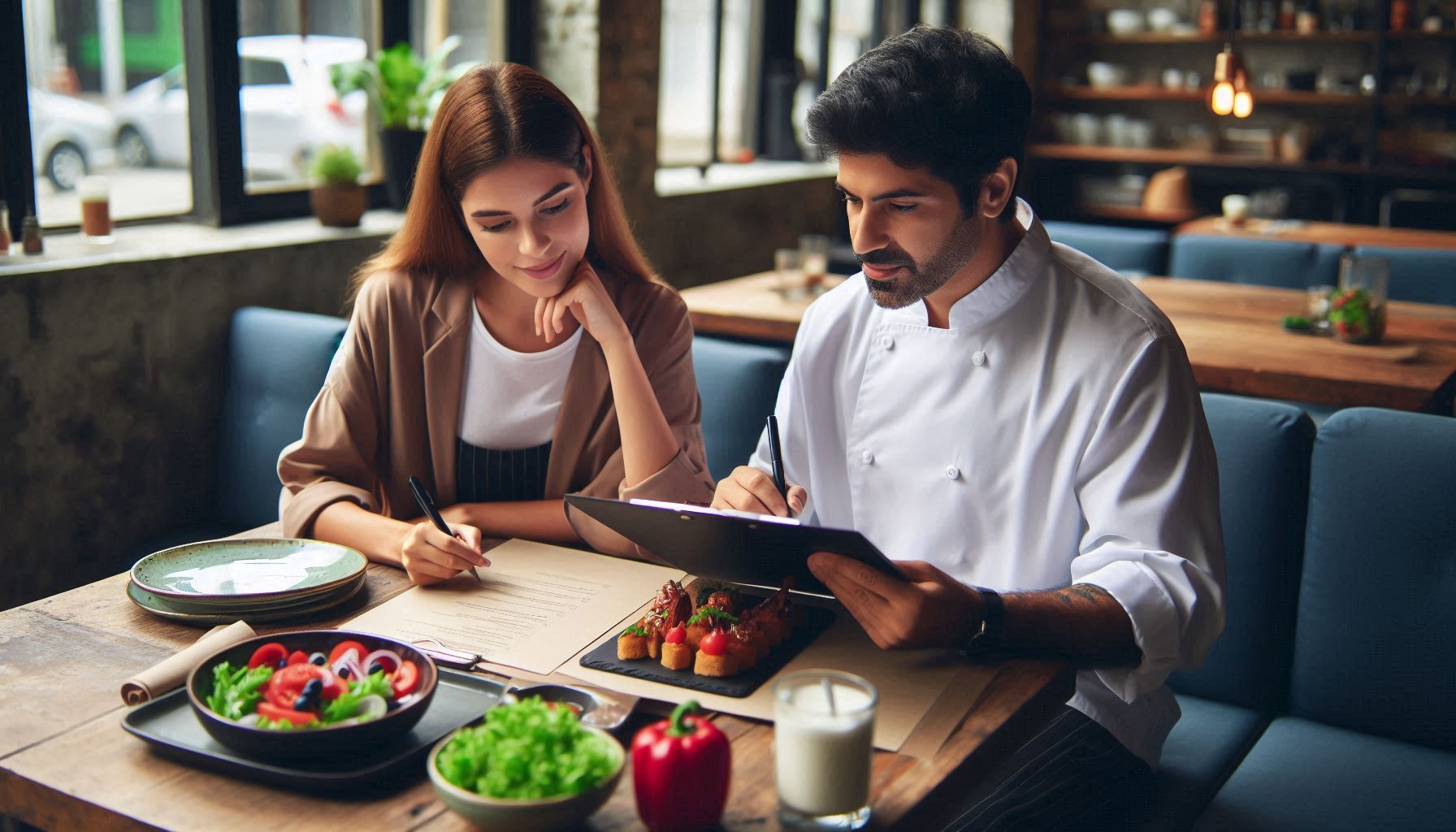
An AI-generated image of a chef-owner and head chef reviewing a restaurant menu

Note: AI-generated image.

A menu is not just a list of dishes; it’s a strategic tool that influences guest choices, enhances the dining experience, and maximizes sales.

Therefore, a well-designed menu is a crucial component of a restaurant’s success.

Come along with me and we’ll explore the principles of effective menu design, balancing creativity with guest preferences, and the role of menu psychology in driving decisions.

Key Principles of Effective Menu Design

Layout and Structure

The foundation of a great menu lies in its layout and structure. Organizing menu items logically—grouping appetizers, mains, desserts, and beverages into distinct sections—guides guests through their dining journey.

This structure helps in creating a seamless experience where guests can find what they are looking for easily. Subsections like “vegetarian,” “seafood,” or “grilled” can further refine the selection process.

Logical organization not only aids in navigation but also enhances the overall dining experience by reducing decision fatigue.

Item Placement

Item placement on the menu can have a significant impact on what guests decide to order.

The “Golden Triangle” concept suggests that guests’ eyes typically first gravitate to the center, then the top right, and finally, the top left of the menu. Placing high-margin items in these areas can drive sales.

Additionally, highlighting signature dishes and specials in these prime spots can make them more appealing. Strategic placement is essential for maximizing the visibility of certain items, encouraging guests to order the dishes that are most profitable or unique.

Readability

A menu should be easy to read and visually appealing. Choosing appropriate fonts and sizes ensures that the text is legible in various lighting conditions.

A key factor to bear in mind is maintaining clear spacing between items to prevent the menu from looking cluttered and overwhelming.

Ensuring the clarity and ease of reading is vital; if a guest struggles to read the menu, it detracts from their dining experience. Effective readability involves the thoughtful selection of fonts, sizes, and spacing to create a harmonious and inviting look.

Balancing Creativity and Guest Preferences

Creative Culinary Expression

A menu is an opportunity to showcase the chef’s creativity and culinary expertise. Innovative dishes that use unique ingredients or cooking techniques can set a restaurant apart from its competitors.

Creativity is crucial for developing a distinctive culinary identity, and offering guests an exciting and memorable dining experience.

However, it’s important to balance creativity with dishes that guests are familiar with and enjoy. Balancing innovation with tradition ensures that while the menu offers new and novel experiences, it also provides comfort and familiarity.

Popular Guest Preferences

To appeal to a broad audience, a menu should include a mix of creative dishes and popular favorites. Including familiar dishes alongside innovative options can cater to a wider audience, making everyone feel welcomed and valued.

Additionally, considering dietary restrictions and preferences is crucial. Offering vegetarian, vegan, gluten-free, and allergen-friendly options ensures that all guests can find something they love. Addressing dietary needs and preferences not only broadens the guest base but also demonstrates the restaurant’s commitment to inclusivity and guest satisfaction.

Market Trends

Staying updated with current culinary trends helps keep the menu fresh and exciting.

For instance, trends such as plant-based diets, sustainability, and ethnic fusion can attract trend-conscious diners. Incorporating these trends into the menu shows that the restaurant is contemporary and aware of its guests’ evolving tastes.

Aligning the menu with market trends can create a buzz and draw attention to the restaurant, enhancing its reputation as a forward-thinking and dynamic establishment.

The Role of Menu Psychology

Influencing Guest Choices

Menu psychology involves using strategic design and phrasing to influence what guests order.

Some effective techniques include strategic pricing methods like decoy pricing. This approach involves placing a high-priced item next to a mid-priced item to make the latter seem more reasonable. Another tactic is charm pricing, an approach that uses prices that end in “.99” to make them appear more attractive.

These subtle cues can guide guest decisions and encourage them to choose certain dishes. Understanding menu psychology allows restaurants to steer guests subtly towards higher-margin items without being overtly pushy.

Maximizing Sales

Highlighting profitable dishes with visual cues, such as boxes, borders, or bold text, can draw attention to these items. Descriptive language that evokes the senses can make dishes sound more appealing, and entice guests to try them.

For example, describing a dish as “succulent, slow-roasted pork with a caramelized apple glaze” creates a vivid image, and stimulates appetite.

Effective use of menu psychology can boost sales significantly, and enhance the dining experience by making the menu more engaging and enticing.

Enhancing Appeal with Descriptive Language and Visuals

Descriptive Language

Using evocative and sensory words to describe dishes can enhance their appeal. Highlighting unique ingredients, preparation methods, and the origin of the dish creates a story that resonates with guests.

Descriptive language adds depth and dimension to the menu, transforming it from a simple list of dishes into a narrative that engages the guest’s imagination. Phrases like “handcrafted,” “locally sourced,” and “artisanal” add a touch of sophistication and quality, making dishes sound more attractive and special.

Visuals

Including high-quality images or illustrations of key dishes can boost their appeal significantly. Visuals help guests imagine the dish, and can trigger an emotional response

A well-designed menu with complementary color schemes and design elements reinforces the restaurant’s theme, and creates a cohesive brand identity.

The use of appealing visuals can stimulate appetite, and make the decision-making process more enjoyable for guests, enhancing their overall dining experience.

Examples of Innovative Menus

Case Studies of Successful Menus

Analyzing menus from renowned restaurants provides valuable insights into successful design choices.

For instance, The French Laundry in California uses a minimalist menu design that emphasizes simplicity and elegance, allowing the focus to remain on the high-quality ingredients and sophisticated dishes.

Similarly, Nobu’s menu balances innovative Japanese-Peruvian fusion dishes with classic favorites, catering to a diverse clientele.

These examples illustrate how thoughtful menu design can enhance the dining experience, and create a distinctive brand identity.

Insights from Industry Experts

Menu design professionals and restaurateurs offer valuable best practices. Experts suggest evaluating and adapting the menu continuously to meet changing guest preferences and market trends.

Updating the menu regularly not only keeps it interesting for repeat guests but also allows for the introduction of seasonal ingredients and new culinary innovations.

Industry insights highlight the importance of flexibility and responsiveness in menu design, ensuring that the restaurant remains relevant and competitive.

Conclusion

A thoughtfully designed menu is a powerful tool in the restaurant industry. It balances creativity with guest preferences, uses psychology to influence choices, and enhances appeal through descriptive language and visuals.

Investing in effective menu design can enhance the dining experience, drive guest satisfaction, and boost sales. For restaurateurs, it’s an essential aspect of creating a successful and memorable dining establishment.

By understanding and implementing these principles, restaurant owners can craft menus that not only reflect their culinary vision but also resonate with their target audience, ensuring a winning formula for success.

A well-designed menu can transform the dining experience, making it more engaging, enjoyable, and, ultimately, profitable for the restaurant.

Image: Microsoft Designer

KRG Hospitality Contact Request for Proposal 30 Minute Discovery Session

Book Below to Setup a 30-Minute Complimentary Discovery Call and Request for Proposal.


by David Klemt David Klemt No Comments

Modern Day Revenue Management for Hotels

Modern Day Revenue Management for Hotels

by Doug Radkey

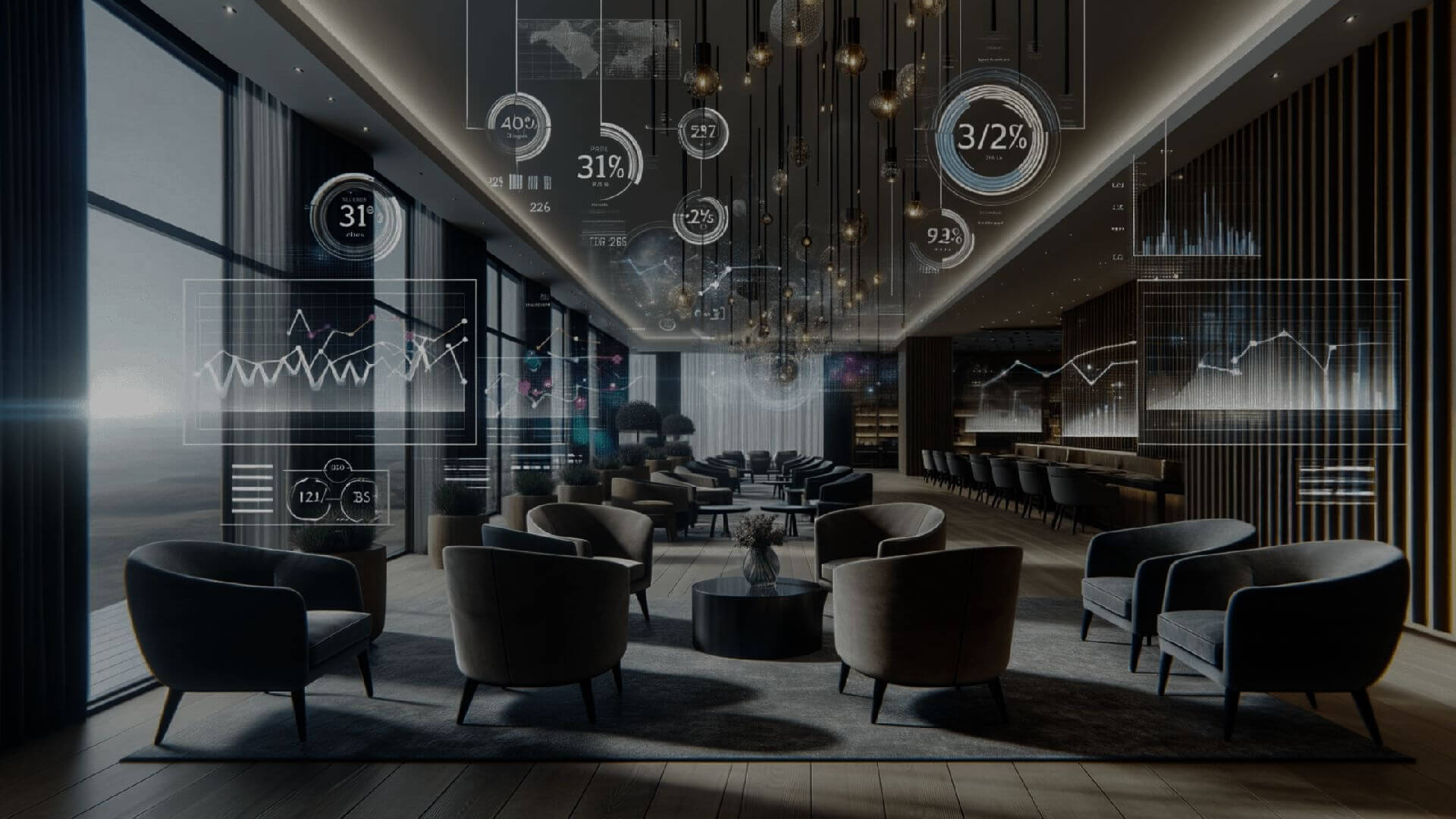
An AI-generated hotel bar area with seating next to large windows, with numbers superimposed over the image

Note: Image generated by artificial intelligence.

The landscape of hotel revenue management has evolved significantly in recent years, driven by both tech advancements and changing consumer behaviors.

With this in mind, I think now would be a good time to explore these current trends, tools, and strategies in hotel revenue management.

Below, I outline the importance of data analytics, dynamic pricing, and AI in maximizing revenue today, and as we move forward in this industry.

The Evolution of Revenue Management

In the early days of the hotel industry, revenue management was a relatively straightforward affair.

While the overall concept of revenue management originated in the airline industry in the 1980s, it was later adapted by hotels. Traditional practices relied primarily on static pricing models, where room rates were set based on the season, room type, and booking lead time. Rates were adjusted infrequently (often just a few times per year), and they were influenced mainly by historical data documented internally, and the intuition of revenue managers.

Hotels used simple tools such as spreadsheets and reservation logs to track bookings and manage their inventory. The focus was on achieving high occupancy rates rather than maximizing revenue per available room (RevPAR) and the other key metrics that we follow today.

Discounts and promotions were applied sporadically, without a deep understanding of market segments or consumer behavior, to help drive revenue during off-season periods. Group rates and corporate contracts were negotiated based on fixed rates, with little consideration for fluctuating market conditions.

From Static Pricing to Dynamic, Data-Driven Strategies

The transition from those early days to modern revenue management practices began in the late 1990s and early 2000s, driven by tech advancements and increased competition in the accommodation space.

The advent of online travel agencies (OTAs), real-time booking systems, and sophisticated data analytic tools transformed how hotels approached their pricing and inventory management.

So, what’s the modern approach?

  • Data-Driven Decision Making: The incorporation of advanced data analytics revolutionized revenue management. Hotels began leveraging large datasets from various sources, such as reservation systems, customer relationship management (CRM) software, and market intelligence platforms. This data-driven approach enabled more accurate forecasting, segmentation, and pricing strategies. Revenue managers could now analyze booking patterns, guest preferences, and demand fluctuations to make informed decisions.
  • Dynamic Pricing Models: Dynamic pricing involves adjusting room rates continuously based on real-time market demand, competitor pricing, and other external factors. This approach allows hotels to maximize revenue by selling the right room to the right guest at the right time and price. Dynamic pricing models consider various data points, including booking pace, market trends, weather, and special events, to optimize their recommended rates.
  • Automation and Real-Time Adjustments: Modern revenue management systems (RMS) introduced automation, allowing hotels to implement real-time rate adjustments. These systems use algorithms and machine learning to analyze data and update rates across all distribution channels automatically. This automation minimizes manual errors, and ensures consistent pricing across platforms, enhancing the hotel’s ability to respond to market changes quickly.
  • Focus on Total Revenue Management: While traditional revenue management focused primarily on room revenue, modern practices embrace a more holistic view known as total revenue management. This approach considers all revenue streams, including food and beverage, spa services, and other on-property offerings. By optimizing pricing and promotions across all areas, hotels can now maximize total revenue and profitability.

The Importance of Data Analytics

Data analytics involves the systematic analysis of data to uncover patterns, correlations, and trends that inform strategic decisions.

Sounds fairly important, right? In the hospitality industry, data analytics helps you understand market dynamics, predict demand, and tailor your hotel’s offering to meet guest needs. This level of analysis is paramount for developing effective revenue management strategies that maximize profitability.

One of the primary functions of data analytics in hotel revenue management is demand forecasting. By analyzing historical booking data, seasonal trends, and external factors such as local events, weather, or economic conditions, hotels can predict future demand accurately. This forecasting through data analytics enables hotels to adjust room rates more dynamically, optimize inventory allocation more efficiently, and implement targeted marketing campaigns that drive results.

Modern analytics platforms have revolutionized hotel revenue management by providing sophisticated tools for data analysis, strategic planning, and dynamic pricing. Atomize RMS stands out as a prime example of an advanced analytics tool that leverages data-driven decision-making to optimize hotel performance through dynamic pricing. This cloud-based revenue management system (RMS) uses sophisticated algorithms and machine learning to provide real-time pricing recommendations, as well as market insights.

Atomize enables hotels to make informed decisions based on real-time market conditions and predictive analytics by leveraging machine learning and big data. This data-driven approach leads to more precise pricing strategies, optimized inventory management, and improved profitability.

Moreover, the system’s ability to automate and streamline revenue management processes reduces the risk of human error, and frees up time for hotel staff to focus on other critical aspects of operations, such as providing a memorable guest experience, and elevating service quality.

The Role of Artificial Intelligence (AI)

Artificial Intelligence (AI) has further revolutionized the field of revenue management in the hotel industry, offering advanced capabilities that enhance both efficiency and profitability. Another AI-powered RMS provider is Duetto Cloud’s Game Changer, designed to analyze large datasets, identify patterns, and make real-time decisions.

One of the key capabilities of an AI-powered RMS is the automated pricing optimization. The system monitors market conditions continuously and adjusts room rates based on real-time data, with limited rules in the back-end. This dynamic pricing approach allows hotels to capitalize on fluctuations in demand, ensuring that they are charging the optimal rate at any given time.

These accurate forecasts can enable hotels to plan more effectively, manage inventory, and allocate resources more efficiently.

For example, AI can help predict when a hotel is likely to experience high demand and adjust staffing levels accordingly, ensuring optimal service quality. Additionally, accurate forecasting helps in identifying potential periods of low occupancy, allowing hotels to implement targeted marketing campaigns and promotional offers to boost bookings.

Beyond pricing and forecasting, AI-powered RMS can also enhance the guest experience through personalization. By analyzing guest data such as booking history, preferences, and feedback, AI systems can tailor offers and recommendations to individual guests.

For instance, an advanced RMS can identify a guest’s preference for specific room types, amenities, or dining options and use this information to provide personalized packages or upsell relevant services.

As AI technology continues to evolve, its role in revenue management is expected to grow, offering even more sophisticated capabilities and insights for hotels. Embracing AI-powered RMS now is going to be essential for hotel operators who are looking to compete and win in today’s fast-paced and data-driven market.

Integrating Revenue Management with Other Hotel Operations

As mentioned above, modern hotel revenue management is moving away from the siloed approach of focusing solely on room-based revenue. Increasingly, that outdated method is being replaced by a more holistic perspective that encompasses the entire guest experience.

This shift necessitates cross-department collaboration, aligning revenue management with sales, marketing, and operations to create cohesive strategies that optimize total revenue. Integrating efforts across departments means hotels can enhance their revenue streams and also provide a seamless and enriching experience for their guests.

To maximize total revenue, hotels must look beyond room revenue to optimize ancillary revenue streams, such as food and beverage (F&B), spa services, events, and so much more. This approach, known as total revenue management (TRM), involves a comprehensive strategy that considers all aspects of the guest experience.

For example, coordinating F&B with revenue management ensures that the on-property restaurant reservations and event bookings align with the hotel’s overall occupancy and pricing strategies.

The obvious and ultimate goal of cross-department collaboration is to enhance the guest journey and experience. Aligning efforts across revenue management, sales, marketing, and operations ensures hotels can create a seamless and personalized experience for their guests.

This can include personalized room amenities, customized dining options, and exclusive access to hotel facilities. Engaging with guests before, during, and after their stay through targeted communications and personalized offers can further enhance their experience and encourage repeat visits.

Looking Ahead

As you can see, modern hotel revenue management has become an intelligent discipline driven by data analytics, dynamic pricing, and artificial intelligence (AI). These elements are really becoming a non-negotiable for optimizing revenue, enhancing guest experiences, and maintaining a competitive edge.

Data analytics provides deep insights into market trends, guest behaviors, and demand patterns, enabling more accurate forecasting and strategic decision-making. Dynamic pricing, powered by real-time data and AI, allows hotel operators to adjust room rates fluidly, maximizing revenue by responding to market conditions.

AI further enhances revenue management through advanced capabilities such as predictive analytics and personalized guest services, all of which streamline operations and improve efficiency when integrated with other departments within your hotel.

Looking ahead, the future of hotel revenue management promises exciting innovations and trends. As AI and machine learning technologies continue to advance, we can expect even more precise forecasting models, and highly personalized guest experiences. The integration of big data from diverse sources, including social media, online reviews, and IoT devices, will provide richer datasets for analysis, leading to more nuanced insights and strategic opportunities.

Additionally, the increasing importance of TRM and revenue per available guest (RevPAG) will encourage hotels to optimize not just room revenue but also ancillary streams such as dining, spa services, events, and more.

Move Forward Today

For hotel operators like yourself, you must embrace and invest in advanced analytics tools, AI-powered RMS, and dynamic pricing strategies.

Adopting a data-driven approach will position you to better understand your hotel’s market, anticipate demand fluctuations, and tailor your offering to meet guest expectations.

This proactive stance will not only drive revenue growth but also enhance your brand equity.

Stay ahead of the curve and adopt cutting-edge technologies and strategies to navigate the complexities of the modern market and ensure long-term success. Now is the time to invest in the future, leverage the power of data and AI, and lead your hotel to new heights of profitability and excellence.

Image: DALL-E

KRG Hospitality Contact 60-Minute Impact Session

Looking to Start, Stabilize, or Scale? Book Below to Setup a 60-Minute Result-Driven Impact Session.


by David Klemt David Klemt No Comments

How’s Your 30 Days of Bourbon Challenge?

How’s Your 30 Days of Bourbon Challenge Going?

by David Klemt

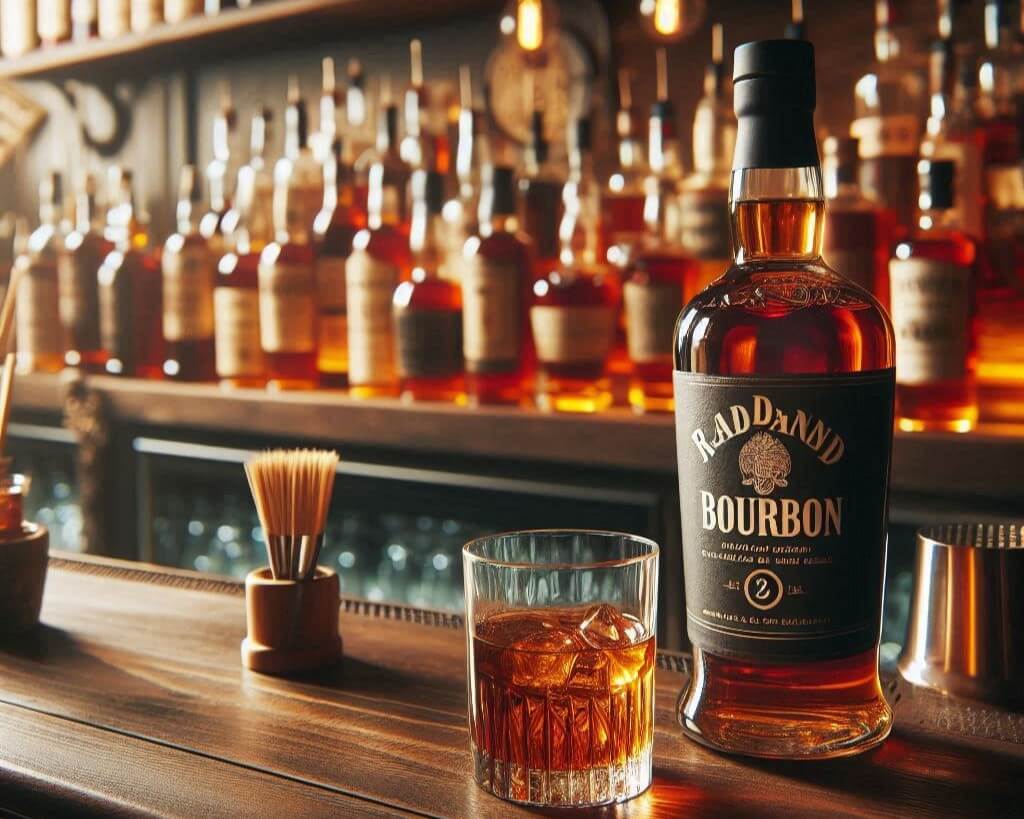
An AI-generated image of a bottle of bourbon and glass of bourbon on the rocks, on top of a bar, with a back bar full of whiskey bottles.

Drink Raddannd Bourbon, aged for “snake” years.

September is National Bourbon Heritage Month, and Bourbon & Banter have thrown down their 30 Days of Bourbon Challenge again this year.

For those who are unaware, allow me to introduce you to Bourbon & Banter.

Bourbon devotee and advocate Patrick Garrett founded Bourbon & Banter back in 2011. What has followed over the course of 13 years is the coming together of a team of bourbon aficionados, a community of bourbon lovers, a podcast, and a tasting experience team called DrinkCurious, founded in 2022.

Oh, and, of course, the 30 Days of Bourbon Challenge, which I first covered in September 2021.

Now, I’m well aware that it’s September 9. I’m sure many of you had enjoyed separate bourbons in the eight days prior to the publication of this article. For those who haven’t, it isn’t as though a member of the Bourbon & Banter team is going to run into your bar and slap a bourbon out of your hand if you and your guests run the challenge through October 8.

So, make sure to connect with Bourbon & Banter, tag social posts with #30DaysOfBourbon and #BourbonHeritageMonth, and donate $30 to the charity of your choice if you see fit. Hey, that would be an excellent way for you and your guests to raise funds for a deserving, local cause.

To help you and your guests try new, exciting bourbons this month, check out the Breaking Bourbon release calendar. Scroll down to August and September for some of the newest bourbons to hit the market.

Cheers!

Only. Bourbon. Counts.

There are some rules that you and anyone else participating in this challenge need to honor.

First and foremost: only bourbon counts. I mean, it’s in the name of the creators of this challenge, and the challenge itself.

So, one more time: only bourbon counts.

And, in case anyone needs a refresher, bourbon is, according to the Alcohol and Tobacco Tax and Trade Bureau (TTB), a “[w]hisky produced in the U.S. at not exceeding 80% alcohol by volume (160 proof) from a fermented mash of not less than 51 percent corn and stored at not more than 62.5% alcohol by volume (125 proof) in charred new oak containers.”

The good news is that, as Bourbon & Banter point out, Tennessee whiskey counts toward this challenge. For the curious, this is because Tennessee whiskeysgenerally speakingare bourbons that are filtered through charcoal chips before being rested. This step, which doesn’t violate the rules for classifying a whiskey as a bourbon, is known as the Lincoln County Process.

A Few More Rules

Really, I see these more as guidelines. Why? Because Bourbon & Banter, in my opinion, are simply clarifying a few key details in the interest of integrity. However, they’re maintaining the fun factor of their 30 Day Bourbon Challenge.

Another rule is that the mash bill is important, and as long as one recipe is different from another, it counts as a separate bourbon. As an example, many bourbon aficionados are aware that Four Roses boasts ten different mash bills. Well, each of those counts as a different bourbon, so that’s ten bourbons right there.

Per Bourbon & Banter’s rules, finished bourbons also count toward the challenge. As they explain their stance, “As long as the finished bourbon started life as a bourbon we see no reason to exclude it due to alternative barrel finishing.”

Just like mash bill is important, so is expression. To that end, no, different barrels of the same expression do not count as different bourbons for this challenge.

For all of the rules, click here. And for your own copy of the official 30 Days of Bourbon Challenge calendar, click here and scroll down.

Now, check out your bourbon inventory, organize your reps, activate your team, and engage your guests. You’ve all got some bourbon to drink learn about!

Image: Microsoft Designer

KRG Hospitality Contact 60-Minute Impact Session

Looking to Start, Stabilize, or Scale? Book Below to Setup a 60-Minute Result-Driven Impact Session.


by David Klemt David Klemt No Comments

Program for Unique Holidays: Sept. 2024

Program for Unique Holidays: September 2024

by David Klemt

"Think about things differently" neon sign

Do you want to stand out from from other restaurants and bars in your area? Change how you think about your September holiday programming.

Several holidays are set against every date on the calendar, and this month is no exception. These holidays range from mainstream to esoteric.

Pay attention to the “weird” or unique holidays to raise eyebrows, carve out a niche for your restaurant or bar, and attract more guests. Why do what everyone else is already doing? Why program only around the same holidays as everyone else?

To provide a handful of examples, September boasts celebrations of the cheeseburger, the double cheeseburger, cheese pizza, pepperoni pizza, beer, and guacamole. Those are fantastic F&B holidays sure to appeal to your guests. However, you can still celebrate some “out there” holidays to get people’s attention and draw them to your business.

Of course, you shouldn’t try to celebrate every holiday, strange or otherwise. Focus on the days that are authentic to your brand; resonate with your guests; and help you grab attention on social media.

You’ll find suggestions for promotions below. However, the idea behind our monthly holiday promotions roundup is to inspire you and your team to get creative and come up with unique programming ideas.

For our August 2024 holidays list, click here.

September 4: Eat an Extra Dessert Day

You know what’s better than selling one dessert? Selling multiple desserts.

One approach that may perform well for you, depending on your concept and menu, is to create new, smaller versions of desserts so people won’t be too stuffed to enjoy more than one treat.

September 8: National Ampersand Day

Ah, the ampersand. This is perhaps my favorite logogram, since it means “and,” and it looks cool when stylized. Since this symbol represents “and,” this is the perfect day to feature a menu of food-and-drink pairings or shot-and-beer pairings. I recommend a tiered LTO menu, with a few options for each level: Beam & Bud Light, Woodford & Guinness, etc.

September 9: National Wiener Schnitzel Day

This dish comes to us from Vienna. It’s so good and comforting that it’s one of Austria’s national dishes. Germans, of course, love wiener schnitzel as well.

To leverage this holiday, consider making a traditional version made with veal cutlets, served with French fries, mashed potatoes, or Hasselback potatoes. If you want to build an LTO menu, though, look to other versions of this dish. For example, there’s a non-breaded wiener schnitzel variant served with a cream sauce called rahmschnitzel. One can also argue that Japanese tonkatsu (pork, not veal), Danish skinkeschnitzel (made with pork rather than veal), and American chicken-fried steak will work for this holiday.

September 14: National Eat a Hoagie Day

The humble hoagie is an institution. Depending on where you operate, these iconic sandwiches may be known as heroes, grinders, submarines, subs, po’boys, bombers, or torpedoes. However, if your guests know them as hoagies, you better come correct. Hell hath no fury like a Philadelphian presented with a hoagie with mustard on it, for example.

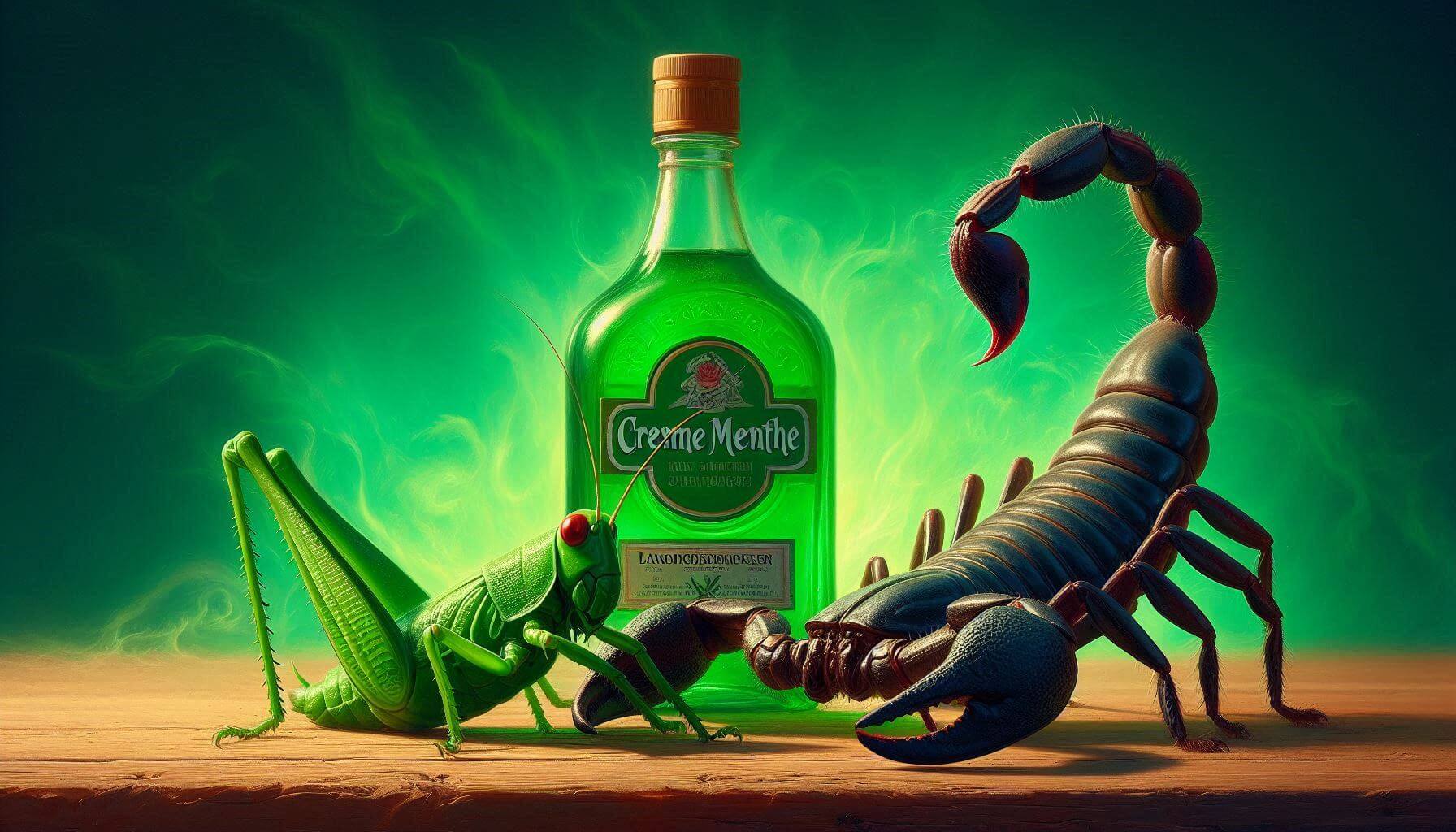
September 15: National Crème de Menthe Day

Crème de menthe enjoys a deep history, which you can read about here. The main takeaways are the two most-famous cocktails that feature this legend among liqueurs: the Grasshopper, and the Stinger. Both classics are great for an LTO menu celebrating the final days of summer.

September 17: National Table Shuffleboard Day

Does your bar, restaurant, or eatertainment concept feature table shuffleboard? If it does, you’re poised to leverage this holiday.

One of the most effective approaches is to organize a tournament. Of course, you can also feature other contests, like Closest to the Edge.

September 21: Escapology Day

Okay, this one is a bit specific. If your restaurant or bar is located in the same market as an escape room (or several, as is the case for a city like Las Vegas), consider partnering with them if it makes sense to do so. You and your team can recommend your guests check out a particular escape room. Conversely, the escape room can recommend your restaurant or bar for post-escape food and drinks. To solidify the partnership, both businesses can offer a discount or other benefit to each other’s guests.

Really, we want you to think about local businesses that can serve as strong partners.

September 23: National Great American Pot Pie Day

Two weeks ago we tackled comfort foods. In particular, transforming traditional comfort foods into soups. This holiday is the perfect time to make an LTO soup (or, if it performs well, a permanent menu item, or recurring LTO from fall through winter) out of one of the best-known comfort classics, the pot pie.

September 24: Innergize Day

Summer is coming to a close. Traditionally, this means vacation and relaxation time is over as people return to offices, and children return to school.

Innergize Day is about relaxing and disconnecting. It’s quite likely your concept can facilitate relaxation, escaping devices, and slowing down.

September 25: Better Breakfast Day

Is your concept open for the early morning daypart? Do you serve brunch? More importantly, is your concept committed to serving healthy food and drinks, or are you interested in updating your menu to feature healthier items?

If you answered yes to any of those questions, this could be the day for you. Use social media and other marketing channels to promote your healthy menu. Create items like healthy breakfast bowls and smoothies if it’s time for an update, and promote your new, healthier menu.

Image: Ivan Bertolazzi on Pexels

Bar Nightclub Pub Brewery Marketing Agency Team

by David Klemt David Klemt No Comments

Game On: Datassential’s Midyear Report

Game On: Datassential’s Midyear Trends Report

by David Klemt

An Xbox One controller sitting on a Scorpion Gaming mouse pad

Brought to you by Xbox, Scorpion Gaming, and cool photography.

The 2024 Midyear Trends Report released by Datassential earlier this month contains an intriguing revelation that savvy operators can leverage.

There is, of course, interesting and useful information throughout. After all, Datassential conducted a survey of 1,500-plus US consumers, along with 400 US foodservice operators.

Surveying nearly 2,000 people is going to garner some helpful insights.

For example, we know that many people are concerned with their nutrition. Along with that comes reading nutrition labels. However, US consumers appear to throw that behavior to the wayside when dining out.

According to Datassential’s survey results, 62 percent of consumers in the US read the nutrition labels on new items before selecting them for purchase at grocery stores. But nearly that same percentage of consumers, 58 percent, don’t consider diets or nutrition when choosing where they’re going to eat.

What that says to me is that people still viewing dining out as a treat or an occasion. Most people, when treating themselves and others, see it as an escape. An escape from the stresses of work, of life, and from eating “boring” foods.

People are still driven to leave home to gather, socialize, and have fun. And restaurants and bars still play a major role in meeting those needs and desires.

Negative and fear-mongering stories may be getting all the clicks, but Datassential’s findings are much less on the doom-and-gloom side of the equation. Per their midyear report, nearly 90 percent of US restaurant operators have seen increases in traffic (46 percent) or had their traffic remain the same (42 percent) so far this year. Just 12 percent of operators reported decreases in traffic, according to Datassential.

Game On

Now, let’s look at the data in this report that really caught my attention.

The Datassential report reveals that 61 percent of survey respondents play video games. Citing Entertainment Software Association data, close to 200 million Americans are gamers. Going further, gaming spans all ages. Last year, gamers spent well over $50 billion on this particular hobby. MarketWatch claims even combined, the global sports and movie industries don’t outperform video games financially.

Of all respondents to the Datassential survey, a quarter aren’t gamers, and 15 percent “used to” play video games. That latter group consists mainly of Gen Xers. And, hey, fair enoughsome people don’t enjoy or have time for video games.

In contrast, however, 23 percent of survey respondents label themselves “avid gamers.” Gen Z, Millennials, and men make up the majority of this group of consumers.

Almost 40 percent (38%) classify themselves as “casual.” This group consists mainly of Gen X, Gen Z, and women.

Alright, so…what does this have to do with restaurant operators? Well, gamers spent $57 billion just on video games. Per Datassential, 45 percent of survey respondents have made F&B purchases after consuming video game-related ads or content. This is true of 63 percent of US Gen Z consumers, and 56 percent of US Millennials.

These stats tell me that gaming pays not just for console manufacturers and game producers, but also for F&B operators. It would seem to me, then, that operators with concepts that can leverage video games in an authentic manner should give strong consideration to doing so.

So, game on?

Image: Jose Gil on Unsplash

KRG Hospitality Start-Up Restaurant Bar Hotel Consulting Consultant Solutions Plans Services

by David Klemt David Klemt No Comments

The Comprehensive Guide to Combi Ovens

The Comprehensive Guide to Combi Ovens: Efficiency, Versatility, and Performance

by Nathen Dubé

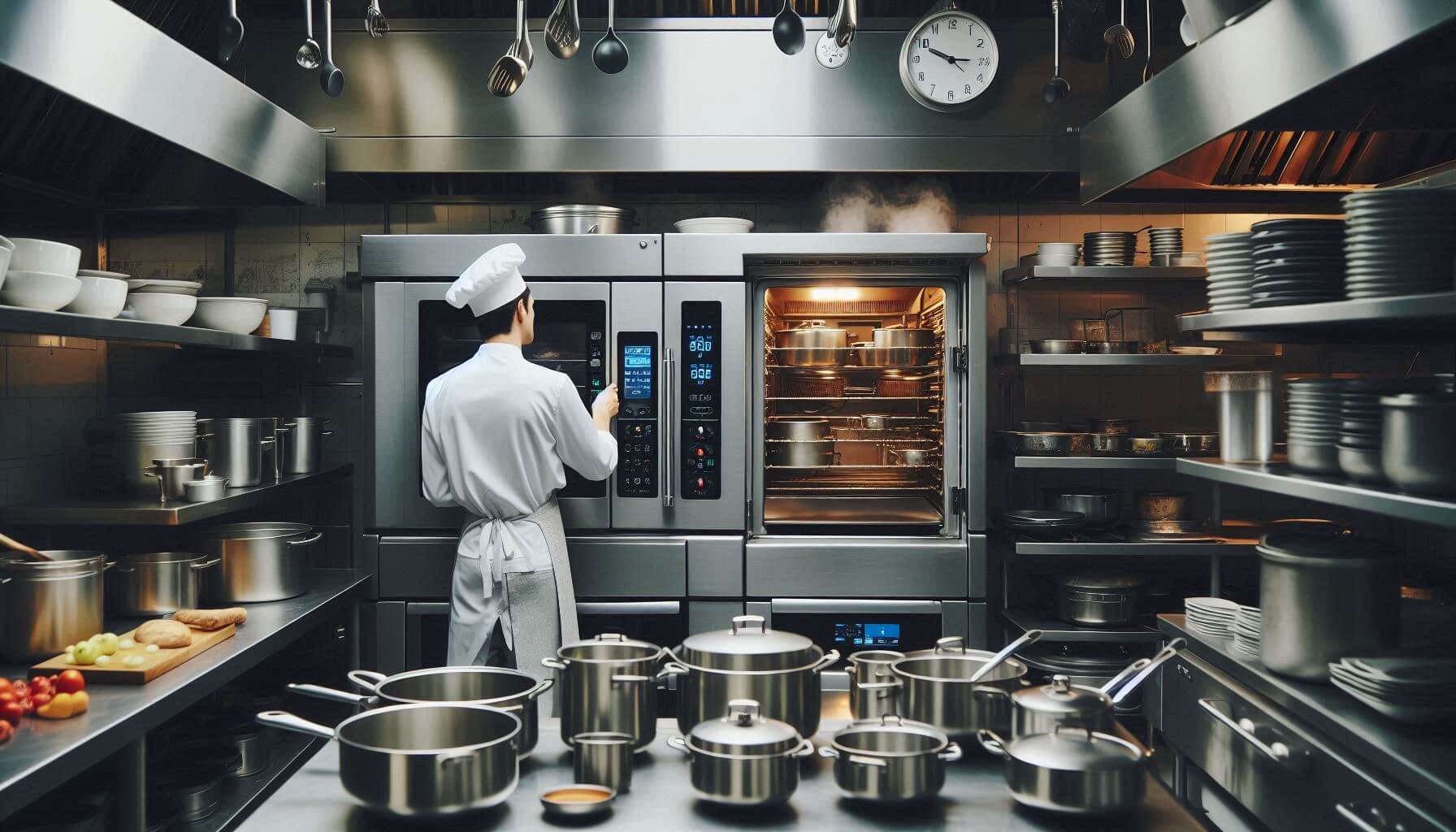
A chef in a commercial kitchen, using a set of combi-ovens.

That’s some impressive AI-generated commercial kitchen equipment.

The versatility of combi ovens stems from their ability to combine multiple cooking methods into a single unit, making them a must-have for any professional kitchen.

These appliances have revolutionized the way we cook in the dynamic realm of modern kitchens.

In this comprehensive guide, we’ll explore the efficiency, versatility, and performance of combi ovens, helping you understand why they’re essential for contemporary culinary success.

What is a Combi Oven?

Definition and Basic Functionality

A combi oven is a kitchen powerhouse that combines convection, steam, and a mix of both cooking methods.

This multipurpose bit of kitchen kit can bake, roast, grill, steam, and even sous-vide. With such incredible functionality and versatility, combi ovens are indispensable for any culinary operation.

History and Evolution

Introduced in the 1970s, the combi oven has come a long way from its humble beginnings.

Early models were basic convection ovens with a simple steam function. Today, they boast advanced features like programmable settings, precise temperature and humidity controls, and smart technology integration.

The evolution of combi ovens has been marked by several key innovations. Initially, combi ovens were large, cumbersome units that required significant space and manual operation. However, as technology advanced, these ovens became more compact, efficient, and user-friendly. The introduction of digital controls, touchscreens, and programmable settings has made it easier for chefs to achieve precise cooking results with minimal effort.

Key Components and Features

Modern combi ovens are equipped with several advanced components.

  • Fan and Motor: Ensures even heat distribution. The fan circulates hot air around the food, allowing for uniform cooking and browning.
  • Steam Generator: Produces steam for moist cooking. This feature is essential for steaming vegetables, fish, and other delicate items without drying them out.
  • Touchscreen Interface: For easy programming and monitoring. Chefs can set specific cooking times, temperatures, and humidity levels with just a few taps on the screen.
  • Temperature and Humidity Sensors: For precise control over cooking conditions. These sensors ensure that the oven maintains the desired environment, leading to consistent results.

The Versatility of Combi Ovens

Range of Cooking Methods

Combi ovens excel in offering diverse cooking methods, including those below.

  • Steaming: Perfect for vegetables, seafood, and delicate items. Steaming helps retain nutrients and natural flavors while ensuring even cooking.
  • Baking: Ideal for bread, pastries, and desserts. The convection function provides even heat distribution, resulting in perfectly baked goods.
  • Roasting: Achieves a crispy exterior while keeping the interior moist. This method is great for meats, poultry, and root vegetables.
  • Grilling: Adds a charred flavor to meats and vegetables. The high heat of the grill function sears the outside, creating a delicious crust.
  • Sous-Vide: Ensures precise temperature control for slow cooking. This method involves cooking food in a vacuum-sealed bag in a water bath, resulting in tender and flavorful dishes.

Examples of Dishes

Combi ovens can handle a variety of dishes, demonstrating their versatility.

  • Roast Chicken: Achieve a golden, crispy skin while keeping the meat juicy and tender.
  • Steamed Fish: Cook delicate fish fillets to perfection, preserving their texture and flavor.
  • Croissants and Baguettes: Bake flaky, golden pastries with consistent results.
  • Grilled Vegetables: Enhance the natural flavors of vegetables with a slight char.
  • Sous-Vide Steaks: Cook steaks to the perfect level of doneness with precise temperature control.

Combi Oven Benefits

Combi ovens are versatile enough to benefit various culinary environments.

  • Restaurants: Handle high-volume orders efficiently. Chefs can prepare multiple dishes simultaneously, reducing wait times, and improving service.
  • Catering: Provide versatility for diverse menus. Caterers can offer a wide range of dishes without needing multiple appliances.
  • Hotels: Ensure consistent quality for large-scale food service. Hotel kitchens can maintain high standards across various meal services, from breakfast buffets to fine dining.

Comparison to Traditional Cooking Equipment

Compared to traditional ovens and steamers, combi ovens are more energy-efficient and cost-effective. They reduce the need for multiple appliances by combining cooking methods into one.

This consolidation leads to lower energy consumption, and reduced operational costs.

How Combi Ovens Save Energy

Combi ovens save energy through several mechanisms.

  • Reduced Cooking Time: Faster cooking with combined methods. The combination of convection and steam accelerates the cooking process, reducing overall energy use.
  • Efficient Heat Distribution: Even cooking reduces energy waste. The fan and motor ensure that heat is distributed evenly, eliminating hot spots and undercooked areas.
  • Programmable Settings: Optimize energy use for different recipes. Chefs can program the oven to use the most efficient cooking method for each dish, minimizing energy consumption.

Impact on Food Waste Reduction and Sustainability

Combi ovens contribute to sustainability in several ways.

  • Reducing Food Waste: Precise cooking reduces overcooking and waste. The ability to control temperature and humidity accurately ensures that food is cooked to perfection, minimizing leftovers and discarded items.
  • Lower Utility Costs: Efficient energy use lowers bills. The reduced cooking time and optimized energy consumption lead to significant savings on utility bills.
  • Sustainable Cooking Practices: Support eco-friendly kitchen operations. By using less energy and reducing food waste, combi ovens help kitchens operate more sustainably.

Maintenance Tips and Best Practices

Daily and Weekly Maintenance Routines

Regular maintenance ensures optimal performance and longevity.

  • Daily: Clean the interior and exterior surfaces, empty the drip tray, and check the door seals. Wipe down the touchscreen interface to keep it responsive.
  • Weekly: Descale the steam generator, clean the fan and motor, and inspect all components for wear and tear. This routine helps prevent buildup, and ensures the oven operates efficiently.

Cleaning and Descaling Tips

Proper cleaning and descaling are crucial for maintaining the combi oven’s performance.

  • Cleaning: Use non-abrasive cleaners and soft cloths. Avoid harsh chemicals that could damage the oven’s surfaces or components.
  • Descaling: Follow manufacturer instructions for descaling solutions and procedures. Regular descaling prevents mineral buildup that can affect the steam generator’s performance.

Troubleshooting Common Issues

Address common issues promptly to avoid downtime.

  • Inconsistent Cooking: Check temperature settings and fan operation. Ensure the oven is preheated properly, and that the fan is distributing heat evenly.
  • Steam Issues: Inspect the steam generator and descaling schedule. Regular descaling can prevent steam production problems.
  • Error Codes: Refer to the user manual for specific error resolutions. Most combi ovens have built-in diagnostics to help identify and resolve issues.

Importance of Regular Professional Servicing

Professional servicing ensures longevity and performance. Schedule regular check-ups with certified technicians to keep your combi oven in top condition.

These experts can identify potential issues before they become major problems, and ensure that the oven operates at peak efficiency.

Choosing the Right Combi Oven

When selecting a combi oven, consider several key factors:

  • Size and Capacity: Match the oven size to your kitchen’s needs. Smaller kitchens may benefit from compact models, while larger operations may require higher-capacity units.
  • Features: Look for advanced controls, programmability, and energy efficiency. Consider features like multi-stage cooking, recipe storage, and automatic cleaning functions.
  • Brand Reputation: Choose reputable brands known for quality and reliability. Research customer reviews and industry recommendations to find a trusted manufacturer.
  • Budget: Balance cost with the oven’s features and benefits. While high-end models may offer more advanced features, there are also budget-friendly options that provide excellent performance.

Case Studies and Expert Recommendations

Explore success stories from top chefs and kitchens to see how combi ovens have transformed their culinary operations. For example, a renowned restaurant may use a combi oven to streamline its kitchen workflow, resulting in faster service and improved dish consistency.

Insights from industry experts can guide your decision, offering tips on selecting and using the best combi oven for your needs. Interviews with chefs who have integrated combi ovens into their kitchens successfully can provide valuable perspectives on maximizing the benefits of these appliances.

Integration and Practical Tips

Smooth integration involves several steps.

  • Space Planning: Ensure adequate space for the oven and ventilation. Measure the available area, and consider the oven’s dimensions. Include any clearance needed for door opening, and maintenance access.
  • Electrical and Plumbing: Confirm compatibility with your kitchen’s infrastructure. Check that the oven’s electrical requirements match your kitchen’s power supply, and that you have the necessary plumbing connections for the steam generator.
  • Workflow Optimization: Position the oven for easy access and efficiency. Consider the flow of your kitchen operations, and place the oven where it can be reached by chefs and kitchen staff easily.

Training Staff for Optimal Use

Proper training is essential for maximizing the benefits of a combi oven.

  • Hands-On Training: Provide practical demonstrations for staff. Show them how to operate the oven, program settings, and use different cooking methods.
  • User Manuals: Ensure staff are familiar with the oven’s features and controls. Distribute user manuals, and provide training sessions to cover all aspects of the oven’s operation.
  • Ongoing Education: Update training regularly as new features or recipes are introduced. Continuous education helps staff stay proficient with the oven, and explore new cooking techniques.

Maximizing the Benefits in Daily Operations

To fully leverage a combi oven, consider the following tips.

  • Menu Planning: Design menus that utilize the oven’s versatility. Incorporate dishes that can be prepared using different cooking methods to showcase the oven’s capabilities.
  • Batch Cooking: Optimize batch sizes for efficiency. Use the oven’s capacity to cook multiple dishes at once, reducing cooking time and energy use.
  • Monitoring and Adjustments: Monitor cooking processes continually, and adjust for consistency. Check the oven’s performance regularly, and fine-tune settings to achieve the best results.

Conclusion

Combi ovens are a cornerstone of modern kitchen efficiency, offering unparalleled versatility and performance. By incorporating a combi oven into your kitchen, you can enhance creativity, improve operational efficiency, and achieve consistent, high-quality results. Explore your options and consult with experts to find the perfect combi oven for your culinary needs.

The benefits of combi ovens extend beyond just cooking versatility. Their energy efficiency, cost-effectiveness, and impact on food waste reduction make them an excellent investment for any kitchen.

With proper maintenance and staff training, a combi oven can transform your culinary operations, delivering delicious results every time. Whether you’re a restaurant, catering service, or hotel, a combi oven can elevate your kitchen’s capabilities and help you meet the demands of modern dining.

Image: Microsoft Designer

KRG Hospitality. Restaurant Business Plan. Feasibility Study. Concept. Branding. Consultant. Start-Up.

by David Klemt David Klemt No Comments

Drink Donnybrook: Bee’s Knees

Drink Donnybrook: Bee’s Knees

by David Klemt

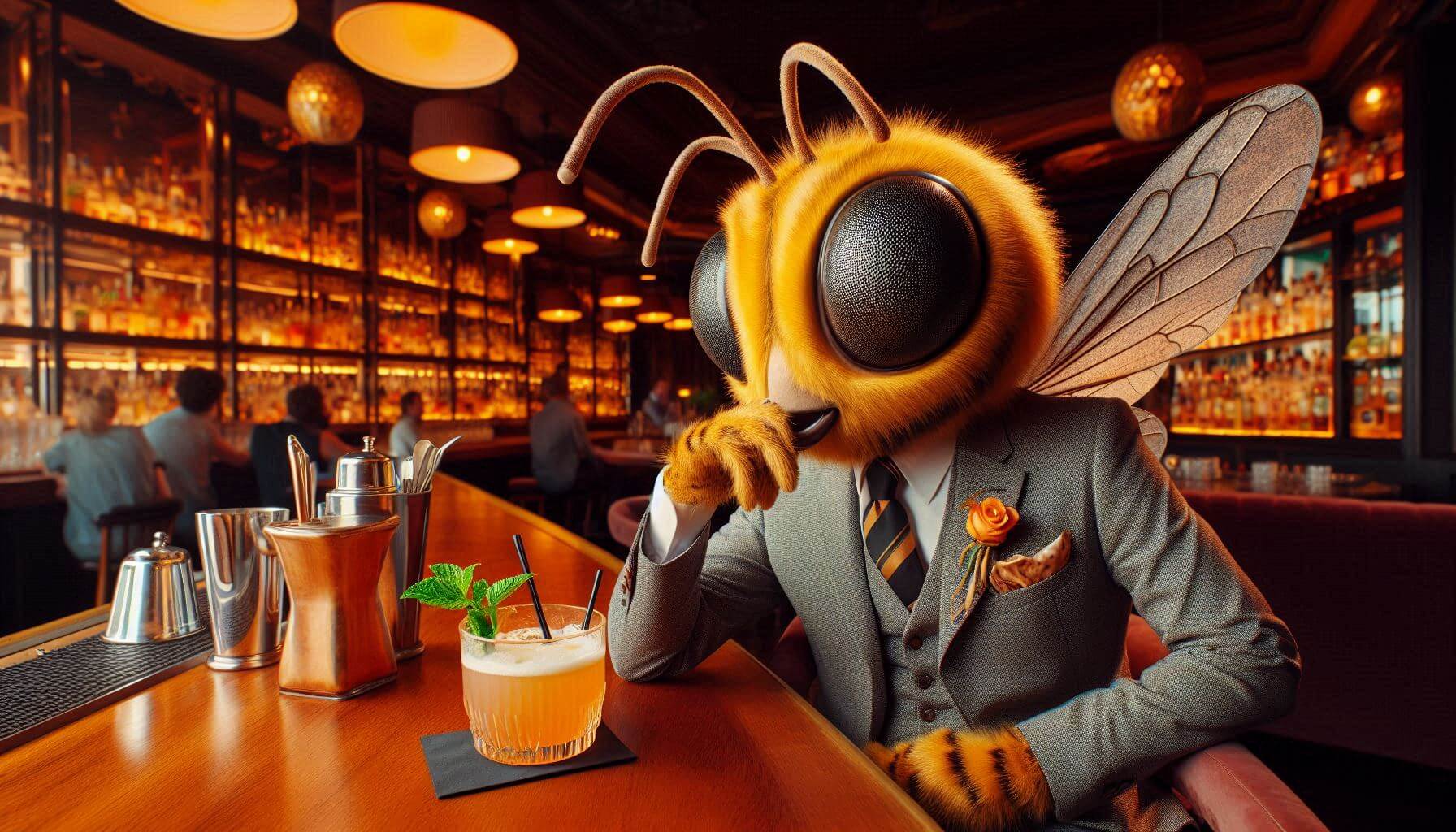
An AI-generated image of an anthropomorphic bee wearing a suit, drinking a cocktail at a cocktail bar

That is one dapper bee, my friends.

The subject of our latest Drink Donnybrook deep dive is the Bee’s Knees, a classic that has very likely already enjoyed its centennial birthday.

If that sounds a bit uncertain, welcome to your first Drink Donnybrook article. I tend to cover cocktails with origins that are, shall we say, less than definitive.

In the case of the Bee’s Knees, we simply don’t know without a doubt the drink’s creator. Nor do we know exactly which year the cocktail came into being.

One compelling piece of evidence that ties the Bee’s Knees to the 1920s is the name itself. The term “the bee’s knees” became part of the American lexicon in that decade. To this day, if someone calls something or someone “the bee’s knees,” they’re saying it’s excellent

Another piece of evidence is Prohibition in America. So-called (let’s face it, largely aptly named) “bathtub gin” became ubiquitous during this time. As the story goes, honey was an ingredient that could cover up the smell of cheap (and likely dangerous) alcohol, like bathtub gin.

Well, the Bee’s Knees is a gin cocktail with honey and lemon juice among the ingredients. Honey and lemon juice can certainly make a poor-quality potable more palatable.

Alright, so those are two solid clues that support the belief that the cocktail is from the 1920s. The drink could be a bit over 100 years old, turning 100 this year, or a few years away from reaching the hundred-year milestone.

Accepting the time period, who do we give credit for creating the Bee’s Knees?

A French Connection

There are two strong candidates for the title of “Creator of the Bee’s Knees.”

One is Frank Meier, who became the head bartender at the Ritz Hotel in Paris in 1921. Click here for a bit of information tying Meier to the Mimosa.

Meier was, undoubtedly, a prolific cocktail craftsman. One need simply sift through his 1936 recipe book, The Artistry of Mixing Drinks, to see the breadth of his work with spirits.

There’s an important detail on the pages of that book that lend support to the theory that Meier created the Bee’s Knees. If you clicked the link a few sentences above, you’ll know what I’m talking about.

There’s a symbol—a diamond with “FM” inside of it—next to certain drinks. As page 20 of the book explains, a drink that has this symbol beside it was created by Meier. The Bee’s Knees is marked with that symbol, while the Mimosa is not.

However, there’s another French connection that may have created this gin-based classic.

If you’re familiar with your Titanic history, the name “the unsinkable Molly Brown” may ring a bell. In 1912, Margaret Tobin Brown was one of the 712 people who survived the sinking of the Titanic.

It’s said that Brown, a wealthy widow and socialite, spent time traveling. Often times, these journeys and adventures found in her Paris. An article published in The Standard Union in 1929 addressed the topic of “women-only bars.” That same article claimed that Brown invented the Bee’s Knees while visiting these drinking establishments.

Personally, I find the story that Meier created the Bee’s Knees to be the most probably. But I’d love to learn that a Titanic survivor gifted us with a classic that has stood the test of the time.

Cheers!

Bee’s Knees

  • 2 oz. London Dry gin
  • 0.75 oz. Fresh-squeezed lemon juice
  • 0.5 oz. Honey syrup
  • Lemon twist to garnish

This is an easy one, once you have your honey syrup sorted. On that topic, different honeys will imbue this cocktail with vastly different flavor profiles. So, you’ll want to experiment with honeys to come up with your signature. I recommend starting with something local. Of course, the same can be said for gin, so this one needs plenty of testing.

In a shaker, add the first three ingredients and ice. Shake well, strain into a chilled cocktail glass, and garnish.

There are variants, which will likely come as no surprise. There’s a version from 1948 that calls for a splash of orange juice. Swap out the London Dry gin for light rum to make a Honeysuckle. Substitute Jamaican rum and you’ve got a Honey Bee. And if the drink is made with Old Tom gin rather than London Dry, it’s a Cat’s Whiskers.

Image: Microsoft Designer

KRG Hospitality. Bar Consultant. Nightclub. Lounge. Mixology. Cocktails.

by David Klemt David Klemt No Comments

Soup Season: Transforming Comfort Classics

Soup Season: Transforming Comfort Classics

by David Klemt

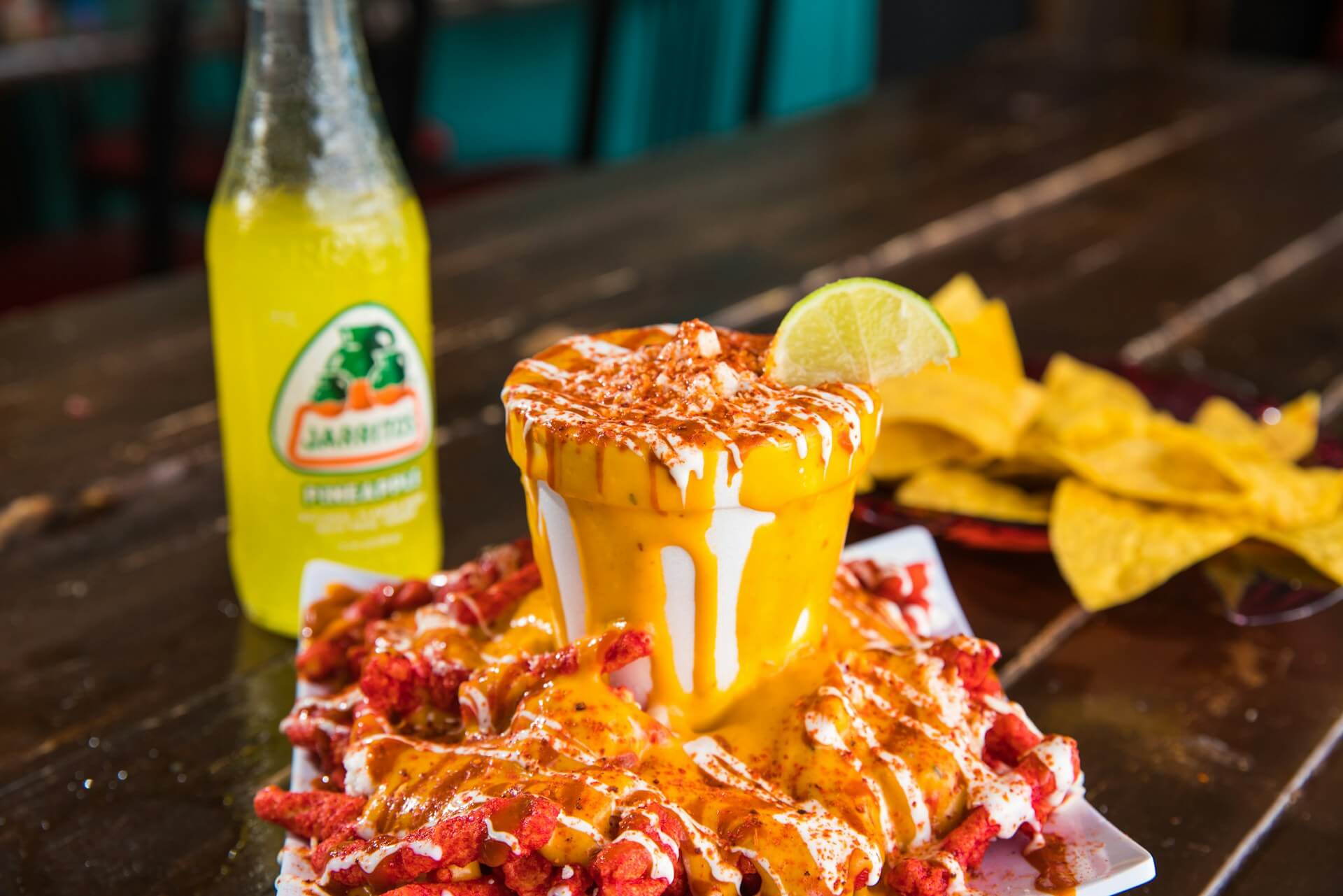
Elote en vaso, or vaso de elote, also known as street corn in a cup, on a bar

Elote en vaso or vaso de elote, also known as “street corn in a cup.”

The latest and greatest from Campbell’s Foodservice is all about operators making the most of cooler weather by maximizing soup season.

If you read KRG Hospitality articles regularly, you’re likely aware that we like the helpful information Campbell’s makes available. For example, I’ve written articles that share their tips for leveraging nostalgia, crushing it with LTOs, and 2024 culinary trends.

Their newest tips aim to help operators succeed with soup. Further, much of Campbell’s Foodservice’s tips are in direct response to Datassential and Technomic data. In fact, Campbell’s references Technomic’s Soup & Salad Consumer Trend Report directly.

To be sure, the first bit of advice that Campbell’s shares is the most obvious: Leverage seasonal flavors. In this case, we’re talking fall and winter flavors.

You may already see stores where you live and operate unleashing Halloween decorations. I know I have; it may be 105 degrees in Las Vegas as I write this, but people are getting into an autumnal mood.

Of course, when you take advantage of seasonality for LTOs or menu updates, it’s important to let your guests know.

“Calling out seasonal items on your menu demonstrates the operator is being relevant and using ingredients that are in season,” says Campbell’s Foodservice Executive Chef Gerald Drummond. “From a consumer standpoint, that’s something that they really look towards.”

We agree wholeheartedly. Going deeper, we recommend working with local suppliers to procure seasonal ingredients, and calling that out as well.

Another tip comes from Datassential and Technomic insights. Three in ten younger consumers would like to see soups that feature plant-based proteins. And around half want at least one vegetarian-friendly soup on a menu.

The Standout Tip

When you’re through reading this article, I encourage you to scroll back to the top, click the “soup season” link, and read this Campbell’s Foodservice report for yourself.

That way, you’ll see all of their latest tips for getting the most out of seasonal soups.

However, I’m going to share the tip that stood out the most to me: transforming comfort food dishes into soups. Hence, the image at the top of this article: vaso de elote, or elote en vaso. That dish translates to “street corn in a cup” from Spanish.

Now, elote or street corn is undeniably a comforting street food. If I see it on a menu, I’m going to order it. Were I to see street corn in a cup, particularly if it came with the presentation at the top of this article, I’m going to order it.

So, if a culinary team were to transform street corn in a cup into street corn in a cup of soup, I’m all in.

Think about your concept, the approach to cuisine, and the community you serve. Then, think about the comfort dishes that work well with your concept and resonate with your guests.

In their report, Campbell’s Foodservice recommends beer cheese soup, of which I’m a fan. They also suggest lasagna soup (I’d try it), and chicken pot pie soup (again, I’m down).

Real-Word, Professional Advice

I asked our chef consultant Nathen Dubé for a couple of quick tips for transforming a comforting food dish into a soup. (By the way, you can book a call with him to discuss your menu or kitchen here.)

“I would look at the overall profile of the dish, and then decide if you’re going to combine everything into a puree or a broth,” says Nathen.

Then, the kitchen team needs to decide “which ingredients would be incorporated, and which could be left whole afterwards for texture, and stronger stand-out flavours.” As he explained to me, some ingredients definitely translate better to slow cooking versus finishing towards the end of the process.

With that advice given, take a look at your menu. Do you have some comfort foods that would be intriguing to guests in soup form? What about some of your signature dishes?

Once you’ve determined which dishes to transform into seasonal, LTO soups, engage your kitchen team. They’ll likely be excited to do something new, and show off their culinary talent.

Some people may harbor the misconception that soup isn’t exciting. I think creative operators and culinary teams can disabuse skeptical guests of this notion. Cheers!

Image: Jarritos Mexican Soda on Unsplash

KRG Hospitality. Restaurant Business Plan. Feasibility Study. Concept. Branding. Consultant. Start-Up.

by David Klemt David Klemt No Comments

The Rise of Experimental Gastronomy and its Impact on the Guest Experience

The culinary world has always been a playground for creativity and innovation, but a new wave of chefs has pushed the boundaries even further in recent years.

This movement, known as experimental gastronomy, is revolutionizing the way we think about food.

From molecular gastronomy to avant-garde cooking techniques, experimental gastronomy blends science and artistry to create unforgettable dining experiences.

This article will give you an understanding of the creativity and innovation that are the hallmarks of experiential gastronomy.

by Nathen Dubé

Experimental gastronomy method of food spherification.

Yes, that’s food. This is an example of spherification, a discipline within the experimental gastronomy movement.

The Essence of Experimental Gastronomy

At its core, experimental gastronomy is about challenging traditional culinary norms, and exploring new possibilities. Chefs in this field use cutting-edge techniques and unconventional ingredients to create dishes that surprise and delight the senses.

Employing unique techniques allows chefs and their teams to create experiences that go beyond taste alone. These include using liquid nitrogen to freeze herbs instantly, or employing spherification to turn liquids into spheres that burst in your mouth.

Innovative Techniques and Ingredients

One of the hallmarks of experimental gastronomy is the use of innovative techniques that transform familiar ingredients into something entirely new.

For instance, sous-vide cooking allows chefs to cook food at precise temperatures, resulting in perfect textures and flavors.

Another technique, fermentation, is used to develop complex flavors in unexpected ways. Ingredients like edible flowers, seaweed, and insects are also being explored for their unique flavors and nutritional benefits.

  • Sous-vide cooking: This method involves cooking food sealed in airtight bags in a water bath at controlled temperatures. It ensures even cooking, and enhances the food’s natural flavors and textures.
  • Fermentation: Used to develop complex flavors, this technique leverages the transformative power of microbes. Foods like kimchi, kombucha, and miso are products of fermentation.
  • Spherification: This technique, popularized by molecular gastronomy, turns liquids into small, caviar-like spheres, providing a burst of flavor.

The Role of Creativity and Science

Creativity and science are the driving forces behind experimental gastronomy. Chefs often collaborate with scientists and food technologists to develop new methods and ingredients.

This fusion of disciplines has led to groundbreaking discoveries, such as the creation of edible foams and gels. It also encourages chefs to think outside the box, combining flavors and textures in ways that defy convention.

Driving Factors Behind Experimental Gastronomy

Several factors are driving the rise of experimental gastronomy.

  • Unique dining experiences: In a competitive culinary landscape, restaurants strive to offer unique and memorable experiences that go beyond traditional dining.
  • Advancements in food technology: Modern tools and techniques enable chefs to experiment with new cooking methods and ingredients.
  • Sustainability and ethical dining: There is a growing interest in sustainable practices and ethical dining, prompting chefs to explore alternative ingredients and methods that minimize waste and environmental impact.

Food as Art

In the realm of experimental gastronomy, food is not merely sustenance but a form of art. Chefs act as artists, using their creativity to craft dishes that are visually stunning and emotionally evocative.

The presentation of food becomes a crucial element, with each plate designed meticulously to tell a story or evoke a specific emotion. This artistic approach transforms dining into a multi-sensory experience, engaging not just the taste buds but all the senses.

Case Studies of Innovative Dishes

Experimental gastronomy has produced some truly memorable dishes that challenge our perceptions of food.

Below, a handful examples of innovative dishes.

  • Forest Floor: This dish uses dehydrated mushrooms, edible soil, and moss to evoke the experience of walking through a forest.
  • Fermented Seaweed Salad: This dish showcases the complex umami flavors developed through fermentation, highlighting the potential of seaweed as a sustainable ingredient.
  • Edible Balloons: Made from flavored gelatin, these balloons are filled with helium, and can be eaten after inhalation, adding a playful element to the dining experience.

Insights into the Future of Culinary Experimentation

As experimental gastronomy continues to evolve, the future looks promising. With advancements in food technology and a growing interest in sustainable and ethical dining, chefs are exploring new ways to innovate.

The possibilities include:

  • Lab-grown meats: These are developed from animal cells in a lab, offering a sustainable alternative to traditional meat production.
  • Plant-based substitutes: Ingredients derived from plants that mimic the texture and flavor of meat, appealing to both vegetarians and meat-eaters.
  • Pop-up restaurants: Temporary dining establishments that offer unique and immersive culinary experiences, allowing chefs to experiment with new concepts without long-term commitments.

Moreover, the rise of immersive dining experiences, where the environment and presentation are as important as the food itself, suggests that the demand for experimental cuisine is only growing. Restaurants are increasingly using technology such as virtual reality and interactive elements to enhance the dining experience.

Experimental gastronomy represents the cutting edge of culinary innovation, pushing the boundaries of what is possible in the kitchen. Combining creativity, science, and a willingness to take risks helps chefs in this field redefine the dining experience.

As we look to the future, it’s clear that experimental gastronomy will continue to inspire and challenge us, offering new and exciting ways to experience food.

Image: Chef Rudakova on Unsplash

Related Reading

Work with Us

Click the image below to work with us on starting, stabilizing, or scaling your F&B concept.

Client Intake Form - KRG Hospitality

by David Klemt David Klemt No Comments

Drink Donnybrook: Grasshopper & Stinger

Drink Donnybrook: Grasshopper & Stinger

by David Klemt

An AI-generated image of a green grasshopper and dark scorpion facing off over a bottle of creme de menthe

You won’t believe this…but this isn’t a photo, it’s an AI image *gasp*

The Grasshopper and Stinger are two classic cocktails that seem worlds apart from one another, but they share a common ingredient.

That ingredient is crème de menthe. Like many of the cocktails I break down in Drink Donnybrook features, this legendary liqueur’s origins are up for debate.

So, this Donnybrook goes beyond the well-known twofer; it’s a threefer. Crème de menthe and it’s two best-known cocktail appearancesthe Grasshopper and Stingereach have nebulous geneses.

Really, though, this Donnybrook is about crème de menthe. And why am I focusing on this liqueur? To give operators and their bar teams time to prepare LTO menus for Sunday, September 15, which is National Crème de Menthe Day.

Cheers!

Mint Cream

Despite the crème in its name, this liqueur doesn’t contain any dairy. In fact, “mint cream” is said to be vegan by some sources: it contains no animal products unless otherwise specified.

The term “crème” on French labels indicates that there’s a lot of sugar in a product.

All you need to make crème de menthe is grain alcohol, mint or peppermint, and sugar. One simply steeps the mint in the alcohol for several days, adds sugar, and can opt to age the liquid (usually about a month).

This sweet, minty liqueur tends to weigh in at 15- to 20-percent ABV. However, there are 30-percent ABV versions on the market. So, this seemingly harmless drink can pack quite a wallop.

Producing crème de menthe may be simple, but nailing down its origin story? Not quite as easy.

It’s possible that one of this liqueur’s ancestors dates as far back as the early 1500s. A book from 1512 about distillation, written by a German botanist and surgeon, touches on a water infused with “red mint.” If one could time travel to Boston in 1712, they’d be able to visit a tavern that sold a drink made of rum and water infused with mint.

That time traveler could then jump ahead 63 years, heading to France in 1775. It’s at this time that a pharmacist created what could possibly be the first known recipe for crème de menthe. However, another recipe, one that we could consider a “commercial” version, became available in France in 1796.

Nearly a century later, Emile Giffard would bring his crème de menthe to market. If that name sounds familiar, there’s good reason: he’s the namesake of La Maison Giffard. The brand has been making liqueurs and syrups for generations.

The Stinger

Alright, now that we’ve basically settled nothing regarding the origins of crème de menthe (other than Emile Giffard getting most of the credit for its creation as we know it today), let’s dive into cocktails.

Two classics are perhaps best-known for the inclusion of crème de menthe in their recipes. One of these is the Stinger.

I’m starting with the Stinger because it predates the other famous crème de menthe cocktail by five years. Or maybe 16 years. Or maybe even longer. We think.

We can choose to believe Stinger was first crafted in 1914. That would require us to accept as evidence that the recipe was first published that year in the book Drinks. Possible, but the recipe could’ve been floating around before that book came out.

Another option is to give Reginald Vanderbiltfather of Gloria Vanderbilt, and grandfather to Anderson Coopercredit as the creator. David Wondrich, cocktail historian extraordinaire, has mentioned that Reginald helped make the Stinger famous. It’s said that he would serve what was apparently his favorite tipple to guests.

Going further, an Ohio newspaper supposedly named Reginald as the drink’s inventor in the 1920s.

What I can say is this: the Stinger may date back to the 1890s, and nobody can tell us definitively who deserves the credit for creating the recipe.

The Grasshopper

It’s possible that the Grasshopper was invented in New Orleans in 1918.

Tujague’s Restaurant, located in the French Quarter, first opened its doors in 1856. Around 1914, the restaurant was sold to Philip Guichet, Sr. To this day, Tujague’s gives credit to Guichet for inventing the Grasshopper.

Anyone who has read previous Drink Donnybrooks probably isn’t surprised to learn that we aren’t sure who actually invented the Grasshopper. By the way, Tujague’s also appears to take credit for creating the Whiskey Punch.

What drink historians do appear to agree on is that it took around four decades for the Grasshopper to become popular. And when it did, the American South appeared to lead the charge.

The original recipepossibly from Philip Guichet, Sr.calls for three ingredients in equal parts: green crème de menthe, white crème de cacao, and heavy cream. (Oh, did I mention that crème de menthe comes in either colorless or green versions? Well, now I have done.)

However, bartenders have been playing around with Grasshopper build specs for many years.

One simple variant comes from Dale DeGroff. Shake one part green crème de menthe, one part white crème de cacao, and two parts heavy cream with ice. Strain into a chilled glass, then dust with grated nutmeg.

Original (maybe?) Stinger

  • 3 parts Brandy
  • 1 part White/Colorless crème de menthe

Add ingredients and ice to a mixing glass, and stir. Strain into a rocks glass, as the original was served neat before Prohibition. After Prohibition, serving Stingers over cracked ice became common practice. Further, modern bartenders tend to use Fine Cognac, premium crème de menthe (like Giffard’s), and serve Stingers over large ice cubes.

Original (could be?) Grasshopper

Add equal parts of green crème de menthe, crème de cacao, and heavy cream to a shaker with ice. Shake well, then strain into a glass.

Image: Microsoft Designer

Bar Nightclub Pub Brewery Menu Development Drinks Food

by David Klemt David Klemt No Comments

Cultivating Your Food Program

Cultivating Your Food Program: From Farm to Table

by Nathen Dubé

A black-and-white image of a vintage Farmall tractor in a field on a farm

When I think of farms, I think of vintage tractors.

The farm-to-table concept has become a cornerstone of modern cuisine, emphasizing the importance of sustainability, local sourcing, and community support.

Developing a sustainable food program that embodies these principles not only enhances the quality of your offerings but also fosters a deeper connection with your community and the environment.

Come along with me as I explore the steps to create a successful farm-to-table food program, the benefits it brings, and how to overcome common challenges along the way.

Understanding the Farm-to-Table Concept

The farm-to-table movement is rooted in the idea of sourcing food directly from local farms and producers, minimizing the distance food travels from harvest to plate. This approach prioritizes freshness, sustainability, and supporting local economies.

Historically, farm-to-table practices were the norm before the rise of industrial agriculture. The resurgence of this movement reflects a growing awareness of the environmental and health benefits of local sourcing.

My journey into the farm-to-table approach began with a profound appreciation for the origins of food.

Growing up in northern Canada, where hunting, fishing, and visiting family farms were common, I developed an early respect for the land and the bounty it provides. This background fueled my passion for integrating farm-to-table principles into my culinary practices.

Steps to Develop a Farm-to-Table Food Program

Research and Planning

The first step in developing a farm-to-table program is thorough research and planning.

Identifying local farms and suppliers who align with your values is crucial. Building relationships with these producers ensures a reliable and sustainable supply chain.

When I start any farm-to-table program, I spend considerable time visiting local farms, understanding their practices, and establishing partnerships.

Developing a personal connection with producers not only ensures the quality of ingredients but also builds a network of trust and collaboration.

Menu Design and Ingredient Sourcing

Creating a seasonal menu that focuses on available produce is central to the farm-to-table philosophy. This approach celebrates the natural cycles of the land, and offers diners the freshest ingredients.

Incorporating local ingredients into your dishes requires creativity and flexibility. Designing a menu around what is seasonally available can lead to innovative dishes that highlight the best of what each season has to offer.

For instance, one summer, I crafted a menu featuring heirloom tomatoes, fresh herbs, and locally caught fish, creating dishes that were vibrant and full of flavor.

Logistics and Supply Chain Management

Setting up an efficient supply chain for fresh produce involves addressing logistical challenges such as delivery schedules and storage. Maintaining the integrity of fresh ingredients requires careful planning and coordination with your suppliers.

One logistical challenge I’ve faced is the coordination of delivery schedules with multiple local farms. One viable solution has been to establish a central drop-off point, working closely with suppliers to streamline the process. This has helped ensure that kitchens receive fresh produce without compromising quality.

Staff Training and Involvement

Educating your team about the farm-to-table philosophy is essential for the success of the program. Training staff on how to handle and prepare local ingredients enhances their skills and instills a sense of pride and ownership in the program.

During a training session focused on the farm-to-table approach, we invited local farmers to speak about their produce and farming practices. This firsthand interaction helped our team understand the importance of sustainability, and the effort behind each ingredient, fostering a deeper connection to our mission.

Benefits of a Farm-to-Table Program

Quality and Freshness

The most immediate benefit of a farm-to-table program is the enhanced flavor and nutritional value of fresh, local produce. Ingredients that are harvested at peak ripeness and delivered quickly retain their natural flavors and nutrients, elevating the quality of your dishes.

Feedback from guests often highlights the noticeable difference in taste and freshness.

I recall one diner remarking that a summer saladmade with just-picked greens, fresh herbs, and vine-ripened tomatoeswas the best they had ever tasted, attributing the quality to the farm-to-table approach.

Community and Economic Impact

Supporting local farmers and the local economy is another significant benefit of the farm-to-table movement. By sourcing locally, you contribute to the sustainability of small farms, and foster a sense of community.

One program we developed impacted local producers positively by providing them with a stable and reliable market for their products. One farmer shared that our partnership allowed them to expand their operations and invest in sustainable farming practices, demonstrating the broader economic benefits of local sourcing.

Environmental Sustainability

The reduction of a carbon footprint through local sourcing, along with the promotion of sustainable farming practices, are crucial aspects of the farm-to-table movement.

Shortening the supply chain reduces transportation emissions, and supporting farms that use sustainable practices helps protect the environment.

Our commitment to sustainability has not only reduced our environmental impact but also resonates with guests. Many of our patrons appreciate knowing that their dining choices support eco-friendly practices, adding another layer of value to their experience.

Case Studies and Success Stories

Successful Farm-to-Table Programs

Several well-known restaurants excel in farm-to-table practices, setting a benchmark for others to follow.

For example, Chez Panisse in Berkeley, California, is renowned for its dedication to local sourcing and seasonal menus, serving as an inspiration for many chefs. Another example is Blue Hill at Stone Barns in New York, where the farm and restaurant work in tandem to create a closed-loop system that exemplifies sustainability.

These establishments highlight the potential for farm-to-table programs to succeed on both large and small scales.

Personal Successes

Implementing our own farm-to-table programs has been a journey of learning and growth.

One of our notable successes was the introduction of a seasonal tasting menu that not only showcased local produce but also told a story of the region’s agricultural heritage. This menu became a favorite among our guests, and earned positive reviews for its creativity and quality.

Challenges and How to Overcome Them

Seasonal Variability and Availability

Adapting to changes in seasonal produce can be challenging. However, embracing this variability allows for creativity and innovation in menu design.

Strategies for menu flexibility include preserving ingredients when they are in peak season, and incorporating preserved items into the menu during off-seasons.

For instance, during the winter months in the past, I have used preserved tomatoes and pickled vegetables from summer harvests. This has ensured that kitchen teams I’ve worked on in the past continued to offer vibrant and flavorful dishes, even when fresh produce was more difficult to find.

Cost Management

Balancing cost with quality and sustainability is a common challenge in farm-to-table programs. Finding cost-effective solutions without compromising on principles requires careful planning and negotiation with suppliers.

KRG Hospitality’s approach to cost management involves working closely with farmers to plan our purchasing around their production cycles, allowing us to secure better prices for bulk orders.

Additionally, minimizing waste through efficient use of ingredients helps control costs while maintaining high standards.

Conclusion

Developing a farm-to-table food program involves careful planning, dedication, and a commitment to sustainability.

The steps outlined above—research and planning, menu design, logistics, and staff training—are essential for creating a successful program. Enhanced quality, community support, environmental sustainability, and other benefits far outweigh the challenges.

I encourage you to embark on your own farm-to-table journey. By sharing your experiences and joining the movement, you can contribute to a more sustainable and connected culinary world.

The rewarding aspects of farm-to-table practices extend beyond the kitchen. They foster a deeper connection to the food we prepare and serve, enhance our relationships with local producers, and contribute to a more sustainable future.

As we continue to embrace these principles, we can look forward to a future where sustainable dining is not just an option but a standard. Let’s continue to cultivate our food programs with care, passion, and a commitment to excellence.

Image: Sean Stratton on Unsplash

KRG Hospitality menu development. Restaurant. Bar. Cafe. Lounge. Hotel. Resort. Food. Drinks.

by David Klemt David Klemt No Comments

Maximizing a Hotel’s Off-Season to Control Costs and Boost Growth

Nearly every hotel experiences an off-season during the calendar year, a period of time when they can see occupancy rates drop by as much as 30 percent.

But when did it become normalized to sit back and view this significant dip as acceptable?

With the right strategies, these periods can become opportunities for growth. Or in the very least, reduce the occupancy drop to five or ten percent. What would that difference do to your annual outcome?

Hotel, motel, and resort operators need to shift their mindset and see the off-season as a strategic time to review operations and strategy.

by Doug Radkey

AI-generated image depicting a hotel owner or executive in the lobby of their property

Note: AI-generated image.

Forecast Your Off-Season

Hotel operators, independent and chain, should be mindful of the off-season, forecast demand effectively, and leverage local opportunities. This change in approach can help hotels develop comprehensive strategies to maximize revenue and occupancy during traditionally slow periods.

Being mindful of this period allows you to develop strategies proactively to mitigate its impact. This approach involves recognizing the specific months or times of year when demand traditionally drops, which can vary significantly depending on your location and target market.

For instance, a beach resort may experience a lull during the colder months, whereas an otherwise busy hotel located in the heart of a large city might see fewer guests during the summer when business travel decreases. Identifying these patterns helps operators better prepare and implement measures to attract guests and maintain profitability during these quieter times.

Effective forecasting involves analyzing historical data to identify trends and patterns in occupancy rates, daily rate, and revenue metrics. Tools such as Atomize, a dynamic revenue management system (RMS), and Mews, a property management system (PMS), can provide valuable insights by processing large amounts of data and highlighting seasonal fluctuations.

Predicting slow seasons accurately gives operators the ability to adjust their marketing strategies, pricing models, and operational plans. Doing so optimizes performance, and minimizes the negative impact of a reduction in demand.

Diversify Your Target Market

One of the most effective strategies for maximizing hotel revenue during the off-season is diversifying your target market. Broadening the scope of a hotel’s potential guests attracts new segments that may not have been the primary focus during peak periods.

This can include targeting niche markets such as wellness travelers, eco-tourists, digital nomads, and local residents looking for staycations. Each of these segments has unique needs and preferences an operator can cater to with specific packages or experiences.

To reach these off-season niche markets effectively, hotels need to create customized marketing campaigns that speak to their interests and needs directly. Personalized, targeted marketing can enhance the appeal of your hotel to these segments significantly.

For example, digital nomads, who seek remote working environments, can be attracted with packages that include high-speed internet, comfortable workspaces, and discounted long-term stays. Marketing campaigns for this segment could highlight the hotel’s co-working spaces, business amenities, and serene surroundings conducive to productivity.

When targeting local residents looking for staycations, campaigns could emphasize the convenience and luxury of a local getaway, offering special weekend packages, family deals, or romantic escapes.

This strategic approach may not only fill rooms but also build brand equity among niche segments, ensuring a steady flow of revenue throughout the year.

Embrace Group Bookings

Group bookings can be an effective strategy for filling rooms quickly, and generating revenue during the off-season.

Targeting groups helps hotels secure multiple reservations at once, thereby stabilizing occupancy rates, and mitigating the impact of seasonal downturns.

Further, group bookings encompass a wide range of categories, including corporate events, conferences, weddings, family reunions, and social gatherings. Each of these groups has specific needs and expectations. Operators can meet these needs through tailored packages that include group discounts, meal plans, and activity options.

Going further, operators can appeal to these groups by partnering with local tour operators and community organizations to promote personalized packages.

Dynamic Pricing Strategies

Dynamic pricing involves adjusting room rates in real-time based on demand, competition, and other market factors.

Leveraging revenue management software and data analytics helps hotels optimize pricing to attract more bookings while maintaining profitability. This flexible approach ensures that room rates are always competitive and aligned with current market conditions, filling rooms that might otherwise remain vacant. These pricing strategies can be extended into bundles and experiences to showcase additional value.

Combining accommodation with additional services and amenities offers more value to guests, making their stay more appealing. These bundles not only enhance the guest experience but also encourage longer stays, and increased spending on-site.

Further, curated experiences can range from culinary workshops and wellness retreats to cultural tours and outdoor adventures. Understanding the preferences of the targeted or niche off-season market should lead to the creation of unique and memorable experiences that go beyond standard accommodation offerings.

For example, a hotel might collaborate with a local chef to offer cooking classes, or with artists to provide guided art workshops. Curating guest experiences not only differentiates the hotel from competitors but also provides added value that can justify higher room rates during the off-season.

Lastly, a dynamic pricing strategy could be used to encourage short-term and long-term stays beyond the typical three- to seven-night range.

For short-term stays, offering discounted rates for extended weekends or mid-week stays can appeal to both leisure and business travelers looking for a quick escape. With long-term stays, hotels can provide special rates and amenities for guests staying multiple weeks or even months. Doing so can attract digital nomads, business travelers on extended assignments, or families relocating to the area.

Strategic Adjustments

Outside of trying to build business, the off-season provides an ideal opportunity for hotels to review and adjust their operations. This ensures they are running efficiently and effectively, and preparing themselves for the next peak season.

During these quieter periods, hotels should conduct comprehensive reviews of operational efficiencies to identify areas where processes can be streamlined.

This may involve analyzing housekeeping routines, front desk procedures, and food and beverage operations to find ways to reduce waste and improve service delivery. Focusing on these improvements enhances overall efficiency, which not only saves costs but also improves the guest experience.

Reviewing and updating standard operating procedures (SOPs) is another crucial task that can be undertaken during the slow season. Hotels can take this time to involve staff in the review process, gathering feedback on current procedures and identifying any gaps or inefficiencies. Updated SOPs can then be communicated and implemented through targeted training sessions, ensuring that all team members are aligned, and equipped to provide the highest standard of service.

The off-season is an excellent time to schedule one-on-one meetings with team members, and comprehensive training sessions that include refreshers on existing protocols, along with introductions to new technologies or service standards. Investing in staff development not only improves service quality but also boosts employee satisfaction and retention.

Technology plays a pivotal role in modern hospitality management, and the slow season is the perfect time to review and upgrade technological systems. Whether it’s enhancing the property management system (PMS), implementing a new guest (customer) relationship management (CRM) tool, or upgrading the hotel’s Wi-Fi infrastructure, these technological improvements can enhance operational efficiency and guest satisfaction significantly.

Additionally, hotels can explore new technologies such as AI-driven analytics and automated check-in systems to stay ahead of industry trends and improve the guest experience.

Review Playbooks

The off-season is a strategic time to review and adjust various playbooks that guide a hotel’s operations and strategy.

Reviewing the Brand Strategy Playbook ensures that the hotel’s identity, values, and positioning remain strong and relevant. Operators can update Marketing Playbooks to reflect new trends and campaigns tailored to attract guests during the next 12 months. Business Playbooks should be assessed to ensure all operational plans align with the current market environment and organizational goals. Financial Playbooks are critical for maintaining financial health, and reviewing them helps identify cost-saving opportunities and areas for investment.

Regularly updating these playbooks maintains strategic clarity and agility, ensuring a hotel remains ready to capitalize on opportunities as they arise.

Utilize the off-season to build occupancy, leverage revenue opportunities, adjust operations, update SOPs, enhance training programs, and upgrade technology. Doing so helps a hotel to optimize its performance.

This proactive approach ensures that when the busy season returns, the hotel is not only coming out of the off-season with better cash flow, but operating smoothly and efficiently, providing an exceptional guest experience.

Image: DALL-E

Related Reading

Work with Us

Click the image below to work with us on your starting, stabilizing, or scaling your hotel, motel, or resort.

Client Intake Form - KRG Hospitality

by David Klemt David Klemt No Comments

Building a Cohesive Culinary Team

The connections we build within our teams, with our purveyors, and, ultimately, with our guests, shape every aspect of the dining experience.

In the culinary world, teamwork is not just a concept; it’s the foundation of success. Over my 25 years in the hospitality industry, I’ve seen firsthand how crucial these relationships are.

Join me as I delve into the crucial role of teamwork in the kitchen, and how it influences every aspect of the culinary journey.

by Nathen Dubé

A chef holding a meeting with the kitchen team inside a restaurant

Microsoft Designer seems to think all chefs have beards.

The Importance of Teamwork in the Kitchen

A cohesive team is essential in a kitchen. When everyone works together seamlessly, efficiency improves, and food quality reaches new heights.

The synergy within the team impacts the dining experience directly, creating a sense of unity that customers can sense in every bite.

A busy kitchen’s energy can be chaotic, but a strong team turns that chaos into a symphony of coordinated efforts. When each member understands their role and executes it well, the result is a smooth, efficient operation that consistently delivers high-quality dishes to diners.

Take, for example, the dynamics of a typical dinner rush. The kitchen is busy with activity, with chefs, line cooks, and servers all working together to meet the demands of a packed dining room. Each movement is choreographed to ensure that dishes are prepared to perfection, and delivered quickly.

This level of efficiency is only possible when there is a deep sense of teamwork and mutual understanding among all members of the kitchen brigade.

Strategies for Fostering Collaboration

Effective Communication

Communication is the backbone of a well-functioning kitchen. Clear and open channels of communication ensure that everyone is on the same page, preventing misunderstandings and mistakes. Regular briefings and feedback sessions create a transparent environment where issues can be addressed proactively.

However, effective communication goes beyond daily briefings. It involves creating a culture where team members feel comfortable voicing their concerns and suggestions. This openness fosters a collaborative atmosphere in which everyone contributes to the kitchen’s success.

For instance, a simple pre-service briefing can highlight the evening’s menu, identify potential challenges, and assign specific tasks, ensuring that everyone knows what to expect. Such briefings not only prevent problems but also allow for real-time feedback, enabling continuous improvement.

Additionally, adopting digital communication tools like kitchen display systems can further streamline operations by providing instant updates on orders and modifications, reducing the risk of errors and enhancing overall efficiency.

Role Clarity and Responsibilities

In a busy kitchen, knowing exactly what’s expected of you is crucial. Role clarity reduces confusion and fosters accountability, ensuring that everyone can focus on their specific tasks without overlap or conflict.

Each role must be defined clearly to maintain order during peak times. When each team member understands their responsibilities this streamlines operations, and minimizes the potential for errors.

Clear roles also enhance individual accountability, as everyone knows what their responsibilities.

Consider the different stations in a kitchen: the sauté chef, the pastry chef, the garde manger, and so on. Each role is distinct, with specific duties and responsibilities. When everyone understands their role and how it fits into the larger picture, the kitchen runs like a well-oiled machine.

This clarity is particularly important during high-pressure situations, where any ambiguity can lead to mistakes and delays.

Team Building Activities

Team-building activities tailored for kitchen staff can enhance camaraderie and teamwork significantly. These activities foster a sense of unity and create bonds that translate into better collaboration during service.

Simple activities like group cooking challenges or team outings can break the routine, and build stronger relationships. When team members understand and trust each other, they work together more effectively, creating a more harmonious and efficient kitchen environment.

One effective team-building exercise involves rotating roles for a day. This allows team members to experience different aspects of the kitchen operation, fostering empathy and understanding. Another idea is organizing off-site events, such as cooking competitions or farm visits, which can strengthen the team’s bond outside the hectic environment of the kitchen.

Additionally, hosting regular team-building workshops focused on communication skills, conflict resolution, and stress management can equip team members with the tools they need to work together more effectively under pressure.

Continuous Learning and Development

Ongoing training and skill development are vital for maintaining a culture of learning and innovation in the kitchen. Encouraging continuous learning not only enhances individual skills but also strengthens the team as a whole.

Workshops, training sessions, and even informal knowledge-sharing sessions can keep the team updated on the latest culinary techniques and trends. This culture of continuous development ensures that the team remains adaptable and innovative, ready to tackle new challenges and improve their craft.

For example, inviting guest chefs to conduct classes or arranging for team members to attend culinary festivals and exhibitions can provide valuable exposure to new ideas and techniques. These experiences not only enhance the team’s skills but also inspire creativity and innovation in the kitchen.

Consider fostering a culture of mentorship, in which experienced chefs take on the role of guiding and nurturing newer team members. Doing so can create a supportive learning environment that benefits everyone involved.

Creating a Positive Work Environment

A respectful and supportive work culture is essential for a productive kitchen. Recognizing and celebrating team achievements boosts morale and motivates everyone to perform at their best.

Creating a positive work environment involves acknowledging the efforts of each team member and celebrating successes, no matter how small. This recognition fosters a sense of pride and belonging, leading to increased job satisfaction and better performance.

One way to create a positive work environment is to establish a system for regular performance reviews and feedback. This not only helps identify areas for improvement but also provides an opportunity to recognize and reward outstanding performance.

Additionally, implementing initiatives such as employee wellness programs, flexible scheduling, and opportunities for professional development can contribute to a more supportive and fulfilling work environment.

When team members feel valued and supported, they are more likely to be engaged and motivated, leading to better overall performance.

Leadership and Its Role in Team Dynamics

Leadership plays a pivotal role in shaping team dynamics and morale. Effective kitchen leaders lead by example, show empathy, and make decisive choices that inspire confidence and respect among team members.

Good leadership is about more than just managing tasks; it’s about inspiring and guiding the team. Effective leaders create an environment where teamwork thrives, and everyone feels valued and motivated to contribute their best.

One crucial aspect of effective leadership is the ability to communicate a clear vision and set achievable goals. By providing direction and clarity, leaders can help the team stay focused and aligned with the overall objectives of the kitchen.

It’s important to foster a culture of transparency and openness. Team members should feel comfortable sharing their ideas and concerns. This will enhance trust and collaboration within the team.

Leaders who actively listen to their team members and involve them in decision-making processes create a sense of ownership and accountability that drives performance.

Finally, leading by example—demonstrating a strong work ethic, maintaining a positive attitude, and showing respect for all team members—can set the tone for the entire kitchen. When team members see their leaders embodying the values and behaviors they aspire to, they are more likely to follow suit.

Conclusion

In the culinary world, teamwork is the secret ingredient to success. From the relationships we build with food purveyors to the final dish we present to guests, every aspect of the dining experience is enhanced by a connected team.

Implementing strategies such as effective communication, role clarity, team-building activities, continuous learning, and positive leadership is essential for fostering collaboration and achieving culinary excellence.

I encourage you to implement these strategies in your kitchens and share your experiences. Together, we can create culinary masterpieces that leave a lasting impression on our guests.

Building and leading culinary teams has been a rewarding journey, filled with challenges and triumphs. The power of teamwork has not only shaped my career but also the experiences of countless diners.

As we continue to evolve in the culinary world, let’s remember that our strength lies in our connections, and through them, we can achieve extraordinary culinary excellence. The journey of building a cohesive kitchen team is ongoing, but the rewards are well worth the effort.

Let’s strive to create kitchens where teamwork, respect, and passion for food come together to create unforgettable dining experiences.

Image: Microsoft Designer

Related Reading

Work with Us

Click the image below to work with us on your restaurant concept.

Client Intake Form - KRG Hospitality

by David Klemt David Klemt No Comments

Eliminate Hesitation: Streamline Your Menu

Eliminate Hesitation: Streamline Your Menu

by David Klemt

An AI-generated image of a person holding a stopwatch at a restaurant table while guests read the menu

That’s an interesting stopwatch layout. Also, we don’t recommend sitting with guests and timing them as they review your menu.

Operators should develop an understanding of the concept of the paradox of choice to understand how American guests make menu item selections.

So, allow me a crash course in this psychological concept. There are two prevailing components to the paradox of choice. One is that the more options one has, the less satisfaction they’ll feel upon making a choice. The other is that when presented with an overwhelming number of choices, also known as “choice overload,” people often just fall back to their usual choice rather than trying something new.

A quick note: The paradox of choice isn’t the same as the fallacy of choice. That concept relates to presenting someone with limited, extreme choices to drive them to ignore all of the other choices they could consider and select.

Understanding the paradox of choice will help an operator tackle a key task: streamlining their menus.

A survey from US Foods earlier this year contains quite a few intriguing revelations. Among their findings, one stands head and shoulders above the rest, at least to me: Almost 80 percent of Americans find deciding what they want to order at a restaurant difficult. Further, one factor outpaces all others when it comes to difficulty choosing.

Hence, my explanation of the paradox of choice at the top of this article.

Menus are too Big

There are two key factors making it difficult for Americans to choose what to order at a restaurant. Nearly a quarter of respondents23 percentindicate that they’re simply picky people. Alright, fair enough.

But the main factor, unsurprisingly, is that restaurants are presenting guests with too many options. That’s according to 54 percent of survey respondents. Quick math tells me that’s more than double the picky eaters.

Another 15 percent of US Foods survey respondents, however, say they have no trouble deciding what they want to order. Eight percent say they’re indifferent, which is an entirely different problem. A guest who’s indifferent to the restaurant and menu isn’t an engaged guest, and that’s not going to inspire loyalty and repeat visits.

Of course, no operator can please everyone, and some people aren’t going to be blown away no matter how good the food, drinks, and service can be.

So, does this mean that Americans are indecisive, facing paralysis whenever a servers asks for their order? Well…maybe. We have a lot going on, and “overwhelmed” would describe many of my fellow Americans right now.

However, the real culprit is menu size. In trying to please and retain guests, some operators are loathe to shrink their menus.

Most KRG clients can attest to the following: the president of our agency, Doug Radkey, prefers a smaller, streamlined menu. In fact, he prefers menus not pass the 25-item mark. Given his druthers, Radkey favors 12 to 15 items.

There are several reasons for this preference. Chief among these are controlling and reducing labor and food costs. (Radkey prefers to control costs rather than cut them, realistically.) Other reasons are less strain on the back of house, easier cross-utilization of ingredients, consistency, and reduced ticket times.

We can also add improving guest satisfaction to the list. On average, an American restaurant guest takes nine minutes to decide what they want to order at a restaurant. Streamline and shrink the menu, and this number should fall, while satisfaction rises.

Anyone should see that a smaller, sharper menu represents wins across the board.

AI image generator: Microsoft Designer

KRG Hospitality Start-Up Restaurant Bar Hotel Consulting Consultant Solutions Plans Services

by David Klemt David Klemt No Comments

Create a Memorable Guest Experience

Create a Memorable Dining Experience for Your Guests

by Nathen Dubé

A table setting featuring white plates, green cloth napkins, and water glasses, with a vase and flower on the table

Creating a memorable dining experience goes beyond serving delicious food; it’s about crafting an atmosphere that engages all the senses.

When an operator and their team make someone feel special, they ensure that guest leaves with lasting memories.

Below, an exploration of the key elements that contribute to an unforgettable dining experience, from ambiance and service to unique touches that set your establishment apart.

Achieve the Right Ambiance

Lighting

Lighting plays a crucial role in creating the right mood for your dining space.

It can enhance the overall atmosphere, highlight key areas and features, and improve the dining experience significantly.

Benefits

  • Enhance the overall atmosphere.
  • Highlight key areas and features.
  • Improve the dining experience.

Implementation Tips

  • Use dimmable lights to adjust the ambiance throughout the day.
  • Incorporate a mix of task, ambient, and accent lighting.
  • Highlight architectural features or artwork with focused lighting.

Use a combination of chandeliers and strategically placed LED lights that can be dimmed to create a cozy, intimate setting for evening diners.

This setup creates a warm and inviting atmosphere, enhancing the overall dining experience significantly.

Music and Sound

The right music can complement the dining experience and contribute to the overall ambiance.

It’s important to gain an understanding of how music sets the tone and mood. From there, an operator can tailor playlists to enhance different dayparts.

Benefits

  • Set the tone and mood.
  • Enhance the dining atmosphere.
  • Can be tailored to different times of the day.

Implementation Tips

  • Curate playlists that match the theme and time of day.
  • Ensure the sound system provides clear, high-quality audio.
  • Keep the volume at a level that allows for conversation.

Implement a dynamic music system that plays upbeat tunes during breakfast and lunch, transitioning to softer, more relaxing music in the evening.

This thoughtful curation improves the guest dining experience significantly, making each visit unique and enjoyable.

Deliver Exceptional Service

Staff Training

Well-trained staff are essential to delivering top-notch service.

Proper training enhances guest satisfaction, improves operational efficiency, and promotes a positive dining experience.

Benefits

  • Enhance guest satisfaction.
  • Improve operational efficiency.
  • Promote a positive dining experience.

Implementation Tips

  • Train staff on service standards and etiquette regularly.
  • Encourage a guest-centric approach.
  • Provide ongoing feedback and development opportunities.

Client Story

At a popular bistro, we implemented a comprehensive training program with a focus on education, attentiveness and personalization. Staff are trained to remember guests’ preferences, which increases guest loyalty and positive reviews.

This approach ensures that guests feel valued and appreciated, enhancing their overall dining experience.

Personalization and Attention to Detail

Personalizing service makes guests feel as though they’re important (which they are) and an operator values their business.

A commitment to personalization helps create unique and memorable experiences. In turn, this approach encourages repeat visits and word-of-mouth referrals, and enhances guest satisfaction.

Benefits

  • Create a unique and memorable experience.
  • Encourage repeat visits and word-of-mouth referrals.
  • Enhance guest satisfaction.

Implementation Tips

  • Remember and acknowledge repeat guests.
  • Customize menu options to account for dietary preferences and restrictions.
  • Pay attention to small details like table settings and presentation.

Client Story

A dog-friendly cafe on which I consulted now offers personalized dog treats and complimentary toys for guests’ pets on special occasions.

This thoughtful gesture delivers a significant impact, making pet owners feel their furry friends are truly welcome and appreciated.

Unique Touches

Signature Dishes and Beverages

The creation of standout menu items sets an establishment apart.

Signature dishes and beverages attract guests looking for unique experiences. They also encourage social media sharing and word-of-mouth, boosting a restaurant’s reputation.

Benefits

  • Attract guests looking for unique experiences.
  • Encourage sharing on guests’ social media accounts, and leverage word-of-mouth marketing.
  • Build a restaurant’s reputation and standing in its community.

Implementation Tips

  • Develop signature dishes that showcase culinary prowess.
  • Offer unique, handcrafted beverages.
  • Highlight local ingredients and seasonal specials.

Notes from the Field

At our consultancy, we specialize in designing signature food and drink programs tailored to each new concept we work on.

Our process begins with understanding the unique vision and target audience of each concept. We then develop standout menu items that showcase culinary expertise and creativity, ensuring they become memorable highlights for guests.

These signature experiences not only attract new guests but also encourage social media sharing and word-of-mouth referrals. We focus on creating unique and engaging offerings to set up each concept to build a strong reputation as a must-visit destination, driving both engagement and growth.

Our personalized approach ensures that every guest project features distinctive, appealing elements that set it apart in the competitive hospitality landscape.

Engaging Decor and Theme

Well-considered decor and theme enhances the dining experience by creating a memorable and immersive environment.

These design elements differentiate an establishment from competitors, and enhances guest enjoyment and satisfaction.

Benefits

  • Create a memorable and immersive environment.
  • Differentiate a venue from competitors.
  • Enhance the guest experience and how guests perceive the brand.

Implementation Tips

  • Choose a theme that reflects the brand and cuisine.
  • Incorporate decor elements that tell a story and evoke emotion.
  • Ensure the design is cohesive and enhances the overall dining experience.

Notes from the Field

At KRG Hospitality, we excel at envisioning interiors that express and enhance the themes of each client concept.

For a seafood restaurant, we created an interior that brings the marine environment to life with subtle and sophisticated design elements. This immersive decor, combined with the restaurant’s fresh seafood menu, provides guests with a unique and memorable dining experience.

By aligning the interior design with the restaurant’s theme, we create spaces that delight guests and become talking points. Our attention to detail, coupled with the client’s commitment to high-level operation, encourages word-of-mouth referrals and repeat visits. The thematic details we pursue ensure that every project we work on delivers a cohesive and engaging experience that resonates with guests.

Conclusion

Creating a memorable dining experience requires a combination of ambiance, exceptional service, and unique touches. Focusing on these key elements ensures that an operator’s guests leave with lasting memories.

Crucially, this also stokes their desire to return.

Craft the right ambiance with thoughtful lighting and music. Train staff to deliver exceptional and personalized service. Add unique touches like signature dishes and engaging decor. Each of these are invaluable parts of a winning strategy that elevates a concept. These elements work together to create a dining experience that guests will remember and talk about long after they leave.

Are you ready to elevate your dining experience? Contact us today to learn how we can help you create an unforgettable environment for your guests.

Image: Pranav Jain via Pexels

KRG Hospitality Start-Up Restaurant Bar Hotel Consulting Consultant Solutions Plans Services

by David Klemt David Klemt No Comments

Going Remote: A New Era for Hospitality

Going Remote: A New Era for Hospitality Coaching

by Doug Radkey


An AI-generated image of a man in a suit speaking remotely via computer to a woman in a suit

Note: AI-generated image.

Did you know that over the course of the past five years, the number of remote workers in the US has jumped by a staggering 44 percent?

Over the past 12 years, that number is an astounding 159 percent, and it shows no sign of slowing down.

The hospitality industry, like many others, is embracing a new era of remote work. This shift is now transforming how bars, restaurants, and hotels receive coaching and consulting services.

How can remote hospitality coaching help you start, stabilize, or scale your business? Leveraging remote coaching can provide you with flexible, cost-effective, and expert guidance no matter where you are.

Large markets such as Toronto, New York, London, and Los Angeles, for example, are no longer the only cities that can receive impactful one-on-one advice to better their businesses.

The Rise of Remote Work in Hospitality

Remote help was once a rarity in hospitality. However, the pandemic accelerated its adoption across the industry.

Much like other elements of technology in this industry—remote coaching, for example—allows hospitality businesses in any areas to access advice and support. Indeed, it no longer matters if a business is rural or in a global destination.

Remote consulting is the great equalizer, providing underserved communities with valuable insights. For decades, most agencies narrowed their focus toward projects in major cities.

Further, it provides flexibility and convenience. Anyone can schedule coaching sessions at a time that works best for them, or when an issue arises that calls for real-time intervention.

Removing the need for travel—and the associated costs—results in more cost-effective results. For several years now, KRG Hospitality has empowered clients in even the most far-flung destinations to obtain the consulting and coaching to start, stabilize, and scale their business.

Have a stable internet connection or decent cell reception? Then you’re all set.

Key Areas of Focus

Whether you’re starting a new restaurant, stabilizing a boutique hotel, or scaling a bar, a remote coach provides the structured guidance needed to navigate challenges and achieve success.

One example is onboarding a coach to help you start a restaurant by providing guidance through weekly calls that cover each phase of development. This often begins with an initial discovery call to understand your vision and goals, followed by coaching you through the variety of playbooks you need to develop strategic clarity.

The coach assists with everything, from site and support team selection to interior design, equipment selection, and construction management. From there, the operational setup phase may include coaching you through hiring and training, and developing standard operating procedures (SOPs). Your coach can also help you with pre-opening preparations, from marketing, menu development, and final inspections. Following a comprehensive checklist ensures you open on time, and on budget.

A second example is onboarding a coach for a boutique hotel seeking to stabilize operations. Weekly calls following an operational audit allow the coach to guide you through a short-term and long-term ImpactMAP. This tool focuses on brand strategy, internal programming, marketing plans, technology, systems and SOPs, people and culture, financial wellbeing, and mindset.

Regular coaching calls ensure continuous improvement and adaptation of strategies, leading to a stabilized and profitable business.

For a third example, consider a bar seeking to scale beyond one location. Through weekly calls, a remote coach can provide guidance on developing a scalable strategy. You have to remember, scaling your business isn’t just about replication; it’s about strategic adaptation.

A remote coach can ensure that you’re truly ready financially, operationally, and mindfully for this next step in your journey of developing a true legacy in this industry.

Tools that Enable Remote Coaching

Remote coaching is greatly enhanced by the use of various tools and technologies that facilitate communication, organization, and data-driven decision-making.

Video conferencing platforms such as Zoom, Microsoft Teams, and Google Meet enable real-time communication between coaches and clients, ensuring effective and timely guidance.

Project management software such as Trello, Asana, and Monday help organize tasks and track progress. These platforms ensure all aspects of the coaching process are efficiently managed and executed. Additionally, data analytics tools such as POS and PMS systems provide valuable insights, allowing coaches and clients to make informed decisions based on comprehensive data analysis.

During the pandemic, we successfully used remote coaching to help launch a thriving restaurant in Orlando. Due to pandemic-ear travel restrictions, we developed the project with the clent without setting foot on the property until a year after its grand opening. Leveraging video conferencing platforms, we conducted real-time strategy sessions with the restaurant’s leadership team.

We utilized project management tools to organize tasks, track progress, and ensure that every aspect of the restaurant’s development was managed meticulously. Data analytics tools provided valuable insights into market trends, guest preferences, and operational efficiencies, allowing us to make informed decisions remotely.

Despite the challenges posed by the pandemic, this approach ensured the restaurant opened smoothly, and achieved immediate success. This real-life example demonstrates the power of technology and effective remote coaching in the hospitality industry.

Overcoming Challenges

Overcoming the challenges of remote coaching requires strategic measures to ensure effective communication, build trust, and manage technical difficulties.

Maintaining clear and effective communication is crucial, which can be achieved through regular check-ins and video calls.

Building trust is important for the relationship to work. This involves consistent interactions and transparent communication. Despite physical distance, it’s key to the success of any project to establish a rapport between the coach and the client.

Addressing the potential of technical difficulties prevents disruptions from happening. This ensures highly effective relationships, and more successful outcomes. The right coach will not only help you start your business, they’ll be the first one to think about calling if you need help stabilizing, or want to scale.

Implementing Remote Coaching

When considering a coach for your bar, restaurant, or hotel, start by assessing your needs. This will help you identify which areas of your business will benefit the most from remote coaching.

Next, choose the right coach by selecting someone with the expertise, values, and experience that align with your specific requirements. It’s crucial to set clear goals, so define the objectives and expectations for your coaching sessions. Doing so ensures that both you and the coach are aligned on desired outcomes.

Finally, commit to regular reviews, and the adjustment of coaching strategies. This approach involves ongoing evaluations to ensure continuous improvement, and adaptation to any evolving challenges or opportunities in your business.

Image: DALL-E

KRG Hospitality Start-Up Restaurant Bar Hotel Consulting Consultant Solutions Plans Services

by David Klemt David Klemt No Comments

SevenRooms Drops Extensive 2024 Report

SevenRooms Drops Extensive 2024 Report

by David Klemt

Guests dining in a light, bright restaurant featuring a glass ceiling and hanging plants

Today, we’re taking a look at the first-annual trends report from marketing and operations platform SevenRooms, which focuses on the guest experience.

To gain an understanding of the current state of affairs in America, SevenRooms analyzed the product data of more than 3,000 US clients. Further, the platform engaged over 250 operators, and 1,000 consumers.

The result is a data-rich report that offers helpful insights for operators.

Two findings are particularly interesting to me, and the team here at KRG Hospitality. One, it appears that Americans are back to seeking out their third spots. As a refresher, a third spot, space, or place is where one spends time when away from home or work. Consumers tend to be loyal to these places, making them part of their everyday or weekend routine.

Two, younger consumers are leading the way in terms of restaurant visits. Per SevenRooms, 38 percent of Millennials visit restaurants five or more times per month. Gen Z is also visiting restaurants frequently, with 24 percent visiting five times or more. However, that number climbs to 45 percent for Gen Z when it comes to three or four monthly visits. Among Millennials, 33 percent visit restaurants three or four times per month.

That tells us that younger consumers are eager to socialize, and restaurants can fulfill that desire. As savvy operators know, a person can eat or drink at home; food and beverages are just excuses to get out, hang out, and meet new people.

This also tells us that operators need to ensure they’re ticking several boxes to resonate with younger guests: value, convenience, and personalization. I’ll add that consumers have shown they want to support brands with values that align with their own.

There are many more insights in SevenRooms’ new report, which you can find below. To view the report in its entirety, click here.

SEVENROOMS RELEASES 2024 RESTAURANT TRENDS AND DINER EXPECTATIONS REPORT FOR THE HOSPITALITY INDUSTRY

Annual report gives an inside look at how restaurants are delivering better guest experiences and personalizing their marketing in the age of AI and automation

NEW YORK (August 6, 2024) – SevenRooms, the leading CRM, marketing and operations platform for growing restaurants, today released its first annual trends report, “2024 Restaurant Trends and Diner Expectations, highlighting how restaurants are filling the need for ‘third places’, connection spots outside the home and workplace, what consumers expect from their dining experiences, and how restaurants are leveraging AI and automation to keep diners coming back.

The study, commissioned through independent third-party research firm Censuswide, examines consumer and foodservice operator insights, alongside data from SevenRooms restaurant customers. It emphasizes the importance of restaurants understanding their guests and providing experiences and value to consumers, including marketing and tech trends that operators are paying attention to.

Diners Expect More From Restaurants

While it’s no surprise that diner expectations have evolved in recent years, consumers across generations and cities share key expectations when dining out — they’re looking for convenience, personalization and value from brands they trust. Restaurants must nail all aspects of the guest experience, from hospitality and service to ambiance and atmosphere, to transform diners into brand ambassadors and get them to bring their dollars back more often.

When looking across generations, Millennials are driving a dining resurgence – dining out most frequently with 38% saying they dine out more than 5x a month. They are seeking more from their restaurant visits, and are willing to spend more for elevated experiences, like theatrical elements or high-end items like caviar. For these experiences, Americans are willing to spend up to $63 per person with 45% of Gen Zers open to paying even more. As diners focus on the quality over quantity of their experiences, that means restaurants must do more to keep those diner dollars. Dining upgrades consumers are willing to spend more fall into three categories – experiential, luxurious and personal, including:

  • Experiential (e.g. tableside martini cart; fish presentation or deboning, etc.)
    Dallas – a menu item with some theater (86%)
    Washington DC – a menu item with some theater (71%)
  • Personal (e.g. birthday dessert; welcome drink)
    Chicago – a mocktail or personalized item (55%)
  • Luxurious (e.g. caviar, freshly shaved truffles, seafood tower)
    Los Angeles – high-end items like caviar (55%)
    New York – high-end items like caviar (48%)

Outside of these experiential offerings, restaurants must also capitalize on influential factors that bring diners back. For example, 34% of Gen Zers want personalized surprises in service like a free dessert. Meanwhile, 26% of Millennials care about the ease of making a reservation and 24% of Gen Xers consider the rapport they develop with front-of-house staff. Tailoring guest experience and service helps operators turn one-time diners into loyal customers.

“New consumer demands are pushing restaurants to find the right balance between hospitality and automation to create the experiences guests crave and return for,” said Joel Montaniel, CEO & Co-Founder at SevenRooms. “Diners want both access and recognition when spending their hard-earned dollars, and restaurants must embrace new strategies – and technologies like AI and automation – to enhance hospitality at every touch point. Whether leveraging platform data to personalize diner experiences or power marketing and retention programs, technology and data serve as a vehicle to execute hospitality that guests remember and return for. When technology is used effectively, it allows operators to focus on building deeper connections and delighting guests, one experience at a time.”

Loyalty is Never One-Size-Fits-All

In the U.S., there was a 21% year-over-year increase in reservations comparing Q1 2023 to Q1 2024 and restaurants are looking to a promising future. Whether operators are focused on opening new locations or revamping their social media marketing efforts, one factor remains the same – establishing personal relationships with diners is the strongest way to build and maintain loyal customers.

Consumers have a strong intent to dine with their favorite brands. If a guest can’t get a reservation at their preferred restaurant, 39% of guests look for a sister restaurant to dine at, and 27% check other sites for the same restaurant.

Cultivating loyalty is critical. Loyalty is not a one-size-fits-all effort and diners have different interests when it comes to the benefits they seek out from loyalty programs. Restaurants need to understand their diner demographics to curate operations and offerings, getting their guests to not only return more often but spend more in the process.

38% of diners who would spend $89-$126 on an average night are looking for exclusive VIP events, while 33% of consumers who dine out 7-8 times per month want VIP access to specialty seating areas. Breaking down generational differences:

  • 72% of Gen Zers care most about free menu items
  • 30% of Millennials care most about VIP access to specialty dining areas
  • 1 in 5 Gen Xers and Baby Boomers want early access to reservations

Genuine, Tailored Marketing is Critical to Success

When it comes to marketing, authenticity and personalization reign supreme for consumers. Guests want to be known by their favorite restaurants, and restaurants want to know and understand their guests. To reach these consumers, and serve up personalized marketing that makes guests want to return, restaurants have to use all the tools in their arsenal – from social media to email and text marketing automation – to create high-touch communications that are both authentic and personal.

79% of restaurant operators spend the majority of their marketing budget on social media. Their top social media goals are to drive bookings or online orders (39%), increase brand awareness (29%) and communicate with their audiences (29%). But not all content is created equal – 39% of operators say that organic posts drive the most bookings to their restaurants. Restaurants that showcase their personality – highlighting their team, food and drinks and atmosphere – will win with consumers as they look for more genuine content from brands.

Most diners like hearing about restaurant promotions and offers via email and text, and aren’t as interested in social media DMs or phone calls, but specific preferences vary by generation. 41% of Gen Zers prefer text marketing, whereas 38% of Millennials and 37% of Gen X prefer email marketing.

With targeted Email Marketing, the data report notes that operators see 23% higher open rates and 28% higher click-to-open rates, generating 2x more revenue per email. Text marketing is fairly new for restaurants, but has huge potential, with an average open rate of 98% and $1.64 average reservation revenue generated per text message on SevenRooms. For one SevenRooms customer, Fabio Viviani Hospitality, it drove $220,000 in revenue and 3,000 new guests in just 4 months.

“The biggest thing that excites me about text messaging is that it’s very hard to ignore. When our phones beep, we are just driven to look at them,” said Harry Kaminski, CMO at Fabio Viviani Hospitality. “It’s easier to ignore an email than it is a text.”

Artificial Intelligence (AI) Comes into Play

Every industry today is using AI and automation in some way to streamline their operations and help staff work more efficiently – and the same is true for the restaurant industry. 70% of operators surveyed said they use artificial intelligence in some way to run their business, including:

  • 35% – Processing reservations
  • 34% – Inventory management
  • 33% – Data analytics
  • 27% – Scheduling
  • 26% – Dynamic pricing

But there is room to grow with AI, with only 16% saying they use it to create marketing collateral and 15% for staff hiring and training. With personalized marketing a large focus for operators in 2024 and beyond, as well as hiring and retaining staff to deliver on high-touch hospitality, operators have an opportunity to use AI more effectively.

“AI elevates our storytelling around data,” said Kelly MacPherson, Chief Supply Chain and Technology Officer at Union Square Hospitality Group. “We have a wealth of data at our fingertips, but this can create analysis paralysis. With AI, we can more efficiently synthesize the data, create stories about what’s happening, why it’s happening, and what we can do about it, and then present these stories to our teams in a digestible format with actionable next steps.”

For more information about SevenRooms and to download the full report, please visit here.

About SevenRooms

SevenRooms is a CRM, marketing and operations platform for growing restaurants in the hospitality industry. From Michelin star gems to local favorites, the all-in-one platform helps restaurants increase sales, delight guests, and keep them coming back, automatically. The full suite of products includes reservations, waitlist and table management, review aggregation, referrals, email marketing, and marketing automation. Founded in 2011 and venture-backed by Amazon, Comcast Ventures and PSG, SevenRooms has more than 10,000 dining, hotel F&B, nightlife and entertainment clients globally, including: Marriott International, MGM Resorts International, Mandarin Oriental Hotel Group, Wynn Resorts, Jumeirah Group, Hard Rock Hotels & Resorts, Wolfgang Puck, Michael Mina, Bloomin’ Brands, Union Square Hospitality Group, Australian Venue Co., Maple & Ash, The Wolseley Hospitality Group, Dishoom, Groot Hospitality, MLSE, Live Nation and Topgolf.

Research Methodology

SevenRooms partnered with Censuswide Research – a third-party, professional research and consulting organization. Total sample size was 1,004 U.S. consumers. Fieldwork was undertaken between March 4-11, 2024. The survey was carried out online. The figures have been weighted and are representative of all U.S. adults (aged 16+).

SevenRooms partnered with Censuswide Research – a third-party, professional research and consulting organization. Total sample size was 251 U.S. operators (hospitality decision-makers). Fieldwork was undertaken between March 4-19, 2024. The survey was carried out online. The figures have been weighted and are representative of U.S. hospitality operators.

SevenRooms provided anonymized internal data representative of U.S.-based restaurants using the SevenRooms platform and surveyed a sample of operators at various restaurant sizes and types across the U.S. from March-May 2024.

Image: kayleigh harrington on Unsplash

KRG Hospitality Contact Request for Proposal 30 Minute Discovery Session

by David Klemt David Klemt No Comments

5 Books to Read this Month: August 2024

5 Books to Read this Month: August 2024

by David Klemt

Flipping through an open book

Our August book selections focus on the 2024 Spirited Award finalists and winner of the 2024 Best New Cocktail or Bartending Book.

These books cover an array of topics, from mastering ice and drink ratios to foraging for botanical cocktail ingredients.

To review the book recommendations from July 2024, click here.

Let’s jump in!

The Ice Book: Cool Cubes, Clear Spheres, and Other Chill Cocktail Crafts

The winner of the 2024 Spirited Award for Best New Cocktail or Bartending Book. This is much more than just a guide for making crystal clear ice cubes or sphere. While that’s certainly a focus, The Ice Book includes tips on embossing and branding ice, creating huge slabs, and even making ice bowls for punches and other large-format drinks. Truly, this book will help you master ice.

From Amazon: “In The Ice Book, internationally renowned cocktail icepert Camper English details how to use directional freezing to make perfectly pure ice in a home freezer, carve it up into giant diamonds and other shapes, and embed it with garnishes, including edible orchids and olives. You’ll learn how to create a frozen bowl for Negroni punch, serve a Manhattan inside an ice sphere, and infuse cubes with colors and flavors to create cranberry cobblers, a color-changing Gin and Tonic, and other awesome drinks.”

Grab this book now.

Slow Drinks

With a shift in mindset you’ll likely notice the incredible world of cocktail ingredients at your fingertips during something as simple as a walk around your neighborhood. The author of this book, Danny Childs, is an ethnobotanist who can guide you through that change. Further, this informative book is more than just a list of botanicals you can grow and forage. You’ll learn how to pickle, infuse, and even ferment, taking your cocktail creation to incredible new heights. If there was ever an excuse to start and maintain a garden dedicated to your bar team, it’s picking up this book.

From Amazon: “Organized by season, Slow Drinks teaches home cooks, industry pros, homebrewers, and foragers how to transform botanical ingredients—whether gleaned, grown in the garden, or purchased from the store—into singular beverages and cocktails. With transporting photography and gorgeous color illustrations, Slow Drinks is the definitive guide to backyard mixology that can live just as comfortably in your basket on a foraging trip, as it can on the coffee table as a conversation piece.

Click here for the hardcover.

Tropical Standard: Cocktail Techniques & Reinvented Recipes

What if a bartender married modern cocktail-crafting techniques to dozens upon dozens of classic cocktail recipes? Well, odds are they’d be Garrett Richard, bar manager of Sunken Harbor Club. And documenting this marriage would be drinks author Ben Schaffer.

When it comes to drinks, some bartenders feel the original variants are sacred; techniques, ratios, and ingredients aren’t to be altered. However, there’s no reason classics can’t be honored and built in more modern ways, for modern palates.

From Amazon: “Crucial techniques are clearly detailed, including how to balance syrups, flash blend, handle carbonation, tackle tinctures, cordialize citrus, and power up juice with acid adjusting. Over the course of 84 recipes, vintage cocktails like the Rum Barrel, Mai Tai, and Ray’s Mistake are reimagined just as future classics are revealed, including the Beachcomber Negroni, Winter in L.A., and Field of Mars. These drinks honor founding legends such as Donn Beach, Trader Vic, and Harry Yee as well as modern icons, including Dale DeGroff, Audrey Saunders, Julie Reiner, and Dave Arnold.”

Pick it up here.

The Book of Cocktail Ratios: The Surprising Simplicity of Classic Cocktails

Speaking of cocktail ratios…this is your book if you and your bar team want to achieve a deeper understanding of balance. If you think about it for a moment, you’ll understand the importance than ratios and balance have on a cocktail. It goes beyond ensuring a particular drink tastes great. And it goes further than guaranteeing consistency. Shift one ingredient enough and you’re not just altering the taste, you’re likely making a different drink entirely. As author Michael Ruhlman points out, a Gimlet, Daiquiri, Bee’s Knees are the same cocktail; it’s the ratios that separate them.

From Amazon: “As Michael Ruhlman explains, our most popular cocktails are really ratios—proportions of one ingredient relative to the others. Organized around five of our best-known, beloved, classic families of cocktails, each category follows a simple ratio from which myriad variations can be built: The Manhattan, The Gimlet, The Margarita, The Negroni, and the most debated cocktail ever, The Martini.”

Order yours now.

Hacking the New Normal: Hitting the Reset Button on the Hospitality Industry

Doug Radkey‘s followup book to Bar Hacks! The world around us has changed. The food and beverage industry has changed. The hospitality industry has changed. But will some ways of life change for the better? Will perhaps the restaurant, bar, and hospitality industry come out even stronger? With the right changes to the previous status quo, it is possible. There’s no question, resets are major undertakings, but a major reset will provide us with a clean start and that’s what this industry needs.

From Amazon: “Whether or not you’re a hotelier, restaurateur, bar owner or a front-line staff memberthis book will position you for success in the new normal. With a spotlight on hybrid business models, real estate, profit margins, technology, guest experiences, culture, diversity, and mindset, Hacking the New Normal is the guidance you need.

Click here to pick your copy up today.

Image: Mikołaj on Unsplash

KRG Hospitality. Bar Consultant. Nightclub. Lounge. Mixology. Cocktails.

by David Klemt David Klemt No Comments

Hospitality Reinvented: A New Series

Hospitality Reinvented: A New Podcast Series

by Doug Radkey


Hospitality Reinvented podcast logo in 2:1 ratio compared to original, produced by KRG Hospitality

In my opinion, and likely that of many others, the hospitality industry today is at a crossroads, facing both unprecedented challenges and opportunities.

As we navigate these changes that are upon us, it’s clear that a reset or reinvention is not just desirable, but essential.

To truly understand hospitality and the way forward, let’s take a few steps back.

Hospitality has its roots deeply embedded in ancient civilizations, where the concept was often viewed as a sacred duty and a fundamental aspect of societal norms.

In ancient Greece, for instance, the idea of “xenia” represented a code of hospitality and protection that was honored by both hosts and guests. This tradition emphasized generosity and courtesy toward strangers, reflecting a reciprocal relationship that benefited both parties.

Similarly, in medieval Europe, hospitality was a core tenet of life. Monasteries provided food, shelter, and medical care to travelers and pilgrims. These historical practices established the foundational principles of hospitality that continue to influence the industry today.

The Definition of Hospitality

At its core, as we know it today, hospitality is about providing a welcoming environment, exceptional service, and genuine care for guests. The fundamental principles include warmth, generosity, and attentiveness to the needs of others. These principles are designed to make guests feel valued and comfortable, creating a memorable experience that encourages repeat visits and positive word-of-mouth.

The essence of hospitality lies in anticipating and exceeding guest expectations, ensuring that every interaction is characterized by respect and kindness. This unwavering commitment to guest satisfaction is what distinguishes truly exceptional hospitality services from the rest.

In the modern era, hospitality has evolved to incorporate technological advancements and changing consumer preferences while maintaining its core principles. Today, hospitality encompasses a broader range of services and experiences, from luxurious accommodations and gourmet dining to personalized services and cutting-edge technology.

The rise of digital tools on the hotel side, such as mobile check-ins, AI-powered concierge services, and virtual tours, has transformed how hospitality businesses interact with and serve their guests. Moreover, contemporary hospitality also places a strong emphasis on sustainability and cultural authenticity, with many brands striving to minimize their environmental impact and offer experiences that celebrate local heritage and traditions.

These modern interpretations reflect the industry’s adaptability and commitment to enhancing guest experiences while trying to stay true to the timeless principles of warmth and generosity.

The Purpose of Hospitality

The primary purpose of hospitality is to create memorable experiences that leave a lasting impression on guests. In today’s competitive market, it is no longer sufficient to simply provide a place to stay or a meal to eat.

Hospitality businesses must go above and beyond to craft unique and personalized experiences that guests will remember fondly, and talk about long after their visit.

This involves attention to detail, creativity, and a deep understanding of what delights and surprises a targeted set of guest. From custom welcome amenities and personalized room settings to curated local excursions and immersive cultural activities, the goal is to create a sense of wonder and joy that makes guests feel special and valued.

Another vital purpose of hospitality is building meaningful relationships with guests. Hospitality is fundamentally about human connection and fostering a sense of community. By treating guests as individuals rather than transactions, hospitality businesses can cultivate strong, lasting relationships that encourage repeat visits and brand loyalty.

Genuine, personalized interactions during which staff take the time to understand and cater to each guest’s unique needs and preferences are mandatory. Building relationships also means engaging with guests before, during, and after their stay through various touchpoints and guest journey maps that now many include personalized emails, social media interactions, and follow-up surveys.

Ongoing interactions help to establish a deeper bond with guests, making them feel appreciated and connected to the brand.

Elements of Hospitality We Need to Leave in the Past

One of the key elements that the hospitality industry must leave behind is the reliance on outdated practices. These include rigid check-in and check-out times, excessive paperwork, and a lack of technological integration.

Modern guests expect flexibility, convenience, and efficiency, which cannot be provided through antiquated methods. Embracing digital solutions such as mobile check-ins, contactless payments, and automated booking systems can streamline operations and significantly enhance the guest experience.

We need to move away from outdated practices so hotels and other hospitality businesses can meet the evolving expectations of their clientele, and stay competitive in the market.

Reluctance to Change

Resistance to change is another significant hurdle that the hospitality industry must overcome. The rapid pace of technological advancement and shifting consumer preferences demand that businesses continuously adapt and innovate.

However, a reluctance to embrace new technologies and modern approaches can stifle growth and lead to stagnation. Successful hospitality businesses must foster a culture of innovation and agility. They need to encourage their teams to stay ahead of trends and adopt new practices that enhance guest satisfaction and operational efficiency.

A commitment to embracing change and aligning a forward-thinking mindset will help operators better navigate the challenges of the modern marketplace.

Lack of Sustainability

Further, the hospitality industry has long been criticized for its unsustainable practices, including excessive water and energy consumption, waste generation, and reliance on single-use plastics. As environmental consciousness grows among consumers, it is imperative for hospitality businesses to adopt more sustainable practices. This includes implementing energy-efficient systems, reducing water usage, minimizing waste, and sourcing eco-friendly products.

Many bars, restaurants, and hotels are now pursuing green certifications and adopting practices such as using solar energy, installing low-flow fixtures, and offering recycling programs. Prioritizing sustainability means hospitality businesses can not only reduce their environmental footprint but also attract eco-conscious guests.

Toxicity

Lastly, toxic workplaces that fail to take care of their team members are another critical issue that needs to be addressed.

The hospitality industry is notorious for high employee turnover. Unfortunately, we’ve become known for poor working conditions, lack of career advancement opportunities, and inadequate compensation. Each of these go against the essence of hospitality.

How we treat our guests is how we should treat our very own people. Creating a positive work environment that prioritizes staff well-being, professional development, and fair treatment is essential for retaining talent and ensuring high-quality service. This includes providing comprehensive training programs, offering competitive salaries and benefits, and fostering a supportive, fun, and inclusive culture.

Hospitality businesses can improve job satisfaction, reduce turnover, and ultimately enhance the overall guest experience by investing in their people.

Where the Hospitality Industry is Going

There’s no secret, hospitality is embracing technology at warp speed. Operators are now inundated with solutions promising to enhance operational efficiency, plus staff and guest experiences.

Innovations such as artificial intelligence (AI) and the Internet of Things (IoT) are transforming how hotels and other hospitality businesses operate.

AI-driven chatbots and virtual assistants are improving guest services by providing instant responses to guest inquiries, along with personalized recommendations. IoT devices are enabling smart room controls, allowing guests to adjust lighting, temperature, and entertainment options with ease. Blockchain technology is enhancing security and transparency in transactions and loyalty programs.

Leveraging these advanced technologies sets the hospitality industry down the path toward providing more seamless, personalized, and engaging experiences for guests.

Focus on the Right KPIs

As the industry evolves, so do the metrics used to measure success. Traditional key performance indicators (KPIs) such as occupancy rates and average daily rates are being supplemented with new, more holistic KPIs.

Guest satisfaction scores, social media engagement, and sustainability metrics are becoming increasingly important. For example, Net Promoter Scores (NPS) provide insights into guest loyalty, and the likelihood to recommend the hotel to others. Social media metrics, including likes, shares, and reviews, reflect the hotel’s online reputation and guest engagement.

Additionally, sustainability metrics such as energy consumption per guest and waste reduction rates are being tracked to ensure that the hotel is meeting its environmental goals.

These new KPIs offer a more comprehensive view of a hotel’s performance, encompassing guest experiences, brand reputation, and environmental impact.

The Guest and Staff Experience

The future of hospitality is also about reimagining staff and guest experiences to create more meaningful and memorable interactions.

For staff, this means providing ongoing training and professional development opportunities. This approach keeps the team updated with the latest industry trends and technologies. Despite the technology, operators need to empower team members. A great leader ensures their teams are receiving valuable training on the skills and knowledge they need to excel. Doing so improves service quality, and boosts morale and retention rates.

On the guest side, new programming and experiences are being introduced to cater to diverse interests and preferences. By focusing on innovative staff and guest programming, the hospitality industry is creating environments that are enriching, engaging, and memorable.

Spirit of Hospitality

With all that said, amidst all the technological advancements and new metrics, it is essential to bring back the true essence of hospitality and what it means to be hospitable. We have to get back to the “why” of what we do in this industry, and remind ourselves once again about the true definition of hospitality.

At its core, hospitality is about genuine care, warmth, and making guests feel welcome and valued. This involves cultivating a culture of empathy and service excellence in which every guest interaction is an opportunity to create a positive impact.

Personalized service, attention to detail, and going the extra mile are the hallmarks of true hospitality. It’s about creating an atmosphere where guests feel at home, whether they are eating at a restaurant, having a drink at the bar, or staying for a night or an extended period.

Blending modern conveniences with the timeless principles of hospitality ensures that the heart and soul of hospitality remain intact, even as it continues to evolve and reinvent itself.

Introducing Hospitality Reinvented Podcast Series

As the hospitality industry continues to evolve, staying ahead of trends and innovations is crucial for success. That’s why I am excited to announce the launch of the Hospitality Reinvented podcast series hosted with yours truly, Doug Radkey.

This podcast, set to go live this month, aims to explore and discuss the latest developments in the hospitality industry. I’ll provide insights and strategies to help operators and their businesses thrive in their dynamic and competitive market.

The Hospitality Reinvented podcast will delve into a variety of topics, from the integration of modern technology and new KPIs to reimagining staff and guest experiences. Each episode will blend timeless principles of hospitality with modern innovations and strategic playbooks, offering listeners practical advice and inspiration to create a guest-centric, sustainable, and forward-thinking industry.

The podcast will serve as a valuable resource for hospitality professionals looking to reinvent their operations and stay ahead of the curve. Join us on this journey as we explore how to blend tradition with innovation to shape the future of hospitality.

Tune in to Hospitality Reinvented each week and discover how you too can transform your business and create lasting, memorable guest experiences.

Join us on this journey by subscribing to the Hospitality Reinvented podcast, following us on social media, and staying engaged with the latest insights and trends here at KRGHospitality.com.

Image: KRG Hospitality

KRG Hospitality Start-Up Restaurant Bar Hotel Consulting Consultant Solutions Plans Services

by David Klemt David Klemt No Comments

Program for Unique Holidays: August 2024

Program for Unique Holidays: August 2024

by David Klemt

"Think about things differently" neon sign

Do you want to stand out from from other restaurants and bars in your area? Change how you think about your August holiday programming.

Several holidays are set against every date on the calendar, and this month is no exception. These holidays range from mainstream to esoteric.

Pay attention to the “weird” or unique holidays to raise eyebrows, carve out a niche for your restaurant or bar, and attract more guests. Why do what everyone else is already doing? Why program only around the same holidays as everyone else?

Of course, you shouldn’t try to celebrate every holiday, strange or otherwise. Focus on the days that are authentic to your brand; resonate with your guests; and help you grab attention on social media.

You’ll find suggestions for promotions below. However, the idea behind our monthly holiday promotions roundup is to inspire you and your team to get creative and come up with unique programming ideas.

For our July 2024 holidays list, click here.

August 3: National Mustard Day

Condiments offer the perfect finishing touch to the dishes we present to guests. Given their importance, we should celebrate them whenever we get the chance.

For some, nothing but mustard belongs on a hot dog. And there are even those out there who claim it’s the only condiment that belongs on a burger.

August 6: National Night Out Day

Traditionally, this holiday aims at encouraging communities to set up neighborhood watches. However, some communities also use this day to simply foster a sense of togetherness, organizing cookouts, block parties, and concerts.

This is a great day to establish your bar or restaurant as part of the community, particularly if your business is family friendly.

August 7: Particularly Preposterous Packaging Day

This is certainly one of the more obscure holidays I’ve encountered. To put a spin on this day to leverage it for a bar or restaurant, I suggest engaging your kitchen and bar teams to come up with an over-the-top presentation for one food item, and one drink. Make it Instagram-worthy and it’ll spread like wildfire on social media, making it a clever marketing exercise.

August 11: Play in the Sand Day

This is another holiday during which operators will benefit from tapping into the creativity of their kitchen and bar teams. The back of house, for example, can look into creating a sand pudding dessert. As for the bar team, the Blood and Sand is a classic whiskey cocktail that teams with the theme.

August 12: Afternoon Tea Week

An entire week dedicated to afternoon tea! In 2024, this holiday runs to August 18. Afternoon Tea Week is a fantastic way to boost traffic and revenue during the lunch daypart. Further, operators have two shots at brunch to cap this weeklong holiday.

Engage the bar team to have them create an LTO menu of tea-based cocktails, including zero-alcohol to full-ABV options.

August 14: World Calligraphy Day

If you have someone on your team with particularly fantastic handwriting, a sandwich board, and chalk (or markers for acrylic boards), you’re all set to celebrate this holiday. Not only can these signs lure passersby into a restaurant or bar, people like to spread them on social media. The same goes for restaurants and bars with chalkboard menus, making them useful marketing tools.

August 20: National Chocolate Pecan Pie Day

You’ve probably eaten a slice of pecan pie. But what about chocolate pecan pie? It’s possible many of your guests haven’t tried this lesser-known dessert. I bet your kitchen team can change that…

August 22: Burger Day

On its face, Burger Day isn’t particularly unique. However, any holiday can be made unique with a clever and creative promotion.

While it’s the ideal day for promoting your signature burger (or burgers), it will also work as a traffic-boosting LTO. For example, if you don’t have a smashburger on your menu, consider creating one for Burger Day. As another example, if you don’t have sliders, this is the time to offer them. Track the sales of your Burger Day LTOs to consider making them repeat promotions, or adding them to the standard menu permanently.

August 27: National Just Because Day

Sometimes operators are handed the perfect day to create and execute any promotion they can imagine. This is one of those days.

August 30: National Beach Day

Drinks with umbrellas, tropical shirts and beachwear, summery drinks, classic cookout dishes, refreshing desserts… Even bars and restaurants that don’t have an outdoor area can be transformed into a beachy scene.

Image: Ivan Bertolazzi on Pexels

KRG Hospitality Start-Up Restaurant Bar Hotel Consulting Consultant Solutions Plans Services

Top