Startup

by David Klemt David Klemt No Comments

The Hospitality Founder’s Biggest Risk

Hospitality has always been an emotional industry. That is part of what makes it beautiful, right?

Restaurants, bars, and hotels are not built on transactions alone. They are built on memory, ritual, celebration, escape, comfort, status, connection, and experience. This industry touches real life.

But as much as it is emotional, it is also one of the most unforgiving to operate.

Now, this article is not about discouraging founders from opening a bar, restaurant, hotel, or any other hospitality-driven concept. It’s about confronting a risk most founders don’t see early enough: building a business that looks exciting on paper, but doesn’t fit who they are, how they want to live, how they lead, or what they’re truly capable of operating long-term.

by Doug Radkey

A restaurant and bar owner sitting at a table inside the business, reviewing paperwork.

The Dream Is Usually Clear. The Operating Life Isn’t.

Most founders can describe the dream. Maybe you can relate.

Most can describe the room, the vibe, the menu, the design, the music, the reactions, and the opening night. Most can picture the brand before they can explain the operating model.

That’s where the danger begins.

Because hospitality does not care how beautiful the idea is if the founder is not prepared to operate the reality behind it. As we always say, a meal is never just a meal. A hotel stay is never just a room. A bar is never just a place to drink.

What is it then?

  • Payroll
  • Inventory
  • Guest recovery
  • Recruiting
  • Cash flow
  • Maintenance
  • Vendor issues
  • Reviews
  • Training
  • Compliance
  • Leadership
  • Repetition

And that’s before the emotional weight really hits. Arguably, the biggest risk is not that the founder builds something people don’t like. The bigger risk is that they build something they personally cannot sustain.

This one hits deep. I hope you’re ready for it.

The Founder Who Loved the Concept but Hated the Business

I’ve seen this story too many times.

A founder comes in with energy. They have taste, they have vision. They may even have capital. They know what they want the business to look like, and they know how they want people to feel. They’ve collected inspiration for years. Sometimes, they even have a logo or menu.

Then we start asking deeper questions:

  • What hours are you willing to work?
  • How much personal capital are you willing to risk?
  • How long can you operate without taking proper income?
  • Do you want to manage people every day?
  • Can you handle conflict?
  • Can you lead through staff turnover?
  • Can you live with slower-than-expected revenue ramp-up?
  • Do you want to be in the business, or do you want to own the business?

That’s when the dream often gets quiet, and it’s not because the founder isn’t capable. It’s because they’ve never been asked to separate the fantasy from the function.

They were building toward the image of hospitality, not the life of hospitality.

Hospitality Will Reveal the Founder

Every business tests its founder. But in hospitality, it reveals them.

It reveals how they handle pressure, make decisions, communicate, manage money, and lead people. Hospitality reveals how they respond when expectations don’t match reality.

If a founder avoids conflict, hospitality will expose it. If a founder struggles with financial discipline, hospitality will expose it. If a founder romanticizes creativity but resists systems, hospitality will expose it. If a founder wants freedom but builds a business fully dependent on their presence, guess what? Hospitality will expose it.

From our perspective, that is not failure. What it is, is information.

The problem is when founders receive that information after signing the lease, after construction starts, after hiring the team, after taking investor money, and after opening the doors.

By then, the lesson becomes expensive.

The Industry’s Most Dangerous Misalignment

There is a dangerous gap between what founders want from hospitality and what their chosen model demands from them.

Some founders want lifestyle freedom but build a full-service restaurant that requires hands-on leadership seven days a week. Some want creative expression but choose a high-volume bar model that demands operational discipline more than artistic flexibility. Some want passive investment but build a concept with no leadership bench and no systems. Some want community and connection but underestimate how much management, structure, and accountability are required to protect that feeling.

That is misalignment, and it’s one of the fastest ways to create founder burnout.

The Concept Must Fit the Founder

This is where more pre-open strategy needs to get honest, and it’s something we focus on at KRG Hospitality with our Roadmap assessment.

Here’s the hard truth: not every founder should open every type of hospitality business.

That does not mean they shouldn’t enter the industry. It means the concept, operating model, and leadership structure need to fit the founder’s capacity, goals, resources, and desired life.

A founder who wants creative control and deep guest interaction may be better suited to a small, intimate concept than a 200-seat operation. A founder who wants scale may need a tight QSR or fast-casual model, not a complex chef-driven restaurant. A founder who wants lifestyle and asset growth may need a boutique hotel model with strong management infrastructure, not a business where they become the on-site operator. A founder who wants nightlife energy must understand that nightlife is not just music and bottle service: it’s late hours, security, risk management, staff culture, and intense operational discipline.

I can’t stress this enough: The concept must fit the founder, not just the market.

The Questions Founders Need to Answer Earlier

Before a founder asks, “Will this concept work?” they need to ask, “Will this concept work for me?”

That means answering questions most people avoid.

Lifestyle Fit

  • What life am I trying to build through this business?
  • Am I willing to work the hours this model requires?
  • What am I unwilling to sacrifice?

Financial Fit

  • How much personal risk can I carry without panic?
  • How long can I go before generating meaningful income?
  • What happens if the opening takes longer or costs more?

Leadership Fit

  • Do I want to manage people daily?
  • Can I coach, correct, and hold standards?
  • Do I have the emotional discipline to lead under pressure?

Operational Fit

  • Do I understand the complexity of this model?
  • What parts of the business will drain me fastest?
  • What must be systemized or delegated from day one?
  • What operation and people systems does this model need?

Growth Fit

  • Do I want one strong business, multiple locations, or a legacy-based asset I can eventually step away from?
  • Does this model support that path?

These questions are not soft. These questions are strategic and must be answered at the earliest possible stage. Why? Because founder fit is business model risk.

Why Business Plans Miss This

Traditional business plans often focus on the wrong things first. They highlight market opportunity, revenue projections, programming direction, competitive sets, brand positioning, and baseline startup costs.

All important. But as we always state, that’s not enough. That’s why business plans are written last here at KRG Hospitality.

A plan can show that the market wants the concept but it may not show that the founder is the wrong person to operate it.  A pro forma can show revenue potential but it may not show that the labor model will destroy the owner emotionally. A pitch deck can excite investors but it may not show that the concept requires leadership depth that doesn’t exist.

That is why founders need more than a business plan. They need strategic playbooks that connect the concept to the operating reality and the founder’s life.

The Cost of Ignoring Founder Fit

When founder fit is ignored, the consequences show up fast. The owner becomes the bottleneck. The systems never get built. The hiring becomes reactive. The cash-flow stress becomes personal stress. The team absorbs the founder’s anxiety. The guest experience becomes inconsistent.

And then the business starts controlling the founder instead of the other way around.

This is where hospitality starts consuming people. This is not because the industry is impossible, it’s because the business was never designed around the full reality of ownership.

Design the Business Around the Life and the Leadership Model

Serious founders need to design backward. As I wrote in another recent article, this is not from the menu, not from the logo, and not from the space. It should be first designed around the desired operating life.

Founders need to ask five very important questions:

  • What role do I actually want in this business?
  • What must be true for the business to run without me every hour?
  • What leadership structure is required?
  • What systems need to exist before opening?
  • What financial model protects both the business and my personal life?

This is not anti-ambition or anti-passion. This is not creating something “corporate.” This is ambition with strategic discipline.

The goal at the start should not be to build the biggest business you can imagine. The goal should be to build the strongest business you can start and then stabilize and scale, within the lifestyle you want.

The Strategy Founders Should Follow

If you’re planning a new hospitality concept, pressure test the founder fit before you pressure test the operations.

Start with five areas.

  1. Define the Founder Role

Are you owner-operator, investor-owner, creative founder, managing partner, or strategic leader? Those are different jobs.

  1. Match Concept Complexity to Capacity

A larger, more complex concept requires more management depth, more capital, and more emotional stamina.

  1. Build Systems Before Opening

If the business depends on your memory, your presence, or your personality, you are building fragility.

  1. Protect Personal Financial Runway

Do not build a business that forces you into desperation six months after opening.

  1. Design Leadership Early

The first leadership hire may matter more than the first menu item or room layout.

The Takeaway Serious Founders Should Save

The hospitality founder’s biggest risk is not opening something guests dislike, it’s opening something they were never meant to operate.

A concept can be beautiful and still be wrong for the founder. A market can be strong and still demand a model the founder cannot sustain. A brand can attract attention and still become a personal prison.

That is why strategic clarity must come before commitment, before the lease, before the logo, before the menu, and before the investor pitch.

The founder must know what they’re truly building, what it will demand, and whether that business supports the life and leadership role they actually want. Hospitality should not destroy the people bold enough to build it, it should be designed to support them.

And that starts with one honest question: Am I building a business I’m actually meant to operate?

Related Reading

Image: Gustavo Fring via Pexels
Work with Us

Are you ready to start your journey as a founder? Click the image below and learn how we can help!

Client Intake Form - KRG Hospitality

by David Klemt David Klemt No Comments

Growth Isn’t the Reward, It’s the Responsibility

Let’s be honest, the hospitality industry still talks about growth with far too much romance and not nearly enough discipline.

In 2025, a survey of more than 300 multi-unit operators found brands were planning to open 20 percent more locations despite economic headwinds. Additionally, the National Restaurant Association’s 2026 outlook pointed to continued investment in growth and technology even under ongoing cost pressure.

At the same time, our friends at Black Box Intelligence have warned that closures are still part of the equation, particularly for concepts that expanded without the operational strength to absorb volatility.

I feel a duty to address and interpret this tension.

Scaling isn’t about opening another location because the dining room is full, the group chat is excited, or a landlord brought you a deal. Scaling means duplicating a business model, a guest experience, and a profit engine without diluting the brand or increasing dependency on the founder.

by Doug Radkey

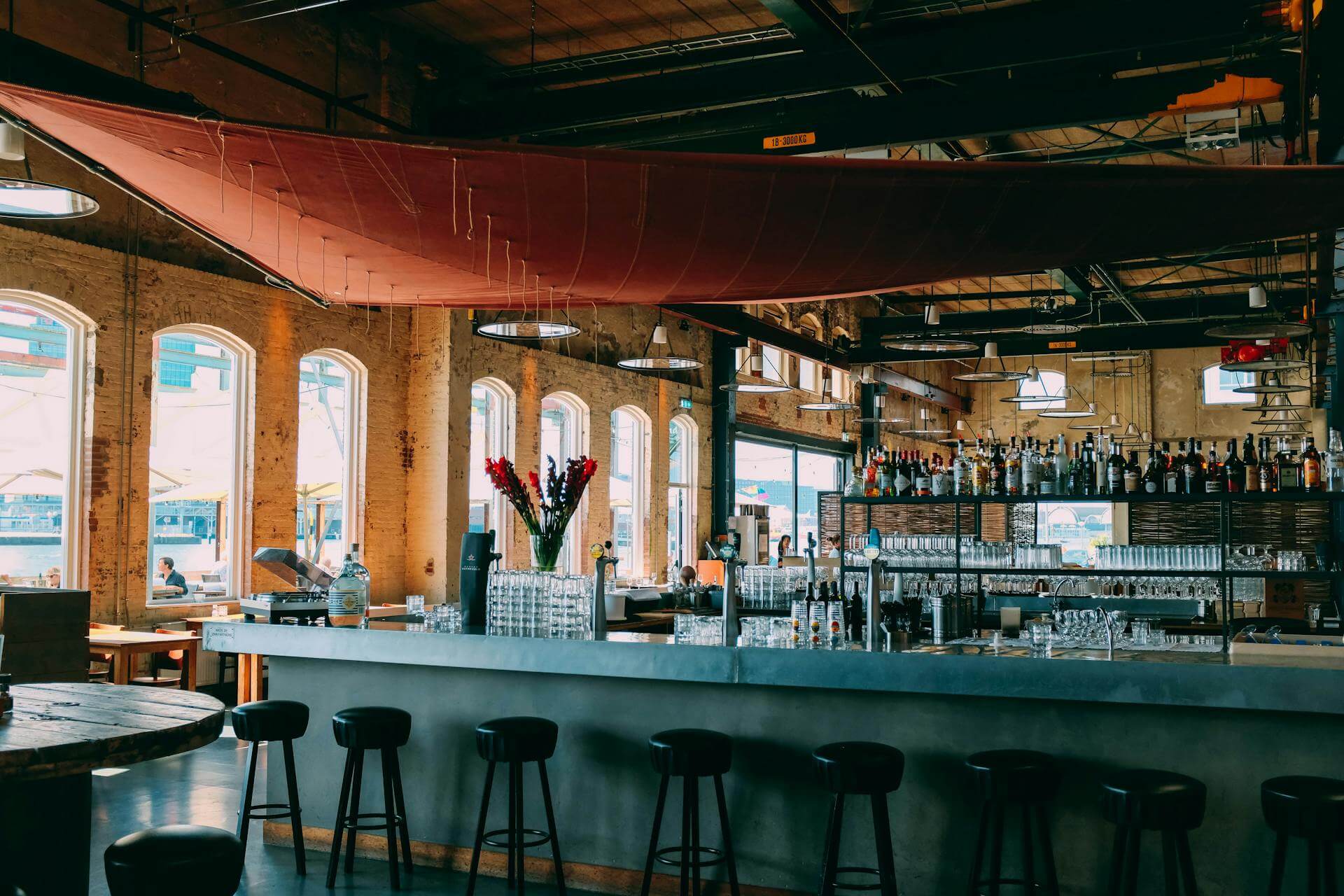
An interior of an upscale neighborhood restaurant, with the primary focus on the large center bar

Think this looks ready to scale? The answer is much deeper than you may think.

Whether you’re preparing to start down the path to opening your concept or are already operating a venue or venues, you need to understand one key point clearly: You do not scale because you’re busy, you scale when you’re stable.

The Growth Trap Operators Keep Falling Into

There is a story I have seen too many times, and perhaps you have as well.

A founder opens their first location. The concept gets traction: social media looks good, and Fridays are packed. There’s a line at brunch. Guests start asking when the second location is coming. Some people start referring to this single location as a brand. Investors start circling, and the founder begins to believe growth is the next logical step. So, they open their second location.

The first store slips because leadership attention is divided. The second store opens with a team that knows the idea, but not the standard. Service becomes inconsistent, costs drift, and training becomes informal. The founder starts working more, not less. The brand has expanded, but the business has not scaled.

This is a mistake that continues to happen, time and time again. Operators confuse popularity with repeatability, revenue with readiness, and ambition with infrastructure.

Let’s remember that a second location isn’t scale, it’s a test.

Scaling is not Expansion. It is Repetition Without Degradation.

This is the first principle serious operators need to lock in: Expansion means you opened another box; scaling means the box performs without diluting what made the first one work.

That means five things must remain true as you grow:

  1. The guest experience stays recognizable.
  2. The culture transfers.
  3. The economics remain disciplined.
  4. The systems hold.
  5. The founder becomes less essential, not more.

If one location only works because the owner is in the building, that’s not a scalable model; it’s a founder-carried operation.

That distinction matters for both startups and existing venues alike.

For Startups

Startups love to talk about growth early because growth feels validating and makes the concept feel real. I can’t count how many times I’ve been on a discovery call where the prospect talks about opening multiple locations before there’s even one built.

For a startup, scale should not even be in the conversation until the business has moved beyond survival and into predictable performance, or what we like to refer to as “stabilization.”

That means:

  • the model is validated.
  • the guest is clearly defined.
  • the programming and labor model are in sync.
  • the opening and operational playbooks exist.
  • the business is not being held together by adrenaline.

For Existing Venues

Operators who are already operating venues can fall into a different trap: they assume that because the business has been open for some time, maybe even years, the model is automatically mature enough to scale.

Let me put this simply: It is not. Longevity does not equal readiness.

A ten-year-old restaurant can still be founder-dependent, undisciplined, and financially fragile. A boutique hotel can have strong occupancy and still be too inconsistent operationally to replicate.

Age isn’t an indicator that a concept is ready to scale; stability is.

The Precondition: Stabilization Before Scaling

This is where too many operators get impatient. They want the growth story before they have the control story.

But stabilization comes first, always. A stabilized business isn’t perfect, but it is predictable.

Operators who operate a stable business know:

  • what drives profit.
  • what standards matter most.
  • what labor model is sustainable.
  • what guest experience can be repeated.
  • what systems protect consistency.
  • what happens when sales soften or costs spike.

Stabilization is where the business stops behaving like a hustle and starts behaving like an operating system. Without that, scale will expose every weakness.

If your labor model is emotional, scaling magnifies it. If your menu is bloated, scaling magnifies it. If your communication is weak, scaling magnifies it. And if your leadership bench is thin, scaling magnifies it.

Growth doesn’t fix fragility; it multiplies it.

The Mindset Required Before You Scale

Most founders and operators need the hardest mindset reset right here. They need to understand that scaling isn’t a reward for effort, it’s a responsibility to the model.

Before scaling, leadership needs to answer one question honestly: “Why do we want to grow?”

Do not give the polished answer; answer with the real one. Be honest.

Is it ego? Is it fear of missing the market? Is it investor pressure? Is it the belief that more locations will solve financial stress? Is it the desire to turn a founder-led business into an actual asset?

Scaling for the wrong reason usually creates the wrong outcome.

The right mindset before scaling looks like this:

  1. Growth must serve the model, not rescue it.

A weak first location does not become healthy because you add a second one.

  1. The goal is duplication without dilution.

If the second, fifth, or tenth location changes the guest experience, the culture, or the economics in the wrong direction, the growth is not strategic.

  1. The founder must become less central.

If every key decision still runs through the owner, the brand is not ready.

  1. Clarity matters more than speed.

The market will always create pressure to move faster. Serious operators know disciplined growth compounds more than rushed growth.

  1. Scale is a long-term value decision.

This isn’t just about opening more units; it’s about creating a more valuable company.

The Signs That You’re Ready

This is the part many operators want to skip to: the checklist, the green lights.

And I’m sharing them with you below. But know this: You must understand that the green go-ahead lights sit on top of everything noted above.

  1. Your numbers are predictable.

Not just revenue: contribution margin, prime cost, labor productivity, cash flow timing, and break-even thresholds.

  1. The business performs without your physical presence.

If you can’t leave for two weeks without panic, you are not ready.

  1. Systems are documented.

Not in your head, and not in your managers’ memories. In actual playbooks, SOPs, training sequences, and leadership rhythms.

  1. Leadership depth exists.

You have more than strong employees. You have future operators, future GMs, and future department heads.

  1. Guest experience is repeatable.

The guest experience isn’t amazing only when the founder is there. It’s repeatable at standard, by system.

  1. Culture is clear.

The values are visible in behavior, not just language. Standards are reinforced consistently, even under pressure.

The Takeaway Any Serious Operators Should Save

The industry still loves the story of growth.

Bigger. More locations. New markets. New flags. New addresses.

But the operators who win the next decade will be the ones who earn it. They will:

  • stabilize before they expand.
  • know their numbers before they open another door.
  • build leaders before they sign another lease.
  • document systems before they copy the concept.
  • understand that growth is not proof. Performance is.

So when are you ready to scale?

Not when the room is full. Not when the next landlord calls. Not when investors get excited. Not when your ego wants the headline.

You are ready to scale when the business is stable enough to duplicate without depending on your exhaustion.

That’s the standard.

And if you’re not there yet, that isn’t failure; it’s clarity. Because the smartest move in hospitality is not scaling early, it’s scaling when you’re truly and honestly ready.

Related Reading

Image: Adrien Olichon via Pexels

Work with Us

Want to partner with us to assess your business to determine whether it’s ready to scale? Click the image below!

Client Intake Form - KRG Hospitality

by David Klemt David Klemt No Comments

Emerging Brands are Compound Startups

Why the smartest one to 15-unit hospitality brands are not “small chains” yet. They are startups learning how to repeat themselves without breaking.

Growth in this industry has entered a new era. From recent conference discussions, what we are seeing and hearing is that bar, restaurant, and even boutique hotel operators still plan to open more locations despite cost pressure.

However, the conversation has shifted from raw expansion to sustainable growth, stronger unit economics, and operational readiness.

At the same time, industry data continues to show that closures remain part of the landscape, particularly for brands that grew faster than their model matured. Black Box Intelligence has warned that unit closures are likely to continue, even as some operators keep developing more locations.

That’s why this thought matters: emerging brands are just compound startups.

A second, fifth, or 15th location does not magically make a brand “corporate.” It simply means the founder is attempting to repeat a business model under more pressure, with more people, in more places.

by Doug Radkey

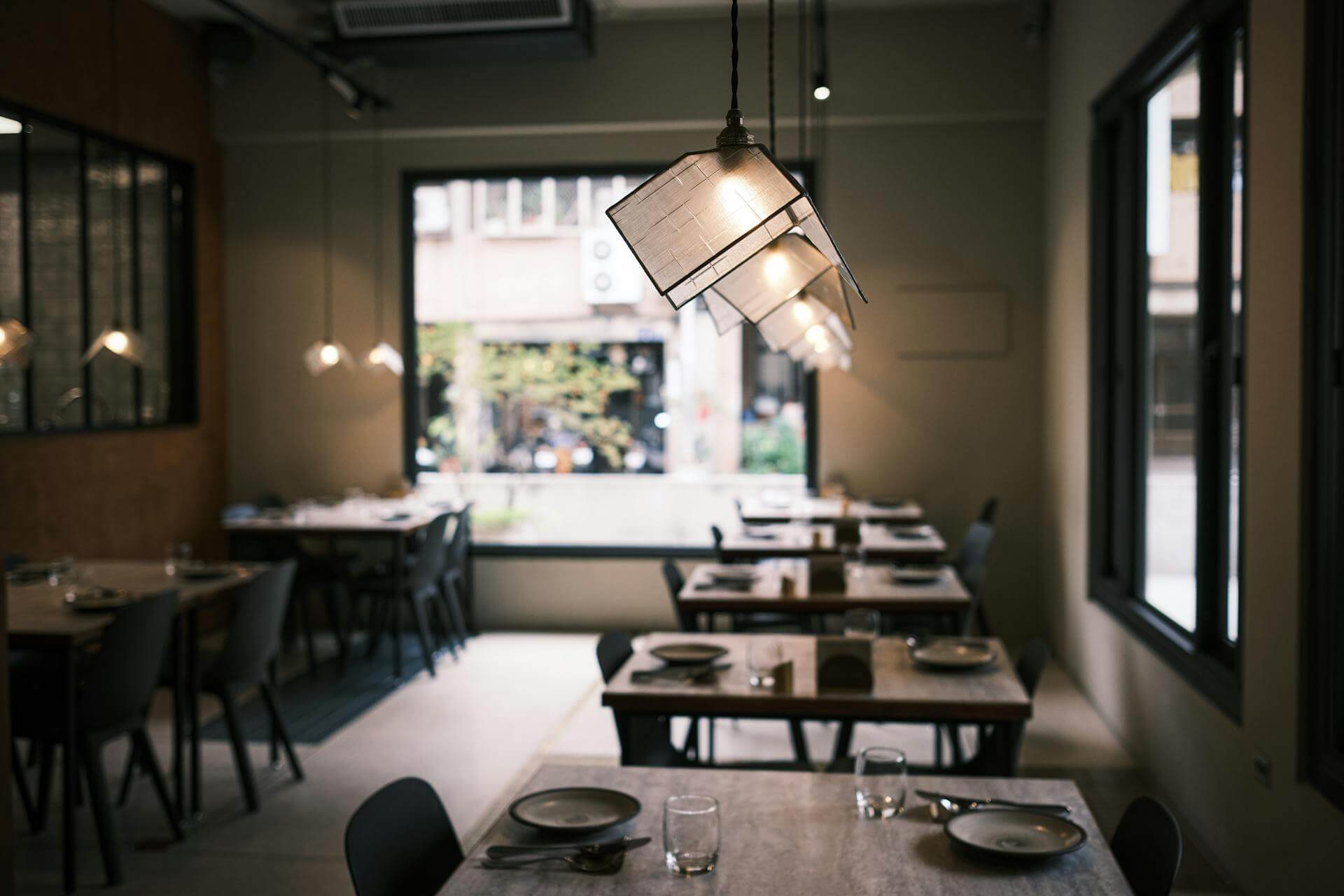
Interior of a light, relaxing restaurant with a focus on the modern, sophisticated light fixtures and open window to the sidewalk and street.

This article breaks down what “compound startup” means; why so many operators misunderstand scale; and what serious bar, restaurant, and boutique hotel entrepreneurs must build before growth becomes an asset instead of a liability.

The Growth Illusion: Why More Locations Can Hide a Weaker Business

In hospitality, growth is seductive:

  • A packed dining room turns into a second site conversation.
  • A strong summer in one market becomes an excuse to test another.
  • Friends, investors, landlords, and even guests start asking the same question: “When are you opening the next one?”

That question flatters the ego; it does not validate the model.

Too many operators assume that one good location means they have a scalable brand. What they often have is a founder-carried success story.

The owner still approves too many decisions. The best managers still rely on the founder’s instinct. The menu still works because one chef protects it. The guest experience still lands because the founder is in the room.

That is not scale. That is heroics, and heroics do not compound.

A Story Every Growing Operator Will Recognize

A founder opens a strong first location. Maybe it is a cocktail bar, maybe a neighborhood restaurant. Maybe it is a small lifestyle hotel with food and beverage anchors.

The first unit performs well enough. Reviews are good and revenue looks strong. Staff is stretched, but the energy feels high. There is momentum.

Then the founder opens a second location. Almost immediately, the cracks widen.

The first unit loses focus because the founder is no longer present every day. The second unit opens with a team that knows the standards in theory but not in rhythm.

From there, costs and inventory variance increase, culture starts to split, and guests notice inconsistency. Managers become messengers instead of coaches and leaders. The founder begins working more, not less.

This is the point where many operators say “Growth is hard.”

But here’s the thing: growth is not the issue. Unrepeatable success is the issue.

An emerging brand is still a startup because every new unit is a new test of the model. The only difference is that the cost of failure gets higher with each location.

Pillar One: Scaling is Not Expansion. Scaling is Repetition Without Degradation.

The first truth serious operators need to accept is this: opening more units is not scaling. Repeating a model without dilution is scaling.

That means the following must remain true from location one to location five:

  • The guest experience still feels intentional.
  • The unit-level economics still make sense.
  • The culture still transfers.
  • The systems still hold.
  • The brand identity still lands clearly.

If any of those degrade with each unit, you are not scaling; you are stretching.

This is where a lot of emerging brands get trapped. They call themselves a “chain” because they have multiple addresses. But operationally, they are still improvising. They have expanded their footprint without maturing their infrastructure.

A second location should not prove ambition, it should prove repeatability. That is a much higher bar to reach.

Pillar Two: Systems Compound. Effort Does Not.

Startups are fueled by intensity. That is normal. Founders often work harder, stay later, and solve more problems than anyone else in the building. In the early stage, effort covers a lot of weakness.

But effort has a limit. What has no limit? Systems.

The brands that become scalable stop asking “How do we keep up?” They start asking “What must be documented, standardized, and delegated so this works without us?”

That simple mindset shift changes everything.

Systems do not automatically make a brand bureaucratic or corporate. They ensure that knowledge leaves the founder’s head and enters the business in usable formats:

  • strategic playbooks
  • programmed SOPs
  • role clarity
  • service standards
  • training flows
  • decision rules
  • opening and closing disciplines
  • vendor and purchasing frameworks

This is where compounding begins.

Every time a system replaces memory, the business becomes more transferable. Every time a process becomes trainable, leadership gets lighter. Every time expectations become standardized, culture gets stronger.

The founder who still solves everything manually is not building an emerging business; they are scaling personal exhaustion.

Pillar Three: Every Unit Should Be a Feedback Loop, Not Just a Revenue Line.

This is where serious operators separate themselves from the hopeful.

A new location should do more than add top-line revenue. It should teach the brand something.

Every additional unit should refine the model:

  • program complexity
  • labor deployment
  • average revenue per guest behavior
  • service pacing
  • production flow
  • local marketing
  • daypart demand
  • guest retention patterns

That is how compound startups evolve into disciplined brands.

You are not just opening more bars, restaurants, or boutique hotels. You are gathering intelligence. Every unit is a live test of what is truly core to the concept and what was only working because of geography, novelty, or founder presence.

The smartest operators treat each location as a strategic lab. The struggling operators treat each location as proof they were already right.

One mindset compounds wisdom, the other compounds blind spots.

Pillar Four: Leadership Depth, Not Real Estate, is the True Growth Constraint.

Most people think growth is limited by capital, real estate, or timing. In hospitality, growth is usually limited by leadership depth.

You can always find another space. Just as you can always raise more money or can always negotiate another lease.

What is much harder is building a bench of people who can lead the brand at standard without the founder becoming the glue for every decision.

This is the hidden scaling trap.

A business can look ready on paper while being leadership-fragile in practice. Ask better questions:

  • Can your current GMs develop managers into future AGMs who can then become future GMs?
  • Can someone open a new unit without you holding every meeting?
  • Can your business and developed culture survive your physical absence?
  • Can the business solve problems without escalating them all upward?

If the answer is no, you do not have a scaling problem. What you have is a leadership development problem, and this is where many emerging brands stall.

Not because demand disappeared but because the founder never stopped being the sun in the solar system. Real scalable businesses are not built on charismatic founders. They are built on distributed leadership, reinforced systems, and cultural consistency.

Pillar Five: Unit Economics Turn Growth Into Wealth or Waste.

This is the point many operators avoid because it feels less fun than branding, design, or buzz.

But this is the pillar that determines whether an emerging brand becomes a wealth-building machine or an expensive ego project.

Revenue is loud, unit economics are quiet.

The industry is full of businesses that grow volume and revenue faster than profitability. That is why sustainable expansion has become such a focus. Operators planning new locations are doing so under heavier cost pressure, more scrutiny around labor and inventory, and growing emphasis on profitability discipline.

If your first location does not have healthy unit-level economics, your fifth location will not solve that; it will amplify it.

That means serious operators must know:

  • contribution margins.
  • prime cost discipline.
  • ADR + TGRM for hotels.
  • labor productivity (not just labor costs).
  • sales per square foot.
  • cash flow timing.
  • return on invested capital by unit.
  • payback timeline.
  • break-even thresholds under pressure and volatility.

This is where emerging brands become compound startups in the truest sense. They do not just add units, they improve the model so each new location has better odds, better data, and better operational intelligence than the one before it.

That is compounding; not ambition without infrastructure, and not “we’ll figure it out later.”

Compounding means the business gets smarter as it grows.

What This Means for Small Hospitality Brands Right Now

If you operate between one and 15 locations, this should reframe how you see yourself.

You are not “small” in some dismissive sense, and you are not “too early” to think like a chain.

But you are also not “there” just because you have multiple units. You are an emerging brand, which really means you are a compound startup.

That requires a different mindset:

Stop asking:

  • How fast can we grow?
  • Which market is next?
  • How do we get bigger?

Start asking:

  • What in this model is actually repeatable?
  • What still depends too much on founder energy?
  • What is documented versus assumed?
  • Where are margins strongest and weakest by unit?
  • What are we learning with each location?
  • Who can lead without us in the room?

Those questions build a legacy business. The others just build motion.

The Strategic Takeaway Serious Operators Should Save

The brands that win the next decade will not be the fastest to expand. They will be the most disciplined in how they repeat. That is the entire game.

A startup proves an idea. An emerging brand proves a system. A great hospitality company proves that the system can grow without sacrificing the soul of the brand.

So if you are sitting at one, three, or ten locations right now, remember this:

You are not done being a startup. You are simply in a more expensive chapter of it.

Treat each unit like a lesson. Treat systems like assets, leadership depth like oxygen, and unit economics like truth.

Emerging brands are not just growing businesses, they are startups that learned how to compound. And in hospitality, that is the difference between becoming a brand and becoming a cautionary tale.

Related Reading

Image: Teresa Jang via Pexels

Work with Us

To learn how we can help you assess your operation and stabilize and scale it, click the image below.

Client Intake Form - KRG Hospitality

by David Klemt David Klemt No Comments

The Real Cost of Business

The Real Cost of Business: What Independent Operators Must Do to Win

by Doug Radkey

KRG Hospitality president and principal consultant Doug Radkey on stage with his fellow panelists at Bar & Restaurant Expo Denver 2025

On stage at BRE 2025 in Denver, Co.

We need to get much more comfortable having uncomfortable conversations about the reality of being a hospitality operator these days.

On a recent trip to Denver, I had the privilege of joining Ashley Bray, Chef Adrianne Calvo, and Lauren Barash on stage at The Hospitality Show and Bar & Restaurant Expo for a conversation that every operator needs to have.

The topic and panel title was “The Real Cost of Business: Economic Pressures & Policy Shocks for Independent Operators.”

This session wasn’t theory. It wasn’t sugar-coated optimism.

This session was raw, real, and filled with straight talk about what’s actually happening across the hospitality landscape right now.

And it was exactly the kind of conversation this industry needs more of, because let’s be honest: today’s operators aren’t just fighting one battle.

They’re fighting them all.

The Stacked Deck: What’s Hitting Operators Right Now

It’s no secret. Tariffs are up. Labor costs are up. Packaging and product costs are up. Rent is up.

And consumer spending? It’s currently on some shaky ground.

Margins continue to be thin for most operators, and while these operators are navigating inflation, interest rate hikes, and volatile supply chains, they’re also facing the human tolls: fatigue, burnout, and turnover at every level.

But here’s the thing: this industry is not broken. It may be bruised, and it may be tired. But it’s resilient.

The bigger problem? It’s too reactive. And reactivity is what often kills profitability.

Hospitality is built on anticipation, such as reading the room before the guest even realizes what they want. But too many owners have lost that skill.

Instead of leading, they fight fires. Rather than anticipate, they react.

To win in this era, you need a playbook supported by clarity, not chaos.

Back to the Fundamentals of Hospitality

Let’s start here, because it’s something I said on the panel. I’m going to keep saying it: Operators need to get back to the fundamentals of hospitality.

Hospitality is not a product, it’s a performance. It’s a feeling. Hospitality is how people are made to feel when they walk through your door.

This is a people-first business. This is a people-over-profits business.

That’s your anchor.

When operators start chasing trends instead of refining fundamentals, they lose sight of what this business is really about:connection.

The businesses that are navigating the challenges and winning right now aren’t necessarily the ones spending the most or cutting the deepest. They’re the ones doubling down on service, culture, and consistency.

Operators confronting today’s challenges successfully have strategic playbooks, onboarding systems, the right tech stack, SOPs, and leadership frameworks in place. Their well-developed systems turn daily operations into muscle memory.

That’s the foundation.

Lead with Strategy and Anticipation

One of the most powerful themes from our conversation was about mindset.

Operators who win in this climate are those who lead with strategy, not emotion.

They’re also the operators who anticipate challenges instead of just react to them.

It’s not strategic to wait for your accountant’s monthly report to tell you where you stand. By then, it’s too late.

You need to have real-time visibility into your numbers, your labor productivity, your inventory, and your guest behaviors.

That’s how you lead with anticipation rather than panic.

The right strategy doesn’t live on a whiteboard, it lives in your systems. It lives in your team meetings. It lives in the mindset you reinforce daily.

If your business only moves when you do, you don’t have a strategy, you have stress-induced operations.

Data is the New Cash

Here’s a truth that every operator should be repeating: Data is just as valuable as cash.

In a volatile market, your ability to make decisions quickly—based on evidence, not instinct—is your competitive edge.

You should know your key metrics at all times:

  • Guest frequency.
  • Average spend per guest.
  • Labor efficiency.
  • Food, beverage, and prime costs.
  • Revenue and profit per square foot.
  • Marketing conversion.

If you can’t track these easily, it’s time to upgrade your tech stack.

Technology shouldn’t stress you out, it should simplify your life. The tech you trust to help you run your business should help you see clearly.

It’s simple: When you understand your data, you control your business instead of being controlled by it.

Menus Built with Intention

Another powerful part of our discussion was about menus. During times of uncertainty, your menu is both your marketing strategy and your financial engine.

Here’s the shift: You need to develop your menu strategically. Focus on what sells, what tells your story, what aligns with your guest, and what aligns with your financial obligations.

Every menu item should have a purpose. Every ingredient should do double duty.

Have a menu of 12 to 15 items that are high-impact items.

Use storytelling to create perceived value. Guests don’t just buy what’s cheapest, they buy what feels meaningful to them.

That’s how you maintain profitability without discounting yourself into irrelevance.

As I said during the panel, “Focus on the guest experience first,” and “sales are a vanity metric. Profit tells your story.

Perception of Value Without Discounts

Discounting can become a slippery slope. It’s a tactic that has closed more restaurants than it has saved.

You don’t need to lower your price to drive traffic or raise perceived value. Instead of discounting, you need to improve your storytelling.

Bundle thoughtfully. Offer curated experiences. Create tiered packages. Add personalization.

A guest who feels understood will spend more, and return more often.

Discounts train guests to expect less from you; experiences train them to expect more of you.

That’s the difference between a transactional business and a memorable brand.

Build Around People, Processes, and Profit

It always comes back to this: Your people, your processes, and your profit.

If any one of those three is off-balance, your business becomes fragile.

Strong operators know how to hire for values, not just skill. They know how to train through systems, not emotion. They know how to communicate relentlessly and delegate with trust.

That’s not “soft leadership,” that’s a non-negotiable to win in this industry.

It’s also the reason some independent operators are scaling to multiple venues while others are still trapped in the trenches. The old adage remains: Work on your business, not in it.

Culture: Your Ultimate Competitive Advantage

Labor is expensive. Recruiting is hard. Retention is harder.

But the best operators aren’t competing on wage alone, they’re competing on culture.

If your business doesn’t feel purposeful to your team, you’ll never build staff loyalty.

You need to make your staff experience more than a paycheck. Your staff experience is just as important as your guest experience.

Show them the vision. Create career paths. Celebrate wins. Encourage ownership thinking.

And here’s something I say often: You don’t need a “family.” You need a champion team; people who want to win together.

Create stay interviews, not just exit interviews. Find out why your team loves working for you, and document their feedback. Build engagement before burnout.

When people feel seen and supported, they become your greatest marketing engine. In fact, they become your brand ambassadors.

Leadership in a Time of Pressure

Leadership today requires a new kind of stamina.

Stop trying to control people; empower them. Don’t bark orders in the kitchen or on the floor; build alignment. In an age where stress levels are high and margins are thin, empathy is not weakness, it’s strategy.

The best leaders know when to listen, when to decide, and when to step aside. They know that delegation isn’t a loss of control, it’s the gaining of stabilization and scale.

If you want to build a high-performing culture, communication and accountability must be daily habits, not quarterly goals.

Clarity is the Currency of the Future

When you strip everything back—the data, the menus, the systems, the tech—what this conversation in Denver really came down to was one word: clarity.

Clarity around who you are, and what you offer. Clarity around your numbers, your guests, your team, and your future.

Without clarity, you drift. With it, you build momentum.

The operators who have clarity are playing offense.

They’re not waiting for the next trend, policy, or economic shift to tell them what to do. They’re already five moves ahead.

Intentionality in Every Decision

Another phrase highlighted during the panel was “being intentional.”

Intentionality is everything.

Every decision you make, from menu design to hiring to marketing, should serve a clear purpose.

Don’t do things because “that’s what everyone else does,” or “this is how we’ve always done it.” Those mindsets keeps you average.

You need to differentiate.

Every single touchpoint should feel deliberate. Each and every staff and guest interaction should reflect your values. Every operational decision should move you closer to your vision.

Operators who just chase volume lose vision; operators who chase clarity create longevity.

The Operator’s Wellness: You Matter Too

Here’s something I made sure to say on stage, and something I’ll keep repeating until it sticks:

You, as the operator, matter too.

You can’t lead effectively when you’re depleted, and you can’t make smart decisions when you’re burnt out. Make time for yourself.

The energy of an independent business starts with its owner and operator. If your energy is chaos, your team feels it. If your energy is grounded, they follow.

Hospitality demands everything from us, but it doesn’t have to take everything from you.

Remember, structure, boundaries, and recovery are leadership traits, not weaknesses.

From Chaos to Clarity

When you zoom out, the message from our session in Denver was simple:

The independent operators who continue to win move from chaos to clarity.

They have systems and strategy.

They anticipate rather than feel anxious.

Their costs are controlled, not cut.

They understand that technology isn’t replacing hospitality, it’s refining it.

Their numbers are balanced with narrative.

They know their financials before their accountant does.

They lead from clarity, not fear.

The 45-Minute Reality Check

We covered all of this, and more, in just 45 minutes. It was so impactful.

Because conversations like this aren’t just about sharing ideas, they’re about sparking a mindset shift across the industry.

This business is tough. It always has been.

However, when you step back, create structure, and move forward with intention, it becomes something incredible.

We’ve survived prohibition, recessions, and a global pandemic. We’ll survive this era too.

But not by chance, by design.

The Final Challenge

I’ll leave you with you with two questions. First, are you running your business from clarity, or from chaos?

Because the truth is, your numbers won’t lie. Your systems won’t lie. Your team won’t lie.

If you’re still chasing hours instead of strategy, still reacting instead of leading, still trying to outwork the problems instead of out-thinking them, you’re not ready for what’s coming next.

But if you’re ready to anticipate, adapt, and lead with clarity, then your future isn’t just secure, it’s scalable. The operators who build systems and culture today will be the ones setting the standard tomorrow.

The second question is, which type of operator will you be?

Image: KRG Hospitality

Client Intake Form - KRG Hospitality

by David Klemt David Klemt No Comments

Questions Future Operators Need to Ask

Questions Future Operators Need to Ask Before Opening

by Jennifer Radkey

Black and orange question marks

Taking your dream bar or restaurant from vision to reality can be an exciting journey but too many people get ahead of themselves during the process.

What are some of the first actions a future operator takes when deciding to open a new restaurant or bar? Well, many will dive right into deciding on a concept, looking at locations, or figuring out costs. Some may take the time to wisely invest in feasibility, concept, and business plans.

Very few will ask themselves the crucial questions that will help them figure out if they are truly ready to take on this huge endeavorand be successful at it.

Before designing menus, hiring a real estate agent, or looking for investments, you need to sit down and gain a clear understanding of the state of your mindset. Successfully opening a restaurant or bar can be mentally and physically exhausting. Well before you open your doors you need to have acquired a mindset that is built on resilience, growth, leadership, and positivity.

Below are several questions to considerand answer truthfullybefore diving in.

Mindset Questions

  1. What is the purpose behind wanting to open a restaurant or bar? Why is this goal significant to you?
  2. How do you currently stay motivated and do you have a system in place to turn to when you lose motivation?
  3. Do you feel capable of handling the day to day pressures of starting and operating a business? Why or why not?
  4. Have you been in a leadership position before? On a scale of one to 10 (one being not successful at all and 10 being very successful), how successful of a leader were you?
  5. What kind of leader do you want to be and Is there someone in a leadership position you admire and can learn from?
  6. If you feel that you can not be the leader your business needs to succeed is there a partner you can rely on for this?
  7. Are you currently in a good position to be able to devote the time, energy, resources, and focus needed to undertake this endeavor?
  8. What non-negotiables do you have in your life? What are you willing to sacrifice for this dream and what are you not?
  9. How comfortable are you with meeting people and being open to others’ ideas?
  10. What are three key strengths you possess? How will they help you succeed?
  11. What are three weaknesses you possess? How might they hinder your success?
  12. Are you comfortable with delegating to others when you are not the best person for a task?
  13. Do you have a strong support system in place of people you can turn to when needed?
  14. Why are you choosing to open a business in the hospitality industry? How do you plan to leave your mark in it?
  15. Do you possess the knowledge to run the day to day operations of a restaurant or bar? If not, how do you plan to gain that knowledge?
  16. How open are you to continuous education and learning for yourself and your future team?
  17. How will you balance opening a new restaurant/bar with your personal life?
  18. Are you willing to adapt and pivot when needed, even if it means an entirely new concept?
  19. How do you currently deal with failure?
  20. How will opening a restaurant/bar impact other areas of your life?

Once you have answered these questions you will have a better understanding of where your mindset stands right now, what areas you may need to improve upon, and if you are truly ready to open your own restaurant or bar. There is a saying that knowledge is power, and self-knowledge is the most powerful kind!

Cheers to professional and personal well-being!

Image: Laurin Steffens on Unsplash

KRG Hospitality. Business Coach. Restaurant Coach. Hotel Coach. Hospitality Coach. Mindset Coach.

by David Klemt David Klemt No Comments

2024 500-point Start-up Checklist

2024 KRG Hospitality 500-point Bar & Restaurant Start-up Checklist

by David Klemt

KRG Hospitality 2024 Bar & Restaurant 500-point Start-up Checklist

Opening a bar or restaurant is a daunting undertaking, with projects requiring the completion of 500 unique tasks within four phases before welcoming guests.

It takes strategic clarity along with a strong supportive team around you to ensure your dream doesn’t turn into a nightmare. To help you get ahead and start 2024 with the strongest opportunity for success, we’re giving you access to a number of free resources.

First, our 2024 Bar & Restaurant Start-up Costs Guide. If you haven’t already, download this informative guide today. And now, our 2024 500-point Bar & Restaurant Start-up Checklist.

KRG Hospitality’s feasibility studies, concept and brand development, and programming are unique and customized to every client. However, the journey from idea to grand opening is a well-worn path dotted by hundreds of waypoints.

There’s a reason we call our project plans Roadmaps to Success: we’re here to help guide our clients to and through each point on the map.

Below you’ll find 32—only six percent—of the 500 unique tasks we at KRG believe you must complete before your grand opening. Just these tasks alone should provide an idea of the enormity that is taking your concept from idea to brick and mortar.

To download your free copy of our 2024 500-point Bar & Restaurant Start-up Checklist, click here. As you’ll see once you open this checklist, it’s interactive. You can easily check off items as you complete them, and the document will save your progress.

Opening a bar or restaurant is challenging. We’re here to help make it easier.

Planning Phase

Self-assessment

  • Mindset assessment
  • Support network assessment

Feasibility Study

  • Market viability study
  • Technical viability study

Brand Strategy

  • Vision statemet
  • Frame of reference

Tech-stack Plan

  • Service technology plan
  • Payment processing technology

Project Set-up Phase

Job Scopes for Project

  • Landlord presentation
  • Equipment vendor presentation

Project Support Team Plan

  • Industry consultant
  • Legal Advisor

Menu Testing

  • Final flavor profile creation
  • Theoretical costing, food

Interior Design

  • Final choice in furniture
  • Final choice for millwork design

Operational Set-up Phase

Operational Vendors

  • Bar and kitchen smallware vendor
  • Refrigeration tech vendor
  • Hood cleaning vendor
  • Grease trap cleaning vendor

SOP Procedures/System

  • Finalize hourly operations plan
  • Application forms
  • Food safety quiz
  • Leadership team manual

Launch Phase

Marketing Execution

  • Creation of media package
  • Search engine optimization

Tech-stack execution

  • Point-of-sale systems
  • Menu management systems

Team Onboarding

  • Leadership team onboard
  • Team-building exercises

Soft Opening

  • Menu timing
  • Menu feedback

To download your free copy of our 2024 500-point Bar & Restaurant Start-up Checklist, click here now!

Image: KRG Hospitality

KRG Hospitality Start-Up Restaurant Bar Hotel Consulting Consultant Solutions Plans Services

by David Klemt David Klemt No Comments

KRG Releases 2024 Start-Up Guide

KRG Hospitality Releases 2024 Restaurant Start-Up Cost Guide

by David Klemt

2024 KRG Hospitality Start-up Costs Guide

KRG HOSPITALITY RELEASES SIXTH ANNUAL RESTAURANT START-UP COST GUIDE

Toronto-based hospitality industry consulting firm with offices in key markets throughout Canada and the United States of America unveils their latest restaurant cost guide and interactive hospitality calculator.

December 21, 2024 (TORONTO)—Today, KRG Hospitality releases their 2024 Bar & Restaurant Start-up Costs Guide, which is free to download. The Toronto-based consulting firm specializes in startup restaurant and bar projects along with boutique hotels, experiential concepts, and entertainment venues. KRG Hospitality’s American headquarters is located in Las Vegas, Nevada.

For the past six years KRG has researched, reviewed, and published the annual start-up cost guide, one of the industry’s leading resources dedicated to restaurant project costing.

And each year this informative and transparent guide is used as a trusted budgeting tool by developers, lenders, contractors, consultants, and aspiring restaurateurs. The guide is founded upon KRG Hospitality’s proprietary database of previous project costs, which includes project data from restaurants, bars, and cafes developed over the past 24 months.

Further, this annual KRG Hospitality guide also includes the interactive KRG Hospitality Calculator, which is updated for 2024.

The costs to start a restaurant have been on a steady rise over the past six years. Major drivers are increases in inflation, interest, labor, construction, and equipment. Of course, there are also the unique materials required to deliver a scalable, sustainable, memorable, profitable, and consistent on-premise, off-premise, or hybrid-style concept.

Drawing upon this comprehensive guide, an industry-leading expert has analyzed the information and provided a succinct and user-friendly summary of the findings for each major start-up category. This isn’t simply a couple of pages identifying a few costs. Rather, the sixth annual guide is a deep dive that provides real insight into what to expect in 2024.

The guide is available now as a free download via this link.

About KRG Hospitality

KRG Hospitality is a storied and respected agency with proven success over the past decade, delivering exceptional and award-winning concepts throughout a variety of markets found within Canada, the United States, and abroad since 2009. Specializing in startups, KRG is known for originality and innovation, rejecting cookie-cutter approaches to client projects. The agency provides clients with a clear framework tailored to their specific projects, helping to realize their vision for a scalable, sustainable, profitable, memorable, and consistent business. Learn more at KRGHospitality.com. Connect with KRG Hospitality and the Bar Hacks podcast on social: KRG Twitter, Bar Hacks Twitter, KRG Media Twitter, KRG LinkedIn.

Disclaimer

While using this guide helps develop a rough preliminary financial and strategic milestone plan, it is strongly recommended that you seek professional expert advice to provide you with a more precise, project specific estimate as each concept and market will be slightly different. KRG Hospitality Inc. is not responsible for any project that is not currently under contract within the company.

Image: KRG Hospitality

KRG Hospitality Start-Up Restaurant Bar Hotel Consulting Consultant Solutions Plans Services

by krghospitality krghospitality No Comments

KRG Hospitality now Serving Midwest Region

KRG Hospitality adds Midwest Region

Marina City Towers in Chicago, Illinois

KRG HOSPITALITY NOW SERVING MIDWEST REGION

Toronto-based hospitality industry consulting firm with offices throughout Canada and the USA now serving the Midwest through Chicago office.

CHICAGO, IL (March 17, 2023)—Today, KRG Hospitality announces the addition of the Midwest region of the US to their North American service area. The team will operate out of an office in Chicago, Illinois. However, the agency will serve Midwest markets outside of Chicago as well.

KRG is excited to announce their presence in the region and their ability to serve clients effectively. The agency will offer the full suite of their proven hospitality solutions, including: hourly consulting and coaching; complete feasibility studies, fully customized concept plans; in-depth, focused business plans; project support and management; food and/or drink menu development and consulting; and personalized F&B education.

“I was born in Chicago and first entered the hospitality industry in the Northwest Suburbs. I got my first taste of nightlife in Chicago’s incredible bar and nightclub scene,” says David Klemt, partner and director of business development of KRG Hospitality. “Those experiences shaped my entire hospitality career trajectory. It will be an honor to serve the great people of the Midwest and bring their hospitality visions to life.”

“2023 is turning into quite the growth year for KRG, with the addition of team members Kim Richardson and Jared Boller, and now an exciting new market,” says Doug Radkey, KRG Hospitality founder, president, and project manager. “We see great opportunity in the Midwest, not only in Chicago, but many of the surrounding regions. The food, beverage, and hotel scene is incredibly strong, and we’re open to the challenge of not only helping launch new hospitality brands but helping transform existing brands scale and be successful in the new era ahead.”

KRG is ready to work with clients of all experience levels in the Midwest. The consulting agency’s suite of solutions serve new operators looking to open their first concept and veterans seeking a rebrand or expansion. From independent pizzerias and QSRs to multi-unit regional chains and boutique hotels, and everything in between, the KRG team is eager to take client visions and transform them into brick-and-mortar realities.

To schedule an introductory call to learn how the KRG Hospitality team serves clients, please follow this link.

About KRG Hospitality

KRG Hospitality is a storied and respected agency with proven success over the past decade, delivering exceptional and award-winning concepts throughout a variety of markets found within Canada, the United States, and abroad since 2009. Specializing in startups, KRG is known for originality and innovation, rejecting cookie-cutter approaches to client projects. The agency provides clients with a clear framework tailored to their specific projects, helping to realize their vision for a scalable, sustainable, profitable, memorable, and consistent business. Learn more at KRGHospitality.com. Connect with KRG Hospitality and the Bar Hacks podcast on social: KRG Twitter, Bar Hacks Twitter, KRG Media Twitter, KRG LinkedIn.

Image: Tobias Brunner from Pixabay

KRG Hospitality Start-Up Restaurant Bar Hotel Consulting Consultant Solutions Plans Services

by David Klemt David Klemt No Comments

5 Books to Read this Month: March 2023

5 Books to Read this Month: March 2023

by David Klemt

Flipping through an open book

Our engaging and informative March book selections will help you hone your leadership, entrepreneurial, and operational skills to dial in your business.

To review the book recommendations from February 2023, click here.

Let’s jump in!

Whiskey Women: The Untold Story of How Women Saved Bourbon, Scotch, and Irish Whiskey

It shouldn’t come as a surprise that women have been involved with and influencing alcohol for centuries. Still, women’s contributions to the spirits, beer, and wine we imbibe are often overlooked. Fred Minnick’s Whiskey Women seeks to change that.

From Amazon: “Whiskey Women tells the tales of the women who created the industry, from Mesopotamia’s first beer brewers and distillers to America’s rough-and-tough Prohibition bootleggers. Women have long distilled, marketed, and owned significant shares in spirits companies, including Bushmills, Johnnie Walker, and Maker’s Mark. Williamson is one of many influential women who greatly influenced Scotch, bourbon, and Irish whiskey. Until now their stories have remained untold.”

Unvarnished: A Gimlet-eyed Look at Life Behind the Bar

Even now it seems like people don’t view the service industry as offering “real” careers. Indeed, some restaurant and bar owners are asked when their “real” plan is because it can’t possibly be running a hospitality business.

In Unvarnished, Eric Alperin, owner, manager and designer of the Varnish in LA, and author Deborah Stoll reject that idea. This fascinating book offers lessons learned from Sasha Petraske, Alperin’s partner and mentor; the many tiny details bar owners will turn over and over in their heads before finalizing plans; reasons to not date a bartender; and much, much more.

There are also 100 recipes that Alperin required hopeful bartenders to know before they could land a job at the Varnish.

Heads in Beds: A Reckless Memoir of Hotels, Hustles, and So-Called Hospitality

Last month we featured In the Weeds. In January, we recommended Your Table is Ready. Both books are similar to the amazing Kitchen Confidential, a book all hospitality professionals should read.

Heads in Beds is essentially Kitchen Confidential for those in the hotel business. The Amazon listing describes this book as “a funny, authentic, and irreverent chronicle of the highs and lows of hotel life, told by a keenly observant insider who’s seen it all. Prepare to be amused, shocked, and amazed as he spills the unwritten code of the bellhops, the antics that go on in the valet parking garage, the housekeeping department’s dirty little secrets—not to mention the shameless activities of the guests, who are rarely on their best behavior.”

There are also emotional stories and revelations about the darker side of the industry we all need to address.

Impactful Influence for Modern Leaders: How to Use the Power of Influence to Lead Other People Toward Success

None of us can really become a true leader without the ability to influence those who work for us. That means, however, that we must continually develop ourselves. Influencing those around us to perform at their best isn’t as simple as giving orders, of course.

And that’s where Impactful Influence for Modern Leaders comes in. This book will help you build trust with your team; mentor others effectively; learn to let go and trust your team; and much more.

Lady You Got Balls: The Gift of Being Underestimated

If you’re an entrepreneur, odds are you’ve experienced being underestimated. You’ve likely had a taste of office life and decided it wasn’t for you due to the politics and betrayals.

If that’s you, you have something in common with Patricia Stroberg, author of Lady You Got Balls. In this book, you’ll see why being an underestimated underdog can be to your advantage. Lady You Got Balls “is for anyone wanting to run a successful company and live a life of purpose when the challenges seem too overwhelming to overcome.”

Image: Mikołaj on Unsplash

KRG Hospitality Complete Bar Menu Audit

by David Klemt David Klemt No Comments

The Major Milestones You Must Reach

The Major Milestones You Must Reach to Open a Restaurant

by David Klemt

2023 KRG Hospitality Milestone Checklist

Opening a restaurant is no small task, with projects requiring the completion of 500 unique tasks before welcoming guests.

KRG Hospitality president Doug Radkey identified these tasks several years ago. The commitment to systematically accomplish these tasks is a cornerstone of our approach to all projects.

Our feasibility studies, branding, concept and brand development, and programming are unique and customized to every client. However, the journey from idea to grand opening is a path dotted by hundreds of waypoints.

There’s a reason we call our project plans Roadmaps to Success: we’re here to help guide our clients to and through each waypoint on the map.

Below you’ll find just 50—just a tenth—of the unique tasks we at KRG believe you must complete before your grand opening. You’ll find more than 80 tasks in the brand-new 2023 KRG Hospitality Restaurant Start-up Cost Report + Checklist.

Both the list below and the checklist included in our free Restaurant Start-up Cost Report download will give you an idea of what we work on with each of our clients. These tasks should also highlight the enormity that is taking your concept from idea to brick and mortar.

To download your free copy of our 2023 Restaurant Start-up Cost Report + Checklist, click here.

Planning & Admin Tasks

  • Complete your project feasibility study.
  • Develop your concept and brand plan.
  • Develop and test a layout/drawing.
  • Complete a strategic business plan.
  • Complete a marketing and tech stack plan.
  • Finalize your start-up budget.
  • Analyze and secure necessary funding.

The Support Team Tasks

You’ll need to secure:

  • Business insurance broker
  • Business and liquor license attorney
  • Restaurant and bar consultant
  • Project manager
  • General contractor and trades
  • Mentor or coach

Site Development Tasks

When it comes to these tasks, you may have an idea of roughly what to expect.

For example, one necessary task is…securing your property of choice. Another task to cross off or set a check next to? Signing the lease.

But there are other tasks you may not anticipate or think of when planning to open a restaurant:

  • Submit drawings to municipality.
  • Start and manage project renovations.
  • Set a SMART opening date proposal.
  • Set up and submit deposits for utilities.
  • Develop your service sequence (flow).

You’ll also need to source the following:

  • Exhaust hood supplier
  • Millworker and specialty supplier
  • Interior and exterior signage company
  • Grease trap cleaning
  • Used oil pickup/recycling
  • Exhaust hood cleaning

Operations Development Tasks

  • Complete a kitchen workflow plan.
  • Complete service sequence analysis.
  • Source take-out container suppliers.
  • Secure security, sound, and video, plus applicable licenses.
  • Secure point-of-sale and tech Systems.
  • Develop recipe books for kitchen and bar.
  • Develop package of standard operating procedures.

Brand Development Tasks

Developing your brand involves much more than choosing a logo and colors.

Consider every design and service element a branding opportunity. Your brand development tasks will include developing:

  • your core statements;
  • graphic design/branding kit;
  • website and social media accounts;
  • a promo video strategy;
  • a “coming/opening soon” plan; and
  • your media strategy for the launch.

You’ll also need to:

  • complete the F&B concept stage;
  • complete the F&B testing stage;
  • source menu cover supplier (for dine-in version)
  • complete a photo shoot; and
  • plan for and execute a soft opening.

Team Development Tasks

  • Develop your staff hiring strategy.
  • Plan for and complete HR and compliance forms.
  • Develop onboarding manuals.
  • Source staff uniform suppliers.
  • Promote job fair or interview dates.
  • Hold a staff orientation night.
  • Execute a staff-building exercise shift.
  • Create a brand ambassador program.

Image: KRG Hospitality

by krghospitality krghospitality No Comments

KRG Unveils 2023 Start-Up Guide

KRG Hospitality Unveils 2023 Restaurant Start-Up Cost Report + Checklist

2023 KRG Hospitality Start-up Costs Guide

KRG HOSPITALITY RELEASES FIFTH ANNUAL RESTAURANT START-UP COST REPORT + CHECKLIST

Toronto-based hospitality industry consulting firm with offices in key markets throughout Canada and the United States of America unveils their latest restaurant cost report, milestone checklist, and interactive hospitality calculator.

December 15, 2023 (TORONTO)—Today, KRG Hospitality unveils their 2023 Restaurant Start-up Cost Report + Checklist. The Toronto-based consulting firm specializes in startup restaurant and bar projects along with boutique hotels, experiential concepts, and entertainment venues. KRG also has offices in key markets throughout the United States of America.

For the past five years KRG has researched, reviewed, and published the annual start-up cost guide, one of the industry’s leading resources dedicated to restaurant project costing.

And each year this informative and transparent guide is used as a trusted budgeting tool by developers, lenders, contractors, consultants, and aspiring restaurateurs. The guide is founded upon KRG Hospitality’s proprietary database of previous project costs, which includes project data from restaurants, bars, and cafes developed over the past 24 months.

Further, this annual KRG Hospitality also includes a start-up checklist that identifies an array of crucial milestones: KRG president Doug Radkey has identified 500 unique tasks that must be completed for a successful restaurant opening.

This year’s checklist reveals a number of these crucial tasks. Updated for 2023, the guide also includes the interactive KRG Hospitality Calculator.

The costs to start a restaurant have been on a steady rise over the past 5 years. Major drivers are increases in inflation, interest, labor, construction, equipment. Of course, there are also the unique materials required to deliver a scalable, sustainable, memorable, profitable, and consistent on-premise, off-premise, or hybrid-style concept.

Drawing upon this comprehensive guide, an industry-leading expert has analyzed the information and provided a succinct and user-friendly summary of the findings for each major start-up category. This isn’t simply a couple of pages identifying a few costs. Rather, the fifth annual guide is a deep dive that provides real insight into what to expect in 2023.

The Checklist

As stated, there are 500 unique tasks an operator needs to complete over the course of developing and opening the doors to their concept.

To make it simple to navigate, the 2023 checklist is organized into sections: Planning & Admin, the Support Team, Site Development, Operations Development, Brand Development, and Team Development.

From starting off with the targeted, customized, and in-depth feasibility to planning and executing the soft opening, KRG identifies dozens of key milestones in this year’s guide.

Download your copy of the 2023 KRG Hospitality Restaurant Start-up Cost Report + Checklist today! Click here.

About KRG Hospitality

KRG Hospitality is a storied and respected agency with proven success over the past decade, delivering exceptional and award-winning concepts throughout a variety of markets found within Canada, the United States, and abroad since 2009. Specializing in startups, KRG is known for originality and innovation, rejecting cookie-cutter approaches to client projects. The agency provides clients with a clear framework tailored to their specific projects, helping to realize their vision for a scalable, sustainable, profitable, memorable, and consistent business. Learn more at KRGHospitality.com. Connect with KRG Hospitality and the Bar Hacks podcast on social: KRG Twitter, Bar Hacks Twitter, KRG Media Twitter, KRG LinkedIn.

Disclaimer

While using this guide helps develop a rough preliminary financial and strategic milestone plan, it is strongly recommended that you seek professional expert advice to provide you with a more precise, project specific estimate as each concept and market will be slightly different. KRG Hospitality Inc. is not responsible for any project that is not currently under contract within the company.

Image: KRG Hospitality
by David Klemt David Klemt No Comments

The 2022 KRG Hospitality Start-Up Guide

The 2022 KRG Hospitality Start-Up Guide

by David Klemt

2022 KRG Hospitality Start-Up Cost Guide & Checklist download

The 2022 KRG Hospitality Restaurant Start-Up Cost Guide & Checklist is here!

If you’ve been putting off opening your restaurant concept, wait no longer. With our guide and checklist, you can make the best, informed decisions to open in 2022.

Yes, opening a restaurant seems daunting in 2022. However, industry intelligence firms such as Technomic have predicted measurable recovery this year in comparison to 2021.

Waiting for the time to be “just right” to open a restaurant just isn’t realistic. The longer one waits to make their move, the further ahead established and new operators can get ahead. Your desired location can be snapped up, competitors can build loyal customer bases, and things get more difficult overall.

That said, that doesn’t mean you should throw caution to the wind. We certainly don’t believe rushing into anything is a good idea. If anything, rushing rather than making informed, deliberate decisions is the antithesis of strategic.

So, what’s the desired middle ground between haphazard and hesitancy? Nimble and informed.

Our 2022 Restaurant Start-Up Cost Guide & Checklist provides useful financial information based on real-world scenarios. This will give you a realistic idea of how much start-up capital you’ll need to realize your entrepreneurial dreams this year.

What can you expect in our latest download? Take a look below.

Subsections

This is no three- or four-page quick-hit guide. Rather, the 2022 KRG Hospitality Restaurant Start-Up Cost Guide is 33 pages of real-world tips and data:

  • Start-up costs
  • Renovation costs
  • Scaled costs (four concept scenarios)
  • Restaurant operating guide

Checklist

Due to the tremendous job scope—in addition to the planning, organization, and communication requirements to start a successful restaurant—we highly recommend working with a team of professionals to save time and financial resources.

Below you’ll find a handful of the 500 unique tasks crucial to opening a restaurant.

Planning and Admin

You must:

  • complete feasibility study;
  • develop concept and brand; and
  • complete strategic business plan.

Supporting Cast

You’ll need to secure:

  • an accountant;
  • a real estate agent/broker; and
  • a project manager.

Site Development

The first steps are all crucial to the timeline:

  • Secure property of choice;
  • Sign commercial lease; and
  • Submit drawings.

Operations Development

Examples of the hundreds of tasks you must complete include:

  • a kitchen workflow plan;
  • bar and takeout workflow; and
  • developing a recipe books for the kitchen and bar.

Again, these are just a handful of the 500 unique tasks you’ll complete to start your restaurant.

Download our 2022 Restaurant Start-Up Cost Guide & Checklist to start your journey today.

Image: KRG Hospitality

by David Klemt David Klemt No Comments

People are Returning to Cities

People are Returning to Cities

by David Klemt


Aston Martin DB5 on freeway in Phoenix, Arizona

It seems the people fleeing big cities in a “mass exodus” are throwing their moving trucks and vans into reverse.

Millennials and Gen Z are apparently leaving the suburbs and rural areas.

Analysts are looking at significant increases in rent as proof of the shift.

Climbing Rent

Anyone following along with real estate is aware that the housing market is off-the-charts hot right now.

Bidding wars for houses and condos are driving prices up by tens of thousands of dollars in many cases.

Well, those bidding wars aren’t only affecting housing sales.

In some markets, rates for rental properties are climbing by more than 40 percent. Per reports, rent is up 7.5 percent across the nation.

Now, bidding wars are taking place for rental properties. As is the case with homes and condos, there’s less inventory than demand.

Obviously, that drives up prices.

Who and Where?

Millennials and Gen Z are driving the journey back to the cities.

Many in those generations moved out of cities to live with friends or family. During the pandemic, doing so was a sound in terms of physical, mental, and financial health.

According to data from ApartmentGuide.com, the following markets are seeing year-over-year increases in one- and two-bedroom apartment rent:

  • Tucson, AZ
  • Santa Ana, CA
  • Henderson, NV
  • Las Vegas, NV

For the full report, click here.

Another market is, per several outlets, seeing an influx in younger, wealthy renters and buyers: Phoenix, AZ.

In fact, the wealthy have been investing in property throughout Phoenix, Las Vegas, Denver and Dallas.

Of course, the nation’s biggest cities are also drawing more people. For example, New York City is experiencing an influx of residents.

This is largely due to the relaxing of Covid-19 restrictions and an increase—in some cities and states—in vaccination rates.

It’s important to meet guests where they are. Those looking to expand or open new venues should give serious consideration to booming secondary markets.

Image: iStrfry , Marcus on Unsplash

by David Klemt David Klemt No Comments

Introducing the KRG Start-up Calculator

Introducing the KRG Bar & Restaurant Start-up Calculator

by David Klemt

The KRG Hospitality Bar & Restaurant Start-up Calculator banner

We are incredibly excited to announce the launch of a helpful new tool for new and veteran operators alike: the KRG Hospitality Bar & Restaurant Start-up Calculator.

It couldn’t be simpler to use, and it will give users an idea of how much funding their project will require.

Just enter the square footage you desire or that you know you’ll need. Then, our brand-new calculator generates more than 40 key costs for your review.

Know Your Numbers

New or veteran, single unit or multi, success in this business requires an obsessive knowledge of numbers.

Costs, in particular, are operators’ eternal opponents. People incur the greatest costs before they ever open their doors for business.

Now, that’s just common sense on one hand. Securing a location, kitting out a kitchen, building out the front of house—these are five-, six- and sometimes even seven-figure endeavors.

However, on the other hand, the massive costs that come with opening a new restaurant or bar are often the result of surprises or insufficient planning.

That’s where our calculator comes in.

Here to Help

There’s a reason that the KRG Bar & Restaurant Start-up Calculator populates more than 40 fields.

That reason is simple: preparation is key.

For instance, does your current plan budget for utility deposits, business insurances, opening F&B inventory, soft opening and launch month strategies, the complete array of construction or renovation costs?

Here’s a real-world example of our calculator at work:

Let’s say you want to open a 2,200-square-foot pub. At the minimum, you should budget at least $2,547 for business insurances and nearly $8,200 for opening F&B inventory. And you’ll likely want to set aside at least $14,806 for emergencies.

Try it out for yourself today!

Disclaimer

As with any online calculator, this free calculator is to be used as an initial reference point. Every project is unique in its own way. Property and leasing costs, equipment, and renovation costs will heavily fluctuate based on market, concept, and the status/condition of a chosen property.

Image: KRG Hospitality

by David Klemt David Klemt No Comments

The 2021 Restaurant Start-Up Cost Guide & Checklist is Here! Download Today

The 2021 Restaurant Start-Up Cost Guide & Checklist is Here! Download Today

by David Klemt

This guide gives anyone starting a restaurant, bar, brewpub or other F&B venue the best chance for success in 2021.

Hospitality has endured a nearly endless thrashing for almost an entire year. The calendar has ticked over to 2021 but still, the pummeling doesn’t have an end date.

However, the industry has endured and continues to do so. We don’t know when Covid-19 will cease presenting a threat but we know this: there’s no end to the fight in those in the hospitality community.

Veteran and neophyte owners and operators are still going to open new venues in 2021, pandemic be damned. That fact means it’s more crucial than ever before that owners are positioned for success.

The KRG Hospitality 2021 Restaurant Start-Up Cost Guide & Checklist aims to structure the process of opening a restaurant or bar to maximize an owner’s opportunity. The guide contains 2021 start-up costs, renovation costs, scaled costs, an in-depth milestone checklist, and more that will help readers understand the process and keep them on track to go from concept to opening doors as smoothly as possible.

Click here to download the guide and start down the path of restaurant or bar success today.

Top