Advice

by David Klemt David Klemt No Comments

5 Books to Read this Month: March 2024

5 Books to Read this Month: March 2024

by David Klemt

Flipping through an open book

Our inspiring and informative March book selections will help you improve operations, refresh F&B programming, and consider a design update.

This month, we look at books covering an array of topics: overcoming dysfunctions within teams; stepping outside of comfort zones; cocktail and Irish dish recipes; and repurposing existing buildings.

To review the book recommendations from February 2024, click here.

Let’s jump in!

The Five Dysfunctions of a Team: A Leadership Fable

In a departure from most business books, the author of The Five Dysfunctions of a Team presents useful lessons in the style of a fictional tale. This approach makes this bookwhich has more than 13,000 reviews on Amazona compelling read.

From Amazon: “Equal parts leadership fable and business handbook, this definitive source on teamwork by Patrick Lencioni reveals the five behavioral tendencies that go to the heart of why even the best teams struggle. He offers a powerful model and step-by-step guide for overcoming those dysfunctions and getting every one rowing in the same direction.”

Pick up your copy today.

The Complete Irish Pub Cookbook

I doubt you need a reminder but just in case, St. Patrick’s is just two weeks away. So, what better time to pick up this best-selling cookbook featuring Irish classic and modern fare? Flip through this book, check out some interesting recipes, and put your own spin on them so they fit with your concept.

From Amazon: “Pubs in Ireland are the cornerstone of their communities, relaxed places where locals and visitors can experience the best of traditional Irish hospitality. Many pubs have also become the place to go for a great meal, with a choice of both traditional and contemporary dishes. In recent years Irish cooking has been transformed, with skillful cooks making the most of wonderful fresh local produce to create delicious new dishes and giving a twist to many classics. This tasty cookbook includes the best of both worlds – with best-loved favorites s Irish Stew, Corned Beef and Split Pea and Ham Soup and newer recipes, like Scallop Chowder or Oatmeal and Raspberry Cream to set your taste buds tingling.”

Order The Complete Irish Pub Cookbook now!

Drink: Featuring Over 1,100 Cocktail, Wine, and Spirits Recipes

This is a seriously big book. After all, it really does contain more than 1,100 recipes. KRG Hospitality president Doug Radkey recently picked up this book and flipped through its many, many pages.

Along with well over a thousand recipes organized by spirit, Drink looks at bar tools, housemade ingredients, and ice. Further, it includes interviews with bartenders. If you’re looking for a recipe book that will inspire a drink menu refresh, this is the one you want.

Grab this tome today.

Cool is Everywhere: New and Adaptive Design Across America

Last month, we dove into the biophilic design methodology. This book, Cool is Everywhere, is a photo-driven look into the adaptive reuse design movement. Very briefly summarized, this is a design movement that focuses on repurposing existing architecture rather than knocking down buildings and putting up new construction. This approach tends to be eco-friendly, and as you’ll see from the photos in this book, it also creates cool buildings.

From Amazon: “Cool Is Everywhere highlights remarkable designs that have transformed ordinary buildings into works of art. From North Adams, Massachusetts, to Oakland, California, join Michel as he explores the skyscrapers and quaint neighborhoods that led him to believe that cool is, in fact, everywhere.”

Pick up this book now.

The Comfort Crisis: Embrace Discomfort To Reclaim Your Wild, Happy, Healthy Self

This book from author Michael Easter asks a fairly simple question: What if the modern world’s conveniences are making our lives more difficult? When we look deeper into our lives, we may find that our health is being impacted negatively by building and remaining in our comfort zones. Certainly, entrepreneurs can find that refusing to step outside of their comfort is hurting the business side of their lives.

From Amazon: “In many ways, we’re more comfortable than ever before. But could our sheltered, temperature-controlled, overfed, underchallenged lives actually be the leading cause of many our most urgent physical and mental health issues? In this gripping investigation, award-winning journalist Michael Easter seeks out off-the-grid visionaries, disruptive genius researchers, and mind-body conditioning trailblazers who are unlocking the life-enhancing secrets of a counterintuitive solution: discomfort.”

Order it today!

Image: Mikołaj on Unsplash

KRG Hospitality Start-Up Restaurant Bar Hotel Consulting Consultant Solutions Plans Services

by David Klemt David Klemt No Comments

Program for Unique Holidays: March 2024

Program for Unique Holidays: March 2024

by David Klemt

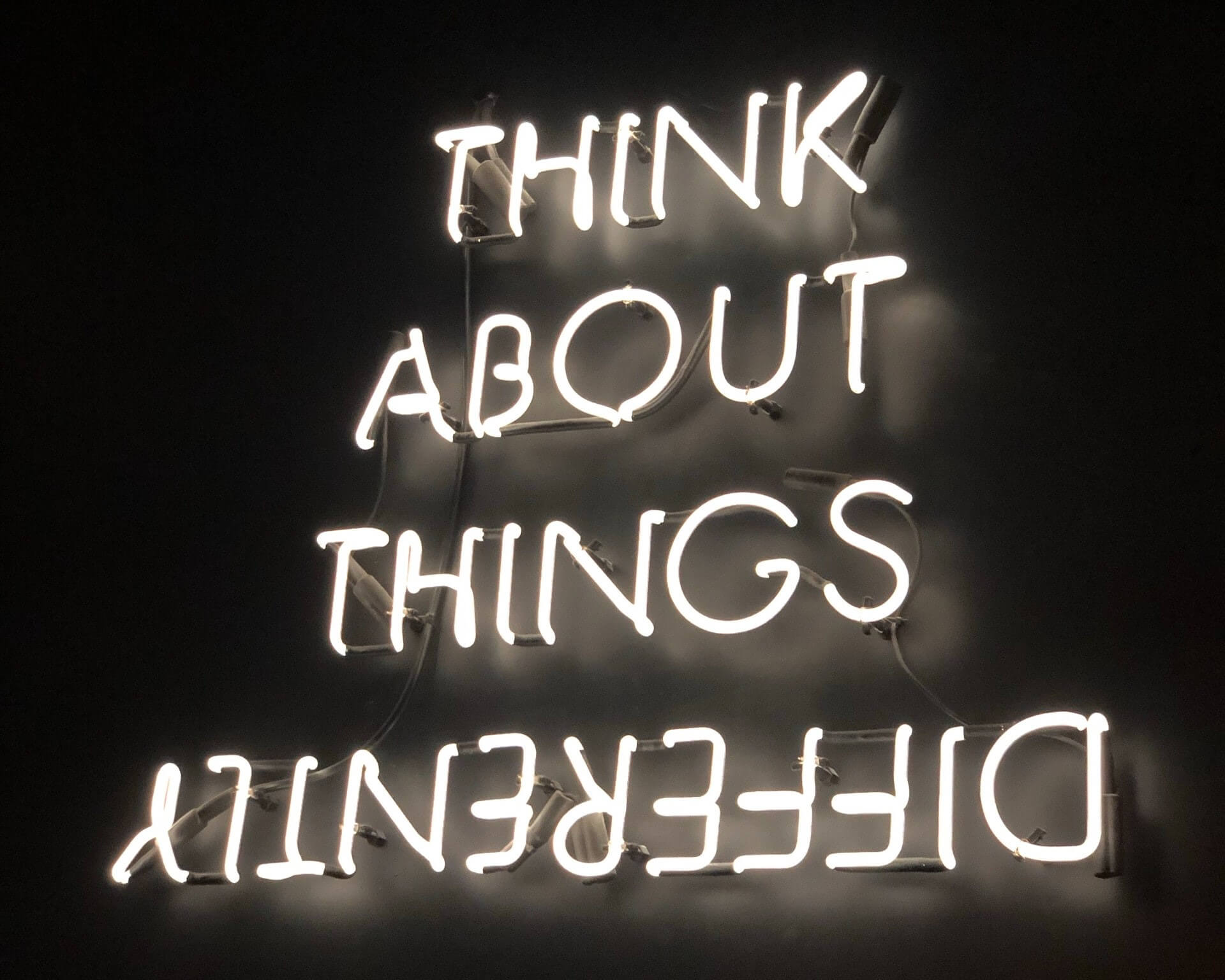
"Think about things differently" neon sign

Do you want to stand out from from other restaurants and bars in your area? Change how you think about your March holiday promotions.

Several holidays are set against every date on the calendar, and this month is no exception. These holidays range from mainstream to esoteric.

Pay attention to the “weird” or unique holidays to raise eyebrows, carve out a niche for your restaurant or bar, and attract more guests. Why do what everyone else is already doing? Why program only around the same holidays as everyone else?

Of course, you shouldn’t try to celebrate every holiday, strange or otherwise. Focus on the days that are authentic to your brand; resonate with your guests; and help you grab attention on social media.

You’ll find suggestions for promotions below. However, the idea behind our monthly holiday promotions roundup is to inspire you and your team to get creative and come up with unique programming ideas.

For our February 2024 holidays list, click here.

March 5: Cinco de Marcho

Supposedly, this holiday is meant to “train the livers” of people planning on getting slightly wild on March 17. They have 12 days to get ready to party.

Well, we at KRG Hospitality think this sounds a bit irresponsible. We don’t want any operators or their teams to run into any legal trouble. So, I recommend offering a spin on the Coronarita as a nearly two-week-long LTO.

Build a Margarita with Irish whiskey, Cointreau, fresh lime juice, and agave syrup. Serve it in a salt-rimmed pint glass, schooner, or mason jar. Invert a Harp Lager, Smithwick’s Pale Ale, or Guinness Blonde Lager in the glass.

March 7: National Crown Roast of Pork Day

Here’s a fun one based on a culinary classic. Put simply, a crown roast is anywhere from a dozen to nearly two dozen pork rib chops. When arranged in a circle, they look like a crown.

It’s old school, and it’s certainly a shareable dish. Dress this LTO up with a wine pairing, or dress it down with a bucket of beers.

March 8: National Proofreading Day

Your menu is a billboard. It’s a crucial marketing and branding tool. So, it can be embarrassing when there are typos and other issues on your menu.

If you don’t want to proofread it yourself, or you just want to engage your guests, put a “bounty” on misspellings and grammatical errors on your menu. Watch how quickly any mistakes are found, if any exist.

March 14: National Potato Chip Day

Housemade potato chips are among the best appetizers and sides. If your kitchen team is up for it, consider housemade chips as an LTO side. Think about making them a permanent (or semi-permanent) addition to your menu if all goes well.

March 18: National Sloppy Joe Day

So, it’s March 18. Some people may have gotten after it pretty hard for St. Patrick’s Day. They need comfort food.

If your kitchen team can make delicious Sloppy Joe’s from scratch (maybe served with housemade potato chips), they may be just what the doctor ordered.

March 19: National Poultry Day

Does your restaurant or bar serve dishes featuring poultry? Guess what you should do on this day…

March 21: World Vermouth Day

The days of low-quality vermouth are gone. For a few years not at least, people have discovered that premium vermouth makes a great cocktail base. This holds particularly true for low-ABV drinks, like reverse cocktails.

March 22: National Goof Off Day

This year, National Goof Off Day falls on a Friday. Really, that timing couldn’t be much better.

Encourage your guests to set aside their responsibilitiesas long as it won’t get them firedand goof off at your bar.

March 29: Smoke and Mirrors Day

When a cocktail is served with smoke, people take notice. Often times, when one is served, people watching the show want one of their own.

This is the perfect holiday to show off your smoking cocktails. To really embrace the holiday, smoke and serve them in a glass and chrome smoker box. By the way, these boxes work well when it comes to smoking food items, too.

March 31: National Tater Day

Much like poultry day, I bet you can figure out what to do on National Tater Day. Celebrate the potato! Tater tot nachos? Done. Sriracha French fries? Awesome. Fully loaded potato skins and baked potatoes? Classics.

Get creative. The humble potato is a fantastic canvas for enticing dishes.

Image: Ivan Bertolazzi on Pexels

Bar Pub Brewery Nightclub Club Nightlife Marketing Plan

by David Klemt David Klemt No Comments

Questions Future Operators Need to Ask

Questions Future Operators Need to Ask Before Opening

by Jennifer Radkey

Black and orange question marks

Taking your dream bar or restaurant from vision to reality can be an exciting journey but too many people get ahead of themselves during the process.

What are some of the first actions a future operator takes when deciding to open a new restaurant or bar? Well, many will dive right into deciding on a concept, looking at locations, or figuring out costs. Some may take the time to wisely invest in feasibility, concept, and business plans.

Very few will ask themselves the crucial questions that will help them figure out if they are truly ready to take on this huge endeavorand be successful at it.

Before designing menus, hiring a real estate agent, or looking for investments, you need to sit down and gain a clear understanding of the state of your mindset. Successfully opening a restaurant or bar can be mentally and physically exhausting. Well before you open your doors you need to have acquired a mindset that is built on resilience, growth, leadership, and positivity.

Below are several questions to considerand answer truthfullybefore diving in.

Mindset Questions

  1. What is the purpose behind wanting to open a restaurant or bar? Why is this goal significant to you?
  2. How do you currently stay motivated and do you have a system in place to turn to when you lose motivation?
  3. Do you feel capable of handling the day to day pressures of starting and operating a business? Why or why not?
  4. Have you been in a leadership position before? On a scale of one to 10 (one being not successful at all and 10 being very successful), how successful of a leader were you?
  5. What kind of leader do you want to be and Is there someone in a leadership position you admire and can learn from?
  6. If you feel that you can not be the leader your business needs to succeed is there a partner you can rely on for this?
  7. Are you currently in a good position to be able to devote the time, energy, resources, and focus needed to undertake this endeavor?
  8. What non-negotiables do you have in your life? What are you willing to sacrifice for this dream and what are you not?
  9. How comfortable are you with meeting people and being open to others’ ideas?
  10. What are three key strengths you possess? How will they help you succeed?
  11. What are three weaknesses you possess? How might they hinder your success?
  12. Are you comfortable with delegating to others when you are not the best person for a task?
  13. Do you have a strong support system in place of people you can turn to when needed?
  14. Why are you choosing to open a business in the hospitality industry? How do you plan to leave your mark in it?
  15. Do you possess the knowledge to run the day to day operations of a restaurant or bar? If not, how do you plan to gain that knowledge?
  16. How open are you to continuous education and learning for yourself and your future team?
  17. How will you balance opening a new restaurant/bar with your personal life?
  18. Are you willing to adapt and pivot when needed, even if it means an entirely new concept?
  19. How do you currently deal with failure?
  20. How will opening a restaurant/bar impact other areas of your life?

Once you have answered these questions you will have a better understanding of where your mindset stands right now, what areas you may need to improve upon, and if you are truly ready to open your own restaurant or bar. There is a saying that knowledge is power, and self-knowledge is the most powerful kind!

Cheers to professional and personal well-being!

Image: Laurin Steffens on Unsplash

KRG Hospitality. Business Coach. Restaurant Coach. Hotel Coach. Hospitality Coach. Mindset Coach.

by David Klemt David Klemt No Comments

The Fourth Member of Your Team

The Fourth Member of Your Team

by David Klemt

Black puzzle piece slotting into illuminated puzzle

When looking at your organization, it’s crucial to realize ownership, leadership, and staff aren’t the only members of the team.

There’s another key member, and their input is among the most valuable. And you rely on them for the success of your business. They’re your guests.

It may seem painfully obvious that your guests are integral to the success of your business. After all, your registers won’t ring without guests coming through your doors, placing orders online or via phone, and spending their money at your venue.

When they become regularsparticularly vocal regulars who tell others about your great businessthey transform into unofficial brand ambassadors. That’s fantastic marketing that tends to cost you nothing.

However, their importance goes beyond the monetary. Further, it’s more than just free marketing.

Menu Streamlining

Do your guests provide you with feedback? Actually, scratch that; let’s start again.

Do you provide your guests with a simple, convenient way to give you feedback? And do you seek more than a thumbs up or thumbs down for their experience at your restaurant or bar?

It can be difficult to streamline your menu, particularly if you’re unable to look at every item objectively. There are operators and chefs out there who get attached to their personal favorite menu items. That’s fine, until it’s not.

Perhaps a dish took a long time and a lot of work to get just right. Maybe it was a family thing and you’re proud of it.

But if you’re too proud of it and it’s not selling, it’s just costing you money. Keeping it on the menu hoping it will become a hit is bad for business.

A while back, when Bar & Restaurant Expo was Nightclub & Bar, Chef Brian Duffy shared a simple method for streamlining a menu. You run a product mix report, then separate them into three categories: rock stars, solid performers, and dogs.

The former are your top-selling items, and the middle category perform consistently. But the latter…they don’t sell. Worse, if they require ingredients that you don’t cross-utilize to make other dishes or drinks, they aren’t just stagnant, they’re costing you money.

If an item isn’t selling, that’s your gueststhe fourth member of your team—letting you know they don’t want it. Removing such items is an easy way to begin the streamlining process. Some of the best bars and restaurants in the world audit their highly anticipated menu launches a few months after their release. Items that aren’t selling are refreshed or removed.

So, when you encourage your guests to give your feedback, ask them what they think about your menu. Also, ask your staff what guests are telling them about your food and drink.

Your Vision

If you’re anything like our clients (or you are one of our clients), you’ve spent a ton of time envisioning your perfect restaurant, bar, cafe, eatertainment concept, nightclub, or hotel.

With that comes a hypothetical but informed vision of the guest journey. You’ll have an idea of how your guests will use your space.

Well, what if your guests turn that idea on its head? How will you react if guests see your vision in a different way?

On today’s episode of the Bar Hacks podcast, guest James Grant says something that I have also been saying for quite some time: like me, he sees guests as an integral member of the team. They do, to a degree, have influence over your concept.

To paraphrase, Grant says guests are half of the reason people open and operate restaurants, bars, cafes, nightclubs, hotels, etc.

As an example, we have a client who saw their space a certain way. We helped develop their bar concept with their vision in mind. However, not long after opening, our client’s guests showed that they had a different perception of the bar. Our client adapted, and the bar team and guests are happy.

The brand didn’t change. Neither did the space, physically. Nor did the cocktail program. However, one key element did change, as far as the type of bar it was intended to be.

As another example, friends of mine opened a bar years back. The space was meant to be an upscale cocktail bar with a relaxed and sophisticated vibe. That vision was achieved, but influential guests added an element: the bar became a high-energy after-hours spot.

At first, my friends weren’t sure about this change or if they should encourage it. But when they saw that revenue and profits were up, well…sometimes change is a good thing.

Adaptation

You may be very proud of items you have on your menu. Along those lines, you may have a very specific vision for your F&B programs that tell the story of your brand and space.

If an item here or there doesn’t catch on, it doesn’t make you a failure. It can be disappointing if your personal favorite turns out to be a dud with guests; don’t take it personally. It’s just business. The items on your menu should earn money, not lose it.

And if a guest reads through your highly curated cocktail, beer, or wine menu and then orders something “basic,” that shouldn’t be seen as a personal affront.

Now, guests deciding your concept is something you never intended it to be is something else. If this happens, it requires looking at the experience, service, brand storytelling, and even the design with a critical eye.

That said, if none of that is “off,” and if your team is happy and profits go up because your guests see your business in a different way, it may be smart to adapt. This is particularly true if your team is making more money and the unexpected new direction is safe.

Operators have usually been creating their concepts in their minds for years. It can be a shock for guests to transform the business into something else.

But if the business is successful because of how guests decide to use it, is that a bad thing?

Only you can answer that question. It may be best for you to identify the “why” behind the possible concept disconnect and stamp it out. However, it may be best to lean into the unexpected new direction.

Image: Edge2Edge Media on Unsplash

KRG Hospitality Start-Up Restaurant Bar Hotel Consulting Consultant Solutions Plans Services

by David Klemt David Klemt No Comments

Bar Hacks Celebrates World Bartender Day

35 Bar Hacks Podcast Episodes for World Bartender Day

by David Klemt

Black microphone and pop filter with purple light

This Saturday, February 24, we celebrate World Bartender Day, so here are 35 Bar Hacks episodes featuring some of our favorite people in the bar business.

We’ve had the honor of speaking with incredibly talented, humble, and generous bartenders. Below you’ll find the Spotify and Apple Podcasts links to nearly three-dozen of these informative and entertainment conversations.

Please join us in thanking your bartenders on Saturday. And if you’re an operator, we encourage you to come up with a way to celebrate your bar team to show them your appreciation.

Cheers!

Episode 109 with Colin Asare-Appiah

Host David Klemt had the opportunity to chat with Colin Asare-Appiah, an industry icon he’s wanted to talk to for many years. Colin is Bacardí’s trade director of multiculture and lifestyle, and the brand’s LGBTQIA+ advocate. Not only does he spread the message of diversity, equity, and inclusion, he believes (as does KRG Hospitality and Bar Hacks) that diversity is necessary for our industry to thrive.

In this episode you’ll learn about Colin Asare-Appiah’s journey through hospitality, which includes saying he’d never be a bartender to becoming a bartender and creating a bartending school; his thoughts on what makes a successful operator and team; cocktail and spirits trends for 2024; the AJABU cocktail festival coming to South Africa in March of this year, spearheaded by Colin and his partner Mark Talbot Holmes; and more.

Spotify link

Apple Podcasts link

Episode 107 with Anne Becerra

Anne Becerra is the first female Certified Cicerone in New York City and has been working in beer for more than a decade. More importantly, however, she’s as passionate as she is educated about beer. Anne’s also passionate about hospitality, which comes across in this conversation. Truly, she loves hospitality, the beverage world, and how the two pair to make people feel amazing.

On this episode Anne talks introducing guests to beer; serving beer aficionados, beer neophytes, and the beer wary; how to make guests feel comfortable in a beer-centric concept; what she’s excited about in the beer world; tips for operators who want to succeed with a beer-forward venue; and much, much more. Cheers!

Spotify link

Apple Podcasts link

Episode 106 with Matthias Ingelmann

Since opening their doors, KOL Restaurant has found its way onto the World’s 50 Best Restaurants list, and Kol Mezcaleria can be found on the World’s 50 Best Disovery tool. The upscale Mexican restaurant and bar, co-owned by Chef Santiago Lastra, celebrates Mexican culture and traditions hand in hand with British ingredients. They’re also currently participating in the 14th annual London Cocktail Week.

KOL bar manager Matthias Ingelmann dropped by the Bar Hacks podcast while he and the team prepared for service. On this episode, Matthias talks agave spirits; introducing guests to artisanal and ancestral agave spirits along with Mexican rum, gin, and whiskey; planning for seasonality and menu changes; maintaining the familiar while offering new menu items; honoring Mexican culture with this fusion concept; what he looks for in team members; and more.

Spotify link

Apple Podcasts link

Episode 104 with Simone Caporale

Simone Caporale, an internationally renowned bartender and operator, swings by the Bar Hacks podcast to talk spirits, branding, the guest experience, and operations.

Noticing a gap in the industry and seeing a way to lend his expertise to help grow spirits brands, Simone and Luca Missagli founded Cocktail Concierge, a brand-building agency focusing on craft spirits brands. One of the most recent brands Cocktail Concierge has helped introduce to the world is Amaro Santoni.

Of course, Simone is also one of forces behind SIPS Drinkery House, number three on the World’s 50 Best Bars list, and the World’s Best Bar according to Tales of the Cocktail. Simone shares his thoughts on what he thinks makes SIPS so successful, why he views service as a privilege, three tips operators can implement today to plant the seeds for long-term success, and more!

Spotify link

Apple Podcasts link

Episode 103 with Ryan Chetiyawardana, aka Mr. Lyan, part 2

Ryan Chetiyawardana, also known as Mr. Lyan, returns to the Bar Hacks podcast! Ten years ago, Ryan opened the first bar in what would become the Mr. Lyan empire, White Lyan. This innovative venue set the tone for Ryan and the team’s approach to creating bars.

On this episode of the Bar Hacks podcast, Ryan shares details of the ten-year celebrations; what it means to him to have reached the ten-year operator milestone; lessons learned over the course of more than ten years running bars; what people can expect from the re-release of his book Good Things to Drink with Mr Lyan and Friends, now with brand-new content and a new title, Mr Lyan’s Cocktails at Home: Good Things to Drink with Friends; and more!

Spotify link

Apple Podcasts link

Episode 102 with Jordan Bushell

Global Hennessy brand ambassador Jordan Bushell returns to the Bar Hacks podcast. While Jordan may know people with more Cognac knowledge, we don’t know anyone who knows more about this spirit category. More importantly, he’s as generous with his time as he is knowledgeable about Cognac. If you have a question about the spirit of Hennessy you can reach out to him and he’ll answer you.

On this episode of Bar Hacks, Jordan talks about special Hennessy releases, initiatives, collaborations, and what sets the maison apart from others in the Cognac region of France. He also talks about how operators can introduce guests to Cognac and Hennessy, including paying attention how they price their menus. Cheers!

Spotify link

Apple Podcasts link

Episode 101 with Ryan Chetiyawardana, aka Mr. Lyan

Ryan Chetiyawardana, also known as Mr. Lyan, is one of the bar world’s true visionaries. He opened his first bar, White Lyan, in 2013 and the venue immediately achieved its intended purpose. Beyond being an award-winning bar and one of London’s best places to grab a drink, White Lyan started a much-needed conversation about sustainability in the industry.

Dandelyan, Lyaness, Super Lyan, Cub, and Silver Lyan would follow shortly after, making an even bigger splash not only in London but also Amsterdam and Washington, DC. All Mr. Lyan venues, while showcasing incredible innovation, accomplish something just as important: each bar is a place people to want to spend their time and money, and where professionals want to work.

During this fantastic conversation, Ryan shares insights into the menu programming processes at each venue; discusses seasonality; provides a look into hiring and engaging each team; the reissue of his book and his foray into the RTD cocktail space; and much more.

Spotify link

Apple Podcasts link

Episode 99 with Michele Mariotti

Bartender Michele Mariotti leads an illustrious career. He has worked behind the bars at some of the best hotels around the world, including the Savoy in London and Mandarin Oriental in Singapore.

As of 2020, Michele has held the title head of bars at the Gleneagles Hotel in Perthshire, Scotland. In this role, he heads the programs at 11 F&B venues on the property, overseeing dozens of bar professionals.

On this episode, Michele and Bar Hacks podcast host David Klemt talk about mentorship, interviewing potential bartenders, menu development, using a flavor map when assigning new cocktail builds to bar team members, finding inspiration, interesting hotel guests, bespoke glassware, investing in platforms and programs that boost staff retention, and more.

Spotify link

Apple Podcasts link

Episode 96 with Lynnette Marrero

You know about RTDs, but what about RTEs? Lynnette Marrero returns to the Bar Hacks podcast, dialing in from a very cool hybrid restaurant-work concept in Cincinnati to talk about Delola, the recently launched premium ready-to-enjoy cocktail brand.

The House of Delola was founded by Jennifer Lopez with the mission of launching premium, sophisticated RTE cocktails. The core lineup consists of three spritzes crafted in collaboration with bartending, mixology, and hospitality icon Lynnette Marrero. A truly collaborative effort, Lynnette created bold yet refreshing spritzes that resonate with JLo’s party personality, Lola.

Spotify link

Apple Podcasts link

Episode 95 with Bob Peters

Bob Peters has big news to share, and you can hear in his voice how excited he is to share it with everyone. He’s taking on the perfect role. In fact, he calls it his dream job during this episode. Cocktails and cuisine are about to get even better in North Carolina and South Carolina…

But it doesn’t stop there! Bob also shares his approach to bar training to make sure everyone is engaged; his assessment of the Charlotte dining and drinking scene; a simple step all restaurants and bars can take today to improve operations, team engagement, and the guest experience; a very cool project he’s taking on; and more.

Spotify link

Apple Podcasts link

Episode 93 with Adrián Michalčík

Adrián Michalčík is the director of mixology at the award-winning Pier 42 inside the Amerikalinjen hotel in Oslo, Norway. The bar has been recognized by the World’s 50 Best and has won Best Bar of Norway twice. In addition to taking home the title of 2022 Diageo World Class Global Bartender of the Year, Adrián has won several bartending competitions throughout the years.

He popped by the Bar Hacks podcast to chat with host David Klemt about his bartender journey. Adrián has worked in several types of bars and each helped him develop the skills that allowed him to elevate his skills behind the bar. Mentors, his endless quest for knowledge, his passion for hosting others, and his focus on empathy have informed his approach to team building, delivering top-level hospitality, and tapping into his creativity to develop Pier 42’s cocktail menus.

Adrián shares the three pillars he believes great bars are built upon, what he looks for in bar team members, transforming people from guests to friends, the importance of storytelling, and much more.

Spotify link

Apple Podcasts link

Episode 91 with Charles Joly

Industry icon, bar educator, entrepreneur, and bartender Charles Joly drops by the Bar Hacks podcast to chat with host David Klemt. The two discuss Charles’ start and his journey from the trenches to opening Chicago’s Drawing Room, and also his role at the city’s legendary Aviary. Charles also talks about Crafthouse Cocktails, the premium ready-to-serve brand, and his barware label Crafthouse by Fortessa. Interestingly, his love of bar history and vintage barware design not only informs his own designs, it manifests in Telltail Vintage, his Instagram shop. Not one to sit still for long, Charles is also involved in craft ice startup Abstract Ice.

The conversation also touches on spirits categories that appear to be dominating or otherwise seeing a big lift; advice for aspiring career bartenders; and advice for operators who want to succeed in today’s restaurant and bar world.

Spotify link

Apple Podcasts link

Episode 84 with Roberta Mariani

Bar Hacks host David Klemt sits down with Roberta Mariani, Global Brand Ambassador for MARTINI. The two discuss a range of topics, including Roberta’s journey through hospitality, lessons learned working at some of the best hotels in London and opening Bar Tremini in Soho, the guest experience, aperitivo culture, and more. Roberta and David also discuss why now might be the best time to introduce guests to Aperitivo Hour as an alternative to Happy Hour, the Negroni Sbagliato “controversy,” MARTINI’s Non-Alcoholic range, and the cocktails need to put on their menus to bring aperitivo culture into their restaurants, bars, and hotels.

Spotify link

Apple Podcasts link

Episode 81 with Paul Mathew

Paul Mathew, bartender, bar owner, and founder of Everleaf, sits down with Bar Hacks podcast co-host David Klemt. In this fun and informative episode, Paul shares his journey through bartending and bar ownership, and his entry into the drinks business. Non-alcoholic aperitif brand Everleaf is the culmination of Paul’s many years as a conservationist botanist, knowledge of plants, and nearly 30 years in the bar business.

Spotify link

Apple Podcasts link

Episode 59 with Theo Rutherford

Whiskey expert, spirits judge, and sommelier Theo Rutherford stops by the Bar Hacks podcast to talk about Bib & Tucker Small Batch Bourbon, a prominent addition to the Deutsch Family of wine and spirits. Theo shares the Bib & Tucker brand story, what sets the brand apart from other bourbons, and why the 6 Year expression appeals to all categories of whiskey drinkers. He also shares tips for tasting bourbon, including how easily Bib & Tucker wins over non-whiskey drinkers. Listen now to learn why Theo wants you to smell everything and stop swirling your whiskey at tastings.

Spotify link

Apple Podcasts link

Episode 58 with Ivy Mix and Conor McKee

Ivy Mix returns to the Bar Hacks podcast with Conor McKee, a partner in her off-premise endeavor FIASCO Wine and Spirits. Mix, McKee and third partner Piper Kristensen signed FIASCO’s lease a month before the pandemic halted life as we knew it in its tracks. So, they spent the next several months doing demolition and renovation. This conversation highlights the importance of partnering with the right people, even if that means having different partners for different projects; setting aside ego to ask partners who may know more about your new business than you; and leveraging your shared experience to deliver the best service possible to your clientele. If you’ve wondered about taking your on-premise experience to the off-premise space, this is a can’t-miss episode!

Spotify link

Apple Podcasts link

Episode 57 with Collin De Laval

Código 1530 not only has an intriguing story, the brand values authenticity and heritage. Company mixologist Collin De Laval stops by the Bar Hacks podcast to share the Código 1530 story with co-host David Klemt. The two discuss Código’s notable past, handmade approach to their entire production process, innovative products, unique foray into mezcal, shooting high-end spirits, and more.

Spotify link

Apple Podcasts link

Episode 54 with Ivy Mix and Lynnette Marrero

Speed Rack co-founders Ivy Mix and Lynnette Marrero come on the podcast to talk about breast cancer awareness and the role the all-female high-speed bartending competition plays in raising money for breast cancer research. Mix and Marrero also share their thoughts on nurturing work cultures that promote women, creating venues that are safe for female guests and staff, how to approach mentorship, their favorite spirits, and more.

Spotify link

Apple Podcasts link

Episode 52 with Lynn House

Lynn House, national spirits specialist and portfolio mixologist for Heaven Hill, drops by Bar Hacks to speak with host David Klemt about the second annual Old Fashioned Week. Elijah Craig is seeking to raise at least $100,000 for the Restaurant Workers’ Community Foundation, an advocacy and action nonprofit created by and for restaurant workers.

Lynn and David also discuss bourbon, rye, hospitality, building balanced cocktails, and how trust plays a role in educating guests so you and your team can introduce them to new drinks and experiences.

Spotify link

Apple Podcasts link

Episode 50 with Travis Tober

Episode 50! The only way to celebrate such a big milestone is with an incredible guest. We’re excited to bring you Travis Tober of Nickel City and Old Pal. Travis and his partners opened the first Nickel City in Austin in 2017. The Forth Worth location opened its doors during the pandemic in October 2020. Travis then opened Old Pal in Lockhart, TX, just a few months ago.

In our 50th episode, Travis explains the difference between a dive bar and a neighborhood bar, and notes that both Nickel City locations are “anytime bars” that welcome everyone. He also shares his hospitality journey, which saw him go from Buffalo, NY, to Florida, Las Vegas, and ultimately Texas; tips for staying on brand; hiring and retaining team members; how the hospitality industry is the entertainment industry; supporting the community during a crazy winter storm; location scouting; how there’s no better time to open a bar or restaurant than right now; and much more.

Spotify link

Apple Podcasts link

Episode 47 with Tony Abou-Ganim

The legend, the icon, the one and only Tony Abou-Ganim stops by Bar Hacks to chat with co-host David Klemt. The two discuss this year’s Helen David Relief Fund at the USBG Foundation fundraising events, Helen David and the Brass Rail’s legacy, current drink trends, and more.

Spotify link

Apple Podcasts link

Episode 45 with Bob Peters

Revered bar pro Bob Peters swings by the Bar Hacks podcast to chat with co-host David Klemt about a wide array of topics: his love-hate relationship with the words “pivot” and “layered”; lessons learned over more than two decades behind the bar; hiring and training bar staff; how he always seems to have the coolest new bar equipment, including the new Ripples 2.0 and Stündenglass gravity smoker; Bob’s current go-to cocktail, spirit, beer and wine; and so much more. You’ll also learn about Bob’s exciting new endeavor, CocktailClass.com. You don’t want to miss this episode. Strap in—this is a fun one!

Spotify link

Apple Podcasts link

Episode 40 with Trevor Schneider

We’re excited to present episode 40! For the big four-oh we speak with Trevor Schneider, the United States Reyka Vodka brand ambassador. Trevor shares what sets Reyka apart from other vodkas and brands, lessons learned during a career in which he worked at several types of bars throughout New York City, surviving the weeds with the Bartender Ballet, his preferred Espresso Martini recipe, vodka infusions, and more!

Spotify link

Apple Podcasts link

Episode 39 with Anthony “Terry” Bohlinger

Anthony “Terry” Bohlinger, national brand ambassador for new William Grant & Sons whiskey brand Fistful of Bourbon, drops by Bar Hacks. Terry talks with podcast co-host David Klemt about launching a brand during a pandemic, representing an irreverent brand that doesn’t take itself too seriously, the hilarious videos Fistful of Bourbon created to introduce the brand, lessons learned during his journey in hospitality, and more.

Spotify link

Apple Podcasts link

Episode 36 with Jordan Bushell

Global Ambassador and engaging educator for storied brand Hennessy, Jordan Bushell, swings by Bar Hacks to chat with host David Klemt. When he attended a bartending class with a buddy he had no idea it would lead to celebrating three major Hennessy milestones over the course of a decade. The two talk about Master Blender’s Selection No. 4, how to share Cognac knowledge with bar teams and consumers, menu tricks, and much, much more.

Spotify link

Apple Podcasts link

Episode 32 with Michael Toscano

Woodford Reserve brand ambassador Michael Toscano stops by to talk about the Kentucky Derby, crafting the perfect Mint Julep, maximizing the operator-brand-rep relationship, and more.

Spotify link

Apple Podcasts link

Episode 28 with Tim Rita

Lyre’s Spirits crafts alcohol-free spirits that masterfully mimic their full-proof counterparts. Host David Klemt sits down with Lyre’s brand ambassador, bartender and buddy Tim Rita to chat about the brand. In this episode you’ll learn about one of the fastest-growing brands in one of the fastest-growing beverage categories.

Spotify link

Apple Podcasts link

Episode 27 with Armon Noori

It’s tax season and hospitality industry professionals have unique needs. Luckily, we have unique industry friends! Host David Klemt speaks with Armon Noori, an incredible Las Vegas bartender who also has a finance degree and an entrepreneurial spirit. Armon opened a tax preparation and financial services company called Industry Financial Services this with the mission of helping his fellow industry peers.

Spotify link

Apple Podcasts link

Episode 26 with Katie Stryjewski a.k.a. Garnish Girl

The Garnish Girl herself, Katie Stryjewski, dropped by the Bar Hacks podcast to talk with host David Klemt. Katie talks about her new book Cocktails, Mocktails, and Garnishes from the Garden, available today! This book is loaded with delicious recipes along with helpful information to elevate your drinks and grow your own ingredients and garnishes. Katie shares some of her favorite drinks, photography and social media tips, edible flowers, and more!

Spotify link

Apple Podcasts link

Episode 25 with Megan Breier

Happy International Women’s Day! One of our favorite people in the industry—and in life in general—popped by to speak with Bar Hacks host David Klemt. Megan Breier is one of the most engaging, entertaining and knowledgeable educators in the hospitality and spirits industries. In this episode, Megan explains what sets Maker’s Mark apart from other bourbons, some of the amazing activations she’s executed, Private Selection, Maker’s 101, Margie Samuels’ contributions to the brand and industry, and more.

Spotify link

Apple Podcasts link

Episode 20 with Vance Henderson

Host David Klemt kicks back and talks with Vance Henderson, national brand ambassador for Hendrick’s Gin. Before joining William Grant & Sons, Vance tended, managed and operated bars for several years. He proved himself at WG&S with Drambuie and then moved to Monkey Shoulder before taking on his role at Hendrick’s. He shares details of the brand-new Hendrick’s Lunar, his thoughts on branding, his best tips for hiring, and much more.

Spotify link

Apple Podcasts link

Episode 17 with 86 Politicians, part 2

Part two of host David Klemt’s talk with bar operator Yan Agaev and bartender Holly Tripp, founders of 86 Politicians.

Spotify link

Apple Podcasts link

Episode 16 with 86 Politicians, part 1

Part one of host David Klemt’s conversation with bar operator Yan Agaev and bartender Holly Tripp. Yan, fed up with how elected officials have continually damaged the hospitality industry throughout the Covid-19 pandemic, posted a video shot and edited by Holly that spread across social media like wildfire. The duo founded 86 Politicians, a peaceful grassroots movement intended to hold politicians accountable for the harm they’ve caused the industry and their inaction on targeted financial relief.

Spotify link

Apple Podcasts link

Episode 14 with Joann Spiegel

In this episode, host David Klemt speaks with Joann Spiegel to dive deep into the global phenomenon that is Miracle, the annual Christmas-themed cocktail pop-up event. Back in 2014, nobody predicted how successful or expansive this event would become. Miracle has transformed into a juggernaut that involves months of careful planning, cocktail creation, logistics, partner liaisons, and much more behind-the-scenes preparation. The end result is a profitable and memorable pop-up that runs for 35 to 40 days.

Spotify link

Apple Podcasts link

Episode 12 with Jared Boller

The new host of the Bar Hacks podcast chats with Jared Boller, Canadian National Whiskey Ambassador at Proximo Spirits. Tending bar gave him the opportunity to live, work and travel around the world. Currently, he represents brands like Bushmills and Proper No. Twelve at Proximo Spirits in Canada. Jared discusses his journey through the world of hospitality and how operators can benefit more from working with brand ambassadors.

Spotify link

Apple Podcasts link

Cheers to the bartenders across the world!

Image: Los Muertos Crew on Pexels

Bar Nightclub Pub Brewery Winery Staff Talent Consulting

by David Klemt David Klemt No Comments

The Batching Superpower of Sūpāsawā

The Batching Superpower of Sūpāsawā

by David Klemt

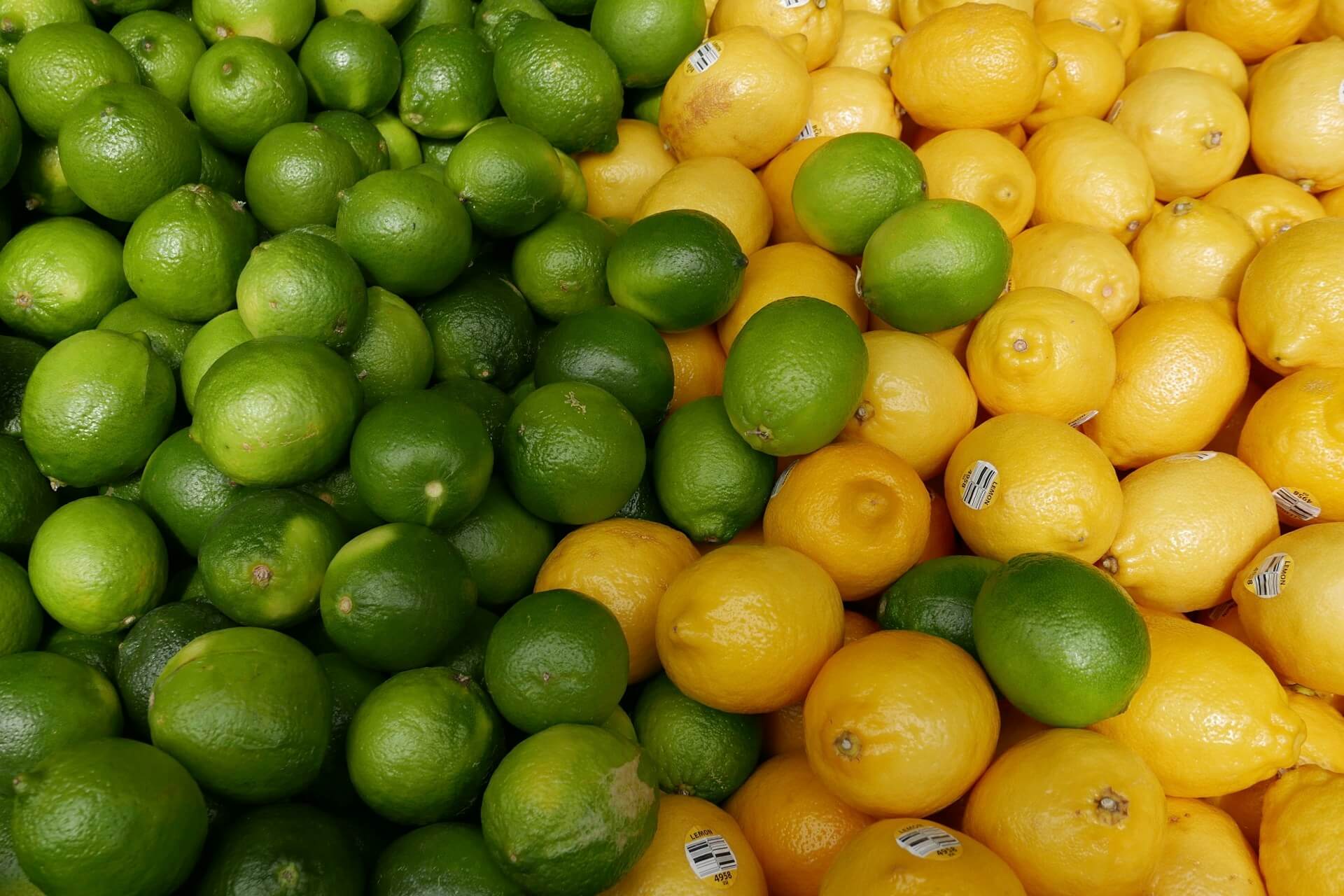
A bunch of limes and lemons

One of our favorite products from WSWA’s Access LIVE 2024 event in Las Vegas can save operators and bar teams time and money.

Access LIVE, the annual Wine & Spirit Wholesalers of America (WSWA) event is always chock full of notable items. However, this one in particular stood out to me and my colleagues.

Coming out of Deluxe Distillery in Belgium, Sūpāsawā Seriously Sour Cocktail Mixer is here to make lives easier.

Of course, it’s not surprising that this mixer is so impressive. Sūpāsawā is produced alongside high-quality stablemates, after all: Blind Tiger Handcrafted Gin, Mary White Premium Vodka, and Yusibi Honey Based Aperitif.


View this post on Instagram


A post shared by Supasawa (@supasawaco)

In short, this innovative mixer can replace citrus. Importantly, it’s also widely available around the world. Speaking to the core of our audience and clients, it’s available in Canada and the US. When I asked about availability in the US, I was told it’s in 30 states currently.

Operators in the UK, Europe, Australia, and many more regions should also be able to get their hands on Sūpāsawā.

So, what is this magical mixer, exactly? It’s a simple and clean stand-in for expensive and time-consuming citrus.

Deluxe’s super sour mixer is distilled water, citric acid, malic acid, tartaric acid, phosphoric acid, and succinic acid. The liquid is crystal clear, aroma-free, and an incredibly convenient substitute for lemons and limes.

Real-life Scenario

Consider the following real-life hypothetical that shines a light on Sūpāsawā’s real-life benefits.

Let’s say someone hires an operator for a catered event. Included in this event is bar service, and involves more than pouring wine and beer.

Along with a handful of calls, the client and their guests expect a signature cocktail. Well, batching a cocktail or two ahead of the event would be a smart move.

However, we all know what that means: purchasing and juicing citrus. And we also all know what else that means: labor costs for all that prep.

What if one bartender or bar back could batch a cocktail in less than five minutes? Yes, I’m talking under five minutes for the entire batching process.

That scenario is nearly identical to Deluxe Distillery’s Access LIVE 2024 situation.

Deluxe showed the convenience and superpower of Sūpāsawā at their booth via batching. According to the bartender and ambassador who prepared the standout cocktail, he added all the ingredients—including the super sour mixer—to a jug, shook it, and it was ready to go in less than five minutes.

Real-life Benefits

Does this mean you’ll never have to buy lemons and/or limes again? For the vast majority of bars, no. However, the more drinks you can make with Sūpāsawā, the more you can plan for and control the cost of citrus.

Per Deluxe, operators can expect to save 15 minutes per liter of citrus juiced. The distillery also says each bottle of Sūpāsawā represents 35 pieces of fruit an operator won’t have to purchase. On average, a single cocktail requires just 20 ml of Sūpāsawā, or 2/3 of an ounce. With each bottle coming in at 700 ml, that’s 35 individual cocktails per.

When I asked about unit cost at their Access Live 2024 booth, Deluxe said operators can expect a price of $9 per unit. People who do the math can see the benefit of getting their hands on Sūpāsawā for individual, kegged, and batched cocktails.

In terms of storage, the slim bottle can last for about two years unopened. After it’s opened, Sūpāsawā should last for up to a year. Compare that to the two- to three-day shelf life of lemon or lime juice.

Notably, using Sūpāsawā leads to consistency. Because it always tastes the same, drink consistency is improved. And, of course, using this super sour mixer leads to producing less food waste.

Click here to learn more about Sūpāsawā and what it can do for an operator’s bar program, catering, and bottom line. Oh, and click here for recipes. Cheers!

Disclaimer: Neither the author nor KRG Hospitality received compensation, monetary or otherwise, from Deluxe Distillery, WSWA, or any other entity in exchange for this post.

Image: Irina on Unsplash

KRG Hospitality Start-Up Restaurant Bar Hotel Consulting Consultant Solutions Plans Services

by David Klemt David Klemt No Comments

Welcome Back to the Culinary Arena

Welcome Back to the Culinary Arena: A Comprehensive Guide for 2024

by Nathen Dubé

"2024" dessert concept

The start of a new year is an exciting time in the restaurant world, offering a unique opportunity to reassess and rejuvenate your foodservice business.

From utilizing downtime effectively to setting strategic priorities, this guide is designed to help you navigate the year ahead with confidence and creativity.

Whether you’re a seasoned chef or a budding restaurateur, these insights will equip you with the tools to make 2024 a year of remarkable culinary experiences and business growth.

Part 1: Strategic Use of Downtime

Menu Innovation and Optimization

The start of the year is ideal for re-evaluating your menu.

Begin by analyzing customer feedback and sales data from the previous year. Identify which dishes were most popular and which underperformed. Consider removing items that aren’t selling well and focus on the dishes that your customers love.

This is also an excellent time to experiment with new flavors and culinary trends. For instance, with the growing demand for plant-based options, think about introducing a few vegan or vegetarian dishes.

Keep an eye on food trends. Are there new ingredients or cooking techniques that you can incorporate into your menu? This not only keeps your offerings fresh and exciting but also shows your commitment to culinary innovation.

Remember, a well-crafted menu is a balance between popular staples and innovative dishes. It should reflect your restaurant’s identity while also appealing to your target customer base.

Consider a seasonal menu that takes advantage of fresh, local produce, which can provide inspiration for new dishes and help reduce costs.

Staff Training and Empowerment

The quieter months are a perfect opportunity for staff training and development.

Conduct a skills audit to identify areas where your team could improve or learn new competencies. This could range from culinary skills, like mastering a new cooking technique, to soft skills, such as guest service or conflict resolution.

Training doesn’t have to be formal or expensive. You can leverage online courses, in-house mentoring, or even cross-training within your team.

For instance, front-of-house staff could benefit from basic kitchen training to better understand the dishes they are serving, while kitchen staff could learn about customer service to appreciate the end-to-end dining experience.

Team building is another key aspect. Organize activities that foster communication and collaboration. This could be something as simple as a team meal or a group outing.

A cohesive team that communicates well will provide better service, leading to happier guests and a more pleasant working environment.

Finally, empower your staff by involving them in decision-making processes. This could be in menu development, process improvements, or even marketing ideas.

When staff feel valued and part of the business, they are more likely to be motivated and committed.

Facility Revitalization

Use this quieter period to assess and upgrade your facilities.

Start with a thorough cleaning and maintenance check. This includes checking kitchen equipment, dining area furniture, and the overall infrastructure of your establishment.

Evaluate your kitchen equipment and consider if anything needs to be repaired or replaced. Upgrading to more efficient equipment can improve productivity and reduce long-term costs. For instance, investing in energy-efficient appliances not only cuts down on utility bills but is also better for the environment.

Look at your dining area from a customer’s perspective. Is the seating comfortable? Is the lighting appropriate? Small changes in décor can significantly enhance the dining experience. Consider refreshing the paint, adding new artwork, or even rearranging the layout to improve flow and ambiance.

Also, think about your back-of-house operations. Is your storage area organized? Can you improve the workflow in the kitchen? An efficient back-of-house leads to smoother service and a better customer experience.

Part 2: Setting Priorities for the Year

Elevating Customer Experience

The guest experience is paramount in the food service industry. This year, make it a priority to enhance every aspect of your guest’s journey.

From the moment they walk in, to the service they receive, to the food they enjoy, each element should contribute to a memorable experience.

Focus on training your staff to provide exceptional service. This includes being knowledgeable about the menu, attentive to guest needs, and quick to resolve any issues.

Personalized service can make a big difference. Remembering regulars’ preferences or celebrating special occasions with them can turn a one-time visit into repeat patronage.

Ambiance plays a crucial role in the dining experience. The right music, lighting, and décor can create an inviting atmosphere that complements your culinary offerings. If your budget allows, consider investing in upgrades that enhance the ambiance, such as new lighting fixtures or comfortable seating.

Implementing a feedback system is also important. Encourage customers to share their experiences, whether through comment cards, online reviews, or direct conversations. This feedback is invaluable for continuous improvement and can help you address any issues promptly.

Sustainability as a Cornerstone

Sustainability is becoming increasingly important to consumers, and incorporating sustainable practices into your business can have a significant impact. Start by assessing your current practices and identifying areas for improvement.

One key area is waste reduction. Conduct a waste audit to understand where most of your waste is coming from and develop strategies to reduce it. This could involve better inventory management to prevent overordering and spoilage, composting food waste, or finding creative ways to use leftovers.

Local sourcing is another aspect of sustainability. Building relationships with local suppliers not only supports the local economy but also reduces your carbon footprint. Local ingredients are often fresher and can inspire seasonal menus.

Also, consider the sustainability of your operations. This could involve using eco-friendly packaging, reducing energy consumption, or even installing water-saving devices.

Communicating your sustainability efforts to your customers can also enhance your brand’s image and attract environmentally conscious patrons.

Innovative and Integrated Marketing Strategies

In today’s digital age, effective marketing is crucial for any business.

Utilize social media platforms to engage with your audience. Share behind-the-scenes glimpses of your kitchen, showcase your signature dishes, and highlight your team. This not only promotes your offerings but also builds a connection with your guests.

Email marketing is another powerful tool. Regular newsletters can keep your guests informed about new menu items, special events, or promotions. Personalized emails on birthdays or anniversaries can make your guests feel special and encourage repeat visits.

Don’t overlook the power of community involvement. Participate in local events, collaborate with other businesses, or sponsor local sports teams. This can increase your visibility in the community and build goodwill.

Financial Health and Diversification

Keeping a close eye on your financials is crucial.

Regularly review your costs and revenues and look for ways to optimize them. This might involve renegotiating supplier contracts, adjusting menu prices, or reducing unnecessary expenses.

Consider diversifying your revenue streams. This could include offering catering services, hosting private events, or selling branded merchandise.

These additional streams can provide a buffer during slower periods and increase your overall profitability.

Conclusion

As we look forward to 2024, let’s embrace the opportunities and challenges that come our way.

By using downtime strategically, setting clear priorities, and striving for excellence continuously, we can ensure that this year is not just successful but also fulfilling.

Remember, in the dynamic world of foodservice, adaptation and innovation are key. Let’s make this year a celebration of our culinary passion, business acumen, and commitment to our guests.

Here’s to a year of delicious discoveries and unparalleled success in the culinary world!

Image: 愚木混株 cdd20 on Unsplash

KRG Hospitality operational assessments

by David Klemt David Klemt No Comments

The Sixth: Art of ITALICUS Returns

The Sixth: Art of ITALICUS Returns for 2024

by David Klemt

ITALICUS bottle surrounded by citrus fruits

Your bar team members have the opportunity to participate in the sixth-annual Art of ITALICUS Aperitivo Challenge and win an invaluable prize.

There are multiple prizes, really. For example, national finals winners take the title of ITALICUS Bar Artist for their country, for 2024. They also walk away with a ticket to the global finals, which take place in Rome.

After the global finals, one winner will earn the title ITALICUS Bar Artist of the Year 2024. However, taking nothing away from this title, there’s another prize that I feel should drive every competitor to truly outshine their competition.

The ITALICUS Bar Artist of the Year will head to the incredible Cafe La Trova in Miami to participate in a mentorship program. Given that Julio Cabrera is such an influential member of the hospitality world, this prize represents a once-in-a-lifetime opportunity.

Now, as an operator or leadership team member, you may wonder what this news has to do with you. It’s simple: Encouraging your bartenders to participate in this competition and others like it shows you care about their career progression.

Bar team members who want to take part in competitions get to show off their creativity to a wider audience, become known to brands, and network with peers outside of their local communities. They can also discover and bring back tips, techniques, and lessons to your bar, restaurant, nightclub, or hotel.

In this case, one bartender will return to their bar or restaurant with lessons from the Cafe La Trova team. That’s priceless insight that will benefit their entire team.

For crucial competition details, please read the Art of the ITALICUS Aperitivo Challenge press release below.

Good luck to all of the participants!

ART OF ITALICUS APERITIVO CHALLENGE RETURNS FOR 2024 IN PURSUIT OF THE BEST ART-INSPIRED APERITIVO COCKTAIL

New York, NY (January 9, 2024) – Today, The Art of ITALICUS Aperitivo Challenge returns for its sixth edition, inviting bartenders from around the world to create an original and unique aperitivo cocktail inspired by any form of art and crafted using ITALICUS Rosolio di Bergamotto.

The Winner of the renowned industry challenge will be crowned ITALICUS Bar Artist of the Year 2024 and win a trip to Miami for a once in a lifetime mentorship program with Cafe La Trova by Julio Cabrera. Nominated in 2023 as one of the World’s 50 Best Bars, Cafe La Trova is the true embodiment of hospitality, welcoming guests with impeccable warmth, attention to detail and service, crafting a truly memorable experience for anyone who visits. The “cantinero culture,” which is synonymous with the venue, embraces the most important values of the cocktail industry, making it the perfect inspiration for the new Art of Italicus participants. As part of the prize, the 2024 ITALICUS Bar Artist will have the opportunity to experience what makes this bar truly special and discover one of the most vibrant art cultures in Miami’s iconic surroundings.

Reflecting the brand’s passion for Italian art and design, The Art of ITALICUS Aperitivo Challenge is built on the belief that bartenders are artists and offers them the opportunity to expand their creativity whilst experimenting with new ingredients, techniques and glassware to showcase the versatility of ITALICUS. Each recipe must be in an aperitivo style and can be inspired by any form of art such as sculpture, painting, fashion, music, architecture and much more.

The competition will welcome entrants from 13 countries including Croatia/Slovenia, France, Greece, Hong Kong, Hungary, Italy, Norway, Portugal, Spain, Sweden, Swiss, United Kingdom and the United States. Bartenders from other countries will be able to apply through a Wild Card entry, offering them the opportunity to win a spot at the global final in May in Rome.

Giuseppe Gallo, founder and CEO of ITALICUS, comments:

“Now in its sixth year, The Art of ITALICUS Aperitivo Challenge celebrates aperitivo culture while encouraging bartenders to express their creativity, looking to art in its various forms as way of inspiration. Meeting with the industry’s emerging talent through this program gives me a great deal of pride and is something I hope continues for many years as a way of keeping our community connected, working together and empowering one another.”

The 2024 Competition

Competitors are tasked with creating an original aperitivo cocktail using a minimum of 40ml (1.5oz in US) of ITALICUS Rosolio di Bergamotto and a maximum of five ingredients. Participating bartenders must upload their unique recipe alongside an image of their creation including measurements, garnishes and glassware recommendations to the competition website before February 20, 2024 in order to be in with a chance of winning. Competitors are also required to share their inspiration and the story behind their aperitivo cocktail and encouraged to suggest food pairings for their recipe.

Applications for The Art of ITALICUS Aperitivo Challenge 2024 will be open from January 9 through February 20. Recipes can be submitted via the website: https://imbibemagazine.com/art-of-italicus/.

Entrants are also encouraged to share their creations on social media ahead of the competition, using the following hashtags: #ITALICUS #ROSOLIODIBERGAMOTTO #ARTOFITALICUS #AOI24

National Finals

The national finals will take place throughout March and April (March 4 – April 12) where the eight shortlisted bartenders will present their cocktail creation to the judging panel across eight minutes and including at least three serves. The winner of the national final will receive the title of ITALICUS Bar Artist of their country 2024 along with a ticket to participate in the global final which will be held in Rome.

Global Finals

On May 12, the national finalists will compete against one another in Rome in a bid to earn the coveted title of ITALICUS Bar Artist of the Year 2024 as well as a once in a lifetime opportunity and mentorship with one of the world’s most influential bars, Cafe La Trova by Julio Cabrera. During the trip to Miami, the winning bartender will be accompanied by a film crew who will document their experience and create a documentary video which will later be released on social media.

For further information on The Art of ITALICUS Aperitivo Challenge, please visit www.artofitalicus.com.

Image: ITALICUS

Bar Nightclub Pub Brewery Menu Development Drinks Food

by David Klemt David Klemt No Comments

2024 500-point Start-up Checklist

2024 KRG Hospitality 500-point Bar & Restaurant Start-up Checklist

by David Klemt

KRG Hospitality 2024 Bar & Restaurant 500-point Start-up Checklist

Opening a bar or restaurant is a daunting undertaking, with projects requiring the completion of 500 unique tasks within four phases before welcoming guests.

It takes strategic clarity along with a strong supportive team around you to ensure your dream doesn’t turn into a nightmare. To help you get ahead and start 2024 with the strongest opportunity for success, we’re giving you access to a number of free resources.

First, our 2024 Bar & Restaurant Start-up Costs Guide. If you haven’t already, download this informative guide today. And now, our 2024 500-point Bar & Restaurant Start-up Checklist.

KRG Hospitality’s feasibility studies, concept and brand development, and programming are unique and customized to every client. However, the journey from idea to grand opening is a well-worn path dotted by hundreds of waypoints.

There’s a reason we call our project plans Roadmaps to Success: we’re here to help guide our clients to and through each point on the map.

Below you’ll find 32—only six percent—of the 500 unique tasks we at KRG believe you must complete before your grand opening. Just these tasks alone should provide an idea of the enormity that is taking your concept from idea to brick and mortar.

To download your free copy of our 2024 500-point Bar & Restaurant Start-up Checklist, click here. As you’ll see once you open this checklist, it’s interactive. You can easily check off items as you complete them, and the document will save your progress.

Opening a bar or restaurant is challenging. We’re here to help make it easier.

Planning Phase

Self-assessment

  • Mindset assessment
  • Support network assessment

Feasibility Study

  • Market viability study
  • Technical viability study

Brand Strategy

  • Vision statemet
  • Frame of reference

Tech-stack Plan

  • Service technology plan
  • Payment processing technology

Project Set-up Phase

Job Scopes for Project

  • Landlord presentation
  • Equipment vendor presentation

Project Support Team Plan

  • Industry consultant
  • Legal Advisor

Menu Testing

  • Final flavor profile creation
  • Theoretical costing, food

Interior Design

  • Final choice in furniture
  • Final choice for millwork design

Operational Set-up Phase

Operational Vendors

  • Bar and kitchen smallware vendor
  • Refrigeration tech vendor
  • Hood cleaning vendor
  • Grease trap cleaning vendor

SOP Procedures/System

  • Finalize hourly operations plan
  • Application forms
  • Food safety quiz
  • Leadership team manual

Launch Phase

Marketing Execution

  • Creation of media package
  • Search engine optimization

Tech-stack execution

  • Point-of-sale systems
  • Menu management systems

Team Onboarding

  • Leadership team onboard
  • Team-building exercises

Soft Opening

  • Menu timing
  • Menu feedback

To download your free copy of our 2024 500-point Bar & Restaurant Start-up Checklist, click here now!

Image: KRG Hospitality

KRG Hospitality Start-Up Restaurant Bar Hotel Consulting Consultant Solutions Plans Services

by David Klemt David Klemt No Comments

5 Books to Read this Month: January 2024

5 Books to Read this Month: January 2024

by David Klemt

Flipping through an open book

Our inspiring and informative January book selections will help you and your team transform your operations and F&B programming.

This month, we look at books covering an array of topics: becoming a great boss; gaining perspective when analyzing your business; and more.

To review the book recommendations from December 2023, click here.

Let’s jump in!

Single AF Cocktails: Drinks for Bad B*tches

You may roll your eyes at the title of this cocktail book but there’s no denying it has your attention. In that way, it’s much like a well-curated, themed cocktail menu split into cleverly named sections. In fact, this book is separated into sections that match its overall theme. For example, Honeymoon Phase, Betrayal, Devastation, and Resilience. If you have reality show fans among your guests, they’ll likely know author Ariana Madix from Vanderpump Rules and Dancing with the Stars. So, they’ll probably dig these drinks.

From Amazon: “The newly solo Ariana serves up her own recipes and perspective in a unique exploration of the stages of a doomed relationship. In her own words, Ariana takes back the narrative of her very public breakup while inspiring others to find inner strength in their own troubles. Each drink tells part of the story from her point of view, from when she first met her ex, through the insidious affair and its painful aftermath, and to her present state, coming out the other side, stronger than before.”

Grab it today!

How to Be a Great Boss

Entrepreneurs, when working with a team, need to be leaders. That means being a great boss. However, that doesn’t mean being a tyrant. If you want to earn buy-in from your team, if you want to get the most out of each person, you need to get them excited and engaged.

From Amazon: “Studies have repeatedly shown that the majority of employees are disengaged at work. But it doesn’t have to be this way. Often, the difference between a group of indifferent employees and a fully engaged team comes down to one simple thing: —a great boss.

“In How to Be a Great Boss, Gino Wickman and René Boer present a straightforward, practical approach to help bosses at all levels of an organization get the most from their people. They share time-tested tools that have worked for more than 30,000 bosses in every industry. You can learn to be a great boss—and dramatically improve both your organization’s performance and your team’s excitement about their work.”

Pick up the hardcover today.

Same as Ever: A Guide to What Never Changes

As a business owner, it’s smart to see what’s changing. However, it’s also crucial to identify what’s not changing to gain perspective and understand the whole picture.

From Amazon: “With his usual elan, Morgan Housel presents a master class on optimizing risk, seizing opportunity, and living your best life. Through a sequence of engaging stories and pithy examples, he shows how we can use our newfound grasp of the unchanging to see around corners, not by squinting harder through the uncertain landscape of the future, but by looking backwards, being more broad-sighted, and focusing instead on what is permanently true.

“By doing so, we may better anticipate the big stuff, and achieve the greatest success, not merely financial comforts, but most importantly, a life well lived.”

Click here for the hardcover, or here for the paperback.

Bar Hacks: Developing The Fundamentals for an Epic Bar

This informative and conversational book written by KRG Hospitality president Doug Radkey is the perfect read for aspiring or seasoned bar, pub, lounge, or even restaurant owners, operators, and managers looking for that competitive edge in operations! If you’re looking for both fundamental and in-depth planning methods, strategies, and industry focused insight to either start or grow a scalable, sustainable, memorable, profitable, and consistent venue in today’s cut-throat industry, Bar Hacks is written just for you.

Pick up the paperback from Amazon today!

Hacking the New Normal: Hitting the Reset Button on the Hospitality Industry

Doug’s followup book to Bar Hacks! The world around us has changed. The food and beverage industry has changed. The hospitality industry has changed. But will some ways of life change for the better? Will perhaps the restaurant, bar, and hospitality industry come out even stronger? With the right changes to the previous status quo, it is possible. There’s no question, resets are major undertakings, but a major reset will provide us with a clean start and that’s what this industry needs.

Pick up KRG Hospitality president Doug Radkey’s second book today! Click here.

Image: Mikołaj on Unsplash

Business Plan for Boutique Hotel Motel Resort Property

by David Klemt David Klemt No Comments

2023 KRG Recap: Top 10 Articles

2023 KRG Recap: Top 10 Articles

by David Klemt

The roman numeral for the number 10 on a clock

Here it is! The final roundup of 2023, a collection of the top ten articles spanning all categories, including news, operations, and F&B.

Unlike our previous three year-end roundups, some of these articles aren’t from 2023. As an example, one of our most-read articles is from 2022, and it’s about the happiest provinces in Canada.

We’re humbled and grateful that you continue to view us as a trustworthy source of hospitality industry analysis, advice, and news. We look forward to serving you further in 2024.

Cheers!

Three hands holding up three pineapples

Raise the Bar: The 3 Ps of Hospitality

Nightlife, bar, and cocktail experts Mia Mastroianni, Phil Wills, and Art Sutley want operators to focus on what they call “the Three Ps.”

The engaging trio shared their trio of Ps recently in Las Vegas at the 2023 Bar & Restaurant Expo.

So, what are the Three Ps of hospitality? People, Place, and Product. Operators who pull the threads tighter on each of these crucial elements will be well on their way to improving operations and the guest experience.

People

Remember all the way back to a week ago when I shared Mastroianni, Wills, and Sutley’s thoughts on service versus hospitality? Consider the first P a deeper dive into that topic.

Operators need to focus on two categories of people who help their businesses succeed: their teams and their guests.

Addressing the former, the trio feels that operators are centering a disproportionate amount of their attention on guests in comparison to staff.

“We’re not lacking for people who want to work in the business and are outperforming other industries, but we’re not focusing on staff like we focus on guests,” says Wills. “Treat everyone with respect, including through the hiring process. If you don’t engage your staff, you won’t retain them. You need to show them they can grow in your business.”

According to Sutley, 89 percent of operators say that labor costs present a “significant challenge.” It follows, then, that committing to treating staff with respect and nurturing their careers isn’t just the right thing to do, it’s smart business.

Look for people with passion, those you can motivate to go above and beyond so you’re not stuck with a team full of space-fillers who are just after a paycheck, suggests Mastroianni.

Of course, operators and their teams must also focus on providing exceptional service and experiences to guests.

“Treat ever guest like a pearl in an oyster,” advises Wills. “They’re the pearl, we’re the oyster. We need to ‘protect’ them.” Anything less, cautions Sutley, and guests won’t return.

For the rest of the Three Ps, click here.
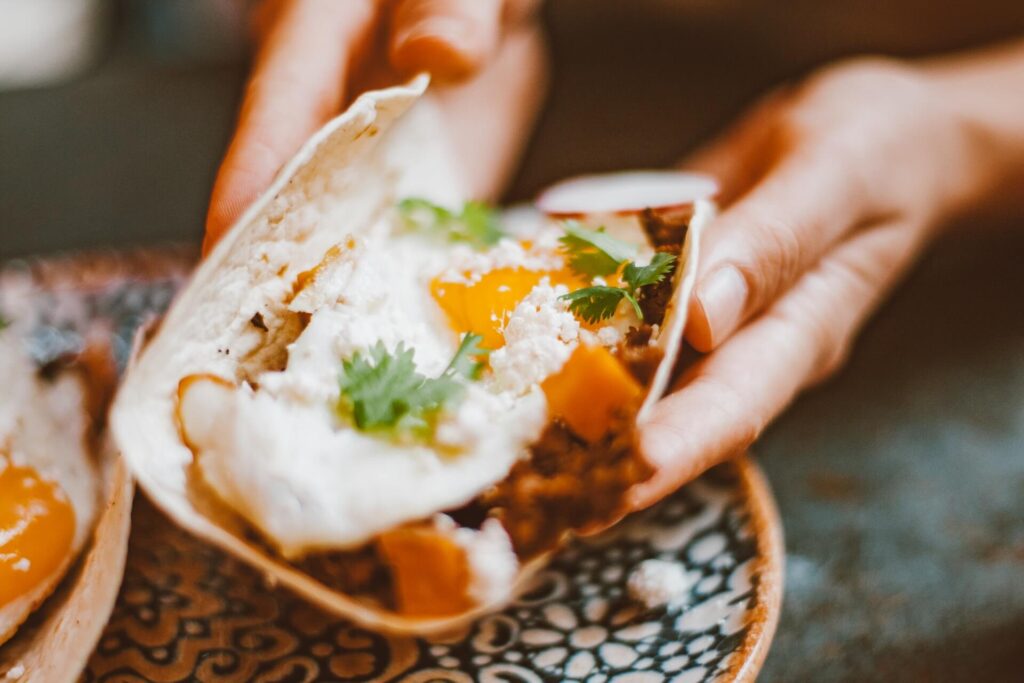
Tortilla with beans, cotija cheese and egg

Canadian Trends 2023: Technomic

Restaurant, bar, and hotel operators will find this year’s data-driven trend predictions from Technomic for 2023 insightful.

Interestingly but perhaps not surprisingly, some operators may be looking beyond North America for inspiration.

Per Technomic, Central and South American cuisines could influence menus in Canada this year. Other food trends that might take hold are “retro” health items, and all manner of pickled foods.

Of course, not every Canadian trend prediction involves F&B. According to Technomic, tech and the guest experience will play important roles.

To review last year’s Technomic predictions, click here. Now, let’s jump into Technomic’s 2023 predictions.

Guest Experience

Certainly, the guest experience should always be top of mind for operators, their leadership teams, and their staff.

In this instance, Technomic isn’t suggesting that the guest experience in general will be a trend. Obviously, with as important as it is to the success of any business, it’s a cornerstone.

Rather, Technomic predicts that guests will continue to feel the need to rein in their spending due to ricing costs and prices. However, the foodservice research firm also believes there’s still heavy desire for social interaction.

So, both those financial and social influences translate to the following: overdelivery.

Operators and their teams must ensure they position their brands well; make guests feel special every visit; and really dial in the guest experience. Specifically, Technomic suggests focusing on younger generations and menus with at least a couple specialty items that aren’t easy for a guest to replicate at home.

In other words, do whatever it takes to entice guests with memorable experience and quality menu items, and keep them coming back for more.

Follow this link to continue reading.
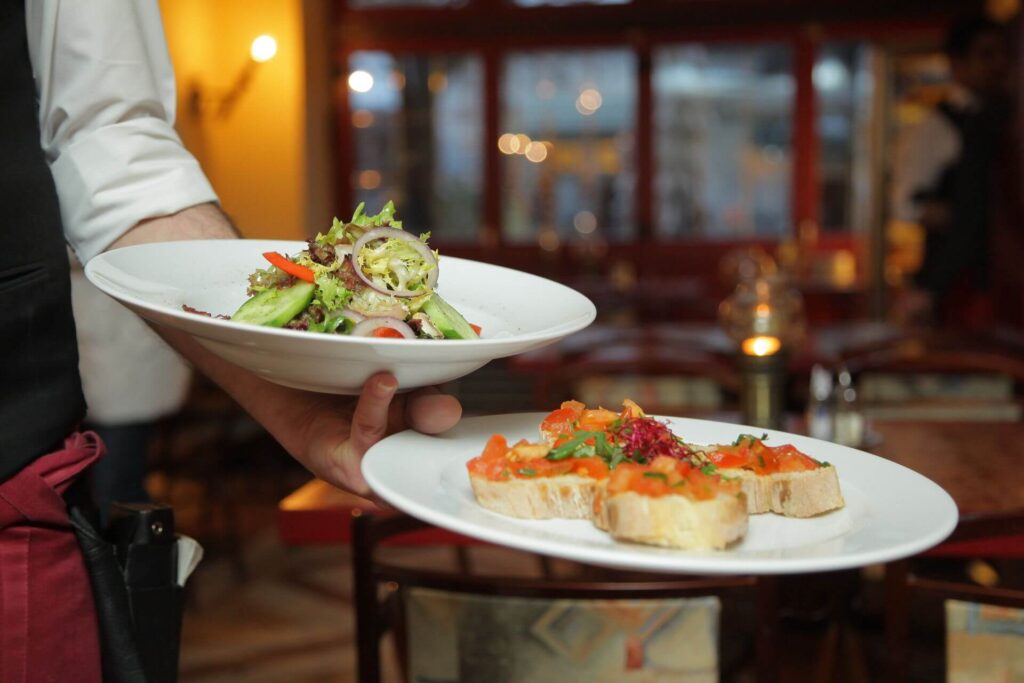
Server carrying two plates with one hand

Just.Safe.Food. and More Alternatives to ServSafe

ServSafe, the National Restaurant Association‘s food safety training program, isn’t the only food handler training game in town.

Certainly, the program is the most well known in our industry. However, it’s fair to say that ServSafe is closer to infamous than just ubiquitous due to a New York Times article from January.

While it’s the most recognizable of the food safety programs, it’s not the only one. Although, ServSafe’s omnipresence likely gives many the impression that it’s ServSafe or nothing.

There are, however, alternatives to ServSafe. In fact, one challenger was announced a day after the explosive New York Times article that thrust ServSafe into a spotlight the NRA probably isn’t enjoying. (After all, one result of that article was a letter from six US senators demanding answers from the NRA about ServSafe by March 3.)

At any rate, the newest alternative to ServSafe comes from One Fair Wage. The program is Just.Safe.Food. and costs just $10. (As a reminder, ServSafe costs $15.)

For that $10, Just.Safe.Food. gives an individual three attempts to pass their exam and unlimited access to training materials. Additionally, One Fair Wage (OFW) says profits they raise from the program will go toward advocating for restaurant workers.

OFW, as many in the industry know, is owned and operated by restaurant workers. Two cornerstones of the organization’s mission are increasing the minimum wage, and ending the tip credit. OFW is also attempting to convince lawmakers to stop accepting donations from the NRA.

Basically, OFW and the NRA are—and it appears always have been—at odds with with one another.

To learn more, click here.

Newfoundland and Labrador during daytime

These are the Happiest Provinces in Canada

If you’re wondering which province in Canada is the happiest, Statistics Canada has the answer—and the happiest may surprise you.

Of course, those who live and work in the happiest province won’t find it shocking. After all, they’re largely happy to be there.

However, if you expect the happiest province to be the home of Toronto, Vancouver, Montreal or Canada… Well, you’re in for a surprise.

Earlier this week we took a look at the happiest cities and states in America. Congratulations Fremont, California, and Hawaii, respectively. To learn where 181 other cities and 49 states rank, please click here.

The Happiness Survey

Or more accurately, the “life satisfaction” survey. For this survey, that’s what Statistics Canada reveals: life satisfaction.

Interestingly, the survey is very simple. Apparently, Statistics Canada simply asked participants to rate the satisfaction of living in their province, zero through ten. For this survey, zero is least satisfied, ten is most.

Ages 15 through 75 (and older) were able to participate. The survey was also broken down to gauge the satisfaction of men and women.

Before we jump into the breakdown of province satisfaction or happiness, some good news. Reviewing the Statistics Canada data, most participants across all age groups are happy. In fact, age groups 65 to 74 and 75-plus appear to be happiest.

On the other side, ages 15 to 54 had the most people who rated their life satisfaction between zero and five. Even so, just over 20 percent of survey respondents rated their satisfaction a five or less.

So, on the whole, Canadians seem satisfied or happy with their lives, regardless of the province in which they live. Personally, I find that to be great news.

Click here to keep reading.
Glendalough Distillery Wild Gin Irish gin

8 Glendalough Distillery Cocktail Recipes

Offer your guests something different for your St. Patrick’s Day promotion with Glendalough Distillery cocktail recipes.

Without a doubt, you should have plenty of the expected Irish whiskeys on hand. However, Glendalough Distillery Double Barrel, Pot Still, Wild Gin, and Rose Gin are extraordinary Irish whiskeys and gins.

Each spirit the distillery crafts honors the art of Irish distillation, a craft that stretches back centuries. What’s more, each whiskey Glendalough crafts is single malt—there are no light-bodied blends in their lineup.

To learn more, check out episode 71 of the Bar Hacks podcast with Glendalough Distillery co-founder and national brand ambassador Donal O’Gallachoir.

Sláinte!
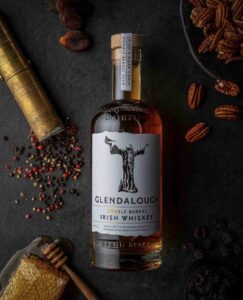
Glendalough Distillery Double Barrel Single Malt Irish Whiskey

The Lough Inn

This highball is made with Glendalough Double Barrel, a single-grain Irish whiskey aged in ex-bourbon barrels before being finished in Oloroso sherry casks.

  • 2 oz. Glendalough Double Barrel Single Grain Irish Whiskey
  • 1 oz. Spiced honey syrup (see note)
  • 1 oz. Fresh lemon juice
  • Soda to top
  • Lemon wheel or slice to garnish
  • Mint leaf to garnish
  • 1 cup Honey for spiced honey syrup
  • 0.5 cup Water for spiced honey syrup
  • 4 Cinnamon sticks for spiced honey syrup
  • 1 pod Star anise for spiced honey syrup

Add ice to a highball glass, then add first three ingredients. Top with soda water. Garnish with lemon wheel or slice and freshly torn mint leaf.

For spiced honey syrup: Add honey, water, cinnamon sticks, and star anise to pot. Bring to a boil, then stir. Strain into container.

For more Glendalough Distillery recipes, click here.
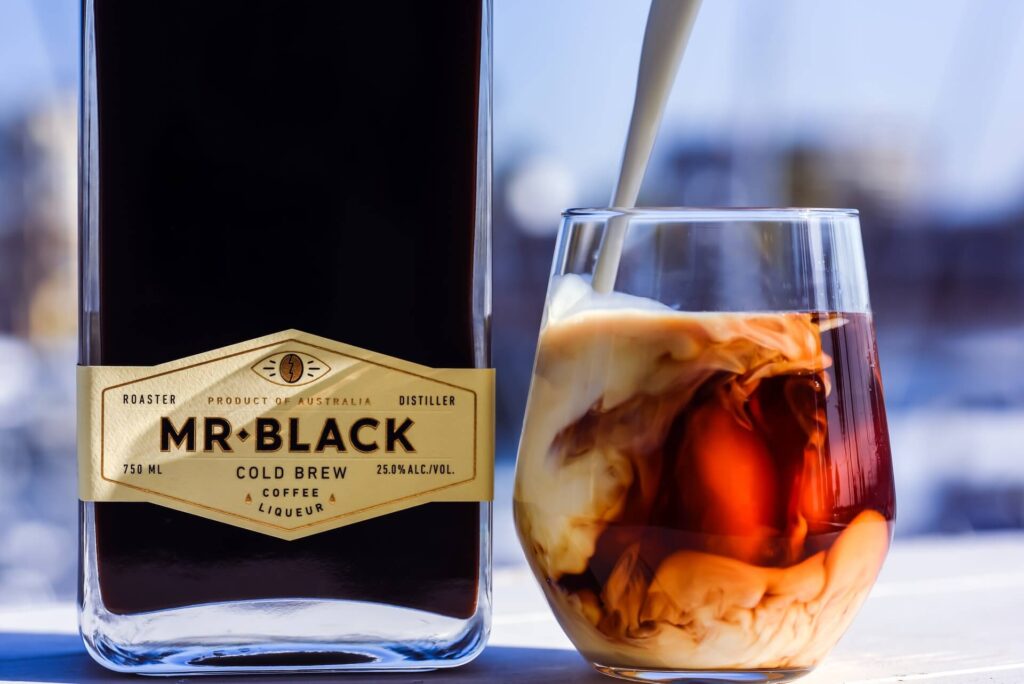
White Russian cocktail made with Mr. Black Coffee Liqueur

7 Coffee Liqueurs You Need to Know

Whether you and your bar team are making Espresso Martinis, riffing on classics or creating something new, consider these coffee liqueurs.

National Espresso Martini Day takes place on Tuesday, March 15. Leading up to this bar holiday, the cocktail is experiencing yet another resurgence.

In fact, this cocktail more than any other seems to maintain an enviable rate of “surging back” in popularity. Maybe it’s time to just admit that it’s a modern classic people love to hate…but still order and enjoy.

Below are seven coffee liqueurs that shine in an Espresso Martini, Old Fashioned, Negroni, Irish Coffee, or any number of rich, flavorful cocktails. Cheers!

Mr. Black

Most of the reviews out there place Mr. Black at the top when it comes to coffee liqueurs. Once you’ve sipped it neat, you understand why. The coffee flavor is outstanding, and that should come as no surprise. After all, Mr. Black is crafted in Australia, a country with a rich coffee culture.

Additionally, Mr. Black occasionally releases special batches. In the past, the brand has produced Single Origin Ethiopia, Single Origin Colombia, and collaborations with WhistlePig and St. Ali Coffee Roasters. They also have a coffee amaro available.

Grind Espresso Shot

You really can’t go wrong making an Espresso Martini with an espresso liqueur. Grind Espresso Shot gives Mr. Black a run for their money in the coffee liqueur showdown.

This blend of Caribbean rum, espresso, coffee, and coffee extract that shines in just about any cocktail.

Click here for more coffee liqueurs to consider adding to your inventory.
Group of Big Game cocktails at Ocean Casino Resort

Ocean Casino Resort Offers Big Game Cocktails

Ocean Casino Resort, Atlantic City’s award-winning oceanfront casino and resort, is ready for the Big Game with four cocktails that team with the theme.

Now, by “Big Game,” we all know what I’m talking about. We know the sport, we the know the league, and we know precisely which game is under discussion.

However, due to very “enthusiastic” attorneys, we also have to talk like we’re spies or actors in a mob movie. We wouldn’t want to tempt anyone to file a lawsuit now, would we?

And I’m going to encourage you to continue following this childish way of speaking about the Big Game. When you’re promoting your Sunday, February 12 event, don’t use any trademarked terms, logos, images, etc.

Alright, the Big Game legalese is out of the way. Let’s talk themed cocktails!

Big Game Cocktail Inspiration

Midway through last year, Ocean Casino Resort showed us all their marketing prowess. When news of the Choco Taco’s demise made headlines, Ocean created a cocktail homage: the Chocotini.

To ensure the LTO could be enjoyed by most guests, the cocktail was available at four venues on the property.

Now, Ocean Casino Resort is tackling the Big Game. (Note: I’m legally required to include sports puns when writing about any major game.)

Guests have four specialty LTO cocktails from which to choose. Two representing the team from Philadelphia, two for the team in Kansas City. Each drink is available at venues throughout the casino resort, including their Topgolf Swing Suite (largest in America), Nola’s Bar & Lounge, and the Gallery Bar Book & Games.

In news that should appeal to you and your bar team, these drinks are quick to make. That’s a relief when you plan to be slammed on a particular day.

Of course, you don’t have to attempt to replicate these cocktails. They serve as excellent inspiration to motivate you and your team to come up with your own liquid homages and LTOs.

In case you’re wondering what to charge, Ocean is charging $14 each for the Brotherly Love, Hurts So Good, and Big Red cocktails. The Arrowhead carries a price tag of $15.

Click here to continue reading.

Closeup of keyboard

Can ChatGPT Write Food and Drink Menus?

After my “conversation” last month with ChatGPT about AI, I had another conversation during which I asked it to write me four menus.

Of course, I did this to prove a point. And upon reviewing the ChatGPT menus, you’ll likely reach the same conclusion.

Curious about how creative the AI-powered chatbot could be, I asked for four specific menus. As you’ll see, two are cocktail specific, one focuses on food, and one is a 20-item F&B menu for a specific event.

So, yes, ChatGPT can write food and drink menus. But there’s a caveat. I could leave you in suspense but that’s not very nice. Let’s jump in.

Write me a cocktail menu using the most popular cocktails from 2022.

Cocktail Menu

  1. Aperol Spritz – Aperol, Prosecco, and soda water, garnished with an orange slice
  2. Old Fashioned – Bourbon, sugar, bitters, and a citrus peel
  3. Margarita – Tequila, triple sec, lime juice, and salt rim
  4. Daiquiri – Rum, lime juice, and simple syrup
  5. Moscow Mule – Vodka, ginger beer, and lime juice
  6. Paloma – Tequila, grapefruit juice, lime juice, and soda water
  7. Pina Colada – Rum, pineapple juice, coconut cream, and a cherry garnish
  8. Whiskey Sour – Bourbon, lemon juice, and simple syrup
  9. French 75 – Gin, Champagne, lemon juice, and simple syrup
  10. Mai Tai – Rum, orange liqueur, lime juice, and orgeat syrup

*All cocktails are served over ice, unless otherwise requested.

Write me a cocktail menu using the most popular spirits and alcohol types of 2022.

Cocktail Menu

  1. Gin and Tonic – Gin, tonic water, and a lime wedge
  2. Vodka Martini – Vodka, dry vermouth, and an olive garnish
  3. Bourbon Manhattan – Bourbon, sweet vermouth, and bitters
  4. Tequila Sunrise – Tequila, orange juice, and grenadine syrup
  5. Rum Runner – Rum, blackberry liqueur, orange juice, pineapple juice, and grenadine
  6. Whiskey Sour – Bourbon, lemon juice, and simple syrup
  7. Margarita – Tequila, triple sec, lime juice, and salt rim
  8. Daiquiri – Rum, lime juice, and simple syrup
  9. Long Island Iced Tea – Vodka, gin, rum, tequila, triple sec, lemon juice, and cola
  10. Pina Colada – Rum, pineapple juice, coconut cream, and a cherry garnish

*All cocktails are served over ice, unless otherwise requested.

Click here to keep reading.

Developing a Bar Concept w/ Sensory Experiences

Once your idea has been researched and the market, location, technical, business, and financial viability of the idea has passed a series of reviews throughout a feasibility study, a concept development plan can then be started.

Remember, outside of being scalable, you want to build a concept that is sustainable, profitable, memorable, and consistent.

Bar concepts over the years have gone from being tame (or lame) or overplayed, like tiki bars or sports bars, to concepts that push the boundaries of what a bar can be. One of the best ways to build a customer base is to go off the beaten path to create a bold and fresh new bar concept.

A concept plan will focus on ‘chapters’ and visual storyboards that include an overall:

  • Concept Summary (a one page summarization similar to that of an Executive Summary)
  • Statement Overview (Value, Vision, Mission, Culture)
  • Architectural Design (characteristics, features, costs)
  • Bar/Kitchen Production (your equipment specs)
  • Entertainment & Guest Experience Summary
  • Menu Design Attributes (food & beverage)

Owning a bar is a dream for most that must be met with the right research, planning, and mind-set.

One’s market will, and must, define the concept. To be successful, you must be open to building a venue the market both wants and needs.

Concept development is giving your ‘idea’, both soul and character. A bar’s concept is the lifeline of its brand and longevity in the market. It makes your venue stand apart from the competition, and it’s ultimately your bar’s unique selling proposition.

Have you ever walked into a bar and been confused about its identity? The interior doesn’t match the beverage offerings, the social media experience doesn’t reflect the actual experience, and even the music doesn’t seem to match the vibe of the bar.

This is what happens when there isn’t a clear and detailed concept development plan in place, and it is a sure fire way to be just average at best.

Continue reading here.

How to Address Temporary Restaurant and Bar Closures: 5 Social Media Examples

Repeated restaurant and bar closures have, tragically, become a hallmark of 2020.

Operators have had to learn how to communicate closures to potential indoor guests, as well as delivery and takeout guests.

For most operators, the possibility of closing their doors—temporarily or otherwise—has moved well past “if” territory. At this point, it’s not even a question of when a restaurant or bar will have to close, it’s a matter of when it will happen again.

There are a few reasons a F&B business will have to close due to the Covid-19 outbreak: official mandate, reduced indoor and outdoor dining capacities, and voluntary temporary closures.

Mandated closures are, on the surface, straightforward. Government officials decree that certain types of businesses must close their doors by a specific date and time, and owners are expected to comply.

Closures induced by capacity restrictions are less straightforward. It has become woefully apparent that most lawmakers don’t understand (or don’t care) that at a certain threshold, reducing indoor and outdoor dining capacities is as good as forcing a restaurant or bar to close; the value proposition of remaining open simply isn’t there.

A voluntary temporary closure can come about because of capacity limitations, but they can also be the result of other factors. A significant workforce reduction, lack of traffic, rising costs of goods, or an internal Covid infection.

The stark reality is that the likelihood today’s operators are going to have to craft social media posts and emails announcing temporary (and possibly extended) closures is anything but slim.

Click here to keep reading.

Image: Anne Nygård on Unsplash
KRG Hospitality Start-Up Restaurant Bar Hotel Consulting Consultant Solutions Plans Services

by David Klemt David Klemt No Comments

2023 KRG Recap: Top 8 Ops Articles

2023 KRG Recap: Top 8 Operations Articles

by David Klemt

Close-up shot of a white neon "8" sign

The third installment in our annual article roundup is a collection of our readers’ favorite operations and service articles of 2023.

Below, articles about a multitude of topics: food safety, pricing, menu programming, leadership, setting your non-negotiable standards, and much more.

If you’re looking to really dial in your operations and service for 2024, these articles are an excellent place to start for tips and inspiration.

Cheers!

Server carrying two plates with one hand

Just.Safe.Food. and More Alternatives to ServSafe

ServSafe, the National Restaurant Association‘s food safety training program, isn’t the only food handler training game in town.

Certainly, the program is the most well known in our industry. However, it’s fair to say that ServSafe is closer to infamous than just ubiquitous due to a New York Times article from January.

While it’s the most recognizable of the food safety programs, it’s not the only one. Although, ServSafe’s omnipresence likely gives many the impression that it’s ServSafe or nothing.

There are, however, alternatives to ServSafe. In fact, one challenger was announced a day after the explosive New York Times article that thrust ServSafe into a spotlight the NRA probably isn’t enjoying. (After all, one result of that article was a letter from six US senators demanding answers from the NRA about ServSafe by March 3.)

At any rate, the newest alternative to ServSafe comes from One Fair Wage. The program is Just.Safe.Food. and costs just $10. (As a reminder, ServSafe costs $15.)

For that $10, Just.Safe.Food. gives an individual three attempts to pass their exam and unlimited access to training materials. Additionally, One Fair Wage (OFW) says profits they raise from the program will go toward advocating for restaurant workers.

OFW, as many in the industry know, is owned and operated by restaurant workers. Two cornerstones of the organization’s mission are increasing the minimum wage, and ending the tip credit. OFW is also attempting to convince lawmakers to stop accepting donations from the NRA.

Basically, OFW and the NRA are—and it appears always have been—at odds with with one another.

To learn more, click here.

Three hands holding up three pineapples

Raise the Bar: The 3 Ps of Hospitality

Nightlife, bar, and cocktail experts Mia Mastroianni, Phil Wills, and Art Sutley want operators to focus on what they call “the Three Ps.”

The engaging trio shared their trio of Ps recently in Las Vegas at the 2023 Bar & Restaurant Expo.

So, what are the Three Ps of hospitality? People, Place, and Product. Operators who pull the threads tighter on each of these crucial elements will be well on their way to improving operations and the guest experience.

People

Remember all the way back to a week ago when I shared Mastroianni, Wills, and Sutley’s thoughts on service versus hospitality? Consider the first P a deeper dive into that topic.

Operators need to focus on two categories of people who help their businesses succeed: their teams and their guests.

Addressing the former, the trio feels that operators are centering a disproportionate amount of their attention on guests in comparison to staff.

“We’re not lacking for people who want to work in the business and are outperforming other industries, but we’re not focusing on staff like we focus on guests,” says Wills. “Treat everyone with respect, including through the hiring process. If you don’t engage your staff, you won’t retain them. You need to show them they can grow in your business.”

According to Sutley, 89 percent of operators say that labor costs present a “significant challenge.” It follows, then, that committing to treating staff with respect and nurturing their careers isn’t just the right thing to do, it’s smart business.

Look for people with passion, those you can motivate to go above and beyond so you’re not stuck with a team full of space-fillers who are just after a paycheck, suggests Mastroianni.

Of course, operators and their teams must also focus on providing exceptional service and experiences to guests.

“Treat ever guest like a pearl in an oyster,” advises Wills. “They’re the pearl, we’re the oyster. We need to ‘protect’ them.” Anything less, cautions Sutley, and guests won’t return.

For the rest of the Three Ps, click here.

"Be optimistic" sign on black door

5 Toxic Mindsets that Hinder the Success of Your Business

Your frame of mind matters, and if you want a team and business that’s thriving and growing, it’s time to examine your own mindset.

How you show up day to day in your business and in your life will either hinder or promote your success. Like the popular phrase goes, “It starts from the top.”

You can set the tone for the day with the energy you bring. As Anese Cavanaugh, author of the book Contagious You, states, “Whatever we put out there and whatever we take on affects our ability to influence, lead, and create the impact we want.”

A positive mindset is contagious: it can inspire, motivate, and make others feel good. A toxic mindset is equally as contagious: it can halt growth, increase unhappiness, and lower productivity.

Here’s a list of five toxic thoughts that lead to a negative mindset and can hinder success.

Blame Game

Always looking for someone else to lay the blame on when things go wrong is a surefire way to a toxic team environment. If you’re quick to blame others when things go wrong, perhaps it’s time to take a step back and examine why something went wrong in the first place.

Was there inadequate training provided? Are there no clear systems to follow? Do you have an environment that’s hostile to asking for help? Fault rarely lies in one person only; there are typically several factors in play.

A positive mindset will examine facts, look at all potential causes, and then come up with solutions. Blame never enters the picture.

Second Guessing

Not being confident in the choices you make hinders growth. Uncertainty in your decision making leads others to question or doubt your role as leader.

If you don’t have the utmost confidence in making decisions, and it’s your business, how can you expect your team to have confidence in you or the work that they do?

This doesn’t mean that you have to make snap decisions without thinking them over. Planning and deliberating over the right move to make is critical to success. But once the decision is made…it’s made. If it doesn’t work out you can then problem solve to get back on the right path.

Second guessing your decisions along the entire way is only going to slow you and your business down.

Click here to continue reading.

Several spray paint cans next to one another

Raise the Bar: Service vs. Hospitality

During the 2023 Bar & Restaurant Expo in Las Vegas, Mia Mastroianni, Art Sutley, and Phil Wills addressed what separates service from hospitality.

For the sake of those who are unfamiliar, a brief summary of each member of this informative panel. Art Sutley is a nightlife and hospitality expert recognized by Forbes, the Wall Street Journal, and Thrillist (among other publications).

Phil Wills and Mia Mastroianni should be recognizable to anyone who has watched Bar Rescue. Wills co-founded Spirits in Motion, a beverage consulting agency. He’s also a bartender’s bartender who’s passionate about hospitality. Mastroianni, equally as passionate about the art of hospitality, is a seriously talented bar professional and hospitality expert who doesn’t take herself too seriously.

It’s difficult to imagine a more qualified trio when it comes to discussing the differences between service and hospitality.

What is Service?

Before they all dove in, Sutley shared a simple but impactful take on the guest experience.

“It’s checking boxes,” said Sutley. “We want each guest to check every box, and a few extra.”

That description helps draw a line between service and hospitality. Per Sutley, Mastroianni, and Wills, service is a transaction and meeting expectations. Reinforcing this idea, Wills said, “Service is black and white; it’s simple.”

Operators and their leadership teams, after developing their steps of service, can literally or figuratively track the service transaction. Training staff—from onboarding to pre-shifts—on the steps of service and an operator’s non-negotiable standards ensures the guest experience transaction is delivered as expected.

Worryingly, Mastroianni expressed her concern that the quality of service appears to be dropping. If that’s true, however, that provides an opportunity.

Per Sutley, the industry is getting more difficult. There are more competitors out there, and guest expectations are becoming increasingly stringent. So, if Mastroianni is correct and more concepts are failing to deliver on the expected service transaction, operators who commit to building and training teams that deliver high-level service will stand out.

Keep reading here.

Two restaurant food menus

Real-world Menu Tips from Chef Brian Duffy

Call it an education session, call it a workshop, one of the best features of the Bar & Restaurant Expo is live menu feedback from Chef Brian Duffy.

This is certainly true of the 2023 Bar & Restaurant Expo. During this year’s BRE (formerly Nightclub & Bar Show, or NCB), Chef Duffy delivered well over two hours of real-world menu feedback.

To be sure, BRE educational programming is always beneficial. Attendees who take the time to plan their schedules to include education sessions will take invaluable tips back to their businesses.

However, watching in real time as Chef Duffy critiques real menus submitted by BRE attendees provides insight that will impact the guest experience and success of a restaurant or bar immediately.

When delivering his feedback, Chef Duffy is unacquainted with the menus. He’s also unfiltered. So, attendees of these sessions are provided a window to Chef Duffy’s professional opinions, on the fly, in real time.

Take, for example, this blunt statement: “If you serve tilapia in your restaurant, you suck.” Before anyone has a conniption, Chef Duffy is referring to unethically farm-raised tilapia that’s often exposed to waste.

Technical Difficulties

Due to unforeseen AV issues, Chef Duffy was unable to use the large screens in the room to review menus for 30 to 40 minutes.

Now, some speakers may be shaken when encountering such a technical difficulty. This isn’t the case for Chef Duffy. In fact, all in attendance from the start of his session were lucky enough to gain insights beyond menu design because of the AV issues.

First, we all gained some insight into Chef Duffy’s consulting process. When engaged for restaurant consultation, he watches an evening service. Next day, he’s in your kitchen at 10:00 AM. What he sees in your kitchen tells him what’s happening throughout your restaurant. By the way, if he encounters just two spelling errors on your menu, he’s done reviewing it—you need a fresh start.

Second, inventory. Chef Duffy assumes you keep eleven percent of your overall revenue on your shelves. So, if you’re generating $100,000 each month, your shelves hold $11,000 of product. When reviewing your financial situation, take a look at that number for your own restaurant or bar.

Third, executive chefs versus head chefs. Chef Duffy has been on the ground for more than 100 restaurant openings. He has interviewed countless chefs. Have you ever wondered about the difference between an executive chef and a head chef? Knowledge of the financial aspects of running a kitchen. Without it, someone’s not an executive chef—they’re a head chef. Executive chefs know (and in theory can be trusted with) finances; head chefs make sure the brigade comes to work on time.

Finally, a cost-reduction tip. When you speak with your food reps, ask about DWO items: “Discontinued When Out.” You may be able to get your hands on some great items for a fraction of the cost.

Follow this link for more tips from Chef Brian Duffy.

Person writing down notes

The Importance of Sticking to Your Standards

One crucial task for all restaurant, bar, nightclub, and hotel operators is to set the acceptable standards and commit to maintaining them.

Hospitality operations are subject to an interesting paradox. We’re all told to prepare for things to go sideways during any given shift. We’re also told that adhering to our standards of service will help us weather a storm of challenges. Oftentimes, however, the first thing to slip at the first sign of trouble is: our standards.

When a client signs on with KRG Hospitality, they are given the task of identifying their core values. There’s an exercise for this key development step; it’s part of our standards.

Your core values inform your standards (and so much more): leadership team standards; front- and back-of-house team member standards; and standards of service. Additionally, you should spell out these standards during the onboarding process, utilizing an employee manual—which new hires must sign and date—and practical training.

It’s absolutely crucial that you and your team commit to your standards fully. They’re inviolable, what both KRG president Doug Radkey and Chef Brian Duffy call your “non-negotiables” during speaking engagements and when working with clients.

Are people going to make mistakes, including you? Yes. On occasion, a standard is going to slip. The key is understanding that maintaining standards helps reduce these occasions; panicking and allowing them to slip just drops us deeper into quicksand.

Someone on the team is going to miss a service step. Something will occur during a shift that’s not up to standards. What’s important in those moments is the ability for the team to recognize the slip quickly and correct course immediately.

Setting Standards

There are different ways for operators to select their standards. The example I provide at the top of this article is one approach KRG implements.

Michael Tipps, co-founder of Invictus Hospitality and friend of KRG Hospitality, has an intriguing approach of his own. He shared this during the 2023 Bar & Restaurant Expo in Las Vegas.

“Standards separate operators and their teams,” says Tipps. While he doesn’t encourage operators to look at every other operator in their market as competition, he does advocate for differentiation.

Tipps shared a three-step approach to standards. (Step two, by the way, is the one I find intriguing.)

  1. Create your standards. Again, there are different approaches.
  2. Pick your committee. I’m going to explain this further.
  3. Set standards against the grandest vision of your venue.

So, what does it mean to “pick your committee”? Well, it means surrounding yourself with people you respect…real or imagined. As Tipps explained during BRE, he has people in his life that he considers his committee. The real-life members of this committee are a sounding board for any number of ideas, questions, challenges, and even mistakes.

And yes, his committee also includes “imaginary” members, such as Michael Jordan and Phil Jackson. These are people that he doesn’t know personally but are known to have incredibly high standards. They’re high achievers and, of course, many have biographies and we can know their standards. Tipps has “asked” these committee members, “How should I handle X?”

This creative approach isn’t for everyone but every operator should at least give it a shot. When we step that far out of our comfort zones the results can be incredible.

Gain more insights via this link.

Chess pieces on chess board in grayscale

Do You Empower Your Team to Make Decisions?

Empowerment is about so much more than trusting someone to follow clearly defined rules; you must learn to trust your team’s judgement.

Yes, even when things don’t go according to plan. If you’re only training your team on the “rules,” you’re doing a disservice to them and yourself. So, let’s have a little chat about empowerment. What does it mean to you? What are your expectations of your team when you tell them they are empowered?

Looking back throughout your own work history, have you ever had a job where your boss told you that you were empowered to make decisions, but you didn’t actually know what to do or how to make decisions? Did anyone ever explain “the how” of decision making to you?

Now, look at yourself as a leader. Have you ever had employees that you’ve told are empowered to make decisions, yet they get a manager every time someone needs something out of the ordinary? Are you explaining to your staff “the how” of decision making, along with your expectations?

It’s frustrating to feel like the house might fall down when you’re not in it. That’s no way to operate a business. We all want our staff to be able to make educated decisions when we’re not around. We shouldn’t have to hold their hands and be part of every single decision.

Still, there are times when, left to their own devices, a team member doesn’t make the decision you’d want them to make. This makes owners and leadership team members feel as though they must be at work every second.

So, how do you move away from micromanagement and learn to trust your team’s decision making?

Leverage Teachable Moments

You’ll never be able to give an example of every possible situation that may arise. Therefore, you’ll never be able to train your team on everything that they’ll encounter on any shift.

How do you tell someone how to handle situations when you’re not around? You don’t, and I don’t suggest you even try. Instead, you need to instill a sense of empowerment in your team.

However, “empowerment” is just a word if you’re not educating your team. You need to teach staff how to make good decisions. And how do you even start to do that? Cash in on all the teachable moments that happen throughout the day!

Once upon a time we were all new to this industry. I’m sure you have a few stories of some mistakes you’ve made along the way. I know I certainly do.

Think back to those situations. Did someone explain to you why you made a mistake? More importantly, did they then help you understand what to do next time? Or did they just get mad and make you feel like a failure?

I’ve had the privilege of working with some amazing people over the years. There are several people that really put effort into teaching me. The different things they taught me helped me to understand the ins and outs of decision making, even in situations I know very little about.

Keep reading here.

White "Reserved" sign in wooden block on table

Why You Need to Use Direct Bookings

A new report from guest retention platform SevenRooms shows that like delivery, guests prefer to support restaurants directly when it comes to reservations.

Similar to their awareness of third-party delivery platform fees, today’s guest appears to be aware that third-party marketplaces cost restaurants and bars too much.

Let’s consider the guest discovery journey. According to their 2023 Dining Discovery & Booking Report, SevenRooms says most guests discover new restaurants via word of mouth. In fact, 61 percent of people rely on family, friends, and co-workers to find new restaurants. A third of diners use Google (33 percent), and nearly as many use social media (29 percent).

So, what role do third-party marketplaces play in restaurant and bar discovery? Per SevenRooms, not even ten percent of people who discover new places to grab a bite or a drink use such platforms.

Their research shows that just nine percent of diners use OpenTable to find new restaurants. However, that’s three times the number of diners that Resy (three percent) is seeing use their platform for discovery.

Okay, so what does this mean to you, the operator? It means that you should be leveraging a direct-booking feature. Guests are telling us how they want to experience restaurants and bars. They’ve let us know they prefer direct delivery. Now, they’re letting us know they prefer direct booking.

In other words, give them what they want: user-friendly ways to support your business. Make it easy to find you on social. Ensure your website is functional and easy to navigate. And give delivery and booking buttons prime real estate on your website so guests can find them quickly.

I also recommend communicating that you offer direct bookings, and thanking those who use that functionality for supporting your business directly. This can, of course, be done via automated marketing emails.

Click here to continue reading.

Image: Maximalfocus on Unsplash

KRG Hospitality Start-Up Restaurant Bar Hotel Consulting Consultant Solutions Plans Services

by David Klemt David Klemt No Comments

KRG Releases 2024 Start-Up Guide

KRG Hospitality Releases 2024 Restaurant Start-Up Cost Guide

by David Klemt

2024 KRG Hospitality Start-up Costs Guide

KRG HOSPITALITY RELEASES SIXTH ANNUAL RESTAURANT START-UP COST GUIDE

Toronto-based hospitality industry consulting firm with offices in key markets throughout Canada and the United States of America unveils their latest restaurant cost guide and interactive hospitality calculator.

December 21, 2024 (TORONTO)—Today, KRG Hospitality releases their 2024 Bar & Restaurant Start-up Costs Guide, which is free to download. The Toronto-based consulting firm specializes in startup restaurant and bar projects along with boutique hotels, experiential concepts, and entertainment venues. KRG Hospitality’s American headquarters is located in Las Vegas, Nevada.

For the past six years KRG has researched, reviewed, and published the annual start-up cost guide, one of the industry’s leading resources dedicated to restaurant project costing.

And each year this informative and transparent guide is used as a trusted budgeting tool by developers, lenders, contractors, consultants, and aspiring restaurateurs. The guide is founded upon KRG Hospitality’s proprietary database of previous project costs, which includes project data from restaurants, bars, and cafes developed over the past 24 months.

Further, this annual KRG Hospitality guide also includes the interactive KRG Hospitality Calculator, which is updated for 2024.

The costs to start a restaurant have been on a steady rise over the past six years. Major drivers are increases in inflation, interest, labor, construction, and equipment. Of course, there are also the unique materials required to deliver a scalable, sustainable, memorable, profitable, and consistent on-premise, off-premise, or hybrid-style concept.

Drawing upon this comprehensive guide, an industry-leading expert has analyzed the information and provided a succinct and user-friendly summary of the findings for each major start-up category. This isn’t simply a couple of pages identifying a few costs. Rather, the sixth annual guide is a deep dive that provides real insight into what to expect in 2024.

The guide is available now as a free download via this link.

About KRG Hospitality

KRG Hospitality is a storied and respected agency with proven success over the past decade, delivering exceptional and award-winning concepts throughout a variety of markets found within Canada, the United States, and abroad since 2009. Specializing in startups, KRG is known for originality and innovation, rejecting cookie-cutter approaches to client projects. The agency provides clients with a clear framework tailored to their specific projects, helping to realize their vision for a scalable, sustainable, profitable, memorable, and consistent business. Learn more at KRGHospitality.com. Connect with KRG Hospitality and the Bar Hacks podcast on social: KRG Twitter, Bar Hacks Twitter, KRG Media Twitter, KRG LinkedIn.

Disclaimer

While using this guide helps develop a rough preliminary financial and strategic milestone plan, it is strongly recommended that you seek professional expert advice to provide you with a more precise, project specific estimate as each concept and market will be slightly different. KRG Hospitality Inc. is not responsible for any project that is not currently under contract within the company.

Image: KRG Hospitality

KRG Hospitality Start-Up Restaurant Bar Hotel Consulting Consultant Solutions Plans Services

by David Klemt David Klemt No Comments

The Indispensable Egg: Simple but Powerful

The Indispensable Egg: Simple but Powerful

by Nathen Dubé

Eggs of various color in a carton

In the realm of gastronomy, eggs are indispensable, offering a unique blend of flavor and texture that is celebrated across various cuisines.

These staples of culinary tradition embody the essence of simplicity and versatility. Farm-fresh eggs, known for their rich, vibrant yolks and robust shells, elevate this simple ingredient to new heights.

This comprehensive exploration delves into the culinary excellence of farm-fresh eggs and their broader implications in the hospitality industry, from enhancing the quality of dishes to contributing to business success.

The Culinary Excellence of Farm-Fresh Eggs

The superiority of farm-fresh eggs in cooking is undeniable. Their vibrant yolks, a result of the diverse diet of free-range hens, enrich dishes with deeper flavors and a more appealing visual presentation.

In baking, these eggs contribute to finer, more consistent textures. And in sauces and dressings, their freshness is paramount, forming the foundation of many classic culinary creations.

Crafting Artisanal Dishes with Farm-Fresh Eggs

Embracing the artisanal approach, chefs use farm-fresh eggs to create dishes that showcase their natural elegance and flavor.

From perfectly poached eggs on a bed of fresh greens to innovative egg tarts, these eggs become the centerpiece of culinary craftsmanship, attracting patrons who appreciate the art of cooking.

Seasonal Menus and Farm-Fresh Eggs

Utilizing farm-fresh eggs allows chefs to design seasonal menus that reflect the changing offerings of local farms.

The subtle variations in flavor and color of the eggs throughout the year inspire creative, seasonal dishes, demonstrating a commitment to freshness and local sourcing.

Nutritional Superiority of Farm-Fresh Eggs

Beyond their culinary appeal, farm-fresh eggs offer enhanced nutritional benefits.

Rich in omega-3 fatty acids, vitamins, and minerals, they cater to health-conscious consumers, adding a valuable dimension to menus and marketing strategies in the hospitality sector.

The Business Benefits of Premium Ingredients

Incorporating farm-fresh eggs into a restaurant’s offerings is a strategic business decision. It signifies a commitment to quality and can differentiate an establishment in a competitive market.

This choice also allows for storytelling opportunities, sharing the origins of the ingredients and the relationships with local producers, building trust and a sense of community with patrons.

As Chef Brian Duffy says, operators can charge premium prices, but only if they’re being innovative. Purchasing and using fresh eggs from a local farmer is a step toward innovation and justifies charging a premium.

Ethical Considerations and Consumer Awareness

The ethical sourcing of farm-fresh eggs aligns with the growing consumer awareness and demand for transparency, and humane treatment in food production.

By choosing ethically sourced eggs, hospitality businesses can build a brand image that resonates with these values, fostering customer loyalty.

Implementing Change in the Hospitality Industry

Adopting farm-fresh eggs comes with its challenges, such as higher costs and variable supply. However, these can be mitigated through creative menu planning and pricing strategies.

Educating staff about the benefits and ethos behind using these eggs enhances the dining experience for customers.

Sustainability and the Future of Food

Choosing farm-fresh eggs is a step towards a more sustainable food system. Small-scale egg farming often employs environmentally friendly practices, contributing to a sustainable future.

This commitment to sustainability is increasingly important to consumers and can be a significant aspect of a restaurant’s brand identity.

Conclusion

Farm-fresh eggs represent more than just a culinary choice; they are a statement about quality, sustainability, and the future of food.

For chefs and restaurateurs, they offer a means to distinguish their offerings, tell a compelling story, and build a business that is both profitable and principled.

As the hospitality industry evolves, those who embrace the full potential of ingredients like farm-fresh eggs will find themselves leading a movement that values the entire journey from farm to table. This comprehensive exploration underscores the multifaceted role of farm-fresh eggs in both culinary excellence and the broader context of the hospitality industry.

Image: Kelly Neil on Unsplash
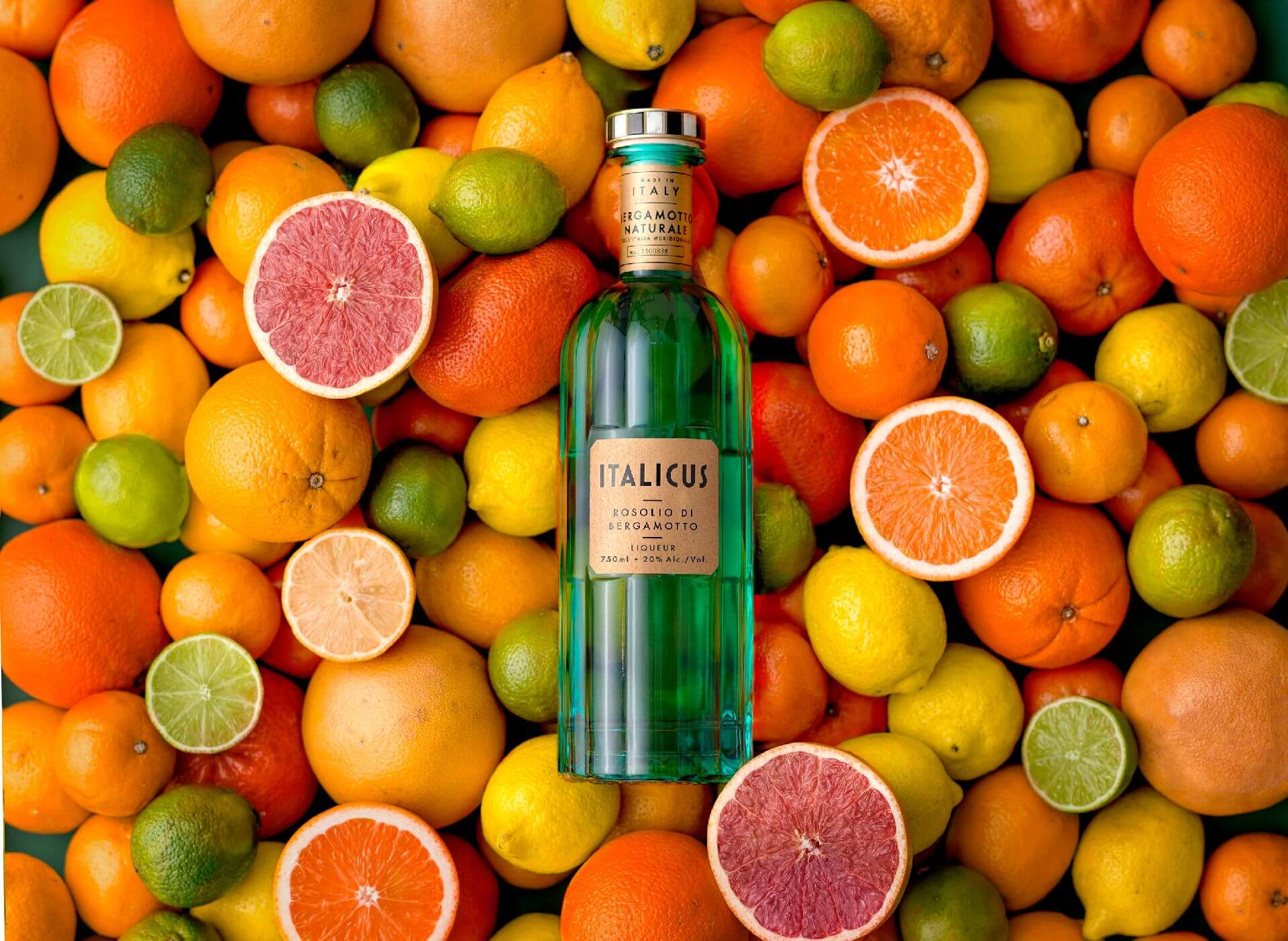
by David Klemt David Klemt No Comments

Taco Bell Leveraging Subscriptions & LTOs

Taco Bell Leveraging Subscriptions & LTOs

by David Klemt

Taco Bell Grilled Cheese Nacho Fries

Not for the first time, Taco Bell is showing the industry the power of offering fan-favorite limited-time offers and leveraging subscriptions.

These days, everything seems to be subscription-based. We stream shows and movies via subscriptions. We can have food, clothing, gadgets, collectibles, and knick-knacks delivered to us by subcription.

Car features like heated seats, remote engine start, and self-driving? Subscriptions. Want to use software we used to buy once and install? Now we’re paying monthly to use it (or up front for a “discounted” yearly fee).

So, why should people find it odd to subscribe to one of their favorite restaurants? If the value is there for a consumer it’s no different than paying a monthly fee for other products and services to which they subscribe.

Clearly, Taco Bell has an acute understanding of people’s comfort with subscriptions. For many consumers, they’re the norm, just part of their daily routine.

As evidence, I introduce Exibit A, the Taco Lover’s Pass.

What makes this subscription noteworthy is the fact that it’s only a few years old, and it’s not even a permanent subscription. As Taco Bell Rewards members know all too well, only they can cop a Taco Lover’s Pass, and it only comes available every so often.

Most times, members have just one day to grab a pass. However, people had two whole days to decide the last time it became available.

And now, Exhibit B, the Nacho Fries Lover’s Pass.

An LTO Subscription and Item

Look, tens of millions of people love tacos. So, it’s logical that the Taco Lover’s Pass is so successful.

And if the past several years have shown us anything, millions of people also love Nacho Fries. The LTO menu item first appeared in Taco Bell restaurants in 2018. A few years later, in 2021, the Taco Lover’s Pass was tested in Arizona.

Why wouldn’t we eventually see a Nacho Fries Lover’s Pass, given the hype that follows every reintroduction of this popular item? Taco Bell has mastered the art of the LTO and the subscription. More specifically, they’ve mastered the recurring subscription. Remember, their passes aren’t permanent offerings.

Further, the iconic QSR also understands the power of the “drop.” At this point, it seems as though Taco Bell has noticed the rabid stir a limited-edition shoe or clothing drop can create for the fashion industry, studied it, and adapted it to foodservice.

With that said, the last Taco Lover’s Pass was accompanied by a menu item drop: the Toasted Breakfast Taco. If you think the Nacho Fries Lover’s Pass also ushered in an LTO, you’re correct.

The first-ever Nacho Fries Lover’s Pass comes along with the limited-time-only offer of Grilled Cheese Nacho Fries.

Take the Nacho Fries, slather them in a sauce of melted mozzarella, monterey pepper jack, and cheddar cheeses, add Taco Bell nacho cheese and chipotle sauce, and toss on some marinated steak. There you go—Grilled Cheese Nacho Fries. They’re just $4.99 while supplies last, and there’s a spicy version made with jalapeños.

It’s no surprise that Taco Bell is BrandVue’s most-loved Mexican restaurant brand, and number eight on their overall list of most-loved restaurant brands.

Takeaway

Loyalty and rewards programs, subscription services, hyped LTO menu drops… These aren’t the exclusive domain of global chain restaurants.

Independent operators can absolutely leverage LTOs and subscriptions. Moreover, indies can do so with as much—if not more—specificity. Independent and regional chain operators tend to be far more nimble than their large chain counterparts.

After all, it’s much easier to implement change in one or a handful of restaurants than it is hundreds or thousands of locations. In theory, single-unit operators also know their loyal guests on a more intimate level. Where that’s the case, they should know what levers to pull to generate interest and encourage repeat visits.

It’s no small task to create a subscription program, let alone a free-to-use-but-engaging, branded rewards program. And that’s to say nothing of coming up with menu item so powerful that taking it away for months at a time is a feasible, profitable thing to do. Although, if you’ve shrunk your menu and eliminated a decent food or drink performer, you may have somewhere to start.

With time and thoughtful consideration, independent and regional operators can absolutely nail rewards, subscriptions, and LTOs.

Image: Taco Bell

Bar Nightclub Pub Brewery Menu Development Drinks Food

by David Klemt David Klemt No Comments

Mastering the Art of Knife Skills

Mastering the Art of Knife Skills: A Culinary Journey

by Nathen Dubé

Collection of various vintage knives surrounding a cutting board

In the realm of culinary arts, the knife is not merely a kitchen tool; it’s the extension of a chef’s hands, the paintbrush for a culinary masterpiece.

In the hand of a skilled chef, a knife is the instrument that transforms raw ingredients into delectable works of art.

Therefore, knife skills are the backbone of every great chef’s repertoire, and they form the cornerstone of culinary excellence.

In this exploration, we embark on a journey to unravel the significance of knife skills, the techniques that define them, and the artistry they enable in the culinary world.

The Role of Knives in Culinary Excellence

Knives are the most fundamental tools in any kitchen. They are the bridge between raw ingredients and the final dish, and their importance cannot be overstated.

Here are some key aspects of the role knives play in culinary excellence.

Precision and Consistency

Imagine a chef creating uniform, paper-thin slices of cucumber for an elegant salad. The precision required for such delicate work comes from mastering knife skills.

Consistency in slicing, dicing, and chopping ensures even cooking and a visually appealing presentation.

Efficiency

In a bustling restaurant kitchen, time is of the essence. Efficient knife skills enable chefs to prepare ingredients quickly and streamline the cooking process.

The ability to swiftly and skillfully handle a knife can make all the difference in meeting the demands of a busy service.

Safety

Knife safety is paramount in the culinary world.

Proper knife skills not only enhance efficiency but also minimize the risk of accidents. A chef with well-honed knife skills knows how to handle the blade safely, reducing the likelihood of cuts and injuries.

Artistry

Beyond their utilitarian functions, knives are tools of artistic expression in the culinary world.

A chef’s ability to craft intricate cuts and designs with a knife can elevate a dish from ordinary to extraordinary.

From garnishes to decorative vegetable carvings, knife skills allow chefs to showcase their creativity.

Essential Knife Techniques

Knife skills encompass a range of techniques, each serving a specific purpose in the kitchen.

Let’s delve into some of the fundamental knife skills that every chef should master.

1. The Pinch Grip

The pinch grip is the foundation of proper knife handling. It involves gripping the knife handle with three fingers while using the thumb and index finger to pinch the blade near the bolster.

This grip provides control and precision, allowing for accurate cuts.

2. The Rock Chop

The rock chop is a rhythmic cutting motion during which the knife’s blade rocks back and forth on the cutting board. It’s ideal for chopping herbs, garlic, and onions.

Mastering this technique involves maintaining a consistent rocking motion to achieve uniform cuts.

3. The Slice

Slicing is a technique used to create thin, even pieces of ingredients.

The key is to maintain a smooth, forward and backward motion of the knife while keeping the fingers tucked safely away from the blade.

4. The Julienne

Julienne is the art of cutting vegetables or fruits into long, thin strips, resembling matchsticks.

Achieving uniformity in julienne cuts requires precision and practice. This is a technique often used in salads and stir-fries.

5. The Dice

Dicing involves cutting ingredients into small, uniform cubes.

Chefs use this technique for creating perfectly diced onions, tomatoes, and other vegetables. It’s a fundamental skill in many classic recipes.

6. The Chiffonade

Chiffonade is a technique for slicing leafy greens or herbs into thin, ribbon-like strips. This technique is commonly used for garnishing soups, salads, and pasta dishes.

7. The Tourne

The tourne, also known as “turned” vegetables, involves creating seven-sided, oblong shapes from root vegetables like potatoes and carrots.

This technique showcases precision and artistry.

8. The Batonnet

Batonnet cuts involve creating evenly sized, rectangular sticks from ingredients like potatoes and cucumbers.

This technique is often used for making French fries and crudités.

The Journey to Mastery

Becoming proficient in knife skills is a journey that requires dedication, practice, and a commitment to precision.

Below are a number of essential tips for aspiring chefs on their path to mastering this art.

1. Start with the Basics

Begin by mastering the fundamental techniques, such as the pinch grip, slice, and rock chop.

These skills form the building blocks for more advanced cuts.

2. Invest in Quality Knives

A chef is only as good as their tools.

Invest in high-quality knives that are well-balanced and comfortable to handle. Regularly sharpen and maintain them to ensure optimal performance.

3. Practice, Practice, Practice

Knife skills improve with practice.

Set aside time to hone your cutting techniques regularly. Consider using inexpensive ingredients like potatoes and carrots for practice to minimize food wastage.

4. Seek Guidance

Don’t hesitate to seek guidance from experienced chefs or culinary instructors.

Taking a knife skills class or watching instructional videos can provide valuable insights and feedback.

5. Prioritize Safety

Safety should always come first.

Pay close attention to hand placement, keep your fingers tucked away from the blade, and use a cutting board with a non-slip surface.

6. Embrace Creativity

Once you have mastered the basics, allow your creativity to flourish.

Experiment with decorative cuts and intricate garnishes to add flair to your dishes.

Knife Skills in the Professional Kitchen

In professional kitchens, the importance of knife skills is not up for debate. Chefs in high-end restaurants are expected to demonstrate exceptional precision and speed when handling knives.

Here’s how knife skills come into play in the professional culinary world.

Speed and Efficiency

In a busy restaurant kitchen, the ability to prep ingredients quickly and efficiently is essential.

Knife skills enable chefs to meet the demands of a fast-paced environment while maintaining quality.

Consistency

Consistency is crucial in ensuring that every dish leaving the kitchen meets the restaurant’s standards.

Uniform cuts, achieved through precise knife skills, contribute to consistent cooking times and presentation.

Artistry and Presentation

Fine-dining establishments often emphasize presentation as much as taste.

Knife skills allow chefs to create intricate designs and garnishes that enhance the visual appeal of each dish, turning it into a work of art.

Safety in High-stress Environments

Professional kitchens can be high-stress environments.

Chefs with excellent knife skills can handle the pressure more effectively and safely, reducing the risk of accidents.

Knife Skills for Home Cooks

While professional chefs rely on knife skills in their daily work, these skills are equally valuable for home cooks.

Whether you’re preparing a simple family meal or hosting a dinner party, below you’ll find how knife skills can elevate your home cooking.

Save Time and Effort

Efficient knife skills allow you to prep ingredients more quickly, making meal preparation a breeze even on busy weeknights.

Elevate Home Cooking

Mastering knife skills enables you to create restaurant-quality dishes at home.

You can impress your family and guests with beautifully plated meals.

Safety and Confidence

Proper knife skills at home reduce the risk of accidents and boost your confidence in the kitchen.

Experimentation and Creativity

With the right knife skills, you can experiment with different cuts and techniques, adding variety and creativity to your home-cooked meals.

Conclusion

In the world of culinary arts, knives are not just tools; they are extensions of a chef’s creativity and skill.

Knife skills are the foundation of culinary excellence, enabling chefs to transform ingredients into works of art.

Whether you aspire to be a professional chef or simply want to elevate your home cooking, mastering knife skills is a journey worth embarking on. It’s a journey of precision, creativity, and the pursuit of culinary perfection—a path that leads to the heart of the culinary world, where the artistry of knives comes to life.

As you embark on your own culinary journey, remember that every slice, chop, and dice brings you one step closer to mastering the art of knife skills—an art form that transcends the kitchen and allows you to create culinary magic with every cut.

So, sharpen your knives, practice your techniques, and let your culinary creativity flourish. The world of flavors and possibilities awaits at the tip of your blade.

Image: Sergey Kotenev on Unsplash
KRG Hospitality menu development. Restaurant. Bar. Cafe. Lounge. Hotel. Resort. Food. Drinks.

by David Klemt David Klemt No Comments

Hospitality Mindset: Restaurant Edition

Hospitality Mindset: Restaurant Edition

by Jennifer Radkey

Chef in commercial kitchen handling a pan on fire

Have you ever wondered why you just can’t seem to get ahead regardless of what you do, or why you appear to be developing a negative team culture?

Maybe you wake up with a sense of dread or anxiety about what lies ahead of you each day, or maybe no matter how hard you try and how much money you pour into your restaurant it never seems to be enough to get you where you want to be.

The cause of these problems may stem from your—and your team’s—mindset.

But what is mindset exactly?

Simply stated, mindset is an individual’s usual attitude or mental state. It reflects someone’s way of thinking and motivates their actions. So, why is it important to be aware of your mindset?

Well, if your mindset dictates how you show up in your life each and every day, then it will influence all parts of your life. Your thoughts about yourself, others, your business, your opportunities, and your challenges are all influenced by your mindset.

Your mindset can either hinder or promote your overall well-being and success in life.

The good news about mindset is that you can change it – if you want to. It can also be contagious—in a positive way.

These facts led me to question if the different sectors of the hospitality industry face unique mindset challenges and what can be done to overcome them.

To find answers and gain further insight I decided to turn to our team at KRG Hospitality for their thoughts. In turn, I’ve written a series of hospitality mindset articles, including one for bar operators and one for hotel operators.

In this article I’ll explore the restaurant industry, with thoughts from chef consultant Nathen Dubé.

Let’s dive in!

The Restaurant Industry

The restaurant industry is massive, employing 12.5 million in the US and 1.2 million in Canada.

Ranging from quick service to fine dining and offering every type of cuisine imaginable, the industry is a staple in any community. And while many enjoy being guests at these establishments, the same can’t always be said for working in them.

The restaurant industry faces constant challenges, ranging from mental health issues to labor shortages and rising costs.

So, what makes a restaurant succeed despite these challenges? While there are many ingredients involved in running a successful restaurant, arguably one of the most important is a strong operator.

Successful Operators

Operating a successful restaurant takes a certain mindset. You need to be organized, open-minded to growth strategies, resilient, and responsive to the needs of your team.

Interested in what makes a restaurant operator stand out, I asked Nathen what contributes to operator success:

“The key strength for a restaurant owner, first and foremost, is resiliency. You need to stay even keeled during the good and bad times. Things will fluctuate between busy and slow. You will experience great staff, not-so-great staff, shortages, bad reviews, good reviews, equipment breaking, orders delivered late, plumbing issues, electrical issues… The list goes on and on.

“But at the end of the day, when you say you’re open at noon or 5:00 PM or whichever, you better be ready on time, every time. That can give the strongest characters stress and anxiety over the long term. I think being resilient and able to do what is in your control and let go of the rest will help an owner maintain one’s sanity.

“The second strength needed is empathy. Without empathy for your staff, your customers, the many other people in the food and alcohol chain, the risk of becoming a tyrant no one wants to work for or associate with is real, and I’ve seen it happen. Your staff are people too, who have doctor’s appointments, family gatherings, and trouble at home. Some may suffer from addiction and mental illness, and some live in borderline poverty, which is a truly sad reality for many hospitality workers.

“The third characteristic is good business sense. As much as restaurants and bars are about hospitality, engaging customers, and providing great service, if you can’t run a business properly, that is all for naught. Money management, accounting, marketing, the whole lot is important to your success and longevity.”

Operator Challenges

Operators need a positive, strategic, growth mindset to be successful in the restaurant industry. Maintaining this kind of mindset takes self-awareness and consistent cultivating. There will be challenges every day that will test you and if you aren’t checking in with your thought patterns, it can be easy to fall into a negative mindset.

When asked what specific challenges hotel operators face that may affect their mindset, Nathen shared some insights.

Financial Risk

Opening and operating a restaurant comes with inherent financial risks. Sometimes it may feel as if more money is going out than coming in.

“When dealing with perishable food items in a time-sensitive environment, there will be plenty of challenges,” says Nathen. “Some are temporary, some are constant, and some are one-offs, but they all need careful attention. There is obvious financial risk and stress that comes with that. Labor costs, food, and alcohol are the main culprits of financial strain for the back of house. The kitchen setup costs (equipment, construction, etc.) are also in this category. Money can be a great source of stress for anyone, and more so for those who are risk averse.”

The Human Element: Guests

As a restaurant operator you rely on guests. Your efforts are almost always focused on how you can get more guests through the door and how you can get them to return.

Besides the stress of keeping them happy, sharing, and returning, guests can create another level of stress.

“Dealing with customer feedback can affect well-being,” Nathen says. “Not everyone who comes into your establishment will love everything. There will be complaints, there will be disagreements, poor online reviews, and there will be outright rude guests. This causes stress to staff, as well as the owner’s state of mind. Keeping staff motivated, calm, and on the same page when dealing with these guests and reviews is a lot of emotional work. It takes a strong-willed individual to let it roll off their back while still learning from it.”

The Human Element: Staff

Without your team there would be no restaurant. Your team is key to your success and can also be a cause of stress to your overall well-being.

“Issues can and will arise in dealing with the human element of labor,” explains Nathen. “Concern and care for staff is a full-time job in itself, and that’s in a best-case scenario. In a worst-case scenario you can experience shortages, theft, drama, and the like that will need to be dealt with or it can drag down a good establishment and create an exodus of good staff. Not to create a bleak picture, but management can take a toll.”

Employee Challenges

Your team experiences their own unique set of challenges that can affect their well-being and mindset as well. Being aware of these challenges is important if you are hoping to create a culture of respect, collaboration, and trust.

When asked what specific challenges restaurant staff face, Nathen had some insights:

“It’s well documented that working in a professional kitchen is difficult work when things go perfectly well. Long hours standing, hot kitchens, short time constraints, and difficult customers can be draining on a person. Mix in stress, poor health habits, and skipped meals, you get the perfect recipe for very hard work. Managing stress and employee wellness within the kitchen team is important to an overall successful business. Not paying attention or implementing ways to help will lead to a difficulty hiring and retaining staff.”

A Living Wage and Safe Environment

The restaurant industry has faced criticism for low pay, unsafe working environments, and an unsupportive culture.

While this is not the case in all establishments, it occurs enough in the industry to make potential employees wary.

“Pay in the industry is notoriously low for entry level positions,” Nathen says. “There is typically limited room to grow on the pay grade, and a lack of insurance, health, and dental care can compound the issues.

“Workplace standards including safety and culture are another common pain point for restaurants. Dirty, unsafe conditions create a dangerous work environment. It will also make it difficult to pass health inspections. Allowing a toxic culture to develop creates an environment that no good staff wants to work at. All of these issues can drain the pride from a good, well run, happy environment that employees want to stay and thrive at.”

Harmful Beliefs in the Restaurant Industry

Your belief system directly impacts your mindset. If you have negative beliefs regarding your team, your guests, or your community, it’s time to sit down and recognize where those beliefs are coming from and how to change them.

The restaurant industry has a few specific common, harmful beliefs that are prevalent in many establishments. Being aware and knowing how to acknowledge and combat these beliefs is crucial to creating a more positive work environment.

Stigma

When I asked Nathen what one of the most prevalent harmful beliefs operators have about their team, he discussed the stigma restaurant employees often face:

“Unfortunately, there is still a stigma around restaurant staff being uneducated, working in this industry only because they can’t do anything else in society. Often, they are seen as doing this job until something better comes along. Why should they invest in their staff’s well-being if they will vanish in a moment’s notice?

“The next stigma is that all workers are just lazy drunks, addicts, and thieves out for a paycheque to drink away at the bar. While there is a prevalent issue of substance abuse in the industry, it can be a tough challenge to address, and unfair if everyone is painted with the same brush.”

Selfish/Uncaring

Operators are not the only people in the industry who harbor negative or false beliefs.

Staff can do so as well. One primary negative belief is that management and/or ownership doesn’t care about them.

“In terms of ownership, kitchen staff can feel ripped off, or that they are doing all the work while the owner gets rich,” explains Nathen. “Staff will make accusations behind closed doors that they do all the work while the owner does nothing.”

To overcome negative beliefs, says Nathen, “[a]n engaged owner can eliminate the walls between staff, customers, community, and themselves. Talking to those in your business circle and including everyone squashes resentment, misunderstandings, and most complaints will be solved immediately, eliminating potentially bad situations.”

Toxic Culture

The last thing that any hospitality business needs is a toxic culture. A toxic workplace culture encourages and breeds negative mindsets on all levels.

I asked Nathen what creates toxic culture in a restaurant and he shared his thoughts and experiences:

“It starts with ownership. Defining a clear set of core values and standards in the workplace—and adhering to them from the hiring process all the way to daily operations—will dictate the type of people you hire and attract. Toxic environments can be created by just one employee. My experience with toxic kitchens was based on there being no consequences; there wasn’t even a lack of standards enforcement because there were no standards to begin with.

“Things like bullying, harassment, poor attitudes, low morale, lack of leadership, and poor working conditions—whether physical, emotional or both—are the typical causes of toxic culture. To blame is also the negative actions of others, and equally the lack of action from management. Bad eggs are left to rot and quickly poison the whole omelet, so to speak.

“Define a concept clearly, every step of the way, and then find the people to fit that vision. But also deal with problem employees immediately; there is nothing worse than losing good employees to bad ones.”

Moving Forward

Understanding the challenges that operators and staff are currently facing, and acknowledging the importance of growth mindset and the need for change, I asked Nathen what positive changes have been occurring in the industry as a whole?

“Restaurant work environments have improved over the last few decades but still have a long way to go. When I started in the mid ‘90s, belittling, yelling, and screaming—general abusive treatment of anyone and everyone—was commonplace. There was no compassion for the environment that staff worked in. The culture, the workload, pay… Literally everything was just ‘take it or leave it.’ ‘If you don’t like it, leave,’ was repeated everywhere to any staff who raised concerns.

“Over time, a stand has been made in response to a mass exodus, tales of burnout, and at the worst end of the spectrum, severe addiction, and even suicide. It was time to look from within at where the actual problems were, and what could be changed. The veil of toughness finally came down, and an honest conversation has led to slow changes.

“One of the more prevalent changes is an overall less-abusive environment. No longer is it tolerated to show anything less than human decency to staff and guests. Genuine care for staff well-being is starting to be seen almost everywhere. It’s leading to a new excitement among hospitality professionals and can hopefully attract new individuals to the field.”

Room for Improvement

Although awareness of the well-being of those working in this industry is increasing, there are still changes that need to happen.

Nathen believes that improvement lies in focusing on balance and respect:

“There is no way around the fact that cooking and serving is hard, long work, regardless of concept. This is unfortunately the entry point for all those who claim to want to change the industry or make it better. In my opinion, this is the wrong approach. Enhancing the whole experience of the employee, leadership team, and guest will make everyone happier and, hopefully, healthier.

“Balancing the workload for everyone, finding creative ways to increase pay, and offering benefits leads to a strong sense of job safety. Rotating schedules, for example: four nine-hour days; or two on, three off; or something away from the traditional 10-, 12-, or 14-hour days and five- to six-day work weeks, reduces burnout, gives employees a chance at a social and family life, and still allows everyone to earn enough income to live. Throw in benefits and some sort of bonus pay, and you will have a brand everyone wants to work for.

“Another big contributor to improving the industry—and we have made big strides already—is the respect for people and creating an environment or culture void of bullying, harassment, intimidation, and general mistreatment of the people who make this the best industry to work in.”

Final Thoughts

In a highly competitive industry facing consistent challenges and harmful beliefs, it will come down to developing and maintaining the right mindset to truly succeed both professionally and personally. It starts from the top with a positive, resilient, growth mindset.

I’ll leave you with a few last words of wisdom from Nathen:

“Hopefully, there is a sense of urgency in the fight to change the industry for the better. It’s important to recognize and praise positive contributions and not just positive people because everyone needs encouragement. It’s equally important to handle negative contributions quickly and correctly.

“A positive attitude can go a long way toward creating a strong team player who can make the best of stressful times and have a coachable attitude. A positive person can help change the culture of a workplace and pick up other teammates who may need a boost. They share their optimism and passion for the job and can make management’s life easier.

“A negative person will contribute to a toxic environment. Resentment begins to build on both sides as a negative person sees things not being done their way, contributes less to the success of the kitchen, and spreads their toxic beliefs to other employees who may start to feel similarly.

“I recently heard a saying, and I don’t recall by who so I can’t quote it, but it goes, ‘It’s important to get the right people on the bus, but it’s just as important to get them in the right seats.’”

Cheers to personal and professional well-being!

Image: Helmy Zairy on Pexels

KRG Hospitality. Restaurant Business Plan. Feasibility Study. Concept. Branding. Consultant. Start-Up.

by David Klemt David Klemt No Comments

5 Books to Read this Month: August 2023

5 Books to Read this Month: August 2023

by David Klemt

Flipping through an open book

Our inspiring and informative August book selections will help you and your bar team take your front of house and bar program to the next level.

For this month’s list we’re showcasing the 17th annual Spirited Awards finalists in the Best New Cocktail or Bartending Book category. So, below you’ll find the top-four nominees in that particular category, plus an additional self-improvement book.

To review the book recommendations from July 2023, click here.

Let’s jump in!

The Bartender’s Manifesto: How to Think, Drink, and Create Cocktails Like a Pro

First up, this book from June 2022 by Toby Maloney with Emma Janzen. Not only has this book won a James Beard Award, it took home this year’s Spirited Award for Best New Cocktail or Bartending Book.

From Amazon: “Take a raucous romp through the essential stages of fashioning cocktails and learn the hows and whys of bartending with acclaimed mixologist Toby Maloney and the team from The Violet Hour. When the pioneering cocktail bar opened in Chicago in 2007, it set a high standard with an innovative training program that teaches not just how to replicate classic cocktail recipes flawlessly, but how to embrace ingenuity, make smart decisions, and create original, inspired recipes from rote.”

Pick up the hardcover here.

Mindful Mixology: A Comprehensive Guide to No- and Low-Alcohol Cocktails with 60 Recipes

Next, Mindful Mixology by Derek Brown, with a foreword by Julia Bainbridge. As all operators should know by now, low- and no-ABV cocktails are here to stay. From aperitivo hour and zero-alcohol to simply drinking less but better, consumers are changing their relationships with cocktails. This book will help operators and their teams navigate the moderation movement.

From Amazon: “Creating these drinks isn’t as simple as removing the alcohol. No- and low-proof cocktails still have to be balanced and still have to be delicious, but they don’t operate exactly like cocktails with alcohol. The drinks Brown presents in this book are meticulously choreographed around taste, texture, body, and piquancy to result in surprisingly complex ‘adult beverages’ minus the booze.”

Grab the hardcover today.

Modern Classic Cocktails: 60+ Stories and Recipes from the New Golden Age in Drinks

Robert Simonson is also a James Beard Award-winning author up for a 2023 Spirited Award. Not only are there more than 60 cocktail recipes in Simonson’s book, he explores what it means for someone to create a modern classic cocktail. No, your bar team can’t simply “invent” a new drink and declare it a modern classicthere are actual considerations, like public opinion, that make it so.

From Amazon: “What elevates a modern cocktail into the echelon of a modern classic? A host of reasons, all delineated by Simonson in these pages. But, above all, a modern classic cocktail must be popular. People have to order it, not just during its initial heyday, but for years afterward. Tommy’s Margarita, invented in the 1990s, is still beloved, and the Porn Star Martini is the most popular cocktail in the United Kingdom, twenty years after its creation.”

Make sure to get your hardcover copy today.

The New York Times Essential Book of Cocktails (Second Edition): Over 400 Classic Drink Recipes With Great Writing from The New York Times

If you want hundreds of cocktail recipes and amazing writing, this is the book for you. There are more than 400 recipes in this book, from classics to modern craft drinks. Oh, and there are essays from an array of fantastic writers, including Rebekah Peppler, David Wondrich, Robert Simonson, and Jim Meehan. There are also interviews with icons like Ivy Mix and Sother Teague.

Truly, this is one of the most comprehensive cocktail books every printed.

Pick up this book in hardcover format now.

Atomic Habits: An Easy & Proven Way to Build Good Habits & Break Bad Ones

A couple of weeks back, we had a KRG Hospitality team meeting about habits. Habits we’re proud to have developed, habits we’d like to focus on developing, and habits we’d like to work on losing. This book, from James Clear, is one of the resources we talked about.

From Amazon: “Clear is known for his ability to distill complex topics into simple behaviors that can be easily applied to daily life and work. Here, he draws on the most proven ideas from biology, psychology, and neuroscience to create an easy-to-understand guide for making good habits inevitable and bad habits impossible. Along the way, listeners will be inspired and entertained with true stories from Olympic gold medalists, award-winning artists, business leaders, life-saving physicians, and star comedians who have used the science of small habits to master their craft and vault to the top of their field.”

Order the paperback today.

Image: Mikołaj on Unsplash
KRG Hospitality Mindset Coaching

by krghospitality krghospitality No Comments

5 Ways to Elevate the Hotel Experience

5 Inexpensive Ways to Elevate Your Hotel Guest Experience

by Kim Richardson

Boutique hotel room with black and white walls and linens

With all the different amenities today’s travelers are looking for, you’re not going to be able to accommodate all of them.

It’s no secret: Happy hotel guests make for happy employees and happy owners. They’re the true advertisement for our hotel and resort locations.

But as the maxim goes, you can’t make all the people happy all the time. With very exceptionsbrands that can afford to embody the money-no-object version of unreasonable hospitality—it’s not realistic to think you can satisfy every guest’s every whim.

With all the different amenities today’s travelers are looking for, you’re not going to be able to accommodate every single preference. Some of them may not be in your budget, and others may not make sense for your business.

With that in mind, here are some basic items that every hotel location can provide with little to no cost.

Get back to the basics of your business and make sure the machine is running smoothly before you worry about adding things that cost you additional money. A little goes a long way!

1 Create a seamless and friendly arrival experience.

Whether your guests spend days traveling to you or maybe just take a 10-minute car ride, it’s important that their stay starts off with a warm and welcoming experience. This sets the tone for their entire stay.

How does your staff greet them at the door and front desk? Are the details of the reservation correct? Is the room ready on time? Is the room the correct type? Do you and your team acknowledge special details and requests? More importantly, do you follow through to deliver on those requests?

People put a lot of time into planning a trip. A rocky arrival or a mishandled request can really put a damper on someone’s getaway whether it’s for business or pleasure. When they start off with a bad experience, they’re more likely to nitpick the rest of their stay.

The guest experience starts well before arrival. Don’t forget to keep in mind all the interactions they have prior to arrival: ease of reservation process, user-friendly websites, and pleasant interactions with any staff they might have.

2 Personalize the experience. Send a welcome note and acknowledge special occasions.

Sending a welcome note to a guest is a great way to personalize the experience, and I do mean personalize! Try to stay away from generic welcome letters.

Use their name in the letter. If they’re a repeat guest, use phrases such as “Welcome back.” If you see something in the reservation notes about them celebrating a special occasion, be sure to acknowledge it in the welcome note and wish them well.

Welcome notes can be sent as an email, something that is handed to them at the front desk, or a card in their room. Consider sending a small gift when you know someone is celebrating a special occasion. The gift doesn’t have to be expensive; its purpose is to make them feel noticed.

A small treat can be enough.

3 Partner with companies for amenities you are not able to provide (ex: gym, restaurants, transportation, spa/salon).

Partnering with nearby companies is a great way to add extra amenities to your hotel. This doesn’t have to be something that costs you money.

You can discuss the terms case by case with each business. They may be willing to offer a discount coupon (complimentary to you) for allowing them to put collateral in your lobby or on your website. You can also discuss trades of service.

If you’re not a full-service hotel, a discount at a nearby restaurant or cafe can go a long way. Similar to this, if you don’t have a fitness center maybe there is one nearby that is willing to offer your guests complimentary access (or for a discount). Spa/salons are also a great amenity you can feature.

If you’re not located in a walkable area (or maybe there’s a big attraction nearby that’s not walkable), consider teaming up with a transportation company that can be available to your guests.

When partnering with these nearby businesses, it’s important that they actually are nearby and accessible to your guests. We’ve all been in situations, be it a hotel or a membership, that comes with discounts, but then when you go to look at them, they’re not convenient to use. Don’t be that business.

4 Master the basics. Keep a clean property and deliver on all amenities promised.

This sounds like an obvious one, but this is often where we drop the ball as an industry.

It’s not always about being a five-star hotel and having tons of luxurious extras. Meeting guest expectations by following through on what you promised should be a given, but it’s truly not.

Regardless of the level of hotel, a clean property is important. Guests shouldn’t find dirty items from the last guest. All public spaces should be clean and stocked with any amenities you offer.

If you offer complimentary coffee in the lobby until 10:00 AM, make sure it’s really there and available until that time. Don’t put the last container out at 9:00 or 9:30 AM and stop checking on it.

I’m the guest who goes down for coffee at the last minute it’s available. I can’t tell you how many times I’ve started filling my cup and heard the trickle of the container running out. Then I’m left with going to find coffee elsewhere or hunting down a staff member to get more.

These types of experiences might not warrant a guest complaint but they do create a feeling of not getting what they pay for.

Keep your guests notified of any unexpected changes to the promised amenities. If your lobby is under renovation, your famous restaurant is closed for a private party, or the pool isn’t available, send proper notification to your guests prior to arrival. Consider offering some type of compensation as a show of good faith prior to the complaints rolling in.

Things don’t always go according to plan, and we can’t always be perfect, but you have the power to dictate whether this is a good or bad experience for your guest.

5 Provide readily available directions and info on the local area (restaurants, local attractions, tours, shopping).

No matter how hard your guests work on researching the area ahead of time, there is nothing better than hearing from the locals about the real places to check out.

Be sure to have a varied list of places to recommend to the guests based on their specific interests. As our travelers often are without a car, make sure you’re able to tell them the best way to get there.

Any additional information you can provide on these places is great. Consider having brochures on hand, websites, apps, and QR codes. Consider compiling a list of your staff’s favorite places to go. This can be posted in a public space, done as a handout that can be given to guests upon request, or distributed electronically.

As you can see, you don’t have to throw tons of money at your hotel to make a big, positive impact on your guests. Thinking ahead, partnering with local businesses, and ensuring your staff adheres to your steps of service, policies, and procedures can deliver big dividends.

For more tips, be sure to sign up for the KRG Hospitality newsletters (email and LinkedIn) and follow me on Instagram!


View this post on Instagram


A post shared by Kim Richardson (@hospitalityby.kim)

Image: Andrea Davis on Pexels

KRG Hospitality. Boutique Hotels. Resorts. Properties. Consultant. Feasibility Study. Business Plan

by David Klemt David Klemt No Comments

SEO Tips from AI: Hotels & Camps

SEO Tips from AI: Hotels, Camps & Lodges

by David Klemt

OpenAI logo on smartphone screen, resting on laptop keyboard

After asking ChatGPT to suggest SEO improvements for restaurants, bars, and nightclubs, we’ve done the same for the hotel space.

This is part two of our AI-generated SEO tips series. In part one, we focus on restaurants, bars, nightclubs, and eatertainment venues.

For this part, we ask ChatGPT about improving SEO for boutique hotels, independently owned hotels, boutique and luxury campgrounds, and boutique and luxury lodges.

The boutique and luxury outdoor experiential market is heating up. So, I was curious about what keywords and advice ChatGPT would recommend to help operators in this space stand out and improve their odds for discover.

Personally, I found some of the keyword suggestions helpful. However, these are terms we at KRG Hospitality already know to include in our brand identity and marketing plans.

Simply put, I don’t think AI rivals what humans can create when it comes to brand identity and marketing. But, you should read the following and decide for yourself.

What specific terms are the best for boutique or independently owned hotels to use for SEO ranking?

For boutique or independently owned hotels, it’s important to focus on specific terms that highlight the unique aspects of your property and appeal to your target audience. Here are some specific terms that can be beneficial for SEO ranking:

  1. Hotel Name: Ensure that your hotel’s name is prominently featured in your website’s content, meta tags, and URLs to associate your website with your hotel’s name.
  2. Location-Based Keywords: Include location-specific keywords throughout your website to target customers searching for hotels in your area. For example, use terms like “boutique hotels in [location],” “[location] luxury accommodations,” or “independent hotels near [landmark].”
  3. Unique Selling Points: Highlight the unique features and qualities of your boutique hotel. Optimize your website with keywords that reflect these selling points, such as “boutique hotel with rooftop pool,” “intimate luxury accommodations,” or “designer boutique hotel in [location].”
  4. Style and Theme: If your boutique hotel has a specific style or theme, incorporate relevant keywords. For example, use terms like “vintage-inspired boutique hotel,” “modern boutique accommodations,” or “bohemian chic hotel in [location].”
  5. Amenities and Services: Emphasize the distinctive amenities and services your boutique hotel offers. Optimize your website with keywords related to these offerings, such as “boutique hotel with spa,” “gourmet dining experiences,” or “personalized concierge services.”
  6. Local Attractions and Experiences: If your boutique hotel is close to popular local attractions or offers unique experiences, mention them on your website. Optimize with keywords related to these attractions and experiences to attract visitors searching for accommodations near specific landmarks or seeking specific activities.
  7. Sustainable or Eco-Friendly: If your boutique hotel has a focus on sustainability or eco-friendliness, incorporate related keywords. Use terms like “eco-friendly accommodations,” “green boutique hotel,” or “sustainable practices in [location].”
  8. Reviews and Testimonials: Encourage guests to leave reviews on platforms like Google My Business, Yelp, or TripAdvisor. Positive reviews can boost your hotel’s visibility in search results and attract more bookings.
  9. Local SEO: Implement local SEO strategies by optimizing your website for local search results. This includes creating and optimizing your Google My Business profile, ensuring consistent NAP (Name, Address, Phone) information across directories, and getting listed in local online directories.
  10. Social Media Integration: Integrate social media into your SEO strategy by linking your website to your hotel’s social media profiles. Engage with your audience, share updates about your hotel, and encourage user-generated content through social media channels.

Remember to conduct keyword research specific to your boutique hotel’s offerings, style, and target audience. Regularly monitor your website’s performance, track keyword rankings, and adapt your SEO strategy as needed to improve your hotel’s online visibility and attract more guests.

What specific terms are the best for boutique and luxury campgrounds and lodges to use for SEO ranking?

For boutique and luxury campgrounds and lodges, it’s important to use specific terms that highlight the unique features, amenities, and experiences your property offers. Here are some specific terms that can be beneficial for SEO ranking:

  1. Campground or Lodge Name: Ensure that your property’s name is prominently featured in your website’s content, meta tags, and URLs to associate your website with your campground or lodge’s name.
  2. Location-Based Keywords: Include location-specific keywords throughout your website to target customers searching for campgrounds or lodges in your area. For example, use terms like “luxury campground in [location],” “[location] glamping site,” or “boutique lodge near [landmark].”
  3. Nature and Outdoor Keywords: Emphasize the natural beauty and outdoor experiences available at your campground or lodge. Optimize your website with keywords related to activities like hiking, fishing, wildlife watching, or stargazing. Use terms like “nature retreat,” “wilderness campground,” or “outdoor adventure in [location].”
  4. Unique Accommodations: If your campground or lodge offers unique accommodations like glamping tents, treehouses, or luxury cabins, highlight them on your website. Optimize with keywords like “glamping experience,” “luxury safari tents,” or “secluded treehouse retreat.”
  5. Amenities and Services: Showcase the luxurious amenities and services your campground or lodge provides. Optimize your website with keywords related to these offerings, such as “heated swimming pool,” “private chef services,” “spa and wellness facilities,” or “concierge services.”
  6. Sustainable or Eco-Friendly: If your campground or lodge follows sustainable practices or has an eco-friendly focus, incorporate related keywords. Use terms like “eco-conscious accommodations,” “sustainable camping,” or “green lodge in [location].”
  7. Nearby Attractions and Activities: Highlight popular nearby attractions, landmarks, or outdoor activities that guests can enjoy during their stay. Optimize with keywords related to these attractions and activities to attract visitors searching for accommodations near specific points of interest.
  8. Reviews and Testimonials: Encourage guests to leave reviews on platforms like Google My Business, Yelp, or TripAdvisor. Positive reviews can boost your campground or lodge’s visibility in search results and attract more bookings.
  9. Local SEO: Implement local SEO strategies by optimizing your website for local search results. This includes creating and optimizing your Google My Business profile, ensuring consistent NAP (Name, Address, Phone) information across directories, and getting listed in local online directories.
  10. Social Media Integration: Integrate social media into your SEO strategy by linking your website to your campground or lodge’s social media profiles. Engage with your audience, share updates about your property, and encourage user-generated content through social media channels.

Remember to conduct keyword research specific to your campground or lodge’s offerings, location, and target audience. Regularly monitor your website’s performance, track keyword rankings, and adapt your SEO strategy as needed to improve your property’s online visibility and attract more guests.

Takeaway

Just like AI-generated tips for SEO and discovery for restaurants and bars, there needs to be a human element for hotels, campgrounds, and lodges.

Relying on AI to improve search engine ranking isn’t, at this point, the best strategy. Perhaps one day that will change, but today isn’t that day.

The answers to my questions do provide some good tips regarding specific keywords and SEO practices. However, I wouldn’t suggest that operators trust AI to write their listings or the pages on their websites.

As it stands, in my opinion, AI just can’t match what people can do when it comes to marketing, branding, and discovery.

Image: Levart_Photographer on Unsplash

KRG Hospitality marketing support. Restaurant. Bar. Cafe. Lounge. Hotel. Resort.

by David Klemt David Klemt No Comments

SEO Tips from AI: Restaurants & Bars

SEO Tips from AI: Restaurants, Bars & Nightclubs

by David Klemt

OpenAI ChatGPT logo against matching background

We aren’t fans of artificial intelligence “creating” marketing plans but can chatbots help improve SEO by offering keywords and making other suggestions?

Since AI tools such as ChatGPT can instantly crawl the depths of the Internet, we want to know if they can provide “insider” tips. Perhaps they have a leg up when it comes to parsing what helps and what hurts SEO ranking.

Restaurant, bar, and nightclub websites still matter. Consider the latest SevenRooms data in regards to how people discover new places to dine, drink, and socialize. Two-thirds of consumers rely on word-of-mouth recommendations from family and friends. A third use Google.

So, that should show how important it is to ensure your restaurant, bar, or nightclub is showing up right away when people are using search engines.

For the first part of our AI SEO series, I ask ChatGPT for suggestions for restaurants, bars, nightclubs, and eatertainment venues. In the follow-up article, I ask for assistance for hotels, campgrounds, and lodges.

Note: ChatGPT’s answers are provided below unedited. There’s some repetition, which is to be expected.

What specific terms are the best for restaurants to use for SEO ranking?

When it comes to specific terms for SEO ranking for restaurants, it’s important to consider keywords that are relevant to your restaurant’s niche, location, and target audience. Here are some specific terms that can be beneficial:

  1. Cuisine Keywords: Incorporate specific cuisine-related keywords that reflect the type of food your restaurant serves. For example, if you have an Italian restaurant, use terms like “Italian cuisine,” “authentic Italian dishes,” or “Italian restaurant [location].”
  2. Location-Based Keywords: Include location-specific keywords throughout your website to target customers searching for restaurants in your area. For instance, use terms like “best restaurants in [location],” “[location] dining,” or “[location] food scene.”
  3. Menu Items: Optimize your website for specific menu items that are popular or unique to your restaurant. Include descriptive keywords for these dishes, such as “signature seafood pasta,” “gourmet burger with truffle aioli,” or “vegan-friendly options.”
  4. Dining Experience Keywords: Highlight specific aspects of your restaurant’s dining experience. For example, if you have a rooftop terrace, mention it with keywords like “rooftop dining [location]” or “alfresco dining with city views.”
  5. Special Occasions: If your restaurant caters to special occasions like birthdays, anniversaries, or private events, optimize with related keywords. Use terms like “private event venue,” “birthday dinner reservations,” or “romantic anniversary restaurant.”
  6. Farm-to-Table or Sustainable Keywords: If your restaurant emphasizes locally sourced or sustainable ingredients, incorporate related keywords. Use terms like “farm-to-table dining,” “organic ingredients,” or “sustainable seafood.”
  7. Brunch or Breakfast Keywords: If your restaurant serves brunch or breakfast, optimize your website for keywords related to these meals. Use terms like “weekend brunch spot,” “best breakfast in [location],” or “bottomless mimosa brunch.”
  8. Online Ordering and Delivery: If your restaurant offers online ordering or food delivery services, optimize your website with related keywords. Use terms like “online food ordering,” “food delivery [location],” or “order food online.”
  9. Reviews and Testimonials: Encourage customers to leave reviews on platforms like Google My Business, Yelp, or TripAdvisor. Positive reviews can boost your restaurant’s visibility in search results and attract more customers.
  10. Local SEO: Implement local SEO strategies by optimizing your website for local search results. This includes creating and optimizing your Google My Business profile, ensuring consistent NAP (Name, Address, Phone) information across directories, and getting listed in local online directories.

Remember, it’s crucial to conduct keyword research specific to your restaurant’s offerings and target audience. Regularly monitor your website’s performance, track keyword rankings, and adapt your SEO strategy as needed to improve your restaurant’s online visibility and attract more diners.

What specific terms are the best for bars to use for SEO ranking?

When it comes to specific terms for SEO ranking for bars, it’s important to consider keywords that are relevant to your bar’s theme, location, and target audience. Here are some specific terms that can be beneficial:

  1. Bar Name: Ensure that your bar’s name is prominently featured in your website’s content, meta tags, and URLs to associate your website with your bar’s name.
  2. Location-Based Keywords: Include location-specific keywords throughout your website to target customers searching for bars in your area. For example, use terms like “best bars in [location],” “[location] nightlife,” or “bars near [landmark].”
  3. Bar Type or Theme: Incorporate specific keywords related to your bar’s type or theme. For instance, if you have a sports bar, use terms like “sports bar,” “sports pub,” or “sports viewing in [location].” If your bar has a specific theme like a speakeasy, mention keywords like “speakeasy bar,” “1920s-inspired bar,” or “craft cocktails in a hidden bar.”
  4. Drink Specialties: Highlight popular drinks or signature cocktails on your website and optimize the descriptions with relevant keywords. For example, use terms like “craft cocktails,” “mixology bar,” or “unique drink creations.”
  5. Happy Hour and Specials: If your bar offers happy hour specials or unique promotions, optimize your website with keywords related to these offerings. Use terms like “happy hour deals,” “drink specials,” or “late-night promotions.”
  6. Entertainment and Events: If your bar hosts live music, DJs, trivia nights, or other events, optimize your website with keywords related to these offerings. For instance, use terms like “live music bar,” “DJ nights,” or “weekly trivia at [bar name].”
  7. Reviews and Testimonials: Encourage customers to leave reviews on platforms like Google My Business, Yelp, or TripAdvisor. Positive reviews can boost your bar’s visibility in search results and attract more customers.
  8. Local SEO: Implement local SEO strategies by optimizing your website for local search results. This includes creating and optimizing your Google My Business profile, ensuring consistent NAP (Name, Address, Phone) information across directories, and getting listed in local online directories.
  9. Social Media Integration: Integrate social media into your SEO strategy by linking your website to your bar’s social media profiles. Engage with your audience, share updates about your bar, and encourage user-generated content through social media channels.
  10. Events Calendar: If your bar has a calendar of upcoming events, optimize it with keywords related to the types of events you host. For example, use terms like “live music schedule,” “karaoke nights,” or “themed parties at [bar name].”

Remember, it’s important to conduct keyword research specific to your bar’s offerings and target audience. Regularly monitor your website’s performance, track keyword rankings, and adapt your SEO strategy as needed to improve your bar’s online visibility and attract more customers.

What specific terms are the best for eatertainment venues similar to Topgolf or Punch Bowl Social to use for SEO ranking?

For eatertainment venues similar to Topgolf or Punch Bowl Social, it’s important to use specific terms that highlight the unique features, activities, and experiences your venue offers. Here are some specific terms that can be beneficial for SEO ranking:

  1. Venue Name: Ensure that your venue’s name is prominently featured in your website’s content, meta tags, and URLs to associate your website with your venue’s name.
  2. Location-Based Keywords: Include location-specific keywords throughout your website to target customers searching for similar venues in your area. For example, use terms like “Topgolf-style venue in [location],” “entertainment center in [location],” or “[location] eatertainment complex.”
  3. Interactive Games and Activities: Highlight the various interactive games and activities available at your venue. Optimize your website with keywords related to these offerings, such as “interactive golf games,” “arcade entertainment,” “bowling alley,” “virtual reality experiences,” or “multiplayer experiences.”
  4. Social Atmosphere: Emphasize the social and vibrant atmosphere of your venue. Use keywords that convey a fun and engaging experience, such as “socializing with friends,” “lively entertainment environment,” or “party and event destination.”
  5. Food and Drink: Highlight the dining and beverage options available at your eatertainment venue. Optimize your website with keywords related to your menu, such as “gourmet food and craft cocktails,” “full-service restaurant with a bar,” or “delicious bites and refreshing drinks.”
  6. Entertainment Variety: Showcase the variety of entertainment options available at your venue. Use keywords related to live performances, music, comedy shows, or special events. For example, “live music venue,” “comedy club,” or “special event space.”
  7. Private Events and Group Activities: If your venue caters to private events or offers group activities, optimize your website with keywords related to these offerings. Use terms like “private event venue,” “corporate team-building activities,” or “party room reservations.”
  8. Reviews and Testimonials: Encourage guests to leave reviews on platforms like Google My Business, Yelp, or TripAdvisor. Positive reviews can improve your venue’s visibility in search results and attract more visitors.
  9. Local SEO: Implement local SEO strategies by optimizing your website for local search results. This includes creating and optimizing your Google My Business profile, ensuring consistent NAP (Name, Address, Phone) information across directories, and getting listed in local online directories.
  10. Social Media Integration: Integrate social media into your SEO strategy by linking your website to your venue’s social media profiles. Engage with your audience, share updates about upcoming events or promotions, and encourage user-generated content through social media channels.

Remember to conduct keyword research specific to your eatertainment venue’s offerings, target audience, and location. Regularly monitor your website’s performance, track keyword rankings, and adapt your SEO strategy as needed to improve your venue’s online visibility and attract more visitors.

What specific terms are the best for nightclubs to use for SEO ranking?

When it comes to specific terms for SEO ranking for nightclubs, it’s crucial to consider keywords that are relevant to your nightclub’s niche, location, and target audience. Here are some specific terms that can be beneficial:

  1. Nightclub Name: Ensure that your nightclub’s name is prominently featured in your website’s content, meta tags, and URLs to associate your website with your nightclub’s name.
  2. Location-Based Keywords: Include location-specific keywords throughout your website to target customers searching for nightclubs in your area. For example, use terms like “nightclubs in [location],” “[location] nightlife,” or “dance clubs near [location].”
  3. Music Genre: Incorporate specific music genre-related keywords that reflect the type of music your nightclub specializes in. For instance, if you focus on electronic dance music, use terms like “EDM nightclub,” “electronic dance club,” or “techno parties in [location].” If you cater to hip-hop enthusiasts, include keywords like “hip-hop club,” “urban nightlife,” or “R&B parties in [location].”
  4. DJ Names: If your nightclub regularly hosts renowned DJs or has resident DJs, mention their names on your website. People often search for specific DJs, so including their names can increase your nightclub’s visibility.
  5. Event Themes: Highlight specific event themes or special nights that your nightclub offers. Optimize your website with keywords related to these offerings. For example, use terms like “themed parties,” “ladies’ night,” “Latin night,” or “80s retro dance party.”
  6. VIP Experience: If your nightclub offers VIP experiences, bottle service, or VIP table reservations, optimize your website with keywords related to these offerings. Use terms like “VIP nightclub experience,” “bottle service in [location],” or “VIP table bookings.”
  7. Dress Code: If your nightclub has a specific dress code policy, mention it on your website and optimize with relevant keywords like “nightclub dress code,” “dress to impress,” or “formal attire.”
  8. Reviews and Testimonials: Encourage customers to leave reviews on platforms like Google My Business, Yelp, or TripAdvisor. Positive reviews can improve your nightclub’s visibility in search results and attract more customers.
  9. Local SEO: Implement local SEO strategies by optimizing your website for local search results. This includes creating and optimizing your Google My Business profile, ensuring consistent NAP (Name, Address, Phone) information across directories, and getting listed in local online directories.
  10. Social Media Integration: Integrate social media into your SEO strategy by linking your website to your nightclub’s social media profiles. Engage with your audience, share updates about upcoming events, and encourage user-generated content through social media channels.

Remember to conduct keyword research specific to your nightclub’s offerings and target audience. Regularly monitor your website’s performance, track keyword rankings, and adapt your SEO strategy as needed to improve your nightclub’s online visibility and attract more attendees.

Takeaway

Operators need to pay attention to SEO ranking and discovery. They need to own their listings and make sure the information is accurate.

While AI can help with keywords and search terms, it doesn’t appear to be at the point where it can manage your SEO or marketing strategy. There are platforms like Toast, Restaurant365 and SevenRooms that can make marketing simpler. However, people still do the best job.

At KRG Hospitality, for instance, we create brand strategy plans. We also partner with restaurant marketing experts like Matt Plapp and America’s Best Restaurants.

Can AI streamline tasks? Yes, it can simplify and, in some cases, take over some tasks. Can it create effective, engaging marketing strategies that perform better than those created and executed by humans? In our experience and opinion, no.

I think the answers to my SEO questions above are helpful in terms of making suggestions that operators can use today to improve their odds of being discovered by guests. And I still don’t think operators can offload marketing responsibilities to AI.

Image: Mariia Shalabaieva on Unsplash
KRG Hospitality tech stack plan. Restaurant. Bar. Cafe. Lounge. Nightclub. Hotel. Resort.

by David Klemt David Klemt No Comments

Hospitality Mindset: Hotel Edition

Hospitality Mindset: Hotel Edition

by Jennifer Radkey

Red neon "hotel" sign in Copenhagen

Mindset can dictate one’s level of happiness but what some people don’t realize is that it also impacts their business and everyone in it.

Moods like happiness or hostility. Growth or fixed worldviews. Positivity versus negativity. For operators and leadership team members, mindset doesn’t exist in a vacuum. Rather, one’s attitude affects and influences staff, guests, and others.

So what is mindset exactly?

Simply stated, mindset is an individual’s usual attitude or mental state. It reflects someone’s way of thinking and motivates their actions. So, why is it important to be aware of your mindset?

Well, if your mindset dictates how you show up in your life each and every day, it will influence all parts of your life.

Your thoughts about yourself, others, your business, your opportunities and your challenges… All influenced by your mindset. Your mindset can either hinder or promote your overall well-being and success in life.

The interesting thing about mindset is that it has the ability to changeif you want. It can also be influenced by your environment and those around you. These facts led me to question if the different sectors of the hospitality industry face unique mindset challenges.

To find answers and gain further insight I decided to turn to our team at KRG Hospitality for their thoughts. In turn, I’ve written a series of hospitality mindset articles. To read the first entry in this series, the Bar Edition, please click here.

In this article I’ll explore the hotel industry, with thoughts from hospitality consultant Kim Richardson. Follow the series as I explore mindset in restaurants, hotels, bars, and start-up operations.

Let’s dive in!

The Hotel Industry

The hotel industry is vast and can be segmented into different sectors. These sectors include: lodging and accommodation, food and beverage, travel and tourism, entertainment and recreation, and timeshare and meetings.

Not only is the industry vast in its sectors, there are an array of categories. There are motels, inns and resorts, and independent, boutique and global brands. Budget, midscale, and luxury properties, and everything in between.

Different types of hotels will vary slightly in their management styles and success challenges, but most will share common mindset themes.

Successful Operators

Operating a successful hotel takes a certain mindset. You need to be organized, open-minded to growth strategies, mindful of your sectors and how they interact with each other, and responsive to the needs of your teams.

Curious about what makes one hotel stand above another, I asked Kim what contributes to a successful operator. She responded with the perspective of a general manager of a large hotel, and then from the perspective of an owner of a small boutique hotel.

“One thing that really sets the hotel world aside from the rest of the hospitality industry is the multiple facets of the different departments,” says Kim. “You’re essentially running several businesses inside of one business. All of these different departments’ successes and failures impact the other departments. I think it’s important for operators and general managers to truly have a pulse on what’s going on throughout the building and, more importantly, when a department has a success or failure, how the other departments contributed to that.”

When it comes to smaller boutique hotels or inns, Kim believes that “the ability to wear many hats and jump in as needed” is a crucial success skill for owners as they often work with a much smaller team and may need to be more hands on. Hand in hand with the ability to multi-task and wear many hats is having excellent time management skills.

Whether you are the GM of a large hotel or an owner of a small boutique hotel, it is essential to constantly “have a pulse on the business coming in the door.”

Operator Challenges

Operators need a positive, strategic, growth mindset to be successful in the hotel industry. This is a mindset that needs to be consistently cultivated, as there are challenges that will affect your daily thoughts, beliefs, and attitudes.

When asked what specific challenges hotel operators face that may affect their mindset, Kim shared her thoughts, again from the perspectives of a large hotel GM and that of a smaller boutique hotel owner.

Accountability

Being responsible for and held accountable to all levels of positions in your establishment can be exhausting, stressful, and frustrating.

“A general manager of a hotel has a lot of people to answer to. They have people above them in corporate making demands of them on a daily basis (budgets, goals, etc.). They have staff that they employ and need to keep happy. They have guests they need to keep happy,” Kim says. “With this many responsibilities, time management alone can be stressful. Finding a happy medium is close to impossible. Not every decision you make is going to please all three parties. This position can suffer from burnout just as much as the rest of their team.”

Overwhelm

Operators of boutique hotels and inns fall into danger of taking on too much themselves while feeling the success of their venue lies entirely on their shoulders.

Burnout, fear, and exhaustion are all possibilities in this situation.

“In a small boutique hotel, the owner and operator wears many hats,” says Kim. “They are often having to jump in and run many departments. If you’re short staffed in one area, you’re going to have to jump in. This can create a situation where you’re spending so much time working in the business that you struggle to work on growing the business. The overall stress of the success of the business is much more when you own your own hotel. Competing against big hotels with larger marketing budgets and known names can be a challenge.” 

Employee Challenges

Your team also experiences their own unique set of challenges that can affect their well-being and mindset.

Being aware of these challenges is important if you hope to create a culture of respect, collaboration, and trust.

When asked what specific challenges hotel staff face, Kim had some insights.

On Demand

It’s no secret that the hotels operate in a 24-hour industry. No matter what time of day or night, a hotel never truly “sleeps.” This on-demand atmosphere can be stressful for your team.

“Since the building is open 24 hours, guests tend to think you are also available 24 hours,” Kim says. “There is always the possibility that you could get a call at any time when you’re not working. Not only does the guest perceive you as always available, some managers expect the same from you, too.”

Broken Telephone

Working in a 24-hour environment means that you may not always be working with the same people every shift. In establishments with several departments, you may never have direct interaction with a lot of your team.

This can all lead toward miscommunication, frustration, and blame.

“Communication can fall short,” explains Kim. “There can be people who work in other departments that you are never in the building with at the same time. There are typically many procedures in place to communicate between departments, but things still get missed.”

Harmful Beliefs in the Hotel Industry

How you feel about the people you work with and/or work for can have major impacts on your overall mindset.

If your daily thoughts regarding your team are negative, it suddenly becomes very challenging to create a successful hotel. Why would they be excited to come to work and proud of your hotel if their efforts are only ever met with negativity?

The hotel industry has a few specific, common harmful beliefs that are prevalent in many establishments. Being aware and knowing how to acknowledge and combat these beliefs is crucial to creating a more positive work environment.

Assumptions

When I asked Kim what one of the most prevalent harmful beliefs operators harbor about their teams, she discussed the assumptions that are often made.

“I think proprietors sometimes think that what they’re asking is easy and doable,” posits Kim. “When a business is not doing well they tend to look at the quality of their staff versus quality of the processes.”

Assumptions without clarity or reason can be extremely harmful to your workplace culture. Not only are operators holding assumptions about their team, but their team holds assumptions about leadership.

Staff often feel that operators and members of the leadership team are out of touch with the reality of their market, and that they place unrealistic expectations on them. There are assumptions made that leadership does not want them to succeed personally.

“Revenue goals are increased just because they want more money but haven’t put thought into whether or not it’s attainable to make the money,” says Kim. “Operators don’t want to see people get bonuses, so in turn they raise goals. Doing well one year will only hurt you in the next year because all goals will be raised. Staff feel overworked and underpaid, leading them to believe that ownership is cheap and always giving a two-person job to one person.”

Toxic Culture

The last thing that any hospitality business needs is a toxic culture. A toxic workplace culture encourages and breeds negative mindsets on all levels.

How can you be successful if your team dreads coming in for their daily shift?

I asked Kim what can create toxic culture in a hotel, and she shared her thoughts and experiences.

“One of the biggest challenges that I always felt in hotels is the divide amongst departments. It’s very similar to the front-of-house, back-of-house animosity that often exists in restaurants,” shares Kim. “One department always feels that another department was not mindful of how their decisions impact their department. What I came to realize is sometimes that’s true and sometimes it’s not.  There’s always going to be that person who decided to make the decision that was best for their day or made them look good in accomplishing their own job.”

“However, I don’t think that is the intention of most people,” continues Kim. “With so many different types of roles in a hotel, you will never understand all of the inner workings of another department. Each department has to make the decision that best accomplishes their goal for the guest and their department. When the communication breaks down between departments and there is no understanding of how they impact each other, animosity is created.”

Moving Forward

Understanding the challenges that operators and staff are currently facing and acknowledging the importance of a growth mindset and the need for change, what positive changes have been occurring in the industry as a whole?

“Some hotels have increased wages. Some have been more open to hybrid positions of remote and on-property work since the pandemic,” Kim says. “However, there are some that are now trying to do away with those. Also, there are only a few departments in the hotel that can benefit from this as many of them need to be on property to do their jobs.”

“Overall, I haven’t seen a ton of change. There are still so many people struggling with work-life balance in the hospitality industry,” Kim continues. “I just talked to a friend the other day who has told me for years that she’s a lifer in hotels and she’s never going anywhere. She is the last person I thought I’d hear this from, but she’s feeling burnout and is not sure how much longer she can last. This is someone who is excellent at their job. Really understands the business, is a hard worker, team player, willing to go the extra mile. How many people do we find like that, that we are throwing away by putting unachievable standards on?”

Room for Improvement

Although some operators are becoming more aware of the well-being of those working in this industry, there are still many changes that need to happen. Kim believes that there are three simple changes that need to happen.

“We need to stop losing people that want to be lifers over things like burnout and lack of work-life balance. Genuine gratitude and respect from superiors goes a long way. Better communication and accountability are a must,” says Kim.

Final Thoughts

Hotels are a complex entity with many moving parts. It takes a strategic and positive mindset to ensure success and a happy work environment.

The reality is that there will always be challenges that will affect your thoughts and behaviors. You will have bad days but that is all they are: bad days.

It is the leader who can recognize these setbacks as temporary and use them to fuel their mindset towards making positive change who will come out on top.

I’ll leave you with a few last words of wisdom from KRG Hospitality hotel and restaurant consultant Kim Richardson.

“When guests come to stay at a hotel, it is their home for the duration they are there. They are there much longer than grabbing a cup of coffee or a night out to dinner. They can feel the demeanor of the staff,” says Kim. “Positive work environments exude happiness for the guests. When the employees are unhappy, the guests leave unhappy. Mindset can be contagious, and while the internal feelings trickle down to the guests, it starts way before that. If a positive energy is being given off from the leaders in the building, it can have a great impact on the staff, which then impacts the guests.

Cheers to personal and professional well-being!

Image: Marten Bjork on Unsplash
KRG Hospitality Mindset Coaching, 2023 Icon

by David Klemt David Klemt No Comments

Seemingly Simple: The French Fry

Seemingly Simple: The French Fry

by David Klemt

French fries and sandwiches in baskets

We celebrate the humble French fryat once a living legend and deceptively simple sideon Thursday, July 13, National French Fry Day.

Now, I know I tend to dive into the history, disputed or not, of a given item when a holiday comes around. However, that’s not the point of this article.

Of course, I could easily point out that this iconic item’s origins aren’t settled history. That Belgium claims ownership as of 1680. Or that Chile may have beaten Belgium by 61 years. And that France gets credit because the recipe for “modern” French fries appear in the cookbook La Cuisinière Républicaine from 1775. I’m not even going to get into the debacle that was 2003’s Freedom Fries…

Again, that’s not the point. Whether you call them French fried potatoes, French fries, fries, pomme frites, or chips, they’ve been around for anywhere from 400-plus to almost 250 years in some form.

And still they manage to confound many a cook.

We’ve all gotten an order of flaccid, cold, mushy or otherwise cheerless chips. And we’ve all managed to muscle down at least a handful of those dismal, forlorn fries, each soggy bite driving us deeper into despair.

Okay, that may be the tiniest bit dramatic. My point is, French fries are deceptively simple to get just right. And a subpar fry canlet’s face it, will—ruin a guest’s perception of a restaurant. They may return, but they’ll be apprehensive.

Fry Infatuation

If you thought maybe I’d try to create a portmanteau like “infrytuation,” I did think about it. But that would be far too silly, even for me. I wouldn’t even type such a thing out loud.

Anyway, we may not know the origin of fries or chips for a fact. But we do know that for the most part, people love a fry. Those who don’t, well, they’re not to be trusted. Should you come across such a person, grab a handful of friesor the entire basketand run away. You don’t need that kind of negativity in your life.

But why? Why do we love a fry?

Perhaps it’s the versatility. They complete many a limited-service restaurant or QSR meal. At this point, the “bag fry” is almost its own varietal.

They’re at home at a dive or neighborhood bar. But they’ll also step up and accompany a steak at a French bistro or steakhouse. Fish house, shack or upscale seafood restaurant? Pleasefish and chips are a power couple comfortable in any environment.

Speaking of versatility, chips are also happy to indulge a chef or cook’s most debaucherous thoughts. A vessel to carry short rib, cheeses, and an array of seasonings? They’re down.

Of course, it’s likely that fry popularity comes down to comfort. A hit of salt, fat, heat, crispness, and creaminess? That’s at the bare minimum. Toss on some parmesan or pecorino romano and that hit of dopamine doubles, at least.

Chip Tips

One professional, personality, and purveyor who knows his way around a French fry is Chef Brian Duffy.

Indeed, he takes fries seriously. So seriously, in fact, that he has promoted Lamb Weston for several years. For the unfamiliar, America-based Lamb Weston is on of the biggest producers of French fries in the world.

One of their products, the Extra Crispy series of fries, retains crispness for 30 minutes.

Chef Duffy also understands the importance of fries. They can, as stated above, make or break a guest’s visit.

Additionally, as you can see in the Instagram post below, Chef Duffy certainly sees the humble fry as a blank canvas for experimentation.


View this post on Instagram


A post shared by Chef Brian Duffy (@chefbriduff)

Given his strongly held views on fries, I reached out for his thoughts. And, of course, Chef Duffy didn’t disappoint. If you want to master your fries, take the Duffified approach.

Make sure you’re following Chef on Instagram, Facebook, Twitter, and Pinterest. From knife skills to thoughts on seasonings and techniques, you’ll gain helpful culinary insights. Oh, and he’s funny, too.

Duffified Fries

Elevate your French fries. Realize that they’re not “just” a side dish and therefore an afterthought.

For many brands, their fry is a calling card. That “card” can either tempt people through your doors or warn them to stay away.

Are they seasoned well?

Fries are seasoned perfectly when seasoned within 3-5 seconds of being removed from the fryer. Create a fry seasoning that has a good salt-to-seasoning ratio. My Fry base is 1 cup sea salt, 1/8 cup fresh ground black pepper, 1/2 cup onion powder, 1/4 cup garlic powder, 1/8 cup dark chili powder.

Are they crispy?

A good quality fry holds its crispiness for 10 to 15 minutes, unless it’s designed with a coating like a Crispy on Deliveryfry from Lamb Weston that can stay crispy for up to 30 minutes. There’s nothing worse that taking that first bite and having a cold, soggy fry.

Are they hot?

A hot fry has a creaminess in the center that enhances the ultimate experience of the fry. Having that crispy exterior and creamy interior ensures a perfect fry!

Hand-cut fries.

Let’s be real: They’re amazing within the first few minutes. But anything longer than that is a soggy fry, rarely cooked perfectly due to the labor involved and the variations between the type of potato, the time of the year, and the starch to sugar content. It’s just a super inconsistent product unless it’s a huge focus for your concept. I’d stay away.

What are your sauces?

Just ketchup? Just ranch? Make up a few new dipping sauces that will assist you in creating a fry program that isn’t just as a side. Three different fry cuts and three different sauces are now a $14 appetizer that will make people happy.

Choose a fry or a fry program that matches your concept!

Is it a wedge, a concertina, a waffle, a dipper or a steak…? Choose wisely because the wrong fry can take your menu from great to, “Well, that sucked.”

Takeaway

Speaking of featuring fries as a premium appetizer that justifies a premium price, Chef Duffy has a couple of ideas.

One, a fry board. We’ve seen cheese boards, meat boards, pretzel boards… Why not fries?

Sift through Instagram and you’ll also find a Chef Duffy take on build-your-own nacho fries.

Get creative. Don’t just have fries, engage your kitchen and have them build a fry program. Innovation draws people in and converts them to loyal, repeat guests while justifying premium pricing.

Image: Vincent Rivaud on Pexels

Disclaimer: Neither the author nor KRG Hospitality received compensation, monetary or otherwise, from Lamb Weston or any other entity in exchange for this post.

KRG Hospitality menu development. Restaurant. Bar. Cafe. Lounge. Hotel. Resort. Food. Drinks.

by David Klemt David Klemt No Comments

Hospitality Mindset: Bar Edition

Hospitality Mindset: Bar Edition

by Jennifer Radkey

Stylish bar and bar stools

Messages about the importance of mindset flood our social media feeds but what exactly does the word mean, and why is it so important?

You’re told you need to have a growth mindset to be successful. You must have a positive mindset for a happy and fulfilling life. Both are true statements, but what do they mean?

Simply stated, mindset is an individual’s usual attitude or mental state. It reflects someone’s way of thinking and motivates their actions. So, why is it important to be aware of your mindset?

Well, if your mindset is your usual attitude or how you show up in your life each and every day, it will influence all parts of your life. Your thoughts about yourself, others, your business, your opportunities, and your challenges are all influenced by your mindset. Your mindset can either hinder or promote your overall well-being and success in life.

The interesting thing about mindset is that it can change—if you want it to. Your mindset can also be influenced by your environment and those around you. These facts led me to question if the different sectors of the hospitality industry face unique mindset challenges.

To find answers and gain further insight, I decided to turn to our team at KRG Hospitality for their thoughts. In turn, I’ve begun a series of hospitality mindset articles.

In this first article I’ll explore the bar industry, with thoughts from master mixologist Jared Boller. Follow the series as I explore mindset in restaurants, hotels, and start-up operations.

Let’s dive in!

The Bar Industry

In the US, the bar and nightclub market is valued at an estimated $36 billion for 2023. The industry as a whole employs close to 600,000 people.

With businesses built off drinking culture, what unique challenges do operators and those working inside these establishments face?

Successful Operators

Operating a successful bar takes a certain mindset. You need to be flexible, open-minded to growth strategies, mindful of your market and competition, and compassionate to the needs of your team.

Interested in what makes a bar operator stand above their competition, I asked Jared what makes a bar operator successful.

“First and foremost, I think that every bar owner needs to understand their product and how they are going to differentiate themselves from the competition. Ultimately, it is up to the owner to realize what their goal is in owning a bar. It requires digging deep into themselves to ask what they want out of their business.

“Are you looking for a way to make extra cash? Are you looking to provide a local hangout for you and your friends? Do you want to win awards and have a buzzworthy place everyone wants to visit? This is a tough business that requires a lot of time and energy, and thick skin.

“Be organized, clean, a good leader, efficient, and provide a home that your employees want to come to. Try to know all aspects of the business: financials, technology, culinary, bar, service, management, etc.”

Operator Challenges

Operators need a resilient, positive, growth mindset to be successful. It’s the only path forward to running a bar they are both proud to work in and enjoy working at every day.

This is a mindset that will need tending to as there are challenges that will affect your daily thoughts, beliefs, and attitudes.

When asked what specific challenges bar operators face that may affect their mindset, Jared shared his thoughts.

Labor Shortage

Dealing with labor shortages as an operator can create feelings of frustration, stress, and resentment.

“It’s getting increasingly difficult to gain a competitive edge because of numerous factors, one of the biggest being labor shortage. It’s not a labor shortage where there’s not enough jobs, it’s an unwillingness to work and/or want to work in the hospitality industry because, quite frankly, ‘It’s tough.’

“I think that with inflation happening in the world, as well as the majority of establishments working off the Tips Blueprint, it doesn’t allow people to know what they’re making day in and day out. People are turning to different jobs or jobs outside of hospitality because they don’t want to be on their feet everyday working long hours and not knowing their future.”

Competition

If a bar operator isn’t careful they can very easily become lost in the game of comparison.

Yes, it is important to know what your competition is up to, but if the constant comparison leads to negative feelings about you, your team, and your establishment without any action for improvement, this is a surefire way to hurt your mindset and chances of success.

If you truly want to be competitive without getting lost in the comparison game, focus on your team.

“The time of pumping out commercial food and drink is gone, and legitimate professionals who are educated and professionally trained are few and far between. Additionally, there’s even a creative youth movement with ambition, but they have not been classically trained in their respective outlets.

“It’s difficult to be competitive without education, training, and bringing together a group that can keep an establishment afloat with similar perspectives. It takes an army to be competitive with everyone speaking the same language, understanding the establishment inside and out, and able to execute night in and night out with the same integrity.”

Social Media/Online Reviews

As a bar operator, you rely on your reputation within your community for the success of your business. This also holds true for your online community.

How you react and your thoughts about online reviews can affect your mindset. A negative online review can very easily incite feelings of anger, disappointment, and blame.

“We live in a world driven by star ratings, thumbs up, and everyday critics writing novels about how there was ‘too much ice in my drink,'” says Jared. “If you read too many negative comments, that could affect one’s mental health and hurt confidence.”

Coming up with a strategy for dealing with negative social media posts/reviews is critical for keeping a clear perspective and maintaining a positive mindset.

Employee Challenges

Your team experiences their own unique set of challenges that can effect their well-being and mindset as well.

Being aware of these challenges is important if you are hoping to create a culture of respect, collaboration, and trust.

When asked what specific challenges bar staff face, Jared had some insights.

Long Hours/Physicality

Bars are often open late into the night, with bartenders in particular being front and center at all times. This can lead to both physical and mental exhaustion if appropriate breaks aren’t provided.

“The physicality alone will eventually take a toll on the employee who is shaking drinks for eight to ten hours a day, working doubles, having minimal break times, and standing on their feet for the same amount of hours. On top of that, you are constantly on stage and typically in a vantage point of someone either sitting across from you at the bar or observing from a table. You are constantly having to engage, take care of, and put on a happy face even if you might be dealing with something in your personal life. Not being able to take a step away or breathe can make you feel claustrophobic or trapped at times.”

Job Security/Growth

If you are working in an unsupportive environment that does not feel safe and makes you feel as though your future with the business is unsure, it can create feelings of discomfort, resentment, anger, worry, and even fear.

Bar employees need to feel respected, heard, and valued.

“Every employee—pending they do the job well—should feel safe in their workspace. I also believe that employees should be able to grow in their workspace if they have the desire to learn and/or be promoted in the future.

“I think that if an employee does the work, and has mastered the role, they should be considered for advancement. Employees in this industry need to identify what speaks to their personal interests and try to master that. I personally wanted to master the craft of bartending so that’s the path I took. Employees should never be scared if they’re interested in growing with the brand.”

Harmful Beliefs in the Bar Industry

How you feel about the people you work with and/or work for can have major impacts on your overall mindset.

If your daily thoughts regarding your team are negative, it suddenly becomes very challenging to create a successful bar with a team who shows up wanting to do their best each and every day.

The bar industry has a few specific common harmful beliefs that are prevalent in many establishments. Being aware of these and knowing what to do with these beliefs to change them is critical to creating a more positive work environment.

Paranoia

When I asked Jared what one of the most prevalent harmful beliefs operators have about their team, he discussed the belief that everyone is taking advantage of you. Many owners believe that everyone is stealing from them.

“In all of my years working in bars and restaurants there was always this sense that employees would be taking money from them or pouring ‘free products’ off to their friends/family. Truth be told, it happens, but I think that employees wouldn’t do that if they were offered a simple ‘comp tab.’

“I’m not saying that offering a free drink here and there to a friend is right, but I think for an owner to say, ‘Buy your friends a drink every now and then to show you appreciate them coming here,’ is a nice gesture.

“I’ve worked in places where owners are transparent, honest, and trustworthy with their employees, and the employees are happy so they don’t go behind the owner’s back. I think ownership needs to be realistic and give back to their employees and visitors every now and then, because that will boost morale.”

Feeling Unappreciated

When it came to harmful beliefs that staff have about ownership, Jared shared that employees feel that ownership does not care about them. While in some cases these beliefs may unfortunately be valid, in many cases owners may just be legitimately unaware that there are issues or concerns that need to be addressed.

“A lot of hospitality employees don’t feel appreciated by their bosses. Employees often feel like they can’t have a voice. Sometimes owners are so tied up in everything else to maintain the business and they won’t recognize you unless you speak up and engage in conversation over frustrations. Staff members need to not overstep their boundaries, but if there is something that could potentially move the business forward, express your concern.

“I’ve always had a good relationship with owners because I try to throw out ideas they don’t see, and come up with a potential solution to an issue. Owners don’t know everything and a lot of time are caught up in the day-to-day business. You were hired there for a reason: because they trust you to do a good job.”

Moving Forward

Understanding the importance of cultivating and maintaining positive, growth mindsets will allow you to move forward with your team towards shared goals and dreams.

Nobody wants to hate where they work, and with commitment to tackling challenges and harmful beliefs, this won’t be likely to happen.

So, what positive changes have been incurring in the industry as a whole?

“Simple things. Team-building events, like a picnic, an annual dinner to celebrate the staff, a field trip to a farm, quick getaways, etc. When the ownership/management team gives back to their team they end up enjoying coming to their second home everyday.

“Ensuring there are appropriate breaks during the long days, and potentially offering a ‘family meal’ to boost energy and give them food they might not be able to afford at home. Promoting ‘in-house’ competitions, such as the person who has the best wine sales at the end of the week gets a free bottle of wine. Leveraging different companies—spirits, wine, food purveyors—to do in-house demos and educationals. Allowing the staff to be hands on and learn something that will provide value to their personal growth.

“With less and less people choosing to take the hospitality path, it creates a lack of talent or people willing to roll up their sleeves and do the work. That’s why it’s important that the venue gives back every once and awhile.”

Room for Improvement

Although we’re starting to see more awareness of the well-being of those working in this industry, there are still many changes that need to happen.

“There needs to be sustainable and livable wages established universally amongst staff. With a world of inflation and prices on everything sky-rocketing, people are not going to be able to work in this industry and survive.

“There needs to be more meetings amongst staff to ensure that everyone has a voice and that everyone is on the same page when it comes to their jobs. There are a lot of mental health issues to this day because the hospitality industry is a crazy, tangled-up web when there is no guidance and good leadership. Our industry still has substance abuse issues, with people self-medicating with drugs and alcohol to help numb their pain, in addition to consuming too much caffeine to stay afloat.

“There needs to be more support and coaching programs available to new operators—similar to what we offer through KRG—to ensure they understand what they are signing up for. Education, leadership, guidance, inspiration, and providing a great work/life balance need to be a primary focus. Out with the 70-hour work week—back to a sustainable work timetable.”

Final Thoughts

Winning mindsets create winning concepts and winning teams. Having a positive mindset doesn’t mean that you don’t experience challenges or that you don’t experience any negative feelings. We are all human; of course we are going to have negative thoughts now and again.

It’s what you choose to do with those thoughts. If you allow them to become your predominant attitude, that will determine your overall mindset. The bar industry may have it’s challenges but it is also a place of excitement, entertainment, and creativity, a hub for social interaction with a never-ending hum of humanity.

I’ll leave you with a few last words of wisdom from KRG’s master mixologist Jared Boller.

“Understand that every day is going to be different than the previous, and you have to constantly adapt to what’s being thrown at you. If you’re not adaptable and can’t bend to spontaneous requests you might find yourself going into a dark space. Know that everyone is different, with unique upbringings and alternative perspectives on life. You are not always right, nor are they.

“Establish your rules in this bar environment. Educate yourself so you know more than everyone else in the room about your business and your craft, and open your mind to learning new things. Don’t be a know-it-all because that’s just downright annoying.

“And, finally, my rules that I live by behind a bar: ‘If someone wants to speak religion, decline. If someone wants to get your beliefs on politics, decline. And when a woman asks you their age, don’t answer, or politely decline.’ Everything else is an open conversation.”

Cheers to personal and professional well-being!

Image: Rachel Claire on Pexels

KRG Hospitality Mindset Coaching

Top