Bar news

by David Klemt David Klemt No Comments

2023 KRG Recap: Top Bar Hacks Episodes

2023 KRG Recap: Top Bar Hacks Episodes

by David Klemt

Gold number 10 on a teal or aqua background

For your listening pleasure and convenience we’ve rounded up the top ten Bar Hacks episodes of 2023, also known as season four of the podcast.

Every year we reflect on the caliber of the guests who take time out of their busy lives to come onto the podcast. And every year we’re grateful for the honor of helping to share their stories and insights.

Below are the top ten Bar Hacks episodes of 2023. We’re presenting them in numeric order—no playing favorites here! To make it easy to enjoy these conversations, we’ve embedded the Spotify version of each episode.

And if you’re curious, these ten only just edge out the rest of this year’s episodes. We thank our loyal listeners for giving all of our guests and episodes a listen.

Cheers!

Episode 89 with Doug Radkey

Doug Radkey, co-founder and president of KRG Hospitality, stops by the Bar Hacks podcast. Not only is Doug the co-founder and president of KRG, he’s also the author of the book Bar Hacks and its followup Hacking the New Normal, and the creator of the Bar Hacks podcast.

During his visit, Doug and David talk about their expectations for 2023, what KRG is working on in the new year so far, the importance of technology in hospitality, and dynamic pricing versus dynamic menus. Doug also shares his thoughts on what operators can work on starting today to position themselves for success in 2023 and beyond.

Episode 90 with Mark Sansom

Mark Sansom, content director for the World’s 50 Best Bars, drops by the Bar Hacks podcast to share some big news. After years of dialing in the process and waiting out the pandemic, the World’s 50 Best Hotels will be revealed at a ceremony in September 2023! If you haven’t watched or attended a World’s 50 Best Bars ceremony, they truly take great pains to ensure they’re the Oscars of bar awards. So, we expect the World’s 50 Best Hotel awards ceremony to blow us out of the water.

This list and its accompanying specialty awards completes the hospitality and travel puzzle. Restaurants and bars, after all, are inextricably intertwined with hotels and resorts. Mark shares the details of the World’s 50 Best Hotels Academy Chairs, voting panel, and voting process in this episode. As a bonus, you’ll also get to hear host David Klemt try and fail to say “inaugural awards” without any issue!

Episode 93 with Adrián Michalčík

In September 2022, Adrián Michalčík earned the title of Diageo World Class Global Bartender of the Year. Colloquially, this achievement is known as the Best Bartender in the World. That’s a bold and weighty mantle but as you’ll learn during this conversation, Adrián is humble and focused on his team and guests.

Adrián is the director of mixology at the award-winning Pier 42 inside the Amerikalinjen hotel in Oslo, Norway. The bar has been recognized by the World’s 50 Best and has won Best Bar of Norway twice. In addition to taking home the title of 2022 Diageo World Class Global Bartender of the Year, Adrián has won several bartending competitions throughout the years.

He popped by the Bar Hacks podcast to chat with host David Klemt about his bartender journey. Adrián has worked in several types of bars and each helped him develop the skills that allowed him to elevate his skills behind the bar. Mentors, his endless quest for knowledge, his passion for hosting others, and his focus on empathy have informed his approach to team building, delivering top-level hospitality, and tapping into his creativity to develop Pier 42’s cocktail menus.

Adrián shares the three pillars he believes great bars are built upon, what he looks for in bar team members, transforming people from guests to friends, the importance of storytelling, and much more.

Episode 95 with Bob Peters

We know it’s been a few weeks. Between client projects and trade shows we had to take a little break. But we’re back!

And to make our absence up to you, our loyal listeners, we’re bringing you a great chat with an awesome guest. Bob Peters returns to the Bar Hacks podcast for episode 95!

Bob has big news to share, and you can hear in his voice how excited he is to share it with everyone. He’s taking on the perfect role. In fact, he calls it his dream job during this episode. Cocktails and cuisine are about to get even better in North Carolina and South Carolina…

But it doesn’t stop there! Bob also shares his approach to bar training to make sure everyone is engaged; his assessment of the Charlotte dining and drinking scene; a simple step all restaurants and bars can take today to improve operations, team engagement, and the guest experience; a very cool project he’s taking on; and more.

Episode 97 with Dragos Axinte

Dragos Axinte, the founder of Novo Fogo Organic Cachaça, returns to the Bar Hacks podcast. Axinte and Novo Fogo have been very busy since, his first appearance on the pod.

On this episode, Axinte shares the details and stories behind three important Novo Fogo initiatives and partnerships: Tree-keeper, with Seattle Sounders goalkeeper Stefan Frei, the Un-endangered Forest, and the brand’s new Chief Alegrias Officers (ChAOs), Sophie Hawley-Weld and Tucker Halpern, also known as SOFI TUKKER.

The two also discuss Axinte’s approach to partnerships—a philosophy that will serve operators and entrepreneurs very well—as well as distillers “discovering” amburana wood finishing. And, of course, Axinte shares product news and insights. If you’re headed to Tales of the Cocktail this year, you’re in for some incredible news. This conversation spans several topics and Axinte always imparts wisdom when he speaks in approachable and helpful ways.

Episode 99 with Michele Mariotti

Bartender Michele Mariotti leads an illustrious career. He has worked behind the bars at some of the best hotels around the world, including the Savoy in London and Mandarin Oriental in Singapore.

As of 2020, Michele has held the title head of bars at the Gleneagles Hotel in Perthshire, Scotland. In this role, he heads the programs at 11 F&B venues on the property, overseeing dozens of bar professionals.

On this episode, Michele and Bar Hacks podcast host David Klemt talk about mentorship, interviewing potential bartenders, menu development, using a flavor map when assigning new cocktail builds to bar team members, finding inspiration, interesting hotel guests, bespoke glassware, investing in platforms and programs that boost staff retention, and more.

Episode 101 with Ryan Chetiyawardana a.k.a. Mr. Lyan

Ryan Chetiyawardana, also known as Mr. Lyan, is one of the bar world’s true visionaries. He opened his first bar, White Lyan, in 2013 and the venue immediately achieved its intended purpose. Beyond being an award-winning bar and one of London’s best places to grab a drink, White Lyan started a much-needed conversation about sustainability in the industry.

Dandelyan, Lyaness, Super Lyan, Cub, and Silver Lyan would follow shortly after, making an even bigger splash not only in London but also Amsterdam and Washington, DC. All Mr. Lyan venues, while showcasing incredible innovation, accomplish something just as important: each bar is a place people to want to spend their time and money, and where professionals want to work.

During this fantastic conversation, Ryan shares insights into the menu programming processes at each venue; discusses seasonality; provides a look into hiring and engaging each team; the reissue of his book and his foray into the RTD cocktail space; and much more. Cheers!

Episode 102 with Jordan Bushell

Thank you for being patient during our summer hiatus. We’re back with a great conversation with an awesome guest.

Global Hennessy brand ambassador Jordan Bushell returns to the Bar Hacks podcast. While Jordan may know people with more Cognac knowledge, we don’t know anyone who knows more about this spirit category. More importantly, he’s as generous with his time as he is knowledgeable about Cognac. If you have a question about the spirit of Hennessy you can reach out to him and he’ll answer you.

On this episode of Bar Hacks, Jordan talks about special Hennessy releases, initiatives, collaborations, and what sets the maison apart from others in the Cognac region of France. He also talks about how operators can introduce guests to Cognac and Hennessy, including paying attention how they price their menus. Cheers!

Episode 104 with Simone Caporale

Simone Caporale, an internationally renowned bartender and operator, swings by the Bar Hacks podcast to talk spirits, branding, the guest experience, and operations.

Noticing a gap in the industry and seeing a way to lend his expertise to help grow spirits brands, Simone and Luca Missagli founded Cocktail Concierge, a brand-building agency focusing on craft spirits brands. One of the most recent brands Cocktail Concierge has helped introduce to the world is Amaro Santoni.

Of course, Simone is also one of forces behind SIPS Drinkery House, number three on the World’s 50 Best Bars list, and the World’s Best Bar according to Tales of the Cocktail. Simone shares his thoughts on what he thinks makes SIPS so successful, why he views service as a privilege, three tips operators can implement today to plant the seeds for long-term success, and more!

Episode 107 with Anne Becerra

When it comes to curating a beer program, creating a complementary cocktail program, and delivering an incredible beer program, we can’t think of anyone better than Anne Becerra. And lucky for us, she stopped by the Bar Hacks podcast!

Anne is the first female Certified Cicerone in New York City and has been working in beer for more than a decade. More importantly, however, she’s as passionate as she is educated about beer. Anne’s also passionate about hospitality, which comes across in this conversation. Truly, she loves hospitality, the beverage world, and how the two pair to make people feel amazing.

On this episode Anne talks introducing guests to beer; serving beer aficionados, beer neophytes, and the beer wary; how to make guests feel comfortable in a beer-centric concept; what she’s excited about in the beer world; tips for operators who want to succeed with a beer-forward venue; and much, much more. Cheers!

Image: Miguel Á. Padriñán on Pexels
KRG Hospitality. Bar Consultant. Nightclub. Lounge. Mixology. Cocktails.

by David Klemt David Klemt No Comments

The Liquor Awards Return!

The Liquor Awards Return!

by David Klemt

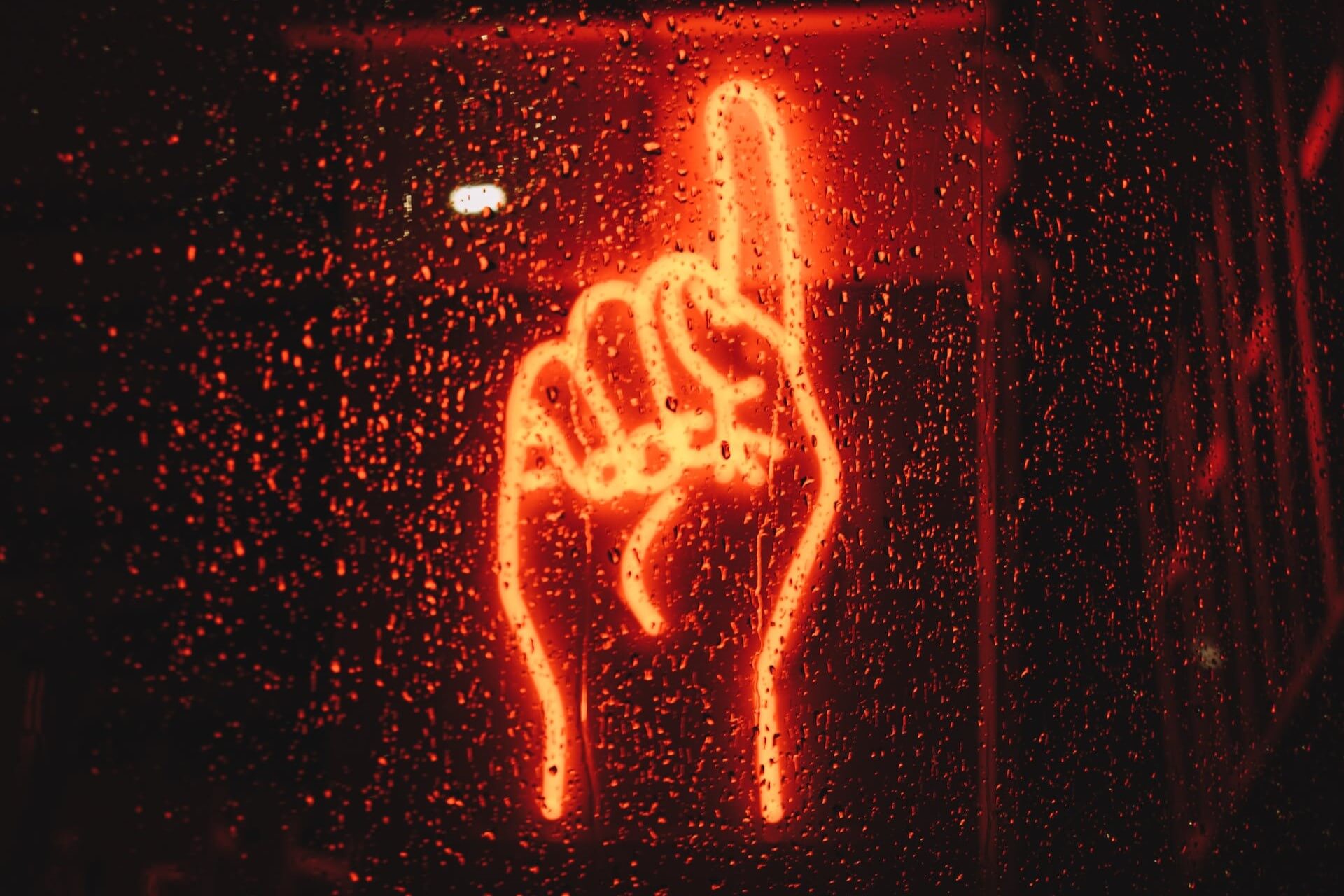
"Number one" hand emoji neon sign

The second-annual Liquor Awards from Liquor.com highlights the best of hospitality of 2023, shining a light on bars, individuals, and organizations.

Liquor.com launched the Liquor Awards back in 2022. For the 2022 winners and runners-up, click here. Follow this link to review the 2022 Liquor Awards honorable mentions.

Differentiating themselves from other industry awards, the Liquor Awards recognize bars, individuals, and organizations via some unique categories.

For example, Platypus in St. Louis, Missouri, receives recognition among the 2023 winners and finalists via the Under the Radar category.

Other categories include Best Classic Bar, Best Neighborhood Bar, Global Spotlight, and Community Builders of the Year.

For those who are curious, I’ve run the numbers in terms of markets and the number of finalists and winners.

New York City (including Brooklyn) leads the way with eight total finalist nods and wins. New Orleans claims six finalists and winners, and Chicago is home to five. Coming in third are San Francisco and Washington, DC, with four finalists and winners, total. Denver and Portland have three each, while Los Angeles, Phoenix, and Cartagena, Colombia, have two.

Las Vegas, KRG Hospitality‘s US headquarters, is home to just one finalist, Herbs & Rye. And Toronto, KRG’s global headquarters, is home to the Health & Wellness Liquor Award winner.

For the full list of finalists and winners, see below.

Bar Award Winners and Finalists

Best New Bar

Winner

Pacific Standard (Portland, Oregon)

Finalists

  • The Butterscotch Den (San Francisco, California)
  • Martiny’s (New York City, New York)
  • Milady’s (New York City, New York)
  • Mírate (Los Angeles, California)

Best Classic Bar

Winner

Attaboy (New York City, New York)

Finalists

  • Anvil (Houston, Texas)
  • Cure (New Orleans, Louisiana)
  • The Violet Hour (Chicago, Illinois)
  • Williams & Graham (Denver, Colorado)

Best Craft Cocktail Bar

Winner

Overstory (New York City, New York)

Finalists

  • Century Grand (Phoenix, Arizona)
  • Double Chicken, Please (New York City, New York)
  • Dovetail (New Orleans, Louisiana)
  • True Laurel (San Francisco, California)

Best Neighborhood Bar

Winner

ABV (San Francisco, California)

Finalists

  • 16th Street Bar & Lounge (Chicago, Illinois)
  • Best Intentions (Chicago, Illinois)
  • The Long Island Bar (Brooklyn, New York)
  • Occidental (Denver, Colorado)

Best Restaurant Bar

Winner

Jewel of the South (New Orleans, Louisiana)

Finalists

  • Bicyclette (Los Angeles, California)
  • Kimball House (Decatur, Georgia)
  • Kumiko (Chicago, Illinois)
  • Palomar (Portland, Oregon)

Best Hotel Bar

Winner

Allegory (Washington, DC)

Finalists

  • Chandelier Bar (New Orleans, Louisiana)
  • Death & Co. (Denver, Colorado)
  • Little Rituals (Phoenix, Arizona)
  • Silver Lyan (Washington, DC)

Expertise in Hospitality

Winner

La Factoría (San Juan, Puerto Rico)

Finalists

  • Allegory (Washington, DC)
  • Bar Leather Apron (Honolulu, Hawaii)
  • Herbs & Rye (Las Vegas, Nevada)
  • Jewel of the South (New Orleans, Louisiana)

Global Spotlight

Winner

Alquímico (Cartagena, Colombia)

Finalists

  • Bar Orchard Ginza (Tokyo, Japan)
  • El Gallo Altanero (Guadalajara, Jalisco, Mexico)
  • Little Red Door (Paris, France)
  • Tjoget (Stockholm, Sweden)

Sustainable Bar Program of the Year

Winner

Owamni by the Sioux Chef (Minneapolis, Minnesota)

Finalists

  • Alquímico (Cartagena, Colombia)
  • Lighthouse (Brooklyn, New York)
  • Rhodora Wine Bar (Brooklyn, New York)
  • Silo (London, England, United Kingdom)

Best Spirits Selection

Winner

Delilah’s (Chicago, Illinois)

Finalists

  • The Gin Room (St. Louis, Missouri)
  • Jack Rose Dining Saloon (Washington, DC)
  • Multnomah Whiskey Library (Portland, Oregon)
  • Tommy’s Mexican Restaurant (San Francisco, California)

Individual Award Winners and Finalists

Creating an Inclusive Space

Winner

Tiffanie Barriere

Finalists

  • Ashtin Berry
  • Kate Gerwin
  • Kapri Robinson
  • Chockie Tom

Bartender of the Year

Winner

Kapri Robinson

Liquor Legend

Winner

Julie Reiner

Organization Award Winners and Finalists

Community Builders of the Year

Winner

Turning Tables (New Orleans, Louisiana)

Finalists

Health & Wellness

Winner

Not 9 to 5 (Toronto, Ontario, Canada)

Finalists

Sustainable Producer of the Year

Winner

Mijenta Tequila

Finalists

  • Barr Hill Gin
  • Empirical
  • Maker’s Mark
  • WhistlePig Whiskey

Cheers to the finalists and award winners!

Please click here to review the list on Liquor.com and learn more about the winners.

Image: Ellie Burgin on Pexels
KRG Hospitality Start-Up Restaurant Bar Hotel Consulting Consultant Solutions Plans Services

by David Klemt David Klemt No Comments

Grubhub Reveals 2023 Order Trends

Grubhub Reveals 2023 Order Trends

by David Klemt

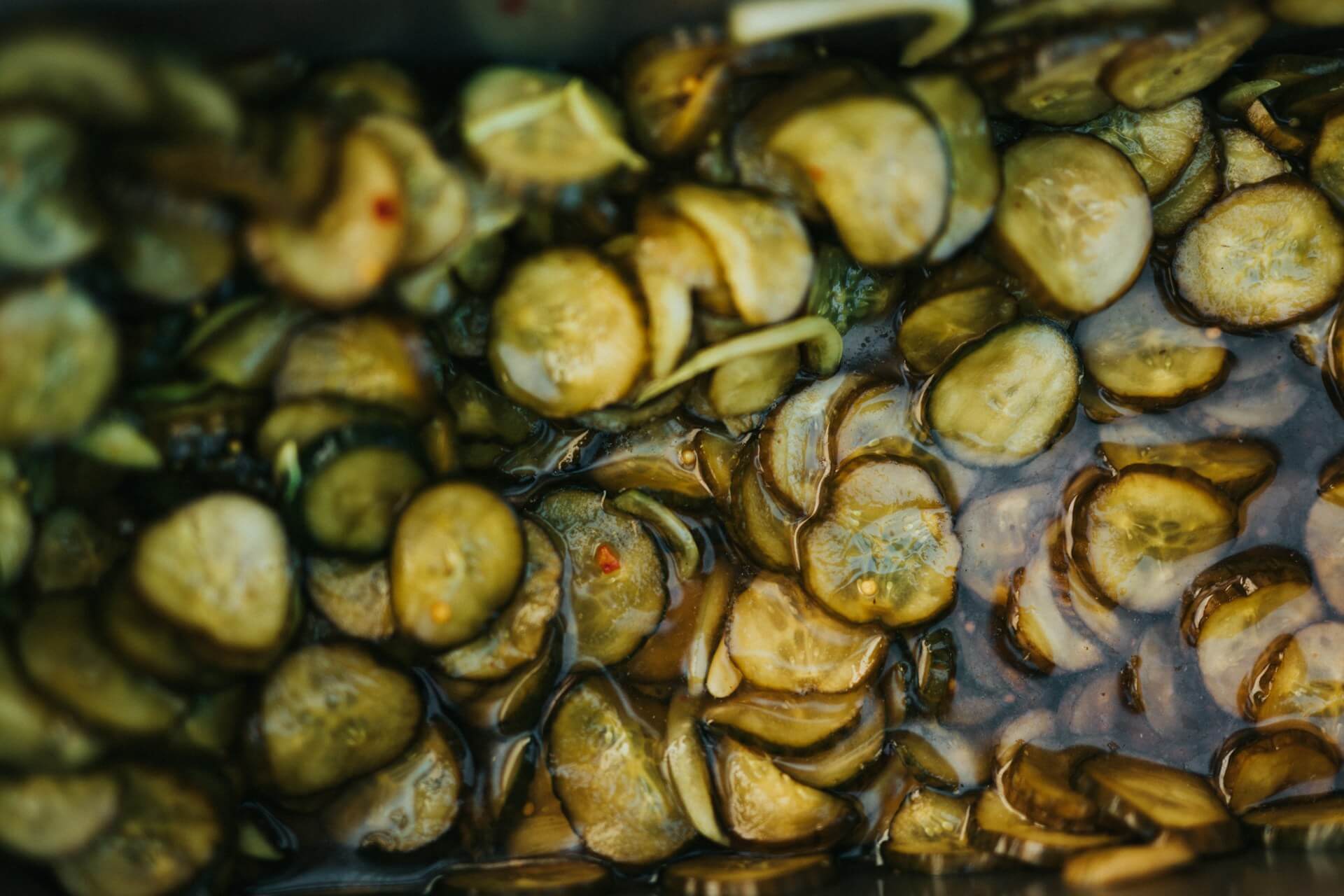
A veritable sea of pickle chips

Just under the wire Grubhub releases their annual end-of-year report, revealing their customers’ top ordering trends of 2023.

Uber Eats and DoorDash unveiled their reports at the end of October and start of November, respectively.

To revisit 2022 for a moment, the top food item ordered via Grubhub was the burrito. So, the unofficial theme of last year’s annual report was warmth and comfort wrapped in layers.

I’m providing that context because this year’s report also comes with a theme. This year, it’s “doing it for the vibes.” For Grubhub, this means that users of the service broke out of their comfort zones to try new F&B items.

Providing an example, one of the standout trends for 2023 is heat. As in, Grubhub users added spice to quite a lot of orders, as you’ll see below.

Click here to review Grubhub’s top 2022 food orders, and here for their 2022 beverage orders. To review this year’s Grubhub report in its entirety, click here.

Now, let’s take a look at a number of this year’s ordering trends.

Soft Drinks & Coffee

Usually, I start with food items when reviewing these reports. Well, once you become predictable, you become beatable. So, I’m going to shake things up and begin with beverages.

According to Grubhub, a TikTok trend—#dietcokebreak—is responsible for the growth of Diet Coke on the platform. In fact, the third-party delivery service says that in-office orders of Diet Coke grew by 17 percent. No surprise, then, that the soda grabbed the top spot in 2023.

Top 5 Sodas

  • Diet Coke
  • Coke
  • Sprite
  • Dr. Pepper
  • Ginger Ale

Next, coffee orders. Per this year’s Grubhub report, people weren’t shy about ordering coffee outside of the breakfast and lunch dayparts.

According to their data, more than 10 million coffee orders were placed after 5:00 PM.

Top 5 Coffee Orders

  • Iced Coffee
  • Caramel Frappe
  • Mocha Frappe
  • Cappuccino
  • Hot Coffee

Food & Flavors

Here’s an interesting revelation: more than 600,000 Grubhub users chose to order salads with a side of French fries.

In fact, the French fry is the top ordered side in 2023 on the platform. So, Grubhub ranked fries by style.

Top 5 French Fry Styles

  • Classic cut
  • Waffle fries
  • Cheese fries
  • Sweet potato fries
  • Curly fries

Hey, let’s reignite the pineapple on pizza debate. According to Grubhub’s year-end report, pineapple as a pizza topping grew by 33 percent in comparison to 2022.

However, Hawaiian pizza has some more growth to do if it wants to take the number one spot.

Top 5 Pizza Styles

  • Cheese Pizza
  • Margherita Pizza
  • Pepperoni Pizza
  • Buffalo Chicken Pizza
  • Hawaiian Pizza

Finally, top flavors. In short, heat is a hit.

Grubhub users added spice to a staggering 53 million orders this year. For further context, sriracha was added to more than 91,000 orders.

And when it comes to chicken wings, Buffalo was the dominant style. I find it interesting, though, that no style of wing made the top five for this category.

Top 5 Spicy Items

  • Spicy potato soft tacos
  • Spicy chicken sandwich
  • Spicy tuna roll
  • Hot and sour soup
  • Drunken noodles

Bringing this report to a close, the item with the most growth. Pickles grew by 89 percent in 2023, accounting for 6.9 million orders.

So, I guess make sure your pickles, French fries, cheese pizzas, and salads are on point as we head into the New Year.

Image: Nathan Dumlao on Unsplash

by David Klemt David Klemt No Comments

New Cocktail Festival Coming to Africa

New Cocktail & Spirits Festival Coming to Africa

by David Klemt

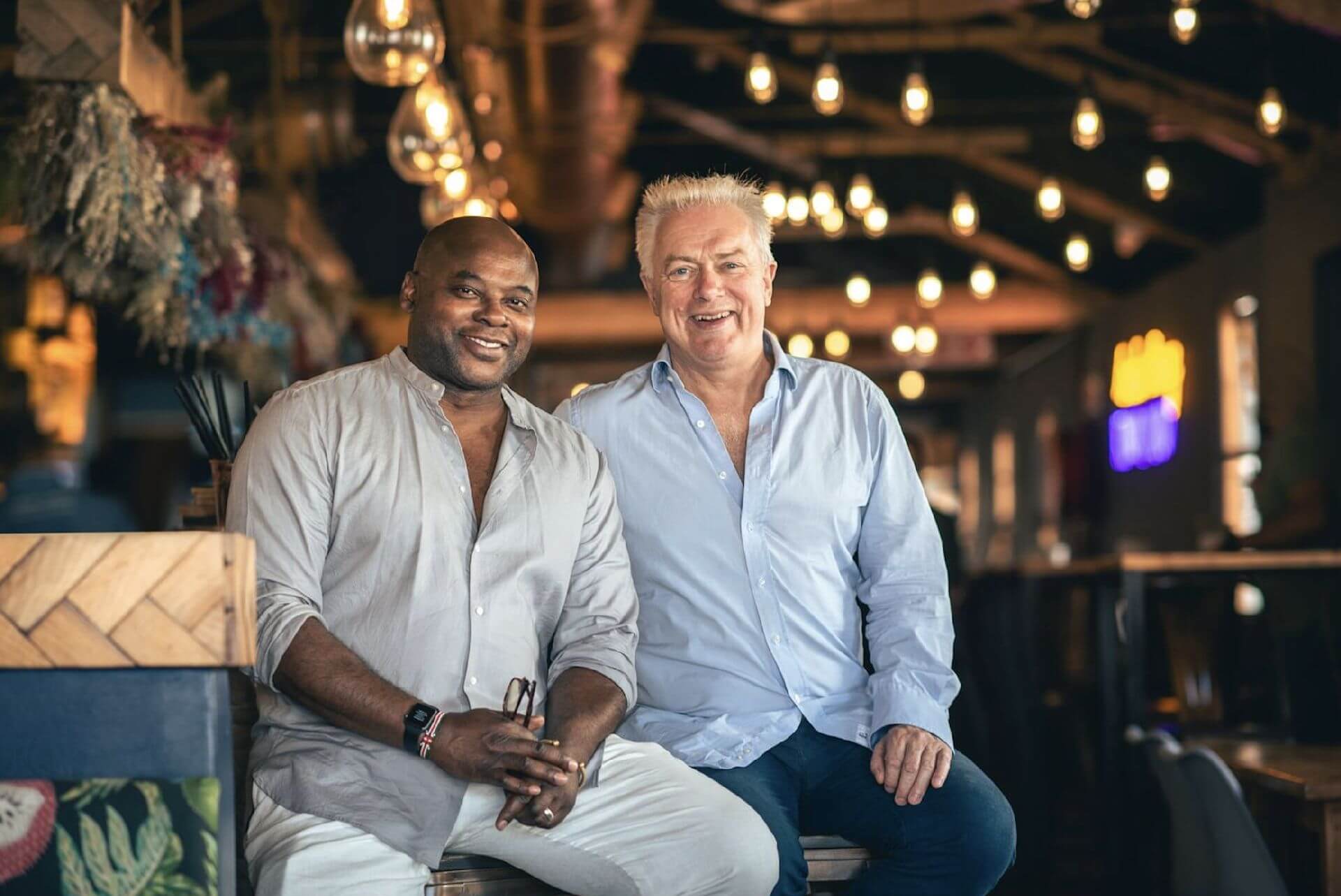
Colin Asare-Appiah and Mark Talbot Holmes

One of the most influential people in the hospitality industry, Colin Asare-Appiah, is bringing a new cocktail and spirits festival to South Africa in 2024.

Asare-Appiah is, of course, a bartender and spirits aficionado. However, he’s also an industry educator, author, a mentor, and historian. And he’s driven to shine a spotlight on the cocktail scenes throughout Africa.

AJABU, which means “wondrous” in Swahili, is the creation of Asare-Appiah and Mark Talbot Holmes, the founder of U’Luvka Vodka. From March 12 to 13, Johannesburg will be the first city to host AJABU. Cape Town will follow closely, with the festival taking place from March 15 to 16.

To put it plainly, the cocktail community doesn’t seem to pay much attention to African countries. At KRG Hospitality, we focus primarily on North America. So, I have to admit that when it comes to industry coverage, I’m guilty of overlooking African countries as well.

Looking back at industry awards from the past couple of years drives this point home. Bars, restaurants, hotels… If they’re not in Johannesburg or Cape Town, they’re not earning nominations, honorable mentions, or rankings, with very few exceptions.

Asare-Appiah and Talbot Holmes are aiming to change this situation. They duo and their collaborators intend to build international connections between trade, brands, and media through this bi-annual cocktail festival.

To learn more about this new industry gathering, please review the press release below. Cheers!

AJABU Cocktail and Spirits Festival Set to Debut in South Africa

New International Festival will Celebrate the Incredible Growth in the African Hospitality Community in 2024 and Beyond

JOHANNESBURG, SOUTH AFRICA – AJABU, Africa’s first bi-annual international Cocktail and Spirits festival, is set to debut in Johannesburg and Cape Town next year, with the first of two week-long events taking place from March 10-18, 2024.

Curated by Colin Asare-Appiah (Bar World 100 Most Influential Figures 2023, Co-Author Black Mixcellence, Tales of the Cocktail Foundation’s 2023 Spirited Awards® Finalist: Best Bar Mentor) and Mark Talbot Holmes (founder of U’Luvka Vodka). AJABU aims to become Africa’s leading spirits and cocktail festival. It will not only connect the hospitality industry and their community across Africa and beyond, it will also inspire innovation, collaboration, and creativity, while celebrating the continent’s incredible diversity of people, ingredients, and beverages.

The word AJABU means ‘wondrous’ or ‘amazing.’ As the name suggests, the festival will embrace the wondrous diversity of the hospitality industry across Africa, connecting brands, bar trade, media and cocktail enthusiasts, while supporting a new generation of African bartenders and hospitality professionals.

Taking place in both Johannesburg (March 10-13) and Cape Town (March 13-18), AJABU will host each city’s most renowned venues for a line-up of exciting mashups. Participating award-winning international bars include Library by the Sea, Milady’s, Rayo and Trailer Happiness. These teams will partner with bars across Africa such as Front Back and Hero for a week of education sessions, spirited forums, wine tours, and hosted dinners at local Johannesburg and Cape Town venues. In Johannesburg, festival-goers can look forward to experiencing the unique offerings of bars such as Sin + Tax, Saint, Smoking Kills, Cin Cin Zioux, Mesh Club, and Marabi Club. Meanwhile, Cape Town will host festivities at Cause/Effect, Art of Duplicity, Chef’s Warehouse, Hacienda, The Drinkery, House of Machines, Asoka, and Talking to Strangers.

“AJABU is a platform to celebrate Africa’s vibrant spirit and bartending culture,” exclaims Asare-Appiah. “We’re committed to fostering the growth of the hospitality industry across the continent by inspiring and empowering the bartending community to push the boundaries of their craft while providing a unique platform to showcase the diverse and rich culture of African drinks and ingredients.”

AJABU is thrilled to announce its partnership with local industry legends Kurt and Etienne Schlechter as well as award-winning writer & educator Leah Van Deventer as the team on the ground.

The festival will soon announce a lineup of the world’s best bars who will bring their creativity and knowledge to Johannesburg and Cape Town venues. Attendees can anticipate an unforgettable gathering of industry-leading professionals who will surprise and delight attendees with their creativity and innovation.

The March edition of AJABU will be followed by another week-long event across both cities in November, in partnership with Cape Town Beverage Show.

For more information, please visit ajabufestival.com

About AJABU

AJABU is Africa’s first annual international spirits and cocktail festival, created by Colin Asare-Appiah (Bar World’s 100 Most Influential Figures 2023, Co-Author Black Mixcellence of the Cocktail Foundation’s 2023 Spirited Awards® Finalist: Best Bar Mentor) and Mark Talbot Holmes (founder of U’Luvka Vodka). With a mission to become the continent’s leading hospitality community gathering, AJABU connects the industry across Africa and beyond to inspire innovation, collaboration, and creativity.

Image: AJABU

Bar Pub Brewery Nightclub Club Nightlife Business Plan

by David Klemt David Klemt No Comments

Transactional vs. Experiential Service

Is Your Business Transactional or Experiential?

by David Klemt

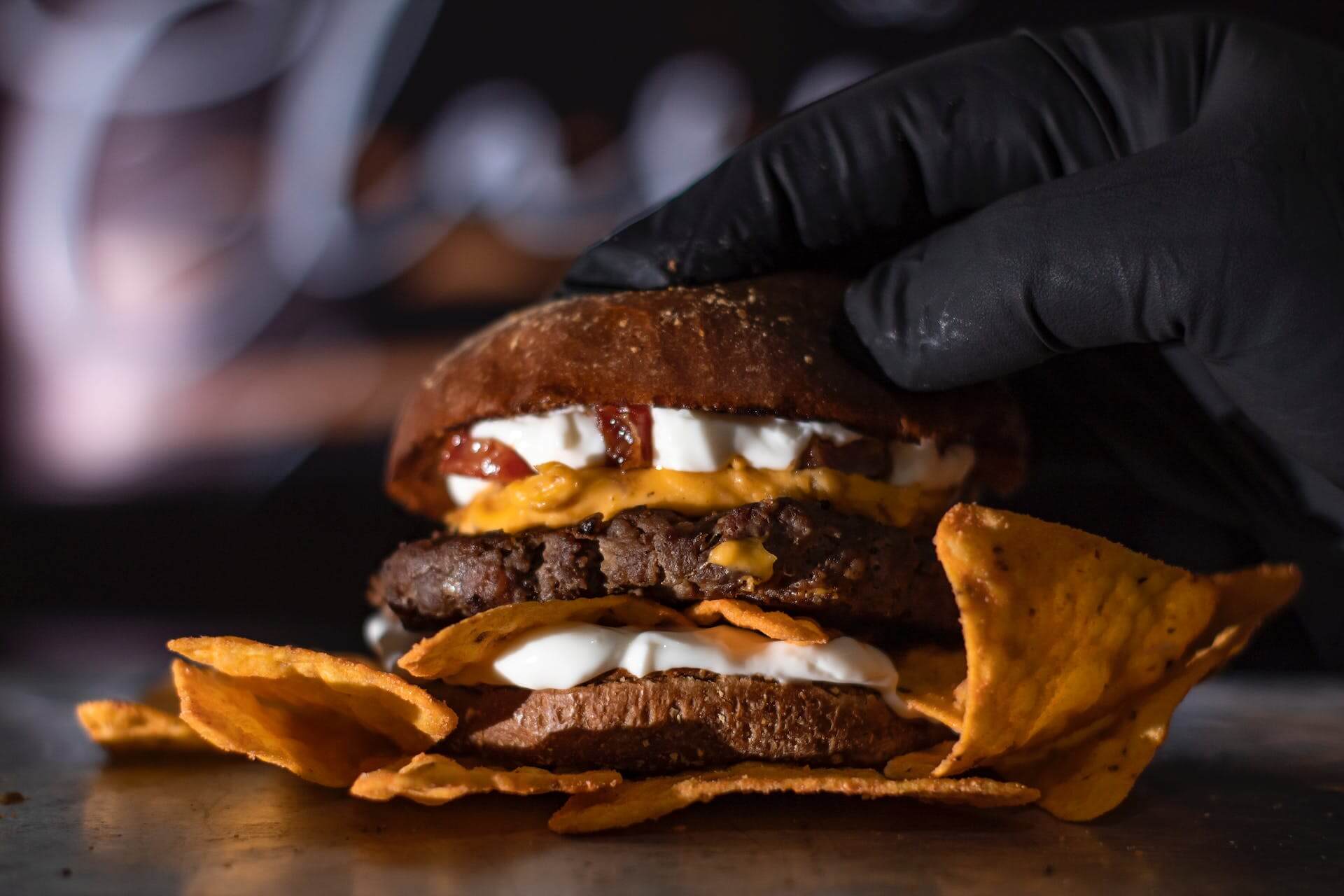
Gloved chef's hand pressing down on cheeseburger bun

When you consider your restaurant or bar honestly, is the service you and your team are providing to guests transactional or experiential?

It’s an important distinction, and it applies to every restaurant and bar category. Whether operating a QSR or FSR, today’s guests want more for more their money.

Further, they expect more just for choosing to leave their homes. A recent report from CWB Franchise Finance, in partnership with Circana and fsStrategy, indicates strongly that experiential concepts are on the path to weathering economic challenges and achieving long-term success.

Now, to be clear, of course all businesses are transactional. In that regard, restaurants and bars are clearly no different from other businesses.

Guests come in, they place orders, and they pay for the goods they receive. Transactional, right?

However, restaurants and bars are in a position to deliver memorable experiences.

Sure, for some people those memories are fleeting. There are those who are always seeking the next thing. But operators who become known for providing more than just menu items will remain on the radar of even the most fickle guest.

When a restaurant or bar delivers goods plus phenomenal services, when the guest experience involves more than just ordering and paying, it becomes experiential.

Think back to the times this year you’ve popped into a QSR or fast-casual restaurant. Can you remember much about the experience? If yes, fantastic—that operator understands the power of an experiential business model. Should the answer be no, that operator sees value only in being transactional.

Which are you happy to return to in the future?

Experience is King

I’m going to assume you’re much happier to return to an experiential concept than a strictly transactional one. And if that’s a correct assumption, you should apply that to your own restaurant or bar.

According to studies Circana has conducted over the past couple of years, Canadian consumers are reacting to economic uncertainty and financial instability as one would expect: cutting back on discretionary spending.

Generally speaking, that means reducing their spending at restaurants and bars. However, there’s a bit of good news tucked into those Circana studies.

Per Circana, half of Canadians plan to increase spending on something in particular: experiences. Further, 91 percent of Canadians say they’ve spent money at experiential restaurants recently.

“A restaurant visit isn’t necessarily just about nourishment, but instead is a platform for socializing, entertainment and exploration,” reads the joint CWB, Circana, and fsStrategy report.

Importantly, an operator need not go to extremes to deliver an experience. Something as simple as creating an LTO around craveable drinks can pay huge dividends. For proof of that, simply look at McDonald’s in the US and the hype that surrounded the berry-flavored Grimace Shake.

Operators throughout Canada and around the globe need to understand how impactful being experiential can be.

Takeaway

It’s true that operators are competing against one another. However, it goes deeper than that now.

Operators are also battling convenience and comfort. Between working from home, pandemic-induced isolation, and technology, people are used to staying in and ordering whatever they want.

So, not only are operators faced with the challenge of standing out from one another, they’re up against the phones in people’s pockets.

For many people, choosing to leave home to dine and drink in person is a big deal. To some, restaurants and bars are about celebrating special occasions or socializing. For others, the motivation is as simple as the need to finally get out of their home.

It’s imperative, therefore, for operators to be more than transactional. Being experiential, whether the experience is small but impactful or over the top and unforgettable, is the way forward.

Restaurants and bars that deliver a memorable experience are better positioned to remain top of mind for a guest’s future in-person visits, delivery and takeout orders, and large-party special events. Don’t think of being experiential just in terms of nailing each visit, think of elevating the guest experience to capture future business.

A focus on the experiential builds loyalty from existing guests, and it encourages those guests to become ambassadors of your brand. Ask what you can do with your menu, team, and space today to become more experiential than transactional.

Image: Thiago Miranda on Pexels
Bar Nightclub Pub Brewery Marketing Agency Team

by David Klemt David Klemt No Comments

FTC Targets Restaurant Fees and Surcharges

FTC Targets Restaurant Fees and Surcharges

by David Klemt

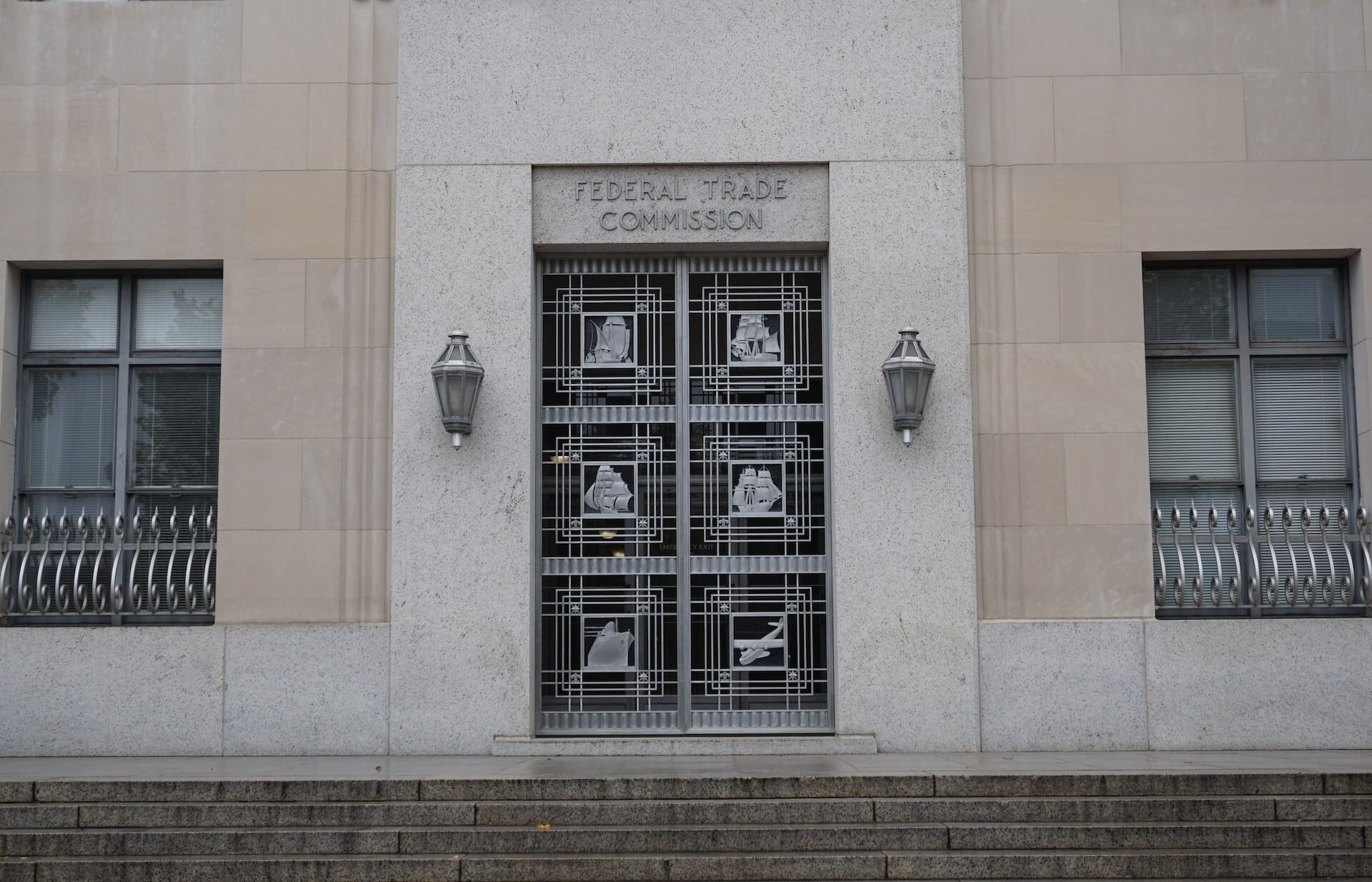
The Federal Trade Commission Building

The Apex Building, also known as the Federal Trade Commission Building in Washington, DC.

Well, that didn’t take long. Less than two months after asking for the public’s input, the Federal Trade Commission is proposing legislation targeting additional fees and surcharges.

The proposed rule is known as the “Unfair or Deceptive Fees” rule. As one may imagine, the FTC is going after hidden and so-called “junk” fees.

As it stands, according to multiple outlets, this rule would prohibit restaurant and bar operators from surcharges that are commonplace. For example, larger-party fees, delivery surcharges, and even credit card processing charges would be banned by the rule.

Instead, operators would be compelled to list total prices on menus, whether for goods or services. Further, the FTC is directing operators to provide larger groups with “larger group” menus. These separate menus would show total prices calculated to include any surcharges.

Even further, it’s being reported that the FTC is also addressing tips. The Commission’s rule directs operators who charge service fees in place of tips to remove the fee and return to tipping.

Interestingly, the National Restaurant Association is reporting that the FTC never identified restaurants as a targeted industry when asking for public comments about junk fees. However, other sources claim that restaurants were indeed included when the FTC put forth the request for public feedback.

Regardless, it’s a fair statement to say that the Commission doesn’t understand restaurant operation and costs. It appears that the FTC either didn’t work with any operators when drafting these proposed rules. Or, if they did seek out restaurant operator input, they put very little stock into it.

Costing Independents

One thing that’s clear is these proposed rules will cost operators. In particular, compliance will cost independent operations, which account for nearly 70 percent of American restaurants.

According to the NRA, the cost of changing menus will cost nearly $5,000 per operator, for starters.

“The FTC doesn’t take the realities of the restaurant industry into consideration,” reads the Association’s fact sheet. “Its estimated compliance cost—$3.5 billion—would equal a cost of $4,818.27 per operator for menus alone. Small independent operators run on a 3-5% margin and make an average of $45,000/year. The cost of making this change would be approximately 10% of their total income.”

As independent operators can attest, credit card swipe fees are a dynamic cost that affects them disproportionately in comparison to their chain restaurant counterparts. Since these fees are calculated on a per-transaction basis and not fixed, adjusting menu prices to comply with the FTC’s rule puts them at a costly disadvantage.

Then there’s the simple fact that when restaurants raise prices, traffic tends to drop. When traffic drops, revenue goes with it. And when traffic and revenue drops, hours are cut back, and people lose their jobs.

Harmful Legislation

As far as I can tell, this is another example of a government agency attempting to impose rules on an industry it doesn’t understand.

When drafting legislation that affects restaurants, a group of operators and industry advocates that truly represents those who will be impacted should be impaneled. Input should be taken into thoughtful consideration before drafting rules, and drafts should be provided to the panel to receive feedback.

Unfortunately, the past few years have made it clear that our industry has very few friends the federal government. Our lobby, such as it is, simply isn’t respected as valuable enough to warrant consideration before imposing harmful rules on the industry.

This, despite the fact restaurants and bars in America employ more than 12 million people. That’s a lot of voters too many elected lawmakers are willing to dismiss as unimportant.

Image: ipse dixit on Unsplash

by David Klemt David Klemt No Comments

af&co. x Carbonate: 2024 Trends to Watch

af&co. x Carbonate: 2024 Trends to Watch

by David Klemt

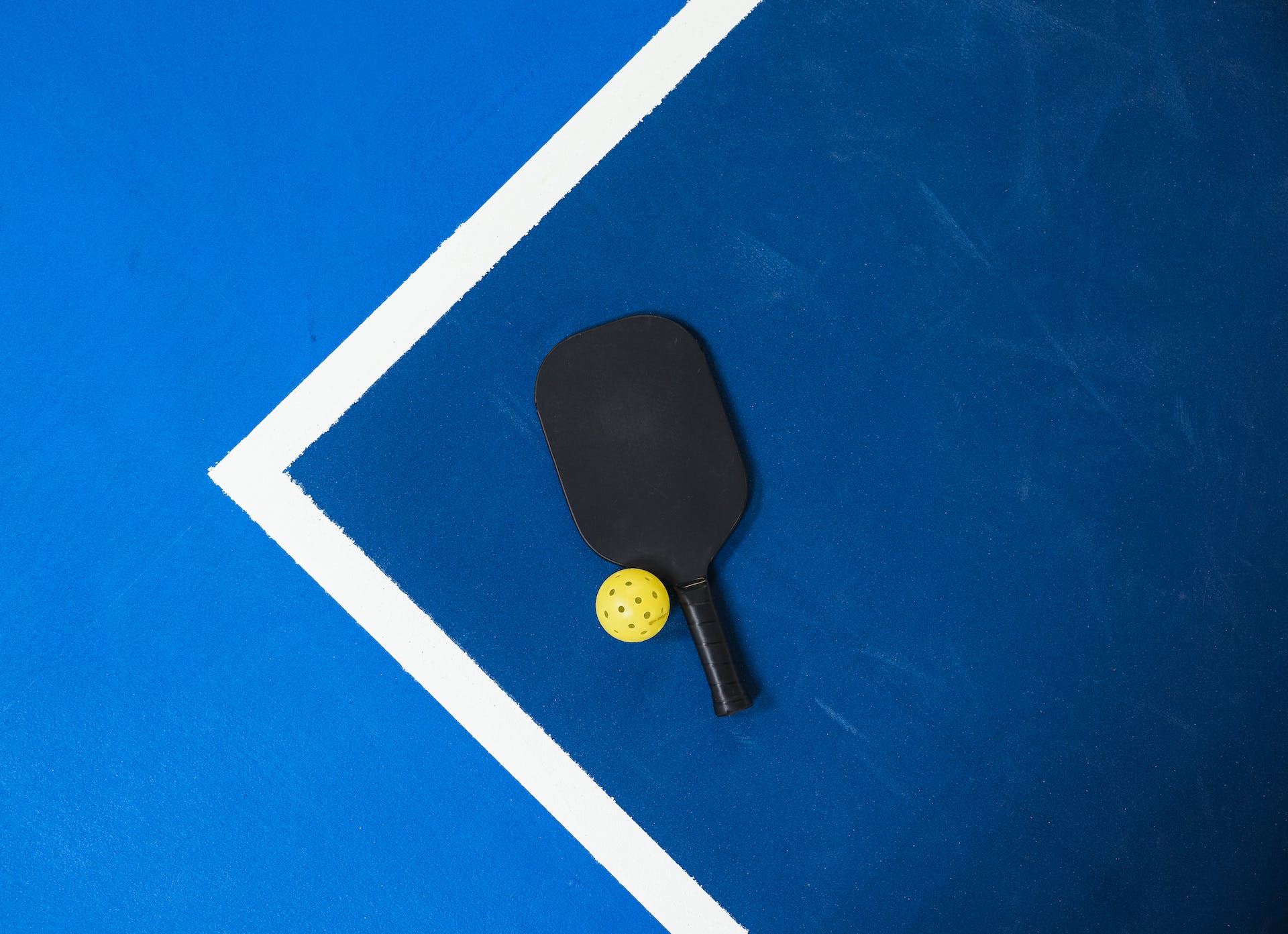
Paddle and ball on pickleball court

Marketing and creative agencies af&co. and Carbonate Group‘s 16th annual Hospitality Trends Report provides in-depth insight across several categories.

This is an in-depth, insightful report operators should review in its entirety. The “Sweet Sixteen” edition of this yearly report is available for download here.

There are two interesting details toward the end of af&co. and Carbonate’s report. First, a list of 2023 clients. Second, an explanation for the design of the report itself.

This makes sense: Carbonate is a creative agency that works in the hospitality space, after all. Further, af&co. is a hospitality industry marketing agency.

Now, I won’t be sharing every trend or insight found in these two agencies’ report. Rather, I’m highlighting a number of items across four of the report’s six categories. Again, I think operators and leadership team members should download the report for themselves.

Food

While af&co. and Carbonate identify specific cuisines and items that are trending, it’s their 10,000-foot view of food that I find most compelling. In terms of the big picture, “rigid” adherence to authentic cuisine is falling out of favor.

Chefs, in the agencies’ opinions, are taking a more modern approach to menus. Instead of following the “rules” of certain cuisines, they’re creating dishes and programs that defy labels. Of course, for those who feel the need to label, one could call this approach “contemporary fusion.”

Examples given are Good Luck Gato’s Okonomiyaki Baked Potato, and the Birria Dumplings at Little Bull.

Cuisine Trends

Of course, af& co. and Carbonate also zoom in on food. Their Cuisine of the Year goes to Korean.

Dessert of the Year goes to the Pavlova or Eton Mess. So, one can argue that operators should connect with their back-of-house teams about meringue-based desserts.

Other food trends include making pastries with buckwheat; getting inventive with mortadella; serving borek in snack and entree size; and Brazilian-style pizza.

However, it’s a presentation trend that stood out the most to me. Accompanied by a timeline complete with images, the agencies state confidently that we’re in the “Crescent Moon” era of plating.

Visualize a plate, then place all of the food along the edge, with roughly two-thirds of the space open. That’s the crescent moon presentation.

Beverage

A number of the trends in this section aren’t exactly new. That tells me that some are likely on the brink of moving from trend to ubiquity.

That, or they’re at risk of bumping against their expiration date.

Two trends that have been popping their fins out of the sea of cocktails for a bit make it into the af&co. and Carbonate report. One is clarified cocktails.

Spend a bit of time looking up cocktails on social media and you’ll see these are a bit divisive. Some bartenders are all for them, some appear to absolutely despise this trend. Guests, however, seem to like the novelty of well-known, opaque or translucent classic turning transparent.

Another drink trend? Culinary cocktails. For food-driven concepts, it makes perfect sense to encourage the bar team to work closely with the kitchen team. Offering culinary cocktails is one method of pulling a concept’s threads tighter, telling a more complete story.

Along those lines, the agencies identify another divisive cocktail trend: cheese.

Personally, cocktails that feature cheese aren’t my thing. However, these drinks are, at the minimum, going to grab a guest’s attention. And those who order these drinks aren’t likely to forget the experience any time soon, good or bad.

That last point is important for operators and their teams to remember. A negative experience can be more powerful and stick with a guest longer than a positive one. So, pursue trends with caution.

Hotel

One of the biggest hotel developments the Hospitality Trends Report identifies is the dual-brand hotel. This is also a trend with which KRG Hospitality is well acquainted, both through industry research and client projects.

So far, the most common approach tends to include two towers, a shared lobby and fitness center, and shared F&B concepts. However, there are properties that incorporate not only brand-specific design for each tower but separate the bars and restaurants as well.

Notably, Marriott opened the first-ever tri-brand hotel in Nashville in 2019. The hotel and resort colossus combined an AC Hotel, a Residence Inn, and a SpringHill Suites.

Another interesting hotel trend? Eco-friendly, pre-fab construction. An excellent example of this approach is Moliving. To learn more about this brand, check out Bar Hacks podcast episode 68 with Jordan and Hanna Bem.

Interest by consumers in supporting eco-friendly brands informs two other trends identified by af&co. and Carbonate. One of these is hotels and resorts including e-bikes among their amenities.

Another is rewarding guests for engaging in a number of green initiatives. For example, cleaning up the beach in front of a hotel, or helping to plant trees on or near the property.

Speaking further of amenities, hotel and resort operators are likely aware that if they have courts for racquet sports, they need to include pickleball.

Design

Operators considering a refresh or starting from a clean slate for a new space may want to work with a designer on the following approach: maximalism.

According to the 16th annual Hospitality Trends Report, this bold, playful design language is on the rise. Following this trend, af&co. and Carbonate think that maximalism is working particularly well for “concept-driven, design-forward” bars.

As far as colors and materials operators may want to ask designers about, the agencies suggest pink, bronze, gold, and velvet. These colors are warm and welcoming, exactly what a hospitality venue should be.

To download the Hospitality Trends Report, click here. Two categories not covered in this article are Marketing Ideas and Social Media Trends, so follow that link!

Image: Mason Tuttle on Pexels
Bar Nightclub Pub Brewery Menu Development Drinks Food

by David Klemt David Klemt No Comments

SevenRooms Unveils 3 Powerful New Tools

SevenRooms Unveils Three Powerful New Tools

by David Klemt

Booth seating inside a restaurant or bar

SevenRooms clients will have access to three new tools that will further enhance guest engagement, increase loyalty, and boost relationships with VIPs.

Each of these consumer-facing solutions is launching in time for the holiday season.

First up, 7R Priority Alerts. This tool helps operators manage their waitlists and generate revenue. We all know that even restaurants that require reservation fees end up with no-shows. Some platforms are capable of attempting to fill those available reservation slots. However, there’s not normally much control over who receives availability alerts.

Now, operators will have the power to target specific guests through automated reservation notifications. As 7R explains this tool, operators will be able to identify, label, and reward their most-valuable guests. These guests will feel like VIPs, increasing their loyalty, visits, and spends.

Then there’s Private Line. This is my favorite of the three new tools. Operators who implement this tool will be able to share an exclusive messaging line. So, a VIP such as a big spender, frequent diner, a member of the press, or an influencer can reach out to the team directly.

With Private Line, a VIP can inquire about a last-second reservation or make a special request. Again, this is the type of feature that increases loyalty and visit frequency.

Most people find new restaurants through friend, family, or coworker referrals. That got the 7R team thinking: How can restaurants reward people who refer new guests?

Enter: Word-of-Mouth Referrals, the third new tool on this list.

Pushed to guests via automated email marketing campaigns and post-visit surveys, a custom referral link is created for every diner. The guests then share that link, new guests make reservations, and the cycle continues. Operators, of course, reward guests for these referrals through any number of means, such as redeemable loyalty program points, comped F&B items, etc.

To learn more, please read the 7R press release about Priority Alerts, Private Line, and Word-of-Mouth Referrals below.

NEW GUEST-FACING SEVENROOMS FEATURES MAKE IT EASIER FOR OPERATORS TO REWARD LOYAL GUESTS AND PERSONALIZE COMMUNICATION

Priority Alerts, Private Line, and Word-of-Mouth Referrals redefine guest engagement and communication between restaurants and their most important guests

NEW YORK – SevenRooms, a guest experience and retention platform for the hospitality industry, today announced the launch of Priority Alerts, Private Line, and Word-of-Mouth Referrals, three new consumer-facing features that help operators connect with and reward their most loyal guests. With guests expecting more from their dining experiences than ever before, these solutions were purpose-built to solve real pain points for hospitality operators. These include alerting a specific diner about reservation availability, providing new ways for guests to get in touch and making it easier for guests to recommend their favorite restaurants to friends and family.

Priority Alerts helps operators control who they send automated reservation availability notifications to so they can prioritize their most valuable guests. In comparison to other reservation notification systems, restaurants choose who receives a Priority Alert first, not just deciding between a blast to their entire waitlist or to an exclusive subset of credit card holders. Instead, they can prioritize the guests that matter most to their business – whether that’s a VIP, loyalty member, frequent or recent diner, local, high spender, or someone else. This helps restaurants reward their most valuable guests to get them through their doors more often.

Private Line was created to give important guests an easier, faster way to get in touch with their favorite restaurants. With Private Line, restaurants can now offer their high-value guests – like VIPs, press, frequent diners and top spenders – an exclusive messaging line that can be used to instantly get in touch with their team. Whether a guest is looking for a last-minute reservation, has a special request, needs to add a friend to a booking or another ask, restaurants no longer miss out on opportunities to wow the guests that matter most. All conversations are centralized within the SevenRooms mobile app, making it easy for staff to book a table, add in requests or make other changes with just a few clicks.

Word-of-Mouth Referrals, the third consumer-facing feature launching with our fall release, gives restaurants the ability to motivate, track and reward loyal guests for referring new diners. According to recent data, 61 percent of diners discover new restaurants from friends, family and co-workers. Yet, without an easy way to capture this untapped demand, restaurants have historically left dollars on the table. Word-of-Mouth Referrals automatically creates personal referral links for every diner – shared through post-meal surveys and automated email campaigns – making it simple for guests to share with their networks and be rewarded with perks they’ll want to earn and use. Restaurants can tap into this high-value marketing channel for their business, rewarding loyalty and ensuring exceptional experiences for newcomers and regulars that translate into more sales and profits.

“At SevenRooms, our focus from day one has been on building innovations that help operators increase profitability, drive sales and improve the experiences of their guests. These three new features, all integrated into the SevenRooms platform, give operators new ways to connect and communicate with their guests – helping them evolve to meet the needs of guests who know what they want, how they want it, when they want it,” said Angela DeFranco, VP of Product at SevenRooms. “In an increasingly competitive landscape where consumers have more choice than ever before in where they choose to take their business, we’re dedicated to finding new ways for restaurants to connect and market more effectively to their guests with tools that not only make them more money, but help them execute on experiences that guests remember and recommend. Restaurant marketing is no longer one-size-fits-all, and we are redefining the role that technology can play in creating truly personalized guest engagement and marketing touchpoints at every stage of the guest journey.”

“The plan was to always move to SevenRooms because the technology was far superior, the potential for integration with our point of sale system was a lot stronger and owning the data was a huge deal,” said Kim McDiarmid, Partner at Liquid and Larder. “SevenRooms’ Priority Alerts has been a dream for us. Compared to our previous platform, it’s a lot more customizable and fully automated so it does the heavy lifting for us. We’re going to use it to give priority to guests who match criteria such as those who dine with us regularly, and with that, it will work even harder for us.”

For more details on SevenRooms’ newest innovations, please visit sevenrooms.com/new.

About SevenRooms

SevenRooms is a guest experience and retention platform that helps hospitality operators create exceptional experiences that drive revenue and repeat business. Trusted by thousands of hospitality operators around the world, SevenRooms powers tens of millions of guest experiences each month across both on- and off-premises. From neighborhood restaurants and bars to international, multi-concept hospitality groups, SevenRooms is transforming the industry by empowering operators to take back control of their businesses to build direct guest relationships, deliver exceptional experiences and drive more visits and orders, more often. The full suite of products includes reservation, waitlist and table management, online ordering, mobile order & pay, review aggregation, email marketing and marketing automation. Founded in 2011 and venture-backed by Amazon, Comcast Ventures, PSG and Highgate Ventures, SevenRooms has dining, hotel F&B, nightlife and entertainment clients globally, including: Marriott International, MGM Resorts International, Mandarin Oriental Hotel Group, Wynn Resorts, Jumeirah Group, Hard Rock Hotels & Resorts, Wolfgang Puck, Michael Mina, Bloomin’ Brands, José Andrés Group, Union Square Hospitality Group, Australian Venue Company, The Wolseley Hospitality Group, Dishoom, Live Nation and Topgolf. www.sevenrooms.com

Image: Carson Masterson on Unsplash

KRG Hospitality Start-Up Restaurant Bar Hotel Consulting Consultant Solutions Plans Services

by David Klemt David Klemt No Comments

Two New Review Platforms You Need to Know

Two New Review Platforms You Need to Know

by David Klemt

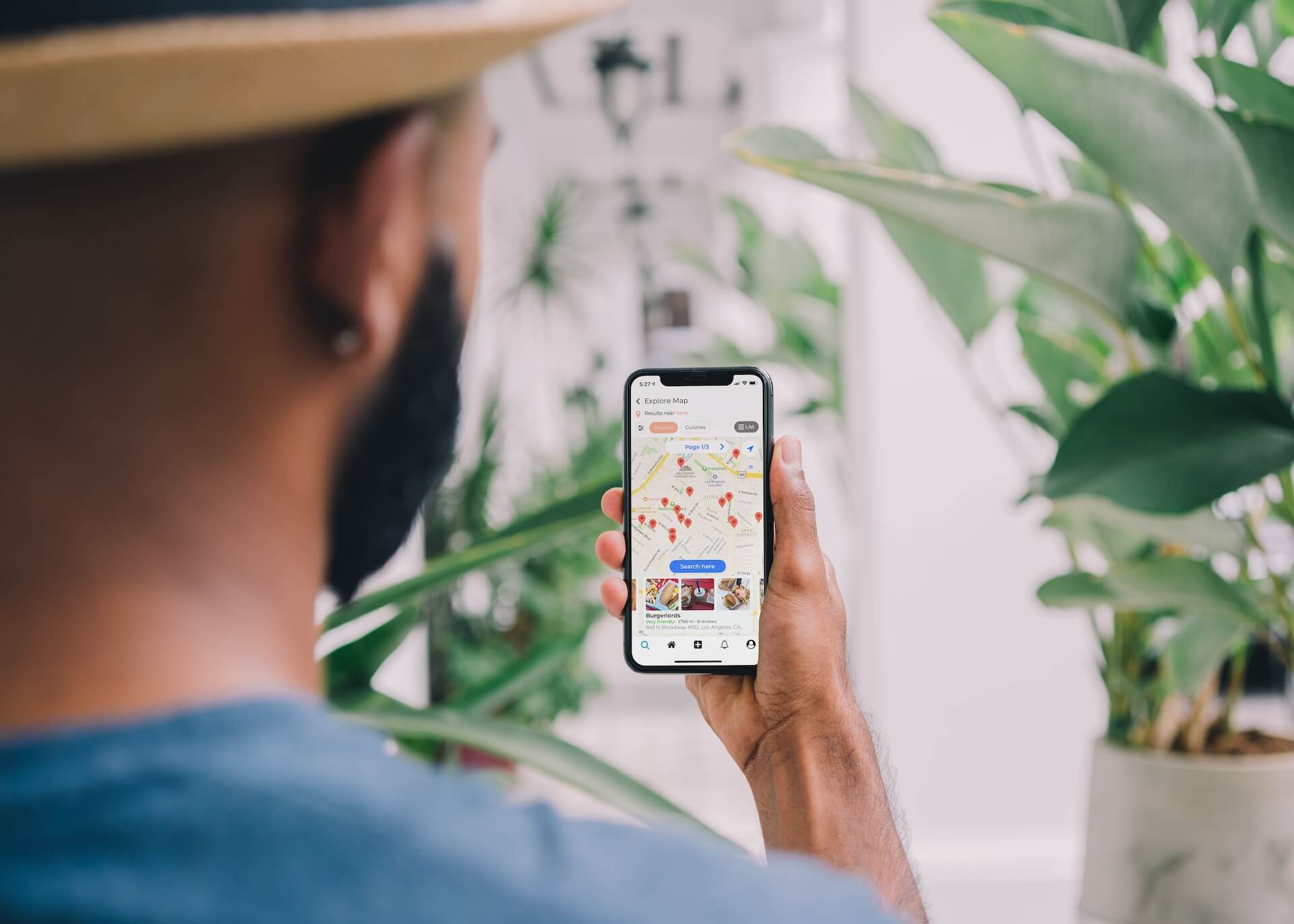
Person looking at restaurants on a map on their phone

Operators should be aware of two new review platforms that will help people discover their restaurant, bar, nightclub, or eatertainment venue.

At this point, we’re all aware of the mainstream review sites. Google, Yelp, OpenTable, Tripadvisor… Whether viewed as a helpful discovery tool or nuisance, each is a well-known player.

Well, there are new platforms on the scene. Importantly, each one is putting their own stamp on how people review venues and discover new experiences.

For example, I wrote about a new platform that rejects negative reviews a few weeks ago. It’s Good “believe[s] a restaurant rec from 1 trusted friend is more valuable than recs from 10,000 strangers.”

The founders, including Kevin Auerbach (former Apple), Meghan Raab (former Snap), director and photographer Mike Rosenthal, and songwriter and performer John Legend, have also eschewed the standard star rating.

So, that’s one modern-day take on the review platform. Now, two others.

Atmosfy

By now, most people are aware that video content outperforms static photography on social media. In other words, people engage more with video.

That’s not to say that static photography is obsolete. Rather, when it comes to discovery, video appears to be king at the moment.

Enter: Atmosfy.

This platform is all about video reviews. In fact, their website reads, “A video is worth a thousand pictures.” Restaurant, bar, nightlife, and eatertainment operators should see the value in users showing off their experiences via video.

In addition, users get access to a personal map. They can bookmark places they’ve been and want to go, and share their experiences so others can discover them.

And with $12 million in seed funding from Redpoint Ventures and other venture capital firms, operators can be certain this is no flash in the pan. In fact, Atmosfy supports in excess of one million businesses in over 10,000 cities in more than 150 countries.

Recs

First, the T-rex mascot of this platform is pretty cool.

Second, Recs takes a similar approach to It’s Good. However, the founders, Jesse Berns and Sean Conrad, have put their own spin on review platforms.

Like It’s Good, Recs sees far more value in recommendations from friends than strangers. Also, there’s no star rating system, nor will users find negative reviews.


View this post on Instagram


A post shared by Recs (@getrecs)

Another interesting detail: Users aren’t able to leave anonymous reviews. This is because Recs is built for recommendations among friends. Were a user to be anonymous, they wouldn’t be discoverable to friends, and therefore they’d be leaving recommendations to…nobody.

However, the most important element of Recs (arguably) is that users either recommend a place or they don’t.

So, in theory, if a business is blowing the guest experience, they won’t even be discoverable on Recs because nobody will be recommending it. At least to a specific core of users, that business won’t exist in their world on Recs.

As far as the Recs user experience, people save venues as “recommend” or “wanna go.” Users find their friends, share their lists, and discover new places to try by checking out their friends’ lists. A simple, straightforward way for people to eat, drink, and hang out together throughout a city.

Takeaway

Simply put, an operator needs to know how people are discovering their business. Operators need to meet guests where they are, which means online.

So, operators need to know about new platforms. When sending a post-visit surveyit doesn’t need to be lengthy—operators should ask how guests learned about their venue. This is one way to stay up to date on social media and review sites.

A comprehensive and effective marketing strategy includes review and discovery platforms. Certainly, operators ignore discovery tools at their peril.

Image: abillion on Unsplash

Bar Pub Brewery Nightclub Club Nightlife Brand Identity

by David Klemt David Klemt No Comments

Taco Bell Leveraging Subscriptions & LTOs

Taco Bell Leveraging Subscriptions & LTOs

by David Klemt

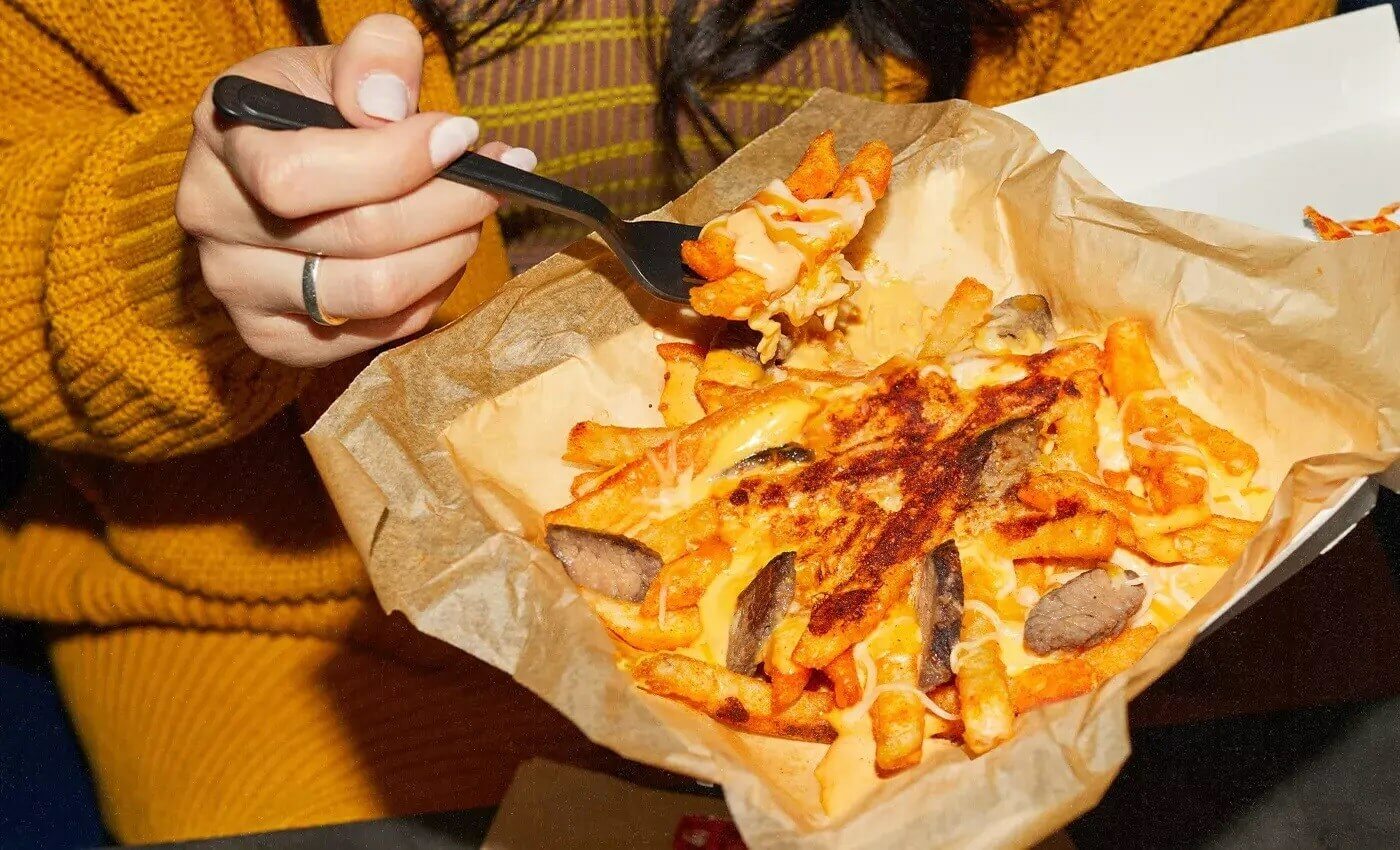
Taco Bell Grilled Cheese Nacho Fries

Not for the first time, Taco Bell is showing the industry the power of offering fan-favorite limited-time offers and leveraging subscriptions.

These days, everything seems to be subscription-based. We stream shows and movies via subscriptions. We can have food, clothing, gadgets, collectibles, and knick-knacks delivered to us by subcription.

Car features like heated seats, remote engine start, and self-driving? Subscriptions. Want to use software we used to buy once and install? Now we’re paying monthly to use it (or up front for a “discounted” yearly fee).

So, why should people find it odd to subscribe to one of their favorite restaurants? If the value is there for a consumer it’s no different than paying a monthly fee for other products and services to which they subscribe.

Clearly, Taco Bell has an acute understanding of people’s comfort with subscriptions. For many consumers, they’re the norm, just part of their daily routine.

As evidence, I introduce Exibit A, the Taco Lover’s Pass.

What makes this subscription noteworthy is the fact that it’s only a few years old, and it’s not even a permanent subscription. As Taco Bell Rewards members know all too well, only they can cop a Taco Lover’s Pass, and it only comes available every so often.

Most times, members have just one day to grab a pass. However, people had two whole days to decide the last time it became available.

And now, Exhibit B, the Nacho Fries Lover’s Pass.

An LTO Subscription and Item

Look, tens of millions of people love tacos. So, it’s logical that the Taco Lover’s Pass is so successful.

And if the past several years have shown us anything, millions of people also love Nacho Fries. The LTO menu item first appeared in Taco Bell restaurants in 2018. A few years later, in 2021, the Taco Lover’s Pass was tested in Arizona.

Why wouldn’t we eventually see a Nacho Fries Lover’s Pass, given the hype that follows every reintroduction of this popular item? Taco Bell has mastered the art of the LTO and the subscription. More specifically, they’ve mastered the recurring subscription. Remember, their passes aren’t permanent offerings.

Further, the iconic QSR also understands the power of the “drop.” At this point, it seems as though Taco Bell has noticed the rabid stir a limited-edition shoe or clothing drop can create for the fashion industry, studied it, and adapted it to foodservice.

With that said, the last Taco Lover’s Pass was accompanied by a menu item drop: the Toasted Breakfast Taco. If you think the Nacho Fries Lover’s Pass also ushered in an LTO, you’re correct.

The first-ever Nacho Fries Lover’s Pass comes along with the limited-time-only offer of Grilled Cheese Nacho Fries.

Take the Nacho Fries, slather them in a sauce of melted mozzarella, monterey pepper jack, and cheddar cheeses, add Taco Bell nacho cheese and chipotle sauce, and toss on some marinated steak. There you go—Grilled Cheese Nacho Fries. They’re just $4.99 while supplies last, and there’s a spicy version made with jalapeños.

It’s no surprise that Taco Bell is BrandVue’s most-loved Mexican restaurant brand, and number eight on their overall list of most-loved restaurant brands.

Takeaway

Loyalty and rewards programs, subscription services, hyped LTO menu drops… These aren’t the exclusive domain of global chain restaurants.

Independent operators can absolutely leverage LTOs and subscriptions. Moreover, indies can do so with as much—if not more—specificity. Independent and regional chain operators tend to be far more nimble than their large chain counterparts.

After all, it’s much easier to implement change in one or a handful of restaurants than it is hundreds or thousands of locations. In theory, single-unit operators also know their loyal guests on a more intimate level. Where that’s the case, they should know what levers to pull to generate interest and encourage repeat visits.

It’s no small task to create a subscription program, let alone a free-to-use-but-engaging, branded rewards program. And that’s to say nothing of coming up with menu item so powerful that taking it away for months at a time is a feasible, profitable thing to do. Although, if you’ve shrunk your menu and eliminated a decent food or drink performer, you may have somewhere to start.

With time and thoughtful consideration, independent and regional operators can absolutely nail rewards, subscriptions, and LTOs.

Image: Taco Bell

Bar Nightclub Pub Brewery Menu Development Drinks Food

by David Klemt David Klemt No Comments

2023 State of the Menu: Datassential

2023 State of the Menu: Datassential

by David Klemt

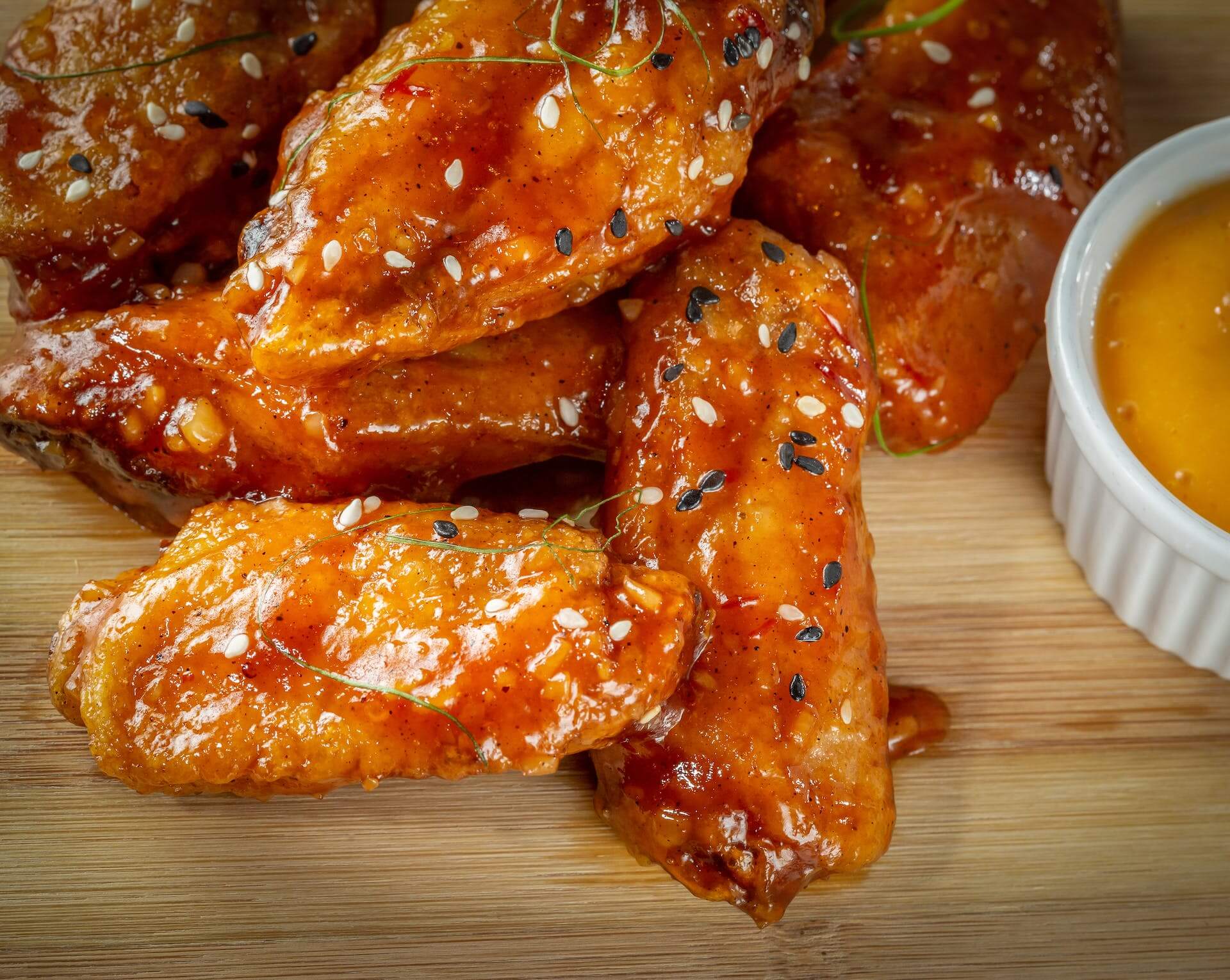
Korean fried chicken wings

The annual 2023 State of the Menu by Datassential includes an interesting metric to gauge restaurant recovery: menu size by segment.

Hosts Jack Li, Mike Kostyo, and Claire Conaghan discuss a handful of topics during this webinar. Host Li touches on food-forward cities at the beginning of this presentaiton. Kostyo shares some of the most innovative menu items out there right now. And Conaghan dives deep into menu trends.

Industry professionals interested in watching this webinar on demand can register to do so here.

There are a handful of metrics people are using to measure post-pandemic restaurant recovery. Labor is, of course, receiving a lot of attention. People are also tracking traffic, average check size, revenue, and profits.

One metric Datassential is keeping tabs on is menu size per restaurant segment. Additionally, they’re tracking each segment’s top-growing food and beverage items.

Notably, however, in tracking menu size, Conaghan focuses solely on food and non-alcohol beverage items, omitting catering and alcohol.

Chains vs. Independents

Starting things off, Conaghan addresses the overall menu size trend. That is, menus are noticeably smaller in comparison to pre-pandemic sizes.

Interestingly, chain restaurants don’t appear to be in any rush to move away from this trend. In fact, Conaghan notes that chains appear to be further reducing the size of their menus. This has been the trend over the past 12 months.

According to Conaghan, fine dining also seems to be happy to shrink their menus. Menu size shrunk the most among restaurants in this segment. In comparison, quick-service menu sizes decreased the least.

However, independent restaurant operators appear to be going in the opposite direction from their chain counterparts. In contrast, indies have been growing the size of their menus the past 12 months.

Menu Size by Segment

Fast Casual

Per Conaghan, the only segment to reach pre-pandemic menu size is fast casual. In fact, this category of restaurant is often exceeding pre-pandemic items-per-menu size.

This increase in menu size is attributable to operators “leaning into” core cuisine items. For example, sandwiches, Mexican entrees, and pizza.

However, the fastest-growing food item on fast-casual menus is the chicken wing. According to Conaghan, it’s easy for operators to innovate with chicken wings.

A restaurant doesn’t have chicken wings? All they have to do is add them, starting with simple preparations. If a restaurant does have chicken wings on the menu already, innovation is as simple as adding new flavors.

As far as the fastest-growing drink for fast-casual restaurants, it’s dessert beverages.

QSR, Casual Dining, and Midscale

These three segments are “very, very close” to reaching pre-pandemic menu sizes.

As midscale operators are likely very aware, this segment tends to have the largest menus. I wouldn’t be surprised, therefore, if a number of midscale concepts review their items per menu, their costs, and decide they can perform well with slightly smaller menus moving forward.

Unsurprisingly, chicken wings are the food item growing most quickly on QSR food menus. Oh, and barbecue chicken wings are the fastest-growing food item among casual dining restaurants.

Perhaps a bit more eyebrow-raising is the fastest-growing beverage type for QSRs: energy drinks. Boba and flavored iced teas are growing fastest on casual-dining drink menus.

For midscale restaurants, dessert samplers are the fastest-growing food items. Think “dessert charcuterie” when trying to picture a dessert platter. Another way to think about the dessert sampler is a static dessert cart with small bites of each dessert on the menu.

Fine Dining

Again, this segment is the furthest from pre-pandemic menu size. And, again, operators in this category seem happy with this trend.

An interesting note Conaghan makes about this segment is what many operators are using to fill out their menus: desserts. This is, she says, an area where fine dining can differentiate itself from other concepts.

Per Conaghan, bao, applesauce, and summer squash are growing the fastest on fine-dining food menus.

Now, I may have slipped into a fever dream during this portion of the Datassential webinar. Because unless I’m mistaken, the Shirley Temple has been identified as the fastest-growing beverage in the fine-dining space.

Pricing

Okay, so this segment of the 2023 State of the Menu webinar isn’t really a recovery metric.

However, it’s interesting, and something Jack Li says about chain restaurant pricing made me chuckle.

Most Expensive vs. Least Expensive

First, some straightforward data.

The following list identifies the five most-expensive ZIP codes for chain restaurant menu pricing. Anyone who wants the full list of 15 most-expensive ZIP codes can watch the webinar.

  • 10036 (New York, NY)
  • 96707 (Kapolei, HI)
  • 98902 (Yakima, WA)
  • 96815 (Honolulu, HI)
  • 99503 (Anchorage, AK)

It’s understandable to think this would consist entirely of New York City, Los Angeles, or San Francisco ZIPs. But when we consider what it costs operators to import food to Hawaii and Alaska. Additionally, Washington and New York are among the states with the highest minimum wage. Operators need to recover those costs somehow.

And now the five least-expensive ZIP codes:

  • 78526 (Brownsville, TX)
  • 75224 (Dallas, TX)
  • 76106 (Fort Worth, TX)
  • 31907 (Columbus, GA)
  • 31701 (Albany, GA)

Pricing Logic

Now, on to what Li says during the webinar that makes me laugh.

Nationwide, the average price of a McDonald’s Big Mac in the US is $5.26. (A caveat: This webinar took place in October. This price may have increased or decreased by now.)

However, the lowest price for a Big Mac is $3.49 at a location in Wilburton, Oklahoma.

So, what’s the highest price, and where can one find these pricey Big Macs? Three McDonald’s locations sell the burger for $8.29. That’s nearly two-and-a-half times the lowest-priced Big Mac.

Summarizing pricing variations among chain restaurants succinctly, Li made me laugh with the following: “Store pricing often just doesn’t make sense.”

Going further, Li says Datassential shows that the more franchised a restaurant chain is, the more variances in pricing will occur.

The full webinar can be viewed here.

Image: Leonardo Luz on Pexels
Bar Nightclub Pub Brewery Menu Development Drinks Food

by David Klemt David Klemt No Comments

Ontario Updates Employment Standards Act

Ontario Updates Employment Standards Act

by David Klemt

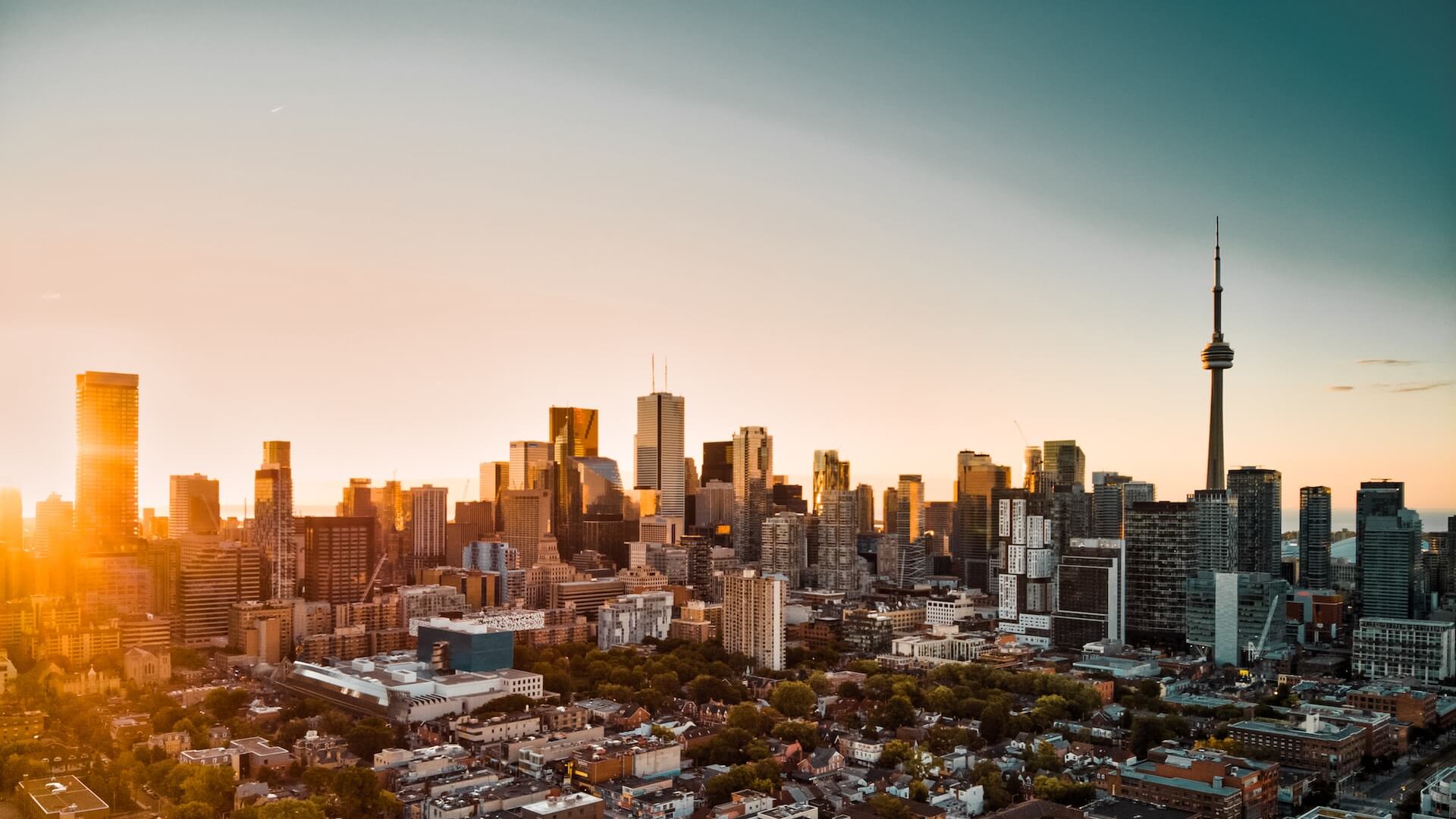
Daytime photo of the Toronto, Ontario, Canada, skyline

Yesterday, Ontario, Canada’s government tabled updates to the province’s Employment Standards Act meant largely to protect restaurant and hospitality workers.

These explicit protections are known as Bill 79, Working for Workers Four Act, 2023.

Interestingly and timely, the updates seem to be, at least in part, a direct response to technological developments.

For example, Bill 79 addresses digital payment apps and artificial intelligence. I’ll expand on that below.

These updates certainly appear to have been drawn up to protect restaurant workers specifically, and hospitality professionals overall.

An End to Unpaid Trial Shifts

One of the most significant updates addresses hours and pay.

It likely shouldn’t have to be said but, according to Ontario law, an employee must be paid for all the hours they work. This includes trial shifts.

Specifically, the new legislation expressly prohibits unpaid trial shifts.

Pooling Tips

Employers in Ontario are well within their rights to share in pooled tips. That is, if the employer is performing the same tasks as staff.

However, there’s now an update to this practice within the Employment Standards Act.

If any employer intends to share in a tip pool, they must make this clear and inform staff.

Speaking of Tips…

For the most part, digital payment platforms bring with them transaction fees. This includes fees for restaurant workers to get their tips.

“We’re seeing apps that are taking a cut every time…a worker accesses their tips, and that’s not acceptable,” says Piccini.

So, moving forward, employees who are paid tips via direct deposit will have more control. The updates to the Employment Standards Act now state that employees paid this way can choose where their tips will be deposited.

Deducting Wages

Per multiple studies, one in 20 diners has dined and dashed. Apparently, it has been common practice for some employers to deduct wages in response.

Personally, I think it’s ridiculous for any employers to pass a business loss on to their workers. That’s neither good leadership, ethical, or a healthy work culture. I’m not saying I’m surprised it happens; I’m disgusted that it still happens.

Now, the practice of penalizing employees monetarily for guests dining and dashing is prohibited specifically. Will that stop it from happening? Probably not, although perhaps it will happen much less moving forward.

This also includes language that makes it illegal to deduct pay from employees due to customer “gassing and dashing.” For anyone wondering, gas theft affected Ontario businesses to the tune of $3 million CAD in 2022.

Artificial Intelligence

Some employers, as many job hunters are aware, use artificial intelligence during the hiring process.

Now, these employers will have to disclose their use of AI in job listings. In theory, this update addresses privacy and data collection concerns.

Further, job listings will now have to include salary ranges. Also, employers are now prohibited from requiring work Canadian work experience in their job listings or on their application forms.

To review Bill 79 in its entirety, click here.

Image: mkdrone_ on Unsplash

Bar Nightclub Pub Brewery Operations Standard Operating Procedures SOP

by David Klemt David Klemt No Comments

The Pinnacle Guide Launches

New Global Bar Recognition System, the Pinnacle Guide, Launches

by David Klemt

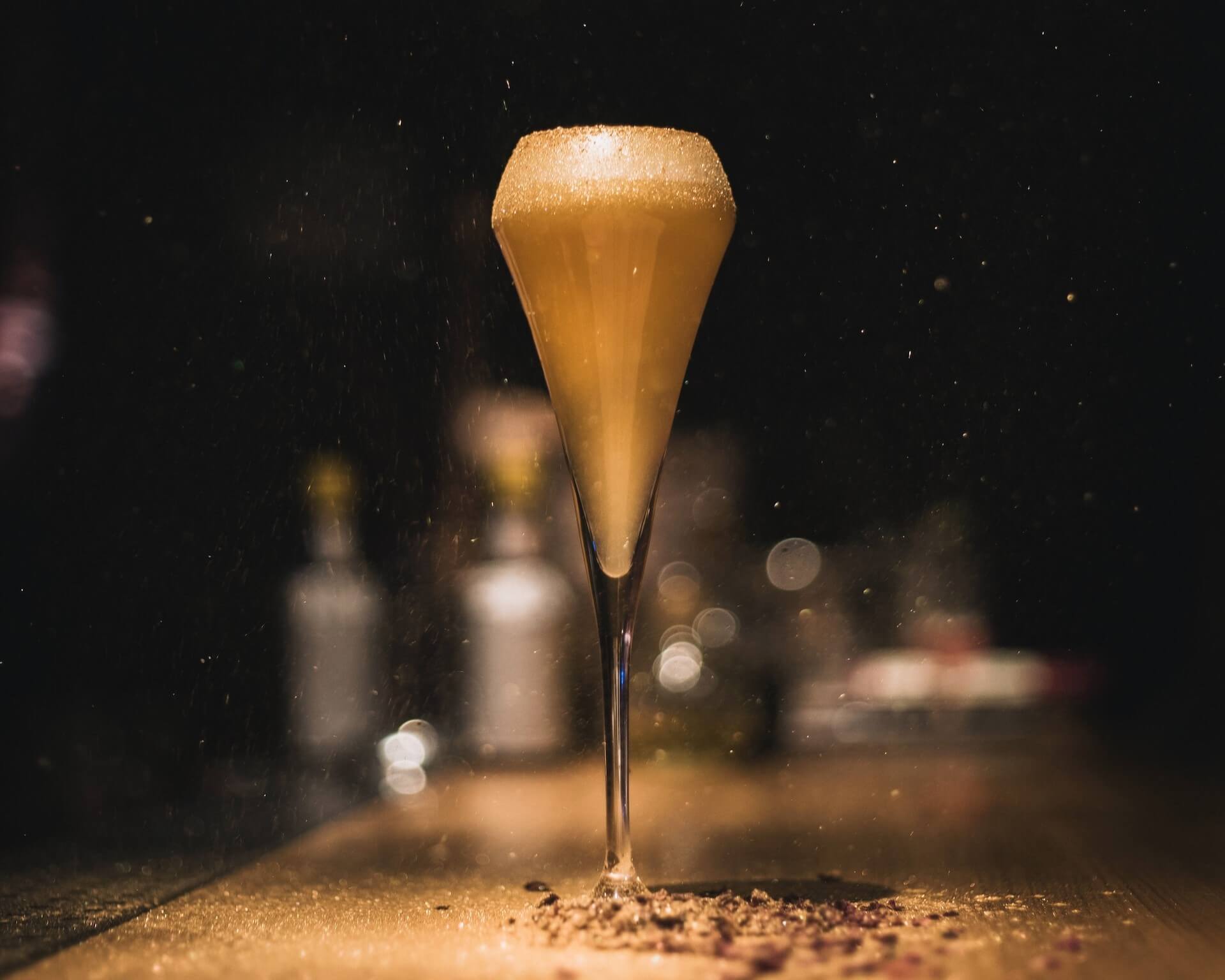
Golden cocktail in Champagne flute on bar top

Today’s the day that the passionate minds behind London Cocktail Week launch “the Michelin Guide” for bars, open to venues across the globe.

Open to submissions as of today, the Pinnacle Guide is open to any bar in the world. Compellingly and refreshingly, the Guide’s system intends to maximize transparency and minimize subjectivity.

Further, the process begins with the self-nomination of a venue. Truly, this is open to any bar, anywhere.

Two of the team’s founders are recent Bar Hacks podcast guests. On episode 105, Hannah Sharman-Cox and Siobhan Payne explain the Pinnacle Guide ahead of its launch today. You can listen to their episode below.

Dan Dove, owner and operator of Global Bartending, completes the Pinnacle Guide’s founder trio. Speaking of trios, Global Bartending’s areas of expertise are strategy, talent, and events.

I’m likely not the only person who has wondered why the Michelin Guide has yet to recognize bars. Now, I’m grateful they haven’t done so.

That’s not a dig at the Michelin Guide. However, the organization’s expertise is restaurants, not bars. It’s far more appropriateand more crediblethat passionate people dedicated to and enamored with bars are launching this recognition system and platform.

The Process

So, what are you in for when you nominate your bar? The process is quite straightforward.

Simply speaking, the

  • Front of house
  • Drinks program(me)
  • Look and feel
  • Staff
  • Operations
  • Community

Once someone who self-nominates their bar completes and submits their application, the anonymous review part of the process begins.

As this step’s phrasing suggests, anonymous reviewers will visit the venue. These reviewers could be industry professionals. They may be passionate, educated consumers whose opinions are valued and trusted.

Either way, they’ll have been vetted, tested, and completed the Pinnacle Guide Reviewer Training Programme.

For even more information, click this link. You’ll find a series of the Pinnacle Guide Round Table Discussions recordings that dive deep into the system as well.

Interestingly, the founders of the Pinnacle Guide believe undergoing the self-nomination process may also help operators enhance or refine their operation:

“Beyond being a measure of excellence, this transparent and detailed approach is also designed to give venues pause for thought on where they may have room for improvement, with the ambition of elevating the industry by encouraging higher standards across the globe.”

Moreover, the Pinnacle Guide doesn’t pit operator against operator, team against team. Should a bar be recognized by the Guide, they’ll be awarded at least one PIN. A single PIN identifies a bar as Excellent. Two carries the Outstanding designation, and three means a venue is Exceptional.

Receiving a PIN doesn’t mean a bar has beaten out another venue to be recognized; that operation stands on its own as one of the best in the world.

Are You Ready?

Thousands of owners and operatorsand the teams that bring their visions to life every daydeserve acknowledgement for meeting the demands this industry makes of them.

From empowering their teams and serving as the backbone of their communities to delivering world-class service and pairing unforgettable experiences with incredible, welcoming atmospheres, hospitality is chock-full of people whose daily contributions should be recognized.

So, to any operator anywhere in the world, if you believe your team has earned at least one Pinnacle Guide PIN, this is your day. However, carve out some time to truly sit with the application and consider your team and venue.

The Pinnacle Guide is a long time coming. Let’s give it the respect it deserves.

Image: Jakub Dziubak on Unsplash

by David Klemt David Klemt No Comments

US Restaurant Employment Still Short

US Restaurant Employment Creeping Toward February 2020 Levels

by David Klemt

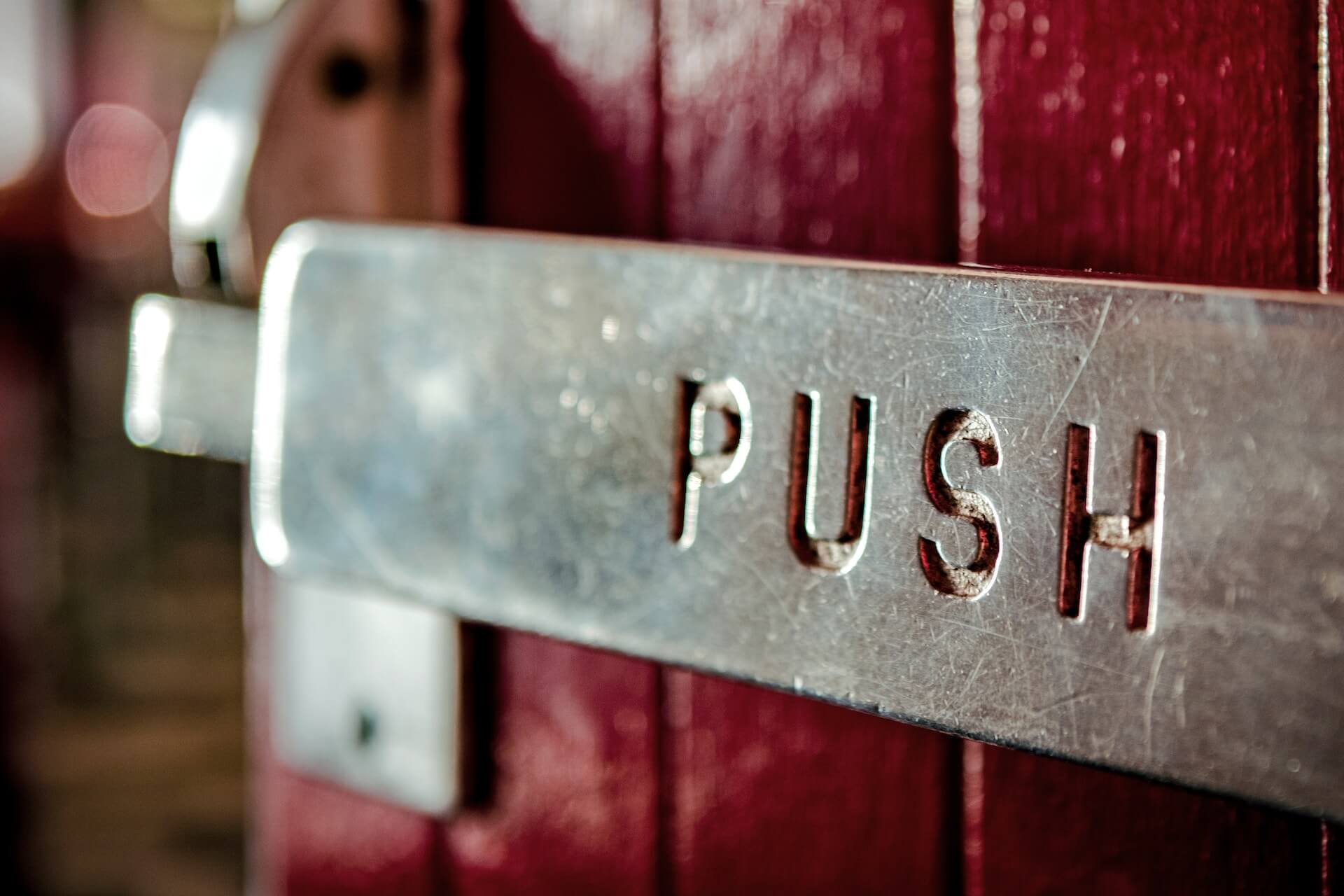
Restaurant door handle that says "push"

Keep pushing. We have work to do to reach February 2020 employment levels.

After what appeared to be a strong September 2023, restaurants and bars saw a decline of 7,500 jobs in the month of October.

In fact, the strong numbers from September were notably weaker once revised. After revisions, eating and drinking businesses added 48,300 jobs, not the nearly 61,000 from preliminary reports.

Importantly, a correction in employment numbers for August 2023 has revealed further declines. Initially, reports stated that restaurants had added 14,400 jobs. Unfortunately, the corrected number showed that restaurants shed 9,300 positions.

However, context is important. Notably, the unemployment rate in the US has remained under four percent for nearly 24 months. As of the latest reporting by the US Bureau of Labor Statistics, unemployment is at 3.9 percent.

Numbers by Restaurant Category

The data in this subsection comes from the National Restaurant Association. As the NRA notes, this information is based on data from September 2023.

These numbers should provide further context for restaurant and bar’s current situation. Some restaurant categories are struggling more than others to reach or surpass pre-pandemic levels of employment.

Below, employments numbers for September 2023 in comparison to February 2020.

  • Full-service: -214,000 jobs
  • Quick-service and Fast Casual: +128,000 jobs
  • Bars and Taverns: +50,000 jobs
  • Cafeterias and Buffets: -36,600 jobs
  • Catering and Mobile Food Service: +14,900
  • Snack and Non-alcohol Beverage Bars: +107,000 jobs
  • Foodservice Contractors: +15,100 jobs

As you can see, full-service restaurants are struggling the most to reach pre-pandemic employment numbers. However, QSRs and bars have surpassed that milestone.

By the Numbers

Below, the change in employment in each state and Washington, DC. The time period the data span runs from September 2019 to September 2023*.

  • Alabama: -5,700 (-3.4%)
  • Alaska: +100 (+0.4%)
  • Arizona: +18,200 (+7.6%)
  • Arkansas: +7,900 (+8.1%)
  • California: +32,700 (+2.2%)
  • Colorado: +9,100 (+3.8%)
  • Connecticut: -1,200 (-1.0%)
  • Delaware: +2,500 (+6.4%)
  • District of Columbia: -2,500 (-4.5%)
  • Florida: +35,200 (+4.4%)
  • Georgia: +21,800 (+5.5%)
  • Hawaii: -4,900 (-6.9%)
  • Idaho: +7,000 (+11.5%)
  • Illinois: -11,000 (-2.3%)
  • Indiana: +7,900 (+3.2%)
  • Iowa: -200 (-0.2%)
  • Kansas: +4,800 (+4.7%)
  • Kentucky: -400 (-0.2%)
  • Louisiana: -9,000 (-5.2%)
  • Maine: -4,000 (-7.9%)
  • Maryland: -16,700 (-8.0%)
  • Massachusetts: -15,600 (-5.6%)
  • Michigan: -21,400 (-6.3%)
  • Minnesota: -9,000 (-5.2%)
  • Mississippi: -1,700 (-1.7%)
  • Missouri: -3,500 (-1.5%)
  • Montana: +4,500 (+10.7%)
  • Nebraska: +600 (+0.8%)
  • Nevada: +22,300 (+16.7%)
  • New Hampshire: -1,500 (-2.9%)
  • New Jersey: +7,400 (+2.7%)
  • New Mexico: +3,100 (+4.2%)
  • New York: -10,000 (-1.4%)
  • North Carolina: +12,900 (+3.3%)
  • North Dakota: -100 (-0.3%)
  • Ohio: -6,300 (-1.4%)
  • Oklahoma: +3,600 (+2.5%)
  • Oregon: -2,000 (-1.2%)
  • Pennsylvania: -5,600 (-1.3%)
  • Rhode Island: -2,000 (-4.3%)
  • South Carolina: +1,000 (+0.5%)
  • South Dakota: +3,100 (+9.4%)
  • Tennessee: +8,000 (+3.0%)
  • Texas: +74,200 (+6.6%)
  • Utah: +12,900 (+12.0%)
  • Vermont: -1,000 (-4.7%)
  • Virginia: -100 (-0.0%)
  • Washington: +3,900 (+1.5%)
  • West Virginia: -2,600 (-4.6%)
  • Wisconsin: -8,100 (-3.8%)
  • Wyoming: -100 (-0.5%)

Ups and Downs

First, the less-positive news: restaurant employment is below pre-pandemic levels in more than half of the country. Including Washington, DC, 27 states are still lagging behind September 2019.

However, in some cases the change is negligible.

For example, Wyoming is down just 0.5 percent, and Virginia is down just 100 jobs or 0.00033 percent. Of the 27 states seeing declines, 20 are down less than five percent in comparison to September 2019.

Of course, it’s important to note that Hawaii, Michigan, and Massachusetts are down more than five percent.

So, to the good news. Two dozen states are enjoying restaurant and bar employment above September 2019 levels.

Four states are up more than ten percent. Nevada is leading the way, up 16.7 percent. Next is Utah, up 12 percent. Following in third is Idaho, up 11.5 percent.

Takeaways

Restaurant employment’s pre-pandemic peak was in February 2020. As of the most-current data, we’re down 14,000 jobs.

According to the most recent data, restaurants and bars employ 12.32 million people in the US. While we have yet to reach the 12.34 million that were employed in February 2020, we’re not far off. We still have reason to be positive about recovery.

The larger threat looming over operators is rising costs. Additionally, depending on the source, a recession is either a possible or current threat.

Of course, there’s still increasing demand from consumers to gather at restaurants and bars. So, again, there’s reason to remain positive.

This is all to say that numbers without deeper understanding and nuance only provide surface context. They can make us panic or breathe a sigh of relief, seemingly at the drop of a hat. We can either worry that we haven’t reached the pre-pandemic milestone, be positive that we’ll reach that number in the near future, or decide that perhaps that metric shouldn’t be the primary one by which we measure recovery.

In short, operators positioning themselves for long-term success understand their market, their teams, and their guests; focus on staff and guest retention; develop community engagement and support; and have strategic clarity.

*Sources: US Bureau of Labor Statistics, National Restaurant Association

Image: Tim Mossholder on Unsplash

Bar Nightclub Pub Brewery Winery Staff Talent Consulting

by David Klemt David Klemt No Comments

DoorDash Names 2023 Global F&B Trends

DoorDash Names 2023 Global F&B Trends

by David Klemt

Chef torching salmon sushi

As we get close to winding down 2023 and welcoming 2024, DoorDash takes a shot at identifying the global F&B trends to watch.

This is an exciting and insightful time of year for our industry. In the last quarter, different sources start publishing their data-backed F&B predictions for the year ahead.

Take, for example, Technomic’s Global, Canadian, and American trend predictions for 2023. Oh, and don’t worry—we’ll be taking a look at their predictions for 2024 soon.

Today, however, we’re checking in on DoorDash. Admittedly, I’m not the biggest fan of third-party delivery. It’s no secret I favor direct delivery for operators.

There’s no denying, though, that third-party delivery companies have access to valuable data. From the top food and drink orders to the dayparts seeing the most delivery and pickup order growth, they can help operators see shifts in consumer behavior.

So, I’m happy to take a look at what food trends DoorDash thinks operators should watch moving forward.

Before we jump in, I’m happy that DoorDash includes this cautionary statement in their article: “Finally, always consider whether or not a trend actually fits in at your restaurant.”

At KRG Hospitality, we couldn’t agree more. Jumping on every trend, as tempting as that may be, is unwise and can do harm than good. So, while the lists below identify trends that are gaining traction currently, operators need to be discerning.

Food Trends

Let’s start with a trend multiple sources identified toward the end of 2022 that appears to still be on an upward trajectory: pickles.

Seriously, it seems that people can’t get enough pickles. Pickle pizza appears to the current darling when it comes to this food trend. Speaking of pizza, DoorDash sees square pizzas as a trend to watch.

Another trend that multiple sources have been keeping tabs on is chimichurri. According to DoorDash, this condiment is finding its way onto all manner of food item.

Other food trends that operators should be aware of are bowls (deconstruct a sandwich, burrito, etc., and you have a bowl); oyster mushrooms subbing in for meat; higher-end tinned fish; and gluten-free menu options.

To be honest, I don’t think that last one is just a trend. At this point, offering gluten-free options or entire menus is mainstream.

Now, there are two more food trends I want to address separately. One, smaller menus. This is a trend I believe most operators can and should get behind. Shrinking a menu can result in lower food and labor costs, and a happier team. Making a menu smaller can also make a restaurant more nimble and engaging as LTOs may have more impact.

And then there’s aburi sushi, which is presented after the top of the fish is torched. This gives sushi a smoky flavor and brings in a different texture element.

To be fair, I’ve expected this to take off for the past several years. Now, it appears it’s taking hold and moving from fad to trend.

TikTok Trends

Yes, we have to talk about TikTok. There’s no question that the platform is a trend-producing powerhouse.

Clearly, TikTok has an influence on food trends. If you want to know what your younger guests want to try, check TikTok. The same goes for your guests who are highly engaged with social media influencers.

Below, the trends DoorDash sees taking hold.

  • Chopped sandwiches. Do you have sandwiches on your menu? Can your guests watch as your team makes them? You may want to create a chopped version of your signature or best-selling sandwich.
  • Pasta salad summer. Apparently, this summer was the Summer of Pasta Salad. Specifically, pasta salads made with fresh ingredients, and made without ingredients like mayonnaise.
  • Cottage cheese. According to DoorDash, TikTokers are putting cottage cheese in scrambled eggs, adding it to pasta sauce, and using it to make cheese toasts. I’ve personally tried the TikTok trend of using cottage cheese to make nacho cheese sauce.

One word of caution: TikTok trends come and go in the blink of an eye. So, operators need to hop on trends that work with their restaurant or bar before they’re already out of favor. It’s a daunting task.

To review this DoorDash report in its entirety, including beverage and grocery trends, follow this link.

Image: Ivan Samkov on Pexels
Bar Nightclub Pub Brewery Menu Development Drinks Food

by David Klemt David Klemt No Comments

2023 DoorDash Ordering Trends

2023 DoorDash Ordering Trends: Canada & US

by David Klemt

Canada and the United States of America on a globe

After checking out this year’s annual Cravings Report we’re turning our attention to the 2023 DoorDash restaurant ordering trends reports.

Luckily, there are two reports available from DoorDash: one that focuses on Canada, and one for the US.

These two countries are, of course, KRG Hospitality’s primary markets. So, the data in these DoorDash reports is relevant and compelling for our current and future clients.

Perhaps unsurprisingly, Canadian and American DoorDash users are somewhat similar by a few metrics. However, where there are differences they’re fairly glaring.

For example, 78 percent of Canadian DoorDash survey respondents picked up a takeout order from a restaurant in the month prior to being surveyed. That number is 76 percent for American survey respondents.

Regarding in-person restaurant dining, 62 percent of respondents had done so the month prior. Among American survey respondents that number is 61 percent.

But when it comes to placing an order for delivery we see a notable difference. For Canada, 58 percent of survey respondents had ordered delivery. That number jumps to 77 percent among Americans.

This tells me a few (fairly obvious) things. Generally speaking, it appears consumers in Canada and America—according to DoorDash—prefer delivery and takeout to in-person dining. Going further, it seems that overall, Canadians prefer pickup or takeout to delivery. However, Americans seem to place delivery and pickup orders at nearly identical rates.

If it’s true that consumers favor delivery or takeout to in-person dining currently, there could be a couple of simple reasons. First, convenience.

Second, fees. It’s possible that today’s consumer perceives delivery fees are lower than in-person dining fees, unfortunately. If that’s the case, third-party delivery services can exploit this perception.

More Similar than Different

In comparing both DoorDash reports, I find that Canadian and American consumers who use DoorDash are rather similar.

Survey respondents in both countries indicate that Friday is the most popular day of the week to order food. Further, 6:00 PM is the most common local time to place orders in both countries.

And when it comes to the fastest-growing dayparts for order placement? In both Canada and the US it’s late-night and breakfast. Although, I most note that both dayparts are growing faster in Canada.

Nearly half of American respondents and a little over half of Canadian respondents indicate they want to try new restaurants and dishes.

Definitely not surprisingly, consumers in both countries primarily focus on menu selection and pricing when seeking a new restaurant to try. In fact, these numbers are identical for Canadians and Americans, at 55 percent and 51 percent, respectively.

Top Canadian Food Orders

When we look at the top items ordered via DoorDash, we don’t find anything out of the ordinary.

  1. Burgers
  2. Fries
  3. Pizza
  4. Salad
  5. Sandwiches

Looks like standard fare and comfort foods to me. This tells me that operators who have these items on their menus need to ensure they’re of the highest quality to stand out from other restaurants and bars.

Top American Food Orders

Interestingly but not too surprisingly, the list below is quite similar to the list above.

  1. French fries
  2. Burgers
  3. Tacos
  4. Salad
  5. Pizza

With the exception of tacos and sandwiches, the list is nearly identical.

Hey, who wants to debate whether tacos and sandwiches are in the same food family?

I encourage you to review both reports in their entirety for yourself. For the Canadian Edition of DoorDash’s report, click here. And click here for the US edition.

Image: Lara Jameson on Pexels
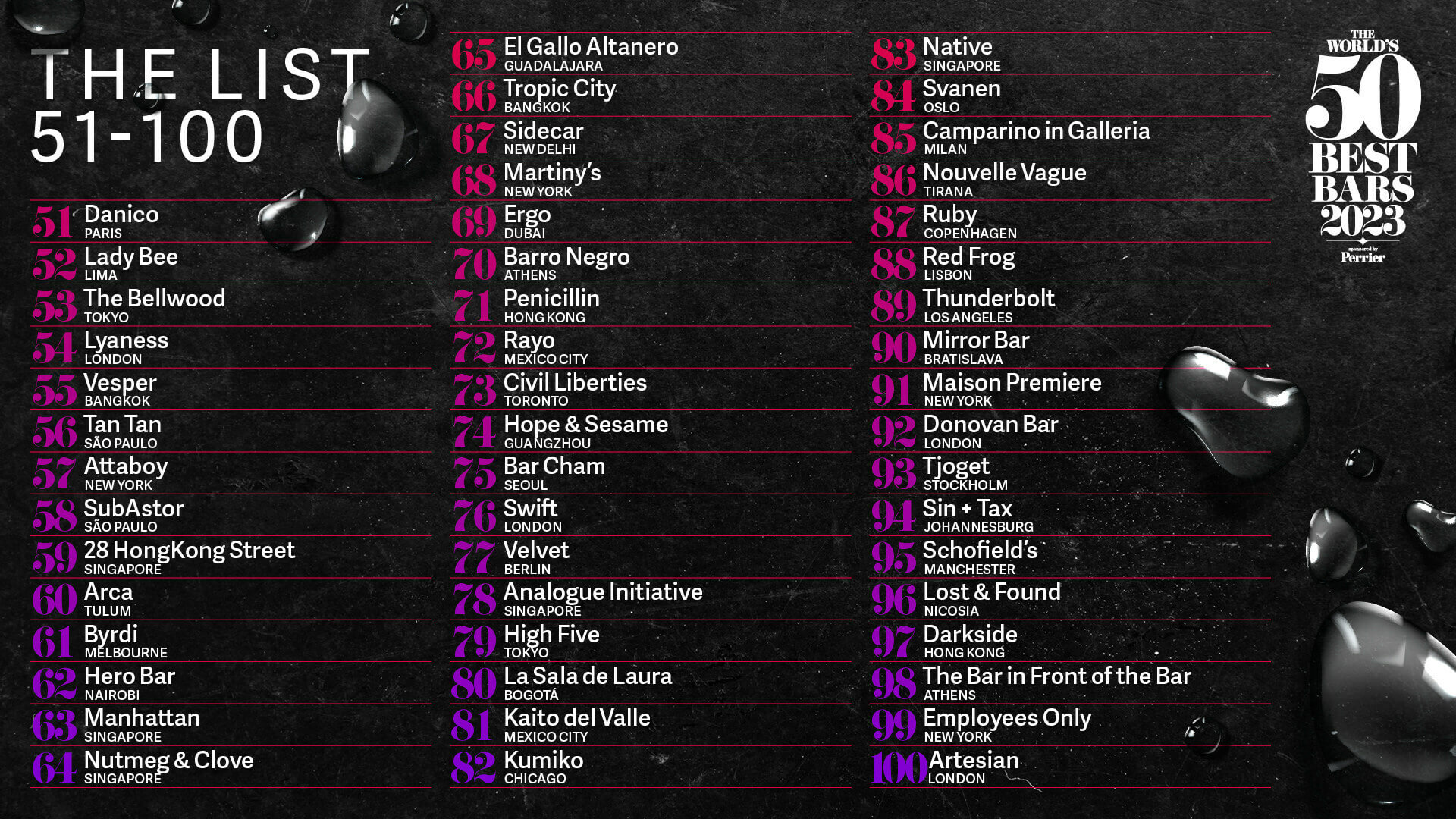
Bar Pub Brewery Nightclub Club Nightlife Technology Plan Tech Stack

by David Klemt David Klemt No Comments

2023 Cravings Report: “The Most” Orders

2023 Uber Eats Cravings Report: “The Most…” Orders

by David Klemt

Kentucky Fried Chicken packaged for delivery or pickup

Let’s take a look at the top orders, delivery requests, order combinations, surprising pairings, and more from the 2023 Uber Eats Cravings Report.

It appears that the chicken sandwich dominance we’ve seen over the years is winding down. At least, that seems to be the case among Uber Eats users.

As you’ll see below, not only is the chicken sandwich not the most popular item, it’s not even among the top five. It does edge out the cheeseburger and wings among the most popular combos, but it doesn’t outperform French fries and salt as a combo.

Another eyebrow-raising detail? Pizza doesn’t show up anywhere among the most ordered items, most popular combos, or even the most surprising combos.

Now, if you’re curious about the 2022 Uber Eats Cravings Report, you’re in luck. You can click here for the top food orders from that report, and here for the top beverage orders.

The Most…Ordered Items

  • French fries
  • Garlic naan
  • Pad Thai
  • Miso soup
  • California roll

Am I the only one who expected to see burgers, chicken sandwiches, and pizza on this list?

The Most…Popular Combos

  1. Burrito bowl + cheese
  2. French fries + salt
  3. Chicken sandwich + shredded lettuce
  4. Cheeseburger + mustard
  5. Wings + ranch

Fairly standard, really. Every one of these orders makes complete sense. Now, the category coming up next…it’s a different story.

However, before we move on, let’s compare these items to those found on the 2022 Uber Eats Cravings Report.

Interestingly, the number-one item is nearly identical: burrito + cheese. And French fries + salt is the second most-popular item on both lists.

The Most…Surprising Combos

  1. Steak + jelly
  2. Cottage cheese + mustard
  3. Condensed milk + avocado
  4. Seaweed + pasta sauce
  5. Butter + pickled onions

I really have nothing to say after reviewing this short list. I mean…hey, do your thing, everyone. Make your order yours.

To the operators out there, be ready for some odd order combos.

The Most…Popular Requests

  1. No onions
  2. Dressing on the side
  3. Ranch
  4. Extra soy sauce
  5. Spicy
  6. Sauce on the side
  7. No lettuce
  8. No jalapenos
  9. Extra gravy
  10. No slaw

Looking at the top request, Uber Eats has a theory as to what’s driving it: the return to the office.

People, it appears, are self-conscious about their breath in an in-person, face-to-face setting.

The Most…Popular Food and Alcohol Combos

  1. Ribeye + Vodka
  2. Cheeseburger + Frozen Margarita
  3. Chicken + Frozen Piña Colada
  4. Lobster tail + Apple whiskey
  5. Tamales + Daiquiris

Last year’s report reveals the following combos:

  1. Steak + Margaritas
  2. Pizza + White Claw
  3. Burritos + Margaritas
  4. Chicken + Sangria
  5. Wings + Beer

Overall, a lot of change from the 2022 Cravings Report to this year’s report.

Image: Nik on Unsplash

Bar Nightclub Pub Brewery Menu Development Drinks Food

by David Klemt David Klemt No Comments

New Review Platform Rejects Negativity

It’s Good: New Review Platform Rejects Negativity

by David Klemt

"Just be nice" sign on wall with graffiti

Combine equal parts incredible team of founders, love for food and travel, and respect for an expression that we should all adhere to more closely, and you get a new review platform.

The expression from which this team derives their platform’s ethos?

“If you don’t have something good to say, don’t say it at all.” But how can a review platform embody that age-old expression?

Well, it turns out that answer is rather simple: by refusing to allow negative reviews. That’s the foundation of how It’s Good plans to operate.

That is, of course, quite the departure from Yelp, Google Reviews, Tripadvisor, and other review platforms. In my experience, Yelp draws the ire of most operators. Obviously, it doesn’t help Yelp’s reputation among operators that people can review bomb a venue rather easily, among other issues.

On It’s Good, there’s no “star” ratings system. Negative comments? The platform is “not even built for” those, according to co-founder John Legend.

“Either you recommend [a place or experience] or you don’t,” says Legend, elaborating further on It’s Good.

The team of founders also includes Kevin Auerbach (who comes from Apple), Meghan Raab (from Snap), and director and photographer Mike Rosenthal.

With Auerbach and Raab guiding what is likely a top-notch engineering team, It’s Good should be simple and fun to use.

The User Experience

At the moment, It’s Good is an invite-only platform. According to articles online, Legend and Rosenthal have been working on the app for four years.

So, the initial idea is to lay the user foundation ahead of its public launch. Logical, since it would be challenging to sift through recommendations without a core user group populating the app first.

“Our mission is to be your go-to place for saving & sharing your most favorite places to eat and drink. Trustworthy recommendations for you, by you – from the people you know or admire, all in one beautiful space,” reads the waitlist confirmation email I received from Shirene Niksadat, It’s Good head of community.

Interestingly, one of the motivating factors behind this platform is Legend himself. Apparently, he’s a go-to source for recommendations amongst his friends.

“My friends always reach out to me for ‘my list’ of restaurants in the cities I’ve visited,” Legend is quoted as saying on the It’s Good website.

From what I can gather, the platform will allow people to find new restaurants, bars, and experiences via location-based and themed lists. I’m sure there’s more functionality, but the main takeaways are:

  • organized recommendations;
  • personalized recommendations from trusted sources and friends; and
  • recommendations that answer a simple question: Is this place or experience good?

“We believe a restaurant rec from 1 trusted friend is more valuable than recs from 10,000 strangers,” says the It’s Good site, right at the top.

That should give us all an idea of how this platform will operate, and what to expect when it goes live for the general public.

Obviously, I can’t provide a review of this review platform. But I can say that I’m looking forward to my opportunity to take it for a spin.

To get your name on the waitlist, click here.

Image: A A on Unsplash

KRG Hospitality Start-Up Restaurant Bar Hotel Consulting Consultant Solutions Plans Services

by David Klemt David Klemt No Comments

Restaurant Fees Facing FTC Scrutiny

Restaurant Fees Facing FTC Scrutiny

by David Klemt

The Federal Trade Commission Building in Washington, DC

The focus on rising costs and hidden or “junk” fees over the past few years is bringing the Federal Trade Commission’s attention to the restaurant space.

Really, it was only a matter of time. Consumers are quite clearly fed up with being hit with unexpected fees. Whether purchasing concert tickets or popping into a QSR for a quick bite, they’re over the perceived nickel and diming.

That’s to say nothing of the other businesses that consumers feel are going too far with fees.

However, much of the public conversation about junk fees revolves around restaurants, and in some instances bars, as well. A common refrain on social media and online communities is, to paraphrase, “Just tell tell us what it costs on the menu!”

Of course, there are consumers who don’t want businesses to raise their prices at all. There’s no reasoning with these people, and they see all increases and fees—even those that aren’t hidden or bogus—as ripoffs.

But there are those who understand the challenges operators are facing. Understandably, these people just want transparency. And they want to have a clear idea of what it will cost to dine and drink somewhere before they plan their visit or are handed their check.

These consumers now have allies in state and federal governments.

FTC Focuses In

Some people may be surprised to learn that the FTC’s focus on junk fees isn’t entirely new. In fact, the agency has been digging into this topic for nearly a year.

Last November, the FTC asked for the public for their opinions on deceptive and unfair practices. Specifically, practices that relate to junk fees. Per the FTC, American consumers are paying tens of billions of dollars in junk fees annually.

According to the agency, they received 12,000 comments.

Now, with the support of the White House, one would assume, the FTC is asking for public input again. This time, the agency is seeking comments about a rule their proposing to address junk fees.

Last week, both the White House and FTC proposed rules that will make it mandatory for businesses to disclose all fees up front. Additionally, the White House wants to curtail “excessive” bank fees for basic services.

Put simply, the FTC’s proposal will ban hidden fees, require transparency regarding all fees, and allow the agency to impose penalties.

And now, after zeroing in on airlines, landlords, utilities, entertainment, and banking, the FTC is looking at hospitality.

Restaurants Under Scrutiny

As they did in November of last year, the FTC is once again asking for the public to comment on fees. This time, however, restaurants have been included by the agency.

To be sure, this focus isn’t exactly new. Washington, DC, for example has addressed junk fees in the restaurant space. As with other jurisdictions that have tackled this topic, restaurants must be conspicuous and make guests aware of all fees before their checks arrive. Additionally, operators must be clear about their intended use for fees.

In Washington, DC, a violation of these rules can lead to a $5,000 fine for a first-time offense. That penalty can rise to $10,000 for additional violations.

California has also passed Senate Bill 478, signed into law by Governor Gavin Newsom. This law, which also targets hidden fees, takes effect on July 1, 2024.

Most likely, the FTC is seeking comment to make adjustments to their proposed junk fee rule in order to include restaurants. From what I’ve seen, restaurant delivery fees in particular are drawing the ire of consumers and attention of state and federal agencies.

“All too often, Americans are plagued with unexpected and unnecessary fees they can’t escape. These junk fees now cost Americans tens of billions of dollars per year—money that corporations are extracting from working families just because they can,” says Lina M. Khan, FTC Chair.

Consumers will have 60 days to submit their comments to the FTC.

Takeaway

Proactive operators who haven’t already done so should make their in-person dining and delivery fees obvious.

Best practices for fee transparency include highlighting them on menus; announcing them via table tents or talkers; including fees on websites; and including a notice or disclaimer on reservation pages.

However, operators should avoid viewing being transparent about fees through a lens of compliance. Rather, being clear and upfront with guests is just good business. In fact, it’s in keeping with the spirit of hospitality and service.

If the final experience a guest has with a restaurant is being unpleasantly surprised by their check due to junk fees, how should be expected to respond? Their perception of the venue or brand will plummet, and they won’t return. How long can a restaurant sustain that guest reaction before the damage is irreparable and an operator has to close their doors?

Operators are being asked to thread a needle every day. Costs are rising and there are only so many solutions available to most operators that can keep their doors open, keep guests and staff happy, and pull the business toward long-term success.

To be clear, fees are generally fine—if consumers feel they know what to expect ahead of their visit. Nobody wants to be surprised, and that shouldn’t be difficult to understand.

So, operators need to be transparent about fees. They need to consider dynamic pricing for menus. That requires an absolute understanding of costs, guest tolerances for pricing, and the market.

The payoff, however, is happier guests who are far more likely to return for in-person dining and to place delivery or takeout orders. Savvy operators will put the work in now to get ahead of the junk fee fallout.

Image: Ian Hutchinson on Unsplash

KRG Hospitality Start-Up Restaurant Bar Hotel Consulting Consultant Solutions Plans Services

by David Klemt David Klemt No Comments

These are the 50 Best Bars of 2023

These are the 50 Best Bars of 2023

by David Klemt

Tres Monos bar in Buenos Aires, Argentina

Tres Monos in Buenos Aires is number 11 and the winner of the Michter’s Art of Hospitality Award.

According to the World’s 50 Best, these stunning examples of operations, service, and atmosphere from around the globe are the best bars of 2023.

For the first time, the incredible collection of bars was revealed during a ceremony in Singapore. I watched this year’s ceremony via the World’s 50 Best Bars live stream and the energy was palpable just through the screen. We’ll have to consider attending the 2024 ceremony in person.

The 50 bars that have earned placement on this list should serve as inspiration for operators and hospitality professionals throughout the world. Whether considering operations, service, building a top-performing team, menu, design, or atmosphere, these bars are reaping the rewards of hard work and a commitment to hospitality.

As we’ve had the incredible honor of speaking with a number of the bars on this year’s list for our Bar Hacks podcast, we’ve linked a few of the bars below to their episodes.

The Numbers

The 15th edition of World’s 50 Best Bars ranks bars in 28 cities from around the globe.

Among individual cities, London claims the most bars on this year’s list with five. Further, two of those bars are in the top ten.

Mexico City is home to four bars on the list, while New York boasts three, plus the winner of the Altos Bartenders’ Bartender Award. These two cocktail bar titans will go head to head for some time from what I can see, and we’re all the better for this friendly rivalry.

Overall, the UK is home to six venues on the 2023 list. Also performing well are the US and Italy, with each claiming five bars on the 2023 list. With four bars, each in Mexico City, Mexico also does very well for 2023.

This year’s host city, Singapore, boasts three bars, along with the Bar Design Award recipient. Greece also earns three spots, with one bar taking home the Legend of the List Award. There are three bars on the list in Argentina as well, all in Buenos Aires. One of these bars offers such outstanding service that it’s this year’s Michter’s Art of Hospitality Award recipient.

Another country with three bars on the list is Spain. Not only can the country now boast about being home to the bar holding the number one spot, it’s also where number four is located. Oh, and the number four bar just happens to be last year’s top bar in the world. Clearly, Barcelona is staking a claim to the Cocktail Capital of the World.

Sadly, Canada isn’t represented on this year’s list. However, Civil Liberties in Toronto does hold the number 73 spot.

Congratulations to the bars and their teams on the 2023 list, and the individual award winners! Cheers!

The World’s 50 Best Bars 2023

  1. Galaxy Bar (Dubai, United Arab Emirates)
  2. Jewel of the South (New Orleans, Louisiana, United States of America)
  3. Atlas (Singapore)
  4. The Clumsies (Athens, Greece)
  5. Locale Firenze (Florence, Italy)
  6. Baltra Bar (Mexico City, Mexico)
  7. L’Antiquario (Naples, Italy)
  8. Carnaval (Lima, Perú)
  9. 1930 (Milan, Italy)
  10. Scarfes Bar (London, England, United Kingdom)
  11. Mimi Kakushi (Dubai, United Arab Emirates)
  12. Panda & Sons (Edinburgh, Scotland, United Kingdom)
  13. The Cambridge Public House (Paris, France)
  14. Bar Benfiddich (Tokyo, Japan)
  15. The SG Club (Tokyo, Japan)
  16. 🔶🟥🔵 A Bar with Shapes for a Name (London, England, United Kingdom)
  17. Argo (Hong Kong, China)
  18. Freni e Frizioni (Rome, Italy)
  19. Sago House (Singapore)
  20. Röda Huset (Stockholm, Sweden)
  21. Florería Atlántico (Buenos Aires, Argentina)
  22. Wax On (Berlin, Germany)
  23. Satan’s Whiskers (London, England, United Kingdom)
  24. Katana Kitten (New York, New York, United States of America)
  25. CoChinChina (Buenos Aires, Argentina)
  26. Baba Au Rum (Athens, Greece)
  27. Café La Trova (Miami, Florida, United States of America)
  28. Caretaker’s Cottage (Melbourne, Victoria, Australia)
  29. Hanky Panky (Mexico City, Mexico)
  30. Drink Kong (Rome, Italy)
  31. Coa (Hong Kong)
  32. Mahaniyom Cocktail Bar (Bangkok, Thailand)
  33. Zest (Seoul, South Korea)
  34. Overstory (New York, New York, United States of America)
  35. Salmon Guru (Madrid, Spain)
  36. Maybe Sammy (Sydney, New South Wales, Australia)
  37. Jigger & Pony (Singapore)
  38. BKK Social Club (Bangkok, Thailand)
  39. Line (Athens, Greece)
  40. Tres Monos (Buenos Aires, Argentina)
  41. Himkok (Oslo, Norway)
  42. Alquímico (Cartagena, Colombia)
  43. Tayēr + Elementary (London, England, United Kingdom)
  44. Licorería Limantour (Mexico City, Mexico)
  45. Little Red Door (Paris, France)
  46. Connaught Bar (London, England, United Kingdom)
  47. Paradiso (Barcelona, Spain)
  48. Handshake Speakeasy (Mexico City, Mexico)
  49. Double Chicken Please (New York, New York, United States of America)
  50. Sips (Barcelona, Spain)

2023 Awards

  • Roku Industry Icon Award: Renato “Tato” Giovannoni
  • Rémy Martin Legend of the List: The Clumsies; Number 47 (Athens, Greece)
  • Best Bar in Australasia (sponsored by Naked Malt): Maybe Sammy; Number 15 (Sydney, New South Wales, Australia)
  • Best Bar in Asia (sponsored by Torres Brandy): BKK Social Club, Number 13 (Bangkok, Thailand)
  • Best Bar in Europe (sponsored by Perrier): Sips; Number 1 (Barcelona, Spain)
  • Best Bar in the Middle East and Africa (sponsored by Amaro Lucano): Mimi Kakushi; Number 40 (Dubai, United Arab Emirates)
  • Best Bar in North America (sponsored by Tia Maria): Double Chicken Please; Number 2 (New York, New York, United States of America)
  • Best Bar in South America (sponsored by Scrappy’s Bitters): Alquímico; Number 9 (Cartagena, Columbia)
  • Michter’s Art of Hospitality Award: Tres Monos; Number 11 (Buenos Aires, Argentina)
  • Best New Opening (sponsored by the London Essence Co.): Line; Number 12 (Athens, Greece)
  • Disaronno Highest New Entry: Zest; Number 18 (Seoul, South Korea)
  • Nikka Highest Climber: Himkok; Number 10, climbed 33 positions (Oslo, Norway)
  • Ketel One Sustainable Bar: Röda Huset; Number 31 (Stockholm, Sweden)
  • Altos Bartenders’ Bartender: GN Chan; Double Chicken, Please (New York, New York, United States of America)
  • Siete Misterios Best Cocktail Menu: The American Bar at Gleneagles; Book of Berries menu (Auchterarder, Scotland, United Kingdom)
  • Campari One to Watch: Lady Bee; Number 52 (Lima, Perú)
  • Bareksten Best Bar Design: Night Hawk (Singapore)
  • The Blend Scholarship: Apoorva Kohli (New Delhi, India) will intern at Sips (Number 1) in Barcelona and Alquímico (Number 9) in Cartagena in 2024.

Image: Tres Monos

KRG Hospitality. Bar Consultant. Nightclub. Lounge. Mixology. Cocktails.

by David Klemt David Klemt No Comments

Chicago to Phase Out the Tip Credit

Chicago to Phase Out the Tip Credit

by David Klemt

Closeup shot of the flag of the City of Chicago with Wrigley Building in background

In a move that some are celebrating and others claim will kill jobs, Chicago will phase out the tip credit incrementally by the year 2028.

Currently, pay for tipped workers amounts to 60 percent of the minimum wage. Starting next year, that will change.

Beginning July 1, 2024, tipped workers will earn eight-percent increases on an annual basis. This will continue until July 1, 2028. On that date, tipped workers must receive the full minimum wage.

Put another way, the city of Chicago will eliminate the tip credit entirely midway through 2028. To add clarification, this phasing out of the tax credit applies to all 77 of the city’s neighborhoods.

Overwhelmingly, Chicago’s City Council voted for the so-called “One Fair Wage Ordinance.” Thirty-six alderpeople voted “yea,” while just ten voted “nay.”

As one would expect, not everyone is happy that the ordinance was passed on Friday, October 6. Nor are they pleased that Mayor Brandon Johnson signed off on the bill a week ago today.

Specifically, Alderman Nicholas Sposato referred to the One Fair Wage Ordinance as a “job and business killer.”

Further, as reported by Restaurant Dive last week, the Illinois Restaurant Association opposes the decision to eliminate the tip credit in Chicago.

“We wholeheartedly disagree with the decision to move forward with the elimination of the tip credit,” Restaurant Dive reports a representative of the IRA saying in a statement emailed to the publication.

The National Restaurant Association also opposes the ordinance, reportedly vowing to fight any such legislation that introduced throughout the country.

However, One Fair Wage and the Service Employees International Union are celebrating the plan to phase out the tip credit. However, the SEIU would like the elimination to apply statewide.

A Compromise

Attempting to negotiate for legislation they found more palatable, the IRA had proposed a different approach.

Their version would have seen tipped workers make a minimum of $20.54 per hour. However, that ordinance would only have applied to restaurants that generate $3 million or more in annual revenue. Additionally, the IRA proposed tripling fines related to violations of the proposed ordinance.

Had that proposal been accepted, the pay situation would have been unchanged for tipped workers in smaller operations.

In the end, the IRA agreed to eliminating the tip credit over the course of five years to make the transition smoother for operators. This is due, in part, to the possibility of a two-year phasing out of the tip credit being passed by Chicago’s City Council.

The IRA, NRA, and others who oppose eliminating tip credits point to hardships on the operator side. Increased labor costs will lead to increases in menu prices, reductions in traffic and hours, the elimination of jobs, and, ultimately, the shuttering of many businesses.

However, those who support such ordinance point to the financial stability of vulnerable people, and those who work throughout the industry to earn a living wage.

The Future

While Chicago is the largest city in America to vote to eliminate the tip credit, it’s not the first pass such legislation.

The city joins Alaska, California, Minnesota, Montana, Nevada, and Oregon in doing so. Additionally, Washington, DC, will eliminate the tip credit fully by July 1, 2027. Phase one of DC’s tip credit elimination started May 1 of this year.

Of course, the news out of Chicago also comes on the heels of the FAST Act fight ending in California.

These developments beg the question: Which city or state will introduce legislation next, and how will it play out for workers and operators?

Image: Trace Hudson via Pexels
KRG Hospitality. Restaurant Business Plan. Feasibility Study. Concept. Branding. Consultant. Start-Up.

by David Klemt David Klemt No Comments

2023 World’s 50 Best Bars: 51 to 100

2023 World’s 50 Best Bars: 51 to 100

by David Klemt

ARCA bar in Tulum, Mexico

ARCA in Tulum, Mexico

Check out the back half of the 2023 World’s 50 Best Bars list ahead of the one through 50 reveal taking place in Singapore on October 17.

In terms of single-country performance, the United States of America claims the most spots on this list with six. Unsurprisingly, four of these bars in New York. Rounding out the six American venues are one in Chicago and one in California.

However, in combination with Mexico and Canada, North America earns 11 places. Unfortunately, Canada earns just one spot with a bar in Toronto. Mexico City, however, is home to two of the best bars in North America (and the world).

It’s Europe as a whole, though, that boasts the most positions, with 17 bars on the list. Five of the 17 are in England.

Asia comes in second as a continent with 14 venues on the back half of the 2023 World’s 50 Best Bars. It should come as no surprise that Singapore claims five spots.

Congratulations to the bar teams below!

To review the 2022 51 to 100 list, click here.

The World’s 50 Best Bars 2023: 100 to 51

It’s only a matter of time until a number of these incredible venues break through to the top half of this list.

  1. Artesian (London, England, UK)
  2. Employees Only (New York, New York, USA)
  3. The Bar in Front of the Bar (Athens, Greece)
  4. Dark Side (Hong Kong)
  5. Lost & Found (Nicosia, Cyprus)
  6. Schofield’s (Manchester, England, UK)
  7. Sin + Tax (Johannesburg, South Africa)
  8. Tjoget (Stockholm, Sweden)
  9. Donovan Bar (London, England, UK)
  10. Maison Premiere (New York, New York, USA)
  11. Mirror Bar (Bratislava, Slovakia)
  12. Thunderbolt (Los Angeles, California, USA)
  13. Red Frog (Lisbon, Portugal)
  14. Ruby (Copenhagen, Denmark)
  15. Nouvelle Vague (Tirana, Albania)
  16. Camparino in Galleria (Milan, Italy)
  17. Svanen (Oslo, Norway)
  18. Native (Singapore)
  19. Kumiko (Chicago, Illinois, USA)
  20. Kaito del Valle (Mexico City, Mexico)
  21. La Sala de Laura (Bogotá, Colombia)
  22. High Five (Tokyo, Japan)
  23. Analogue Initiative (Singapore)
  24. Velvet (Berlin, Germany)
  25. Swift (London, England, UK)
  26. Bar Cham (Seoul, South Korea)
  27. Hope & Sesame (Guangzhou, Guangdong, China)
  28. Civil Liberties (Toronto, Ontario, Canada)
  29. Rayo (Mexico City, Mexico)
  30. Penicillin (Hong Kong)
  31. Barro Negro (Athens, Greece)
  32. Ergo (Dubai, UAE)
  33. Martiny’s (New York, New York, USA)
  34. Side Car (New Delhi, Delhi, India)
  35. Tropic City (Bangkok, Thailand)
  36. El Gallo Altanero (Guadalajara, Jalisco, Mexico)
  37. Nutmeg & Clove (Singapore)
  38. Manhattan (Singapore)
  39. Hero Bar (Nairobi, Kenya)
  40. Byrdi (Melbourne, Victoria, Australia)
  41. ARCA (Tulum, Quintana Roo, Mexico)
  42. 28 HongKong Street (Singapore)
  43. SubAstor (São Paulo, Brazil)
  44. Attaboy (New York, New York, USA)
  45. Tan Tan (São Paulo, Brazil)
  46. Vesper (Bangkok, Thailand)
  47. Lyaness (London, England, UK)
  48. The Bellwood (Tokyo, Japan)
  49. Lady Bee (Lima, Perú)
  50. Danico (Paris, France)

The World's 50 Best Bars 2023, numbers 51 to 100

2023 New Entries

Among these 50 bars are 14 new entries:

  • Lady Bee (No. 52)
  • Arca (No. 60)
  • El Gallo Altanero (No. 65)
  • Martiny’s (No. 68)
  • Ergo (No. 69)
  • Rayo (No. 72)
  • Civil Liberties (No. 73)
  • Bar Cham (No. 75)
  • Velvet (No. 77)
  • Kaito del Valle (No. 81)
  • Svanen (No. 84)
  • Nouvelle Vague (No. 86)
  • Mirror Bar (No. 90)
  • The Bar in Front of the Bar (No. 98)

Remember, the World’s 50 Best will reveal bars one through 50 in Singapore on October 17 at 8:25 PM UTC. Cheers!

Image: The World’s 50 Best Bars / ARCA

KRG Hospitality. Bar Consultant. Nightclub. Lounge. Mixology. Cocktails.

by David Klemt David Klemt No Comments

Leisure and Hospitality Adds 96,000 Jobs

Leisure and Hospitality Adds 96,000 Jobs

by David Klemt

"Optimist" graffiti

Update: The figure of 61,000 restaurant and bar jobs was adjusted to 48,300 after revisions.

The latest report from the US Bureau of Labor Statistics reveals that the outlook looks promising for hospitality.

Put together, leisure and hospitality added 96,000 jobs in September. However, hospitality certainly leads the way according to the most recent report.

In particular, the news is wonderful for the restaurant and bar sector. Adding 61,000 jobs in September, “food services and drinking places” are back to February 2020 levels.

Put more simply, restaurants and bars are back to pre-pandemic employment numbers. It has taken more than three years, but we can finally breathe a collective (but cautious) sign of relief.

In fact, one in five jobs created in September was in a restaurant or bar. That’s incredible growth and welcome news.

But reaching this point hasn’t been easy. Operators, along with restaurant and bar workers, have clawed their way through the past several years.

The industry has changed, and operators need to avoid the temptation of regressing. Yes, employment levels are back to where they were before the pandemic. Worker and guest expectations will not return to where they were before February 2020. The changes are here to stay.

Lodging/Accommodation

Unfortunately, not every sector of hospitality is back to pre-pandemic employment levels.

First, the positive news. Lodging (or accommodation, if you prefer) did add jobs in September. Whereas restaurants and bars rose 61,000 jobs, lodging is up 16,000.

That’s good growth and reason to be optimistic regarding that sector. That’s where the good news ends when it comes to hard employment numbers.

On the negative side, lodging hasn’t yet returned to pre-pandemic employment levels. In fact, the sector is remains down by 217,000 jobs when compared to February 2020.

Should lodging/accommodation continue to add jobs at this pace, we could see a full recovery in Q4 2024.

However, the past few years have been an eyeopener for many lodging and accommodation operators. Many hotels, for example, have reduced the sizes of their teams.

It’s possible that as long as guest feedback remains positive, hotels and resorts will continue to operate with smaller teams. Indeed, technological innovations have made it simpler for mid- and large-scale properties to pare back labor.

Takeaway

While returning to pre-pandemic employment levels in restaurants and bars is great news, we must still be cautious.

This is a delicate situation, and one month of growth isn’t enough to shout, “We’re back!” There’s reason to be optimistic, to be sure, but adding jobs is just one part of an equation that features many variables.

For example, the unemployment level in the US remains unchanged at 3.8 percent.

So, be optimistic. Allow yourself to feel some hope. But be cautious. Continue to work toward empowering your teams, increasing traffic and revenue, mastering the guest experience, and achieving short- and long-term goals.

Image: George Pagan III on Unsplash

KRG Hospitality Start-Up Restaurant Bar Hotel Consulting Consultant Solutions Plans Services

by David Klemt David Klemt No Comments

Celebrating the Espresso Martini

Celebrate the Espresso Martini with Mr. Black

by David Klemt

Two Espresso Martinis on a bar

For the second time in its brief but exciting history, Mr. Black Espresso Martini Fest is coming to bars throughout America.

Last year, 70 bars in eight cities across the US took part to celebrate the Espresso Martini. This year, participation more than doubles.

Fourteen cities in ten states will play host to more than 200 bars during the fest. For 2023, Austin, Boston, Dallas, Denver, Nashville, Phoenix, and Seattle are joining in on the fun.


View this post on Instagram


A post shared by Mr Black Spirits (@mrblackspirits)

I, for one, expect Espresso Martini Fest to have the same staying power as other cocktail celebrations. The inaugural event took place in 2016 in Australia. In 2018, the Fest spread to the UK. After launching in the US, the week-long event growth has doubled over the course of just one year.

Logically, Mr. Black Espresso Martini Fest should join the ranks of Negroni Week, Old Fashioned Week, and Bee’s Knees Week.

Now, I know I’ve called the Espresso Martini “the cocktail that won’t die.” And yes, I’ve pointed out that it’s not technically a Martini, and that many bartenders hate it for the time it can take to make. That doesn’t mean participating in Espresso Martini Fest is a bad idea.

This is a cocktail that guests enjoy. It’s a drink that generates headlines each year. And clearly it’s a beverage that can drive traffic and generate revenue. At the end of the day, participation is a smart move.

2023 Espresso Martini Fest Cities

Given that the Fest runs from October 9 to 15, it’s unlikely the organizers are still vetting venues for participation. However, at the time of this article’s publication, the portal appeared to be open. It’s a worth a shot if you want your bar to join Espresso Martini Fest!

At least you’re aware of the event now so you can prepare to sign up next year.

Bars in the following cities are taking part in this year’s Fest:

  • Austin, Texas
  • Boston, Massachusetts
  • Chicago, Illinois
  • Dallas, Texas
  • Denver, Colorado
  • Houston, Texas
  • Los Angeles, California
  • Miami, Florida
  • Nashville, Tennessee
  • New York, New York
  • Phoenix, Arizona
  • San Diego, California
  • San Francisco, California
  • Seattle, Washington

I certainly anticipate this list growing by at least 50 percent for 2024. Cheers!

Image: Krists Luhaers on Unsplash

KRG Hospitality. Bar Consultant. Nightclub. Lounge. Mixology. Cocktails.

Top