Food

by David Klemt David Klemt No Comments

af&co. x Carbonate: 2024 Trends to Watch

af&co. x Carbonate: 2024 Trends to Watch

by David Klemt

Paddle and ball on pickleball court

Marketing and creative agencies af&co. and Carbonate Group‘s 16th annual Hospitality Trends Report provides in-depth insight across several categories.

This is an in-depth, insightful report operators should review in its entirety. The “Sweet Sixteen” edition of this yearly report is available for download here.

There are two interesting details toward the end of af&co. and Carbonate’s report. First, a list of 2023 clients. Second, an explanation for the design of the report itself.

This makes sense: Carbonate is a creative agency that works in the hospitality space, after all. Further, af&co. is a hospitality industry marketing agency.

Now, I won’t be sharing every trend or insight found in these two agencies’ report. Rather, I’m highlighting a number of items across four of the report’s six categories. Again, I think operators and leadership team members should download the report for themselves.

Food

While af&co. and Carbonate identify specific cuisines and items that are trending, it’s their 10,000-foot view of food that I find most compelling. In terms of the big picture, “rigid” adherence to authentic cuisine is falling out of favor.

Chefs, in the agencies’ opinions, are taking a more modern approach to menus. Instead of following the “rules” of certain cuisines, they’re creating dishes and programs that defy labels. Of course, for those who feel the need to label, one could call this approach “contemporary fusion.”

Examples given are Good Luck Gato’s Okonomiyaki Baked Potato, and the Birria Dumplings at Little Bull.

Cuisine Trends

Of course, af& co. and Carbonate also zoom in on food. Their Cuisine of the Year goes to Korean.

Dessert of the Year goes to the Pavlova or Eton Mess. So, one can argue that operators should connect with their back-of-house teams about meringue-based desserts.

Other food trends include making pastries with buckwheat; getting inventive with mortadella; serving borek in snack and entree size; and Brazilian-style pizza.

However, it’s a presentation trend that stood out the most to me. Accompanied by a timeline complete with images, the agencies state confidently that we’re in the “Crescent Moon” era of plating.

Visualize a plate, then place all of the food along the edge, with roughly two-thirds of the space open. That’s the crescent moon presentation.

Beverage

A number of the trends in this section aren’t exactly new. That tells me that some are likely on the brink of moving from trend to ubiquity.

That, or they’re at risk of bumping against their expiration date.

Two trends that have been popping their fins out of the sea of cocktails for a bit make it into the af&co. and Carbonate report. One is clarified cocktails.

Spend a bit of time looking up cocktails on social media and you’ll see these are a bit divisive. Some bartenders are all for them, some appear to absolutely despise this trend. Guests, however, seem to like the novelty of well-known, opaque or translucent classic turning transparent.

Another drink trend? Culinary cocktails. For food-driven concepts, it makes perfect sense to encourage the bar team to work closely with the kitchen team. Offering culinary cocktails is one method of pulling a concept’s threads tighter, telling a more complete story.

Along those lines, the agencies identify another divisive cocktail trend: cheese.

Personally, cocktails that feature cheese aren’t my thing. However, these drinks are, at the minimum, going to grab a guest’s attention. And those who order these drinks aren’t likely to forget the experience any time soon, good or bad.

That last point is important for operators and their teams to remember. A negative experience can be more powerful and stick with a guest longer than a positive one. So, pursue trends with caution.

Hotel

One of the biggest hotel developments the Hospitality Trends Report identifies is the dual-brand hotel. This is also a trend with which KRG Hospitality is well acquainted, both through industry research and client projects.

So far, the most common approach tends to include two towers, a shared lobby and fitness center, and shared F&B concepts. However, there are properties that incorporate not only brand-specific design for each tower but separate the bars and restaurants as well.

Notably, Marriott opened the first-ever tri-brand hotel in Nashville in 2019. The hotel and resort colossus combined an AC Hotel, a Residence Inn, and a SpringHill Suites.

Another interesting hotel trend? Eco-friendly, pre-fab construction. An excellent example of this approach is Moliving. To learn more about this brand, check out Bar Hacks podcast episode 68 with Jordan and Hanna Bem.

Interest by consumers in supporting eco-friendly brands informs two other trends identified by af&co. and Carbonate. One of these is hotels and resorts including e-bikes among their amenities.

Another is rewarding guests for engaging in a number of green initiatives. For example, cleaning up the beach in front of a hotel, or helping to plant trees on or near the property.

Speaking further of amenities, hotel and resort operators are likely aware that if they have courts for racquet sports, they need to include pickleball.

Design

Operators considering a refresh or starting from a clean slate for a new space may want to work with a designer on the following approach: maximalism.

According to the 16th annual Hospitality Trends Report, this bold, playful design language is on the rise. Following this trend, af&co. and Carbonate think that maximalism is working particularly well for “concept-driven, design-forward” bars.

As far as colors and materials operators may want to ask designers about, the agencies suggest pink, bronze, gold, and velvet. These colors are warm and welcoming, exactly what a hospitality venue should be.

To download the Hospitality Trends Report, click here. Two categories not covered in this article are Marketing Ideas and Social Media Trends, so follow that link!

Image: Mason Tuttle on Pexels

Bar Nightclub Pub Brewery Menu Development Drinks Food

by David Klemt David Klemt No Comments

The Indispensable Egg: Simple but Powerful

The Indispensable Egg: Simple but Powerful

by Nathen Dubé

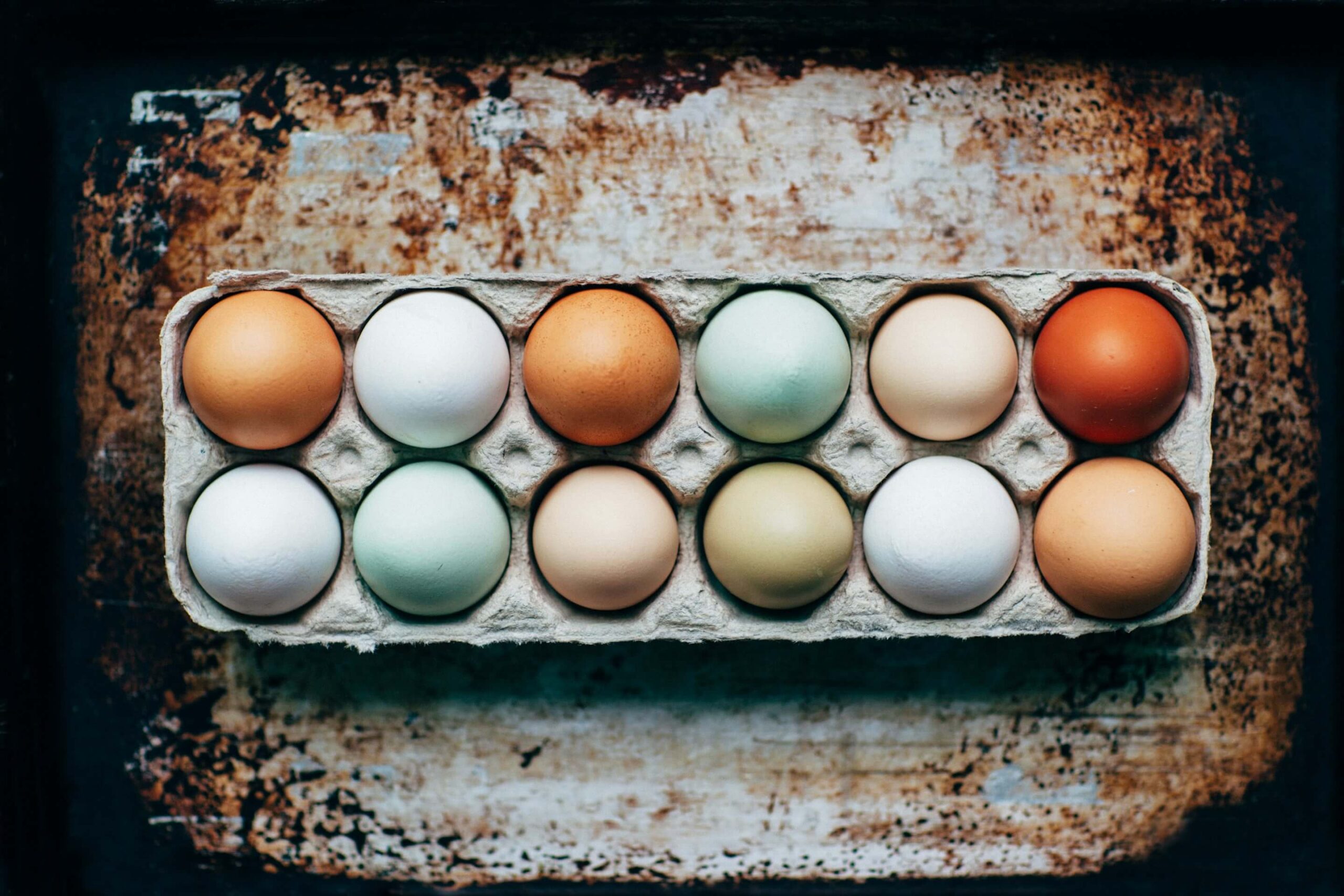
Eggs of various color in a carton

In the realm of gastronomy, eggs are indispensable, offering a unique blend of flavor and texture that is celebrated across various cuisines.

These staples of culinary tradition embody the essence of simplicity and versatility. Farm-fresh eggs, known for their rich, vibrant yolks and robust shells, elevate this simple ingredient to new heights.

This comprehensive exploration delves into the culinary excellence of farm-fresh eggs and their broader implications in the hospitality industry, from enhancing the quality of dishes to contributing to business success.

The Culinary Excellence of Farm-Fresh Eggs

The superiority of farm-fresh eggs in cooking is undeniable. Their vibrant yolks, a result of the diverse diet of free-range hens, enrich dishes with deeper flavors and a more appealing visual presentation.

In baking, these eggs contribute to finer, more consistent textures. And in sauces and dressings, their freshness is paramount, forming the foundation of many classic culinary creations.

Crafting Artisanal Dishes with Farm-Fresh Eggs

Embracing the artisanal approach, chefs use farm-fresh eggs to create dishes that showcase their natural elegance and flavor.

From perfectly poached eggs on a bed of fresh greens to innovative egg tarts, these eggs become the centerpiece of culinary craftsmanship, attracting patrons who appreciate the art of cooking.

Seasonal Menus and Farm-Fresh Eggs

Utilizing farm-fresh eggs allows chefs to design seasonal menus that reflect the changing offerings of local farms.

The subtle variations in flavor and color of the eggs throughout the year inspire creative, seasonal dishes, demonstrating a commitment to freshness and local sourcing.

Nutritional Superiority of Farm-Fresh Eggs

Beyond their culinary appeal, farm-fresh eggs offer enhanced nutritional benefits.

Rich in omega-3 fatty acids, vitamins, and minerals, they cater to health-conscious consumers, adding a valuable dimension to menus and marketing strategies in the hospitality sector.

The Business Benefits of Premium Ingredients

Incorporating farm-fresh eggs into a restaurant’s offerings is a strategic business decision. It signifies a commitment to quality and can differentiate an establishment in a competitive market.

This choice also allows for storytelling opportunities, sharing the origins of the ingredients and the relationships with local producers, building trust and a sense of community with patrons.

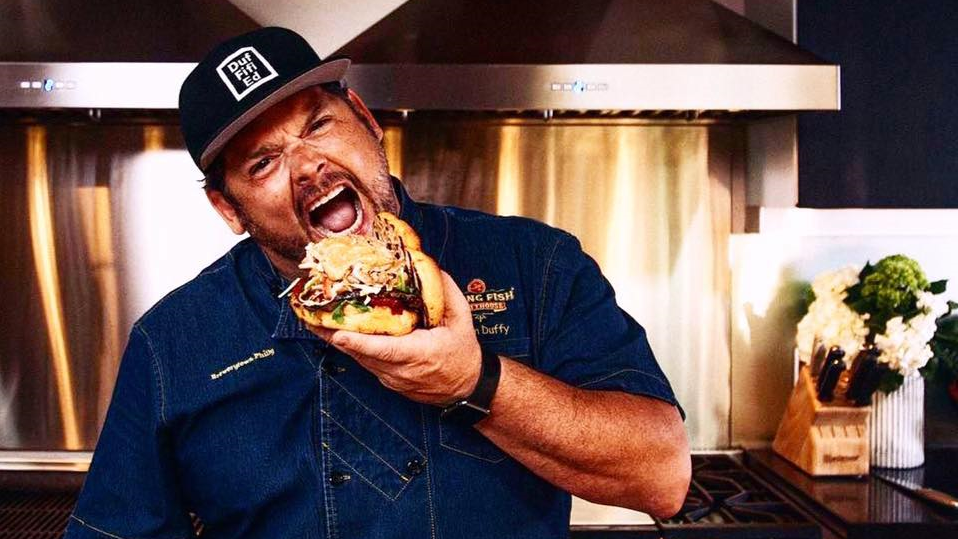
As Chef Brian Duffy says, operators can charge premium prices, but only if they’re being innovative. Purchasing and using fresh eggs from a local farmer is a step toward innovation and justifies charging a premium.

Ethical Considerations and Consumer Awareness

The ethical sourcing of farm-fresh eggs aligns with the growing consumer awareness and demand for transparency, and humane treatment in food production.

By choosing ethically sourced eggs, hospitality businesses can build a brand image that resonates with these values, fostering customer loyalty.

Implementing Change in the Hospitality Industry

Adopting farm-fresh eggs comes with its challenges, such as higher costs and variable supply. However, these can be mitigated through creative menu planning and pricing strategies.

Educating staff about the benefits and ethos behind using these eggs enhances the dining experience for customers.

Sustainability and the Future of Food

Choosing farm-fresh eggs is a step towards a more sustainable food system. Small-scale egg farming often employs environmentally friendly practices, contributing to a sustainable future.

This commitment to sustainability is increasingly important to consumers and can be a significant aspect of a restaurant’s brand identity.

Conclusion

Farm-fresh eggs represent more than just a culinary choice; they are a statement about quality, sustainability, and the future of food.

For chefs and restaurateurs, they offer a means to distinguish their offerings, tell a compelling story, and build a business that is both profitable and principled.

As the hospitality industry evolves, those who embrace the full potential of ingredients like farm-fresh eggs will find themselves leading a movement that values the entire journey from farm to table. This comprehensive exploration underscores the multifaceted role of farm-fresh eggs in both culinary excellence and the broader context of the hospitality industry.

Image: Kelly Neil on Unsplash

by David Klemt David Klemt No Comments

Two New Review Platforms You Need to Know

Two New Review Platforms You Need to Know

by David Klemt

Person looking at restaurants on a map on their phone

Operators should be aware of two new review platforms that will help people discover their restaurant, bar, nightclub, or eatertainment venue.

At this point, we’re all aware of the mainstream review sites. Google, Yelp, OpenTable, Tripadvisor… Whether viewed as a helpful discovery tool or nuisance, each is a well-known player.

Well, there are new platforms on the scene. Importantly, each one is putting their own stamp on how people review venues and discover new experiences.

For example, I wrote about a new platform that rejects negative reviews a few weeks ago. It’s Good “believe[s] a restaurant rec from 1 trusted friend is more valuable than recs from 10,000 strangers.”

The founders, including Kevin Auerbach (former Apple), Meghan Raab (former Snap), director and photographer Mike Rosenthal, and songwriter and performer John Legend, have also eschewed the standard star rating.

So, that’s one modern-day take on the review platform. Now, two others.

Atmosfy

By now, most people are aware that video content outperforms static photography on social media. In other words, people engage more with video.

That’s not to say that static photography is obsolete. Rather, when it comes to discovery, video appears to be king at the moment.

Enter: Atmosfy.

This platform is all about video reviews. In fact, their website reads, “A video is worth a thousand pictures.” Restaurant, bar, nightlife, and eatertainment operators should see the value in users showing off their experiences via video.

In addition, users get access to a personal map. They can bookmark places they’ve been and want to go, and share their experiences so others can discover them.

And with $12 million in seed funding from Redpoint Ventures and other venture capital firms, operators can be certain this is no flash in the pan. In fact, Atmosfy supports in excess of one million businesses in over 10,000 cities in more than 150 countries.

Recs

First, the T-rex mascot of this platform is pretty cool.

Second, Recs takes a similar approach to It’s Good. However, the founders, Jesse Berns and Sean Conrad, have put their own spin on review platforms.

Like It’s Good, Recs sees far more value in recommendations from friends than strangers. Also, there’s no star rating system, nor will users find negative reviews.


View this post on Instagram


A post shared by Recs (@getrecs)

Another interesting detail: Users aren’t able to leave anonymous reviews. This is because Recs is built for recommendations among friends. Were a user to be anonymous, they wouldn’t be discoverable to friends, and therefore they’d be leaving recommendations to…nobody.

However, the most important element of Recs (arguably) is that users either recommend a place or they don’t.

So, in theory, if a business is blowing the guest experience, they won’t even be discoverable on Recs because nobody will be recommending it. At least to a specific core of users, that business won’t exist in their world on Recs.

As far as the Recs user experience, people save venues as “recommend” or “wanna go.” Users find their friends, share their lists, and discover new places to try by checking out their friends’ lists. A simple, straightforward way for people to eat, drink, and hang out together throughout a city.

Takeaway

Simply put, an operator needs to know how people are discovering their business. Operators need to meet guests where they are, which means online.

So, operators need to know about new platforms. When sending a post-visit surveyit doesn’t need to be lengthy—operators should ask how guests learned about their venue. This is one way to stay up to date on social media and review sites.

A comprehensive and effective marketing strategy includes review and discovery platforms. Certainly, operators ignore discovery tools at their peril.

Image: abillion on Unsplash

Bar Pub Brewery Nightclub Club Nightlife Brand Identity

by David Klemt David Klemt No Comments

Taco Bell Leveraging Subscriptions & LTOs

Taco Bell Leveraging Subscriptions & LTOs

by David Klemt

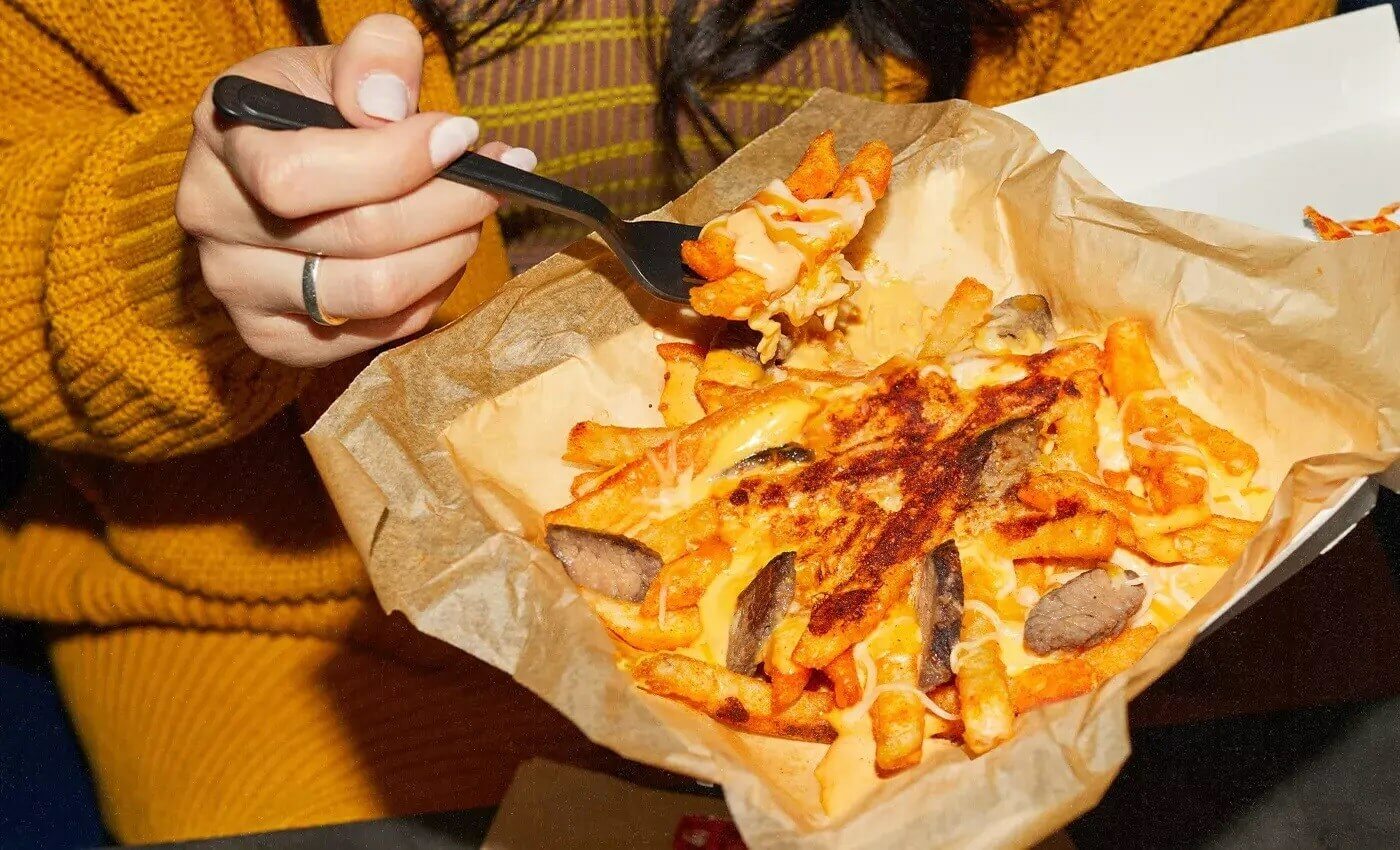
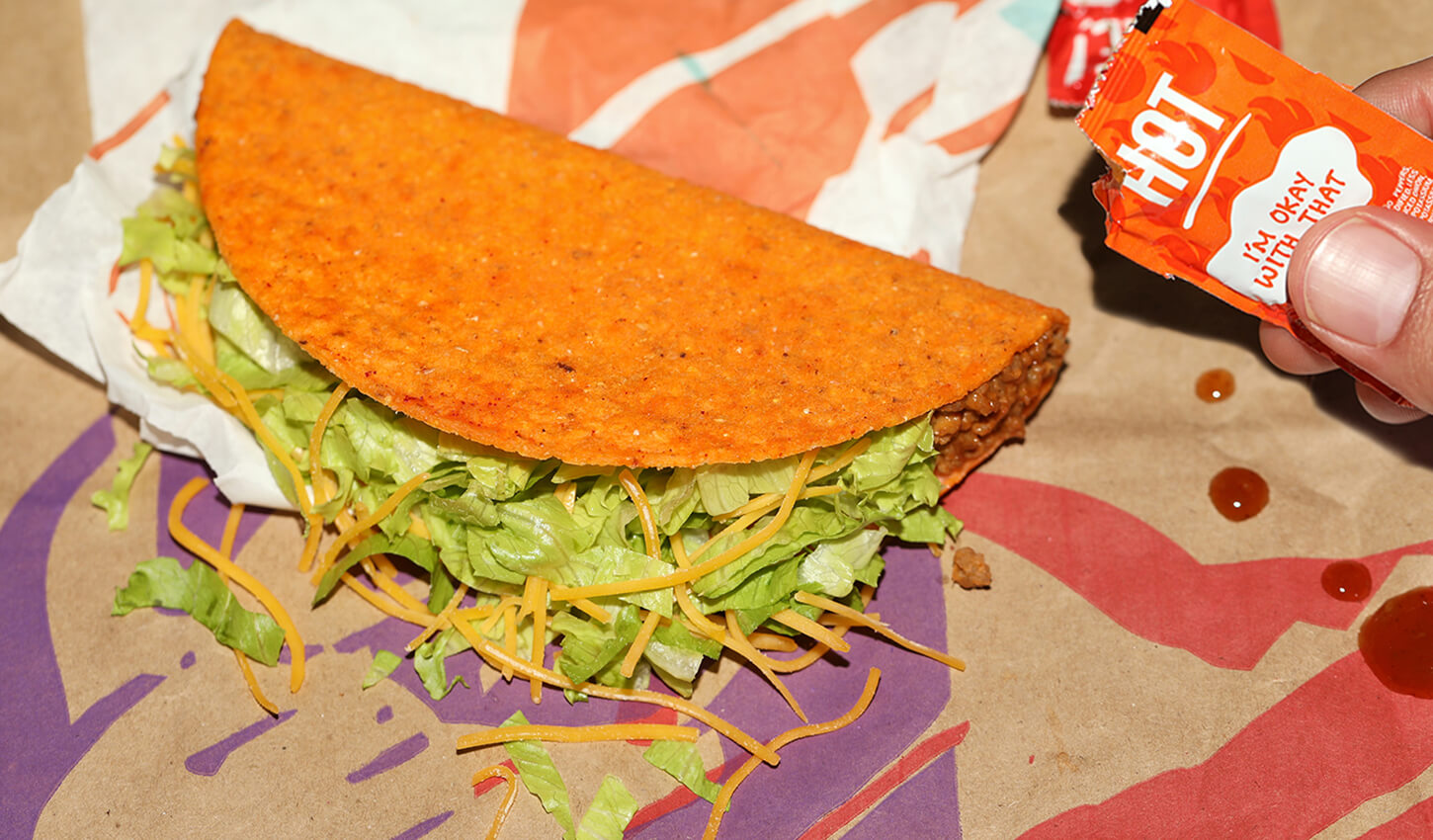
Taco Bell Grilled Cheese Nacho Fries

Not for the first time, Taco Bell is showing the industry the power of offering fan-favorite limited-time offers and leveraging subscriptions.

These days, everything seems to be subscription-based. We stream shows and movies via subscriptions. We can have food, clothing, gadgets, collectibles, and knick-knacks delivered to us by subcription.

Car features like heated seats, remote engine start, and self-driving? Subscriptions. Want to use software we used to buy once and install? Now we’re paying monthly to use it (or up front for a “discounted” yearly fee).

So, why should people find it odd to subscribe to one of their favorite restaurants? If the value is there for a consumer it’s no different than paying a monthly fee for other products and services to which they subscribe.

Clearly, Taco Bell has an acute understanding of people’s comfort with subscriptions. For many consumers, they’re the norm, just part of their daily routine.

As evidence, I introduce Exibit A, the Taco Lover’s Pass.

What makes this subscription noteworthy is the fact that it’s only a few years old, and it’s not even a permanent subscription. As Taco Bell Rewards members know all too well, only they can cop a Taco Lover’s Pass, and it only comes available every so often.

Most times, members have just one day to grab a pass. However, people had two whole days to decide the last time it became available.

And now, Exhibit B, the Nacho Fries Lover’s Pass.

An LTO Subscription and Item

Look, tens of millions of people love tacos. So, it’s logical that the Taco Lover’s Pass is so successful.

And if the past several years have shown us anything, millions of people also love Nacho Fries. The LTO menu item first appeared in Taco Bell restaurants in 2018. A few years later, in 2021, the Taco Lover’s Pass was tested in Arizona.

Why wouldn’t we eventually see a Nacho Fries Lover’s Pass, given the hype that follows every reintroduction of this popular item? Taco Bell has mastered the art of the LTO and the subscription. More specifically, they’ve mastered the recurring subscription. Remember, their passes aren’t permanent offerings.

Further, the iconic QSR also understands the power of the “drop.” At this point, it seems as though Taco Bell has noticed the rabid stir a limited-edition shoe or clothing drop can create for the fashion industry, studied it, and adapted it to foodservice.

With that said, the last Taco Lover’s Pass was accompanied by a menu item drop: the Toasted Breakfast Taco. If you think the Nacho Fries Lover’s Pass also ushered in an LTO, you’re correct.

The first-ever Nacho Fries Lover’s Pass comes along with the limited-time-only offer of Grilled Cheese Nacho Fries.

Take the Nacho Fries, slather them in a sauce of melted mozzarella, monterey pepper jack, and cheddar cheeses, add Taco Bell nacho cheese and chipotle sauce, and toss on some marinated steak. There you go—Grilled Cheese Nacho Fries. They’re just $4.99 while supplies last, and there’s a spicy version made with jalapeños.

It’s no surprise that Taco Bell is BrandVue’s most-loved Mexican restaurant brand, and number eight on their overall list of most-loved restaurant brands.

Takeaway

Loyalty and rewards programs, subscription services, hyped LTO menu drops… These aren’t the exclusive domain of global chain restaurants.

Independent operators can absolutely leverage LTOs and subscriptions. Moreover, indies can do so with as much—if not more—specificity. Independent and regional chain operators tend to be far more nimble than their large chain counterparts.

After all, it’s much easier to implement change in one or a handful of restaurants than it is hundreds or thousands of locations. In theory, single-unit operators also know their loyal guests on a more intimate level. Where that’s the case, they should know what levers to pull to generate interest and encourage repeat visits.

It’s no small task to create a subscription program, let alone a free-to-use-but-engaging, branded rewards program. And that’s to say nothing of coming up with menu item so powerful that taking it away for months at a time is a feasible, profitable thing to do. Although, if you’ve shrunk your menu and eliminated a decent food or drink performer, you may have somewhere to start.

With time and thoughtful consideration, independent and regional operators can absolutely nail rewards, subscriptions, and LTOs.

Image: Taco Bell

Bar Nightclub Pub Brewery Menu Development Drinks Food

by David Klemt David Klemt No Comments

Datassential Ranks Food-forward Cities

Datassential Ranks America’s Most Food-forward Cities

by David Klemt

San Francisco skyline and bay at night

Let’s take a look at food and beverage intel platform Datassential’s ranking of the 158 most food-forward cities in America as 2023 comes to a close.

We are, in part, reviewing this list because of Wallethub’s “Best Foodie Cities in America” report. You can find our thoughts on that ranking here.

To summarize, however, Wallethub prioritizes “wallet-friendliness,” or “the best and cheapest” cities for foodies. In contrast, Datassential’s ranking is a scientific attempt to quantify the “food-forward” status of a given city.

“It’s the diversity of cuisines, the prevalence of emerging foods and flavor trends and residents’ appetite for varied menus, that make a city food forward,” writes Samantha Des Jardins, content marketing manager at Datassential.

We at KRG Hospitality are big fans of Datassential and find the company to be a credible source of industry insight. Earlier this year they tackled video versus static photography, and the flavors and menu items they predicted would be big in 2023.

To review Datassential’s ranking and download the full list for yourself, click here.

The Top 25 Food-forward Cities

Alright, I know why you’re here. Below, you’ll find the highest-ranked cities on the Datassential list.

(Note: Due to the scoring, some cities are tied in terms of overall points. Where this is the case, it has been noted.)

  1. San Francisco, California
  2. Los Angeles, California
  3. Miami, Florida
  4. Washington, DC
  5. San Diego, California
  6. New York, New York
  7. Houston, Texas
  8. Monterey, California
  9. Las Vegas, Nevada
  10. Austin, Texas
  11. Sacramento, California
  12. West Palm Beach, Florida
  13. Atlanta, Georgia
  14. Dallas, Texas (tie with Atlanta)
  15. Albuquerque, New Mexico
  16. Phoenix, Arizona
  17. Portland, Oregon
  18. Palm Springs, California
  19. Seattle, Washington
  20. Orlando, Florida
  21. Denver, Colorado (tie with Orlando)
  22. Honolulu, Hawaii (tie with Orlando and Denver)
  23. Salt Lake City, Utah
  24. Tampa, Florida
  25. Fresno, California (tie with Tampa)

So, the top tenthe entire top 25, reallyare most likely not much of a surprise. When I talk about cities as the “usual suspects” for rankings like these, I’m talking about New York, LA, San Francisco, Miami, etc.

However, not every usual suspect is among the top 25. Notably, Chicago just fails to make the cut, earning number 26 on this list. In fact, five “big cities” are absent from Datassential’s top ten: Dallas, Phoenix, San Antonio, Chicago, and Philadelphia.

Another interesting detail? Whereas Orlando holds the number-one spot on Wallethub’s list, it’s number 20 on Datassential’s ranking.

Of their respective top tens, the two lists have just five cities in common: Miami, San Francisco, San Diego, Las Vegas, and Austin.

Methodology

Since the two lists are vastly different when we contextualize what they quantify, it should come as no surprise that Datassential and Wallethub’s methodologies are likewise dissimilar.

Whereas Wallethub scored affordability, and diversity, accessibility, and quality, Datassential weighed different metrics.

For their “Most Food-forward Cities in US,” Datassential scored the following:

  • Race to 90;
  • Ethnic restaurant diversity; and
  • Trend-forwardness.

During Datassential’s annual State of the Menu webinar, Jack Li, executive chairman, board of directors explained each of these metrics.

Race to 90

The number different cuisine types required in a particular metro area before reaching 90 percent of restaurants.

For the curious, Miami is the most-diverse city by this metric.

Ethnic Restaurant Diversity

Datassential asks the following question to measure this metric: What is the proportion of ethnic restaurants compared to all restaurants in a metro area?

Trend-forwardness

Based on a dataset developed by Datassential which tracks a number of points, from food and drink items to flavors, keywords, and beyond.

The company continuously polls consumers by ZIP code to measure consumer knowledge of upcoming trends, then aggregates the ZIP codes to measure a metro area.

The Bottom Eleven

Why am I listing the bottom eleven rather than bottom ten? There’s a tie for number 149 among these 158 cities.

There are nearly 800 cities in the US with populations of 50,000 or more. Therefore, it’s reasonable to argue that even the bottom of this list boast respectable food scenes.

  1. Youngstown, Ohio
  2. Rockford, Illinois
  3. Peoria, Illinois
  4. Johnstown, Pennsylvania
  5. Billings, Montana
  6. Traverse City, Michigan
  7. Sioux Falls, South Dakota
  8. La Crosse, Wisconsin
  9. Green Bay, Wisconsin
  10. Fargo, North Dakota
  11. Wausau, Wisconsin

In case you’re wondering, Datassential and Wallethub’s lists don’t share any bottom ten (or eleven) cities.

So, there you have it: San Francisco earns the top spot among Datassential’s food-forward cities. And Wausau earns number 158, which is still notable.

Image: Daiwei Lu on Unsplash

Bar Nightclub Pub Brewery Winery Property Development Drawings

by David Klemt David Klemt No Comments

Wallethub Ranks the Best Foodie Cities in the US

Comparing 182 cities across more than two dozen “food-friendliness” indicators, Wallethub has revealed their rankings for America’s best foodie cities in 2023.

Why 182 cities? Wallethub started with 150 of America’s most-populous cities. Then, they added “at least two” of the most-populous cities in each state.

Regarding the ranking itself, Wallethub compared the cities against two key measures: affordability, and diversity, accessibility, and quality. Those two measures consist of 28 key indicators, including:

  • cost of groceries;
  • restaurant meal cost;
  • sales tax;
  • food tax;
  • restaurants per capita;
  • ratio of full-service to fast-food restaurants; and
  • restaurant diversity.

Using a 100-point grading system, affordability was worth up to 30 points. Simple math shows diversity, accessibility, and quality indicators were worth up to 70 points.

Further, Wallethub valued indicators anywhere from half-weight (international grocery stores per capita) to triple weight (restaurants per capita).

Now, it’s important to contextualize Wallethub’s use of the word “foodie city” here. For their ranking, the company is identifying “the best and cheapest” cities for consumers for whom eating is an experience, hobby, and/or lifestyle.

“These wallet-friendly cities cater to diners who prefer to cook at home, explore the local flavors or both,” reads their post, which can be reviewed in its entirety here.

by David Klemt

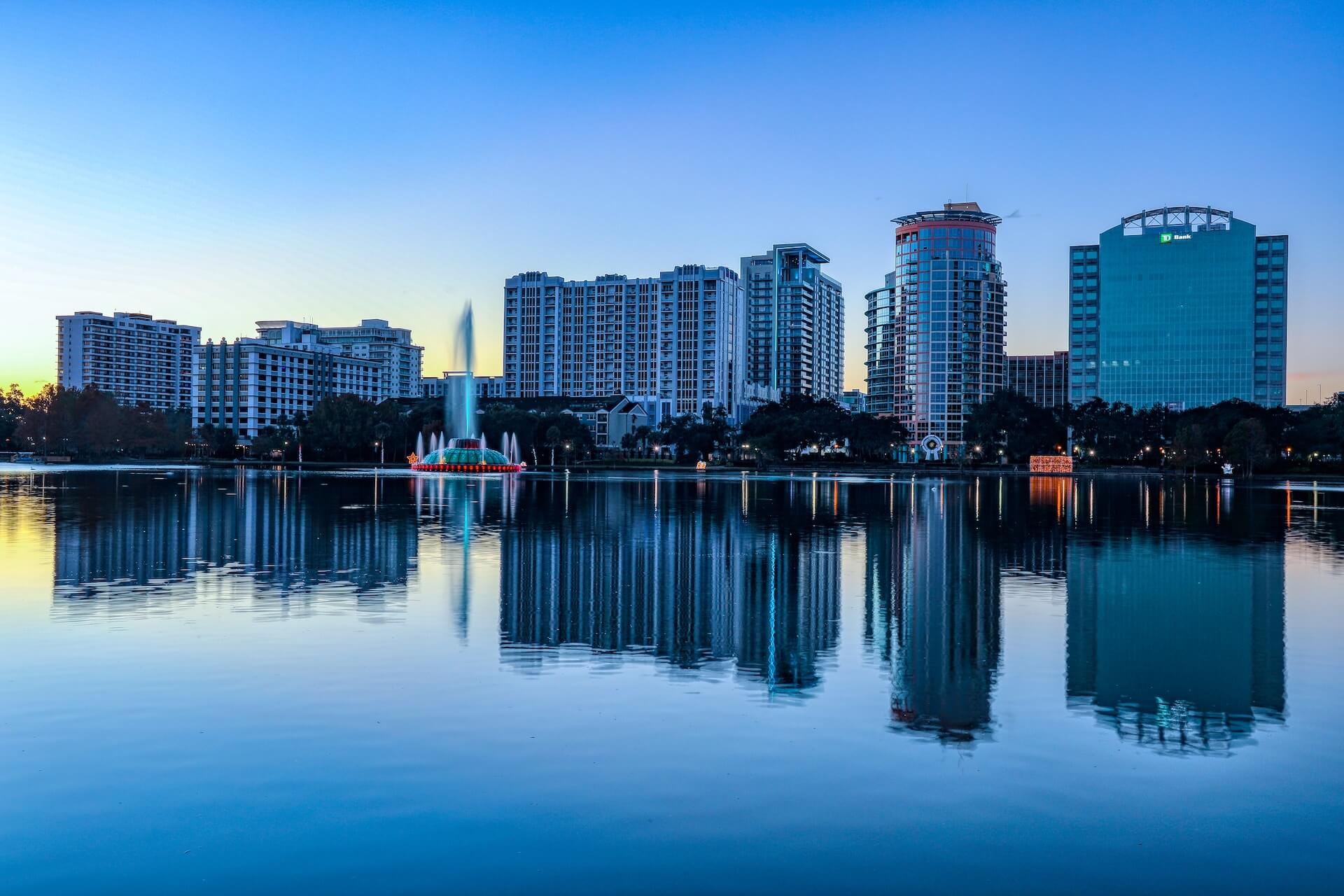
Eola Lake Park in Orlando, Florida

The Top 25

So, per Wallethub, the cities below are the top 25 among the 182 “best foodie cities in America in 2023.”

  1. Orlando, Florida
  2. Portland, Orgeon
  3. Sacramento, California
  4. Miami, Florida
  5. San Francisco, California
  6. Tampa, Florida
  7. San Diego, California
  8. Las Vegas, Nevada
  9. Austin, Texas
  10. Seattle, Washington
  11. Denver, Colorado
  12. Atlanta, Georgia
  13. Los Angeles, California
  14. Chicago, Illinois
  15. Richmond, Virginia
  16. Pittsburgh, Pennsylvania
  17. Washington, DC
  18. St. Louis, Missouri
  19. Houston, Texas
  20. New York, New York
  21. Oakland, California
  22. Phoenix, Arizona
  23. Santa Ana, California
  24. Grand Rapids, Michigan
  25. Cincinnati, Ohio

Interestingly, you’ll find the “usual” foodie scene suspects on this list. However, a mere handful of those cities are ranked in the top ten: Miami, San Francisco, and Las Vegas.

Chicago (14), Los Angeles (13), and New York (20) don’t make the three or five. In fact, they’re out of the top ten entirely here.

If affordability is a major factor here, it raises an eyebrow that Miami is among the top five foodie cities. After all, sources show the cost of living in the city is 20 percent higher than the national average. The cost of living in San Francisco is nearly 80 percent higher.

At any rate, Orlando, per Wallethub’s methodology, is the number-one foodie city in America.

Compelling Comparisons

With the top 25 foodie cities out of the way, let’s check out a few other interesting comparisons.

Cost of Groceries

Lowest-cost cities, in descending order:

  1. Brownsville, Texas
  2. Corpus Christi, Texas
  3. Laredo, Texas
  4. Fayetteville, North Carolina
  5. Austin, Texas

The cities with the highest cost of groceries are Honolulu and Pearl City in Hawaii.

Restaurants per Capita

The cities with the most restaurants per capita, again in descending order:

  1. Miami, Florida
  2. Orlando, Florida
  3. Las Vegas, Nevada
  4. San Francisco, California
  5. Los Angeles, California

It’s important to note each of the cities on this list is, per Wallethub, tied for first place.

The city with the fewest restaurants per capita is Pearl City, Hawaii.

Ratio, FSR to Fast Food Restaurants

On this list, the five cities with the highest ratio of full-service restaurants to their fast-food counterparts (yes, in descending order):

  1. Cape Coral, Florida
  2. Santa Rosa, California
  3. Portland, Maine
  4. Burlington and South Burlington, Vermont

That leaves the city with the lowest ration, which is Jackson, Mississippi.

The Bottom Ten

Now that we know which cities Wallethub identifies the best foodie cities in the US, let’s take a look at the bottom of their list.

  1. Augusta, Georgia
  2. Fontana, California
  3. Jackson, Mississippi
  4. Moreno Valley, California
  5. Mobile, Alabama
  6. Montgomery, Alabama
  7. West Valley City, Utah
  8. Nampa, Idaho
  9. Shreveport, Louisiana
  10. Pearl City, Hawaii

Personally, I find the data regarding restaurants per capita and the FSR to fast-food ratio the most useful.

To review this report in its entirety, including Wallethub’s methodology, please click here.

Image: Mick Haupt on Unsplash

Related Reading

Work with Us

Click the image below to work with us on starting, stabilizing, or scaling your hospitality concept.

Client Intake Form - KRG Hospitality

by David Klemt David Klemt No Comments

Peppermint is the Latest Flavor Superstar

Peppermint is the Latest Flavor Superstar

by David Klemt

A candy cane surrounded by red smoke in a studio

Just when you think you have a handle on seasonal flavors, along comes the latest and greatest demand from consumers: peppermint.

Perhaps it’s because pumpkin spice shows up earlier each year. Maybe it’s because that hit of frosty peppermint hits the nostalgia button.

It could be as simple as consumers thinking:

  • pumpkin is for fall; and
  • peppermint is for winter.

Regardless, it appears that people are turning their attention to peppermint.

Of course, that doesn’t mean that pumpkin and pumpkin spice are out of favor completely. A recent trip to a grocer with shelves devoid of pumpkin butter and other pumpkin spice flavors show me people are still snapping it up.

And no, it wasn’t a product shift; staff says those products are flying out the door after each restock.

Instead, I think people are just ready for the next thing. In this case, the next flavor thing. And that flavor, it seems, is peppermint.

Considering that pumpkin spice LTOs appeared in early August this year, it makes sense for many consumers to want something new. After all, they’ve had four months to indulge their pumpkin and pumpkin spice cravings. That’s a third of the year.

Peppermint on the Rise

When delving into F&B and hospitality trends I tend to look at Datassential and Technomic. Both are credible, reliable sources of information.

However, I’m turning to another source, Tastewise, to dive into pumpkin spice and peppermint. For the unfamiliar, Tastewise is an F&B insight platform that uses artificial intelligence to collect real-time consumer behavior data.

First up, pumpkin spice. According to Tastewise, the flavor is up nearly 75 percent in terms of social conversations in 2023. Additionally, four percent of restaurants in the US have pumpkin spice items on their menus. That may not sound like a lot, but that’s more than 33,000 restaurants.

Now, let’s look at peppermint. Per Tastewise, social conversations about this frosty flavor are up almost 22 percent this year. However, peppermint liqueur conversations are up just over 77 percent.

Interestingly, according to Tastewise, peppermint items are on almost eight percent of menus in the US. That’s more than 67,000 restaurants, over double the amount of pumpkin spice.

One note: peppermint is not the same as mint. While peppermint is trending (most likely due to seasonal shift), mint is down nearly 109 percent. So, not all mint flavors and items are equal. This seems particularly true at the moment.

Takeaway

Is everyone on social media, talking about food? No, of course not.

It’s important to note, though, Tastewise’s current market overview. At the time of publication, Tastewise is scanning:

  • 8,151,698 people on social media;
  • 57,220,294 social media posts;
  • 937,070 restaurants;
  • 136,278,759 dishes; and
  • 5,878,416 recipes.

Operators can and should take industry insights with a grain of salt. Not every fad, trend or item works for every operator and concept.

However, it’s important to know what consumers are talking about and posting to social media. Being a part of some conversations can be a boon for an operator and their bottom line.

So, if introducing a peppermint LTO (or LTOs) will appeal to an operator’s guestsbecause they take the time to understand them and track their menu item salesand works with their concept authentically, they should consider becoming a part of this conversation.

Image: Shutterstock. Disclaimer: This content was generated by an Artificial Intelligence (AI) system.

KRG Hospitality Start-Up Restaurant Bar Hotel Consulting Consultant Solutions Plans Services

by David Klemt David Klemt No Comments

DoorDash Names 2023 Global F&B Trends

DoorDash Names 2023 Global F&B Trends

by David Klemt

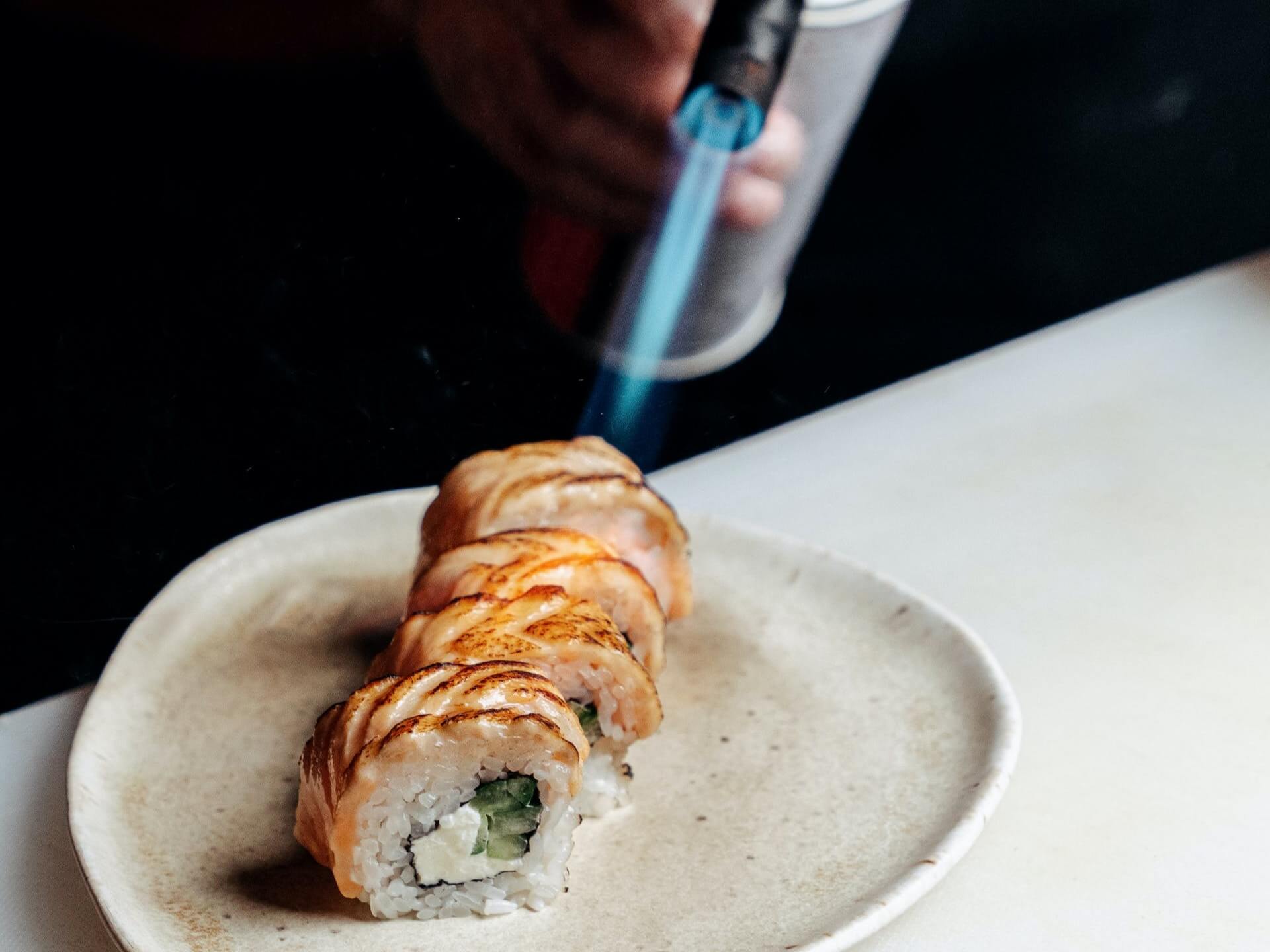
Chef torching salmon sushi

As we get close to winding down 2023 and welcoming 2024, DoorDash takes a shot at identifying the global F&B trends to watch.

This is an exciting and insightful time of year for our industry. In the last quarter, different sources start publishing their data-backed F&B predictions for the year ahead.

Take, for example, Technomic’s Global, Canadian, and American trend predictions for 2023. Oh, and don’t worry—we’ll be taking a look at their predictions for 2024 soon.

Today, however, we’re checking in on DoorDash. Admittedly, I’m not the biggest fan of third-party delivery. It’s no secret I favor direct delivery for operators.

There’s no denying, though, that third-party delivery companies have access to valuable data. From the top food and drink orders to the dayparts seeing the most delivery and pickup order growth, they can help operators see shifts in consumer behavior.

So, I’m happy to take a look at what food trends DoorDash thinks operators should watch moving forward.

Before we jump in, I’m happy that DoorDash includes this cautionary statement in their article: “Finally, always consider whether or not a trend actually fits in at your restaurant.”

At KRG Hospitality, we couldn’t agree more. Jumping on every trend, as tempting as that may be, is unwise and can do harm than good. So, while the lists below identify trends that are gaining traction currently, operators need to be discerning.

Food Trends

Let’s start with a trend multiple sources identified toward the end of 2022 that appears to still be on an upward trajectory: pickles.

Seriously, it seems that people can’t get enough pickles. Pickle pizza appears to the current darling when it comes to this food trend. Speaking of pizza, DoorDash sees square pizzas as a trend to watch.

Another trend that multiple sources have been keeping tabs on is chimichurri. According to DoorDash, this condiment is finding its way onto all manner of food item.

Other food trends that operators should be aware of are bowls (deconstruct a sandwich, burrito, etc., and you have a bowl); oyster mushrooms subbing in for meat; higher-end tinned fish; and gluten-free menu options.

To be honest, I don’t think that last one is just a trend. At this point, offering gluten-free options or entire menus is mainstream.

Now, there are two more food trends I want to address separately. One, smaller menus. This is a trend I believe most operators can and should get behind. Shrinking a menu can result in lower food and labor costs, and a happier team. Making a menu smaller can also make a restaurant more nimble and engaging as LTOs may have more impact.

And then there’s aburi sushi, which is presented after the top of the fish is torched. This gives sushi a smoky flavor and brings in a different texture element.

To be fair, I’ve expected this to take off for the past several years. Now, it appears it’s taking hold and moving from fad to trend.

TikTok Trends

Yes, we have to talk about TikTok. There’s no question that the platform is a trend-producing powerhouse.

Clearly, TikTok has an influence on food trends. If you want to know what your younger guests want to try, check TikTok. The same goes for your guests who are highly engaged with social media influencers.

Below, the trends DoorDash sees taking hold.

  • Chopped sandwiches. Do you have sandwiches on your menu? Can your guests watch as your team makes them? You may want to create a chopped version of your signature or best-selling sandwich.
  • Pasta salad summer. Apparently, this summer was the Summer of Pasta Salad. Specifically, pasta salads made with fresh ingredients, and made without ingredients like mayonnaise.
  • Cottage cheese. According to DoorDash, TikTokers are putting cottage cheese in scrambled eggs, adding it to pasta sauce, and using it to make cheese toasts. I’ve personally tried the TikTok trend of using cottage cheese to make nacho cheese sauce.

One word of caution: TikTok trends come and go in the blink of an eye. So, operators need to hop on trends that work with their restaurant or bar before they’re already out of favor. It’s a daunting task.

To review this DoorDash report in its entirety, including beverage and grocery trends, follow this link.

Image: Ivan Samkov on Pexels

Bar Nightclub Pub Brewery Menu Development Drinks Food

by David Klemt David Klemt No Comments

2023 DoorDash Ordering Trends

2023 DoorDash Ordering Trends: Canada & US

by David Klemt

Canada and the United States of America on a globe

After checking out this year’s annual Cravings Report we’re turning our attention to the 2023 DoorDash restaurant ordering trends reports.

Luckily, there are two reports available from DoorDash: one that focuses on Canada, and one for the US.

These two countries are, of course, KRG Hospitality’s primary markets. So, the data in these DoorDash reports is relevant and compelling for our current and future clients.

Perhaps unsurprisingly, Canadian and American DoorDash users are somewhat similar by a few metrics. However, where there are differences they’re fairly glaring.

For example, 78 percent of Canadian DoorDash survey respondents picked up a takeout order from a restaurant in the month prior to being surveyed. That number is 76 percent for American survey respondents.

Regarding in-person restaurant dining, 62 percent of respondents had done so the month prior. Among American survey respondents that number is 61 percent.

But when it comes to placing an order for delivery we see a notable difference. For Canada, 58 percent of survey respondents had ordered delivery. That number jumps to 77 percent among Americans.

This tells me a few (fairly obvious) things. Generally speaking, it appears consumers in Canada and America—according to DoorDash—prefer delivery and takeout to in-person dining. Going further, it seems that overall, Canadians prefer pickup or takeout to delivery. However, Americans seem to place delivery and pickup orders at nearly identical rates.

If it’s true that consumers favor delivery or takeout to in-person dining currently, there could be a couple of simple reasons. First, convenience.

Second, fees. It’s possible that today’s consumer perceives delivery fees are lower than in-person dining fees, unfortunately. If that’s the case, third-party delivery services can exploit this perception.

More Similar than Different

In comparing both DoorDash reports, I find that Canadian and American consumers who use DoorDash are rather similar.

Survey respondents in both countries indicate that Friday is the most popular day of the week to order food. Further, 6:00 PM is the most common local time to place orders in both countries.

And when it comes to the fastest-growing dayparts for order placement? In both Canada and the US it’s late-night and breakfast. Although, I most note that both dayparts are growing faster in Canada.

Nearly half of American respondents and a little over half of Canadian respondents indicate they want to try new restaurants and dishes.

Definitely not surprisingly, consumers in both countries primarily focus on menu selection and pricing when seeking a new restaurant to try. In fact, these numbers are identical for Canadians and Americans, at 55 percent and 51 percent, respectively.

Top Canadian Food Orders

When we look at the top items ordered via DoorDash, we don’t find anything out of the ordinary.

  1. Burgers
  2. Fries
  3. Pizza
  4. Salad
  5. Sandwiches

Looks like standard fare and comfort foods to me. This tells me that operators who have these items on their menus need to ensure they’re of the highest quality to stand out from other restaurants and bars.

Top American Food Orders

Interestingly but not too surprisingly, the list below is quite similar to the list above.

  1. French fries
  2. Burgers
  3. Tacos
  4. Salad
  5. Pizza

With the exception of tacos and sandwiches, the list is nearly identical.

Hey, who wants to debate whether tacos and sandwiches are in the same food family?

I encourage you to review both reports in their entirety for yourself. For the Canadian Edition of DoorDash’s report, click here. And click here for the US edition.

Image: Lara Jameson on Pexels

Bar Pub Brewery Nightclub Club Nightlife Technology Plan Tech Stack

by David Klemt David Klemt No Comments

5 Books to Read this Month: November 2023

5 Books to Read this Month: November 2023

by David Klemt

Flipping through an open book

Our inspiring and informative November book selections will help you and your team transform your operations and F&B programming.

This month, we look at a new branding and marketing book. We also dive into agave spirits and cuisine from the Canadian Prairies.

There’s an eye-opening exploration into the topic of technology, culture, and the “alignment problem,” as well.

To review the book recommendations from October 2023, click here.

Let’s jump in!

The Restaurant Marketing Mindset: A Comprehensive Guide to Establishing Your Restaurant’s Brand, from Concept to Launch and Beyond

If you haven’t had the opportunity to hear Chip Klose speak, look into his books. His latest The Restaurant Marketing Mindset, came out in early October. As the title suggests, this book is for anyone who’s struggling with branding and marketing, or who simply wants a fresh perspective on this crucial element of operations.

From Amazon: “Restaurants boast some of the highest failure rates of any industry, yet even worse is the sheer number of concepts that struggle just to break even. In The Restaurant Marketing Mindset, Chip Klose introduces a series of mindset shifts and actionable frameworks to help owners and operators finally take control of their marketing.

With more than twenty years of operational experience—plus an MBA in food marketing—Klose has the authority, experience, and track record needed to speak confidently on the subject. Each lesson stacks one on top of the other, giving the reader a step-by-step plan to attract more diners, retain those diners, and spark word of mouth with the ones who matter most.

This book is for any chef, owner, or operator who’s ever felt overwhelmed when it comes to marketing their restaurant. Each chapter is filled with powerful insights to help you build a more profitable (and sustainable) business.”

Pick it up today!

Prairie: Seasonal, Farm-Fresh Recipes Celebrating the Canadian Prairies

This engaging cookbook features 1oo traditional and creative recipes highlighting Canadian Prairie cuisine. These seasonal, farm-to-table recipes are sure to impress your guests.

From Amazon: “No matter the season, the Prairies are all about preserving every ounce of food, so of course there’s also tons of helpful tips and tricks on reducing food waste. There’s even a Staples chapter with recipes for stocking your pantry to keep you cooking all year long. Both a love letter to Canada’s grandest provinces and an indispensable collection of recipes, Prairie is as inviting and bountiful as the region it celebrates.”

Agave Spirits: The Past, Present, and Future of Mezcals

The authors of this informative book visited eight Mexican states to learn all they could about mezcal. By extension, they learned not only about traditional production but also where this hugely popular spirits category is headed for the future.

From Amazon: “The result of the authors’ fieldwork and on-the-ground interviews with mezcaleros in eight Mexican states, Agave Spirits shows how traditional methods of mezcal production are inspiring a new generation of individuals, including women, both in and beyond the industry. And as they reach back into a rich, centuries-long history, Nabhan and Suro Pinera make clear that understanding the story behind a bottle of mezcal, more than any other drink, will not only reveal what lies ahead for the tradition―including its ability to adapt in the face of the climate crisis―but will also enrich the drinking experience for readers.”

The Alignment Problem: Machine Learning and Human Values

When we build automated systems, we’re placing a lot of trust in our expertise. And because humans are fallible, the systems we build are far from perfect.

From Amazon: “Today’s ‘machine-learning’ systems, trained by data, are so effective that we’ve invited them to see and hear for us—and to make decisions on our behalf. But alarm bells are ringing. Recent years have seen an eruption of concern as the field of machine learning advances. When the systems we attempt to teach will not, in the end, do what we want or what we expect, ethical and potentially existential risks emerge. Researchers call this the alignment problem.”

Hacking the New Normal: Hitting the Reset Button on the Hospitality Industry

The world around us has changed. The food and beverage industry has changed. The hospitality industry has changed. But will some ways of life change for the better? Will perhaps the restaurant, bar, and hospitality industry come out even stronger? With the right changes to the previous status quo, it is possible. There’s no question, resets are major undertakings, but a major reset will provide us with a clean start and that’s what this industry needs.

Pick up KRG Hospitality president Doug Radkey’s second book today! Click here.

Image: Mikołaj on Unsplash

KRG Hospitality. Business Coach. Restaurant Coach. Hotel Coach. Hospitality Coach. Mindset Coach.

by David Klemt David Klemt No Comments

2023 Cravings Report: “The Most” Orders

2023 Uber Eats Cravings Report: “The Most…” Orders

by David Klemt

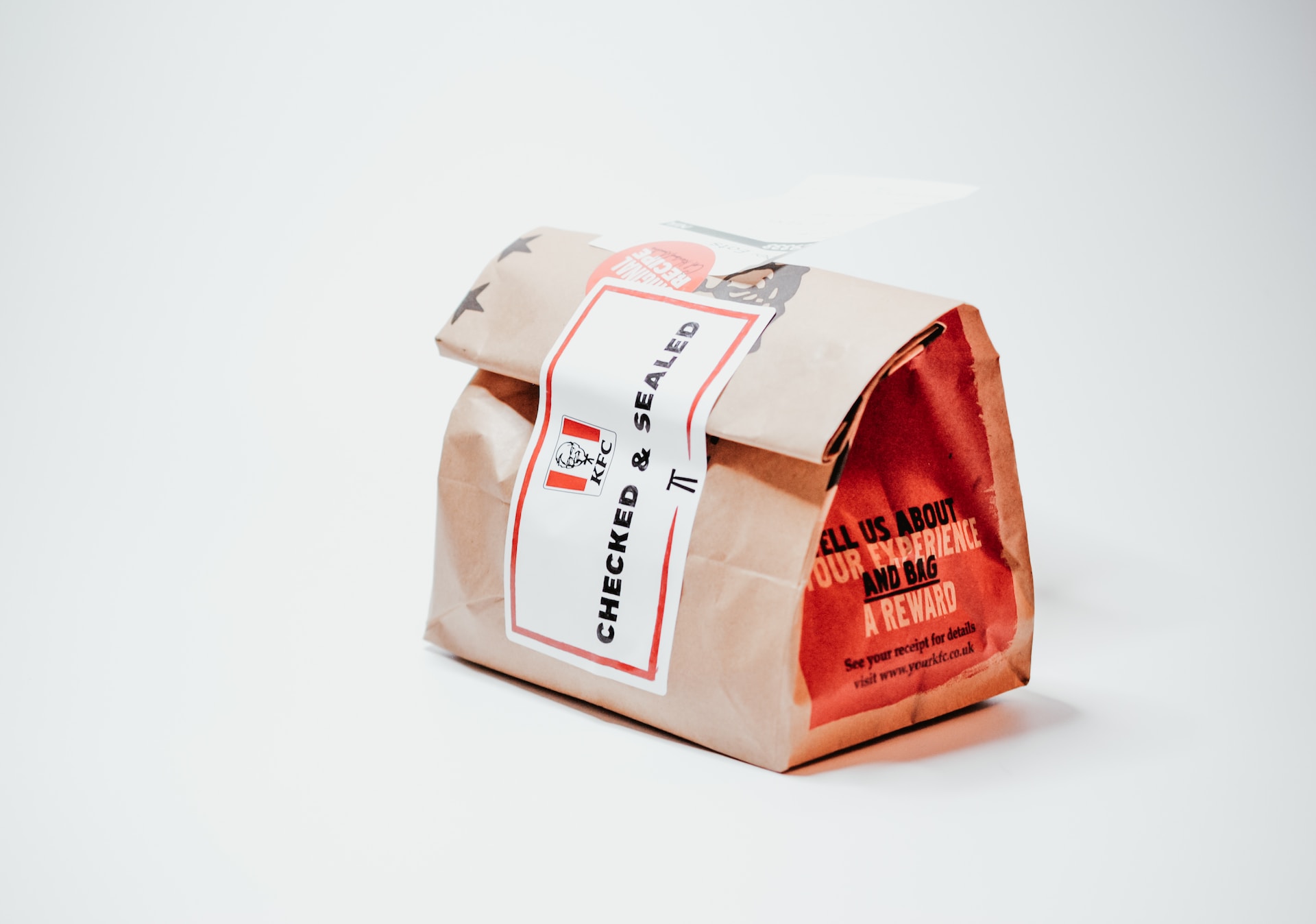
Kentucky Fried Chicken packaged for delivery or pickup

Let’s take a look at the top orders, delivery requests, order combinations, surprising pairings, and more from the 2023 Uber Eats Cravings Report.

It appears that the chicken sandwich dominance we’ve seen over the years is winding down. At least, that seems to be the case among Uber Eats users.

As you’ll see below, not only is the chicken sandwich not the most popular item, it’s not even among the top five. It does edge out the cheeseburger and wings among the most popular combos, but it doesn’t outperform French fries and salt as a combo.

Another eyebrow-raising detail? Pizza doesn’t show up anywhere among the most ordered items, most popular combos, or even the most surprising combos.

Now, if you’re curious about the 2022 Uber Eats Cravings Report, you’re in luck. You can click here for the top food orders from that report, and here for the top beverage orders.

The Most…Ordered Items

  • French fries
  • Garlic naan
  • Pad Thai
  • Miso soup
  • California roll

Am I the only one who expected to see burgers, chicken sandwiches, and pizza on this list?

The Most…Popular Combos

  1. Burrito bowl + cheese
  2. French fries + salt
  3. Chicken sandwich + shredded lettuce
  4. Cheeseburger + mustard
  5. Wings + ranch

Fairly standard, really. Every one of these orders makes complete sense. Now, the category coming up next…it’s a different story.

However, before we move on, let’s compare these items to those found on the 2022 Uber Eats Cravings Report.

Interestingly, the number-one item is nearly identical: burrito + cheese. And French fries + salt is the second most-popular item on both lists.

The Most…Surprising Combos

  1. Steak + jelly
  2. Cottage cheese + mustard
  3. Condensed milk + avocado
  4. Seaweed + pasta sauce
  5. Butter + pickled onions

I really have nothing to say after reviewing this short list. I mean…hey, do your thing, everyone. Make your order yours.

To the operators out there, be ready for some odd order combos.

The Most…Popular Requests

  1. No onions
  2. Dressing on the side
  3. Ranch
  4. Extra soy sauce
  5. Spicy
  6. Sauce on the side
  7. No lettuce
  8. No jalapenos
  9. Extra gravy
  10. No slaw

Looking at the top request, Uber Eats has a theory as to what’s driving it: the return to the office.

People, it appears, are self-conscious about their breath in an in-person, face-to-face setting.

The Most…Popular Food and Alcohol Combos

  1. Ribeye + Vodka
  2. Cheeseburger + Frozen Margarita
  3. Chicken + Frozen Piña Colada
  4. Lobster tail + Apple whiskey
  5. Tamales + Daiquiris

Last year’s report reveals the following combos:

  1. Steak + Margaritas
  2. Pizza + White Claw
  3. Burritos + Margaritas
  4. Chicken + Sangria
  5. Wings + Beer

Overall, a lot of change from the 2022 Cravings Report to this year’s report.

Image: Nik on Unsplash

Bar Nightclub Pub Brewery Menu Development Drinks Food

by David Klemt David Klemt No Comments

The Science of Flavour Pairing

In the world of culinary arts, there exists a fascinating and almost mystical aspect that elevates a dish from ordinary to extraordinary: flavour pairing.

The art of flavour pairing is like a symphony of tastes and aromas, orchestrated to create harmonious and memorable dining experiences. As a chef consultant, I invite you to embark on a culinary journey that delves deep into the science and creativity behind flavour pairing.

Whether you are a seasoned industry professional or a curious food enthusiast, this article will unveil the secrets of culinary magic that lie within this art and science.

by Nathen Dubé

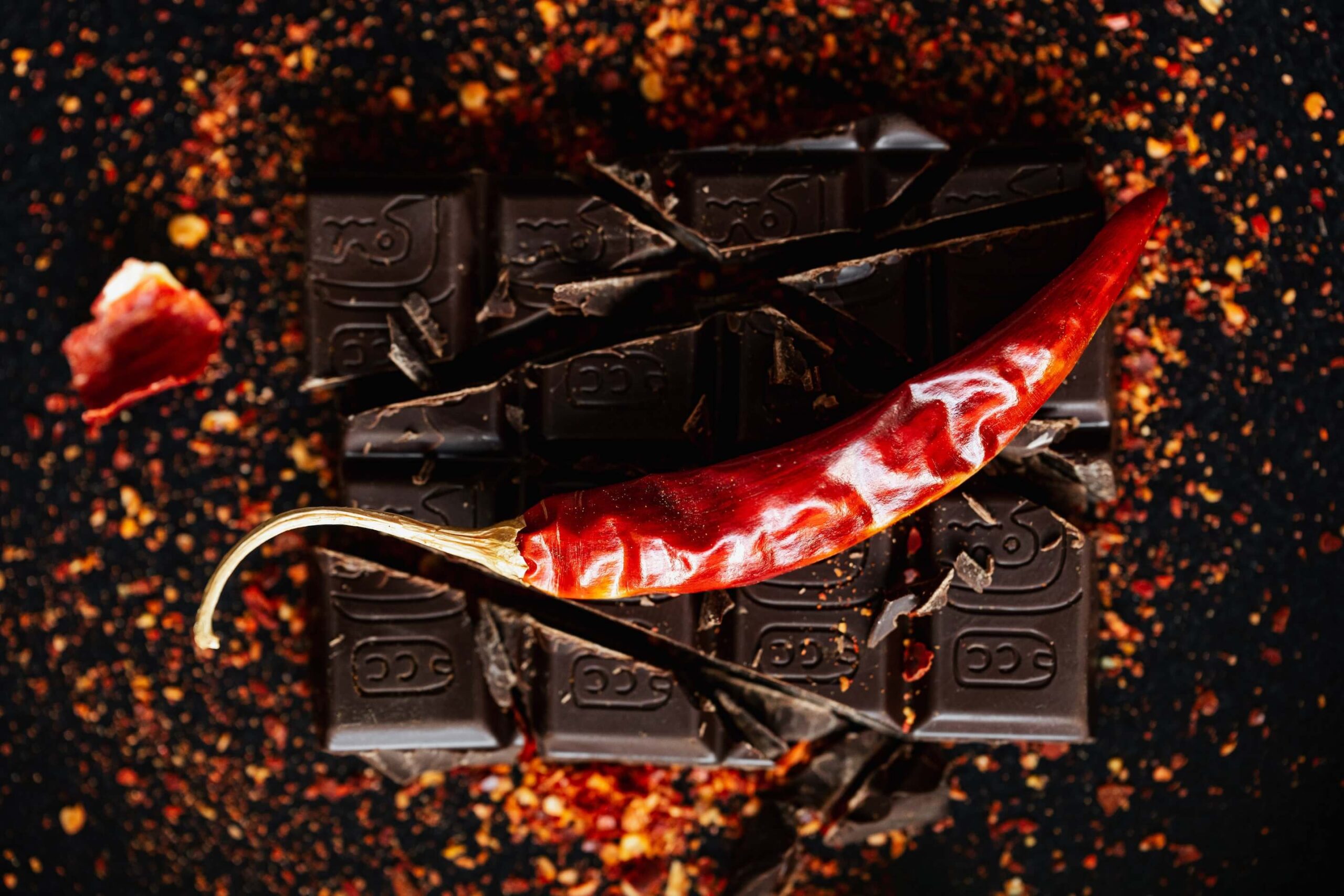
A red pepper resting on top of a bar of chocolate

The Science Behind Flavour Pairing

To truly understand the art of flavour pairing, one must first grasp the science that underpins it.

Flavour pairing isn’t just about randomly combining ingredients. Rather, it’s about exploiting the complex interactions between different compounds that create flavours.

Here’s a brief look at the science.

The Flavour Wheel

Imagine a vast wheel with hundreds of spokes, each representing a distinct flavour. This is the flavour wheel, a tool that categorizes flavours into primary, secondary, and tertiary categories.

Understanding this wheel helps chefs identify complementary flavours and build balanced profiles.

The primary flavours include sweet, sour, salty, and bitter, while the secondary flavours encompass umami, fatty, and astringent notes. Tertiary flavours delve even deeper, encompassing specific aromatic compounds found in various ingredients.

The flavour wheel serves as a roadmap for chefs, allowing them to create harmonious and balanced dishes by combining flavours from different categories.

For example, pairing a salty ingredient like prosciutto with sweet melon exploits the contrast between saltiness and sweetness for a delightful taste experience.

Chemical Compounds

Flavour compounds are the building blocks of taste and aroma. These compounds are responsible for the diverse spectrum of flavours we encounter in food.

Understanding which compounds are shared between ingredients is key to successful flavour pairing.

A well-known example of shared aroma compounds is the presence of vanillin in both vanilla beans and oak barrels used for aging wine. Vanillin is a key aroma compound responsible for the sweet and creamy notes in vanilla. When wines are aged in oak barrels, they can acquire subtle vanilla and spice undertones from the wood, creating a harmonious and recognizable flavour pairing in wines, especially in the case of oak-aged Chardonnay or red Bordeaux wines.

This shared compound, vanillin, illustrates how we can derive the same aroma compound from different sources (vanilla beans and oak barrels) and contribute to the complexity and appeal of various culinary creations, enhancing both desserts and wines.

Contrast and Harmony

Flavour pairing often revolves around the concept of contrast and harmony.

Some pairings work because they contrast flavours, creating excitement and intrigue. Others harmonize, creating a seamless and balanced taste experience.

Consider the classic contrast between sweet and sour in dishes like sweet and sour chicken. The sweetness of the sauce contrasts with the tanginess of vinegar, resulting in a harmonious yet exciting combination.

On the other hand, a harmonious pairing might involve complementary flavours that meld together seamlessly. Think of the classic combination of tomatoes and basil in a Caprese salad. The earthy, herbaceous notes of basil harmonize beautifully with the juicy sweetness of ripe tomatoes.

Umami

The fifth taste, umami, has gained prominence in recent years.

Umami is often described as a savory or meaty taste, and it can be used to elevate a wide range of dishes.

Ingredients that are rich in umami—mushrooms, soy sauce, and Parmesan cheese, for example—can enhance and deepen the overall flavour of a dish.

One popular example of umami-rich flavour pairing is the combination of Parmesan cheese with ripe tomatoes. The umami in the cheese amplifies the tomato’s natural sweetness and creates a more complex and satisfying flavour profile.

Classic Flavour Pairings

Now that we’ve dipped our toes into the science of flavour pairing, let’s explore some classic pairings that have stood the test of time.

Salt and Sweet

This classic pairing is all about balance. The saltiness enhances the sweetness in dishes like salted caramel and chocolate-covered pretzels. The contrast is what makes it so delightful.

When it comes to savoury dishes, the addition of a touch of salt can elevate the overall flavour. Consider how a pinch of salt can enhance the sweetness of roasted vegetables or a perfectly seared steak.

Acid and Fat

The acidity in ingredients like lemon or vinegar can cut through the richness of fatty dishes, creating balance.

Think of a zesty vinaigrette dressing on a buttery avocado salad. The acidity brightens the dish and prevents it from feeling overly heavy.

Spicy and Cool

Combining spicy and cooling elements can create a dynamic and memorable flavour experience.

For example, a fiery hot sauce paired with a creamy yogurt dip offers a pleasing contrast of temperature and sensation. The coolness of the yogurt soothes the heat of the spice, creating a balanced and exciting flavour profile.

Savoury and Sweet

The umami-rich savoury notes of ingredients like bacon or prosciutto can beautifully complement the sweetness of fruits, as seen in dishes like melon wrapped in prosciutto.

The salty, savoury elements create a perfect counterpoint to the natural sweetness of the fruit.

Herbs and Citrus

The fresh, aromatic qualities of herbs like basil, cilantro, or mint can be elevated when paired with the zingy brightness of citrus fruits.

The combination of fresh herbs and citrus can add layers of flavour to salads, marinades, and cocktails.

Modern Flavour Pairing Techniques

While classic pairings are timeless, modern culinary innovation has taken flavour pairing to new heights.

Here are some cutting-edge techniques and trends to explore.

Molecular Gastronomy

This avant-garde approach to cooking employs scientific principles to create unexpected flavour combinations.

Techniques like spherification and foaming can transform ordinary ingredients into extraordinary culinary creations.

For instance, the technique of spherification involves transforming liquid ingredients into tiny, flavorful spheres with a thin membrane. These spheres can burst with flavour in your mouth, creating a unique and memorable dining experience.

Imagine a burst of basil-infused olive oil encapsulated in a delicate sphere served alongside a tomato salad.

Global Fusion

As our world becomes more connected, so do our culinary influences.

Chefs are exploring fusion cuisine, merging ingredients and techniques from different cultures to create exciting and unexpected flavour pairings.

For example, Korean tacos combine the bold flavours of Korean barbecue with the convenience of a taco, resulting in a fusion dish that offers a delightful balance of sweet, spicy, and savory elements.

Experimenting with flavors, techniques and combinations both classic and new, and mastering an array of techniques will elevate any kitchen team’s skills. In turn, that team will elevate the menu, restaurant, and guest experience.

Image: Karolina Grabowska via Pexels

Related Reading

Work with Us

Click the image below to partner with us to start, stabilize, or scale your F&B concept.

Client Intake Form - KRG Hospitality

by David Klemt David Klemt No Comments

Canadians Preparing for NHL Opening Week

Canadians Preparing for NHL Opening Week

by David Klemt

Vintage tabletop hockey game toy

Now nobody can accuse me of showing any NHL teams favoritism. Go Knights Go!

As one should expect, Canadian hockey fans are preparing for the 2023-2024 NHL season opener, and those preparations include on-premise visits.

On Tuesday, October 10, three teams will face off to start the regular season.

First, the Nashville Predators take on the Tampa Bay Lightning. Then, the Chicago Blackhawks will face the Pittsburgh Penguins.

Finally, after raising their brand-new, first-ever Stanley Cup championship banner, which they won just six seasons after their founding, the fastest an expansion team has accomplished this feat, the Vegas Golden Knights will welcome the Seattle Kraken to T-Mobile Arena in Las Vegas.

According to on-premise data from CGA by NIQ, Canadian hockey fans are planning to celebrate the start of the season at bars and restaurants. That means operators have less than two weeks to finalize plans to attract these guests to their venues.

In particular, operators in four provinces need to ensure their NHL opening week plans and promotions are good to go. Per CGA’s data, consumers in Québec are showing the greatest interest in watching this season’s opening games in bars and restaurants. Following and driving on-premise interest are British Columbia, Ontario, and Alberta.

Of course, operators throughout the provinces who serve sports fans should be ready to welcome hockey fans.

For our Canadian readers, the Montréal Candiens will take on Toronto Maple Leafs on Wednesday, October 11. On that same day, the Ottawa Senators face the Carolina Hurricanes; the Edmonton Oilers face off against the Vancouver Canucks; and the Winnipeg Jets will battle the Calgary Flames.

Click here for the full opening week schedule.

Why Does this Matter?

I may catch some flack for this but technically, any bar with televisions events can be a sports bar.

Yes, I understand that’s a very simplistic view. And yes, of course that comes with the caveat that sports should be authentic to a given concept. Also, showing sports should take into account the expectations of bar or restaurant’s guests.

In other words, most bars and restaurants can benefit from sports but they’d likely be a hindrance to some high-end cocktail bars and fine-dining concepts.

With that out of the way, operators who want to establish themselves as the go-to spot for sporting events need to nail opening week. That means having all of their ducks in a row.

Do they have the proper business TV packages in place? Will promotions and programming appeal to the target audience? Are the screens and audio system high quality for the best viewing experience? Does the menu offer sports fans what they want for great value? Is the team pulling out all the spots to make viewing fun?

Regarding the menu, CGA by NIQ has a couple of valuable insights. First, beer is the top beverage alcohol category among those planning to celebrate NHL opening week on-premise. Second, among those who plan to consume spirits, tequila is the top pick. Sounds like offering beer and tequila shot pairings could perform well.

However, operators should certainly take into account their own data. What F&B items are selling the best? Which items performed the best this same time last year?

Between 15 and 16 million Canadians follow hockey. That’s a vast pool of potential customers to convert to loyal guests. The importance of becoming their sports home base, their third spot, cannot be overstated.

This coming opening week, lay the groundwork to become the go-to place for hockey fans, fantasy sports competitors, and sports bettors.

Image: cottonbro studio via Pexels

KRG Hospitality. Gaming. Entertainment. Consultant. Food Service. Bowling Alley. Golf. Simulator. Arcades. Eatertainment.

by David Klemt David Klemt No Comments

The Best Hotel in the World is in Italy

The Best Hotel in the World is in Italy

by David Klemt

The Passalacqua hotel on Lake Como in Italy

An intimate, 24-key property with extraordinary views of Lake Como holds the number-one spot on the first-ever World’s 50 Best Hotels list.

Unquestionably, every hotel on the list is incredible. Clearly, the World’s 50 Best is making their standards clear. Truly, I don’t envy the task the voters and academy chairs will face in organizing the 2024 list. (I do envy their travels and hotel stays, of course.)

Passalacqua, once a villa owned by a count, has earned the World’s 50 Best Hotels crown.


View this post on Instagram


A post shared by Passalacqua (@passalacqualakecomo)

Interestingly, a number of the hotels on the inaugural World’s 50 Best Hotels list are similar in size to Passalacqua, as far as number of keys goes. Like the number-one hotel, Aman Venice (no. 14) also has 24 keys. The Singita Lodges (no. 15) at Kruger National Park have 23 keys. Finally, Nihi Sumba (no. 18) has 27 keys, though they’re all separate villas.

Of course, Passalacqua also features separate buildings.

At the top of the property sits the Palazz, a decadent but elegant country home. Heading toward Lake Como from the Palazz, guests encounter the luxe Villa. Following are the bar, pool, fitness center, bocce court, tennis court, and acres of immaculate gardens. Overlooking the alluring waters of Lake Como is the Casa al Lago, literally “the House by the Lake.”

Through the Palazz, Villa, Casa al Lago, and seven acres of gardens, Passalacqua delivers a unique interpretation of luxury.

La Villeggiatura

I’m certain that when some people hear “best hotel” they immediately picture opulent temples built to deliver the highest level of hospitality to the elite among elite guests.

However, luxury, opulence, elegance, decadence… In the hospitality world, particularly in the five-star segment, there are multiple interpretations of those words.

On one end of the spectrum a concept can be ostentatious, pretentious. And on the other, an operator and their team can take great pains to ensure they deliver an experience that simply whispers luxury.

Passalacqua approaches luxury and indulgence with intention. There’s no question that the villa, built in the late 1780s for Count Andrea Lucini Passalacqua, is opulent. Villa Pasalacqua was put up for auction by its previous owner, an American banker, and purchased by the De Santis family in 2018. The family, who also operate the stunning, 84-key Grand Hotel Tremezzo, partnered with interior design studio BAMO for a three-year restoration. The results, of course, are breathtaking.

Breathtaking but restrained. Passalacqua’s guiding principle is to allow its guests to experience la villeggiatura. While some English speakers translate this concept to a vacation or getaway, it’s much more than that to Italians.

La villeggiatura, traditionally and to the Passalacqua team, means to leave one’s city home and travel for a stay in a country home, often for an entire season. The De Santis family delivers on this concept, adhering to their mission to ensure that Passalacqua guests feel as though their relaxing and recharging at their home in the country.

Considering what the collective at BAMO has to say about the property, the villa itself dictated that they honor la villeggiatura during the restoration of the property.

Quiet Luxury

Luxury and indulgence go beyond interior and exterior design, of course. Those elements are also about more than simply anticipating and catering to a certain level of guest’s every whim.

One of my favorite components of Passalacqua is the approach to food and beverage.

We’re talking about a property in Italy that has been ranked the best in the world; F&B must be part of the discussion.

The approach, according to Passalacqua, is to immerse guests in a feeling. That feeling is that they’re staying at their own country home or the elegant home of an Italian friend.

So, a guest may find their way to the kitchen. And that guest may find themselves chatting with the brigade, and then learning how to make pasta or tasting through wines that were just delivered.

Forget the chef’s table—this is an invitation to the chef’s home.

From what I can find, the F&B program at Passalacqua is incredible but unpretentious. It’s a carefree breakfast, an airy lunch with new friends, and an intimate yet convivial dinner with one’s favorite people.

This is quiet luxury and indulgence, and, to me, is what sets Passalacqua apart.

What World’s 50 Best Hotels Says

For further insight into why Passalacqua boasts the title of Best Hotel in the World, consider the following:

“Set within spectacular terraced gardens and unfolding over just 24 rooms in an 18th-century villa, Passalacqua is a showcase of the finest Italian craftsmanship in a sumptuous riot of ornate Baroque elegance. Ceiling carvings, original frescoes, Murano chandeliers and perfectly manicured gardens: it all comes together in a sublime retreat.

“The hotel is the creation of the De Santis family, whose history in hospitality is manifest throughout the Passalacqua operation. Each element of the hotel, from its lauded design to its formidable staff and breathtaking location, works in total symbiosis to earn the establishment the inaugural title of The World’s Best Hotel 2023.”

The World’s 50 Best Hotels continues:

“From its perch amid private grounds in Moltrasio, the hotel’s 24 rooms are spread out over three buildings: the main villa, the eight-room Palazz (housed in the former stables with giant original exposed beams) and the four-suite Casa al Lago down by the lake. Inside, Italian craftsmanship abounds with original frescoes and ceiling carvings that are further embellished with gilded mirrors, 19th-century portraits, lacquered antique tables, Murano chandeliers and Il Bronzetto light fittings. Outside, seven acres of perfectly manicured terraced gardens with olive groves, mimosa, roses and magnolia lead to the sexy pool terrace which is dotted with vibrant JJ Martin-designed parasols that add a cheeky, fashionable flair to the otherwise classic opulence.”

Congratulations to the owners and team behind Passalacqua! And congratulations to the 49 other spectacular hotels and resorts on the list.

Cheers!

Image: Stefano Anzini / Passalacqua

KRG Hospitality. Boutique Hotels. Resorts. Properties. Consultant. Feasibility Study. Business Plan

by David Klemt David Klemt No Comments

Rémy Martin Pays Homage to Sobremesa

Rémy Martin Pays Homage to Sobremesa

by David Klemt
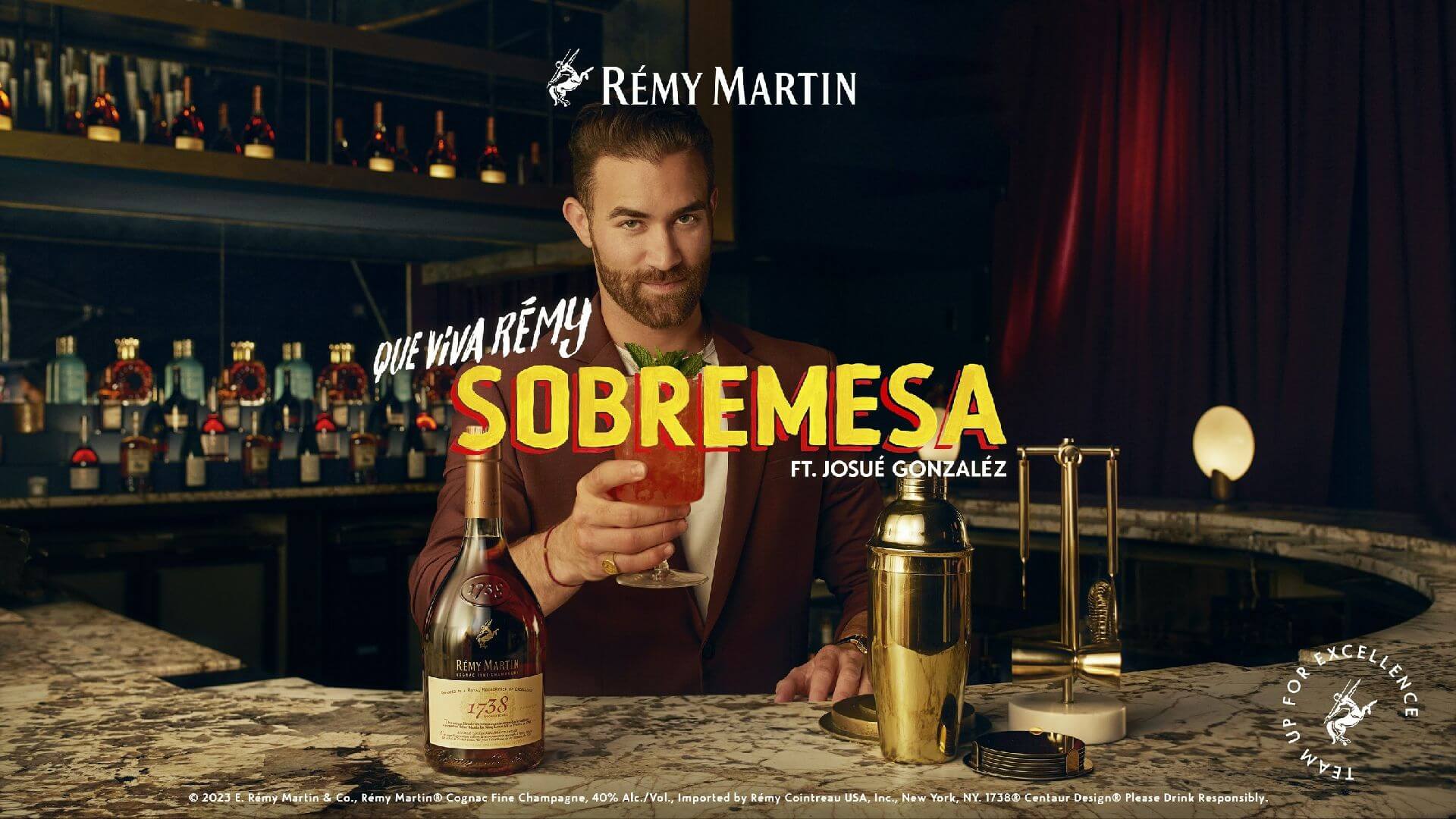
Josué Gonzaléz for the Rémy Martin "Que Viva Rémy Sobremesa" campaign

Mixologist Josué Gonzaléz for the Rémy Martin “Que Viva Rémy Sobremesa” campaign

Rémy Martin is teaming up with the Hispanic Restaurant Association to celebrate Hispanic Heritage Month by honoring a post-dinner tradition.

That tradition, an important element of a number of Hispanic cultures, is called “sobremesa.” Translating to “at the table” or “upon the table,” sobremesa is the period of time after a meal during which people relax, chat, and digest.

This is, of course, one of the most important elements of a great meal and gathering of friends and family. While sobremesa may fly in the face of the “turn-and-burn” approach to operation, a hallmark of a wonderful time out at a restaurant is the post-meal vibe.

Are guests lingering with smiles on their faces, ordering post-dinner drinks and chatting, giving off a good energy? That would indicate an operator and their team have delivered excellent service and a memorable guest experience.

To celebrate Hispanic Heritage Month and sobremesa, Rémy Martin is launching a new campaign: “Que Viva Rémy Sobremesa.”


View this post on Instagram


A post shared by Rémy Martin US (@remymartinus)

Que Viva Rémy Sobremesa

A core element of this collaboration between Rémy Martin and the Hispanic Restaurant Association is bringing food and beverage together.

To achieve this, Que Viva Rémy Sobremesa is bringing together three influential F&B professionals.

Chef Paola Velez for the Rémy Martin "Que Viva Rémy Sobremesa" campaign

Hailing from the Bronx with a career that has brought her to Washington, DC, Chef Paola Velez is an entrepreneur, activist, and the founder of Bakers Against Racism.
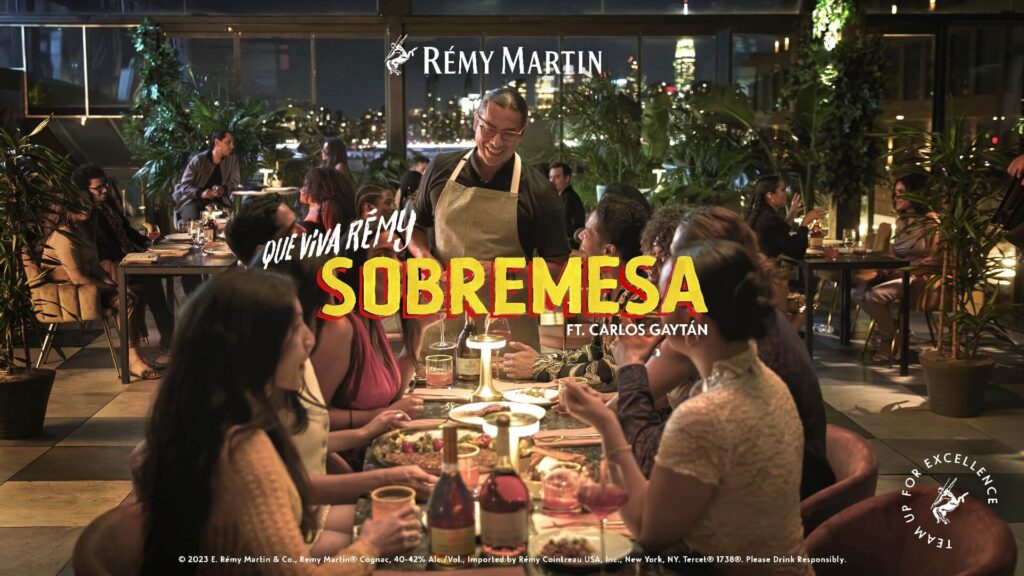
Chef Carlos Gaytán for the Rémy Martin "Que Viva Rémy Sobremesa" campaign

A restaurateur with restaurants in Mexico and Chicago—and his sights on California’s dining scene—Chef Carlos Gaytán is the first Mexican-born chef to earn a Michelin star.

Miami native and revered bartender Josué Gonzaléz brings an understanding of the culinary to his craft, beginning his journey in hospitality as a Johnson & Wales culinary student. His résumé includes some of the best bars and restaurants in America.

This powerhouse trio has been tasked with creating cocktails and culinary pairings that feature Rémy Martin and shine a spotlight on sobremesa. Their hard work will be showcased through immersive experiences throughout the US. Click here for Chef Velez’s recipes, here for Chef Gaytán’s creations, and here for Gonzaléz’s recipes.

However, Que Viva Rémy Sobremesa doesn’t stop with the conclusion of a meal. Rémy Martin, the Hispanic Restaurant Association, and their featured chefs and bartender also seek to add a new element to sobremesa.

Rather than sobremesa representing the end of a night out, Que Viva Rémy Sobremesa aims to transform the tradition into the start. In other words, “last call” now signals “the first call of the rest of the night.” Instead of asking, “When can we do this again,” the campaign encourages friends and family to ask, “What’s next tonight?”

The Mambo Mango Royale

To provide an idea of the creations coming from the Que Viva Rémy Sobremesa collaborations, here’s a cocktail recipe from Josué Gonzaléz.

  • 1.5 oz Rémy Martin Tercet
  • 0.75 oz Mango Syrup
  • 0.5 oz Lemon Juice
  • Bar spoon Galliano
  • Champagne to top
  • Decorative mango and edible flower to garnish

Add the first four ingredients and ice to a shaker. Shake vigorously for about ten seconds, then add a splash of Champagne. Pour into a flute or cocktail coupe, then garnish.

For more information, please read the press release below in its entirety. Cheers!

RÉMY MARTIN LAUNCHES ‘QUE VIVA RÉMY SOBREMESA’ CAMPAIGN TO CELEBRATE HISPANIC HERITAGE MONTH AND HONOR THE CHERISHED SOBREMESA TRADITION

Notable culinary and cocktail personalities come together to share custom recipes featuring Rémy Martin 1738 Accord Royal and Tercet and create lively experiences while embracing cultures of excellence and the tradition of Sobremesa

NEW YORK—To celebrate Hispanic Heritage Month, Rémy Martin is launching Que Viva Rémy Sobremesa, an homage to Sobremesa, the post-dining tradition found throughout many Hispanic cultures. The campaign brings influential culinary and mixology tastemakers together, including award-winning chefs Carlos Gaytán and Paola Velez, and renowned Mixologist Josué Gonzaléz, to create a variety of curated cocktails featuring Rémy Martin 1738 Accord Royal and Tercet along with culinary pairings showcasing how Sobremesa comes to life across different Hispanic cultures. The tastemakers and their pairings will be presented at a series of immersive events across the country.

With nearly 300 years of excellence producing Cognac Fine Champagne and symbolizing the diversity of craft and tradition, Rémy Martin continues to be at the forefront of moments that bring people together. As the kickoff to Hispanic Heritage Month, Rémy Martin is immersing cocktail connoisseurs in Sobremesa, a tradition where one finds themself lost in deep conversation – talking, sipping cocktails and spending time with those who matter most – often for hours after dining.

Getting lost in conversation and savoring the post-dinner experience is the essence of Sobremesa and with Que Viva Rémy Sobremesa, Rémy Martin will challenge the notion of “last call” by signaling Sobremesa as the start of the night ahead. After all, the most dispiriting words heard when you’re out are “last call” and “kitchen’s closed” – but with Rémy Martin the last call can now be the first call of the rest of the night.

“Rémy Martin’s passion for excellence, family values and traditions offer a moment for us all to partake in Sobremesa and we are thrilled to be teaming up with a variety of notable personalities to kick off the celebration this Hispanic Heritage Month,” said Tina Reejsinghani, Vice President of Luxury Brands at Rémy Cointreau Americas. “Enjoying classic recipes and sparking conversations around the table is at the heart of Hispanic heritage and Rémy Martin is excited to lead in the festivities of the time-honored tradition.”

As part of the campaign and the brand’s ongoing commitment to advancing the world of gastronomy, Rémy Martin is teaming up with the Hispanic Restaurant Association (HRA) and their Global Ambassador, Chef Fernando Stovell to support and further the careers of aspiring chefs, culinary entrepreneurs, restaurant managers, and industry professionals within the Hispanic community, uplifting the next generation of gastronomic excellence.

“At the Hispanic Restaurant Association, our vision is focused on fostering education and uplifting the Hispanic community across generations,” said John Jaramillo, Co-Founder and CEO of the Hispanic Restaurant Association. “As we work to elevate the culinary artistry within the Hispanic community, our partnership with Rémy Martin will play an integral part in extending our mission and vision across the country, allowing us to continue fostering a richer culinary perspective and build lasting bridges within the community.”

Throughout Hispanic Heritage Month, Rémy Martin will invite cocktail and culinary aficionados in New York and Miami to join the brand at the Rémy Martin Sobremesa Social Club. The events will feature lively entertainment alongside the unique dishes and cocktails curated by Carlos Gaytán, Paola Velez and Josué Gonzaléz, each inspired by their backgrounds. Chef Carlos, Chef Paola and Josué Gonzaléz will make appearances at the events, to showcase their creations and celebrate Sobremesa with guests. For more information and to purchase tickets for a VIP table experience, please visit Rémy Martin Sobremesa Social Club. Proceeds will benefit the Hispanic Restaurant Association.

Rémy Martin will also be capturing the essence of the Sobremesa tradition with a series of curated craft cocktails that highlight the opulent and complex flavor profiles of Rémy Martin 1738 Accord Royal and Rémy Martin Tercet. To keep the flavors going strong and accentuate each Rémy Martin expression, world-renowned chefs Carlos Gaytán and Paola Velez and Mixologist Josué Gonzaléz have created a variety of culinary and cocktail recipes representing their own cultures. From the Flamingo 1738 cocktail inspired by Josué’s childhood in Cuba and Chef Carlos’s nod to the sweet and savory elements of Mexican cooking with the Foie and Chocolate dish, to Chef Paola’s Nutmeg Pavlova recipe which combines her Dominican roots with the flavors of autumn, this campaign will take patrons on a culinary journey around the world.

The Que Viva Rémy Sobremesa campaign was developed in collaboration with creative agency FRED & FARID New York and will be featured across billboards and kiosks in Houston, TX; Los Angeles, CA; Miami, FL and New York, NY in addition to digital media and social content throughout Hispanic Heritage Month. For more information on the campaign, recipes and events, visit RemyMartin.com and follow along on social media on Instagram @RemyMartinUS | Twitter @RemyMartinUS | Facebook RemyMartinUSA

#QueVivaRemySobremesa #TeamUpForExcellence

ABOUT RÉMY MARTIN

Since 1724, the House of Rémy Martin has produced premium spirits that consistently appeal to the world’s most discerning connoisseurs. A profound love of the land, a continuity of family ownership and a passionate commitment to excellence has sustained Rémy Martin for nearly three centuries. As a result of its masterful production and generations of tradition in Cognac, the House of Rémy Martin produces award winning Cognacs Fine Champagne including Rémy Martin® XO, which was named Cognac of the Year 2022 by USA Spirits Ratings, and The Cognac Masters gold medal winning Rémy Martin® Tercet®, Rémy Martin® 1738 Accord Royal and Rémy Martin® V.S.O.P.

ABOUT HISPANIC RESTAURANT ASSOCIATION

Looking ahead, our vision is focused on fostering education and uplifting the Hispanic community across generations. We aspire to create a comprehensive impact by fostering economic growth and entrepreneurial endeavours through a range of interconnected networks, educational platforms, events, and supportive infrastructure.

ABOUT CHEF CARLOS GAYTÁN

A native of Mexico, chef and restaurateur Carlos Gaytán has made his mark in the culinary industry. From a young age, he was enamored with cooking, exploring a full spectrum of flavor while perfecting heirloom recipes alongside his mother. With a seamless unification of his Mexican heritage and his love of French culinary style, Carlos became the first Mexican-born chef to earn a coveted Michelin star in 2013. Gaytán appeared on Bravo’s Top Chef in 2013 and has since been widely featured as a host and judge on numerous culinary programs. He has opened two award-winning restaurants — one in Mexico in 2017, and another in Chicago in 2019. In 2024, he will open three new restaurants in California.

ABOUT CHEF PAOLA VELEZ

Award-winning chef, entrepreneur and community activist Paola Velez is the multihyphenate for a new generation of lifestyle personalities. Growing up between the Bronx and the Dominican Republic, Velez is fluent in cultures of city and island life, bringing infectious positivity and a keen eye on the micro-trends of the moment to the table. Her unique perspective has catapulted her to the pages of Food & Wine, and garnered her a nomination for Rising Star Chef by the James Beard Foundation, “Pastry Chef of the Year” from Esquire and “Best New Chef” from Food & Wine. Most recently, Paola founded the organization Bakers Against Racism as a social community, connecting bakers and creatives all across the globe to fight against racism in all of its forms. Looking ahead, under her lifestyle brand Dōekï Dōekï, a reflection of her Afro-Latina heritage, Velez is launching a series of collaborations and pop-up dinners across the country in addition to her first cookbook in 2024.

ABOUT MIXOLOGIST JOSUÉ GONZALÉZ

Josué Gonzaléz is a Miami native with a true passion for hospitality. As a culinary student at Johnson & Wales University, he accepted a barback position at Zuma Miami to gain industry experience, setting a decorated front-of-house career into motion. Josué found a friend and mentor in renowned Miami bartender Rob Ferrara, helping both achieve great success with openings at Swine Southern Table & Bar, Lure Fishbar and The Rum Line. As an individual, Josué was named one of Zagat Miami’s 30 under 30 in 2014, and went on to win and place in the top of various cocktail competitions. As part of the opening team at Sweet Liberty Bar & Supply, Josué was integral in the venue as it was awarded Best New Cocktail Bar in America at the Tales of the Cocktail Spirited Awards.  In 2018 Josué moved to Washington DC to open and manage the bar at Seven Reasons, a Latin concept, with Enrique Limardo. The restaurant was named Best New Restaurant in America 2019 by Esquire Magazine. Josué brings his talents and experience back to Miami in his work with Unfiltered Hospitality where he makes experiences better for people in every facet of the service industry.

Image: Rémy Martin

KRG Hospitality Start-Up Restaurant Bar Hotel Consulting Consultant Solutions Plans Services

by David Klemt David Klemt No Comments

Program for Unique Holidays: September ’23

Program for Unique Holidays: September 2023

by David Klemt

"Think about things differently" neon sign

Do you want to stand out from from other restaurants and bars in your area? Change how you think about your September holiday promotions.

Several holidays are set against every date on the calendar, and this month is no exception. These holidays range from mainstream to esoteric.

Pay attention to the “weird” or unique holidays to raise eyebrows, carve out a niche for your restaurant or bar, and attract more guests. Why do what everyone else is already doing? Why program only around the same holidays as everyone else?

Of course, you shouldn’t try to celebrate every holiday, strange or otherwise. Focus on the days that are authentic to your brand; resonate with your guests; and help you grab attention on social media.

You’ll find suggestions for promotions below. However, the idea behind our monthly holiday promotions roundup is to inspire you and your team to get creative and come up with unique programming ideas.

For our August 2023 holidays list, click here.

September 4: Eat an Extra Dessert Day

Do you know what’s better than one dessert? Okay, yes, I know that you know I’m going to say two desserts.

On this holiday, highlight your desserts and encourage your guests to indulge, treating themselves to at least two.

September 5: Be Late for Something Day

Look, none of us are perfect. We’ve all been late for something, and each of us will be late for something in the future.

There’s no reason your guests can’t be late for something on September 5, taking the time to enjoy another bite or another drink (responsibly, of course).

September 8: National Ampersand Day

Pairings. Combos. Flights. LTOs. Restaurants and bars practically run on the word “and,” or the humble ampersand. Celebrate the ampersand by creating an LTO menu of enticing pairings and combos.

September 14: National Eat a Hoagie Day

If I have to tell you what to feature on this day…just wow. One word of caution, however: Make sure you’re making authentic hoagies, not just any sandwich.

September 15: National Cheese Toast Day

Whether you and your guests call it rarebit, cheese on toast, a toasted cheese sandwich, or a grilled cheese, this is the day to put your cheese toast in the spotlight. Bonus: This is also National Grenache Day, so come up with a toasted cheese sandwich that pairs well with this wine varietal.

September 16: National Guacamole Day

Sure, you can serve a guacamole you order from your food supplier. Or you can create your own signature guacamole (or guacamoles) and prepare it table- or bar-side.

As an example, when I make guacamole I like to add a bit of orange or grapefruit juice, along with lime juice. Nothing groundbreaking, but it adds a nice bit of zip.

September 22: Car Free Day

Encourage your staff and guests—if feasible, of course—to forego their cars, trucks, and SUVs and use alternative methods of travel to your venue. Bicycles, skateboards, EVs, scooters, motorcycles (lower emissions than cars), walking…anything but a traditional automobile.

September 25: Better Breakfast Day

Do you know where the people in your community can get a better breakfast? I really hope you said, “My restaurant/bar!”

September 27: National Crush a Can Day

I’m sure you have more than just a few “crushable” or sessionable beverages on your menu. Whether beer, canned cocktail, canned wine, or other canned RTD, this is the day to make your guests aware of your crushable menu items.

September 30: National Hot Mulled Cider Day

With summer over, cold-weather drinks will be the order of the day. So, get your hot mulled cider dialed in and feature it on your menu.

Image: Ivan Bertolazzi on Pexels

KRG Hospitality Start-Up Restaurant Bar Hotel Consulting Consultant Solutions Plans Services

by David Klemt David Klemt No Comments

Pumpkin Spice Everything is Already Here

Pumpkin Spice Everything is Already Here

by David Klemt

Black and white image of jack-o'-lantern with smoke coming of its eyes

In what perhaps is an attempt to encourage people to think of cooler autumnal temperatures, pumpkin spice is descending upon us earlier than ever before.

Operators who are finalizing their pumpkin spice menu items are basically already late to the party.

Luckily, it isn’t like the brands for which fall’s most infamous LTO flavor works are too far behind. A significant percentage of consumers are drawn to pumpkin spice menu items like trick or treaters to homes handing out full-size candy bars.

So, operators still have time to put the final touches on pumpkin spice menu items…but they’ll want to get a move on.

That’s exactly what restaurant chains did this year. Their pumpkin spice-flavored onslaught began with the start of this month.

Pumpkin Spice, Now a Summer Flavor?

Spirit Halloween stores. Christmas music. And now, it appears, Pumpkin Spice.

What do these three things have in common? Well, it seems like they’re making their debuts earlier and earlier each year.

When we think of summer and seasonality, I don’t think pumpkin or even baking spices enters into most people’s minds.

Unless, however, those people are in marketing and branding.

According to Restaurant Business, Krispy Kreme went all in on pumpkin spice on August 7. On that day, the chain unveiled four donuts and a number of beverages featuring pumpkin flavors.

Interestingly, the company’s global chief brand officer, Dave Skena, states that their pumpkin spice releases came one day earlier this year. Last year, they say, pumpkin spice arrived “significantly earlier than the year before.”

7-11 may have crossed the pumpkin spice dateline first this year. Dunkin’ is already offering pumpkin spice F&B items. And Starbucks, famous for their PSL LTO, is rumored to be launching their specialty menu this Thursday.

Given these August releases, can we expect a brand to attempt to get the jump on everyone else and launch pumpkin spice LTOs in July?

Consumer Cravings

Brands wouldn’t gamble on releasing their pumpkin spice LTOs in August if they didn’t think their decision would pay off.

Considering what Krispy Kreme’s Skena says about pumpkin spice’s August arrival, consumers have already spoken. Apparently, a significant percentage of people have an interest in fall flavors midway through summer.

Of course, there are a few considerations for independent operators in terms of seasonal releases. Rolling out new menus and menu items can be a costly endeavor. Pulling the plug on one revenue-generating seasonal menu or LTO in favor of significantly different items may be harmful to the bottom line.

One approach operators could take is to plan far enough ahead to pull the trigger on LTOs when 7-11, Dunkin’, or Starbucks launch theirs. In other words, be ready, but don’t jump the gun.

This also speaks to the importance of operators knowing their core guests and listening to feedback. Are front-of-house staff hearing murmurs from guests that they’re craving new flavors? Perhaps it could be lucrative to leverage that anticipation.

Image: Colton Sturgeon on Unsplash

KRG Hospitality Start-Up Restaurant Bar Hotel Consulting Consultant Solutions Plans Services

by David Klemt David Klemt No Comments

BBQ Brawl: ‘Cue Tips from Chef Brian Duffy

BBQ Brawl: ‘Cue Tips from Chef Brian Duffy

by David Klemt

Chef Brian Duffy biting into a sandwich

Friend of the Bar Hacks podcast and KRG Hospitality Chef Brian Duffy is rocking it on season four of Food Network‘s BBQ Brawl.

And he’s dropping barbecue and cooking jewels while killing it on multiple styles of grill.

When we meet Chef Duffy on episode one of BBQ Brawl, he’s introduced as “The Renowned Restaurateur.” This makes sense given the fact that he has helped open more than 100 restaurants throughout his career.

Regarding grilling and barbecuing, Chef Duffy will use elements of whatever style he thinks will work best for a given situation. As he explains it, his barbecue “isn’t bound by the rules of any one style.”


View this post on Instagram


A post shared by Chef Brian Duffy (@chefbriduff)

I also want to point out that there’s what appears to be a 1950s-era Dodge Power Wagon, perhaps a Series 1 or Series 2 model, on Star Hill Farm, where this show was filmed. This isn’t relevant in any way to cooking, grilling, or barbecue. I’m just a Car and Motorcyle Guy® and I noticed the Power Wagon immediately.

Also, be sure to check out episode 33 and episode 53 of the Bar Hacks podcast to hear from the chef himself.

Alright, let’s check out some tips and tricks from Chef Duffy that he has shared on season four of BBQ Brawl. Like he said to the camera in the first moments of episode one, “Students, meet your pit master.”

Episode 1

If you want your food to be charred, you need to commit.

“You’ve gotta let it sit. Don’t move it,” says Chef Duffy. “Let that char happen.”

It’s just that simple. Patience is a cooking technique.

Dishes

Signature Tacos

  • Mulita, a Mexican street taco made by dipping a tortilla in birria broth.
  • Togorashi- and ancho-chili-smoked red Snapper taco with “a fun little slaw.”


View this post on Instagram


A post shared by Chef Brian Duffy (@chefbriduff)

Team Challenge: “California Smoke” menu (Fire delivery: Santa Maria grill)

  • Cabbage, kale, Swiss chard medley with beans
  • Scallops and smoked crab salad with preserved lemon gremolata and avocado (collaboration with Chef Larissa Da Costa; Chef Duffy prepared the smoked crab salad)

Episode 2

One interesting bit of Chef Duffy trivia is that he has knife skills that rival John Wick’s. I’m confident in saying that they could’ve raided Chef Duffy’s impressive carbon steel knife collection to film the melee scene in John Wick: Chapter 3 – Parabellum.

Now, he does nick himself during the advantage challenge in this episode. The nick requires Chef Duffy to double-glove up. However, this is a fluke. Check out his knife skills below:


View this post on Instagram


A post shared by Chef Brian Duffy (@chefbriduff)

Dishes

Elimination Challenge:”Due West” menu (Fire delivery: Santa Maria grill. Direct-contact coal roasting)

  • Cast iron skillet-cooked mushroom gravy (portobello, maitake, shiitake, rosemary, garlic, butter) for Pitmaster Robert Smith’s quail.
  • Hot coal-roasted butternut squash topped with crispy, grilled pork belly

Episode 3

While Chef Duffy is no stranger to the pitmastery of fish, he’s always done so in a controlled environment.

Well, this competition show is much more chaotic than a standard restaurant kitchen. Of course, chaos doesn’t cramp Chef Duffy’s style too much.

In preparing his salt-crusted branzino in episode three, he chars lemons and limes, then squeezes them over the fish and creates a mixture with egg whites. After salting, Chef Duffy once again shows that patience is a key element of technique: he leaves the stuffed and salted branzinos to rest.

Chef Duffy also puts another of his specialties on full display in this episode: fried rice. Anyone who has seen Chef Duffy do a fried rice demo knows how good his preparations are.

During this episode, he prepares fried rice in a wok on a Santa Maria grill. For this element of his dish he chooses basmati, in part for its fragrance. Along with carrots and green beans, Chef Duffy’s BBQ Brawl fried rice includes onion, garlic, and bacon. He then hits it with ponzu and soy sauces.

You may think the bacon is the star of this fried rice, but that isn’t the case. The real standout is freshly prepared salt-cured eggs. For this element of the dish, Chef Duff places yolks directly onto a bed of salt.

“What that does is it pulls the moisture out of that yolk,” explains Chef Duffy, “so that you have a little bit more of a firm yolk.”

To complete the salt-cured egg preparation, the salt is rinsed off just before serving the rice.

Dishes

Elimination Challenge: “Sea-Food and Eat It” menu (Fire delivery: Santa Maria grill, smoker)

  • Bacon and basmati fried rice with salmon, topped with salt-cured egg
  • Smoked, salt-crusted branzino

Episode 4

Chef Duffy hates crispy bacon. The reasoning behind this hatred is simple: flavor.

If bacon is cooked too crisply—or more accurately, burnt—it won’t impart much, if any, flavor. You may get ash flavor but you really won’t get bacon.

When stunned team leader Chef Sunny Anderson questions Chef Duffy about his opinion of crispy bacon, he explains his position succinctly: “Because it’s useless.”

It’s fair to say he’d rather switch teams than allow someone to prepare crispy bacon for any of his dishes.

“I want you to know I like your fire,” responds Chef Anderson. “But crispy bacon is life, okay?”

Dishes

Signature Chicken Wings (Fire delivery: Cast aluminum kamado grill)

  • Butter poached fried and grilled wings with habanero, Aleppo, and ghost peppers

Elimination Challenge: “Hometown Heat” menu (Fire delivery: Smoker, cast aluminum kamado grill, cast iron skillet, Big Green Egg)

  • Manzano and Fresno peppers stuffed with spicy pork sausage
  • Irish soda bread stuffed with caramelized onion and bacon, topped with citrus-cream cheese glaze (prepared in collaboration with Chef Anderson)

Episode 5

To enhance the experience of a mac and cheese made with creamy béchamel sauce, try this tip from Chef Duffy. Instead of using only all-purpose flour, also use cassava flour.

Doing so will add some impressive stretchiness to the sauce, and the proof will be in the cheese pull. Also, cassava flour delivers a silky texture a traditional roux just can’t match.

Dishes

Elimination Challenge: “Brazilian BBQ Fusion Feast” menu (Smoker, charcoal grill, cast aluminum kamado grill, cast iron skillets)

  • Skillet mac and cheese made with cotija, smoked gouda, sharp Cheddar, and gruyère topped with farofa (prepared in a skillet on top of a grill)
  • Brazilian-spiced and smoked spatchcock citrus chicken

Episode 6

On this episode,the teams prepare whole suckling pig via live-fire cooking methods. Due to the ranking of the teams in episode five, Team Bobby chooses their method first, followed by Team Anne. Team Sunny doesn’t get to choose; they have to take whatever the other two teams don’t select.

Team Bobby selects the cinder block smoker, and Team Anne chooses the hand-crank rotisserie spit. Team Sunny has to cook via an incredibly rustic method: a bed of hot embers.

Chefs Duffy and Chuck Matto decide to wrap their suckling pig in banana leaves before then wrapping the entire animal in foil. As Chef Matto explains, banana leaf acts as an insulator. The pig is placed directly on the hot embers, additional stones are placed around it, more coals are added, and then the team adds a layer of burlap.

To ensure an even cook without any burning, Chef Duffy explains that they’ll check temperatures every 20 to 30 minutes, rotating the pig each time.

When cooking pig, Chef Duffy notes there are certain things to check to ensure it’s cooked fully. There’s temperature, of course, but he also shares this tip: note how easily the thermometer goes into the meat when checking temp.

Dishes

Advantage Challenge: Banana Leaf Challenge (Fire delivery: Santa Maria grill)

  • Southern-inspired, Caribbean spiced and seasoned catfish (prepared with banana-leaf wrap)

Elimination Challenge: “Campfire Whole Hog” menu (Fire delivery: Bed of hot embers, Santa Maria grill, cast aluminum kamado grill)

  • Campfire whole hog with California/Kansas City barbecue sauces (in collaboration with Chef Matto), with special attention paid to honoring the animal’s head
  • Four-pork chili
  • Potato salad

Episode 7

Chef Duffy swings for the fences on this episode and decides to grill octopus. However, it takes hours to cook octopus properly and ensure it’s tender enough to eat.

Of course, Chef Duffy has a plan, and it includes using three cooking methods in a five-step process. First, he throws it on a charcoal grill to impart flavors. Next, he boils the octopus. After that, the octopus goes back to the grill. Then, Chef Duff sous vides the octopus at 185 degrees Fahrenheit. Finally, the octopus goes back to the grill.

Or, to describe the process more simply, Chef Duffy goes grill, water, grill, sous-vide, grill.

Dishes

Elimination Challenge:  (Fire delivery: Charcoal grill, Big Green Egg

  • Grilled octopus over a white bean and sweet corn purée
  • Grilled watermelon, feta, and pickled cucumber salad (cold-pickled cucumbers for acid and flavor)

Image: Chef Brian Duffy

by David Klemt David Klemt No Comments

Top-performing Menu Items in the US

Top-performing Menu Items in the US (So Far)

by David Klemt

Barbecue chicken wings, chili peppers, and chili flakes

Thanks to a recent mid-year report from F&B intelligence platform Datassential, we now know the top-performing menu items in the US.

For the low, low price of filling out a handful of fields, you can download a copy of Datassential’s “Foodbytes: 2023 Midyear Trend Report” for yourself.

There’s plenty of useful data packed into this short report. You may find some of the top food items a bit surprising.

But First…

Datassential does more than just list the top mid-year menu performers in their latest report. There are also a couple of interesting datapoints for operators to consider.

The first piece of information is an alarming statistic: 54 percent of consumers are of the belief that “tipping culture has gotten out of control.”

As we’ve reported earlier, it’s likely that a major driver of “tip fatigue” comes from retail. The expectation for consumers to tip at a restaurant, bar or nightclub is ingrained deeply in American culture.

However, consumers throughout America are being prompted to tip after just about every transaction they’re attempting to complete. In fact, it’s not just retail that has been encouraging (in some cases, guilting) people to tip. Some contractors are also adding tip lines when handing over tablets to clients so they can pay their invoices.

One result is that servers and bartenders are reporting lower tips; guests are so over tipping that they’re pushing back against the practice in venues where they’d traditionally have no problem doing so.

Of course, tip fatigue isn’t the only reason consumers are pushing back against tipping. Many people feel that operators should increase what they pay staff. Indeed, some people feel that operators are asking them to subsidize their employee pay. Whether they’d be happy to pay higher prices remains to be seen.

Fads Aren’t Bad?

Whenever we cover trends or discuss them with clients, we caution against chasing too many (or the “wrong” trends). And fads? It can be even riskier to hop on the bandwagon of something that may never even reach the trend stage of its lifecycle.

However, likely due to the ubiquity of TikTok, consumers expect restaurants to embrace fads. According to Datassential, 67 percent of consumers overall “want to see more fads at restaurants and retail.”

That number jumps to 74 percent when focusing on Millennials and Gen Z.

So, while we still caution operators about jumping on fads (or “micro trends”) and trends, that doesn’t mean be too cautious. If a fad or trend works with your brand and won’t cost much to feature, at least give it consideration.

Not sure you’re great at identifying fads that will work for your business? Ask your staff which fads and trends are hot at the moment.

Speaking of Hot…

Alright, let’s take a look at the F&B items Datassential identifies as popular at the midway point of 2023.

Again, I encourage you to download the report in its entirety. You can do just that by clicking here.

But for those who want instant gratification, check out these menu items:

  • Super Duper: Let’s kick things off with the hottest chain LTO, the Denny’s Super Slam. Per Datassential, restaurant chains have already featured in excess of 2,000 LTOs in 2023. The F&B intel agency tests them all, and the Super Slam is wearing the LTO crown at the moment.
  • Chef Chatbot: Datassential tapped ChatGPT to create a burger recipe and had Midjourney create an image for the resulting Caprese Avocado Burger. More than half of consumers surveyed—57 percent—want to try it at a restaurant.
  • Big Winner: Datassential asked consumers a simple question: Which would you rather eat for the rest of your life, a hamburger or a hot dog? A staggering 87 percent chose hamburgers, meaning just 13 percent of consumers would choose a hot dog over it’s burger buddy.
  • What a Pickle: Back in March we checked out Slice’s Slice of the Union report, and it predicted pickle pizzas would be a hot trend this year. Well, Datassential has crunched the numbers and says 40 percent of consumers are aware of this pizza style already. Looks like Slice may be proven right by the end of the year.
  • Speed Demon: Curious about the fastest-growing menu item on the US? Well, wonder no more: Datassential says it’s the barbecue chicken wing. Over the past year, they’ve grown 373 percent on menus across the States. Datassential posits the overall growth of chicken and the embracing of flavor trends like Carolina gold barbecue sauce are contributing factors.

There’s a lot to unpack here, so I’ll leave you to it. Just remember that when it comes to fads and trends, there’s a fine line between what’s hot, what’s not, and jumping on the wrong one. Good luck!

Image: Ahmed Bhutta on Pexels

KRG Hospitality Start-Up Restaurant Bar Hotel Consulting Consultant Solutions Plans Services

by David Klemt David Klemt No Comments

Taco Bell Celebrates Taco Tuesday Win

Taco Bell Celebrates Taco Tuesday Win

by David Klemt

Taco Bell Doritos Locos Taco and sauce packet

Taco Bell, fresh off their victory in petitioning for the cancellation of the “Taco Tuesday” mark, will open a $5 million taco tab on September 12.

There’s no arguing that over at least the past few years Taco Bell has become the master of LTOs and attention-grabbing, loyalty-strengthening, and headline-generating promotions.

This campaign further solidifies the brand’s status as king of the fast-food campaigns.

“Taco T**sday” to “Taco Tuesday”

It’s highly unlikely that consumers and operators alike are unaware of the company’s “Taco T**sday” ads. The campaign, while playful, put a spotlight on the fact that, until recently, “Taco Tuesday” was a registered trademark.

Rather than spend millions of dollars to fight Taco Bell, Taco John’s, who previously had the rights to the mark, opted to relinquish the rights to the mark. Taco Bell’s argument was that nobody should be permitted to mark a common phrase.

“We’ve always prided ourselves on being the home of Taco Tuesday, but paying millions of dollars to lawyers to defend our mark just doesn’t feel like the right thing to do,” said Jim Creel, Taco John’s CEO. “As we’ve said before, we’re lovers, not fighters, at Taco John’s. So in that spirit, we have decided to begin sharing Taco Tuesday with a pledge to contribute $100 per location in our system to restaurant employees with children who are battling a health crisis, death or natural disaster. And we’re challenging our litigious competitors and other taco-loving brands to join us in supporting the people who serve our favorite food to guests across the nation.”

In fact, Creel fired a shot across the bow at Taco Bell at other rivals. After announcing their pledge to CORE, the CEO challenged other brands that want to use “Taco Tuesday” to do the same. The result would be quite the donation, considering that Taco John’s operates 400 restaurants in 21 states and Taco Bell alone operates more than 7,200 in the US. Look overseas and that number jumps up by about 1,000 locations in 30 countries.

Taco John’s has reportedly made good on their pledge, donating $40,000 to CORE, Children of Restaurant Employees.

What’s in a Mark?

Fast-food chain Taco John’s trademarked the phrase back in 1989. However, back in 1984, a California-based restaurant, Tortilla Flats, registered the trademark. According to some sources, the mark lapsed and Taco John’s snapped it up. That said, Tortilla Flats has sued other California restaurants for using the phrase throughout the years.

Interestingly, Taco John’s only had rights to the mark in 49 states. The exception is New Jersey, where Gregory’s owns the trademark. In fact, anyone who visits their site (as of the publication of this article) will see the phrase “Home of the Original Taco Tuesday!” right at the top.

However, it may surprise some to learn that a celebrity who appeared in Taco Bell’s “Taco T**sday” ads attempted to trademark the phrase in 2019. That celebrity? None other than Lebron James.

Clearly, this seemingly simple two-word phrase is a valuable trademark. It’s also likely that plenty of restaurants across the US have been surreptitiously using the phrase to drive traffic to their venues on Tuesdays for years.

The fact that Lebron James showed interest in the trademark and Taco Bell likely spent millions of dollars in ad revenue to have Taco John’s mark canceled shows the value. Time will tell how many millions of dollars the phrase will be worth to Taco Bell and other restaurant brands across the US.

Taco Tab

Some will see Taco Bell’s campaign as a massive brand bullying a smaller rival. Others will agree that it’s unfair for anyone to own the rights to such a common phrase.

In terms of exposure, I think this battle will help Taco John’s experience further growth. Last year was a banner year for growth for the franchise, and the brand was seeing growth back in 2021 as well.

After doing some digging, I learned that seven Taco John’s locations are owned by corporate; the plan for 2023 is to go from 375 stores to 400; and another 20 to 25 locations are planned for 2024. Per the Taco John’s website, initial layout for a franchise is between $942,000 and $1.4 for a single unit. A single franchise location generates annual revenue of around $1.2 million, on average.

Regarding Taco Bell, the brand is celebrating their victory—framed as a victory for all restaurants—with another of their famous and effective LTOs. On August 15, August 22, August 29, and September 5, Taco Bell guests can score a free Doritos Locos Taco. But the big celebration comes on September 12.

For that upcoming Taco Tuesday, Taco Bell will open a $5 million tab with DoorDash across the United States, with the exception of New Jersey. Again, Gregory’s owns the rights to the “Taco Tuesday” mark in the Garden State.

On September 12, Taco Bell will cover a portion of orders placed through the third-party delivery app to participating restaurants that offer Mexican cuisine. This does help the fast-food titan make the case that they fought this battle not just for themselves but all foodservice brands that wish to use the phrase “Taco Tuesday” without fear of legal action.

For further information, read the official Taco Bell press release below.

Taco Bell's "Liberate Taco T**sday" court petition

TACO BELL WILL HELP PAY FOR YOUR TACO TUESDAY CELEBRATION — EVEN IF IT’S NOT AT TACO BELL

Irvine, Calif. (August 8, 2023) – To celebrate the liberation of the Taco Tuesday trademark registration in 49 states, and to support and spotlight restaurants who now have the right to freely use Taco Tuesday, Taco Bell has announced that on Tuesday, September 12, Taco Tuesday fans (nearly) everywhere* can celebrate Taco Tuesday (nearly) anywhere – and Taco Bell will help pay for it.

On Taco Tuesday, September 12, Taco Bell, in partnership with DoorDash, is opening a $5 million taco tab to cover a portion of taco fans’ orders from any participating vendor selling Mexican cuisine. Because now that Taco Tuesday is free* – your tacos should be, too.

Leading up to the September 12 celebration, all Taco Bell locations will be offering a free Doritos® Locos Taco every Tuesday, no purchase necessary, on 8/15, 8/22, 8/29 and 9/5**.

“Taco Tuesday belongs to all who make, sell, eat and celebrate tacos, and this Free-For-All will not only thank taco fans who supported the cause, but will also spotlight local restaurants and vendors who can now embrace Taco Tuesdays without fear of legal action,” said Taco Bell U.S. Chief Marketing Officer, Taylor Montgomery. “When tacos win, we all win. We all win when Taco John’s decides to release its trademark registration, we all win when taco vendors everywhere are free to join the movement, and we all win when taco fans can freely celebrate and support Taco Tuesdays at Taco Bell or anywhere else.”

The Road to Freeing Taco Tuesday

In May 2023, Taco Bell took a bold step on behalf of taco lovers nationwide by filing legal petitions to cancel the two Taco Tuesday trademark registrations. The aim was simple: to free the phrase for restaurants nationwide. The message was clear: Taco Tuesday belongs to everyone, from Taco Bell to Taco John’s to your favorite local taco spot.

In late July, Taco John’s courageously decided to abandon its Taco Tuesday trademark registration. Not only did Taco John’s act benefit thousands of businesses across 49 states by making the term Taco Tuesday more freely available, Taco John’s also made a meaningful donation to Children of Restaurant Employees (CORE) for $40,000, which the Taco Bell Foundation has matched.

Supporting The Taco Community

Taco Bell has also committed to donating $1 million in partnership with the Taco Bell Foundation to support young people who make, sell, eat and celebrate tacos. Donations made by Rounding Up at checkout on Tuesdays will be matched up to $1 million. These donations will continue to fund the Taco Bell Foundation’s Community Grants and the Live Más Scholarship for fans and team members.

*The Taco Tuesday trademark registration has been canceled in all states except New Jersey. Therefore, the DoorDash offer will be limited to the 49 states where Taco Tuesday has been freed.

**NO PURCHASE NECESSARY. Offer valid on Tuesdays 8/15, 8/22, 8/29, and 9/5 only during local store operating hours while supplies last. Limit one (1) regular Free Seasoned Beef Nacho Cheese Doritos®

Locos Tacos per person, per offer day, available at participating U.S. Taco Bell® locations only. Not available with delivery orders unless placed directly on the Taco Bell app (delivery fees, taxes and tip apply). App and web orders require inputting offer code and customer must add a DLT to their cart. Not valid with any other offer. No substitutions. No cash value. Void where prohibited. Terms: ta.co/terms.

About Taco Bell Corp.

For more information about Taco Bell, visit our website at www.TacoBell.com, our Newsroom at www.TacoBell.com/news or www.TacoBell.com/popular-links. You can also stay up to date on all things Taco Bell by following us on LinkedIn, TikTok, Twitter, Instagram, Facebook and subscribing to our YouTube channel.

Images: Taco Bell

by David Klemt David Klemt No Comments

Program for Unique Holidays: August 2023

Program for Unique Holidays: August 2023

by David Klemt

"Think about things differently" neon sign

Do you want to stand out from from other restaurants and bars in your area? Change how you think about your August holiday promotions.

Several holidays are set against every date on the calendar, and this month is no exception. These holidays range from mainstream to esoteric.

Pay attention to the “weird” or unique holidays to raise eyebrows, carve out a niche for your restaurant or bar, and attract more guests. Why do what everyone else is already doing? Why program only around the same holidays as everyone else?

Of course, you shouldn’t try to celebrate every holiday, strange or otherwise. Focus on the days that are authentic to your brand; resonate with your guests; and help you grab attention on social media.

You’ll find suggestions for promotions below. However, the idea behind our monthly holiday promotions roundup is to inspire you and your team to get creative and come up with unique programming ideas.

For our July 2023 holidays list, click here.

August 4: International Beer Day

In and of itself, International Beer Day isn’t a unique or obscure holiday. However, with the vast array of brewers, beer styles, and beers on offer around the world, it can be a day to highlight unique and obscure beers.

This is one of the best holidays for you to make your guests aware of your more exclusive or lesser-known beer selections.

August 5: National Jamaican Patty Day

If your kitchen has the capability to make delicious pastries, this is a fantastic holiday. A Jamaican patty consists of layered, flaky crust wrapped around jerk chicken, beef, pork, or vegetables mixed with spices. These are delicious, great with a refreshing drink, and perfect for sharing. Oh, and you and your kitchen can decide how hot or mild to make the spices. Just make sure the flavors are authentic and that you honor the culture.

August 7: British Columbia Day, Heritage Day, Natal Day, New Brunswick Day, Ontario Civic Holiday, Saskatchewan Day, and Terry Fox Day

In order, these are holidays celebrated in the provinces of British Columbia, Alberta, Nova Scotia, New Brunswick, Ontario, Saskatchewan, and Manitoba. Depending on the province, this is either a  guaranteed three-day holiday or a Monday that businesses can choose to give their employees off. That means for the most part, there’s plenty of opportunity to leverage a long weekend in seven provinces throughout Canada, perfect for highlighting food and drink promotions.

This also means that operators across America can feature F&B specials that celebrate their neighbors to the north. Get creative!

August 11: Play in the Sand Day

Should you be a beach- or lakefront property or otherwise located on sand, this is your time to shine. Set up games like cornhole, giant Jenga, and giant Connect Four, create an LTO menu that encourages groups to come socialize at your bar or restaurant, and celebrate in the sand.

August 16: National Rum Day

Again, this isn’t an unknown holiday. However, you can ensure you stand out on National Rum Day by getting your hands on unique bottles, such as funky rum styles and high-age-stagement expressions.

August 17: National Nonprofit Day

Do you, your guests, and your team support any nonprofits? If so, this is an excellent way to bring people together and raise some money for worthy causes. Further, National Nonprofit Day provides you with an opportunity to show your community that you care and give back.

August 22: National Bao Day

Much like National Jamaican Patty Day, National Bao Day gives you and your kitchen the opportunity to create fun foods that will excite and delight your guests. Just ensure your kitchen staff is up to the task of creating these delicious, steamed buns.

August 27: National Just Because Day

Have an idea for a promotion that doesn’t quite fit with anything on the calendar? This is the perfect day to let it rip!

August 29: National Lemon Juice Day

Lemon juice is a key ingredient for an incredible number of cocktails. So, shine a light on all the heavy lifting this citrus does in drinks! One way to accomplish this is by creating an LTO of your guests’ favorite drinks that feature lemon juice.

August 31: Eat Outside Day

Have outside seating? Have the capability of bringing food trucks into your parking lot or just outside your business? I think you know where I’m going with this, and what to do.

Image: Ivan Bertolazzi on Pexels

KRG Hospitality Start-Up Restaurant Bar Hotel Consulting Consultant Solutions Plans Services

by David Klemt David Klemt No Comments

Lab-grown Chicken Makes its Move

Lab-grown Chicken Makes its Move

by David Klemt

GOOD Meat lab-grown chicken, close up

Lab-grown or cell-cultivated chicken from GOOD Meat.

A month after receiving USDA approval to serve lab-grown meat to restaurant guests, GOOD Meat and Upside Foods can boast support from two well-known chefs.

Lab-grown meat, also known as “cultivated” or “cell-cultivated” meat, has been approved by the USDA to be served to guests at two restaurants.

One, China Chilcano, is owned and operated by Chef José Andrés. The other restaurant debuting lab-grown meat is Bar Crenn by Chef Dominique Crenn. The former is in Washington, DC, while the latter is in San Francisco. Both GOOD Meat and Upside Foods operate out of California.


View this post on Instagram


A post shared by GOOD Meat (@goodmeatinc)

Bar Crenn boasts one Michelin Star, and China Chilcano has enjoyed Bib Gourmand awards from the Michelin Guide for several years.

In other words, the two companies producing cell-cultivated meats and awarded USDA approval have chosen their debut restaurants well. These are high-profile, award-winning, exciting, and approachable restaurants run by revered chefs.


View this post on Instagram


A post shared by UPSIDE Foods (@upsidefoods)

Additionally, both Chef Andrés and Chef Crenn make their commitment to sustainability known. Further, Chef Crenn’s Atelier Crenn earned one of the first Green Star designations back in 2020. The restaurant also enjoys three Michelin Stars.

And we’re all well aware of Chef Andrés’ commitment to humanitarian efforts through World Central Kitchen, a non-profit organization KRG Hospitality supports.

It’s early days but we’ll be following the diner response to cultivated meats at China Chilcano and Bar Crenn.

Lab-grown Meats

Before I dive further into cell-cultivated meats, I’ll address a few big questions:

  • Is lab-grown meat plant-based?
  • Are these products vegetarian?
  • Are these products vegan?

The answer to all three questions is no.

To be very clear, lab-grown meats are produce using using animal cells. Therefore, these are animal proteins and animal products.

The GOOD Meat chicken nutrition label reads as follows: “Cell-Cultivated Chicken (cultivated chicken cells, salt), Wheat Gluten, Soy Protein Concentrate, Sunflower and Coconut Oils, Contains less than 2% of Modified Food Starch, Natural Flavors, Salt, Soy Lecithin. Contains Wheat, Soy.”

Upside Foods’ label reads: “Cell-cultivated chicken, Maltodextrin, Transglutaminase (Binding Agent).”

In short, this is chicken.

What’s the Point?

So, you may be wondering why anyone is producing cell-cultivated chicken. GOOD Meat and Upside Foods answer this question on their websites.

In an effort to be succinct, these companies want us to do away with the harm to animals, ourselves, and the planet that results from traditional meat production.

Using cell cultivation to produce meat, a single cell can, per GOOD Meat, produce an “infinite amount of meat.” Zero animal slaughter. Millions to billions of acres of land can be used for something besides raising and slaughtering animals.

As Upside Foods explains it, “At scale, it’s simply a more efficient, more humane, and more future-friendly way to grow high-quality meat for food lovers everywhere.”

Further, it’s theorized that lab-grown meat production cuts water use for beef production (as an example) in half, keeps pollution out of our oceans, and removes millions of tons of CO2 emissions.

I’m not an environmental scientist or specialist, nor am I involved in food production. However, if these claims are accurate, that’s a lot of positivity for the future of our planet.

Considerations

First, we can’t expect everyone to believe lab-grown meats are safe. Some meat consumers are simply not going to find these products appealing.

Second, an array of consumers will look at cell-cultivated meats through various ethical and moral lenses.

Third, just the words “lab grown” and even “cell cultivated” will turn some guests off trying these meat products.

And then there’s the fact that GOOD Meat and Upside Foods chicken products are just now finding their ways into restaurants in the US. And by restaurants, I mean two. Two restaurants in the whole of the US. It’s simply too soon to know how they’ll be received.

Finally, cost. Operators are already running on razor-thin margins. They must consider the cost of these items, and the cost of how they’re perceived by guests.

I’ll admit that, right now, I like the idea of cell-cultivated meat. If accurate, I like what these products may be able to do for our planet. I eat meat and I love the idea of animals not suffering harm, abuse, fear, and slaughter.

I would try GOOD Meat chicken. And I’d try Upside Foods chicken, along with their other cell-cultivated products (beef meatballs, duck, pork, etc.). But I’m just one person, and I don’t know how well-received these items will be throughout North America.

To operators, I say keep these foods on your radar. You should know your guests better than anyone else, so you only you know if they’re ready for lab-grown meats on your menu.

Image: GOOD Meat

KRG Hospitality menu development. Restaurant. Bar. Cafe. Lounge. Hotel. Resort. Food. Drinks.

by David Klemt David Klemt No Comments

Seemingly Simple: The French Fry

Seemingly Simple: The French Fry

by David Klemt

French fries and sandwiches in baskets

We celebrate the humble French fryat once a living legend and deceptively simple sideon Thursday, July 13, National French Fry Day.

Now, I know I tend to dive into the history, disputed or not, of a given item when a holiday comes around. However, that’s not the point of this article.

Of course, I could easily point out that this iconic item’s origins aren’t settled history. That Belgium claims ownership as of 1680. Or that Chile may have beaten Belgium by 61 years. And that France gets credit because the recipe for “modern” French fries appear in the cookbook La Cuisinière Républicaine from 1775. I’m not even going to get into the debacle that was 2003’s Freedom Fries…

Again, that’s not the point. Whether you call them French fried potatoes, French fries, fries, pomme frites, or chips, they’ve been around for anywhere from 400-plus to almost 250 years in some form.

And still they manage to confound many a cook.

We’ve all gotten an order of flaccid, cold, mushy or otherwise cheerless chips. And we’ve all managed to muscle down at least a handful of those dismal, forlorn fries, each soggy bite driving us deeper into despair.

Okay, that may be the tiniest bit dramatic. My point is, French fries are deceptively simple to get just right. And a subpar fry canlet’s face it, will—ruin a guest’s perception of a restaurant. They may return, but they’ll be apprehensive.

Fry Infatuation

If you thought maybe I’d try to create a portmanteau like “infrytuation,” I did think about it. But that would be far too silly, even for me. I wouldn’t even type such a thing out loud.

Anyway, we may not know the origin of fries or chips for a fact. But we do know that for the most part, people love a fry. Those who don’t, well, they’re not to be trusted. Should you come across such a person, grab a handful of friesor the entire basketand run away. You don’t need that kind of negativity in your life.

But why? Why do we love a fry?

Perhaps it’s the versatility. They complete many a limited-service restaurant or QSR meal. At this point, the “bag fry” is almost its own varietal.

They’re at home at a dive or neighborhood bar. But they’ll also step up and accompany a steak at a French bistro or steakhouse. Fish house, shack or upscale seafood restaurant? Pleasefish and chips are a power couple comfortable in any environment.

Speaking of versatility, chips are also happy to indulge a chef or cook’s most debaucherous thoughts. A vessel to carry short rib, cheeses, and an array of seasonings? They’re down.

Of course, it’s likely that fry popularity comes down to comfort. A hit of salt, fat, heat, crispness, and creaminess? That’s at the bare minimum. Toss on some parmesan or pecorino romano and that hit of dopamine doubles, at least.

Chip Tips

One professional, personality, and purveyor who knows his way around a French fry is Chef Brian Duffy.

Indeed, he takes fries seriously. So seriously, in fact, that he has promoted Lamb Weston for several years. For the unfamiliar, America-based Lamb Weston is on of the biggest producers of French fries in the world.

One of their products, the Extra Crispy series of fries, retains crispness for 30 minutes.

Chef Duffy also understands the importance of fries. They can, as stated above, make or break a guest’s visit.

Additionally, as you can see in the Instagram post below, Chef Duffy certainly sees the humble fry as a blank canvas for experimentation.


View this post on Instagram


A post shared by Chef Brian Duffy (@chefbriduff)

Given his strongly held views on fries, I reached out for his thoughts. And, of course, Chef Duffy didn’t disappoint. If you want to master your fries, take the Duffified approach.

Make sure you’re following Chef on Instagram, Facebook, Twitter, and Pinterest. From knife skills to thoughts on seasonings and techniques, you’ll gain helpful culinary insights. Oh, and he’s funny, too.

Duffified Fries

Elevate your French fries. Realize that they’re not “just” a side dish and therefore an afterthought.

For many brands, their fry is a calling card. That “card” can either tempt people through your doors or warn them to stay away.

Are they seasoned well?

Fries are seasoned perfectly when seasoned within 3-5 seconds of being removed from the fryer. Create a fry seasoning that has a good salt-to-seasoning ratio. My Fry base is 1 cup sea salt, 1/8 cup fresh ground black pepper, 1/2 cup onion powder, 1/4 cup garlic powder, 1/8 cup dark chili powder.

Are they crispy?

A good quality fry holds its crispiness for 10 to 15 minutes, unless it’s designed with a coating like a Crispy on Deliveryfry from Lamb Weston that can stay crispy for up to 30 minutes. There’s nothing worse that taking that first bite and having a cold, soggy fry.

Are they hot?

A hot fry has a creaminess in the center that enhances the ultimate experience of the fry. Having that crispy exterior and creamy interior ensures a perfect fry!

Hand-cut fries.

Let’s be real: They’re amazing within the first few minutes. But anything longer than that is a soggy fry, rarely cooked perfectly due to the labor involved and the variations between the type of potato, the time of the year, and the starch to sugar content. It’s just a super inconsistent product unless it’s a huge focus for your concept. I’d stay away.

What are your sauces?

Just ketchup? Just ranch? Make up a few new dipping sauces that will assist you in creating a fry program that isn’t just as a side. Three different fry cuts and three different sauces are now a $14 appetizer that will make people happy.

Choose a fry or a fry program that matches your concept!

Is it a wedge, a concertina, a waffle, a dipper or a steak…? Choose wisely because the wrong fry can take your menu from great to, “Well, that sucked.”

Takeaway

Speaking of featuring fries as a premium appetizer that justifies a premium price, Chef Duffy has a couple of ideas.

One, a fry board. We’ve seen cheese boards, meat boards, pretzel boards… Why not fries?

Sift through Instagram and you’ll also find a Chef Duffy take on build-your-own nacho fries.

Get creative. Don’t just have fries, engage your kitchen and have them build a fry program. Innovation draws people in and converts them to loyal, repeat guests while justifying premium pricing.

Image: Vincent Rivaud on Pexels

Disclaimer: Neither the author nor KRG Hospitality received compensation, monetary or otherwise, from Lamb Weston or any other entity in exchange for this post.

KRG Hospitality menu development. Restaurant. Bar. Cafe. Lounge. Hotel. Resort. Food. Drinks.

by David Klemt David Klemt No Comments

5 Books to Read this Month: July 2023

5 Books to Read this Month: July 2023

by David Klemt

Flipping through an open book

Our inspiring and informative June book selections will take your front and back of house to the next level, and help develop your leadership skills.

To review the book recommendations from June 2023, click here.

Let’s jump in!

Sugar Shack Au Pied de Cochon (Cabane à Sucre Au Pied de Cochon)

This is the English-language edition of the 2012 World Gourmand Book of the Year. You can pick it up at Amazon via this link, but it will cost you over $150 to do so. So, here’s the link to the book from the Au Pied de Cochon online store.

Those who have read this book describe it as one part recipe book, one part art piece. It’s difficult to categorize this book at all, really. It’s a journal, a recipe book, a culinary masterpiece, and a collection of scientific knowledge. In less than 400 pages, Martin Picard chronicles a year in the life of his restaurant, and shares 100 recipes and 2000 photographs, along a depth of culinary information, the value of which can’t be overstated. Pick it up today or find it at a library if you can.
Catching Fire: How Cooking Made Us Human

If you look at your role in foodservice as more than just a paycheck, you already view cooking as important. It has real value and inspires you, stoking your passion for this business. But what if the importance of cooking is beyond just “important”? What if it’s directly responsible for human evolution? This book by anthropologist and primatologist Richard Wrangham puts forth and defends this evolutionary theory.

From Amazon: “In a groundbreaking theory of our origins, Wrangham shows that the shift from raw to cooked foods was the key factor in human evolution. When our ancestors adapted to using fire, humanity began. Once our hominid ancestors began cooking their food, the human digestive tract shrank and the brain grew. Time once spent chewing tough raw food could be used instead to hunt and to tend camp. Cooking became the basis for pair bonding and marriage, created the household, and even led to a sexual division of labor.

“Tracing the contemporary implications of our ancestors diets, Catching Fire sheds new light on how we came to be the social, intelligent, and sexual species we are today. A pathbreaking new theory of human evolution, Catching Fire will provoke controversy and fascinate anyone interested in our ancient origins – or in our modern eating habits.”

The Subtle Art of Not Giving a F*ck: A Counterintuitive Approach to Living a Good Life

If you prefer your self-improvement and leadership books coated in gobs of sugar and wrapped in sheets of positivity, prepare for a shock. Author Mark Manson isn’t a sunshine, daisies, unicorns, and lemons-to-lemonade type of person. Instead, Manson thinks people need to toughen up and learn how to simply deal with being handed lemons. However, this isn’t a nonstop punch to the gut or blast to the chops. Rather, Manson wants people to change their mindset and focus on what should matter.

From Amazon: “Manson makes the argument, backed by both academic research and well-timed poop jokes, that improving our lives hinges not on our ability to turn lemons into lemonade but on learning to stomach lemons better. Human beings are flawed and limited – “not everybody can be extraordinary; there are winners and losers in society, and some of it is not fair or your fault”. Manson advises us to get to know our limitations and accept them. Once we embrace our fears, faults, and uncertainties, once we stop running and avoiding and start confronting painful truths, we can begin to find the courage, perseverance, honesty, responsibility, curiosity, and forgiveness we seek.

“There are only so many things we can give a f*ck about, so we need to figure out which ones really matter, Manson makes clear. While money is nice, caring about what you do with your life is better, because true wealth is about experience. A much-needed grab-you-by-the-shoulders-and-look-you-in-the-eye moment of real talk, filled with entertaining stories and profane, ruthless humor, The Subtle Art of Not Giving a F*ck is a refreshing slap for a generation to help them lead contented, grounded lives.”

Pick this book up here!

Samsung Rising: The Inside Story of the South Korean Giant That Set Out to Beat Apple and Conquer Tech

During a recent team meeting, KRG Hospitality executive chef and culinary expert Nathen Dubé recommended this book. And while it’s the story of a massive corporation, it doesn’t read like a collection of boring essays. Rather, Samsung Rising is the true story of a family-run business that has grown from 40 employees to more than 300,000. After taking big risks and committing to building a technology empire, Samsung has nearly doubled in size in comparison to rivals Apple and Google. However, the road to creating a dynasty has been anything but smooth.

From Amazon: “Forty years ago, Samsung was a rickety Korean agricultural conglomerate that produced sugar, paper, and fertilizer, located in a backward country with a third-world economy. With the rise of the PC revolution, though, Chairman Lee Byung-chul began a bold experiment: to make Samsung a major supplier of computer chips. The multimillion- dollar plan was incredibly risky. But Lee, wowed by a young Steve Jobs, who sat down with the chairman to offer his advice, became obsessed with creating a tech empire. And in Samsung Rising, we follow Samsung behind the scenes as the company fights its way to the top of tech. It is one of Apple’s chief suppliers of technology critical to the iPhone, and its own Galaxy phone outsells the iPhone.”

Grab Samsung Rising today.

Salt & Straw Ice Cream Cookbook

Recently, we had the opportunity to attend a pre-opening event for the first Las Vegas location of Salt & Straw. Those who have visited a Salt & Straw ice cream shop know how creative the brand is when it comes to flavors. We also found their team’s service to be impeccable.

The Salt & Straw Ice Cream Cookbook, as you may imagine, shares the brand’s recipes. Impressively, these all spring from a “base” recipe that takes just five minutes to make. This recipe book should help to inspire your own desserts.

From Amazon: “Based out of Portland, Oregon, Salt & Straw is the brainchild of two cousins, Tyler and Kim Malek, who had a vision but no recipes. They turned to their friends for advice—chefs, chocolatiers, brewers, and food experts of all kinds—and what came out is a super-simple base that takes five minutes to make, and an ice cream company that sees new flavors and inspiration everywhere they look.

“Using that base recipe, you can make dozens of Salt & Straw’s most beloved, unique (and a little controversial) flavors, including Sea Salt with Caramel Ribbons, Roasted Strawberry and Toasted White Chocolate, and Buttered Mashed Potatoes and Gravy.

“But more importantly, this book reveals what they’ve learned, how to tap your own creativity, and how to invent flavors of your own, based on whatever you see around you. Because ice cream isn’t just a thing you eat, it’s a way to live.”

Image: Mikołaj on Unsplash

KRG Hospitality. Business Coach. Restaurant Coach. Hotel Coach. Hospitality Coach. Mindset Coach.

Top