Food

by David Klemt David Klemt No Comments

Eliminate Hesitation: Streamline Your Menu

Eliminate Hesitation: Streamline Your Menu

by David Klemt

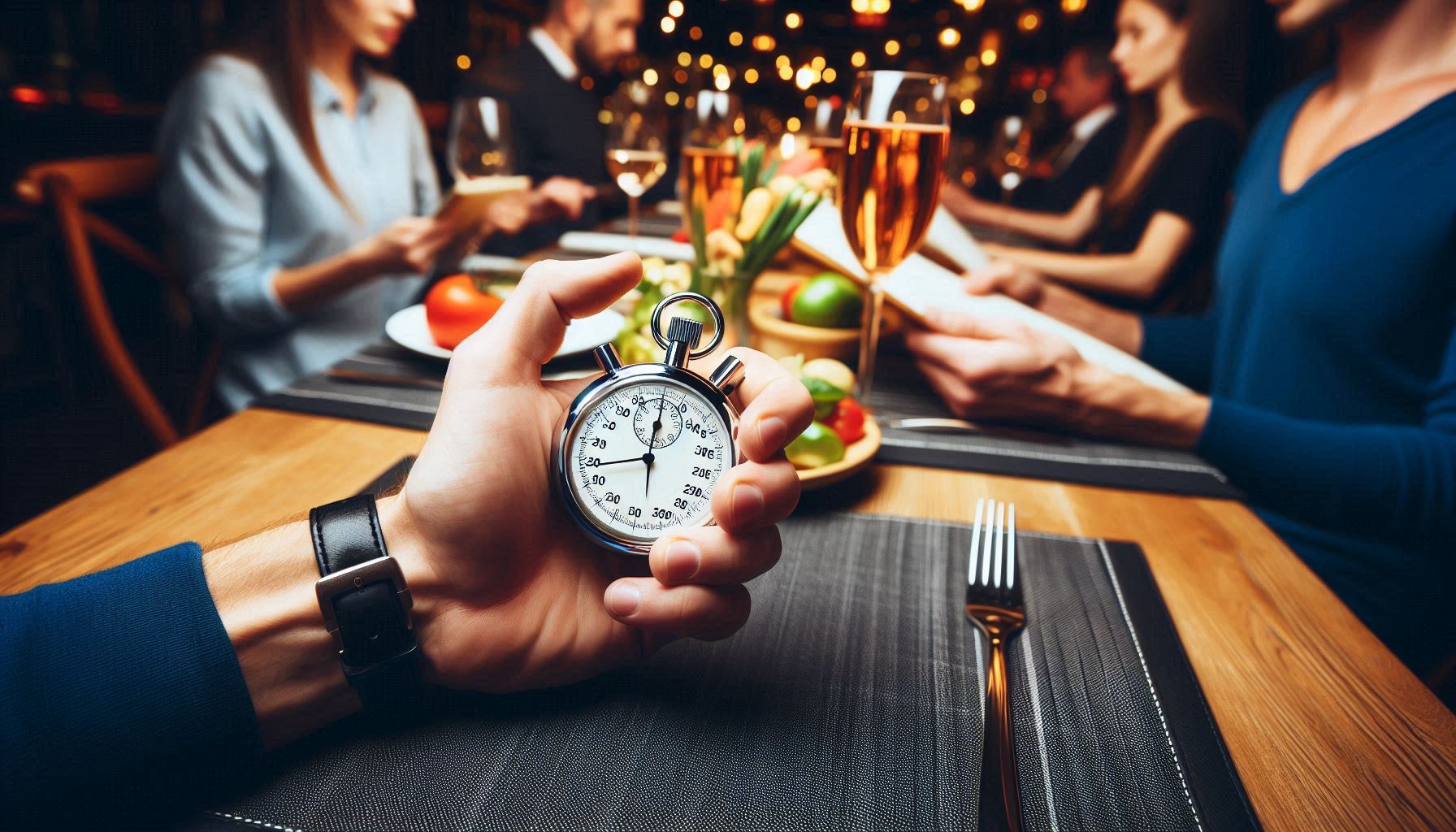
An AI-generated image of a person holding a stopwatch at a restaurant table while guests read the menu

That’s an interesting stopwatch layout. Also, we don’t recommend sitting with guests and timing them as they review your menu.

Operators should develop an understanding of the concept of the paradox of choice to understand how American guests make menu item selections.

So, allow me a crash course in this psychological concept. There are two prevailing components to the paradox of choice. One is that the more options one has, the less satisfaction they’ll feel upon making a choice. The other is that when presented with an overwhelming number of choices, also known as “choice overload,” people often just fall back to their usual choice rather than trying something new.

A quick note: The paradox of choice isn’t the same as the fallacy of choice. That concept relates to presenting someone with limited, extreme choices to drive them to ignore all of the other choices they could consider and select.

Understanding the paradox of choice will help an operator tackle a key task: streamlining their menus.

A survey from US Foods earlier this year contains quite a few intriguing revelations. Among their findings, one stands head and shoulders above the rest, at least to me: Almost 80 percent of Americans find deciding what they want to order at a restaurant difficult. Further, one factor outpaces all others when it comes to difficulty choosing.

Hence, my explanation of the paradox of choice at the top of this article.

Menus are too Big

There are two key factors making it difficult for Americans to choose what to order at a restaurant. Nearly a quarter of respondents23 percentindicate that they’re simply picky people. Alright, fair enough.

But the main factor, unsurprisingly, is that restaurants are presenting guests with too many options. That’s according to 54 percent of survey respondents. Quick math tells me that’s more than double the picky eaters.

Another 15 percent of US Foods survey respondents, however, say they have no trouble deciding what they want to order. Eight percent say they’re indifferent, which is an entirely different problem. A guest who’s indifferent to the restaurant and menu isn’t an engaged guest, and that’s not going to inspire loyalty and repeat visits.

Of course, no operator can please everyone, and some people aren’t going to be blown away no matter how good the food, drinks, and service can be.

So, does this mean that Americans are indecisive, facing paralysis whenever a servers asks for their order? Well…maybe. We have a lot going on, and “overwhelmed” would describe many of my fellow Americans right now.

However, the real culprit is menu size. In trying to please and retain guests, some operators are loathe to shrink their menus.

Most KRG clients can attest to the following: the president of our agency, Doug Radkey, prefers a smaller, streamlined menu. In fact, he prefers menus not pass the 25-item mark. Given his druthers, Radkey favors 12 to 15 items.

There are several reasons for this preference. Chief among these are controlling and reducing labor and food costs. (Radkey prefers to control costs rather than cut them, realistically.) Other reasons are less strain on the back of house, easier cross-utilization of ingredients, consistency, and reduced ticket times.

We can also add improving guest satisfaction to the list. On average, an American restaurant guest takes nine minutes to decide what they want to order at a restaurant. Streamline and shrink the menu, and this number should fall, while satisfaction rises.

Anyone should see that a smaller, sharper menu represents wins across the board.

AI image generator: Microsoft Designer

KRG Hospitality Start-Up Restaurant Bar Hotel Consulting Consultant Solutions Plans Services

by David Klemt David Klemt No Comments

Campbell’s Shares Tips for LTOs

Campbell’s Shares Tips for LTOs that Generate ROI

by David Klemt

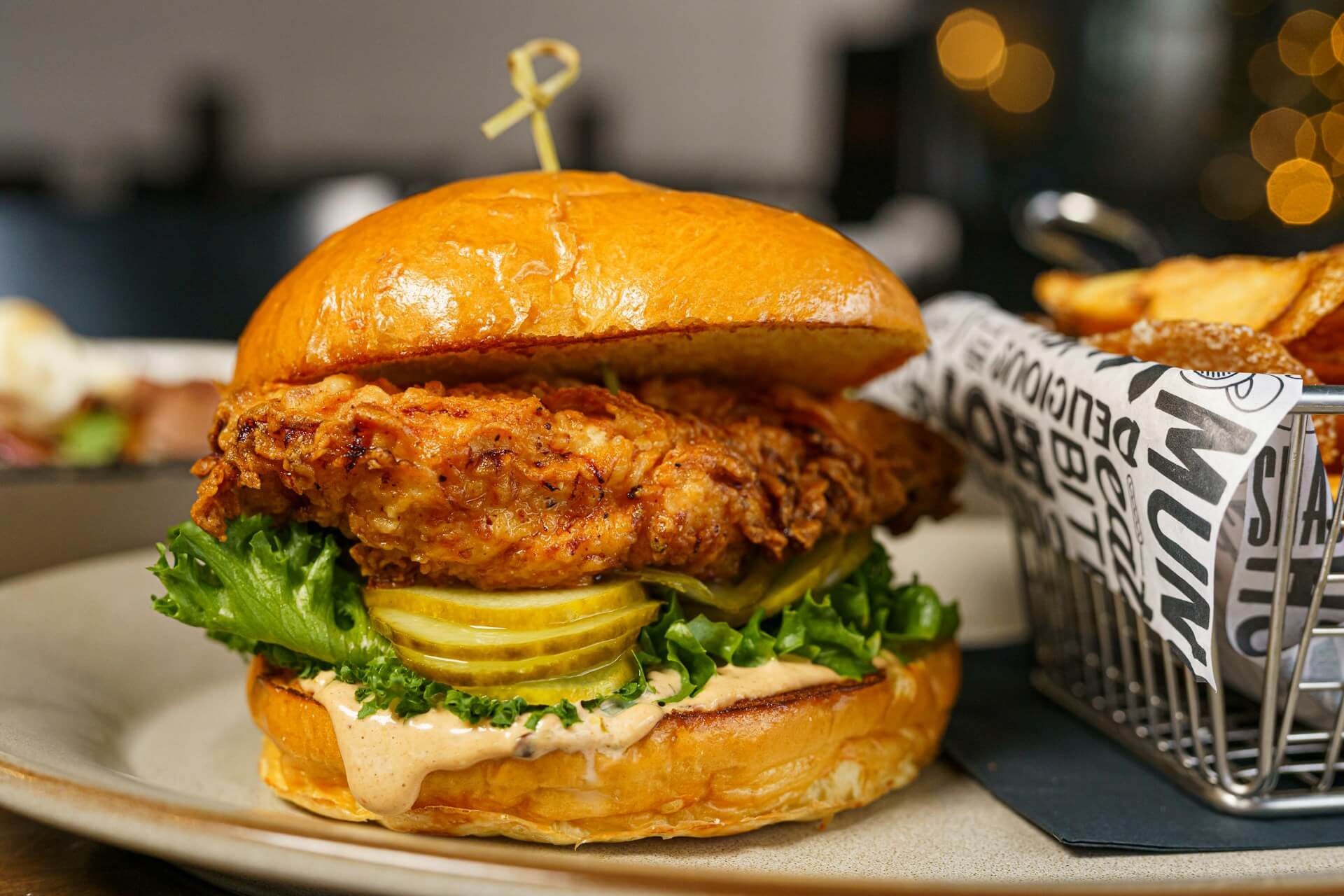
A well-crafted chicken sandwich with pickles, lettuce, and sauce, served next to a basket of French fries

Yes, the Chicken Sandwich Wars are still going strong in 2024.

We appreciate Campbell’s Foodservice’s reports and posts, and their most recent insights address how operators can succeed with LTOs.

For example, our look into their tips for leveraging nostalgia is here. And our thoughts on Campbell’s Culinary TrendPulse 2024 report are here for your review.

This time out, Campbell’s Foodservice, utilizing data from Technomic, Datassential, and other sources, is tackling LTOs.

If you’re a regular reader of KRG Hospitality’s industry insights, you know we love an LTOif an operator executes it effectively. Along those lines, you probably also know that we view Taco Bell as a leader in the industry when it comes to leveraging the power of LTOs.

Not only does the QSR giant know what their guests want, they know how to generate demand. In fact, Taco Bell understands the power not just of LTOs but of tying them to their subscriptions. Take, for example, their Taco Lover’s Pass and the Toasted Breakfast Taco menu drop.

When approached with thoughtful consideration, well-executed LTOs are a crucial element of an operator’s marketing and branding strategy. They drive traffic and sales, boost guest engagement and loyalty, and attract attention from first-time guests.

Of course, crafting a gainful LTO—gaining profits, loyalty, and positive public perception—can be easier said than done. However, there are a number of steps you can take to get the ball rolling and come up with one that reflects your brand, and resonates with guests.

Four Steps

Kicking off their tips, Campbell’s Foodservice recommends keeping LTOs simple. As they say in their report, which you can read here, operators need not “reinvent the wheel” when developing these promotions.

You can differentiate an LTO menu item from its standard counterpart in a number of simple ways. A few examples are using a unique cooking process, crafting a limited-edition sauce, and featuring a distinctive and specific topping or two.

Another tip is to do your best to offer LTOs that embrace current trends. While sharing these tips, Campbell’s cites Datassential and the revelation that just 20 percent of all LTOs are recurring. That means that the vast majority of LTOs are new creations, not stalwarts like the McRib. To draw the attention of a wider swath of guests, feature regional and local items and flavors. Per Datassential, 70 percent of guests are interested in such LTOs.

Speaking of attention, operators should learn how to take and edit attractive F&B images. Or, as Campbell’s says, “make LTOs pretty.” Per Datassential, roughly a third of consumers will try an LTO if it looks appealing in an advertisement or in-store imagery.

Finally, and this one is crucial as it embodies the previous three tips, leverage seasonality. It’s currently summer, so what can you add in the way of flavor to an existing item? Is that item regional and locally sourced? Will photographing it and crafting a sharp post communicate the season and inspire a bit of FOMO? These questions can help guide your approach to crafting profitable LTOs.

Oh, and to help you get started, I’ve shared Campbell’s season flavor suggestions below. Cheers!

Campbell’s Foodservice Seasonal Flavors

Not only did Campbell’s share tips for succeeding with LTOs, they also provided several examples of seasonal flavors to inspire you and your team.

Since it’s July, I’ll start with their summer suggestions.

Summer: basil, blackberries, corn, cucumbers, peaches, tomatoes, watermelon, zucchini

Fall: artichokes, cranberries, edamame, parsnips, pears, pumpkin, sweet peppers, tomatillos, turnips,

Winter: butternut squash, persimmons, radishes, salsify (a root vegetable), sunchokes, sweet potatoes, tangerines

Spring: asparagus, fava beans, pea greens, rhubarb, snap peas, spring onions, strawberries

Campbell’s Foodservice sources:

  1. Foodservice and Hospitality: A strong LTO strategy helps operators retain and grow their customer base (March 2024)
  2. Datassential: Limited Time Offers Keynote Report
  3. Technomic: 162 Best-in-Class LTOs for 2023
  4. Food & Drink Resources: A Limited Time Offer Strategy For Restaurants
  5. Your Guide to Seasonal Fruits and Vegetables, The Spruce Eats
  6. Datassential: State of the LTO 2024

Image: Hybrid Storytellers on Unsplash

Bar Nightclub Pub Brewery Menu Development Drinks Food

by David Klemt David Klemt No Comments

Cien Años Después: Michelin Hits Mexico

Cien Años Después: Michelin Guide Hits Mexico

by David Klemt

In news that may come as a shock to many, the Michelin Guide is covering Mexico for the first time in its 124-year history.

If, like me, you’re surprised, I think that’s justifiable. I raised an eyebrow when I learned that the Michelin Guide didn’t cover the US with an American edition until 2005.

Should you be curious about what cities were featured in that first American guide…it was only New York. From what I’ve gathered, 500 restaurants throughout the city’s boroughs received coverage. Of the 50 hotels included in that guide, all were in Manhattan.

And when it comes to Canada, Toronto and Vancouver guides didn’t exist until 2022. So, to learn that the Michelin Guide has just now arrived in Mexico was mind blowing.

However, the country is certainly attempting to make up for lost time (a total of 124 years of lost time). Coming out swinging for their first guide, more than 150 restaurants throughout Mexico earned recognition.

In 2024, 97 restaurants earned Michelin recommendations. A total of 42 Bib Gourmands were awarded. Six restaurants in Mexico earned Michelin Green Stars. Five restaurants received Michelin Special Awards, such as the Exceptional Cocktail Award, and the Mentor Chef Award.

Now, on to the “big” awards: Michelin Stars. Sixteen restaurants in Mexico now have one Michelin Star. Just two, both in Mexico City, earned two Michelin Stars: Quintonil, and Pujol.

Interestingly, both restaurants also earned placement on the World’s 50 Best Restaurants 2024 rankings. Pujol grabbed 33 on the list, while Quintonil is number seven.

Unfortunately, not a single restaurant in Mexico has been awarded three Mexican Stars. But, I think it’s only a matter of time.

But wait…

Finding out that the Michelin Guide hadn’t come to Mexico until 2024 piqued my interest. So, I did some digging and found myself sliding down a rabbit hole.

It may be difficult to believe at first glance, but the entirety of France was home to less than 3,000 cars in the year 1900. That’s not great if you happen to be in a few businesses: automobile manufacturing, tire manufacturing, and hospitality.

The demand for privately owned automobiles would need to increase if manufacturers were to succeed. This includes tire manufacturers. New vehicles coming off assembly lines would mean more tire sales. More drivingmore miles driven, specifically—would mean more tire repairs and replacements. And with more people driving across an entire country, tourism would increase. That, of course, is great for hotels, restaurants, cafes, pubs, and taverns.

So, to increase the demand for automobiles, and therefore tires and tourism (but mostly the tires), two brothers hatched a plan.

Édouard and André Michelin published the first Michelin Guide. Or, more accurately, the first Guide Michelin. Around 35,000 copies of the guide were distributed throughout France. 1900’s Guide Michelinwhich was free—contained maps; locations of hotels; locations of gas stations and repair shops; and instructions for repairing and replacing tires.

I haven’t read it, but I feel like the main instruction is, “Buy another Michelin tire. In fact, buy four more. No, five more—get yourself a spare. Or, hey, get eight so you have four spares, as long as they’re Michelin.”

…there’s more…

The iconic (or infamous) Star system was first introduced in 1926, with only one Star awarded. Five years later, the full Star system was developed (none, one, two, three). Yet another five years later, the meaning of each Star rating was revealed to the public.

As far as other countries not receiving Michelin Guide coverage, Italy first got a guide in 1956…and zero stars. Great Britain has received coverage off and on, but the Michelin Guide as we know itnarrowing its focus strictly to restaurants and hotelscame out in 1974. This edition also featured Ireland.

Okay, now it’s time for what’s truly astonishing: countries, cities, and city-states, apparently via their tourism boards, pay for Michelin Guide coverage.

I’ve heard “accusations” of corrupt lists, and payment in exchange for coverage of a certain city or country. However, I didn’t pay much heed to these claims.

But, apparently it’s confirmed that countries and cities do see the Michelin Guide as a worthwhile investment in their tourism industries.

While I’m not certain that I’d go so far as to label this exchange corruption, I do agree that it’s eyebrow-raising.

…and more.

For example, Atlanta, Georgia, became the seventh American city to receive a Michelin Guide. And according to an interview between travel news and research site Skift and Discover Atlanta CEO and President William Pate, the city invested $1 million in the Michelin Guide for three years of coverage.

Per Pate, restaurants featured in the Atlanta Michelin Guide saw growth of 30 percent. Further, restaurants not even featured saw a bump of about ten percent.

South Korea reportedly paid about $1 million in 2016 for a Michelin Guide, and it’s said that the government was unhappy with the coverage. I suppose that’s where some of the accusations of corruption or “scandal” could stem from. It’s reported that Thailand paid well over $4 million for Bangkok to receive five years of coverage, starting in 2017.

Turning our attention to Canada, the UAE, Malaysia, and Vietnam, sources claim they paid for coverage. However, in each case, the sum is described as “an undisclosed amount.”

A Smart Investment?

I can certainly understand why a country or city may choose to invest in Michelin Guide coverage. If it’s true that restaurants in Atlanta that weren’t even featured saw increased sales and traffic, that’s a commendable ROI.

According to several sources, restaurants that receive a recommendation or up to three Stars can see increases in business of anywhere from ten to 30 percent. In some cases, their business doubles. So, again, it may be wise for tourism boards to make these investments and put their restaurants scenes on the map. Or, in the case of known scenes, give them a significant boost.

I should note that, from what I’ve found, the Michelin Guide doesn’t hide their financial relationships. They appear to be open about payments (investments, contributions…choose your favorite term) received from government agencies or tourism boards.

At this time, I can’t state with any certainty if Mexico invested in the Michelin Guide to receive coverage. Therefore, I can’t say how much they invested to have their first guide published.

What I can say is that it’s about time that Mexico’s rich, vibrant, and sophisticated dining scene received this recognition.

Image: Raul Angel on Unsplash

KRG Hospitality. Restaurant Business Plan. Feasibility Study. Concept. Branding. Consultant. Start-Up.

by David Klemt David Klemt No Comments

Emerging Trend: Cicada Skewer, Anyone?

Emerging Trend: Cicada Skewer, Anyone?

by David Klemt

Cartoon image of an anthropomorphic cicada wearing a toque and holding a pot

Need a cicada tattoo? Here ya go!

Two broods of cicadas, numbering in the trillions of insects, have been emerging throughout the US, and this may present operators with opportunity.

Brood XIII is emerging throughout the Midwest, while Brood XIX is making their presence known in the Midwest and Southeast.

I think it’s clear where I’m going with this: operators can put cicadas on their menus.

This suggestion comes with a few crucial caveats:

  • Harvesting must be done with care, and in safe areas.
  • The preparation must ensure guests can handle and consume the cicadas safely.
  • Operators must do their due diligence to make certain that preparing and serving cicadas is permitted in their venue’s jurisdiction.

With that out of the way, eating cicadas isn’t as unusual as it sounds. According to experts on the subject, people have been eating cicadas for centuries.

It’s likely anyone reading this has heard over the years that some insects are excellent sources of protein. Well, according to people who know more about eating bugs than I, this applies to cicadas. I’ve eaten a scorpion (not a live one) but it wasn’t prepared to make it delicious or even palatable, so…I’m no expert. (For those wondering, it was dry, mostly flavorless, and I didn’t enjoy it.)

Since there are people out there who know about these things, and because the internet exists, I dug into the topic of eating cicadas. I’m not telling anyone they need to put these on their menu, of course. But for those who are curious and enterprising enough to do so, what I’ve learned is below.

Harvesting

If an operator’s going to bring cicadas into theirr business, they need to be smart and careful about it, and do so within the bounds of the law.

The source area should be free from pesticides. Along those lines, the cicadas need to come from an area free of other contaminants.

From what I found online, one of the best approaches is to venture to places that don’t see much traffic. This should reduce the possibility of guests consuming harmful chemicals.

Think about it: If someone’s just grabbing cicadas out of a busy neighborhood or within a commercial or industrial area, the critters may have been subjected to lead, fertilizers, unsafe fluids, gasoline, diesel, etc.

But what about actually catching them? Well, there’s more than one approach. One can either hunt them quite early in the morning, when they’ve emerged and are starting to climb trees or tree stumps. Or, they can try an hour or two after dark, looking around the lower part of tree trunks and stumps. Cicadas with white wings are in their teneral state, which means they’re soft.

Another tip? The exoskeletons aren’t pleasant. So, some experts suggest waiting for them to molt before grabbing them. Most sources I foundI think I’ve read too much about this topicrecommended freezing cicada hauls immediately.

I’ll add this, as well. Operators who know foragers in their area of business can check in with them to see if they’re harvesting cicadas. Again, operators need to find out as much as they can about where the cicadas come from, how they’re being harvested, etc.

Preparation

While researching this topic, cooking cicadas before consuming them was a constant refrain. Eating them raw is viewed as not worth the risk of making one’s self sick.

Anyone still reading this and considering putting cicadas on their menu must keep the guest experience in mind. Sure, this is an adventurous, gimmicky thing to try. It still needs to be memorable and enjoyable.

So, serving cicadas that haven’t been “shelled” should be avoided. Further, the wings and legs should be removed as these can be very hard and unpleasant in terms of mouthfeel.

Along with not eating them raw, experts also want people to wash cicadas thoroughly before cooking them. In fact, I’m going to go ahead and opine that operators and their kitchen teams handle cicadas as though they’re raw chicken. Behave accordingly and responsibly.

A couple sources suggested blanching cicadas in boiling water for at least a minute, then freezing them until it’s time to prepare them.

When it comes to actually cooking them, it seems the sky’s the limit. Boil them, fry them, air fry them, grill them, roast them…

KRG Hospitality’s very own chef-consultant, Nathen Dubé, has a couple of suggestions for operators to consider.

First off, he suggests battering and frying cicadas. Serve them with a lime aioli “to play off the earthy asparagus and green pea flavour of the cicadas.”

Nathen also recommends skewering cicadas and grilling them over charcoal. Brush the cicadas with a soy-ginger-scallion sauce continuously “to play off the natural nutty flavour.” You can read culinary articles from Nathen here, here, and here.

I don’t know if Brood XIII and Brood XIX taste differently, or which is nutty and which is earthy. So, operators are going to have to try them to find out.

Caution

Multiple sources warn that cicadas can be unsafe for people with shellfish allergies.

So, people who are allergic to shrimp, for example, probably shouldn’t eat cicadas. Owners, operators, kitchen team, and servers and bartenders need to know this, and caution guests appropriately.

Another important warning? Cicadas can, it turns out, be high in mercury. This means that women who are pregnant or lactating, and young children, should either limit how many cicadas they consume or avoid them altogether.

Lastly, I did look up the safe minimum internal temperature for cicadas. Supposedly, that temperature is 145 degrees Fahrenheit.

As far as pricing, I’ll put this here: I found an online source selling a tin of five cicada nymphs for $13. Also, a restaurant that creates a buffet-style, bug-eating experience charges about $17 per adult.

Putting cicadas on the menu can be a lucrative opportunity to drive traffic and engage with guests. However, preparation and service must be done legally and responsibly.

Disclaimers: 1. This content is for informational purposes only, and should not be used as legal or other advice. This article does not constitute professional advice, nor does any information constitute a comprehensive or complete statement of the matters discussed, the law, or liability. This information is of a general nature and does not address the circumstances of a specific individual or entity. The reader of this information alone assumes the sole responsibility of evaluating the merits and risks associated with the use of any information before making any decisions based on such information. 2. The image at the top of this article was generated by an Artificial Intelligence (AI) system.

Image: Shutterstock.

Bar Nightclub Pub Brewery Menu Development Drinks Food

by David Klemt David Klemt No Comments

Happy Hundredth to the Caesar Salad!

Happy Hundredth to the Caesar Salad!

by David Klemt

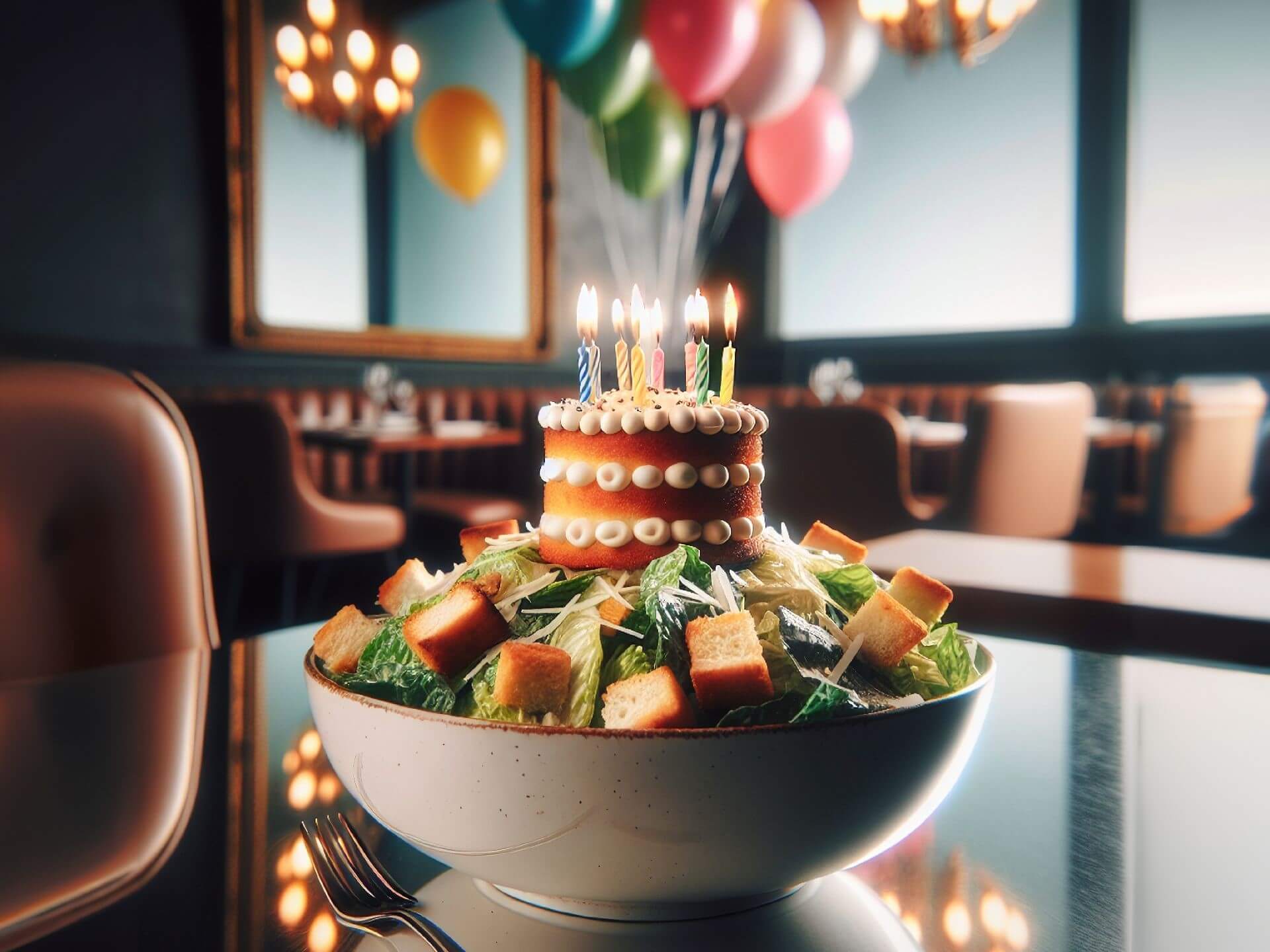
AI-generated image of a Caesar salad in a bowl on a table with a birthday cake on top of it

AI generated some truly unhinged abominations before creating this image.

In about a month you and your kitchen team have the opportunity to pull out all the stops and celebrate an iconic menu item with your guests.

Whereas it’s often difficult to impossible, in contrast, to trace the origins of classic cocktails, we know much of the history of this particular dish. Driven by a restaurant in Tijuana, the Caesar salad will receive recognition on its hundredth “birthday” on July 4.

Or, more accurately, Caesar’s Restaurante Bar is planning a festival to celebrate the salad during the first week of July.

Given the attention this festival is receiving, savvy operators can also plan promotions around the Caesar salad.

Origins: Known

First, let’s get one of the greatest misconceptions surround this salad out of the way. No, it’s not named for Julius Caesar.

Next, let’s dispel another myth. No, the Caesar salad wasn’t around in Rome during Caesar’s reign. Well over two thousand years separate his five-year rule and the creation of this salad.

Rather, the salad carries the name, quite simply, of its creator, Cesare Cardini.

In 1913, Cardini traveled to New York City, and then headed to Montréal. He would return to Italy eventually, then come back to the US in 1919.

Before heading to Tijuana, Cardini ran at least one restaurant in Sacramento. Per reporting, he chose Tijuanawhere he operated several restaurants and a hotelto get around Prohibition.

Cardini’s daughter Rosa shared the salad’s story in 1987 with the Honolulu Star-Bulletin. According to Rosa, an overwhelming number of guests arrived at her father’s hotel a hundred years ago. Of course, these guests also slammed the restaurant.

Cardini didn’t have enough fresh veggies to feed everyone, so he chose to improvise. Part of that improvisation was putting on a performance, preparing the first-ever Caesar salad in the dining room in front of the guests.

So, tableside is the traditional, original preparation, an interesting detail.

More Misconceptions

The Caesar, in its original preparation, consists of a handful of specific ingredients. Cardini used romaine hearts, eggs, lemons, Worcestershire sauce, garlic-infused oil, Parmesan cheese, salt, and croutons.

However, per Rosa, it’s not just the namesake of the salad and its country of origin that people get incorrect. You’ll notice that anchovies aren’t among the ingredients. Neither are mayonnaise or Dijon mustard. And as far as the finer details, Rosa told the Honolulu Star-Bulletin that her father didn’t use raw eggs. Instead, they had been coddled, or boiled for one minute.

Another mistake for which Rosa expressed her disdain is tableside preppers putting all of the ingredients into a bowl at the same time to toss them. There’s a proper order, and you’ll find it at the bottom of this article.

Finally, Rosa noted that the appropriate method of tossing the romaine hearts is to use a gentle, under-over rolling technique. This approach prevents bruising of the leaves when done correctly.

Now, guests visiting bars and restaurants in America will have expectations on the Fourth of July. It’s likely that celebrating the Caesar salad isn’t one of them. So, operators should consider promoting their Caesars in the days before and just after that major holiday.

The Original

Below, the proper order to prepare a traditional Caesar salad, per Rosa Cardini. Following the instructions will yield four servings.

I’m going to skip the steps of making the garlic-infused oil and croutons in house.

  1. The hearts (outer leaves removed) of two medium romaine lettuce heads  should be cold and crisp. These can be kept whole or broken into two-inch lengths.
  2. Pour four ounces of the infused oil over the leaves, and sprinkle them with salt and pepper.
  3. Using the aforementioned proper technique, toss the leaves two or three times.
  4. Break the coddlednot raweggs over the leaves. Add eight to ten drops of Worcestershire sauce along with the juice of two lemons. Again, toss two or three times.
  5. Add six to eight tablespoons of Parmesan cheese and a half-cup of croutons (made with day-old white bread and a touch of the infused oil, traditionally), and toss again.
  6. Serve on chilled salad plates.

There you have it. The original preparation.

According to Rosa, many guests simply picked up the leaves and ate them like slices of toast. Today’s guests will likely prefer a fork, but that’s an interesting note.

Of course, people enjoy putting their spin on this classic dish. In particular, adding all manner of proteins is a popular way to personalize a Caesar salad.

Recently, I tried a Caesar to which Everything But the Bagel seasoning had been added. Not bad.

Given its adaptability, it could be a good idea to create an LTO Caesar menu with the original at the top, along with two or three variations.

And, hey, while you’re at it, consider offering a Caesar cocktail (another very customizable item) alongside the Caesar salad. Why not?

Image: Shutterstock. Disclaimer: This image was generated by an Artificial Intelligence (AI) system.

Bar Nightclub Pub Brewery Menu Development Drinks Food

by David Klemt David Klemt No Comments

5 Books to Read this Month: June 2024

5 Books to Read this Month: June 2024

by David Klemt

Flipping through an open book

Our inspiring June book selections will give you a new perspective on goal-setting and teamwork, develop leadership skills, and improve your F&B program.

To review the book recommendations from May 2024, click here.

Let’s jump in!

Love & Whiskey: The Remarkable True Story of Jack Daniel, His Master Distiller Nearest Green, and the Improbable Rise of Uncle Nearest

I first had the opportunity to hear Fawn Weaver tell her story, the story of Uncle Nearest, and boldly proclaim the superiority of Tennessee whiskey to Kentucky bourbon six or seven years ago at Tales of the Cocktail. Her presentation, literally kneeling on a bar for nearly an hour so everyone in the room could see and hear her, blew me away. I’ve been a huge fan every since. If you ever get the chance to hear Weaver speak, don’t think about it, just do it. And make sure to pre-order this book today because this story is incredible.

From Amazon: “Embark on a captivating journey with Love & Whiskey. New York Times bestselling author Fawn Weaver unveils the hidden narrative behind one of America’s most iconic whiskey brands. This book is a vibrant exploration set in the present day, delving into the life and legacy of Nearest Green, the African American distilling genius who played a pivotal role in the creation of the whiskey that bears Jack Daniel’s name.”

Pre-order this book here!

A Quick Drink: The Speed Rack Guide to Winning Cocktails for Any Mood

I can’t imagine that Lynnette Marrero and Ivy Mix need introductions at this point in their careers. Both are icons of the industry, and both have dedicated themselves to not only the crafts of bartending and hospitality but also giving back. Not only will you find more than 100 cocktail recipes in A Quick Drink, a portion of the proceeds are going to breast cancer charities.

From Amazon: “Award-winning mixologists Ivy Mix and Lynnette Marrero co-founded Speed Rack, a global all-women bartending competition where competitors show off their talents making both classic and original drinks as quickly as their arms can shake and stir—all in the name of raising money for breast cancer charities… Shining a spotlight on the most influential women behind the bar today and their inventive drinks, this hot pink celebration of the incredible Speed Rack community is an unconventional, inspiring resource for home bartenders and professionals alike.”

Order your copy today!

Open Wide: A Cookbook for Friends

Benny Blanco wears a lot of hatsartist, actor, music producer, and now author—and now he’s adding an apron to the mix. This cookbook is irreverent and informative, and I learned about it from a mention on Matty Matheson’s Instagram. If Matheson digs it, that’s all the endorsement I need to pick up a copy.

From Amazon: “I’ve been told some of the finest stories over meals. I’ve laughed so hard I thought I was going to actually die. I’ve fallen in love—sometimes with the food, sometimes with the person across the table. I’ve cried in good ways, and I’ve cried in bad ways. I hope you’ve been lucky enough to have all these same memories and then some. But if you haven’t, I can make you a promise. If you follow these three simple steps, it will all become a reality: Open this book. Open your heart. And open wide, baby.”

Pick it up now.

How to Lead with Purpose: Lessons in Life and Work from the Gloves-off Mentor

Look, you’re going to make mistakes as a leader. We all do, and we’ll continue to make them as life goes on. However, we can avoid some mistakes by learning from others’ experiences. Similarly, we can mitigate the damage when we make those same mistakes by, again, learning from others. Moreover, great leaders can make the world a better place by making a positive impact on the people they lead.

From Amazon: “Liam Black has been supporting social entrepreneurs and purpose-driven leaders for decades, and he understands what it takes to do work that goes beyond the bottom line – and what it can take out of you, too.

“In this no-bullshit, woo-woo-free book, he reveals how to align purpose and leadership, how to deal with uncertainty, imposter syndrome, anxiety and loneliness along the way, how to exercise authority (even in the face of endemic sexism), and when it’s right to walk away.”

Place your order or download it here.

Start Less, Finish More: Building Strategic Agility with Objectives and Key Results

As an entrepreneur or member of a leadership team, you’re likely familiar with the abbreviation “KPI.” However, the abbreviation “OKR” may be new to you. Whereas the former means, “key performance indicators,” the latter stands for, “objectives and key results.” To provide a quick explanation, the OKR approach usually consists of stating a huge goal, then creating a strategy around the measurable metrics that will help an organization know if they’re on track to achieving said goal. There are some people who prefer KPI to OKR. I think both can be implemented by different members within the leadership team.

From Amazon: “Written with senior leaders in mind, Start Less Finish More is an accessible and to-the-point manual that will give you practical, step-by-step tools for implementing OKRs in your organization. OKR leadership begins with the development of a lean, engaging, adaptive strategy that is translated into short term—typically 90-120 day—stretch goals. Leading OKRs is a transparent, engaging process that aligns the whole organization to your strategy, building collaboration, commitment and accountability at all levels.”

Get yours today!

Image: Mikołaj on Unsplash

KRG Hospitality Start-Up Restaurant Bar Hotel Consulting Consultant Solutions Plans Services

by David Klemt David Klemt No Comments

Want to Leverage Nostalgia? Spin It

Want to Leverage Nostalgia? Put Your Spin on It

by David Klemt

A recent report from Campbell’s Foodservicealong with supporting data from external sources—supports what many operators assume about food trends.

Our dive into Campbell’s Culinary TrendPulse 2024 report is here for those who want to take a look. Anyone who wants to download a copy of the report for themselves can click here.

However, I’m referencing a fresh, quick-hit report from Campbell’s. While it only takes a handful of minutes to read, it’s chock-full of useful insights.

In particular, this latest menu trend analysis looks into succeeding with nostalgia. Citing a study from Symrise in their post, 70 to 76 percent of guests ages 22 to 65 cherish nostalgic items.

Put simply, that translates to a truth most operators know: guests of all ages like comfort foods. This really doesn’t need much explanation. Comfort foods areinsert shocked Pikachu face herecomforting. And I think we’re all seeking comfort these days.

So, yes, operators shouldin an authentic mannerspeak to and fill this guest desire. Authentically in this context means putting comfort foods on the menu that make sense. Doing this successfully requires menu programming that fits with the brand and within the venue’s theme. It also necessitates really knowing your guests and what they expect.

For example, will a particular restaurant’s guests find mac and cheese comforting? Will they stop scanning the menu when they come across pozole? What about cacio e pepe or beef braciole? How receptive will they be to sukiyaki?

A sharp operator should know their guests’ tastes better than just about anyone. Therefore, they should know what foods they’ll find comforting.

However, there’s another way to succeed with nostalgia and enhance the guest experience.

“New” Nostalgia

There are a couple of ways to interpret the term “new nostalgia.”

One way is to tap into what foods, generally speaking since they’re not monoliths, different generations view as comfort foods. This can be something as simple as a certain candy or beverage from their childhood.

Another way is for an operator and their kitchen team to take a nostalgic dish and put their own spin on it. Using candy as an example again, a scratch-made interpretation of a treat to create a dessert may work.

Consider, as a real-world model for this approach, the Chocotini that Oceans Resort Casino featured toward the end of August in 2022. This was a direct response to the news that Klondike had retired the Choco Taco, a nostalgic treat for millions of people spanning multiple generations.

Of course, operators can also cross-utilize items to craft new menu items that tap into the craving for nostalgic comfort foods. These dishes can be permanent additions, seasonal menu updates, or LTOs.

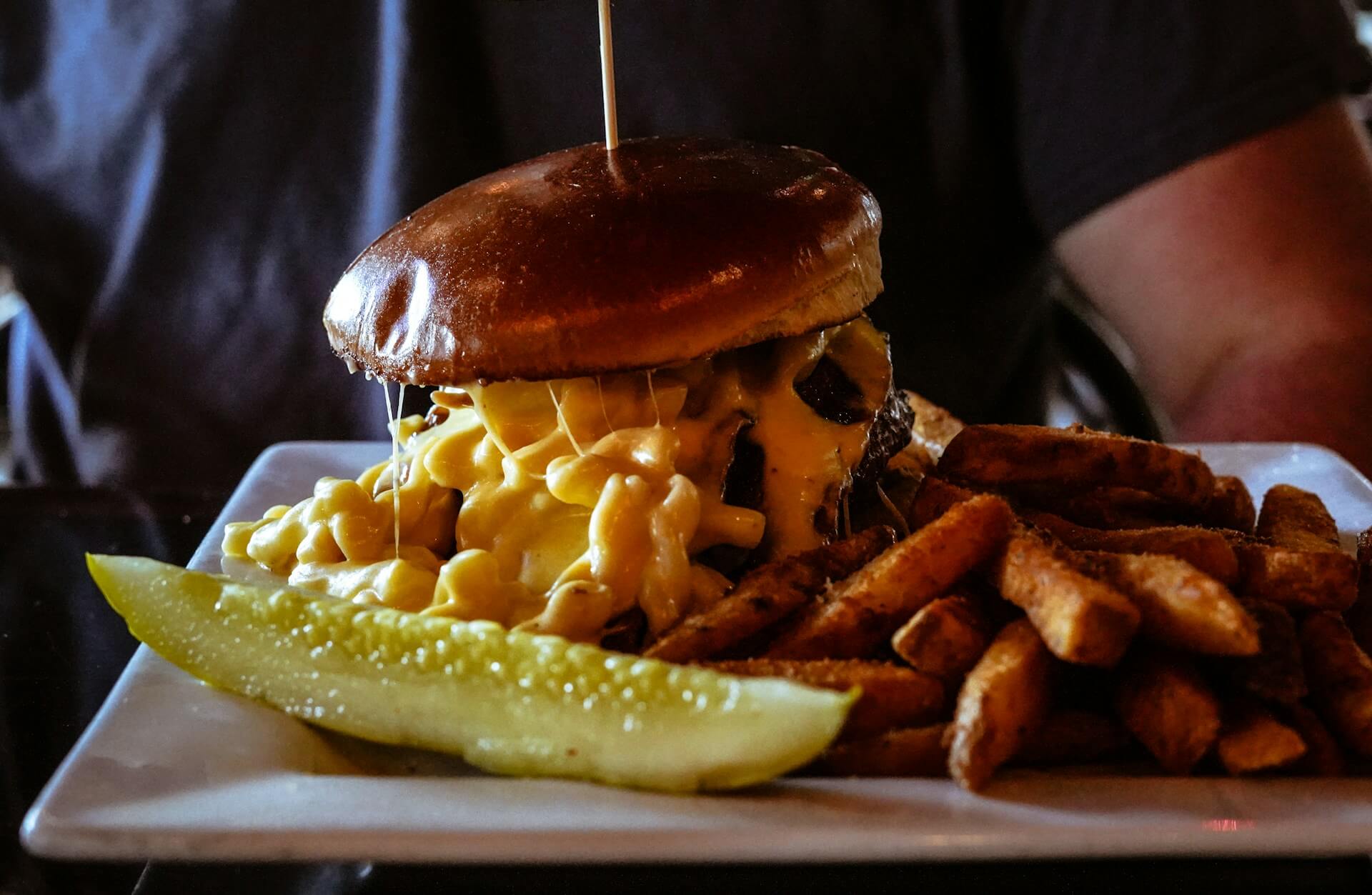
Take a look at the image atop this article. Mac and cheese is a classic comfort dish. Now, feature it as a topping for a signature burger. That’s a prime example of new nostalgia.

Going farther, kitchen teams can combine nostalgia with another trend to get even more creative: global flavors. Are there tacos on the menu? Maybe bulgogi tacos featuring beef short rib, Korean slaw, and soy-lime dressing would resonate with guests.

I’m not saying anyone should menu these specific items. Rather, my aim here is to get operators and their kitchen and bar teams to put their heads together and create undeniable, irresistible takes on classics.

The key, again, is an understanding of the market, community, and guests. From there, it’s about getting creative and crafting dishes that guests can’t get anywhere else.

Image: Alex Haney on Unsplash

KRG Hospitality menu development. Restaurant. Bar. Cafe. Lounge. Hotel. Resort. Food. Drinks.

by David Klemt David Klemt No Comments

2 Eco-friendly F&B Items for Earth Day

2 Eco-friendly F&B Items for Earth Day

by David Klemt

An AI-generated image of a bee flying over seaweed, headed toward the horizon

This bee is having the time of its AI-generated life, frolicking over the sea.

It’s April 22, also known as Earth Day, and with that in mind I would like to introduce you to two products that focus on sustainability.

One is replacement for the standard cooking oils we know and love. The other is a practical stand-in for traditional honey.

The topics of sustainability, environmental friendliness, and responsible business practices are multifaceted. There’s combating food waste, upgrading to energy-efficient equipment and items that use less water… And there’s sourcing ingredients.

In the case of the two products below, both aim to be made with responsible production methods. The first seeks to use just a fraction of the resources needed to produce its traditional analogs. The other focuses on habitat restoration and protecting our planet’s all-important pollinators.

Algae Cooking Club

Seaweed isn’t just for scaring the hell out of people swimming in lakes or oceans. Instead, it’s now a viable substitute for vegetable, olive, canola, and other cooking oils.

Since it’s Earth Day (and Earth Month, of course), I want operators to be aware of this environmentally friendly alternative to traditional cooking oils.

According to the Algae Cooking Club website, “Many cooking oils are still sourced from industrial farming methods, while climate change is radically reducing crop yields. An estimated 1.4 billion acres of new farmland will be needed to feed a growing world. Algae offers an exciting alternative. Instead of waiting entire seasons to harvest, algae has the potential to produce high-quality fats, proteins, and nutrients in a matter of days with a fraction of the land, water, and carbon needed, without sacrificing flavor and quality.”

Per Elisabeth Sherman, writing for Food & Wine, Algae Cooking Club can credibly claim that production of their algae oil produces just half the carbon emissions in comparison to avocado, canola, and olive oil. Oh, it’s also packaged in a recyclable aluminum bottle.

There are several seaweed- or algae-based cooking oils available. I’m focusing on Algae Cooking Club’s oil because one of the world’s best restaurants is reportedly using it moving forward.

That restaurant is Eleven Madison Park, helmed by owner and chef, Chef Daniel Humm. Not only is the restaurant one of the best, it was named the World’s Best Restaurant by the World’s 50 Best Restaurants in 2017. Chef Humm claims that Algae Cooking Club’s oil doesn’t overpower delicate flavors, nor does it taste off or burnt.

So, if it’s good enough for one of the best restaurants and one of the best chefs in the world, it’s going to have my attention.

Mellody

I don’t want to start a debate here, but it’s important to note that there’s a dispute over whether honey is vegetarian or vegan.

On the vegetarian side of the discussion, it’s not meat or fish. Also, most people would say that bees aren’t harmed during the production of honey.

However, on the vegan side, honey is an animal product. Further, it’s a product produced by exploiting an animal. Therefore, honey can’t be vegan. And, yes, that means vegans will try to avoid consuming it.

Well, what if there existed a product that looked, tasted, cooked, and overall behaved like honey that didn’t exploit any bees? There is.

From Mellody Foods comes Mellody Plant-based Honey. Currently, there are two expressions: Golden Clover, and Spicy Habanero. Both, according to Mellody, are 1:1 matches to honey produced by bees.

The company claims that Golden Clover and Spicy Habanero tastes, drips, drizzles, and sticks like traditional honey. Each flavor is vegan, gluten- and glyphosate-free, and pollinator-friendly.

Crucially, both plant-based honeys are made using sugars, acids, and botanical extracts. Of course, Spicy Habanero includes its namesake pepper as well.

You and your culinary and bar teams can learn about Mellody here.

Takeaway

Eco-friendliness and sustainability are important values to a not-insignificant portion of the world.

It follows that a percentage of consumers seek out and want to support restaurants and bars that share their values. So, if the above products make sense for your concept, give them careful consideration.

If they’re not a fit, that’s fine. However, it’s a good idea to look into what products and practices you can embrace to become a more sustainable operator.

It’s possible you’re already greener than you think. Keep going.

Disclaimer: Neither the author nor KRG Hospitality received compensation, monetary or otherwise, in exchange for this post.

Image: Shutterstock. Disclaimer: This image was generated by an Artificial Intelligence (AI) system.

KRG Hospitality Start-Up Restaurant Bar Hotel Consulting Consultant Solutions Plans Services

by David Klemt David Klemt No Comments

Program for Unique Holidays: April 2024

Program for Unique Holidays: April 2024

by David Klemt

"Think about things differently" neon sign

Do you want to stand out from from other restaurants and bars in your area? Change how you think about your April holiday programming.

Several holidays are set against every date on the calendar, and this month is no exception. These holidays range from mainstream to esoteric.

Pay attention to the “weird” or unique holidays to raise eyebrows, carve out a niche for your restaurant or bar, and attract more guests. Why do what everyone else is already doing? Why program only around the same holidays as everyone else?

Of course, you shouldn’t try to celebrate every holiday, strange or otherwise. Focus on the days that are authentic to your brand; resonate with your guests; and help you grab attention on social media.

You’ll find suggestions for promotions below. However, the idea behind our monthly holiday promotions roundup is to inspire you and your team to get creative and come up with unique programming ideas.

For our March 2024 holidays list, click here.

April 5: Walk to Work Day

Operators who with bars and restaurants in walkable areas should leverage this holiday. People who walk to work should reward themselves by walking to a bar or restaurant for dinner and a drink after work. Of course, operators open for breakfast and dinner should encourage guests to walk in for a treat to start their day, and another treat (or two) to end it.

April 6: New Beer’s Eve

As the name implies, we celebrate this holiday the day before another holiday in the US: National Beer Day.

Operators who really want to help New Beer’s Eve gain a loyal following among their guests can bring in new beers for their guests to try on this holiday.

April 8: National Empanada Day

How would you rate your empanadas? How would your guests rate your empanadas? If you and your team are proud of your emapanadas, this is their time to shine.

April 10: Golfer’s Day

If you have Golden Tee in your bar, or you operate an eatertainment concept that revolves around golf, this is the perfect holiday to celebrate golfers. Of course, this also holds true if you operate a bar or restaurant within a community that loves golf.

You’re already (hopefully) your guests’ third spot; become their 19th hole on Golfer’s Day as well.

April 12: World Licorice Day

Sambuca, ouzo, xtabentún, absinthe… World Licorice Day is a great holiday for showcasing the licorice-flavored spirits in your inventory on your menu.

April 17: Blah Blah Blah Day

So, this day encourages people to try or start something that friends and family have been telling them do repeatedly. I would interpret this holiday as one during which to encourage your guests to try a new dish or drink rather than just ordering their usual again.

April 21: National Tea Day

Not only does tea make an excellent mixer for an array of cocktails, it really shines as the base for non-alcohol drinks. The depth of flavors that tea delivers really makes on impact on the palate and the guest experience.

National Tea Day is the perfect time to dial in your tea-based cocktails, be they low-, full-, or zero-ABV.

April 23: German Beer Day

Do you have German beers on your menu? I’m going to give you one guess as to what you should do with those beers on German Beer Day.

However, I have another thought, as well. There’s nothing that says you can’t come up with a creative LTO menu that introduces American or Canadian craft beers that taste similar to a German counterpart…

April 26: National Pretzel Day

Sure, you could just offer bowls of pretzels to guests on this holiday, providing a snack that goes with their beer.

Or, you could activate your kitchen team, make large pretzels in-house, and put pretzel charcuterie boards on an LTO menu. They may just prove to be a hit among you guests worthy of repeat appearances.

April 30: National Bubble Tea Day

Gee, if only there were a holiday that celebrates bubble tea, one that operators with bubble tea on their menu could build an LTO around. Oh, look! There is one!

Operators and their bar teams can also interpret this holiday a little differently. Tea cocktails and zero-proof drinks given the Flavour Blaster treatment? That could be rad…

Image: Ivan Bertolazzi on Pexels

Bar Nightclub Pub Brewery Marketing Agency Team

by David Klemt David Klemt No Comments

Put Your Finger on the Culinary TrendPulse

Put Your Finger on the Culinary TrendPulse

by David Klemt

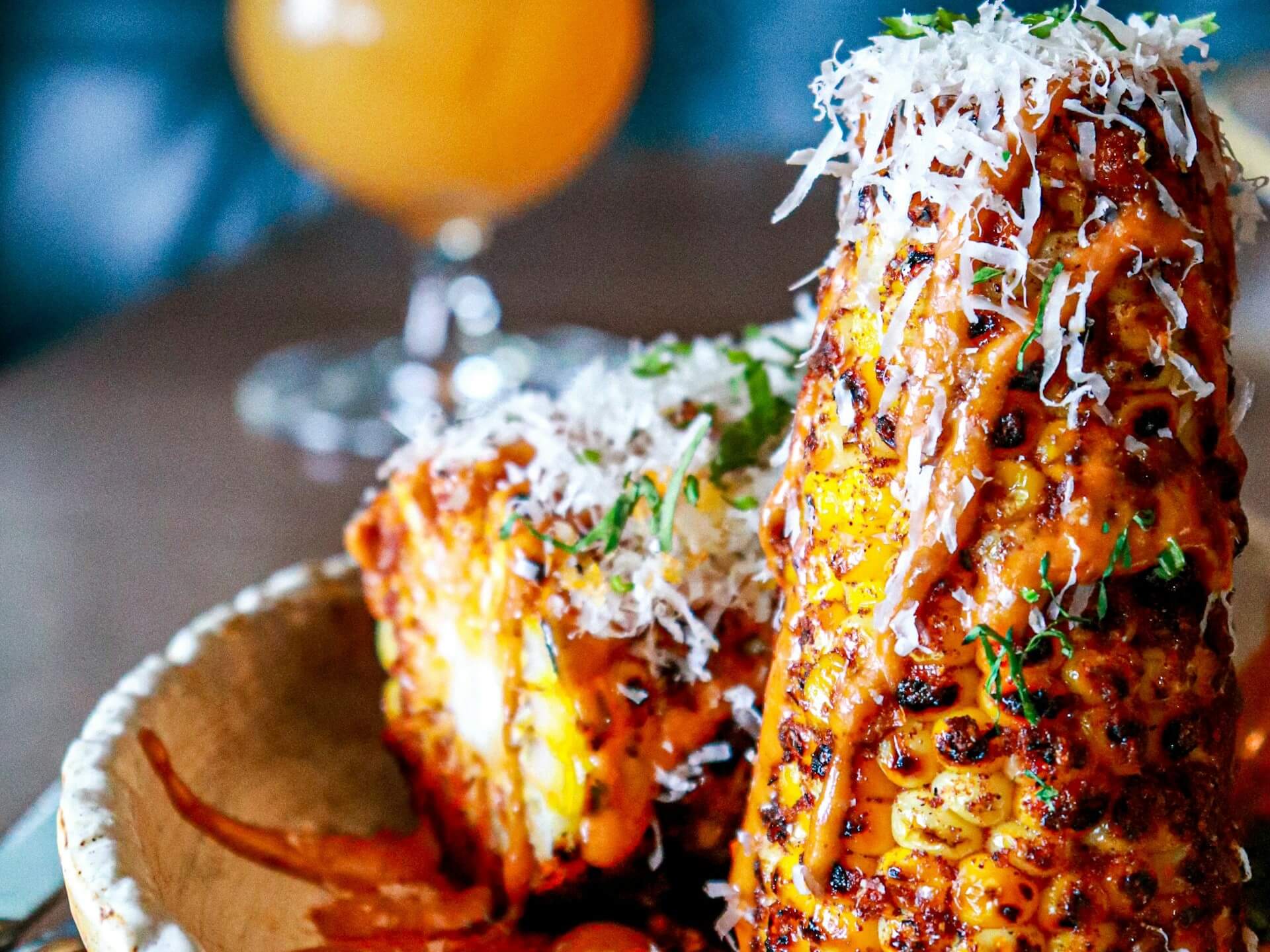
Elote or street corn-style dish on a table

An informative and engaging culinary trend report from Campbell’s Foodservice provides compelling insight that will help operators refresh their menus.

Recently, Campbell’s dropped their Culinary TrendPulse 2024 report. To download your own copy, click here.

Executive chef Gerald Drummond and senior chef Greg Boggs have identified four culinary trends for 2024. The chefs analyzed data provided by Campbell’s Foodservice and the company’s partners.

As has become commonplace, Campbell’s also took note of food and flavor social media mentions and conversations. This makes sense; if people are talking about it on social media, it’s probably growing in demand.

Now, I’m going to share each of the trends below. However, I’m going to laser in on one in particular. My reasoning is simple: It’s a compelling take on segment that has been experiencing growth, along with the accompanying growing pains.

To start, though, a brief look at three of the 2024 culinary trends identified by Chefs Drummond and Boggs.

TrendPulse 2024: Trends 1, 3 and 4

To put it bluntly, I think the first trend in this report is here to stay. It’s safe to say it has reached the proliferation stage.

So, when I see “global cuisine” in reports, I don’t really consider it a trend. What I want to see is specific cuisines, dishes or flavors identified as trending.

Fortunately, Chefs Drummond and Boggs have identified three global cuisines on the rise. Per the chefs and Campbell’s, Mexican, Asian, and North African cuisines are on an upward trend in the US.

In particular, operators should be aware of the following:

  • Asian cuisine: Korean, Souteast Asian, and Thai food are on the rise.
  • Mexican cuisine: birria, quesabirria, birriamen, chamoy, and street corn mentions have grown in menu mentions and social discussions.
  • North African cuisine is projected to grow by more than 12 percent on menus, year over year. Currently, operators should look at harissa, tagine, and peri-peri (a.k.a. piri-piri, or peli-peli).

Another trend from this report is “new nostalgia.” As the term suggests, consumers are showing interest in creative spins on well-known comfort foods.

Likely driven at least in part by global cuisines, heat is also on the rise. I mean that figuratively and literally.

Per a Tastewise data point cited in the Campbell’s report, sweet and spicy mentionsknown as “swicy”—have grown nearly 50 percent over the past year.

TrendPulse 2024: Trend 2

Alright, so here’s the trend that stands out to me.

According to Chefs Drummond and Boggs, consumers are still very much interested in plant-based cuisine. However, they want actual plants to be the stars.

Or, as Campbell’s puts it in their report, one of their top trends is “putting plants back in plant-based.” Interestingly, this trend fits with the first one in the Campbell’s report: global cuisine.

Per a Technomic report cited by Campbell’s, 41 percent of consumers eat a vegetarian or vegan dish at least once per week. However, it seems that these same consumers are showing a preference for actual plants.

Most plant-based meat alternatives are processed foods. In fact, some sources designate them “ultra-processed foods.” Today’s consumer is more educated on processed foods and seeks to avoid them.

So, operators should menu more dishes that feature plants. There’s a place for plant-based meat alternatives but their highly processed nature may be putting off a not-insignificant number of consumers.

In their report, Campbell’s suggests offering dishes featuring the following proteins: beans, legumes, and pulses.

Look, trend predictions are guesses. In this case, they’re data-driven and educated, but they’re still guesses. When considering menu changes, operators need to make choices that make sense for their business, guests, and market.

If you’re like me, you’ve noticed that all four of these trends pair well with one another. Operators should encourage their kitchen teams to get creative and craft new dishes that leverage two or more of the above trends.

Image: Aleisha Kalina on Unsplash

by David Klemt David Klemt No Comments

Slice Releases 2024 Report

Indie Pizzeria App Slice Releases 2024 Report

by David Klemt

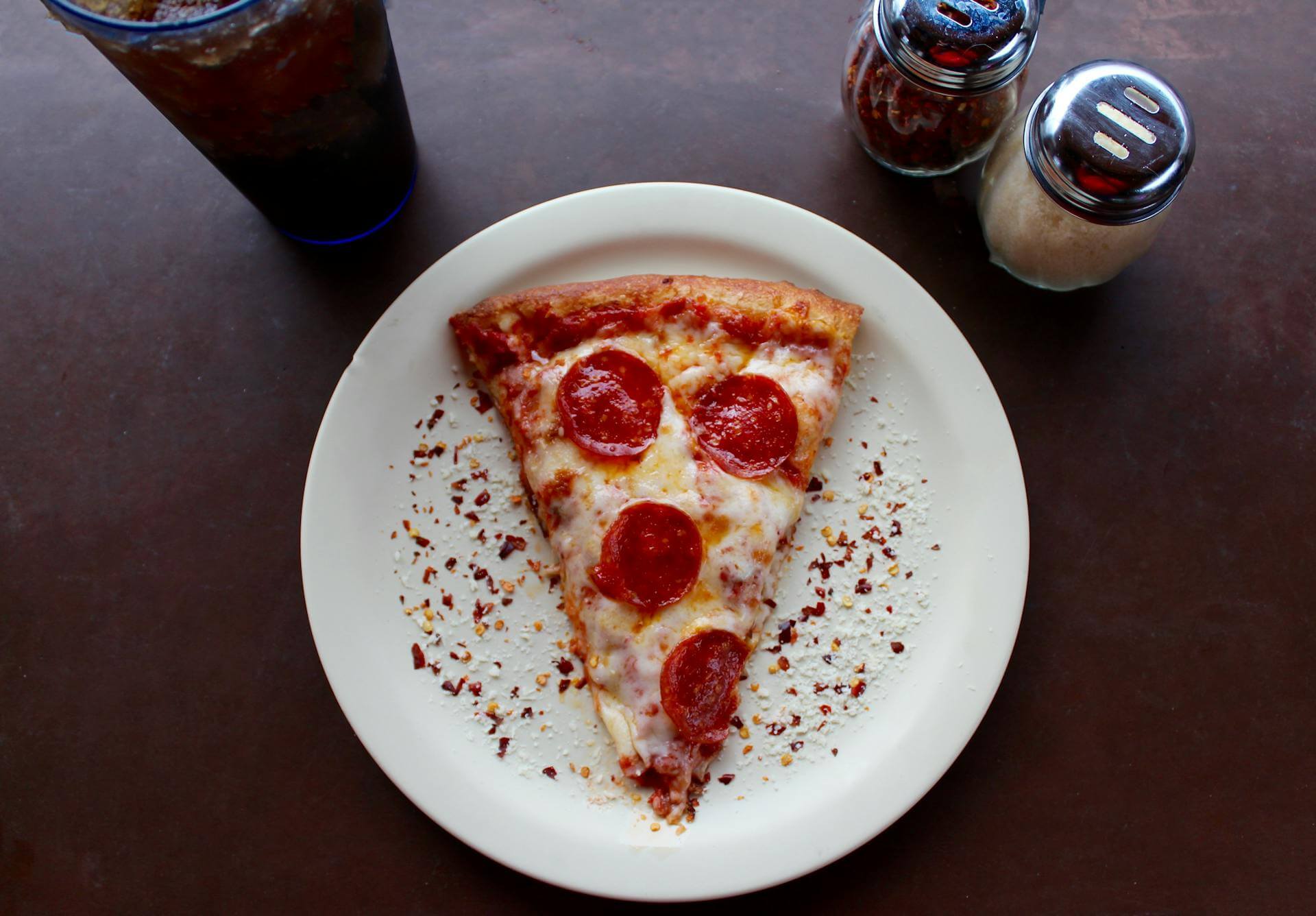
Slice of pepperoni pizza on a plate, on top of a table

Still the most popular pizza topping.

It’s finally here, one of our favorite food-forward hospitality industry reports providing operators with valuable insider insights.

In keeping with tradition, Slice released their 2024 Slice of the Union report the day before National Pizza Day. Truly, this is one of the reports I most look forward to each year.

As one would expect, the fifth-annual Slice of the Union is stuffed with helpful information.

Before we dig in, a quick rundown of Slice. The platform serves all 50 states and works with more than 20,000 independent pizzerias. To put that in context, that’s a network of pizzerias in the US larger than Domino’s, Little Caesars, and Pizza Hut combined.

If you’re an independent pizzeria owner and you have yet to partner with Slice, I encourage you to look into doing so. Should a partnership with Slice be feasible, it should increase brand awareness, engagement, traffic, and revenue to a notable degree.

Seasoning

Kicking things off, Slice sprinkles a bit of trivia onto this year’s report.

Last year, consumers apparently gorged themselves on pizza. How much was eaten? Just over 29,000 tons.

Providing context, Slice says to imagine 11,572,064,136 pennies. That’s a Scrooge McDuck dive-worthy pile of coins.

However, one category of pizza experienced a drop in popularity last year. According to Slice, pizzerias saw a 5.21-percent dip in vegan pizza orders.

Now, on to toppings.

Toppings

There’s a reason I chose a photo of a single slice of pepperoni pizza for this article.

Operators who track their data probably already know what I’m about to say: According to Slice, pepperoni is the most popular pizza topping in the US.

This is followed by, in descending order of popularity, mushrooms, sausage, extra cheese, onions, bacon, and black olives. For those wondering, kale was one of the “least-loved” toppings last year.

If you read through the 2023 Slice of the Union report or read our article reviewing it, you know they made a couple of trend predictions. Last year, Slice guessed that pickle pizzas would be in demand. Well, they were right. Orders for pickle pizzas jumped by 32 percent in 2023.

So, when Slice makes a pizza-based prediction, it’s probably in your best interest to take it to heart. Oh, waitSlice has a prediction for 2024. According to the platform, tinned fish will be a standout pizza topping this year.

Sauce

In case you’re wondering about how much data Slice has at their fingertips, here’s an interesting bit of trivia. Last year, 4,744 people ordered pizzas with anchovies, garlic, or onions on Valentine’s Day. Alrighty, then.

They also know that orders for pizza with pineapple as a topping saw an increase of nearly six percent in 2023.

Further, the 2024 Slice of the Union reveals the most and least “pizzaful” days of 2023. The former? December 1. And the latter? Thanksgiving.

Last year, Fridays accounted for the most orders, at 23.5 percent. However, only 8.7 percent of pizza orders were placed on Mondays.

For data that’s a bit more esoteric, what if Slice could reveal which Zodiac signs order the most and least pizza? Would this be useful to operators? Honestly, it could be, I suppose. Particularly for those who have loyalty programs and engage with their guests via email and text marketing.

Apparently, a Taurus (April 20 to May 20) is the most likely to order pizza. Conversely, Capricorns (December 22 to January 19) either don’t like placing food orders in general or don’t like eating pizza specifically, because they ordered the least amount last year.

By the way, if you happen to operate a pizzeria in New Jersey, you may want to search for a guest named Dominic. According to Slice, someone named Dominic in NJ placed 348 pizza orders in 2023. Sounds like Dom has earned a special perk from his favorite pizza joint.

Extra Cheese

Pizzeria owners and their teams in Hawaii, Alabama, Oregon, South Carolina, and Montana may have the happiest wallets. That’s because people who ordered pizza for delivery in those five states tipped their drivers the most.

However, people who order pizza in Washington may have slightly lighter wallets than their fellow Americans. That’s because while the average price for a large cheese pizza in the US is $18.33, that number jumps to $25.75 in the Evergreen State.

If you’d like to see the average price for a large cheese pizza in each of the 50 states, click here. As an example, the average price in Nevada (KRG Hospitality’s American HQ is in Las Vegas) is $21.09.

Speaking of price, while Dom in NJ placed the most pizza orders, Frances in New York placed the most expensive order last year: $2,867.07. Frances, I want to attend one of your pizza parties (I think).

Finally, let’s end on data that can help operators when reviewing their labor costs. On average, pizza delivery distance was 9.14 miles in 2023. And, on average, pizzerias completed the process of producing an order and delivering it in 42.5 minutes.

For more insights from the 2024 Slice of the Union, click here.

Image: Sydney Troxell on Pexels

KRG Hospitality. Restaurant Business Plan. Feasibility Study. Concept. Branding. Consultant. Start-Up.

by David Klemt David Klemt No Comments

Loud Luxuries: Martinis and Caviar

Loud Luxuries: Opulent Martinis & Caviar Bumps

by David Klemt

Taking a look at what’s going down in the bar and restaurant world, it appears that luxury sips and bites are the latest darlings in the F&B space.

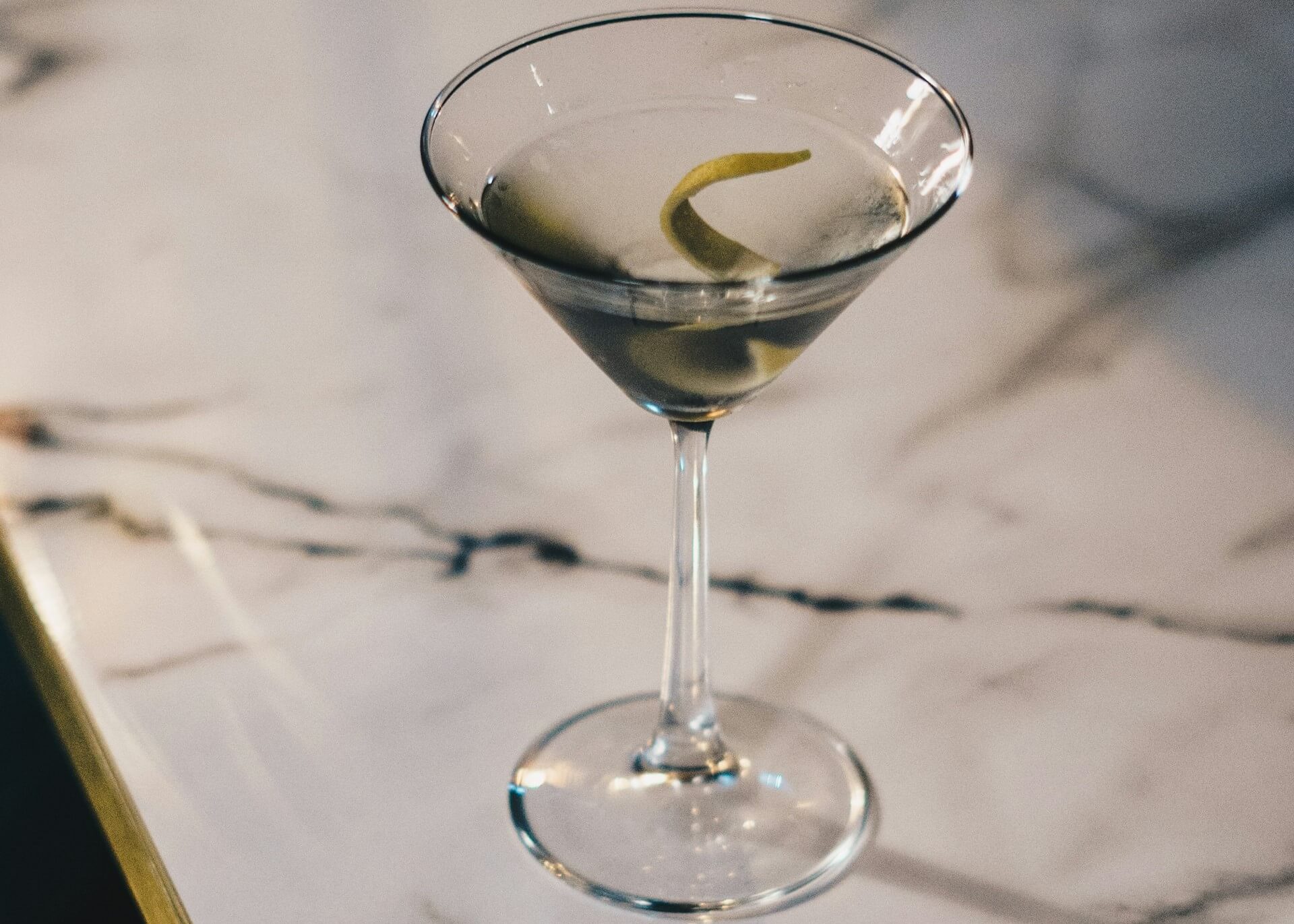
In particular, I’m talking about the stories going around about $40 Martinis. Oh, and the interest consumers are showing in caviar. Specifically, caviar bumps, though people seem to be craving this luxury bite any way they can get it.

At the risk of coming across as snobby or hipster-ish, Las Vegas has been offering guests caviar bumps at parties and restaurants for several years now. A close friend of mine has hired a caviar bump service for private business events and personal parties on more than one occasion.

To explain, a caviar bump is a much less formal way of consuming salt-cured roe. One takes a small spoon, dabs a bit of caviar in the area of their hand between their thumb and index finger, and licks it off. Contrary to what some people think (probably only once), the caviar isn’t snorted. Although, I’m not here to police how people choose to consume their food.

Interestingly, there are plant-based “caviar” brands on the market. So, vegetarian and vegan guests can get in on the caviar bump fun.

Now, back to the $40 Martinis. If that makes some operators and bartenders raise an eyebrow, their jaws will likely drop when they read what’s next. It’s not difficult to find Martinis that cost well in excess of $100.

This trend is belongs to the “loud luxury” movement. As one can infer reasonably, the phrase describes spending a lot of money on an item or experience because it’s expensive. Engaging in ostentatious spending is the point.

Given the state of many people’s finances these days, such flashy displays are justifiably viewed as vulgar by some. However, if recent stories are to be believed, 2024 is the year of loud luxury.

Get Loud

Or, more accurately, operators should encourage their guests to get loud.

That is, of course, if loud luxury matches the concept and market. Although, having a $40 Martini on a dive bar menu is only silly if it costs an operator money. There’s nothing wrong with putting such a drink on a menu if it doesn’t offend a venue’s base of loyal guests and run them off.

So, what’s in a $40-plus Martini? Pricey booze, put simply. These luxe libations aren’t made with $20 or $30 gins or vodkas. Rather, these spendy sips feature spirits that cost $100 or more.

Further, these trendy, tony tipples pair quite well with caviar bumps. There’s no reason an operator can’t leverage both of these extravagant trends simultaneously. Depending on which caviar is on offer, bumps can command upsell costs of $10 to $20 (or more).

That can mean that an operator’s $40 Martini can become a $50 or $60 Martini-and-caviar pairing experience.

Again, offering guests such an extravagant experience requires careful consideration and execution. Operators need to make an informed decision that includes understanding how their guests will respond to these loudly luxurious menu items.

That said, if a concept and brand can deliver such an over-the-top experience without alienating their guests, it can be fun, memorable, and profitable.

Something to consider as we approach Espresso Martini Day, which takes place on March 15. Who wants to take a shot at making one that costs more than $40?

Image: Ambitious Studio* – Rick Barrett on Unsplash

KRG Hospitality Start-Up Restaurant Bar Hotel Consulting Consultant Solutions Plans Services

by David Klemt David Klemt No Comments

Program for Unique Holidays: March 2024

Program for Unique Holidays: March 2024

by David Klemt

"Think about things differently" neon sign

Do you want to stand out from from other restaurants and bars in your area? Change how you think about your March holiday promotions.

Several holidays are set against every date on the calendar, and this month is no exception. These holidays range from mainstream to esoteric.

Pay attention to the “weird” or unique holidays to raise eyebrows, carve out a niche for your restaurant or bar, and attract more guests. Why do what everyone else is already doing? Why program only around the same holidays as everyone else?

Of course, you shouldn’t try to celebrate every holiday, strange or otherwise. Focus on the days that are authentic to your brand; resonate with your guests; and help you grab attention on social media.

You’ll find suggestions for promotions below. However, the idea behind our monthly holiday promotions roundup is to inspire you and your team to get creative and come up with unique programming ideas.

For our February 2024 holidays list, click here.

March 5: Cinco de Marcho

Supposedly, this holiday is meant to “train the livers” of people planning on getting slightly wild on March 17. They have 12 days to get ready to party.

Well, we at KRG Hospitality think this sounds a bit irresponsible. We don’t want any operators or their teams to run into any legal trouble. So, I recommend offering a spin on the Coronarita as a nearly two-week-long LTO.

Build a Margarita with Irish whiskey, Cointreau, fresh lime juice, and agave syrup. Serve it in a salt-rimmed pint glass, schooner, or mason jar. Invert a Harp Lager, Smithwick’s Pale Ale, or Guinness Blonde Lager in the glass.

March 7: National Crown Roast of Pork Day

Here’s a fun one based on a culinary classic. Put simply, a crown roast is anywhere from a dozen to nearly two dozen pork rib chops. When arranged in a circle, they look like a crown.

It’s old school, and it’s certainly a shareable dish. Dress this LTO up with a wine pairing, or dress it down with a bucket of beers.

March 8: National Proofreading Day

Your menu is a billboard. It’s a crucial marketing and branding tool. So, it can be embarrassing when there are typos and other issues on your menu.

If you don’t want to proofread it yourself, or you just want to engage your guests, put a “bounty” on misspellings and grammatical errors on your menu. Watch how quickly any mistakes are found, if any exist.

March 14: National Potato Chip Day

Housemade potato chips are among the best appetizers and sides. If your kitchen team is up for it, consider housemade chips as an LTO side. Think about making them a permanent (or semi-permanent) addition to your menu if all goes well.

March 18: National Sloppy Joe Day

So, it’s March 18. Some people may have gotten after it pretty hard for St. Patrick’s Day. They need comfort food.

If your kitchen team can make delicious Sloppy Joe’s from scratch (maybe served with housemade potato chips), they may be just what the doctor ordered.

March 19: National Poultry Day

Does your restaurant or bar serve dishes featuring poultry? Guess what you should do on this day…

March 21: World Vermouth Day

The days of low-quality vermouth are gone. For a few years not at least, people have discovered that premium vermouth makes a great cocktail base. This holds particularly true for low-ABV drinks, like reverse cocktails.

March 22: National Goof Off Day

This year, National Goof Off Day falls on a Friday. Really, that timing couldn’t be much better.

Encourage your guests to set aside their responsibilitiesas long as it won’t get them firedand goof off at your bar.

March 29: Smoke and Mirrors Day

When a cocktail is served with smoke, people take notice. Often times, when one is served, people watching the show want one of their own.

This is the perfect holiday to show off your smoking cocktails. To really embrace the holiday, smoke and serve them in a glass and chrome smoker box. By the way, these boxes work well when it comes to smoking food items, too.

March 31: National Tater Day

Much like poultry day, I bet you can figure out what to do on National Tater Day. Celebrate the potato! Tater tot nachos? Done. Sriracha French fries? Awesome. Fully loaded potato skins and baked potatoes? Classics.

Get creative. The humble potato is a fantastic canvas for enticing dishes.

Image: Ivan Bertolazzi on Pexels

Bar Pub Brewery Nightclub Club Nightlife Marketing Plan

by David Klemt David Klemt No Comments

Taco Bell Reveals 2024 Marketing Calendar

“Thank You for Coming to My Taco Bell Talk”

by David Klemt

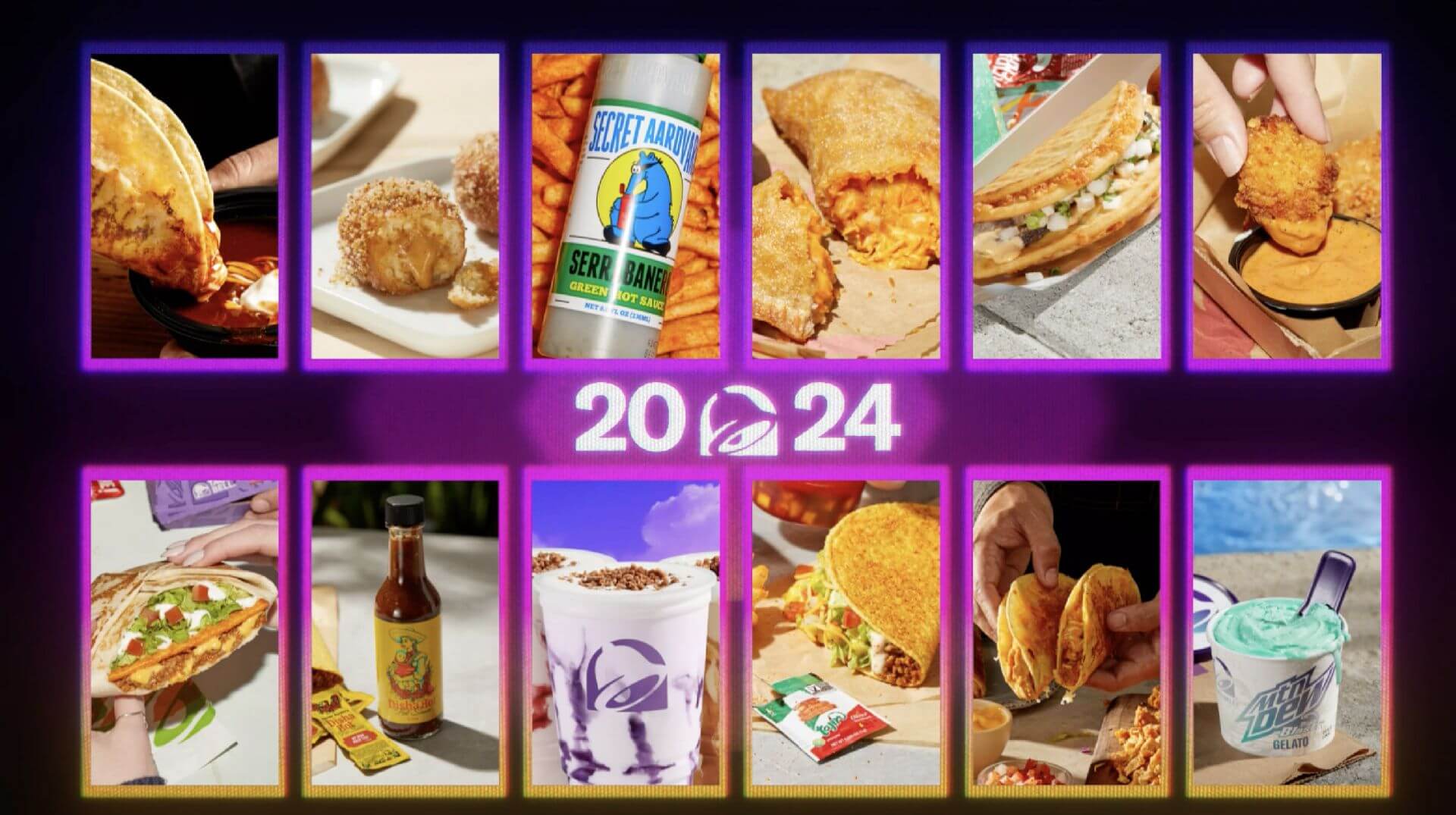
2024 Taco Bell menu item lineup

The showdown between the Kansas City Chiefs and San Francisco 49ers isn’t the only big news coming out of Las Vegas from Super Bowl LVIII weekend.

Of course, the game’s result is also big news. Congratulations to the Chiefs on their back-to-back world champion wins!

However, Super Bowl weekend kicked off with a unique event. On Friday, February 9, Taco Bell hosted their first-ever Live Más LIVE event.

As the event’s title suggests, Live Más LIVE was a livestream. And during that livestream, the undisputed Kings of the LTO did something they and their competitors simply don’t do. At Live Más LIVE, Taco Bell revealed their 2024 menu lineup.

Another way of putting this to illustrate the event’s significance is that Taco Bell just gave away their marketing calendar for the year.

Apparently, the inspiration for Live Más LIVE comes from Apple. The tech colossus has been hosting their annual Worldwide Developers Conference in earnest for more than 20 years. For the unfamiliar, Apple uses WDC to announce product news.

“I watch Apple’s Worldwide Developer’s Conference, and I just had this moment,” said Taylor Montgomery, Taco Bell’s chief marketing officer. So, I have to wonder if Live Más LIVE will become an annual or semi-annual event.

I’ll get to the items and opportunities Taco Bell unveiled in a moment. There’s a bigger point I believe operators should take away from Live Más LIVE.

A restaurant or bar’s menu is not just a list of items for sale. A menu is a powerful marketing tool. It’s a billboard. Arguably, the menu is the most powerful tool in an operator’s marketing toolbox.

QSR Innovation

Collaborations

While Taco Bell’s 2024 menu items are huge news, they’re not the only important revelation.

During Live Más LIVE, Taco Bell announced three emerging chefs who will launch the QSR giant’s TBX culinary program. Chefs Reuben Asaram, Jennifer Hwa Dobbertin, and Lawrence Smith will first be tasked with reinvigorating the Crunchwrap Supreme.

The announcement that these three chefs will bring their unique styles to Taco Bell speaks to the overall theme of the Super Bowl weekend event: Innovation.

This year, Taco Bell is going hard with new menu items, and they’re entering into compelling new collaborations to do so. These partnerships include:

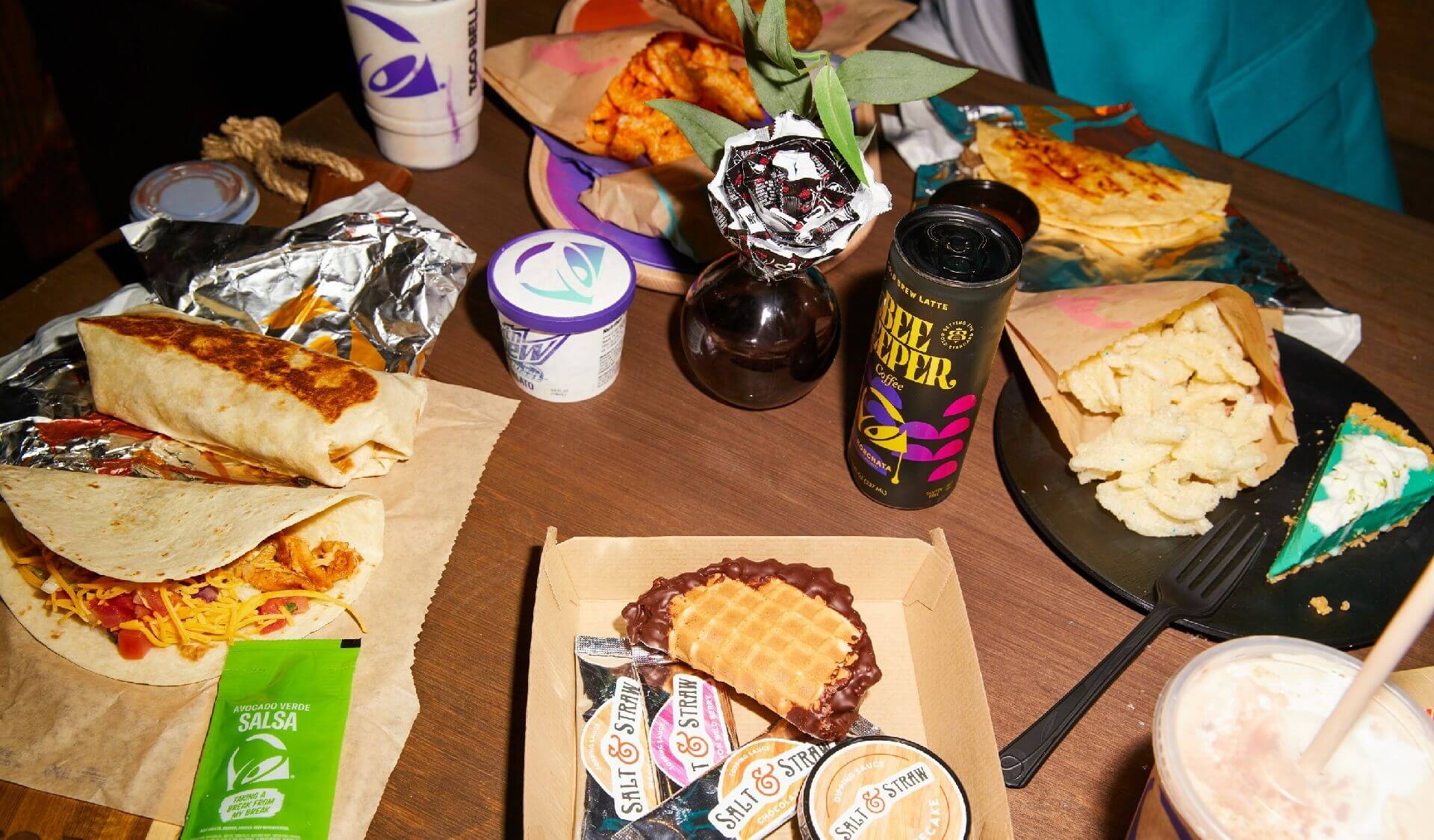
  • Beekeeper Coffee for Horchata Cold Brew Latte;
  • Cheez-It for the Cheez-It Crunchwrap, which features a Cheez-It cracker that’s 16 times (!) the size of a standard one;
  • Disha Hot for an exclusive sauce packet;
  • Salt & Straw for Ice Cream Chocolate Taco (think upscale Choco Taco), featuring cinnamon ancho ice cream;
  • Secret Aardvark for their Serrabanero sauce, which will accompany Nacho Fries; and
  • Tajín for an exclusive Taco Bell menu that will reportedly consist of a Tajín Crunchy Taco, Tajín Twists, and a Tajín Strawberry Freeze.

Having attended the Salt & Straw opening in Las Vegas (well, Spring Valley, but I won’t get into that further) I can say that I’m eager to sink my teeth into an Ice Cream Chocolate Taco.

On its own, these collaborations and menu testings are big news. However, Taco Bell’s event went bigger.

Menu Expansion

We all remember the Great Chicken Wars of the past several years. Well, Taco Bell has put their competitors on notice: They’re finally leaping into the fray.

According to Liz Matthews, Taco Bell’s chief food innovation officer, the company is lacking when it comes to having their “fair share of chicken.” The planned Cantina Chicken menu aims to fix this oversight.

2024 Live Mas Live Taco Bell event

Along with oven-roasted and shredded chicken seasoned with pasilla, other chilies, and spices, come a number of ingredients appearing at Taco Bell restaurants for the first time. Among them are purple cabbage, an Avocado Verde Salsa sauce packet, and white corn taco shells.

Debuting soon (hopefully) are are the Cantina Chicken Burrito, Cantina Chicken Taco (available in soft or crispy varieties), Cantina Chicken Quesadilla, and Cantina Chicken Bowl.

Those aren’t the only new chicken-centric items coming to the Taco Bell menu. There’s also the Cheesy Chicken Crispanada, featuring marinated and slow-cooked chicken.

Oh, and chicken nugget lovers, rejoice! Crispy Chicken Nuggets, made by marinating all-white chicken in spiced jalapeño buttermilk and frying them in a tortilla coating, are on their way.

This year, Taco Bell will also offer the Cheesy Enchilada Dipping Taco (slow-roasted chicken), and Cheesy Street Chalupa, which is available with slow-roasted chicken or grilled steak.

On the sweet side, Taco Bell is launching MTN DEW BAJA BLAST Gelato, and Dulce de Leche Cinnabon Delights.

As one might suspect, some of these items will be permanent, some will come in the form of LTOs. And if my suspicions prove correct, I think we’ll see a secret, unannounced menu item at least once in 2024.

Image: Taco Bell

KRG Hospitality. Restaurant Business Plan. Feasibility Study. Concept. Branding. Consultant. Start-Up.

by David Klemt David Klemt No Comments

Pizza Today’s 2024 Report Reveals Most Popular Cheeses

Pizza Today‘s informative 2024 Pizza Industry Trends Report is full of useful information, from top styles and toppings to new cheeses guests can choose.

Two weeks ago we did a deep dive into the top eleven pizza styles going into 2024, per Pizza Today. Click here to read that article.

Last week we checked out what the pizza publication had to say about top pizza styles by region. Additionally, we looked at the top toppings nationally and regionally. You can read that article here.

Now, we’re going to talk about what Pizza Today has learned about the top cheeses operators are putting on their menus.

by David Klemt

Cheese pull from cheese pizza

Top Pizza Styles, Nationally and Regionally

Before we jump into the cheeses, a quick recap of the top pizza styles in America.

  1. New York
  2. Traditional American
  3. Sicilian
  4. Deep Dish
  5. Neapolitan / Napoletana
  6. Chicago Thin / Tavern-style
  7. Detroit
  8. Grandma
  9. California / American Artisan
  10. NEOpolitan / Neo-Neapolitan and Chicago Thick (tie)

And now, the top trending pizza styles.

  1. Detroit
  2. Deep Dish and Grandma (tie)
  3. Sicilian
  4. New York
  5. Chicago Thin

Finally, the top pizza styles by region. For a more detailed explanation of each region, click here.

The West

  1. New York Style
  2. Traditional America
  3. California/American Artisan
  4. Sicilian
  5. Neapolitan

The South

  1. New York Style
  2. Traditional America
  3. Sicilian
  4. Deep Dish
  5. Neapolitan

The Midwest

  1. Traditional America
  2. Chicago Thin
  3. New York Style
  4. Deep Dish
  5. Detroit

The Northeast

  1. New York Style
  2. Sicilian
  3. Traditional America
  4. Neapolitan
  5. Grandma

Top Pizza Toppings, Nationally and Regionally

We’re almost to the cheeses. First, a recap of the most popular items to put on top of cheese.

Well, unless we’re talking a stuffed pizza. Click here and scroll to Deep Dish to see what I mean.

Now, the top toppings across the US.

  1. Pepperoni
  2. Sausage
  3. Mushroom
  4. Extra Cheese
  5. Bacon
  6. Chicken
  7. Onion
  8. Red/Green Bell Pepper
  9. Ham
  10. Black Olives
  11. Meatballs
  12. Canadian Bacon
  13. Jalapenos
  14. Pineapple
  15. Beef
  16. Basil
  17. Banana Peppers
  18. Fresh garlic
  19. Tomatoes
  20. Spinach

Below, how toppings break down regionally.

The West

  1. Pepperoni
  2. Sausage
  3. Mushroom
  4. Chicken
  5. Bacon

The South

  1. Pepperoni
  2. Sausage
  3. Mushroom
  4. Extra cheese
  5. Bacon

The Midwest

  1. Pepperoni
  2. Sausage
  3. Mushroom
  4. Bacon
  5. Onion

The Northeast

  • Pepperoni
  • Sausage
  • Mushroom
  • Extra cheese
  • Bacon

Top “New” Cheeses

Okay, so we’ve reviewed top pizza styles. We’ve done a recap for toppings.

So, what are some of the top “new” cheeses going onto those pizza styles and being covered in all those toppings?

It may seem odd the refer to the cheeses below as “new.” In this context, “new” means, “not mozzarella” or “not provolone,” for the most part. Or, if you’re in St. Louis, “not Provel.”

  • Ricotta
  • Cheddar
  • Fresh Mozzarella
  • Goat Cheese
  • Parmigiano Crema
  • Cotija Cheese
  • Scamorza
  • Vegan Cheese
  • Blue Cheese
  • Feta

Guests love personalization, and they love the opportunity to try new foods and new takes on foods they know.

Scamorza

For the most part, you’re likely familiar with all the cheeses above. However, if you’re like me, you may be unfamiliar with scamorza. If that’s the case, I looked into it for both of us.

Like mozzarella, scamorza is made from either stretched cow or water buffalo milk cheese curds. This cheese originates from Italy and comes in two styles: scamorza bianca or and scamorza affumicata. The former is white or natural, while the latter is smoked and brownish in appearance.

Further, bianca is a mild, somewhat sweet cheese. Affumicata, being smoked, delivers a more savory and, as one would expect, smoky flavor.

Vegan Cheese

If you aren’t offering vegan or plant-based cheese for your pizzas, you may not know what brands to use.

Well, don’t worry. I’ve also done some legwork into this topic.

Brands to check out are Violife, Diya, Chao, and Miyoko’s. As plant-based alternatives become more commonplace and expected by guests, I expect more commercial vegan-friendly cheeses to become available. Perhaps we’ll see some at this year’s National Restaurant Association Show.

Image: Pablo Pacheco on Unsplash

Related Reading

Work with Us

To work with us on your restaurant, bar, cafe, nightclub or other hospitality project, click the image below. Cheers!

Client Intake Form - KRG Hospitality

by David Klemt David Klemt No Comments

5 Books to Read this Month: February 2024

5 Books to Read this Month: February 2024

by David Klemt

Flipping through an open book

Our inspiring and informative February book selections will help you and your team transform your operations, business acumen, and F&B programming.

This month, we look at books covering an array of topics: design; learning to negotiate better; learning cocktail balance and build techniques; and finding your inner chef.

To review the book recommendations from January 2024, click here.

Let’s jump in!

Biophilic Design: The Theory, Science and Practice of Bringing Buildings to Life

This book was co-authored by the late Stephen R. Kellert, one of the developers of the biophilic design methodology. To learn more about biophilic design, click here. Then, pick up this book.

From Amazon: “This book offers a paradigm shift in how we design and build our buildings and our communities, one that recognizes that the positive experience of natural systems and processes in our buildings and constructed landscapes is critical to human health, performance, and well-being. Biophilic design is about humanity’s place in nature and the natural world’s place in human society, where mutuality, respect, and enriching relationships can and should exist at all levels and should emerge as the norm rather than the exception.”

The Cocktail Balance

Written by Stanislav Harcinik, The Cocktail Balance is about more than building cocktails. Readers will learn about the role senses play in cocktails and balance, along with presentation and service.

From thecocktailbalance.com: “My work isn’t focused solely on experienced bartenders, students are part of the target group. By including potential new bartenders, this book wishes to push the upcoming students into a broader, more creative mindset. The book itself is divided into 3 main sections – theory, practical part and legacy from the best bartenders in Slovakia. Theory, contains the basics and building blocks that allow the development of a professional approach, it also focuses on how to present yourself and how to take care of guests. Whereas in the practical section, readers will be able to learn to price a cocktail and to effectively go through a structured creative process. Other chapters also include gastrophysics and neurogastronomy. In other words how an aroma, a physical characteristics, a sound as well as visual stimulation affect the final flavour of a cocktail, and create a comprehensive and unforgettable experience for guests.”

Pick up your copy today.

Craft Cocktails at Home: Offbeat Techniques, Contemporary Crowd-Pleasers, and Classics Hacked with Science

Some bar professionals and guests like to understand the “why” behind what they consume. Why does this taste good? Why and how do certain processes affect spirits? Kevin Liu’s book answers these questions, and more. On top of that, there are 65 recipes to try.

From Amazon: “In Craft Cocktails at Home, you’ll embark upon a one-of-a-kind journey as you learn how to make some of the world’s most innovative, unique, and delicious cocktails. Taste scientists, engineers, and talented bartenders with decades of experience all contributed their expertise to create this must-have guide for novices and professionals alike. Ever wondered what makes water taste good? Curious about what really happens during the barrel-aging process? Interested in which “molecular” ingredients have the best texture? These questions and more, answered inside.”

Order the paperback here.

The Forgotten Chef

Simply put, this book is intended to inspire younger generations to pursue cooking as a career. If you know someone who has an interest in cooking but hasn’t taken steps to become a chef, this is the book you should gift them.

From Amazon: “The book moves quickly through food stories, tips and techniques to inspire and ignite the passion of its targeted reader. Through anecdotal food related stories, the book covers important topics such as the right mindset for cooking success, quality over quantity, kitchen organization (mise en place), kitchen tools (the Dirty Thirty), the celebrity chef conundrum (why people get discouraged in their cooking journey), introduction to knife skills/care, cookbook basics, food preservation and safety and other fun chapters such as saving Grandma’s recipes from extinction, the lost art of sharing (food), and the new-old method of cooking, sous vide.”

Click here to order the paperback.

Getting to Yes: Negotiating Agreement Without Giving In

Everyone needs to know how to negotiate. It’s a valuable skill not just for business but for life in general. Getting to Yes is a how-to manual that teaches you the art of negotiation, a skill you’ll need to develop if you’re an entrepreneur, aspiring business owner, or professional looking to progress in their career. And, as I’ve already said, it will help you in situations you’ll find yourself in outside of business.

From Amazon: “Getting to Yes offers a proven, step-by-step strategy for coming to mutually acceptable agreements in every sort of conflict. Thoroughly updated and revised, it offers readers a straight- forward, universally applicable method for negotiating personal and professional disputes without getting angry-or getting taken.”

Get it today.

Image: Mikołaj on Unsplash

Bar Nightclub Pub Brewery Operations Standard Operating Procedures SOP

by David Klemt David Klemt No Comments

Top Pizza Styles & Toppings by Region in the USA

Now that we know the top 11 pizza styles in North America thanks to Pizza Today, let’s see how they break down by region.

Unfortunately, they don’t include regions throughout Canada in their trends report. However, the information is still incredibly valuable.

Pizza Today has put a lot of effort into their 2024 Pizza Industry Trends Report. So, make sure to click this link and check it out for yourself.

Before we jump into the regional breakdown, let’s check out which pizza toppings lead the way across the nation. As you’ll see later, while many regions follow national trends, they also deviate in notable ways.

If you read last week’s article, you already know which pizza styles dominate North America. For those of you haven’t yet read that article, click here.

That said, here are the top 20 toppings in America.

by David Klemt

Person clawing slice of pepperoni pizza

That’s one way to pick up a slice of pizza…

Top Toppings: Nationwide

If you operate a pizzeria or pizza is a significant focus of your business, you probably know the number one topping.

The image at the top of this article is a hint.

Per Pizza Today, these are the top 20 toppings in the US:

  1. Pepperoni
  2. Sausage
  3. Mushroom
  4. Extra Cheese
  5. Bacon
  6. Chicken
  7. Onion
  8. Red/Green Bell Pepper
  9. Ham
  10. Black Olives
  11. Meatballs
  12. Canadian Bacon
  13. Jalapenos
  14. Pineapple
  15. Beef
  16. Basil
  17. Banana Peppers
  18. Fresh garlic
  19. Tomatoes
  20. Spinach

Due to outright bias, I hope to see meatballs break into the top ten one of these days. That’s my number one topping.

Now that we’ve shared the top 20 toppings according to Pizza Today, let’s check out the regional breakdown.

The West

This region includes two subregions, Pacific and Mountain.

In alphabetical order, the Pacific states are Alaska, California, Hawaii, Oregon, and Washington. The Mountain region includes Arizona, Colorado, Idaho, Montana, Nevada, New Mexico, Utah, and Wyoming.

So, if you’re in one of those 13 states, the info below is relevant to you.

Top Styles

  1. New York Style
  2. Traditional America
  3. California/American Artisan
  4. Sicilian
  5. Neapolitan

Number three makes sense, given this region includes California. Otherwise, the West follows the top five pizza styles in the US rather closely.

Top Toppings

  1. Pepperoni
  2. Sausage
  3. Mushroom
  4. Chicken
  5. Bacon
  6. Extra cheese
  7. Black Olives
  8. Onion
  9. Jalapenos
  10. Pineapple

In the West, the top three toppings are the same as the rest of the nation. However, chicken and bacon overtake extra cheese in the this region.

The South

Pizza Today divides the South into three subregions: East South Central, South Atlantic, and West South Central.

The former consists of Alabama, Kentucky, Mississippi, and Tennessee. The South Atlantic includes Delaware, Florida, Georgia, Maryland, North Carolina, South Carolina, Virginia, Washington, D.C., and West Virginia. And West South Central is made up of Arkansas, Louisiana, Oklahoma, and Texas.

As you’ll see, the top five pizza styles in the South are the same as the top across the US. Further, the top five toppings in the region are also the same top five nationally. It isn’t until numbers six through ten that we encounter deviations.

Top Styles

  1. New York Style
  2. Traditional America
  3. Sicilian
  4. Deep Dish
  5. Neapolitan

Top Toppings

  1. Pepperoni
  2. Sausage
  3. Mushroom
  4. Extra cheese
  5. Bacon
  6. Onion
  7. Chicken
  8. Red/Green pepper
  9. Beef
  10. Ham

Beef is number 15 nationally, if you don’t want to scroll up and check for yourself.

The Midwest

The Midwest, per Pizza Today, is organized into two subregions. Those are East North Central and West North Central.

Illinois, Indiana, Michigan, Ohio, and Wisconsin make up the former. Iowa, Kansas, Minnesota, Missouri, Nebraska, North Dakota, and South Dakota are the states in the latter subregion.

Top Styles

As a proud Midwesterner, I’m happy to report that the region didn’t disappoint when it comes to the region’s top pizza styles.

  1. Traditional America
  2. Chicago Thin
  3. New York Style
  4. Deep Dish
  5. Detroit

The argument that Chicago Thin (a.k.a. Chicago Tavern) rather than Deep Dish is the true Chicago pizza style is bolstered with these rankings.

Top Toppings

Pizza Today shares only five toppings for this region. Notably, extra cheese doesn’t make it in, kicked out by onion.

  1. Pepperoni
  2. Sausage
  3. Mushroom
  4. Bacon
  5. Onion

The Northeast

The Middle Atlantic and New England are the two subregions of the Northeast.

For their report, Pizza Today identifies New Jersey, New York, and Pennsylvania as the three Middle Atlantic states. New England is Connecticut, Maine, Massachusetts, New Hampshire, Rhode Island, and Vermont.

Top Style

Number five, given where it was reportedly created, isn’t a surprise.

In fact, the whole list makes sense:

  1. New York Style
  2. Sicilian
  3. Traditional America
  4. Neapolitan
  5. Grandma

It’s also not a surprise that Deep Dish doesn’t make it into the Northeast’s top five pizza styles.

Top Toppings

Further, the top five of ten top toppings in the Northeast are the same nationally.

  1. Pepperoni
  2. Sausage
  3. Mushroom
  4. Extra cheese
  5. Bacon
  6. Chicken
  7. Onion
  8. Red/Green pepper
  9. Meatballs
  10. Banana Peppers

However, as you can see, meatballs (my favorite) and banana peppers break into the top ten in this region.

Takeaways

Obviously, there are more than just 20 toppings finding their way onto pizzas in the US. Pizza Today reports that birria, fig jam, hot honey, pasilla peppers, and pickled vegetables have earned their way onto menus in at least the past 12 months.

And when it comes the top 20 toppings, there’s nuance. For example, there are multiple styles of pepperoni and preparation, and the same holds true for sausage.

All this is to say the following: A blend of popular, traditional toppings along with the unexpected and new is likely a winning combination. This can include exotic ingredients, plant-based analogs, and international herbs and spices.

Remember, it’s pizza; it’s supposed to tempting and fun.

Image: Maksim Goncharenok on Pexels

Related Reading

Work with Us

Click the image below to learn how you can work with KRG Hospitality!

Client Intake Form - KRG Hospitality

by David Klemt David Klemt No Comments

Nachogate: A Lesson in Standards

Nachogate: A Lesson in Standards

by David Klemt

People sharing a plate of nachos

You wouldn’t think a social media post about a plate of nachos could cause a scandal but that’s exactly what’s happening, and it’s known as Nachogate.

Shockingly, this story comes to us from a luxury casino resort in Las Vegas.

A photo of a meager dish with six entire tortilla chips on it has 1.3 million views already. That’s pretty impressiveor unfortunate, depending on which side of the post you’re onconsidering the post is from this Monday.

One of the top comments on the post points out that there’s quite the disparity between chips and accompaniments.

“More condiments than chips. Wow,” reads the comment. To which the original poster responds, “They said it was so you can have the perfect bite.”

It should go without saying that every dish put in front of a guest needs to be as close to perfect as possible. If it’s on the menu, if it leaves the kitchen, it impacts the guest experience. There is no, “Well it’s only [insert item]. It’s not that big of a deal.”

That mindset simply has no place in hospitality.

No, not every dish or drink is perfect. Yes, everyone makes mistakes. The absolute lowest standard should be caring enough to catch mistakes before they affect guests.

Failing that, every operator and leadership team member needs to care enough to acknowledge mistakes that reach guests, handle them gracefully, and fix them. This includes listening to and rewarding servers, bartenders, barbacks, and hosts whenever they catch a mistake.

Of course, there’s another lesson here. When developing non-negotiable standards, aim high. Fountainbleau Las Vegas is a luxury lifestyle brand; I doubt Nachogate reflects the company’s standards.

#Nachogate Fallout

Look, it can feel good to say that we don’t have competitors in this industry, we have peers. In some ways that can be an accurate statement.

However, watch what happens when an operator makes a mistake and it blows up in spectacular fashion.

Case in point, Nachogate. Or, given how the situation went viral, #Nachogate.

It would be bad enough if The Tavern at Fountainbleau Las Vegas took a reputational hit solely with the guests it affected directly. Obviously, it gets exponentially worse when it takes off on social media and alters the perception of potential guests.

But #Nachogate got worse when the venue’s “peers” leveraged the situation to their advantage.

That’s just a handful of posts taking advantage of Fountainbleau Las Vegas’ mistake. And that’s a lot of free marketing leveraging an unforced error that transformed into a viral moment.

Resolution

Alright, so I probably haven’t made any friends at Fountainbleau for sharing this story. Well, allow me to extend an olive branch. After all, I’ve made plenty of mistakes and will make more in the future.

It appears that the issue has been addressed by the property. That says to me that there are indeed standards, and there are people who care enough to respond when they’re not met.

Again, mistakes happen. The key is to correct course and move forward. Fountainbleau has done just that.

That’s a smart move. A mistake was made, people piled on, and instead of ignoring the issue, the company acknowledged and corrected the mistake where it blew up: the public eye.

Fountainbleau Las Vegas is just over a month into serving the public. There are going to be growing pains. Indeed, anyone who has been following the casino resort is aware that there have been much larger issues. For example, the company is dealing with the departures of three high-level executives.

The point of this article isn’t to roast Fountainbleau further. Assuming the viral post is true and the nachos at The Tavern have indeed been improved, a mistake was made and was then addressed.

I’m sharing this story as an example to drive home the need for standards, for non-negotiables. That means sitting down, considering every element of operations and service, writing out standards, and training teams on those non-negotiables. It’s as important as identifying values, sharing them with the team, and adhering to them.

Sit down today and develop your standards. If you’ve done that in the past, review your standards, update them if necessary, and ensure they still have buy-in from your team.

Image: Herson Rodriguez on Unsplash

KRG Hospitality Start-Up Restaurant Bar Hotel Consulting Consultant Solutions Plans Services

by David Klemt David Klemt No Comments

Top 11 Pizza Styles in North America Going Into 2024

Pizza-centric publication Pizza Today‘s 2024 industry trends report contains an incredible amount of information, including the top pizza styles in North America.

There’s a tie for the tenth spot on their ranking, so I dive into 11 styles of pizza in this article. As you’ll see, having grown up in the area, I have a lot of thoughts on Chicago’s pizza styles.

This is one of the most fun topics I’ve ever researched and I hope you find this information helpful for your restaurant or bar.

Cheers!

by David Klemt

Pizza being put into a pizza oven

Top Pizza Styles

10. Chicago Thick (tie)

Because Deep Dish is also on this list, I’m going to assume Pizza Today means Pan pizza. If this is accurate, it’s the cooking vessel that’s the big difference.

Whereas Deep Dish is cooked in a cast-iron pan, Chicago-style Pan pizza is cooked in either a cake pan or cast-iron skillet. Another difference is the resulting crust: Deep Dish features a thick, pie-like crust, while Pan has a medium-thick crust that’s similar in texture and chew to bread.

One more big difference comes down to the layering of the ingredients. In a Pan pizza, the traditional order is followed: sauce goes on the crust, cheese goes on the sauce, and additional ingredients go on top of the cheese.

10. NEOpolitan/Neo-Neapolitan (tie)

As the name implies, this is a modern variation of the classic Neapolitan or Napoletana style. It’s also sometimes referred to as Neo-Classica.

The biggest overall difference between this style and its traditional counterpart is the adherence to strict rules. NEOpolitan eschews several rules, which you’ll find further down the list in this article.

Some deviations include oven style (NEOpolitan doesn’t require a wood-burning oven); temperature (700-730° F); cook time (120-150 seconds); and ingredients (anything goes).

9. California/American Artisan

The base of a California-style pizza is an Italian- or New York-style crust. From there, the tenets of California cuisine take over.

This style focuses on highlighting fresh, local, seasonal ingredients. So, think traditional crust with nontraditional ingredients when considering this style.

As far as the American Artisan designation, California style falls into this categorization. An artisan pizza is made by hand without the use of automation, so American Artisan is a style uniquely, well, American.

8. Grandma

The Grandma-style pizza is thought to come to us from Long Island, New York.

This simple style is usually rectangular due to being cooked in a sheet pan, and the pan is oiled heavily. The order of ingredients is crust, cheese, tomato sauce. However, these pizzas are often finished with a garlic-infused olive oil, oregano, and Pecorino Romano cheese.

Grandma pizza is thicker than New York-style but nowhere near as thick as Detroit, Sicilian, or Deep Dish. It’s cut into squares before being served.

7. Detroit

According to Pizza Today, this is the fastest-growing pizza style in America.

As the story goes, this descendant of thick Sicilian-style pizza was created in a speakeasy in mid-1940s Detroit. The owner of Buddy’s Rendezvous, Gus Guerra, wanted to add something new to his neighborhood bar’s menu. The history is a bit hazy regarding where he got the recipe for a Sicilian pizza, but he cooked it in a few (hopefully unused) deep, steel industrial pans from a friend who worked in a factory.

So, a traditional Detroit pizza is a Deep Dish cooked in a deep, rectangular, steel pan. The original version calls for a rich tomato sauce and Wisconsin brick Cheddar cheese topped with pepperonis, all cooked at 230° F. As for layers, it goes crust, pepperonis, sauce, then cheese, traditionally. Once the cheese is caramelized, any additional toppings are placed on top, along with more red sauce. On the Detroit pizzas I’ve had, the red sauce on top consisted of one horizontal stripe and one vertical.

If you think things are too quiet and boring while you’re hanging out at a restaurant that serves Detroit-style or Chicago-style Deep Dish pizza, comment loudly that one is better than the other and the “true” or “superior” Deep Dish.

Fun trivia: Domino’s, Little Caesars, and Hungry Howies are all from Michigan.

6. Chicago Thin

If you want to start a passionate debate, walk into a bar serving Chicago Thin or Tavern-style pizza and say it’s the city’s true style.

Half (or perhaps more) of the Chicagoans within earshot will agree with you. Others, not so much.

At any rate, this pizza is known for its thin, cracker-like crust. It’s round and will be cut into square before being served.

Oh, and if you’d like to start another “spirited” argument, mention St. Louis when talking about Chicago Thin or Tavern-style pizza. Some people from “the Gateway to the West” like to Amedeo Fiore invented this style. However, people from the south side of Chicago will let you know in no uncertain terms that the style didn’t find its way to St. Louis until after Fiore moved there from “the Windy City.” Further, Chicago’s (original) version consists of a dough made with yeast paired with mozzarella cheese. St. Louis style is made without yeast and features Provel cheese.

5. Neapolitan/Napoletana

This is arguably the pizza style with the strictest rules. For example, these pizzas must be cooked in a word-burning oven at 800° F for 90 seconds.

All of the ingredients must originate from Italy. Additionally, no more than three ingredients may be used for a single pizza.

Further, all Neapolitan or Napoletana pizzas must be finished with extra-virgin olive oil and fresh basil.

4. Deep Dish

People outside of Chicago likely believe the city’s pizza style is called Deep Dish. Unfortunately, that’s a prevalent misconception. Of course, it doesn’t help that Deep Dish is a Chicago invention, leading to most people thinking that Chicago Style and Deep Dish are synonymous. Yes, Chicago Deep Dish is a style, but so are Stuffed and Pan.

I’m going to take a stab at understanding what Pizza Today means when they refer to Deep Dish. Forewarning: I could be wrong.

Speaking generally, a Deep Dish pizza is cooked in an oiled cast-iron pan. Essentially, it’s a pie. The flaky crust is high (two inches isn’t uncommon) and the person prepping the pizza changes the traditional order of the layers. Unlike a traditional or Pan pizza, the order for a Deep Dish pizza is crust, cheese, sauce, other toppings. This approach to layering is to avoid burning the cheese since these pizzas spend so much time in ovens.

Now, if Pizza Today means Stuffed, there’s a bit of a difference between than that and Deep Dish. First, Stuffed is made in a pan even deeper than those that produce Deep Dish pizzas. Second, an extra layer of crust covers much more cheese than you’ll find in a Deep Dish pizza, and this layer is covered in sauce. So, the order is crust, toppings, lots of cheese, crust, sauce.

3. Sicilian

This is a style of pizza originating from, you guessed it, Sicily. Moreover, it’s one of the most traditional types of pizza…when we’re talking about Sicilian versus New York Sicilian.

For the former, the pizza is characterized by a square, thick, spongy dough. The sauce is made with tomato, onion, anchovy, and herbs. From what I understand, the sauce also contains no meat.

Traditionally speaking, hard goat or sheep’s cheese is grated on top, and the pizza is also topped with breadcrumbs.

When it arrived in America, tomato sauce and mozzarella replaced the traditional sauce and hard cheeses. This development very likely comes down to the ease of finding readily available and affordable ingredients. Additionally, some people made round Sicilian pizzas rather than square.

2. Traditional American

Simply put, Traditional American pizza is just a slightly different version of New York style.

It’s a bit thicker than New York, but it still has the raised “border” encircling it. Often, this style features more cheese than its Big Apple counterpart.

A Traditional American pizza can be hand-tossed, pressed, or hand-formed.

1. New York

Unless you’re from Chicago or Detroit, this is probably what you think of when you think “pizza.”

A New York pizza is hand-tossed, large, and defined by its characteristic thin crust. The slices tend to be extra large and capable of being folded for eating on the go. In fact, I once watched two friends, one from New York and one from Chicago, almost come to blows when the former threatened to attempt to fold his slice of Deep Dish in front of the latter. They had to be separated.

Traditionally, there are just two toppings on the crust: tomato sauce and cheese. However, these pizzas are a blank slate for all manner of toppings.

Top Trending Styles

As you’ll see, there’s a tie for second place as far as the trending pizza styles in 2024, according to Pizza Today.

  1. Chicago Thin
  2. New York
  3. Sicilian
  4. Deep Dish and Grandma (tie)
  5. Detroit

Per the pizza-centric publication, this is Detroit’s second year as the reigning trending pizza style.

Now that you know the top pizza styles in North America, know this: Pizza Today’s data indicate that today’s consumer expect to be able to order multiple styles of pizza from one pizzeria. Develop your menu accordingly.

Image: Fabrizio Pullara on Unsplash

Related Reading

Work with Us

Click the image below to work with us on your project, including developing your F&B program.

Client Intake Form - KRG Hospitality

by David Klemt David Klemt No Comments

The Shrinking Globe: 2024 Food Trends

The Shrinking Globe: 2024 European Food Trends

by David Klemt

Loaded sweet potato fries bowl

It should come as no surprise that 2024 F&B trends are similar throughout Europe and the UK to those taking hold in North America.

Why do I refer to Europe and the UK separately? I’m aware that the UK is part of Europe. Regionally, one can think of the nation as northwestern Europe.

However, while geographers consider the UK part of Europe, many citizens of the UK don’t see things that simply. So, that’s why I mention the continent and nation separately.

With that out of the way: 2024 F&B trends. People like to say that the world is getting “smaller,” that the devices in our hands are making everything more accessible. That certainly seems to be the case with food and drink.

What you’ll likely notice is that the trends below follow what experts predict for North America rather closely. As David Allison says, people have far more in common with one another than they have differences.

The Consumer

Plants

I think it’s fair to say that plant-based diet mockery is defined by two characteristics.

One, people seem to aim their ridicule toward Americans. And two, it’s cliché at this point.

Much of the world already embraces plant-based diets. That doesn’t mean they’re only either vegetarian or vegan, either.

Estimates for how much of the world consists of flexitarians can reach over 40 percent. This particular diet limits or restricts the intake of animal-based foods. However, it’s not like veganism; flexitarians do consume some animal products. One can say that it’s a very individual diet. In fact, I doubt many flexitarians actually refer to themselves with that label.

Interestingly, though, plant-based brands must innovate if they’re going to succeed with consumers in Europe and the UK.

Hey, what do you know? That’s how it is in North America.

Now that plant-based protein alternatives are here to stay, people want to see innovative analogs.

They’ve seen nuggets and fingers. Burgers and patties aren’t anything new. People want plant-based counterparts for everything: seafood, steak, pork, etc.

Health & Wellness

Here’s a frighteningly hot take: People in Europe and the UK are concerned with their health. Shocking!

For the past few years, much has been made about North Americans and their “renewed” focus on their health and wellness. This is, of course, for obvious reasons.

Well, we can say the same about Europeans and Britons.

Generally speaking, people are trying to reduce their intake of processed foods. This ties to the section above in that many plant-based foods are highly processed. Brands will need to address this to achieve long-term success.

Along with avoiding processed foods, consumers in Europe and the UK are seeking out dishes that are higher in protein and fiber.

Across generations and Europe, people realize that a healthy diet is the top factor in feeling healthier.

The Operator

Happy Balance

Europeans and Britons have centuries upon centuries of history and tradition to contend with throughout their countries.

In some markets, this can lead to conflict or the misconception that operators can’t innovate.

This is, of course, an outdated way of thinking.

Whether operating in the UK or Europe, operators are embracing tech and finding ways to honor tradition while experimenting with the modern.

From the back of the house to the front, chefs and bartenders are drawing inspiration from culinary traditions. However, they’re also getting creative to put their own spins on the menu.

Perhaps more importantly, the guests they’re serving want to try these innovations.

From consumer-facing tech that enhances their visits to creative menu items that find inspiration from around the world, today’s guest is hungry and thirsty for what’s new. This is true regardless of how old and traditional a location may be.

Color

Just a few months ago, Frankfurt, Germany, played host to Food Ingredients Europe 2023.

One of the takeaways from last year’s show that stood out to me is the interest in color.

According to one market development specialist, it appears that Gen Z in Europe and the UK are over boring, bland shades. Instead, they want to be colorful.

From interior and physical menu design to food and drink items, European and British operators can deliver on that desire.

Of course, taking one’s concept in a more colorful direction necessitates knowing one’s guests. So, this is where exceptional service despite concept or category and robust tech platforms come into play.

If bold color is authentic to a concept and resonates with the guests, it could be time to reach out to an interior designer.

Speaking of reaching out, if you’re in Europe or the UK, have a concept you want to open or are already open and need some assistance, KRG Hospitality is excited to announce that we’re entering markets within both regions. Please contact uswe’re here to help.

Image: Ella Olsson on Unsplash

KRG Hospitality business plan. Restaurant. Bar. Cafe. Lounge. Hotel. Resort.

by David Klemt David Klemt No Comments

HM Makes 2024 Culinary Predictions

Hotel Management Makes 2024 Culinary Predictions

by David Klemt

Tartare of mushrooms on a plate

Two weeks before we rang in 2024, Hotel Management revealed a handful of compelling culinary predictions for the new year.

Of course, time will tell if these are accurate. After all, it’s just January 5. Still, they’re all worth a look.

One in particular stands out from the rest, at least for me. You’ll find that prediction at the bottom of this article.

Alright—let’s dive in!

Streamlining Menus

Perhaps it’s a validation of the paradox of choice. Maybe it’s that people are overwhelmed and want to make less decisions.

Either way, Hotel Management thinks operators will offer fewer choices to improve the guest experience.

That may sound nonsensical to some operators. Shrinking the menu to enhance a person’s enjoyment?

However, there’s more nuance than simply eliminating items. Indeed, Hotel Management points to focusing on local, seasonal ingredients to create curated menus.

Further, a smaller menu allows the kitchen team to innovate, develop their skills, and truly build impressive dishes.

There’s also, of course, the benefit of lowered costs. This is particularly true for operators who embrace the art of the cross-utilization of ingredients.

Don’t Hassle Me, I’m Local

Sourcing and highlighting local ingredients is mainstream at this point. At least in my opinion, it has gone from fad to trend and become a staple of successful operation.

That doesn’t make it any less important, of course. In fact, it appears more important than ever.

Guests want to connect with the restaurants and bars they visit. One effective method of making this connection is to offer a true taste of location.

Utilizing local ingredients—even better if they’re unique to the area—also supports the community. Fostering connections with guests, producers and other small businesses is a win-win-win.

Shroom, Shroom

It makes sense that when some people read or hear the phrase “plant-based” they think of Impossible or Beyond.

However, plant-based dishes and menus just consist primarily of vegetables, whole grains, legumes, nuts, seeds, fruits, or fungi.

It’s that last one that Hotel Management thinks will have a moment in 2024.

Among the reasons for this prediction? Mushrooms absorb flavors easily, impart umami, and are versatile.

Oh, and a fun bit of trivia: While often categorized as vegetables, mushrooms are considered neither plant- or animal-based; they’re a type of fungus.

One brand embracing the culinary magic of mushrooms is Meati. I expect these products to become as well-known as Impossible, Beyond, Gardein, and Morningstar Farms.

This is the One

So, this is the prediction that jumped out at me: seacuterie.

As the name suggests, it’s charcuterie but with seafood. Simply put, you salt, smoke, and cure seafood, then present it as you would charcuterie.

Hotel Management provides three interesting examples of seacuterie that will likely grab your guests’ attention:

  • pastrami-style tuna loin;
  • octopus salami; and
  • swordfish ham.

I know that if I saw at least the salami and ham, I’d raise an eyebrow.

Now, it’s all well and good to identify seacuterie as a menu item with potential to grow in 2024. But what if you’re not sure where to start with it? Well, I dug into it to learn more and provide you with a real-world example.

Chef Aaron Black, chef de cuisine at PB Catch Seafood + Bar in Palm Beach, Florida, is a seacuterie pioneer. And it just so happens that PB Catch provides guests the opportunity to build their own seacuterie boards.

Guests can choose three seacuterie items for $24 and six for $45, with the option to add an additional item for $8. Selections include salmon pastrami, octopus torchon, and mero bass jerky.

If it fits with your concept, seacuterie should re-energize your regulars and tempt new guests to check out your restaurant.

Image: jevgeni mironov on Unsplash

KRG Hospitality menu development. Restaurant. Bar. Cafe. Lounge. Hotel. Resort. Food. Drinks.

by David Klemt David Klemt No Comments

2023 KRG Recap: Top 10 Articles

2023 KRG Recap: Top 10 Articles

by David Klemt

The roman numeral for the number 10 on a clock

Here it is! The final roundup of 2023, a collection of the top ten articles spanning all categories, including news, operations, and F&B.

Unlike our previous three year-end roundups, some of these articles aren’t from 2023. As an example, one of our most-read articles is from 2022, and it’s about the happiest provinces in Canada.

We’re humbled and grateful that you continue to view us as a trustworthy source of hospitality industry analysis, advice, and news. We look forward to serving you further in 2024.

Cheers!

Three hands holding up three pineapples

Raise the Bar: The 3 Ps of Hospitality

Nightlife, bar, and cocktail experts Mia Mastroianni, Phil Wills, and Art Sutley want operators to focus on what they call “the Three Ps.”

The engaging trio shared their trio of Ps recently in Las Vegas at the 2023 Bar & Restaurant Expo.

So, what are the Three Ps of hospitality? People, Place, and Product. Operators who pull the threads tighter on each of these crucial elements will be well on their way to improving operations and the guest experience.

People

Remember all the way back to a week ago when I shared Mastroianni, Wills, and Sutley’s thoughts on service versus hospitality? Consider the first P a deeper dive into that topic.

Operators need to focus on two categories of people who help their businesses succeed: their teams and their guests.

Addressing the former, the trio feels that operators are centering a disproportionate amount of their attention on guests in comparison to staff.

“We’re not lacking for people who want to work in the business and are outperforming other industries, but we’re not focusing on staff like we focus on guests,” says Wills. “Treat everyone with respect, including through the hiring process. If you don’t engage your staff, you won’t retain them. You need to show them they can grow in your business.”

According to Sutley, 89 percent of operators say that labor costs present a “significant challenge.” It follows, then, that committing to treating staff with respect and nurturing their careers isn’t just the right thing to do, it’s smart business.

Look for people with passion, those you can motivate to go above and beyond so you’re not stuck with a team full of space-fillers who are just after a paycheck, suggests Mastroianni.

Of course, operators and their teams must also focus on providing exceptional service and experiences to guests.

“Treat ever guest like a pearl in an oyster,” advises Wills. “They’re the pearl, we’re the oyster. We need to ‘protect’ them.” Anything less, cautions Sutley, and guests won’t return.

For the rest of the Three Ps, click here.
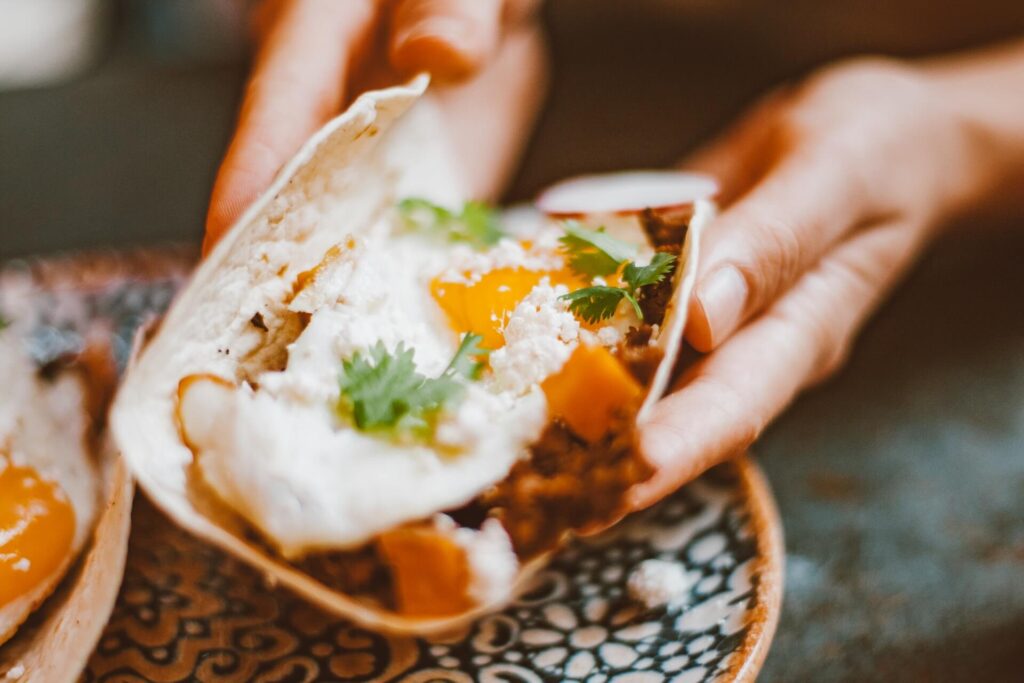
Tortilla with beans, cotija cheese and egg

Canadian Trends 2023: Technomic

Restaurant, bar, and hotel operators will find this year’s data-driven trend predictions from Technomic for 2023 insightful.

Interestingly but perhaps not surprisingly, some operators may be looking beyond North America for inspiration.

Per Technomic, Central and South American cuisines could influence menus in Canada this year. Other food trends that might take hold are “retro” health items, and all manner of pickled foods.

Of course, not every Canadian trend prediction involves F&B. According to Technomic, tech and the guest experience will play important roles.

To review last year’s Technomic predictions, click here. Now, let’s jump into Technomic’s 2023 predictions.

Guest Experience

Certainly, the guest experience should always be top of mind for operators, their leadership teams, and their staff.

In this instance, Technomic isn’t suggesting that the guest experience in general will be a trend. Obviously, with as important as it is to the success of any business, it’s a cornerstone.

Rather, Technomic predicts that guests will continue to feel the need to rein in their spending due to ricing costs and prices. However, the foodservice research firm also believes there’s still heavy desire for social interaction.

So, both those financial and social influences translate to the following: overdelivery.

Operators and their teams must ensure they position their brands well; make guests feel special every visit; and really dial in the guest experience. Specifically, Technomic suggests focusing on younger generations and menus with at least a couple specialty items that aren’t easy for a guest to replicate at home.

In other words, do whatever it takes to entice guests with memorable experience and quality menu items, and keep them coming back for more.

Follow this link to continue reading.
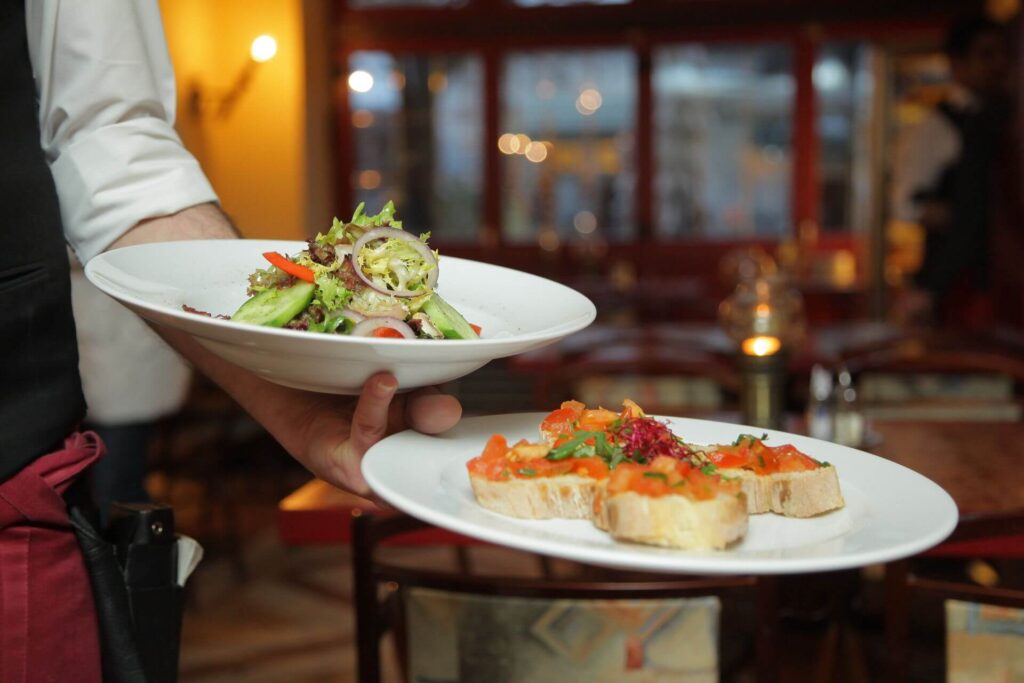
Server carrying two plates with one hand

Just.Safe.Food. and More Alternatives to ServSafe

ServSafe, the National Restaurant Association‘s food safety training program, isn’t the only food handler training game in town.

Certainly, the program is the most well known in our industry. However, it’s fair to say that ServSafe is closer to infamous than just ubiquitous due to a New York Times article from January.

While it’s the most recognizable of the food safety programs, it’s not the only one. Although, ServSafe’s omnipresence likely gives many the impression that it’s ServSafe or nothing.

There are, however, alternatives to ServSafe. In fact, one challenger was announced a day after the explosive New York Times article that thrust ServSafe into a spotlight the NRA probably isn’t enjoying. (After all, one result of that article was a letter from six US senators demanding answers from the NRA about ServSafe by March 3.)

At any rate, the newest alternative to ServSafe comes from One Fair Wage. The program is Just.Safe.Food. and costs just $10. (As a reminder, ServSafe costs $15.)

For that $10, Just.Safe.Food. gives an individual three attempts to pass their exam and unlimited access to training materials. Additionally, One Fair Wage (OFW) says profits they raise from the program will go toward advocating for restaurant workers.

OFW, as many in the industry know, is owned and operated by restaurant workers. Two cornerstones of the organization’s mission are increasing the minimum wage, and ending the tip credit. OFW is also attempting to convince lawmakers to stop accepting donations from the NRA.

Basically, OFW and the NRA are—and it appears always have been—at odds with with one another.

To learn more, click here.

Newfoundland and Labrador during daytime

These are the Happiest Provinces in Canada

If you’re wondering which province in Canada is the happiest, Statistics Canada has the answer—and the happiest may surprise you.

Of course, those who live and work in the happiest province won’t find it shocking. After all, they’re largely happy to be there.

However, if you expect the happiest province to be the home of Toronto, Vancouver, Montreal or Canada… Well, you’re in for a surprise.

Earlier this week we took a look at the happiest cities and states in America. Congratulations Fremont, California, and Hawaii, respectively. To learn where 181 other cities and 49 states rank, please click here.

The Happiness Survey

Or more accurately, the “life satisfaction” survey. For this survey, that’s what Statistics Canada reveals: life satisfaction.

Interestingly, the survey is very simple. Apparently, Statistics Canada simply asked participants to rate the satisfaction of living in their province, zero through ten. For this survey, zero is least satisfied, ten is most.

Ages 15 through 75 (and older) were able to participate. The survey was also broken down to gauge the satisfaction of men and women.

Before we jump into the breakdown of province satisfaction or happiness, some good news. Reviewing the Statistics Canada data, most participants across all age groups are happy. In fact, age groups 65 to 74 and 75-plus appear to be happiest.

On the other side, ages 15 to 54 had the most people who rated their life satisfaction between zero and five. Even so, just over 20 percent of survey respondents rated their satisfaction a five or less.

So, on the whole, Canadians seem satisfied or happy with their lives, regardless of the province in which they live. Personally, I find that to be great news.

Click here to keep reading.
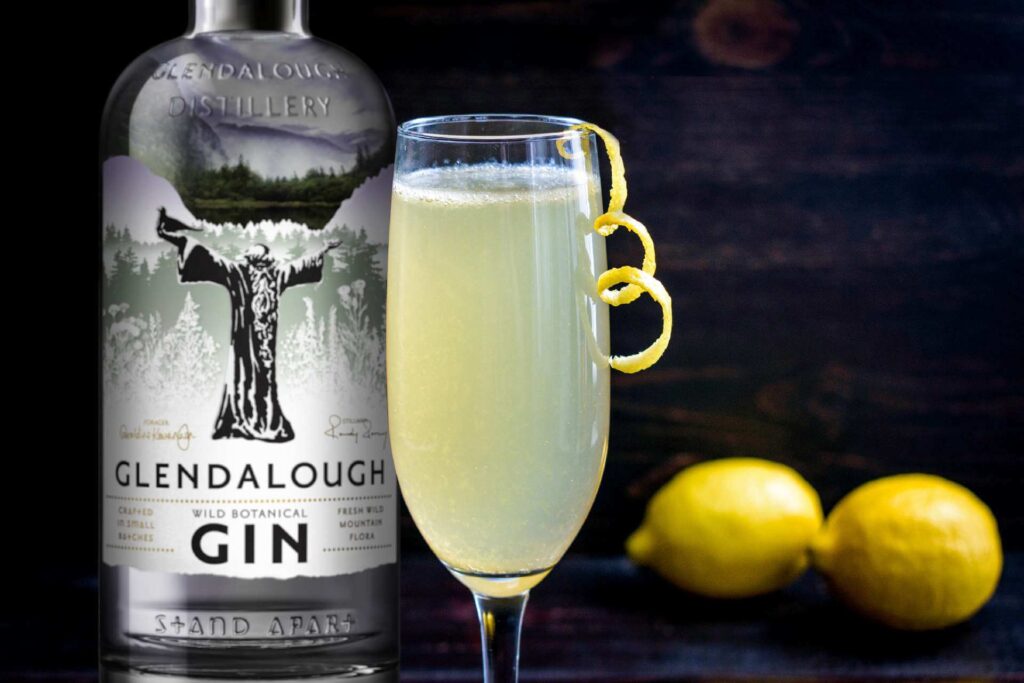
Glendalough Distillery Wild Gin Irish gin

8 Glendalough Distillery Cocktail Recipes

Offer your guests something different for your St. Patrick’s Day promotion with Glendalough Distillery cocktail recipes.

Without a doubt, you should have plenty of the expected Irish whiskeys on hand. However, Glendalough Distillery Double Barrel, Pot Still, Wild Gin, and Rose Gin are extraordinary Irish whiskeys and gins.

Each spirit the distillery crafts honors the art of Irish distillation, a craft that stretches back centuries. What’s more, each whiskey Glendalough crafts is single malt—there are no light-bodied blends in their lineup.

To learn more, check out episode 71 of the Bar Hacks podcast with Glendalough Distillery co-founder and national brand ambassador Donal O’Gallachoir.

Sláinte!

Glendalough Distillery Double Barrel Single Malt Irish Whiskey

The Lough Inn

This highball is made with Glendalough Double Barrel, a single-grain Irish whiskey aged in ex-bourbon barrels before being finished in Oloroso sherry casks.

  • 2 oz. Glendalough Double Barrel Single Grain Irish Whiskey
  • 1 oz. Spiced honey syrup (see note)
  • 1 oz. Fresh lemon juice
  • Soda to top
  • Lemon wheel or slice to garnish
  • Mint leaf to garnish
  • 1 cup Honey for spiced honey syrup
  • 0.5 cup Water for spiced honey syrup
  • 4 Cinnamon sticks for spiced honey syrup
  • 1 pod Star anise for spiced honey syrup

Add ice to a highball glass, then add first three ingredients. Top with soda water. Garnish with lemon wheel or slice and freshly torn mint leaf.

For spiced honey syrup: Add honey, water, cinnamon sticks, and star anise to pot. Bring to a boil, then stir. Strain into container.

For more Glendalough Distillery recipes, click here.
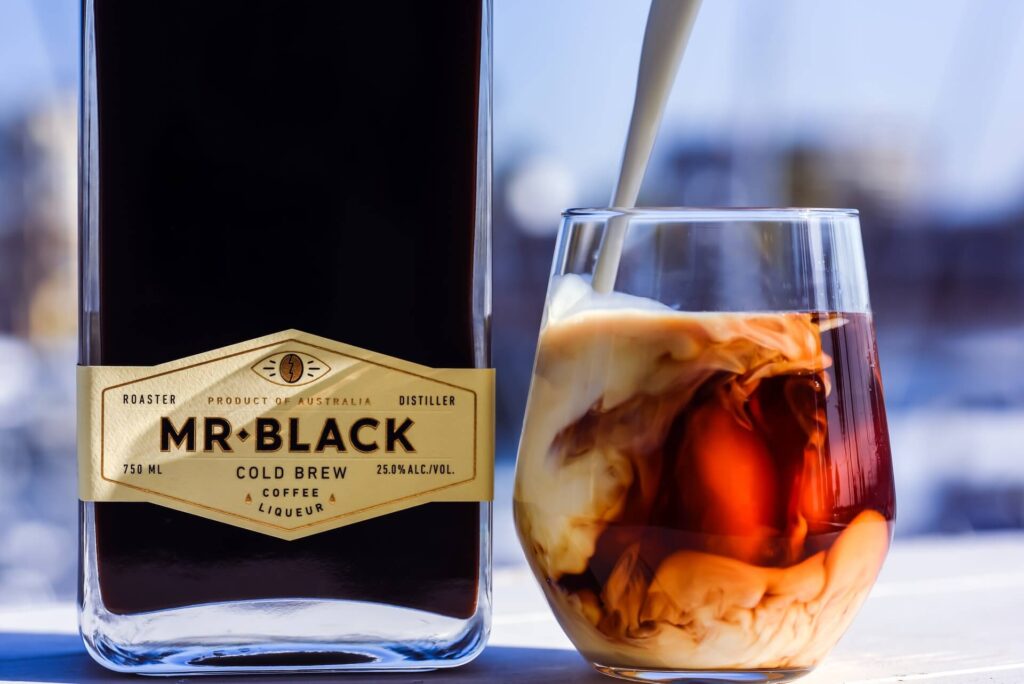
White Russian cocktail made with Mr. Black Coffee Liqueur

7 Coffee Liqueurs You Need to Know

Whether you and your bar team are making Espresso Martinis, riffing on classics or creating something new, consider these coffee liqueurs.

National Espresso Martini Day takes place on Tuesday, March 15. Leading up to this bar holiday, the cocktail is experiencing yet another resurgence.

In fact, this cocktail more than any other seems to maintain an enviable rate of “surging back” in popularity. Maybe it’s time to just admit that it’s a modern classic people love to hate…but still order and enjoy.

Below are seven coffee liqueurs that shine in an Espresso Martini, Old Fashioned, Negroni, Irish Coffee, or any number of rich, flavorful cocktails. Cheers!

Mr. Black

Most of the reviews out there place Mr. Black at the top when it comes to coffee liqueurs. Once you’ve sipped it neat, you understand why. The coffee flavor is outstanding, and that should come as no surprise. After all, Mr. Black is crafted in Australia, a country with a rich coffee culture.

Additionally, Mr. Black occasionally releases special batches. In the past, the brand has produced Single Origin Ethiopia, Single Origin Colombia, and collaborations with WhistlePig and St. Ali Coffee Roasters. They also have a coffee amaro available.

Grind Espresso Shot

You really can’t go wrong making an Espresso Martini with an espresso liqueur. Grind Espresso Shot gives Mr. Black a run for their money in the coffee liqueur showdown.

This blend of Caribbean rum, espresso, coffee, and coffee extract that shines in just about any cocktail.

Click here for more coffee liqueurs to consider adding to your inventory.
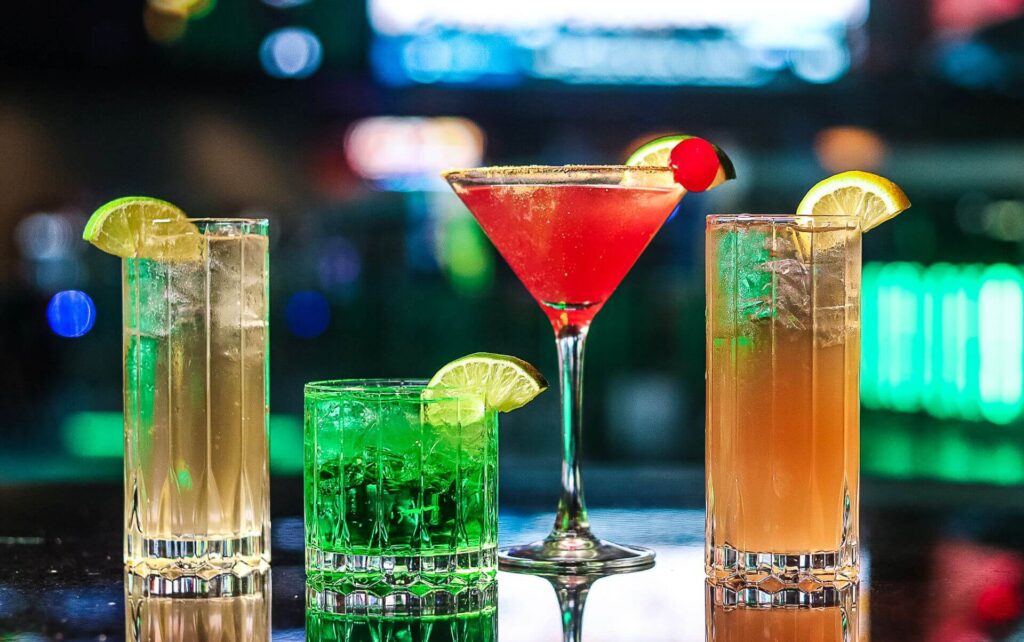
Group of Big Game cocktails at Ocean Casino Resort

Ocean Casino Resort Offers Big Game Cocktails

Ocean Casino Resort, Atlantic City’s award-winning oceanfront casino and resort, is ready for the Big Game with four cocktails that team with the theme.

Now, by “Big Game,” we all know what I’m talking about. We know the sport, we the know the league, and we know precisely which game is under discussion.

However, due to very “enthusiastic” attorneys, we also have to talk like we’re spies or actors in a mob movie. We wouldn’t want to tempt anyone to file a lawsuit now, would we?

And I’m going to encourage you to continue following this childish way of speaking about the Big Game. When you’re promoting your Sunday, February 12 event, don’t use any trademarked terms, logos, images, etc.

Alright, the Big Game legalese is out of the way. Let’s talk themed cocktails!

Big Game Cocktail Inspiration

Midway through last year, Ocean Casino Resort showed us all their marketing prowess. When news of the Choco Taco’s demise made headlines, Ocean created a cocktail homage: the Chocotini.

To ensure the LTO could be enjoyed by most guests, the cocktail was available at four venues on the property.

Now, Ocean Casino Resort is tackling the Big Game. (Note: I’m legally required to include sports puns when writing about any major game.)

Guests have four specialty LTO cocktails from which to choose. Two representing the team from Philadelphia, two for the team in Kansas City. Each drink is available at venues throughout the casino resort, including their Topgolf Swing Suite (largest in America), Nola’s Bar & Lounge, and the Gallery Bar Book & Games.

In news that should appeal to you and your bar team, these drinks are quick to make. That’s a relief when you plan to be slammed on a particular day.

Of course, you don’t have to attempt to replicate these cocktails. They serve as excellent inspiration to motivate you and your team to come up with your own liquid homages and LTOs.

In case you’re wondering what to charge, Ocean is charging $14 each for the Brotherly Love, Hurts So Good, and Big Red cocktails. The Arrowhead carries a price tag of $15.

Click here to continue reading.

Closeup of keyboard

Can ChatGPT Write Food and Drink Menus?

After my “conversation” last month with ChatGPT about AI, I had another conversation during which I asked it to write me four menus.

Of course, I did this to prove a point. And upon reviewing the ChatGPT menus, you’ll likely reach the same conclusion.

Curious about how creative the AI-powered chatbot could be, I asked for four specific menus. As you’ll see, two are cocktail specific, one focuses on food, and one is a 20-item F&B menu for a specific event.

So, yes, ChatGPT can write food and drink menus. But there’s a caveat. I could leave you in suspense but that’s not very nice. Let’s jump in.

Write me a cocktail menu using the most popular cocktails from 2022.

Cocktail Menu

  1. Aperol Spritz – Aperol, Prosecco, and soda water, garnished with an orange slice
  2. Old Fashioned – Bourbon, sugar, bitters, and a citrus peel
  3. Margarita – Tequila, triple sec, lime juice, and salt rim
  4. Daiquiri – Rum, lime juice, and simple syrup
  5. Moscow Mule – Vodka, ginger beer, and lime juice
  6. Paloma – Tequila, grapefruit juice, lime juice, and soda water
  7. Pina Colada – Rum, pineapple juice, coconut cream, and a cherry garnish
  8. Whiskey Sour – Bourbon, lemon juice, and simple syrup
  9. French 75 – Gin, Champagne, lemon juice, and simple syrup
  10. Mai Tai – Rum, orange liqueur, lime juice, and orgeat syrup

*All cocktails are served over ice, unless otherwise requested.

Write me a cocktail menu using the most popular spirits and alcohol types of 2022.

Cocktail Menu

  1. Gin and Tonic – Gin, tonic water, and a lime wedge
  2. Vodka Martini – Vodka, dry vermouth, and an olive garnish
  3. Bourbon Manhattan – Bourbon, sweet vermouth, and bitters
  4. Tequila Sunrise – Tequila, orange juice, and grenadine syrup
  5. Rum Runner – Rum, blackberry liqueur, orange juice, pineapple juice, and grenadine
  6. Whiskey Sour – Bourbon, lemon juice, and simple syrup
  7. Margarita – Tequila, triple sec, lime juice, and salt rim
  8. Daiquiri – Rum, lime juice, and simple syrup
  9. Long Island Iced Tea – Vodka, gin, rum, tequila, triple sec, lemon juice, and cola
  10. Pina Colada – Rum, pineapple juice, coconut cream, and a cherry garnish

*All cocktails are served over ice, unless otherwise requested.

Click here to keep reading.

Developing a Bar Concept w/ Sensory Experiences

Once your idea has been researched and the market, location, technical, business, and financial viability of the idea has passed a series of reviews throughout a feasibility study, a concept development plan can then be started.

Remember, outside of being scalable, you want to build a concept that is sustainable, profitable, memorable, and consistent.

Bar concepts over the years have gone from being tame (or lame) or overplayed, like tiki bars or sports bars, to concepts that push the boundaries of what a bar can be. One of the best ways to build a customer base is to go off the beaten path to create a bold and fresh new bar concept.

A concept plan will focus on ‘chapters’ and visual storyboards that include an overall:

  • Concept Summary (a one page summarization similar to that of an Executive Summary)
  • Statement Overview (Value, Vision, Mission, Culture)
  • Architectural Design (characteristics, features, costs)
  • Bar/Kitchen Production (your equipment specs)
  • Entertainment & Guest Experience Summary
  • Menu Design Attributes (food & beverage)

Owning a bar is a dream for most that must be met with the right research, planning, and mind-set.

One’s market will, and must, define the concept. To be successful, you must be open to building a venue the market both wants and needs.

Concept development is giving your ‘idea’, both soul and character. A bar’s concept is the lifeline of its brand and longevity in the market. It makes your venue stand apart from the competition, and it’s ultimately your bar’s unique selling proposition.

Have you ever walked into a bar and been confused about its identity? The interior doesn’t match the beverage offerings, the social media experience doesn’t reflect the actual experience, and even the music doesn’t seem to match the vibe of the bar.

This is what happens when there isn’t a clear and detailed concept development plan in place, and it is a sure fire way to be just average at best.

Continue reading here.

How to Address Temporary Restaurant and Bar Closures: 5 Social Media Examples

Repeated restaurant and bar closures have, tragically, become a hallmark of 2020.

Operators have had to learn how to communicate closures to potential indoor guests, as well as delivery and takeout guests.

For most operators, the possibility of closing their doors—temporarily or otherwise—has moved well past “if” territory. At this point, it’s not even a question of when a restaurant or bar will have to close, it’s a matter of when it will happen again.

There are a few reasons a F&B business will have to close due to the Covid-19 outbreak: official mandate, reduced indoor and outdoor dining capacities, and voluntary temporary closures.

Mandated closures are, on the surface, straightforward. Government officials decree that certain types of businesses must close their doors by a specific date and time, and owners are expected to comply.

Closures induced by capacity restrictions are less straightforward. It has become woefully apparent that most lawmakers don’t understand (or don’t care) that at a certain threshold, reducing indoor and outdoor dining capacities is as good as forcing a restaurant or bar to close; the value proposition of remaining open simply isn’t there.

A voluntary temporary closure can come about because of capacity limitations, but they can also be the result of other factors. A significant workforce reduction, lack of traffic, rising costs of goods, or an internal Covid infection.

The stark reality is that the likelihood today’s operators are going to have to craft social media posts and emails announcing temporary (and possibly extended) closures is anything but slim.

Click here to keep reading.

Image: Anne Nygård on Unsplash

KRG Hospitality Start-Up Restaurant Bar Hotel Consulting Consultant Solutions Plans Services

by David Klemt David Klemt No Comments

2023 KRG Recap: Top 8 F&B Articles

2023 KRG Recap: Top 8 F&B Articles

by David Klemt

Closeup of eight ball on pool table

For the second entry into our annual year-in-review article roundup we’re revealing the top eight food, beverage, and menu development articles of 2023.

From ChatGPT and advice from Chef Brian Duffy to articles from KRG Hospitality chef-consultant Nathen Dubé and mindset coach Jennifer Radkey, the articles below cover a wide range of F&B topics.

There’s even a look at Chef Duffy’s time on Food Network’s show BBQ Brawl with barbecue tips from our favorite pit master. It’s one of our favorite articles of the year, as well.

Cheers!

Closeup of keyboard

Can ChatGPT Write Food and Drink Menus?

After my “conversation” last month with ChatGPT about AI, I had another conversation during which I asked it to write me four menus.

Of course, I did this to prove a point. And upon reviewing the ChatGPT menus, you’ll likely reach the same conclusion.

Curious about how creative the AI-powered chatbot could be, I asked for four specific menus. As you’ll see, two are cocktail specific, one focuses on food, and one is a 20-item F&B menu for a specific event.

So, yes, ChatGPT can write food and drink menus. But there’s a caveat. I could leave you in suspense but that’s not very nice. Let’s jump in.

Write me a cocktail menu using the most popular cocktails from 2022.

Cocktail Menu

  1. Aperol Spritz – Aperol, Prosecco, and soda water, garnished with an orange slice
  2. Old Fashioned – Bourbon, sugar, bitters, and a citrus peel
  3. Margarita – Tequila, triple sec, lime juice, and salt rim
  4. Daiquiri – Rum, lime juice, and simple syrup
  5. Moscow Mule – Vodka, ginger beer, and lime juice
  6. Paloma – Tequila, grapefruit juice, lime juice, and soda water
  7. Pina Colada – Rum, pineapple juice, coconut cream, and a cherry garnish
  8. Whiskey Sour – Bourbon, lemon juice, and simple syrup
  9. French 75 – Gin, Champagne, lemon juice, and simple syrup
  10. Mai Tai – Rum, orange liqueur, lime juice, and orgeat syrup

*All cocktails are served over ice, unless otherwise requested.

Write me a cocktail menu using the most popular spirits and alcohol types of 2022.

Cocktail Menu

  1. Gin and Tonic – Gin, tonic water, and a lime wedge
  2. Vodka Martini – Vodka, dry vermouth, and an olive garnish
  3. Bourbon Manhattan – Bourbon, sweet vermouth, and bitters
  4. Tequila Sunrise – Tequila, orange juice, and grenadine syrup
  5. Rum Runner – Rum, blackberry liqueur, orange juice, pineapple juice, and grenadine
  6. Whiskey Sour – Bourbon, lemon juice, and simple syrup
  7. Margarita – Tequila, triple sec, lime juice, and salt rim
  8. Daiquiri – Rum, lime juice, and simple syrup
  9. Long Island Iced Tea – Vodka, gin, rum, tequila, triple sec, lemon juice, and cola
  10. Pina Colada – Rum, pineapple juice, coconut cream, and a cherry garnish

*All cocktails are served over ice, unless otherwise requested.

Click here to keep reading.

Lynn House making Old Fashioned cocktails for Elijah Craig

Prepare Now for Old Fashioned Week

It may be nearly two months away but it’s not too early to register your bar and team for Elijah Craig Old Fashioned Week.

This year’s event, the fourth annual Old Fashioned Week, will take place from Friday, October 13 to Sunday, October 22.

As was the case in 2022, the Southern Smoke Foundation will be this year’s beneficiary. In 2020 and 2021, Elijah Craig Old Fashioned Week raised a combined $200,000 for the Restaurant Workers’ Community Foundation.

Just last year, to add context, Old Fashioned Week helped make it possible for Southern Smoke to provide nearly $110,000 in relief grants to food and beverage workers.

Those interested in participating this year can register their venue for free via this link. Create an Old Fashioned LTO menu—or simply make standard Old Fashioneds with Elijah Craig bourbon—and Elijah Craig will donate $1 for every Old Fashioned sold (up to $100,000).

There really couldn’t be a simpler way to deliver a fantastic, classic cocktail experience to guests while supporting a great cause.

Elijah Craig Old Fashioned Cocktail Contest

There’s more to Elijah Craig Old Fashioned Week. You and your bartenders have the opportunity to participate in a cocktail contest, too.

From now until October 31, anyone who wants to throw their hat in the ring can submit their recipe for their own signature Old Fashioned.

The winner of the Elijah Craig Old Fashioned Cocktail Contest will win $5,000. They’ll also have their winning recipe included in Elijah Craig’s 2024 cocktail recipe book.

Recipes can be submitted through this link. For contest rules and judging criteria, please click here.

To learn more about Elijah Craig and the Old Fashioned, check out episode 52 of the Bar Hacks podcast with special guest Lynn House.

Continue reading here.

Tortilla with beans, cotija cheese and egg

Canadian Trends 2023: Technomic

Restaurant, bar, and hotel operators will find this year’s data-driven trend predictions from Technomic for 2023 insightful.

Interestingly but perhaps not surprisingly, some operators may be looking beyond North America for inspiration.

Per Technomic, Central and South American cuisines could influence menus in Canada this year. Other food trends that might take hold are “retro” health items, and all manner of pickled foods.

Of course, not every Canadian trend prediction involves F&B. According to Technomic, tech and the guest experience will play important roles.

To review last year’s Technomic predictions, click here. Now, let’s jump into Technomic’s 2023 predictions.

Guest Experience

Certainly, the guest experience should always be top of mind for operators, their leadership teams, and their staff.

In this instance, Technomic isn’t suggesting that the guest experience in general will be a trend. Obviously, with as important as it is to the success of any business, it’s a cornerstone.

Rather, Technomic predicts that guests will continue to feel the need to rein in their spending due to ricing costs and prices. However, the foodservice research firm also believes there’s still heavy desire for social interaction.

So, both those financial and social influences translate to the following: overdelivery.

Operators and their teams must ensure they position their brands well; make guests feel special every visit; and really dial in the guest experience. Specifically, Technomic suggests focusing on younger generations and menus with at least a couple specialty items that aren’t easy for a guest to replicate at home.

In other words, do whatever it takes to entice guests with memorable experience and quality menu items, and keep them coming back for more.

Follow this link to continue reading.

Carrots, celery and onions

Kitchen Doctrine: The Holy Trinity

To some, the Holy Trinity refers to the Christian doctrine of the Father, the Son, and the Holy Spirit. But what’s the Cajun Holy Trinity?

Well, that’s a whole different story with which some people may not be as familiar. However, it carries equal weight in certain kitchens of the world.

Lending its name from religious credo, the Cajun Holy Trinity was developed in the state of Louisiana in the southern United States. Chef Paul Prudhomme gets the credit for introducing the term in 1981, along its popularization.

Cajun or Creole cuisine evolved from French, Spanish, and West African immigrants. French traditions blended into a melting pot of West African, Spanish, and Native American cuisines. The French and the Acadians (French colonists deported from Acadia in what is now Nova Scotia, Canada) both influenced Louisiana’s cuisine. The Acadians became known as Cajuns to English speakers, and thus Cajun cooking grew out of necessity in Louisiana.

Mirepoix 101

The French contributed two staples directly to Cajun and Creole cooking: roux-based cooking and the trinity of mirepoix, or onions, celery, and carrots. In Louisiana, however, carrots didn’t grow as easily as bell peppers. So, bell peppers, typically the more bitter green version, replaced them.

Some cooks were so bold as to add garlic to the Holy Trinity, referring to it as the Pope. Other variants use garlic, parsley, or shallots in addition to the three Trinity ingredients. Unlike the elaborate French dishes using mirepoix, the Holy Trinity is more symbolic of rustic, family-style meals.

These ingredients are the first to go into the pot or skillet, creating a flavorful foundation for gumbo, jambalaya, crawfish étouffée, and more. Often, by adding a bit of flour and whisking, a roux is built right on top of these sweet and colorful aromatics to form a thicker base.

The ratio is also overturned from the traditional mirepoix of two parts onion, one part celery, one part carrot, with three parts onions to two parts celery to one part bell pepper.

To learn more, click here.

Aubrey Plaza holding a Margarita made with Cointreau

Cointreau Wants to Know: Are You Making MargaRights?

Temperatures are rising and people are socializing, so Cointreau wants to make sure you and your team make Margaritas right.

In fact, they’re so serious about Margarita specs that they’re partnering with Aubrey Plaza educate the public. To celebrate the 75th anniversary of the Margarita, the iconic brand is launching the MargaRight campaign.

Challengers come and go but so far, the Margarita is the top cocktail in the US. This has been the case for many, many years. Of course, it’s also a popular cocktail around the world and has been number one in other countries as well.

Now that we’re a week away from the “official” start of summer, it’s paramount to make sure your Margaritas are MargaRight. For one thing, it’s the perfect summer sipper. For another, people are eager to socialize in restaurants and bars, and the Margarita is sure to join groups of friends as they hang out together.

But there’s another reason to ensure your Margs are on point: The wrath of Aubrey Plaza. More accurately, avoiding incurring Plaza’s wrath for putting MargaWrongs across your bar.

Margarita mix? Anger. No Cointreau? Fury.

To borrow a refrain from fanatics of another classic cocktail, it’s safe to say that Plaza would agree with, “No Margarita without Cointreau.”

The Original Margarita

Some, including Cointreau, support the belief that the Margarita’s creation traces back to 1948. For this origin story, Dallas socialite Margarita Sames is either the inventor of the Margarita or asked for a signature cocktail for a party she was hosting at her Acapulco home. Going further, another claim is that Tommy Hilton was a party guest and brought the recipe to Hilton properties, helping to make it famous.

Another claim is that the Margarita is simply a logical evolution of the Daisy. The mid-1800s tipple has a cocktail family named after it, and the Margarita, Sidecar, Cosmopolitan, and Daiquiri sprang forth from it.

Regardless of what origin story you choose to believe, Cointreau champions the original recipe: Cointreau, blanco tequila, fresh lime juice, and a lime wheel to garnish. It’s this classic recipe that Cointreau and Plaza are adamant about for the MargaRight campaign.

Click here to keep reading.

Chef Brian Duffy biting into a sandwich

BBQ Brawl: ‘Cue Tips from Chef Brian Duffy

Friend of the Bar Hacks podcast and KRG Hospitality Chef Brian Duffy is rocking it on season four of Food Network‘s BBQ Brawl.

And he’s dropping barbecue and cooking jewels while killing it on multiple styles of grill.

When we meet Chef Duffy on episode one of BBQ Brawl, he’s introduced as “The Renowned Restaurateur.” This makes sense given the fact that he has helped open more than 100 restaurants throughout his career.

Regarding grilling and barbecuing, Chef Duffy will use elements of whatever style he thinks will work best for a given situation. As he explains it, his barbecue “isn’t bound by the rules of any one style.”

I also want to point out that there’s what appears to be a 1950s-era Dodge Power Wagon, perhaps a Series 1 or Series 2 model, on Star Hill Farm, where this show was filmed. This isn’t relevant in any way to cooking, grilling, or barbecue. I’m just a Car and Motorcyle Guy® and I noticed the Power Wagon immediately.

Also, be sure to check out episode 33 and episode 53 of the Bar Hacks podcast to hear from the chef himself.

Alright, let’s check out some tips and tricks from Chef Duffy that he has shared on season four of BBQ Brawl. Like he said to the camera in the first moments of episode one, “Students, meet your pit master.”

Episode 1

If you want your food to be charred, you need to commit.

“You’ve gotta let it sit. Don’t move it,” says Chef Duffy. “Let that char happen.”

It’s just that simple. Patience is a cooking technique.

Dishes

Signature Tacos

  • Mulita, a Mexican street taco made by dipping a tortilla in birria broth.
  • Togorashi- and ancho-chili-smoked red Snapper taco with “a fun little slaw.”

Team Challenge: “California Smoke” menu (Fire delivery: Santa Maria grill)

  • Cabbage, kale, Swiss chard medley with beans
  • Scallops and smoked crab salad with preserved lemon gremolata and avocado (collaboration with Chef Larissa Da Costa; Chef Duffy prepared the smoked crab salad)

For much more, keep reading here.

Chef Brian Duffy holding a plate with a plant-based shrimp po' boy sandwich on it

The New Wave of Plant-based Foods

A key takeaway from the 2023 National Restaurant Association Show is this: a new wave of plant-based foods has made landfall.

In fact, given how many booths had plant-based items on offer, more waves will be crashing ashore. Plant-based items had a presence inside every building at McCormick Place in Chicago. For those who haven’t attended to show, McCormick Place has well more than two-million square feet in exhibit space.

There were, of course, the plant-based standards to which we’ve all grown accustomed. Burger patties, breakfast sausages, “chicken” nuggets, “pepperoni” pizzas… However, we now know there’s more innovation on the way.

Years ago, F&B experts declared seafood alternatives as the “holy grail” of plant-based foods. The race has been on to “crack the code” and offer seafood alternatives that look, cook, and taste like their animal counterparts.

One brand that appears to have reached their goal? New Wave Foods. And their staunchest culinary supporter? The revered and iconic Chef Brian Duffy.

Seismic but Sensible Shift

Those who are familiar with Chef Duffy know he’s unafraid to share his views on all things culinary, service, operations, and hospitality. The same people also know that he’s demanding when it comes to ingredients, distributors, and partners.

I say that to say this: Some people are shocked Chef Duffy is championing a plant-based food. However, I don’t share that reaction. Chef Duffy has never been anti-plant-based—he has been waiting for plant-based items to rise to his high standards.

During his 2023 NRA Show demo, the acclaimed and in-demand chef made shrimp-fried rice. Of course, he replaced shrimp with a plant-based alternative produced using mung bean and seaweed. That product is New Wave Foods Shrimp.

The demo proved so engaging that Chef Duffy was asked to repeat it on the final day of the show. I, for one, am not surprised—Chef Duffy is an incredible speaker and chef.

This seismic shift—not just in Chef Duffy’s embrace of plant-based foods but also throughout the industry—is sensible when you consider something said during the demo.

Boiling it down to the basics, Chef Duffy asked why operators wouldn’t want to offer high-quality plant-based items to their guests. It’s simple: Increasingly, this is what guests want. So…give it to them.

Continue reading here.

Chef pouring espagnole or brown sauce

Say Hi to Your Mother Sauces for Me

A well-crafted sauce can elevate a dish, tying all the elements together, adding richness, texture, and colour to almost any recipe.

French cuisine in particular is renowned for its liberal use of flavorful sauces. Developed in the 19th century by French chef Auguste Escoffier, the five mother sauces are basic recipes that serve as the foundation for any number of secondary sauce variations. Each mother sauce is categorized primarily according to its unique base and thickener.

The five French mother sauces are: béchamel, velouté, espagnole, hollandaise, and tomato. Historically, Chef Escoffier originally designated only four mother sauces, and mayonnaise as a cold mother sauce, with Hollandaise below that.

Interestingly, when his book was translated to English, mayonnaise was forgotten or omitted; Hollandaise was listed as the fifth mother sauce.

Beginning culinary students and experienced cooks alike commit these five sauces to memory. They learn that by tweaking their basic formulas, all manner of great sauces can be crafted.

Please meet the five mother sauces below. I explain: how each is made; their basic uses; and some secondary sauces you can make from them.

1. Béchamel

Béchamel, or white sauce, is a simple milk-based sauce made from butter, flour, and milk.

You know béchamel as the white sauce that gives chicken pot pie its texture, or as the vehicle of cheesy goodness and binding agent in delicious mac ‘n’ cheese creations. The sauce can be found in everything from scalloped potatoes and lasagne to gravy iterations.

In classical cuisine, béchamel was poured over fish, eggs, or steamed chicken. While béchamel has a generally neutral taste on its own, the classic mother sauce adds a unique creamy texture that is both hearty and comforting.

My personal favorite base recipe is Joel Robuchon’s equation of one liter of milk, 60 grams of butter, and 60 grams of flour. It works perfectly every time.

To make béchamel, start by cooking butter and flour in a saucepan until it forms a substance called a roux. The roux is responsible for thickening the sauce. To remove the floury taste, cook the roux over medium heat for a few minutes.

When the roux is ready, slowly whisk in warm milk and simmer until it forms a creamy sauce. Strain the liquid after it thickens to get rid of any sediment, then add salt and pepper. (You can add other ingredients as well, such as bay leaves, nutmeg, onion, clove, or even cheese.)

With the addition of a few extra seasonings like salt, pepper, and cloves, béchamel is complete — though it may be used as a base for many other sauces.

Béchamel sauces include:

  • Mornay: onion, cloves, Gruyère, and Parmesan cheese
  • Alfredo: garlic with heavy cream
  • Soubise: butter and caramelized onions
  • Cheddar sauce (used for mac ‘n’ cheese or nacho-style sauces): whole milk and cheddar cheese

For more sauces and insights, click here.

Image: Alex Lion on Unsplash
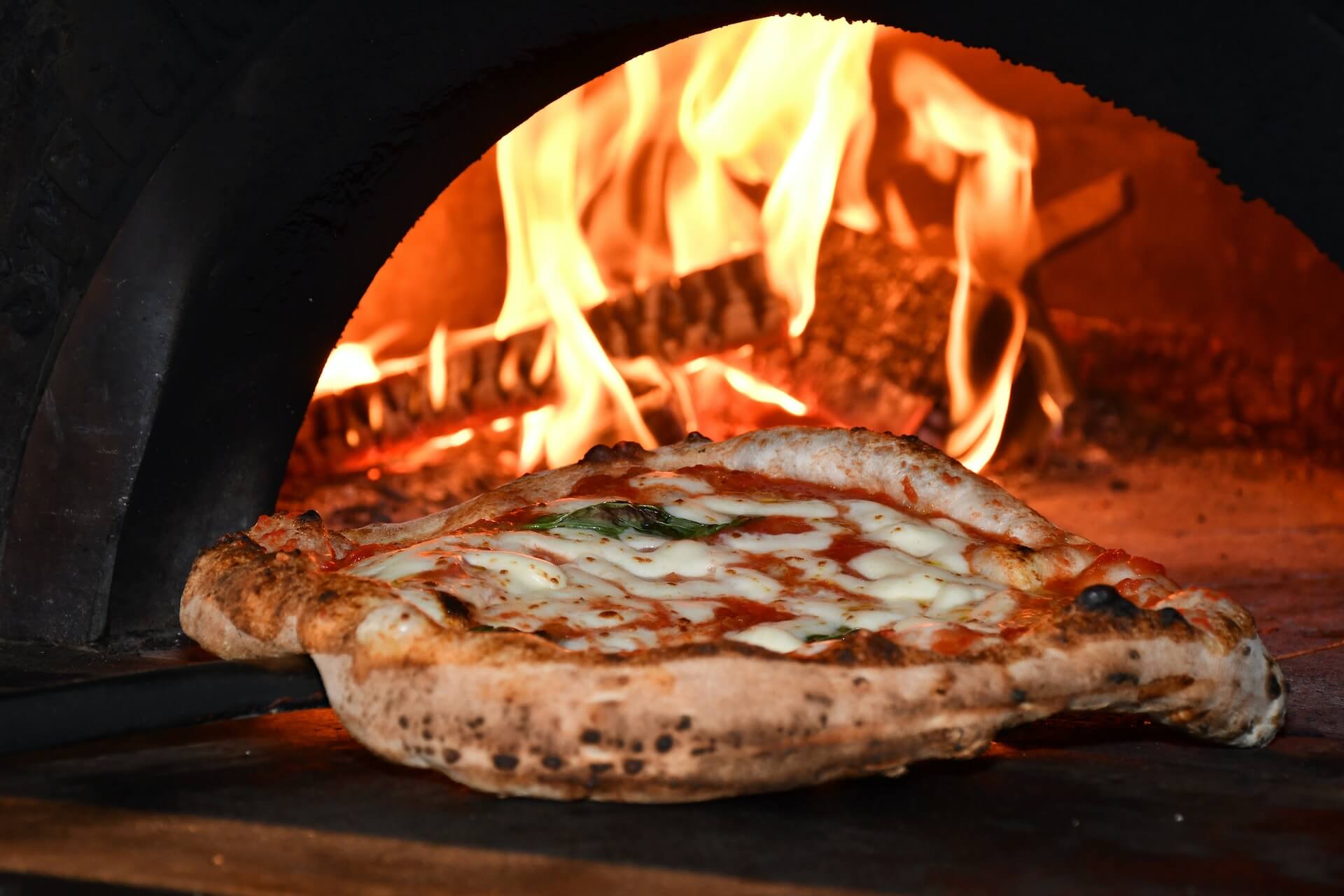
Bar Nightclub Pub Brewery Menu Development Drinks Food

by David Klemt David Klemt No Comments

Grubhub Reveals 2023 Order Trends

Grubhub Reveals 2023 Order Trends

by David Klemt

A veritable sea of pickle chips

Just under the wire Grubhub releases their annual end-of-year report, revealing their customers’ top ordering trends of 2023.

Uber Eats and DoorDash unveiled their reports at the end of October and start of November, respectively.

To revisit 2022 for a moment, the top food item ordered via Grubhub was the burrito. So, the unofficial theme of last year’s annual report was warmth and comfort wrapped in layers.

I’m providing that context because this year’s report also comes with a theme. This year, it’s “doing it for the vibes.” For Grubhub, this means that users of the service broke out of their comfort zones to try new F&B items.

Providing an example, one of the standout trends for 2023 is heat. As in, Grubhub users added spice to quite a lot of orders, as you’ll see below.

Click here to review Grubhub’s top 2022 food orders, and here for their 2022 beverage orders. To review this year’s Grubhub report in its entirety, click here.

Now, let’s take a look at a number of this year’s ordering trends.

Soft Drinks & Coffee

Usually, I start with food items when reviewing these reports. Well, once you become predictable, you become beatable. So, I’m going to shake things up and begin with beverages.

According to Grubhub, a TikTok trend—#dietcokebreak—is responsible for the growth of Diet Coke on the platform. In fact, the third-party delivery service says that in-office orders of Diet Coke grew by 17 percent. No surprise, then, that the soda grabbed the top spot in 2023.

Top 5 Sodas

  • Diet Coke
  • Coke
  • Sprite
  • Dr. Pepper
  • Ginger Ale

Next, coffee orders. Per this year’s Grubhub report, people weren’t shy about ordering coffee outside of the breakfast and lunch dayparts.

According to their data, more than 10 million coffee orders were placed after 5:00 PM.

Top 5 Coffee Orders

  • Iced Coffee
  • Caramel Frappe
  • Mocha Frappe
  • Cappuccino
  • Hot Coffee

Food & Flavors

Here’s an interesting revelation: more than 600,000 Grubhub users chose to order salads with a side of French fries.

In fact, the French fry is the top ordered side in 2023 on the platform. So, Grubhub ranked fries by style.

Top 5 French Fry Styles

  • Classic cut
  • Waffle fries
  • Cheese fries
  • Sweet potato fries
  • Curly fries

Hey, let’s reignite the pineapple on pizza debate. According to Grubhub’s year-end report, pineapple as a pizza topping grew by 33 percent in comparison to 2022.

However, Hawaiian pizza has some more growth to do if it wants to take the number one spot.

Top 5 Pizza Styles

  • Cheese Pizza
  • Margherita Pizza
  • Pepperoni Pizza
  • Buffalo Chicken Pizza
  • Hawaiian Pizza

Finally, top flavors. In short, heat is a hit.

Grubhub users added spice to a staggering 53 million orders this year. For further context, sriracha was added to more than 91,000 orders.

And when it comes to chicken wings, Buffalo was the dominant style. I find it interesting, though, that no style of wing made the top five for this category.

Top 5 Spicy Items

  • Spicy potato soft tacos
  • Spicy chicken sandwich
  • Spicy tuna roll
  • Hot and sour soup
  • Drunken noodles

Bringing this report to a close, the item with the most growth. Pickles grew by 89 percent in 2023, accounting for 6.9 million orders.

So, I guess make sure your pickles, French fries, cheese pizzas, and salads are on point as we head into the New Year.

Image: Nathan Dumlao on Unsplash
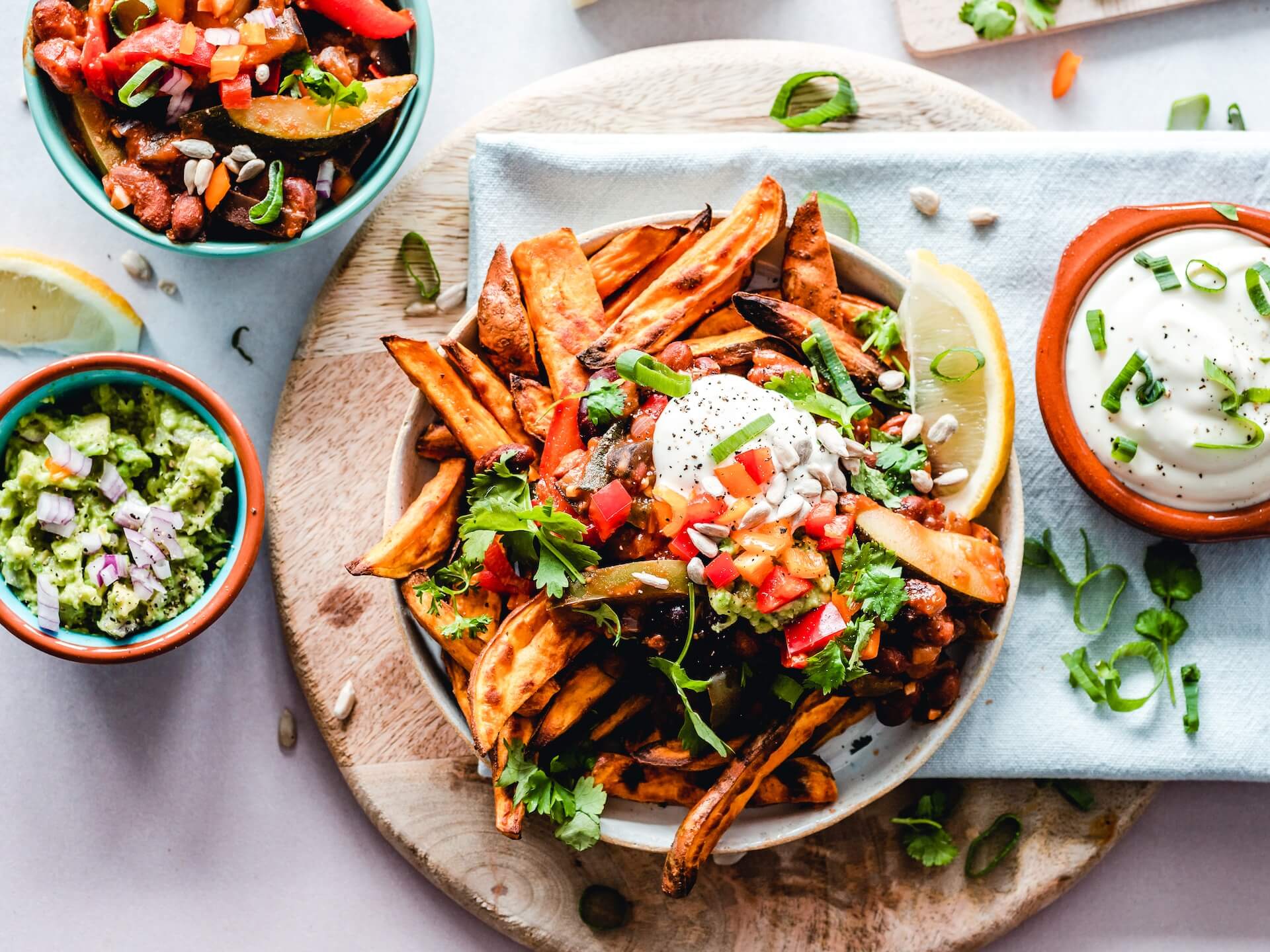
Top