Menu

by krghospitality krghospitality No Comments

Dynamic Pricing or Dynamic Menus?

Dynamic Pricing or Dynamic Menus?

by Doug Radkey

Two sportbikes racing

A key phrase used throughout 2022 was “the new normal.” In 2023, a key term you will likely hear a lot is “dynamic pricing.”

What is dynamic pricing? It can get quite complex, but the global consulting company, McKinsey, defines dynamic pricing as “the (fully or partially) automated adjustment of prices.”

The term is not entirely new to hospitality. Hotels and the overall travel industry have used modules of the pricing model for years. But for restaurants and even bars, yes, it is something new.

It is also a model getting a lot of attention of late, which begs the following question: Why?

As the bar and restaurant industry recovers from the effects of the pandemic, a dynamic pricing model that optimizes revenue opportunities may seem quite attractive. After all, our industry is looking to rejuvenate its sales to pre-pandemic levels.

Essentially, a dynamic pricing model within this industry would work like this: increase prices when demand is up (peak periods), decrease prices to draw guests in when demand is down (off-peak times).

But should this be a model that disrupts the industry in 2023 and into 2024?

While I am all for a little disruption, the industry needs to tread carefully through this potential transition to dynamic pricing (or perhaps just around the phrase itself) that’s based on demand levels.

Guest Experiences

We all know (or should know) that we do not sell a product. What we sell is an experience.

If we can create a positive, memorable guest experience first and foremost, the revenue will follow.

While hotels and travel, as examples, have boasted “positive financial results” over the years through their different approaches to dynamic pricing (while still trying to focus on the end-user guest experience), independent bar and restaurant brands must be careful not to create a hostile brand perception.

Why? Because many consumers view changing prices based solely on levels of demand as being unfair.

Being unfair will certainly create a negative guest experience and/or brand perception. The hotel and airline industries have been able to navigate this perception successfully by offering alternatives. For example, different rooms and amenities or less convenient flight times at different price points. Essentially, companies in lodging and travel provide options and flexibility before customers make the choice to spend.

What about rideshare and surge pricing as another example? Many of you reading this have likely been burned by surge pricing as a consumer, which can be by definition a form of dynamic pricing.

Have you ever tried to book a rideshare during peak periods in a major market? What would normally be a $20 ride is suddenly $40 to $60 (or more) because of their dynamic pricing model.

What did I do in this situation during a recent business trip? I walked another 25 feet up to the cab staging area of the airport and got my ride for $25.

The end results? I had a negative customer experience with the rideshare company, first and foremost. Additionally, that negative experience drove me to the competition. The key here is I was given a choice.

Now let’s switch that scenario to a restaurant.

The Restaurant Scenario

You book a table at your favorite restaurant and order that incredible steak dinner you always enjoy. But instead of it being $50 like you have grown accustomed to, it is now $75 or more. How are you as a consumer going to feel about this new price just because you visited your favorite spot during a “peak period” on a Saturday night? Were you given a choice before the spend?

Of course, this can work in the opposite direction: ordering a meal during a non-peak time and getting it for a cheaper price, thereby getting a discount.

But should we be confusing our customers based on their chosen, convenient time to visit your restaurant or bar? Should you also focus on “discounting” to drive people to your business?

I have even seen recommendations for offering an increased price for peak period but using what was the previous regular price during the non-peak times, labeling the normal price a “discount.”

Should we be framing our regular priced menu options as a discount just so we can charge and make more during a peak period? Is this being fair and ethical to your loyal customers? Should we be going down this road?

With this model (and the phrase “dynamic pricing”), which is based on demand, it is very easy to see how you can quickly confuse or alienate your loyal guests. Unless the industry in its entirety migrates over to this demand-driven model, a similar scenario as outlined above can play out for you and your guests.

Without extremely strong but transparent communication systems in place (which will be a challenge in itself), it is safe to assume that they will likely visit another restaurant up the street and/or provide negative feedback because they feel your pricing model is confusing or unfair.

Dynamic Menus

The phrase that is much more simplified and will be more easily embraced by both operators and guests is “dynamic menu.”

So, what’s the difference?

While it is still by definition “the (fully or partially) automated adjustment of prices,” it is not based on demand throughout the day. Rather, pricing is based on simple supply chain and operational cost adjustments.

According to the National Restaurant Association:

  • 95 percent of restaurants have recently had significant supply delays or shortages of key food items; and
  • 75 percent of restaurants have had to change their menu because of supply chain issues.

With a more dynamic menu, you can adjust pricing to suit those changes accordingly, through the lens of real-time ingredient cost, labor costs, productivity levels, and even the availability of certain menu items.

This simply means that the incredible steak dinner a guest has always enjoyed at your place is perhaps now $53 instead of $50 because the price of beef went up the past week or month. This ensures that as an operator, you will have a minimal gap between your theoretical and actual food costs.

Again, this should work both ways, meaning if the price of beef has gone down, so too should the price.

This means that your guests are paying an accurate value for each item, based on your intended sales mix and contributions, without a loss in margin on your end or negative experience on the guest end.

This means that everything on your menu is “market price” or MP. Where have we seen that before…?

Market Price

We all know restaurant menus will commonly deduct a price and replace it with the term “market price” (often abbreviated to “MP”). This means the price of the menu item depends on the market price of the ingredients, and the price is available upon request. It has been used for years for seafood in particular—most notably lobsters and oysters—in many restaurants.

Therefore, this pricing model is not entirely new. So, why should it stop at just high-priced seafood?

The reason many operators would use the abbreviated MP was because they did not want to reprint menus every single day as the prices fluctuated greatly.

As we move towards digitally savvy restaurant operations, implementing integrated technology and menus, we can begin to find alternatives and ensure that we are actively pricing our menus accordingly based on the market (and overhead costs) to strengthen top- and bottom-line results.

Knowledge is Power

To make a dynamic menu work, whether you’re a QSR, sports bar, casual-dining or fine-dining concept, or any other category of bar or restaurant, you need to know your target customers, provide a targeted menu, and know your numbers (the data).

Curating and engineering a menu should be a simplified process. To be honest, this should have been streamlined prior to the pandemic.

Your menu should be developed based on data, consumer sentiment, regional ingredients, regional suppliers, and local talent within the confines of the overall concept. Food and beverage programs should be developed with thought, care, speed, precision, execution, and last-but-not-least: consistent profits in mind.

Keeping menus “small” (10 to 12 or even 15 items at maximum) will be the new threshold of a successful, more profitable operation. This size of menu will allow bars and kitchens to operate more efficiently; keep inventory costs both low and controlled; control training and labor costs; and provide guests with the most flavorful and exciting items that they truly want.

Be Nimble

You also want to provide menu flexibility by continually reviewing your supply chain. Maintaining a strong personal relationship with your suppliers is imperative. You must also review your costs and inventory on a daily and weekly basis to make dynamic menus work.

To keep inventory, purchase orders, and potential waste to a minimum, it will be crucial that you to ensure your menu is small but innovative. The only way to accomplish this is through effective data management.

However, the new challenge for many independent brands is making data timely, relevant, digestible, and actionable for operators and their leadership teams. The ability to collect, interpret, and effectively react to key datapoints is going to be crucial for anyone who wants to implement a dynamic menu, and for moving forward in general.

At the end of the day, profiting from a dynamic menu is all about making decisions based on accurate cost and productivity data. Of course, there’s only one way to obtain data: embrace technology and create strategic clarity around it.

The Tech Stack

The key to successfully implementing a dynamic menu is integrating a stack of technology that provides real-time data and trend reports.

From point-of-sale software and reports to accounting software, inventory and recipe management software, and invoice management software or a suite that includes all of the above that’s integrated and working together, you can obtain real-time data to adjust your pricing based on real-time ingredient and productivity costs on a daily or weekly basis.

You want seamless movement of data from front- to back-of-house that will position you to make decisions and have a more complete picture of inventory stock levels, costs, and ordering needs, plus itemized sales, contribution margins, and productivity levels.

In Summary

While we must find ways to be innovative, potentially price-gouging our guests during peak periods and discounting during slow periods is not the way for this industry to recuperate and build loyal customers.

Building a strong brand through the creation of memorable experiences and by building connection with your community along with strategic planning, effective marketing, the elements of culture, and efficient operations, you can build sustainable revenue and profit channels.

By following a more dynamic menu approach within your operations, you can still maintain transparency with your guests with less challenging communication methods, remain a fair and well-respected brand within your community, and improve your margins by three to five percent or more with the right people and systems in place.

That sounds like a pretty good deal to me. The question here remains: Are you Team Dynamic Pricing or Team Dynamic Menus?

Image: Joe Neric on Unsplash

by David Klemt David Klemt No Comments

5 Books to Read this Month: January 2023

5 Books to Read this Month: January 2023

by David Klemt

Flipping through an open book

This month’s engaging and informative book selections will help you hone your culinary, beverage, and operational skills to dial in your business.

To review the book recommendations from December 2022, click here.

Let’s jump in!

The Vegan Chinese Kitchen

Today, people have certain ideas that flash before them when they hear or read “plant based.” For many, it’s a phrase that indicates a food item is an impossible meat alternative that attempts to go beyond it’s animal counterpart, hint hint.

However, plant-based also means…plants. Just plants, that’s all. The Vegan Chinese Kitchen, Chef Hannah Che’s plant-based cookbook, dives into traditional and modern Chinese vegan cuisine. Remember, plant-based doesn’t only mean “meat alternative made with plants.” Buy here.

Tea: Wine’s Sober Sibling

Have you ever considered drinking tea as an alternative to consuming wine? I know I hadn’t until I came across this book.

There are more than 70 recipes in Tea: Wine’s Sober Sibling, several of which are Dry January-friendly. Along with best practices for restaurant operators, there are also pairings, like tea and cheese, and tea and chocolate. Grab this book and consider using tea in different ways at your restaurant or bar.

Conversations Behind the Kitchen Door: 50 American Chefs Chart Today’s Food Culture

Where is the culinary world headed in 2023? Chef Emmanuel Laroche and his colleagues have some thoughts.

From Amazon: “Emmanuel’s podcast Flavors Unknown, as well as his worldwide search for new foods and flavors, are at the core of Conversations Behind the Kitchen Door. Scores of chefs offer essential insights and entertaining observations about the food scene today—information that will be of interest to new and aspiring chefs, as well as foodies and home cooks who follow trends in restaurants and recipes. Readers will walk away from Conversations Behind the Kitchen Door with a deeper understanding ofthe minds and creative practices of famous chefs, as well as a map to begin to create sensational dishes of their own.”

Pick up Conversations Behind the Kitchen Door from Amazon.

Build: An Unorthodox Guide to Making Things Worth Making

I’m willing to bet that you’ve heard of the following products: the iPod, the iPhone, and Nest thermostat. And I’m certain you realize an entire team of people was the behind the creation of those devices. Tony Fadell, the person who ran those teams is the author of Build.

You don’t have to be in tech to benefit from this book. Really, Build is about leadership, decision making, mentorship, bouncing back from failure, and more. Essentially, this helpful and informative book is “a mentor in a box.” One of the key takeaways of this book should motivate you to read it: “You don’t have to reinvent how you lead and manage.”

Your Table Is Ready: Tales of a New York City Maître D

Author Michael Cecchi-Azzolina was the maître d’ at several of New York’s hottest restaurants for decades. Scoring reservations for some of these destinations was viewed as more important than landing a table at one of NYC’s top-tier nightclubs.

Cecchi-Azzolina tells stories of a (mostly) bygone era while also providing his take on the restaurant industry. For some, this book will be amusing and relatable. Others will find this representative of an era best left behind as we move the industry forward. Order Your Table is Ready today.

Image: Mikołaj on Unsplash

by David Klemt David Klemt No Comments

Canada’s Top 2022 DoorDash Orders

Canada’s Top 2022 DoorDash Orders

by David Klemt

Burgers, French fries and milkshakes

Operators curious about the most popular delivery items in 2022 will be happy to learn that DoorDash’s year-end report is ready for viewing.

Those who want to compare it to predictions from several sources earlier this year can click here. The DoorDash Canada report can also be compared to consumer trends in Canada revealed back in October.

Before we jump in, I’m not detailing the DoorDash report in its entirety here. To review the entire report, please click here.

Instead, I’ll be sharing the top takeaways in terms of top menu items; top cuisines; and top items by province.

Speaking of provinces, a word to New Brunswick, Newfoundland and Labrador, Northwest Territories, Nova Scotia, Nunavut, Prince Edward Island, and the Yukon. Please don’t break out the pitchforks and come for me for not including you in this article. DoorDash’s report only covers data from six provinces—I didn’t leave you out intentionally.

Top DoorDash Cuisines in Canada

  1. American
  2. Mexican
  3. Japanese
  4. Thai
  5. Mediterranean
  6. Indian
  7. Chinese
  8. Italian
  9. Korean
  10. Filipino

Top DoorDash Items in Canada

  1. Burgers & Fries
  2. Fried Chicken
  3. Poutine
  4. Sushi Rolls
  5. Chicken Wings
  6. Burritos
  7. Chicken Rice Bowl
  8. Shawarma Wraps
  9. Curry
  10. Pad Thai

I think there’s one key takeaway that stands out in regards to this list. Notably, it appears that while chicken isn’t number one, it’s undeniably popular amongst Canadian DoorDash users.

In fact, according to DoorDash data, chicken reigns supreme in British Columbia. When you reach the province-specific sections below, you’ll see how powerful the cravings in BC are for chicken.

Top DoorDash Late-night Items

Again, chicken rules the DoorDash roost in this category.

  1. Chicken Nuggets
  2. Fries
  3. Poutine
  4. Chicken Wings
  5. Chicken Burgers
  6. Apple Pie
  7. Cheeseburger
  8. Spinach & Cheese Dip
  9. Chocolate Fudge Sundae
  10. Crispy Chicken

Top DoorDash Items: British Columbia

  1. Burrito Bowl
  2. Szechuan Chicken Lettuce Wraps
  3. Butter Chicken
  4. California Roll
  5. Crispy Chicken Sandwich
  6. Tofu Bowl
  7. Chocolate Chip Cookies

Top DoorDash Items: Ontario

  1. Cheeseburger
  2. Coffee
  3. Burrito Bowls
  4. Chicken Shawarma
  5. Crispy Chicken
  6. Bagels
  7. Pad Thai
  8. Beef Patty
  9. Pizza
  10. Onion Rings

Top DoorDash Items:Alberta

  1. Spinach and Cheese Dip
  2. Chicken Cheddar Sandwich
  3. Chilli Chicken
  4. Kale Salad
  5. Margarita Pizza
  6. Hot Apple Turnover

Top DoorDash Items: Québec

  1. Poutine
  2. Cappuccino
  3. Pad Thai
  4. Steak and Cheese
  5. Croissant
  6. Dumplings
  7. Chips
  8. Tacos

Top DoorDash Items: Saskatchewan

Interestingly, a beverage item holds the top spot in Saskatchewan.

  1. Bubble Tea
  2. Pepperoni Pizza
  3. Pork Bun
  4. Crispy Pork
  5. Garlic Bread
  6. Pasta

Top DoorDash Items: Manitoba

  1. Fries
  2. Butter Chicken
  3. Red Velvet Cake
  4. Poke Bowl
  5. Shawarma Wrap

As I stated in Wednesday’s article detailing Grubhub and Uber Eats’ reports for the US, we believe operators should take as much control over their restaurants and bars as possible. At KRG Hospitality, that means implementing direct delivery if it makes sense: ease of use, delivery capabilities, favorable costs, etc.

It’s also helpful to know what consumers in your area are craving and ordering. Such information can provide a useful baseline for many concepts’ menu development.

Image: John Fornander on Unsplash

by David Klemt David Klemt No Comments

5 Books to Read this Month: December 2022

5 Books to Read this Month: December 2022

by David Klemt

Flipping through an open book

This month’s engaging and informative book selections will help you hone your culinary, cocktail, and operational skills to dial in your business.

To review November’s book recommendations, click here.

Let’s jump in!

The Book of Cocktail Ratios: The Surprising Simplicity of Classic Cocktails

Understanding recipe ratios will help any bar professional produce balanced, delicious, and memorable cocktails. In fact, getting a grasp on ingredient ratios is a fundamental bartender skill, and it’s crucial to the guest experience.

Author Michael Ruhlman organizes The Book of Cocktail Ratios into five cocktail families. And interestingly, Ruhlman makes a bold claim: many popular cocktails are actually the same cocktail—adjusting the ratios makes them seem different. Grab this book here.

Chef’s PSA: How Not to be the Biggest Idiot in the Kitchen

Look, most of us have been in at least one situation or new workplace where we may have felt like the biggest idiot there. It’s not a pleasant feeling, but at least it’s a feeling we can get over.

This collection of “culinary truisms” aims to set new chefs up for their first steps into a new kitchen: “This book is filled with short little lessons or PSA’s that every cook needs to know to get along successfully in the kitchen. The great thing about this book is that it is a guide for you early in your career and later when you are developing others.” Pick up Chef’s PSA here.

Jacques Pépin Art Of The Chicken

Chef Jacques Pépin loves chicken. In fact, Chef Pépin loves chickens so much that he doesn’t just honor them in the kitchen, they’re the subject of his paintings as well.

Not only will you find beautiful illustrations in Jacques Pépin Art Of The Chicken, you’ll learn about Chef Pépin’s journey through the culinary world. And, of course, there are recipes to learn. Purchase via Amazon here.

The Death of Demographics: Valuegraphic Marketing for a Values-Driven World

Regular listeners of the Bar Hacks podcast will recognize author and speaker David Allison. He has, after all, been a guest twice, appearing on episode 46 and episode 67.

The Valuegraphics Project founder’s latest book, The Death of Demographics, is available in hardcover, paperback, and Kindle formats. From Amazon: “By focusing on deep values rather than surface habits or traits, valuegraphics uncover what drives and unites us. Based on decades of behavioral science research, adding valuegraphics to your insights can improve your marketing effectiveness by a factor of eight or more.” Purchase this book here.

The Business Scaling Blueprint: Building a Foundation to Grow Your Brand

Author and business mentor Tony DiSilvestro has started more than 30 businesses over the course of 30 years. As a mentor, he shares the lessons he’s learned with CEOs and entrepreneurs, and now he’s sharing his experience in book form. The Business Scaling Blueprint is, as the name implies, a practical path toward growing brands.

As a business owner, operators need to grow and scale their restaurants, bars, and hotels. Even if there’s no intention to expand to a multi-location or multi-concept business, growth and scalability are crucial to any business. Available for pre-order on Amazon.

Image: Mikołaj on Unsplash

by David Klemt David Klemt No Comments

Stand Out with Weird Holidays: Dec. 2022

Stand Out with Weird Holidays: December 2022

by David Klemt

Stay Weird neon sign with purple background

Want to stand out from from other restaurants and bars in your area? Then commit to keeping it weird.

Several “holidays” are set against every date on the calendar, and December is no exception. These holidays range from mainstream to “weird.” For example, I’m sure you’re familiar with Hanukkah, Christmas, Kwanzaa, and a little event we call New Year’s Eve.

Pay attention to the “weird” or unique holidays to raise eyebrows, carve out a niche for your restaurant or bar, and attract more guests. Why do what everyone else is already doing?

Of course, you shouldn’t try to celebrate every holiday, weird or otherwise. And this month’s list in no way includes every odd holiday.

Focus on the days that are authentic to your brand; resonate with your guests; and help you grab attention on social media.

For November’s list, click here.

December 5: Bathtub Party Day

So, technically this day is about encouraging people to take a bath rather than a shower. However, this can be a great day for celebrating gin and prohibition-era cocktails.

Why gin in particular? For many, winter is gin season. Additionally, when people think of prohibition they tend to think of “bathtub gin.”

December 6: World Trick Shot Day

This is another holiday that celebrates something specific. In the case of World Trick Shot Day, it’s the basketball trick shot.

However, not every venue has basketball available to their guests. Many eatertainment venues do, but the same can’t be said for every restaurant or bar. But if your business has other bar games on offer, you can certainly adapt this holiday to encourage your guests to take their best shots.

December 8: National Pretend to be a Time Traveler Day

Yes, Halloween is over. That doesn’t mean people won’t dress up and have some fun. From Doctor Who to Marty McFly, there are plenty of characters, movies, and TV shows out there your guests can use as inspiration to celebrate this holiday.

December 11: International Mountain Day

Our mountains are incredible, powerful, and crucial resources. So, on this holiday, highlight brands from mountainous regions and those committed to sustainability efforts.

December 12: Gingerbread House Day

This one can get messy but it can also draw in a lot of guests. There are a few ways to go about celebrating Gingerbread House Day, of course. One way I can think of is to encourage your guests to come by and help decorate a large gingerbread version of your restaurant or bar.

December 16: National Ugly Christmas Sweater Day

Fine, this isn’t exactly the weirdest holiday out there. At this point, the ugly Christmas/holiday sweater is a movie and television show trope. That doesn’t make it any less fun.

Come up with your own twist to bring guests through your doors this National Ugly Christmas Sweater Day. That can mean creating a particular theme for ugly sweaters, for example.

December 21: Phileas Fogg Win A Wager Day

When I came across this holiday I knew I’d be including it on this list. The name of the day is ridiculous, and the specificity is impressive. How could I resist?

This holiday, should you choose to accept celebrating it, is dedicated to Phileas Fogg. Who’s that? Fogg is the character in Around the World in Eighty Days who accepts the challenge referenced in the book’s title.

December 22: National Re-gifting Day

People participate in a lot of holiday gatherings throughout December. Many take place before the start of Hanukkah or Christmas Day.

That means a lot of people get gifts before December 22 that they’d perhaps rather not keep. So, encourage your guests to roll in on National Re-gifting Day for a drink, a bite, and an exchange of gifts.

December 23: National Pfeffernüsse Day

No, this isn’t a weird holiday—it’s mostly a fun word to say: “pfeffernüsse.” For non-German speakers, that’s probably a “weird” word. Most importantly, it’s a delicious, spiced cookie that makes for a great treat or fun interpretation as a holiday season cocktail.

December 30: No Interruptions Day

We all need time to disconnect, to log off and be unreachable. Your restaurant or bar is the perfect place for people to hit “do not disturb” on their devices and escape before New Year’s Eve.

Image: Dan Parlante on Unsplash

by David Klemt David Klemt No Comments

Is There Demand for Non-alcohol?

As the Holidays Approach, is There Demand for Non-alcohol?

by David Klemt

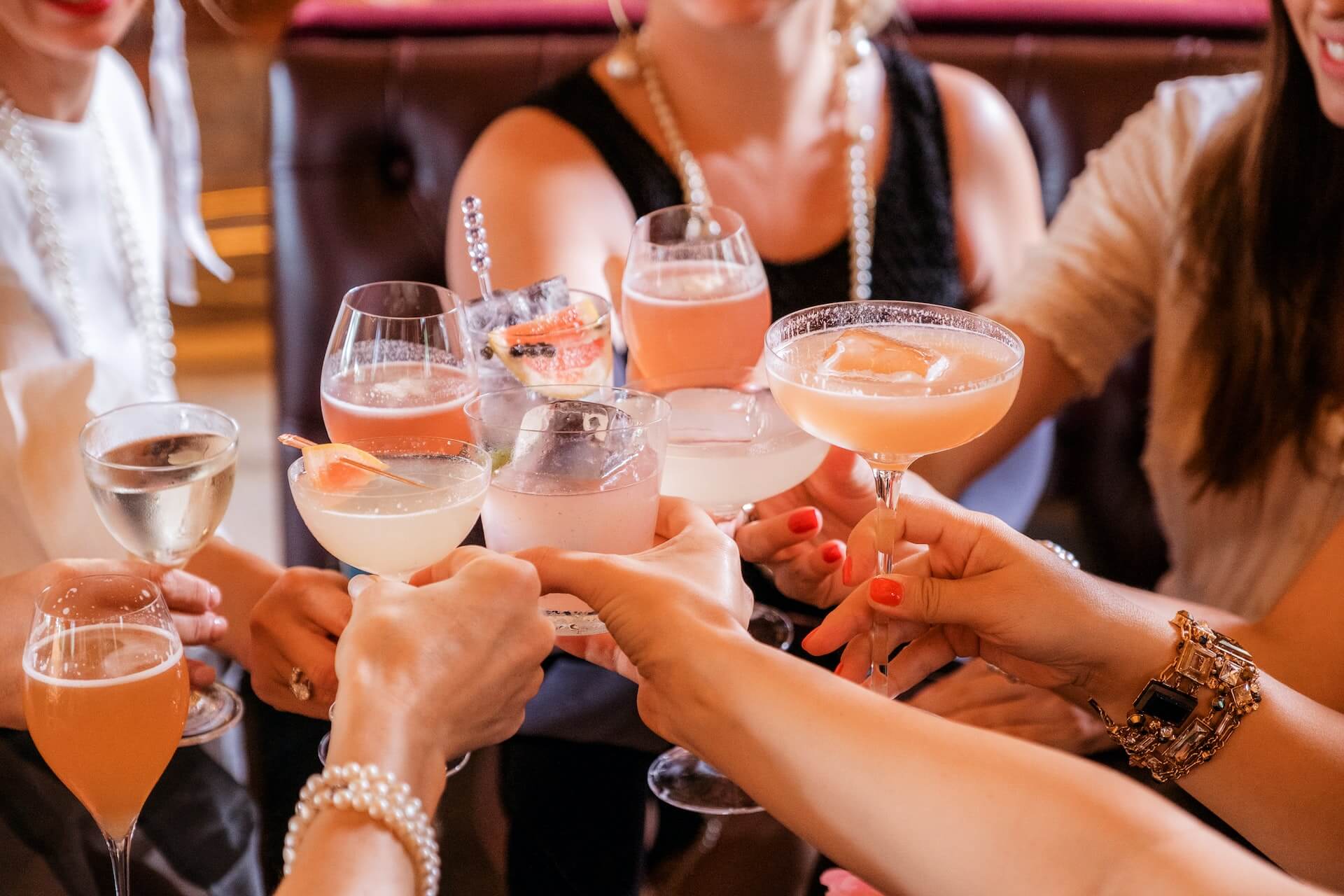
Friends toasting with pink drinks

There’s no denying that non-alcohol is a growing beverage category, but does the data support the hype and operator consideration?

A report by behavioral research firm Veylinx offers compelling insight into non-alcohol and consumers.

By now, there’s really no excuse for failing to give non-alc serious consideration. When planning menus, operators should treat non-alc as much more than an afterthought.

Admitting fully that I’m repeating myself, giving alcohol-free beverages the same attention as their full-proof counterparts is crucial. Doing so is smart business; non-alc is capable of driving traffic and revenue.

And then there’s the guest experience element of the non-alc equation. Hospitality is about service, about ensuring every guest is comfortable. Giving guests who are abstaining from alcohol consumption a different experience than others isn’t hospitality—it’s alienation. Not only is that the antithesis of hospitality, it’s bad business.

Reviewing Veylinx data shows that non-alc is worthy of operators’ time and consideration. In my opinion, it’s even more important that non-alc menus and offerings be dialed in now. After all, the end-of-year holidays on our doorsteps.

The infamous Busiest Bar Night of the Year is nearly here. From November 23 through New Year’s Eve, people will be meeting up with family and friends. Many will also be seeking an escape from the stress of those gathering and the holidays.

Non-alcohol by the Numbers

One of the most important points made by Veylinx is this: Abstinence from alcohol isn’t limited to “social media” events like Dry January and Sober October.

Rather, consumers are choosing to abstain from alcohol throughout the year for myriad reasons. Specifically, Veylinx data reveals that more than 75 percent of Americans have abstained from alcohol consumption at some point for at least one moment.

Further, 46 percent of Americans plan to reduce their consumption of alcohol “right now.” As in, the holidays may be upon us but they’re actively working on a plan to drink less, not more.

Two major factors motivating this behavioral change are mental well-being and physical health. In service of those factors, more than half of LDA drinkers in America plan to replace beverage alcohol with non-alc beverages.

Interestingly, Veylinx finds that these consumers will pay more for non-alc alternatives in comparison to the general population.

Drilling down further, this shift in consumer behavior appears to be driven by a handful of consumer types:

  • 21- to 35-year-old consumers;
  • “light” drinkers; and
  • consumers who have set aside alcohol consumption for one month or more.

Speaking of the first group, demand for RTDs is 48 percent greater in comparison to those aged 35 or older. Add CBD to RTD and the demand among the 21 to 35 cohort grows by 18 percent.

However, not all non-alc growth comes from the 21-to-35 group. Non-alc beverages with mood boosters see an increase in demand from the 35-plus group of 29 percent.

In short, if an operator is ignoring the non-alc consumer, they’re harming their own business and reputation. Alcohol-free RTDs, cocktails, beer, and wine are growing.

Savvy operators will leverage that growth.

Image: Helena Yankovska via Unsplash

by David Klemt David Klemt No Comments

5 Books to Read this Month: November 2022

5 Books to Read this Month: November 2022

by David Klemt

Flipping through an open book

This month’s engaging and informative book selections will help you hone your culinary, cocktail, and leadership skills to dial in your menus and operations.

To review October’s book recommendations, click here.

Let’s jump in!

Shaya: An Odyssey of Food, My Journey Back to Israel: A Cookbook

The next time you visit New Orleans, plan to dine at least once at the James Beard Award-winning Shaya. I’ve had the opportunity to do so and the experience was stunning. Of course, you’ll also want to check out Domenica and Pizza Domenica while in NOLA. To give you an idea of what to expect, pick up the Shaya cookbook.

Chef Alon Shaya’s personal journey through cooking is truly unique, embracing Israeli, Italian, and American Southern cuisines. Shaya tells Chef-operator Shaya’s moving story and more than 100 incredible recipes. Pick it up at Amazon.

Turkey and the Wolf: Flavor Trippin’ in New Orleans

After moving to New Orleans and working in fine dining, Chef Mason Hereford opened his own restaurant and put his stamp on the scene: Turkey and the Wolf. Both the restaurant and this cookbook focus on creative and enticing takes on Southern cooking.

Fancy deviled-egg tostadas? Fried bologna sandwiches absolutely heaving with potato chips? How about purposely burnt tomato casserole? Well, you’ll find these recipes and 92 others in this book, along with photographs and illustrations. This is sure to get you salivating and get your creative wheels turning. Grab Turkey and the Wolf here on Amazon.

Last Call at Coogan’s: The Life and Death of a Neighborhood Bar

As those of us in the industry know, restaurants and bars are the cornerstones of the communities they serve. Last Call at Coogan’s is the true tale of a neighborhood bar that, unfortunately, closed its doors for good during the pandemic after more than 30 years in operation.

From Amazon: “This book touches on many serious issues facing the country today: race relations, policing, gentrification, and the COVID-19 pandemic. Along the way, readers will meet the bar’s owners and an array of its most colorful regulars.” Purchase here via Amazon.

Spiritual Coffee

Bar co-founder, bartender, brand ambassador, and author Martin Hudak’s informative and exciting cocktail book is available now for purchase. Hudak is one of the brilliant minds behind Sydney destinations Maybe Sammy and Sammy Junior. Also, he’s a brand ambassador for Mr. Black, the ridiculously tasty coffee liqueur.

Spiritual Coffee focuses on coffee cocktails, a passion of Hudak’s. However, you’ll get more than recipes when you purchase this entertaining book. In these pages you’ll also find a wealth of coffee history, knowledge, and stories. Buy here!

The Future Is Analog: How to Create a More Human World

This book, from award-winning author David Sax, asks poignant culture questions about our rush toward a digital world, an undertaking that was supercharged during the pandemic.

“Is our future inevitably digital? Can we reject the downsides of digital technology without rejecting change?” Sax asks. “Can we innovate not for the sake of productivity but for the good of our social and cultural lives? Can we build a future that serves us as humans, first and foremost?” Purchase here via Amazon.

Image: Mikołaj on Unsplash

by David Klemt David Klemt No Comments

Stand Out with Weird Holidays: Nov. 2022

Stand Out with Weird Holidays: November 2022

by David Klemt

Stay Weird neon sign with purple background

Want to stand out from from other restaurants and bars in your area? Then commit to keeping it weird.

Several “holidays” are set against every date on the calendar, and November is no exception. These holidays range from mainstream (Thanksgiving, anyone?) to “weird.”

Pay attention to the latter to raise eyebrows, carve out a niche for your restaurant or bar, and attract more guests. Why do what everyone else is already doing?

Of course, you shouldn’t try to celebrate every holiday, weird or otherwise. And this month’s list in no way includes every odd holiday.

Focus on the days that are authentic to your brand; resonate with your guests; and help you grab attention on social media.

For October’s list, click here.

November 4: National Candy Day

So, you would think we’d celebrate National Candy Day on Halloween, what with all the trick or treating. But no, we celebrate candy the first week of November.

This could be an excellent day to move any candy-themed menu items that may have somehow survived your Halloween programming. Or, hey, lean into it and garnish a number of cocktails with candy.

November 6: National Nachos Day

I know, I know—nachos aren’t weird. No, they’re one of the most fantastic foods on the planet. In fact, one could argue they’re among the culinary pinnacles of human achievement.

However, that doesn’t mean we can’t get a little weird and creative with nachos. Think outside the box (or platter), get with your back-of-house team, and come up with a unique nacho plating or two.

November 8: National Tongue Twister Day

There are a few ways to approach this holiday: create an LTO menu with tongue-twister descriptions; give menu items tongue-twister names; theme some drinks to well-known tongue twisters; or hold a tongue twister contest. Here’s one to get you started:

“Betty Botter bought some butter / But she said the butter’s bitter / If I put it in my batter, it will make my batter bitter / But a bit of better butter will make my batter better / So ‘twas better Betty Botter bought a bit of better butter.” Good luck.

November 12: National Pizza with the Works Except Anchovies Day

I’m including this because I like how oddly specific this holiday is. No thanks to the humble anchovy, apparently!

November 15: National Clean Out Your Refrigerator Day

Okay, so I’m not sure I’d actually call this holiday Clean Out Your Fridge Day. Instead, consider creating and adding a specific promotion to your programming repertoire.

For example, if you’re a wine bar, consider using this day to move open but unfinished bottles of still and sparkling wine before they oxidize or go flat. I’m not a fan of operators discounting menu items but in this case, doing so is better than the alternative. This can be done once per week, twice per month, once per month, etc.

November 17: Use Less Stuff Day

This is an excellent holiday to commit to a couple different operational changes. One, do whatever is practical to reduce the waste your restaurant, bar, nightclub, or hotel generates. Two, consider reviewing your menu and simplifying where you can.

November 20: National Absurdity Day

I mean…does any day scream “WEIRD HOLIDAY!” more than National Absurdity Day? The sky’s the limit here: get as weird, wacky, and creative as you can in a way that’s authentic to your brand and market.

November 24: Celebrate Your Unique Talent Day

Have a talented team? Boast a group of talented regulars? Encourage them to show off their unique skills talent show style, offering prizes and capturing your event via social media.

November 25: Blasé Day

The holiday season is stressful. It’s go, go, go, family, family, family, friends friends, friends, for several weeks. So, create a “lazy” promotion that provides your guests with a calm escape from their holiday stress. Be the oasis they need as the year closes out.

November 30: National Mason Jar Day

Ah, the mason jar. Its wide mouth and fit in most people’s hands is both rustic and comforting. They’re also perfect for a wide array of garnishes. In fact, consider serving over-the-top Bloody Maries in your mason jars…or moonshine cocktails…or beer cocktails… just great cocktails.

Image: Dan Parlante on Unsplash

by David Klemt David Klemt No Comments

Menus in Canada: Who Wants What Items?

Menus in Canada: Who Wants What Items?

by David Klemt

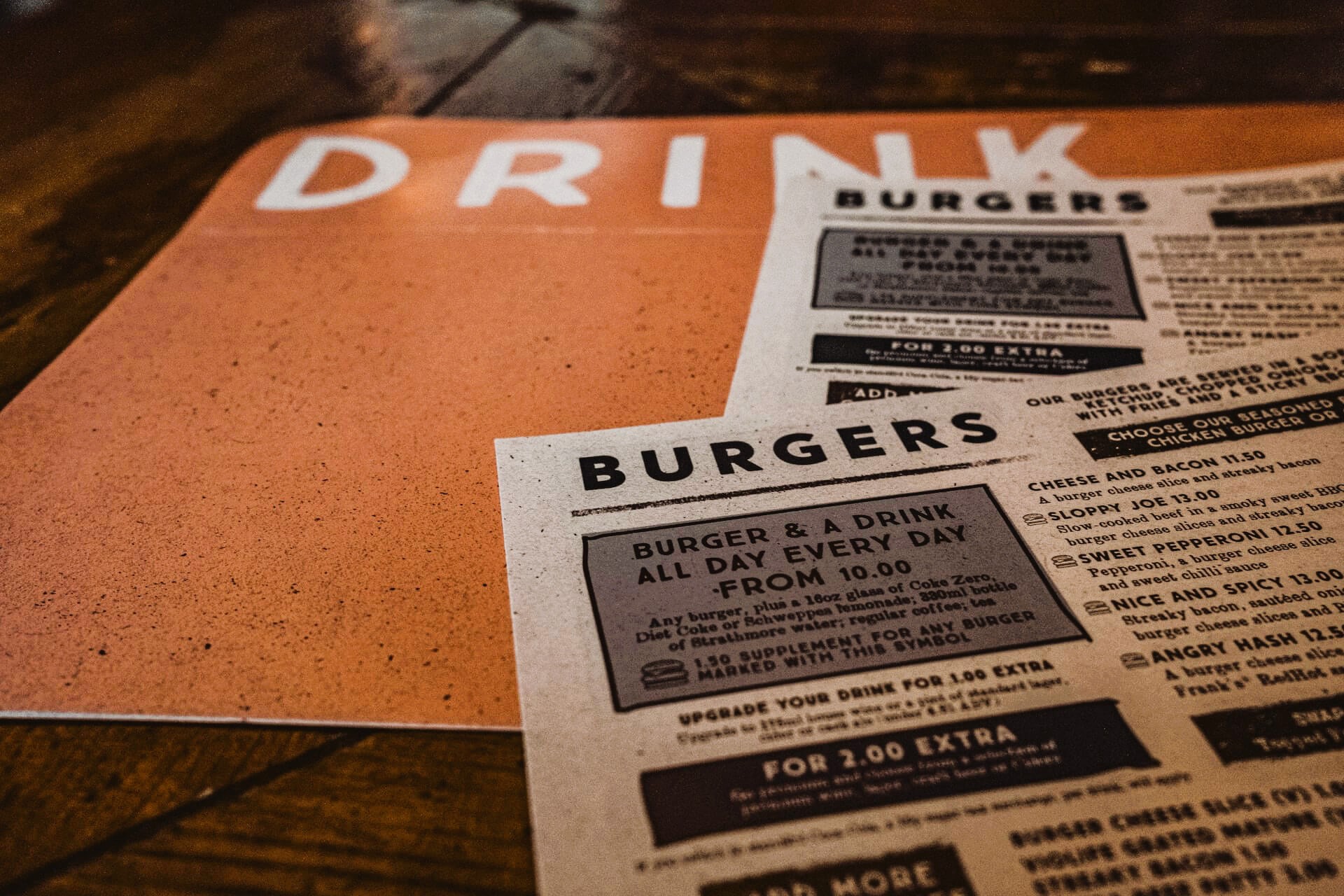
Bar and restaurant food and drink menus

Nobody has a crystal ball telling them what they should put on their menus to boost traffic and revenue, but we do have data.

In this instance, we have useful data regarding Canadian consumers specifically. Not only do we have helpful information from Restaurants Canada, David Henkes from Technomic has also weighed in. For those who are unfamiliar, Technomic is one of the best foodservice research and consulting firms.

Before we dive into Restaurant Canada’s menu trend information, this is not a review of the top menu item orders in Canada. For a deep dive into that topic in particular, please read our article “F&B in Canada: Top Menu Items.”

Instead, in this article we’re reviewing broader menu categories and interest in them among Canadian consumers. For your own copy of the 2022 Foodservice Facts report, click here.

Word of Warning

Now, it’s important to bear in mind that the data below is a snapshot. It’s important, informative data but it shouldn’t influence your menu completely.

In other words, when considering revising your menu in any way, make sure you’re staying true to your brand and the community you serve. If your data differs from Restaurants Canada and Technomic data, that’s okay.

Not only are there always outliers, not all data applies to every concept. So, don’t take drastic action on your menus based solely on the data below.

For this particular topic, Restaurants Canada asked three age groups about their interest in eight menu categories.

The groups are: 18 to 34, 35 to 54, and 55-plus. The industry advocacy group then reviewed the numbers for those who indicated they’re “very interested” or “somewhat interested” for each category or item.

Who Wants What?

The menu category generating the most interest from Canadian consumers, according to Restaurants Canada data, is food sourced from local farmers. Overall, 93 percent of survey respondents very or somewhat interested. Those in the 55-plus age group are the most interested.

More than 80 percent are interested in comfort foods, or creative riffs on comfort foods. Age groups 18 to 34 and 35 to 54 have the most interest. Precisely 80 percent are interested in trying globally inspired foods and flavors, led by the 18 to 34 age group.

Foods that promote health and wellness come next, with 79 percent of Canadian consumers showing interest. The 55-plus age group is particularly interested. However, dishes that utilize ingredients that boost one’s immune system are only popular among 53 percent of survey respondents. Interestingly, it’s the 18 to 34 age group with the most interest in this category.

In what’s possibly a contrast from American consumers, the final three categories have no more than 41 percent of survey respondents’ interest. Forty-one percent have interest in meatless and vegetarian items. Next, just 38 percent show interest in alcohol-free cocktails. Finally, just 33 percent are interested in plant-based burgers and sausages.

For each of those categories, the greatest interest comes from the 18 to 34 age group, and the 55-plus group shows the least amount of interest.

Recommended Reading

We’ve been reviewing the 2022 Foodservice Facts report from Restaurants Canada in depth for several weeks. To learn more about this important report, please read the following:

Image: Samuel Regan-Asante on Unsplash

by David Klemt David Klemt No Comments

F&B in Canada: Top Menu Items

F&B in Canada: Top Menu Items

by David Klemt

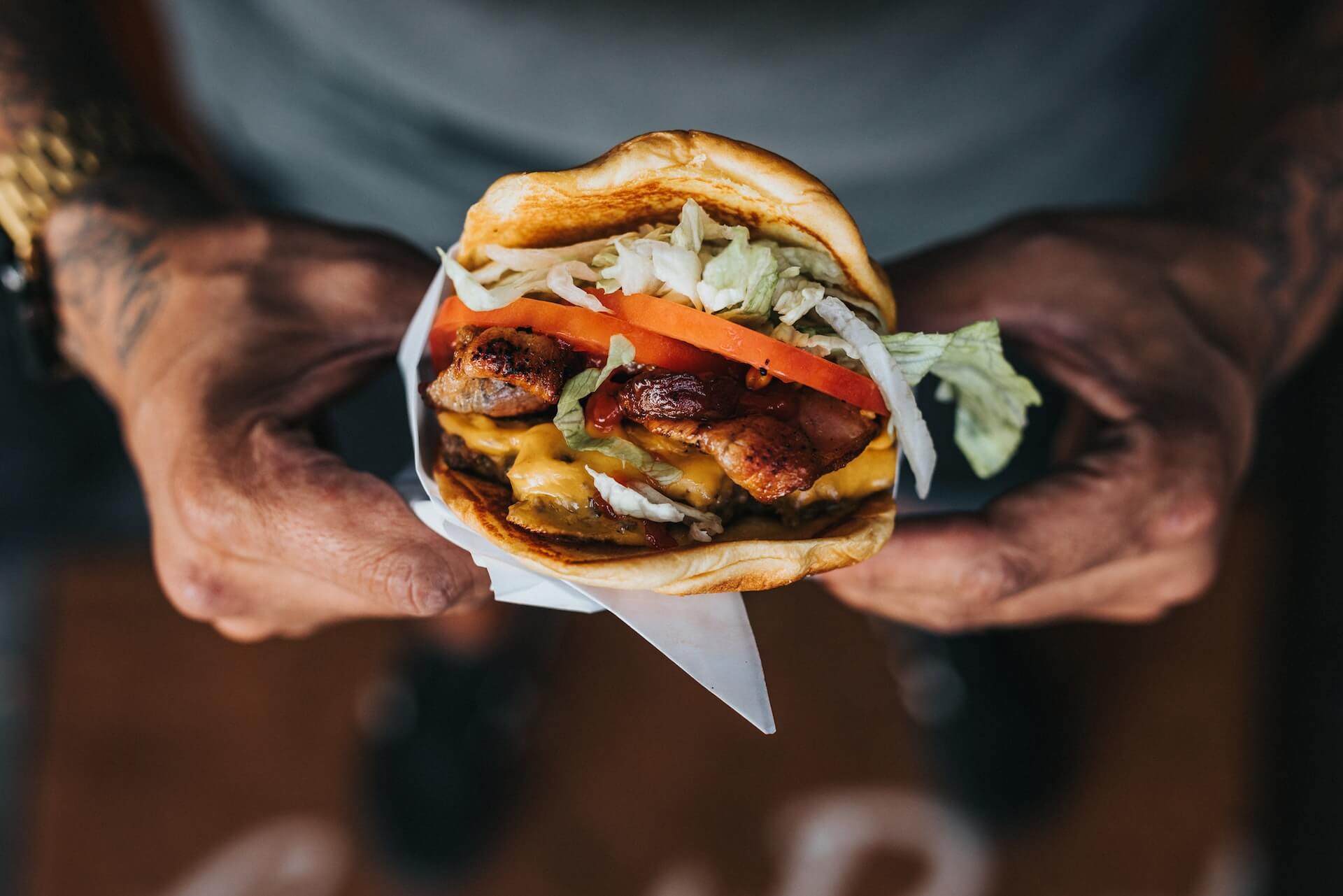
Closeup of hands holding burger

Those wondering what food and beverage menu items are performing best among consumers throughout Canada need wonder no more.

And why is that? Well, Restaurants Canada has the answers, revealing the top ten food and top ten beverage items.

Further, the organization compares each item’s performance. In this instance, Restaurants Canada analyses the percentage of orders that contained each food or beverage item from January to April 2022 in comparison to 2019.

These insights (and many more) are available in Restaurants Canada’s 2022 Foodservice Facts report. In fact, you can find our reviews of several of the restaurant advocacy group’s report topics via the links below:

For your own copy of this year’s Foodservice Facts report, click here.

Top 10 Canadian Drink Menu Trends

As you’ll see below, coffee is outperforming nearly every other beverage category. Specifically, Hot coffee is at the top, while Iced or frozen coffee is ranked third.

Unsurprisingly, Carbonated soft drinks / Pop / Soda split the two coffee categories. According to Restaurants Canada, the Carbonated soft drink category can credit its performance in large part to QSRs.

  1. Milk: 1.8% (2019) to 1.8% (2022)
  2. Iced tea: 2.9% (2019) to 1.6% (2022)
  3. Milkshakes / Smoothies: 2.1% (2019) to 2.0% (2022)
  4. Fruit juice: 3.8% (2019) to 3.0% (2022)
  5. Hot tea: 5.5% (2019) to 4.5% (2022)
  6. Alcohol beverages: 5.1% (2019) to 5.7% (2022)
  7. Water: 6.6% (2019) to 5.0% (2022)
  8. Iced or frozen coffee: 5.3% (2019) to 7.5% (2022)
  9. Carbonated soft drinks / Pop / Soda: 19.7% (2019) to 20.2% (2022)
  10. Hot coffee: 40.9% (2019) to 41.9% (2022)

Compellingly, Alcohol beverage performance in restaurants fluctuated by age group between 2021 and 2022. Alcohol order shares in restaurants, per Restaurants Canada:

  • Legal drinking Age (LDA) to 34: 46% (2021) to 43% (2022)
  • 35 to 49: 17% (2021) to 21% (2022)
  • 50-plus: 37% (2021) to 36% (2022)

Alcohol order shares in bars, according to Restaurants Canada:

  • LDA to 34: 35% (2021) to 35% (2022)
  • 35 to 49: 17% (2021) to 19% (2022)
  • 50-plus: 49% (2021) to 47% (2022)

Overall, the 35 to 49 age group appears to be consuming less alcohol in bars and restaurants in comparison to the LDA to 34 and 50-plus cohorts.

Top 10 Canadian Food Menu Trends

As Restaurants Canada notes, the Sandwich / Sub category has grown in 2022. Interestingly, the category just below it in growth, Chicken, is partially responsible for boosting Sandwich / Sub performance.

As far as entrees or “main attractions,” the Burger category remains at the top, beating out Breakfast, Sandwich / Sub, Chicken, and Pizza menu items.

  1. Cake / Squares / Muffins: 3.7% (2019) to 3.3% (2022)
  2. Salad: 4.3% (2019) to 3.8% (2022)
  3. Donuts / Beignets: 3.0% (2019) to 3.8% (2022)
  4. Breads: 4.3% (2019) to 3.4% (2022)
  5. Pizza / Panzerotti / Calzone: 4.1% (2019) to 4.3% (2022)
  6. Chicken: 7.6% (2019) to 8.5% (2022)
  7. Sandwich / Sub: 8.0% (2019) to 8.5% (2022)
  8. Breakfast: 10.8% (2019) to 11.4% (2022)
  9. Burger: 9.0% (2019) to 10.9% (2022)
  10. French fries / Potato / Sweet potato / Onion rings: 15.0% (2019) to 16.1% (2022)

Image: Nathan Dumlao on Unsplash

by David Klemt David Klemt No Comments

Learn to Homebrew Day Returns on Nov. 5

Learn to Homebrew Day Returns on November 5

by David Klemt

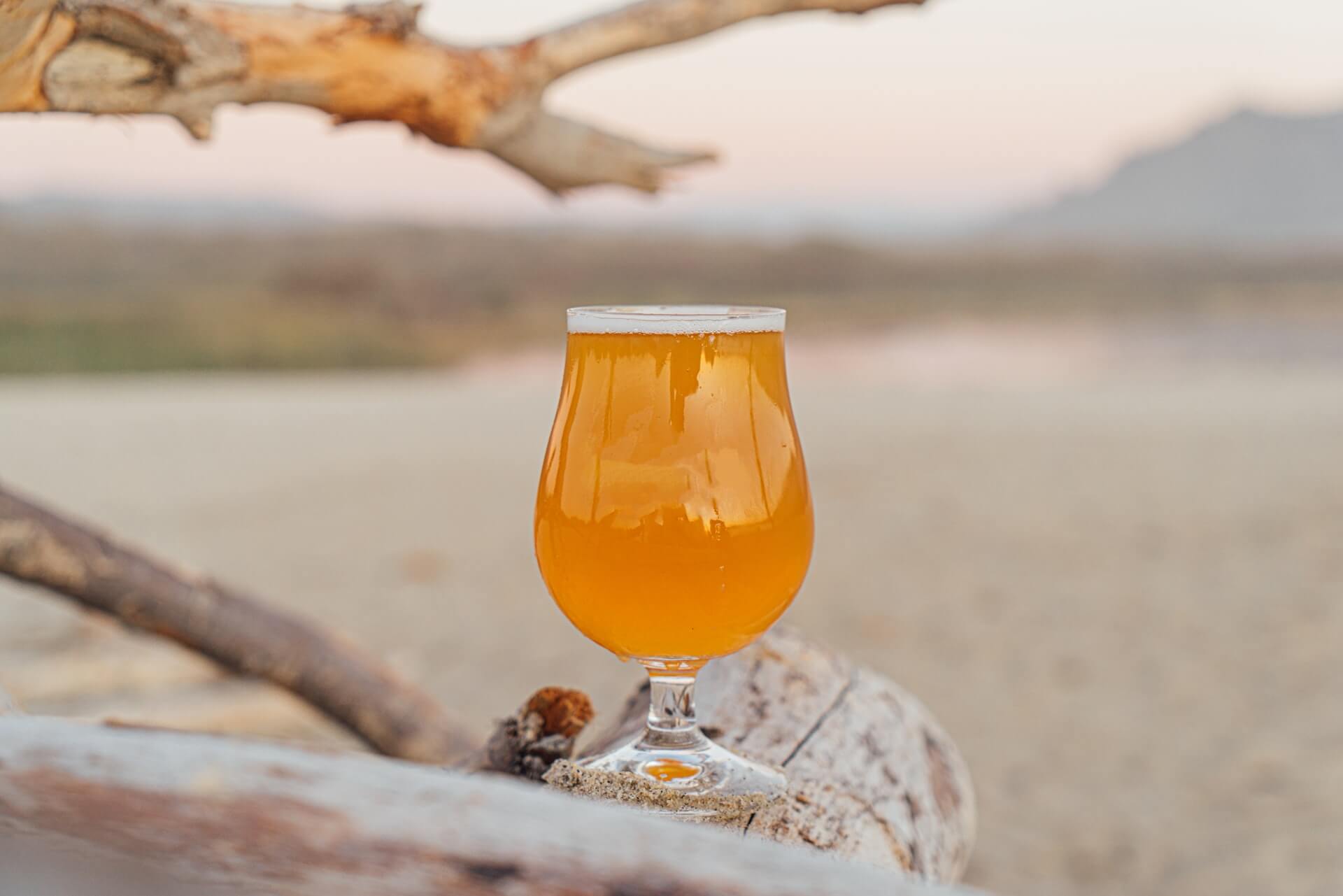
Snifter of beer on driftwood at beach

On Saturday, November 5, the American Homebrewers Association and brewing and fermenting fans will celebrate the 24th annual Learn to Homebrew Day.

If you’re not familiar with this holiday, it’s not difficult to understand or participate. As the name implies, Learn to Homebrew Day is about learning how to brew beer at home. More accurately, it’s about learning the science and process of brewing beer yourself.

Participation is simple: All participants follow the same recipe, which the American Homebrewers Association (AHA) provides. This year, the recipe will (perhaps “should” is more apt, depending on your ability to follow instructions) produce one gallon of Hoppy Amber Ale.

According to Northwest Beer Guide, this ale sends Amber into the IPA space and is a great brew for experts and neophytes alike.

Learn to Brew

Established in 1999, Learn to Homebrew Day isn’t difficult in terms of taking part. In fact, pledging to participate also gets you $5 off an annual AHA membership.

One perk that caught my eye is access to a database of myriad homebrew recipes, including ciders and meads.

For this year’s holiday, the AHA provides the recipe. Additionally, the association provides several resources to help homebrewers, inluding:

  • tutorials, such as “All-Grain (Batch Sparge) Homebrewing” and “All-Grain (Brew in a Bag) Homebrewing.”
  • lists of must-have and nice-to-have brewing equipment;
  • a search engine to help participants find necessary equipment in their area; and
  • a link to the Facebook page for Grainfather, a manufacturer of top-quality, technologically enhanced smart homebrew equipment.

Speaking of social media, make sure to follow the AHA on Instagram ahead of November 5.

Interestingly, while the AHA has “American” in its name, there are international participants. According to the AHA website:

  • there are, as of October 23, 147 people pledging to participate;
  • the 147 participants are from nine countries;
  • participants span 36 states and territories;
  • and participants have pledge to brew 925 gallons.

Why Participate

So, let’s say you’ve never brewed your own beer at home. “Why,” you may be asking yourself, “should I take part in Learn to Homebrew Day this year?”

One good reason is that if you’re reading this, you likely play a role in the food and beverage. Beer, of course, is a huge part of the F&B world. And there’s no arguing that craft beer and microbrews are very important to many restaurants and bars.

Gaining the ability to understand and speak intelligently about the products you sell is of great benefit to all F&B and hospitality professionals. Today’s guest knows much more than they ever have before. Many want to engage the front-of-house team members who serve them about what they’re consuming.

If you’re an operator or leader of the membership team—particularly of a venue with a serious focus on beer—encourage your teams to take part. There’s no downside to gaining knowledge of and experience with the products they serve to guests.

Another great reason to participate? It’s going to be fun. That may seem like a shallow or flippant reason. But think about this: How many stories of craft brewers, craft breweries, brewpubs, and taprooms start with trying out homebrewing?

Learn to Homebrew Day may just spark your next great idea. That idea may be kicking off your microbrewery or brewpub ownership adventure.

If you love (or even just like) beer, follow this link to learn more about Learn to Homebrew Day. Happy brewing!

Image: by George Cox on Unsplash

by David Klemt David Klemt No Comments

Go Clean this International G&T Day

Go Clean this International G&T Day

by David Klemt

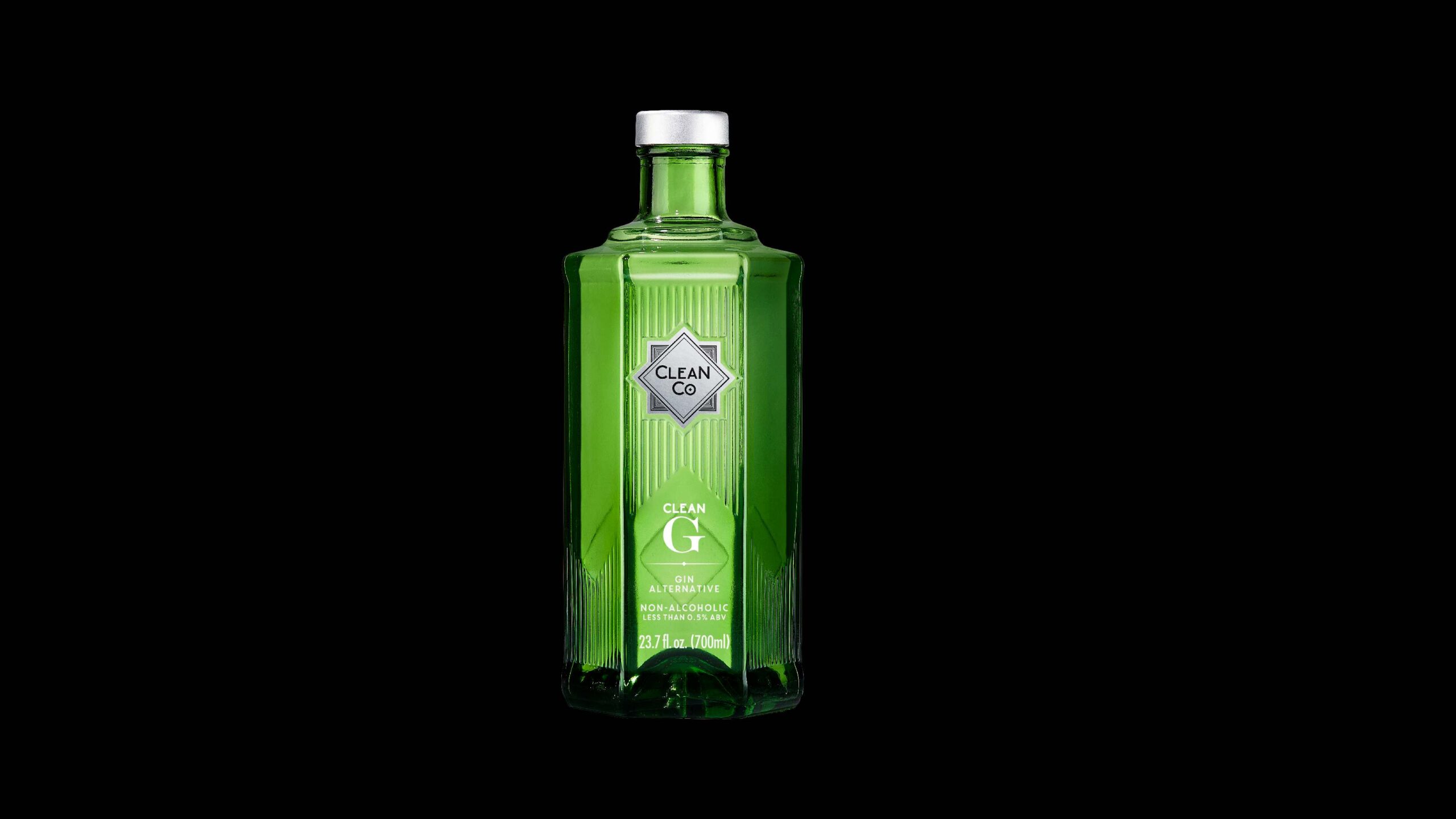
CleanCo Clean G bottle

Today we raise a glass to a centuries-old spirit and a classic cocktail that historians can trace back to at least the mid-1800s.

In other words, happy International Gin & Tonic Day!

Now, I’m willing to go out on a limb and say that you and your bar team probably have your G&T builds down. It’s one of—if not the—most well-known highballs in existence.

So, no, I’m not going to write an article about how to make a G&T. It’s elegant, it’s simple, and bar professionals shouldn’t be behind the stick if they can’t make at least a decent one.

Instead, I want to introduce you to a non-alcohol spirits brand you should know: CleanCo. As an alcohol-free brand, CleanCo is ideal for Sober October and beyond.

If you already know CleanCo, cheers! But if this is you’re first time getting to know the brand, here’s what you need to know.

About CleanCo

Spencer Matthews founded CleanCo in 2018. At just a few years old, this isn’t a brand-new company.

However, anyone who knows the beverage industry knows it takes time for young brands to fight through the noise and be heard. Suffice to say, CleanCo is making themselves known in 2022.

Before starting the alcohol alternative brand, Matthews “lived in a cycle of drinking excessively for most” of his twenties. In fact, under the About section on the CleanCo website, Matthews states he sought out jobs that encouraged his hard-drinking lifestyle. That changed before the arrival of his first child. Matthews decided to “go clean” and says it changed his life.

However, Matthews doesn’t expect others to abstain from alcohol consumption completely. That is, of course, a personal choice. Rather, Matthews seeks to provide an alternative that people will actually want to drink.

Whether a guest is choosing to not consume alcohol for a round, an evening, a week, a month, or for the foreseeable future, CleanCo’s mission is to help deliver a seamless drinking experience without the alcohol.

Along with Clean G, CleanCo’s gin alternative, the brand offers rum, vodka, and tequila expressions that are 0.5-percent ABV or lower.

Clean G&T

Just like the original classic this non-alcohol-cocktail mimics, the Clean G&T is simple to make.

In fact, the ratio of Clean G gin alternative to tonic is same as its full-alcohol counterpart.

  • 2 oz. Clean G
  • 4 oz. Tonic
  • Two lime slices or wheels to garnish

To build, add Clean G and tonic to a tall glass. Next, add ice along with one lime slice or wheel to layer the garnish throughout the length of the drink. Finally, place the other lime slice or wheel on top, and serve.

Image: CleanCo

by David Klemt David Klemt No Comments

The Delicious ‘Mistake’ Causing an Uproar

The Delicious ‘Mistake’ Causing an Uproar

by David Klemt

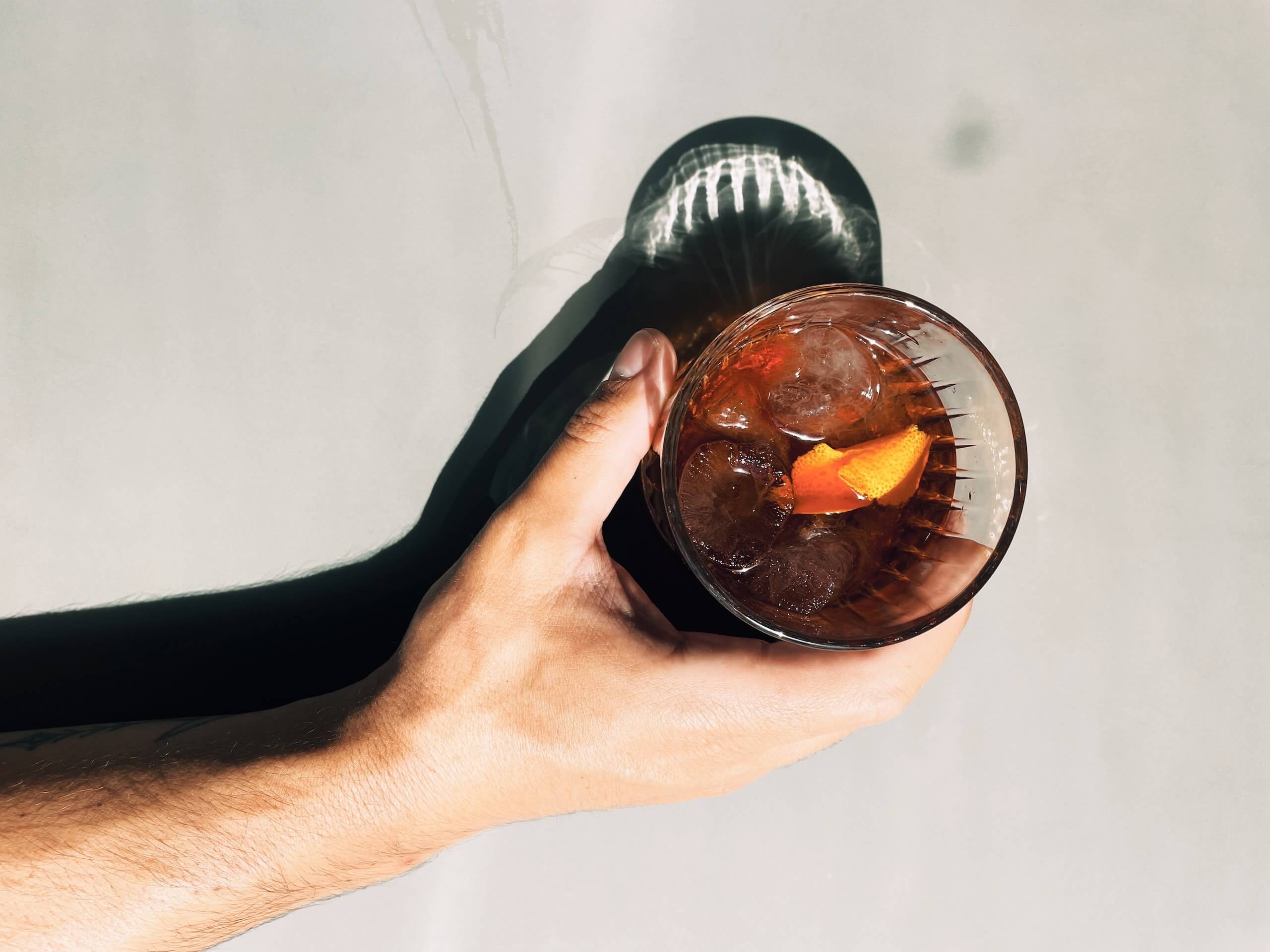
Overhead shot of hand holding cocktail

Are you hearing your bar team or fellow bartenders debating Negroni specs or catching them rolling their eyes when a guest orders a particular variant?

Well, there’s a good reason. For some reason, the Negroni Sbagliato is getting roasted across social media.


View this post on Instagram


A post shared by Mover & Shaker (@moverandshakerco)

Perhaps it’s for the way it’s apparently being ordered. If the memes are anything to go by—a portion of a sentence I can’t believe I just typed—guests are asking for, “A Negroni Sbagliato, with Prosecco.”

It’s possible that some bartenders are bristling at the “with Prosecco” portion of the order. A Sbagliato, which translates to “mistake,” “bungled,” or “incorrect” from Italian, is a gin-less Negroni. As you may already know or are putting together by now, sparkling wine stands in for the gin.

There’s also another possibility as well: some bartenders can’t stand when a cocktail suddenly explodes in popularity and it’s all they seem to make for weeks on end.

Of course, it could just be that some bartenders don’t feel that the drink is worthy of the hive-mind ordering frenzy. I’ve seen more than one comment on social media posts (again, I can’t believe that’s a relevant method of providing context, but here we are) pointing out that there’s nothing groundbreaking about the Sbagliato.

“All that’s happening is gin being swapped out for sparkling wine,” is a common refrain. It’s a good point.

If the phrase, “No Negroni without Campari,’ holds true, how can a Negroni be a Negroni without gin?

Guest Experience

So, that’s the gist of this “scandal” or “outrage.” Really, it just seems like a bit of fun from the bartender and cocktail communities. Why not vent a little spleen at something innocuous if nobody gets hurt?

Unless, of course, the guest experience is being affected negatively. There was a time not long ago during which a number of “serious” cocktail bar teams belittled guests for any number of reasons, and seemed to get away with it.

Didn’t know something about a particular element of ingredient of a drink? Ridicule. Asked for a drink “beneath” the bar team? Outward contempt.

Not great, as you can imagine, for the guest experience, growing a loyal base, and earning repeat visits.

Personally, I have no issue with front-of-house team members rolling their eyes at someone causing problems. Being rude or creepy to team members and/or guests? Difficult guests get what they deserve if they’re mocked, set straight, and kicked out.

But for ordering what they want to drink, well within reason? Sorry, but I don’t feel like that’s worthy of outward scorn. It’s not the spirit of hospitality, and it’s certainly not good for business.

However, I don’t think anyone has addressed the Negroni Sbagliato (non)issue as well as bartender Giuseppe González via Instagram:


If you don’t want to check out the post, even though you should, here’s a relevant snippet:

So I say this with love: Unless they are ordering a Pumpkin Spice Negroni Sbagliato, let it go and look at this human knowing one thing: it’s actually a really cool drink and I’m not mad at it.

Negroni Sbagliato

Remember, one of the keys to the balance that defines the original Negroni is the 1:1:1 ratio. For this riff on the classic, that ratio remains the same—it’s an ingredient change that makes the difference.

As you’ll see below, the Sbagliato recipe calls for Prosecco rather than gin. While the substitution is simple, the change to the cocktail is significant in terms for flavor and mouthfeel.

I’d also say this an fun fall or winter cocktail, so why not put one on your menu?

  • 1 oz. Campari
  • 1 oz. Sweet vermouth
  • 1 oz. Prosecco
  • Orange slice or peel to garnish

First, prepare an Old Fashioned glass with a large ice cube or sphere. Next, add ice, Campari and sweet vermouth to a mixing glass. Stir until well chilled, then strain into the prepared glass. Now, add the Prosecco to the glass and stir once more. Finally, garnish with orange slice or peel.

If you so choose, you can build this drink entirely with Campari portfolio elements. There’s Campari itself, of course. Then there’s Cinzano Vermouth Rosso and Cinzano Prosecco.

Image: Matheus Frade on Unsplash

by David Klemt David Klemt No Comments

7 Days Until Old Fashioned Week!

7 Days Until Elijah Craig Old Fashioned Week!

by David Klemt

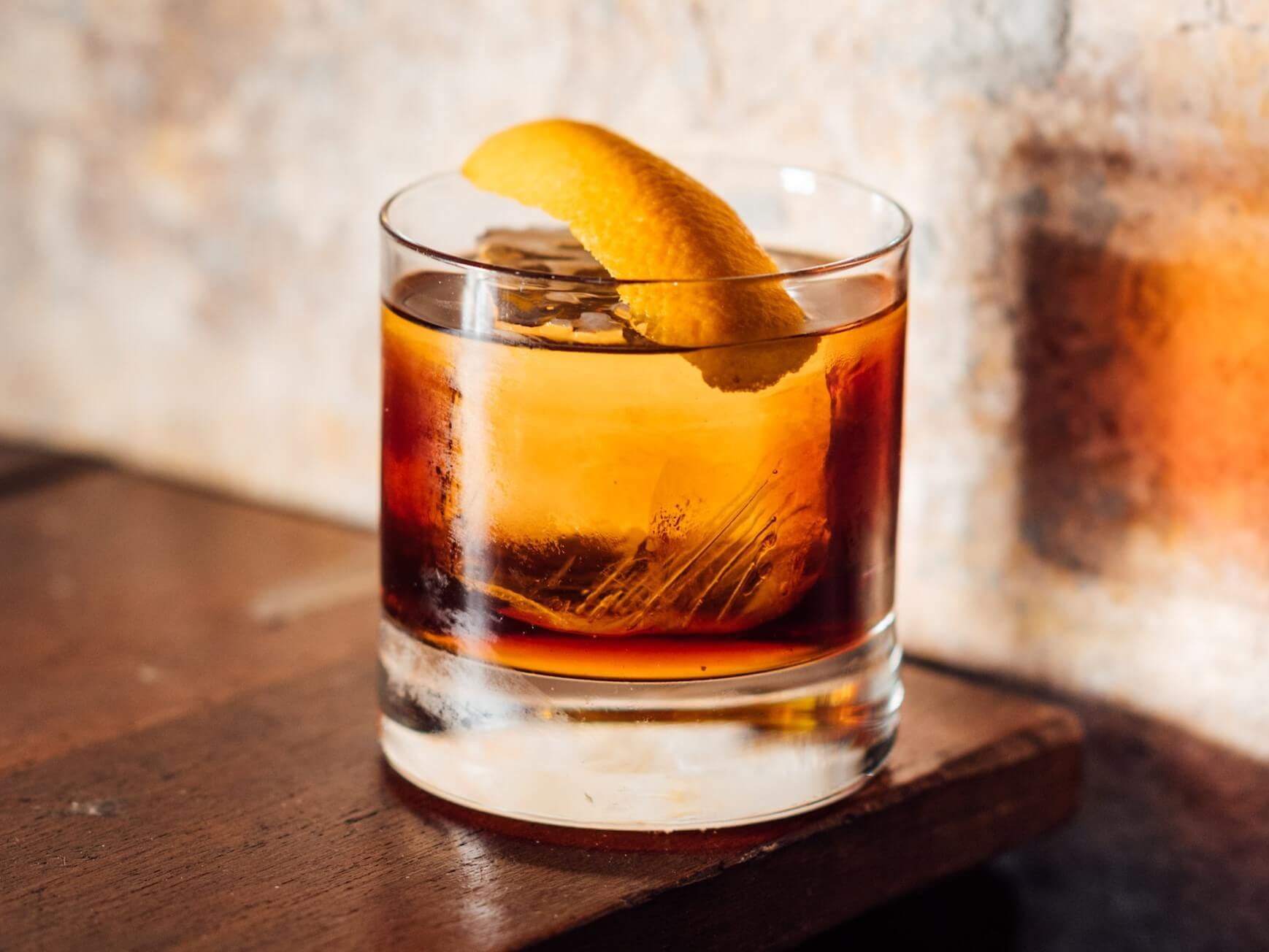
Old Fashioned cocktail on table

In just seven days operators, their front-of-house teams and guests will have the opportunity to participate in Elijah Craig Old Fashioned Week.

Those who choose to join in on the fun will help generate funds for crucial cause. Further, participation means joining forces with some revered heavy hitters in the industry.

For example, Broken Shaker’s Chicago and Miami locations are taking part, as is Cure in New Orleans. Birdie G’s in Los Angeles, the Denver outpost of Death & Co., and Houston’s Julep are also participating. And then there’s LA Jackson from Nashville, the legendary Leyenda in Brooklyn, DC’s Silver Lyan, and Philly’s R&D all joining the cause.

A Great Cause

As stated, this is more than a cocktail promotion. Elijah Craig Old Fashioned Week supports an important cause and fantastic organization.

The cause is providing F&B professionals who are struggling with financial assistance, and the aide comes from the Southern Smoke Foundation.

Since 2015, Southern Smoke has been dedicated to raising funds to help individuals in the F&B space. The non-profit organization strives to help our industry peers in need persevere through crises.

From raising funds for the MS Society, establishing the Emergency Relief Fund, and providing free mental healthcare, Southern Smoke consistently proves themselves a trustworthy industry partner. By 2021, Southern Smoke had donated more than $5 million in financial aid to industry workers affected by Covid-19.

Take Part

Elijah Craig, the storied small-batch bourbon and rye producer in the Heaven Hill Distillery portfolio, makes participating simple and fun.

Unsurprisingly, we at KRG Hospitality love an activation and promotion that’s easy to execute and fun for everyone in the building. This year, Elijah Craig Old Fashioned Week takes place from October 14 through October 23.

To help raise money for Southern Smoke’s crisis management mission, encourage your bar team and guests to post pictures of their Old Fashioneds to social media. All one has to do is include tag @ElijahCraig and the hashtag #OldFashioned Week. Elijah Craig will take it from there, donating $5 for every post up to $100,000.

I’m confident that over the course of ten days we can all come together and flood social media with 20,000 images of delicious, well-crafted Old Fashioneds.

To learn more about last year’s Old Fashioned week, listen to Bar Hacks episode 52. Our very special guest on this episode is Lynn House, the 2022 Best US Brand Ambassador Spirited Award winner.

Get Creative

Now, I’d normally include the particular drink recipe here but I think—I believe—we all know how to make an Old Fashioned by now. So, I’m going to encourage all participating operators and their bar teams to create a small, signature Old Fashioned LTO menu or Elijah Craig Old Fashioned Week.

Also, to get those creative juices flowing, here’s the recipe for the Elijah Craig Rosemary Old Fashioned:

  • Craft rosemary cinnamon syrup by combining 1 cup of water with 2 cinnamon sticks, 2 rosemary sprigs, and 1 medium navel orange in a saucepan over medium heat. Bring to a simmer, add one cup of Demerara sugar and stir until it dissolves. Strain into a clean, sanitized bottle.
  • Combine 2.5 oz. of Elijah Craig Small Batch Bourbon, a half-ounce of housemade rosemary cinnamon syrup, and three dashes of orange bitters in a mixing glass with ice.
  • Stir and strain into rocks glass over a large ice cube, then garnish with a Maraschino cherry on a rosemary-sprig skewer. If you so choose, light the sprig on fire for a moment to generate some rosemary smoke.

Image: CHUTTERSNAP on Unsplash

by krghospitality krghospitality No Comments

Stand Out with Weird Holidays: Oct. 2022

Stand Out with Weird Holidays: October 2022

by David Klemt

Stay Weird neon sign with purple background

Want to stand out from from other restaurants and bars in your area? Then commit to keeping it weird.

Several “holidays” are set against every date on the calendar, and October is no exception. These holidays range from mainstream (Halloween, anyone?) to “weird.”

Pay attention to the latter to raise eyebrows, carve out a niche for your restaurant or bar, and attract more guests. Why do what everyone else is already doing?

Of course, you shouldn’t try to celebrate every holiday, weird or otherwise. And this month’s list in no way includes every odd holiday.

Focus on the days that are authentic to your brand; resonate with your guests; and help you grab attention on social media.

For September’s list, click here.

October 5: Chic Spy Day

Of course, there’s one holiday this month that simply will not allow anyone to ignore it: Halloween. So, why not lean into it early? Encourage guests to show up looking like a chic spy, perfect your Vesper Martini, and show spy movies. In other words, task your guests with really getting into the spy theme, and create a menu that shows off your creativity as well.

October 6: National Orange Wine Day

No, there aren’t any oranges used in the production of orange wine. Rather, it’s white wine with which the grape skins and seeds remain in contact. The result is an orange hue. And as we all know, orange is one of the key colors of October and Halloween. To celebrate National Orange Wine Day, put some orange wines on your menu.

October 7: National LED Light Day

They say there’s a holiday for just about everything. The existence of this holiday points to that sentiment being accurate.

To wow your guests and get them in the mood for your ultimate October promotion, a Halloween bash, drop food-safe, waterproof LEDs into cocktails for a “spooky,” otherworldly effect.

October 13: National Train Your Brain Day

You know what’s an excellent way to train your brain and stay sharp? Trivia! And do you know what a lot of guests like to do at bars? Trivia! Guest what you should plan for National Train Your Brain Day…

October 17: Wear Something Gaudy Day

I mean, it’s Halloween month and people want to dress up. Guide their costume ambitions by encouraging them to get gaudy and tacky on Wear Something Gaudy Day.

October 18: National Chocolate Cupcake Day

Okay, so this isn’t a weird holiday. There’s nothing strange about chocolate cupcakes. What they are is delicious, and your kitchen staff can always decorate chocolate cupcakes with fall and Halloween themes.

October 20: International Sloth Day

Ah, the sloth. It really has the right idea most days: slow down. On this day, encourage your guests to slow down and relax at your restaurant or bar. Comfort food, delicious beer, and classic brunch cocktails are the order of the day.

October 21: National Count Your Buttons Day

There are several ways to celebrate this day. However, I think a good, old-fashioned “Guess How Many Buttons are in This Jar” contest is the way to go. Give away a bottle, a meal, a bar tab, etc. The sky’s the limit.

October 22: National Make a Dog’s Day

Is your business dog-friendly? Can your kitchen come up with dog-safe menu items? Then encourage your guests to come in and pamper their pooches.

October 25: National Greasy Food Day

There’s no point in competing or programming against Halloween. Not for most operators, anyway. So, celebrate this debaucherous, indulgent day with greasy bar and comfort food ahead of your Halloween promotion.

Image: Dan Parlante on Unsplash

by David Klemt David Klemt No Comments

3 Bar Hacks Episodes for Sober October

3 Bar Hacks Episodes for Sober October

by David Klemt

Bartender straining cocktail

We’re just two weeks away from Sober October so here are three Bar Hacks podcast episodes to get you ready for this important month.

Over the course of 100-plus episodes we’ve spoken with a handful of non-alcohol brands. These, along with other alcohol-free brands, should be on your radar.

In fact, they deserve spots on your backbar and placement on your menus. The latest estimate is that around 40 percent of Americans don’t consume alcohol. In Canada that number is roughly 33 percent.

However, those numbers don’t paint a complete picture. Over the past few years there has been increasing interest in “sober curiosity.” In this movement, people abstain from drinking alcohol from time to time rather than abstaining permanently.

Now, we tend to associate the month of January with sobriety, either permanent or temporary. Clearly, however, October is also a month where people choose to not imbibe.

The Sober Guest Experience

The following should go without saying but let’s cover it anyway. Some sober people do, in fact, spend time in bars and nightclubs.

Just as that should go without saying, so should this: Your sober guests deserve every bit as great an experience as guests who are drinking alcohol.

Moreover, sober guests deserve a guest experience free of discomfort or isolation. In short, you should seamlessly provide the same level of service at the bar to sober guests as those who enjoy alcohol.

No, it’s not enough to menu water, sugary sodas, lemonade, and tea. Sober guests should be comfortable coming to your bar. Like guests who consume alcohol, sober guests should be able to order a drink that doesn’t make them feel different or singled out.

So, put quality non-alcohol beers on your menu. Create a number of signature zero-proof cocktails. Serve both with the same attention to detail as presentation as their full-alcohol counterparts.

“I’m a professional, I want to create,” says Paul Mathew, founder of alcohol-free aperitif brand Everleaf and Bar Hacks guest. “I want to do something I’m proud of.”

Approach your alcohol-free program the same way as Mathew, a bartender and operator himself. Be professional, be creative, and be mindful of your sober guests’ experience.

Episode 28 with Tim Rita

Lyre’s Spirits crafts alcohol-free spirits that masterfully mimic their full-proof counterparts. Host David Klemt sits down with Lyre’s brand ambassador, bartender, and buddy Tim Rita to chat about the brand. In this episode you’ll learn about one of the fastest-growing brands in one of the fastest-growing beverage categories. For the alcohol-free Mai Tai mentioned on the podcast, click here.

Listen now.

Episode 31 with Ted Fleming

Ted Fleming, entrepreneur and CEO and founder of Partake Brewing, stops by the Bar Hacks podcast to talk with host David Klemt. The two discuss the founding of Partake Brewing and the importance and growth of the non-alcohol beer category. Also, how operators can succeed with non-alc, advice for entrepreneurs, and more. Visit the Partake Brewing website to learn more. Connect with Partake on InstagramTwitter and Facebook.

Click here to listen.

Episode 81 with Paul Mathew

Paul Mathew, bartender, bar owner, and founder of Everleaf, sits down with Bar Hacks podcast co-host David Klemt. In this fun and informative episode, Paul shares his journey through bartending and bar ownership, and his entry into the drinks business. Non-alcoholic aperitif brand Everleaf is the culmination of Paul’s many years as a conservationist botanist, knowledge of plants, and nearly 30 years in the bar business.

The Everleaf portfolio consists of three unique expressions and a new RTD line. Shortly, Everleaf will begin distribution throughout the United States, and there are plans for Canada and Australia in the future. To learn more, vist the Everleaf website and follow Everleaf on Instagram and Facebook.

Listen to this episode here.

Image: Jia Jia Shum on Unsplash

by David Klemt David Klemt No Comments

Pumpkin Spice Season Descends Upon Us

Pumpkin Spice Season Descends Upon Us

by David Klemt

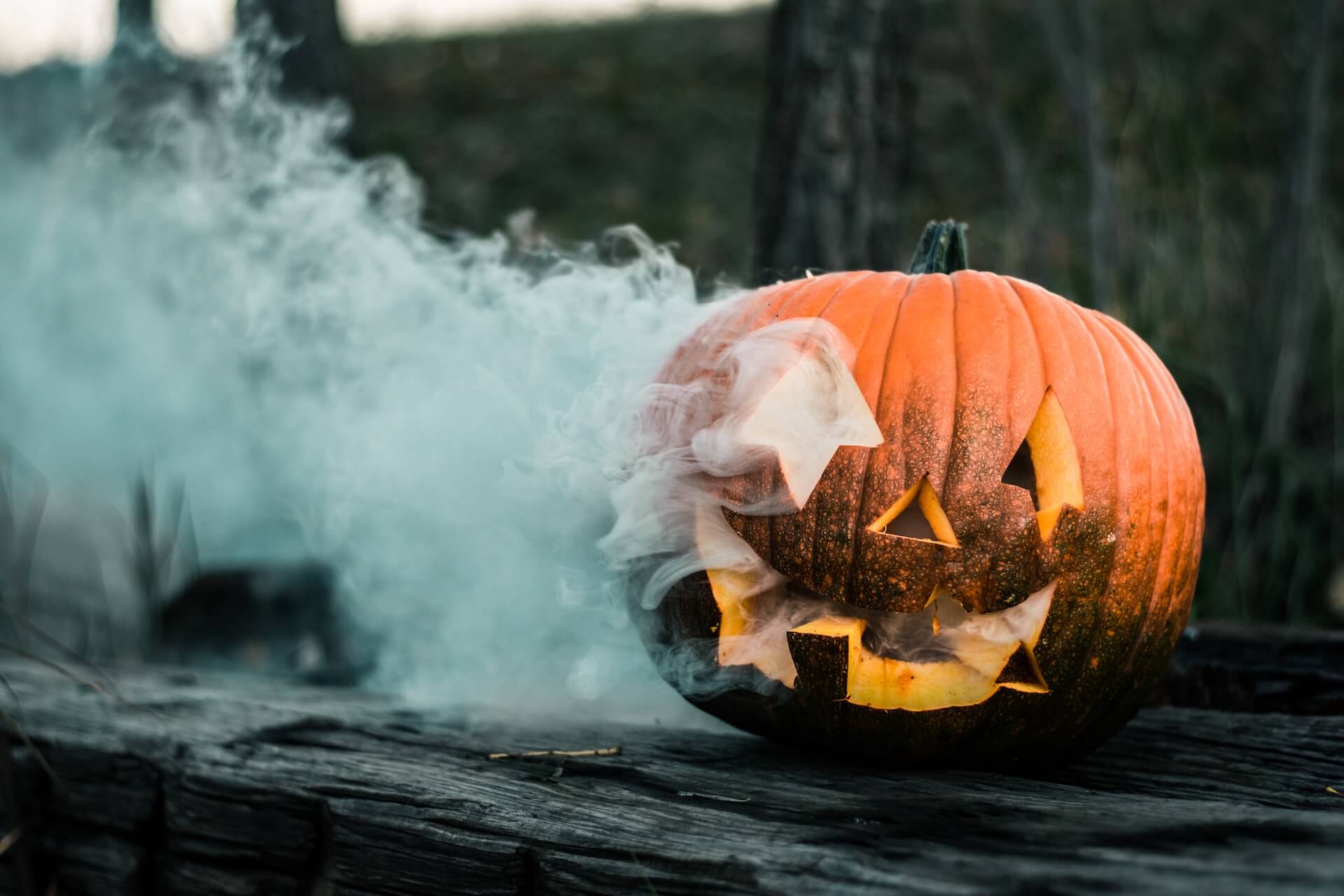
Jack o' lantern and smoke

Once again, the unstoppable march of the spooky season is upon us, bringing with it a frightening assortment of pumpkin spice items and expectations.

In the blink of an eye, hordes will descend on your restaurant or bar. “Pumpkin spiiiiiice,” they’ll croak.

Okay, so that’s overly dramatic. For the most part, pumpkin spice season is anything but scary. And really, very few people will transform into singularly focused pumpkin spice zombies.

However, fall is nearly here. So, you do need to finalize your fall/autumn menu. Beginning in September, that really does mean considering offering at least one pumpkin spice LTO item.

Interestingly, though, pumpkin spice may not deserve its perception as the flavor of fall. According to Datassential, there are ten flavors that index high enough to give pumpkin spice a challenge for the fall throne.

What are they? Well, it just so happens that Datassential has those answers, along with a bit of useful advice.

Lord of the LTO

Recently, Datassential released “Food Industry Trend Report: 2022 Pumpkin Spice Season.” As the research firm points out, pumpkin spice seems to be encroaching on summer more each year.

How far away are we, I wonder, from pumpkin spice claiming summer for itself? Will we be subjected to pumpkin spice dry rubs at summer barbecues? Is some intrepid operator going to create a pumpkin spice lemonade?

Those terrifying questons aside, pumpkin spice season coming earlier means more opportunities to benefit from LTOs. Just as it seems that pumpkin spice is descending upon us earlier and earlier, it also seems to dominate the LTO space.

In fact, per Datassential research, major chains executed 174 pumpkin spice LTOs. Now, that’s still with a five-percent drop in menuing for pumpkin space over the past 12 months. Further, that number doesn’t include small, regional chains and independents who also launched pumpkin spice LTOs.

Of course, there are also other fall flavors that deserve a place on operators’ menus. And they’re perfectly cromulent as LTO drivers.

Fall Flavor Favorites

To inspire operators to create LTOs that entice consumers this fall, Datassential has identitied ten flavors on which to focus. Helpfully, they separate them into two main categories.

Top five sweet fall flavors:

  • Vietnamese cinnamon
  • Spicy ginger
  • Allspice
  • Eggnog
  • Pumpkin pie

Top five savory flavors:

  • Coconut milk
  • “Oktoberfest”
  • Mustard cream
  • Turkey gravy
  • Cranberry sauce

Personally, I can see operators and their teams needing to get creative to leverage mustard cream and turkey gravy. Interestingly, Datassential suggests a few flavors not on either list above.

According to their report, Datassential expects apple and blood orange to be popular for LTOs this year. According to the firm, apple was popular last year. When it comes to blood orange, Datassential says 38 percent of consumers like or love the flavor.

Whichever flavors you choose, Datassential has the following advice, which we co-sign: Ensure your LTOs are fresh; make sure they’re easy and quick to make; and don’t discount them. In fact, you should create premium LTOs that come with a premium price.

Image: Colton Sturgeon on Unsplash

by David Klemt David Klemt No Comments

Are You Ready for Oktoberfest 2022?

Are You Ready for Oktoberfest 2022?

by David Klemt

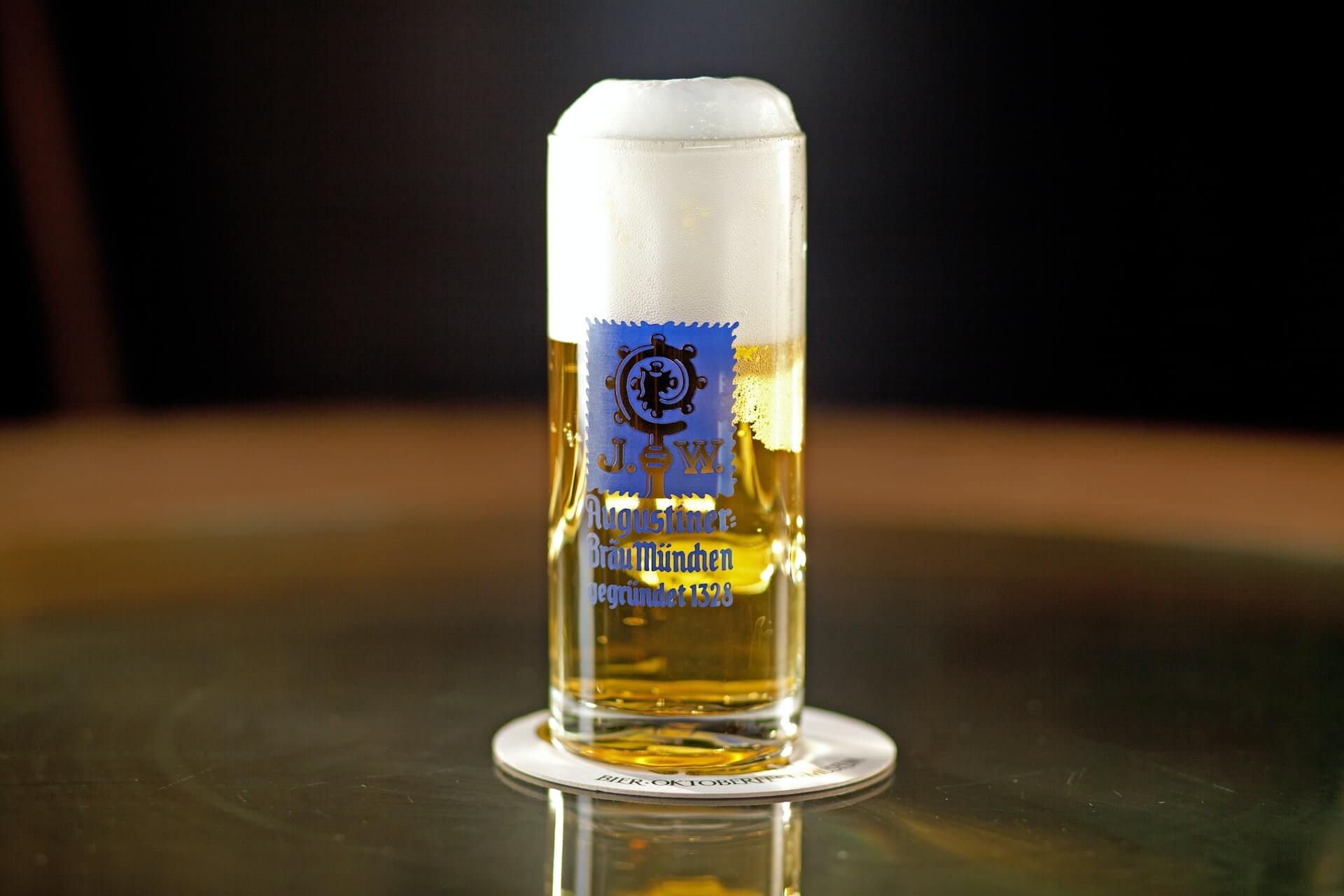
Glass of Augustiner beer

Oktoberfest, one of the single best beer events and promotions operators can program for, kicks off on September 17 and goes through October 3.

Impressively, this year represents the 187th Oktoberfest. Of course, this would be the 189th Oktoberfest if Covid-19 hadn’t forced Munich to hit pause on the celebration.

At noon Central European Summer Time, Orktoberfest will tap the first keg. Then, Munich’s Lord Mayor Dieter Reiter will declare, “O’Zapft is!” The Bavarian phrase translates to, “It is tapped!” (For you linguistics nerds out there, the phrase is, “Es ist angezapft!” in German.)

In America, that means Oktoberfest will kick off at 1 AM HAST, 2 AM AKDT, 3 AM PT, 4 AM MT, 5 AM CT, 6 AM ET or 7 AM AST.

For Canada, those times are 3 AM PT, 4 AM MT, 5 AM CT, 6 AM ET, 7:30 AM NT.

Clearly, that’s pretty early for most people to start drinking beer. But hey, if you’re in a market like Las Vegas there may be people who want to kick off Oktoberfest at your bar at 3:00 in the morning.

The Official Oktoberfest Breweries

You may have heard that there are rules about which breweries can actually be at Oktoberfest. Well, that’s not a rumor.

To clarify, just six breweries in Munich can serve beer at this world-famous event. Those six breweries are:

  • Augustiner
  • Hacker-Pschorr
  • Hofbräu
  • Löwenbräu
  • Paulaner
  • Spaten

So, why does Oktoberfest limit the event to just these breweries? Essentially, this move is to ensure that this Munich-based event remains a Munich-based event.

Luckily, it’s not too difficult for operators to get their hands on Hacker-Pschorr, Hofbräu, Löwenbräu, and Spaten. Really, it just depends on the relationship an operator has with distributors the region in which they operate.

Oktoberfest Outside of Munich

Of course, an operator need not serve only the official Munich beers to celebrate Oktoberfest wherever they’re located.

Plenty of brewers outside of Munich brew seasonal Oktoberfest (or Octoberfest, as it were) beers. For example:

  • Bell’s
  • Brooklyn Brewery
  • Founders
  • Great Lakes
  • Jack’s Abby
  • Sam Adams
  • Sierra Nevada
  • Summit Brewing
  • Warsteiner

And when it comes to food programming, the Munich event serves some delicious bites. It should go without saying that yes, the following pair well with beer:

  • Roast chicken
  • Roast pork
  • Pounded, breaded thin cuts of meat (schnitzel)
  • Sausages
  • Brats
  • Pretzels
  • Tarte flambée (flammkuchen)
  • Potato pancakes (kartoffelpuffer)
  • German potato salad
  • German “cottage fries” or fried potatoes (bratkartoffeln)
  • Sauerkraut
  • German beer cheese spread (obatzda)
  • German red cabbage (rotkohl/blaukraut)

Truly, this is an amazing time of year. Just over two weeks of great beer and delicious comfort food.

To learn more about this annual celebration of beer, visit the official Oktoberfest website.

Image: Kurt Liebhaeuser on Unsplash

by David Klemt David Klemt No Comments

KRG Hospitality’s Top Bourbon Articles

KRG Hospitality’s Top Bourbon Articles

by David Klemt

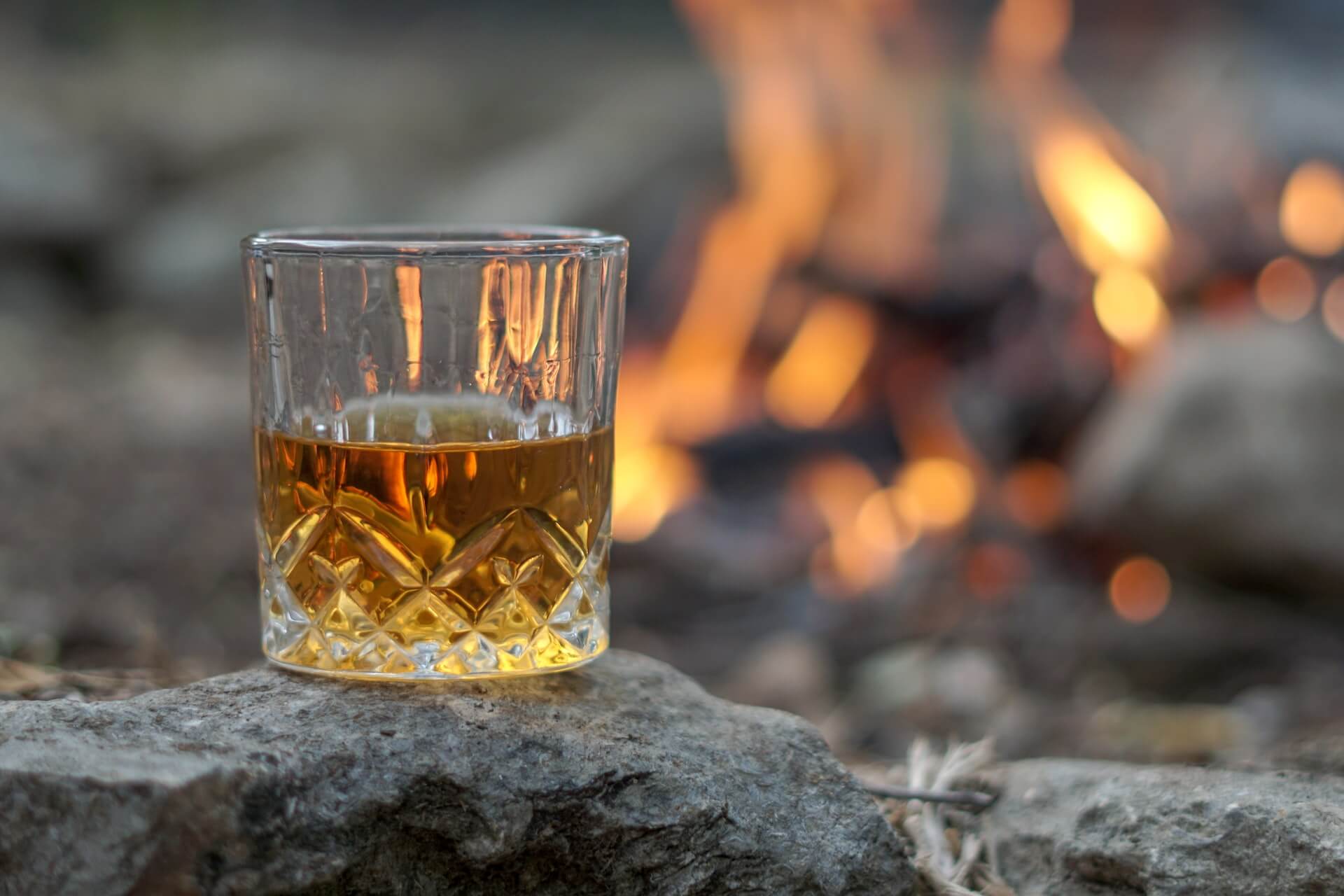
Glass of bourbon whiskey next to fire

To inspire and help you program for National Bourbon Heritage Month, enjoy this roundup of our top bourbon articles.

For bourbon lovers specifically and those who appreciate whiskey in general, this is an exciting month. You can leverage that excitement throughout the month of September.

From limited time offers to pour specials and offering guests to try new bottles, National Bourbon Heritage Month is perfect for becoming a person’s go-to bourbon bar. Our resources below will help you achieve that status.

Cheers!

9 Bottles for Bourbon Heritage Month

Nine awesome bottles in three separate pricing categories. Here you’ll find bottles that retail for less than $25, several under $100, and a few that cost up to $150. Click here to read.

The 30 Days of Bourbon Challenge

In 2011, bourbon devotee and advocate Patrick Garrett founded Bourbon & Banter “to spread the Bourbon Gospel.” One way they accomplish this mission is through 30 Days of Bourbon. This challenge is simple but intriguing: Try a different bourbon every day in September. Click here to learn more.

National Bourbon Day: 2022 Trends

The history and heritage of bourbon is important. As America’s native spirit, bourbon’s history is particularly important to the nation. However, innovation and trends are crucial to the future of bourbon. In this article we examine four important 2022 bourbon trends. Click here to read.

7 Whiskeys for National Bourbon Day

Before we celebrate National Bourbon Heritage Month each year we celebrate National Bourbon Day. It’s always fun to see what new and exciting bottles are available, like these seven bottles from 2021. Click here.

8 Bottles for Bourbon Day

Of course, we’re celebrating National Bourbon Heritage Month 2022 this year. So, here are eight bottles worth checking out and adding to your inventory. Click here to review these bottles.

8 Bourbon Cocktails You Need to Know

Contrary to what some purists will tell you (whether you ask them or not), bourbon is great in a cocktail. From the ubiqutious Old Fashioned to the modern classic Billionaire, this article dives into eight bourbon cocktails you and your bar team need to know. And, of course, they’re perfect for National Bourbon Heritage Month limited time only menu. Click here to learn more.

7 Great Books About Bourbon

Sure, it’s awesome to enjoy a bourbon with friends. But what about pouring a dram of your favorite bourbon while reading about bourbon? Grab one or more of these books, pair them with a beautiful bourbon, and start expanding your whiskey knowledge today. Click here for our book recommendations.

Rabbit Hole Resources: Bourbon 101

When it comes to learning about a particular spirit, those producing them tend to know the most. So, seeking education straight from the source is a smart move. Rabbit Hole is creating, curating, and growing free bourbon resources. Have a question? They’ve got the answers, and then some. Click here.

Image: Thomas Park on Unsplash

by David Klemt David Klemt No Comments

Stand Out with Weird Holidays: Sept. 2022

Stand Out with Weird Holidays: September 2022

by David Klemt

Stay Weird neon sign with purple background

Want to stand out from from other restaurants and bars in your area? Then commit to keeping it weird.

Several “holidays” are set against every date on the calendar, and September is no exception. These holidays range from mainstream to “weird.”

Pay attention to the latter to raise eyebrows, carve out a niche for your restaurant or bar, and attract more guests. Why do what everyone else is already doing?

Of course, you shouldn’t try to celebrate every holiday, weird or otherwise. And this month’s list in no way includes every odd holiday.

Focus on the days that are authentic to your brand; resonate with your guests; and help you grab attention on social media.

For August’s list, click here.

September 5: Be Late for Something Day

You know what’s a great reason to be late from something? Enjoying an awesome meal or some great drinks with friends. Your bar or restaurant can provide that awesome meal and great drinks.

September 6: National Read a Book Day

As you know if you’ve been visiting KRG Hospitality throughout the week or subscribe to our newsletter, we love recommending good books. Cookbooks, cocktail books, hospitality industry history books, leadership books… We’re all about learning.

This is an excellent day to promote swapping books, recommending books, sharing books, etc.

September 8: National Ampersand Day

If there was ever a day that demands food/and or drink combos, it’s National Ampersand Day. For example, this is the perfect bar holiday to create a beer and shot limited-time offer menu.

September 13: National Positive Thinking Day

Restaurants and bars are the cornerstsones of their communities. One way operators and their teams can support their community is by ensuring they provide a positive experience.

On this day, encourage your community to stop in for a bite, a drink, a chat, and an overall happy, healthy time.

September 14: National Eat a Hoagie Day

No, hoagies aren’t weird…in Philadelphia. Everywhere else, it can sometimes be a “weird” thing to call a submarine sandwich. At any rate, guess what food you should create an LTO around on this holiday.

September 17: National Monte Cristo Day

You don’t have to agree with me, but this weird sandwich is my favorite. Sure, burgers are cool. But have you ever dipped a ham’n’cheese or turkey’n’cheese in egg, fried it, then dusted it with powdered sugar? Even weirder, have you used corn flakes as breading and then fried it? Put a few Monte Cristos on your menu to celebrate this glorious sandwich holiday.

September 22: Car Free Day

This one’s pretty simple: Encourage and incentivize your guests to use any mode of travel that isn’t a car/truck/SUV to come to your restaurant or bar. I, for one, will be opting for my motorcycle, which I don’t need to mention here but I’m going to anyway because I love it.

September 24: Innergize Day

First, a disclaimer: This isn’t a day celebrating a “performance” drink brand. Rather, Innergize Day is about relaxing and recouping. I’m sure you can see where your restaurant, bar or hotel fits in with this holiday.

September 25: National One-hit Wonder Day

This one’s simple: Commit to playing only one-hit wonders. People love nostalgia, particularly when it comes to music. Either create a playlist or hire a DJ, and if you’re feeling creative, put some themed drinks on your menu.

September 27: National Crush a Can Day

You don’t have to encourage your guests to literally crush cans to celebrate this day. Really, this is a great way to make people aware of your craft beers, RTDs, canned wines, and other canned beverages on your menu.

Image: Dan Parlante on Unsplash

by David Klemt David Klemt No Comments

2022 World Beer Cup Winners

2022 World Beer Cup Winners

by David Klemt

Person pouring draught beer

The Brewers Association‘s 2022 World Beer Cup identifies the top three beers across a staggering 103 separate categories.

If you enjoy multiplication, that’s 309 medals in a single competition. And that’s just the winners; there can be more than 200 entries in a single category.

So, yes—I envy the World Beer Cup judges. I mean, what beer fan wouldn’t want to taste all the entries into the Olympics of Beer?

This competition, developed by the Brewers Association, has been going strong since 1996. Next year’s competition, if you happen to brew beer and want to enter it, will take place in Nashville in May.

Okay, you may be wondering why I’m talking about this beer competition. The reason is simple: To get your ready for September.

There are three beer holidays to program for and celebrate next month:

  • National Beer Lover’s Day (September 7)
  • National Crush a Can Day (September 27)
  • Drink Beer Day (September 28)

Oh, and there’s this little event—Oktoberfest—that takes place from September 17 to October 3.

Below you’ll find 48 medal winners from 16 categories to give you a taste of the 2022 World Beer Cup results. For the full list, click here, then click the “2022 Winners” button.

Cheers!

Category 1: American Wheat Beer (68 entries)

  • Gold: For-scythe, Cherry Street Brewpub at Halcyon (Alpharetta, GA)
  • Silver: Hefe, Widmer Brothers Brewing (Portland, OR)
  • Bronze: American Wheat, Cerveceria Principia (Monterrey, Nuevo León, Mexico)

Category 2: Fruit Beer (134 entries)

  • Gold: Yuzu KSA, Fort Point Beer Co. (San Francisco, CA)
  • Silver: Berry, Berry, Quite Contrary, Territorial Brewing Co. (Springfield, MI)
  • Bronze: Grape Fruit Session IPA, Mahanine Brewing (Hohhot, People’s Republic of China)

Category 5: Pumpkin Beer (40 entries)

  • Gold: 5 Phantoms, Philipsburg Brewing Co. (Philipsburg, MT)
  • Silver: Ryes of the Pumpkin King, Sound2Summit Brewery (Snohomish, WA)
  • Bronze: Pumpkin Paddy, Launch Pad Brewery (Aurora, CO)

Category 9: Coffee Beer (79 entries)

  • Gold: Gusto Crema Coffee Ale, Georgetown Brewing Co. (Seattle, WA)
  • Silver: Daybreak, Wolf’s Ridge Brewing – Production Operations (Columbus, OH)
  • Bronze: Double Cream Coffee Dream, Dangerous Man Brewing Co. (Minneapolis, MN)

Category 10: Coffee Stout or Porter (112 entries)

  • Gold: Dusk til Dawn, Pizza Port San Clemente (San Clemente, CA)
  • Silver: Mocha Porter, Bend Brewing Co. (Bend, OR)
  • Bronze: Mocha Machine, Beachwood Brewing (Huntington Beach, CA)

Category 11: Specialty Beer (56 entries)

  • Gold: KURI KURO – Dark Chestnuts Ale, Miyazaki Hideji-Beer Co. (Nobeoka, Japan)
  • Silver: Agavemente, SouthNorte Beer Co. (Chula Vista, CA)
  • Bronze: Graham Cracker Porter, Denver Beer Co. (Denver, CO)

Category 14: Non-Alcohol Beer (123 entries)

  • Gold: Golden Lager, Grüvi (Denver, CO)
  • Silver: Non-Alcoholic Black Butte, Deschutes Brewery (Bend, OR)
  • Bronze: Parallel, Southern Grist Brewing Co. (Nashville, TN)

Category 15: Session Beer (43 entries)

  • Gold: Swift Half, Station 26 Brewing Co. (Denver, CO)
  • Silver: Peacekeeper, Launch Pad Brewery (Aurora, CO)
  • Bronze: Bucketty’s Pale Ale No. 2, Bucketty’s Brewing Co. (Brookvale, New South Wales, Australia)

Category 16: Session India Pale Ale (107 entries)

  • Gold: Trump Hands, Cannonball Creek Brewing Co. (Golden, CO)
  • Silver: Moon Rocks, Mickey Finn’s Brewery (Libertyville, IL)
  • Bronze: Tiny Juicy IPA, Five Boroughs Brewing Co. (Brooklyn, NY)

Category 22: Gluten-Free Beer (66 entries)

  • Gold: La Gosa Rita, Lakefront Brewery (Milwaukee, WI)
  • Silver: Little Brown Job, Lucky Pigeon Brewing Co. (Biddeford, ME)
  • Bronze: Glutenberg Session IPA, Glutenberg (Montréal, Québec, Canada)

Category 91: American-Style Pale Ale (160 entries)

  • Gold: Figueroa Mountain Mosaic, Figueroa Mountain Brewing Co. (Santa Barbara, Santa Barbara, CA)
  • Silver: Cruisin’, Pizza Port Bressi Ranch (Carlsbad, CA)
  • Bronze: Somewhere Golden, Institution Ale Co. (Camarillo, CA)

Category 92: Juicy or Hazy Pale Ale (141 entries)

  • Gold: Hazealicious, Reuben’s Brews – The Taproom (Seattle, WA)
  • Silver: Baby Azacca, 33 Brewing Experiment (Vancouver, British Columbia, Canada)
  • Bronze: Haze in the Park, Kings & Convicts Brewing Co. (San Diego, CA)

Category 95: Imperial India Pale Ale (174 entries)

  • Gold: Space Lettuce, Monday Night Brewing (Atlanta, GA)
  • Silver: Cali Boy, No Label Brewing Co. (Katy, TX)
  • Bronze: Devil’s Pool, Wissahickon Brewing Co. (Philadelphia, PA)

Category 96: Juicy or Hazy Imperial India Pale Ale (171 entries)

  • Gold: Pantless Thunder Goose, Mast Landing Brewing Co. (Westbrook, ME)
  • Silver: Houblon Deluxe, Pure Project (Vista, CA)
  • Bronze: Citra Powered Jetpack, Barebottle Brewing Co. (San Francisco, CA)

Category 102: American-Style India Pale Ale (384 entries)

  • Gold: Hop-Fu!, North Park Beer Co. (San Diego, CA)
  • Silver: Super Slap, Brewery X (Anaheim, CA)
  • Bronze: Aurora Hoppyalis IPA, Karl Strauss Brewing Co. (San Diego, CA)

Category 103: Juicy or Hazy India Pale Ale (343 entries)

  • Gold: Rhymes Like Dimes, Xül Beer Co. (Knoxville, TN)
  • Silver: Blue Comet, Widowmaker Brewing (Braintree, MA)
  • Bronze: Tasty Jams, Brix City Brewing (Little Ferry, NJ)

Image: Josh Olalde on Unsplash

by David Klemt David Klemt No Comments

Datassential’s State of the Operator 2022

Datassential’s State of the Operator 2022

by David Klemt

Guests sitting at the bar inside a restaurant

The latest addition to the Datassential FoodBytes research series shares insights into the top three challenges most—if not all—operators are facing.

Now, some of what the report reveals paints a bleak picture. Inflation, the labor shortage, and supply chain issues persist even past the midway point of 2022.

However, operators are a tenacious and innovative group of business owners. Of course, that tenacity seems to manifest in people thinking this industry can weather any storm. That perception can come at operators’ detriment. Exhibit A: The Inflation Reduction Act of 2022 not including replenishing of the RRF. But, I digress.

“The State of the Operator & the Road Ahead,” which you can download here, is helpful and informative. As you may be aware, we’re fans of Datassential and their FoodBytes reports. In fact, you can find our synopses of FoodBytes reports here and here.

Below are some key points that operators should be aware for consideration. I strongly urge you to download this free report today.

Operator Outlook

First, let’s take a look at traffic. As Datassential points out, some hospitality business segments are performing better than others currently.

In large part, this is due to two factors: People working from home, and people returning to travel. So, operators who rely heavily on commuters and in-person workers are struggling. On the other hand, operators inside or around hotels are, per Datassential, performing the strongest at the moment.

Interestingly, though, nearly half of operators (47 percent) are seeing an increase in traffic in comparison to pre-Covid levels. Fourteen percent of operators are reporting no change in traffic. Unfortunately, traffic is lower for 39 percent of operators.

Next, sales. In comparison to pre-Covid times, more than half (51 percent) of operators report an increase. Again, 14 percent of operators are experiencing no change. But 35 percent of operators are experiencing a decrease in sales.

Finally, profit margins. Half of operators may be seeing increases in traffic in sales, but profit margins are taking a hit. On average, the industry’s profit margin is now hovering at 13 percent. That’s an eight-percent drop in comparison to pre-Covid levels.

Segment Performance

The findings regarding profit margins are likely to be the most alarming to operators. Historically, our industry has operated on razor-thin margins for decades. Dropping from an average of 21 percent to 13 is concerning.

However, context is important. The segments seeing the lowest profit margins in 2022 are: Business & Industry (B&I), Healthcare, and Colleges & Universities (C&U). Again, remote work (and learning) are largely responsible for those particular segments watching their profit margins tumble.

The strongest performers are: Quick-Service Restaurants (QSR) at 17 percent; Fast Casual at 15 percent); and Midscale, Casual Dining, and Fine Dining, each at 13 percent. Lodging is just below the current average at 12 percent.

Operator Adaptation

Inflation, rising food costs, supply chain issues, labor shortages… Operators are finding ways to cope, and in some situation, thrive.

Unsurprisingly, the vast majority of operators are increasing menu prices. In the past 12 months, 77 percent of operators have raised menu prices at least once.

These increases range from one percent a staggering 30 percent. However, the majority have kept these increases to one to ten percent. Most (31 percent) have implemented increases of no more than five percent. Just one percent of operators boosted prices between 25 to 30 percent.

Of course, raising prices isn’t the only strategy operators have at their disposal. Forty percent of operators are streamlining their menu, reducing the sizes of their menus. However, it’s wise for operators to review their menus at least every three months to eliminate poor performers.

Other strategies include focusing on value for guests (27 percent); utilizing LTOs and launching new menu items (26 percent); eliminating a specific daypart or portion of the menu (25 percent); and making portion sizes small, or “shrinkflation” (18 percent).

There’s much more revealed in Datassential’s latest FoodBytes report. Download your copy today.

Image: Luca Bravo on Unsplash

by David Klemt David Klemt No Comments

iPourIt Releases Fourth Annual Pour Report

iPourIt Releases Fourth Annual Pour Report

by David Klemt

Black and white beer taps

Self-serve beverage platform iPourIt’s informative fourth annual Pour Report identifies their top beer and wine pours from 2021.

iPourIt is a pioneer in the self-serve space, enhancing the guest experience and boosting revenue. However, their annual reports are another key reason operators should consider this platform.

Unlike other industry platforms, iPourIt doesn’t limit their resources to clients. Nor do they place resources like their annual Pour Report behind a pay wall. So, this is a transparent company that clearly views their relationships with clients as partnerships.

You can check out their resources for yourself by following this link. To download a copy of the 2021 Annual Pour Report, click here.

Below you’ll find key datapoints from the latest iPourIt report. I encourage you to download and review the report in its entirety.

Key Demographic Information

When it comes to men and women using iPourIt self-serve systems, men are respsonsible for 64 percent of total ounces poured.

On average, men served themselves 6.4 ounces per pour and spent $14.21 on iPourIt per visit. For men, the top pours were IPA, Lager, Cider, Hefeweizen, and Sour.

Conversely, women served themselves nearly 11 million ounces via iPourIt systems. That’s 36 percent of total ounces poured.

On average, women served themselves 5.3 ounces per pour and spent $11.95 per visit. For women, the top pours were Cider, IPA, Sour, Lager, and Hefeweizen.

Interestingly, the top pour for both men and women was Michelob Ultra.

Key Beer Takeaways

The 2021 Pour Report analyzes data from more than 300 iPourIt systems, over 8,800 taps, and 49 million total ounces of beer and wine poured.

In total, patrons consumed nearly 14,600 total products. Further, the data above represents 1.9 million guests served 3.1 million pints. Compellingly, that’s $26.2 million in revenue generated by iPourIt systems.

In terms of iPourIt systems and patrons, cider claimed the number two slot for the top 15 poured beer styles. Perhaps unsurprisingly, IPA claims the top spot. In fact, iPourIt systems served more than 10 million ounces of IPA.

As far as beer styles that are growing in popularity, three styles are on the rise. These climbers are Belgian, Cream Ale, and fruit beer. Conversely, Lager, Red Ale, and Witbier slipped down the list. Interestingly, Witbier slid four slots on iPourIt’s top 15 beer styles list. For the first time since iPourIt has been releasing reports, Seltzer made it onto the list, claiming the 11 spot.

Another interesting bit of data concerns consumer preferences. IPA may be the beer style seeing the most pours but domestic Lagers and light Ales are the top-selling products across iPourIt systems. The platforms interprets this as consumers trying small samples of IPA but going with Lagers and Ales for full serves.

Top Beer Pours by Category

Helpfully, iPourIt breaks down their Pour Report into several categories. So, let’s take a look at the top five from several of their lists.

As for the top products poured overall, Michelob Ultra claims the top spot. In descending order, it’s followed by Bud Light, Golden Road Mango Cart, Ace Pineapple Cider, and Modelo Especial.

For domestic pours, numbers one and two are the same as above. However, Coors Light, Miller Lite, and Pabst Blue Ribbon. The top five import products are Modelo Especial, Delirium Tremens, Rekorderlig Strawberry-Lime, Stella Artois, and Dos Equis Lager Especial.

Switching gears to craft and microbrew, Mango Cart claims the number one spot. Numbers two through five are Space Dust, 805, Kona Big Wave, and Big Storm Oak & Stone Snowbird Pilsner.

Of course, the report goes much deeper than just those four categories. There’s also the top 25 IPAs, and the top 15 Lagers, Ciders, Hefeweizens, Sours, Stouts, Blonde Ales, Pilsners, and Pale Ales.

New for the annual Pour Report are the top 15 fruit beers and Seltzers.

Key Wine Takeaways

Before we proceed, iPourIt systems aren’t limited to beer and wine. If it’s a beverage without pulp or sediment intended to be poured cold, iPourIt can handle it.

So, cold brew coffee, kombucha, sodas…these are all revenue-generating serves to pour alongside beer and wine.

Now, onto the 2021 report. The key wine takeaway focuses on sparkling wine. In short, sparking wines have proven popular with iPourIt patrons. So, the platform suggests using their systems to offer guests build-your-own Mimosas, as well as promoting self-serve as an enhancement to brunch.

Addressing the top-performing wines for iPourIt systems, the top five overall in descending order are:

  1. Boca Barrel Boca Frizzante
  2. Starborough Sauvignon Blanc
  3. Carletto Prosecco (up two spots)
  4. Stemmari Pinot Grigio
  5. Archer Roose Bubbly

Boca Frizzante is a “Prosecco-style” white wine sparkler. Archer Roose Bubbly is also a Prosecco-style white. An actual Prosecco climbed the top 10 to reach spot number three. Essentially, three Proseccos are among the top five most-poured wine products for iPourIt patrons.

Interestingly, the top five are all white wines. In fact, there are only two reds among the top ten, both of them Cabernet Sauvignons.

Image: Josh Olalde on Unsplash

by David Klemt David Klemt No Comments

End the Month with this Sour Cocktail

End the Month with this Sour Cocktail

by David Klemt

Sour cocktail on table in high-end bar

End the month of August with a promotion focusing on one of the most popular members of the iconic sour cocktail family.

As I’ve been saying in several of this month’s articles, August is full of bar holidays. This month we celebrate Albariño, Cabernet Sauvignon, Pinot Noir, and Prosecco. And that’s just the wine holidays, which also include National White Wine Day and National Red Wine Day.

Additionally, National Rum Day and Mai Tai Day in August. Apparently, however, eight bar holidays just isn’t enough. And that’s awesome.

You see, we have another bar holiday to celebrate this month. National Whiskey Sour Day takes place on Thursday, August 25.

The Sour Family

Family, category, type… There are several ways to distinguish groups of cocktails.

And depending on your source preference, there are either a handful of families or at least twenty. Hey, why make things easy when we can obsess over minutiae and argue with our peers?

One of the most popular lists of families comes from Gary “Gaz” Regan, an icon in his own right. Sadly, he died on November 15, 2019. Regan’s 2003 book Joy of Mixology identifies “sours” amongst 19 other families.

In 1862, Jerry Thomas included several sours in his book The Bar-Tenders Guide. (a.k.a. How to Mix Drinks). You’ll find the Brandy Sour, Gin Sour, Santa Cruz Sour, and Whiskey SOur. However, a cocktail need not include “Sour” in its name to be part of this cocktail family.

Consider the characteristics of a sour: a base spirit, lemon or lime juice, and a sweetener. In some cases, also egg whites.

So, those defining elements place the Collins, Daiquiri, Margarita, French 75, Gimlet, Mojito, Paloma, Rickey, Sidecar, and Southside in the sour family. However, some would place the members of this group that call for a carbonated element into either the Champagne or so-called “sparkling sour” family.

Now, if you really want to get pedantic, the Whiskey Sour could be a member of the Punch family as well.

The Whiskey Sour

So, does it surprise you to learn that we don’t know the exact origin of the Whiskey Sour? As in, we don’t know precisely who to credit for creating this classic?

Well, it shouldn’t, as cocktail history is quite often murky and mysterious at best.

However, we know that the first appearance of the Whiskey Sour recipe is from Jerry Thomas’ The Bar-Tenders Guide. So, that means the cocktail was known in 1862.

Yet, it’s believed that this recipe was known for at least a hundred years prior. Interestingly, one can argue that the Whiskey Sour is sibling to Grog. In the 1700s, British Vice-Admiral Edward Vernon commanded captains to allow sailors to purchase sugar and limes to make their watered down rum rations taste better.

Hey, sounds like a base spirit, lemon or lime juice, and sweetener to me.

Alright, that’s enough history for you to share with your guests. To celebrate National Whiskey Sour Day, create a handful of LTOs. This can be as easy as offering a Whiskey Sour menu featuring an array of bourbons or other whiskeys. Additionally, you can menu a signature Whiskey Sour and have variants such as the New York Sour or Penicillin accompany it.

Also, if your local legislature permits the discounting of alcohols, you can offer a discount on Whiskey Sours. For food pairings, consider barbecue pork dishes, Cheddar cheese, or brie.

“Gaz” Regan’s Cocktail Families

For the curious, below is the list of cocktail families according to “Gaz” Regan, in alphabetical order:

  1. Beer- and Cider-based
  2. Bottled
  3. Champagne
  4. Cobblers
  5. Duos and Trios
  6. French-Italian
  7. Frozen
  8. Highballs
  9. Hot
  10. Infusions
  11. Jelly Shots
  12. Juleps
  13. Milanese
  14. Muddled
  15. Orphans
  16. Pousse-cafes
  17. Punches
  18. Snappers
  19. Sours
  20. Tropical

Image: Ambitious Creative Co. – Rick Barrett on Unsplash

Top