Menu

by David Klemt David Klemt No Comments

Plant-based Performance is Nuanced

Plant-based Performance is Nuanced

by David Klemt
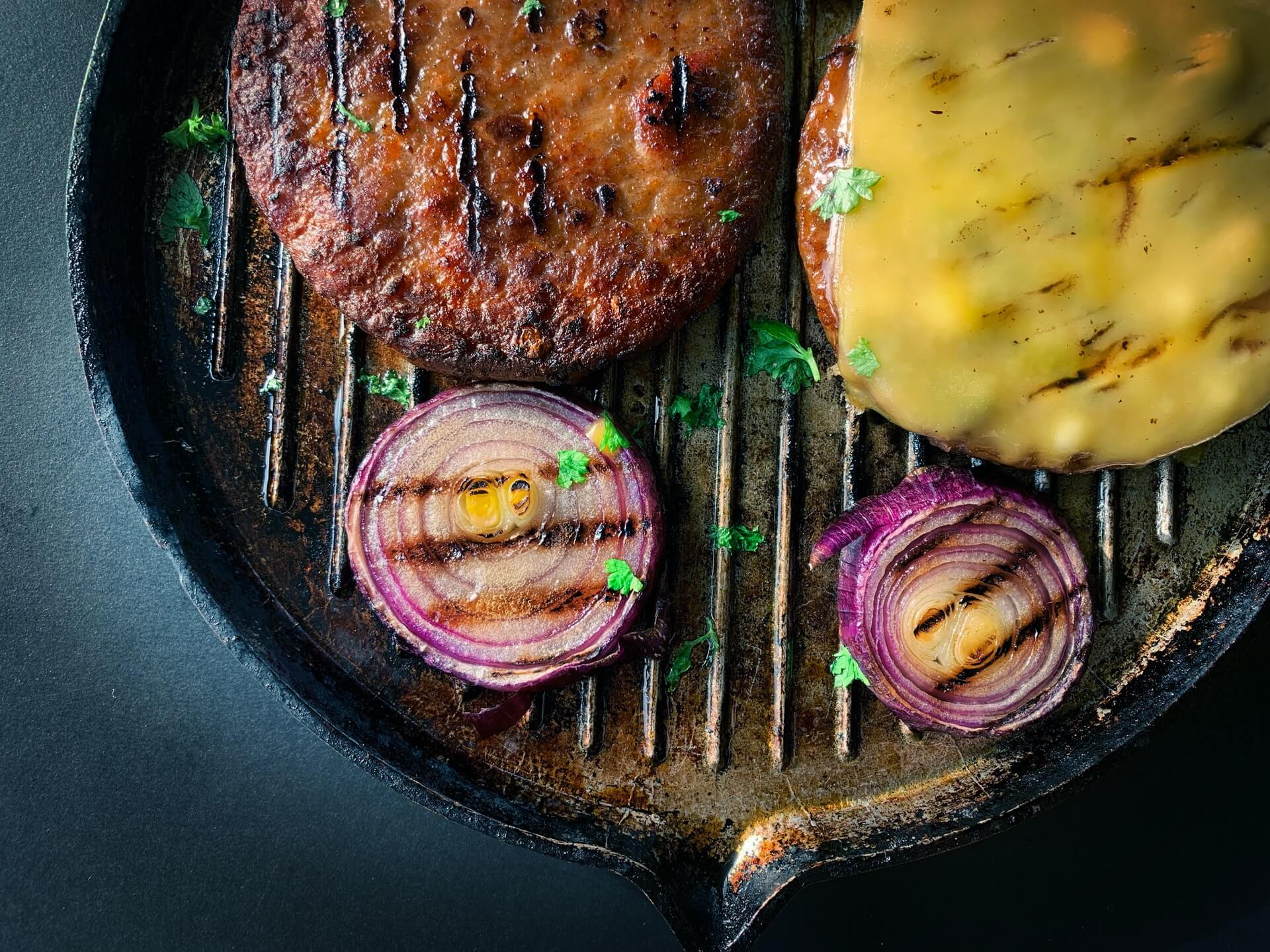
LikeMeat plant-based burgers in skillet with onions

The World Resources Institute is making the case that the success of plant-based products on-premise will require menu changes.

In particular, changes need to be made menu item descriptions. Drilling down even further, the language we use in descriptions is crucial to performance.

Simply put, just offering recognizable plant-based brands and their products isn’t enough.

Speaking to Guests

When it comes to plant-based food items, there are multiple consumer segments to consider.

For example, there are those who are all-in on plant-based. Targeting this group is easy—promote the fact that you have the products they want.

There’s also the previous group’s counterpart: uninterested in these food items. It’s likely you’re simply never going to convince them to even try plant-based menu items.

Of course, there are the consumers in between. If succeeding with plant-based menu items will translate to more guests engaging with your business, increasing traffic and revenue, speaks to your brand in an authentic way, and matters to the community you serve, these are the guests you need to win over.

But as stated above, simply putting Impossible, Beyond, LikeMeat, or other brands on your menu likely isn’t enough. This is something some fast-casual brands are experiencing. Plant-based performance, as evidence and anecdotes appears to show, is nuanced.

Announcing plant-based alternatives seems to result in a quick rise in sales. However, that initial interest doesn’t appear to last long. And when sales slow an operator either finds themselves sitting on stock, lowering prices, or both.

Again, if succeeding with plant-based items is good for your brand, you’ll need to do some work.

Language Matters

The World Resources Institute (WRI) addressed this topic last week via video presentation. Titled “Messaging that Works: Engaging Diners in Climate Action,” the nearly hour-long video states that language matters for plant-based buy-in.

A study conducted by the WRI found that “nudging” guests with the right messaging boosted plant-based sales. The institute tested ten “framing themes” with ten associated themes.

Two types of messages “came out on top by a long way,” according to presentation host Edwina Hughes:

  • Small change, big impact
  • Joining a movement

Per the WRI’s study, those two themes resulted in around double the demand for plant-based items as other themes.

The first theme speaks to a person’s personal agency, or their actions and the impact they can have on their own lives.

Joining a movement relates to social norms. In particular, suggesting something is a movement tells someone that there are like-minded people already engaged with this concept, product, lifestyle, etc.

Putting this to Use

Menu descriptions, table talkers, POS messaging, and social media can all play a role. Again, this is only if this is important to your brand and guests. If plant-based menu items aren’t authentic to your business, the “Small change, big impact” messaging may not be of interest to you.

For operators who want to succeed with plant-based items, the WRI presentation suggests a “nudge.” In relation to the first theme from above, the process would be:

  • Personal empowerment statement: A person can have a positive impact on the environment.
  • Easily attainable action: Substitute one meat-based meal for a plant-based one.
  • Easily understood personal outcome: A positive result that can come from their purchase.

When it comes to the movement theme, operators can use the following nudge, provided by the WRI as an example during their presentation:

“Ninety percent of Americans [size and/or relevance of group] making the change to eat less meat [group’s behavior] choose plant-based dishes that have less impact [call to action].”

Plant-based menu items aren’t really a trend anymore, but they’re also not quite mainstream. If they’re going to perform stronger in the QSR and other segments, they’ll need better messaging.

Additional Takeaway

The lessons learned from WRI’s presentation aren’t limited to the performance of plant-based menu items. Nudges can work for all manner of products in all types of concepts.

When you look at your menu with a truly critical eye, ask yourself:

  • Does it have attention-grabbing descriptions?
  • Do the descriptions accurately describe the items?
  • Would you be swayed by your descriptions?
  • Are there any calls to action?

If you can’t answer yes to most or all of those, your menu would likely benefit from revisions.

Your menu isn’t just a catalogue of food, drinks, and prices. Rather, it’s a powerful sales and marketing tool. Take the time to leverage it accordingly.
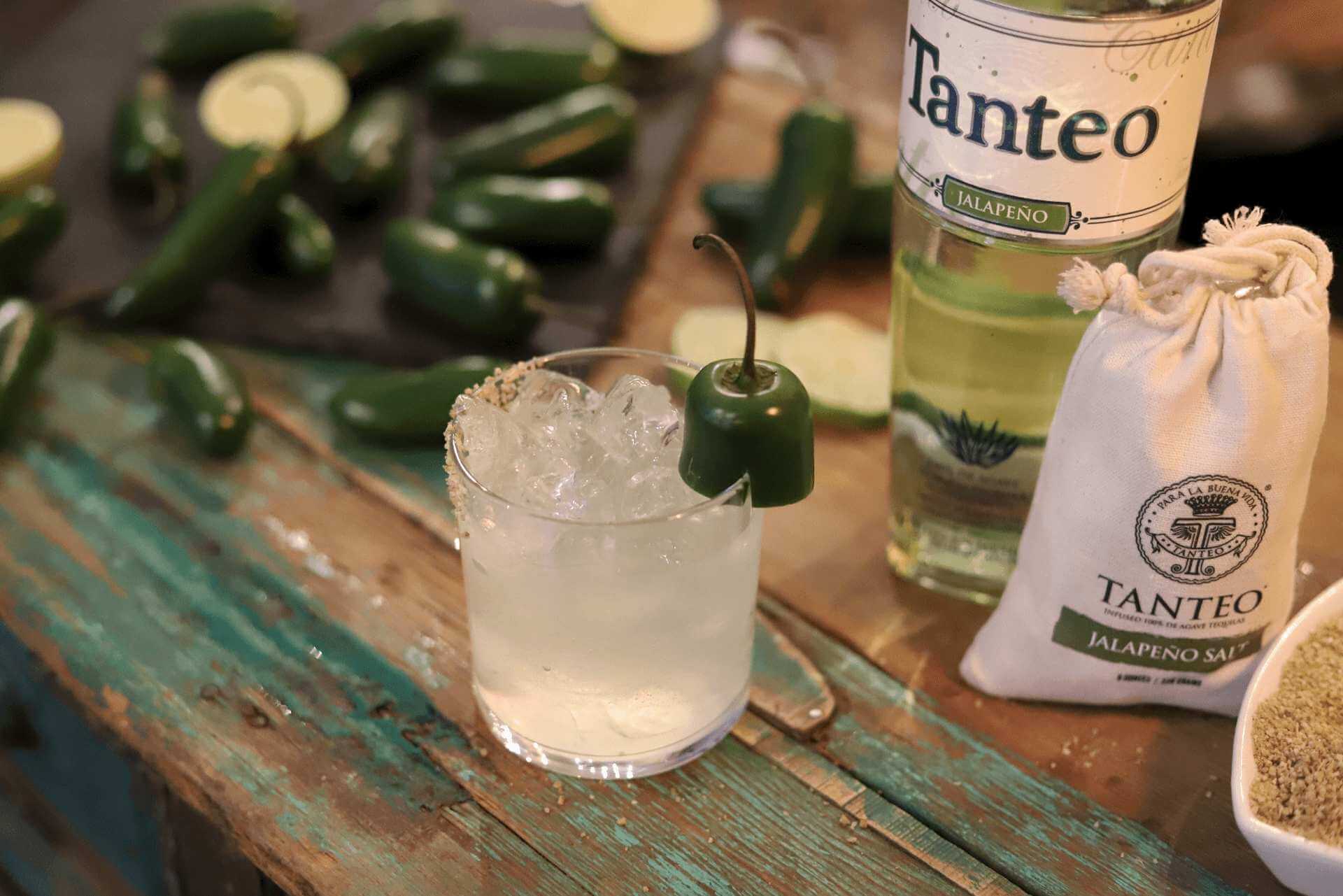
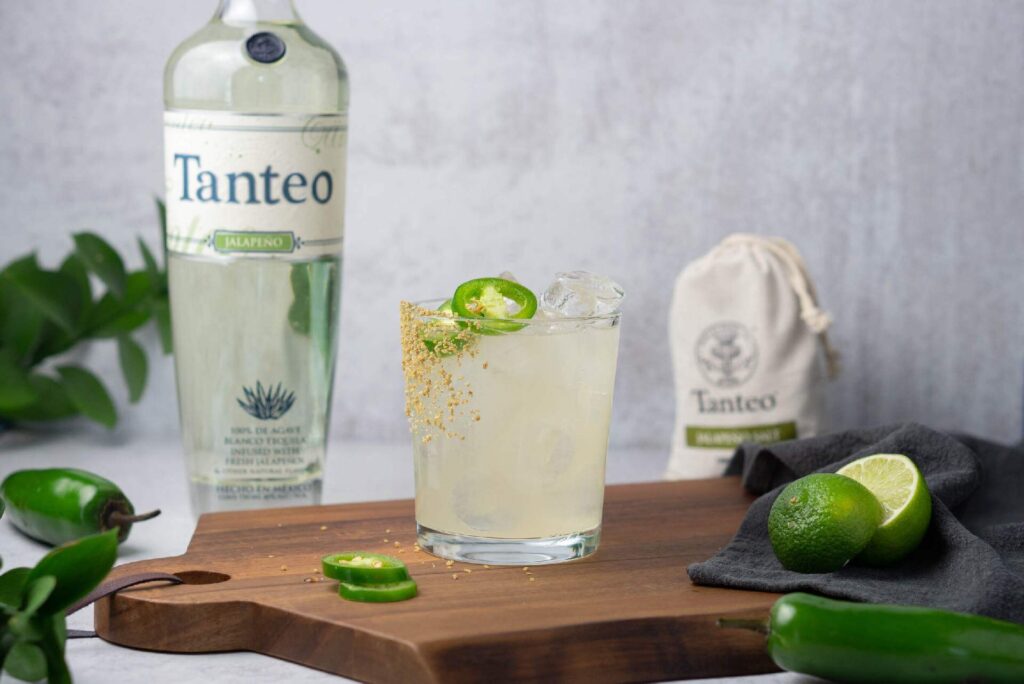
Image: LikeMeat on Unsplash

by David Klemt David Klemt No Comments

Bring the Heat: It’s Spicy Margarita Day!

Bring the Heat: It’s Spicy Margarita Day!

by David Klemt

Tanteo Tequila Jalapeño Margarita made with Tanteo Jalapeño Tequila

Today is the day to dial up the heat and deliver some fiery flavors to your guests with spicy Margaritas.

Why? Because it’s the second annual National Spicy Margarita Day!

Originally known as Founder’s Day, this bar holiday comes to us from Tanteo Tequila.

Participation is easy enough, and even easier if you have Tanteo Jalapeño, Habanero, and Chipotle bottles.

Tanteo CEO and Master Blender Neil Grosscup explains the signature cocktail holiday on the Bar Hacks podcast. During episode 64, Grosscup shares that the inaugural celebration honored late Tanteo founder Jonathan Rojewski. The holiday also highlights the brand’s mission: Crafting a tequila that makes the world’s best spicy Margarita.

However, it’s not just about promoting the brand and their favorite cocktail. Rather, Tanteo leverages this holiday to encourage people to give back.

Sustainability Initiatives

As Grosscup explains on Bar Hacks, he and the Tanteo team value three forms of sustainability:

  • Economic
  • Social
  • Environmental

The Tanteo distillery’s ownership spans 84 agave-farming families. Tanteo Tequila is the 85th owner. This business model—the only distillery owned by a co-op of agave farmers—is an example of economic sustainability.

There are a few reasons for this approach. One of those is that it helps the farmers weather market swings. Indeed, agave is acutely susceptible to shifts in market value. When there’s too much agave, the value of a kilo of agave can plummet quickly. Another reason for the Tanteo co-op is transparency.

About 150 bars are participating in this year’s National Spicy Margarita Day. For every spicy Margarita made with Tanteo Tequila sold at these venues through January 30, $1 will go to a variety of waterway cleanup charities:

  • Chattahoochee Riverkeeper
  • Friends of the Chicago River
  • Friends of the LA River
  • Keep the TN River Beautiful
  • Ohio River Foundation
  • Orange County Coastkeeper
  • San Diego River Park Foundation
  • Trinity River Audubon Center
  • Un Salto Con Destino. This organization is cleaning up the Rio Santiago. The Tanteo distillery is in Juanacatlán, Jalisco, Mexico, and the Rio Santiago is crucial the surrounding community.

How to Participate

It’s a little late to join officially as a bar partner with Tanteo. However, that doesn’t mean you shouldn’t celebrate the holiday.

Serving up spicy Margaritas is always a great idea. One simple way to leverage National Spicy Margarita Day is to create a small specialty menu. With at least three Margaritas, you can boost the heat level of each version to appeal to different guest’s spice preferences. You can alter heat levels using different Tanteo expressions, infusions, bitters, syrups, etc.

Or, you can simply perfect your restaurant or bar’s signature spicy Margarita. Either way, promote your participation on across your social platforms.

Speaking of social, snap a pic of your Margarita(s) and use the tag #NationalSpicyMargDay. Notice the spelling: the hashtag uses “Marg,” not “Margarita.” For every social media post tagged #NationalSpicyMargDay, Tanteo will donate $1.

See below for three Tanteo spicy Margarita recipes. ¡Salud!

Tanteo Jalapeño Margarita

Tanteo Jalapeño Margarita cocktail and bottle of tequila

  • 2 oz. Tanteo Jalapeño Tequila

  • 1 oz. Fresh lime juice

  • ¾ oz. Agave nectar

Prepare a rocks glass by adding ice. Optionally, rim glass with Tanteo Jalapeño Salt or your signature blend. Add all ingredients to a shaker with ice. Shake well and strain into prepared rocks glass. Garnish with a lime wedge or jalapeño slice (or both).

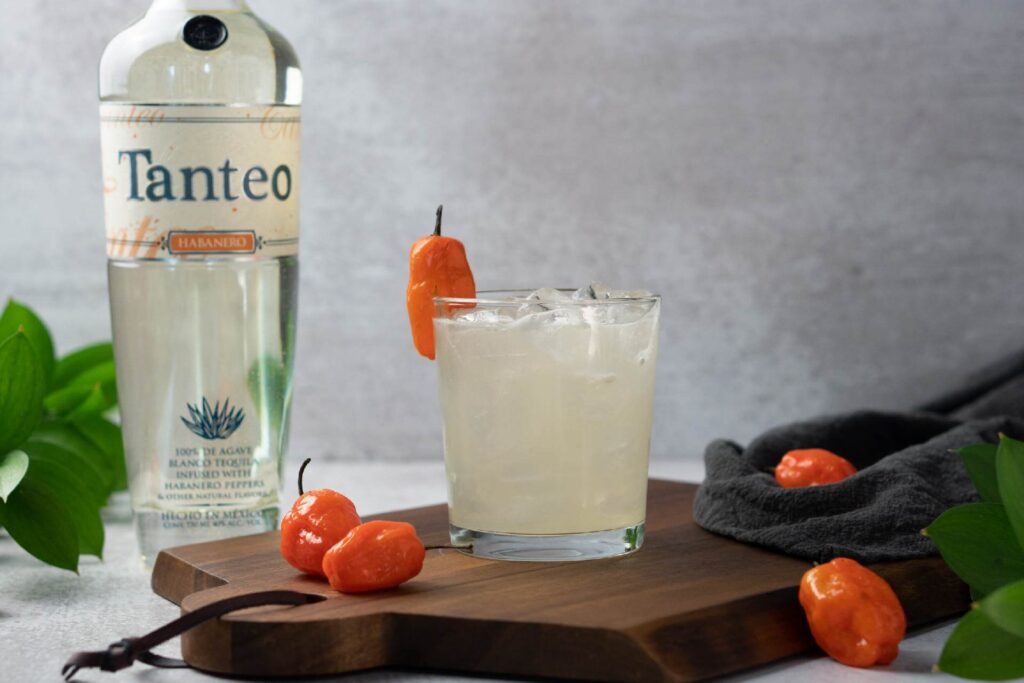
Tanteo Habanero Margarita

Tanteo Habanero Margarita on a board with habanero peppers with tequila bottle in background


  • 2 oz. Tanteo Habanero Tequila

  • 1 oz. Fresh Lime Juice

  • ¾ oz. Agave Nectar

Prepare a rocks glass by adding ice. Optionally, rim glass with Tanteo Jalapeño Salt or your signature blend. Add all ingredients to a shaker with ice. Shake well and strain into prepared rocks glass. Garnish with a habanero pepper.

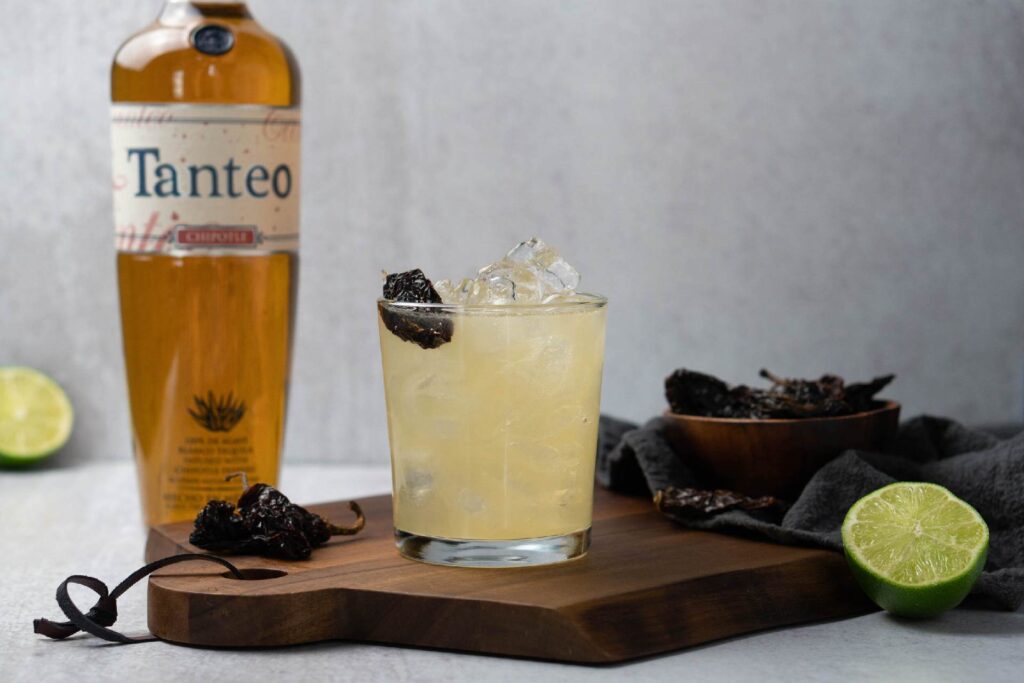
Tanteo Chipotle Margarita

Tanteo Chipotle Margarita in garnished rocks glass next to tequila bottle

  • 2 oz. Tanteo Chipotle Tequila

  • 1 oz. Fresh Lime Juice

  • 1/2 oz. Agave Nectar

Prepare a rocks glass by adding ice. Add all ingredients to a shaker with ice. Shake well and strain into prepared rocks glass. Garnish with a chipotle pepper, orange slice, or lime wedge.

Image: Tanteo Tequila

by David Klemt David Klemt No Comments

Moderation Movement: Damp January

Moderation Movement: Damp January

by David Klemt

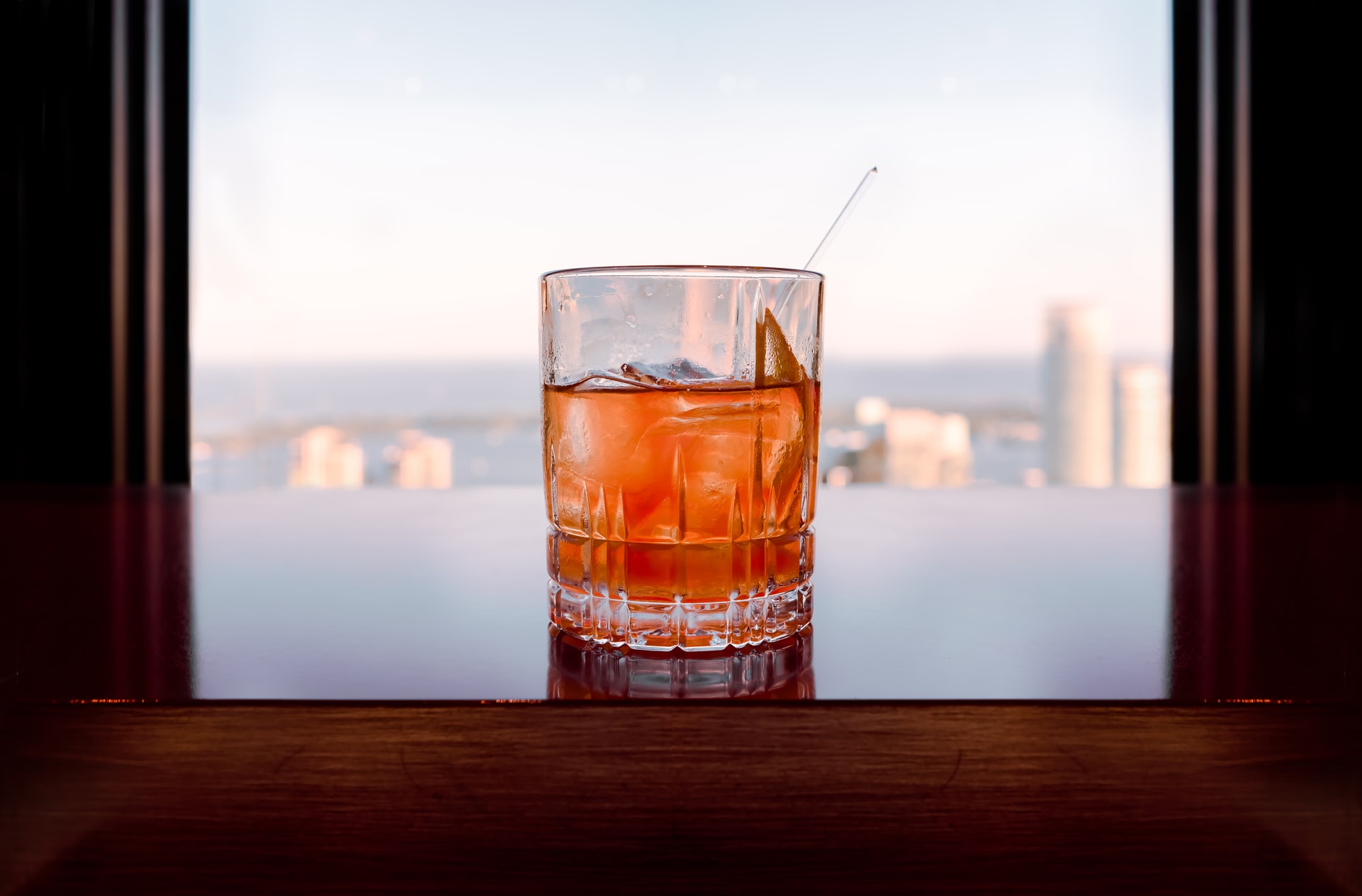
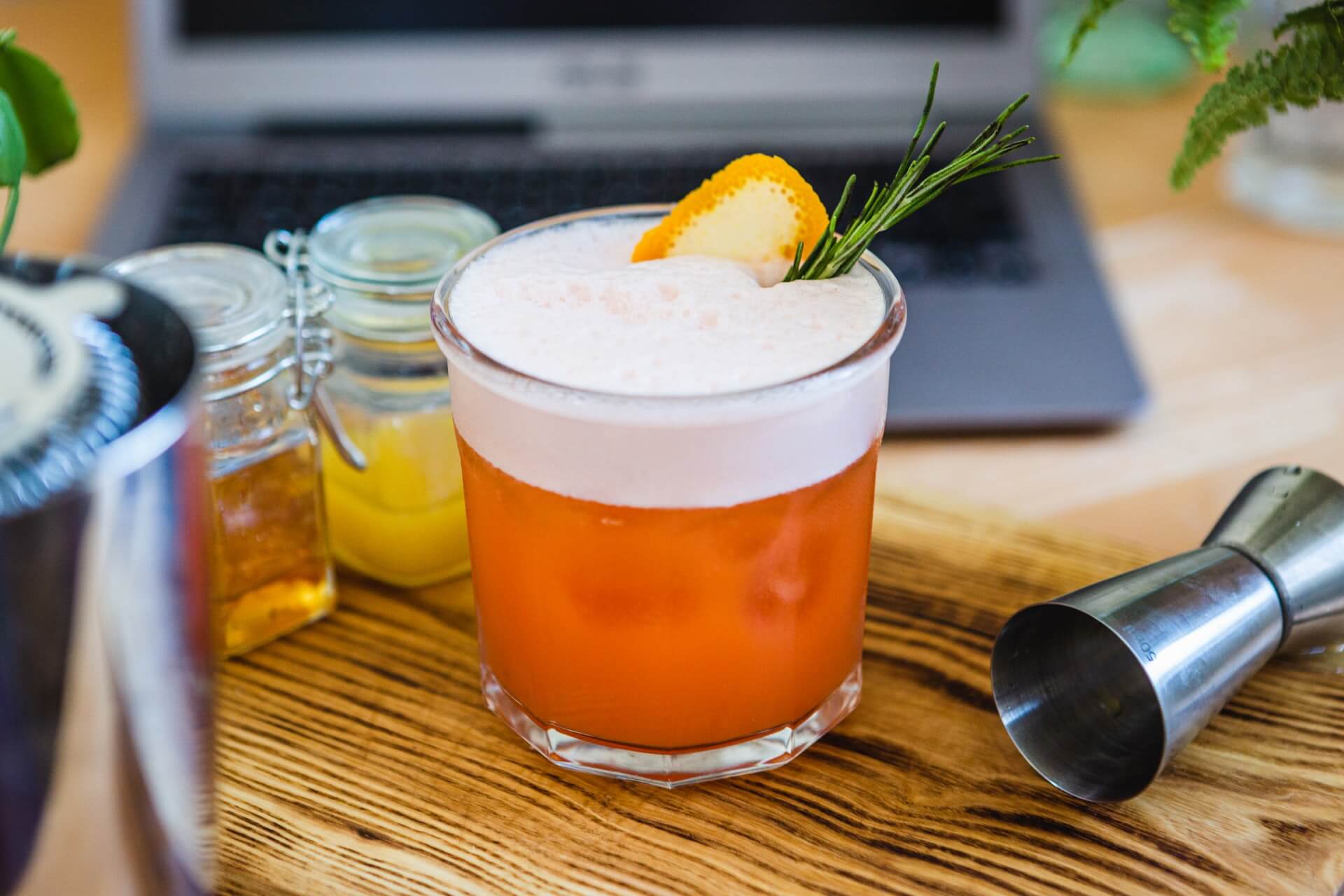
Cocktail resting on a ledge in front of a window

Move over, Dry January, there’s yet another alternative to “traditional” alcohol consumption at the start of a new year.

As we know, Dry January consists of abstaining from drinking any alcohol for 31 days. Also known by the awkward name Dryuary, this annual practice continues to gain popularity.

However, not everyone is comfortable with this all-or-nothing approach. Instead, there are those who want to try Damp January.

What is It?

You’re likely already guessing how Damp January works. Rather than abstinence, participants practice moderation.

Generally speaking, that’s it—it isn’t a complex concept. However, there are many approaches to Damp January.

Some people set hard limits for themselves. For example, a wine drinker may resolve to only consume three glasses of wine per week. A beer drinker may choose to only have two beers from Monday through Friday.

Another approach is to determine how many full alcohol drinks one consumes on a weekend. Then, they decide to reduce that consumption by 50 or 75 percent.

However one chooses to participate in Damp January, the goal is reduction and moderation.

Is this a Fad?

In a word, no. Whatever label is put on it—moderation, sober curious, reduction—many consumers are looking to drink less alcohol.

Dry January was once seen as a fad. Instead, it’s safe to say it’s much closer to being mainstream.

Of course, time will tell if Damp January will earn as much buy-in as its abstinence-focused counterpart.

However, it’s easy to see how Damp January may become long-term behavior for some consumers.

What Does this Mean for Operators?

There are those who simply want to be more mindful of their alcohol consumption. Their goal isn’t to stop drinking alcohol, it’s to make lifestyle changes and reduce their drinking.

Sift through social media, forum and blog posts, and articles on the subject, and you’ll come across interesting motivations for moderation. In many cases, people point to alcohol playing a role in their social lives.

Of course, that means drinking with friends, coworkers, and family members at restaurants, bars, and nightclubs. They simply want to consume less alcohol per visit.

This doesn’t have to present as a threat to operators. The increasing popularity of alcohol-free beers, zero-proof spirits, and low-ABV options can prove profitable for a restaurant or bar’s bottom line.

Guests who making the decision to not consume alcohol or seek out low-proof options still want to socialize. They still want to visit bars and restaurants. More importantly, they want to feel comfortable in their choice.

So, it’s up to operators to ensure Damp and Dry January guests don’t feel alienated or mocked for reducing or abstaining from drinking. Providing low- and zero-proof drinks—and highlighting them on menus—shows these guests they’re welcome and supported.

Additionally, it’s crucial that these guests receive the same level of service and presentation as other people at your bar or restaurant. A little thought to make sure they’re treated the same will go a long way.

Image: Mathew MacQuarrie on Unsplash

by David Klemt David Klemt No Comments

5 Books to Read this Month: January ’22

5 Books to Read this Month: January ’22

by David Klemt

Flipping through an open book

This month’s fun and informative book selections will help you develop next-level culinary, beverage and leadership skills as we kick off 2022.

To review December 2021’s book recommendations, click here.

Let’s jump in!

Try Dry: The Official Guide to a Month Off Booze

For those who want to learn more about Dry January, Try Dry is an insightful resource. Of course, this book is also informative beyond the first month of the year. As living alcohol-free movement becomes more mainstream, it’s important for operators to understand the movement. Whether permanent or temporary, there are myriad reasons some guests decide against drinking alcohol.

Of Peats and Putts: A Whisky and Golf Tour of Scotland

During the pandemic, interest in golf skyrocketed. In part, this has led to increased interest in golf simulators, driving ranges, and nine-hole rounds of golf rather than full, 18-hole outings. Of Peats and Putts tells the story of golf and whisky in Scotland. A compelling read for operators looking to bring golf into their businesses.

The Way of the Cocktail: Japanese Traditions, Techniques, and Recipes

Not even two months on the market and already causing quite the buzz! The Way of the Cocktail comes from Julia Momosé, one of the minds behind Chicago cocktail destination Kumiko. From classics to new riffs, the recipes in this book are based on 24 micro-seasons.

Bourbon [Boxed Book & Ephemera Set]: The Story of Kentucky Whiskey

Clay Risen is considered an authority on spirits. In particular, he’s lauded as an expert on whiskey. Bourbon lovers will appreciate the Bourbon: The Story of Kentucky Whiskey box set for what it is: a definitive history of America’s native spirit. Along with profiles of Kentucky distillers, Risen has included interviews and photographs to tell the story of bourbon.

Amaro: The Spirited World of Bittersweet, Herbal Liqueurs, with Cocktails, Recipes, and Formulas

There are many reasons to love amaro. Bitter and bittersweet notes, complex flavor profiles, and their utility when it comes to crafting low-ABV cocktails are among those reasons. Amaro by Brad Thomas Parsons explores the rich history of amaro and includes over 100 recipes.

Image: Mikołaj on Unsplash

by David Klemt David Klemt No Comments

Stand Out with Weird Holidays: January ’22

Stand Out with Weird Holidays: January ’22

by David Klemt

Stay Weird neon sign with purple background

Want to stand out from from other restaurants and bars in your area? Then commit to keeping it weird.

Several “holidays” are set against every date on the calendar, and January is no exception. These holidays range from mainstream to food-centric to weird.

Pay attention to the latter to raise eyebrows, carve out a niche for your restaurant or bar, and attract more guests. Why do what everyone else is already doing?

Of course, you shouldn’t try to celebrate every holiday, weird or otherwise. And this month’s list in no way includes every odd holiday.

Focus on the days that are authentic to your brand; resonate with your guests; and help you grab attention on social media.

For last month’s list, click here.

January 5: National Bird Day

The Jungle Bird. Grey Goose. Famous Grouse. Redbreast. Eagle Rare. Wild Turkey. Kentucky Owl. Chicken wings. Duck fat. Use this holiday to feature your bird-themed cocktails, spirits, beers, and foods.

January 7: National Tempura Day

When it comes to 2022 trend predictions, comfort food is right at the top of many experts’ lists. And when it comes to comfort foods, battering and frying is always a winner. If you can batter and fry it, put it on your menu and promote it.

January 11: National Milk Day

This is the day to perfect and promote your milk cocktails. The Coquito, Bourbon Milk Punch, the Grasshopper, the Mudslide… National Milk Day is easy and fun to celebrate.

January 14: National Dress Up Your Pet Day

Does your business permit guests to bring their dogs or other pets to tag along when they visit? Encourage them to dress up their pets, and make sure you document the results on your venue’s social media channels.

January 19: National Popcorn Day

Is popcorn weird? No, of course not. Is tricking out your popcorn with seasonings weird? That depends on how creative you and your back of house can be. Think outside the popcorn tub, craft some intriguing popcorn flavors, and get your guests talking on social media.

January 20: National Get to Know Your Customers Day

Yep, I’m gonna encourage your strongly to collect the data of every guest who visits and spends money at your business. This would be a great holiday to launch or heavily promote your loyalty program.

January 24: National Beer Can Appreciation Day

Creative beer can design goes hand in hand with craft beer brewing. A lot of thought goes into beer can design and particularly eye-catching labels deserve more than a passing glance. Feature the most creative and attention-grabbing beers on your menu on National Beer Can Appreciation Day. And yes, you should definitely feature them on your social media channels.

January 29: National Corn Chip Day

Ah, the corn chip, a perfect vessel for hearty dips. They’re also ideal for walking tacos, a.k.a. tacos-in-a-bag. If you have corn chips and taco fixin’s, you can offer your guests walking tacos on National Corn Chip Day.

January 31: National Backward Day

There are several ways you can celebrate this day with your guests and staff. One simple but fun way to do so is to encourage your guests to dine in backwards order: dessert first, entrée, and then appetizer. Of course, you could print a specialty menu backwards but that runs the risk of annoying your guests. But still…interesting idea.

Image: Dan Parlante on Unsplash

by David Klemt David Klemt No Comments

ABV: Does it Have to Be All or Nothing?

ABV: Does it Have to Be All or Nothing?

by David Klemt

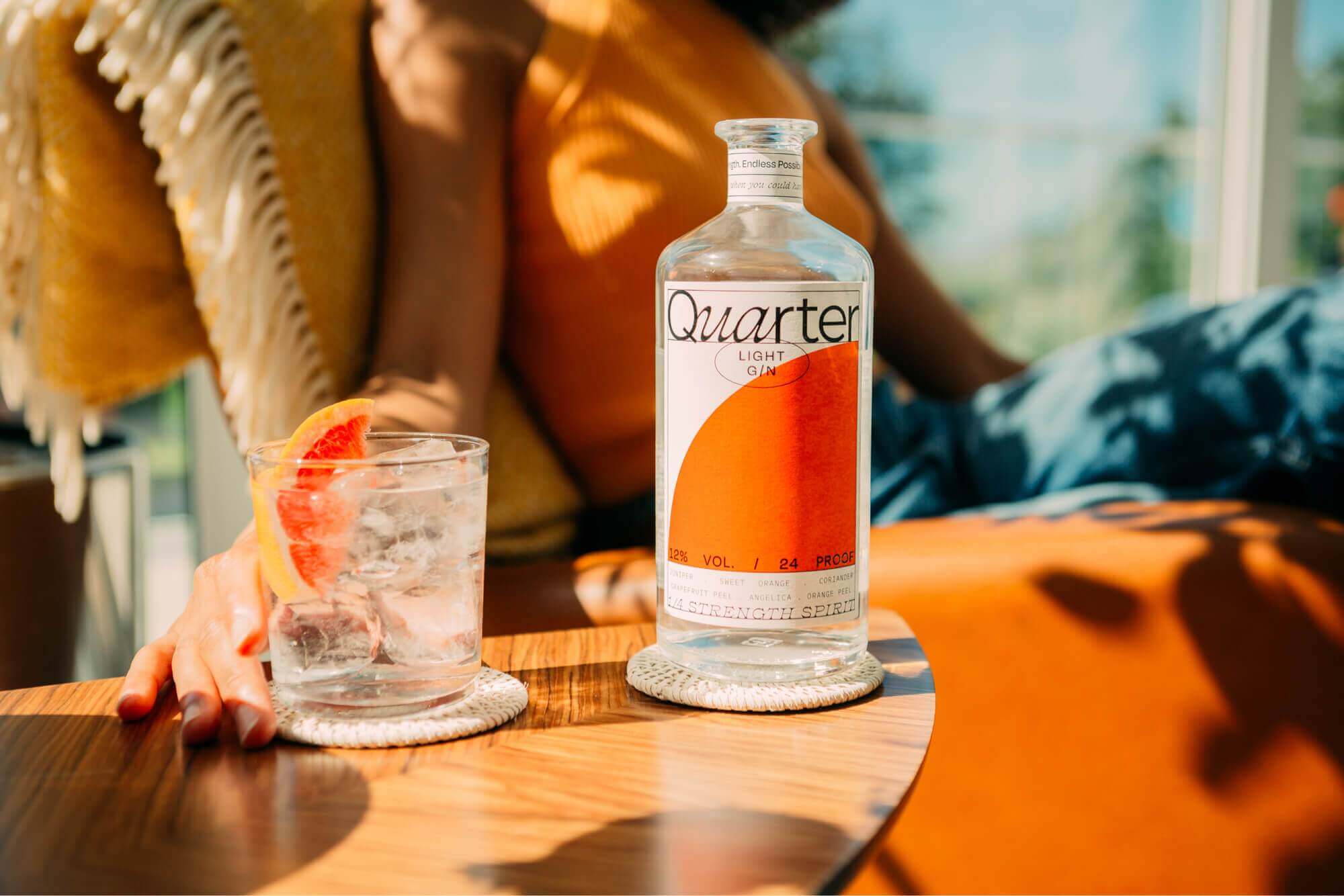
Quarter Proof Light Gin bottle and cocktail

In the discussion of alcohol, it seems to be an all-or-nothing topic: spirits and drinks are either full-proof or zero-proof.

Innovations in the space take two paths. There are brands like Seedlip that create alcohol-free spirits using botanicals, herbs and other ingredients. Resulting products are original creations with unique flavor profiles.

Another path is taken by brands such as Lyre’s. Rather than creating entirely new spirits, these producers craft alcohol-free that mimic their full-proof counterparts. For example, Lyre’s vast range includes a zero-proof bourbon and rum.

When it comes to drink builds, things get a little deeper. Yes, the all-or-nothing approach still applies to a point. Obviously, there are standard and high-proof cocktails. And yes, there are alcohol-free, zero-proof cocktails, also known as “mocktails.”

However, there’s also a third approach: low-ABV cocktails. Two popular build techniques are:

  • making low-proof liqueurs and wines the stars in Spritzers and other drinks; and
  • reverse cocktails.

When the conversation around lower-proof cocktails first gained steam, Spritzers, Fizzes and other options were brought to the forefront.

Then came the reverse cocktails, which I’ll explain briefly using a Reverse Martini build:

Let’s say your traditional recipe calls for two ounces of gin, a half-ounce of sweet vermouth (we can fight about this some other time), and a dash of orange bitters. To build the Reverse Martini, half the gin, quadruple the sweet vermouth, and keep the bitters the same.

Crafting reverse cocktails isn’t an overly complex process. But what if there was a third entry in the full-proof versus zero-proof battle?

Quarter Proof

It turns out, there is another path those seeking to consume lower-proof cocktails can take.

As the brand Quarter Proof says (or asks), “Who said it had to be all or nothing?” As the name implies, this brand intends to craft spirits that ring in at a quarter of the proof of their traditional counterparts.


View this post on Instagram


A post shared by Quarter G/N (@quarterproof)

The brand’s first product, G/N, is produced in the same manner as full-proof gin: copper pot distillation. Like traditional gin, G/N is made with juniper berries.

However, because the resulting liquid is just 12-percent ABV and not 37.5 percent, European law says it can’t be designated “gin.” So, Quarter Proof got creative with the name.

Quarter Proof G/N is like a full-proof London Dry Gin in every way—aroma, flavor profile, mouthfeel, finish—save alcohol content. Along with juniper berry, expect coriander, sweet orange, and grapefruit on the nose and palate.

This is an intriguing development in the world of spirits and I’m eager to see what Quarter Proof crafts next. “Light spirits” produced to deliver the full drinking experience with moderation from the ground up are a compelling option.

Image: Quarter Proof

by David Klemt David Klemt No Comments

Canadian Trends 2022: Technomic

Canadian Trends 2022: Technomic

by David Klemt

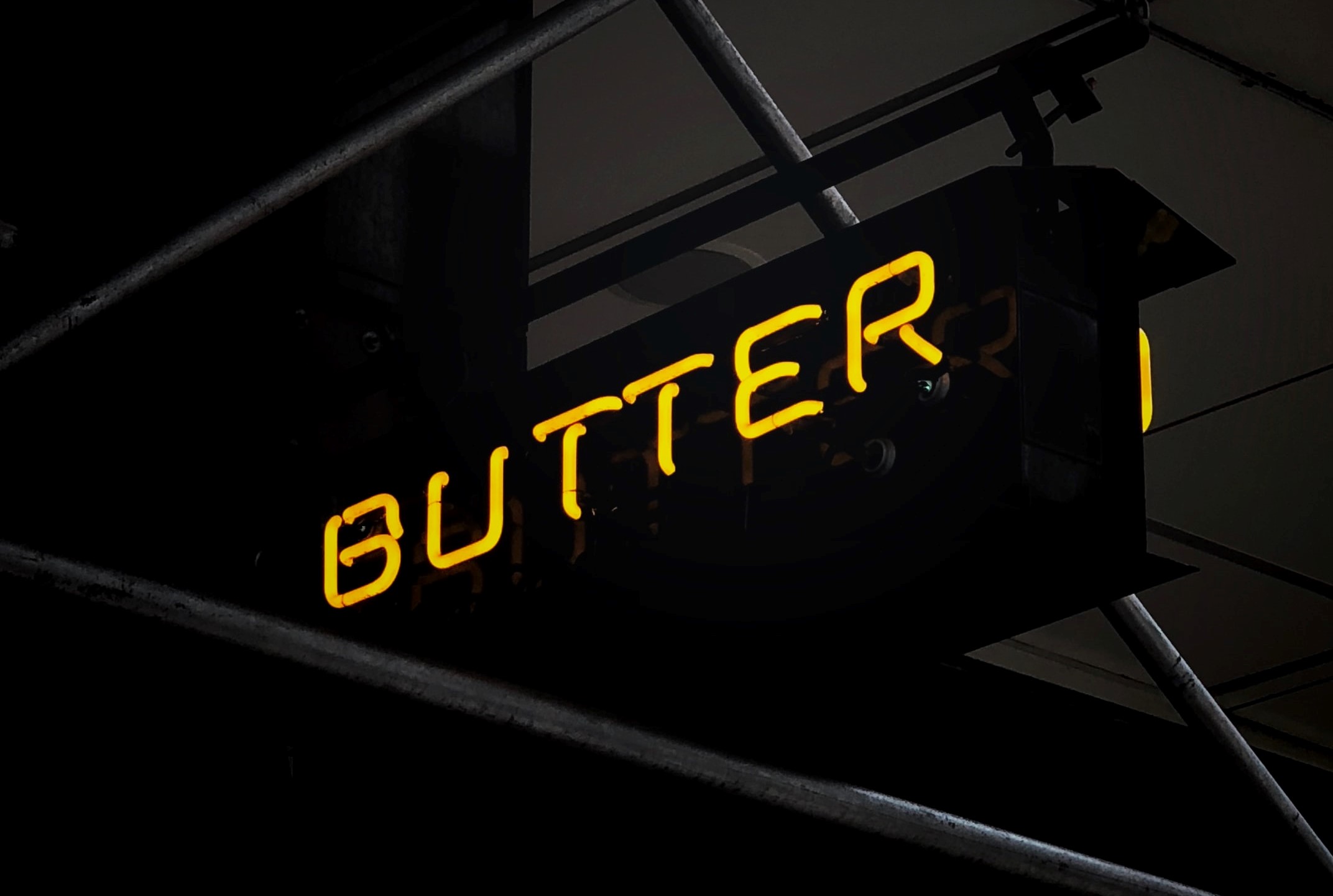
Yellow neon "butter" sign and scaffolding

Curious about what to expect in 2022 as a Canadian restaurant, bar or hotel operator?

Technomic has some predictions for next year.

Reviewing their “Canadian Trends: Looking Ahead to 2022” report, creativity and streamlining will be keys to success.

Let’s jump in!

Butter

Yes, this is why I chose the image above. Technomic is very specifically identifying butter as an important 2022 F&B trend.

And no, they don’t appear to be predicting the popularity a particularly rare or esoteric butter. The industry intelligence firm means butter will prove important in 2022.

In large part, Technomic is pointing to comfort food as a driver for butter.

Generally, the firm points to how versatile butter is in the kitchen. Browned and herb-infused butters, says Technomic, will find its way into cocktails.

Flavor and texture will play an important role, extending the butter prediction into buttery foods territory. For example, Technomic predicts butterscotch, buttermilk and ghee will see a boost in usage and demand.

Additionally, the plant-based movement will help nut butters grow more popular. In fact, Technomic says nut butters will find their ways onto burgers and into cocktails.

Interestingly, the firm’s butter prediction gives operators two larger trends to watch: comfort food and plant-based.

Cross-utilization

You don’t need me to tell you that North America—and the rest of the world—is facing supply chain issues.

I know you’re exhausted from just the past nearly two years of constant adaptation and pivoting. In 2022, you’ll have to continue with your creative problem solving.

The supply chain challenge (there’s an understatement) requires creativity in several areas. This includes the kitchen and menu.

Technomic suggests that one path forward through supply chain problems involves ingredient preparations:

  • Pickling
  • Candying
  • Salt-baking

The firm says these creative takes on ingredients operators already have will extend product life; add new flavors to dishes; and deliver new textures. Those last two offer guests new experiences.

In addition, getting creative with the ingredients you may be able to get more readily will help streamline and update 2022 menus. However, revising your menu will require careful consideration of your supply chain and cross-utilization, with a heavy helping of creative prep.

Running Lean

Smaller footprints. Shrunken staff. Streamlined menus. Smaller, shrunken, streamlined, optimized, leaner…

Call the process whatever you want, Technomic is predicting that operators will need to “optimize” (read: make smaller) their businesses.

Of course, there isn’t a one-size-fits-all solution. We’ve read and heard predictions since last year about what will need to shrink moving forward.

While some recent news reports say that ghost kitchens are out, Technomic seems to think that’s not the case. Technomic suggests ghost kitchens will remain viable for operators who want to expand without investing in real estate.

Additionally, Technomic’s report suggests something that should come as no surprise. In short, if it works for a brand or location, smaller may be better and here to stay.

Growth

Now, this is the most promising of Technomic’s predictions: Growth.

Per the firm, the foodservice industry in Canada was down 29 percent in Q1 of 2021. Pre-pandemic, sales reached $95 billion. That represents a loss of nearly $30 billion.

However, there’s reason to be optimistic in 2022, according to Technomic.

The firm expects growth of 21 percent in 2022 over 2021, or sales of $74.8 billion. Should this prediction prove accurate, 2022 would close just three percent under pre-pandemic sales.

Technomic identifies full-service as the foodservice segment to experience the most growth next year at 26.2 percent. In comparison, the firm predicts limited-service to grow 7.3 percent.

Next year won’t be easy. 2022 won’t be a magical return to normalcy. But there is room for optimism if Technomic’s predictions are correct.

Image: Jon Tyson on Unsplash

by David Klemt David Klemt No Comments

Stand Out with Weird Holidays: December

Stand Out with Weird Holidays: December

by David Klemt

Stay Weird neon sign with purple background

Want to stand out from from other restaurants and bars in your area? Then commit to keeping it weird.

Several “holidays” are set against every date on the calendar, and December is no exception. These holidays range from mainstream—Thanksgiving Eve and Thanksgiving, anyone?—to food-centric to weird.

Pay attention to the latter to raise eyebrows, carve out a niche for your restaurant or bar, and attract more guests. Why do what everyone else is already doing?

Of course, you shouldn’t try to celebrate every holiday, weird or otherwise. And this month’s list in no way includes every odd holiday.

Focus on the days that are authentic to your brand; resonate with your guests; and help you grab attention on social media.

For November’s list, click here.

December 4: National Dice Day

I’m not including this holiday simply because I live in Las Vegas. Dice are for far more than just craps. Board games, role-playing games, making life decisions in a very strange manner… We need dice and they deserve a day of celebration.

One of the simplest ways to celebrate National Dice Day with your guests is to create a small beer, wine, spirits and/or cocktail menu. Then, put numbers against each offering and have guests roll the dice. Whatever number comes up, they’re getting the correlating drink. Easy.

December 5: Bathtub Party Day

Okay, let me be clear. I’m not encouraging events that involve people coming to your restaurant or bar to party in bathtubs. Rather, I’m suggesting celebrating Repeal Day (these holidays share the same date) with a cheeky nod to homemade booze made infamous during Prohibition.

Of course, you should absolutely not celebrate Bathtub Party Day by offering illicit alcohol. Instead, feature an array of gins and gin-based cocktails. You can also feature a brand like Ole Smoky Moonshine.

December 8: Pretend to Be a Time Traveler Day

This is a list of weird holidays, so how could I possibly pass up this gem? If you think one day of dress-up and pretending isn’t enough (looking at you, Halloween), here’s a very specific holiday just for you. Just make sure you prepare your front-of-house staff because wow—this could get weird (read: annoying).

You can also get a little more creative and put together a tasting for a spirit or brand with a history that spans several decades or centuries.

December 9: Weary Willie Day

Hey—get your mind out of the gutter. This is another holiday that there was no way I could ignore. Weary Willie Day is a celebration of clowns. In particular, it celebrates a character created by Emmett Kelly, Weary Willie. Why do we celebrate this unique holiday on this specific date? Emmett Kelly was born on December 9, 1898.

If you’ve got a plug, this is a fantastic holiday to feature Clown Shoes beers, distributed via Mass Bay Brewing Co.

December 11: National Noodle Ring Day

What? You don’t know what a noodle ring is? Well, neither did I until very recently. If you have a kitchen and, more importantly, a kitchen staff that loves to experiment and make new items, this is an awesome holiday.

A noodle ring is essentially what it sounds like. Noodle rings tend to be savory bites inspired by pasta dishes. Set noodles and other ingredients in a mold, bake, finish, and serve. Perfect for guests who want to try something new. And comforting on a winter’s day.

December 12: National Ding-a-Ling Day

This holiday isn’t about hurling a pretty innocuous insult at people. Yeah, sorry to burst your bubble. Instead, this day is all about reconnecting with people. The idea is to give someone a ring and rekindle that relationship. Now, I’m not telling anyone what to do…but please don’t use this holiday to annoy your ex. Please. Don’t do.

Anyway, you know where’s a great place to meet up after reconnecting? A restaurant or bar, of course! So, encourage people who have reconnected with someone during the holiday season to meet up at your venue.

December 13: Green Monday

Black Friday. Cyber Monday. Yes, those are the two busiest shopping days of the year. Do you know the third? It’s Green Monday, which takes place on the second Monday of December.

Green Monday 2021 is the 15th annual celebration of this holiday. How can a restaurant or bar participate in what’s generally a retail holiday? By offering gift cards, gift card deals (spend $100, get an additional $25, for example), and then promote the hell out of your gift card promotions. Start a week or a few days before Green Monday, and then really promote them via social, your email lists, and your text lists on the day itself.

December 17: National Ugly Christmas Sweater Day

Fine, this isn’t exactly a weird holiday anymore. At this point, ugly sweaters are basically a requirement for any holiday gathering taking place during December. However, it’s important to note that there’s an official holiday in December that calls for people to wear their ugly Christmas sweaters. Leveraging this holiday is easy, obviously. You know what to do.

December 23: National Pfeffernüsse Day

Would you like a pepper nut? Well, what about a pfeffernüsse? The name of this German gingerbread cookie translates to “pepper nut” in English. What sets this gingerbread cookie apart from the type we’re all most familiar with is that they’re rolled into balls before being baked, and then finished with confectioner’s sugar.

This tasty German cookie (also popular in Denmark and the Netherlands) certainly fits with the holiday season. And I bet you can think of a few beers, wines, spirits, and cocktails that pair well these cookies, which are made with all-spice, anise, black pepper, cardamom, cinnamon, cloves, ginger, mace, and nutmeg.

Image: Dan Parlante on Unsplash

by David Klemt David Klemt No Comments

Global Cuisine Performance

Global Cuisine Performance

by David Klemt

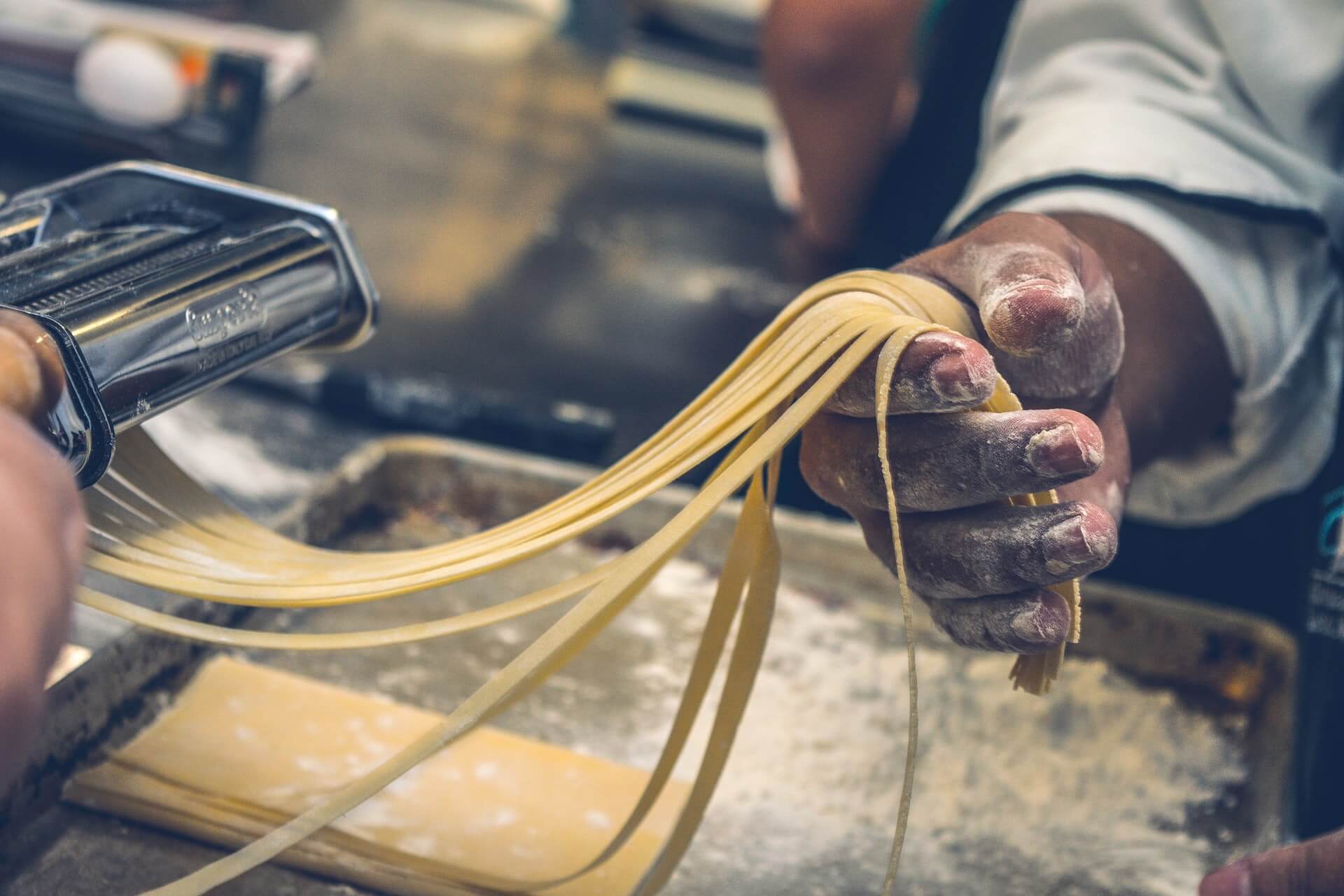
Cook making handmade pasta noodles

We don’t have a crystal ball to help us see which cuisines will be most popular. Obviously, the same holds true for knowing which are just now getting recognition.

However, we do have the next-best thing: data from Datassential.

Recently, the food and beverage analytics firm ranked dozens of global cuisines according to their current state of popularity among diners.

Then, they shared that information in October during their “Around the World in 80 Trends” webinar.

“Ubiquity”

When analyzing food and beverage trends, Datassential funnels them into four distinct designations: Inception, Adoption, Proliferation, and Ubiquity.

Arguably, once a trend reaches Proliferation and Ubiquity it becomes a mainstay. So, we can more than likely stop referring to it as a trend.

Now, the two most precarious stages for a trend are Inception and Adoption. Plenty of trends die on the Inception vine. Several won’t make it out of Adoption.

When you see Datassential’s list of global cuisines that fly under the Ubiquity banner, I doubt there will be much surprise:

  • Italian
  • Southern
  • Mexican
  • Creole/Cajun
  • Tex Mex
  • Chinese

So, any shocks to your system there? Most likely not.

“Proliferation”

Another to label this Datassential designation is “second most popular.” Each of these cuisines has a clear shot at reaching Ubiquity.

In fact, I find one of the global cuisines in this category surprising. It’s the first one in this list:

  • Japanese
  • Regional Italian
  • Regional Mexican
  • Greek
  • Mediterranean
  • Regional US
  • Southwestern
  • Cuban

As you’ll see, the lists grow longer steadily as we move down from Ubiquity.

“Adoption”

For me, it’ll be interesting to review follow-up data from Datassential regarding global cuisines.

As such, I’m eager to learn which cuisine from the list below reaches Proliferation in 2022:

  • Caribbean
  • Indian
  • French
  • Regional Chinese
  • Oaxacan
  • German
  • Middle Eastern
  • Korean
  • Ashkenazi
  • Hawaiian
  • Vietnamese
  • Venezuelan
  • Spanish
  • Sicilian
  • Jamaican
  • Israeli
  • Thai
  • British

To be honest, my first reaction to seeing French cuisine under the Adoption banner was surprise. Of course, I then thought back to how many French restaurants we have here in Las Vegas.

Sure, this little city in the desert is a foodie destination. However, French restaurants don’t dot the landscape like those that focus on other cuisines.

“Inception”

That brings us to the first stage of any trend: Inception.

Now, the first thing you’ll notice is that this category contains the most global cuisines. Whereas Adoption features 18, Proliferation lists eight, and a mere six have reached Ubiquity, Inception identifies two dozen.

They are as follows:

  • Brazilian
  • Mizrahi
  • Russian
  • Malaysian
  • Croatian
  • Moroccan
  • Lebanese
  • South African
  • Native American
  • Central American
  • Argentinian
  • Peruvian
  • Filipino
  • Appalachian
  • Sephardic
  • Ethiopian
  • Senegalese
  • Scandinavian
  • Sonoran
  • Nigerian
  • Iranian
  • Persian
  • Turkish
  • Polish

Again, there are some surprises here, at least for me. For example, I expected Ethiopian cuisine to have reached Adoption by now.

Takeaways

Of course, there are multiple ways to interpret this data.

First, you can embrace Ubiquity, leveraging their incredible popularity. However, standing out and building traffic will be challenging.

Second, you can feature Proliferation cuisine. Sure, these have yet to reach the Ubiquity stage. But they’re close to doing so, and you’ll also face stiff competition.

Third, focusing on cuisine from the Adoption designation involves taking a risk but mitigating it somewhat. These cuisines are developing a following and guest demand.

Finally, the riskiest move, depending on location: featuring Inception cuisines. But with risk comes reward. Identify a gap in a certain area—something we can do with our signature feasibility studies—and you may realize staggering success.

So, what do you think? Did you find any of Datassential’s designations surprising for certain cuisines? Let us know on our Instagram, Facebook, Twitter or LinkedIn pages!

Image: Jorge Zapata on Unsplash

by David Klemt David Klemt No Comments

As Guests Learn More, Luxury Grows

As Guests Learn More, Luxury Grows

by David Klemt

Luxury concept featuring Champagne coupes on silver tray

Consumers are drinking better and the luxury categories of several spirits, wine and Champagne are benefitting.

Interestingly, this growth no longer appears to be driven solely by a desire to stand out and be seen.

Instead, according to one Bar Hacks podcast guest, consumers seem to be more carefully allocating their dollars.

Luxury Continues to Rise

The word “luxury” tends to conjure thoughts of expensive, high-end items.

Indeed, that’s certainly still a part of luxury. However, the concept of luxury as unattainable to most people is seemingly falling to the wayside.

Maxime Lecocq, Prestige sales manager in Las Vegas for Pernod-Ricard, shares a similar thought on episode 56 of Bar Hacks.

“The consumption style started to change during the pandemic,” says Lecocq. “So, people are more careful on what they’re drinking, where they’re spending their money.”

Intriguingly, Lecocq doesn’t mean that people were looking to spend as little as possible. Rather, they wanted higher quality for their dollars.

“Instead of having just any Scotch, they’re gonna research more,” Lecocq says. “Instead of spending, like, $25, they’re gonna be like, ‘Oh, I’m gonna spend $40 but I’m gonna be more careful about what I’m gonna drink.'”

As far as Lecocq is concerned, consumers doing more research is benefiting the luxury segment.

Why does he think that? Because it appears that research is leading consumers to spend more on luxury spirits and wine.

Numbers Support Luxury Growth

Early last month, Distilled Spirits Council of the United States (DISCUS) shared their research into luxury spirits.

DISCUS data shows that during the period from 2015 to 2020, luxury spirits brands saw sales growth of 125 percent. Further, looking at the first half of 2021, luxury spirits volume is up 25 percent.

For the curious, DISCUS considers any brand that sells 750mL bottles at retail for $50 or more to fall within the luxury segment. So, $10 more than the example Lecocq provides during his Bar Hacks appearance.

There are six luxury categories tracked by DISCUS: American whiskey, Cognac, Irish whiskey, Japanese whisky, Single Malt Scotch, and Tequila.

On his podcast episode, Lecocq discussed three of those categories: Cognac, Single Malt Scotch, and Tequila.

Growth Categories

Per DISCUS, American whiskey has seen annual growth since 2015 of 41 percent. For Japanese whisky, that rate of growth is 42 percent.

Irish whiskey and Single Malt Scotch are also healthy annual growth. However, Irish whiskey’s annual growth is only a third of that of its Japanese counterpart at 14-plus percent.

Single Malt Scotch, in the first half of 2021, is up 5.6 percent.

According to DISCUS, Cognac’s annual growth is nearly 16 percent. Lecocq posits that this rise in interest in Cognac is down to shifting consumer perception.

Once thought of as “your grandparents’ drink,” younger consumers are now more eager to explore this type of brandy.

It’s perhaps tequila that sees the most interesting growth. Given its explosive and seemingly unwavering popularity, I thought the luxury tequila category would see growth in excess of 42 percent.

However, per DISCUS, luxury tequila brands are up 30.7 percent annually since 2015. Obviously, that’s impressive growth, and the category represents 28 million bottles sold.

That’s more than American, Irish, Japanese and Single Malt Scotch whiskeys combined.

Of course, this doesn’t mean that operators should abandon their less expensive spirits and wines. It does, however, show that consumers are willing to pay more for what they perceive to be higher quality brands.

Image: Billy Huynh on Unsplash

by David Klemt David Klemt No Comments

8 Bourbon Cocktails You Need to Know

8 Bourbon Cocktails You Need to Know

David Klemt

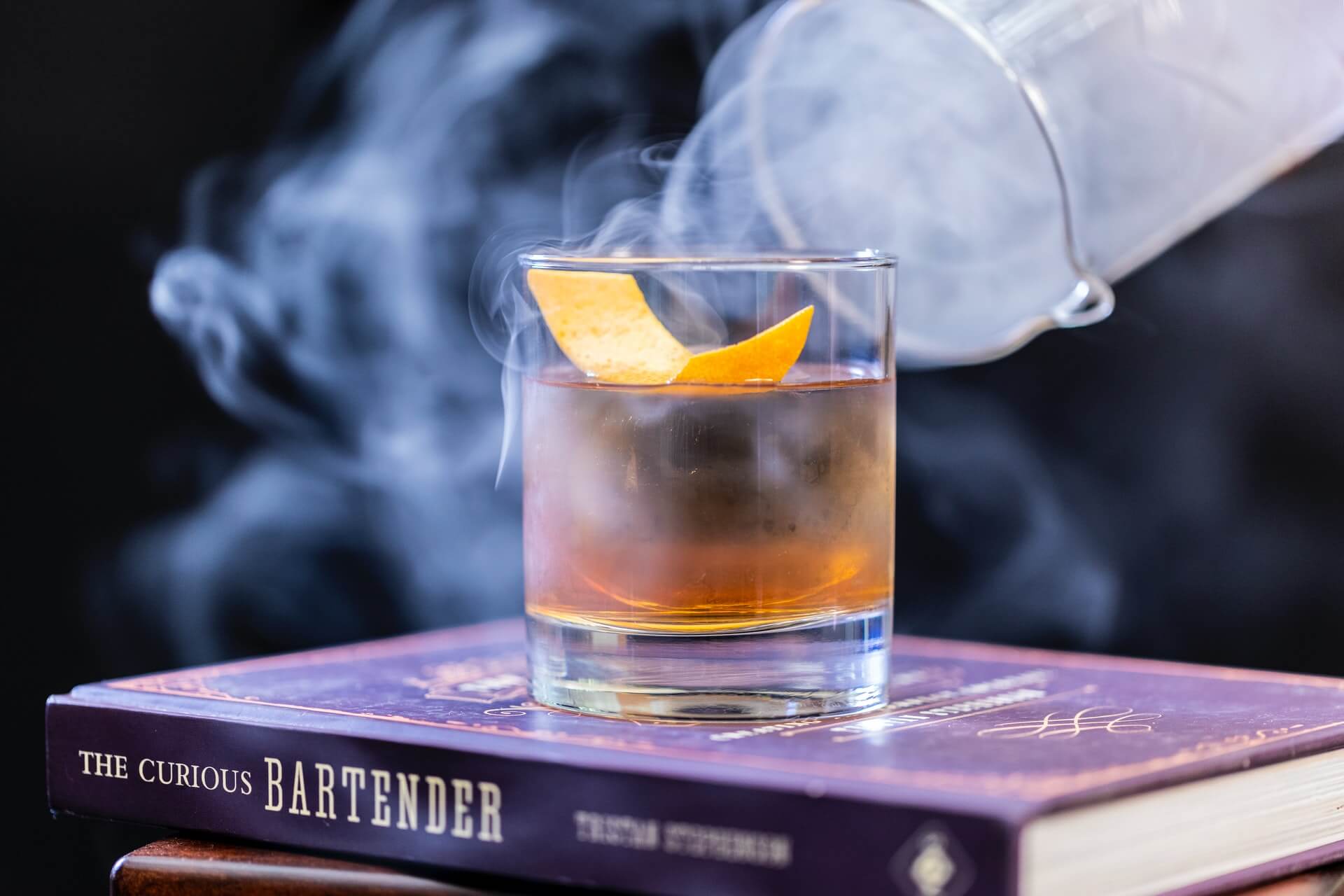
Cocktail and smoke on top stack of books

This is the culmination of all our Bourbon Heritage Month coverage, our final word on the subject: the bourbon cocktails you must know.

Yes, there are those out there who bristle at the thought of enjoying their favorite spirit being adulterated.

Combining bourbon with mixers, modifiers, even ice?! “Blasphemy,” they hiss.

Personally, we believe in enjoying spirits however you want. That’s doubly true for paying guests.

So, this is for those who appreciate their bourbon with ingredients beyond a drop of the world’s most pure water or an impossibly clear ice cube.

Here are the bourbon cocktails you and your bar team need to know.

Old Fashioned

At this point, the Old Fashioned is ubiquitous to the point that it’s doubtful there’s even a neophyte bartender who can’t make at least a mediocre one. However, this drink doesn’t carry its “classic” designation for no reason. In fact, the simpler the drink, the more legendarily classic, the more crucial it is that your bar team can absolutely nail it.

Add a half-teaspoon of sugar, three dashes of Angostura Bitters, and one teaspoon of water to a rocks glass. Stir until the sugar is dissolved. Add a large ice cube or ice sphere, or a fill the glass with big ice cubes, and add two ounces of bourbon. Stir, express an orange peel around the rim of the glass, and drop it into the drink.

Bourbon Smash

Here’s an interesting bit of trivia: All Smash cocktails are Juleps but not all Juleps are Smashes, according to Imbibe Magazine. While difficult to define, Imbibe says crucial characteristics of a Smash are ice, fruit that’s in season, and a spirit base.

Prepare a rocks glass by chilling it with ice. Grab a cocktail shaker and toss in three lemon wedges. Muddle those, then add two ounces of bourbon, three-quarters of an ounce of simple syrup, three or four fresh mint leaves, and ice. Dump the ice from the rocks glass and add a large ice cube or sphere, or big ice cubes. Shake the shaker hard until chilled, double strain into the prepped rocks glass, and garnish with a mint sprig, a popular ingredient and garnish for Smashes.

Hey, speaking of that Mint Julep trivia we mentioned…

Mint Julep

The Mint Julep is the traditional drink of the Kentucky Derby, of course. In fact, it’s said that more than 10,000 bottles of Old Forester Mint Julep are poured during Kentucky Derby weekend. While those ready-to-serve bottles are convenient, we’re going to focus on a traditional cocktail build.

Now, you can build this drink in a rocks glass. But who wants to drink this in anything but a frosty, ice-cold Julep cup? So, you’re going to start by muddling three fresh mint leaves inside the Julep cup. Then, pack the cup with crushed ice. Add two ounces of bourbon, a half-ounce of simple syrup, and stir gently. Add more crushed ice and round it off above the rim. Dust with powdered sugar and garnish with a fresh mint leaf or two.

Kentucky Mule

While we’re building cocktails that call for specialty drinkware… After the Moscow Mule exploded in popularity across North America, variants began popping up all over the place. Agave-focused bars made tequila- and mezcal-based Mules. And, of course, whiskey-centric programs latched onto their own versions of the Mule.

Enter: The Kentucky Mule. The star of this cocktail is, obviously, bourbon. Pour two ounces of bourbon into a Moscow Mule mug or highball glass—honestly, this is a toss-up given the recent surge in popularity of highballs—along with a half-ounce of fresh-squeezed lime juice. Fill the mug or glass with ice, top with ginger beer, and garnish with a mint sprig.

Bourbon Sour

In the interest of transparency, this can also be called the Whiskey Sour. I just want to make it clear that this particular recipe calls for bourbon.

With that out of the way, add two ounces of bourbon, three-quarters of an ounce of fresh-squeezed lemon juice, and a half-ounce of simple syrup to a shaker. If egg white will be used to build your Bourbon Sour, add a half-ounce to the shaker. For the egg-white version, dry shake for 30 seconds, add ice, and shake again until chilled. Skip the dry shake if no egg whites are used—just add ice and shake until well chilled. Strain into a coupe and garnish with three to four drops of Angostura bitters.

Boulevardier

Some people malign the Boulevardier is just a Negroni that swaps out the gin for bourbon (or other types of whiskey). I personally disagree with that derisive assessment as bourbon imparts entirely different characteristics.

Regardless of where you stand, part of the magic of the Negroni is that it calls for equal parts—it’s a 1:1:1 cocktail. So, I encourage you to try making your Boulevardier the same way. (Note: Some people add a quarter-ounce more of bourbon to stand up to the Campari.) Prepare a rocks glass with ice and set aside. To a mixing glass, add ice and equal parts bourbon, Campari, and sweet vermouth. Again, toss the ice inside that’s inside the prepared rocks glass and add fresh ice. Stir the liquid in the mixing glass until well chilled, strain into the prepared rocks glass, and garnish with an orange peel or twist.

Billionaire

If you’ve been to Employees Only, you’ve likely tried the Billionaire or at least know about it. Per Liquor.com, the Billionaire is a “sophisticated” riff on the Millionaire cocktail. The EO variant eschews the Millionaire’s Grand Marnier, absinthe, egg white, and freshly grated nutmeg garnish.

Instead, the Billionaire is a simpler build that calls for a specific bourbon and absinthe bitters. First, prepare a stemmed cocktail glass with ice to chill it (or task bar team members with placing them in in the freezer or refrigerator as part of their duties) and set aside. Add two ounces of Baker’s Single Barrel bourbon (107 proof), an ounce of fresh-squeezed lemon juice, a half-ounce of grenadine, a half-ounce of simple syrup, a quarter-ounce of absinthe bitters, and ice to a cocktail shaker. Shake hard until well chilled and strain into the chilled cocktail glass. Float a lemon on wheel on top to garnish.

(Updated) Amaretto Sour

This recipe is Jeffrey Morgenthaler’s modern take on the classic Amaretto Sour. To make it, you’ll need to have at least one cask-strength bourbon in your inventory. Unlike the other cocktails on this list, bourbon isn’t the star of the show. That honor goes to amaretto liqueur, but the bourbon is one hell of a supporting actor.

Prepare a rocks glass by chilling it with ice. Start by adding one-and-a-half ounces of amaretto, three-quarters of an ounce of cask-strength bourbon (remember, cask strength!), an ounce of fresh-squeezed lemon juice, one teaspoon of rich simple syrup, and a half-ounce of egg white to a shaker. Dry shake for 15 seconds, then add ice to the shaker and shake again. Dump the ice from the prepared rocks glass, add fresh ice (large cube or sphere, big ice cubes, etc.), strain the liquid, and garnish with a lemon twist and two brandied cherries on a skewer.

Image: Bon Vivant on Unsplash

by David Klemt David Klemt No Comments

9 Bottles for Bourbon Heritage Month

9 Bottles for Bourbon Heritage Month

by David Klemt

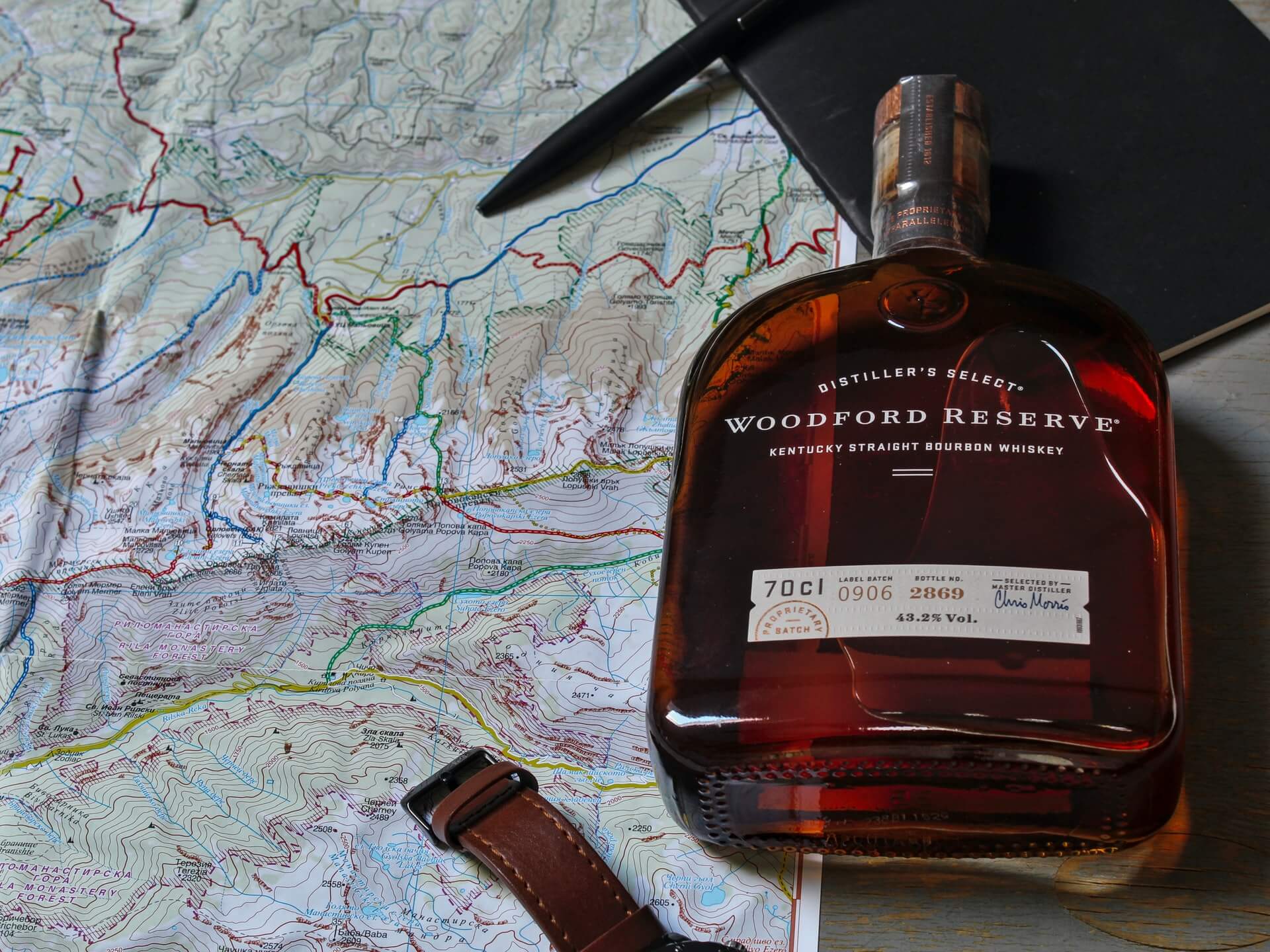
Bottle of Woodford Reserve Distiller's Select Kentucky Straight Bourbon on top of a map

One of the best elements of Bourbon Heritage Month is, undoubtedly, the opportunity to find and taste new expressions.

Given our love for finding new bottles, we’re sharing nine bottles to try this month.

Like our June 14 National Bourbon Day roundup, our suggestions for September run the pricing gamut. You’ll find a bottle under $20 and one with a $150 price tag.

The bottles below will also help your complete nine days of the 30 Days of Bourbon challenge. Who doesn’t love win-win situations?

$50 and Under

Evan Williams Bottled-in-Bond, $15

You don’t have to empty your wallet to enjoy a bonded bourbon. Also, doing so connects you with decades upon decades of bourbon distilling history and heritage. Evan Williams Bottled-in-Bond won’t break the bank and doesn’t skimp on quality, flavor or body.

Jim Beam Old Tub, $23

Speaking of bonded bourbons that won’t drain bank accounts, Jim Beam Old Tub is a limited edition, 100-proof expression that barely cracks $20 per 740ml bottle. This direct competitor to the bourbon above is neither carbon- nor chill-filtered. In fact, the distillery says the only filtering this liquid receives is of bits of wood from the barrels.

$51 to $99

Basil Hayden Toast, $50

Not only does Basil Hayden Toast receive its toasty profile from a second barreling, this bourbon features a new mash bill that includes brown rice. This is a smooth, subtle, 80-proof bourbon that practically begs you to relax and reflect to fully appreciate its nuances.

Henry McKenna Bottled in Bond, $65

There’s some controversy surrounding this 100-proof expression. That makes the bottle all the more compelling.

First, pricing can be as low as $35 per bottle SRP…if people hunting these bottles down get lucky. Some people report finding Henry McKenna Bottled in Bond for around $40, but most will say it’s between $65 and $80. Then there’s the fact that this small run bourbon isn’t exactly consistent between batches. That makes finding a bottling that really speaks to the consumer special.

Regardless of “controversy,” this bonded bourbon is aged for ten years, much longer than many other bottled-in-bond expressions out there.

Jack Daniel’s 10-Years-Old Tennessee Whiskey, $70

Here we go… On a technical level, Tennessee whiskey is bourbon. The process, up to a certain point, is identical: both must be at least 51 percent corn, and both must be aged in new, charred oak barrels. The big difference is the step that takes place just before the liquid is aged: it’s treated to a charcoal filtering.

So, please don’t come at us for including Jack Daniel’s 10-Years-Old Tennessee Whiskey on this list. Instead, seek out and try this new 97-proof offering from Jack Daniel’s.

Wild Turkey Kentucky Spirit, $65

This bourbon is for those looking for a single-barrel expression from one of the most recognizable names in bourbon production. Wild Turkey Kentucky Spirit rings in at 101 proof and is aged for eight years. Enjoyed neat, Kentucky Spirit delivers notes of almond, honey, leather, oak, pepper and vanilla, a full body, and a long finish.

$100 and Over

Old Forester Birthday Bourbon (2021 Edition), $130

September is a special month for bourbon lovers. Bourbon Heritage Month is the perfect time to splash out for high-dollar bottles. One of those is the industry’s first-ever vintage-dated bourbons.

For the unfamiliar, Birthday Bourbon has marked George Garvin Brown’s birthday, September 2, since 2002. As you may have suspected, George was the co-founder of Brown-Forman. This year’s Old Forester Birthday Bourbon is the product of 119 barrels that were filled on April 16, 2009, and aged for 12 years.

Woodford Reserve Master’s Collection Series No. 16 (Very Fine Rare Bourbon), $130

Whereas several bottles on this list pay homage to the rich history of bourbon production, Woodford Reserve Master’s Collection showcases the future. Now, Very Find Rare Bourbon is a nod to the past. However, the mission driving Master’s Collection is innovation. Special releases like Series No. 16 is produced with liquid from barrels that date back to 2003, which is the year that Chris Morris became Master Distiller.

Four Roses 2021 Limited Edition Small Batch, $150

Looking for a barrel-strength bourbon? Four Roses 2021 Limited Edition Small Batch is bottled at 114.2 proof. This bottling consists of four bourbons produced following four separate Four Roses recipes: a 12-year-old OESK, a 14-year-old OBSQ, a 16-year-old OESV, and a 16-year-old OBSV. To learn more about the Four Roses recipes, click here.

Image: Zhivko Minkov on Unsplash

by David Klemt David Klemt No Comments

How to Use RTDs for LTOs

How to Use RTDs for LTOs

by David Klemt

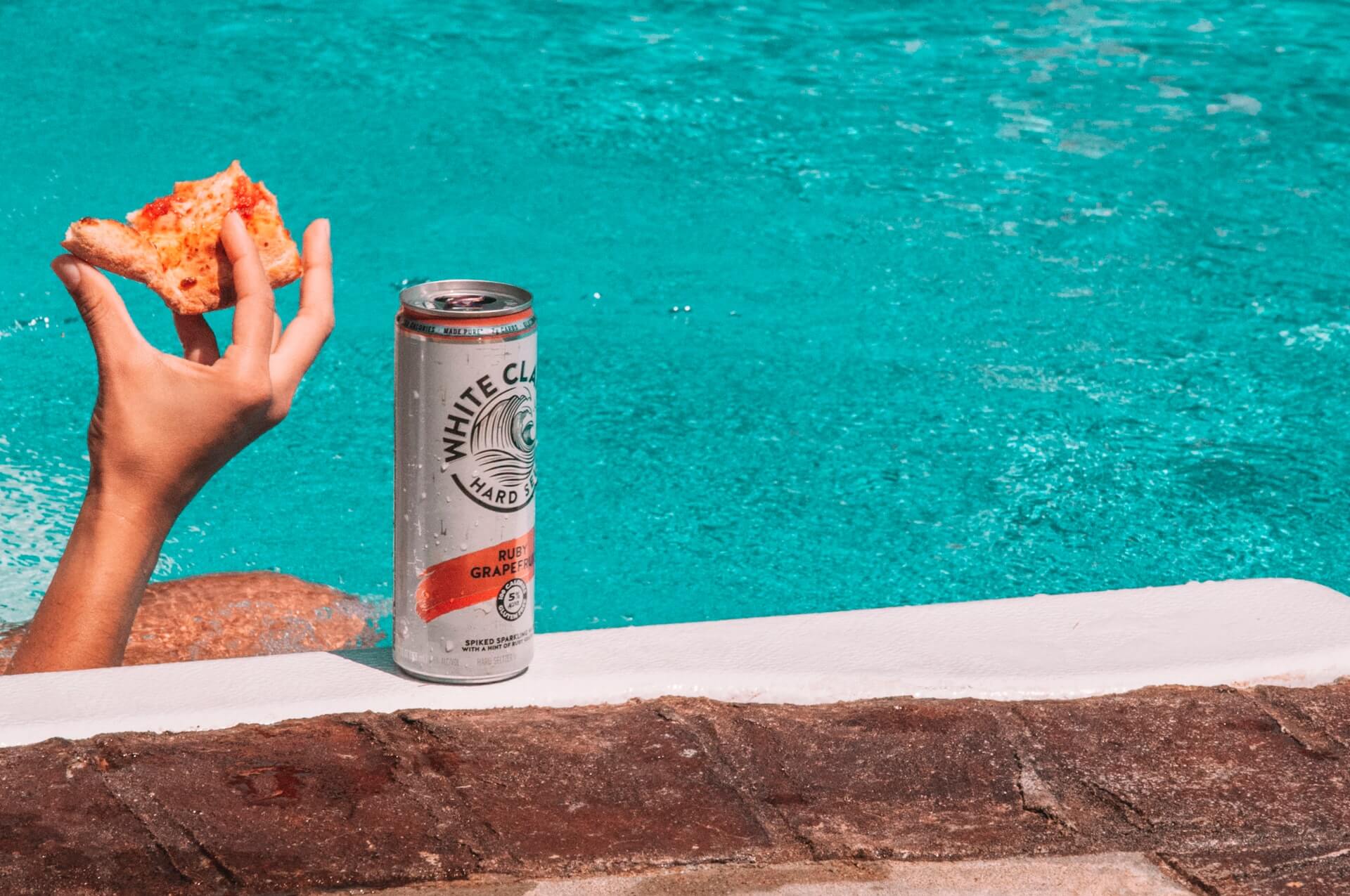
White Claw Ruby Grapefruit and pizza poolside

The RTD, aka ready-to-drink, category continues to grow and gain greater market share, particularly in the US.

However, the common association with RTDs is that consumers mostly drink them at home.

That begs a simple question: How can operators generate revenue with this popular, in-demand beverage category?

Massive Growth

Unsurprisingly, the RTD cocktail category is still one the rise.

These drinks are convenient. New brands come to market regularly. They tend to fall in line with rising consumer desire for lower-ABV options. And many brands speak to consumer desires—sustainability and outdoor interests, for example—via their visions and missions.

Per the IWSR, the US leads the charge when it comes to demand for RTDs. North America as a whole is driving growth.

However, the category grew 43 percent globally in 2020 alone. According to multiple sources, RTDs are worth USD $782.8 million. Projections have the category more than doubling by 2028: $1.7 billion.

Tequila and gin RTDs appear to be the most popular within the category, but rum, whiskey, and vodka are also growing.

So, what’s the point of all these numbers? Operators need to know what consumers are drinking and leverage that demand for the benefit of their businesses.

Simple LTOs

One of the most obvious ways to deliver on RTDs is to treat it like beer. Add a “Canned Cocktails” section and list your options. Or, hey, do what some venues do and add White Claw and other RTDs to the beer list.

After all, millions of people order canned beers every day in restaurants, bars, hotels, and entertainment and sports venues.

However, there are guests who perceive ordering an RTD instead of a traditional cocktail at a bar as a sub-par experience.

The bartender, after all, is just popping a top and handing over a can.

One way to elevate the experience is via limited-time offers. A great example comes from Nickel City, which has two locations in Texas: Austin and Fort Worth.

The award-winning neighborhood bar offers a monthly Boilermaker, and this month’s was the Rise & Shine:


View this post on Instagram


A post shared by Nickel City (@nickelcityatx)

As you can see, a High Noon Grapefruit Vodka Soda comes with a 50/50 pour of Aperol and Altos Tequila for just $8.

Other restaurants and bars—with vessels large enough—are offering riffs on the Corona-rita with RTDs. The bar team builds the cocktail as usual, then inverts and inserts the RTD.

Such a drink can certainly be leveraged via monthly LTOs.

There are a few keys to succeeding with RTDs: understanding your guests, knowing your market, and getting creative. Guests willing to spend on the RTDs they enjoy at home while at your restaurant or bar? Great. Guests unwilling unless there’s added value? Convene your bar team and tap their creativity.

Image: Maria Oswalt on Unsplash

by David Klemt David Klemt No Comments

How and Why to Edit Your Menu

How and Why to Edit Your Menu

by Nathen Dube

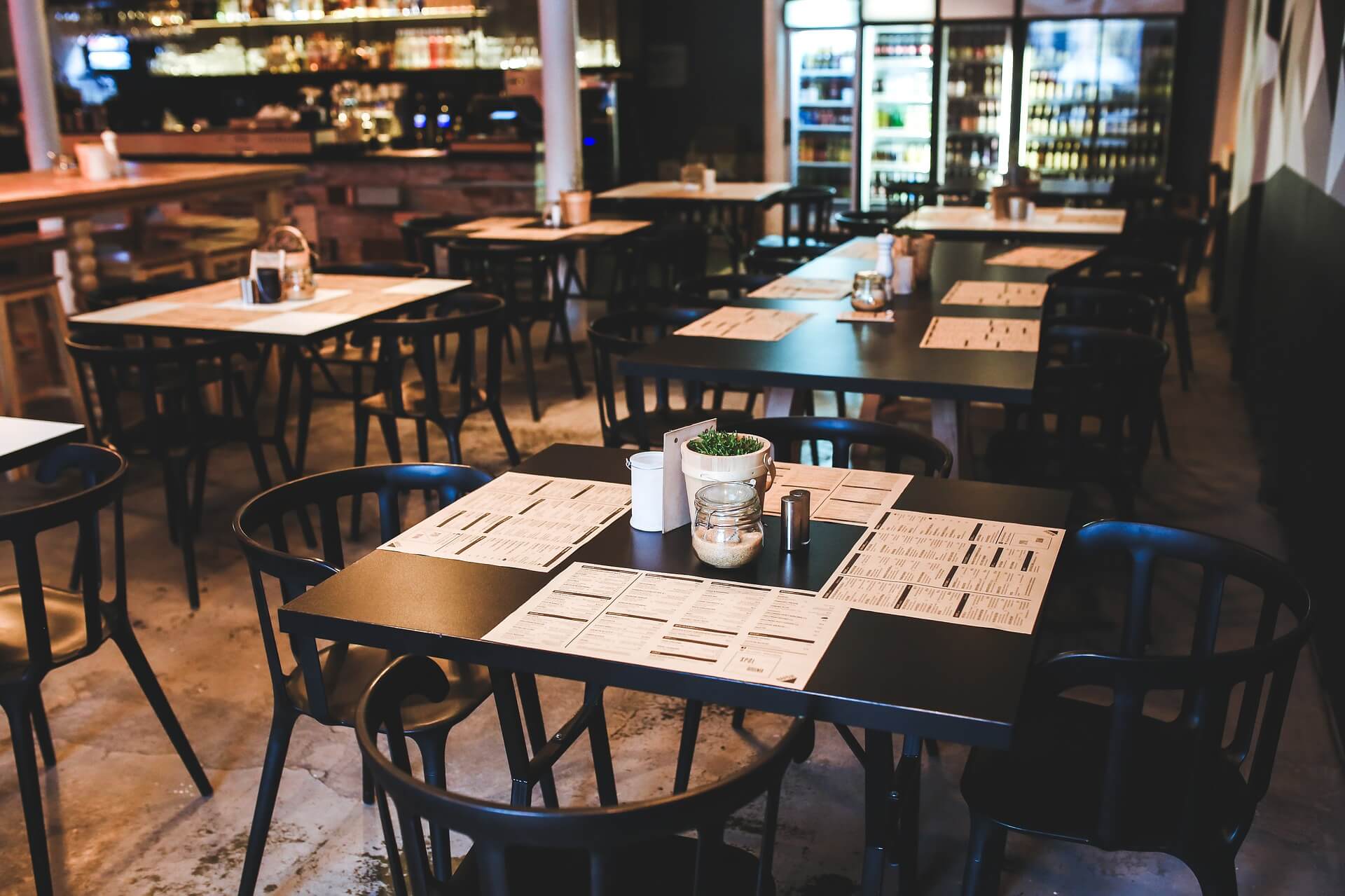
Restaurant tables with place settings and menus

When thinking about opening a restaurant an important question to answer is, “What am I going to serve?”

There is one answer that tempts too many restauranteurs: “I’ll offer something for everyone!” The thinking is that doing so translates into everyone coming to their restaurant or bar.

The truth is, everyone isn’t coming. Sadly, many of these places don’t survive long, and 60 percent of restaurants don’t make it past their first year. Having an overwhelming menu is one of the key contributors to that statistic.

Massive menus are stressful for guests, making it difficult for them to decide. At a certain point, too many items create what’s called the Paradox of Choice. Overwhelm guests with possibilities and they’ll just choose something simple and familiar rather than exploring the entire menu, impacting the guest experience negatively.

Too many options also lend to the perception of low-quality food. How can a kitchen staff possibly excel at so many dishes? How can the ingredients be fresh and not frozen? What is the quality of dishes if people only order them once or twice a week?

Those reasons and more are why it’s important to have a laser-focused menu from the onset.

Inventory Challenges

If a large portion of your menu isn’t moving out of the kitchen to hungry diners, guess where that food is going. A large menu creates tracking issues, a high percentage of ingredient spoilage, and opens the door to theft from staff. The best establishments do just a handful of things well, with a select few complementary items to round out the menu.

Having a kitchen full of product for dishes on the menu that might get ordered can quickly turn into dead stock. If there are boxes sitting in dry storage shelves collecting dust, it’s a good time to consider removing any dishes that require them from the menu.

Setting a scheduled review of inventory and menu sales breakdowns can be a great way to avoid dead stock eating into your food budget for any significant length of time. Not all dishes end up being winners—ignoring the losers will limit profitability significantly. A massive, unchecked menu just compounds the issue.

Another profit-eater is food waste. Ordering usually means receiving product in bulk and breaking it down. It’s near impossible, as an example, to order just two or four of something like cabbage for a dish that doesn’t move. The cabbage sits, and half a case gets thrown out for every dish sold. Having a focused menu will help quickly highlight items that need to be removed from a menu.

Tracking Issues

Then there’s the issue of theft. Unfortunately, theft happens. Having some deterrents in place can help mitigate opportunities for those who seek to steal in this industry.

If there aren’t robust tracking systems in place along with an honest team who uses them correctly, things can (and will) disappear. A much harder time will be had spotting losses and what’s causing them when it takes a long time to track inventory. Again, this leads to compounded profit losses on dead stock and product spoilage. We haven’t even begun to prepare any food yet and already our food cost is trending in a bad direction.

A restaurant budget needs to be established before opening and needs to be adhered to strictly. That can quickly go out the window when it comes to ordering food to stock your kitchen. A massive addition to your operating costs can set you back a few months, particularly when you’re not seeing a return on purchases for the reasons stated above.

With the current climate of the restaurant industry and a post-Covid dining scene, avoiding these pitfalls is crucial to success. Rising food and labour costs, recovering from months of closures, and a shortened patio season (if you’re lucky enough to have one), have made strict cost controls more important than ever going forward.

Keep in mind, if your seating capacity matches or is less than the amount of menu items you’re serving, that equates to minimal product turnover, which translates to minimal profits. That number is multiplied by product loss of any kind.

Training & Retention

When an owner can’t match their concept to food and drink offerings, it leads to poorly trained staff and frustration during service. There will be plenty of room for error (more loss!) and, unsurprisingly, low staff retention. That all keeps this never-ending cycle in motion.

If you can’t clarify your vision, how can you expect staff to showcase it to guests with any confidence?

At every “big menu” restaurant I’ve worked in, the owners were always in the building or kitchen. This wasn’t because they were driven to be hands on. It was because they couldn’t train staff properly to run the whole menu reliably, things would go “missing,” or staff simply couldn’t accomplish daily tasks consistently.

Interestingly, the opposite was true at establishments with small, focused menus. Staff were confident and knowledgeable, problems with food and service didn’t spiral out of control, and food moved out the door to some degree of consistency. The owners were freed up to run their business rather than micromanage everyone.

With all the issues currently hampering the food industry, the last thing you want right now is another level of frustration among your staff. Retention rates are at an all-time low. The struggle to fill job openings industry-wide are at all-time high, as are reported cases of staff walking out mid-service. A properly structured menu can keep your business on track and make the lives of your employees much more simplified.

Editing Your Menu

Focusing on cohesion between menu and concept doesn’t require offering all the dishes under the sun. Avoiding the “something for everyone” approach leads to improved guest experiences and employee confidence. Streamlining your menu simplifies inventory and sales tracking; differentiates high-profitability items from the rest; and makes identifying items that don’t sell easier.

Paring down your menu into a tight, focused version allows you to quickly retool it every few months. Just try tracking and editing a large four-page menu as frequently. It’s costly to reprint and you have better things to do with your time.

Keeping things tight also creates space to take advantage of seasonal offerings, local specialties, or customer favorites. You can also offer specials throughout the week that can drive traffic and give your talented cooks a chance to show off!

I would suggest looking over your sales data to identify your highest-selling dishes and the slow movers every one to two months. If you have a seasonal menu, this can be done at the midpoint of a seasonal change.

Think about what items are being purchased and only used in one dish. They can start to pile up in your stockroom and lead to dead stock. Consider the versatility of ingredients when planning a menu change—cross-utilize everything you can.

Fluctuating Costs

Another important point that can get forgotten is that the prices of food items fluctuate constantly. Maintaining a large menu, therefore, can become a nightmare cost scenario quickly. Limes, beef, avocados—even celery—are experiencing tremendous jumps in price. A small menu allows for damage control when prices jump, giving your room to make quick, lower-cost moves.

Of course, the alternative is to have your staff rattle off everything the kitchen is out of to your guests. Not cool.

The underlying theme here is to avoid tying up your finances in product that is sitting, turning to waste instead of profit, or not moving at all. Your mission is to have product moving out of the kitchen constantly and consistently.

It might seem like a wise decision to offer a large menu that’s all over the place. Maybe you’re making that choice for fear of alienating guests or reducing your traffic. However, the points made in this article should illustrate why a cohesive link between concept and menu is crucial, and how a smaller, more focused menu can deliver more for you than a large, out-of-touch menu.

Image: Karolina Grabowska from Pixabay

by David Klemt David Klemt No Comments

First-ever Carbon-neutral Distilled Spirit

Novo Fogo Releases First-ever Carbon-neutral Distilled Spirit

by David Klemt

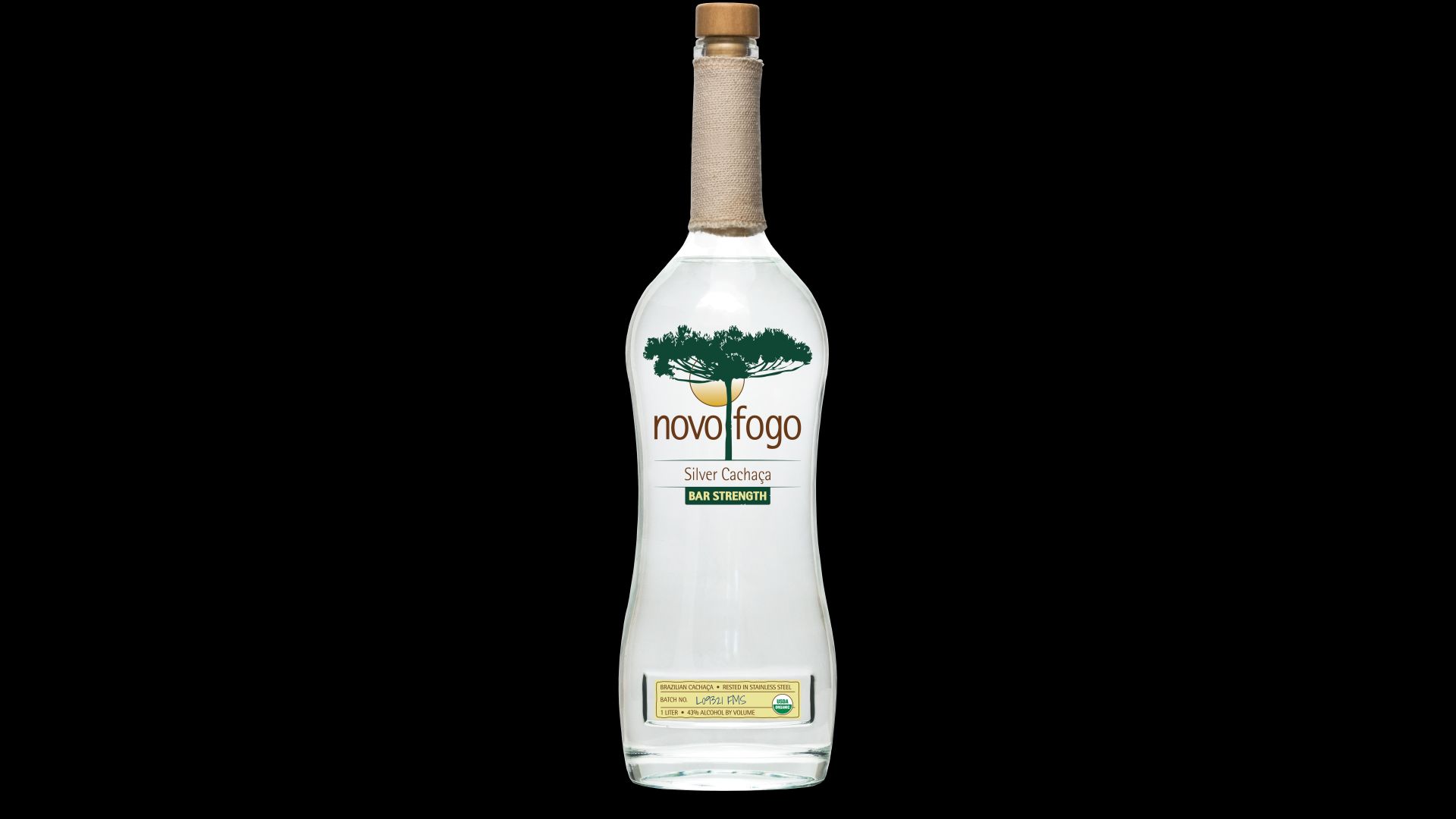
Novo Fogo Bar Strength Silver Cachaça bottle

Novo Fogo is releasing their Silver Cachaça in a one-liter bottle with a fresh new design, strength and trade industry focus.

Clearly, the Brazilian distiller is concentrating on bar owners and bartenders for 2021.

Of course, Novo Fogo is also focusing on their relationship with the planet.

Reducing Environmental Impact

The Novo Fogo distillery calls the Floresta Atlântica home. And the brand is fiercely protective of this location.

Also known as the Atlantic Rainforest, the distillery operates within the second-largest UNESCO Biosphere Reserve.

Novo Fogo’s home is pristine, surrounded by untouched nature—there’s no pollution. Operating in harmony, Novo Fogo goes to great lengths to impact their surroundings—and the planet—as little as possible.

Fans of the distillery’s handcrafted, small-batch cachaça will attest to the liquid’s terroir. Tasting Novo Fogo is like standing in Floresta Atlântica and breathing in its pristine nature.

The company is carbon negative (absorb more carbon dioxide than they emit); uses minimal water; utilizes organic production methods; and manages reforestation efforts.

World First Spirit

Novo Fogo’s mission includes a relentless, meticulous approach to saving the Amazon rainforest. The reasoning is obvious—sixty percent of Brazil is rainforest.

Also, rainforests absorb carbon dioxide; release oxygen and water into the atmosphere; are home to indigenous people; and are habitats full of animal and plant life.

So, it’s with great pride that Novo Fogo Bar Strength Silver Cachaça is the world’s first carbon-neutral distilled spirit.

This accomplishment is no small feat. To achieve this goal, Novo Fogo had to take into account the impact of their partners.

That means the brand calculated:

  • production of their glass bottles (recycled glass, neck wraps made from plastics found on the streets of São Paulo), corks, labels, and cases;
  • utilities and fuel used by their distributor’s warehouses;
  • the resources used by land and sea freight partners; and
  • the impact of sales and delivery efforts.

After calculating the entirety of Bar Strength Silver Cachaça’s impact on the Earth, Novo Fogo purchased carbon offsets through Native. The offsets will save trees by providing 2,000 families in Honduras that produce coffee with water filters. Ultimately, this will save trees as the families won’t need to cut any down to boil water.

Bar Owner and Bartender Friendly

While things are improving, it can still be cost-prohibitive for people to choose products that are good for our planet.

To that end, Novo Fogo also aims to reduce the financial impact for bar owners who purchase Bar Strength Silver Cachaça.

Per the brand, the average wholesale cost of the new one-liter expression is $24. That translates to 22 1.5-ounce pours, a cost per ounce of $0.71, and a cost per cocktail of $1.06.

However, this new expression also takes the practical into mind.

Bartenders will appreciate Novo Fogo’s new bottle design:

  • The neck is taller while the midsection is has been slimmed down.
  • Regarding the footprint, the bottom of the bottle is now circular.
  • Novo Fogo shrunk the bottle’s footprint.

Ultimately, the redesign results in a one-liter bottle that’s easier to handle and fits better in a well.

Of course, boosting the ABV from 40 percent to 43 percent means this cachaça’s flavors are more intense. Obviously, that makes for a bolder drinking and guest experience.

Consumers are growing increasingly concerned about the health of our planet. Many seek out brewers, vintners and distillers who operate responsibly. The same goes for the restaurants, bars and hotels they’ll support.

Novo Fogo just made it that much easier to make cocktails that are better for the planet.

Image: Novo Fogo

by David Klemt David Klemt No Comments

Want Champagne Onion Rings with That?

Want Champagne Onion Rings with That $6,000 Burger?

by David Klemt

De Daltons gourmet Golden Boy hamburger, cropped image

Matthew McConaughey once said that the inventor of the hamburger was smart but creator of the cheeseburger was a genius.

So, what title should we bestow upon the person who created the first-ever gourmet burger?

Super-genius? Superhuman? Superhero?

Perhaps legend is high-enough praise for whomever made it acceptable to charge more than $10 for a simple menu item.

A Brief History of Haute Hamburgers

The United States is widely credited with the invention of the hamburger. However, the exact origin is unknown. Therefore, it remains heavily disputed.

Of course, we wouldn’t have today’s gourmet burgers without two decidedly standard burger powerhouses: White Castle and McDonald’s.

The former was founded 100 years ago this past March in 1921, while the latter really came into its own in 1955. However, thanks to films like The Founder, McDonald’s tends to get the lion’s share of modern burger and fast-food credit.

Regardless, the first haute cuisine burgers wouldn’t hit the market until the turn of this century. Chefs Daniel Boulud and Richard Blais are among the names that receive credit for creating the gourmet burger category.

Over the past several years, several high-dollar burgers have made headlines. For example, Corvallis, Oregon-located restaurant Juicys Outlaw Grill created a $5,000 burger ten years ago. Anyone interested in having one was required to provide 48-hours’ notice.

In 2017, Dutch chef Chef Diego Buik offered a $2,300-plus burger at South of Houston in the Hague. Just two years ago, Chef Hubert Keller featured a $5,000 burger on the menu at his Las Vegas restaurant Fleur.

Another Las Vegas restaurant, Burger Brasserie, has offered a $777 burger for nearly a decade.

Chef Gordon Ramsay’s latest restaurant, the cleverly named Gordon Ramsay Burger outpost in London (the original is in Las Vegas), features a burger that costs between $106 and $144. Oh, and it doesn’t come with fries—those come with an upcharge of ten bucks.

New King of Burgers

Now, there’s a new most-expensive burger making the scene. Interestingly, it’s not from an American restaurant.

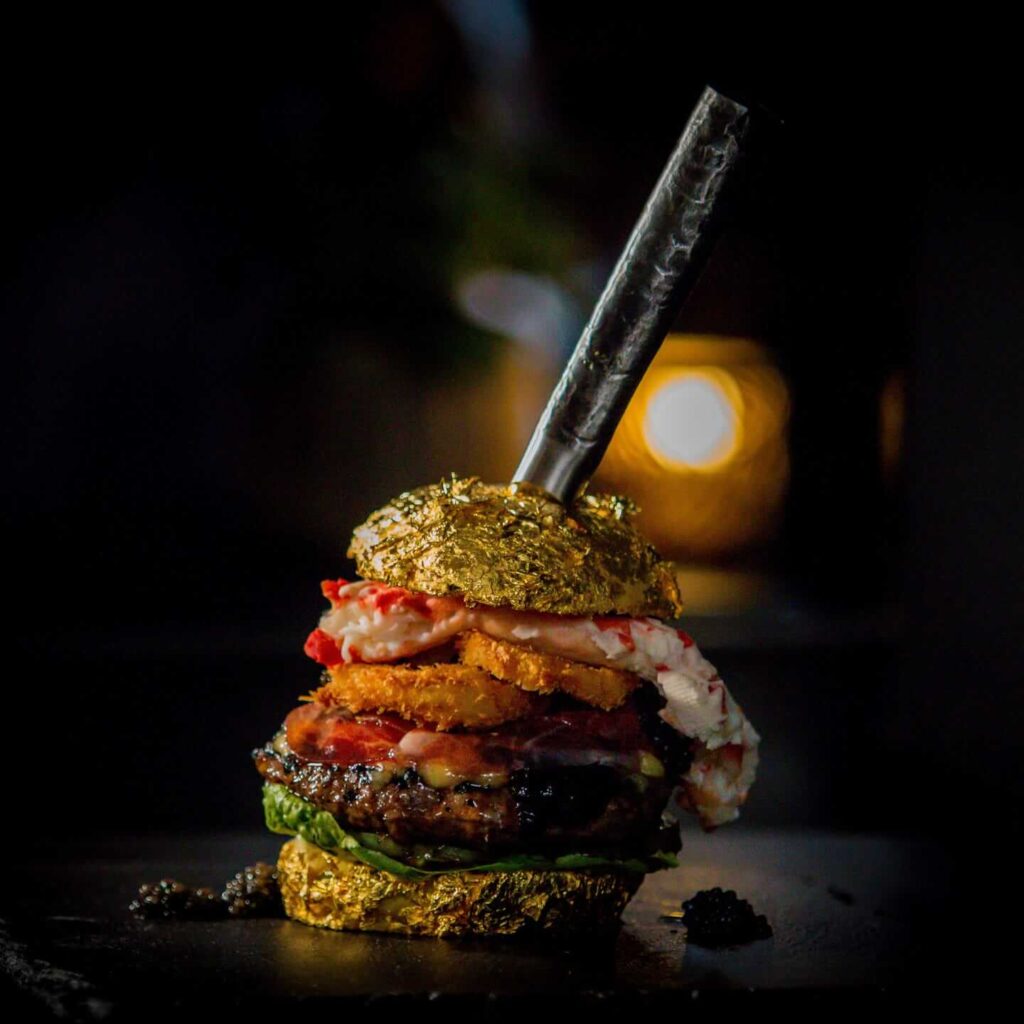
De Daltons, a Dutch diner located about 40 minutes southeast of Amsterdam, is the home of a gourmet burger known as the Golden Boy.

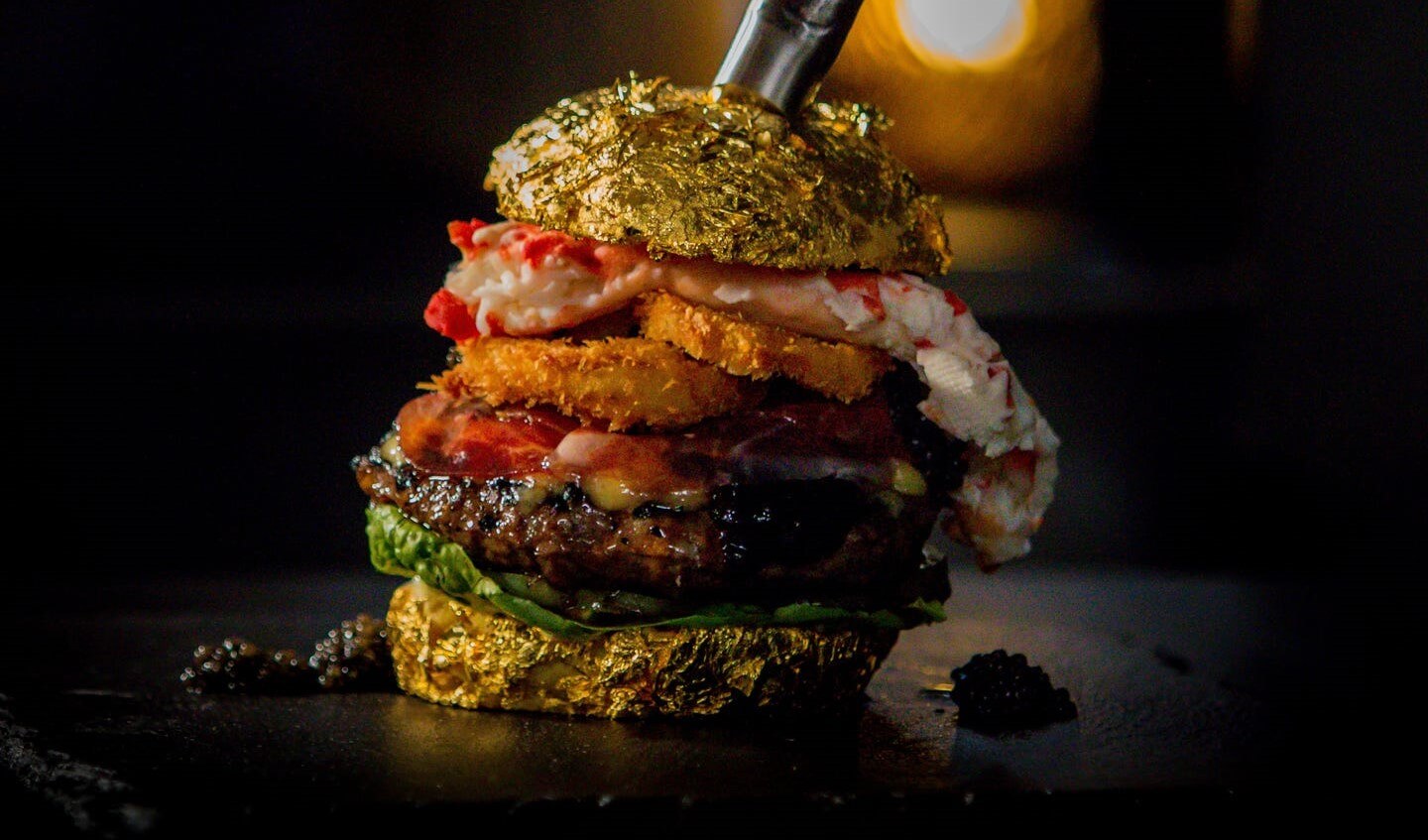
De Daltons gourmet Golden Boy hamburger

Of course, this isn’t just any gourmet burger—at €5000, De Daltons is attempting to make it the gourmet burger.

So, what does one get for their nearly $6,000 investment in haute cuisine?

To start, there’s the burger. It’s made of ground A5 Wagyu brisket and chuck short rib. It’s topped with The Macallan- and Kopi Luwak coffee-infused barbecue sauce; truffled Cheddar cheese; Joselito vintage jamon (the best ham in the world); Dom Pérignon-battered onion rings; Beluga caviar; white truffle; Tiger tomato and cucumber that was pickled in matcha; smoked mayonnaise made saffron, chive and duck eggs; and king crab cooked in white wine.

Oh, and the burger is given a whiskey-smoked treatment before it’s served.

Speaking of service, what kind of bun is luxurious enough to hold the Golden Boy? A saffron- and Dom Pérignon-infused gold leaf one, of course.

Gourmet Gimmick?

The latest headline-grabbing burger is truly a hedonistic indulgence. Unlike some haute hamburgers from the past, however, it’s made with truly impressive ingredients.

Before the Golden Boy made its appearance, one simply had to make a BOUS (Burger of Unusual Size) to get attention. One could also go the “gourmet” route by pairing their signature burger with a pricey bottle of Champagne.

After those two routes turned a bit stale, chefs with impressive credentials could make news by making gourmet burgers from “fancy” meats, slapping foie gras and an aged cheese on top, and dusting the bun with gold.

De Daltons’ burger is clearly taking the gourmet burger in an ultra-luxe direction. All challengers to the King of Burger throne will have to follow suit.

Yes, the Golden Boy is a gimmick. Yes, it has helped De Daltons pull focus and grab the global restaurant spotlight. However, as ludicrous as many will find the price tag, the burger does deliver on luxe ingredients and pageantry.

So, am I suggesting that restaurateurs review their menus, local suppliers, and market to come up with their own headline-generating luxury menu item? Well, yeah.

If an operator’s kitchen team has the skills to execute on a specialty high-priced item while remaining authentic and without alienating loyal guests, go for it. If there’s only PR, marketing and revenue upside, creating one incredible “off-menu”item is worth the effort.

Again, this comes down to operators knowing their guests, their markets, and what they’re great at doing. The word “gimmick” doesn’t have to be a dirty word—it can be a positive if done correctly.

Image: De Daltons

by David Klemt David Klemt No Comments

Father’s Day Food & Beer Pairings

Father’s Day Food & Beer Pairings

by David Klemt

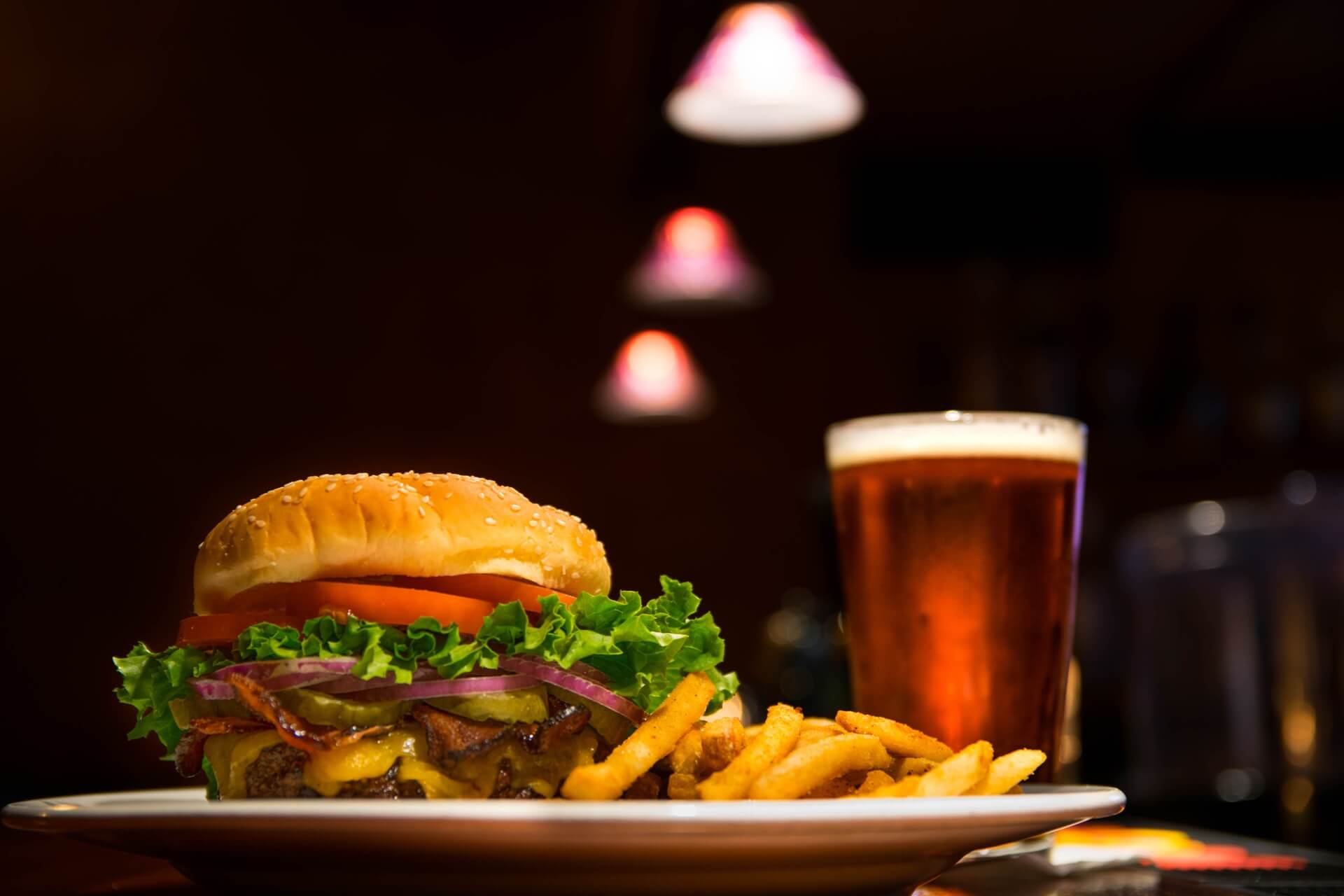
Burger with onion rings and beer

Father’s Day is right around the corner and while it isn’t usually quite as busy as Mother’s Day, this year could be different.

After all, states and provinces are reopening, and the weather is getting warmer. In fact, Governor Andrew Cuomo announced yesterday that restaurants and bars are no longer subject to social distancing restrictions.

And hey, who isn’t looking for an excuse to get out and return to restaurants and bars?

Now, I’m going to assume that most operators who plan to celebrate Father’s Day this weekend have their promotions in place. However, to help give those promos a boost, I want to share beer pairings for classic Father’s Day menu items.

Of course, these pairings work well on any day of the week, and they’re in no way limited to dads. Anyone who enjoys beer will appreciate operators putting an emphasis on food and beer pairings.

Burgers

One of the most popular foods, particularly for those seeking out comfort, burgers and an array of beers go together. For a classic hamburger, suggest an IPA, APA or Lager. Known for your mushroom and Swiss cheese burger? Brown ales, amber ales and porters work well. Pale ales go well with bacon burgers, and wheat ales and Witbier pair with veggie burgers.

Chicken

Fried chicken is certainly right up there with burgers in terms of comfort foods. And it’s certainly great for Father’s Day. Suggest pairing fried chicken with a Kölsch, Märzen, Helles, and Hefeweizen. For barbecue chicken, recommend a light lager, Pilsner, Saison, Hefeweizen and Witbier. Honey glazed chicken (baked or as wings) work very well with a Kölsch.

Pork

If you have ribs on the menu, there are a few ways to go with beer pairings. Porters, stouts and German lagers are medium- to full-bodied and can stand up to bold, rich flavors and compliment smoke. On the other hand, pale ales and IPAs (lighter versions tend to work better) are lighter but can compliment barbecue flavors as well. Porters and American pale ales sip well with pulled pork sandwiches. A Märzen, Hefeweizen or Porter pairs nicely with pork chops.

Steak

Just like there are several cuts of beef for steaks, there are several beer types that pair well with steak. Brown ales, stouts, porters, IPAs, lagers and IPAs work well for different reasons. Cuts that are more flavorful (ribeye, top sirloin, porterhouse, T-bone) pair well with darker beers (generally speaking). But cuts like filet mignon, known to be lighter in flavor, work well with lighter beers (some lagers and IPAs).

Seafood

Much like steak, seafood presents plenty of variety for beer drinkers. You’ll find that Pilsners compliment many different types of seafood. Generally speaking, lobster dishes pair well with a Pilsner or an IPA (that isn’t too assertive). Pilsners work great with an array of fish, so suggest one with your fish and chips or tilapia. When it comes to many crab dishes, lagers and—yep—Pilsners are excellent recommendations. Wheat beers pair well with mussels, and sours and Goses drink well with oysters.

Grilled Vegetables

When it comes to grilled and charred vegetables, dark beers with roast coffee, malty and chocolate flavors pair very well. Imperial stouts can certainly hold their own with grilled, roasted and charred veggies. However, black lagers and porters are lighter than imperial stouts with similar flavor characteristics, meaning they won’t overpower the vegetables.

Of course, the best way to make winning pairing suggestions is to try them yourself. Even better, include kitchen staff, servers and bartenders and get their feedback. There’s no substitute for being able to make pairing recommendations based on personal experience.

Image: Edward Franklin on Unsplash

by David Klemt David Klemt No Comments

5 Bottles for June 21, World Lambrusco Day

5 Bottles for June 21, World Lambrusco Day

by David Klemt

Sparkling red wine in wine glass with condensation

On June 21, the world celebrates one of Italy’s most-famous wines, the oft-misunderstood and maligned Lambrusco.

Now, some people of a certain age chuckle and roll their eyes when someone mentions Lambrusco. After all, the most (in)famous example throughout North America was Riunite.

Of course, I mean no disrespect to that particular producer. It’s just that the world is aware of other Lambrusco labels.

People also now know much more about wine in general and Lambrusco specifically. And they know it’s not always a sweet, sparkling wine.

Lambrusco 101

Much like many, many other wines, Lambrusco is a protected designation. Think Champagne, Prosecco or Châteauneuf-du-Pape.

Lambrusco comes from five regions in Northern Italy: four in Emilia-Romagna and one in Lombardy. Cheese fans may know Emilia-Romagna for its Parmigiano Reggiano cheese production.

The five denominazione di origine controllata (DOC) regions each produce distinct styles of Lambrusco with their own unique characteristics.

For example, Lambrusco Grasparossa di Castelvetro from Modena are the most-tannic of these wines. They also tend to be dark purple in color.

In contrast, some Lambrusco Reggiano wines are lighter in color. These Lambruscos also tend to be sweeter on the palate and more floral on the nose.

Lambrusco di Sorbara produces perhaps the most unique Lambrusco, such as rosè.

Most Lambrusco is semi-sparkling, or frizzante, owing to winemakers using the ancestral, traditional or Charmat methods of production.

Modern Outlook

For decades, most North Americans were only aware of Lambrusco from Riunite. Therefore, North Americans only knew Lambrusco as a cloyingly sweet, fizzy Italian wine.

Of course, many people love sweet. So many, in fact, that the term “sweet sells” is well-known among beverage managers.

However, today’s consumer doesn’t necessarily want to drink what their parents or grandparents drink. And while they may not dislike sweet outright, they want to experience different flavor profiles.

For these consumers, bartenders, bar managers, servers, and floor managers should be aware of a few important Lambrusco label terms:

  • Dolce: This is the sweetest Lambrusco.
  • Amabile: Medium-sweet wines not quite as sweet as dolce.
  • Semisecco: The most common Lambrusco, off-dry wines that aren’t as sweet as amabile or dolce.
  • Secco: Dry Lambrusco with balance and savory notes in addition to fruit on the palate.

Lambrusco is a great alternative to Champagne, Prosecco and other sparkling wines in the summer. In particular, those with patios should push their guests to try it.

Where to Start

Like I said, I’m not bashing Riunite—the label has been around for quite some time.

But for those who want to fill out their wine menus, these bottles are worth a look. I’ve chosen one bottle from each of Italy’s five Lambrusco DOCs.

Fondo Bozzole ‘Incantabiss’ Lambrusco Mantovano

From the Lombardy region. A soft wine with mineral notes balance the fruit (strawberry in particular).

Vigneto SaettiRosso Viola 2019

From the Lambrusco Salamino di Santa Croce region. This bottle would definitely draw some eyes as it’s brought to a table. Dry with smoothness balanced by assertive tannins. Black cherry, red berries, and violet.

Lini 910 Lambrusco Rosso Labrusca Reggiano (non-vintage)

91 points from Vinous. Blueberry and strawberry on the nose and palate. I have to say, the label is pretty cool.

Cleto Chiarli Lambrusco Grasparossa di Castelvetro Amabile Centenario (non-vintage)

Speaking of labels, I can see where this bottle would be mistaken for Champagne. Semi-sweet and smooth with lots of fruit on the nose and palate.

Paltrinieri “Radice” Lambrusco di Sorbara (non-vintage)

High acid lends itself to this wine’s significant brightness. Along with strawberry, expect grapefruit and watermelon notes.

Image: Dirk Wohlrabe from Pixabay

by krghospitality krghospitality No Comments

International Chain Slashes Menu

International Chain Slashes Menu

by David Klemt

Applebee's Grill & Bar casual dining restaurant

If you’re curious as to whether “lean and mean” menus are here to stay as a result of the pandemic, look no further than one international chain.

Moving forward, Applebee’s Grill + Bar menus will be some 60 items lighter.

The chain’s menu will be 38 percent smaller, and the change is permanent.

Significant Overhaul

Of course, it isn’t like the Applebee’s menu is tiny now. At about 100 items, it’s still larger than most independent restaurant menus. For contrast, KRG Hospitality president Doug Radkey, in most cases, recommends 12- to 32-item food menus.

Still, the casual dining chain cutting 60 items permanently is a big move.

The decision is a direct result of the pandemic and the toll it took on Applebee’s and the industry overall. Unfortunately, like many operators big and small, chain and independent, the chain had to furlough staff. Lightening the menu made it easier for the chain to adapt and shift toward takeout and delivery.

Weak performers and complex items that affect efficiency are gone. According to John Cywinski, Applebee’s president, the decision means faster ticket times, more consistency, and better efficiency.

Among the 60 or so items that are no longer available: the triple cheeseburger, clam chowder, and BBQ brisket tacos.

Streamline Summer

The decision to eliminate dozens of complex and lagging items puts Applebee’s in a better position for Summer 2021, potentially.

Speaking with CNN Business, Cywinski said, “The team will have to be very thoughtful about every single product or beverage they introduce, and the consequence of it from a complexity standpoint.”

That thoughtful approach is crucial in large part because of Applebee’s new menu policy: When a new item comes onto the menu, an old item must go.

Accordingly, Applebee’s can remain innovative while avoiding once again inflating their menus.

With demand for social interaction, a return to normalcy, and in-person restaurant and bar visits set to explode, Applebee’s finds itself with a menu that’s nearly 40-percent smaller. That should make it simpler for the chain’s restaurant and bar teams to fill orders quickly, efficiently, and consistently.

Menu Refresh

Every operator needs to know their numbers. That doesn’t just mean costs and inventory, by the way.

Do you know the cook times for each food item on your menu? Do you know how many dishes you can make with a given ingredient? Is thoughtful cross-utilization an important element of your F&B operations?

The answers to those questions can help you identify bottlenecks in your operation and become more agile.

Another important question to consider: Do you know which menu items are your slowest sellers? If you do, answer this: Why are they still on your menu?

When you eliminate an item, yes, some guests will express their disappointment. You’ll have to weigh the costs of keeping a poor performer against freeing up resources by losing an item that rarely sells. You may even identify an item that you personally love but just doesn’t move. Again, you have to do what’s best for your bottom line.

You may not have 160 items on your menu. You may not have 100. That doesn’t mean you don’t have at least a handful of items that you can eliminate to reduce costs and increase revenue.

Image: Applebee’s Grill + Bar

by David Klemt David Klemt No Comments

The Next Spirits Billionaire?

The Next Spirits Billionaire?

by David Klemt

Close-up of one hundred dollar bill

A recent deal involving a whiskey brand is set to help welcome another member to the exclusive Celebrity Spirits Billionaire’s Club.

Three-division UFC fighter. Two-division champion. Entrepreneur. Billionaire? Conor McGregor may add another comma to his bank account.

Proximo Spirits and Proper No. Twelve Irish Whiskey will continue their relationship long-term after agreeing to a nine-figure deal.

The terms of the Proper-Proximo agreement are confidential. However, the consensus is that Proper No. Twelve is going to make MMA star Conor McGregor a billionaire.

Money McGregor

One detail that isn’t exactly confidential is the overall value of the Proper-Proximo agreement.

McGregor and his business partners sold their majority stake in the popular Irish whiskey brand. It’s believed the deal is worth up to $600 million, or nearly €500 million.

However, how much of that $600 million is going to McGregor is unknown at this time.

To be clear, McGregor has a ways to go before he becomes a billionaire. Of course, he’s closer than most of us

Per reporting from The Irish Post, Proper No. Twelve is going to make McGregor the first billionaire Irish athlete.

“The terms of the agreement are confidential, however, the most important thing is Conor McGregor will remain a stakeholder of Proper No. Twelve, the brand that will make him a billionaire,” says Karen Kessler, a spokesperson for the former MMA champion.

Rapid Growth

It’s important to remember that Proper No. Twelve is just a few years old. That detail highlights the impressiveness of this deal.

Remember, Proper No. Twelve only launched in 2018. Since then, the brand has shipped over six million bottles. Proper No. Twelve is set to enter additional international markets moving forward.

Mike Keyes, president and CEO of Proximo Spirits, certainly seems to believe Proper No. Twelve isn’t “just another” celebrity spirits brand.

“It is rare to see a celebrity impact a brand the way Conor McGregor has Proper No. Twelve Irish Whiskey, and I have not seen many brands in the spirits industry catapult to this level of success in such a short period of time,” says Keyes. “This agreement is a vote of confidence in the incredible potential of this brand and a testament to the incredible work of Conor, Audie, Ken and the Proper No. Twelve team, as well as the efforts of Proximo and its distributors, who have all made this success possible.”

Celebrity Spirits Billionaire’s Club

Before proceeding, it must be mentioned that McGregor doesn’t consider himself a celebrity. According to him, “I’m not a celebrity. I break people’s faces for money and bounce.”

Regardless, the face-breaker money-maker is among an elite group of celebs with stakes in lucrative spirits brands.

We’re all well aware of George Clooney’s success with Casamigos, the brand he and his business partners sold for $700 million. There’s another $300 million in it for them if the brand hits performance goals over the next several years.

Diddy’s collaboration with Diageo, which includes CÎROC Vodka and DeLeón Tequila, is pumping up the artist and entrepreneur’s net worth. It seems quite likely that when he reaches billionaire status, it will be in no small part to the success of the Diageo brands.

Like McGregor, Ryan Reynolds got involved in spirits brand ownership in 2018. Retaining his ownership stake in Aviation Gin may catapult the actor, entrepreneur and social media slayer to billionaire status.

Jay Z is a wildly successful entrepreneur. In 2019, the empire he built made him a billionaire. Ace of Spades (Armand de Brignac) reportedly made Jay over $300 million midway through June 2019. D’USSE scored him an estimated $100 million. Jay Z launched luxury cannabis brand Monogram, sure to add much more to his net worth.

Why Should You Care?

Operators, their employees, and their friends and families continue to struggle in 2021. Our industry has fought endless battles. America’s operators just began the process of receiving specific relief yesterday.

So, it can be difficult to discuss the net worth of celebrities given what people are going through. The topic can come across as insensitive. That is by no means lost on me.

Were any of the brands in this post reliant solely on celebrity endorsement, I wouldn’t bother including them. The fact is, the success of these brands relies on consumer demand.

Celebrity endorsement only goes so far—if the product sucks, the shine will wear off and consumers will move on. And today’s consumer moves on quickly. There’s always something shinier, always a celebrity name with more gravitas.

Proper No. Twelve, Aviation, Casamigos, DeLeón, CÎROC, D’USSE, and Ace of Spades are past the honeymoon phase of brand adoption. Consumers have spoken, and these are among the brands they want and expect to see on menus. Your menus.

You certainly don’t need to stock these or any other celebrity brands. Just don’t be surprised if guests become frustrated if they can’t get them at your restaurant or bar.

That goes for any brand. Listen to your guests and what they’re asking for from you. Charge your front-of-house team with doing the same and encourage them to report back to you what they’re hearing from guests. One of the easiest ways to inspire repeat visits and refresh your menu is to simply listen.

Image: Photo by Giorgio Trovato on Unsplash

by David Klemt David Klemt No Comments

Reverse Cocktails for Lower ABV Sips

Reverse Cocktails for Lower ABV Sips

by David Klemt

Straining a cocktail into a rocks glass over ice cubes

A simple and creative way to add low-proof drinks to a menu is to offer reverse cocktails.

As a concept, reverse cocktails are simple to understand. However, they’re also a great way to engage the bar team.

Better still, they offer guests looking to enjoy less-spirited drinks a real cocktail experience.

What’s a Reverse Cocktail?

Essentially, a reverse cocktail is exactly what it sounds like. Let’s use the classic Martini as an example.

Say your classic recipe calls for two ounces of gin, a half-ounce of sweet vermouth, and a dash of orange bitters. To build the Reverse Martini, half the gin, quadruple the sweet vermouth, and keep the bitters the same.

That’s a quick and dirty example. You and your bar team will want to play with your recipes—different vermouths and gins will deliver differing results.

Vermouths, amaros, and low-proof aperitifs are ideal for building reverse cocktails and expanding your cocktail program.

What’s the Point?

Reverse cocktails lower the ABV in comparison to their standard, boozier counterparts.

Michael Toscano, Woodford Reserve brand ambassador and Bar Hacks podcast guest, thinks many people are looking to slow down their alcohol intake. Home bartenders, if reports are accurate, have been pouring spirits generously during the pandemic. When they get out, they may be after lower-proof sips.

A reverse cocktail is a creative solution to enjoying cocktails in a new way with less alcohol.

Of course, they also offer operators a new guest experience. A menu section with the title “Reverse Cocktails” is likely to spark some guest interest and questions. Also, such drinks are a great way to refresh drink menus and move some inventory.

There’s also the fact that reverse cocktails give guests seeking low-ABV sips the full cocktail experience—there’s no risk of alienating them.

Image: Adam Jaime on Unsplash

by David Klemt David Klemt No Comments

2021 Kentucky Derby Drink Recipes

2021 Kentucky Derby Drink Recipes

by David Klemt

Woodford Spire Kentucky Derby cocktail

The 2021 Kentucky Derby takes place this Saturday, May 1. These cool drinks are perfect for the hottest two minutes in sports.

This year, the unbeaten Essential Quality is the favorite to win the 147th Run for the Roses. Hot Rod Charlie, Rock Your World, and Medina Spirit are also in consideration.

Personally, given the subject of this article—bourbon cocktails—we’d like to see Bourbonic take the first race in the Triple Crown.

Since Woodford Reserve is the official Presenting Sponsor of the Kentucky Derby, you can’t go wrong with the Woodford cocktails below.

Of course, the 2021 Woodford Reserve Derby Bottle makes these Derby drinks taste that much better.

Cheers!

Woodford Mint Julep

Recipe courtesy of Woodford Reserve

This is the traditional Derby Day cocktail. Churchill Downs will be pouring gallons of this classic.

Express the essential oils in the mint and rub them inside the glass (or a Julep cup, ideally). Add simple syrup, bourbon, and crushed ice. Stir, then garnish with more ice, fresh mint, and powdered sugar.

Mint Julep made with Woodford Reserve by Michael Toscano

NYC Mint Julep

Recipe by Michael Toscano, Woodford Reserve Brand Ambassador

As loyal Bar Hacks podcast listeners may already know, Michael Toscano knows his way around an irresistible Mint Julep. When you’re done with this article, click here to listen to Episode 32 of Bar Hacks with Toscano.

Muddle six blackberries with simple syrup and a healthy bunch of mint leaves (eight to ten). Add two ounces of Woodford Reserve Bourbon and fill the Julep cup with crushed ice. Stir and lift ice until the Julep cup is frosted. Garnish with two blackberries and a fresh sprig of mint.

Note: To build this cocktail precisely as Michael recommends on our podcast, add 1.5 ounces of Woodford to the Julep cup over crushed ice. Add more ice to create a mound on top of the cup, then float the remaining half-ounce of bourbon. Finish with a healthy dusting of powdered sugar and either nutmeg of powdered chocolate.

Woodford Spire Kentucky Derby cocktail

Woodford Spire

Recipe courtesy of Woodford Reserve

Some people may not know that this is the Official Cocktail of the Kentucky Derby. Most assume that title goes to the Mint Julep.

In a mixing glass, mix Woodford Reserve, lemonade and cranberry juice with a bar spoon. Pour into a copper cup, add crushed ice to the top of the glass, and serve with a lemon twist.

Zero-proof Woodford Spire

Recipe courtesy of Woodford Reserve

Those choosing to enjoy Kentucky Derby festivities without alcohol will appreciate this refreshing drink.

  • 2 parts Lemonade
  • 2 parts Unsweetened iced tea
  • 1 part Cranberry juice
  • Lemon twist to garnish
  • Crushed ice

Prepare and serve the same as the full-proof Spire.

Images: Woodford Reserve / Brown-Forman

by David Klemt David Klemt No Comments

Meet Customers Where They Are, Part 2

Meet Customers Where They Are, Part 2

by David Klemt

Preparing a cocktail at home for living room tasting event

We seem to approaching a semblance of normalcy but some consumer behaviors—drinking at home among them—are likely here to stay.

Per Distill Ventures, the living room is the new tasting room.

Consumers are drinking at home, drinking during the day, and prioritizing convenience.

So, will you get creative and meet your customers where they are—their living rooms?

The New Tasting Room

Fresh off their third whisky summit, Distill Ventures believes consumers will seek out more at-home experiences.

This is partly due to some regions around the world locking down. Additionally, consumers know they can partake in experiential guests at home.

Consider what some brands are putting together to engage with people at their homes:

  • Cynar: CynArts & Crafts, Paint by Numbers Virtual Party, complete with brushes and paints sent to participants.
  • Campari: Decoding the Science of Bitter, including a PTC strip sent to participants to gauge their bitter response.
  • Espolòn Tequila: Virtual Espolotería, an online bingo-style game.

Distill Ventures and the panelists of their third summit see people’s living rooms as a viable place to engage consumers.

While the latest summit focuses specifically on whisky distillers, brand marketers and retailers, the findings are transferrable.

Don’t Be Left Out

If consumers are going to engage more with brands at home, operators must meet them in their living rooms. That means going beyond offering standard delivery.

Obviously, operators need to attract guests to their brick-and-mortar locations. And pent-up demand for in-person experiences is set to explode.

However, that initial explosion in traffic will eventually taper off, and more quickly than we think. That gradual slow-down will make digital engagement crucial.

This industry requires adaptability and agility to survive and thrive. Operators and their teams will need to focus on social, YouTube and webinar-style engagement to engage with current and new customers.

Bar team members who want to participate can share recipes and techniques via live videos. Of course, kitchen team members can do the same.

Scheduling digital events—guided tastings and cooking classes—can also draw customers. Operators should just make sure they don’t give too much away to their audience so they’ll feel compelled to visit in person as often as they can.

Succeeding with these events opens the door to potentially lucrative collaborations. Operators should reach out to brand partners for branded, themed events.

With enough lead time, packages can be put together and delivered with partner help. Of course, in “help” in this context means “dollars and/or product.”

You’ll never know what support your partners are willing to provide if you don’t ask.

Image: Boozy Events on Unsplash 

Top