Taphouse

by David Klemt David Klemt No Comments

Indies: Which Cities Lead the Way?

Independents: Which Cities Lead the Way?

by David Klemt

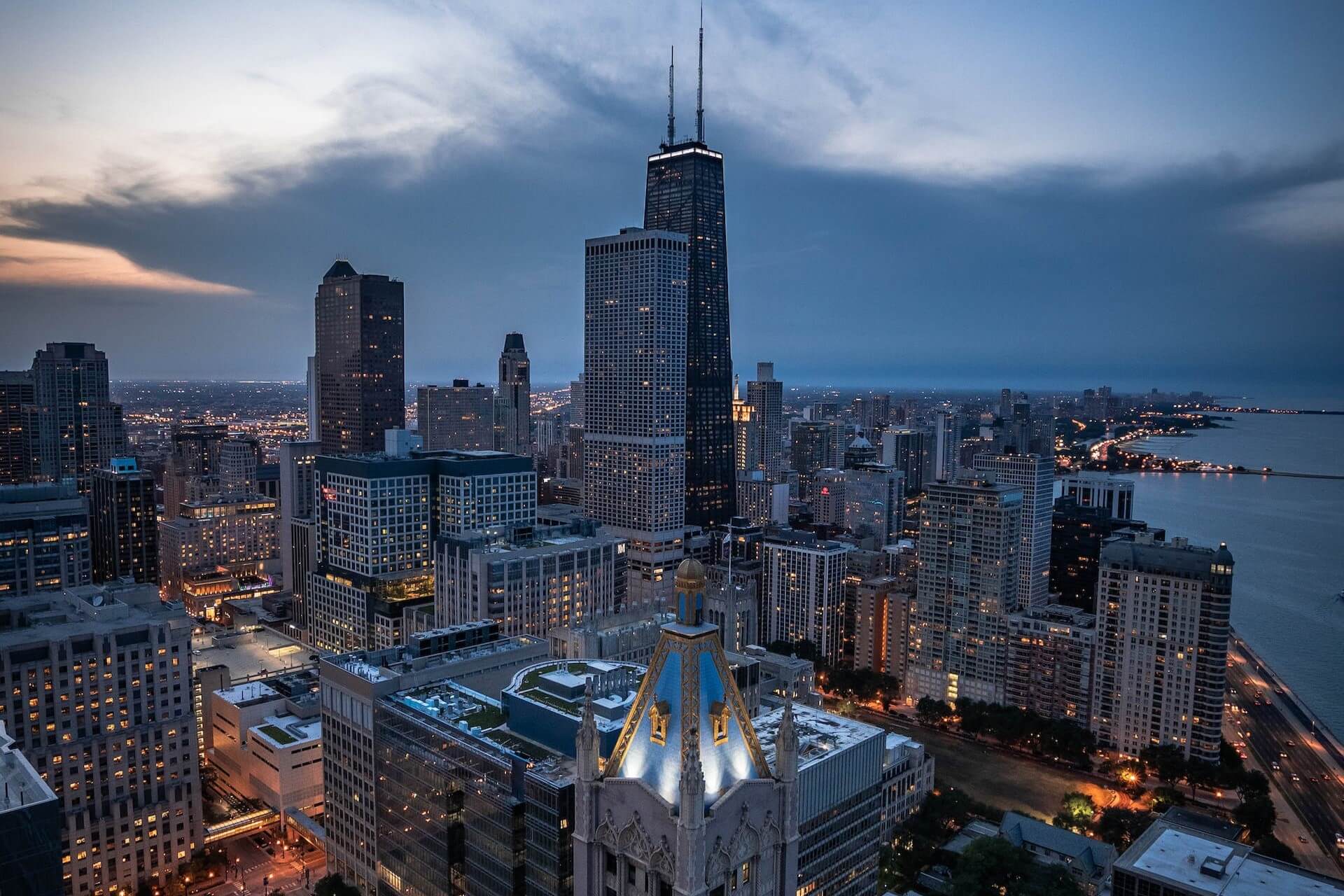
Aerial view of Chicago skyline and Lake Michigan coastline

The majority of the top ten indie restaurants on the Restaurant Business Top 100 Independents ranking are in two American cities.

Those two cities are Miami Beach, Florida, and Chicago, Illinois. While Miami Beach claims two spots among the top three, Chicago has the most restaurants in the top ten. However, the top three indies are all in Florida, with number two being the Boathouse in Orlando.

So, Florida and Illinois are home to nearly the entire top ten of Restaurant Business’ Top 100 Independents. That’s impressive.

What’s even more impressive is the combined annual sales figure of the top ten: $333.4 million. Now, let’s separate Miami Beach. The three indies in the Florida city generated nearly $114 million themselves. Chicago’s four indies among the top ten generated $118 million.

Taken together, the top 100 indies generated $1.95 billion.

All told, 14 of the top 100 indies as ranked by Restaurant Business are in Chicago. Five are in Miami Beach, and five are in Miami. Before I move on, no, Miami Beach and Miami aren’t the same city; they’re entirely separate municipalities. In total, 16 restaurants on this list are in Florida.

New York boasts 15 restaurants on the list. Four are in San Francisco, and just two are in Los Angeles. However, California claims 15 restaurants in total.

However, as you’ll see below, this Restaurant Business list consists of more than just the usual big cities.

Restaurant Business Top 100 Independents: The Top Ten

Below, the top ten independent restaurants, per Restaurant Business.

  1. Joe’s Stone Crab Restaurant (Miami Beach, Florida)
  2. The Boathouse (Orlando, Florida)
  3. Komodo Miami (Miami Beach, Florida)
  4. Maple & Ash Chicago (Chicago, Illinois)
  5. Mila (Miami Beach, Florida)
  6. Sierra Mar (Big Sur, California)
  7. Gibsons Bar & Steakhouse (Chicago, Illinois)
  8. Gibsons Italia (Chicago, Illinois)
  9. Alexxa’s (Las Vegas, Nevada)
  10. Alinea (Chicago, Illinois)

Alinea commands the highest average check among the top ten, at $650. The most reasonable is the Boathouse, averaging $45.

Interestinglyand perhaps logicallythese two restaurants find themselves in the inverse when it comes to annual meals served. The Boathouse serves the most: just over one million. And Alinea, among the top ten indies, serves the least: nearly 45,700.

Notably, when we move on to numbers 11 to 20, Las Vegas, Miami, and New York account for six restaurants.

However, it’s also notable that it’s not just the usual big cities with restaurants on this list. Smaller cities, such as Frankenmuth in Michigan, are home to some of America’s top-performing independent restaurants.

For some context, Frankenmuth has a population of less than 5,200 people. However, Michigan’s “Little Bavaria” draws three million tourists per year. So, it’s no surprise that Zehnder’s Restaurant generates more than $19 million in annual sales.

Restaurant Business Top 100 Independents: The Bottom Ten

Just for fun, let’s take a look at the bottom ten on the Restaurant Business list.

  1. Siena Tavern (Chicago, Illinois)
  2. Fleet Landing Restaurant & Bar (Charleston, South Carolina)
  3. Electric Lemon NY (New York, New York)
  4. Bar Siena (Chicago, Illinois)
  5. El Vez (Philadelphia, Pennsylvania)
  6. Mi Vida (Washington, DC)
  7. Scoma’s Restaurant (San Francisco, California)
  8. Mexican Sugar (Las Colinas, Texas)
  9. The Shed Barbecue & Blues Joint (Ocean Springs, Mississippi)
  10. Chef Adrianne’s Vineyard Restaurant and Bar (Miami, Florida)

Adding context, these ten restaurants have generated $114.6 million in annual sales. That’s roughly the same amount of annual sales as the three restaurants in Miami Beach in the top ten.

Each of the “bottom” ten has annual sales ranging from $11.2 million to $11.9 million.

Takeaway

We all know the following axiom: “Location, location, location.”

It’s tempting to assume this means a business must be in a major city. That’s a woeful oversimplification. Myriad considerations must be made when looking at a market, whether the population is in the hundreds or millions. Assuming a concept will drive traffic and generate millions of dollars solely because it’s in a major city is foolish.

Let’s take another look at Zehnder’s in Frankenmuth. The restaurant, number 47 on the list, generated $19.2 million in annual sales. Moreover, it’s in a town with a population under 5,200.

Number 46 generated $19.3 million and is in (on?) Waimea in Hawaii. Number 48 boasted annual sales of $19 million and is in a city with a population of almost 2.7 million: Chicago.

Clearly, tourism a key contributing factor to the success of Zehnder’s. Not population, not the demographics of the permanent residents, not big-city status.

So, what about check average? Alinea, number ten, has the highest at $650 and generated $28.3 million in sales. However, the Spot, number 85, has an average check of $18 and generated $12.3 million.

The success of any restaurant, bar, nightlife or eatertainment concept doesn’t come down to a single element. What sets a concept apart is a deep understanding of a specific market, the surrounding markets, “sister” sites and competitors, guest desires and expectations, and so much more.

How does an operator come to understand their operation and their market? A feasibility study to start. Then comes a thorough, coherent concept plan and a complete business plan, and an obsession with data.

Operators who put in the work to attain strategic clarity have the potential to earn their way onto the Top 100 Independents list.

Image: Cameron Casey on Pexels

Bar Pub Brewery Nightclub Club Nightlife Business Plan

by David Klemt David Klemt No Comments

Two New Review Platforms You Need to Know

Two New Review Platforms You Need to Know

by David Klemt

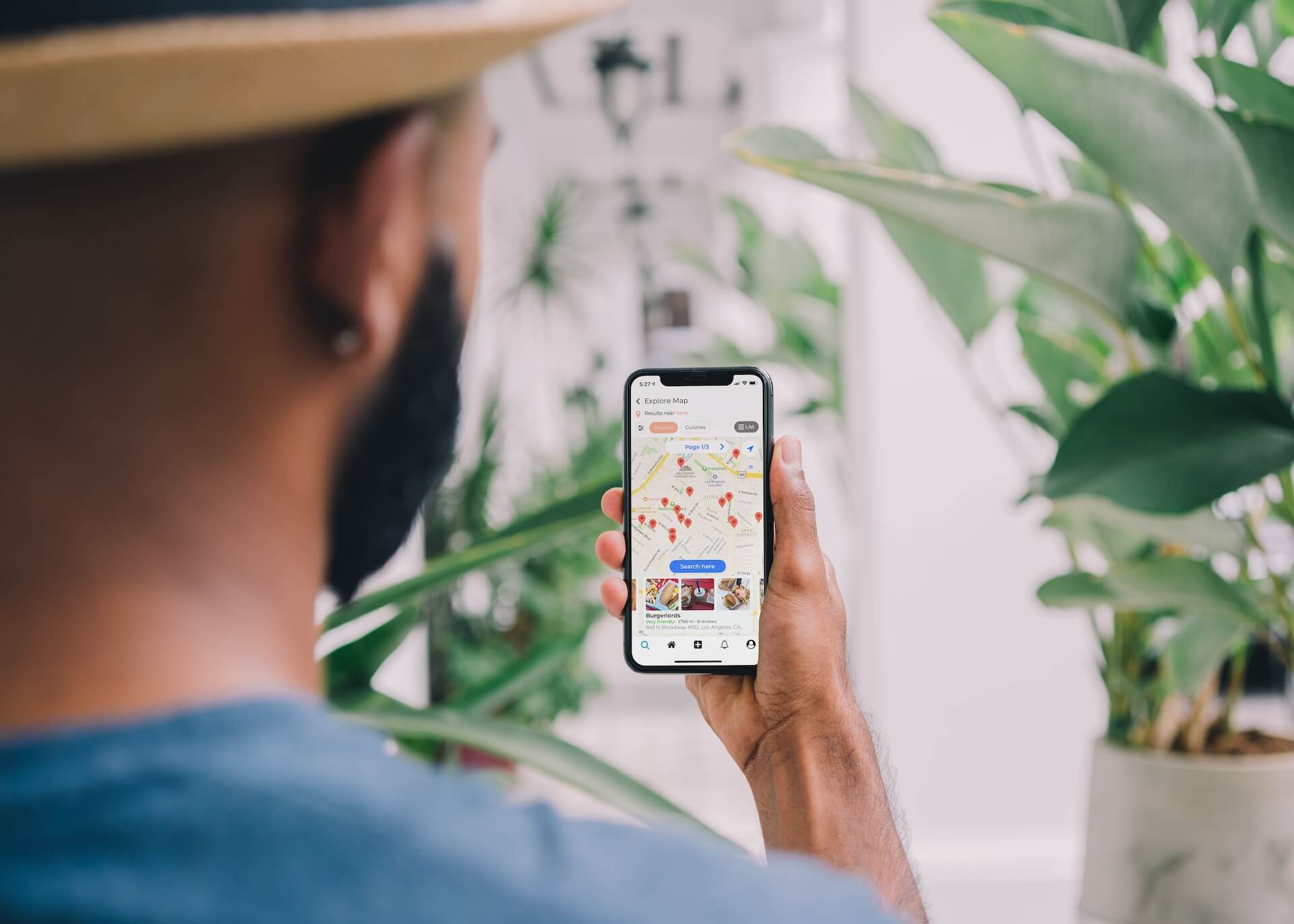
Person looking at restaurants on a map on their phone

Operators should be aware of two new review platforms that will help people discover their restaurant, bar, nightclub, or eatertainment venue.

At this point, we’re all aware of the mainstream review sites. Google, Yelp, OpenTable, Tripadvisor… Whether viewed as a helpful discovery tool or nuisance, each is a well-known player.

Well, there are new platforms on the scene. Importantly, each one is putting their own stamp on how people review venues and discover new experiences.

For example, I wrote about a new platform that rejects negative reviews a few weeks ago. It’s Good “believe[s] a restaurant rec from 1 trusted friend is more valuable than recs from 10,000 strangers.”

The founders, including Kevin Auerbach (former Apple), Meghan Raab (former Snap), director and photographer Mike Rosenthal, and songwriter and performer John Legend, have also eschewed the standard star rating.

So, that’s one modern-day take on the review platform. Now, two others.

Atmosfy

By now, most people are aware that video content outperforms static photography on social media. In other words, people engage more with video.

That’s not to say that static photography is obsolete. Rather, when it comes to discovery, video appears to be king at the moment.

Enter: Atmosfy.

This platform is all about video reviews. In fact, their website reads, “A video is worth a thousand pictures.” Restaurant, bar, nightlife, and eatertainment operators should see the value in users showing off their experiences via video.

In addition, users get access to a personal map. They can bookmark places they’ve been and want to go, and share their experiences so others can discover them.

And with $12 million in seed funding from Redpoint Ventures and other venture capital firms, operators can be certain this is no flash in the pan. In fact, Atmosfy supports in excess of one million businesses in over 10,000 cities in more than 150 countries.

Recs

First, the T-rex mascot of this platform is pretty cool.

Second, Recs takes a similar approach to It’s Good. However, the founders, Jesse Berns and Sean Conrad, have put their own spin on review platforms.

Like It’s Good, Recs sees far more value in recommendations from friends than strangers. Also, there’s no star rating system, nor will users find negative reviews.


View this post on Instagram


A post shared by Recs (@getrecs)

Another interesting detail: Users aren’t able to leave anonymous reviews. This is because Recs is built for recommendations among friends. Were a user to be anonymous, they wouldn’t be discoverable to friends, and therefore they’d be leaving recommendations to…nobody.

However, the most important element of Recs (arguably) is that users either recommend a place or they don’t.

So, in theory, if a business is blowing the guest experience, they won’t even be discoverable on Recs because nobody will be recommending it. At least to a specific core of users, that business won’t exist in their world on Recs.

As far as the Recs user experience, people save venues as “recommend” or “wanna go.” Users find their friends, share their lists, and discover new places to try by checking out their friends’ lists. A simple, straightforward way for people to eat, drink, and hang out together throughout a city.

Takeaway

Simply put, an operator needs to know how people are discovering their business. Operators need to meet guests where they are, which means online.

So, operators need to know about new platforms. When sending a post-visit surveyit doesn’t need to be lengthy—operators should ask how guests learned about their venue. This is one way to stay up to date on social media and review sites.

A comprehensive and effective marketing strategy includes review and discovery platforms. Certainly, operators ignore discovery tools at their peril.

Image: abillion on Unsplash

Bar Pub Brewery Nightclub Club Nightlife Brand Identity

by David Klemt David Klemt No Comments

Taco Bell Leveraging Subscriptions & LTOs

Taco Bell Leveraging Subscriptions & LTOs

by David Klemt

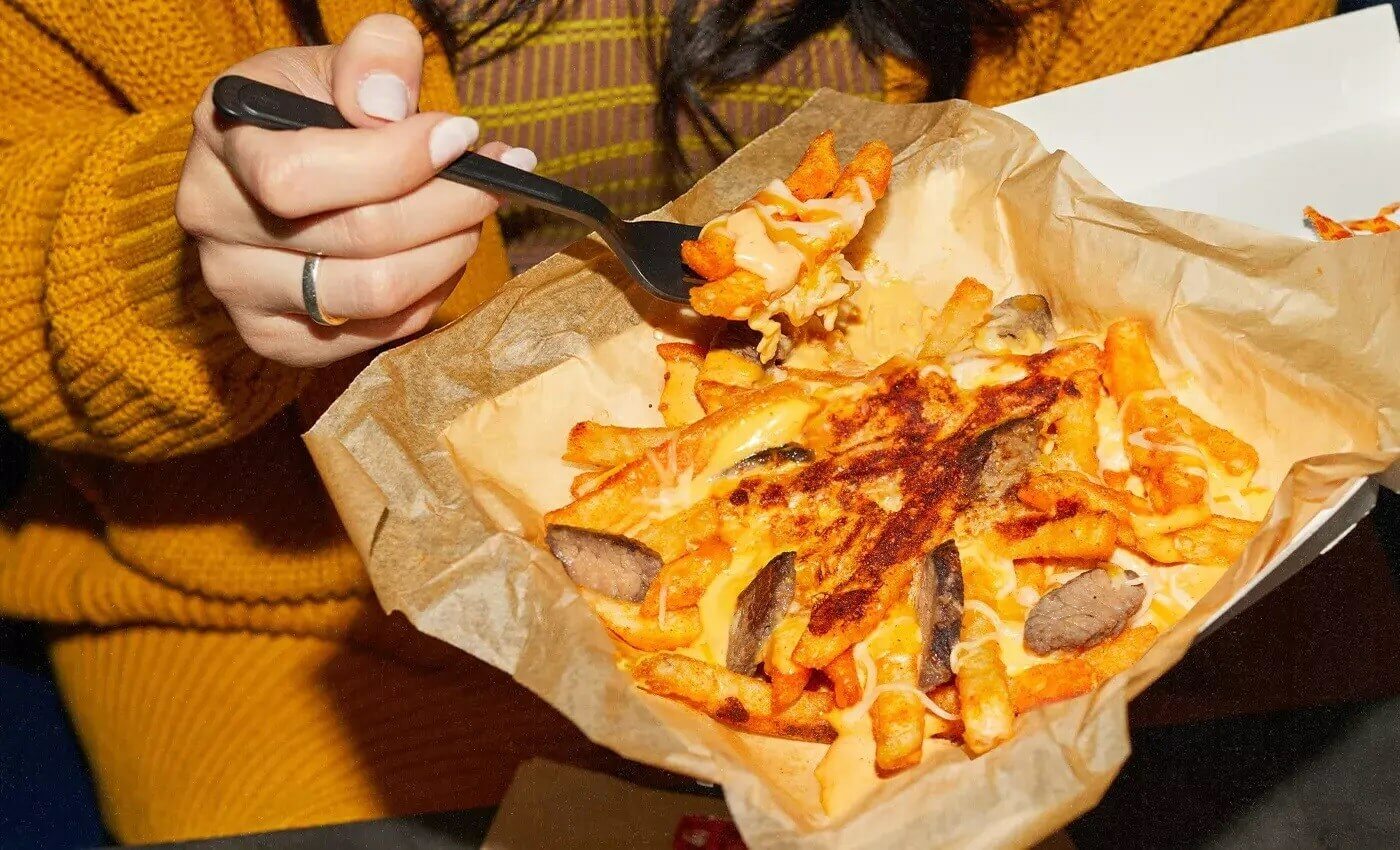
Taco Bell Grilled Cheese Nacho Fries

Not for the first time, Taco Bell is showing the industry the power of offering fan-favorite limited-time offers and leveraging subscriptions.

These days, everything seems to be subscription-based. We stream shows and movies via subscriptions. We can have food, clothing, gadgets, collectibles, and knick-knacks delivered to us by subcription.

Car features like heated seats, remote engine start, and self-driving? Subscriptions. Want to use software we used to buy once and install? Now we’re paying monthly to use it (or up front for a “discounted” yearly fee).

So, why should people find it odd to subscribe to one of their favorite restaurants? If the value is there for a consumer it’s no different than paying a monthly fee for other products and services to which they subscribe.

Clearly, Taco Bell has an acute understanding of people’s comfort with subscriptions. For many consumers, they’re the norm, just part of their daily routine.

As evidence, I introduce Exibit A, the Taco Lover’s Pass.

What makes this subscription noteworthy is the fact that it’s only a few years old, and it’s not even a permanent subscription. As Taco Bell Rewards members know all too well, only they can cop a Taco Lover’s Pass, and it only comes available every so often.

Most times, members have just one day to grab a pass. However, people had two whole days to decide the last time it became available.

And now, Exhibit B, the Nacho Fries Lover’s Pass.

An LTO Subscription and Item

Look, tens of millions of people love tacos. So, it’s logical that the Taco Lover’s Pass is so successful.

And if the past several years have shown us anything, millions of people also love Nacho Fries. The LTO menu item first appeared in Taco Bell restaurants in 2018. A few years later, in 2021, the Taco Lover’s Pass was tested in Arizona.

Why wouldn’t we eventually see a Nacho Fries Lover’s Pass, given the hype that follows every reintroduction of this popular item? Taco Bell has mastered the art of the LTO and the subscription. More specifically, they’ve mastered the recurring subscription. Remember, their passes aren’t permanent offerings.

Further, the iconic QSR also understands the power of the “drop.” At this point, it seems as though Taco Bell has noticed the rabid stir a limited-edition shoe or clothing drop can create for the fashion industry, studied it, and adapted it to foodservice.

With that said, the last Taco Lover’s Pass was accompanied by a menu item drop: the Toasted Breakfast Taco. If you think the Nacho Fries Lover’s Pass also ushered in an LTO, you’re correct.

The first-ever Nacho Fries Lover’s Pass comes along with the limited-time-only offer of Grilled Cheese Nacho Fries.

Take the Nacho Fries, slather them in a sauce of melted mozzarella, monterey pepper jack, and cheddar cheeses, add Taco Bell nacho cheese and chipotle sauce, and toss on some marinated steak. There you go—Grilled Cheese Nacho Fries. They’re just $4.99 while supplies last, and there’s a spicy version made with jalapeños.

It’s no surprise that Taco Bell is BrandVue’s most-loved Mexican restaurant brand, and number eight on their overall list of most-loved restaurant brands.

Takeaway

Loyalty and rewards programs, subscription services, hyped LTO menu drops… These aren’t the exclusive domain of global chain restaurants.

Independent operators can absolutely leverage LTOs and subscriptions. Moreover, indies can do so with as much—if not more—specificity. Independent and regional chain operators tend to be far more nimble than their large chain counterparts.

After all, it’s much easier to implement change in one or a handful of restaurants than it is hundreds or thousands of locations. In theory, single-unit operators also know their loyal guests on a more intimate level. Where that’s the case, they should know what levers to pull to generate interest and encourage repeat visits.

It’s no small task to create a subscription program, let alone a free-to-use-but-engaging, branded rewards program. And that’s to say nothing of coming up with menu item so powerful that taking it away for months at a time is a feasible, profitable thing to do. Although, if you’ve shrunk your menu and eliminated a decent food or drink performer, you may have somewhere to start.

With time and thoughtful consideration, independent and regional operators can absolutely nail rewards, subscriptions, and LTOs.

Image: Taco Bell

Bar Nightclub Pub Brewery Menu Development Drinks Food

by David Klemt David Klemt No Comments

2023 State of the Menu: Datassential

2023 State of the Menu: Datassential

by David Klemt

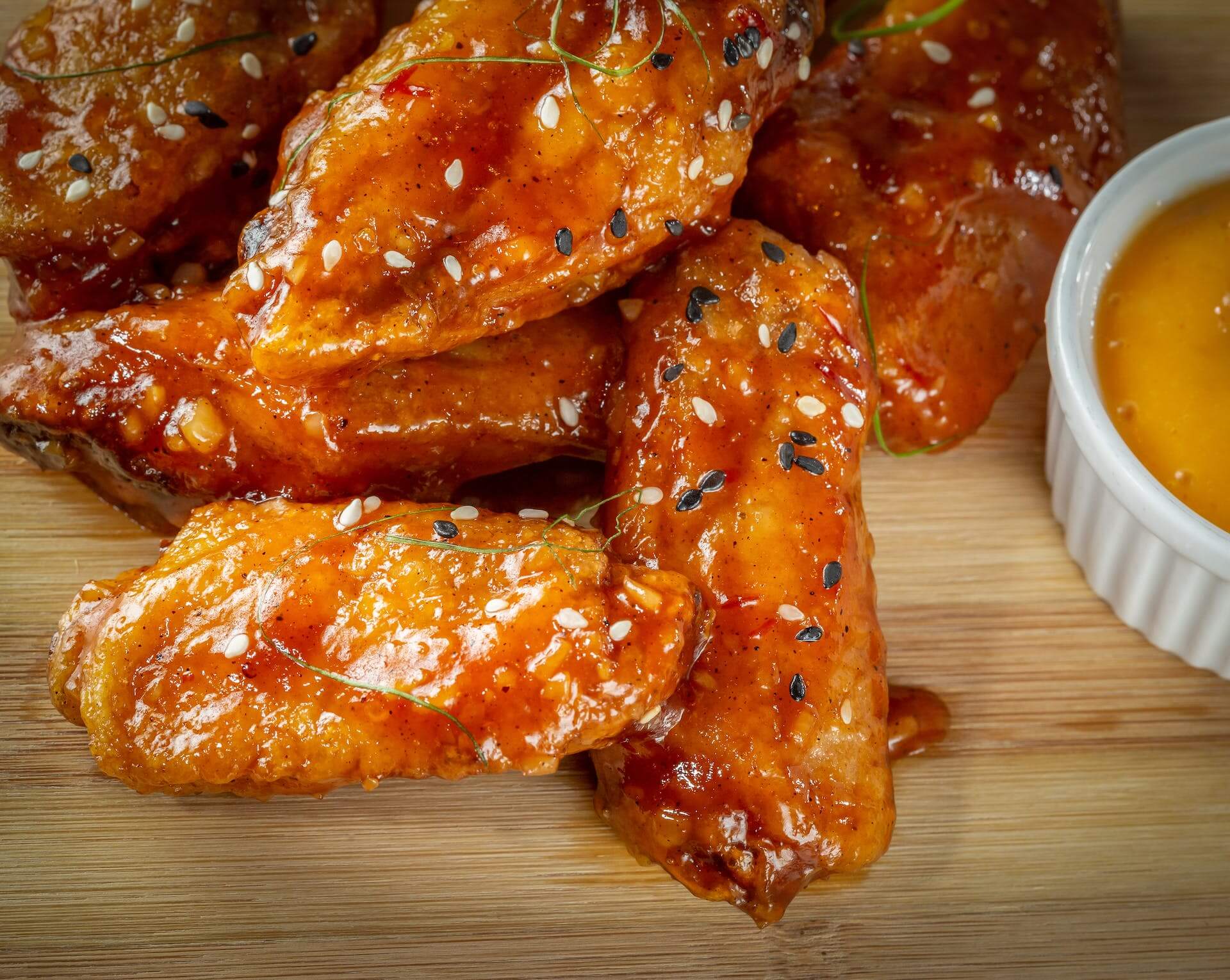
Korean fried chicken wings

The annual 2023 State of the Menu by Datassential includes an interesting metric to gauge restaurant recovery: menu size by segment.

Hosts Jack Li, Mike Kostyo, and Claire Conaghan discuss a handful of topics during this webinar. Host Li touches on food-forward cities at the beginning of this presentaiton. Kostyo shares some of the most innovative menu items out there right now. And Conaghan dives deep into menu trends.

Industry professionals interested in watching this webinar on demand can register to do so here.

There are a handful of metrics people are using to measure post-pandemic restaurant recovery. Labor is, of course, receiving a lot of attention. People are also tracking traffic, average check size, revenue, and profits.

One metric Datassential is keeping tabs on is menu size per restaurant segment. Additionally, they’re tracking each segment’s top-growing food and beverage items.

Notably, however, in tracking menu size, Conaghan focuses solely on food and non-alcohol beverage items, omitting catering and alcohol.

Chains vs. Independents

Starting things off, Conaghan addresses the overall menu size trend. That is, menus are noticeably smaller in comparison to pre-pandemic sizes.

Interestingly, chain restaurants don’t appear to be in any rush to move away from this trend. In fact, Conaghan notes that chains appear to be further reducing the size of their menus. This has been the trend over the past 12 months.

According to Conaghan, fine dining also seems to be happy to shrink their menus. Menu size shrunk the most among restaurants in this segment. In comparison, quick-service menu sizes decreased the least.

However, independent restaurant operators appear to be going in the opposite direction from their chain counterparts. In contrast, indies have been growing the size of their menus the past 12 months.

Menu Size by Segment

Fast Casual

Per Conaghan, the only segment to reach pre-pandemic menu size is fast casual. In fact, this category of restaurant is often exceeding pre-pandemic items-per-menu size.

This increase in menu size is attributable to operators “leaning into” core cuisine items. For example, sandwiches, Mexican entrees, and pizza.

However, the fastest-growing food item on fast-casual menus is the chicken wing. According to Conaghan, it’s easy for operators to innovate with chicken wings.

A restaurant doesn’t have chicken wings? All they have to do is add them, starting with simple preparations. If a restaurant does have chicken wings on the menu already, innovation is as simple as adding new flavors.

As far as the fastest-growing drink for fast-casual restaurants, it’s dessert beverages.

QSR, Casual Dining, and Midscale

These three segments are “very, very close” to reaching pre-pandemic menu sizes.

As midscale operators are likely very aware, this segment tends to have the largest menus. I wouldn’t be surprised, therefore, if a number of midscale concepts review their items per menu, their costs, and decide they can perform well with slightly smaller menus moving forward.

Unsurprisingly, chicken wings are the food item growing most quickly on QSR food menus. Oh, and barbecue chicken wings are the fastest-growing food item among casual dining restaurants.

Perhaps a bit more eyebrow-raising is the fastest-growing beverage type for QSRs: energy drinks. Boba and flavored iced teas are growing fastest on casual-dining drink menus.

For midscale restaurants, dessert samplers are the fastest-growing food items. Think “dessert charcuterie” when trying to picture a dessert platter. Another way to think about the dessert sampler is a static dessert cart with small bites of each dessert on the menu.

Fine Dining

Again, this segment is the furthest from pre-pandemic menu size. And, again, operators in this category seem happy with this trend.

An interesting note Conaghan makes about this segment is what many operators are using to fill out their menus: desserts. This is, she says, an area where fine dining can differentiate itself from other concepts.

Per Conaghan, bao, applesauce, and summer squash are growing the fastest on fine-dining food menus.

Now, I may have slipped into a fever dream during this portion of the Datassential webinar. Because unless I’m mistaken, the Shirley Temple has been identified as the fastest-growing beverage in the fine-dining space.

Pricing

Okay, so this segment of the 2023 State of the Menu webinar isn’t really a recovery metric.

However, it’s interesting, and something Jack Li says about chain restaurant pricing made me chuckle.

Most Expensive vs. Least Expensive

First, some straightforward data.

The following list identifies the five most-expensive ZIP codes for chain restaurant menu pricing. Anyone who wants the full list of 15 most-expensive ZIP codes can watch the webinar.

  • 10036 (New York, NY)
  • 96707 (Kapolei, HI)
  • 98902 (Yakima, WA)
  • 96815 (Honolulu, HI)
  • 99503 (Anchorage, AK)

It’s understandable to think this would consist entirely of New York City, Los Angeles, or San Francisco ZIPs. But when we consider what it costs operators to import food to Hawaii and Alaska. Additionally, Washington and New York are among the states with the highest minimum wage. Operators need to recover those costs somehow.

And now the five least-expensive ZIP codes:

  • 78526 (Brownsville, TX)
  • 75224 (Dallas, TX)
  • 76106 (Fort Worth, TX)
  • 31907 (Columbus, GA)
  • 31701 (Albany, GA)

Pricing Logic

Now, on to what Li says during the webinar that makes me laugh.

Nationwide, the average price of a McDonald’s Big Mac in the US is $5.26. (A caveat: This webinar took place in October. This price may have increased or decreased by now.)

However, the lowest price for a Big Mac is $3.49 at a location in Wilburton, Oklahoma.

So, what’s the highest price, and where can one find these pricey Big Macs? Three McDonald’s locations sell the burger for $8.29. That’s nearly two-and-a-half times the lowest-priced Big Mac.

Summarizing pricing variations among chain restaurants succinctly, Li made me laugh with the following: “Store pricing often just doesn’t make sense.”

Going further, Li says Datassential shows that the more franchised a restaurant chain is, the more variances in pricing will occur.

The full webinar can be viewed here.

Image: Leonardo Luz on Pexels

Bar Nightclub Pub Brewery Menu Development Drinks Food

by David Klemt David Klemt No Comments

Datassential Ranks Food-forward Cities

Datassential Ranks America’s Most Food-forward Cities

by David Klemt

San Francisco skyline and bay at night

Let’s take a look at food and beverage intel platform Datassential’s ranking of the 158 most food-forward cities in America as 2023 comes to a close.

We are, in part, reviewing this list because of Wallethub’s “Best Foodie Cities in America” report. You can find our thoughts on that ranking here.

To summarize, however, Wallethub prioritizes “wallet-friendliness,” or “the best and cheapest” cities for foodies. In contrast, Datassential’s ranking is a scientific attempt to quantify the “food-forward” status of a given city.

“It’s the diversity of cuisines, the prevalence of emerging foods and flavor trends and residents’ appetite for varied menus, that make a city food forward,” writes Samantha Des Jardins, content marketing manager at Datassential.

We at KRG Hospitality are big fans of Datassential and find the company to be a credible source of industry insight. Earlier this year they tackled video versus static photography, and the flavors and menu items they predicted would be big in 2023.

To review Datassential’s ranking and download the full list for yourself, click here.

The Top 25 Food-forward Cities

Alright, I know why you’re here. Below, you’ll find the highest-ranked cities on the Datassential list.

(Note: Due to the scoring, some cities are tied in terms of overall points. Where this is the case, it has been noted.)

  1. San Francisco, California
  2. Los Angeles, California
  3. Miami, Florida
  4. Washington, DC
  5. San Diego, California
  6. New York, New York
  7. Houston, Texas
  8. Monterey, California
  9. Las Vegas, Nevada
  10. Austin, Texas
  11. Sacramento, California
  12. West Palm Beach, Florida
  13. Atlanta, Georgia
  14. Dallas, Texas (tie with Atlanta)
  15. Albuquerque, New Mexico
  16. Phoenix, Arizona
  17. Portland, Oregon
  18. Palm Springs, California
  19. Seattle, Washington
  20. Orlando, Florida
  21. Denver, Colorado (tie with Orlando)
  22. Honolulu, Hawaii (tie with Orlando and Denver)
  23. Salt Lake City, Utah
  24. Tampa, Florida
  25. Fresno, California (tie with Tampa)

So, the top tenthe entire top 25, reallyare most likely not much of a surprise. When I talk about cities as the “usual suspects” for rankings like these, I’m talking about New York, LA, San Francisco, Miami, etc.

However, not every usual suspect is among the top 25. Notably, Chicago just fails to make the cut, earning number 26 on this list. In fact, five “big cities” are absent from Datassential’s top ten: Dallas, Phoenix, San Antonio, Chicago, and Philadelphia.

Another interesting detail? Whereas Orlando holds the number-one spot on Wallethub’s list, it’s number 20 on Datassential’s ranking.

Of their respective top tens, the two lists have just five cities in common: Miami, San Francisco, San Diego, Las Vegas, and Austin.

Methodology

Since the two lists are vastly different when we contextualize what they quantify, it should come as no surprise that Datassential and Wallethub’s methodologies are likewise dissimilar.

Whereas Wallethub scored affordability, and diversity, accessibility, and quality, Datassential weighed different metrics.

For their “Most Food-forward Cities in US,” Datassential scored the following:

  • Race to 90;
  • Ethnic restaurant diversity; and
  • Trend-forwardness.

During Datassential’s annual State of the Menu webinar, Jack Li, executive chairman, board of directors explained each of these metrics.

Race to 90

The number different cuisine types required in a particular metro area before reaching 90 percent of restaurants.

For the curious, Miami is the most-diverse city by this metric.

Ethnic Restaurant Diversity

Datassential asks the following question to measure this metric: What is the proportion of ethnic restaurants compared to all restaurants in a metro area?

Trend-forwardness

Based on a dataset developed by Datassential which tracks a number of points, from food and drink items to flavors, keywords, and beyond.

The company continuously polls consumers by ZIP code to measure consumer knowledge of upcoming trends, then aggregates the ZIP codes to measure a metro area.

The Bottom Eleven

Why am I listing the bottom eleven rather than bottom ten? There’s a tie for number 149 among these 158 cities.

There are nearly 800 cities in the US with populations of 50,000 or more. Therefore, it’s reasonable to argue that even the bottom of this list boast respectable food scenes.

  1. Youngstown, Ohio
  2. Rockford, Illinois
  3. Peoria, Illinois
  4. Johnstown, Pennsylvania
  5. Billings, Montana
  6. Traverse City, Michigan
  7. Sioux Falls, South Dakota
  8. La Crosse, Wisconsin
  9. Green Bay, Wisconsin
  10. Fargo, North Dakota
  11. Wausau, Wisconsin

In case you’re wondering, Datassential and Wallethub’s lists don’t share any bottom ten (or eleven) cities.

So, there you have it: San Francisco earns the top spot among Datassential’s food-forward cities. And Wausau earns number 158, which is still notable.

Image: Daiwei Lu on Unsplash

Bar Nightclub Pub Brewery Winery Property Development Drawings

by David Klemt David Klemt No Comments

Wallethub Ranks the Best Foodie Cities in the US

Comparing 182 cities across more than two dozen “food-friendliness” indicators, Wallethub has revealed their rankings for America’s best foodie cities in 2023.

Why 182 cities? Wallethub started with 150 of America’s most-populous cities. Then, they added “at least two” of the most-populous cities in each state.

Regarding the ranking itself, Wallethub compared the cities against two key measures: affordability, and diversity, accessibility, and quality. Those two measures consist of 28 key indicators, including:

  • cost of groceries;
  • restaurant meal cost;
  • sales tax;
  • food tax;
  • restaurants per capita;
  • ratio of full-service to fast-food restaurants; and
  • restaurant diversity.

Using a 100-point grading system, affordability was worth up to 30 points. Simple math shows diversity, accessibility, and quality indicators were worth up to 70 points.

Further, Wallethub valued indicators anywhere from half-weight (international grocery stores per capita) to triple weight (restaurants per capita).

Now, it’s important to contextualize Wallethub’s use of the word “foodie city” here. For their ranking, the company is identifying “the best and cheapest” cities for consumers for whom eating is an experience, hobby, and/or lifestyle.

“These wallet-friendly cities cater to diners who prefer to cook at home, explore the local flavors or both,” reads their post, which can be reviewed in its entirety here.

by David Klemt

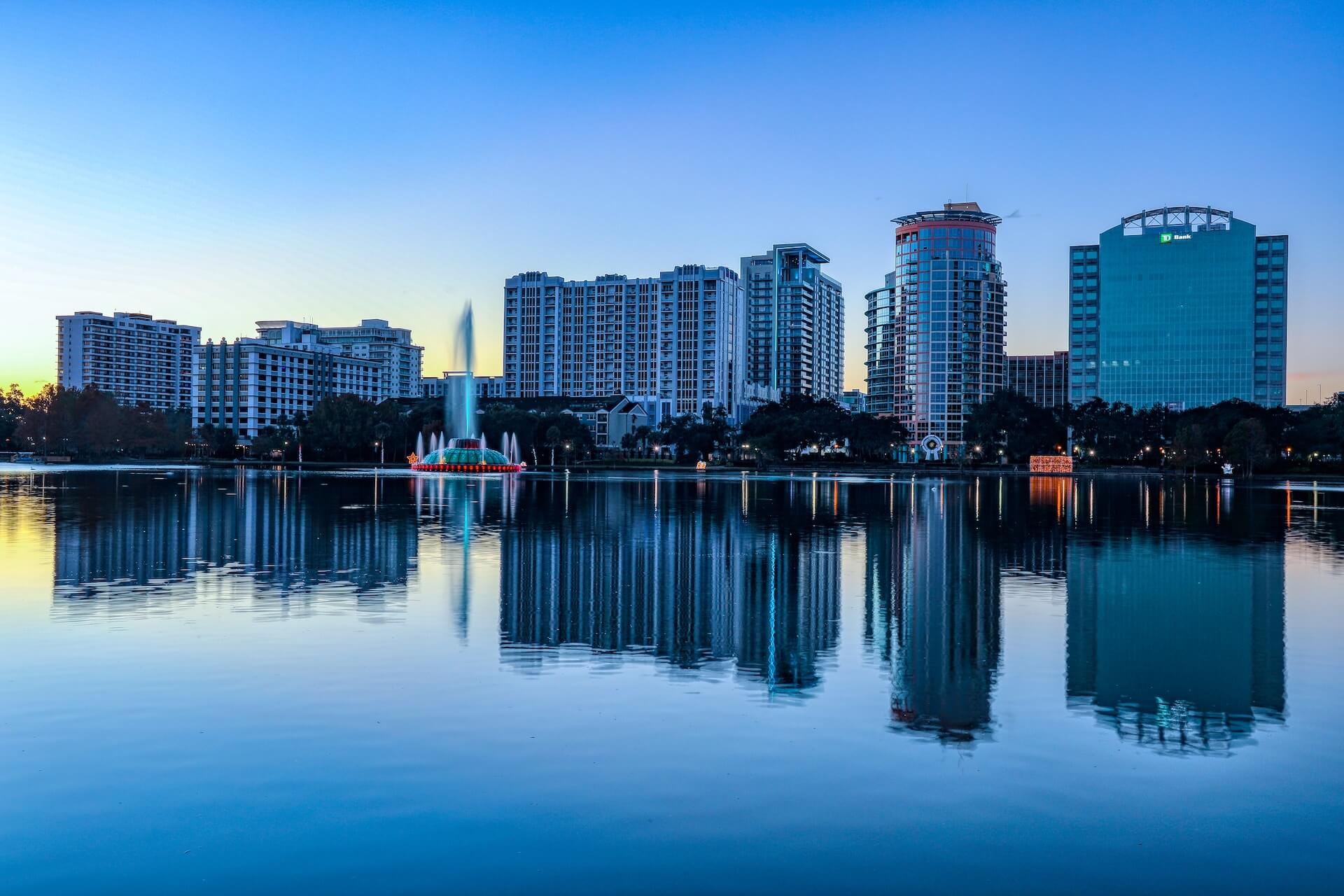
Eola Lake Park in Orlando, Florida

The Top 25

So, per Wallethub, the cities below are the top 25 among the 182 “best foodie cities in America in 2023.”

  1. Orlando, Florida
  2. Portland, Orgeon
  3. Sacramento, California
  4. Miami, Florida
  5. San Francisco, California
  6. Tampa, Florida
  7. San Diego, California
  8. Las Vegas, Nevada
  9. Austin, Texas
  10. Seattle, Washington
  11. Denver, Colorado
  12. Atlanta, Georgia
  13. Los Angeles, California
  14. Chicago, Illinois
  15. Richmond, Virginia
  16. Pittsburgh, Pennsylvania
  17. Washington, DC
  18. St. Louis, Missouri
  19. Houston, Texas
  20. New York, New York
  21. Oakland, California
  22. Phoenix, Arizona
  23. Santa Ana, California
  24. Grand Rapids, Michigan
  25. Cincinnati, Ohio

Interestingly, you’ll find the “usual” foodie scene suspects on this list. However, a mere handful of those cities are ranked in the top ten: Miami, San Francisco, and Las Vegas.

Chicago (14), Los Angeles (13), and New York (20) don’t make the three or five. In fact, they’re out of the top ten entirely here.

If affordability is a major factor here, it raises an eyebrow that Miami is among the top five foodie cities. After all, sources show the cost of living in the city is 20 percent higher than the national average. The cost of living in San Francisco is nearly 80 percent higher.

At any rate, Orlando, per Wallethub’s methodology, is the number-one foodie city in America.

Compelling Comparisons

With the top 25 foodie cities out of the way, let’s check out a few other interesting comparisons.

Cost of Groceries

Lowest-cost cities, in descending order:

  1. Brownsville, Texas
  2. Corpus Christi, Texas
  3. Laredo, Texas
  4. Fayetteville, North Carolina
  5. Austin, Texas

The cities with the highest cost of groceries are Honolulu and Pearl City in Hawaii.

Restaurants per Capita

The cities with the most restaurants per capita, again in descending order:

  1. Miami, Florida
  2. Orlando, Florida
  3. Las Vegas, Nevada
  4. San Francisco, California
  5. Los Angeles, California

It’s important to note each of the cities on this list is, per Wallethub, tied for first place.

The city with the fewest restaurants per capita is Pearl City, Hawaii.

Ratio, FSR to Fast Food Restaurants

On this list, the five cities with the highest ratio of full-service restaurants to their fast-food counterparts (yes, in descending order):

  1. Cape Coral, Florida
  2. Santa Rosa, California
  3. Portland, Maine
  4. Burlington and South Burlington, Vermont

That leaves the city with the lowest ration, which is Jackson, Mississippi.

The Bottom Ten

Now that we know which cities Wallethub identifies the best foodie cities in the US, let’s take a look at the bottom of their list.

  1. Augusta, Georgia
  2. Fontana, California
  3. Jackson, Mississippi
  4. Moreno Valley, California
  5. Mobile, Alabama
  6. Montgomery, Alabama
  7. West Valley City, Utah
  8. Nampa, Idaho
  9. Shreveport, Louisiana
  10. Pearl City, Hawaii

Personally, I find the data regarding restaurants per capita and the FSR to fast-food ratio the most useful.

To review this report in its entirety, including Wallethub’s methodology, please click here.

Image: Mick Haupt on Unsplash

Related Reading

Work with Us

Click the image below to work with us on starting, stabilizing, or scaling your hospitality concept.

Client Intake Form - KRG Hospitality

by David Klemt David Klemt No Comments

Ontario Updates Employment Standards Act

Ontario Updates Employment Standards Act

by David Klemt

Daytime photo of the Toronto, Ontario, Canada, skyline

Yesterday, Ontario, Canada’s government tabled updates to the province’s Employment Standards Act meant largely to protect restaurant and hospitality workers.

These explicit protections are known as Bill 79, Working for Workers Four Act, 2023.

Interestingly and timely, the updates seem to be, at least in part, a direct response to technological developments.

For example, Bill 79 addresses digital payment apps and artificial intelligence. I’ll expand on that below.

These updates certainly appear to have been drawn up to protect restaurant workers specifically, and hospitality professionals overall.

An End to Unpaid Trial Shifts

One of the most significant updates addresses hours and pay.

It likely shouldn’t have to be said but, according to Ontario law, an employee must be paid for all the hours they work. This includes trial shifts.

Specifically, the new legislation expressly prohibits unpaid trial shifts.

Pooling Tips

Employers in Ontario are well within their rights to share in pooled tips. That is, if the employer is performing the same tasks as staff.

However, there’s now an update to this practice within the Employment Standards Act.

If any employer intends to share in a tip pool, they must make this clear and inform staff.

Speaking of Tips…

For the most part, digital payment platforms bring with them transaction fees. This includes fees for restaurant workers to get their tips.

“We’re seeing apps that are taking a cut every time…a worker accesses their tips, and that’s not acceptable,” says Piccini.

So, moving forward, employees who are paid tips via direct deposit will have more control. The updates to the Employment Standards Act now state that employees paid this way can choose where their tips will be deposited.

Deducting Wages

Per multiple studies, one in 20 diners has dined and dashed. Apparently, it has been common practice for some employers to deduct wages in response.

Personally, I think it’s ridiculous for any employers to pass a business loss on to their workers. That’s neither good leadership, ethical, or a healthy work culture. I’m not saying I’m surprised it happens; I’m disgusted that it still happens.

Now, the practice of penalizing employees monetarily for guests dining and dashing is prohibited specifically. Will that stop it from happening? Probably not, although perhaps it will happen much less moving forward.

This also includes language that makes it illegal to deduct pay from employees due to customer “gassing and dashing.” For anyone wondering, gas theft affected Ontario businesses to the tune of $3 million CAD in 2022.

Artificial Intelligence

Some employers, as many job hunters are aware, use artificial intelligence during the hiring process.

Now, these employers will have to disclose their use of AI in job listings. In theory, this update addresses privacy and data collection concerns.

Further, job listings will now have to include salary ranges. Also, employers are now prohibited from requiring work Canadian work experience in their job listings or on their application forms.

To review Bill 79 in its entirety, click here.

Image: mkdrone_ on Unsplash

Bar Nightclub Pub Brewery Operations Standard Operating Procedures SOP

by David Klemt David Klemt No Comments

Peppermint is the Latest Flavor Superstar

Peppermint is the Latest Flavor Superstar

by David Klemt

A candy cane surrounded by red smoke in a studio

Just when you think you have a handle on seasonal flavors, along comes the latest and greatest demand from consumers: peppermint.

Perhaps it’s because pumpkin spice shows up earlier each year. Maybe it’s because that hit of frosty peppermint hits the nostalgia button.

It could be as simple as consumers thinking:

  • pumpkin is for fall; and
  • peppermint is for winter.

Regardless, it appears that people are turning their attention to peppermint.

Of course, that doesn’t mean that pumpkin and pumpkin spice are out of favor completely. A recent trip to a grocer with shelves devoid of pumpkin butter and other pumpkin spice flavors show me people are still snapping it up.

And no, it wasn’t a product shift; staff says those products are flying out the door after each restock.

Instead, I think people are just ready for the next thing. In this case, the next flavor thing. And that flavor, it seems, is peppermint.

Considering that pumpkin spice LTOs appeared in early August this year, it makes sense for many consumers to want something new. After all, they’ve had four months to indulge their pumpkin and pumpkin spice cravings. That’s a third of the year.

Peppermint on the Rise

When delving into F&B and hospitality trends I tend to look at Datassential and Technomic. Both are credible, reliable sources of information.

However, I’m turning to another source, Tastewise, to dive into pumpkin spice and peppermint. For the unfamiliar, Tastewise is an F&B insight platform that uses artificial intelligence to collect real-time consumer behavior data.

First up, pumpkin spice. According to Tastewise, the flavor is up nearly 75 percent in terms of social conversations in 2023. Additionally, four percent of restaurants in the US have pumpkin spice items on their menus. That may not sound like a lot, but that’s more than 33,000 restaurants.

Now, let’s look at peppermint. Per Tastewise, social conversations about this frosty flavor are up almost 22 percent this year. However, peppermint liqueur conversations are up just over 77 percent.

Interestingly, according to Tastewise, peppermint items are on almost eight percent of menus in the US. That’s more than 67,000 restaurants, over double the amount of pumpkin spice.

One note: peppermint is not the same as mint. While peppermint is trending (most likely due to seasonal shift), mint is down nearly 109 percent. So, not all mint flavors and items are equal. This seems particularly true at the moment.

Takeaway

Is everyone on social media, talking about food? No, of course not.

It’s important to note, though, Tastewise’s current market overview. At the time of publication, Tastewise is scanning:

  • 8,151,698 people on social media;
  • 57,220,294 social media posts;
  • 937,070 restaurants;
  • 136,278,759 dishes; and
  • 5,878,416 recipes.

Operators can and should take industry insights with a grain of salt. Not every fad, trend or item works for every operator and concept.

However, it’s important to know what consumers are talking about and posting to social media. Being a part of some conversations can be a boon for an operator and their bottom line.

So, if introducing a peppermint LTO (or LTOs) will appeal to an operator’s guestsbecause they take the time to understand them and track their menu item salesand works with their concept authentically, they should consider becoming a part of this conversation.

Image: Shutterstock. Disclaimer: This content was generated by an Artificial Intelligence (AI) system.

KRG Hospitality Start-Up Restaurant Bar Hotel Consulting Consultant Solutions Plans Services

by David Klemt David Klemt No Comments

Gen Z Shifting the Restaurant Landscape

Gen Z Shifting the Restaurant Landscape

by Nathen Dubé
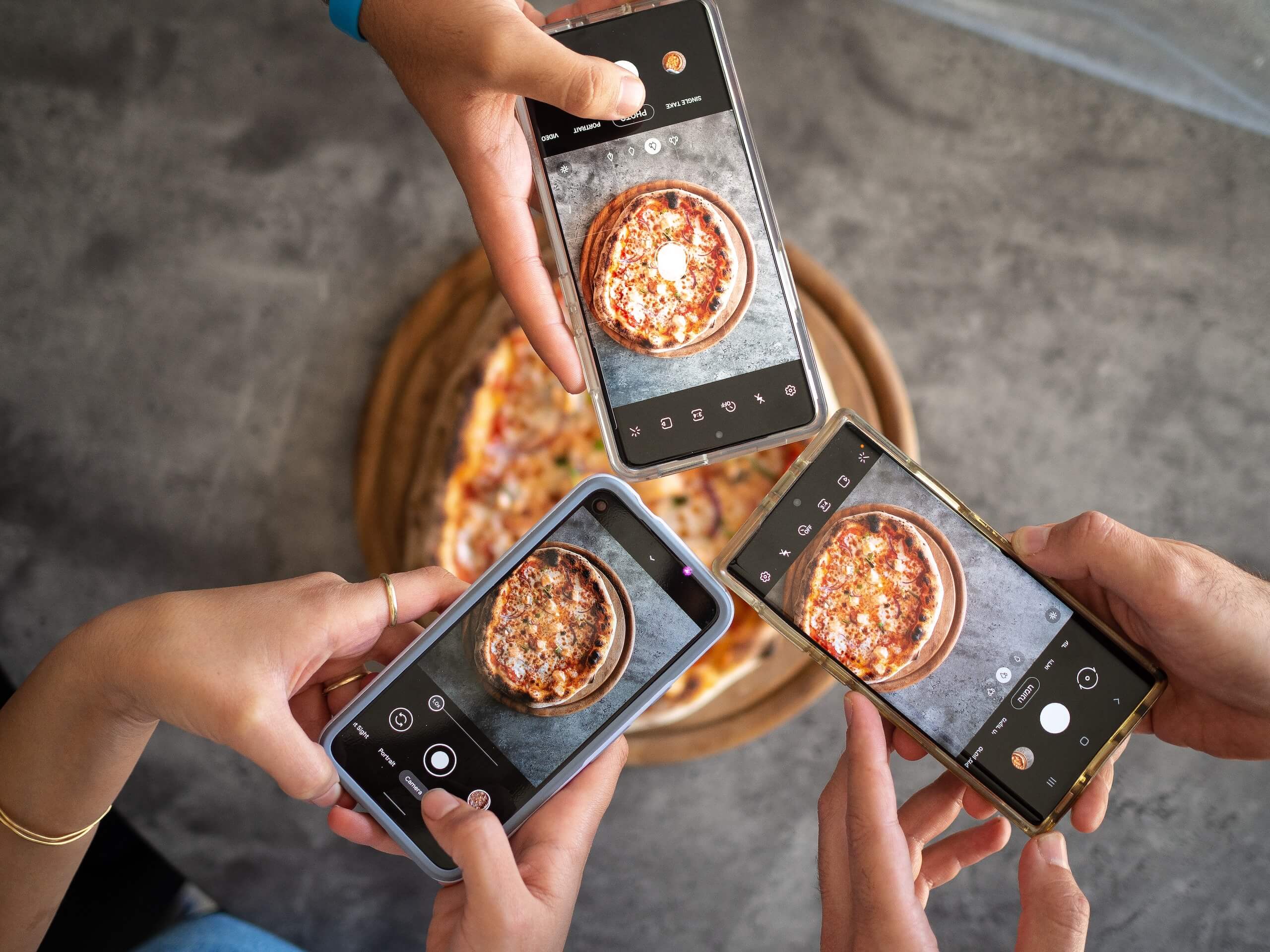
People holding phones over a pizza

I think we can admit every demographic snaps pics of their food now.

The next wave of restaurant guests is ready to be won over. Our industry is on the cusp of a monumental shift, and Generation Z is at the helm.

As they come into their own, both socially and economically, this vibrant generation is poised to redefine dining as we know it. With their digital-first mindset, staggering spending power, and penchant for loyalty, Gen Z is a demographic that no restaurant can afford to overlook.

Comprising nearly a quarter of the American economy, Gen Z is a force to be reckoned with. Born in 1993 or later, they command an awe-inspiring $250 billion in spending power.

But what’s truly remarkable is their approach to dining. Generally speaking, eating out is not an occasional indulgence for this generation; it’s a regular part of life.

In fact, the majority of Gen Zers frequent restaurants at least once a week, a statistic that’s all the more astonishing when you consider that many are not even old enough to drive.

As this generation matures and their financial standing improves, they are set to become the next wave of loyal restaurant patrons. To capture their attention and build lasting relationships, restaurants must focus on three pivotal areas: cutting-edge technology, customizable menus/personalization, and one-of-a-kind experiences.

By proactively adapting to meet the unique needs and desires of Gen Z, restaurants can not only win their business but also secure a prosperous future in an ever-evolving industry.

So, the question isn’t whether to adapt to Gen Z. Rather, the question is, how quickly can you do it?

The next generation of restaurant-goers is not just knocking at the door, they’re already here. And they’re ready to dine.

Technology

Generation Z is a digitally native cohort, seamlessly integrating smart technology into every facet of their lives—from smart cars to smartphones.

To engage with this generation of guests effectively, it’s imperative for restaurants to have a mobile-optimized online menu. Given Gen Z’s penchant for quick, easily digestible information, a streamlined, fast-loading menu is key.

Highlighting elements like flavors and health-conscious options can serve as compelling selling points.

The Digital Investment Dilemma

While the allure of digital innovation is undeniable, it comes with its own set of challenges, primarily financial.

However, there is good news.

Investing in robust digital systems is essential for ensuring a smooth guest experience. This investment often yields dividends in the form of operational efficiency and heightened customer loyalty—two factors crucial to long-term success.

Gen Z, in particular, is quick to embrace modern conveniences like alcohol delivery and digital ordering, signaling a clear trajectory for the restaurant industry’s future.

Additionally, many innovative tech solutions integrate with platforms operators use currently. Where this is the case, the new tools can enhance operations, automation, marketing campaigns, back of house, etc., which justifies the initial outlay.

Augmented Reality: A New Frontier in Dining

Augmented reality (AR) in the dining space is an emerging trend with boundless potential. Although the initial costs of integrating AR can be steep, the payoff in terms of guest engagement is substantial.

Imagine a dining scenario during which guests can use AR glasses or goggles to access nutritional information about their meal instantly. The possibilities are as limitless as they are exciting.

Staying ahead of the curve with tech ensures restaurants not only attract Gen Z but also offer an enhanced dining experience that sets them apart in a competitive market and attracts guests of all ages.

The future of dining is here, and it’s digital, customizable, and incredibly interactive. Are you ready to be a part of it?

Social Media

When it comes to capturing the attention of Gen Z, social media is a goldmine.

While Facebook may not be their platform of choice, YouTube, Instagram, and TikTok are where they’re most active.

These platforms are ideal for sharing quick, engaging six- to 15-second videos that resonate with Gen Z’s fast-paced and humorous nature. Bear in mind, video not only killed the radio star, it has surpassed static photography as the engagement format of choice.

And don’t underestimate the influence of even the youngest among them; they often have a significant say in family dining decisions.

Social Media: The Modern-Day Word-of-Mouth

In today’s digital landscape, social media isn’t just a platformit’s a potent marketing arsenal.

Gen Z is particularly vocal about their dining experiences, often sharing them online for their followers to see. This user-generated content serves as invaluable, organic marketing that can drive both foot traffic and revenue.

In essence, social media has become the new word-of-mouth, and restaurants should actively encourage this form of authentic promotion.

The WiFi Factor

Offering free WiFi isn’t just a courtesy, it’s strategic.

By becoming a wireless hotspot, you’re also positioning yourself as a dining hotspot.

Free WiFi enables Gen Z patrons to stay connected, even while enjoying a meal with family or friends. They can easily share texts, photos, and perhaps even a glowing review, providing your restaurant with the kind of word-of-mouth advertising that money can’t buy.

By embracing these digital and social strategies, restaurants can not only attract the Gen Z audience but also create a dynamic, interactive dining environment that appeals to all.

The future of the restaurant industry is undeniably digital, and those who adapt will not just survive but thrive. Are you prepared for this exciting new chapter in dining?

Authenticity

The culinary landscape is evolving, and Gen Z is at the forefront of this transformation.

Authentic and Global Flavors: The Culinary Passport

In an era marked by globalization, Gen Z’s palate is as diverse as their worldview.

Their affinity for authentic, global flavors is more than a trend, it’s a reflection of a world where borders are increasingly blurred. As international cuisines become more accessible, they’re also becoming a staple on restaurant menus.

For restaurateurs, this provides an opportunity to diversify and enrich their culinary offerings.

Fusion: The Art of Culinary Innovation

Fusion foods are not merely a passing fad. Truly, fusion is a celebration of culinary creativity.

This trend allows chefs to push the boundaries of traditional cooking, often creating unique, high-value dishes that enhance a restaurant’s revenue potential.

In many ways, fusion embodies the inclusive and diverse spirit of Gen Z, making this culinary approach a hit among this demographic.

Experiential Dining: The Rise of the Experience Economy

The move towards experiential dining is part of a larger shift in consumer behavior, where experiences are valued over material goods.

Restaurants offering interactive experiences like cooking classes, wine tastings, or farm-to-table events are tapping into this lucrative trend.

Gen Z, in particular, is drawn to such experiential dining options, as well as to culinary fusions and fresh, natural ingredients.

A New Wave of Flavors and Dining Options

Unique flavors like yuzu, tamarind, and lemongrass are more than just exotic additions. These flavors and ingredients are becoming mainstream, particularly among Gen Z.

Educational food services, from grade schools participating in the National Restaurant Association’s Kids LiveWell program to college campuses offering “campus cuisine,” are also playing a role.

These institutions are introducing Gen Z to a wide array of international flavors and dietary options, including vegan, vegetarian, and gluten-free choices.

By understanding and embracing these trends, restaurants can position themselves as forward-thinking establishments ready to meet the diverse needs and preferences of Gen Z.

The future of dining is here, and it’s as varied, interactive, and global as the generation it serves. Are you ready to be a part of this culinary revolution?

Crafting the Ultimate Customizable Dining Experience

When it comes to dining, Gen Z values customization above all else. They want their meals tailored to their preferences, and they want them now.

While staples like burgers and pizza remain popular, it would be a mistake to pigeonhole their tastes.

According to Technomic’s The Generational Consumer Trend Report, Gen Z has a broader palate, embracing a range of global cuisines like Chinese, Mexican, and pasta at rates higher than any other generation.

A Melting Pot of Influences

This global appetite is more than just a random preference. Rather, it’s a reflection of Gen Z’s diverse background and the adventurous spirit of their Gen X parents.

But the driving force behind it all is the allure of customization.

Imagine a dining table where each person has their own uniquely crafted taco, creating a communal dining experience rich in personalization. This aligns perfectly with insights from Flavor & The Menu’s Generational Flavors report, which highlights the importance of affordability, value, and convenience to Gen Z diners.

The Customization Kings: Why Subway and Chipotle Reign Supreme

It’s no coincidence that eateries like Subway and Chipotle are among Gen Z’s favorites. These establishments have mastered the art of customization while also offering affordability and convenience—three key factors that resonate with this generation.

By recognizing and capitalizing on these trends, restaurants can craft the ultimate dining experience that not only appeals to Gen Z but also sets them apart in a highly competitive market.

The future of dining is customizable, diverse, and incredibly exciting. Are you prepared to meet the demands of this new generation of discerning diners?

Social Responsibility

A Win-Win for Brands and Consumers

For Gen Z, social responsibility isn’t just a buzzword, it’s a way of life. And this focus translates into tangible economic gains for restaurants.

Brands that actively engage in social responsibility have seen a four-percent uptick in sales. This demonstrates that doing good is also good for business.

This generation is more likely to patronize establishments that resonate with their values, making corporate social responsibility not just an ethical imperative but a savvy business strategy.

Health and Wellness: The New Currency

Gen Z’s emphasis on better-for-you options extends to their dining choices.

According to Technomic, features like recycling, sustainable food practices, and health-conscious menu items can significantly boost restaurant traffic.

But it doesn’t stop there.

This generation is willing to pay a premium for quality and health benefits, opening up lucrative revenue streams for restaurants that offer premium, health-focused menus. This is not a fleeting trend but a market shift, propelled by Gen Z’s prioritization of quality over quantity.

Sustainability: The Green Dividend

The push for sustainability is evolving from an ethical stance to an economic imperative. With government incentives encouraging eco-friendly practices and a consumer base willing to pay extra for sustainable options, going green is increasingly profitable.

This creates a virtuous cycle where businesses can contribute to environmental conservation while also boosting their bottom line.

By aligning with these core values—social responsibility, health and wellness, and sustainability—restaurants can attract the discerning Gen Z but also position themselves for long-term success in a rapidly evolving market.

The future of dining is socially responsible, health-conscious, and eco-friendly. Are you ready to embrace it?

The Social Hub

Coffee Shops as Gen Z’s Gathering Grounds

Starbucks and similar coffee shops have become social hubs for Gen Z.

Offering specialty coffee experiences in an adult-like setting, these establishments have become the go-to spots for socializing among those too young for adult beverages.

A Diverse Palette of Beverages

When it comes to drinks, Gen Z’s preferences are as diverse as their food choices.

While soda remains a popular option, this generation is also more inclined than others to opt for healthier alternatives like lemonade, bottled water, fruit juice, and smoothies.

Highlighting these better-for-you options can be a smart move for restaurants looking to cater to this health-conscious demographic.

Nutritional Transparency: A Win for All

In a world where regulatory scrutiny around food labeling is intensifying, transparency is key.

Restaurants that provide nutritional information voluntarily not only cater to the health-focused mindset of Gen Z but also position themselves as responsible businesses in the eyes of both regulators and the broader community.

In Conclusion: The Future of Dining is Here, and It’s Gen Z

As we’ve explored, Gen Z is redefining the dining landscape in numerous ways—from their penchant for customization and global flavors to their focus on social responsibility, health, and sustainability.

By understanding and adapting to these multifaceted preferences, restaurants can not only attract this influential demographic but also set themselves up for long-term success in an ever-changing industry.

The future of dining is not just about food; it’s about creating an experience that resonates with the values and lifestyles of the next generation of consumers.

Are you ready to be a part of this exciting culinary evolution?

Image: Yoav Aziz on Unsplash

KRG Hospitality. Bar Restaurant Hotel. Project Support. Project Management. Start Up.

by David Klemt David Klemt No Comments

The Pinnacle Guide Launches

New Global Bar Recognition System, the Pinnacle Guide, Launches

by David Klemt

Golden cocktail in Champagne flute on bar top

Today’s the day that the passionate minds behind London Cocktail Week launch “the Michelin Guide” for bars, open to venues across the globe.

Open to submissions as of today, the Pinnacle Guide is open to any bar in the world. Compellingly and refreshingly, the Guide’s system intends to maximize transparency and minimize subjectivity.

Further, the process begins with the self-nomination of a venue. Truly, this is open to any bar, anywhere.

Two of the team’s founders are recent Bar Hacks podcast guests. On episode 105, Hannah Sharman-Cox and Siobhan Payne explain the Pinnacle Guide ahead of its launch today. You can listen to their episode below.

Dan Dove, owner and operator of Global Bartending, completes the Pinnacle Guide’s founder trio. Speaking of trios, Global Bartending’s areas of expertise are strategy, talent, and events.

I’m likely not the only person who has wondered why the Michelin Guide has yet to recognize bars. Now, I’m grateful they haven’t done so.

That’s not a dig at the Michelin Guide. However, the organization’s expertise is restaurants, not bars. It’s far more appropriateand more crediblethat passionate people dedicated to and enamored with bars are launching this recognition system and platform.

The Process

So, what are you in for when you nominate your bar? The process is quite straightforward.

Simply speaking, the

  • Front of house
  • Drinks program(me)
  • Look and feel
  • Staff
  • Operations
  • Community

Once someone who self-nominates their bar completes and submits their application, the anonymous review part of the process begins.

As this step’s phrasing suggests, anonymous reviewers will visit the venue. These reviewers could be industry professionals. They may be passionate, educated consumers whose opinions are valued and trusted.

Either way, they’ll have been vetted, tested, and completed the Pinnacle Guide Reviewer Training Programme.

For even more information, click this link. You’ll find a series of the Pinnacle Guide Round Table Discussions recordings that dive deep into the system as well.

Interestingly, the founders of the Pinnacle Guide believe undergoing the self-nomination process may also help operators enhance or refine their operation:

“Beyond being a measure of excellence, this transparent and detailed approach is also designed to give venues pause for thought on where they may have room for improvement, with the ambition of elevating the industry by encouraging higher standards across the globe.”

Moreover, the Pinnacle Guide doesn’t pit operator against operator, team against team. Should a bar be recognized by the Guide, they’ll be awarded at least one PIN. A single PIN identifies a bar as Excellent. Two carries the Outstanding designation, and three means a venue is Exceptional.

Receiving a PIN doesn’t mean a bar has beaten out another venue to be recognized; that operation stands on its own as one of the best in the world.

Are You Ready?

Thousands of owners and operatorsand the teams that bring their visions to life every daydeserve acknowledgement for meeting the demands this industry makes of them.

From empowering their teams and serving as the backbone of their communities to delivering world-class service and pairing unforgettable experiences with incredible, welcoming atmospheres, hospitality is chock-full of people whose daily contributions should be recognized.

So, to any operator anywhere in the world, if you believe your team has earned at least one Pinnacle Guide PIN, this is your day. However, carve out some time to truly sit with the application and consider your team and venue.

The Pinnacle Guide is a long time coming. Let’s give it the respect it deserves.

Image: Jakub Dziubak on Unsplash

by David Klemt David Klemt No Comments

US Restaurant Employment Still Short

US Restaurant Employment Creeping Toward February 2020 Levels

by David Klemt

Restaurant door handle that says "push"

Keep pushing. We have work to do to reach February 2020 employment levels.

After what appeared to be a strong September 2023, restaurants and bars saw a decline of 7,500 jobs in the month of October.

In fact, the strong numbers from September were notably weaker once revised. After revisions, eating and drinking businesses added 48,300 jobs, not the nearly 61,000 from preliminary reports.

Importantly, a correction in employment numbers for August 2023 has revealed further declines. Initially, reports stated that restaurants had added 14,400 jobs. Unfortunately, the corrected number showed that restaurants shed 9,300 positions.

However, context is important. Notably, the unemployment rate in the US has remained under four percent for nearly 24 months. As of the latest reporting by the US Bureau of Labor Statistics, unemployment is at 3.9 percent.

Numbers by Restaurant Category

The data in this subsection comes from the National Restaurant Association. As the NRA notes, this information is based on data from September 2023.

These numbers should provide further context for restaurant and bar’s current situation. Some restaurant categories are struggling more than others to reach or surpass pre-pandemic levels of employment.

Below, employments numbers for September 2023 in comparison to February 2020.

  • Full-service: -214,000 jobs
  • Quick-service and Fast Casual: +128,000 jobs
  • Bars and Taverns: +50,000 jobs
  • Cafeterias and Buffets: -36,600 jobs
  • Catering and Mobile Food Service: +14,900
  • Snack and Non-alcohol Beverage Bars: +107,000 jobs
  • Foodservice Contractors: +15,100 jobs

As you can see, full-service restaurants are struggling the most to reach pre-pandemic employment numbers. However, QSRs and bars have surpassed that milestone.

By the Numbers

Below, the change in employment in each state and Washington, DC. The time period the data span runs from September 2019 to September 2023*.

  • Alabama: -5,700 (-3.4%)
  • Alaska: +100 (+0.4%)
  • Arizona: +18,200 (+7.6%)
  • Arkansas: +7,900 (+8.1%)
  • California: +32,700 (+2.2%)
  • Colorado: +9,100 (+3.8%)
  • Connecticut: -1,200 (-1.0%)
  • Delaware: +2,500 (+6.4%)
  • District of Columbia: -2,500 (-4.5%)
  • Florida: +35,200 (+4.4%)
  • Georgia: +21,800 (+5.5%)
  • Hawaii: -4,900 (-6.9%)
  • Idaho: +7,000 (+11.5%)
  • Illinois: -11,000 (-2.3%)
  • Indiana: +7,900 (+3.2%)
  • Iowa: -200 (-0.2%)
  • Kansas: +4,800 (+4.7%)
  • Kentucky: -400 (-0.2%)
  • Louisiana: -9,000 (-5.2%)
  • Maine: -4,000 (-7.9%)
  • Maryland: -16,700 (-8.0%)
  • Massachusetts: -15,600 (-5.6%)
  • Michigan: -21,400 (-6.3%)
  • Minnesota: -9,000 (-5.2%)
  • Mississippi: -1,700 (-1.7%)
  • Missouri: -3,500 (-1.5%)
  • Montana: +4,500 (+10.7%)
  • Nebraska: +600 (+0.8%)
  • Nevada: +22,300 (+16.7%)
  • New Hampshire: -1,500 (-2.9%)
  • New Jersey: +7,400 (+2.7%)
  • New Mexico: +3,100 (+4.2%)
  • New York: -10,000 (-1.4%)
  • North Carolina: +12,900 (+3.3%)
  • North Dakota: -100 (-0.3%)
  • Ohio: -6,300 (-1.4%)
  • Oklahoma: +3,600 (+2.5%)
  • Oregon: -2,000 (-1.2%)
  • Pennsylvania: -5,600 (-1.3%)
  • Rhode Island: -2,000 (-4.3%)
  • South Carolina: +1,000 (+0.5%)
  • South Dakota: +3,100 (+9.4%)
  • Tennessee: +8,000 (+3.0%)
  • Texas: +74,200 (+6.6%)
  • Utah: +12,900 (+12.0%)
  • Vermont: -1,000 (-4.7%)
  • Virginia: -100 (-0.0%)
  • Washington: +3,900 (+1.5%)
  • West Virginia: -2,600 (-4.6%)
  • Wisconsin: -8,100 (-3.8%)
  • Wyoming: -100 (-0.5%)

Ups and Downs

First, the less-positive news: restaurant employment is below pre-pandemic levels in more than half of the country. Including Washington, DC, 27 states are still lagging behind September 2019.

However, in some cases the change is negligible.

For example, Wyoming is down just 0.5 percent, and Virginia is down just 100 jobs or 0.00033 percent. Of the 27 states seeing declines, 20 are down less than five percent in comparison to September 2019.

Of course, it’s important to note that Hawaii, Michigan, and Massachusetts are down more than five percent.

So, to the good news. Two dozen states are enjoying restaurant and bar employment above September 2019 levels.

Four states are up more than ten percent. Nevada is leading the way, up 16.7 percent. Next is Utah, up 12 percent. Following in third is Idaho, up 11.5 percent.

Takeaways

Restaurant employment’s pre-pandemic peak was in February 2020. As of the most-current data, we’re down 14,000 jobs.

According to the most recent data, restaurants and bars employ 12.32 million people in the US. While we have yet to reach the 12.34 million that were employed in February 2020, we’re not far off. We still have reason to be positive about recovery.

The larger threat looming over operators is rising costs. Additionally, depending on the source, a recession is either a possible or current threat.

Of course, there’s still increasing demand from consumers to gather at restaurants and bars. So, again, there’s reason to remain positive.

This is all to say that numbers without deeper understanding and nuance only provide surface context. They can make us panic or breathe a sigh of relief, seemingly at the drop of a hat. We can either worry that we haven’t reached the pre-pandemic milestone, be positive that we’ll reach that number in the near future, or decide that perhaps that metric shouldn’t be the primary one by which we measure recovery.

In short, operators positioning themselves for long-term success understand their market, their teams, and their guests; focus on staff and guest retention; develop community engagement and support; and have strategic clarity.

*Sources: US Bureau of Labor Statistics, National Restaurant Association

Image: Tim Mossholder on Unsplash
Bar Nightclub Pub Brewery Winery Staff Talent Consulting

by David Klemt David Klemt No Comments

DoorDash Names 2023 Global F&B Trends

DoorDash Names 2023 Global F&B Trends

by David Klemt

Chef torching salmon sushi

As we get close to winding down 2023 and welcoming 2024, DoorDash takes a shot at identifying the global F&B trends to watch.

This is an exciting and insightful time of year for our industry. In the last quarter, different sources start publishing their data-backed F&B predictions for the year ahead.

Take, for example, Technomic’s Global, Canadian, and American trend predictions for 2023. Oh, and don’t worry—we’ll be taking a look at their predictions for 2024 soon.

Today, however, we’re checking in on DoorDash. Admittedly, I’m not the biggest fan of third-party delivery. It’s no secret I favor direct delivery for operators.

There’s no denying, though, that third-party delivery companies have access to valuable data. From the top food and drink orders to the dayparts seeing the most delivery and pickup order growth, they can help operators see shifts in consumer behavior.

So, I’m happy to take a look at what food trends DoorDash thinks operators should watch moving forward.

Before we jump in, I’m happy that DoorDash includes this cautionary statement in their article: “Finally, always consider whether or not a trend actually fits in at your restaurant.”

At KRG Hospitality, we couldn’t agree more. Jumping on every trend, as tempting as that may be, is unwise and can do harm than good. So, while the lists below identify trends that are gaining traction currently, operators need to be discerning.

Food Trends

Let’s start with a trend multiple sources identified toward the end of 2022 that appears to still be on an upward trajectory: pickles.

Seriously, it seems that people can’t get enough pickles. Pickle pizza appears to the current darling when it comes to this food trend. Speaking of pizza, DoorDash sees square pizzas as a trend to watch.

Another trend that multiple sources have been keeping tabs on is chimichurri. According to DoorDash, this condiment is finding its way onto all manner of food item.

Other food trends that operators should be aware of are bowls (deconstruct a sandwich, burrito, etc., and you have a bowl); oyster mushrooms subbing in for meat; higher-end tinned fish; and gluten-free menu options.

To be honest, I don’t think that last one is just a trend. At this point, offering gluten-free options or entire menus is mainstream.

Now, there are two more food trends I want to address separately. One, smaller menus. This is a trend I believe most operators can and should get behind. Shrinking a menu can result in lower food and labor costs, and a happier team. Making a menu smaller can also make a restaurant more nimble and engaging as LTOs may have more impact.

And then there’s aburi sushi, which is presented after the top of the fish is torched. This gives sushi a smoky flavor and brings in a different texture element.

To be fair, I’ve expected this to take off for the past several years. Now, it appears it’s taking hold and moving from fad to trend.

TikTok Trends

Yes, we have to talk about TikTok. There’s no question that the platform is a trend-producing powerhouse.

Clearly, TikTok has an influence on food trends. If you want to know what your younger guests want to try, check TikTok. The same goes for your guests who are highly engaged with social media influencers.

Below, the trends DoorDash sees taking hold.

  • Chopped sandwiches. Do you have sandwiches on your menu? Can your guests watch as your team makes them? You may want to create a chopped version of your signature or best-selling sandwich.
  • Pasta salad summer. Apparently, this summer was the Summer of Pasta Salad. Specifically, pasta salads made with fresh ingredients, and made without ingredients like mayonnaise.
  • Cottage cheese. According to DoorDash, TikTokers are putting cottage cheese in scrambled eggs, adding it to pasta sauce, and using it to make cheese toasts. I’ve personally tried the TikTok trend of using cottage cheese to make nacho cheese sauce.

One word of caution: TikTok trends come and go in the blink of an eye. So, operators need to hop on trends that work with their restaurant or bar before they’re already out of favor. It’s a daunting task.

To review this DoorDash report in its entirety, including beverage and grocery trends, follow this link.

Image: Ivan Samkov on Pexels

Bar Nightclub Pub Brewery Menu Development Drinks Food

by David Klemt David Klemt No Comments

2023 DoorDash Ordering Trends

2023 DoorDash Ordering Trends: Canada & US

by David Klemt

Canada and the United States of America on a globe

After checking out this year’s annual Cravings Report we’re turning our attention to the 2023 DoorDash restaurant ordering trends reports.

Luckily, there are two reports available from DoorDash: one that focuses on Canada, and one for the US.

These two countries are, of course, KRG Hospitality’s primary markets. So, the data in these DoorDash reports is relevant and compelling for our current and future clients.

Perhaps unsurprisingly, Canadian and American DoorDash users are somewhat similar by a few metrics. However, where there are differences they’re fairly glaring.

For example, 78 percent of Canadian DoorDash survey respondents picked up a takeout order from a restaurant in the month prior to being surveyed. That number is 76 percent for American survey respondents.

Regarding in-person restaurant dining, 62 percent of respondents had done so the month prior. Among American survey respondents that number is 61 percent.

But when it comes to placing an order for delivery we see a notable difference. For Canada, 58 percent of survey respondents had ordered delivery. That number jumps to 77 percent among Americans.

This tells me a few (fairly obvious) things. Generally speaking, it appears consumers in Canada and America—according to DoorDash—prefer delivery and takeout to in-person dining. Going further, it seems that overall, Canadians prefer pickup or takeout to delivery. However, Americans seem to place delivery and pickup orders at nearly identical rates.

If it’s true that consumers favor delivery or takeout to in-person dining currently, there could be a couple of simple reasons. First, convenience.

Second, fees. It’s possible that today’s consumer perceives delivery fees are lower than in-person dining fees, unfortunately. If that’s the case, third-party delivery services can exploit this perception.

More Similar than Different

In comparing both DoorDash reports, I find that Canadian and American consumers who use DoorDash are rather similar.

Survey respondents in both countries indicate that Friday is the most popular day of the week to order food. Further, 6:00 PM is the most common local time to place orders in both countries.

And when it comes to the fastest-growing dayparts for order placement? In both Canada and the US it’s late-night and breakfast. Although, I most note that both dayparts are growing faster in Canada.

Nearly half of American respondents and a little over half of Canadian respondents indicate they want to try new restaurants and dishes.

Definitely not surprisingly, consumers in both countries primarily focus on menu selection and pricing when seeking a new restaurant to try. In fact, these numbers are identical for Canadians and Americans, at 55 percent and 51 percent, respectively.

Top Canadian Food Orders

When we look at the top items ordered via DoorDash, we don’t find anything out of the ordinary.

  1. Burgers
  2. Fries
  3. Pizza
  4. Salad
  5. Sandwiches

Looks like standard fare and comfort foods to me. This tells me that operators who have these items on their menus need to ensure they’re of the highest quality to stand out from other restaurants and bars.

Top American Food Orders

Interestingly but not too surprisingly, the list below is quite similar to the list above.

  1. French fries
  2. Burgers
  3. Tacos
  4. Salad
  5. Pizza

With the exception of tacos and sandwiches, the list is nearly identical.

Hey, who wants to debate whether tacos and sandwiches are in the same food family?

I encourage you to review both reports in their entirety for yourself. For the Canadian Edition of DoorDash’s report, click here. And click here for the US edition.

Image: Lara Jameson on Pexels

Bar Pub Brewery Nightclub Club Nightlife Technology Plan Tech Stack

by David Klemt David Klemt No Comments

5 Books to Read this Month: November 2023

5 Books to Read this Month: November 2023

by David Klemt

Flipping through an open book

Our inspiring and informative November book selections will help you and your team transform your operations and F&B programming.

This month, we look at a new branding and marketing book. We also dive into agave spirits and cuisine from the Canadian Prairies.

There’s an eye-opening exploration into the topic of technology, culture, and the “alignment problem,” as well.

To review the book recommendations from October 2023, click here.

Let’s jump in!

The Restaurant Marketing Mindset: A Comprehensive Guide to Establishing Your Restaurant’s Brand, from Concept to Launch and Beyond

If you haven’t had the opportunity to hear Chip Klose speak, look into his books. His latest The Restaurant Marketing Mindset, came out in early October. As the title suggests, this book is for anyone who’s struggling with branding and marketing, or who simply wants a fresh perspective on this crucial element of operations.

From Amazon: “Restaurants boast some of the highest failure rates of any industry, yet even worse is the sheer number of concepts that struggle just to break even. In The Restaurant Marketing Mindset, Chip Klose introduces a series of mindset shifts and actionable frameworks to help owners and operators finally take control of their marketing.

With more than twenty years of operational experience—plus an MBA in food marketing—Klose has the authority, experience, and track record needed to speak confidently on the subject. Each lesson stacks one on top of the other, giving the reader a step-by-step plan to attract more diners, retain those diners, and spark word of mouth with the ones who matter most.

This book is for any chef, owner, or operator who’s ever felt overwhelmed when it comes to marketing their restaurant. Each chapter is filled with powerful insights to help you build a more profitable (and sustainable) business.”

Pick it up today!

Prairie: Seasonal, Farm-Fresh Recipes Celebrating the Canadian Prairies

This engaging cookbook features 1oo traditional and creative recipes highlighting Canadian Prairie cuisine. These seasonal, farm-to-table recipes are sure to impress your guests.

From Amazon: “No matter the season, the Prairies are all about preserving every ounce of food, so of course there’s also tons of helpful tips and tricks on reducing food waste. There’s even a Staples chapter with recipes for stocking your pantry to keep you cooking all year long. Both a love letter to Canada’s grandest provinces and an indispensable collection of recipes, Prairie is as inviting and bountiful as the region it celebrates.”

Agave Spirits: The Past, Present, and Future of Mezcals

The authors of this informative book visited eight Mexican states to learn all they could about mezcal. By extension, they learned not only about traditional production but also where this hugely popular spirits category is headed for the future.

From Amazon: “The result of the authors’ fieldwork and on-the-ground interviews with mezcaleros in eight Mexican states, Agave Spirits shows how traditional methods of mezcal production are inspiring a new generation of individuals, including women, both in and beyond the industry. And as they reach back into a rich, centuries-long history, Nabhan and Suro Pinera make clear that understanding the story behind a bottle of mezcal, more than any other drink, will not only reveal what lies ahead for the tradition―including its ability to adapt in the face of the climate crisis―but will also enrich the drinking experience for readers.”

The Alignment Problem: Machine Learning and Human Values

When we build automated systems, we’re placing a lot of trust in our expertise. And because humans are fallible, the systems we build are far from perfect.

From Amazon: “Today’s ‘machine-learning’ systems, trained by data, are so effective that we’ve invited them to see and hear for us—and to make decisions on our behalf. But alarm bells are ringing. Recent years have seen an eruption of concern as the field of machine learning advances. When the systems we attempt to teach will not, in the end, do what we want or what we expect, ethical and potentially existential risks emerge. Researchers call this the alignment problem.”

Hacking the New Normal: Hitting the Reset Button on the Hospitality Industry

The world around us has changed. The food and beverage industry has changed. The hospitality industry has changed. But will some ways of life change for the better? Will perhaps the restaurant, bar, and hospitality industry come out even stronger? With the right changes to the previous status quo, it is possible. There’s no question, resets are major undertakings, but a major reset will provide us with a clean start and that’s what this industry needs.

Pick up KRG Hospitality president Doug Radkey’s second book today! Click here.

Image: Mikołaj on Unsplash

KRG Hospitality. Business Coach. Restaurant Coach. Hotel Coach. Hospitality Coach. Mindset Coach.

by David Klemt David Klemt No Comments

Program for Unique Holidays: November 2023

Program for Unique Holidays: November 2023

by David Klemt

"Think about things differently" neon sign

Do you want to stand out from from other restaurants and bars in your area? Change how you think about your November holiday promotions.

Several holidays are set against every date on the calendar, and this month is no exception. These holidays range from mainstream to esoteric.

Pay attention to the “weird” or unique holidays to raise eyebrows, carve out a niche for your restaurant or bar, and attract more guests. Why do what everyone else is already doing? Why program only around the same holidays as everyone else?

Of course, you shouldn’t try to celebrate every holiday, strange or otherwise. Focus on the days that are authentic to your brand; resonate with your guests; and help you grab attention on social media.

You’ll find suggestions for promotions below. However, the idea behind our monthly holiday promotions roundup is to inspire you and your team to get creative and come up with unique programming ideas.

For our October 2023 holidays list, click here.

November 3: National Jersey Day

This is an easy one. MLB, the NBA, NHL, NFL, NCAA Football… All of these and more are in regular season play at the moment.

Establish your bar as the place to watch and play fantasy sports to develop a loyal guest base. One way to really get your guests engaged is to get them to wear their jerseys, and this holiday is the “official” day for them to do so.

November 5: Zero Tasking Day

Sure, multi-tasking and the people who claim to have mastery over it are impressive. But you know what’s even more impressive? Taking the time to nothing but relax.

You know what’s an excellent place to check out, relax, and indulge? Your restaurant, bar, or nightclub.

November 6: National Nacho Day

No, nachos aren’t the world’s most unique food. However, your approach and presentation can certainly help you stand out from other operators.

Go highest. Go largest. Go most unusual ingredients. Go most premium toppings. Just go wild.

November 11: National Metal Day

Anyone who knows me knows that metal holds a special place in my life. In fact, I recently hit the Pearl Theater inside the Palms for the Dethklok + BABY METAL “BABYKLOK” tour stop in Las Vegas.

This is the day for you to encourage the metalheads among your guests to show up to your bar or restaurant. Create an LTO featuring metal spirit brands, like Slipknot Iowa Whiskey and Metallica’s Blackened Whiskey.

November 14: National Pickle Day

If your kitchen can pickle it, this is the holiday to have them create an LTO menu showing off their skills.

November 16: National Use Less Stuff Day

Sustainability and ethical business practices aren’t just trendy anymore. Many of today’s guests want to know they’re supporting businesses that have a plan to address waste.

If you’ve been developing a sustainability plan, this is the day to launch it. Look at your operations, look at your menu, and see where you can make small but impactful changes.

November 20: National Absurdity Day

Do you have an “absurd” idea for a promotion, menu item, design feature, or branding exercise? Tighten up that idea and execute it on National Absurdity Day.

You can also check out one of our KRG Concepts, Absurd! Kitchen Co., for a turn-key restaurant concept.

November 22: DrinksGiving

As operators know, the Wednesday before Thanksgiving has traditionally been the busiest bar night of the year. Whether you call it Thanksgiving Eve or DrinksGiving, this is your opportunity to pull out all the stops.

November 25: National Small Business Day

This is the perfect holiday to highlight all the small, craft, and independent F&B brands you work with at your restaurant or bar. Feature local artisans, spirits and beer producers, farmers, and more on your menu to help them and you generate more business.

November 30: National Mason Jar Day

I don’t know what it is but drinking from a mason jar, whether there’s a delicious cocktail, moonshine, or a soft drink inside it, is just a cool experience.

Of course, you can also get creative with starter, side, and dessert presentations inside mason jars.

Image: Ivan Bertolazzi on Pexels

Bar Nightclub Pub Brewery Marketing Agency Team

by David Klemt David Klemt No Comments

2023 Cravings Report: “The Most” Orders

2023 Uber Eats Cravings Report: “The Most…” Orders

by David Klemt

Kentucky Fried Chicken packaged for delivery or pickup

Let’s take a look at the top orders, delivery requests, order combinations, surprising pairings, and more from the 2023 Uber Eats Cravings Report.

It appears that the chicken sandwich dominance we’ve seen over the years is winding down. At least, that seems to be the case among Uber Eats users.

As you’ll see below, not only is the chicken sandwich not the most popular item, it’s not even among the top five. It does edge out the cheeseburger and wings among the most popular combos, but it doesn’t outperform French fries and salt as a combo.

Another eyebrow-raising detail? Pizza doesn’t show up anywhere among the most ordered items, most popular combos, or even the most surprising combos.

Now, if you’re curious about the 2022 Uber Eats Cravings Report, you’re in luck. You can click here for the top food orders from that report, and here for the top beverage orders.

The Most…Ordered Items

  • French fries
  • Garlic naan
  • Pad Thai
  • Miso soup
  • California roll

Am I the only one who expected to see burgers, chicken sandwiches, and pizza on this list?

The Most…Popular Combos

  1. Burrito bowl + cheese
  2. French fries + salt
  3. Chicken sandwich + shredded lettuce
  4. Cheeseburger + mustard
  5. Wings + ranch

Fairly standard, really. Every one of these orders makes complete sense. Now, the category coming up next…it’s a different story.

However, before we move on, let’s compare these items to those found on the 2022 Uber Eats Cravings Report.

Interestingly, the number-one item is nearly identical: burrito + cheese. And French fries + salt is the second most-popular item on both lists.

The Most…Surprising Combos

  1. Steak + jelly
  2. Cottage cheese + mustard
  3. Condensed milk + avocado
  4. Seaweed + pasta sauce
  5. Butter + pickled onions

I really have nothing to say after reviewing this short list. I mean…hey, do your thing, everyone. Make your order yours.

To the operators out there, be ready for some odd order combos.

The Most…Popular Requests

  1. No onions
  2. Dressing on the side
  3. Ranch
  4. Extra soy sauce
  5. Spicy
  6. Sauce on the side
  7. No lettuce
  8. No jalapenos
  9. Extra gravy
  10. No slaw

Looking at the top request, Uber Eats has a theory as to what’s driving it: the return to the office.

People, it appears, are self-conscious about their breath in an in-person, face-to-face setting.

The Most…Popular Food and Alcohol Combos

  1. Ribeye + Vodka
  2. Cheeseburger + Frozen Margarita
  3. Chicken + Frozen Piña Colada
  4. Lobster tail + Apple whiskey
  5. Tamales + Daiquiris

Last year’s report reveals the following combos:

  1. Steak + Margaritas
  2. Pizza + White Claw
  3. Burritos + Margaritas
  4. Chicken + Sangria
  5. Wings + Beer

Overall, a lot of change from the 2022 Cravings Report to this year’s report.

Image: Nik on Unsplash

Bar Nightclub Pub Brewery Menu Development Drinks Food

by David Klemt David Klemt No Comments

Last-minute Halloween Cocktails!

Last-minute Halloween Cocktails!

by David Klemt

Jameson Irish Whiskey Witches' Brew cocktail

If you perhaps let Halloween preparations get by you, have no fear: here are three Jameson Irish Whiskey cocktails that pair well with different candies.

These aren’t just any three cocktails, however. Instead, Jameson is recommending these drinks because they happen to pair well with three distinct flavors:

  • Tart and sour;
  • sweet; and
  • chocolate.

Makes sense, right? As guests arrive, hopefully in costumes, they may bring candy with them. Or, you may be serving up some mini-candies along with the drinks crossing your bar.

Either way, the drinks below will enhance the guest experience by pairing with an array of candies.

Cheers! Or, boo! Whatever you think is clever, I dunno.

Tart & Sour

Let’s say a guest is munching on some SweeTARTS, Sour Patch Kids, or Warheads. Basically, they’re enjoying tart and/or sour candies this Halloween.

The drink below, according to Jameson, will pair well with those candy flavors.

Jameson Irish Whiskey Witches' Brew cocktail

Witches’ Brew

Out of these three cocktails, this one requires the most prep. You’re going to steep teabags in boiling water and let it cool.

And if you choose to make your own raspberry syrup, your bar team will have to simmer water with sugar and raspberries for a couple of minutes. This will also have to cool before use.

However, this is a large-format drink, so the following recipe allows you to prebatch before guests descend on your bar.

  • 1 bottle Jameson Irish Whiskey
  • 1 carton Cranberry juice
  • 17 oz. Mint tea
  • 3.5 oz. Raspberry syrup
  • 6 Whole limes
  • 1 Orange
  • 12 Raspberries

Start by filling a large vessel with 17 ounces of boiling water. Add six mint teabags and let steep. Once cool, remove teabags. Juice the limes, slice the orange, and add to the vessel with the raspberries. Add the Jameson, cranberry juice, and syrup. Serve in a rocks glass over ice and garnish with raspberries and lime zest.

To make the syrup: In case you haven’t made syrup before, simply add 250mg of water, 250mg of sugar, and 100 grams of raspberries to a pot or saucepan and boil. After reducing to a simmer for two minutes, remove the pot or pan from heat. Let the syrup steep until cool, strain, bottle, and toss in a fridge.

Sweet

Does your guest have a sweet tooth? Are they chowing down on sweet, overly sugary candy? Maybe they’re throwing handfuls of candy corn down their gullet.

This is the drink for them!

Jameson Irish Whiskey Blood Rising cocktail

Blood Rising

From the most complex cocktail on this list to a simpler recipe.

Per Jameson, this cocktail is also known as the Blood Boiler.

  • 1 2/3 parts Jameson Black Barrel
  • 1 2/3 parts Lillet Rouge
  • 1 2/3 parts Orange juice
  • 1 1/6 parts Berry Syrup
  • Orange wedge to garnish
  • Berries to garnish

Prepare a rocks glass by placing a large ice cube inside. Combine all the liquid ingredients in the glass over the cube. Stir, then garnish with the orange and berries

To make the berry syrup: See the instructions above for the raspberry syrup.

Chocolate

I mean…chocolate. C’mon, it’s a loaded Halloween candy category. Snickers, Kit Kat bars, Milky Way bars, M&Ms, it doesn’t matter.

If a guest can’t resist the siren song of chocolate, the cocktail below will pair well with chocolatey notes.

Jameson Irish Whiskey Cold Brew Bittersweet Goodbye cocktail

Jameson Cold Brew Bittersweet Goodbye

If you’ve left your Halloween drink menu to the last minute, this is probably the quickest recipe on this list.

  • 1 1/3 parts Jameson Cold Brew
  • 1 1/3 parts Campari
  • 1 part Blood orange juice
  • 3 parts Tonic water
  • 1 Slice of a blood orange or red grapefruit to garnish

Fill a highball with ice, then add the first three ingredients. Add the tonic water and garnish.

Note: Orange also goes well with chocolate, so consider playing with Jameson Orange Whiskey if you have the time.

Images via Jameson Irish Whiskey

Bar Nightclub Pub Brewery Menu Development Drinks Food

by David Klemt David Klemt No Comments

Do You Need a Restaurant Chatbot?

Do You Need a Restaurant Chatbot?

by David Klemt

Robot hand reaching for human hand

The labor shortage, increasing demand for convenience, and artificial intelligence are converging to make a strong case for restaurant chatbots.

Specifically, bots that can take orders accurately. As consumers increasingly live their lives on demand, any perception of even minor inconvenience can turn someone against a brand or venue.

In addition to convenience, today’s consumer, generally speaking, also expects to find more technology when engaging with a business. Likewise, workers expect employers to implement more tech, whether it’s welcome or not.

When it comes to our industry, that means everything from streamlined POS systems and powerful CRM platforms to predictive ordering software and cobots.

Looking at generative AI and guest-facing tech, it won’t be long before guests expect to place their orders via chatbot.

In fact, some consumers are placing orders with restaurant bots now. There are already text- and voice-based restaurant bots out in the world. So far, it appears that many QSRs are implementing generative AI bots to handle orders.

As some of the companies developing restaurant bots point out, they never tire. The bots never feel overwhelmed. They can field a limitless amount of calls, working around the clock without breaks, every day of the year. Obviously, restaurant bots don’t get sick, ask for time off, or no-call, no-show.

So, for high-volume restaurants, particularly those with drive-thrus, restaurant bots are probably incredibly attractive. Clearly, labor is still an issue. And these restaurant bots promise to take the ordering process out of workers’ hands, allowing them to focus on “more important” tasks.

Now, couple that with guests seeming less patient, less forgiving, and more obsessive about convenience. On-demand solutions certainly appear great on paper.

Text Bots

We know that guests are already interacting with restaurant bots. When they visit a restaurant’s website or download its app if they have one, they’re encountering bots.

Some provide information, some can make reservations, and an increasing number can take orders. There are bots that imitate a text exchange, and those that streamline the ordering process by using canned replies.

One of the better known of these is Dom, Domino’s chatbot. Whether via app or website, Dom walks people through the ordering process easily and, in my experience playing with this tool, quite simply.

Further, Dom can “remember” previous orders (when a customer is logged into their account) and reorder them. The bot can make recommendations, and it will search for and apply coupons or promotions.

These functions are, of course, the pros of restaurant bots. As their ability to handle more complex tasks increases, the promise is that they’ll do more than offer convenience or solve some labor issues.

Rather, they’ll also generate more revenue by making personalized recommendations, upselling customers, and reaching out to customers to prompt them to place an order.

Voice Bots

As operators whose phone lines light up from open to close can attest, there are people who prefer to talk to someone to place an order.

Well, there are now restaurant bots that can field those calls.

One provider of this tech is ConverseNow. The company uses voice AI, which they explain is also known as conversational AI on their website. Their tech handles phone and drive-thru orders, and the experience is close to, if not exactly like, speaking with their human counterparts.

According to ConverseNow, operators no longer have to worry about unanswered calls. Customers won’t call in only to hear a busy signal. Drive-thru times are reduced. Workers can focus solely on service, prep, and fulfilling orders.

Additionally, the company is focusing on accuracy. There’s an agent-assisted solution, for example. If a complex order comes in, an agent can take over before things go sideways. Agents can also help ConverseNow’s AI to learn from new situations, ensuring the customer experience is painless and even more accuracy.

The tech is so good that Domino’s uses it along with Dom. Per the ConverseNow website, the tech integrates with leading POS systems like Toast; is live in more than 1,200 restaurants in over 40 states; and has taken 8.5 million orders and freed up one million labor hours for their clients.

Along with ConverseNow, operators can look into HungerRush, Yellow.ai, and other solutions.

Takeaway

Restaurant bots certainly make sense for high-volume, limited-service, and QSR operators. They can reduce labor costs and capture more (if not every) order with ease.

However, we need to consider the impact of reducing or eliminating human interactions in hospitality. Whether in the front or back of house, we appear to be heading toward an industry putting less emphasis on the human element.

Yes, team members still interact with guests to take in-person orders and for in-person dining. That is, for now.

In the QSR space in particular, ordering kiosks are becoming more common. At some point, AI-powered kiosks, along with other AI tools, will replace the need to interact with humans in fast-casual and casual-dining restaurants.

It seems at odds with the spirit of hospitality for guests to not have to interact with a team member until their food needs to be dropped. And with cobots, that’s also a task an operator can automate.

I’m all for progress and innovation. And I’m all for delivering on the guest expectation of convenience. However, it’s a balancing act. An operator opting to automate tasks so team members can better engage with guests needs to ensure that’s actually happening.

I don’t think we need less human interaction. And I, for one, have a growing concern that some operators are journeying further down the path of barely seeing the people they employ as people. Rather, too many are increasingly seeing team members as liabilities and nothing more.

I point that out to say this: When considering implementing any new tech, consider the impact on more than just P&Ls. This is a people business, and dedicating yourself to slashing costs and boosting revenue ruthlessly runs the risk of making a restaurant less hospitable for guests and staff.

Image: Cash Macanaya on Unsplash

Bar Nightclub Pub Brewery Technology Consulting Project Management

by David Klemt David Klemt No Comments

New Review Platform Rejects Negativity

It’s Good: New Review Platform Rejects Negativity

by David Klemt

"Just be nice" sign on wall with graffiti

Combine equal parts incredible team of founders, love for food and travel, and respect for an expression that we should all adhere to more closely, and you get a new review platform.

The expression from which this team derives their platform’s ethos?

“If you don’t have something good to say, don’t say it at all.” But how can a review platform embody that age-old expression?

Well, it turns out that answer is rather simple: by refusing to allow negative reviews. That’s the foundation of how It’s Good plans to operate.

That is, of course, quite the departure from Yelp, Google Reviews, Tripadvisor, and other review platforms. In my experience, Yelp draws the ire of most operators. Obviously, it doesn’t help Yelp’s reputation among operators that people can review bomb a venue rather easily, among other issues.

On It’s Good, there’s no “star” ratings system. Negative comments? The platform is “not even built for” those, according to co-founder John Legend.

“Either you recommend [a place or experience] or you don’t,” says Legend, elaborating further on It’s Good.

The team of founders also includes Kevin Auerbach (who comes from Apple), Meghan Raab (from Snap), and director and photographer Mike Rosenthal.

With Auerbach and Raab guiding what is likely a top-notch engineering team, It’s Good should be simple and fun to use.

The User Experience

At the moment, It’s Good is an invite-only platform. According to articles online, Legend and Rosenthal have been working on the app for four years.

So, the initial idea is to lay the user foundation ahead of its public launch. Logical, since it would be challenging to sift through recommendations without a core user group populating the app first.

“Our mission is to be your go-to place for saving & sharing your most favorite places to eat and drink. Trustworthy recommendations for you, by you – from the people you know or admire, all in one beautiful space,” reads the waitlist confirmation email I received from Shirene Niksadat, It’s Good head of community.

Interestingly, one of the motivating factors behind this platform is Legend himself. Apparently, he’s a go-to source for recommendations amongst his friends.

“My friends always reach out to me for ‘my list’ of restaurants in the cities I’ve visited,” Legend is quoted as saying on the It’s Good website.

From what I can gather, the platform will allow people to find new restaurants, bars, and experiences via location-based and themed lists. I’m sure there’s more functionality, but the main takeaways are:

  • organized recommendations;
  • personalized recommendations from trusted sources and friends; and
  • recommendations that answer a simple question: Is this place or experience good?

“We believe a restaurant rec from 1 trusted friend is more valuable than recs from 10,000 strangers,” says the It’s Good site, right at the top.

That should give us all an idea of how this platform will operate, and what to expect when it goes live for the general public.

Obviously, I can’t provide a review of this review platform. But I can say that I’m looking forward to my opportunity to take it for a spin.

To get your name on the waitlist, click here.

Image: A A on Unsplash
KRG Hospitality Start-Up Restaurant Bar Hotel Consulting Consultant Solutions Plans Services

by David Klemt David Klemt No Comments

What Does the Future Hold for iGaming?

What Does the Future Hold for iGaming?

by David Klemt

A laptop next to a roulette wheel, surrounded by poker chips, dice, and playing cards

Like this, but in your pocket, basically.

With so many states legalizing sports betting, the next frontier appears to be Internet gaming or “iGaming.” So, why is it taking so long to move forward?

It seems like a no-brainer, right? Consumers are carrying the internet around with them in their pockets and on wearables. If it’s good business to meet consumers where they are, giving them the ability to place bets online makes sense.

Further, commercial gaming is worth about $60 billion in the US alone. And depending on the source and how we define the term, around 60 percent of adults in America gamble at least once per year. That number climbs to perhaps as high as 85 percent for adult Americans who gamble at least once in their lifetime.

So, those are all impressive numbers. Tens of billions of dollars, hundreds of millions of potential bettors… Intriguingly, tens of millions of Americans plan to bet on the current NFL season.

Per a 2023 Global Gaming Expo panel, iGaming generates nearly $6 billion in revenue annually. Panelists posit this form of gaming will generate $30 billion if and when casinos embrace it.

Incredibly, iGaming, in the handful of states where it’s legal, is generating similar revenue to traditional gaming. This is notable because it hasn’t taken decades to achieve.

Then, there’s sports betting. If sports betting is now legal in dozens of states throughout the country, why isn’t iGaming legal in most of the country as well? Interestingly, the answer to that question ties into sports betting.

iGaming and the current evolution of sports betting are two topics I’m just starting to really dive into. So, I’ll do my best to share what I’m learning accurately and with actionable information.

Slow Progress?

On May 14, 2018, the Supreme Court struck down the Professional and Amateur Sports Protection Act (PASPA) of 1992. With PASPA gone, sports betting is legal in more than 30 states and Washington, DC.

Additionally, legislation to legalize sports betting has been introduced in more states. So, we can expect this form of betting to gain traction in more of the country.

Ironically, it’s the explosion in sports betting over the past five years contributing to the slow progress of iGaming.

Simply put, according to Howard Glaser of Light & Wonder, is that dozens of states just agreed to legalize sports betting. During the G2E panel he moderated, Glaser explained that it’s not a wise idea to now approach the same governing bodies and say, “Hey, we forgot to add iGaming when we asked you to legalize sports betting. Can you throw that in now?”

Another item to consider is the fear of casinos in cannibalizing their existing business. Other factors are responsible gaming (who’s keeping tabs on a bettor’s behavior if they’re behind a screen?) and the illegal or “invisible” iGaming market.

So, for now at least, iGaming is legal in just eight states: Connecticut, Delaware, Michigan, Nevada, New Mexico, Pennsylvania, Rhode Island, and West Virginia. However, Nevada isn’t even in the regulatory stage yet, and Rhode Island won’t launch iGaming until some time in 2024.

According to Anika Howard, the president and CEO of WONDR Nation and a guest on Glaser’s G2E panel, Connecticut is further developing iGaming regulations.

Now What?

For now, we wait and watch. Connecticut and New Jersey appear to be leading the way for iGaming in the US. However, the G2E panel notes that the US is far behind the UK when it comes to iGaming.

In fact, Howard says that when it comes to this category, the US is learning from the UK and how they approach it.

Further, the panel appears to agree that many people in the industry have their eyes on Nevada. There’s a belief that industry professionals in Nevada are taking their time so that when they launch iGaming it will be of great benefit to the state of Nevada’s overall gaming industry rather than a threat.

In other words, when Nevada goes live with iGaming, the state will likely be the country’s leader. That is, of course, speculation. After all, New Jersey legalized online casinos back in 2013.

However, the legislation that made online casinos legal in the state expires in November. I would expect there’s already a plan in place, and New Jersey may remain as the iGaming leader for some time.

For now, operators who want in on the iGaming action can plan ahead. One way to do this is to secure their iGaming domain (or domains) so that when it goes legal, they’re prepared.

It’s logical to expect more iGaming dominos to begin to fall in 2024, and for even more to topple in 2025. Are you ready?

Image: Aidan Howe on Unsplash
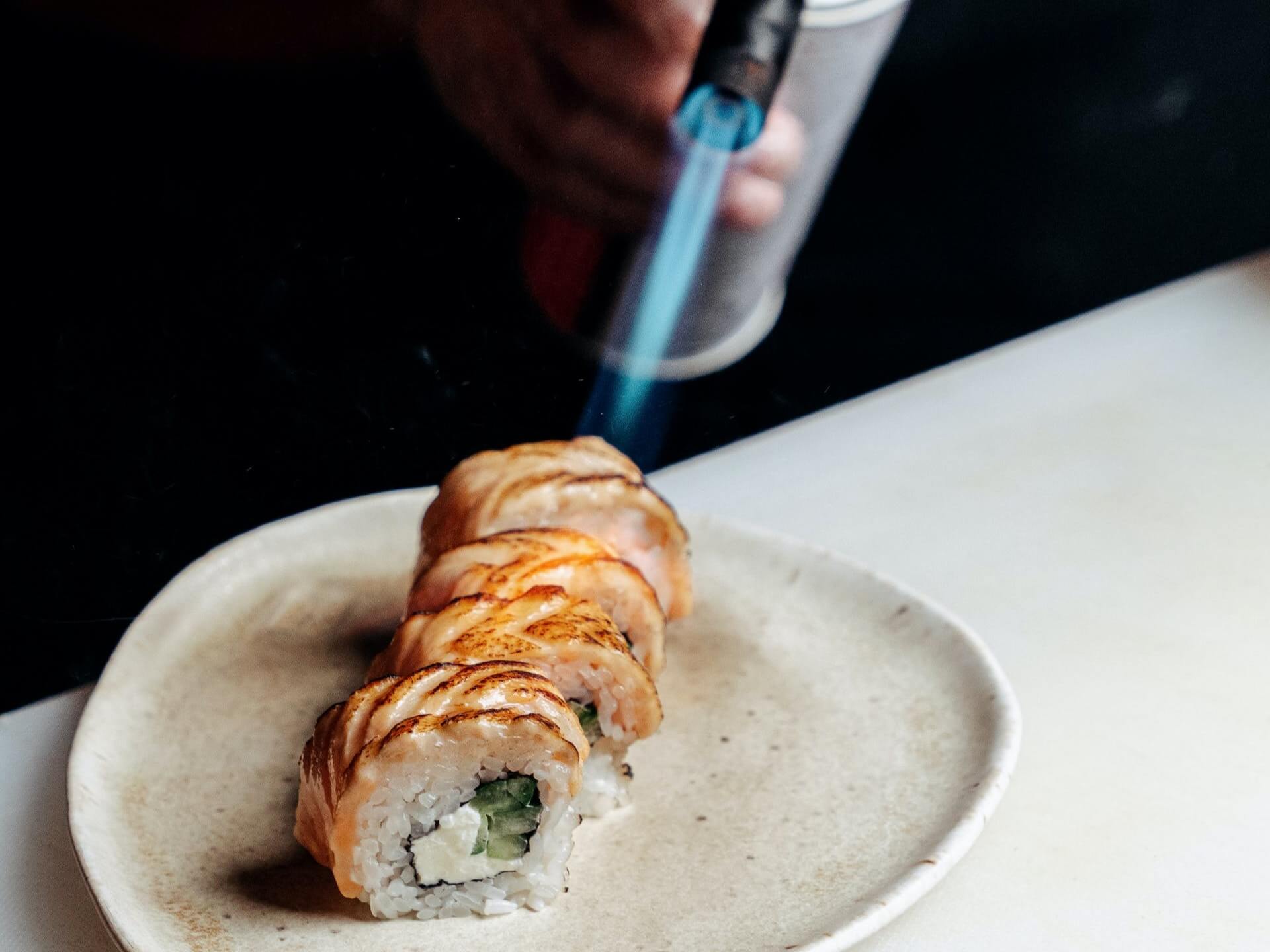
KRG Hospitality. Gaming. Entertainment. Consultant. Food Service. Bowling Alley. Golf. Simulator. Arcades. Eatertainment.

by David Klemt David Klemt No Comments

Intersection of Streaming & Sports Betting

The Intersection of Streaming and Sports Betting

by David Klemt

Closeup shot of the NFL logo painted onto turf or grass

The popularity and ubiquity of sports betting is exploding throughout the US, and its seemingly inescapable presence is due in large part to streaming.

This is one topic we learned about during our first visit to the Global Gaming Expo, also known as G2E.

It’s true that gaming and hospitality are two distinct, different industries. However, they’re inextricably connected. And with gaming platforms and mobile devices making it even easier to place bets on sports, that connection is only getting stronger.

Now, I’m going to take a moment to make my relationship with gaming clear. First, I’m not an expert on the industry. Second, I rarely partake in gaming even though I live in Las Vegas. I’ll throw the odd twenty into a small handful of specific slot machines, but that’s the extent of my gaming experience. I think it has been a decade since I last played craps.

So, I’m going to do my best to share what I learned during G2E. The show is an educational experience for me, and I feel that hospitality business operators can benefit from its sessions.

As far as the hospitality-gaming relationship, however, I certainly believe they’re complementary industries. This is absolutely true in Las Vegas, and it’s true in other markets as well. If casinos weren’t aware that hospitality is crucial to keeping guests returning and risking their cash on games, they wouldn’t bother focusing on dining, drinking, nightlife, and other hospitality amenities.

I’m also confident saying Las Vegas in particular wouldn’t have generated nearly $15 billion in 2022. And casinos throughout America wouldn’t have generated over $60 billion last year.

In summary, the connection between hospitality and gaming is what drew me to G2E this year.

Watershed Moments

One of the sessions I attended was “Streaming X Sports Betting: The Future of Engaging Gen Z.” Adam I. Kaplan, the chief operating officer of SportsGrid, was the speaker.

SportsGrid, I’ve since learned, is a multimedia sports betting network. According to Kaplan, the ad-supported network is available on more than 40 platforms and accessed by millions upon millions of mobile devices

Users can access SportsGrid 24/7 via smart TV or their dedicated app. Additionally, people can stream SportsGrid via other platforms, such as:

  • Roku;
  • Prime Video;
  • YouTube TV;
  • Sling;
  • Freevee; and
  • Plex.

Per Kaplan, we can trace the creation of SportsGrid to two genesis points: the creation of Napster, and the introduction of the iPhone.

The launch of Napster in June of 1999 was, of course, a watershed moment. And its influence on society is undeniable. According to Kaplan, the platform’s influence included the belief that content should be free.

When the iPhone hit the scene in January of 2007, it, too, was a massive milestone. Part of its success, as Kaplan pointed out, was how easy it made for users to engage with content.

Taken together, Napster and the iPhone have “taught” people that content should be free and easy to access. And their launches have led to the rise of iGaming and sports betting.

Sports Betting Repeal Day

Like hospitality, sports betting has their own Repeal Day. Whereas bars and restaurants celebrate on December 5, gaming would celebrate May 14.

That’s the day in 2018 that the United States Supreme Court struck down the Professional and Amateur Sports Protection Act (PASPA) of 1992. Essentially, PASPA banned sports betting in the US, with narrow exceptions for four or five states.

When PASPA was overturned on the basis that the act violated the Tenth Amendment (states’ rights), several states made moves to legalize sports betting. Currently, sports betting is legal in some form in more than 30 states and Washington, DC.

During the five-year period following the end of PASPA, sports betting has gained massive traction throughout the US. Several publications report that the NFL in particular sees the most betting action.

According to the American Gaming Association, 73 million Americans plan to bet on the 2023-2024 NFL season specifically. That’s up from 46 million in 2022, a huge leap.

Of all adults who said they’d bet on sports this year, 14 percent (more than 35 million people) plan to place their bets online.

Per SportsGrid’s Kaplan, people aged 40 and under—so, Millennials and legal-age Gen Z—make up the majority of sports bettors. Looking at sports betting as an engagement driver, businesses should see the opportunity to attract sports bettors as customers and keep them loyal.

Skin in the Game

As Kaplan points out, one reason that sports betting drives engagement is the sense a bettor has of having “skin in the game.”

Well, they aren’t the only people who want skin in the sports betting game.

Since PASPA ended, hospitality venues across the country have attempted to get in on the sports betting phenomenon. This makes perfect sense, particularly for sports bars.

What operator in that space wouldn’t love the ability to stream content from a platform like SportsGrid, FanDuel TV, or DraftKings Network, with their guests permitted to place bets while inside the venue, legally?

That opportunity could prove incredibly lucrative, generating significant traffic and sales. And that’s to say nothing of the marketing, promotions, and guest loyalty opportunities. Think of what legalized on-premise sports betting could do to attract fantasy sports league participants…

Additionally, venues that can stream sports betting content and encourage betting on-premise (again, legally) could prove incredibly popular with one of the age groups operators focus on the most: the 21- to 34-year-old segment.

So, it appears one of the next frontiers for hospitality is pushing for the legalization of sports betting on-premise. Operators in favor of guests being allowed to place bets while onsite can either wait and see or actively engage their lawmakers.

What a time, eh?

Image: Adrian Curiel on Unsplash

KRG Hospitality. Gaming. Entertainment. Consultant. Food Service. Bowling Alley. Golf. Simulator. Arcades. Eatertainment.

by David Klemt David Klemt No Comments

Mastering the Art of Knife Skills

Mastering the Art of Knife Skills: A Culinary Journey

by Nathen Dubé

Collection of various vintage knives surrounding a cutting board

In the realm of culinary arts, the knife is not merely a kitchen tool; it’s the extension of a chef’s hands, the paintbrush for a culinary masterpiece.

In the hand of a skilled chef, a knife is the instrument that transforms raw ingredients into delectable works of art.

Therefore, knife skills are the backbone of every great chef’s repertoire, and they form the cornerstone of culinary excellence.

In this exploration, we embark on a journey to unravel the significance of knife skills, the techniques that define them, and the artistry they enable in the culinary world.

The Role of Knives in Culinary Excellence

Knives are the most fundamental tools in any kitchen. They are the bridge between raw ingredients and the final dish, and their importance cannot be overstated.

Here are some key aspects of the role knives play in culinary excellence.

Precision and Consistency

Imagine a chef creating uniform, paper-thin slices of cucumber for an elegant salad. The precision required for such delicate work comes from mastering knife skills.

Consistency in slicing, dicing, and chopping ensures even cooking and a visually appealing presentation.

Efficiency

In a bustling restaurant kitchen, time is of the essence. Efficient knife skills enable chefs to prepare ingredients quickly and streamline the cooking process.

The ability to swiftly and skillfully handle a knife can make all the difference in meeting the demands of a busy service.

Safety

Knife safety is paramount in the culinary world.

Proper knife skills not only enhance efficiency but also minimize the risk of accidents. A chef with well-honed knife skills knows how to handle the blade safely, reducing the likelihood of cuts and injuries.

Artistry

Beyond their utilitarian functions, knives are tools of artistic expression in the culinary world.

A chef’s ability to craft intricate cuts and designs with a knife can elevate a dish from ordinary to extraordinary.

From garnishes to decorative vegetable carvings, knife skills allow chefs to showcase their creativity.

Essential Knife Techniques

Knife skills encompass a range of techniques, each serving a specific purpose in the kitchen.

Let’s delve into some of the fundamental knife skills that every chef should master.

1. The Pinch Grip

The pinch grip is the foundation of proper knife handling. It involves gripping the knife handle with three fingers while using the thumb and index finger to pinch the blade near the bolster.

This grip provides control and precision, allowing for accurate cuts.

2. The Rock Chop

The rock chop is a rhythmic cutting motion during which the knife’s blade rocks back and forth on the cutting board. It’s ideal for chopping herbs, garlic, and onions.

Mastering this technique involves maintaining a consistent rocking motion to achieve uniform cuts.

3. The Slice

Slicing is a technique used to create thin, even pieces of ingredients.

The key is to maintain a smooth, forward and backward motion of the knife while keeping the fingers tucked safely away from the blade.

4. The Julienne

Julienne is the art of cutting vegetables or fruits into long, thin strips, resembling matchsticks.

Achieving uniformity in julienne cuts requires precision and practice. This is a technique often used in salads and stir-fries.

5. The Dice

Dicing involves cutting ingredients into small, uniform cubes.

Chefs use this technique for creating perfectly diced onions, tomatoes, and other vegetables. It’s a fundamental skill in many classic recipes.

6. The Chiffonade

Chiffonade is a technique for slicing leafy greens or herbs into thin, ribbon-like strips. This technique is commonly used for garnishing soups, salads, and pasta dishes.

7. The Tourne

The tourne, also known as “turned” vegetables, involves creating seven-sided, oblong shapes from root vegetables like potatoes and carrots.

This technique showcases precision and artistry.

8. The Batonnet

Batonnet cuts involve creating evenly sized, rectangular sticks from ingredients like potatoes and cucumbers.

This technique is often used for making French fries and crudités.

The Journey to Mastery

Becoming proficient in knife skills is a journey that requires dedication, practice, and a commitment to precision.

Below are a number of essential tips for aspiring chefs on their path to mastering this art.

1. Start with the Basics

Begin by mastering the fundamental techniques, such as the pinch grip, slice, and rock chop.

These skills form the building blocks for more advanced cuts.

2. Invest in Quality Knives

A chef is only as good as their tools.

Invest in high-quality knives that are well-balanced and comfortable to handle. Regularly sharpen and maintain them to ensure optimal performance.

3. Practice, Practice, Practice

Knife skills improve with practice.

Set aside time to hone your cutting techniques regularly. Consider using inexpensive ingredients like potatoes and carrots for practice to minimize food wastage.

4. Seek Guidance

Don’t hesitate to seek guidance from experienced chefs or culinary instructors.

Taking a knife skills class or watching instructional videos can provide valuable insights and feedback.

5. Prioritize Safety

Safety should always come first.

Pay close attention to hand placement, keep your fingers tucked away from the blade, and use a cutting board with a non-slip surface.

6. Embrace Creativity

Once you have mastered the basics, allow your creativity to flourish.

Experiment with decorative cuts and intricate garnishes to add flair to your dishes.

Knife Skills in the Professional Kitchen

In professional kitchens, the importance of knife skills is not up for debate. Chefs in high-end restaurants are expected to demonstrate exceptional precision and speed when handling knives.

Here’s how knife skills come into play in the professional culinary world.

Speed and Efficiency

In a busy restaurant kitchen, the ability to prep ingredients quickly and efficiently is essential.

Knife skills enable chefs to meet the demands of a fast-paced environment while maintaining quality.

Consistency

Consistency is crucial in ensuring that every dish leaving the kitchen meets the restaurant’s standards.

Uniform cuts, achieved through precise knife skills, contribute to consistent cooking times and presentation.

Artistry and Presentation

Fine-dining establishments often emphasize presentation as much as taste.

Knife skills allow chefs to create intricate designs and garnishes that enhance the visual appeal of each dish, turning it into a work of art.

Safety in High-stress Environments

Professional kitchens can be high-stress environments.

Chefs with excellent knife skills can handle the pressure more effectively and safely, reducing the risk of accidents.

Knife Skills for Home Cooks

While professional chefs rely on knife skills in their daily work, these skills are equally valuable for home cooks.

Whether you’re preparing a simple family meal or hosting a dinner party, below you’ll find how knife skills can elevate your home cooking.

Save Time and Effort

Efficient knife skills allow you to prep ingredients more quickly, making meal preparation a breeze even on busy weeknights.

Elevate Home Cooking

Mastering knife skills enables you to create restaurant-quality dishes at home.

You can impress your family and guests with beautifully plated meals.

Safety and Confidence

Proper knife skills at home reduce the risk of accidents and boost your confidence in the kitchen.

Experimentation and Creativity

With the right knife skills, you can experiment with different cuts and techniques, adding variety and creativity to your home-cooked meals.

Conclusion

In the world of culinary arts, knives are not just tools; they are extensions of a chef’s creativity and skill.

Knife skills are the foundation of culinary excellence, enabling chefs to transform ingredients into works of art.

Whether you aspire to be a professional chef or simply want to elevate your home cooking, mastering knife skills is a journey worth embarking on. It’s a journey of precision, creativity, and the pursuit of culinary perfection—a path that leads to the heart of the culinary world, where the artistry of knives comes to life.

As you embark on your own culinary journey, remember that every slice, chop, and dice brings you one step closer to mastering the art of knife skills—an art form that transcends the kitchen and allows you to create culinary magic with every cut.

So, sharpen your knives, practice your techniques, and let your culinary creativity flourish. The world of flavors and possibilities awaits at the tip of your blade.

Image: Sergey Kotenev on Unsplash
KRG Hospitality menu development. Restaurant. Bar. Cafe. Lounge. Hotel. Resort. Food. Drinks.

by David Klemt David Klemt No Comments

Restaurant Fees Facing FTC Scrutiny

Restaurant Fees Facing FTC Scrutiny

by David Klemt

The Federal Trade Commission Building in Washington, DC

The focus on rising costs and hidden or “junk” fees over the past few years is bringing the Federal Trade Commission’s attention to the restaurant space.

Really, it was only a matter of time. Consumers are quite clearly fed up with being hit with unexpected fees. Whether purchasing concert tickets or popping into a QSR for a quick bite, they’re over the perceived nickel and diming.

That’s to say nothing of the other businesses that consumers feel are going too far with fees.

However, much of the public conversation about junk fees revolves around restaurants, and in some instances bars, as well. A common refrain on social media and online communities is, to paraphrase, “Just tell tell us what it costs on the menu!”

Of course, there are consumers who don’t want businesses to raise their prices at all. There’s no reasoning with these people, and they see all increases and fees—even those that aren’t hidden or bogus—as ripoffs.

But there are those who understand the challenges operators are facing. Understandably, these people just want transparency. And they want to have a clear idea of what it will cost to dine and drink somewhere before they plan their visit or are handed their check.

These consumers now have allies in state and federal governments.

FTC Focuses In

Some people may be surprised to learn that the FTC’s focus on junk fees isn’t entirely new. In fact, the agency has been digging into this topic for nearly a year.

Last November, the FTC asked for the public for their opinions on deceptive and unfair practices. Specifically, practices that relate to junk fees. Per the FTC, American consumers are paying tens of billions of dollars in junk fees annually.

According to the agency, they received 12,000 comments.

Now, with the support of the White House, one would assume, the FTC is asking for public input again. This time, the agency is seeking comments about a rule their proposing to address junk fees.

Last week, both the White House and FTC proposed rules that will make it mandatory for businesses to disclose all fees up front. Additionally, the White House wants to curtail “excessive” bank fees for basic services.

Put simply, the FTC’s proposal will ban hidden fees, require transparency regarding all fees, and allow the agency to impose penalties.

And now, after zeroing in on airlines, landlords, utilities, entertainment, and banking, the FTC is looking at hospitality.

Restaurants Under Scrutiny

As they did in November of last year, the FTC is once again asking for the public to comment on fees. This time, however, restaurants have been included by the agency.

To be sure, this focus isn’t exactly new. Washington, DC, for example has addressed junk fees in the restaurant space. As with other jurisdictions that have tackled this topic, restaurants must be conspicuous and make guests aware of all fees before their checks arrive. Additionally, operators must be clear about their intended use for fees.

In Washington, DC, a violation of these rules can lead to a $5,000 fine for a first-time offense. That penalty can rise to $10,000 for additional violations.

California has also passed Senate Bill 478, signed into law by Governor Gavin Newsom. This law, which also targets hidden fees, takes effect on July 1, 2024.

Most likely, the FTC is seeking comment to make adjustments to their proposed junk fee rule in order to include restaurants. From what I’ve seen, restaurant delivery fees in particular are drawing the ire of consumers and attention of state and federal agencies.

“All too often, Americans are plagued with unexpected and unnecessary fees they can’t escape. These junk fees now cost Americans tens of billions of dollars per year—money that corporations are extracting from working families just because they can,” says Lina M. Khan, FTC Chair.

Consumers will have 60 days to submit their comments to the FTC.

Takeaway

Proactive operators who haven’t already done so should make their in-person dining and delivery fees obvious.

Best practices for fee transparency include highlighting them on menus; announcing them via table tents or talkers; including fees on websites; and including a notice or disclaimer on reservation pages.

However, operators should avoid viewing being transparent about fees through a lens of compliance. Rather, being clear and upfront with guests is just good business. In fact, it’s in keeping with the spirit of hospitality and service.

If the final experience a guest has with a restaurant is being unpleasantly surprised by their check due to junk fees, how should be expected to respond? Their perception of the venue or brand will plummet, and they won’t return. How long can a restaurant sustain that guest reaction before the damage is irreparable and an operator has to close their doors?

Operators are being asked to thread a needle every day. Costs are rising and there are only so many solutions available to most operators that can keep their doors open, keep guests and staff happy, and pull the business toward long-term success.

To be clear, fees are generally fine—if consumers feel they know what to expect ahead of their visit. Nobody wants to be surprised, and that shouldn’t be difficult to understand.

So, operators need to be transparent about fees. They need to consider dynamic pricing for menus. That requires an absolute understanding of costs, guest tolerances for pricing, and the market.

The payoff, however, is happier guests who are far more likely to return for in-person dining and to place delivery or takeout orders. Savvy operators will put the work in now to get ahead of the junk fee fallout.

Image: Ian Hutchinson on Unsplash
KRG Hospitality Start-Up Restaurant Bar Hotel Consulting Consultant Solutions Plans Services

by David Klemt David Klemt No Comments

These are the 50 Best Bars of 2023

These are the 50 Best Bars of 2023

by David Klemt

Tres Monos bar in Buenos Aires, Argentina

Tres Monos in Buenos Aires is number 11 and the winner of the Michter’s Art of Hospitality Award.

According to the World’s 50 Best, these stunning examples of operations, service, and atmosphere from around the globe are the best bars of 2023.

For the first time, the incredible collection of bars was revealed during a ceremony in Singapore. I watched this year’s ceremony via the World’s 50 Best Bars live stream and the energy was palpable just through the screen. We’ll have to consider attending the 2024 ceremony in person.

The 50 bars that have earned placement on this list should serve as inspiration for operators and hospitality professionals throughout the world. Whether considering operations, service, building a top-performing team, menu, design, or atmosphere, these bars are reaping the rewards of hard work and a commitment to hospitality.

As we’ve had the incredible honor of speaking with a number of the bars on this year’s list for our Bar Hacks podcast, we’ve linked a few of the bars below to their episodes.

The Numbers

The 15th edition of World’s 50 Best Bars ranks bars in 28 cities from around the globe.

Among individual cities, London claims the most bars on this year’s list with five. Further, two of those bars are in the top ten.

Mexico City is home to four bars on the list, while New York boasts three, plus the winner of the Altos Bartenders’ Bartender Award. These two cocktail bar titans will go head to head for some time from what I can see, and we’re all the better for this friendly rivalry.

Overall, the UK is home to six venues on the 2023 list. Also performing well are the US and Italy, with each claiming five bars on the 2023 list. With four bars, each in Mexico City, Mexico also does very well for 2023.

This year’s host city, Singapore, boasts three bars, along with the Bar Design Award recipient. Greece also earns three spots, with one bar taking home the Legend of the List Award. There are three bars on the list in Argentina as well, all in Buenos Aires. One of these bars offers such outstanding service that it’s this year’s Michter’s Art of Hospitality Award recipient.

Another country with three bars on the list is Spain. Not only can the country now boast about being home to the bar holding the number one spot, it’s also where number four is located. Oh, and the number four bar just happens to be last year’s top bar in the world. Clearly, Barcelona is staking a claim to the Cocktail Capital of the World.

Sadly, Canada isn’t represented on this year’s list. However, Civil Liberties in Toronto does hold the number 73 spot.

Congratulations to the bars and their teams on the 2023 list, and the individual award winners! Cheers!

The World’s 50 Best Bars 2023

  1. Galaxy Bar (Dubai, United Arab Emirates)
  2. Jewel of the South (New Orleans, Louisiana, United States of America)
  3. Atlas (Singapore)
  4. The Clumsies (Athens, Greece)
  5. Locale Firenze (Florence, Italy)
  6. Baltra Bar (Mexico City, Mexico)
  7. L’Antiquario (Naples, Italy)
  8. Carnaval (Lima, Perú)
  9. 1930 (Milan, Italy)
  10. Scarfes Bar (London, England, United Kingdom)
  11. Mimi Kakushi (Dubai, United Arab Emirates)
  12. Panda & Sons (Edinburgh, Scotland, United Kingdom)
  13. The Cambridge Public House (Paris, France)
  14. Bar Benfiddich (Tokyo, Japan)
  15. The SG Club (Tokyo, Japan)
  16. 🔶🟥🔵 A Bar with Shapes for a Name (London, England, United Kingdom)
  17. Argo (Hong Kong, China)
  18. Freni e Frizioni (Rome, Italy)
  19. Sago House (Singapore)
  20. Röda Huset (Stockholm, Sweden)
  21. Florería Atlántico (Buenos Aires, Argentina)
  22. Wax On (Berlin, Germany)
  23. Satan’s Whiskers (London, England, United Kingdom)
  24. Katana Kitten (New York, New York, United States of America)
  25. CoChinChina (Buenos Aires, Argentina)
  26. Baba Au Rum (Athens, Greece)
  27. Café La Trova (Miami, Florida, United States of America)
  28. Caretaker’s Cottage (Melbourne, Victoria, Australia)
  29. Hanky Panky (Mexico City, Mexico)
  30. Drink Kong (Rome, Italy)
  31. Coa (Hong Kong)
  32. Mahaniyom Cocktail Bar (Bangkok, Thailand)
  33. Zest (Seoul, South Korea)
  34. Overstory (New York, New York, United States of America)
  35. Salmon Guru (Madrid, Spain)
  36. Maybe Sammy (Sydney, New South Wales, Australia)
  37. Jigger & Pony (Singapore)
  38. BKK Social Club (Bangkok, Thailand)
  39. Line (Athens, Greece)
  40. Tres Monos (Buenos Aires, Argentina)
  41. Himkok (Oslo, Norway)
  42. Alquímico (Cartagena, Colombia)
  43. Tayēr + Elementary (London, England, United Kingdom)
  44. Licorería Limantour (Mexico City, Mexico)
  45. Little Red Door (Paris, France)
  46. Connaught Bar (London, England, United Kingdom)
  47. Paradiso (Barcelona, Spain)
  48. Handshake Speakeasy (Mexico City, Mexico)
  49. Double Chicken Please (New York, New York, United States of America)
  50. Sips (Barcelona, Spain)

2023 Awards

  • Roku Industry Icon Award: Renato “Tato” Giovannoni
  • Rémy Martin Legend of the List: The Clumsies; Number 47 (Athens, Greece)
  • Best Bar in Australasia (sponsored by Naked Malt): Maybe Sammy; Number 15 (Sydney, New South Wales, Australia)
  • Best Bar in Asia (sponsored by Torres Brandy): BKK Social Club, Number 13 (Bangkok, Thailand)
  • Best Bar in Europe (sponsored by Perrier): Sips; Number 1 (Barcelona, Spain)
  • Best Bar in the Middle East and Africa (sponsored by Amaro Lucano): Mimi Kakushi; Number 40 (Dubai, United Arab Emirates)
  • Best Bar in North America (sponsored by Tia Maria): Double Chicken Please; Number 2 (New York, New York, United States of America)
  • Best Bar in South America (sponsored by Scrappy’s Bitters): Alquímico; Number 9 (Cartagena, Columbia)
  • Michter’s Art of Hospitality Award: Tres Monos; Number 11 (Buenos Aires, Argentina)
  • Best New Opening (sponsored by the London Essence Co.): Line; Number 12 (Athens, Greece)
  • Disaronno Highest New Entry: Zest; Number 18 (Seoul, South Korea)
  • Nikka Highest Climber: Himkok; Number 10, climbed 33 positions (Oslo, Norway)
  • Ketel One Sustainable Bar: Röda Huset; Number 31 (Stockholm, Sweden)
  • Altos Bartenders’ Bartender: GN Chan; Double Chicken, Please (New York, New York, United States of America)
  • Siete Misterios Best Cocktail Menu: The American Bar at Gleneagles; Book of Berries menu (Auchterarder, Scotland, United Kingdom)
  • Campari One to Watch: Lady Bee; Number 52 (Lima, Perú)
  • Bareksten Best Bar Design: Night Hawk (Singapore)
  • The Blend Scholarship: Apoorva Kohli (New Delhi, India) will intern at Sips (Number 1) in Barcelona and Alquímico (Number 9) in Cartagena in 2024.

Image: Tres Monos

KRG Hospitality. Bar Consultant. Nightclub. Lounge. Mixology. Cocktails.

Top