Banquet hall

by David Klemt David Klemt No Comments

BBQ Brawl: ‘Cue Tips from Chef Brian Duffy

BBQ Brawl: ‘Cue Tips from Chef Brian Duffy

by David Klemt

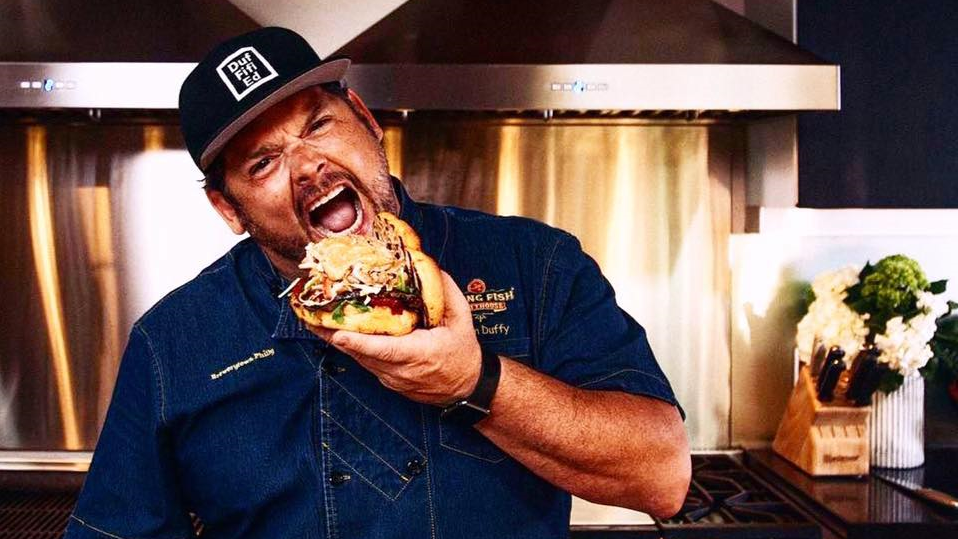
Chef Brian Duffy biting into a sandwich

Friend of the Bar Hacks podcast and KRG Hospitality Chef Brian Duffy is rocking it on season four of Food Network‘s BBQ Brawl.

And he’s dropping barbecue and cooking jewels while killing it on multiple styles of grill.

When we meet Chef Duffy on episode one of BBQ Brawl, he’s introduced as “The Renowned Restaurateur.” This makes sense given the fact that he has helped open more than 100 restaurants throughout his career.

Regarding grilling and barbecuing, Chef Duffy will use elements of whatever style he thinks will work best for a given situation. As he explains it, his barbecue “isn’t bound by the rules of any one style.”


View this post on Instagram


A post shared by Chef Brian Duffy (@chefbriduff)

I also want to point out that there’s what appears to be a 1950s-era Dodge Power Wagon, perhaps a Series 1 or Series 2 model, on Star Hill Farm, where this show was filmed. This isn’t relevant in any way to cooking, grilling, or barbecue. I’m just a Car and Motorcyle Guy® and I noticed the Power Wagon immediately.

Also, be sure to check out episode 33 and episode 53 of the Bar Hacks podcast to hear from the chef himself.

Alright, let’s check out some tips and tricks from Chef Duffy that he has shared on season four of BBQ Brawl. Like he said to the camera in the first moments of episode one, “Students, meet your pit master.”

Episode 1

If you want your food to be charred, you need to commit.

“You’ve gotta let it sit. Don’t move it,” says Chef Duffy. “Let that char happen.”

It’s just that simple. Patience is a cooking technique.

Dishes

Signature Tacos

  • Mulita, a Mexican street taco made by dipping a tortilla in birria broth.
  • Togorashi- and ancho-chili-smoked red Snapper taco with “a fun little slaw.”


View this post on Instagram


A post shared by Chef Brian Duffy (@chefbriduff)

Team Challenge: “California Smoke” menu (Fire delivery: Santa Maria grill)

  • Cabbage, kale, Swiss chard medley with beans
  • Scallops and smoked crab salad with preserved lemon gremolata and avocado (collaboration with Chef Larissa Da Costa; Chef Duffy prepared the smoked crab salad)

Episode 2

One interesting bit of Chef Duffy trivia is that he has knife skills that rival John Wick’s. I’m confident in saying that they could’ve raided Chef Duffy’s impressive carbon steel knife collection to film the melee scene in John Wick: Chapter 3 – Parabellum.

Now, he does nick himself during the advantage challenge in this episode. The nick requires Chef Duffy to double-glove up. However, this is a fluke. Check out his knife skills below:


View this post on Instagram


A post shared by Chef Brian Duffy (@chefbriduff)

Dishes

Elimination Challenge:”Due West” menu (Fire delivery: Santa Maria grill. Direct-contact coal roasting)

  • Cast iron skillet-cooked mushroom gravy (portobello, maitake, shiitake, rosemary, garlic, butter) for Pitmaster Robert Smith’s quail.
  • Hot coal-roasted butternut squash topped with crispy, grilled pork belly

Episode 3

While Chef Duffy is no stranger to the pitmastery of fish, he’s always done so in a controlled environment.

Well, this competition show is much more chaotic than a standard restaurant kitchen. Of course, chaos doesn’t cramp Chef Duffy’s style too much.

In preparing his salt-crusted branzino in episode three, he chars lemons and limes, then squeezes them over the fish and creates a mixture with egg whites. After salting, Chef Duffy once again shows that patience is a key element of technique: he leaves the stuffed and salted branzinos to rest.

Chef Duffy also puts another of his specialties on full display in this episode: fried rice. Anyone who has seen Chef Duffy do a fried rice demo knows how good his preparations are.

During this episode, he prepares fried rice in a wok on a Santa Maria grill. For this element of his dish he chooses basmati, in part for its fragrance. Along with carrots and green beans, Chef Duffy’s BBQ Brawl fried rice includes onion, garlic, and bacon. He then hits it with ponzu and soy sauces.

You may think the bacon is the star of this fried rice, but that isn’t the case. The real standout is freshly prepared salt-cured eggs. For this element of the dish, Chef Duff places yolks directly onto a bed of salt.

“What that does is it pulls the moisture out of that yolk,” explains Chef Duffy, “so that you have a little bit more of a firm yolk.”

To complete the salt-cured egg preparation, the salt is rinsed off just before serving the rice.

Dishes

Elimination Challenge: “Sea-Food and Eat It” menu (Fire delivery: Santa Maria grill, smoker)

  • Bacon and basmati fried rice with salmon, topped with salt-cured egg
  • Smoked, salt-crusted branzino

Episode 4

Chef Duffy hates crispy bacon. The reasoning behind this hatred is simple: flavor.

If bacon is cooked too crisply—or more accurately, burnt—it won’t impart much, if any, flavor. You may get ash flavor but you really won’t get bacon.

When stunned team leader Chef Sunny Anderson questions Chef Duffy about his opinion of crispy bacon, he explains his position succinctly: “Because it’s useless.”

It’s fair to say he’d rather switch teams than allow someone to prepare crispy bacon for any of his dishes.

“I want you to know I like your fire,” responds Chef Anderson. “But crispy bacon is life, okay?”

Dishes

Signature Chicken Wings (Fire delivery: Cast aluminum kamado grill)

  • Butter poached fried and grilled wings with habanero, Aleppo, and ghost peppers

Elimination Challenge: “Hometown Heat” menu (Fire delivery: Smoker, cast aluminum kamado grill, cast iron skillet, Big Green Egg)

  • Manzano and Fresno peppers stuffed with spicy pork sausage
  • Irish soda bread stuffed with caramelized onion and bacon, topped with citrus-cream cheese glaze (prepared in collaboration with Chef Anderson)

Episode 5

To enhance the experience of a mac and cheese made with creamy béchamel sauce, try this tip from Chef Duffy. Instead of using only all-purpose flour, also use cassava flour.

Doing so will add some impressive stretchiness to the sauce, and the proof will be in the cheese pull. Also, cassava flour delivers a silky texture a traditional roux just can’t match.

Dishes

Elimination Challenge: “Brazilian BBQ Fusion Feast” menu (Smoker, charcoal grill, cast aluminum kamado grill, cast iron skillets)

  • Skillet mac and cheese made with cotija, smoked gouda, sharp Cheddar, and gruyère topped with farofa (prepared in a skillet on top of a grill)
  • Brazilian-spiced and smoked spatchcock citrus chicken

Episode 6

On this episode,the teams prepare whole suckling pig via live-fire cooking methods. Due to the ranking of the teams in episode five, Team Bobby chooses their method first, followed by Team Anne. Team Sunny doesn’t get to choose; they have to take whatever the other two teams don’t select.

Team Bobby selects the cinder block smoker, and Team Anne chooses the hand-crank rotisserie spit. Team Sunny has to cook via an incredibly rustic method: a bed of hot embers.

Chefs Duffy and Chuck Matto decide to wrap their suckling pig in banana leaves before then wrapping the entire animal in foil. As Chef Matto explains, banana leaf acts as an insulator. The pig is placed directly on the hot embers, additional stones are placed around it, more coals are added, and then the team adds a layer of burlap.

To ensure an even cook without any burning, Chef Duffy explains that they’ll check temperatures every 20 to 30 minutes, rotating the pig each time.

When cooking pig, Chef Duffy notes there are certain things to check to ensure it’s cooked fully. There’s temperature, of course, but he also shares this tip: note how easily the thermometer goes into the meat when checking temp.

Dishes

Advantage Challenge: Banana Leaf Challenge (Fire delivery: Santa Maria grill)

  • Southern-inspired, Caribbean spiced and seasoned catfish (prepared with banana-leaf wrap)

Elimination Challenge: “Campfire Whole Hog” menu (Fire delivery: Bed of hot embers, Santa Maria grill, cast aluminum kamado grill)

  • Campfire whole hog with California/Kansas City barbecue sauces (in collaboration with Chef Matto), with special attention paid to honoring the animal’s head
  • Four-pork chili
  • Potato salad

Episode 7

Chef Duffy swings for the fences on this episode and decides to grill octopus. However, it takes hours to cook octopus properly and ensure it’s tender enough to eat.

Of course, Chef Duffy has a plan, and it includes using three cooking methods in a five-step process. First, he throws it on a charcoal grill to impart flavors. Next, he boils the octopus. After that, the octopus goes back to the grill. Then, Chef Duff sous vides the octopus at 185 degrees Fahrenheit. Finally, the octopus goes back to the grill.

Or, to describe the process more simply, Chef Duffy goes grill, water, grill, sous-vide, grill.

Dishes

Elimination Challenge:  (Fire delivery: Charcoal grill, Big Green Egg

  • Grilled octopus over a white bean and sweet corn purée
  • Grilled watermelon, feta, and pickled cucumber salad (cold-pickled cucumbers for acid and flavor)

Image: Chef Brian Duffy

by David Klemt David Klemt No Comments

Maker’s Mark Debuts Age-stated Bourbon

Maker’s Mark Debuts Age-stated Bourbon

by David Klemt

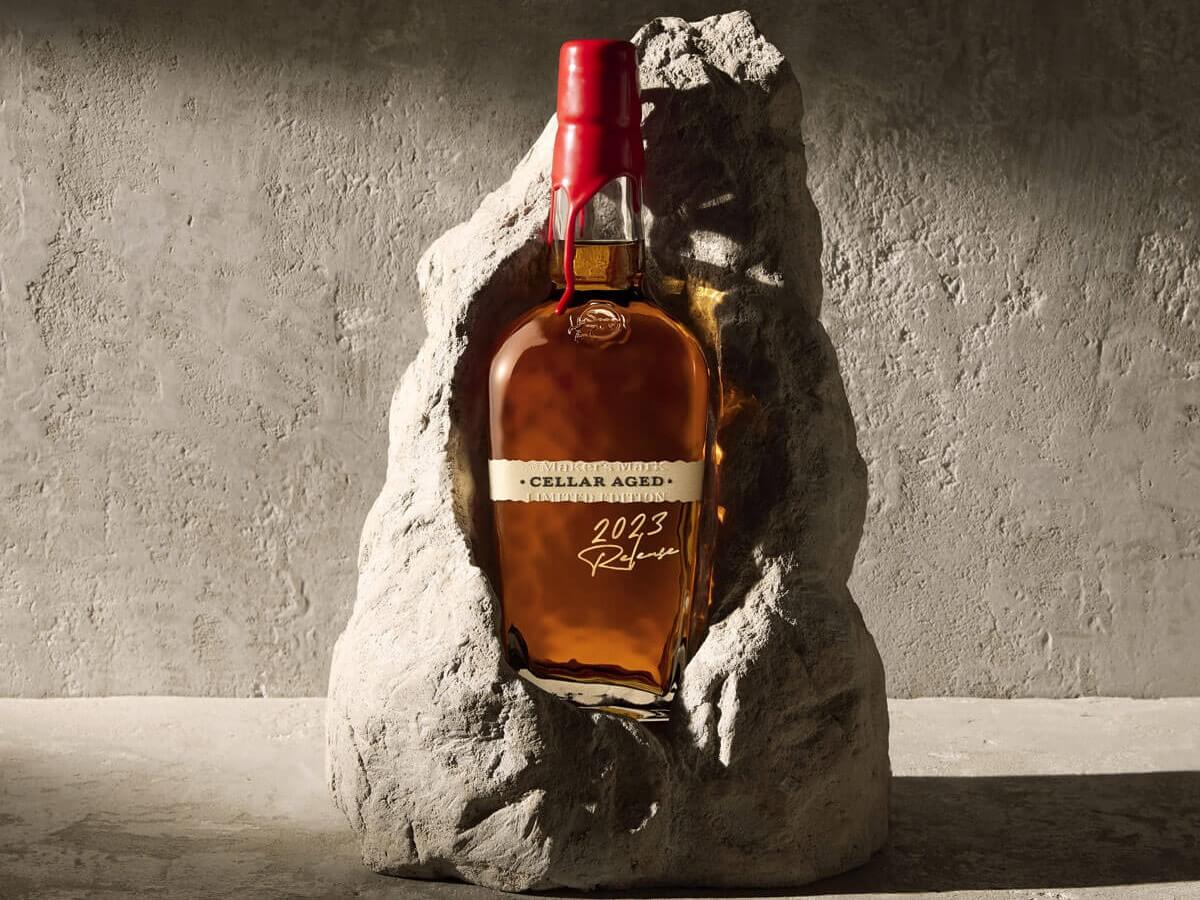
Maker's Mark Cellar Aged bourbon bottle

The team at Maker’s Mark, one of the most iconic and respected names in bourbon, is proud to introduce their oldest-ever expression.

Maker’s Mark Cellar Aged is making its introduction to the world in time to celebrate National Bourbon Heritage Month. As a quick reminder, we honor America’s native spirit in September.

This innovative expression is, in my opinion, an exercise in restraint. As decadent a whiskey as Cellar Aged may be for one’s senses, this bourbon shows that the team at Star Hill Farm is disciplined and deliberate.

While many other whiskey producers have been using age statements to pull focus from competitors, grab headlines, make splashes among collectors, and otherwise use aging to move cases, Maker’s Mark has stayed their course.

That is to say, Maker’s Mark takes their time when implementing a new process. If the team can’t figure out how to do something in a distinctly Maker’s way, they don’t do it.

Take, as an example, their limestone cellar, introduced in 2016. This maturation environment is Star Hill Farm’s approach to aging. The team doesn’t have an interest in simply stacking on years—age must adhere to Maker’s Mark flavor vision and leverage terroir.

Inaugural Annual Release

The 2023 release of Cellar Aged is a blend of 11- and 12-year-old Maker’s Mark. The percentage breakdown is 13 percent of the former and 87 percent of the latter.

The liquid that will eventually become Cellar Aged is first aged for six years in the Maker’s Mark warehouse before being moved to the maturation cellar.

For those wondering, this innovative expression will be an annual release. In fact, it appears Maker’s Mark plans to mark each National Bourbon Heritage Month going forward with Cellar Aged.

This year’s expression is bottled at cask strength—115.7 proof—and comes with a SRP of $150. Sources state that there are 30,000 bottles of the 2023 release, and more may be produced each year.

And for those curious about when they can wrap their gums around a dram, the wait shouldn’t be long. In response to a comment underneath an Instagram post, Maker’s Mark says the following:

“Thanks for asking! Cellar Aged will leave Star Hill Farm in the next few weeks and start making its way across the country!”


View this post on Instagram


A post shared by Maker’s Mark (@makersmark)

So, be on the lookout and let your Maker’s rep know you need this bottle on your back bar.

Tasting Notes

The KRG Hospitality team has yet to taste Maker’s Mark Cellar Aged. Therefore, the tasting notes below are from the Maker’s website.

Aroma: Dark stone fruit, caramelized sugar, toasted oak

Taste: Balanced with big oak, dark vanilla and fruit

Finish: Velvety texture, long and complex with caramelized barrel notes and baking spices

For more information, please review the official Maker’s Mark Cellar Aged press release below.

Introducing Maker’s Mark® Cellar Aged, an Inspired New Take on Older American Whiskey

Matured in a Limestone Whisky Cellar, Maker’s Mark Cellar Aged is Aged to Taste, Not Time

LORETTO, Ky., Aug. 16, 2023 /PRNewswire/ — Maker’s Mark® is proud to debut Maker’s Mark® Cellar Aged Bourbon, an annual, global limited-release expression that proves whisky aging is about more than just a number. Featuring a marriage of 11- and 12-year-old bourbon, Maker’s Mark Cellar Aged delivers the distillery’s highly anticipated oldest release, stemming from the question: What if age isn’t just about time, but instead about how you use that time to evolve, develop and mature?

Since its founding in 1953, Maker’s Mark has aged its whisky to taste – not time – to achieve the vision set by its founders: bourbon without the bite that’s always smooth, soft and creamy. Maker’s Mark Cellar Aged stays true to this philosophy, delivering a richer, deeper and more complex older bourbon, free from the harsher tannic effects commonly found in extra-aged American whiskies, as a result of our innovative maturation process that starts in traditional Kentucky warehouses and finishes in the distillery’s one-of-a-kind limestone whisky cellar.

“For more than 65 years, aging our whisky for a decade-plus wasn’t something we did,” said Rob Samuels, 8th generation whisky maker and grandson of the founders at Maker’s Mark. “It’s not that we didn’t believe in it; we simply hadn’t found a way to do it that didn’t compromise on our taste vision – until now. Cellar Aged embodies an older whisky that’s distinctly Maker’s Mark. One rooted in challenging convention, delivering new flavor experiences from the environment that surrounds us, and building on a taste vision that’s been generations in the making.”

To become Maker’s Mark Cellar Aged, barrels of the distillery’s classic distillate first spend approximately six years aging in traditional bourbon warehouses, where they endure the Kentucky climate and its temperature swings season after season until they reach full maturity and can be called “Maker’s Mark.” Barrels are then moved into the distillery’s proprietary whisky cellar for an additional five to six years of aging before being blended to taste and bottled. Built into the natural limestone shelf of the Kentucky hills, the cellar’s consistently cool environment slows down the tannic impact that occurs during maturation, while allowing the bourbon to develop a deeper, darker flavor with hidden depths, but no bitterness.

This innovative and taste-led approach in pursuit of an older Maker’s Mark expression continues the boundary-pushing mindset that has shaped the brand since the beginning. Founders Bill and Margie Samuels challenged category norms when they burned their 170-year-old family recipe, choosing to use red winter wheat instead of rye in their mashbill for a softer, smoother bourbon. This spirit of asking “what if?” was present in the introduction of Maker’s Mark 46, which is crafted using a proprietary wood-stave finishing technique, and in Maker’s Mark Private Selection, which became the industry’s first custom barrel program upon its launch in 2016.

Cellar Aged will be an annual, limited release available in specific markets around the world. The unique maturation approach of Cellar Aged will be consistent every year, but the specific blend of aged bourbon will vary based on which barrels are ready, by taste. The inaugural release of Cellar Aged is a marriage of 12-year-old and 11-year-old whisky – 87% and 13%, respectively – bottled at cask strength (115.7 proof). Cellar Aged will be available for a suggested retail price of USD $150.00 in the United States in September 2023; in London, Munich and select Global Travel Retail accounts in October 2023; and in Tokyo and Singapore in early 2024.

For more information about Maker’s Mark Cellar Aged, please visit www.MakersMark.com.

Image: Maker’s Mark

KRG Hospitality Bar 101 Techniques

by David Klemt David Klemt No Comments

Double Char Bourbon Launches Nationwide

Bib & Tucker Double Char Bourbon Launches Nationwide

by David Klemt

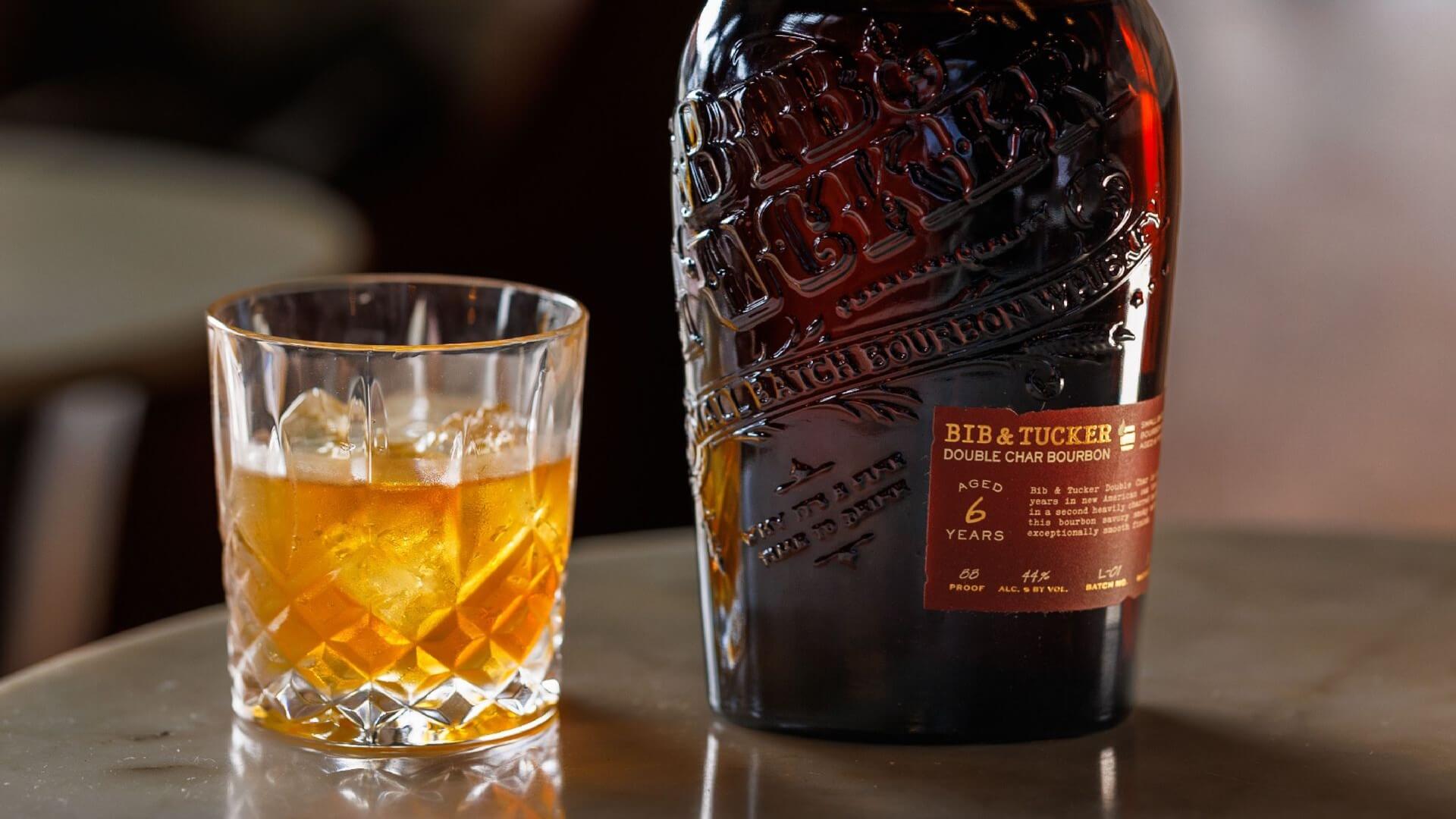
Bib & Tucker Double Char bourbon bottle and cocktail

A smoky bourbon that draws inspiration from the savory side of the culinary world is finally, mercifully available throughout the US.

We’ve been waiting patiently, having shared the news of this new release back in June. We’re excited to be able to update that story: Everyone can finally get their hands on this unique small-batch bourbon.

Double Char is an innovative Tennessee bourbon rested for six years in new white American oak barrels that weighs in at 88 proof. And whether people to choose to snap bottles up online or off-premise, this smoky sipper from Bib & Tucker Small Batch Bourbon is ready for action.

What this means for operators and bar teams, of course, is that the bourbon lovers and bourbon-curious among guests will expect to find Double Char on bar menus across the country.

This is great news for bar and restaurant operators who encourage collaboration between front- and back-of-house teams. Double Char has been described as “a smoky sweet BBQ in a bottle.” This culinary inspiration will allow bartenders and chefs to work together to wow guests with specialty cocktails that pair incredible well with all manner of rich, savory, smoky dishes.

I, for one, foresee mouthwatering LTO cocktails and specialty prix fixe experiences centered on Double Char on the horizon.

To learn more about Bib & Tucker Double Char, click here or review the press release below. And to learn more about Bib & Tucker, click here to listen to episode 59 of the Bar Hacks podcast.

Cheers!

Bib & Tucker Small Batch Bourbon Announces Double Char Innovation

New Savory, Smoky Bourbon Inspired by the Flavor of Food Smoked on the Open Flame

STAMFORD, Conn., May 31, 2023 /PRNewswire/—Bib & Tucker Small Batch Bourbon is proudly announcing the release of Bib & Tucker Double Char Bourbon.

Inspired by the turn of the century, when food was cooked on the open flame, this new bourbon is aged twice to create savory smoky notes and an exceptionally smooth finish. Bib & Tucker Double Char is first aged for six years in the rolling hills of Tennessee in new white American oak, followed by a minimum of five months in a second heavily charred and smoked new barrel. This unique fire-forged double char aging method creates the rich and deep flavor of Bib & Tucker Double Char.

“I can’t wait for consumers to try this delicious expression,” said Tom Steffanci, President of Deutsch Family Wine & Spirits. “Double Char spends just the right amount of time in the second heavily charred barrel, creating a savory, smoky character that adds a whole new dimension to the bourbon.”

As a Tennessee bourbon, Bib & Tucker follows the Lincoln County process unique to the state, meaning the bourbon is filtered through sugar maple charcoal before going into the barrel for aging.

For Double Char, to pay homage to the Lincoln County process, the second barrel is smoked with sugar maple before being filled with the brand’s 6-year aged bourbon. The perfect amount of time in the barrels, the char, and the sugar maple barrel smoking process delivers a bourbon with an inviting savory white smoke flavor not found in any other whiskey on the market.

Bib & Tucker Double Char Tasting Notes:

  • Nose: A touch of smoke with immediate notes of toasted oak and dulce de leche, background notes of cinnamon and clove
  • Palate: Vanilla and sugar maple surrounded with white smoke, hints of sweet corn and toasted cinnamon
  • Finish: Medium to long finish with oak, white smoke and vanilla
  • Color: Deep rich mahogany with copper undertones

The lineup of Bib & Tucker Small Batch Bourbon includes:

  • The Classic Six: 6-Year-Old Small Batch Bourbon Whiskey – SRP: $54.99; 92 proof/46% ABV
  • Double Char: 6-Year-Old Small Batch Bourbon Whiskey – SRP: $54.99; 88 proof/44% ABV
  • 10-Year-Old Small Batch Bourbon Whiskey – SRP: $89.99; 92 proof/46% ABV

Bib & Tucker Double Char will be available nationally, in-store and online, beginning August 2023.

Image: Bib & Tucker

by David Klemt David Klemt No Comments

8 Glendalough Cocktail Recipes for St. Patrick’s Day and Beyond

Offer your guests something different for your St. Patrick’s Day promotion with Glendalough Distillery cocktail recipes.

Without a doubt, you should have plenty of the expected Irish whiskeys on hand. However, Glendalough Distillery Double Barrel, Pot Still, Wild Gin, and Rose Gin are extraordinary Irish whiskeys and gins.

Each spirit the distillery crafts honors the art of Irish distillation, a craft that stretches back centuries. What’s more, each whiskey Glendalough crafts is single malt—there are no light-bodied blends in their lineup.

To learn more, check out episode 71 of the Bar Hacks podcast with Glendalough Distillery co-founder and national brand ambassador Donal O’Gallachoir.

by David Klemt

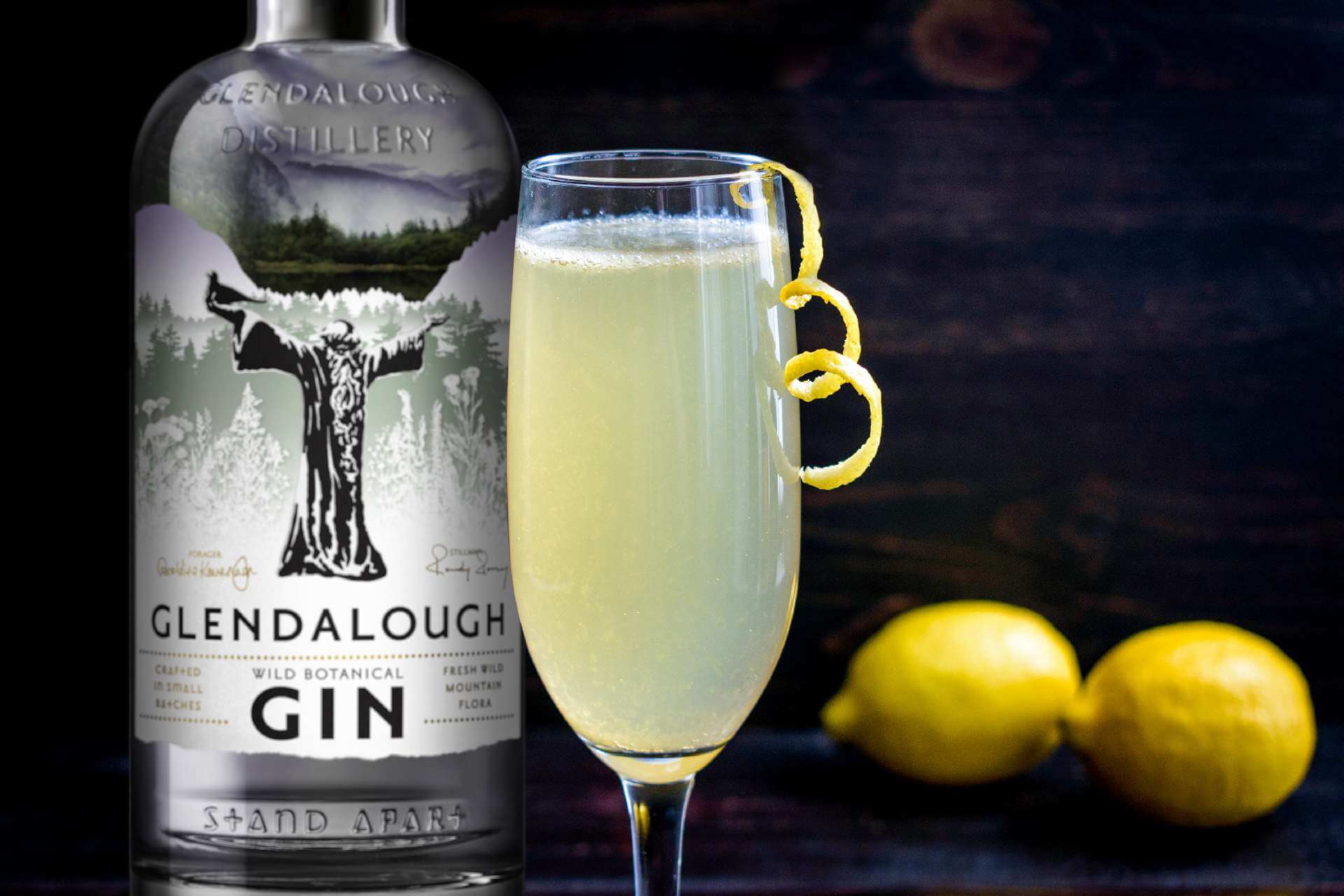
Glendalough Distillery Wild Gin Irish gin

8 Amazing Irish Whiskey and Gin Cocktails

Below, eight refreshing and sophisticated drink recipes made with Glendalough whiskeys and gins. Sláinte!

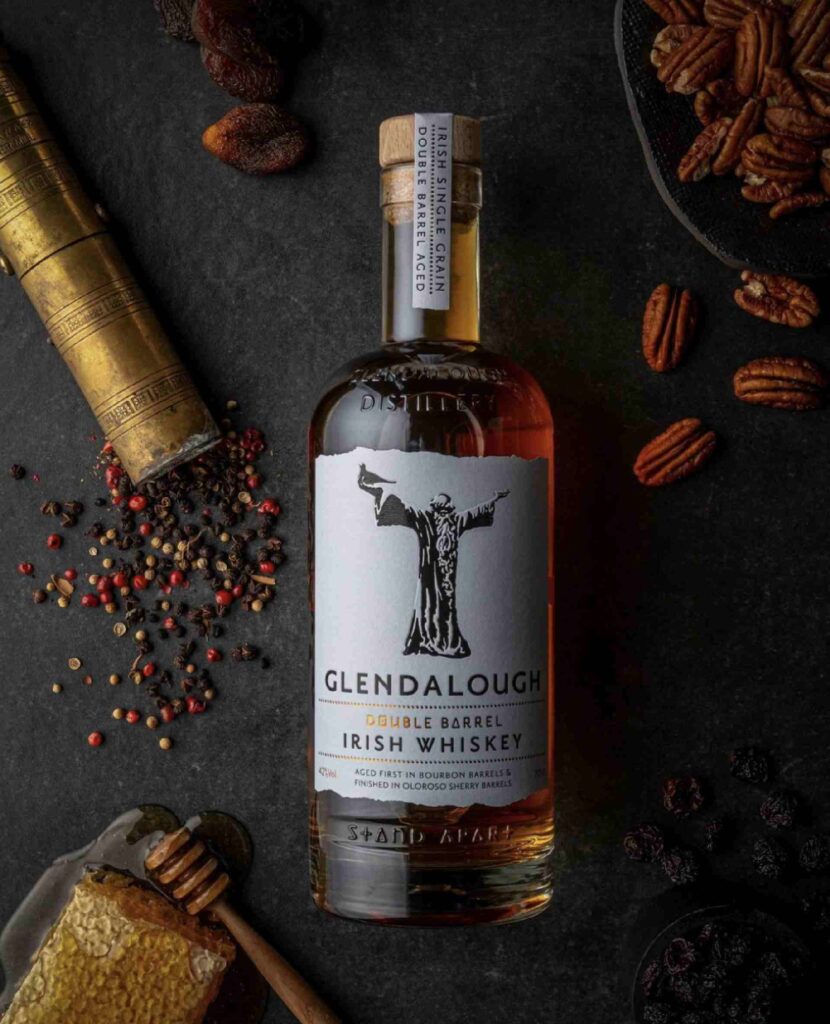
Glendalough Distillery Double Barrel Single Malt Irish Whiskey

The Lough Inn

This highball is made with Glendalough Double Barrel, a single-grain Irish whiskey aged in ex-bourbon barrels before being finished in Oloroso sherry casks.

  • 2 oz. Glendalough Double Barrel Single Grain Irish Whiskey
  • 1 oz. Spiced honey syrup (see note)
  • 1 oz. Fresh lemon juice
  • Soda to top
  • Lemon wheel or slice to garnish
  • Mint leaf to garnish
  • 1 cup Honey for spiced honey syrup
  • 0.5 cup Water for spiced honey syrup
  • 4 Cinnamon sticks for spiced honey syrup
  • 1 pod Star anise for spiced honey syrup

Add ice to a highball glass, then add first three ingredients. Top with soda water. Garnish with lemon wheel or slice and freshly torn mint leaf.

For spiced honey syrup: Add honey, water, cinnamon sticks, and star anise to pot. Bring to a boil, then stir. Strain into container.

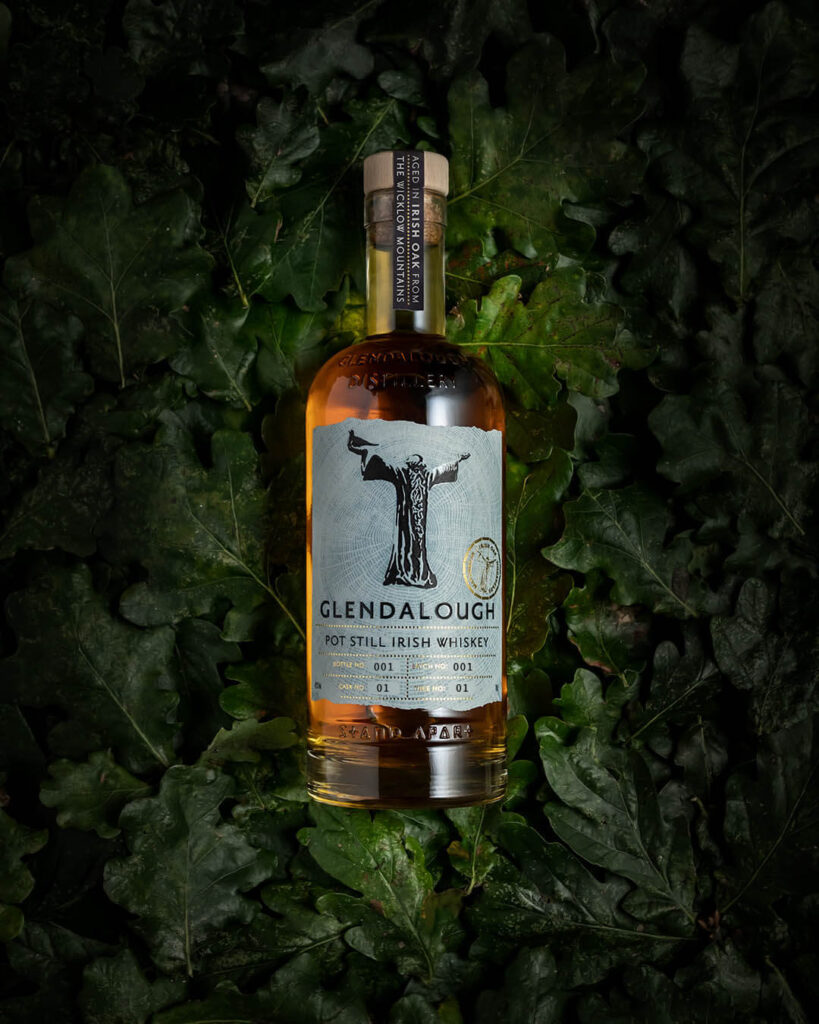
Glendalough Distillery Pot Still single malt Irish whiskey

Pot Still Highball

Deceptively simple to build, this cocktail highlights the terroir of the land surrounding Glendalough Distillery.

  • 1.5 oz. Glendalough Pot Still
  • Soda to top
  • Grapefruit peel to garnish
  • Mint leaf to garnish (freshly torn and slapped, of course)

Prepare a highball glass with an ice shard, spear or cylinder. Pour in Glendalough Pot Still whiskey, then top with soda. Glendalough Distillery recommends a 1:2 ratio, Pot Still to soda. Garnish with mint leaf.

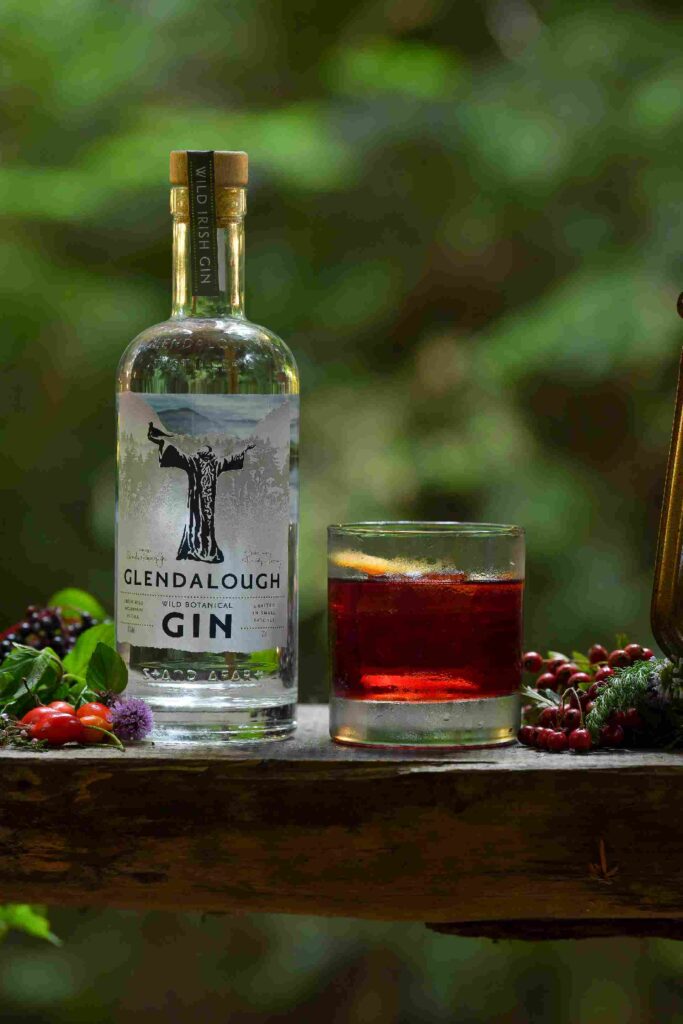
Glendalough Distillery Wild Gin Negroni cocktail

Glendalough Negroni

The foraged botanicals in Glendalough Wild Gin add even more complexity and depth to the classic Negroni. In fact, the flavors work so well this recipe maintains the Negroni’s crucial 1:1:1 ratio.

Prepare an Old Fashioned with ice. Add first three ingredients to glass in the above order. Add more ice if necessary. Stir, express orange peel, and place as garnish.

Glendalough Distillery Wild Gin Irish gin

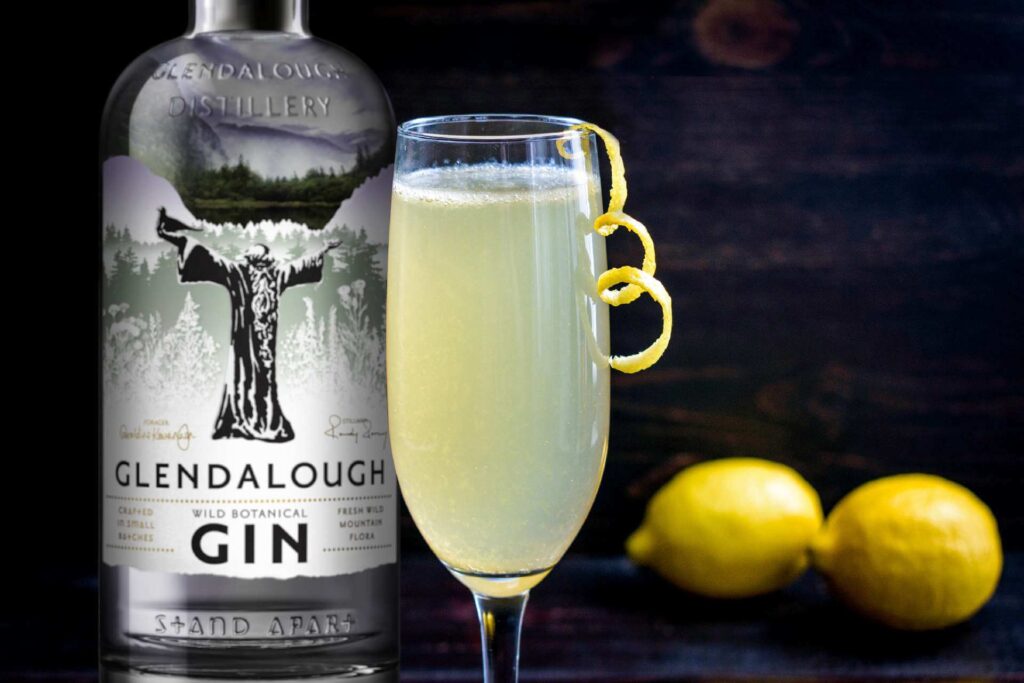
Glendalough Wicklow 75

Bubbles make everything better and everyone happier.

Add all ingredients to shaker. Add ice and shake until well chilled. Strain into Champagne flute, top with Prosecco, and garnish with lemon twist.

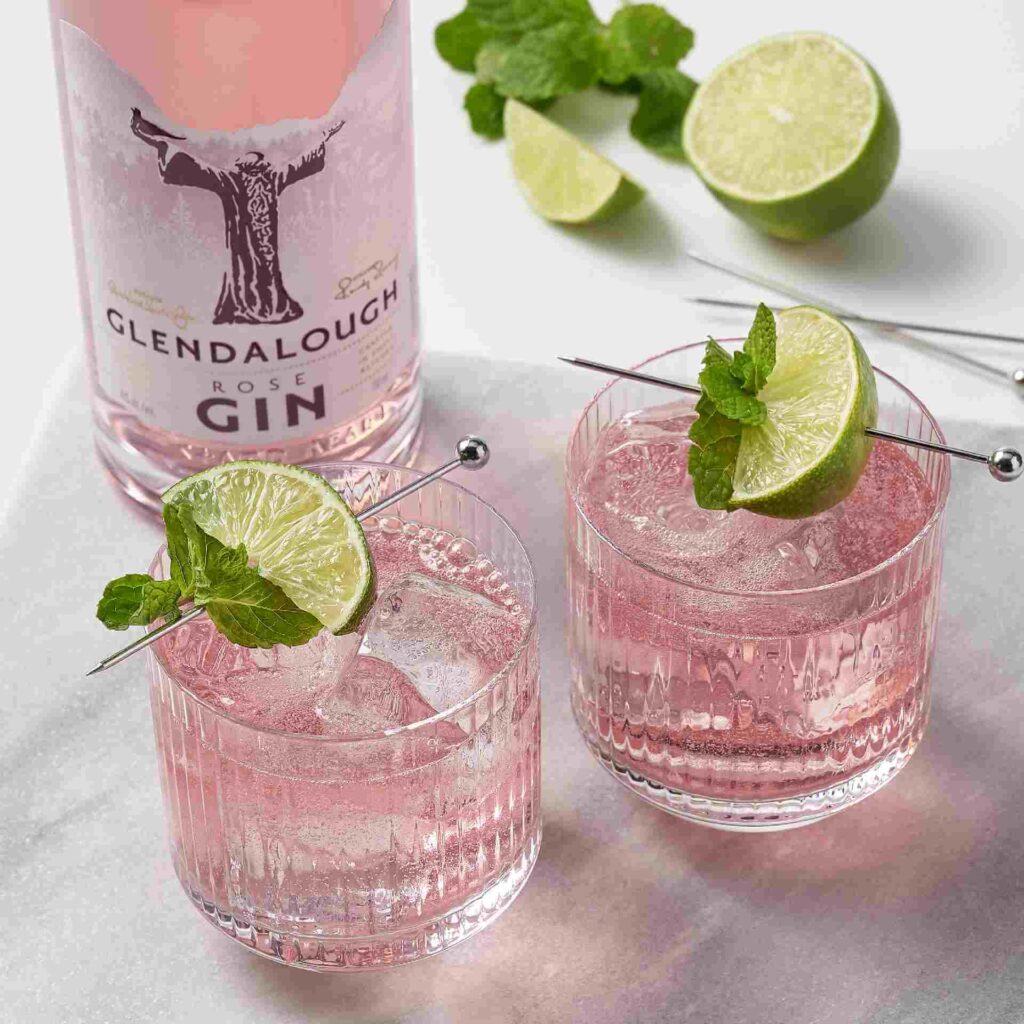
Glendalough Distillery Rose Gin Irish gin and cocktails

Glendalough Rose G&T

This simple classic receives a huge visual and aromatic boost from Glendalough Rose Gin.

  • 2 oz. Glendalough Rose Gin
  • Tonic to top (the higher the quality, the better)
  • Lime slice
  • Mint leaves

Add ice to glass, then add Rose Gin. Top with tonic, and garnish with lime slice and mint leaves.

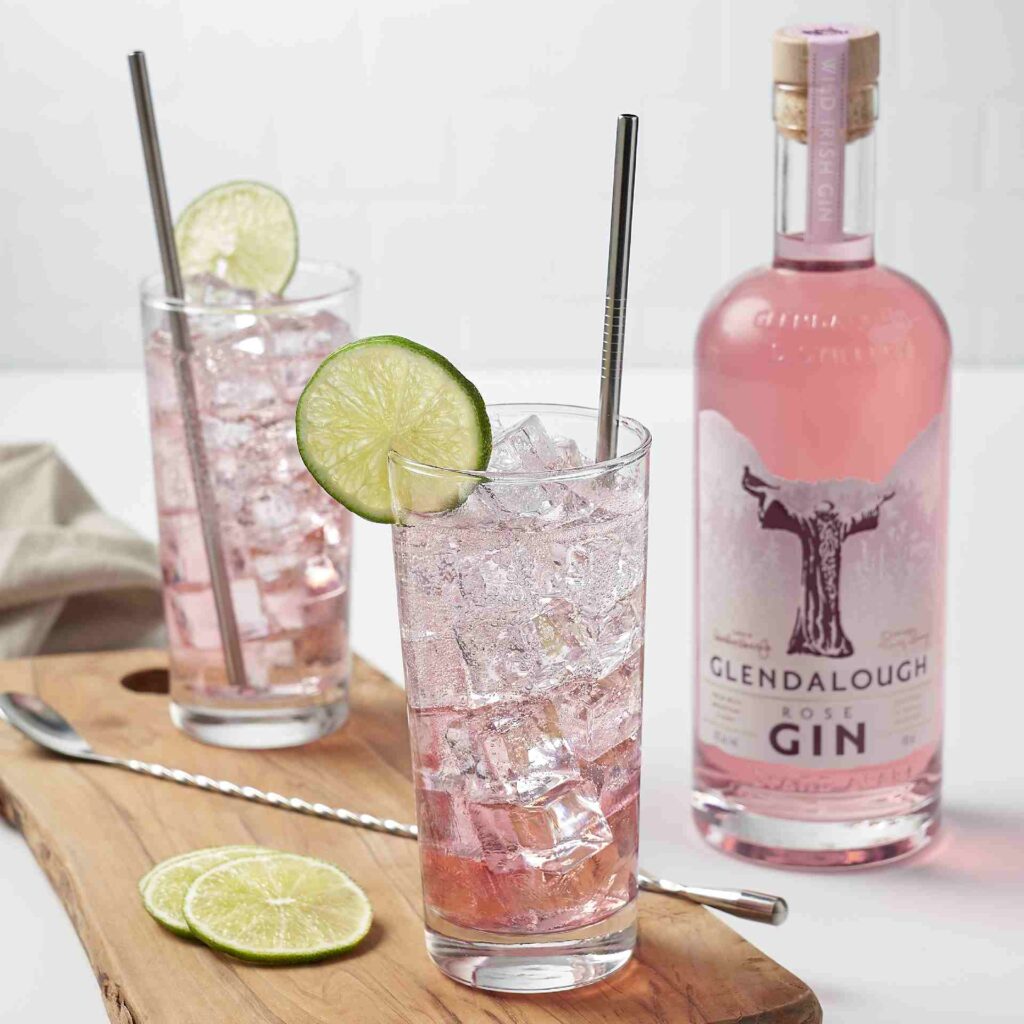
Glendalough Distillery Rose Gin Fizz

Glendalough Rose Gin Fizz

One way to elevate the highball is to use a striking pink-hued Irish gin.

  • 1.5 oz. Glendalough Rose Gin
  • 0.5 oz. Elderflower liqueur
  • Raspberry & Lime sparkling water to top
  • Lime wheel to garnish

Add ice (spear, shard or cylinder for impact), Rose Gin, and liqueur to highball glass. Stir, then add sparkling water to top. Garnish with lime wheel.


View this post on Instagram


A post shared by Glendalough US (@glendaloughus)

Glendalough Rose Collins

Boost the classic Collins with Glendalough’s striking rose-petal gin.

  • 1.5 oz. of Glendalough Rose Gin
  • 1 oz. of Lemon juice (freshly squeezed)
  • 0.5 oz. of Sugar syrup (1:1 ratio, hot water to sugar)
  • Soda to top
  • Lemon peel to garnish
  • Cherry to garnish

Combine first three ingredients in a shaker with a cup of ice. Place an ice shard, spear or cylinder to a highball glass. Shake until well chilled, then strain into glass. Top with soda, and garnish with lemon peel and cherry.

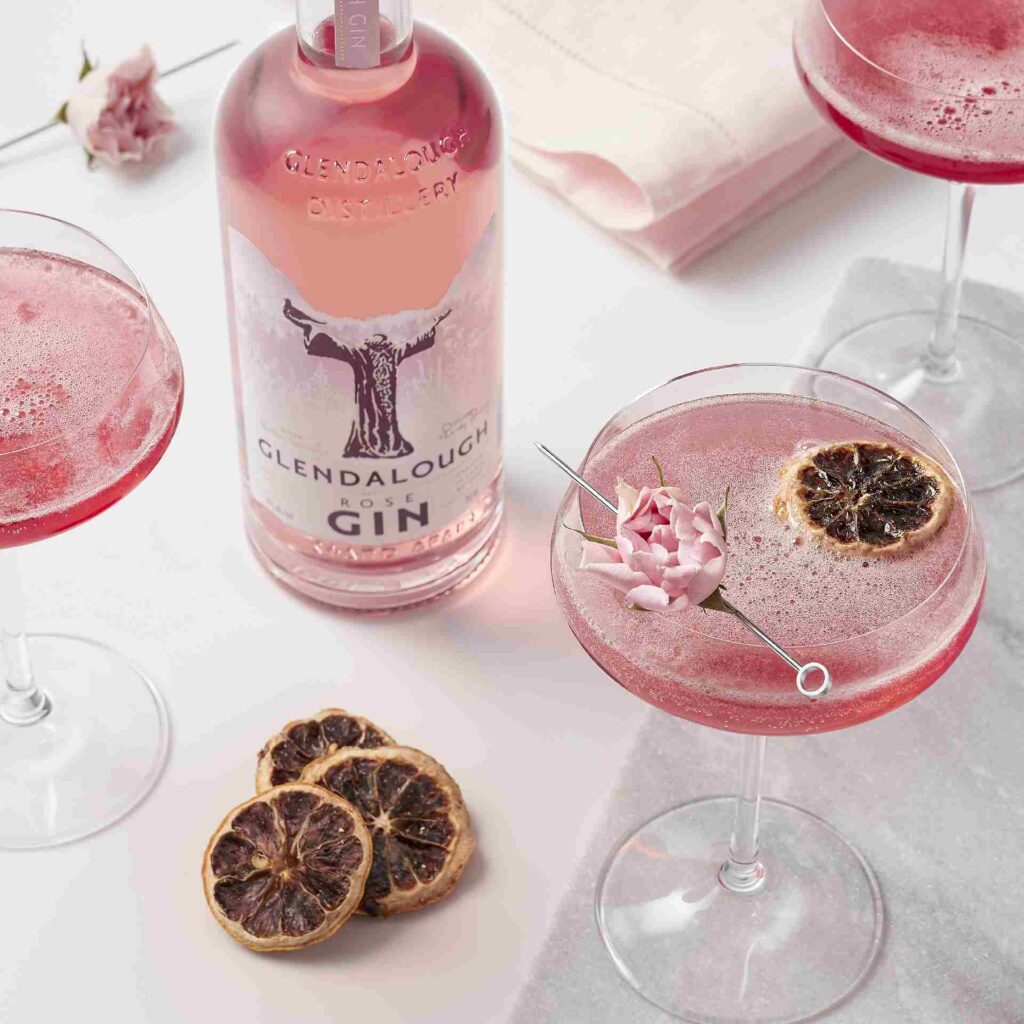
Glendalough Distillery Rose Gin Hibiscus Rose

Glendalough Hibiscus Rose

Refreshing and flavorful, the hibiscus tea syrup plays incredibly well with Glendalough Rose Gin.

  • 1.5 oz. Glendalough Rose Gin
  • 0.5 oz. Hibiscus tea syrup (see note)
  • 0.5 oz. Lemon juice (fresh squeezed)
  • Prosecco to top
  • Dehydrated lemon wheel to garnish
  • Rose petals to garnish
  • 33 oz. Water for hibiscus tea syrup
  • 16 oz. Sugar for hibiscus tea syrup

Add first three ingredients and ice to a shaker. Shake until well chilled and double strain into a coupe.  Top with Prosecco, and garnish with dehydrated lemon wheel and rose petals.

For the hibiscus tea syrup: Steep seven hibiscus tea bags in 33 ounces of water for 15 minutes. Add 16 ounces of sugar.

Images & Recipes: Glendalough Distillery

Related Reading

Work with Us

Click the image below to partner with us on your project.

Client Intake Form - KRG Hospitality

Top