Operations

by David Klemt David Klemt No Comments

Transactional vs. Experiential Service

Is Your Business Transactional or Experiential?

by David Klemt

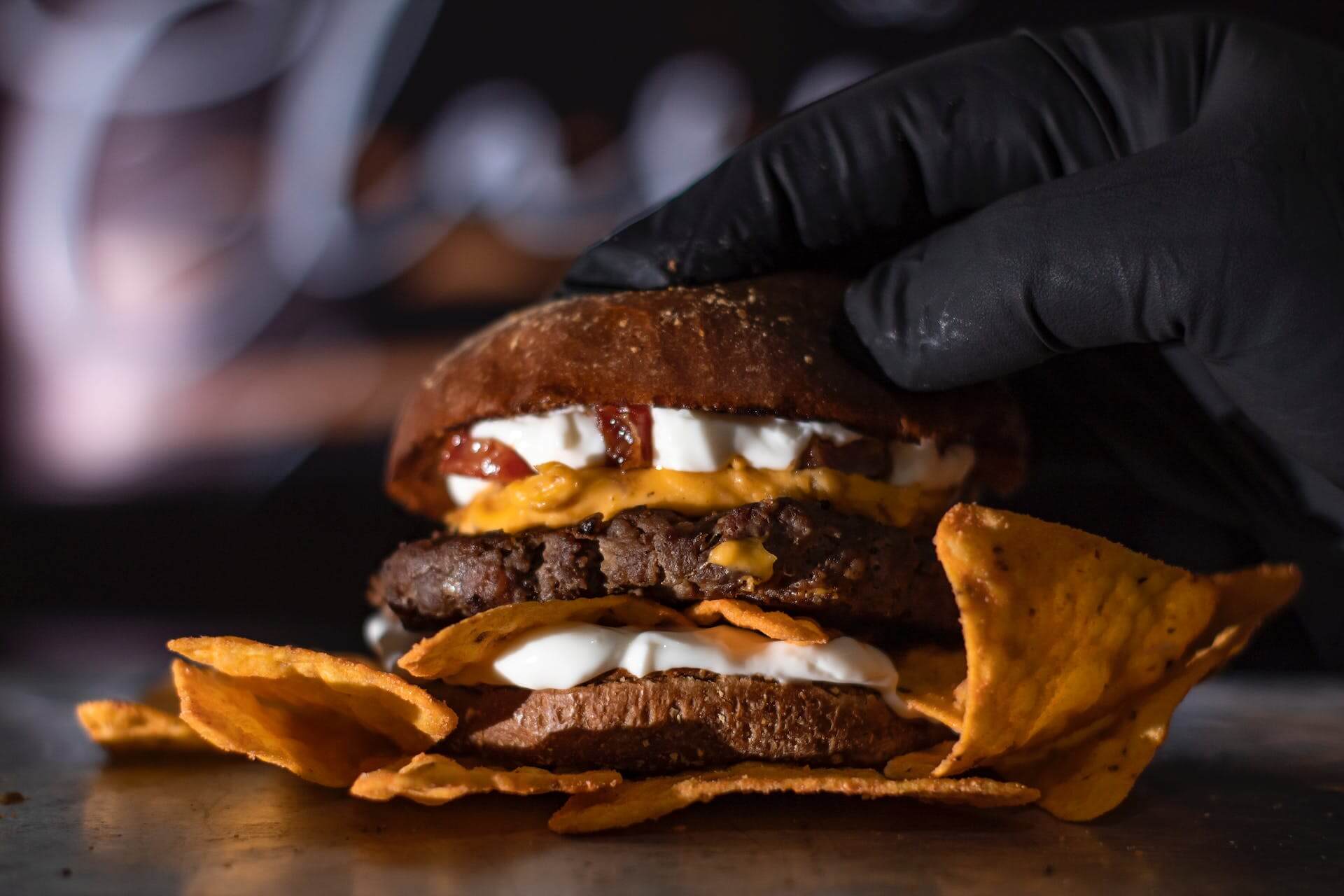
Gloved chef's hand pressing down on cheeseburger bun

When you consider your restaurant or bar honestly, is the service you and your team are providing to guests transactional or experiential?

It’s an important distinction, and it applies to every restaurant and bar category. Whether operating a QSR or FSR, today’s guests want more for more their money.

Further, they expect more just for choosing to leave their homes. A recent report from CWB Franchise Finance, in partnership with Circana and fsStrategy, indicates strongly that experiential concepts are on the path to weathering economic challenges and achieving long-term success.

Now, to be clear, of course all businesses are transactional. In that regard, restaurants and bars are clearly no different from other businesses.

Guests come in, they place orders, and they pay for the goods they receive. Transactional, right?

However, restaurants and bars are in a position to deliver memorable experiences.

Sure, for some people those memories are fleeting. There are those who are always seeking the next thing. But operators who become known for providing more than just menu items will remain on the radar of even the most fickle guest.

When a restaurant or bar delivers goods plus phenomenal services, when the guest experience involves more than just ordering and paying, it becomes experiential.

Think back to the times this year you’ve popped into a QSR or fast-casual restaurant. Can you remember much about the experience? If yes, fantastic—that operator understands the power of an experiential business model. Should the answer be no, that operator sees value only in being transactional.

Which are you happy to return to in the future?

Experience is King

I’m going to assume you’re much happier to return to an experiential concept than a strictly transactional one. And if that’s a correct assumption, you should apply that to your own restaurant or bar.

According to studies Circana has conducted over the past couple of years, Canadian consumers are reacting to economic uncertainty and financial instability as one would expect: cutting back on discretionary spending.

Generally speaking, that means reducing their spending at restaurants and bars. However, there’s a bit of good news tucked into those Circana studies.

Per Circana, half of Canadians plan to increase spending on something in particular: experiences. Further, 91 percent of Canadians say they’ve spent money at experiential restaurants recently.

“A restaurant visit isn’t necessarily just about nourishment, but instead is a platform for socializing, entertainment and exploration,” reads the joint CWB, Circana, and fsStrategy report.

Importantly, an operator need not go to extremes to deliver an experience. Something as simple as creating an LTO around craveable drinks can pay huge dividends. For proof of that, simply look at McDonald’s in the US and the hype that surrounded the berry-flavored Grimace Shake.

Operators throughout Canada and around the globe need to understand how impactful being experiential can be.

Takeaway

It’s true that operators are competing against one another. However, it goes deeper than that now.

Operators are also battling convenience and comfort. Between working from home, pandemic-induced isolation, and technology, people are used to staying in and ordering whatever they want.

So, not only are operators faced with the challenge of standing out from one another, they’re up against the phones in people’s pockets.

For many people, choosing to leave home to dine and drink in person is a big deal. To some, restaurants and bars are about celebrating special occasions or socializing. For others, the motivation is as simple as the need to finally get out of their home.

It’s imperative, therefore, for operators to be more than transactional. Being experiential, whether the experience is small but impactful or over the top and unforgettable, is the way forward.

Restaurants and bars that deliver a memorable experience are better positioned to remain top of mind for a guest’s future in-person visits, delivery and takeout orders, and large-party special events. Don’t think of being experiential just in terms of nailing each visit, think of elevating the guest experience to capture future business.

A focus on the experiential builds loyalty from existing guests, and it encourages those guests to become ambassadors of your brand. Ask what you can do with your menu, team, and space today to become more experiential than transactional.

Image: Thiago Miranda on Pexels

Bar Nightclub Pub Brewery Marketing Agency Team

by David Klemt David Klemt No Comments

af&co. x Carbonate: 2024 Trends to Watch

af&co. x Carbonate: 2024 Trends to Watch

by David Klemt

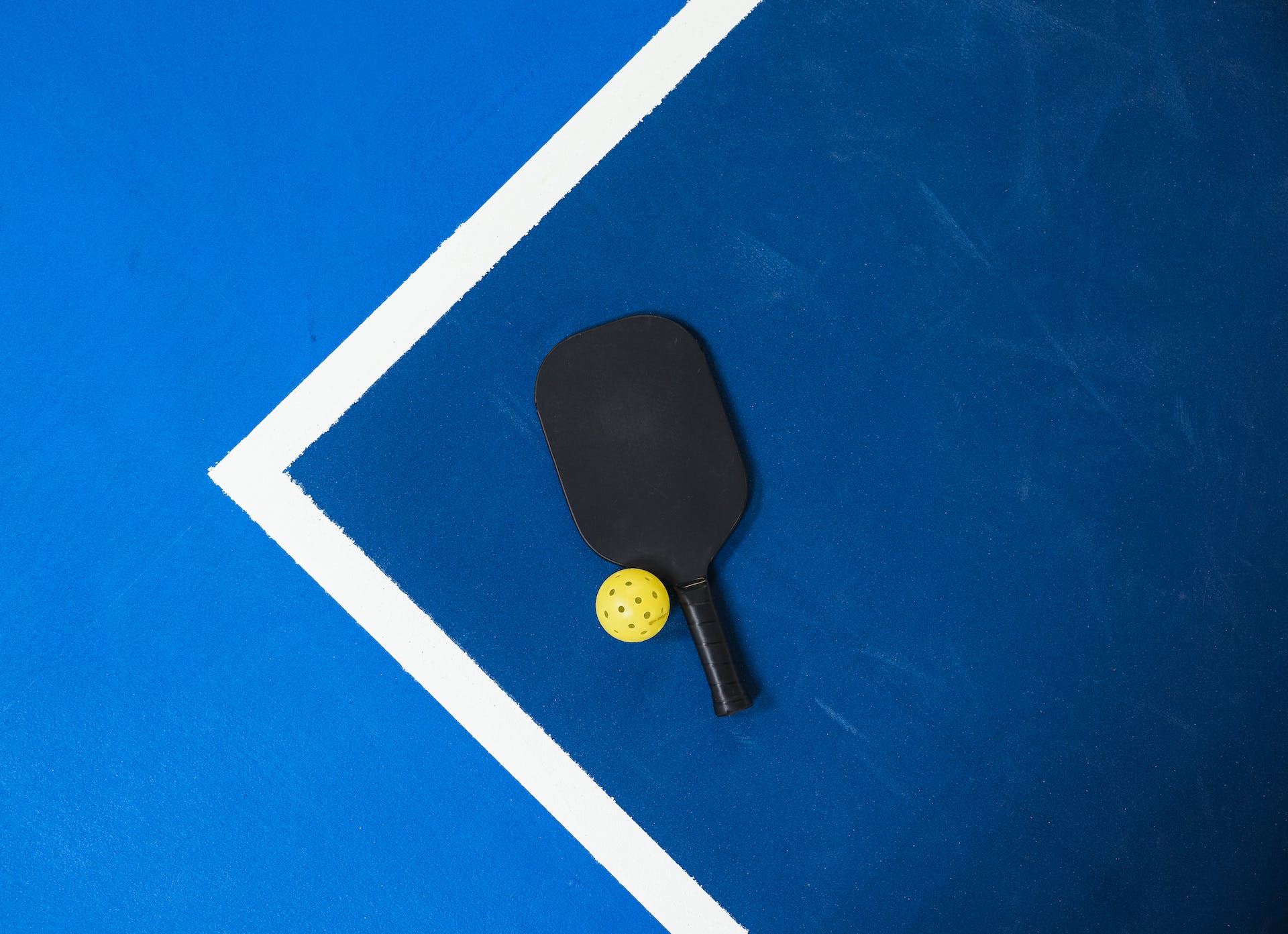
Paddle and ball on pickleball court

Marketing and creative agencies af&co. and Carbonate Group‘s 16th annual Hospitality Trends Report provides in-depth insight across several categories.

This is an in-depth, insightful report operators should review in its entirety. The “Sweet Sixteen” edition of this yearly report is available for download here.

There are two interesting details toward the end of af&co. and Carbonate’s report. First, a list of 2023 clients. Second, an explanation for the design of the report itself.

This makes sense: Carbonate is a creative agency that works in the hospitality space, after all. Further, af&co. is a hospitality industry marketing agency.

Now, I won’t be sharing every trend or insight found in these two agencies’ report. Rather, I’m highlighting a number of items across four of the report’s six categories. Again, I think operators and leadership team members should download the report for themselves.

Food

While af&co. and Carbonate identify specific cuisines and items that are trending, it’s their 10,000-foot view of food that I find most compelling. In terms of the big picture, “rigid” adherence to authentic cuisine is falling out of favor.

Chefs, in the agencies’ opinions, are taking a more modern approach to menus. Instead of following the “rules” of certain cuisines, they’re creating dishes and programs that defy labels. Of course, for those who feel the need to label, one could call this approach “contemporary fusion.”

Examples given are Good Luck Gato’s Okonomiyaki Baked Potato, and the Birria Dumplings at Little Bull.

Cuisine Trends

Of course, af& co. and Carbonate also zoom in on food. Their Cuisine of the Year goes to Korean.

Dessert of the Year goes to the Pavlova or Eton Mess. So, one can argue that operators should connect with their back-of-house teams about meringue-based desserts.

Other food trends include making pastries with buckwheat; getting inventive with mortadella; serving borek in snack and entree size; and Brazilian-style pizza.

However, it’s a presentation trend that stood out the most to me. Accompanied by a timeline complete with images, the agencies state confidently that we’re in the “Crescent Moon” era of plating.

Visualize a plate, then place all of the food along the edge, with roughly two-thirds of the space open. That’s the crescent moon presentation.

Beverage

A number of the trends in this section aren’t exactly new. That tells me that some are likely on the brink of moving from trend to ubiquity.

That, or they’re at risk of bumping against their expiration date.

Two trends that have been popping their fins out of the sea of cocktails for a bit make it into the af&co. and Carbonate report. One is clarified cocktails.

Spend a bit of time looking up cocktails on social media and you’ll see these are a bit divisive. Some bartenders are all for them, some appear to absolutely despise this trend. Guests, however, seem to like the novelty of well-known, opaque or translucent classic turning transparent.

Another drink trend? Culinary cocktails. For food-driven concepts, it makes perfect sense to encourage the bar team to work closely with the kitchen team. Offering culinary cocktails is one method of pulling a concept’s threads tighter, telling a more complete story.

Along those lines, the agencies identify another divisive cocktail trend: cheese.

Personally, cocktails that feature cheese aren’t my thing. However, these drinks are, at the minimum, going to grab a guest’s attention. And those who order these drinks aren’t likely to forget the experience any time soon, good or bad.

That last point is important for operators and their teams to remember. A negative experience can be more powerful and stick with a guest longer than a positive one. So, pursue trends with caution.

Hotel

One of the biggest hotel developments the Hospitality Trends Report identifies is the dual-brand hotel. This is also a trend with which KRG Hospitality is well acquainted, both through industry research and client projects.

So far, the most common approach tends to include two towers, a shared lobby and fitness center, and shared F&B concepts. However, there are properties that incorporate not only brand-specific design for each tower but separate the bars and restaurants as well.

Notably, Marriott opened the first-ever tri-brand hotel in Nashville in 2019. The hotel and resort colossus combined an AC Hotel, a Residence Inn, and a SpringHill Suites.

Another interesting hotel trend? Eco-friendly, pre-fab construction. An excellent example of this approach is Moliving. To learn more about this brand, check out Bar Hacks podcast episode 68 with Jordan and Hanna Bem.

Interest by consumers in supporting eco-friendly brands informs two other trends identified by af&co. and Carbonate. One of these is hotels and resorts including e-bikes among their amenities.

Another is rewarding guests for engaging in a number of green initiatives. For example, cleaning up the beach in front of a hotel, or helping to plant trees on or near the property.

Speaking further of amenities, hotel and resort operators are likely aware that if they have courts for racquet sports, they need to include pickleball.

Design

Operators considering a refresh or starting from a clean slate for a new space may want to work with a designer on the following approach: maximalism.

According to the 16th annual Hospitality Trends Report, this bold, playful design language is on the rise. Following this trend, af&co. and Carbonate think that maximalism is working particularly well for “concept-driven, design-forward” bars.

As far as colors and materials operators may want to ask designers about, the agencies suggest pink, bronze, gold, and velvet. These colors are warm and welcoming, exactly what a hospitality venue should be.

To download the Hospitality Trends Report, click here. Two categories not covered in this article are Marketing Ideas and Social Media Trends, so follow that link!

Image: Mason Tuttle on Pexels

Bar Nightclub Pub Brewery Menu Development Drinks Food

by David Klemt David Klemt No Comments

New Alcohol-free Program Has Our Attention

New Alcohol-free Program Has Our Attention

by David Klemt

Café de España drink at the Palma at the Santa Monica Proper Hotel

The alcohol-free Café de España cocktail at Palma Lounge inside Santa Monica Proper Hotel.

Offering guests an alternative to imbibing during the holiday season and into Dry January, the Palma’s “Conscious Consumption” menu has our attention.

Palma Lounge inside Santa Monica Proper Hotel is offering a fully realized zero-proof cocktail menu. Showing their savviness, the shrewd Proper Hospitality team launched this alcohol-free menu at the start of November.

Given the number of holiday gatherings people are expected to attend from mid-November through December 31, this is a smart move.

There are several reasons a guest may choose to abstain from drinking alcohol while at a bar, restaurant, or special event. A person may be sober; sober-curious; in need of a break from alcohol after attending a number of personal and professional events; the designated driver; or not be in the mood to drink.

At the end of the day, it doesn’t matter why a guest doesn’t want to consume alcohol, even while out at a bar. What is important is making that guest feel included and comfortable, not alienated or as though they don’t fit in.

Full Consideration

Truly, operators and their front-of-house teams should treat alcohol-free cocktails the same as their low- or full-proof counterparts. Zero-ABV beverages deserve as much as consideration as traditional cocktails. Taste, balance, mouthfeel, garnish, presentation… These drinks shouldn’t be afterthoughts.

Indeed, a great non-alcohol drink menu should be as intriguing as the standard cocktail menu. A guest abstaining from alcohol should receive the same service and experience as other guests.

If done right, with premium ingredients, these beverages can be priced in line with their boozy menu peers. As importantly, they’ll also encourage guests who order them to return to a bar or restaurant.

What really got our attention is how deep the Palma Conscious Consumption menu runs. There aren’t just one or two zero-proof drinks. There aren’t a half-dozen. No, there are at least ten.

And in terms of careful consideration, the menu includes Lyre’s, Optimist, and Seedlip products. With this menu, Palma is positioned to weather Dry January without problem as guests will be well aware of this menu.

Any operator looking for an example of a conscientious approach to no-alcohol, wellness, and a favorable guest experience should look to the team at Palma.

For the full Conscious Consumption program press release, see below.

PALMA AT SANTA MONICA PROPER HOTEL INTRODUCES ‘CONSCIOUS CONSUMPTION’ BEVERAGE PROGRAM

New Menu Features Robust Selection of No-ABV Options for Every Occasion 

November 2023—Beginning November, 2023, Palma at the Santa Monica Proper Hotel introduces its new Conscious Consumption program, a selection of non-alcoholic cocktails and beverages for its wellness-focused surrounds in the heart of Los Angeles’ west side.  

WHAT: Whether curbing consumption between a schedule of holiday parties, hitting reset in the new year, or monitoring day-to-day indulgence, Palma’s new Conscious Consumption menu includes nonalcoholic versions of both traditional cocktails and original creations, featuring a range of N/A spirits that are exciting as they are satisfying. Highlights include: 

  • The Cosmo: Optimist Fresh, Lyre’s Orange Sec, cranberry, lime 
  • Fresh 75: French Bloom Le Blanc, Optimist Fresh, lemon, agave 
  • Café de España: Lyre’s Coffee Originale, espresso, orange blossom 
  • TropiCali: Seedlip Spice, Lyre’s Orange Sec, Tropical Red Bull, ginger 
  • Spritzu: French Bloom Le Blanc, Lyre’s Italian Orange, Fever Tree Club Soda, yuzu 
  • Basil Drop: Seedlip Spice, Lyre’s Orange Sec, lemon, basil 
  • No-Jito: Lyre’s Dark Cane, mint, orange, lime, Fever Tree Club Soda 
  • Hug on the Beach: Optimist Fresh, lemon, cucumber, ginger 
  • Prickly Bear: Seedlip Spice, Lyre’s Orange Sec, prickly pear, grapefruit, jalapeno-ginger syrup 
  • Gin and Juice: Lyre’s Dry London, Fever Tree Sparkling Grapefruit, lime 

WHERE: Palma at the Santa Monica Proper Hotel (700 Wilshire Blvd, Santa Monica, CA 90401) 

WHEN: The new menu is available beginning November 1, 2023 

HOW: Palma accepts walk-ins for both dining and the bar, to make a reservation, visit here

About Santa Monica Proper Hotel

Santa Monica Proper is an architectural wonder set amid two contrasting buildings — a Spanish Colonial Revival landmark and a sleek contemporary new build, connected by an artfully crafted bridge — where the creative vision of Kelly Wearstler’s design seamlessly blends past and present. The property is anchored by Palma, an all-day enclave for craft cocktails and eclectic bites, along with a rooftop destination, Calabra. The latter features vibrant Mediterranean and California coastal cuisine and a robust wine program, with hubs for both indoor and outdoor gathering, complete with sweeping ocean and cityscape views. Lastly, the Siete event space (formerly Onda) offers a unique setting for high profile collaborations, residencies and events, complete with furnishings by Kelly Wearstler.  

About Proper Hospitality

Proper Hospitality designs, brands, and operates high-end lifestyle hospitality experiences under the Proper, Hotel June and The Collective brands. Each property is a distinct reflection of the vibrant community surrounding it, while sharing a common belief in uncommon luxury, convenience of location, and world-class amenities provided by locally vetted innovators in art, food & beverage, fashion, music, technology and wellness. Led by the visionaries behind The Kor Group, the company currently manages Proper branded hotels in Santa Monica, Downtown Los Angeles, San Francisco and Austin, Hotel June in West Los Angeles and Malibu, and The Collective, a curation of design-driven independent hotels including Avalon Hotels in Beverly Hills and Palm Springs, Ingleside Inn in Palm Springs, Venice V Hotel in Venice Beach, The Culver Hotel in Culver City and Paia Inn in Maui. For more information and to discover the latest on anticipated openings, please visit www.properhotel.com 

Image: Dylan+Jeni (image was cropped to landscape orientation for this article)

Bar Pub Brewery Nightclub Club Nightlife Concept Development

by David Klemt David Klemt No Comments

5 Books to Read this Month: December 2023

5 Books to Read this Month: December 2023

by David Klemt

Flipping through an open book

Our inspiring and informative December book selections will help you and your team transform your operations and F&B programming.

This month, we look at books covering an array of topics. There’s an alcohol-free cocktail recipe book, an exploration of some of America’s most unique hotels, and more.

To review the book recommendations from November 2023, click here.

Let’s jump in!

The Mocktail Club: Classic Recipes (and New Favorites) Without the Booze

Some people find the word “mocktail” is one of the best to label their alcohol-free drinks. Others find the word condescending. Regardless of which camp you find yourself in, The Mocktail Club should help you expand your zero-proof menu.

From Amazon:The Art of Mixology meets mocktails in this beautiful collection of 75 alcohol-free recipes for classic drinks, new flavor concoctions, and twists on old favorites, so you can experience the joy of cocktail creation without the booze!

Pre-order it today. This book is available on January 2, 2024.

Hotel Kitsch: A Pretty Cool Tour of America’s Fantasy Getaways

We love a creative independent hotel brand, unique resort, or one-of-a-kind motel. Any place with endless details to discover and appreciate that places value on offering unforgettable experiences during a guest’s stay. This book captures such hotels and motels in a series of photographs that should inspire operators to follow through with their incredible visions.

From Amazon: “From the photographers and inveterate travelers behind the social media sensation A Pretty Cool Hotel Tour, Hotel Kitsch celebrates dozens of creative, nostalgic, one-of-a-kind hotels that span the heart of the Poconos and across the United States to Mexico, Spain, and the UK. Discover, in the middle of Iowa, a jungle room with fake trees and foliage surrounding the bed as if it had taken its cue from Where the Wild Things Are. Or Jules’ Undersea Lodge in Key Largo where the rooms are reached by scuba diving. An Arctic Cave room at a hotel in Kentucky with its carved blue walls and not a window to be found. And on the California coast, the iconic Madonna Inn featuring 110 rooms, each themed and no two alike.”

Grab it today.

The Hospitality Mentality: Create Raving Fans Through Your Guest Experience

This book is so new it isn’t available until tomorrow, December 5. New book, fresh ideas to lead you into the new year.

The Hospitality Mentality is all about empowering your team to deliver impeccable service and unforgettable memories, keeping guests coming back to your venue for more.

From Amazon: “Business leaders will gain inspiration to take their service standard to the next level, knowing that this is an area that cannot plateau. Readers will be motivated to go above and beyond guests’ expectations through creating hyper-personalized experiences, amplifying enthusiasm, anticipating needs, and crafting superior ‘wow’ moments that solidify memories that take satisfaction to the next level. By maximizing the benefit of guest feedback and directly addressing complaints, service providers can strengthen their relationship with their guests, ultimately leading to business/brand loyalty.”

Get the paperback today!

Reinvent: Navigating Business Transformation in a Hyperdigital Era

This business book has earned a number of accolades since its publication earlier this year:

  • Wall Street Journal bestseller
  • Silver for Best Business Book in the 2023 Globee® Awards for Business, The 21st Annual American Business Awards®
  • 2023 Best Business Book of The Year, Silver Stevie Winner

The hospitality industry, as operators are all too aware, has been making massive strides when it comes to technology the past few years. However, as Reinvent also says, you can’t just plug in a tech solution, expect it to work, and say your brand and business are transformed.

From Amazon: “From top to bottom, organizations will be compelled to change entire mindsets, attitudes, and assumptions about how they operate, how they can grow, and even the very reason for their existence. This book introduces readers to ideas, concepts, and a comprehensive framework (LIFTS) that they can use to better position themselves and their organizations to reap the greatest number of benefits that business and digital transformation can afford. It’s a journey rich with promise that explains complex concepts in an understandable common language.”

Order the hardcover today.

Bar Hacks: Developing The Fundamentals for an Epic Bar

This informative and conversational book is the perfect read for aspiring or seasoned bar, pub, lounge, or even restaurant owners, operators, and managers looking for that competitive edge in operations! If you’re looking for both fundamental and in-depth planning methods, strategies, and industry focused insight to either start or grow a scalable, sustainable, memorable, profitable, and consistent venue in today’s cut-throat industry, Bar Hacks is written just for you.

Pick up the paperback from Amazon today!

Image: Mikołaj on Unsplash
by David Klemt David Klemt No Comments

Program for Unique Holidays: December 2023

Program for Unique Holidays: December 2023

by David Klemt

"Think about things differently" neon sign

Do you want to stand out from from other restaurants and bars in your area? Change how you think about your December holiday promotions.

Several holidays are set against every date on the calendar, and this month is no exception. These holidays range from mainstream to esoteric.

Pay attention to the “weird” or unique holidays to raise eyebrows, carve out a niche for your restaurant or bar, and attract more guests. Why do what everyone else is already doing? Why program only around the same holidays as everyone else?

Of course, you shouldn’t try to celebrate every holiday, strange or otherwise. Focus on the days that are authentic to your brand; resonate with your guests; and help you grab attention on social media.

You’ll find suggestions for promotions below. However, the idea behind our monthly holiday promotions roundup is to inspire you and your team to get creative and come up with unique programming ideas.

For our November 2023 holidays list, click here.

December 2: Global Fat Bike Day

For the unfamiliar, “fat bikes” are offroad bicycles with larger-than-normal tires. They’re fantastic for navigating sandy, snowy, muddy, and rocky terrain. Why? Because riders can run lower tire pressures to overcome obstacles smoothly.

Of course, plenty of riders also like to bop around town on fat bikes. So, whether you operate in a snowy area or you just happen to be in a market with a bunch of fat-bike riders, this would be the holiday to encourage them to group up and roll to your bar or restaurant.

December 4: National Dice Day

There’s a lot we can do with dice. One of the simplest ways to celebrate this holiday is to craft a food and/or beverage menu with numbered items/specials. Guests roll the dice and they’re served whatever they roll.

December 9: National Pastry Day

Hey, it’s holiday season—people are snacking a bit more than they would normally. Pastry, whether sweet or savory, is surely tempting and can make a holiday meal memorable.

December 11: National Noodle Ring Day

Do you know what a noodle ring is? More importantly, if you’re not the chef, does your kitchen team know about noodle rings?

They’re exactly what they sound like, and from everything I can find, they’re hundreds of years old. The premise is simple: a noodle dish is placed in a mold, then it’s baked. Bang—noodle ring.

Clearly, the noodle ring is a canvas for creativity and comfort food. So, see what your kitchen can come up with for National Noodle Ring Day, particularly if noodle dishes are already on your menu.

December 16: National Chocolate Covered Anything Day

Do you have food items that would taste and look great covered in chocolate? Guess what you should do on this day…

December 19: National Emo Day

You may have heard of the When We Were Young festival that took place in Las Vegas this year in October. The first version of this emo music festival was held in California in 2017.

A lot of people enjoy nostalgia, and during the holidays they get even more nostalgic. You can either hire a DJ for an emo set, hire a local emo band or two, or put together an emo playlist if you think it would draw guests through your doors.

December 20: Games Day

Board games, card games, tabletop games, video games, arcade games, bar games… If your bar or restaurant is set up for people to play games, design a promotion around it. After all, people are gathering for the holidays. Tempt them to gather at your place.

December 21: National Coquito Day

Ah, the Coquito. I’ll risk the pitchforks and say eggnog is not the move: the Coquito is the best winter cocktail. And the best version comes from bartender Giuseppe González.

You’ll find his recipe below, and you should give him a follow and thank him for being gracious enough to share it every year in December.

December 29: Tick Tock Day

No, not TikTok. This holiday is about accomplishing outstanding goals before the end of the year.

However, operators and their teams can take a different approach to this holiday. Are there any bottles you want to finally get rid of to make space in your inventory? Some rare drams guests can finish off? Create a promotion around them.

December 31: National Champagne Day

Sure, some people may know this day as New Year’s Eve. But really, this is National Champagne Day.

Luckily, it’s not difficult to create promotions around Champers. Whether focusing on dosage, grape varietals, vintage, color, or cocktails, there’s a lot to do with Champagne, and it’s not challenging to shine a spotlight on it on this day.

Image: Ivan Bertolazzi on Pexels

Bar Nightclub Pub Brewery Marketing Agency Team

by David Klemt David Klemt No Comments

SevenRooms Unveils 3 Powerful New Tools

SevenRooms Unveils Three Powerful New Tools

by David Klemt

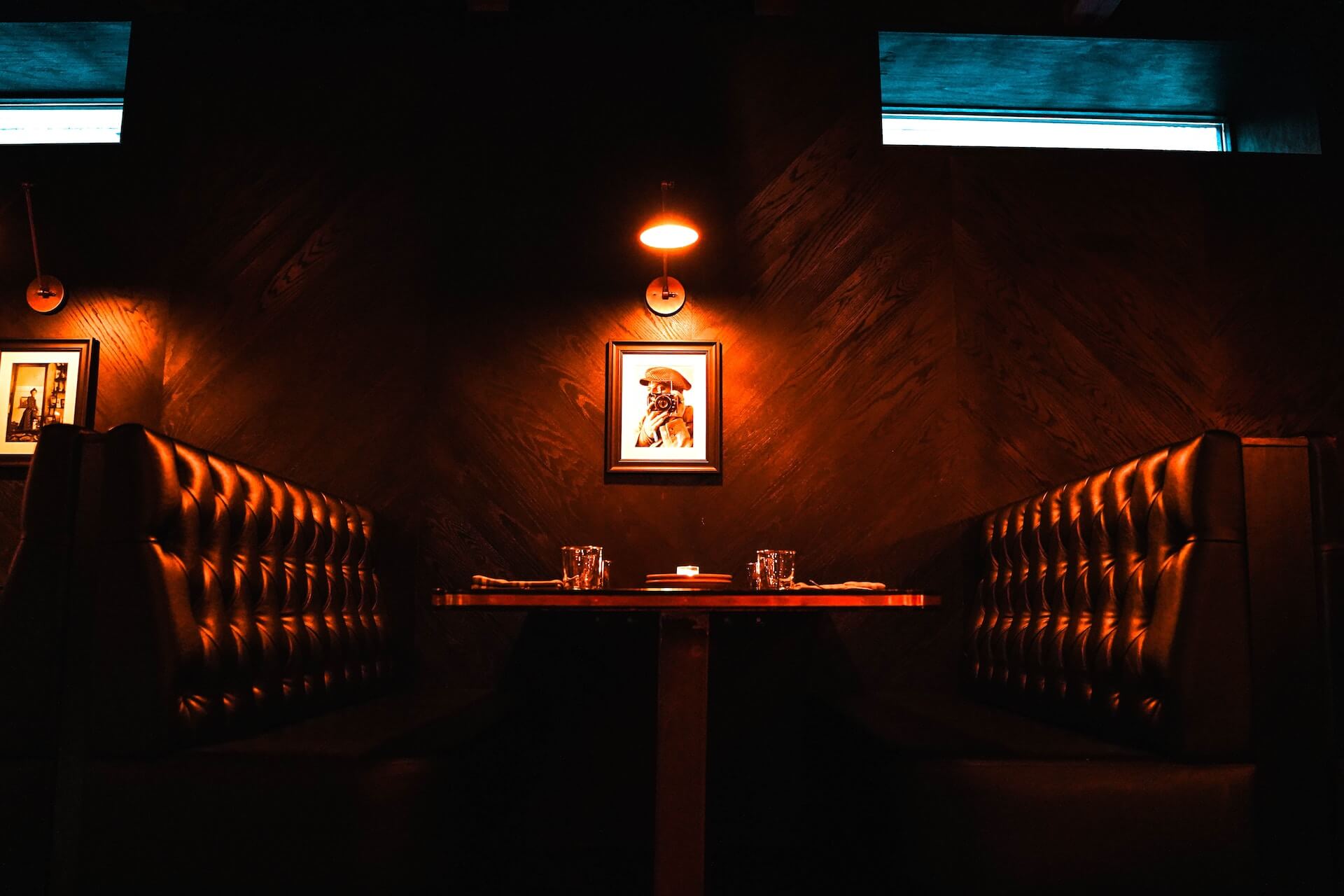
Booth seating inside a restaurant or bar

SevenRooms clients will have access to three new tools that will further enhance guest engagement, increase loyalty, and boost relationships with VIPs.

Each of these consumer-facing solutions is launching in time for the holiday season.

First up, 7R Priority Alerts. This tool helps operators manage their waitlists and generate revenue. We all know that even restaurants that require reservation fees end up with no-shows. Some platforms are capable of attempting to fill those available reservation slots. However, there’s not normally much control over who receives availability alerts.

Now, operators will have the power to target specific guests through automated reservation notifications. As 7R explains this tool, operators will be able to identify, label, and reward their most-valuable guests. These guests will feel like VIPs, increasing their loyalty, visits, and spends.

Then there’s Private Line. This is my favorite of the three new tools. Operators who implement this tool will be able to share an exclusive messaging line. So, a VIP such as a big spender, frequent diner, a member of the press, or an influencer can reach out to the team directly.

With Private Line, a VIP can inquire about a last-second reservation or make a special request. Again, this is the type of feature that increases loyalty and visit frequency.

Most people find new restaurants through friend, family, or coworker referrals. That got the 7R team thinking: How can restaurants reward people who refer new guests?

Enter: Word-of-Mouth Referrals, the third new tool on this list.

Pushed to guests via automated email marketing campaigns and post-visit surveys, a custom referral link is created for every diner. The guests then share that link, new guests make reservations, and the cycle continues. Operators, of course, reward guests for these referrals through any number of means, such as redeemable loyalty program points, comped F&B items, etc.

To learn more, please read the 7R press release about Priority Alerts, Private Line, and Word-of-Mouth Referrals below.

NEW GUEST-FACING SEVENROOMS FEATURES MAKE IT EASIER FOR OPERATORS TO REWARD LOYAL GUESTS AND PERSONALIZE COMMUNICATION

Priority Alerts, Private Line, and Word-of-Mouth Referrals redefine guest engagement and communication between restaurants and their most important guests

NEW YORK – SevenRooms, a guest experience and retention platform for the hospitality industry, today announced the launch of Priority Alerts, Private Line, and Word-of-Mouth Referrals, three new consumer-facing features that help operators connect with and reward their most loyal guests. With guests expecting more from their dining experiences than ever before, these solutions were purpose-built to solve real pain points for hospitality operators. These include alerting a specific diner about reservation availability, providing new ways for guests to get in touch and making it easier for guests to recommend their favorite restaurants to friends and family.

Priority Alerts helps operators control who they send automated reservation availability notifications to so they can prioritize their most valuable guests. In comparison to other reservation notification systems, restaurants choose who receives a Priority Alert first, not just deciding between a blast to their entire waitlist or to an exclusive subset of credit card holders. Instead, they can prioritize the guests that matter most to their business – whether that’s a VIP, loyalty member, frequent or recent diner, local, high spender, or someone else. This helps restaurants reward their most valuable guests to get them through their doors more often.

Private Line was created to give important guests an easier, faster way to get in touch with their favorite restaurants. With Private Line, restaurants can now offer their high-value guests – like VIPs, press, frequent diners and top spenders – an exclusive messaging line that can be used to instantly get in touch with their team. Whether a guest is looking for a last-minute reservation, has a special request, needs to add a friend to a booking or another ask, restaurants no longer miss out on opportunities to wow the guests that matter most. All conversations are centralized within the SevenRooms mobile app, making it easy for staff to book a table, add in requests or make other changes with just a few clicks.

Word-of-Mouth Referrals, the third consumer-facing feature launching with our fall release, gives restaurants the ability to motivate, track and reward loyal guests for referring new diners. According to recent data, 61 percent of diners discover new restaurants from friends, family and co-workers. Yet, without an easy way to capture this untapped demand, restaurants have historically left dollars on the table. Word-of-Mouth Referrals automatically creates personal referral links for every diner – shared through post-meal surveys and automated email campaigns – making it simple for guests to share with their networks and be rewarded with perks they’ll want to earn and use. Restaurants can tap into this high-value marketing channel for their business, rewarding loyalty and ensuring exceptional experiences for newcomers and regulars that translate into more sales and profits.

“At SevenRooms, our focus from day one has been on building innovations that help operators increase profitability, drive sales and improve the experiences of their guests. These three new features, all integrated into the SevenRooms platform, give operators new ways to connect and communicate with their guests – helping them evolve to meet the needs of guests who know what they want, how they want it, when they want it,” said Angela DeFranco, VP of Product at SevenRooms. “In an increasingly competitive landscape where consumers have more choice than ever before in where they choose to take their business, we’re dedicated to finding new ways for restaurants to connect and market more effectively to their guests with tools that not only make them more money, but help them execute on experiences that guests remember and recommend. Restaurant marketing is no longer one-size-fits-all, and we are redefining the role that technology can play in creating truly personalized guest engagement and marketing touchpoints at every stage of the guest journey.”

“The plan was to always move to SevenRooms because the technology was far superior, the potential for integration with our point of sale system was a lot stronger and owning the data was a huge deal,” said Kim McDiarmid, Partner at Liquid and Larder. “SevenRooms’ Priority Alerts has been a dream for us. Compared to our previous platform, it’s a lot more customizable and fully automated so it does the heavy lifting for us. We’re going to use it to give priority to guests who match criteria such as those who dine with us regularly, and with that, it will work even harder for us.”

For more details on SevenRooms’ newest innovations, please visit sevenrooms.com/new.

About SevenRooms

SevenRooms is a guest experience and retention platform that helps hospitality operators create exceptional experiences that drive revenue and repeat business. Trusted by thousands of hospitality operators around the world, SevenRooms powers tens of millions of guest experiences each month across both on- and off-premises. From neighborhood restaurants and bars to international, multi-concept hospitality groups, SevenRooms is transforming the industry by empowering operators to take back control of their businesses to build direct guest relationships, deliver exceptional experiences and drive more visits and orders, more often. The full suite of products includes reservation, waitlist and table management, online ordering, mobile order & pay, review aggregation, email marketing and marketing automation. Founded in 2011 and venture-backed by Amazon, Comcast Ventures, PSG and Highgate Ventures, SevenRooms has dining, hotel F&B, nightlife and entertainment clients globally, including: Marriott International, MGM Resorts International, Mandarin Oriental Hotel Group, Wynn Resorts, Jumeirah Group, Hard Rock Hotels & Resorts, Wolfgang Puck, Michael Mina, Bloomin’ Brands, José Andrés Group, Union Square Hospitality Group, Australian Venue Company, The Wolseley Hospitality Group, Dishoom, Live Nation and Topgolf. www.sevenrooms.com

Image: Carson Masterson on Unsplash
KRG Hospitality Start-Up Restaurant Bar Hotel Consulting Consultant Solutions Plans Services

by David Klemt David Klemt No Comments

Indies: Which Cities Lead the Way?

Independents: Which Cities Lead the Way?

by David Klemt

Aerial view of Chicago skyline and Lake Michigan coastline

The majority of the top ten indie restaurants on the Restaurant Business Top 100 Independents ranking are in two American cities.

Those two cities are Miami Beach, Florida, and Chicago, Illinois. While Miami Beach claims two spots among the top three, Chicago has the most restaurants in the top ten. However, the top three indies are all in Florida, with number two being the Boathouse in Orlando.

So, Florida and Illinois are home to nearly the entire top ten of Restaurant Business’ Top 100 Independents. That’s impressive.

What’s even more impressive is the combined annual sales figure of the top ten: $333.4 million. Now, let’s separate Miami Beach. The three indies in the Florida city generated nearly $114 million themselves. Chicago’s four indies among the top ten generated $118 million.

Taken together, the top 100 indies generated $1.95 billion.

All told, 14 of the top 100 indies as ranked by Restaurant Business are in Chicago. Five are in Miami Beach, and five are in Miami. Before I move on, no, Miami Beach and Miami aren’t the same city; they’re entirely separate municipalities. In total, 16 restaurants on this list are in Florida.

New York boasts 15 restaurants on the list. Four are in San Francisco, and just two are in Los Angeles. However, California claims 15 restaurants in total.

However, as you’ll see below, this Restaurant Business list consists of more than just the usual big cities.

Restaurant Business Top 100 Independents: The Top Ten

Below, the top ten independent restaurants, per Restaurant Business.

  1. Joe’s Stone Crab Restaurant (Miami Beach, Florida)
  2. The Boathouse (Orlando, Florida)
  3. Komodo Miami (Miami Beach, Florida)
  4. Maple & Ash Chicago (Chicago, Illinois)
  5. Mila (Miami Beach, Florida)
  6. Sierra Mar (Big Sur, California)
  7. Gibsons Bar & Steakhouse (Chicago, Illinois)
  8. Gibsons Italia (Chicago, Illinois)
  9. Alexxa’s (Las Vegas, Nevada)
  10. Alinea (Chicago, Illinois)

Alinea commands the highest average check among the top ten, at $650. The most reasonable is the Boathouse, averaging $45.

Interestinglyand perhaps logicallythese two restaurants find themselves in the inverse when it comes to annual meals served. The Boathouse serves the most: just over one million. And Alinea, among the top ten indies, serves the least: nearly 45,700.

Notably, when we move on to numbers 11 to 20, Las Vegas, Miami, and New York account for six restaurants.

However, it’s also notable that it’s not just the usual big cities with restaurants on this list. Smaller cities, such as Frankenmuth in Michigan, are home to some of America’s top-performing independent restaurants.

For some context, Frankenmuth has a population of less than 5,200 people. However, Michigan’s “Little Bavaria” draws three million tourists per year. So, it’s no surprise that Zehnder’s Restaurant generates more than $19 million in annual sales.

Restaurant Business Top 100 Independents: The Bottom Ten

Just for fun, let’s take a look at the bottom ten on the Restaurant Business list.

  1. Siena Tavern (Chicago, Illinois)
  2. Fleet Landing Restaurant & Bar (Charleston, South Carolina)
  3. Electric Lemon NY (New York, New York)
  4. Bar Siena (Chicago, Illinois)
  5. El Vez (Philadelphia, Pennsylvania)
  6. Mi Vida (Washington, DC)
  7. Scoma’s Restaurant (San Francisco, California)
  8. Mexican Sugar (Las Colinas, Texas)
  9. The Shed Barbecue & Blues Joint (Ocean Springs, Mississippi)
  10. Chef Adrianne’s Vineyard Restaurant and Bar (Miami, Florida)

Adding context, these ten restaurants have generated $114.6 million in annual sales. That’s roughly the same amount of annual sales as the three restaurants in Miami Beach in the top ten.

Each of the “bottom” ten has annual sales ranging from $11.2 million to $11.9 million.

Takeaway

We all know the following axiom: “Location, location, location.”

It’s tempting to assume this means a business must be in a major city. That’s a woeful oversimplification. Myriad considerations must be made when looking at a market, whether the population is in the hundreds or millions. Assuming a concept will drive traffic and generate millions of dollars solely because it’s in a major city is foolish.

Let’s take another look at Zehnder’s in Frankenmuth. The restaurant, number 47 on the list, generated $19.2 million in annual sales. Moreover, it’s in a town with a population under 5,200.

Number 46 generated $19.3 million and is in (on?) Waimea in Hawaii. Number 48 boasted annual sales of $19 million and is in a city with a population of almost 2.7 million: Chicago.

Clearly, tourism a key contributing factor to the success of Zehnder’s. Not population, not the demographics of the permanent residents, not big-city status.

So, what about check average? Alinea, number ten, has the highest at $650 and generated $28.3 million in sales. However, the Spot, number 85, has an average check of $18 and generated $12.3 million.

The success of any restaurant, bar, nightlife or eatertainment concept doesn’t come down to a single element. What sets a concept apart is a deep understanding of a specific market, the surrounding markets, “sister” sites and competitors, guest desires and expectations, and so much more.

How does an operator come to understand their operation and their market? A feasibility study to start. Then comes a thorough, coherent concept plan and a complete business plan, and an obsession with data.

Operators who put in the work to attain strategic clarity have the potential to earn their way onto the Top 100 Independents list.

Image: Cameron Casey on Pexels

Bar Pub Brewery Nightclub Club Nightlife Business Plan

by David Klemt David Klemt No Comments

Two New Review Platforms You Need to Know

Two New Review Platforms You Need to Know

by David Klemt

Person looking at restaurants on a map on their phone

Operators should be aware of two new review platforms that will help people discover their restaurant, bar, nightclub, or eatertainment venue.

At this point, we’re all aware of the mainstream review sites. Google, Yelp, OpenTable, Tripadvisor… Whether viewed as a helpful discovery tool or nuisance, each is a well-known player.

Well, there are new platforms on the scene. Importantly, each one is putting their own stamp on how people review venues and discover new experiences.

For example, I wrote about a new platform that rejects negative reviews a few weeks ago. It’s Good “believe[s] a restaurant rec from 1 trusted friend is more valuable than recs from 10,000 strangers.”

The founders, including Kevin Auerbach (former Apple), Meghan Raab (former Snap), director and photographer Mike Rosenthal, and songwriter and performer John Legend, have also eschewed the standard star rating.

So, that’s one modern-day take on the review platform. Now, two others.

Atmosfy

By now, most people are aware that video content outperforms static photography on social media. In other words, people engage more with video.

That’s not to say that static photography is obsolete. Rather, when it comes to discovery, video appears to be king at the moment.

Enter: Atmosfy.

This platform is all about video reviews. In fact, their website reads, “A video is worth a thousand pictures.” Restaurant, bar, nightlife, and eatertainment operators should see the value in users showing off their experiences via video.

In addition, users get access to a personal map. They can bookmark places they’ve been and want to go, and share their experiences so others can discover them.

And with $12 million in seed funding from Redpoint Ventures and other venture capital firms, operators can be certain this is no flash in the pan. In fact, Atmosfy supports in excess of one million businesses in over 10,000 cities in more than 150 countries.

Recs

First, the T-rex mascot of this platform is pretty cool.

Second, Recs takes a similar approach to It’s Good. However, the founders, Jesse Berns and Sean Conrad, have put their own spin on review platforms.

Like It’s Good, Recs sees far more value in recommendations from friends than strangers. Also, there’s no star rating system, nor will users find negative reviews.


View this post on Instagram


A post shared by Recs (@getrecs)

Another interesting detail: Users aren’t able to leave anonymous reviews. This is because Recs is built for recommendations among friends. Were a user to be anonymous, they wouldn’t be discoverable to friends, and therefore they’d be leaving recommendations to…nobody.

However, the most important element of Recs (arguably) is that users either recommend a place or they don’t.

So, in theory, if a business is blowing the guest experience, they won’t even be discoverable on Recs because nobody will be recommending it. At least to a specific core of users, that business won’t exist in their world on Recs.

As far as the Recs user experience, people save venues as “recommend” or “wanna go.” Users find their friends, share their lists, and discover new places to try by checking out their friends’ lists. A simple, straightforward way for people to eat, drink, and hang out together throughout a city.

Takeaway

Simply put, an operator needs to know how people are discovering their business. Operators need to meet guests where they are, which means online.

So, operators need to know about new platforms. When sending a post-visit surveyit doesn’t need to be lengthy—operators should ask how guests learned about their venue. This is one way to stay up to date on social media and review sites.

A comprehensive and effective marketing strategy includes review and discovery platforms. Certainly, operators ignore discovery tools at their peril.

Image: abillion on Unsplash

Bar Pub Brewery Nightclub Club Nightlife Brand Identity

by David Klemt David Klemt No Comments

2023 State of the Menu: Datassential

2023 State of the Menu: Datassential

by David Klemt

Korean fried chicken wings

The annual 2023 State of the Menu by Datassential includes an interesting metric to gauge restaurant recovery: menu size by segment.

Hosts Jack Li, Mike Kostyo, and Claire Conaghan discuss a handful of topics during this webinar. Host Li touches on food-forward cities at the beginning of this presentaiton. Kostyo shares some of the most innovative menu items out there right now. And Conaghan dives deep into menu trends.

Industry professionals interested in watching this webinar on demand can register to do so here.

There are a handful of metrics people are using to measure post-pandemic restaurant recovery. Labor is, of course, receiving a lot of attention. People are also tracking traffic, average check size, revenue, and profits.

One metric Datassential is keeping tabs on is menu size per restaurant segment. Additionally, they’re tracking each segment’s top-growing food and beverage items.

Notably, however, in tracking menu size, Conaghan focuses solely on food and non-alcohol beverage items, omitting catering and alcohol.

Chains vs. Independents

Starting things off, Conaghan addresses the overall menu size trend. That is, menus are noticeably smaller in comparison to pre-pandemic sizes.

Interestingly, chain restaurants don’t appear to be in any rush to move away from this trend. In fact, Conaghan notes that chains appear to be further reducing the size of their menus. This has been the trend over the past 12 months.

According to Conaghan, fine dining also seems to be happy to shrink their menus. Menu size shrunk the most among restaurants in this segment. In comparison, quick-service menu sizes decreased the least.

However, independent restaurant operators appear to be going in the opposite direction from their chain counterparts. In contrast, indies have been growing the size of their menus the past 12 months.

Menu Size by Segment

Fast Casual

Per Conaghan, the only segment to reach pre-pandemic menu size is fast casual. In fact, this category of restaurant is often exceeding pre-pandemic items-per-menu size.

This increase in menu size is attributable to operators “leaning into” core cuisine items. For example, sandwiches, Mexican entrees, and pizza.

However, the fastest-growing food item on fast-casual menus is the chicken wing. According to Conaghan, it’s easy for operators to innovate with chicken wings.

A restaurant doesn’t have chicken wings? All they have to do is add them, starting with simple preparations. If a restaurant does have chicken wings on the menu already, innovation is as simple as adding new flavors.

As far as the fastest-growing drink for fast-casual restaurants, it’s dessert beverages.

QSR, Casual Dining, and Midscale

These three segments are “very, very close” to reaching pre-pandemic menu sizes.

As midscale operators are likely very aware, this segment tends to have the largest menus. I wouldn’t be surprised, therefore, if a number of midscale concepts review their items per menu, their costs, and decide they can perform well with slightly smaller menus moving forward.

Unsurprisingly, chicken wings are the food item growing most quickly on QSR food menus. Oh, and barbecue chicken wings are the fastest-growing food item among casual dining restaurants.

Perhaps a bit more eyebrow-raising is the fastest-growing beverage type for QSRs: energy drinks. Boba and flavored iced teas are growing fastest on casual-dining drink menus.

For midscale restaurants, dessert samplers are the fastest-growing food items. Think “dessert charcuterie” when trying to picture a dessert platter. Another way to think about the dessert sampler is a static dessert cart with small bites of each dessert on the menu.

Fine Dining

Again, this segment is the furthest from pre-pandemic menu size. And, again, operators in this category seem happy with this trend.

An interesting note Conaghan makes about this segment is what many operators are using to fill out their menus: desserts. This is, she says, an area where fine dining can differentiate itself from other concepts.

Per Conaghan, bao, applesauce, and summer squash are growing the fastest on fine-dining food menus.

Now, I may have slipped into a fever dream during this portion of the Datassential webinar. Because unless I’m mistaken, the Shirley Temple has been identified as the fastest-growing beverage in the fine-dining space.

Pricing

Okay, so this segment of the 2023 State of the Menu webinar isn’t really a recovery metric.

However, it’s interesting, and something Jack Li says about chain restaurant pricing made me chuckle.

Most Expensive vs. Least Expensive

First, some straightforward data.

The following list identifies the five most-expensive ZIP codes for chain restaurant menu pricing. Anyone who wants the full list of 15 most-expensive ZIP codes can watch the webinar.

  • 10036 (New York, NY)
  • 96707 (Kapolei, HI)
  • 98902 (Yakima, WA)
  • 96815 (Honolulu, HI)
  • 99503 (Anchorage, AK)

It’s understandable to think this would consist entirely of New York City, Los Angeles, or San Francisco ZIPs. But when we consider what it costs operators to import food to Hawaii and Alaska. Additionally, Washington and New York are among the states with the highest minimum wage. Operators need to recover those costs somehow.

And now the five least-expensive ZIP codes:

  • 78526 (Brownsville, TX)
  • 75224 (Dallas, TX)
  • 76106 (Fort Worth, TX)
  • 31907 (Columbus, GA)
  • 31701 (Albany, GA)

Pricing Logic

Now, on to what Li says during the webinar that makes me laugh.

Nationwide, the average price of a McDonald’s Big Mac in the US is $5.26. (A caveat: This webinar took place in October. This price may have increased or decreased by now.)

However, the lowest price for a Big Mac is $3.49 at a location in Wilburton, Oklahoma.

So, what’s the highest price, and where can one find these pricey Big Macs? Three McDonald’s locations sell the burger for $8.29. That’s nearly two-and-a-half times the lowest-priced Big Mac.

Summarizing pricing variations among chain restaurants succinctly, Li made me laugh with the following: “Store pricing often just doesn’t make sense.”

Going further, Li says Datassential shows that the more franchised a restaurant chain is, the more variances in pricing will occur.

The full webinar can be viewed here.

Image: Leonardo Luz on Pexels

Bar Nightclub Pub Brewery Menu Development Drinks Food

by David Klemt David Klemt No Comments

Datassential Ranks Food-forward Cities

Datassential Ranks America’s Most Food-forward Cities

by David Klemt

San Francisco skyline and bay at night

Let’s take a look at food and beverage intel platform Datassential’s ranking of the 158 most food-forward cities in America as 2023 comes to a close.

We are, in part, reviewing this list because of Wallethub’s “Best Foodie Cities in America” report. You can find our thoughts on that ranking here.

To summarize, however, Wallethub prioritizes “wallet-friendliness,” or “the best and cheapest” cities for foodies. In contrast, Datassential’s ranking is a scientific attempt to quantify the “food-forward” status of a given city.

“It’s the diversity of cuisines, the prevalence of emerging foods and flavor trends and residents’ appetite for varied menus, that make a city food forward,” writes Samantha Des Jardins, content marketing manager at Datassential.

We at KRG Hospitality are big fans of Datassential and find the company to be a credible source of industry insight. Earlier this year they tackled video versus static photography, and the flavors and menu items they predicted would be big in 2023.

To review Datassential’s ranking and download the full list for yourself, click here.

The Top 25 Food-forward Cities

Alright, I know why you’re here. Below, you’ll find the highest-ranked cities on the Datassential list.

(Note: Due to the scoring, some cities are tied in terms of overall points. Where this is the case, it has been noted.)

  1. San Francisco, California
  2. Los Angeles, California
  3. Miami, Florida
  4. Washington, DC
  5. San Diego, California
  6. New York, New York
  7. Houston, Texas
  8. Monterey, California
  9. Las Vegas, Nevada
  10. Austin, Texas
  11. Sacramento, California
  12. West Palm Beach, Florida
  13. Atlanta, Georgia
  14. Dallas, Texas (tie with Atlanta)
  15. Albuquerque, New Mexico
  16. Phoenix, Arizona
  17. Portland, Oregon
  18. Palm Springs, California
  19. Seattle, Washington
  20. Orlando, Florida
  21. Denver, Colorado (tie with Orlando)
  22. Honolulu, Hawaii (tie with Orlando and Denver)
  23. Salt Lake City, Utah
  24. Tampa, Florida
  25. Fresno, California (tie with Tampa)

So, the top tenthe entire top 25, reallyare most likely not much of a surprise. When I talk about cities as the “usual suspects” for rankings like these, I’m talking about New York, LA, San Francisco, Miami, etc.

However, not every usual suspect is among the top 25. Notably, Chicago just fails to make the cut, earning number 26 on this list. In fact, five “big cities” are absent from Datassential’s top ten: Dallas, Phoenix, San Antonio, Chicago, and Philadelphia.

Another interesting detail? Whereas Orlando holds the number-one spot on Wallethub’s list, it’s number 20 on Datassential’s ranking.

Of their respective top tens, the two lists have just five cities in common: Miami, San Francisco, San Diego, Las Vegas, and Austin.

Methodology

Since the two lists are vastly different when we contextualize what they quantify, it should come as no surprise that Datassential and Wallethub’s methodologies are likewise dissimilar.

Whereas Wallethub scored affordability, and diversity, accessibility, and quality, Datassential weighed different metrics.

For their “Most Food-forward Cities in US,” Datassential scored the following:

  • Race to 90;
  • Ethnic restaurant diversity; and
  • Trend-forwardness.

During Datassential’s annual State of the Menu webinar, Jack Li, executive chairman, board of directors explained each of these metrics.

Race to 90

The number different cuisine types required in a particular metro area before reaching 90 percent of restaurants.

For the curious, Miami is the most-diverse city by this metric.

Ethnic Restaurant Diversity

Datassential asks the following question to measure this metric: What is the proportion of ethnic restaurants compared to all restaurants in a metro area?

Trend-forwardness

Based on a dataset developed by Datassential which tracks a number of points, from food and drink items to flavors, keywords, and beyond.

The company continuously polls consumers by ZIP code to measure consumer knowledge of upcoming trends, then aggregates the ZIP codes to measure a metro area.

The Bottom Eleven

Why am I listing the bottom eleven rather than bottom ten? There’s a tie for number 149 among these 158 cities.

There are nearly 800 cities in the US with populations of 50,000 or more. Therefore, it’s reasonable to argue that even the bottom of this list boast respectable food scenes.

  1. Youngstown, Ohio
  2. Rockford, Illinois
  3. Peoria, Illinois
  4. Johnstown, Pennsylvania
  5. Billings, Montana
  6. Traverse City, Michigan
  7. Sioux Falls, South Dakota
  8. La Crosse, Wisconsin
  9. Green Bay, Wisconsin
  10. Fargo, North Dakota
  11. Wausau, Wisconsin

In case you’re wondering, Datassential and Wallethub’s lists don’t share any bottom ten (or eleven) cities.

So, there you have it: San Francisco earns the top spot among Datassential’s food-forward cities. And Wausau earns number 158, which is still notable.

Image: Daiwei Lu on Unsplash

Bar Nightclub Pub Brewery Winery Property Development Drawings

by David Klemt David Klemt No Comments

Ontario Updates Employment Standards Act

Ontario Updates Employment Standards Act

by David Klemt

Daytime photo of the Toronto, Ontario, Canada, skyline

Yesterday, Ontario, Canada’s government tabled updates to the province’s Employment Standards Act meant largely to protect restaurant and hospitality workers.

These explicit protections are known as Bill 79, Working for Workers Four Act, 2023.

Interestingly and timely, the updates seem to be, at least in part, a direct response to technological developments.

For example, Bill 79 addresses digital payment apps and artificial intelligence. I’ll expand on that below.

These updates certainly appear to have been drawn up to protect restaurant workers specifically, and hospitality professionals overall.

An End to Unpaid Trial Shifts

One of the most significant updates addresses hours and pay.

It likely shouldn’t have to be said but, according to Ontario law, an employee must be paid for all the hours they work. This includes trial shifts.

Specifically, the new legislation expressly prohibits unpaid trial shifts.

Pooling Tips

Employers in Ontario are well within their rights to share in pooled tips. That is, if the employer is performing the same tasks as staff.

However, there’s now an update to this practice within the Employment Standards Act.

If any employer intends to share in a tip pool, they must make this clear and inform staff.

Speaking of Tips…

For the most part, digital payment platforms bring with them transaction fees. This includes fees for restaurant workers to get their tips.

“We’re seeing apps that are taking a cut every time…a worker accesses their tips, and that’s not acceptable,” says Piccini.

So, moving forward, employees who are paid tips via direct deposit will have more control. The updates to the Employment Standards Act now state that employees paid this way can choose where their tips will be deposited.

Deducting Wages

Per multiple studies, one in 20 diners has dined and dashed. Apparently, it has been common practice for some employers to deduct wages in response.

Personally, I think it’s ridiculous for any employers to pass a business loss on to their workers. That’s neither good leadership, ethical, or a healthy work culture. I’m not saying I’m surprised it happens; I’m disgusted that it still happens.

Now, the practice of penalizing employees monetarily for guests dining and dashing is prohibited specifically. Will that stop it from happening? Probably not, although perhaps it will happen much less moving forward.

This also includes language that makes it illegal to deduct pay from employees due to customer “gassing and dashing.” For anyone wondering, gas theft affected Ontario businesses to the tune of $3 million CAD in 2022.

Artificial Intelligence

Some employers, as many job hunters are aware, use artificial intelligence during the hiring process.

Now, these employers will have to disclose their use of AI in job listings. In theory, this update addresses privacy and data collection concerns.

Further, job listings will now have to include salary ranges. Also, employers are now prohibited from requiring work Canadian work experience in their job listings or on their application forms.

To review Bill 79 in its entirety, click here.

Image: mkdrone_ on Unsplash
Bar Nightclub Pub Brewery Operations Standard Operating Procedures SOP

by David Klemt David Klemt No Comments

Peppermint is the Latest Flavor Superstar

Peppermint is the Latest Flavor Superstar

by David Klemt

A candy cane surrounded by red smoke in a studio

Just when you think you have a handle on seasonal flavors, along comes the latest and greatest demand from consumers: peppermint.

Perhaps it’s because pumpkin spice shows up earlier each year. Maybe it’s because that hit of frosty peppermint hits the nostalgia button.

It could be as simple as consumers thinking:

  • pumpkin is for fall; and
  • peppermint is for winter.

Regardless, it appears that people are turning their attention to peppermint.

Of course, that doesn’t mean that pumpkin and pumpkin spice are out of favor completely. A recent trip to a grocer with shelves devoid of pumpkin butter and other pumpkin spice flavors show me people are still snapping it up.

And no, it wasn’t a product shift; staff says those products are flying out the door after each restock.

Instead, I think people are just ready for the next thing. In this case, the next flavor thing. And that flavor, it seems, is peppermint.

Considering that pumpkin spice LTOs appeared in early August this year, it makes sense for many consumers to want something new. After all, they’ve had four months to indulge their pumpkin and pumpkin spice cravings. That’s a third of the year.

Peppermint on the Rise

When delving into F&B and hospitality trends I tend to look at Datassential and Technomic. Both are credible, reliable sources of information.

However, I’m turning to another source, Tastewise, to dive into pumpkin spice and peppermint. For the unfamiliar, Tastewise is an F&B insight platform that uses artificial intelligence to collect real-time consumer behavior data.

First up, pumpkin spice. According to Tastewise, the flavor is up nearly 75 percent in terms of social conversations in 2023. Additionally, four percent of restaurants in the US have pumpkin spice items on their menus. That may not sound like a lot, but that’s more than 33,000 restaurants.

Now, let’s look at peppermint. Per Tastewise, social conversations about this frosty flavor are up almost 22 percent this year. However, peppermint liqueur conversations are up just over 77 percent.

Interestingly, according to Tastewise, peppermint items are on almost eight percent of menus in the US. That’s more than 67,000 restaurants, over double the amount of pumpkin spice.

One note: peppermint is not the same as mint. While peppermint is trending (most likely due to seasonal shift), mint is down nearly 109 percent. So, not all mint flavors and items are equal. This seems particularly true at the moment.

Takeaway

Is everyone on social media, talking about food? No, of course not.

It’s important to note, though, Tastewise’s current market overview. At the time of publication, Tastewise is scanning:

  • 8,151,698 people on social media;
  • 57,220,294 social media posts;
  • 937,070 restaurants;
  • 136,278,759 dishes; and
  • 5,878,416 recipes.

Operators can and should take industry insights with a grain of salt. Not every fad, trend or item works for every operator and concept.

However, it’s important to know what consumers are talking about and posting to social media. Being a part of some conversations can be a boon for an operator and their bottom line.

So, if introducing a peppermint LTO (or LTOs) will appeal to an operator’s guestsbecause they take the time to understand them and track their menu item salesand works with their concept authentically, they should consider becoming a part of this conversation.

Image: Shutterstock. Disclaimer: This content was generated by an Artificial Intelligence (AI) system.

KRG Hospitality Start-Up Restaurant Bar Hotel Consulting Consultant Solutions Plans Services

by David Klemt David Klemt No Comments

Gen Z Shifting the Restaurant Landscape

Gen Z Shifting the Restaurant Landscape

by Nathen Dubé

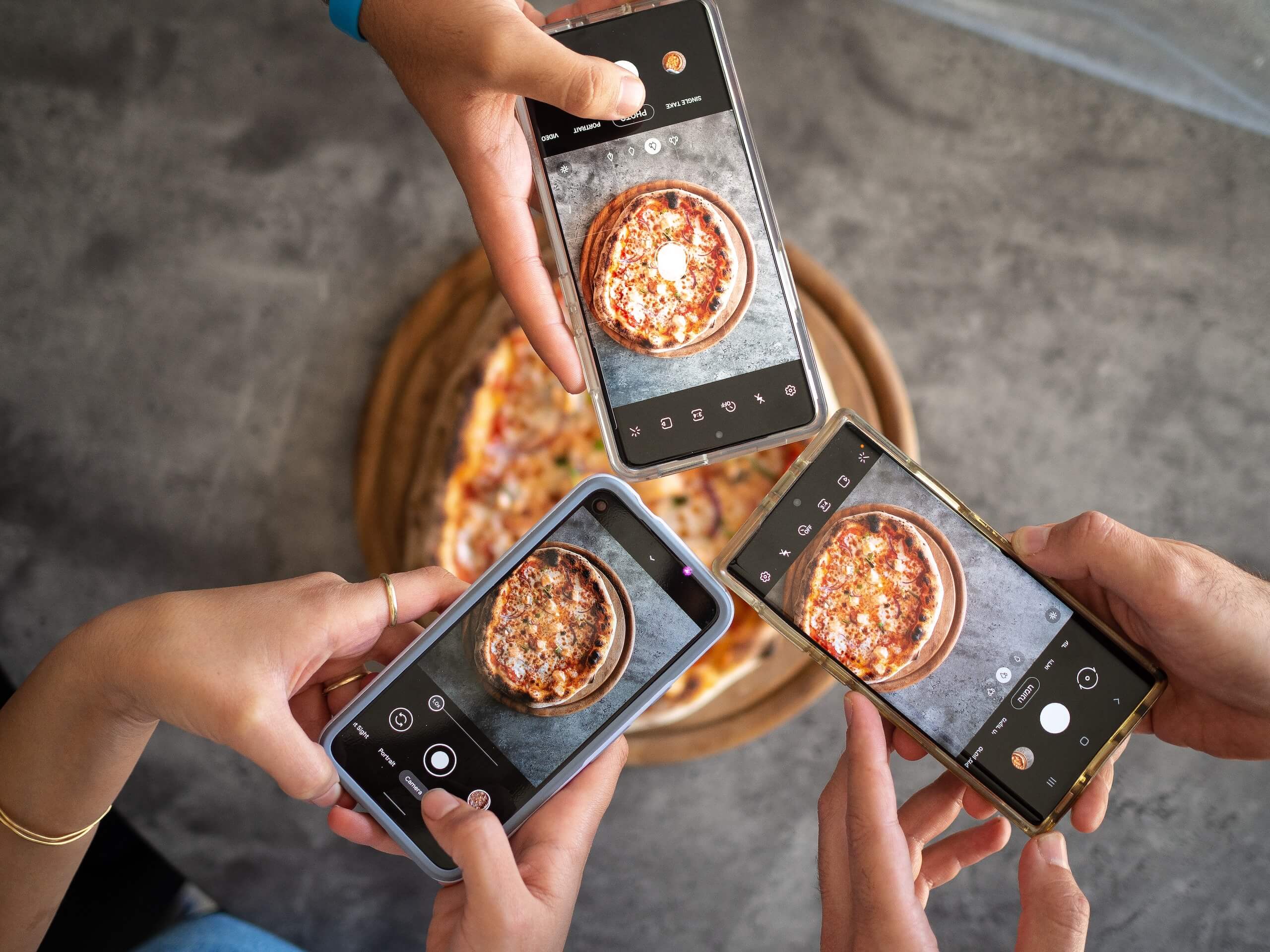
People holding phones over a pizza

I think we can admit every demographic snaps pics of their food now.

The next wave of restaurant guests is ready to be won over. Our industry is on the cusp of a monumental shift, and Generation Z is at the helm.

As they come into their own, both socially and economically, this vibrant generation is poised to redefine dining as we know it. With their digital-first mindset, staggering spending power, and penchant for loyalty, Gen Z is a demographic that no restaurant can afford to overlook.

Comprising nearly a quarter of the American economy, Gen Z is a force to be reckoned with. Born in 1993 or later, they command an awe-inspiring $250 billion in spending power.

But what’s truly remarkable is their approach to dining. Generally speaking, eating out is not an occasional indulgence for this generation; it’s a regular part of life.

In fact, the majority of Gen Zers frequent restaurants at least once a week, a statistic that’s all the more astonishing when you consider that many are not even old enough to drive.

As this generation matures and their financial standing improves, they are set to become the next wave of loyal restaurant patrons. To capture their attention and build lasting relationships, restaurants must focus on three pivotal areas: cutting-edge technology, customizable menus/personalization, and one-of-a-kind experiences.

By proactively adapting to meet the unique needs and desires of Gen Z, restaurants can not only win their business but also secure a prosperous future in an ever-evolving industry.

So, the question isn’t whether to adapt to Gen Z. Rather, the question is, how quickly can you do it?

The next generation of restaurant-goers is not just knocking at the door, they’re already here. And they’re ready to dine.

Technology

Generation Z is a digitally native cohort, seamlessly integrating smart technology into every facet of their lives—from smart cars to smartphones.

To engage with this generation of guests effectively, it’s imperative for restaurants to have a mobile-optimized online menu. Given Gen Z’s penchant for quick, easily digestible information, a streamlined, fast-loading menu is key.

Highlighting elements like flavors and health-conscious options can serve as compelling selling points.

The Digital Investment Dilemma

While the allure of digital innovation is undeniable, it comes with its own set of challenges, primarily financial.

However, there is good news.

Investing in robust digital systems is essential for ensuring a smooth guest experience. This investment often yields dividends in the form of operational efficiency and heightened customer loyalty—two factors crucial to long-term success.

Gen Z, in particular, is quick to embrace modern conveniences like alcohol delivery and digital ordering, signaling a clear trajectory for the restaurant industry’s future.

Additionally, many innovative tech solutions integrate with platforms operators use currently. Where this is the case, the new tools can enhance operations, automation, marketing campaigns, back of house, etc., which justifies the initial outlay.

Augmented Reality: A New Frontier in Dining

Augmented reality (AR) in the dining space is an emerging trend with boundless potential. Although the initial costs of integrating AR can be steep, the payoff in terms of guest engagement is substantial.

Imagine a dining scenario during which guests can use AR glasses or goggles to access nutritional information about their meal instantly. The possibilities are as limitless as they are exciting.

Staying ahead of the curve with tech ensures restaurants not only attract Gen Z but also offer an enhanced dining experience that sets them apart in a competitive market and attracts guests of all ages.

The future of dining is here, and it’s digital, customizable, and incredibly interactive. Are you ready to be a part of it?

Social Media

When it comes to capturing the attention of Gen Z, social media is a goldmine.

While Facebook may not be their platform of choice, YouTube, Instagram, and TikTok are where they’re most active.

These platforms are ideal for sharing quick, engaging six- to 15-second videos that resonate with Gen Z’s fast-paced and humorous nature. Bear in mind, video not only killed the radio star, it has surpassed static photography as the engagement format of choice.

And don’t underestimate the influence of even the youngest among them; they often have a significant say in family dining decisions.

Social Media: The Modern-Day Word-of-Mouth

In today’s digital landscape, social media isn’t just a platformit’s a potent marketing arsenal.

Gen Z is particularly vocal about their dining experiences, often sharing them online for their followers to see. This user-generated content serves as invaluable, organic marketing that can drive both foot traffic and revenue.

In essence, social media has become the new word-of-mouth, and restaurants should actively encourage this form of authentic promotion.

The WiFi Factor

Offering free WiFi isn’t just a courtesy, it’s strategic.

By becoming a wireless hotspot, you’re also positioning yourself as a dining hotspot.

Free WiFi enables Gen Z patrons to stay connected, even while enjoying a meal with family or friends. They can easily share texts, photos, and perhaps even a glowing review, providing your restaurant with the kind of word-of-mouth advertising that money can’t buy.

By embracing these digital and social strategies, restaurants can not only attract the Gen Z audience but also create a dynamic, interactive dining environment that appeals to all.

The future of the restaurant industry is undeniably digital, and those who adapt will not just survive but thrive. Are you prepared for this exciting new chapter in dining?

Authenticity

The culinary landscape is evolving, and Gen Z is at the forefront of this transformation.

Authentic and Global Flavors: The Culinary Passport

In an era marked by globalization, Gen Z’s palate is as diverse as their worldview.

Their affinity for authentic, global flavors is more than a trend, it’s a reflection of a world where borders are increasingly blurred. As international cuisines become more accessible, they’re also becoming a staple on restaurant menus.

For restaurateurs, this provides an opportunity to diversify and enrich their culinary offerings.

Fusion: The Art of Culinary Innovation

Fusion foods are not merely a passing fad. Truly, fusion is a celebration of culinary creativity.

This trend allows chefs to push the boundaries of traditional cooking, often creating unique, high-value dishes that enhance a restaurant’s revenue potential.

In many ways, fusion embodies the inclusive and diverse spirit of Gen Z, making this culinary approach a hit among this demographic.

Experiential Dining: The Rise of the Experience Economy

The move towards experiential dining is part of a larger shift in consumer behavior, where experiences are valued over material goods.

Restaurants offering interactive experiences like cooking classes, wine tastings, or farm-to-table events are tapping into this lucrative trend.

Gen Z, in particular, is drawn to such experiential dining options, as well as to culinary fusions and fresh, natural ingredients.

A New Wave of Flavors and Dining Options

Unique flavors like yuzu, tamarind, and lemongrass are more than just exotic additions. These flavors and ingredients are becoming mainstream, particularly among Gen Z.

Educational food services, from grade schools participating in the National Restaurant Association’s Kids LiveWell program to college campuses offering “campus cuisine,” are also playing a role.

These institutions are introducing Gen Z to a wide array of international flavors and dietary options, including vegan, vegetarian, and gluten-free choices.

By understanding and embracing these trends, restaurants can position themselves as forward-thinking establishments ready to meet the diverse needs and preferences of Gen Z.

The future of dining is here, and it’s as varied, interactive, and global as the generation it serves. Are you ready to be a part of this culinary revolution?

Crafting the Ultimate Customizable Dining Experience

When it comes to dining, Gen Z values customization above all else. They want their meals tailored to their preferences, and they want them now.

While staples like burgers and pizza remain popular, it would be a mistake to pigeonhole their tastes.

According to Technomic’s The Generational Consumer Trend Report, Gen Z has a broader palate, embracing a range of global cuisines like Chinese, Mexican, and pasta at rates higher than any other generation.

A Melting Pot of Influences

This global appetite is more than just a random preference. Rather, it’s a reflection of Gen Z’s diverse background and the adventurous spirit of their Gen X parents.

But the driving force behind it all is the allure of customization.

Imagine a dining table where each person has their own uniquely crafted taco, creating a communal dining experience rich in personalization. This aligns perfectly with insights from Flavor & The Menu’s Generational Flavors report, which highlights the importance of affordability, value, and convenience to Gen Z diners.

The Customization Kings: Why Subway and Chipotle Reign Supreme

It’s no coincidence that eateries like Subway and Chipotle are among Gen Z’s favorites. These establishments have mastered the art of customization while also offering affordability and convenience—three key factors that resonate with this generation.

By recognizing and capitalizing on these trends, restaurants can craft the ultimate dining experience that not only appeals to Gen Z but also sets them apart in a highly competitive market.

The future of dining is customizable, diverse, and incredibly exciting. Are you prepared to meet the demands of this new generation of discerning diners?

Social Responsibility

A Win-Win for Brands and Consumers

For Gen Z, social responsibility isn’t just a buzzword, it’s a way of life. And this focus translates into tangible economic gains for restaurants.

Brands that actively engage in social responsibility have seen a four-percent uptick in sales. This demonstrates that doing good is also good for business.

This generation is more likely to patronize establishments that resonate with their values, making corporate social responsibility not just an ethical imperative but a savvy business strategy.

Health and Wellness: The New Currency

Gen Z’s emphasis on better-for-you options extends to their dining choices.

According to Technomic, features like recycling, sustainable food practices, and health-conscious menu items can significantly boost restaurant traffic.

But it doesn’t stop there.

This generation is willing to pay a premium for quality and health benefits, opening up lucrative revenue streams for restaurants that offer premium, health-focused menus. This is not a fleeting trend but a market shift, propelled by Gen Z’s prioritization of quality over quantity.

Sustainability: The Green Dividend

The push for sustainability is evolving from an ethical stance to an economic imperative. With government incentives encouraging eco-friendly practices and a consumer base willing to pay extra for sustainable options, going green is increasingly profitable.

This creates a virtuous cycle where businesses can contribute to environmental conservation while also boosting their bottom line.

By aligning with these core values—social responsibility, health and wellness, and sustainability—restaurants can attract the discerning Gen Z but also position themselves for long-term success in a rapidly evolving market.

The future of dining is socially responsible, health-conscious, and eco-friendly. Are you ready to embrace it?

The Social Hub

Coffee Shops as Gen Z’s Gathering Grounds

Starbucks and similar coffee shops have become social hubs for Gen Z.

Offering specialty coffee experiences in an adult-like setting, these establishments have become the go-to spots for socializing among those too young for adult beverages.

A Diverse Palette of Beverages

When it comes to drinks, Gen Z’s preferences are as diverse as their food choices.

While soda remains a popular option, this generation is also more inclined than others to opt for healthier alternatives like lemonade, bottled water, fruit juice, and smoothies.

Highlighting these better-for-you options can be a smart move for restaurants looking to cater to this health-conscious demographic.

Nutritional Transparency: A Win for All

In a world where regulatory scrutiny around food labeling is intensifying, transparency is key.

Restaurants that provide nutritional information voluntarily not only cater to the health-focused mindset of Gen Z but also position themselves as responsible businesses in the eyes of both regulators and the broader community.

In Conclusion: The Future of Dining is Here, and It’s Gen Z

As we’ve explored, Gen Z is redefining the dining landscape in numerous ways—from their penchant for customization and global flavors to their focus on social responsibility, health, and sustainability.

By understanding and adapting to these multifaceted preferences, restaurants can not only attract this influential demographic but also set themselves up for long-term success in an ever-changing industry.

The future of dining is not just about food; it’s about creating an experience that resonates with the values and lifestyles of the next generation of consumers.

Are you ready to be a part of this exciting culinary evolution?

Image: Yoav Aziz on Unsplash
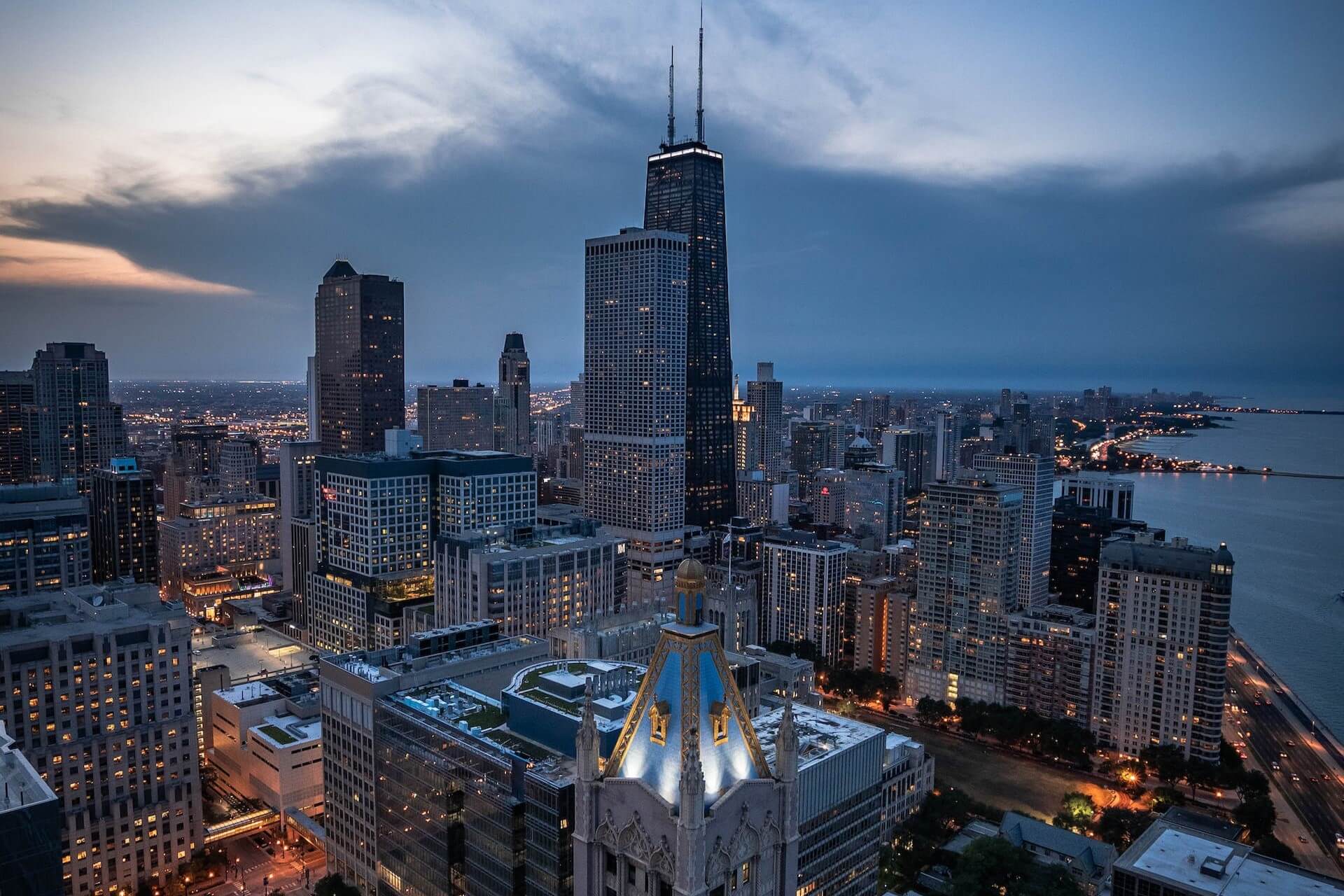
KRG Hospitality. Bar Restaurant Hotel. Project Support. Project Management. Start Up.

by David Klemt David Klemt No Comments

The Pinnacle Guide Launches

New Global Bar Recognition System, the Pinnacle Guide, Launches

by David Klemt

Golden cocktail in Champagne flute on bar top

Today’s the day that the passionate minds behind London Cocktail Week launch “the Michelin Guide” for bars, open to venues across the globe.

Open to submissions as of today, the Pinnacle Guide is open to any bar in the world. Compellingly and refreshingly, the Guide’s system intends to maximize transparency and minimize subjectivity.

Further, the process begins with the self-nomination of a venue. Truly, this is open to any bar, anywhere.

Two of the team’s founders are recent Bar Hacks podcast guests. On episode 105, Hannah Sharman-Cox and Siobhan Payne explain the Pinnacle Guide ahead of its launch today. You can listen to their episode below.

Dan Dove, owner and operator of Global Bartending, completes the Pinnacle Guide’s founder trio. Speaking of trios, Global Bartending’s areas of expertise are strategy, talent, and events.

I’m likely not the only person who has wondered why the Michelin Guide has yet to recognize bars. Now, I’m grateful they haven’t done so.

That’s not a dig at the Michelin Guide. However, the organization’s expertise is restaurants, not bars. It’s far more appropriateand more crediblethat passionate people dedicated to and enamored with bars are launching this recognition system and platform.

The Process

So, what are you in for when you nominate your bar? The process is quite straightforward.

Simply speaking, the

  • Front of house
  • Drinks program(me)
  • Look and feel
  • Staff
  • Operations
  • Community

Once someone who self-nominates their bar completes and submits their application, the anonymous review part of the process begins.

As this step’s phrasing suggests, anonymous reviewers will visit the venue. These reviewers could be industry professionals. They may be passionate, educated consumers whose opinions are valued and trusted.

Either way, they’ll have been vetted, tested, and completed the Pinnacle Guide Reviewer Training Programme.

For even more information, click this link. You’ll find a series of the Pinnacle Guide Round Table Discussions recordings that dive deep into the system as well.

Interestingly, the founders of the Pinnacle Guide believe undergoing the self-nomination process may also help operators enhance or refine their operation:

“Beyond being a measure of excellence, this transparent and detailed approach is also designed to give venues pause for thought on where they may have room for improvement, with the ambition of elevating the industry by encouraging higher standards across the globe.”

Moreover, the Pinnacle Guide doesn’t pit operator against operator, team against team. Should a bar be recognized by the Guide, they’ll be awarded at least one PIN. A single PIN identifies a bar as Excellent. Two carries the Outstanding designation, and three means a venue is Exceptional.

Receiving a PIN doesn’t mean a bar has beaten out another venue to be recognized; that operation stands on its own as one of the best in the world.

Are You Ready?

Thousands of owners and operatorsand the teams that bring their visions to life every daydeserve acknowledgement for meeting the demands this industry makes of them.

From empowering their teams and serving as the backbone of their communities to delivering world-class service and pairing unforgettable experiences with incredible, welcoming atmospheres, hospitality is chock-full of people whose daily contributions should be recognized.

So, to any operator anywhere in the world, if you believe your team has earned at least one Pinnacle Guide PIN, this is your day. However, carve out some time to truly sit with the application and consider your team and venue.

The Pinnacle Guide is a long time coming. Let’s give it the respect it deserves.

Image: Jakub Dziubak on Unsplash
by David Klemt David Klemt No Comments

2023 DoorDash Ordering Trends

2023 DoorDash Ordering Trends: Canada & US

by David Klemt

Canada and the United States of America on a globe

After checking out this year’s annual Cravings Report we’re turning our attention to the 2023 DoorDash restaurant ordering trends reports.

Luckily, there are two reports available from DoorDash: one that focuses on Canada, and one for the US.

These two countries are, of course, KRG Hospitality’s primary markets. So, the data in these DoorDash reports is relevant and compelling for our current and future clients.

Perhaps unsurprisingly, Canadian and American DoorDash users are somewhat similar by a few metrics. However, where there are differences they’re fairly glaring.

For example, 78 percent of Canadian DoorDash survey respondents picked up a takeout order from a restaurant in the month prior to being surveyed. That number is 76 percent for American survey respondents.

Regarding in-person restaurant dining, 62 percent of respondents had done so the month prior. Among American survey respondents that number is 61 percent.

But when it comes to placing an order for delivery we see a notable difference. For Canada, 58 percent of survey respondents had ordered delivery. That number jumps to 77 percent among Americans.

This tells me a few (fairly obvious) things. Generally speaking, it appears consumers in Canada and America—according to DoorDash—prefer delivery and takeout to in-person dining. Going further, it seems that overall, Canadians prefer pickup or takeout to delivery. However, Americans seem to place delivery and pickup orders at nearly identical rates.

If it’s true that consumers favor delivery or takeout to in-person dining currently, there could be a couple of simple reasons. First, convenience.

Second, fees. It’s possible that today’s consumer perceives delivery fees are lower than in-person dining fees, unfortunately. If that’s the case, third-party delivery services can exploit this perception.

More Similar than Different

In comparing both DoorDash reports, I find that Canadian and American consumers who use DoorDash are rather similar.

Survey respondents in both countries indicate that Friday is the most popular day of the week to order food. Further, 6:00 PM is the most common local time to place orders in both countries.

And when it comes to the fastest-growing dayparts for order placement? In both Canada and the US it’s late-night and breakfast. Although, I most note that both dayparts are growing faster in Canada.

Nearly half of American respondents and a little over half of Canadian respondents indicate they want to try new restaurants and dishes.

Definitely not surprisingly, consumers in both countries primarily focus on menu selection and pricing when seeking a new restaurant to try. In fact, these numbers are identical for Canadians and Americans, at 55 percent and 51 percent, respectively.

Top Canadian Food Orders

When we look at the top items ordered via DoorDash, we don’t find anything out of the ordinary.

  1. Burgers
  2. Fries
  3. Pizza
  4. Salad
  5. Sandwiches

Looks like standard fare and comfort foods to me. This tells me that operators who have these items on their menus need to ensure they’re of the highest quality to stand out from other restaurants and bars.

Top American Food Orders

Interestingly but not too surprisingly, the list below is quite similar to the list above.

  1. French fries
  2. Burgers
  3. Tacos
  4. Salad
  5. Pizza

With the exception of tacos and sandwiches, the list is nearly identical.

Hey, who wants to debate whether tacos and sandwiches are in the same food family?

I encourage you to review both reports in their entirety for yourself. For the Canadian Edition of DoorDash’s report, click here. And click here for the US edition.

Image: Lara Jameson on Pexels

Bar Pub Brewery Nightclub Club Nightlife Technology Plan Tech Stack

by David Klemt David Klemt No Comments

5 Books to Read this Month: November 2023

5 Books to Read this Month: November 2023

by David Klemt

Flipping through an open book

Our inspiring and informative November book selections will help you and your team transform your operations and F&B programming.

This month, we look at a new branding and marketing book. We also dive into agave spirits and cuisine from the Canadian Prairies.

There’s an eye-opening exploration into the topic of technology, culture, and the “alignment problem,” as well.

To review the book recommendations from October 2023, click here.

Let’s jump in!

The Restaurant Marketing Mindset: A Comprehensive Guide to Establishing Your Restaurant’s Brand, from Concept to Launch and Beyond

If you haven’t had the opportunity to hear Chip Klose speak, look into his books. His latest The Restaurant Marketing Mindset, came out in early October. As the title suggests, this book is for anyone who’s struggling with branding and marketing, or who simply wants a fresh perspective on this crucial element of operations.

From Amazon: “Restaurants boast some of the highest failure rates of any industry, yet even worse is the sheer number of concepts that struggle just to break even. In The Restaurant Marketing Mindset, Chip Klose introduces a series of mindset shifts and actionable frameworks to help owners and operators finally take control of their marketing.

With more than twenty years of operational experience—plus an MBA in food marketing—Klose has the authority, experience, and track record needed to speak confidently on the subject. Each lesson stacks one on top of the other, giving the reader a step-by-step plan to attract more diners, retain those diners, and spark word of mouth with the ones who matter most.

This book is for any chef, owner, or operator who’s ever felt overwhelmed when it comes to marketing their restaurant. Each chapter is filled with powerful insights to help you build a more profitable (and sustainable) business.”

Pick it up today!

Prairie: Seasonal, Farm-Fresh Recipes Celebrating the Canadian Prairies

This engaging cookbook features 1oo traditional and creative recipes highlighting Canadian Prairie cuisine. These seasonal, farm-to-table recipes are sure to impress your guests.

From Amazon: “No matter the season, the Prairies are all about preserving every ounce of food, so of course there’s also tons of helpful tips and tricks on reducing food waste. There’s even a Staples chapter with recipes for stocking your pantry to keep you cooking all year long. Both a love letter to Canada’s grandest provinces and an indispensable collection of recipes, Prairie is as inviting and bountiful as the region it celebrates.”

Agave Spirits: The Past, Present, and Future of Mezcals

The authors of this informative book visited eight Mexican states to learn all they could about mezcal. By extension, they learned not only about traditional production but also where this hugely popular spirits category is headed for the future.

From Amazon: “The result of the authors’ fieldwork and on-the-ground interviews with mezcaleros in eight Mexican states, Agave Spirits shows how traditional methods of mezcal production are inspiring a new generation of individuals, including women, both in and beyond the industry. And as they reach back into a rich, centuries-long history, Nabhan and Suro Pinera make clear that understanding the story behind a bottle of mezcal, more than any other drink, will not only reveal what lies ahead for the tradition―including its ability to adapt in the face of the climate crisis―but will also enrich the drinking experience for readers.”

The Alignment Problem: Machine Learning and Human Values

When we build automated systems, we’re placing a lot of trust in our expertise. And because humans are fallible, the systems we build are far from perfect.

From Amazon: “Today’s ‘machine-learning’ systems, trained by data, are so effective that we’ve invited them to see and hear for us—and to make decisions on our behalf. But alarm bells are ringing. Recent years have seen an eruption of concern as the field of machine learning advances. When the systems we attempt to teach will not, in the end, do what we want or what we expect, ethical and potentially existential risks emerge. Researchers call this the alignment problem.”

Hacking the New Normal: Hitting the Reset Button on the Hospitality Industry

The world around us has changed. The food and beverage industry has changed. The hospitality industry has changed. But will some ways of life change for the better? Will perhaps the restaurant, bar, and hospitality industry come out even stronger? With the right changes to the previous status quo, it is possible. There’s no question, resets are major undertakings, but a major reset will provide us with a clean start and that’s what this industry needs.

Pick up KRG Hospitality president Doug Radkey’s second book today! Click here.

Image: Mikołaj on Unsplash
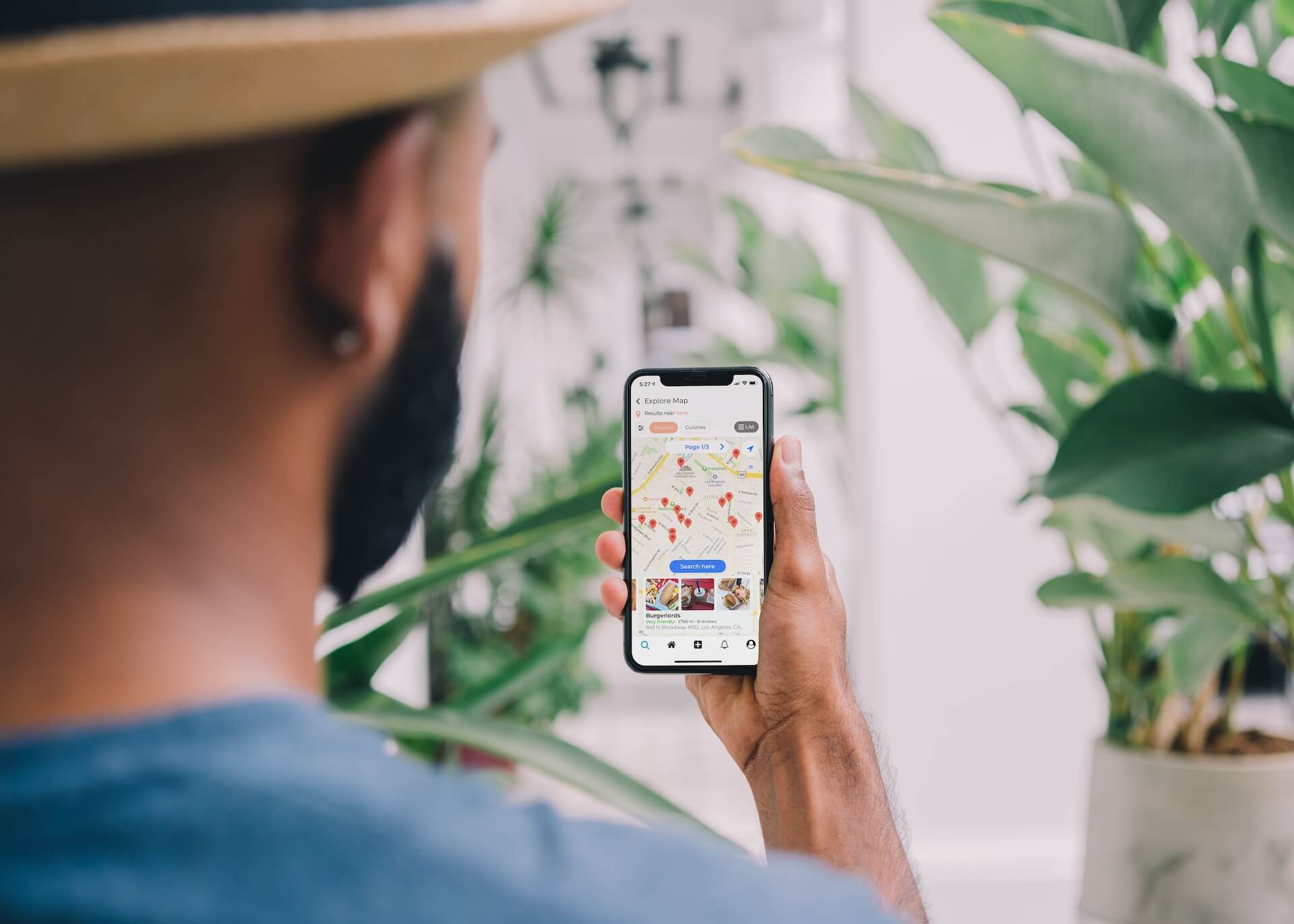
KRG Hospitality. Business Coach. Restaurant Coach. Hotel Coach. Hospitality Coach. Mindset Coach.

by David Klemt David Klemt No Comments

Program for Unique Holidays: November 2023

Program for Unique Holidays: November 2023

by David Klemt

"Think about things differently" neon sign

Do you want to stand out from from other restaurants and bars in your area? Change how you think about your November holiday promotions.

Several holidays are set against every date on the calendar, and this month is no exception. These holidays range from mainstream to esoteric.

Pay attention to the “weird” or unique holidays to raise eyebrows, carve out a niche for your restaurant or bar, and attract more guests. Why do what everyone else is already doing? Why program only around the same holidays as everyone else?

Of course, you shouldn’t try to celebrate every holiday, strange or otherwise. Focus on the days that are authentic to your brand; resonate with your guests; and help you grab attention on social media.

You’ll find suggestions for promotions below. However, the idea behind our monthly holiday promotions roundup is to inspire you and your team to get creative and come up with unique programming ideas.

For our October 2023 holidays list, click here.

November 3: National Jersey Day

This is an easy one. MLB, the NBA, NHL, NFL, NCAA Football… All of these and more are in regular season play at the moment.

Establish your bar as the place to watch and play fantasy sports to develop a loyal guest base. One way to really get your guests engaged is to get them to wear their jerseys, and this holiday is the “official” day for them to do so.

November 5: Zero Tasking Day

Sure, multi-tasking and the people who claim to have mastery over it are impressive. But you know what’s even more impressive? Taking the time to nothing but relax.

You know what’s an excellent place to check out, relax, and indulge? Your restaurant, bar, or nightclub.

November 6: National Nacho Day

No, nachos aren’t the world’s most unique food. However, your approach and presentation can certainly help you stand out from other operators.

Go highest. Go largest. Go most unusual ingredients. Go most premium toppings. Just go wild.

November 11: National Metal Day

Anyone who knows me knows that metal holds a special place in my life. In fact, I recently hit the Pearl Theater inside the Palms for the Dethklok + BABY METAL “BABYKLOK” tour stop in Las Vegas.

This is the day for you to encourage the metalheads among your guests to show up to your bar or restaurant. Create an LTO featuring metal spirit brands, like Slipknot Iowa Whiskey and Metallica’s Blackened Whiskey.

November 14: National Pickle Day

If your kitchen can pickle it, this is the holiday to have them create an LTO menu showing off their skills.

November 16: National Use Less Stuff Day

Sustainability and ethical business practices aren’t just trendy anymore. Many of today’s guests want to know they’re supporting businesses that have a plan to address waste.

If you’ve been developing a sustainability plan, this is the day to launch it. Look at your operations, look at your menu, and see where you can make small but impactful changes.

November 20: National Absurdity Day

Do you have an “absurd” idea for a promotion, menu item, design feature, or branding exercise? Tighten up that idea and execute it on National Absurdity Day.

You can also check out one of our KRG Concepts, Absurd! Kitchen Co., for a turn-key restaurant concept.

November 22: DrinksGiving

As operators know, the Wednesday before Thanksgiving has traditionally been the busiest bar night of the year. Whether you call it Thanksgiving Eve or DrinksGiving, this is your opportunity to pull out all the stops.

November 25: National Small Business Day

This is the perfect holiday to highlight all the small, craft, and independent F&B brands you work with at your restaurant or bar. Feature local artisans, spirits and beer producers, farmers, and more on your menu to help them and you generate more business.

November 30: National Mason Jar Day

I don’t know what it is but drinking from a mason jar, whether there’s a delicious cocktail, moonshine, or a soft drink inside it, is just a cool experience.

Of course, you can also get creative with starter, side, and dessert presentations inside mason jars.

Image: Ivan Bertolazzi on Pexels

Bar Nightclub Pub Brewery Marketing Agency Team

by David Klemt David Klemt No Comments

Do You Need a Restaurant Chatbot?

Do You Need a Restaurant Chatbot?

by David Klemt

Robot hand reaching for human hand

The labor shortage, increasing demand for convenience, and artificial intelligence are converging to make a strong case for restaurant chatbots.

Specifically, bots that can take orders accurately. As consumers increasingly live their lives on demand, any perception of even minor inconvenience can turn someone against a brand or venue.

In addition to convenience, today’s consumer, generally speaking, also expects to find more technology when engaging with a business. Likewise, workers expect employers to implement more tech, whether it’s welcome or not.

When it comes to our industry, that means everything from streamlined POS systems and powerful CRM platforms to predictive ordering software and cobots.

Looking at generative AI and guest-facing tech, it won’t be long before guests expect to place their orders via chatbot.

In fact, some consumers are placing orders with restaurant bots now. There are already text- and voice-based restaurant bots out in the world. So far, it appears that many QSRs are implementing generative AI bots to handle orders.

As some of the companies developing restaurant bots point out, they never tire. The bots never feel overwhelmed. They can field a limitless amount of calls, working around the clock without breaks, every day of the year. Obviously, restaurant bots don’t get sick, ask for time off, or no-call, no-show.

So, for high-volume restaurants, particularly those with drive-thrus, restaurant bots are probably incredibly attractive. Clearly, labor is still an issue. And these restaurant bots promise to take the ordering process out of workers’ hands, allowing them to focus on “more important” tasks.

Now, couple that with guests seeming less patient, less forgiving, and more obsessive about convenience. On-demand solutions certainly appear great on paper.

Text Bots

We know that guests are already interacting with restaurant bots. When they visit a restaurant’s website or download its app if they have one, they’re encountering bots.

Some provide information, some can make reservations, and an increasing number can take orders. There are bots that imitate a text exchange, and those that streamline the ordering process by using canned replies.

One of the better known of these is Dom, Domino’s chatbot. Whether via app or website, Dom walks people through the ordering process easily and, in my experience playing with this tool, quite simply.

Further, Dom can “remember” previous orders (when a customer is logged into their account) and reorder them. The bot can make recommendations, and it will search for and apply coupons or promotions.

These functions are, of course, the pros of restaurant bots. As their ability to handle more complex tasks increases, the promise is that they’ll do more than offer convenience or solve some labor issues.

Rather, they’ll also generate more revenue by making personalized recommendations, upselling customers, and reaching out to customers to prompt them to place an order.

Voice Bots

As operators whose phone lines light up from open to close can attest, there are people who prefer to talk to someone to place an order.

Well, there are now restaurant bots that can field those calls.

One provider of this tech is ConverseNow. The company uses voice AI, which they explain is also known as conversational AI on their website. Their tech handles phone and drive-thru orders, and the experience is close to, if not exactly like, speaking with their human counterparts.

According to ConverseNow, operators no longer have to worry about unanswered calls. Customers won’t call in only to hear a busy signal. Drive-thru times are reduced. Workers can focus solely on service, prep, and fulfilling orders.

Additionally, the company is focusing on accuracy. There’s an agent-assisted solution, for example. If a complex order comes in, an agent can take over before things go sideways. Agents can also help ConverseNow’s AI to learn from new situations, ensuring the customer experience is painless and even more accuracy.

The tech is so good that Domino’s uses it along with Dom. Per the ConverseNow website, the tech integrates with leading POS systems like Toast; is live in more than 1,200 restaurants in over 40 states; and has taken 8.5 million orders and freed up one million labor hours for their clients.

Along with ConverseNow, operators can look into HungerRush, Yellow.ai, and other solutions.

Takeaway

Restaurant bots certainly make sense for high-volume, limited-service, and QSR operators. They can reduce labor costs and capture more (if not every) order with ease.

However, we need to consider the impact of reducing or eliminating human interactions in hospitality. Whether in the front or back of house, we appear to be heading toward an industry putting less emphasis on the human element.

Yes, team members still interact with guests to take in-person orders and for in-person dining. That is, for now.

In the QSR space in particular, ordering kiosks are becoming more common. At some point, AI-powered kiosks, along with other AI tools, will replace the need to interact with humans in fast-casual and casual-dining restaurants.

It seems at odds with the spirit of hospitality for guests to not have to interact with a team member until their food needs to be dropped. And with cobots, that’s also a task an operator can automate.

I’m all for progress and innovation. And I’m all for delivering on the guest expectation of convenience. However, it’s a balancing act. An operator opting to automate tasks so team members can better engage with guests needs to ensure that’s actually happening.

I don’t think we need less human interaction. And I, for one, have a growing concern that some operators are journeying further down the path of barely seeing the people they employ as people. Rather, too many are increasingly seeing team members as liabilities and nothing more.

I point that out to say this: When considering implementing any new tech, consider the impact on more than just P&Ls. This is a people business, and dedicating yourself to slashing costs and boosting revenue ruthlessly runs the risk of making a restaurant less hospitable for guests and staff.

Image: Cash Macanaya on Unsplash
Bar Nightclub Pub Brewery Technology Consulting Project Management

by David Klemt David Klemt No Comments

New Review Platform Rejects Negativity

It’s Good: New Review Platform Rejects Negativity

by David Klemt

"Just be nice" sign on wall with graffiti

Combine equal parts incredible team of founders, love for food and travel, and respect for an expression that we should all adhere to more closely, and you get a new review platform.

The expression from which this team derives their platform’s ethos?

“If you don’t have something good to say, don’t say it at all.” But how can a review platform embody that age-old expression?

Well, it turns out that answer is rather simple: by refusing to allow negative reviews. That’s the foundation of how It’s Good plans to operate.

That is, of course, quite the departure from Yelp, Google Reviews, Tripadvisor, and other review platforms. In my experience, Yelp draws the ire of most operators. Obviously, it doesn’t help Yelp’s reputation among operators that people can review bomb a venue rather easily, among other issues.

On It’s Good, there’s no “star” ratings system. Negative comments? The platform is “not even built for” those, according to co-founder John Legend.

“Either you recommend [a place or experience] or you don’t,” says Legend, elaborating further on It’s Good.

The team of founders also includes Kevin Auerbach (who comes from Apple), Meghan Raab (from Snap), and director and photographer Mike Rosenthal.

With Auerbach and Raab guiding what is likely a top-notch engineering team, It’s Good should be simple and fun to use.

The User Experience

At the moment, It’s Good is an invite-only platform. According to articles online, Legend and Rosenthal have been working on the app for four years.

So, the initial idea is to lay the user foundation ahead of its public launch. Logical, since it would be challenging to sift through recommendations without a core user group populating the app first.

“Our mission is to be your go-to place for saving & sharing your most favorite places to eat and drink. Trustworthy recommendations for you, by you – from the people you know or admire, all in one beautiful space,” reads the waitlist confirmation email I received from Shirene Niksadat, It’s Good head of community.

Interestingly, one of the motivating factors behind this platform is Legend himself. Apparently, he’s a go-to source for recommendations amongst his friends.

“My friends always reach out to me for ‘my list’ of restaurants in the cities I’ve visited,” Legend is quoted as saying on the It’s Good website.

From what I can gather, the platform will allow people to find new restaurants, bars, and experiences via location-based and themed lists. I’m sure there’s more functionality, but the main takeaways are:

  • organized recommendations;
  • personalized recommendations from trusted sources and friends; and
  • recommendations that answer a simple question: Is this place or experience good?

“We believe a restaurant rec from 1 trusted friend is more valuable than recs from 10,000 strangers,” says the It’s Good site, right at the top.

That should give us all an idea of how this platform will operate, and what to expect when it goes live for the general public.

Obviously, I can’t provide a review of this review platform. But I can say that I’m looking forward to my opportunity to take it for a spin.

To get your name on the waitlist, click here.

Image: A A on Unsplash
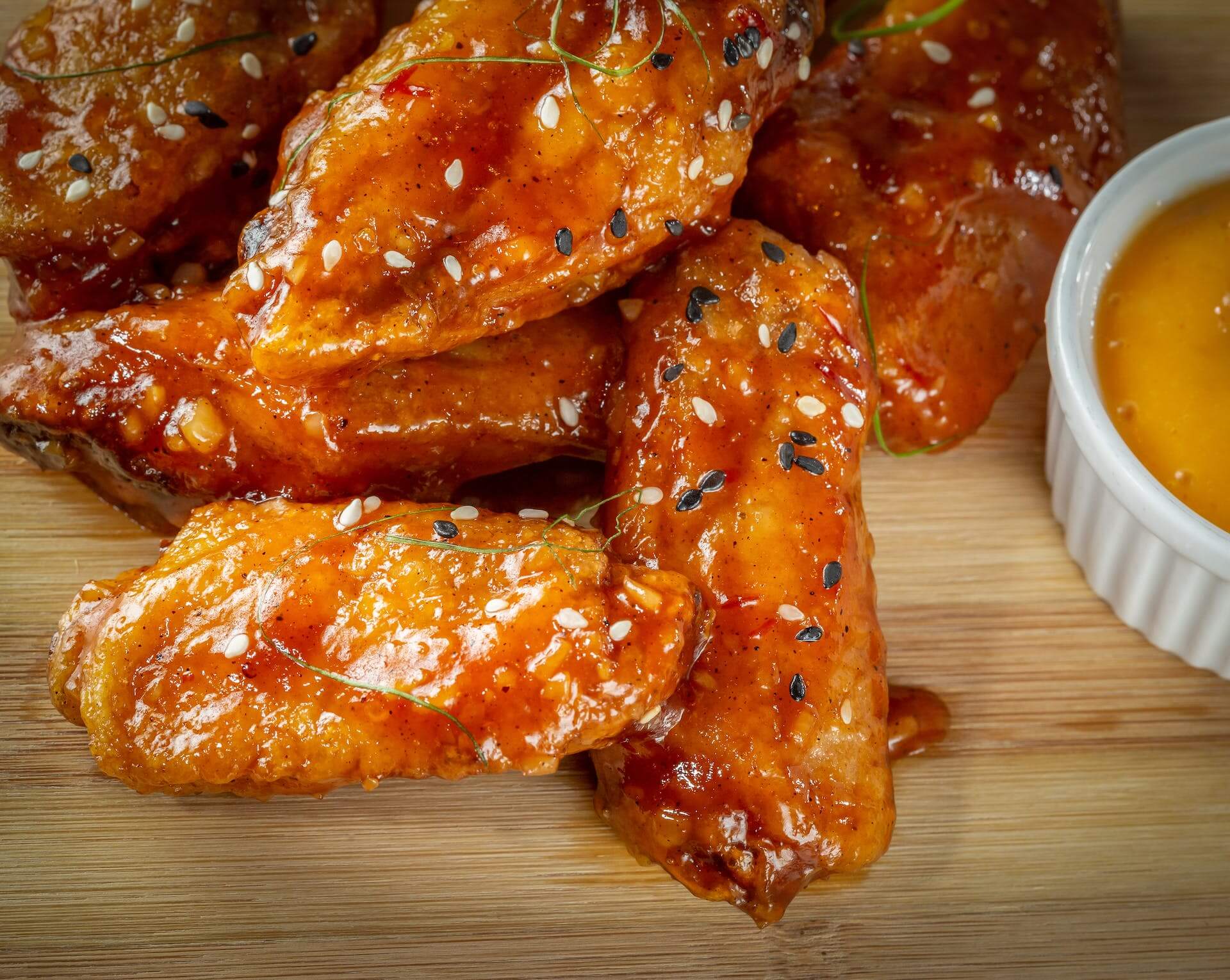
KRG Hospitality Start-Up Restaurant Bar Hotel Consulting Consultant Solutions Plans Services

by David Klemt David Klemt No Comments

Intersection of Streaming & Sports Betting

The Intersection of Streaming and Sports Betting

by David Klemt

Closeup shot of the NFL logo painted onto turf or grass

The popularity and ubiquity of sports betting is exploding throughout the US, and its seemingly inescapable presence is due in large part to streaming.

This is one topic we learned about during our first visit to the Global Gaming Expo, also known as G2E.

It’s true that gaming and hospitality are two distinct, different industries. However, they’re inextricably connected. And with gaming platforms and mobile devices making it even easier to place bets on sports, that connection is only getting stronger.

Now, I’m going to take a moment to make my relationship with gaming clear. First, I’m not an expert on the industry. Second, I rarely partake in gaming even though I live in Las Vegas. I’ll throw the odd twenty into a small handful of specific slot machines, but that’s the extent of my gaming experience. I think it has been a decade since I last played craps.

So, I’m going to do my best to share what I learned during G2E. The show is an educational experience for me, and I feel that hospitality business operators can benefit from its sessions.

As far as the hospitality-gaming relationship, however, I certainly believe they’re complementary industries. This is absolutely true in Las Vegas, and it’s true in other markets as well. If casinos weren’t aware that hospitality is crucial to keeping guests returning and risking their cash on games, they wouldn’t bother focusing on dining, drinking, nightlife, and other hospitality amenities.
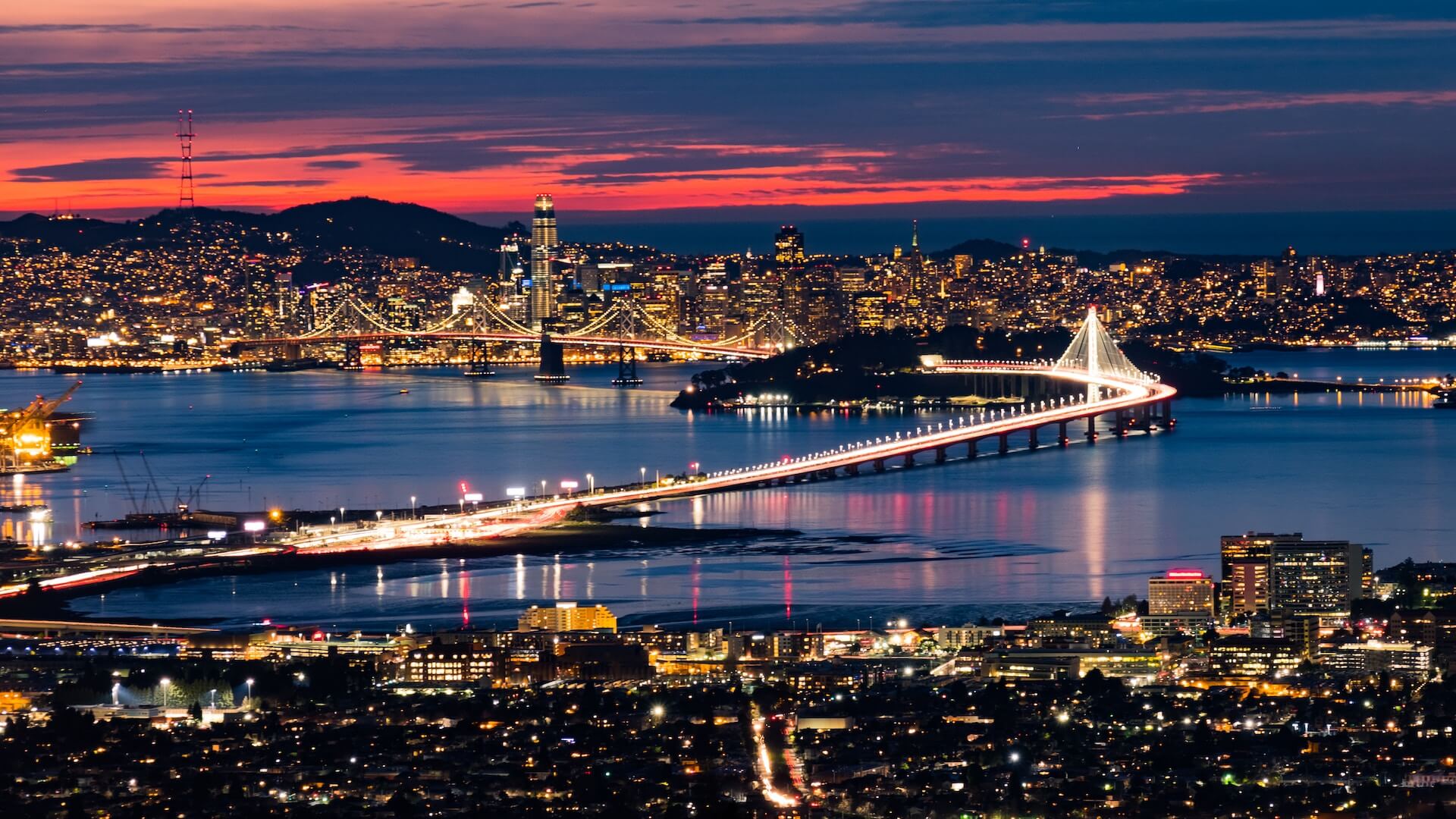
I’m also confident saying Las Vegas in particular wouldn’t have generated nearly $15 billion in 2022. And casinos throughout America wouldn’t have generated over $60 billion last year.

In summary, the connection between hospitality and gaming is what drew me to G2E this year.

Watershed Moments

One of the sessions I attended was “Streaming X Sports Betting: The Future of Engaging Gen Z.” Adam I. Kaplan, the chief operating officer of SportsGrid, was the speaker.

SportsGrid, I’ve since learned, is a multimedia sports betting network. According to Kaplan, the ad-supported network is available on more than 40 platforms and accessed by millions upon millions of mobile devices

Users can access SportsGrid 24/7 via smart TV or their dedicated app. Additionally, people can stream SportsGrid via other platforms, such as:

  • Roku;
  • Prime Video;
  • YouTube TV;
  • Sling;
  • Freevee; and
  • Plex.

Per Kaplan, we can trace the creation of SportsGrid to two genesis points: the creation of Napster, and the introduction of the iPhone.

The launch of Napster in June of 1999 was, of course, a watershed moment. And its influence on society is undeniable. According to Kaplan, the platform’s influence included the belief that content should be free.

When the iPhone hit the scene in January of 2007, it, too, was a massive milestone. Part of its success, as Kaplan pointed out, was how easy it made for users to engage with content.

Taken together, Napster and the iPhone have “taught” people that content should be free and easy to access. And their launches have led to the rise of iGaming and sports betting.

Sports Betting Repeal Day

Like hospitality, sports betting has their own Repeal Day. Whereas bars and restaurants celebrate on December 5, gaming would celebrate May 14.

That’s the day in 2018 that the United States Supreme Court struck down the Professional and Amateur Sports Protection Act (PASPA) of 1992. Essentially, PASPA banned sports betting in the US, with narrow exceptions for four or five states.

When PASPA was overturned on the basis that the act violated the Tenth Amendment (states’ rights), several states made moves to legalize sports betting. Currently, sports betting is legal in some form in more than 30 states and Washington, DC.

During the five-year period following the end of PASPA, sports betting has gained massive traction throughout the US. Several publications report that the NFL in particular sees the most betting action.

According to the American Gaming Association, 73 million Americans plan to bet on the 2023-2024 NFL season specifically. That’s up from 46 million in 2022, a huge leap.

Of all adults who said they’d bet on sports this year, 14 percent (more than 35 million people) plan to place their bets online.

Per SportsGrid’s Kaplan, people aged 40 and under—so, Millennials and legal-age Gen Z—make up the majority of sports bettors. Looking at sports betting as an engagement driver, businesses should see the opportunity to attract sports bettors as customers and keep them loyal.

Skin in the Game

As Kaplan points out, one reason that sports betting drives engagement is the sense a bettor has of having “skin in the game.”

Well, they aren’t the only people who want skin in the sports betting game.

Since PASPA ended, hospitality venues across the country have attempted to get in on the sports betting phenomenon. This makes perfect sense, particularly for sports bars.

What operator in that space wouldn’t love the ability to stream content from a platform like SportsGrid, FanDuel TV, or DraftKings Network, with their guests permitted to place bets while inside the venue, legally?

That opportunity could prove incredibly lucrative, generating significant traffic and sales. And that’s to say nothing of the marketing, promotions, and guest loyalty opportunities. Think of what legalized on-premise sports betting could do to attract fantasy sports league participants…

Additionally, venues that can stream sports betting content and encourage betting on-premise (again, legally) could prove incredibly popular with one of the age groups operators focus on the most: the 21- to 34-year-old segment.

So, it appears one of the next frontiers for hospitality is pushing for the legalization of sports betting on-premise. Operators in favor of guests being allowed to place bets while onsite can either wait and see or actively engage their lawmakers.

What a time, eh?

Image: Adrian Curiel on Unsplash

KRG Hospitality. Gaming. Entertainment. Consultant. Food Service. Bowling Alley. Golf. Simulator. Arcades. Eatertainment.

by David Klemt David Klemt No Comments

Restaurant Fees Facing FTC Scrutiny

Restaurant Fees Facing FTC Scrutiny

by David Klemt

The Federal Trade Commission Building in Washington, DC

The focus on rising costs and hidden or “junk” fees over the past few years is bringing the Federal Trade Commission’s attention to the restaurant space.

Really, it was only a matter of time. Consumers are quite clearly fed up with being hit with unexpected fees. Whether purchasing concert tickets or popping into a QSR for a quick bite, they’re over the perceived nickel and diming.

That’s to say nothing of the other businesses that consumers feel are going too far with fees.

However, much of the public conversation about junk fees revolves around restaurants, and in some instances bars, as well. A common refrain on social media and online communities is, to paraphrase, “Just tell tell us what it costs on the menu!”

Of course, there are consumers who don’t want businesses to raise their prices at all. There’s no reasoning with these people, and they see all increases and fees—even those that aren’t hidden or bogus—as ripoffs.

But there are those who understand the challenges operators are facing. Understandably, these people just want transparency. And they want to have a clear idea of what it will cost to dine and drink somewhere before they plan their visit or are handed their check.

These consumers now have allies in state and federal governments.

FTC Focuses In

Some people may be surprised to learn that the FTC’s focus on junk fees isn’t entirely new. In fact, the agency has been digging into this topic for nearly a year.

Last November, the FTC asked for the public for their opinions on deceptive and unfair practices. Specifically, practices that relate to junk fees. Per the FTC, American consumers are paying tens of billions of dollars in junk fees annually.

According to the agency, they received 12,000 comments.

Now, with the support of the White House, one would assume, the FTC is asking for public input again. This time, the agency is seeking comments about a rule their proposing to address junk fees.

Last week, both the White House and FTC proposed rules that will make it mandatory for businesses to disclose all fees up front. Additionally, the White House wants to curtail “excessive” bank fees for basic services.

Put simply, the FTC’s proposal will ban hidden fees, require transparency regarding all fees, and allow the agency to impose penalties.

And now, after zeroing in on airlines, landlords, utilities, entertainment, and banking, the FTC is looking at hospitality.

Restaurants Under Scrutiny

As they did in November of last year, the FTC is once again asking for the public to comment on fees. This time, however, restaurants have been included by the agency.

To be sure, this focus isn’t exactly new. Washington, DC, for example has addressed junk fees in the restaurant space. As with other jurisdictions that have tackled this topic, restaurants must be conspicuous and make guests aware of all fees before their checks arrive. Additionally, operators must be clear about their intended use for fees.

In Washington, DC, a violation of these rules can lead to a $5,000 fine for a first-time offense. That penalty can rise to $10,000 for additional violations.

California has also passed Senate Bill 478, signed into law by Governor Gavin Newsom. This law, which also targets hidden fees, takes effect on July 1, 2024.

Most likely, the FTC is seeking comment to make adjustments to their proposed junk fee rule in order to include restaurants. From what I’ve seen, restaurant delivery fees in particular are drawing the ire of consumers and attention of state and federal agencies.

“All too often, Americans are plagued with unexpected and unnecessary fees they can’t escape. These junk fees now cost Americans tens of billions of dollars per year—money that corporations are extracting from working families just because they can,” says Lina M. Khan, FTC Chair.

Consumers will have 60 days to submit their comments to the FTC.

Takeaway

Proactive operators who haven’t already done so should make their in-person dining and delivery fees obvious.

Best practices for fee transparency include highlighting them on menus; announcing them via table tents or talkers; including fees on websites; and including a notice or disclaimer on reservation pages.

However, operators should avoid viewing being transparent about fees through a lens of compliance. Rather, being clear and upfront with guests is just good business. In fact, it’s in keeping with the spirit of hospitality and service.

If the final experience a guest has with a restaurant is being unpleasantly surprised by their check due to junk fees, how should be expected to respond? Their perception of the venue or brand will plummet, and they won’t return. How long can a restaurant sustain that guest reaction before the damage is irreparable and an operator has to close their doors?

Operators are being asked to thread a needle every day. Costs are rising and there are only so many solutions available to most operators that can keep their doors open, keep guests and staff happy, and pull the business toward long-term success.

To be clear, fees are generally fine—if consumers feel they know what to expect ahead of their visit. Nobody wants to be surprised, and that shouldn’t be difficult to understand.

So, operators need to be transparent about fees. They need to consider dynamic pricing for menus. That requires an absolute understanding of costs, guest tolerances for pricing, and the market.

The payoff, however, is happier guests who are far more likely to return for in-person dining and to place delivery or takeout orders. Savvy operators will put the work in now to get ahead of the junk fee fallout.

Image: Ian Hutchinson on Unsplash

KRG Hospitality Start-Up Restaurant Bar Hotel Consulting Consultant Solutions Plans Services

by David Klemt David Klemt No Comments

These are the 50 Best Bars of 2023

These are the 50 Best Bars of 2023

by David Klemt

Tres Monos bar in Buenos Aires, Argentina

Tres Monos in Buenos Aires is number 11 and the winner of the Michter’s Art of Hospitality Award.

According to the World’s 50 Best, these stunning examples of operations, service, and atmosphere from around the globe are the best bars of 2023.

For the first time, the incredible collection of bars was revealed during a ceremony in Singapore. I watched this year’s ceremony via the World’s 50 Best Bars live stream and the energy was palpable just through the screen. We’ll have to consider attending the 2024 ceremony in person.

The 50 bars that have earned placement on this list should serve as inspiration for operators and hospitality professionals throughout the world. Whether considering operations, service, building a top-performing team, menu, design, or atmosphere, these bars are reaping the rewards of hard work and a commitment to hospitality.

As we’ve had the incredible honor of speaking with a number of the bars on this year’s list for our Bar Hacks podcast, we’ve linked a few of the bars below to their episodes.

The Numbers

The 15th edition of World’s 50 Best Bars ranks bars in 28 cities from around the globe.

Among individual cities, London claims the most bars on this year’s list with five. Further, two of those bars are in the top ten.

Mexico City is home to four bars on the list, while New York boasts three, plus the winner of the Altos Bartenders’ Bartender Award. These two cocktail bar titans will go head to head for some time from what I can see, and we’re all the better for this friendly rivalry.

Overall, the UK is home to six venues on the 2023 list. Also performing well are the US and Italy, with each claiming five bars on the 2023 list. With four bars, each in Mexico City, Mexico also does very well for 2023.

This year’s host city, Singapore, boasts three bars, along with the Bar Design Award recipient. Greece also earns three spots, with one bar taking home the Legend of the List Award. There are three bars on the list in Argentina as well, all in Buenos Aires. One of these bars offers such outstanding service that it’s this year’s Michter’s Art of Hospitality Award recipient.

Another country with three bars on the list is Spain. Not only can the country now boast about being home to the bar holding the number one spot, it’s also where number four is located. Oh, and the number four bar just happens to be last year’s top bar in the world. Clearly, Barcelona is staking a claim to the Cocktail Capital of the World.

Sadly, Canada isn’t represented on this year’s list. However, Civil Liberties in Toronto does hold the number 73 spot.

Congratulations to the bars and their teams on the 2023 list, and the individual award winners! Cheers!

The World’s 50 Best Bars 2023

  1. Galaxy Bar (Dubai, United Arab Emirates)
  2. Jewel of the South (New Orleans, Louisiana, United States of America)
  3. Atlas (Singapore)
  4. The Clumsies (Athens, Greece)
  5. Locale Firenze (Florence, Italy)
  6. Baltra Bar (Mexico City, Mexico)
  7. L’Antiquario (Naples, Italy)
  8. Carnaval (Lima, Perú)
  9. 1930 (Milan, Italy)
  10. Scarfes Bar (London, England, United Kingdom)
  11. Mimi Kakushi (Dubai, United Arab Emirates)
  12. Panda & Sons (Edinburgh, Scotland, United Kingdom)
  13. The Cambridge Public House (Paris, France)
  14. Bar Benfiddich (Tokyo, Japan)
  15. The SG Club (Tokyo, Japan)
  16. 🔶🟥🔵 A Bar with Shapes for a Name (London, England, United Kingdom)
  17. Argo (Hong Kong, China)
  18. Freni e Frizioni (Rome, Italy)
  19. Sago House (Singapore)
  20. Röda Huset (Stockholm, Sweden)
  21. Florería Atlántico (Buenos Aires, Argentina)
  22. Wax On (Berlin, Germany)
  23. Satan’s Whiskers (London, England, United Kingdom)
  24. Katana Kitten (New York, New York, United States of America)
  25. CoChinChina (Buenos Aires, Argentina)
  26. Baba Au Rum (Athens, Greece)
  27. Café La Trova (Miami, Florida, United States of America)
  28. Caretaker’s Cottage (Melbourne, Victoria, Australia)
  29. Hanky Panky (Mexico City, Mexico)
  30. Drink Kong (Rome, Italy)
  31. Coa (Hong Kong)
  32. Mahaniyom Cocktail Bar (Bangkok, Thailand)
  33. Zest (Seoul, South Korea)
  34. Overstory (New York, New York, United States of America)
  35. Salmon Guru (Madrid, Spain)
  36. Maybe Sammy (Sydney, New South Wales, Australia)
  37. Jigger & Pony (Singapore)
  38. BKK Social Club (Bangkok, Thailand)
  39. Line (Athens, Greece)
  40. Tres Monos (Buenos Aires, Argentina)
  41. Himkok (Oslo, Norway)
  42. Alquímico (Cartagena, Colombia)
  43. Tayēr + Elementary (London, England, United Kingdom)
  44. Licorería Limantour (Mexico City, Mexico)
  45. Little Red Door (Paris, France)
  46. Connaught Bar (London, England, United Kingdom)
  47. Paradiso (Barcelona, Spain)
  48. Handshake Speakeasy (Mexico City, Mexico)
  49. Double Chicken Please (New York, New York, United States of America)
  50. Sips (Barcelona, Spain)

2023 Awards

  • Roku Industry Icon Award: Renato “Tato” Giovannoni
  • Rémy Martin Legend of the List: The Clumsies; Number 47 (Athens, Greece)
  • Best Bar in Australasia (sponsored by Naked Malt): Maybe Sammy; Number 15 (Sydney, New South Wales, Australia)
  • Best Bar in Asia (sponsored by Torres Brandy): BKK Social Club, Number 13 (Bangkok, Thailand)
  • Best Bar in Europe (sponsored by Perrier): Sips; Number 1 (Barcelona, Spain)
  • Best Bar in the Middle East and Africa (sponsored by Amaro Lucano): Mimi Kakushi; Number 40 (Dubai, United Arab Emirates)
  • Best Bar in North America (sponsored by Tia Maria): Double Chicken Please; Number 2 (New York, New York, United States of America)
  • Best Bar in South America (sponsored by Scrappy’s Bitters): Alquímico; Number 9 (Cartagena, Columbia)
  • Michter’s Art of Hospitality Award: Tres Monos; Number 11 (Buenos Aires, Argentina)
  • Best New Opening (sponsored by the London Essence Co.): Line; Number 12 (Athens, Greece)
  • Disaronno Highest New Entry: Zest; Number 18 (Seoul, South Korea)
  • Nikka Highest Climber: Himkok; Number 10, climbed 33 positions (Oslo, Norway)
  • Ketel One Sustainable Bar: Röda Huset; Number 31 (Stockholm, Sweden)
  • Altos Bartenders’ Bartender: GN Chan; Double Chicken, Please (New York, New York, United States of America)
  • Siete Misterios Best Cocktail Menu: The American Bar at Gleneagles; Book of Berries menu (Auchterarder, Scotland, United Kingdom)
  • Campari One to Watch: Lady Bee; Number 52 (Lima, Perú)
  • Bareksten Best Bar Design: Night Hawk (Singapore)
  • The Blend Scholarship: Apoorva Kohli (New Delhi, India) will intern at Sips (Number 1) in Barcelona and Alquímico (Number 9) in Cartagena in 2024.

Image: Tres Monos

KRG Hospitality. Bar Consultant. Nightclub. Lounge. Mixology. Cocktails.

by David Klemt David Klemt No Comments

2023 World’s 50 Best Bars: 51 to 100

2023 World’s 50 Best Bars: 51 to 100

by David Klemt

ARCA bar in Tulum, Mexico

ARCA in Tulum, Mexico

Check out the back half of the 2023 World’s 50 Best Bars list ahead of the one through 50 reveal taking place in Singapore on October 17.

In terms of single-country performance, the United States of America claims the most spots on this list with six. Unsurprisingly, four of these bars in New York. Rounding out the six American venues are one in Chicago and one in California.

However, in combination with Mexico and Canada, North America earns 11 places. Unfortunately, Canada earns just one spot with a bar in Toronto. Mexico City, however, is home to two of the best bars in North America (and the world).

It’s Europe as a whole, though, that boasts the most positions, with 17 bars on the list. Five of the 17 are in England.

Asia comes in second as a continent with 14 venues on the back half of the 2023 World’s 50 Best Bars. It should come as no surprise that Singapore claims five spots.

Congratulations to the bar teams below!

To review the 2022 51 to 100 list, click here.

The World’s 50 Best Bars 2023: 100 to 51

It’s only a matter of time until a number of these incredible venues break through to the top half of this list.

  1. Artesian (London, England, UK)
  2. Employees Only (New York, New York, USA)
  3. The Bar in Front of the Bar (Athens, Greece)
  4. Dark Side (Hong Kong)
  5. Lost & Found (Nicosia, Cyprus)
  6. Schofield’s (Manchester, England, UK)
  7. Sin + Tax (Johannesburg, South Africa)
  8. Tjoget (Stockholm, Sweden)
  9. Donovan Bar (London, England, UK)
  10. Maison Premiere (New York, New York, USA)
  11. Mirror Bar (Bratislava, Slovakia)
  12. Thunderbolt (Los Angeles, California, USA)
  13. Red Frog (Lisbon, Portugal)
  14. Ruby (Copenhagen, Denmark)
  15. Nouvelle Vague (Tirana, Albania)
  16. Camparino in Galleria (Milan, Italy)
  17. Svanen (Oslo, Norway)
  18. Native (Singapore)
  19. Kumiko (Chicago, Illinois, USA)
  20. Kaito del Valle (Mexico City, Mexico)
  21. La Sala de Laura (Bogotá, Colombia)
  22. High Five (Tokyo, Japan)
  23. Analogue Initiative (Singapore)
  24. Velvet (Berlin, Germany)
  25. Swift (London, England, UK)
  26. Bar Cham (Seoul, South Korea)
  27. Hope & Sesame (Guangzhou, Guangdong, China)
  28. Civil Liberties (Toronto, Ontario, Canada)
  29. Rayo (Mexico City, Mexico)
  30. Penicillin (Hong Kong)
  31. Barro Negro (Athens, Greece)
  32. Ergo (Dubai, UAE)
  33. Martiny’s (New York, New York, USA)
  34. Side Car (New Delhi, Delhi, India)
  35. Tropic City (Bangkok, Thailand)
  36. El Gallo Altanero (Guadalajara, Jalisco, Mexico)
  37. Nutmeg & Clove (Singapore)
  38. Manhattan (Singapore)
  39. Hero Bar (Nairobi, Kenya)
  40. Byrdi (Melbourne, Victoria, Australia)
  41. ARCA (Tulum, Quintana Roo, Mexico)
  42. 28 HongKong Street (Singapore)
  43. SubAstor (São Paulo, Brazil)
  44. Attaboy (New York, New York, USA)
  45. Tan Tan (São Paulo, Brazil)
  46. Vesper (Bangkok, Thailand)
  47. Lyaness (London, England, UK)
  48. The Bellwood (Tokyo, Japan)
  49. Lady Bee (Lima, Perú)
  50. Danico (Paris, France)

The World's 50 Best Bars 2023, numbers 51 to 100

2023 New Entries

Among these 50 bars are 14 new entries:

  • Lady Bee (No. 52)
  • Arca (No. 60)
  • El Gallo Altanero (No. 65)
  • Martiny’s (No. 68)
  • Ergo (No. 69)
  • Rayo (No. 72)
  • Civil Liberties (No. 73)
  • Bar Cham (No. 75)
  • Velvet (No. 77)
  • Kaito del Valle (No. 81)
  • Svanen (No. 84)
  • Nouvelle Vague (No. 86)
  • Mirror Bar (No. 90)
  • The Bar in Front of the Bar (No. 98)

Remember, the World’s 50 Best will reveal bars one through 50 in Singapore on October 17 at 8:25 PM UTC. Cheers!

Image: The World’s 50 Best Bars / ARCA

KRG Hospitality. Bar Consultant. Nightclub. Lounge. Mixology. Cocktails.

by David Klemt David Klemt No Comments

Taco Bell Racking Up Rewards Program Wins

Taco Bell Racking Up Rewards Program Wins

by David Klemt

"Say yes to tacos" graffiti

Taco Bell, masters of the limited-time offer and loyalty program, continue to rack up wins with the return of a fan-favorite promotion, and more.

The fast-food giant operates more than 7,800 restaurants in the US alone. However, the company understands that sheer numbers aren’t enough to turn a profit.

Rather, Taco Bell continually proves they understand the power of promotions, loyalty, and LTOs.

The QSR routinely releases specialty items, then packs them away to generate buzz and traffic by making them available once again—for a limited time. Compellingly, Taco Bell also ties their LTOs to their loyalty program. Often times, the only way for guests to enjoy special perks and items is to be a Taco Bell Rewards member.

Not only does this help to engage existing members, this approach drives new program signups.

Case in point: the Taco Lover’s Pass.

National Taco Day Promotion

If you’re industry or a fan of Taco Bell, you should be aware of the Taco Lover’s Pass by now.

Tracing its genesis to 2021 in Arizona, the LTO pops up every now and then. In exchange for $10, those who grab a pass can get one free taco each day for 30 consecutive days.

Oh, and the pass is now only available via the Taco Bell app, and to members of the Taco Bell Rewards program. Again, this is an excellent way to boost engagement. Do guests want to take advantage of this LTO? Great—they’ll need to exchange their info and provide access to themselves to do so.

Normally, the Taco Lover’s Pass is available for purchase for just one day. However, this time around Taco Bell gave rewards members two days to snag one. This is likely due to a new menu item drop coming tomorrow.

For quite some time now, Taco Bell has been hinting that they’ll be making breakfast easier and better. And now we know how they plan to accomplish that goal.

Joining the Seasoned Beef Crunchy Taco, Seasoned Beef Crunchy Taco Supreme, Seasoned Beef Soft Taco, Seasoned Beef Soft Taco Supreme, Spicy Potato Soft Taco, Seasoned Beef Doritos® Locos Tacos, and Seasoned Beef Doritos® Locos Tacos Supreme on the Taco Lover’s Pass is the new Toasted Breakfast Taco.

Today, October 12 (a Taco Tuesday!), Taco Bell drops the Toasted Breakfast Taco, and holders of their coveted pass can grab one for free.

Clearly, Tuesdays are important to Taco Bell. Let’s not forget that they very publicly challenged the “Taco Tuesday” trademark, and very publicly celebrated its cancellation. So, launching an all-new item that will drive traffic to Taco Bell during the breakfast daypart makes perfect sense. The drop also further solidifies their branding and marketing.

Steal a Base…

…Steal a Taco. Not only is the Taco Lover’s Pass back, so is Taco Bell’s Major League Baseball promotion.

And, once again, it’s available only via the Taco Bell app, and only to Taco Bell Rewards members.

Focusing on the Fall Classic, “Steal a Base, Steal a Taco” is a collaboration between Taco Bell, the MLB, and Topps.

Starting October 27 (not a Tuesday), the first player to steal a base will earn the title Taco Hero. That player will also earn free Nacho Cheese Doritos® Locos Tacos for Taco Bell Rewards members.

Taking things further, however, is Topps. The iconic trading card brand has put a limited run of Topps TacoFractor cards into circulation. People who hold the card of the first player to steal a base during the 2023 World Series could win Taco Bell for life. For this promotion, that comes in the form of a digital $15,000 Taco Bell gift card.

Alternatively, the holders of Topps TacoFractor Wild Cards could win the big prize.

On October 10 (a Tuesday!), Taco Bell Rewards members will have the chance to score free Topps Chrome or Cosmic Chrome packs. This limited Tuesday Drop could lead to a Taco Hero card, which in turn can lead to winning Taco Bell for life.

Takeaway

Unquestionably, Taco Bell understands the power of marketing messaging, branding, promotions, and the LTO.

However, they also understand the need for loyalty and rewards programs to do more than just offer discounts and free menu items. A great loyalty program needs to be big, bold, and encourage constant engagement.

With that in mind, it’s more than likely time for most operators, regardless of size, to review and rethink their programs.

Image: Chad Stembridge on Unsplash

Bar Nightclub Pub Brewery Marketing Agency Team

Top