Travel

by David Klemt David Klemt No Comments

Chicago to Phase Out the Tip Credit

Chicago to Phase Out the Tip Credit

by David Klemt

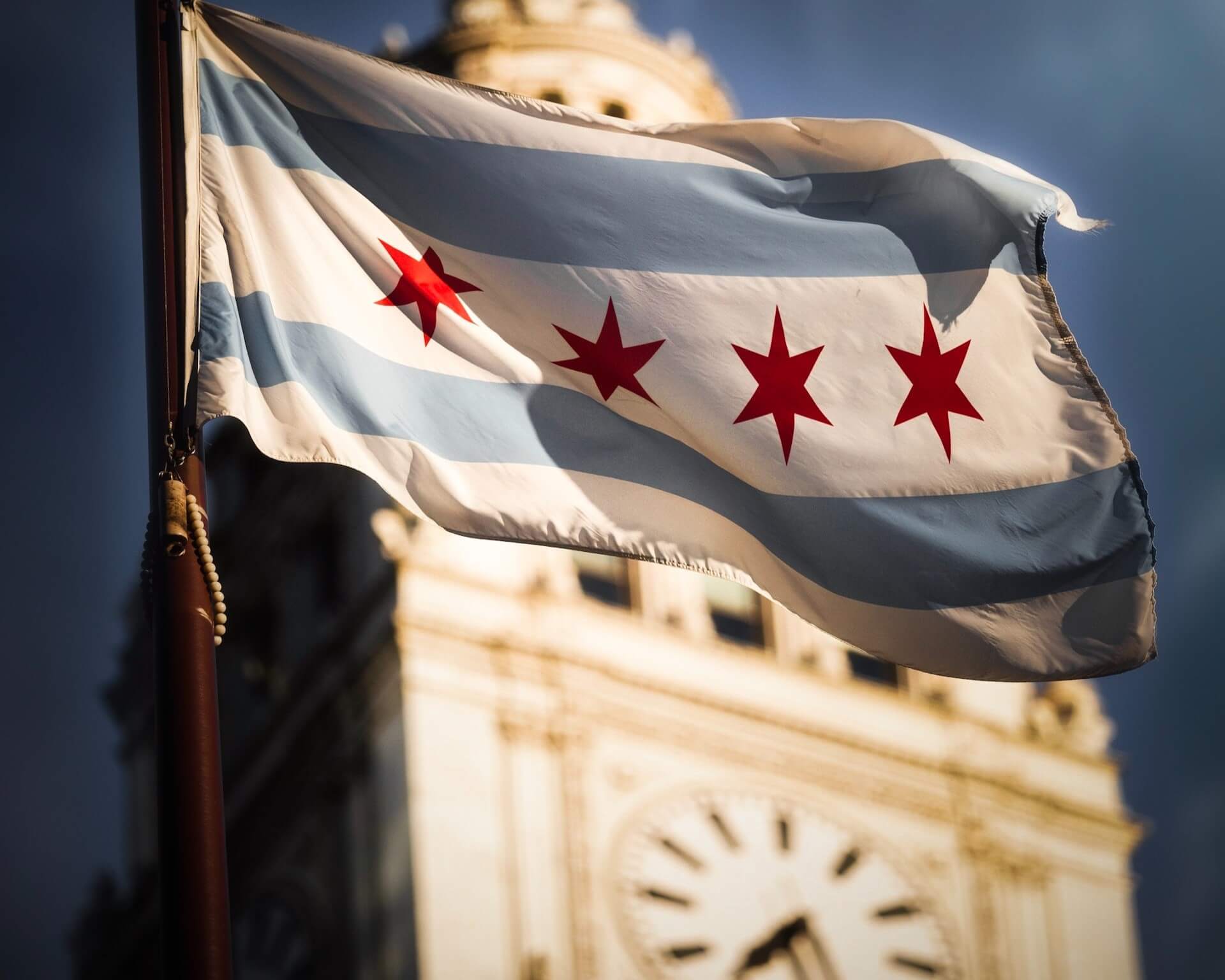
Closeup shot of the flag of the City of Chicago with Wrigley Building in background

In a move that some are celebrating and others claim will kill jobs, Chicago will phase out the tip credit incrementally by the year 2028.

Currently, pay for tipped workers amounts to 60 percent of the minimum wage. Starting next year, that will change.

Beginning July 1, 2024, tipped workers will earn eight-percent increases on an annual basis. This will continue until July 1, 2028. On that date, tipped workers must receive the full minimum wage.

Put another way, the city of Chicago will eliminate the tip credit entirely midway through 2028. To add clarification, this phasing out of the tax credit applies to all 77 of the city’s neighborhoods.

Overwhelmingly, Chicago’s City Council voted for the so-called “One Fair Wage Ordinance.” Thirty-six alderpeople voted “yea,” while just ten voted “nay.”

As one would expect, not everyone is happy that the ordinance was passed on Friday, October 6. Nor are they pleased that Mayor Brandon Johnson signed off on the bill a week ago today.

Specifically, Alderman Nicholas Sposato referred to the One Fair Wage Ordinance as a “job and business killer.”

Further, as reported by Restaurant Dive last week, the Illinois Restaurant Association opposes the decision to eliminate the tip credit in Chicago.

“We wholeheartedly disagree with the decision to move forward with the elimination of the tip credit,” Restaurant Dive reports a representative of the IRA saying in a statement emailed to the publication.

The National Restaurant Association also opposes the ordinance, reportedly vowing to fight any such legislation that introduced throughout the country.

However, One Fair Wage and the Service Employees International Union are celebrating the plan to phase out the tip credit. However, the SEIU would like the elimination to apply statewide.

A Compromise

Attempting to negotiate for legislation they found more palatable, the IRA had proposed a different approach.

Their version would have seen tipped workers make a minimum of $20.54 per hour. However, that ordinance would only have applied to restaurants that generate $3 million or more in annual revenue. Additionally, the IRA proposed tripling fines related to violations of the proposed ordinance.

Had that proposal been accepted, the pay situation would have been unchanged for tipped workers in smaller operations.

In the end, the IRA agreed to eliminating the tip credit over the course of five years to make the transition smoother for operators. This is due, in part, to the possibility of a two-year phasing out of the tip credit being passed by Chicago’s City Council.

The IRA, NRA, and others who oppose eliminating tip credits point to hardships on the operator side. Increased labor costs will lead to increases in menu prices, reductions in traffic and hours, the elimination of jobs, and, ultimately, the shuttering of many businesses.

However, those who support such ordinance point to the financial stability of vulnerable people, and those who work throughout the industry to earn a living wage.

The Future

While Chicago is the largest city in America to vote to eliminate the tip credit, it’s not the first pass such legislation.

The city joins Alaska, California, Minnesota, Montana, Nevada, and Oregon in doing so. Additionally, Washington, DC, will eliminate the tip credit fully by July 1, 2027. Phase one of DC’s tip credit elimination started May 1 of this year.

Of course, the news out of Chicago also comes on the heels of the FAST Act fight ending in California.

These developments beg the question: Which city or state will introduce legislation next, and how will it play out for workers and operators?

Image: Trace Hudson via Pexels

KRG Hospitality. Restaurant Business Plan. Feasibility Study. Concept. Branding. Consultant. Start-Up.

by David Klemt David Klemt No Comments

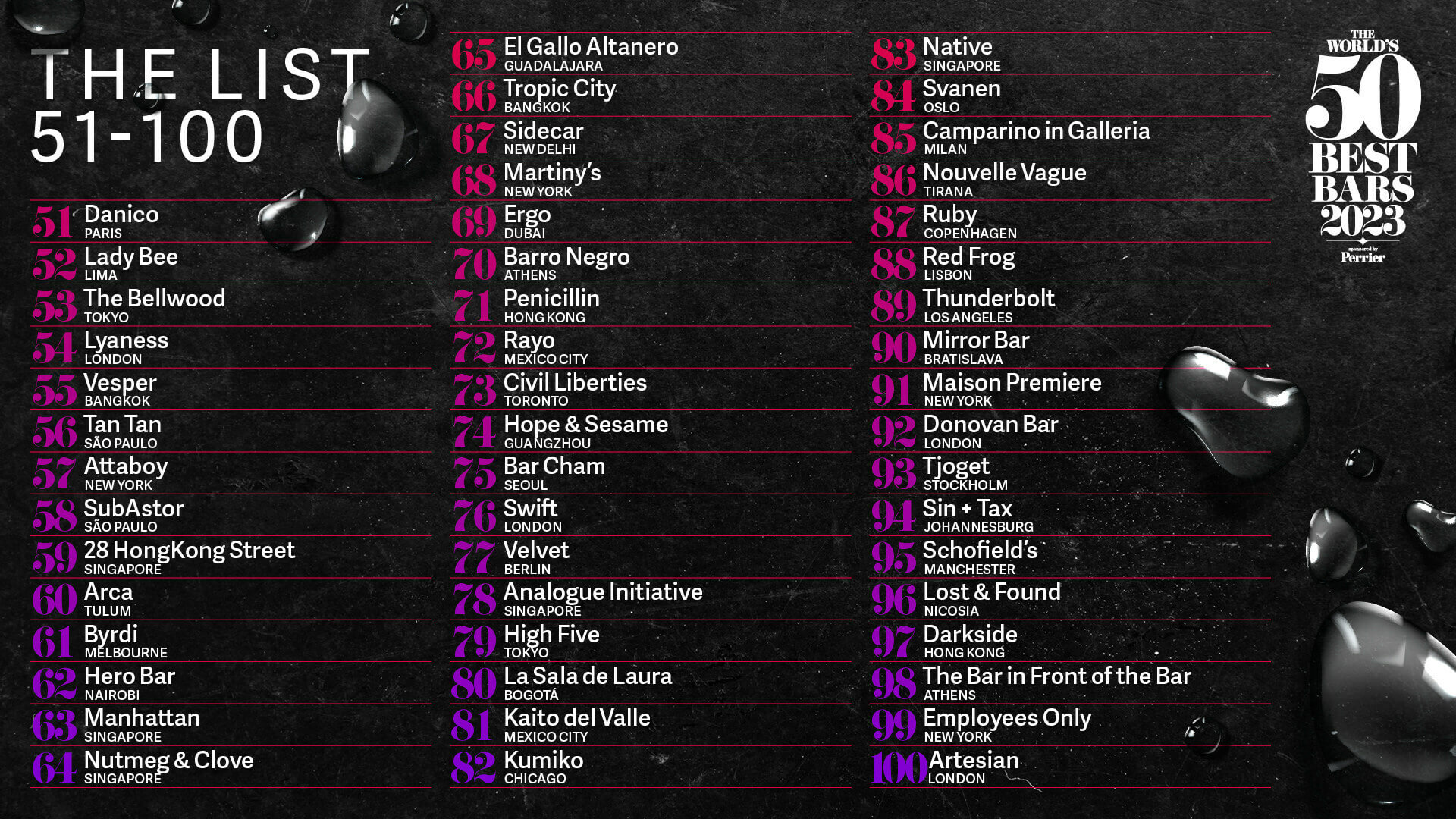
2023 World’s 50 Best Bars: 51 to 100

2023 World’s 50 Best Bars: 51 to 100

by David Klemt

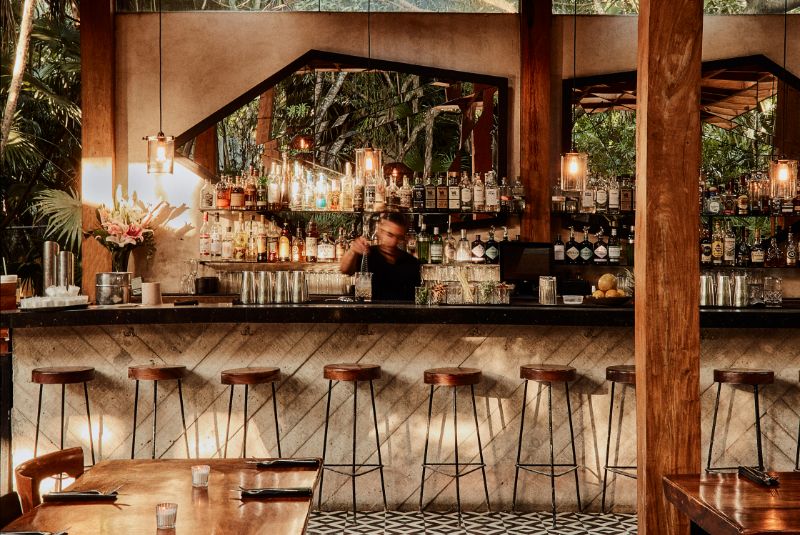
ARCA bar in Tulum, Mexico

ARCA in Tulum, Mexico

Check out the back half of the 2023 World’s 50 Best Bars list ahead of the one through 50 reveal taking place in Singapore on October 17.

In terms of single-country performance, the United States of America claims the most spots on this list with six. Unsurprisingly, four of these bars in New York. Rounding out the six American venues are one in Chicago and one in California.

However, in combination with Mexico and Canada, North America earns 11 places. Unfortunately, Canada earns just one spot with a bar in Toronto. Mexico City, however, is home to two of the best bars in North America (and the world).

It’s Europe as a whole, though, that boasts the most positions, with 17 bars on the list. Five of the 17 are in England.

Asia comes in second as a continent with 14 venues on the back half of the 2023 World’s 50 Best Bars. It should come as no surprise that Singapore claims five spots.

Congratulations to the bar teams below!

To review the 2022 51 to 100 list, click here.

The World’s 50 Best Bars 2023: 100 to 51

It’s only a matter of time until a number of these incredible venues break through to the top half of this list.

  1. Artesian (London, England, UK)
  2. Employees Only (New York, New York, USA)
  3. The Bar in Front of the Bar (Athens, Greece)
  4. Dark Side (Hong Kong)
  5. Lost & Found (Nicosia, Cyprus)
  6. Schofield’s (Manchester, England, UK)
  7. Sin + Tax (Johannesburg, South Africa)
  8. Tjoget (Stockholm, Sweden)
  9. Donovan Bar (London, England, UK)
  10. Maison Premiere (New York, New York, USA)
  11. Mirror Bar (Bratislava, Slovakia)
  12. Thunderbolt (Los Angeles, California, USA)
  13. Red Frog (Lisbon, Portugal)
  14. Ruby (Copenhagen, Denmark)
  15. Nouvelle Vague (Tirana, Albania)
  16. Camparino in Galleria (Milan, Italy)
  17. Svanen (Oslo, Norway)
  18. Native (Singapore)
  19. Kumiko (Chicago, Illinois, USA)
  20. Kaito del Valle (Mexico City, Mexico)
  21. La Sala de Laura (Bogotá, Colombia)
  22. High Five (Tokyo, Japan)
  23. Analogue Initiative (Singapore)
  24. Velvet (Berlin, Germany)
  25. Swift (London, England, UK)
  26. Bar Cham (Seoul, South Korea)
  27. Hope & Sesame (Guangzhou, Guangdong, China)
  28. Civil Liberties (Toronto, Ontario, Canada)
  29. Rayo (Mexico City, Mexico)
  30. Penicillin (Hong Kong)
  31. Barro Negro (Athens, Greece)
  32. Ergo (Dubai, UAE)
  33. Martiny’s (New York, New York, USA)
  34. Side Car (New Delhi, Delhi, India)
  35. Tropic City (Bangkok, Thailand)
  36. El Gallo Altanero (Guadalajara, Jalisco, Mexico)
  37. Nutmeg & Clove (Singapore)
  38. Manhattan (Singapore)
  39. Hero Bar (Nairobi, Kenya)
  40. Byrdi (Melbourne, Victoria, Australia)
  41. ARCA (Tulum, Quintana Roo, Mexico)
  42. 28 HongKong Street (Singapore)
  43. SubAstor (São Paulo, Brazil)
  44. Attaboy (New York, New York, USA)
  45. Tan Tan (São Paulo, Brazil)
  46. Vesper (Bangkok, Thailand)
  47. Lyaness (London, England, UK)
  48. The Bellwood (Tokyo, Japan)
  49. Lady Bee (Lima, Perú)
  50. Danico (Paris, France)

The World's 50 Best Bars 2023, numbers 51 to 100

2023 New Entries

Among these 50 bars are 14 new entries:

  • Lady Bee (No. 52)
  • Arca (No. 60)
  • El Gallo Altanero (No. 65)
  • Martiny’s (No. 68)
  • Ergo (No. 69)
  • Rayo (No. 72)
  • Civil Liberties (No. 73)
  • Bar Cham (No. 75)
  • Velvet (No. 77)
  • Kaito del Valle (No. 81)
  • Svanen (No. 84)
  • Nouvelle Vague (No. 86)
  • Mirror Bar (No. 90)
  • The Bar in Front of the Bar (No. 98)

Remember, the World’s 50 Best will reveal bars one through 50 in Singapore on October 17 at 8:25 PM UTC. Cheers!

Image: The World’s 50 Best Bars / ARCA

KRG Hospitality. Bar Consultant. Nightclub. Lounge. Mixology. Cocktails.

by David Klemt David Klemt No Comments

Brand Love: BrandVue’s 2023 Rankings

Brand Love: BrandVue’s 2023 Rankings

by David Klemt

Black and white image of a winners' podium under a spotlight

As we near the end of the year, Savanta has revealed their BrandVue’s Most Loved Eating Out Brands 2023 report, ranking 100 restaurant brands in America.

The B2B and B2C market consultancy has been publishing this report since 2019. Their fifth-annual report includes 16 categories, including ranking consumer opinion of third-party delivery services.

As a category, Burger boasts the greatest presence with 17 loved restaurant brands. In second is Italian or Pizza with 13 brands. With ten brands, Specialty comes in third as a category. Tied for fourth are Mexican and Chicken, featuring eight brands each.

Download the full report here.

Top Restaurant in Each Category

Below you’ll find the gold medalist in each category, in alphabetical order by restaurant type.

  • Asian: Panda Express
  • Burger: McDonald’s
  • Café or Bakery: Starbucks
  • Chicken: Chick-fil-A
  • Family Style: Cracker Barrel Old Country Store
  • Frozen Dessert: Cold Stone Creamery
  • Italian or Pizza: Olive Garden
  • Mexican: Taco Bell
  • Sandwich: Subway
  • Seafood: Red Lobster
  • Specialty: Krispy Kreme
  • Steak: Texas Roadhouse
  • Varied Menu: The Cheesecake Factory

Other Categories

There are a handful of other categories on the BrandVue list. Namely, Delivery, Sports Bar, and Meal-kit.

I’ve separated Delivery in particular because it doesn’t represent brick-and-mortar brands. Rather, these are third-party services.

For this year’s list, Savanta ranks five delivery services. Below, the top three:

  1. Caviar
  2. DoorDash
  3. UberEats

However, it’s important to note that DoorDash bought their one-time rival Caviar back in 2019. So, it’s really as though DoorDash claims two spots among the top three.

Of course, UberEats owns Postmates, which is among the five Delivery brands on this list. So is Seamless, owned by Grubhub. However, Grubhub itself doesn’t appear on this list.

The other two categories, Sports Bar and Meal-kit, count just one brand each among them: Buffalo Wild Wings and Plated, respectively.

Top 26 Restaurant Brands

Below, the top quarter of the 2023 BrandVue list. As you’ll see, the gold medalists among the top 25 are in bold.

Why did I decide to show the top 26 rather than the top 25? My reasoning is simple: one of the top 25 is a delivery service, not a brick-and-mortar restaurant.

  1. Domino’s (Italian or Pizza)
  2. Red Lobster (Seafood)
  3. Cold Stone Creamery (Frozen Dessert)
  4. Culver’s (Burger)
  5. Caviar (Delivery)
  6. Cinnabon (Specialty)
  7. Braum’s (Burger)
  8. Auntie Anne’s (Specialty)
  9. Wingstop (Chicken)
  10. Popeyes (Chicken)
  11. Wendy’s (Burger)
  12. Pizza Ranch (Italian or Pizza)
  13. Pizza Hut (Italian or Pizza)
  14. KFC (Chicken)
  15. The Cheesecake Factory (Varied Menu)
  16. Subway (Sandwich)
  17. In-N-Out Burger (Burger)
  18. Dunkin’ Donuts (Café or Bakery)
  19. Taco Bell (Mexican)
  20. Raising Cane’s (Chicken)
  21. Olive Garden (Italian or Pizza)
  22. Krispy Kreme (Specialty)
  23. Texas Roadhouse (Steak)
  24. McDonald’s (Burger)
  25. Starbucks (Café or Bakery)
  26. Chick-fil-A (Chicken)

Unsurprisingly, the top six spots go to gold medalists. In total, gold medalists claim seven slots amongst the top ten. Twelve of the top performers out of all 16 categories are in the top 25.

Interestingly, the list also puts America’s love for burgers, chicken, and pizza on full display. Of the top 25 most-beloved restaurant brands, five fall into the Burger category, and five fall into Chicken. Four slots belong to the Italian or Pizza category.

Notably, there are no Asian or Family Style restaurants among the top 26. However, I expect more Asian and Mexican restaurants to earn places in the top quarter over the next few years.

To see the full list of the 100 most-beloved restaurant (and delivery) brands in the US, click here.

Image: Joshua Golde on Unsplash

KRG Hospitality. Restaurant Business Plan. Feasibility Study. Concept. Branding. Consultant. Start-Up.

by David Klemt David Klemt No Comments

Taco Bell Racking Up Rewards Program Wins

Taco Bell Racking Up Rewards Program Wins

by David Klemt

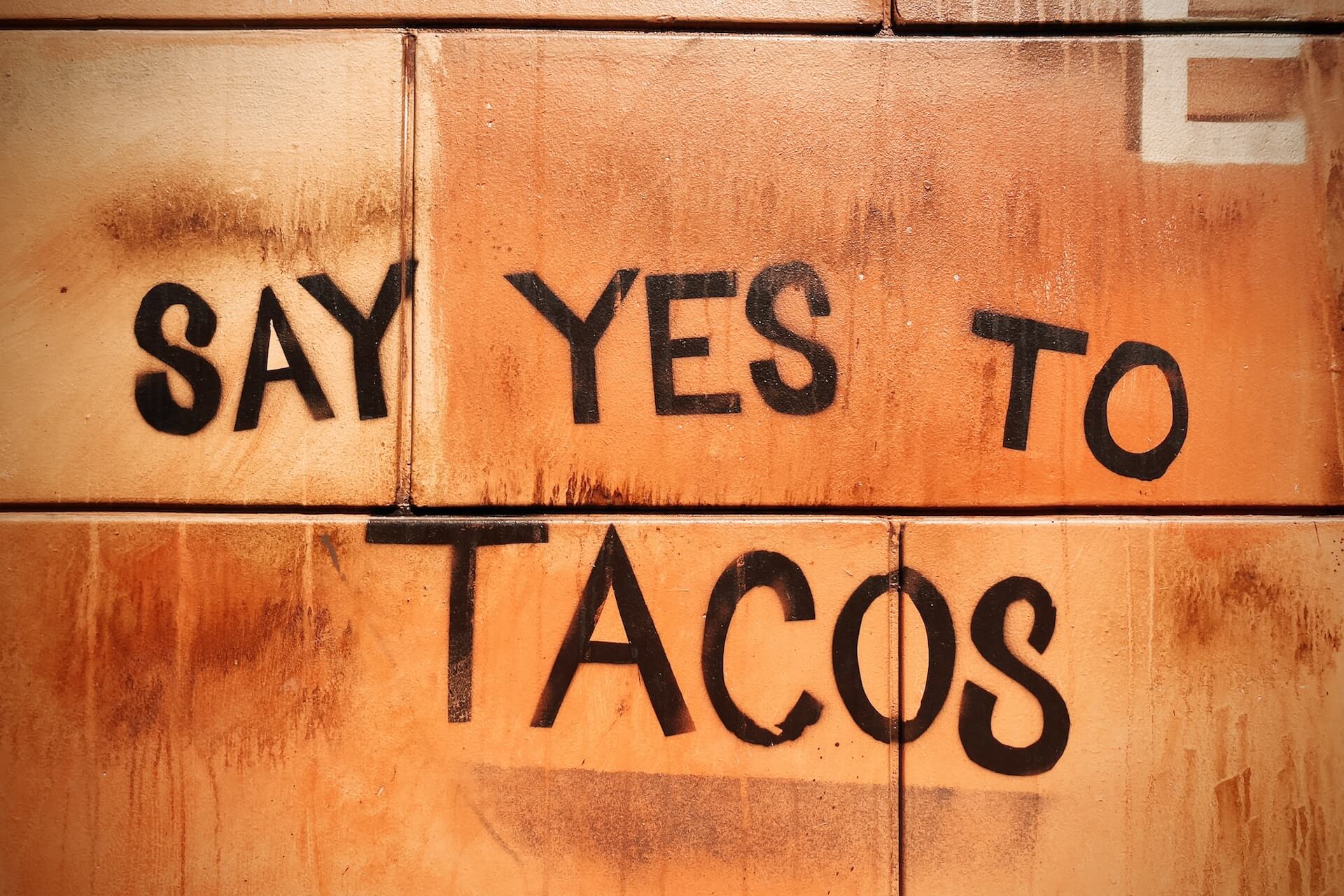
"Say yes to tacos" graffiti

Taco Bell, masters of the limited-time offer and loyalty program, continue to rack up wins with the return of a fan-favorite promotion, and more.

The fast-food giant operates more than 7,800 restaurants in the US alone. However, the company understands that sheer numbers aren’t enough to turn a profit.

Rather, Taco Bell continually proves they understand the power of promotions, loyalty, and LTOs.

The QSR routinely releases specialty items, then packs them away to generate buzz and traffic by making them available once again—for a limited time. Compellingly, Taco Bell also ties their LTOs to their loyalty program. Often times, the only way for guests to enjoy special perks and items is to be a Taco Bell Rewards member.

Not only does this help to engage existing members, this approach drives new program signups.

Case in point: the Taco Lover’s Pass.

National Taco Day Promotion

If you’re industry or a fan of Taco Bell, you should be aware of the Taco Lover’s Pass by now.

Tracing its genesis to 2021 in Arizona, the LTO pops up every now and then. In exchange for $10, those who grab a pass can get one free taco each day for 30 consecutive days.

Oh, and the pass is now only available via the Taco Bell app, and to members of the Taco Bell Rewards program. Again, this is an excellent way to boost engagement. Do guests want to take advantage of this LTO? Great—they’ll need to exchange their info and provide access to themselves to do so.

Normally, the Taco Lover’s Pass is available for purchase for just one day. However, this time around Taco Bell gave rewards members two days to snag one. This is likely due to a new menu item drop coming tomorrow.

For quite some time now, Taco Bell has been hinting that they’ll be making breakfast easier and better. And now we know how they plan to accomplish that goal.

Joining the Seasoned Beef Crunchy Taco, Seasoned Beef Crunchy Taco Supreme, Seasoned Beef Soft Taco, Seasoned Beef Soft Taco Supreme, Spicy Potato Soft Taco, Seasoned Beef Doritos® Locos Tacos, and Seasoned Beef Doritos® Locos Tacos Supreme on the Taco Lover’s Pass is the new Toasted Breakfast Taco.

Today, October 12 (a Taco Tuesday!), Taco Bell drops the Toasted Breakfast Taco, and holders of their coveted pass can grab one for free.

Clearly, Tuesdays are important to Taco Bell. Let’s not forget that they very publicly challenged the “Taco Tuesday” trademark, and very publicly celebrated its cancellation. So, launching an all-new item that will drive traffic to Taco Bell during the breakfast daypart makes perfect sense. The drop also further solidifies their branding and marketing.

Steal a Base…

…Steal a Taco. Not only is the Taco Lover’s Pass back, so is Taco Bell’s Major League Baseball promotion.

And, once again, it’s available only via the Taco Bell app, and only to Taco Bell Rewards members.

Focusing on the Fall Classic, “Steal a Base, Steal a Taco” is a collaboration between Taco Bell, the MLB, and Topps.

Starting October 27 (not a Tuesday), the first player to steal a base will earn the title Taco Hero. That player will also earn free Nacho Cheese Doritos® Locos Tacos for Taco Bell Rewards members.

Taking things further, however, is Topps. The iconic trading card brand has put a limited run of Topps TacoFractor cards into circulation. People who hold the card of the first player to steal a base during the 2023 World Series could win Taco Bell for life. For this promotion, that comes in the form of a digital $15,000 Taco Bell gift card.

Alternatively, the holders of Topps TacoFractor Wild Cards could win the big prize.

On October 10 (a Tuesday!), Taco Bell Rewards members will have the chance to score free Topps Chrome or Cosmic Chrome packs. This limited Tuesday Drop could lead to a Taco Hero card, which in turn can lead to winning Taco Bell for life.

Takeaway

Unquestionably, Taco Bell understands the power of marketing messaging, branding, promotions, and the LTO.

However, they also understand the need for loyalty and rewards programs to do more than just offer discounts and free menu items. A great loyalty program needs to be big, bold, and encourage constant engagement.

With that in mind, it’s more than likely time for most operators, regardless of size, to review and rethink their programs.

Image: Chad Stembridge on Unsplash

Bar Nightclub Pub Brewery Marketing Agency Team

by David Klemt David Klemt No Comments

The Science of Flavour Pairing

In the world of culinary arts, there exists a fascinating and almost mystical aspect that elevates a dish from ordinary to extraordinary: flavour pairing.

The art of flavour pairing is like a symphony of tastes and aromas, orchestrated to create harmonious and memorable dining experiences. As a chef consultant, I invite you to embark on a culinary journey that delves deep into the science and creativity behind flavour pairing.

Whether you are a seasoned industry professional or a curious food enthusiast, this article will unveil the secrets of culinary magic that lie within this art and science.

by Nathen Dubé

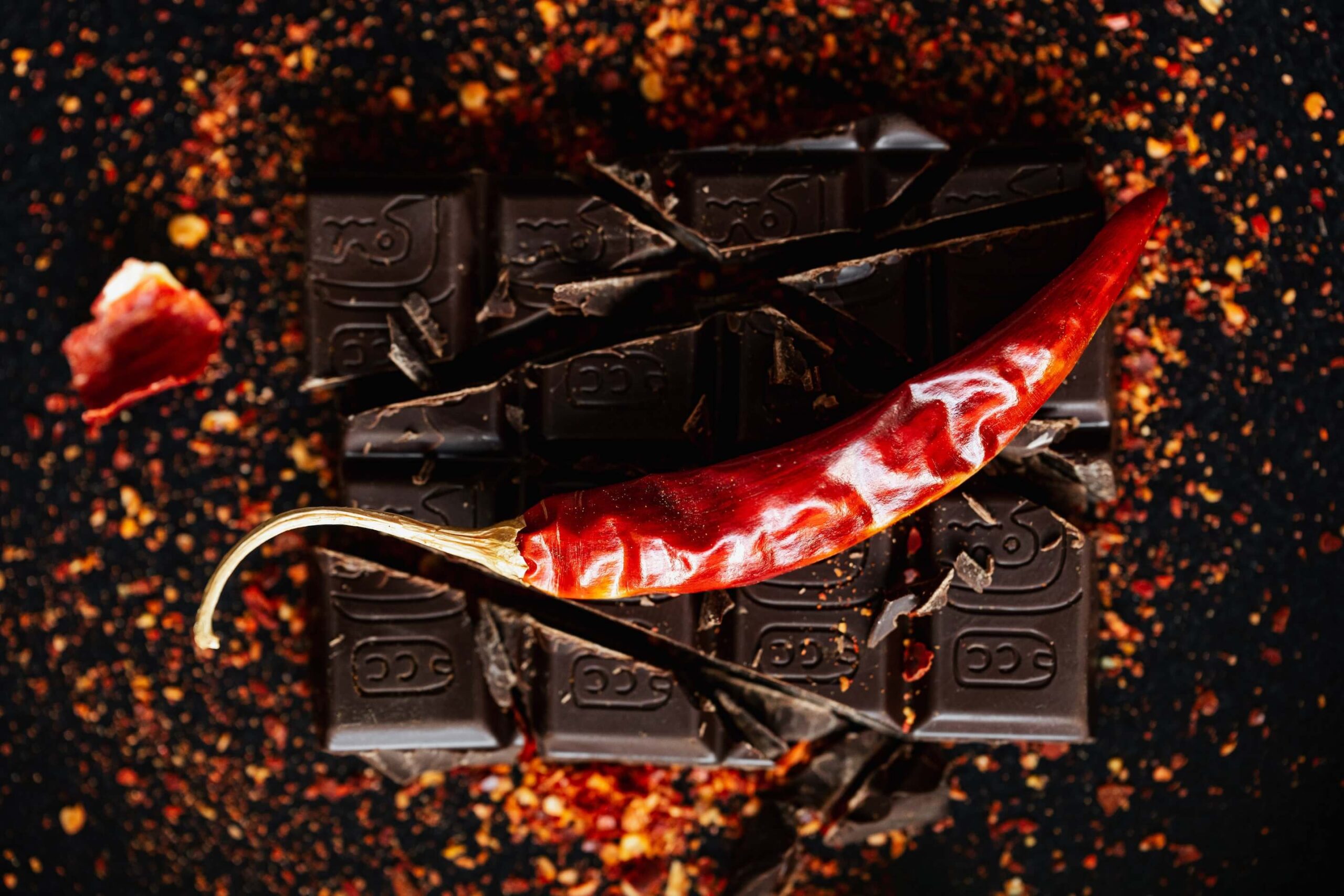
A red pepper resting on top of a bar of chocolate

The Science Behind Flavour Pairing

To truly understand the art of flavour pairing, one must first grasp the science that underpins it.

Flavour pairing isn’t just about randomly combining ingredients. Rather, it’s about exploiting the complex interactions between different compounds that create flavours.

Here’s a brief look at the science.

The Flavour Wheel

Imagine a vast wheel with hundreds of spokes, each representing a distinct flavour. This is the flavour wheel, a tool that categorizes flavours into primary, secondary, and tertiary categories.

Understanding this wheel helps chefs identify complementary flavours and build balanced profiles.

The primary flavours include sweet, sour, salty, and bitter, while the secondary flavours encompass umami, fatty, and astringent notes. Tertiary flavours delve even deeper, encompassing specific aromatic compounds found in various ingredients.

The flavour wheel serves as a roadmap for chefs, allowing them to create harmonious and balanced dishes by combining flavours from different categories.

For example, pairing a salty ingredient like prosciutto with sweet melon exploits the contrast between saltiness and sweetness for a delightful taste experience.

Chemical Compounds

Flavour compounds are the building blocks of taste and aroma. These compounds are responsible for the diverse spectrum of flavours we encounter in food.

Understanding which compounds are shared between ingredients is key to successful flavour pairing.

A well-known example of shared aroma compounds is the presence of vanillin in both vanilla beans and oak barrels used for aging wine. Vanillin is a key aroma compound responsible for the sweet and creamy notes in vanilla. When wines are aged in oak barrels, they can acquire subtle vanilla and spice undertones from the wood, creating a harmonious and recognizable flavour pairing in wines, especially in the case of oak-aged Chardonnay or red Bordeaux wines.

This shared compound, vanillin, illustrates how we can derive the same aroma compound from different sources (vanilla beans and oak barrels) and contribute to the complexity and appeal of various culinary creations, enhancing both desserts and wines.

Contrast and Harmony

Flavour pairing often revolves around the concept of contrast and harmony.

Some pairings work because they contrast flavours, creating excitement and intrigue. Others harmonize, creating a seamless and balanced taste experience.

Consider the classic contrast between sweet and sour in dishes like sweet and sour chicken. The sweetness of the sauce contrasts with the tanginess of vinegar, resulting in a harmonious yet exciting combination.

On the other hand, a harmonious pairing might involve complementary flavours that meld together seamlessly. Think of the classic combination of tomatoes and basil in a Caprese salad. The earthy, herbaceous notes of basil harmonize beautifully with the juicy sweetness of ripe tomatoes.

Umami

The fifth taste, umami, has gained prominence in recent years.

Umami is often described as a savory or meaty taste, and it can be used to elevate a wide range of dishes.

Ingredients that are rich in umami—mushrooms, soy sauce, and Parmesan cheese, for example—can enhance and deepen the overall flavour of a dish.

One popular example of umami-rich flavour pairing is the combination of Parmesan cheese with ripe tomatoes. The umami in the cheese amplifies the tomato’s natural sweetness and creates a more complex and satisfying flavour profile.

Classic Flavour Pairings

Now that we’ve dipped our toes into the science of flavour pairing, let’s explore some classic pairings that have stood the test of time.

Salt and Sweet

This classic pairing is all about balance. The saltiness enhances the sweetness in dishes like salted caramel and chocolate-covered pretzels. The contrast is what makes it so delightful.

When it comes to savoury dishes, the addition of a touch of salt can elevate the overall flavour. Consider how a pinch of salt can enhance the sweetness of roasted vegetables or a perfectly seared steak.

Acid and Fat

The acidity in ingredients like lemon or vinegar can cut through the richness of fatty dishes, creating balance.

Think of a zesty vinaigrette dressing on a buttery avocado salad. The acidity brightens the dish and prevents it from feeling overly heavy.

Spicy and Cool

Combining spicy and cooling elements can create a dynamic and memorable flavour experience.

For example, a fiery hot sauce paired with a creamy yogurt dip offers a pleasing contrast of temperature and sensation. The coolness of the yogurt soothes the heat of the spice, creating a balanced and exciting flavour profile.

Savoury and Sweet

The umami-rich savoury notes of ingredients like bacon or prosciutto can beautifully complement the sweetness of fruits, as seen in dishes like melon wrapped in prosciutto.

The salty, savoury elements create a perfect counterpoint to the natural sweetness of the fruit.

Herbs and Citrus

The fresh, aromatic qualities of herbs like basil, cilantro, or mint can be elevated when paired with the zingy brightness of citrus fruits.

The combination of fresh herbs and citrus can add layers of flavour to salads, marinades, and cocktails.

Modern Flavour Pairing Techniques

While classic pairings are timeless, modern culinary innovation has taken flavour pairing to new heights.

Here are some cutting-edge techniques and trends to explore.

Molecular Gastronomy

This avant-garde approach to cooking employs scientific principles to create unexpected flavour combinations.

Techniques like spherification and foaming can transform ordinary ingredients into extraordinary culinary creations.

For instance, the technique of spherification involves transforming liquid ingredients into tiny, flavorful spheres with a thin membrane. These spheres can burst with flavour in your mouth, creating a unique and memorable dining experience.

Imagine a burst of basil-infused olive oil encapsulated in a delicate sphere served alongside a tomato salad.

Global Fusion

As our world becomes more connected, so do our culinary influences.

Chefs are exploring fusion cuisine, merging ingredients and techniques from different cultures to create exciting and unexpected flavour pairings.

For example, Korean tacos combine the bold flavours of Korean barbecue with the convenience of a taco, resulting in a fusion dish that offers a delightful balance of sweet, spicy, and savory elements.

Experimenting with flavors, techniques and combinations both classic and new, and mastering an array of techniques will elevate any kitchen team’s skills. In turn, that team will elevate the menu, restaurant, and guest experience.

Image: Karolina Grabowska via Pexels

Related Reading

Work with Us

Click the image below to partner with us to start, stabilize, or scale your F&B concept.

Client Intake Form - KRG Hospitality

by David Klemt David Klemt No Comments

5 Books to Read this Month: October 2023

5 Books to Read this Month: October 2023

by David Klemt

Flipping through an open book

Our inspiring and informative October book selections will help you and your team transform your vision for your business into a successful story.

This month, we’re taking a good look at independent hotel operations, including checking out the wonderful guest experience a rustic lodge can deliver. We also dive into operations and brand strategy.

Oh, and we get inspiration from a company founder who turned $50 into a $30 billion-per-year, globally recognized brand.

To review the book recommendations from September 2023, click here.

Let’s jump in!

INDIE HOTEL: Why Hoteliers Are Breaking Free from Chains and Choosing Independence

I picked up INDIE HOTEL just a day or two after it was released. Written by Jeremy Wells, one of the brilliant minds behind the recently opened Ozarker Lodge, this book examines the shifting hospitality landscape.

From Amazon: “The hospitality industry is exciting and always evolving. One of the most exciting shifts in recent years is the growing popularity of independent, boutique hotels. While chains are here to stay, I believe the days of franchise domination are numbered. Traveler preferences are changing, and technology, once available only to chains, is becoming more accessible. As a result, more and more hoteliers will continue to make the leap into independence—breaking free from chains and enjoying a newfound freedom.”

Order your copy today!

Lodge: An Indoorsy Tour of America’s National Parks

We’re firm believers of looking everywhere for inspiration. Lodge may not be a how-to book for hoteliers but it speaks to the importance of the guest experience. Moreover, it shows that while midscale and luxury hotels and resorts seem to popping up all over, a rustic lodge that encourages disconnecting and recharging definitely still has its place in hospitality.

From Amazon: “Max Humphrey shines a light on 10 rustic National Park lodges in all their airy, timeworn splendor. No historic photos here; the images of the architecture and interiors are as they look today, highlighting these storied places in a fresh, alluring way. Sure, the lobbies are the main stage, but Humphrey touches on grand dining rooms, guest rooms, and rustic canteens alike. He writes about the buildings themselves in terms of the historical goings-on at the time, why they were built, and the players involved, highlighting notable architectural moments and period-specific furnishings. A smattering of pop culture history adds extra bursts of levity throughout.”

Grab it today.

Future Hospitality: Impactful Brand Experiences that Drive Sustainable Growth, Happier Guests, and Inspired Staff

Since the latest Jeremy Wells book kicks off this list, let’s take a look at his first book.

Future Hospitality drives home a simple but powerful principle that KRG shares. Put simply, hospitality is a mindset. This book also explains how an operator’s brand strategy plays a significant role in embodying that important principle.

From Amazon: “The purpose of this book is to help you understand the significance of making people feel good, and how the principles of strategic brand development can dramatically influence how you go about doing it.

“Without the core foundational component of a brand strategy in place at your business, I believe that you’ll be fighting an uphill battle that you don’t need to fight. If your business means anything to you, then you need to make it mean something to others.”

Order your copy here.

Shoe Dog: A Memoir by the Creator of NIKE

Again, we don’t always have to look at the hospitality industry for inspiration or lessons. We can learn from businesses that appear to have nothing to do with our own.

There are several lessons we can learn from Phil Knight and his leadership of Nike. For example, the following quotes are attributed to Knight:

  • “Don’t tell people how to do things, tell them what to do and let them surprise you with their results.”
  • “Let everyone else call your idea crazy; just keep going. Don’t stop. Don’t even think about stopping until you get there, and don’t give much thought to where ‘there’ is. Whatever comes, just don’t stop.”

From Amazon: “In 1962, fresh out of business school, Phil Knight borrowed $50 from his father and created a company with a simple mission: import high-quality, low-cost athletic shoes from Japan. Selling the shoes from the boot of his Plymouth, Knight grossed $8000 in his first year. Today, Nike’s annual sales top $30 billion. In an age of start-ups, Nike is the ne plus ultra of all start-ups, and the swoosh has become a revolutionary, globe-spanning icon, one of the most ubiquitous and recognisable symbols in the world today.”

Pick up your copy.

Bar Hacks: Developing The Fundamentals for an Epic Bar

If you have yet to read Bar Hacks, written by KRG Hospitality president and Bar Hacks podcast creator Doug Radkey, you need to pick your copy up today.

Without an understanding and appreciation of the fundamentals, long-term success is essentially an impossibility.

Image: Mikołaj on Unsplash

KRG Hospitality. Boutique Hotels. Resorts. Properties. Consultant. Feasibility Study. Business Plan

by David Klemt David Klemt No Comments

Program for Unique Holidays: October 2023

Program for Unique Holidays: October 2023

by David Klemt

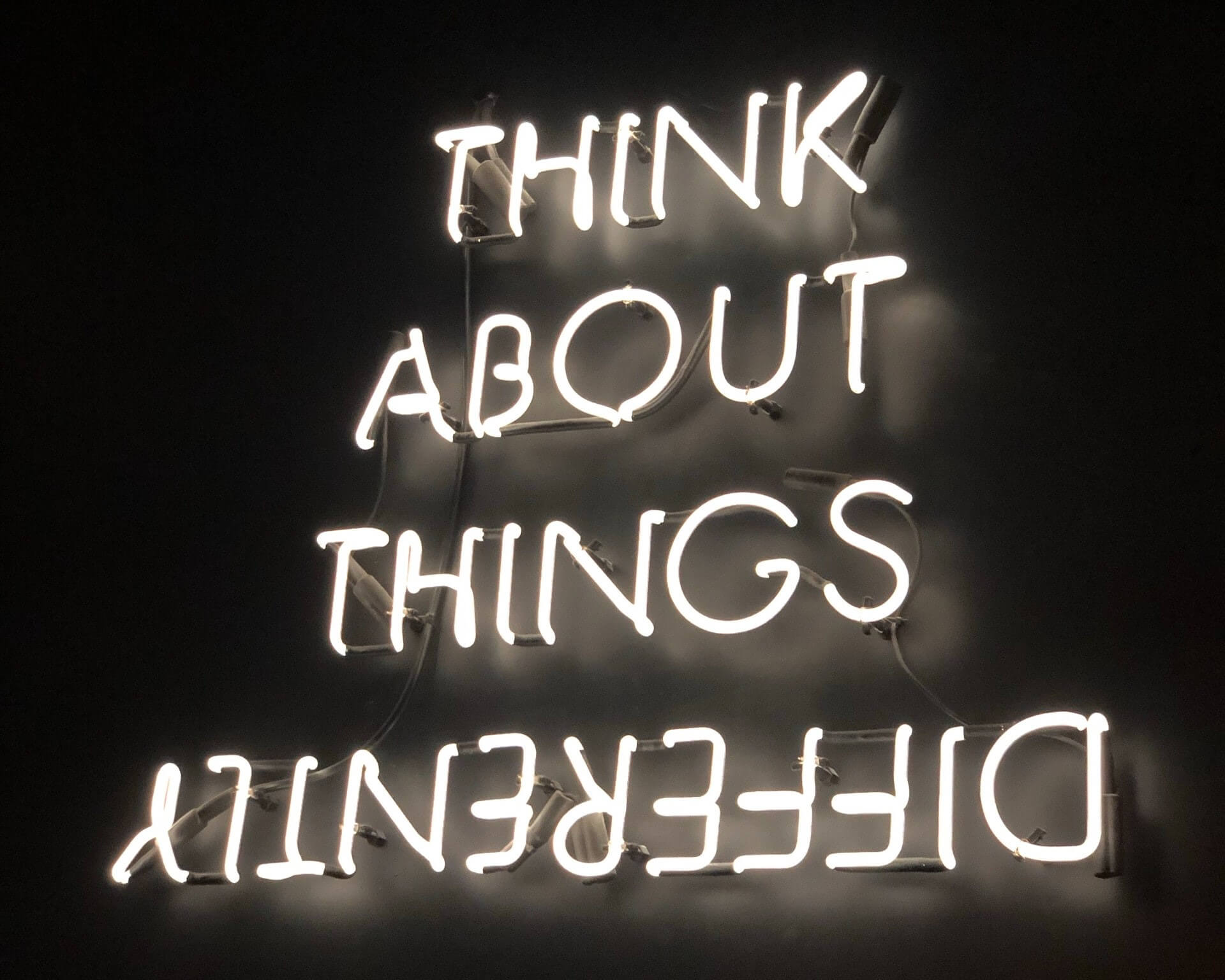
"Think about things differently" neon sign

Do you want to stand out from from other restaurants and bars in your area? Change how you think about your October holiday promotions.

Several holidays are set against every date on the calendar, and this month is no exception. These holidays range from mainstream to esoteric.

Pay attention to the “weird” or unique holidays to raise eyebrows, carve out a niche for your restaurant or bar, and attract more guests. Why do what everyone else is already doing? Why program only around the same holidays as everyone else?

Of course, you shouldn’t try to celebrate every holiday, strange or otherwise. Focus on the days that are authentic to your brand; resonate with your guests; and help you grab attention on social media.

You’ll find suggestions for promotions below. However, the idea behind our monthly holiday promotions roundup is to inspire you and your team to get creative and come up with unique programming ideas.

For our September 2023 holidays list, click here.

October 4: National Golf Lover’s Day

There’s a lot of focus on the growth of pickleball in the US and Canada. However, there’s another sport that has been experiencing sizable growth: golf.

Owing in part to the explosive popularity of concepts like TopGolf and Drive Shack, more people have been getting into golf. The past few years has seen “0ff-course” golfers convert to off-and-on-course golfers. If you have golf simulators, Golden Tee, or operate a sports bar or golf-focused concept, this is your holiday!

October 5: National Get Funky Day

Funky rums, funky agate spirits… If there was ever a day to introduce your guests to the funky spirits in your inventory, it’s National Get Funky Day.

October 6: Inbox Zero Day

We can all use a reason to unplug and take a personal day. Hey, the start of October is a great reason to encourage your guests to make their emails as read and spend that personal day at your restaurant or bar.

October 11: Southern Food Heritage Day

Chicken-fried steak. Biscuits and gravy. Southern barbecue. BBQ pulled pork. Fried catfish. There are a nearly endless number of incredible Southern food menu items you can showcase and put your stamp on during this holiday.

October 14: National Motorcycle Ride Day

Yes, I’m including this holiday because I’ve gotten into motorcycles over the past couple of years. However, my motives aren’t entirely selfish. Becoming a go-to spot for groups of guests on bikes can be lucrative.

Just make your menu has plenty of low- and no-alcohol options.

October 16: National Liqueur Day

Not only are there a multitude of liqueurs that pair well with fall flavors, they’re perfect for creating low-ABV sips. Reverse cocktails are a great way to appeal to guests looking for easy-drinking, sessionable sips. And they just happen to be excellent for creating LTO cocktail menus.

October 20: International Chefs Day

If there was ever a day to let your chef and his brigade show off, here it is. Let them create a seasonal prix fixe or LTO menu that shows your guests why your team is the best in the area.

October 21: Apple Day

When temperatures drop and we finally find ourselves in the fall, the pumpkin spice descends upon us. The past couple of years, those menu items haven’t even had the courtesy of waiting for summer to end before making their first appearances.

Well, pumpkin spice isn’t the only fall flavor people want when the weather gets cooler. Sure, PSLs are popular, but you should also be highlighting apple on your food and drink menus.

October 22: National Make a Dog’s Day

There are a couple of ways to make a dog’s day. You and your team can help organize an adoption event and help dogs find their forever homes. (Don’t worry, I’m not going to be “funny” and say furever homes instead.)

If your bar or restaurant has a clean outdoor area, you can also encourage guests to bring them dogs. Have plenty of water and dog-friendly treats available to make their day.

October 30: Mischief Night

Also known as Devil’s Night, particularly in Detroit, Mischief Night is all about cutting loose. Well, most bars are the perfect place for people to cut loose and unwind.

Of course, we don’t want people to vandalize the bar or set fire to anything, so make sure you’re encouraging guests to party and not be malicious toward one another or the community.

Image: Ivan Bertolazzi on Pexels

KRG Hospitality. Consultant. Consulting. Culinary. Bar. Hotel. Mixology. Technology.

by David Klemt David Klemt No Comments

Celebrating the Espresso Martini

Celebrate the Espresso Martini with Mr. Black

by David Klemt

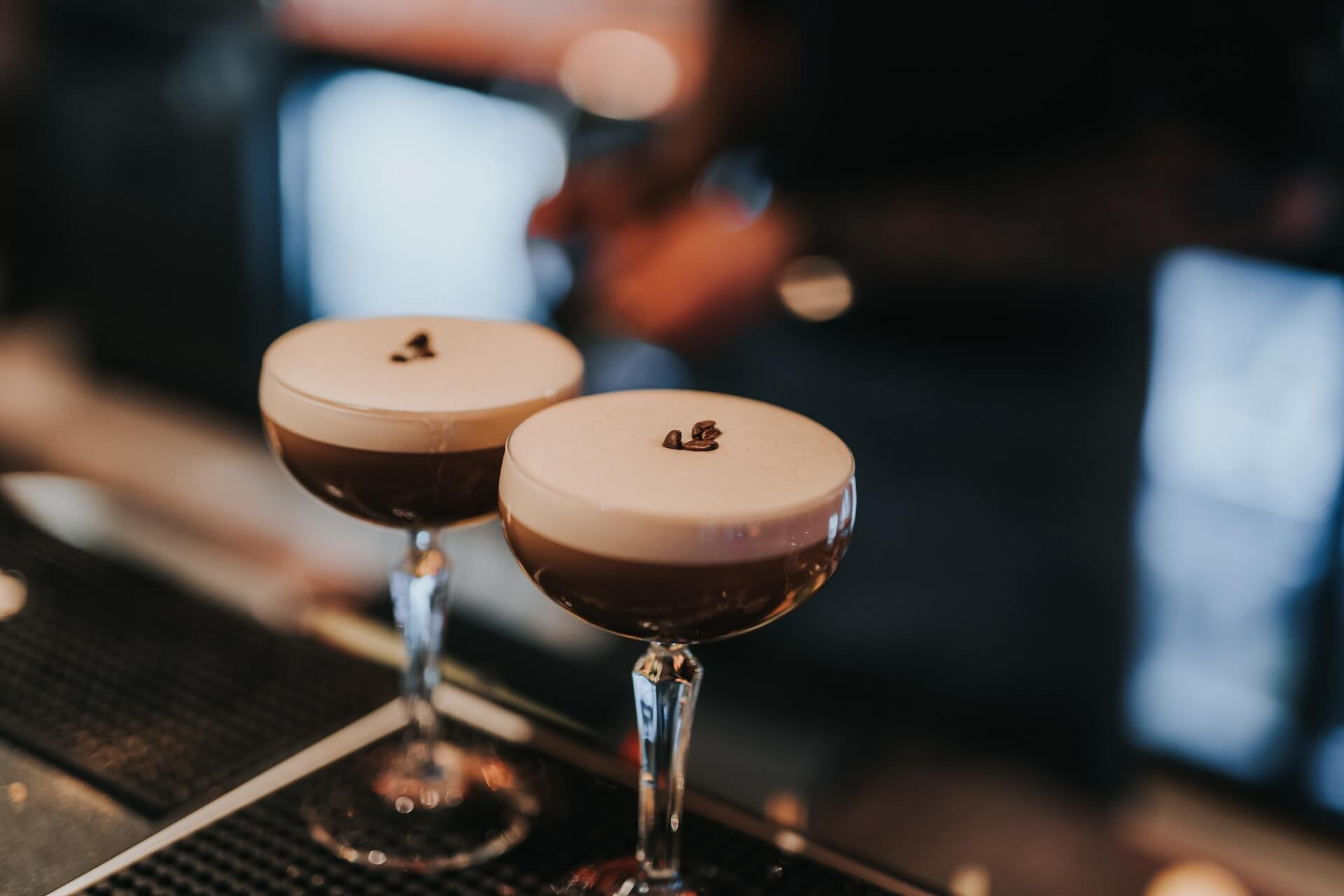
Two Espresso Martinis on a bar

For the second time in its brief but exciting history, Mr. Black Espresso Martini Fest is coming to bars throughout America.

Last year, 70 bars in eight cities across the US took part to celebrate the Espresso Martini. This year, participation more than doubles.

Fourteen cities in ten states will play host to more than 200 bars during the fest. For 2023, Austin, Boston, Dallas, Denver, Nashville, Phoenix, and Seattle are joining in on the fun.


View this post on Instagram


A post shared by Mr Black Spirits (@mrblackspirits)

I, for one, expect Espresso Martini Fest to have the same staying power as other cocktail celebrations. The inaugural event took place in 2016 in Australia. In 2018, the Fest spread to the UK. After launching in the US, the week-long event growth has doubled over the course of just one year.

Logically, Mr. Black Espresso Martini Fest should join the ranks of Negroni Week, Old Fashioned Week, and Bee’s Knees Week.

Now, I know I’ve called the Espresso Martini “the cocktail that won’t die.” And yes, I’ve pointed out that it’s not technically a Martini, and that many bartenders hate it for the time it can take to make. That doesn’t mean participating in Espresso Martini Fest is a bad idea.

This is a cocktail that guests enjoy. It’s a drink that generates headlines each year. And clearly it’s a beverage that can drive traffic and generate revenue. At the end of the day, participation is a smart move.

2023 Espresso Martini Fest Cities

Given that the Fest runs from October 9 to 15, it’s unlikely the organizers are still vetting venues for participation. However, at the time of this article’s publication, the portal appeared to be open. It’s a worth a shot if you want your bar to join Espresso Martini Fest!

At least you’re aware of the event now so you can prepare to sign up next year.

Bars in the following cities are taking part in this year’s Fest:

  • Austin, Texas
  • Boston, Massachusetts
  • Chicago, Illinois
  • Dallas, Texas
  • Denver, Colorado
  • Houston, Texas
  • Los Angeles, California
  • Miami, Florida
  • Nashville, Tennessee
  • New York, New York
  • Phoenix, Arizona
  • San Diego, California
  • San Francisco, California
  • Seattle, Washington

I certainly anticipate this list growing by at least 50 percent for 2024. Cheers!

Image: Krists Luhaers on Unsplash

KRG Hospitality. Bar Consultant. Nightclub. Lounge. Mixology. Cocktails.

by David Klemt David Klemt No Comments

SevenRooms Reveals Revenue Management Tool

SevenRooms Reveals Revenue Management Tool

by David Klemt

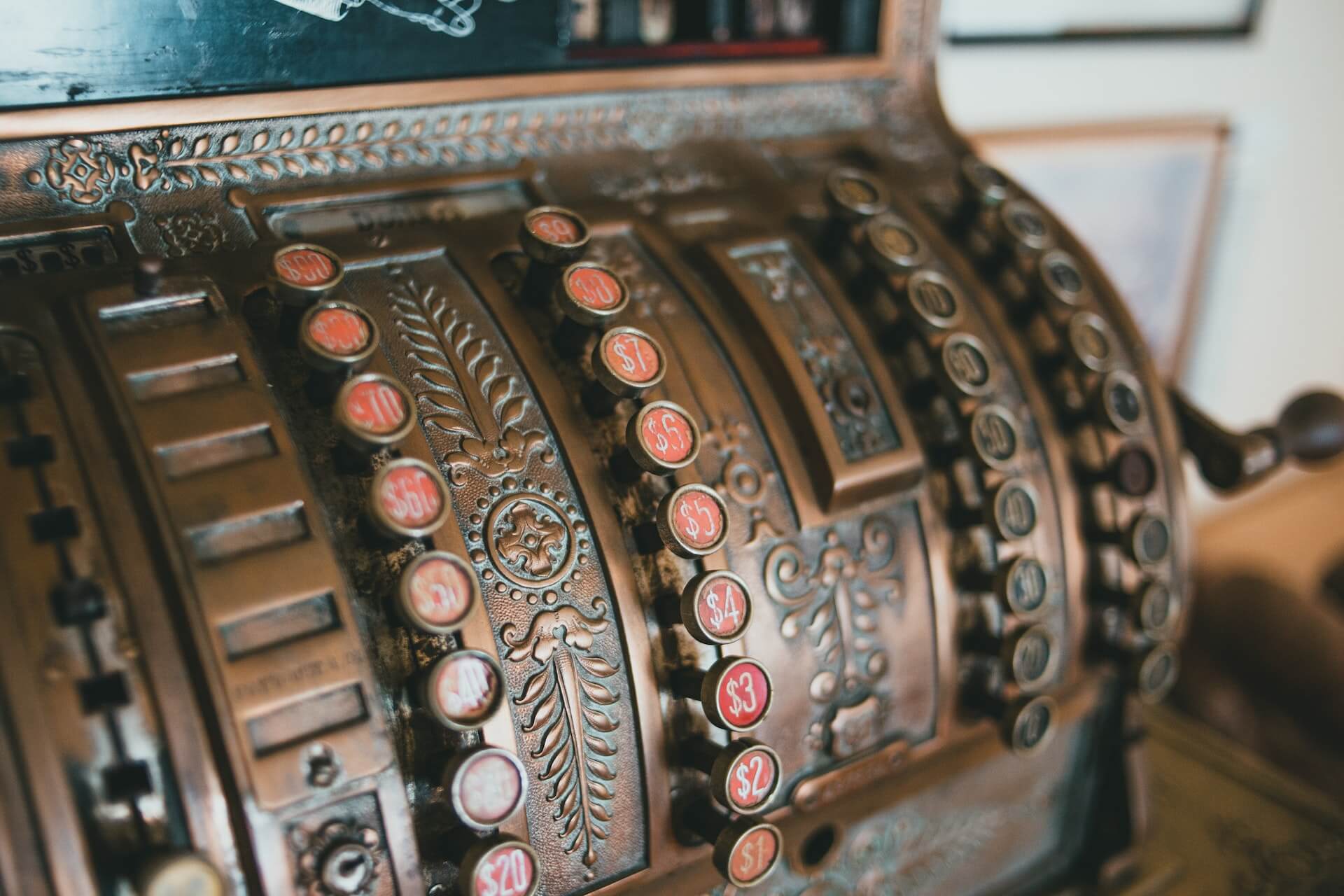
Closeup view of buttons on vintage, antique cash register

Just when you think SevenRooms is done launching new solutions for the year they announce a new tool that will excite operators.

That new tool is Revenue Management. Much more than “just another” plugin, SevenRooms Revenue Management is an engine.

This new engine is feature-rich and automates a number important tasks. In fact, one feature in particular has our attention: the “do-it-for-me” function.

What does that feature give operators the power to accomplish while saving time and labor costs? Below are just a handful of benefits:

  • party size recommendations
  • dining duration configurations
  • decrease last-minute cancellations via cancellation policy implementation
  • floor plan configuration recommendations

Should this automation feature prove easy to understand and use, we can see that this latest tool may become the most popular among SevenRooms users.

To learn more about Revenue Management, scroll down to the latest SevenRooms press release.

Growth Recap

Let’s take a look at just some of the growth SevenRooms has achieved over the course of just the past few years.

  • March 2021: SevenRooms appoints Pamela Martinez as the company’s chief financial officer.
  • September 2021: SevenRooms announces a multi-year partnership with TheFork. The partnership is big news for operators throughout Europe and Australia. Further, the partnership illustrates how the company is pursuing global growth.
  • October of 2021: The company forms a partnership with Olo. This ensures clients who also use Olo are able to capture data from a key group: off-premise customers. That data creates profiles for such customers automatically. That means operators can learn more about—and effectively market to—customers who engage with them via online orders.
  • December 2021: SevenRooms and ThinkFoodGroup—the hospitality company behind Chef José Andrés’ portfolio of restaurants—make their partnership public. Interestingly, this partnership also includes ThinkFoodGroup joining SevenRooms in an advisory role.
  • January 2022: The platform announces the hiring of a chief revenue officer, Brent-Stig Kraus.
  • December 2022: SevenRooms enters into a partnership with Competitive Social Ventures.
  • January 2023: The company announces the appointment of their first-ever chief marketing officer.
  • March 2023: SevenRooms announces that Danny Meyer and EHI are investors in the platform. Following that announcement, SevenRooms launches Email Marketing Integration less than two weeks later.
  • May 2023: The company drops their Pre-Shift tool. Two weeks after that launch, SevenRooms announces a new global partnership with Marriott.

Most platforms launch a new solution or announce new partnerships once or twice per year. Not SevenRooms. And it’s this constant growth that encourages us to recommend the platform to our clients.

SEVENROOMS LAUNCHES REVENUE MANAGEMENT TO HELP OPERATORS INCREASE SALES & PROFITABILITY

Automated revenue management solution will provide restaurants with the tools they need to optimize their operations and fill more seats, more often

NEW YORK (September 28, 2023) – SevenRooms, a guest experience and retention platform for the hospitality industry, today announced the launch of a new solution for restaurants: Revenue Management. The product serves as an engine for operators to generate more sales and profitability from the same seats, using data science to recommend how to optimize availability and increase table utilization.

To survive current economic conditions, restaurants need solutions that can save them time, reduce their labor costs and increase their sales and profits. Inspired by effective revenue management strategies long-used by the travel industry, Revenue Management extends this practice to the restaurant industry. The product automates these processes without the need for analysts, additional staff or high-priced consultants to manage changes, helping to:

  • Fill more seats, more often to increase sales by reducing the time seats sit empty
  • Save time and reduce burdensome labor costs by automating in-depth analysis, quickly making changes with a ‘do-it-for-me’ option
  • Provide operators with easy-to-digest insights along with ready-to-use actions that demystify proven steps taken by revenue leaders

Other systems on the market today may offer reporting on a handful of insights, but none help operators immediately action revenue-focused suggestions with a ‘do-it-for-me’ option that has an instant impact on their operations. Sample actions include recommendations on party size or dining duration configurations, when to institute cancellation policies to decrease last-minute cancellations, floor plan configuration recommendations and more. Diners also benefit, with more available reservations, a better dining experience (e.g. being sat on time and not being rushed out the door) and more unique experiences and offerings to choose from when dining out as operators have more time to focus on the guest experience.

Notably, Revenue Management also gives operators insights into how much demand was missed across booking channels by summarizing data on recent reservation attempts. This helps operators better manage these channels and optimize their books to offer more reservations across their most profitable channels.

“With Revenue Management, we are delivering on our promise to help operators make more money, providing a product that automatically executes on strategies used by the most successful hospitality brands throughout the world – without having to add team members or search out implementation experts,” said Angela DeFranco, VP of Product at SevenRooms. “This tool is both proactive and reactive, helping operators uncover untapped opportunities while simultaneously working to identify potentially harmful configuration issues that may restrict venues from maximizing sales and profitability. Today’s operators are busier than ever, and we are excited to bring Revenue Management to hospitality operators, helping them automatically fill more seats, more often while continuing to elevate their guest experiences.”

For more details on SevenRooms’ newest innovations, please visit sevenrooms.com/new.

About SevenRooms

SevenRooms is a guest experience and retention platform that helps hospitality operators create exceptional experiences that drive revenue and repeat business. Trusted by thousands of hospitality operators around the world, SevenRooms powers tens of millions of guest experiences each month across both on- and off-premises. From neighborhood restaurants and bars to international, multi-concept hospitality groups, SevenRooms is transforming the industry by empowering operators to take back control of their businesses to build direct guest relationships, deliver exceptional experiences and drive more visits and orders, more often. The full suite of products includes reservation, waitlist and table management, online ordering, mobile order & pay, review aggregation, email marketing and marketing automation. Founded in 2011 and venture-backed by Amazon, Comcast Ventures, PSG and Highgate Ventures, SevenRooms has dining, hotel F&B, nightlife and entertainment clients globally, including: Marriott International, MGM Resorts International, Mandarin Oriental Hotel Group, Wynn Resorts, Jumeirah Group, Hard Rock Hotels & Resorts, Wolfgang Puck, Michael Mina, Bloomin’ Brands, José Andrés Group, Union Square Hospitality Group, Australian Venue Company, Altamarea Group, AELTC, The Wolseley Hospitality Group, Dishoom, Live Nation and Topgolf. www.sevenrooms.com

Image: Erik Mclean via Pexels

Bar Pub Brewery Nightclub Club Nightlife Technology Plan Tech Stack

by David Klemt David Klemt No Comments

Canadians Preparing for NHL Opening Week

Canadians Preparing for NHL Opening Week

by David Klemt

Vintage tabletop hockey game toy

Now nobody can accuse me of showing any NHL teams favoritism. Go Knights Go!

As one should expect, Canadian hockey fans are preparing for the 2023-2024 NHL season opener, and those preparations include on-premise visits.

On Tuesday, October 10, three teams will face off to start the regular season.

First, the Nashville Predators take on the Tampa Bay Lightning. Then, the Chicago Blackhawks will face the Pittsburgh Penguins.

Finally, after raising their brand-new, first-ever Stanley Cup championship banner, which they won just six seasons after their founding, the fastest an expansion team has accomplished this feat, the Vegas Golden Knights will welcome the Seattle Kraken to T-Mobile Arena in Las Vegas.

According to on-premise data from CGA by NIQ, Canadian hockey fans are planning to celebrate the start of the season at bars and restaurants. That means operators have less than two weeks to finalize plans to attract these guests to their venues.

In particular, operators in four provinces need to ensure their NHL opening week plans and promotions are good to go. Per CGA’s data, consumers in Québec are showing the greatest interest in watching this season’s opening games in bars and restaurants. Following and driving on-premise interest are British Columbia, Ontario, and Alberta.

Of course, operators throughout the provinces who serve sports fans should be ready to welcome hockey fans.

For our Canadian readers, the Montréal Candiens will take on Toronto Maple Leafs on Wednesday, October 11. On that same day, the Ottawa Senators face the Carolina Hurricanes; the Edmonton Oilers face off against the Vancouver Canucks; and the Winnipeg Jets will battle the Calgary Flames.

Click here for the full opening week schedule.

Why Does this Matter?

I may catch some flack for this but technically, any bar with televisions events can be a sports bar.

Yes, I understand that’s a very simplistic view. And yes, of course that comes with the caveat that sports should be authentic to a given concept. Also, showing sports should take into account the expectations of bar or restaurant’s guests.

In other words, most bars and restaurants can benefit from sports but they’d likely be a hindrance to some high-end cocktail bars and fine-dining concepts.

With that out of the way, operators who want to establish themselves as the go-to spot for sporting events need to nail opening week. That means having all of their ducks in a row.

Do they have the proper business TV packages in place? Will promotions and programming appeal to the target audience? Are the screens and audio system high quality for the best viewing experience? Does the menu offer sports fans what they want for great value? Is the team pulling out all the spots to make viewing fun?

Regarding the menu, CGA by NIQ has a couple of valuable insights. First, beer is the top beverage alcohol category among those planning to celebrate NHL opening week on-premise. Second, among those who plan to consume spirits, tequila is the top pick. Sounds like offering beer and tequila shot pairings could perform well.

However, operators should certainly take into account their own data. What F&B items are selling the best? Which items performed the best this same time last year?

Between 15 and 16 million Canadians follow hockey. That’s a vast pool of potential customers to convert to loyal guests. The importance of becoming their sports home base, their third spot, cannot be overstated.

This coming opening week, lay the groundwork to become the go-to place for hockey fans, fantasy sports competitors, and sports bettors.

Image: cottonbro studio via Pexels

KRG Hospitality. Gaming. Entertainment. Consultant. Food Service. Bowling Alley. Golf. Simulator. Arcades. Eatertainment.

by David Klemt David Klemt No Comments

Time to Rethink Your Loyalty Program?

Is it Time to Rethink Your Loyalty Program?

by David Klemt

Two pepperoni pizzas in open boxes

So, you have a loyalty program in place. That’s great, but is it time to review its performance and implement meaningful changes to improve engagement?

I know, I know—that feeling of “if it ain’t one thing, it’s another” never seems to go away. That’s part of operator life.

The good news is that, if you have a loyalty or rewards program and it has been working, you’re a step ahead of many other operators. In that way, it’s similar to implementing an actual onboarding process and including an employee manual.

But what should you do if you notice engagement dropping? Well, it may indicate that while there’s interest in your program, it’s getting stale. Or, perhaps people don’t like the rewards or think they’re earning rewards quickly enough.

If engagement isn’t at the levels you want or is noticeably declining, it’s time to review your program with a critical eye.

In fact, it’s a great idea to ask your team for their feedback regarding loyalty. After all, your team hears guest feedback in real time. Also, they likely have some ideas of their own that can help refresh the program. After all, some people on your team may be members of loyalty programs themselves and have some thoughts.

Engagement via Gamification

The word “gamification,” much like “pivot,” may be a word that annoys you. That doesn’t make it any less relevant.

Millions of people are on their phones nearly every waking moment of the day. And millions among those millions engage with brands and apps via games or game-like features. It keeps these people coming back for more.

One restaurant chain that understands the power of gamification is Jimmy John’s.

First, the brand’s loyalty and rewards program has an interesting name: Freaky Fast Rewards. Second, they issue challenges that drive member engagement.

For example, for Q1 2023, Jimmy John’s threw down the Gauntlet via the Freaky Fast Rewards program. Members had until the middle of March to purchase every sandwich on the menu. The reward? A branded beanbag chair that looks like a bag of Jimmy Chips.

Of course, the program engages its members in other gamified ways. There are achievement badges to earn, for instance. And there have been challenges that were narrowed down to daypart to drive traffic and engagement.

Free food and merchandise are common rewards, but there are also surprises that members can earn to keep things fresh.

Program Updates

Another brand giving their loyalty program a refresh is Domino’s.

Rather than do what some other companies have done, the pizza giant is lowering the threshold to earn rewards.

Around a year ago, Chipotle experienced significant backlash from loyalty program members when they went the other direction. In response, one would think, to rising costs, the brand increased the amount its members had to spend to earn rewards.

That went about as well with many of their customers as you’d expect, of course. Loyalty and rewards programs are meant to increase traffic and spend per guest, not alienate them and drive them away.

Enter: The Domino’s Rewards refresh.

“We are thrilled to give the brand’s loyal customers additional ways to earn free Domino’s items more often,” said Mark Messing, Domino’s vice president of digital experience and loyalty, via press release. “At a time when most brands are scaling back their loyalty programs and making it more difficult to earn and redeem points, Domino’s is doing the opposite. We want to make it easier to reward our customers and give them more options so they can get rewarded faster.”

Members can not only earn points more quickly (every $5 spent equals 10 rewards points), they can redeem more quickly as well. For example, a 16-piece Parmesan bread bites is just 20 points. Free stuffed cheesy bread is only 40 points now. And that’s to say nothing of offers that are exclusive to members.

Takeaway

Only you, of course, can know how to adjust your loyalty program. You need to look at your data to understand the best solution for waning engagement.

The last thing you should do is lower points thresholds without knowing your numbers. And if you’re considering gamifying your program, you need to know if that’s an approach your guests will actually like.

In other words, don’t rush to upgrade or update your loyalty program. Take time, collect relevant data, engage your team, and move forward with any changes with strategic clarity.

Image: Polina Tankilevitch via Pexels

Bar Nightclub Pub Brewery Technology Consulting Project Management

by David Klemt David Klemt No Comments

The Best Hotel in the World is in Italy

The Best Hotel in the World is in Italy

by David Klemt

The Passalacqua hotel on Lake Como in Italy

An intimate, 24-key property with extraordinary views of Lake Como holds the number-one spot on the first-ever World’s 50 Best Hotels list.

Unquestionably, every hotel on the list is incredible. Clearly, the World’s 50 Best is making their standards clear. Truly, I don’t envy the task the voters and academy chairs will face in organizing the 2024 list. (I do envy their travels and hotel stays, of course.)

Passalacqua, once a villa owned by a count, has earned the World’s 50 Best Hotels crown.


View this post on Instagram


A post shared by Passalacqua (@passalacqualakecomo)

Interestingly, a number of the hotels on the inaugural World’s 50 Best Hotels list are similar in size to Passalacqua, as far as number of keys goes. Like the number-one hotel, Aman Venice (no. 14) also has 24 keys. The Singita Lodges (no. 15) at Kruger National Park have 23 keys. Finally, Nihi Sumba (no. 18) has 27 keys, though they’re all separate villas.

Of course, Passalacqua also features separate buildings.

At the top of the property sits the Palazz, a decadent but elegant country home. Heading toward Lake Como from the Palazz, guests encounter the luxe Villa. Following are the bar, pool, fitness center, bocce court, tennis court, and acres of immaculate gardens. Overlooking the alluring waters of Lake Como is the Casa al Lago, literally “the House by the Lake.”

Through the Palazz, Villa, Casa al Lago, and seven acres of gardens, Passalacqua delivers a unique interpretation of luxury.

La Villeggiatura

I’m certain that when some people hear “best hotel” they immediately picture opulent temples built to deliver the highest level of hospitality to the elite among elite guests.

However, luxury, opulence, elegance, decadence… In the hospitality world, particularly in the five-star segment, there are multiple interpretations of those words.

On one end of the spectrum a concept can be ostentatious, pretentious. And on the other, an operator and their team can take great pains to ensure they deliver an experience that simply whispers luxury.

Passalacqua approaches luxury and indulgence with intention. There’s no question that the villa, built in the late 1780s for Count Andrea Lucini Passalacqua, is opulent. Villa Pasalacqua was put up for auction by its previous owner, an American banker, and purchased by the De Santis family in 2018. The family, who also operate the stunning, 84-key Grand Hotel Tremezzo, partnered with interior design studio BAMO for a three-year restoration. The results, of course, are breathtaking.

Breathtaking but restrained. Passalacqua’s guiding principle is to allow its guests to experience la villeggiatura. While some English speakers translate this concept to a vacation or getaway, it’s much more than that to Italians.

La villeggiatura, traditionally and to the Passalacqua team, means to leave one’s city home and travel for a stay in a country home, often for an entire season. The De Santis family delivers on this concept, adhering to their mission to ensure that Passalacqua guests feel as though their relaxing and recharging at their home in the country.

Considering what the collective at BAMO has to say about the property, the villa itself dictated that they honor la villeggiatura during the restoration of the property.

Quiet Luxury

Luxury and indulgence go beyond interior and exterior design, of course. Those elements are also about more than simply anticipating and catering to a certain level of guest’s every whim.

One of my favorite components of Passalacqua is the approach to food and beverage.

We’re talking about a property in Italy that has been ranked the best in the world; F&B must be part of the discussion.

The approach, according to Passalacqua, is to immerse guests in a feeling. That feeling is that they’re staying at their own country home or the elegant home of an Italian friend.

So, a guest may find their way to the kitchen. And that guest may find themselves chatting with the brigade, and then learning how to make pasta or tasting through wines that were just delivered.

Forget the chef’s table—this is an invitation to the chef’s home.

From what I can find, the F&B program at Passalacqua is incredible but unpretentious. It’s a carefree breakfast, an airy lunch with new friends, and an intimate yet convivial dinner with one’s favorite people.

This is quiet luxury and indulgence, and, to me, is what sets Passalacqua apart.

What World’s 50 Best Hotels Says

For further insight into why Passalacqua boasts the title of Best Hotel in the World, consider the following:

“Set within spectacular terraced gardens and unfolding over just 24 rooms in an 18th-century villa, Passalacqua is a showcase of the finest Italian craftsmanship in a sumptuous riot of ornate Baroque elegance. Ceiling carvings, original frescoes, Murano chandeliers and perfectly manicured gardens: it all comes together in a sublime retreat.

“The hotel is the creation of the De Santis family, whose history in hospitality is manifest throughout the Passalacqua operation. Each element of the hotel, from its lauded design to its formidable staff and breathtaking location, works in total symbiosis to earn the establishment the inaugural title of The World’s Best Hotel 2023.”

The World’s 50 Best Hotels continues:

“From its perch amid private grounds in Moltrasio, the hotel’s 24 rooms are spread out over three buildings: the main villa, the eight-room Palazz (housed in the former stables with giant original exposed beams) and the four-suite Casa al Lago down by the lake. Inside, Italian craftsmanship abounds with original frescoes and ceiling carvings that are further embellished with gilded mirrors, 19th-century portraits, lacquered antique tables, Murano chandeliers and Il Bronzetto light fittings. Outside, seven acres of perfectly manicured terraced gardens with olive groves, mimosa, roses and magnolia lead to the sexy pool terrace which is dotted with vibrant JJ Martin-designed parasols that add a cheeky, fashionable flair to the otherwise classic opulence.”

Congratulations to the owners and team behind Passalacqua! And congratulations to the 49 other spectacular hotels and resorts on the list.

Cheers!

Image: Stefano Anzini / Passalacqua

KRG Hospitality. Boutique Hotels. Resorts. Properties. Consultant. Feasibility Study. Business Plan

by krghospitality krghospitality No Comments

5 Ways to Elevate the Hotel Experience

5 Inexpensive Ways to Elevate Your Hotel Guest Experience

by Kim Richardson

Boutique hotel room with black and white walls and linens

With all the different amenities today’s travelers are looking for, you’re not going to be able to accommodate all of them.

It’s no secret: Happy hotel guests make for happy employees and happy owners. They’re the true advertisement for our hotel and resort locations.

But as the maxim goes, you can’t make all the people happy all the time. With very exceptionsbrands that can afford to embody the money-no-object version of unreasonable hospitality—it’s not realistic to think you can satisfy every guest’s every whim.

With all the different amenities today’s travelers are looking for, you’re not going to be able to accommodate every single preference. Some of them may not be in your budget, and others may not make sense for your business.

With that in mind, here are some basic items that every hotel location can provide with little to no cost.

Get back to the basics of your business and make sure the machine is running smoothly before you worry about adding things that cost you additional money. A little goes a long way!

1 Create a seamless and friendly arrival experience.

Whether your guests spend days traveling to you or maybe just take a 10-minute car ride, it’s important that their stay starts off with a warm and welcoming experience. This sets the tone for their entire stay.

How does your staff greet them at the door and front desk? Are the details of the reservation correct? Is the room ready on time? Is the room the correct type? Do you and your team acknowledge special details and requests? More importantly, do you follow through to deliver on those requests?

People put a lot of time into planning a trip. A rocky arrival or a mishandled request can really put a damper on someone’s getaway whether it’s for business or pleasure. When they start off with a bad experience, they’re more likely to nitpick the rest of their stay.

The guest experience starts well before arrival. Don’t forget to keep in mind all the interactions they have prior to arrival: ease of reservation process, user-friendly websites, and pleasant interactions with any staff they might have.

2 Personalize the experience. Send a welcome note and acknowledge special occasions.

Sending a welcome note to a guest is a great way to personalize the experience, and I do mean personalize! Try to stay away from generic welcome letters.

Use their name in the letter. If they’re a repeat guest, use phrases such as “Welcome back.” If you see something in the reservation notes about them celebrating a special occasion, be sure to acknowledge it in the welcome note and wish them well.

Welcome notes can be sent as an email, something that is handed to them at the front desk, or a card in their room. Consider sending a small gift when you know someone is celebrating a special occasion. The gift doesn’t have to be expensive; its purpose is to make them feel noticed.

A small treat can be enough.

3 Partner with companies for amenities you are not able to provide (ex: gym, restaurants, transportation, spa/salon).

Partnering with nearby companies is a great way to add extra amenities to your hotel. This doesn’t have to be something that costs you money.

You can discuss the terms case by case with each business. They may be willing to offer a discount coupon (complimentary to you) for allowing them to put collateral in your lobby or on your website. You can also discuss trades of service.

If you’re not a full-service hotel, a discount at a nearby restaurant or cafe can go a long way. Similar to this, if you don’t have a fitness center maybe there is one nearby that is willing to offer your guests complimentary access (or for a discount). Spa/salons are also a great amenity you can feature.

If you’re not located in a walkable area (or maybe there’s a big attraction nearby that’s not walkable), consider teaming up with a transportation company that can be available to your guests.

When partnering with these nearby businesses, it’s important that they actually are nearby and accessible to your guests. We’ve all been in situations, be it a hotel or a membership, that comes with discounts, but then when you go to look at them, they’re not convenient to use. Don’t be that business.

4 Master the basics. Keep a clean property and deliver on all amenities promised.

This sounds like an obvious one, but this is often where we drop the ball as an industry.

It’s not always about being a five-star hotel and having tons of luxurious extras. Meeting guest expectations by following through on what you promised should be a given, but it’s truly not.

Regardless of the level of hotel, a clean property is important. Guests shouldn’t find dirty items from the last guest. All public spaces should be clean and stocked with any amenities you offer.

If you offer complimentary coffee in the lobby until 10:00 AM, make sure it’s really there and available until that time. Don’t put the last container out at 9:00 or 9:30 AM and stop checking on it.

I’m the guest who goes down for coffee at the last minute it’s available. I can’t tell you how many times I’ve started filling my cup and heard the trickle of the container running out. Then I’m left with going to find coffee elsewhere or hunting down a staff member to get more.

These types of experiences might not warrant a guest complaint but they do create a feeling of not getting what they pay for.

Keep your guests notified of any unexpected changes to the promised amenities. If your lobby is under renovation, your famous restaurant is closed for a private party, or the pool isn’t available, send proper notification to your guests prior to arrival. Consider offering some type of compensation as a show of good faith prior to the complaints rolling in.

Things don’t always go according to plan, and we can’t always be perfect, but you have the power to dictate whether this is a good or bad experience for your guest.

5 Provide readily available directions and info on the local area (restaurants, local attractions, tours, shopping).

No matter how hard your guests work on researching the area ahead of time, there is nothing better than hearing from the locals about the real places to check out.

Be sure to have a varied list of places to recommend to the guests based on their specific interests. As our travelers often are without a car, make sure you’re able to tell them the best way to get there.

Any additional information you can provide on these places is great. Consider having brochures on hand, websites, apps, and QR codes. Consider compiling a list of your staff’s favorite places to go. This can be posted in a public space, done as a handout that can be given to guests upon request, or distributed electronically.

As you can see, you don’t have to throw tons of money at your hotel to make a big, positive impact on your guests. Thinking ahead, partnering with local businesses, and ensuring your staff adheres to your steps of service, policies, and procedures can deliver big dividends.

For more tips, be sure to sign up for the KRG Hospitality newsletters (email and LinkedIn) and follow me on Instagram!


View this post on Instagram


A post shared by Kim Richardson (@hospitalityby.kim)

Image: Andrea Davis on Pexels

KRG Hospitality. Boutique Hotels. Resorts. Properties. Consultant. Feasibility Study. Business Plan

by David Klemt David Klemt No Comments

The 2023 HD Award Finalists and Winners

The 2023 HD Award Finalists and Winners

by David Klemt
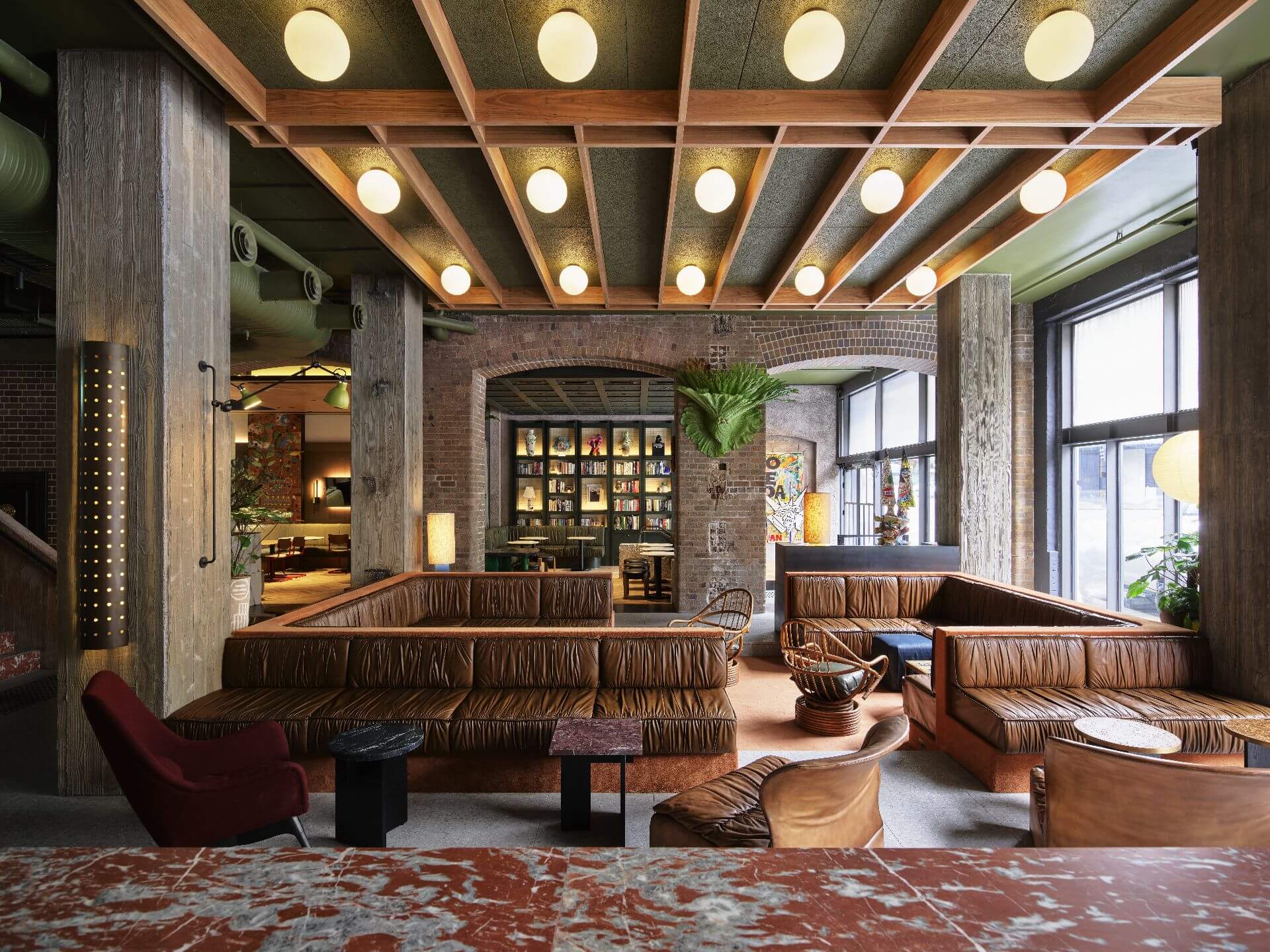
The lobby of ACE Hotel Sydney

As one would expect, the finalists and winners of the 2023 Hospitality Design Awards are a stunning collection of brands from which operators should pull inspiration.

Anyone looking for cutting-edge hospitality design would do well to look into each of the winners and finalists below.

The full list of award finalists and winners, and the architecture, interior design, and purchasing firms (along with owners and operators) can be found on the Hospitality Design website. Just click this link for the full details.

For our past coverage of the HD Expo, please click here.
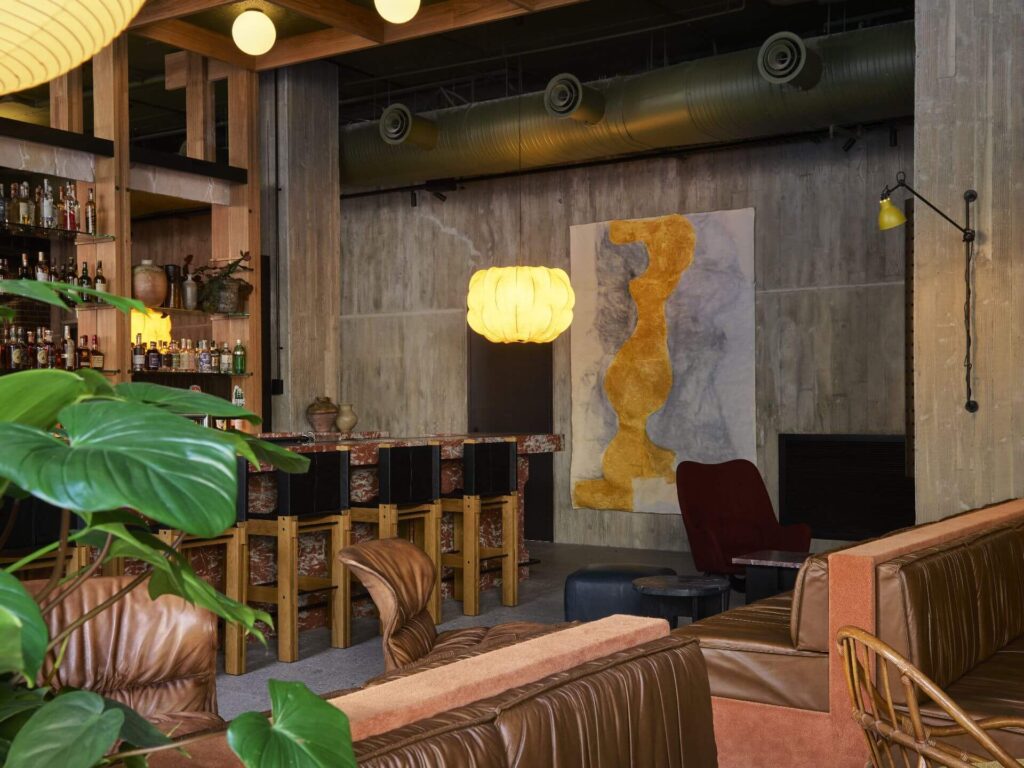
View into The Lobby inside ACE Hotel Sydney

View into The Lobby inside ACE Hotel Sydney, which offers craft cocktails and small plates.

Lifestyle Hotel

Winner

Ace Hotel Sydney (Sydney, New South Wales, Australia)

  • Architecture Firm: Bates Smart, Melbourne
  • Interior Design Firm: Flack Studio (hotel), Melbourne
  • Owner: Golden Age Group
  • Operator: Ace Hotel Group
  • Purchasing Firm: Marques Interior Services

Finalists

Canoe Place Inn & Cottages (Hampton Bays, New York)

Our Habitas San Miguel (San Miguel de Allende, Guanajuato, Mexico)

Sisan·Shuanglang Hotel (DaLi, YunNan, China)

Fan Woods Hotel (Zhangjiakou City, Hebei Province, China)

Lifestyle Hotel Public Space

Winner

The Tampa EDITION

  • Architecture and Interior Design Firms: Morris Adjmi Architects, and ISC Design Studio, New York
  • Owner: Strategic Property Partners
  • Operator: Marriott International
  • Purchasing Firm: The Parker Company

Finalists

Ace Hotel Sydney (Sydney, New South Wales, Australia)

The Standard (Hua Hin, Thailand)

Luxury Hotel

Winner

The Londoner (London, England) United Kingdom)

  • Architecture Firm: Woods Bagot, London
  • Interior Design Firm: Yabu Pushelberg, New York and Toronto
  • Owner and Operator: Edwardian Hotels London

Finalists

Wildflower Farms, Auberge Resorts Collection (Gardiner, New York)

Kimpton Bamboo Grove Suzhou (Suzhou, Jiangsu, China)

Luxury Hotel Public Space

Winner

The Madrona (Healdsburg, California)

  • Architecture Firm: Strening Architects, Santa Rosa, California
  • Interior Design Firm: Jay Jeffers, San Francisco
  • Owners: Jay Jeffers, Kyle Jeffers, and investors
  • Operator: Mosaic Hotel Group
  • Purchasing Firm: Summa International

Finalists

The Madrid EDITION (Madrid, Spain)

Pillows Maurits at the Park (Amsterdam, Netherlands)

Wildflower Farms, Auberge Resorts Collection (Gardiner, New York)

Upscale Hotel

Winner

Six Senses Rome (Rome, Italy)

  • Architecture and Interior Design Firm: Patricia Urquiola Design, Milan
  • Owner: Six Senses

Finalists

HAY boutique hotel & SPA by Edem Family (Bukovel, Ukraine)

The Standard, Bangkok Mahanakhon (Bangkok, Thailand)

Belmonte Hotel Krynica Zdrój (Krynica-Zdrój, Poland)

Upscale Hotel Public Space

Winner

The Standard, Bangkok Mahanakhon (Bangkok, Thailand)

  • Architecture Firm: Buro Ole Scheeren, Bangkok
  • Interior Design Firms: The Standard in-house design team, New York; Hayon Studio, Valencia, Spain; and Studio Freehand, Bangkok
  • Owner and Purchasing Firm: King Power
  • Operator: Standard International

Finalists

Thompson Buckhead (Atlanta, Georgia, USA)

The Royal (Picton, Ontario, Canada)

Midscale Hotel

Winner

Ace Hotel Toronto (Toronto, Ontario, Canada)

  • Architecture Firm: Shim-Sutcliffe Architects, Toronto
  • Interior Design Firm: Atelier Ace, New York
  • Owners: Alterra, B-right, Finer Space Corporation, Prowinko, and Zinc Developments
  • Operator: Ace Hotel Group
  • Purchasing Firm: Benjamin West

Finalists

High Country Motor Lodge (Flagstaff, Arizona, USA)

Albor San Miguel de Allende, Tapestry Collection by Hilton (San Miguel de Allende, Guanajuato, Mexico)

Hotel Indigo Jiuzhai (Sichuan, China)

Midscale Hotel Public Space

Winner

Ace Hotel Toronto (Toronto, Ontario, Canada)

  • Architecture Firm: Shim-Sutcliffe Architects, Toronto
  • Interior Design Firm: Atelier Ace, New York
  • Owners: Alterra, B-right, Finer Space Corporation, Prowinko, and Zinc Developments
  • Operator: Ace Hotel Group
  • Purchasing Firm: Benjamin West

Finalists

Albor San Miguel de Allende, Tapestry Collection by Hilton (San Miguel de Allende, Guanajuato, Mexico)

Crystal Orange Hotel Shanghai Pudong Lujiazui (Shanghai, China)

High Country Motor Lodge (Flagstaff, Arizona, USA)

Select Service Hotel

Winner

The Beach Motel (Southampton, Ontario, Canada)

  • Architecture, Interior Design, and Purchasing Firm: Common Good Studio, Toronto
  • Owner: DASA Properties

Finalists

Hotel Tupelo (Tupelo, Mississippi, USA)

The Shàng | Artyzen Qiantan Shanghai (Shanghai, China)

Select Service Hotel Public Space

Winner

Hotel Tupelo (Tupelo, Mississippi, USA)

  • Architecture Firm: Sarah Newton Architect, Hattiesburg, Mississippi
  • Owner and Interior Design Firm: The Thrash Group, Dallas
  • Operator: Tandem Hospitality Management
  • Purchasing Firm: J Desterbecq & Associates

Finalist

The Beach Motel (Southampton, Ontario, Canada)

Resort

Winner

Naviva, A Four Seasons Resort (Punta Mita, Nayarit, Mexico)

  • Architecture and Interior Design Firm: Luxury Frontiers
  • Owner: Four Seasons Hotels and Resorts

Finalists

Etéreo, Auberge Resorts Collection (Riviera Maya, Quintana Roo, Mexico)

Centara Reserve Samui (Koh Samui, Thailand)

Lodges + Camps

Winner

AutoCamp Joshua Tree (Joshua Tree, California, USA)

  • Architecture Firm: HKS, San Francisco
  • Interior Design Firm: Narrative Design Studio, San Francisco
  • Owner and Operator: AutoCamp
  • Purchasing Firm: Benjamin West

Finalists

AutoCamp Catskills (Saugerties, New York)

Getaway Outdoor Suites (Ottawa, Illinois)

Restorations, Transformations + Conversions

Winner

Tin Building by Jean-Georges (New York, New York)

  • Architecture Firm: Cass Calder Smith, New York
  • Interior Design Firm: Roman and Williams Buildings and Interiors, New York
  • Owner: Howard Hughes Corporation
  • Purchasing Firm: Summa International

Finalists

Aman New York (New York, New York)

Virgin Hotels Edinburgh (Edinburgh, Scotland, United Kingdom)

Casa Cody (Palm Springs, California, USA)

Ace Hotel Sydney (Sydney, New South Wales, Australia)

New Brand Launch

Winner

Blue Iris by Life House (Nantucket, Massachusetts, USA)

  • Architecture Firm: Emeritus, Austin
  • Owner: Blue Flag Partners
  • Operator, Interior Design, and Purchasing Firm: Life House

Finalists

Revo Munich (München, Germany)

The Julius (Prague, Czech Republic)

Sweetbee Café + Bar (Brooklyn, New York, USA)

Event Space

Winner

Seattle Convention Center Summit Building (Seattle, Washington, USA)

  • Architecture and Interior Design Firm: LMN Architects, Seattle
  • Owner: Seattle Convention Center

Finalists

The Madrona (Healdsburg, California)

The Standard, Bangkok Mahanakhon (Bangkok, Thailand)

Hybrid Hospitality

Winner

Little Banchan Shop / Meju (Queens, New York, USA)

  • Architecture Firm: David K. UH, New York
  • Interior Design Firm: CRÈME, Brooklyn, New York
  • Owner: Chef Hooni Kim

Finalists

Capital One Hybrid Bank and Café (New York, New York, USA)

Changsha Fundolandπ (Changsha, Hunan, China)

Beyond Hospitality

Winner

The Water Drop Library (Shuangyue Bay, Huizhou City, Guangdong, China)

  • Architecture and Interior Design Firm: 3andwich Design / He Wei Studio, Beijing
  • Owner: Huizhou Shuangyue Bay Real Estate Investment and Development Co., Ltd.

Finalists

The Africa Centre (London, England, United Kingdom)

Aqua Foro Pool Club at Piazza Alta (Philadelphia, Pennsylvania, USA)

Wellness + Wellbeing

Winner

Paste Dental (Toronto, Ontario, Canada)

  • Interior Design Firm: Studio Author, Toronto
  • Owner: Dr Derek Chung

Finalists

Naviva, A Four Seasons Resort (Punta Mita, Nayarit, Mexico)

Dundas Square Barbers (Toronto, Ontario, Canada)

Sustainable

Winners

Chleo (Kingston, New York, USA)

  • Interior Design Firm: Islyn Studio, Brooklyn, New York
  • Owners: Hope and Charles Mathews
  • Purchasing Firm: Wagner Hamill

Six Senses Rome (Rome, Italy)

  • Architecture and Interior Design Firm: Patricia Urquiola Design, Milan
  • Owner: Six Senses

Finalists

Villa Le Blanc Gran Meliá (Sant Tomàs, Illes Balears, Spain)

1 Hotel Nashville (Nashville, Tennessee, USA)

Guestrooms

Winner

Centara Reserve Samui (Koh Samui, Thailand)

  • Architecture Firm: Begray, Bangkok
  • Interior Design Firm: AvroKO, Bangkok
  • Owner, Operator, and Purchasing Firm: Centara Hotels & Resorts

Finalists

Central Hotel Macau (Macau, China)

Albor San Miguel de Allende, Tapestry Collection by Hilton (San Miguel de Allende, Guanajuato, Mexico)

Wildflower Farms, Auberge Resorts Collection (Gardiner, New York)

Suites

Winner

Venice Simplon Orient Express (Vienna, Austria; Budapest, Hungary; and Prague, Czech Republic)

  • Interior Design Firm: Wimberly Interiors, London
  • Owner: Belmond

Finalists

The Standard, Bangkok Mahanakhon (Bangkok, Thailand)

Sands Premier Suite, Marina Bay Sands (Singapore)

Casual Restaurant

Winner

Great White – Melrose (West Hollywood, California, USA)

  • Architecture Firm: Natalie Kazanjian Architect, Los Angeles
  • Interior Design Firm: Great White Partners in partnership with Buca Studios, Los Angeles
  • Owner, Operator, and Purchasing Firm: Great White Partners

Finalists

Marcus at Baha Mar (Nassau, Bahamas)

MOVA (Dnipro, Ukraine)

Good Ground Tavern at Canoe Place Inn & Cottages (Hampton Bays, New York, USA)

Shikigiku Japanese Restaurant (IFC Mall) – Café & Bar Area (Hong Kong)

Upscale Restaurant

Winner

Oiji Mi (New York, New York, USA)

  • Architecture Firm: David Bucovy Architect, New York
  • Interior Design Firm: AvroKO, New York
  • Owner: Oiji Hospitality

Finalists

Amal (Miami, Florida, USA)

53 (New York, New York, USA)

Terra (Lviv, Ukraine)

Bar, Club + Lounge

Winner

Andra Hem (Philadelphia, Pennsylvania, USA)

  • Architecture Firm: Stokes Architecture + Design, Philadelphia
  • Interior Design Firm: Ghislaine Viñas, New York
  • Owner: Paige West

Finalists

Punch Room (Tampa, Florida, USA)

Ritz Bar (Paris, France)

Bar Cima (New York, New York, USA)

Gair (Brooklyn, New York, USA)

Equipment Room (Austin, Texas, USA)

Visual Identity

Winner

Saint June at the Ritz-Carlton, Grand Cayman (Grand Cayman, Cayman Islands, Greater Antilles)

  • Branding and Interior Design Firm: Goodrich, New York
  • Owner: Dart
  • Operator: The Ritz-Carlton Hotel Company
  • Purchasing Firm: The Parker Company

Finalists

Zou Zou’s and Chez Zou (New York, New York, USA)

Uniforms at the Standard, Bangkok Mahanakhon (Bangkok, Thailand)

Orto (Belfast, Ireland, United Kingdom)

Student

Winner

Sarah Choudhary, New York School of Interior Design: Hotel Cirque (Montréal, Québec, Canada)

Finalists

Bryann Brophy, Brittany Noble, Olivia Fletcher, and Hannah Randall, Iowa State University: Hotel Rina (Rome, Italy)

Hsiang-Ting Huang, School of Visual Arts, New York: A Transitional Place of Love (New York, New York, USA)

Images courtesy of ACE Hotel Sydney
KRG Hospitality. Boutique Hotels. Resorts. Properties. Consultant. Feasibility Study. Business Plan

by David Klemt David Klemt No Comments

2023 Reveal: The World’s 50 Best Hotels

2023 Reveal: The World’s 50 Best Hotels

by David Klemt

Waves crashing on beach

The World’s 50 Best Hotels launches this year, completing the hospitality puzzle as it joins the World’s 50 Best Bars and the World’s 50 Best Restaurants.

Mark Sansom, content director for the World’s 50 Best Bars, shares details of the new list on episode 90 of the Bar Hacks podcast. To learn more about Mark and the World’s 50 Best Bars, you can also listen to episode 82 of Bar Hacks.

This is huge news for the hospitality, travel, and accommodation sectors. Sansom and the team go to great lengths when it comes to every detail of the World’s 50 Best Bars. Indeed, the awards ceremony is truly the Oscars of the bar world. Just take a look at the video below:

In fact, it’s likely a bit more fun than the Oscars. A room full of the best bar teams and industry professionals? You know it’s a nonstop party.

I say to say this: I expect the Oscars of the hotel world for the inaugural 50 Best Hotels ceremony. And I’m confident the team will deliver on that expectation.

To see the World’s 50 Best Bars for 2022, click here. For the World’s 50 Best Restaurants of 2022, follow this link.

Who Decides?

You’re probably wondering how all of this “works.” Just who decides, among all the hotels throughout the world, which are the 50 best?

As Sansom explains on the Bar Hacks podcast, hundreds of people decide.

For 2023, the World’s 50 Best Hotels is split into nine regions. That’s likely to grow (50 Best Bars and Restaurants each have 28 regions) but for now, that’s the breakdown.

Each of those regions is headed by an Academy Chair. The global Academy Chairs hand select voters. In this case, a mix of 580 travel journalists, educators, hospitality professionals, hoteliers, and luxury travelers. The voters are tasked with highlighting their top seven hotel experiences from the past two years.

A small board of directors isn’t deciding which hotels will make the list. There’s no small group choosing the ranking. Instead, hundreds of industry pros and hotel guests will determine the best of the best.

How do They Decide?

This is one of my favorite details. When it comes to criteria…there isn’t any.

I like this for several reasons, one of which is that nothing arbitrary is limiting these awards. Don’t have a pool? That’s fine. No steam shower in the en suite? Okay.

By eschewing criteria, no concept is left out—no property is excluded. As Sansom says on episode 90 of Bar Hacks, imposing criteria means people could miss out on experiencing stunning twelve-room boutique hotel.

Therefore, this list isn’t the exclusive domain of multi-unit, multi-concept hotel groups. Certainly there will be chain properties up for consideration. However, they’ll be mixing it up with boutique and solo, independent hotels.

Sansom also reveals what’s driving them to launch the World’s 50 Best Hotels. Far from a vanity project, this list is about helping the industry.

Like hospitality, travel and accommodation are recovering from a global pandemic. Highlighting the best hotels in the world should inspire people to get back to leisure travel.

The list will be revealed in September of this year. Make sure to watch this space and connect with the World’s 50 Best Hotels for more details, including the awards ceremony host city.

Follow the 50 Best Hotels on Instagram, Facebook, Twitter, and YouTube. To learn more, visit their website.

Image: Shifaaz shamoon on Unsplash

KRG Hospitality Boutique Hotels, 2023 icon

by David Klemt David Klemt No Comments

Hotels, Guest Data and Guest Expectations

Hotels, Guest Data and Guest Expectations: A Chat with SevenRooms

Fountains outside Bellagio Las Vegas

We sit down with Austen Asadorian, vice president of sales at SevenRooms, to chat about pent-up demand for travel.

People are eager to get back out there and hotels, of course, play a crucial role in their travel plans. However, we’re not engaging with the same guests we were pre-pandemic.

No, today’s guest demands more from the hotels and resorts they select. And a key to delivering on guest demands is collecting guest data.

But while operators know they’re supposed to be collecting guest data, there’s some uncertainty about what to actually do with it. Enter: SevenRooms.

More accurately, meet Austen Asadorian of SevenRooms. Not only can he address meeting guest demands through tech, he can address how to use guest data responsibly and effectively.

Hi Austen, thank you for taking the time to speak with us. Can you tell us a little about yourself and your role at SevenRooms?

Thanks, David! My name is Austen Asadorian and I’m the Vice President of Sales at SevenRooms. I first started my career in hospitality early in high school, getting a job at a local restaurant in New Jersey, learning everything from protein fabrication to catering and dealing with daily customers, even managing events. I continued working in hospitality through college, while going to the Culinary Institute of America for a degree in hospitality management, and ultimately, landed at Hillstone Restaurant Group where I ran back of house operations as well as the company’s Manager Training Program. Before joining SevenRooms, I worked as Peloton’s Director of Sales, leading their go-to-market strategy for retail growth and expansion from 2014-2017.

Today, I support SevenRooms’ global expansion efforts to accelerate our goal of being the best-in-class solution for hospitality operators around the world. Having previous experience in the hospitality industry, I joined SevenRooms because I was hyper aware of the pain points in the industry surrounding technology and the need for better guest management after having lived it day-to-day for several years. More importantly, I believe in SevenRooms’ vision and have a true passion for helping hospitality businesses, big and small, drive revenue, and create loyal guests for life.

Let’s talk hotels. What does the hotel industry look like two years after (or into) the Coronavirus pandemic?

When the pandemic struck, travel came to a complete halt and hotel occupancy in the US fell from 70% in March 2019 to less than 25% in March 2020—rooms were empty. Now, as the world is back to what we can consider a new “normal,” we’re seeing an extreme surge in travel and hotels are busier than ever.

However, what guests expect from hotels experience-wise has changed and they demand more. They’re making up for lost time and they want to make it count. Coming out of the pandemic, hotel operators are taking a harder look at their entire tech stack. It’s no longer optional to have a tech stack that is fully integrated from top to bottom across their operations—it’s a must-have—and technology providers are adapting to meet those needs. Additionally, operators have put a strong emphasis on the importance of ownership over their guest data. Both trends have positioned SevenRooms incredibly well within the hotel sector, as this has been our business philosophy from day one.

How can hotel operators and managers live up to these high expectations?

The simple answer is by taking advantage of technology solutions into their everyday practices and processes. These tech solutions can be anything from a QR code for mobile order and pay, allowing guests to order food and drink from anywhere on the property without ever needing a server to approach them, to an integrated customer relationship management (CRM) platform that speaks to and pulls data from their F&B CRM, easily sharing that information across teams at the hotel. For example, passing information along to a guest services team to ensure that in-room amenities don’t include nuts if a guest has a peanut allergy.

Operators and managers should also make sure they’re utilizing loyalty programs. According to a recent SevenRooms survey of American consumers, 44% say that loyalty programs play a part in their hotel choice and there are certain incentives that will bring them back.

For example, some want loyalty points to enjoy on property restaurants and bars, whereas others want a personal greeting when they check in, or a complimentary glass of champagne waiting for them when they get to their room.

Technology and loyalty programs both play into an exceptional experience and it’s important for operators to use both to create the total package.

You mentioned collecting guest data. Can you tell us a little bit more about why that is so important?

When we talk about data and hotels, we’re talking about using it to power a one-of-a-kind unique experience. We don’t mean taking or selling personal information, and that’s an important distinction.

The data we’re collecting for operators centers around a guest’s profile—who they are and what they like. This can be anything from their dietary preferences to their favorite table in the hotel restaurant’s dining room, to what dessert they order most often when they visit.

By having this data, operators can build a direct relationship with these guests and, in turn, build an incredible experience that keeps them coming back. For example, if a guest stays at a specific hotel on their vacation and takes full advantage of the pool cabanas, the data collected on those visits can then be used to retarget them with a special marketing promotion or offer to visit their local hotel property for a staycation, complete with a discount on a cabana day rental.

Creating these unique, personalized experiences not only increases revenue for operators, but also drives loyalty, as a loyal guest is more important than a one-time guest.

About Austen

Austen Asadorian is the Vice President of Sales at SevenRooms, where he is tasked with supporting SevenRooms’ global expansion efforts and accelerating the company’s goal of being the best-in-class solution for hospitality operators globally. Prior to joining SevenRooms, Austen was Peloton’s Director of Sales, leading the company’s go-to-market strategy for retail growth and expansion. He started his career at Hillstone Restaurant Group where he cut his teeth learning how to run efficient and profitable restaurants at scale. Austen was ultimately promoted into an executive role where he oversaw the company’s Manager in Training Program and Back of House Operations. Austen graduated from the Culinary Institute of America (CIA).

Image: Antonio Janeski

by David Klemt David Klemt No Comments

SevenRooms Reveals Hotel Guest Study

SevenRooms Reveals Hotel Guest Study Results

by David Klemt

Male passenger with suitcase at airport

Americans eager to get back to normal and make up for lost time are traveling in droves, and hotels will have to adapt in order to earn their business.

To give hotel and resort operators an edge, SevenRooms today reveals the results of their latest study.

“Booking Behaviors: Exploring Hotel Guest Loyalty,” contains datapoints all hotel operators should know.

The report, a collaboration with YouGov, focuses on two types of travelers.

Competitive Incentives

Before I address the who, let’s take a look at data that highlights the what.

According to the SevenRooms and YouGov report, nearly half of consumers say that loyalty programs are important. Per SevenRooms, loyalty programs influence hotel choice for 44 percent of guests.

Regarding American hotel guests specifically, 34 percent of guests will consider rebooking if their loyalty status receives recognition upon check-in.

However, loyalty status recognition isn’t enough for guests to book a hotel again. To understand what will influence that decision we need to take a look at SevenRooms’ traveler types.

Leisure

SevenRooms and YouGov look at two travelers for their report. There’s the Personal Patron and the Business Traveler.

Let’s focus on the former first. Per SevenRooms, to say the Personal Patron is eager to return to travel is an understatement.

The Personal Patron is a leisure traveler who has been climbing their walls for more than two years. They’re planning to travel “with a vengeance” this summer.

Diving deeper, the Personal Patron is most probably a female over the age of 35.

While recognizing this traveler for their loyalty program membership is smart, it’s not enough to influence a rebook. Rather, the Personal Patron places greater value on:

  • receiving more loyalty program points in exchange for dining and drinking at property-operated restaurants and bars;
  • enhanced credit card rewards; and
  • earning dining credits upon reaching a new loyalty program tier.

However, there’s a problem inherent to the Personal Patron and loyalty programs. Just 45 percent—so nearly half—of this traveler type are loyalty program members.

The reason for that low program buy-in? Almost 60 percent don’t think they travel enough to benefit from hotel loyalty programs.

Per SevenRooms, there’s a rather simple solution: local benefits. Tempt Personal Patrons with staycations and access to amenities at hotels in their home markets. Another idea is to offer points exclusively for dining that this traveler can use where they live.

Business

Obviously, the business traveler is now different. In fact, SevenRooms considers two versions of the Business Traveler.

On the one hand, there’s the extended-stay version traveling all over the country. And on the second hand, there’s the long-distance Business Traveler who’s seeking a midweek “home base” hotel.

Either way, the Business Traveler is most likely a male aged 18 to 34.

Per SevenRooms—and as most hotel operators likely know—this traveler probably doesn’t have time (or interest) in exploring off property. Therefore, the Business Traveler can be influenced to rebook through incentives that make their stays better.

These include:

  • receiving more loyalty program points in exchange for dining and drinking at property-operated restaurants and bars (like the Personal Patron);
  • receiving recognition for being a loyalty program member; and
  • getting a complimentary drink on check-in; or
  • being given a choice of an F&B amenity on arrival.

Unsurprisingly, the Business Traveler is more likely than the Personal Patron to join a hotel loyalty program. Per SevenRooms, 55 percent of Business Travelers say that the ability to participate in such a program influences their hotel choice.

Focusing on perks that “reward” the Business Traveler for their hard work can convert a Business Traveler to become a loyal guest for a particular hotel or hotel group.

SevenRooms suggests priority reservations for the lunch daypart at restaurants on property. Also, providing their favorite drink (wine, cocktail, beer, etc.) with their room service orders can be influential.

Takeaway

Travel is gaining steam, restaurants and bars are seeing an influx of reservations, and hotel operators need to prepare for summer travelers.

As a reservation, guest experience, and guest retention platform, SevenRooms can ensure operators can easily collect guest data. Guest data, for example, like F&B and room preferences.

More importantly, the platform makes it simple to use that data responsibly, effectively, and simply.

To learn more about SevenRooms, click here.

Image: JESHOOTS.COM on Unsplash

by David Klemt David Klemt No Comments

8 Glendalough Cocktail Recipes for St. Patrick’s Day and Beyond

Offer your guests something different for your St. Patrick’s Day promotion with Glendalough Distillery cocktail recipes.

Without a doubt, you should have plenty of the expected Irish whiskeys on hand. However, Glendalough Distillery Double Barrel, Pot Still, Wild Gin, and Rose Gin are extraordinary Irish whiskeys and gins.

Each spirit the distillery crafts honors the art of Irish distillation, a craft that stretches back centuries. What’s more, each whiskey Glendalough crafts is single malt—there are no light-bodied blends in their lineup.

To learn more, check out episode 71 of the Bar Hacks podcast with Glendalough Distillery co-founder and national brand ambassador Donal O’Gallachoir.

by David Klemt

Glendalough Distillery Wild Gin Irish gin

8 Amazing Irish Whiskey and Gin Cocktails

Below, eight refreshing and sophisticated drink recipes made with Glendalough whiskeys and gins. Sláinte!

Glendalough Distillery Double Barrel Single Malt Irish Whiskey

The Lough Inn

This highball is made with Glendalough Double Barrel, a single-grain Irish whiskey aged in ex-bourbon barrels before being finished in Oloroso sherry casks.

  • 2 oz. Glendalough Double Barrel Single Grain Irish Whiskey
  • 1 oz. Spiced honey syrup (see note)
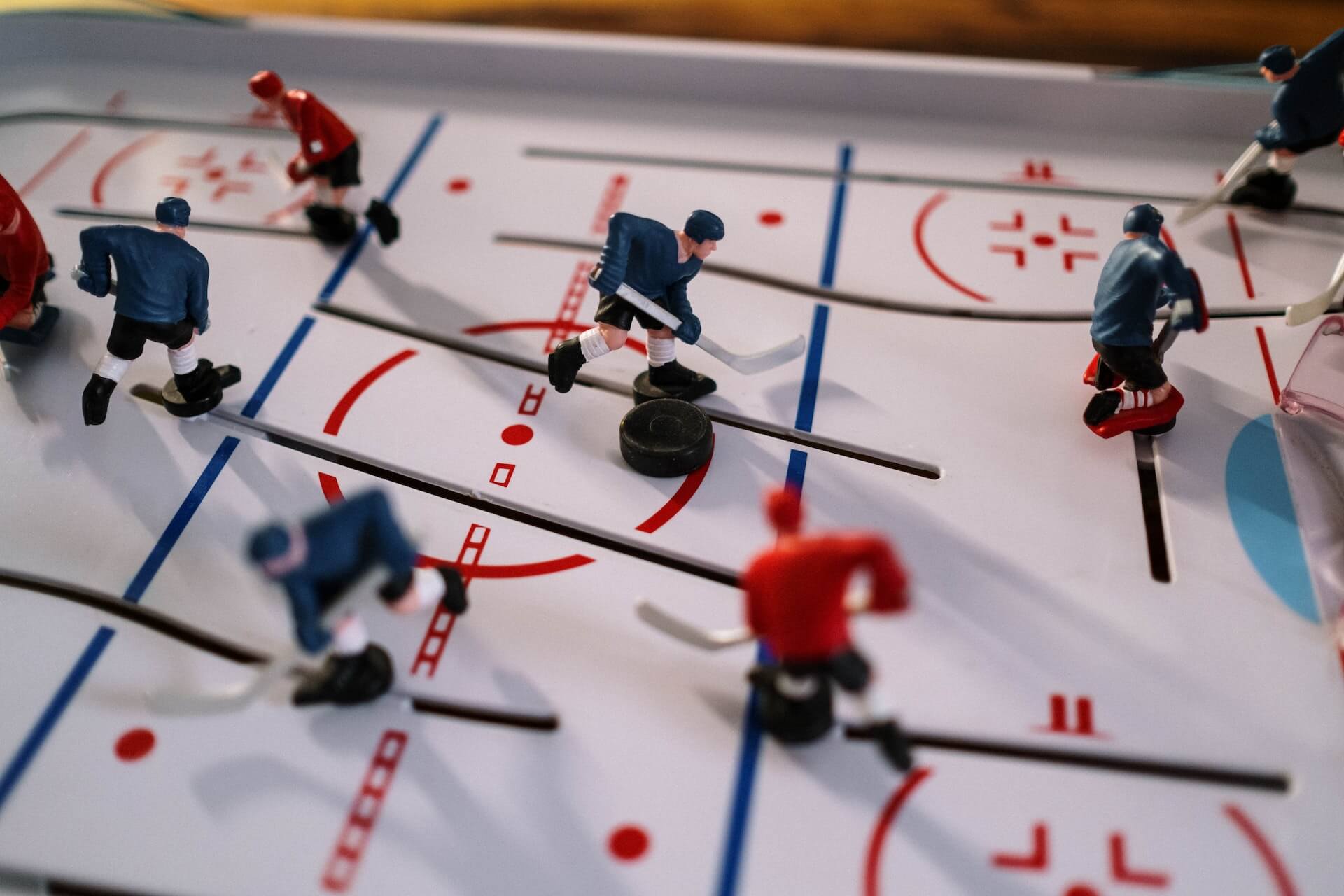
  • 1 oz. Fresh lemon juice
  • Soda to top
  • Lemon wheel or slice to garnish
  • Mint leaf to garnish
  • 1 cup Honey for spiced honey syrup
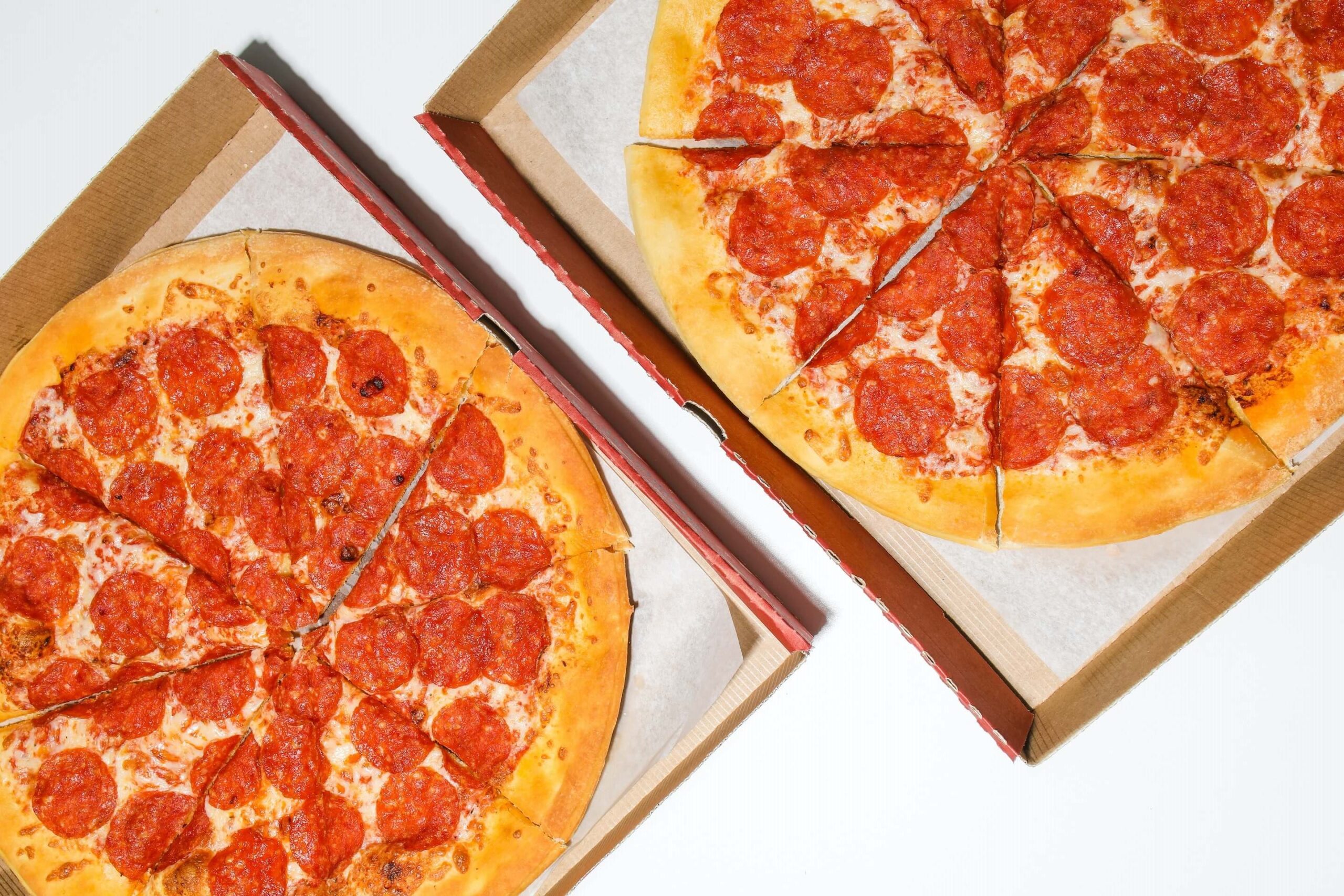
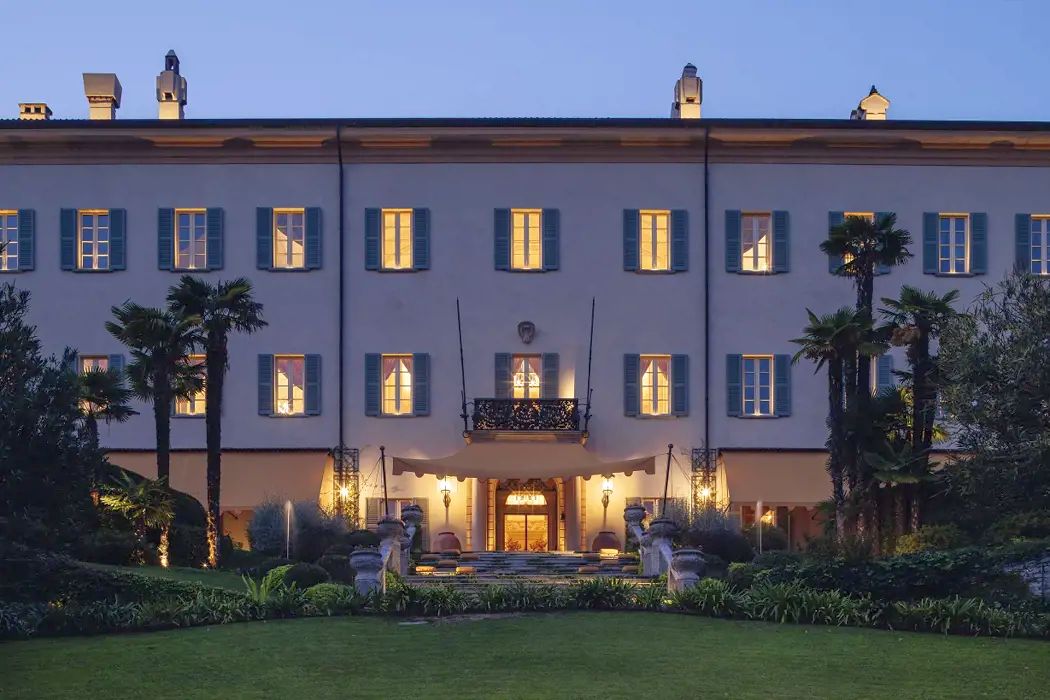
  • 0.5 cup Water for spiced honey syrup
  • 4 Cinnamon sticks for spiced honey syrup
  • 1 pod Star anise for spiced honey syrup

Add ice to a highball glass, then add first three ingredients. Top with soda water. Garnish with lemon wheel or slice and freshly torn mint leaf.

For spiced honey syrup: Add honey, water, cinnamon sticks, and star anise to pot. Bring to a boil, then stir. Strain into container.

Glendalough Distillery Pot Still single malt Irish whiskey

Pot Still Highball

Deceptively simple to build, this cocktail highlights the terroir of the land surrounding Glendalough Distillery.

  • 1.5 oz. Glendalough Pot Still
  • Soda to top
  • Grapefruit peel to garnish
  • Mint leaf to garnish (freshly torn and slapped, of course)

Prepare a highball glass with an ice shard, spear or cylinder. Pour in Glendalough Pot Still whiskey, then top with soda. Glendalough Distillery recommends a 1:2 ratio, Pot Still to soda. Garnish with mint leaf.

Glendalough Distillery Wild Gin Negroni cocktail

Glendalough Negroni

The foraged botanicals in Glendalough Wild Gin add even more complexity and depth to the classic Negroni. In fact, the flavors work so well this recipe maintains the Negroni’s crucial 1:1:1 ratio.

Prepare an Old Fashioned with ice. Add first three ingredients to glass in the above order. Add more ice if necessary. Stir, express orange peel, and place as garnish.

Glendalough Distillery Wild Gin Irish gin

Glendalough Wicklow 75

Bubbles make everything better and everyone happier.

Add all ingredients to shaker. Add ice and shake until well chilled. Strain into Champagne flute, top with Prosecco, and garnish with lemon twist.

Glendalough Distillery Rose Gin Irish gin and cocktails

Glendalough Rose G&T

This simple classic receives a huge visual and aromatic boost from Glendalough Rose Gin.

  • 2 oz. Glendalough Rose Gin
  • Tonic to top (the higher the quality, the better)
  • Lime slice
  • Mint leaves

Add ice to glass, then add Rose Gin. Top with tonic, and garnish with lime slice and mint leaves.

Glendalough Distillery Rose Gin Fizz

Glendalough Rose Gin Fizz

One way to elevate the highball is to use a striking pink-hued Irish gin.

  • 1.5 oz. Glendalough Rose Gin
  • 0.5 oz. Elderflower liqueur
  • Raspberry & Lime sparkling water to top
  • Lime wheel to garnish

Add ice (spear, shard or cylinder for impact), Rose Gin, and liqueur to highball glass. Stir, then add sparkling water to top. Garnish with lime wheel.


View this post on Instagram


A post shared by Glendalough US (@glendaloughus)

Glendalough Rose Collins

Boost the classic Collins with Glendalough’s striking rose-petal gin.

  • 1.5 oz. of Glendalough Rose Gin
  • 1 oz. of Lemon juice (freshly squeezed)
  • 0.5 oz. of Sugar syrup (1:1 ratio, hot water to sugar)
  • Soda to top
  • Lemon peel to garnish
  • Cherry to garnish

Combine first three ingredients in a shaker with a cup of ice. Place an ice shard, spear or cylinder to a highball glass. Shake until well chilled, then strain into glass. Top with soda, and garnish with lemon peel and cherry.

Glendalough Distillery Rose Gin Hibiscus Rose

Glendalough Hibiscus Rose

Refreshing and flavorful, the hibiscus tea syrup plays incredibly well with Glendalough Rose Gin.

  • 1.5 oz. Glendalough Rose Gin
  • 0.5 oz. Hibiscus tea syrup (see note)
  • 0.5 oz. Lemon juice (fresh squeezed)
  • Prosecco to top
  • Dehydrated lemon wheel to garnish
  • Rose petals to garnish
  • 33 oz. Water for hibiscus tea syrup
  • 16 oz. Sugar for hibiscus tea syrup

Add first three ingredients and ice to a shaker. Shake until well chilled and double strain into a coupe.  Top with Prosecco, and garnish with dehydrated lemon wheel and rose petals.

For the hibiscus tea syrup: Steep seven hibiscus tea bags in 33 ounces of water for 15 minutes. Add 16 ounces of sugar.

Images & Recipes: Glendalough Distillery

Related Reading

Work with Us

Click the image below to partner with us on your project.

Client Intake Form - KRG Hospitality

by David Klemt David Klemt No Comments

Hotel Trends to Watch in 2022

Hotel Trends to Watch in 2022

by David Klemt

Unlit hotel sign against blue sky background

Partially driven by the pandemic, in part driven by the march of innovation, these are the hotel (and motel) trends to watch in 2022.

As is the case with restaurant and bar trends from the last two years, these trends are likely to quickly evolve into industry standards.

Once slower on the uptake in comparison to other industries, hospitality is now embracing tech innovations rapidly.

Of course, not every 2022 and beyond trend relies on tech. However, most of the big changes involve tech in some way.

Below are the trends (soon to be standards) to watch and adopt next year.

Digital Room Keys

We do everything on our phones. So, why shouldn’t we access hotel and motel room keys via the devices always in our hands or pockets?

Many tech-forward hotel properties have made it possible to unlock hotel rooms via phone apps. As consumers feel more comfortable that it’s safe, secure and reliable, we can expect physical room keys to become obsolete.

One can also make the argument that doing away with millions of plastic keycards is a more sustainable practice.

Your Face is Your Passport

Points* to anyone who gets the movie I just referenced. (*Points have no value and are not redeemable for anything. But we think you’re cool for racking them up regardless.)

Some properties will make it possible to access a hotel room via biometrics. CLEAR travelers will already be familiar with this tech process.

In short, a guest will be able to unlock their room with their face. In terms of personalization—a guest expectation that’s only growing—facial recognition tech can instantly deliver on a guest’s temp, lighting, and other preferences.

I can also see this technology permitting guests to access clubs; club levels; health centers; pool areas; and order and pay for everything from food and beverage to their entire visit.

Of course, this form of tech relies heavily on people’s comfort levels concerning privacy. So, operators will need to prove themselves responsible with guest data.

Touchless Everything

Convenience works both ways. Guests want frustration-free visits. Operators and managers want to eliminate pain points wherever possible.

Guests are becoming familiar and comfortable with checking in via their phones or kiosks. In some hotels, guests navigate the lobby without ever engaging with an employee.

With the proliferation of digital assistants in homes, guests are already comfortable with voice-based functionality. Ordering room service, turning on the TV and streaming, playing music, drawing automated shades, adjust room temperatures and lights… Digital assistants eliminate several more touchpoints.

AI tech also means hotels can operate with smaller teams effectively. So, hotel design is likely to keep evolving: lobbies will look different, as will rooms, restaurants, bars, and other amenities.

Virtual Room Selection

Speaking of AI, what about VR?

Tech-savvy guests will appreciate being able to “tour” different room options in the virtual space. Such a feature can start a guest’s visit off on the right foot before they ever step onto property.

They’ll know they’re getting the features and views they want, setting up a positive experience. It’s likely VR room tours and selection will also help hotels upsell guests on rooms and features.

Cryptocurrency

There are already hotels and resorts out there accepting crypto. There’s no reason to believe this will fall out of favor any time soon.

In fact, it’s likely guests who prefer to pay via digital currency will be able to pay for every element of their visit with crypto. For these guests, a tech-heavy experience will be appealing:

  • Check out room options via virtual reality before booking;
  • Book their room in the VR space.
  • Utilize digital check-in, then unlocking their room via phone or facial scan.
  • Paying for premium amenities and F&B via crypto ties to biometrics.
  • Contactless check-out.

Guest Who

Unsurprisingly, business travelers were the first to return to hotels during the pandemic. A percentage of these guests sought out hotels that could offer them a work-from-anywhere option.

For the most part, these guests simply needed a fast, reliable WiFI connection. Of course, many of them chose properties for more leisure-focused amenities. This led to the coining of a new industry term: bleisure, a portmanteau of “business” and “leisure” travelers.

It’s likely hotels, motels and resorts will see more traffic from bleisure, solo, and staycation guests in 2022 and beyond.

Many guests will also make property selections based on a brand or group’s sustainability efforts. So, operators will need to ensure they’re being provably sustainable and not just green-washing to attract these guests.

As we can see, technology will feature heavily in the changing hospitality landscape. Initial outlay may be pricy, but as innovations become more commonplace, costs will be driven down. But offering the features that will increase traffic and guest spend? A healthy bottom line is worth it.

Image: NeONBRAND on Unsplash

by David Klemt David Klemt No Comments

US Opening Border to Vaccinated Travelers

US Opening Border to Vaccinated Travelers

by David Klemt

Roadmap showing United States of America, Canada, and Mexico borders

There will be more good news for the hospitality, travel, lodging, and tourism industries on Monday, November 8.

That’s the day that the US will open its borders to international travelers.

Guidance to enter the country applies to travelers arriving by land and air.

Neighbors to the North and South

This welcome news comes nearly three months after Canada opened its border to the US.

And like that border reopening, international travelers will have to prove their vaccination status. In fact, while not all the details are yet known, only fully vaccinated travelers will be permitted to cross American borders. The borders will remain closed to unvaccinated travelers.

The details for non-US travelers seeking to enter the country are as follows:

  • Non-essential travel is permitted.
  • Those entering via air travel will have to show proof of full vaccination before boarding their flight. They will also need to show proof of a “recent” negative Covid-19 test.
  • Travelers entering via Canadian or Mexican land borders will need to show proof of full vaccination. The negative test requirement is not, as of yet, required.
  • For now, Americans and non-US travelers will not have to quarantine after crossing a border.

Initial reporting stated that travel restrictions would be implemented via a phased approach. Land borders would be opened on November. However, air travel would remain restricted until the start of January 2022.

That doesn’t, at this moment, appear to be accurate.

Dozens of Countries Gain Access to US

Foreign travelers from the following countries who meet US requirements for entry will be able to enter:

  • Austria
  • Belgium
  • Brazil
  • Canada
  • China
  • Czech Republic
  • Denmark
  • England
  • Estonia
  • Finland
  • France
  • Germany
  • Greece
  • Hungary
  • Iceland
  • India
  • Iran
  • Italy
  • Latvia
  • Liechtenstein
  • Lithuania
  • Luxembourg
  • Malta
  • Mexico
  • Netherlands
  • Northern Ireland
  • Norway
  • Poland
  • Portugal
  • Scotland
  • Slovakia
  • Slovenia
  • South Africa
  • Spain
  • Sweden
  • Switzerland
  • Wales

Of course, this list is subject to updating, additions, and other changes.

Great News

Obviously, the US opening its borders to dozens of countries is great news for operators in several industries. Additionally, opening borders to economic partner countries should have a positive impact.

If it’s great for tourism, it’s great for hospitality, travel, and lodging and accommodation businesses. In turn, it should be a boon for the US economy.

Airlines should see a spike in travel, much of which will be tourism-based. That means hotels, restaurants, bars, lounges, nightclubs, breweries, distilleries, wineries, entertainment venues, stadiums, and more will benefit.

Operators will need to plan and execute to attract international travelers to leverage demand and increase revenue. Moving forward, forming partnerships with supportive partners (local restaurant with boutique hotel, for example) and working with domestic marketing organizations (DMOs) could pay dividends for savvy operators.

Image: REVOLT on Unsplash

by David Klemt David Klemt No Comments

Vax Passports? Here Come Vax Kiosks

Vaccine Passports? Here Come Vaccine Kiosks

by David Klemt

Vaccine passport on phone sitting on map and passport

Some airports and hotels are already leveraging kiosk technology to confirm a person’s vaccine status.

It’s only a matter of time before we see this technology expand to hospitality venues like restaurants, bars and nightclubs.

The question is, what will the confirmation process look like?

CLEAR Example

One of the simplest ways to imagine how these kiosks will work is via CLEAR.

The company uses a person’s unique biometrics to “transform your eyes and face into a touchless ID.” CLEAR can also use fingerprints.

Currently, you can find the service in more than 50 airports, stadiums and other locations. A person walks up to a CLEAR kiosk, it scans their eyes, face and/or fingerprints, and their identity is confirmed.

The company’s website shows a message explaining that CLEAR users can link their vaccine status to their account. At the moment, this appears to be one of the most seamless integrations in terms of tech and an individual’s identity.

One real-world example of how CLEAR works to prove vaccination status comes from the Las Vegas Raiders. To attend home games without wearing masks, people will have to download the free CLEAR mobile app. Using the Health Pass feature, they’ll be able to prove their vaccination status to go maskless at Allegiant Stadium.

Privacy Concerns

So, how else could these kiosks work? First, it’s incredibly unlikely that every major market will install such kiosks. The exception may be airports, of course.

However, some hotel and large restaurant groups may decide to use them, likely in cities like New York that already have vaccine passport apps.

In theory, using a platform like Google API, businesses could install kiosks that scan an app via QR code or other method to confirm a person’s vaccination status.

One glaring issue comes down to privacy.

Loyal CLEAR users trust the company or they wouldn’t use it. However, who would program apps that confirm vaccination status for kiosks? And who would own the data? How secure can that very personal data be?

Millions of people already believe being asked to wear a mask is an infringement on their freedoms. Millions also believe being asked to confirm their vaccination status is a violation of their privacy.

So, how will they respond to vaccine passports at hotels, restaurants, entertainment venues, stadiums, etc.? Whatever side of the debate you’re on, it’s clear that the divide between the vaccinated and unvaccinated is widening by the day.

As has been the case since 2020, lawmakers are punting on taking responsibility for how mandates and “recommendations” are enforced by businesses. As has been the case for well over a year, it’s the guest-facing workers who will bear the brunt of hostile encounters over mask and vaccine rules.

Image: Olya Kobruseva from Pexels

by David Klemt David Klemt No Comments

Today’s the Day: Canada Opens Border

Today’s the Day: Canada Opens Border

by David Klemt

Canadian Border Services Agency sign on chainlink fence

The big day is here and Canada is opening their border to the USA.

Today, Americans and permanent residents can enter the country for “discretionary,” a.k.a. non-essential, travel.

Of course, the border is only open to travelers who can prove their vaccination status (full series).

Quarantine Lifted

As many Canadians are well aware, quarantining was mandatory for people traveling into Canada up until today.

Asymptomatic travelers, with very specific exemptions, were required to quarantine for 14 days upon arrival. The mandatory quarantine included a three-night stay at a hotel authorized by the Canadian government.

Oh, and the traveler had to cover the cost of the mandatory hotel stay.

However, that wasn’t all that was required. Travelers had to create and submit a quarantine plan. Foreign national who failed to submit a plan deemed suitable faced the risk of border agents turning them away.

Of course, the mandatory quarantine dissuaded Canadians from traveling across the border for essential travel. After all, Canadians weren’t exempt from hotel quarantine.

Requirements

Now, Americans or permanent residents residing in America aren’t receiving unfettered access to the border. Indeed, there are requirements that must be met for anyone hoping to cross into Canada from the US.

Per the Government of Canada website, in its entirety for clarity:

“Beginning on August 9th, 2021 at 12:01 a.m. EDTfully vaccinated United States (U.S.) citizens and permanent residents will be eligible to enter Canada for discretionary (non-essential) reasons, such as tourism, however these individuals must:

  1. be fully vaccinated: to be considered fully vaccinated, a traveller must have received the full series of a vaccine—or combination of vaccines—accepted by the Government of Canada at least 14 days prior to entering Canada. Currently, those vaccines are manufactured by Pfizer-BioNTech, Moderna, AstraZeneca/COVISHIELD, and Janssen (Johnson & Johnson).
  2. be residing in and travelling from the U.S.;
  3. have a valid pre-arrival COVID-19 molecular test result taken in the U.S. (antigen tests are not accepted);
  4. be asymptomatic;
  5. submit their mandatory information via ArriveCAN, including proof of vaccination in English or French;
  6. be admissible under the Immigration and Refugee Protection Act; and,
  7. take a test on arrival, if required.”

So, if you or someone you know is planning to travel to Canada from America, make sure you follow the requirements precisely.

Operators, Be Ready

So far, news of increasing infection and hospitalization rates aren’t impacting Canada’s decision; the border is open as of today. Neither New York City’s vaccine mandate nor an increasing amount of counties and corporations implementing mask and vaccine mandates are deterring Canada.

Additionally, it doesn’t appear as though the Canadian government plans to implement other travel requirements (so far).

Canadian restaurant, bar, hotel, and entertainment venue operators need to be ready for an influx of guests. This is particularly true for operators in large metropolitan areas and well-known tourist destinations.

Pent-up demand for travel, experiences, reunions, weddings, and just escape should skyrocket with the Canada-US border reopening.

Also, should things go well, operators need to prepare for even more travels next month. While not written in stone, Canada plans to open the country’s borders to other countries on September 7.

Interestingly, this is also excellent news for those waiting to open a restaurant or bar. Plans to reopen borders should prove to be a boon for the Canadian economy. So, now’s the time to move forward.

Canadian operators must be vigilant about monitoring the border situation. Fresh opportunities arrive on your doorstep starting today.

Image: Hermes Rivera on Unsplash

by David Klemt David Klemt No Comments

Canada to Reopen Border

Canada to Reopen Border

by David Klemt

Canadian airplane with maple leaf on tail

In a move months in the making, Canadian Prime Minister Justin Trudeau is opening the border to Americans.

Remarkably, this loosening of Canada-America border restrictions doesn’t pertain solely to essential travel.

Rather, the border will open on August 9 for non-essential travel to American travelers (and permanent residents) who can prove their vaccine status.

Great News

Obviously, this is fantastic news for Canadian hospitality operators (and other business owners, of course).

Really, it’s great news for all Canadians and Americans: people can finally visit family and friends, and the economy should see a boost.

This news comes on the heels of other positive developments for Canada, such as the country’s vaccination rate now surpassing that of America’s. There’s also the province of Ontario bringing back indoor dining.

According to media reports, Canadian officials are in communication with American President Joe Biden’s administration about opening the border the other way.

However, there is no information yet about when that will happen. When asked about Canada’s announcement regarding the border, White House press secretary Jen Paski said the following:

“Any decisions about reopening travel will be guided by our public health and medical experts. We take this incredibly seriously. We look and are guided by our own medical experts. I wouldn’t look at it through a reciprocal intention.”

Should all to plan, Canada will open the border to travelers from other countries on September 7.

The Details

Of course, Americans can’t just flash their passport and cross the border. People eager to enter to Canada need to plan ahead a few days.

This is due to the requirement that Americans—with few exceptions—need to submit travel information 72 hours before arriving at the border. For example, if an American would like to cross the border the day it reopens to them, August 9, they’ll need to begin the process no later than August 6.

So, those travelers will need to use the ArriveCAN website, iOS app, or Android app.

ArriveCAN users using the website will show Canadian border agents a printout. App users will show them their screen.

Also, travelers will need to complete a Covid-19 test within the same 72 hours and be asymptomatic upon arriving at the border.

To review eligibility requirements—including lists of eligible and ineligible vaccines—click here. Full details are here.

The Opportunity

Clearly, the plan to open the border to American travelers and Canadians who found themselves stuck in America due to the pandemic presents a terrific opportunity for business owners.

In particular, in terms of our industry, bar, restaurant and hotel operators must see this development as excellent news.

Family members and friends will be eager for long-overdue reunions. That means hotel stays and restaurant and bar visits. There are also opportunities that relate to weddings, such as rehearsal dinners.

Obviously, operators must prepare for an influx of guests. So, they need to schedule accordingly, prepare staff for possibly overwhelming amounts of traffic, and ensure precautions are in place that reassure team members their health and safety are being considered.

In terms of those who waiting for the “right time” to open their restaurant or bar, this news could be a signal that the hospitality industry is on its way toward recovery in Canada.

It’s crucial that operators and management balance guest and employee comfort levels. Doing so will aid in boosting traffic, increasing revenue, and recruiting, hiring, and employee retention efforts.

Image: John McArthur on Unsplash

by David Klemt David Klemt No Comments

Las Vegas CEO Offers Vaccination Bonus

Las Vegas CEO Offers Vaccination Bonus

by David Klemt

The Cosmopolitan on the Las Vegas Strip

One CEO in the hospitality and lodging industries is offering employees a bonus for getting the Covid-19 vaccine.

William McBeath, president and CEO of The Cosmopolitan of Las Vegas, is incentivizing the resort’s staff with cash bonuses.

Conversely, workers who decline inoculation must take weekly Covid-19 tests.

Cash Incentive

Per the Review-Journal, the largest daily newspaper in Nevada, McBeath is using a tiered approach to the bonuses.

If the resort meets the vaccination goal, the property could pay $1 million to staff.

According to reporting, The Cosmo is pushing for at least 80 percent of staff to receive first doses of a Covid-19 vaccine by the first of May.

The tiered system works as follows:

  • 60 Percent Vaccination Rate: $50
  • 70 Percent Vaccination Rate: $100
  • 80 Percent Vaccination Rate: $250
  • 90 Percent Vaccination Rate: $350
  • 100 Percent Vaccination Rate: $500

The most an employee stands to make is a one-time bonus of $500. Clearly, the 80 percent vaccination rate bonus is an amount the resort finds motivational and a reasonable cost.

Weekly Tests

There are a number of reasons someone may decide against a vaccine. Operators must understand that vaccination is a personal choice.

Requiring staff receive vaccinations is a slippery slope. Setting aside legal ramifications, doing so will likely result in staff attrition, awful PR, and long-term damage to a business.

That’s to say nothing of the failure in emotional intelligence that forcing vaccinations on employees would highlight.

Instead, McBeath’s approach respects an individual worker’s autonomy. The president and CEO isn’t forcing The Cosmo’s staff to receive vaccines. Rather, he’s incentivizing workers to reach the goal set for the resort.

There are no credible reports of Cosmopolitan employees facing termination for refusing vaccination. I was also unable to find any reports of retaliation.

According to Review-Journal reporting, unvaccinated workers will undergo Covid-19 testing. Starting May 1, Cosmo employees who work a maximum of three days per week will be given a test once per week. Those who work four or more days per week will be tested twice per week.

Nevada Seeks to Increase Occupancy Limits, Reopen State

McBeath’s May 1 deadline makes even more sense when one considers current occupancy limits and reopening plans.

Currently, casinos in the Silver State are operating at 50-percent capacity. On May 1, the Nevada Gaming Control Board will be responsible for deciding gaming floor occupancy. In preparation, the NGC wants more of Nevada’s hospitality workers to receive vaccinations.

Additionally, Governor Steve Sisolak has set a June 1 date against reaching 100-percent occupancy statewide. So, The Cosmo’s goal of 80-percent staff inoculation by May 1 makes a lot of sense.

Operators in hospitality and lodging can use McBeath’s incentive program in their own businesses. If it’s crucial to them and their businesses, operators should set a staff vaccination rate goal and implement a bonus schedule that appeals to workers while remaining realistic.

Image: Zachary DeBottis from Pexels

Top