Inn

by David Klemt David Klemt No Comments

Grubhub and Uber Reveal Top 2022 Items

Grubhub and Uber Reveal Top 2022 Items

by David Klemt

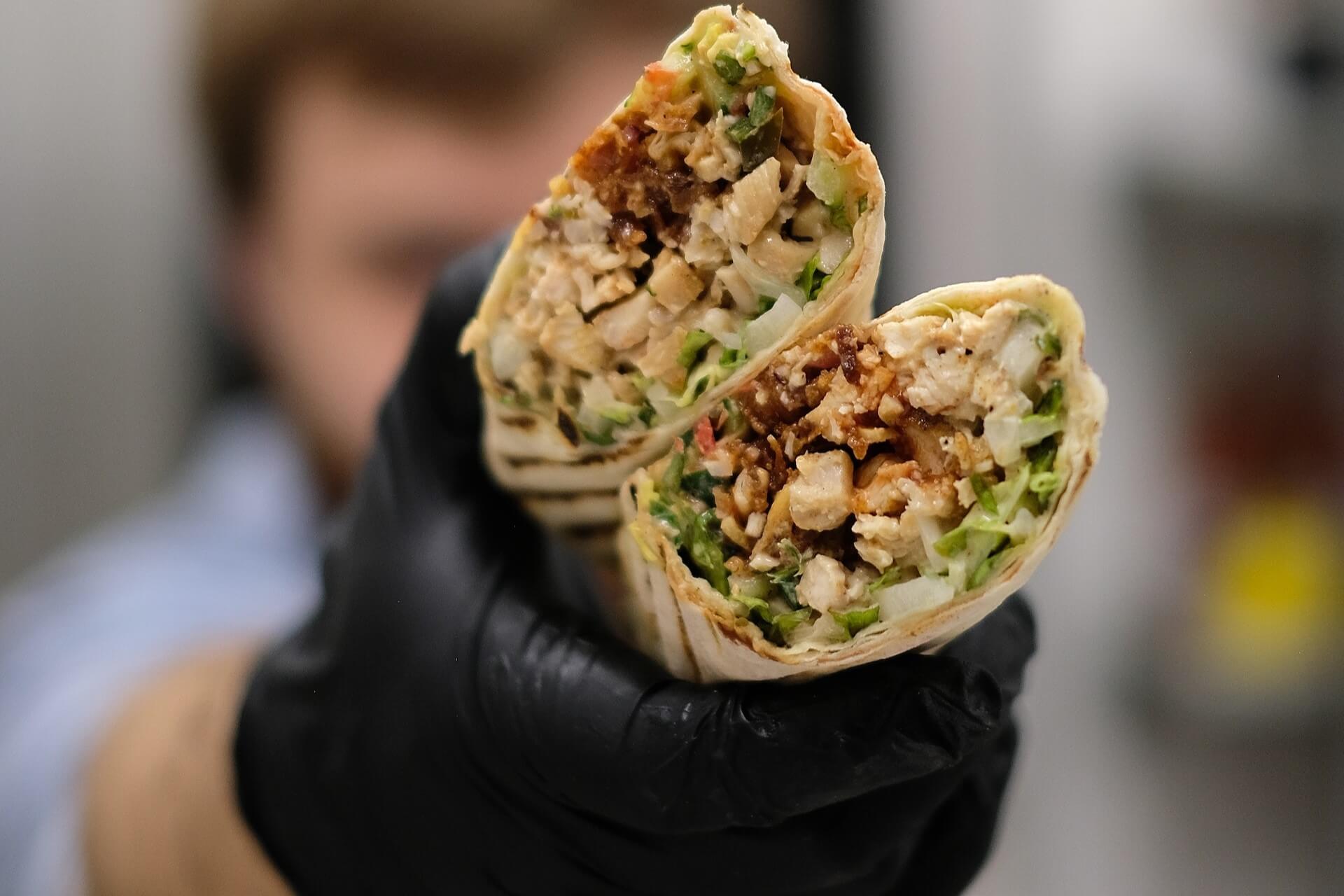
Chef pointing burrito halves toward camera

Grubhub’s 2022 Delivered and Uber Eats’ 2022 Uber Eats Cravings reports are live and there’s one surprise that’s immediately evident.

The top food item lists for both platforms make one thing clear right away: the chicken sandwich is no longer sitting on its throne.

Instead, as far as the data for these two delivery powerhouses show, there’s a new food item king. More compellingly, this menu item holds the throne on both platforms.

Now, I’m not suggesting the fried chicken sandwich is in the dungeon. In fact, the popular sandwich causing “wars” in the QSR space is still holdings it own. Indeed, the sandwich is still in the top five overall at Uber Eats.

Shockingly, it’s not in the top five overall at Grubhub. However, the fried chicken sandwich is among the top five Grubhub lunch and late-night orders.

So, which menu item wears the crown for 2022 in the kingdoms of Grubhub and Uber Eats? The burrito.

That’s awesome news for most operators. Much like the humble but mighty chicken sandwich, concepts can put their signature spin on a burrito. In fact, most concepts can put multiple signature spins on the new king of delivery items. One way to approach this would be to create a permanent signature and then seasonal LTOs.

Top 10 Grubhub Items

In 2022, the fried chicken sandwich only clinches the number seven spot at Grubhub.

Just like Uber Eats, cheeseburgers and pizza outperform the chicken sandwich.

  1. Burrito (bowl or regular)
  2. Cheeseburger
  3. Cheese Pizza
  4. Pad Thai
  5. Chicken Quesadilla
  6. California Roll
  7. Fried Chicken Sandwich
  8. Caesar Salad
  9. Chicken Tikka Masala
  10. Boneless Wings

Top 5 Grubhub Breakfast Items

  1. Sausage, Egg + Cheese Sandwich
  2. Donuts
  3. Sausage Burrito
  4. Bagel with Cream Cheese
  5. Muffins

Top 5 Grubhub Lunch Items

  1. Burrito
  2. Cheeseburger
  3. Fried Chicken Sandwich
  4. Cheese Pizza
  5. Chicken Quesadilla

Top 5 Grubhub Late-night Items

  1. Chicken Quesadilla
  2. Fried Chicken Sandwich
  3. Cheeseburger
  4. Mozzarella Sticks
  5. Cheese Pizza

As we see, the chicken quesadilla does some heavy lifting at Grubhub. The item holds the number five spot overall, at lunch, and during the late-night daypart.

Top 10 Uber Eats Combos

For their 2022 report, Uber Eats takes a different approach than Grubhub. Instead of just listing individual items, the platform identifies their top combos.

  1. Burrito + Cheese
  2. French Fries + Salt
  3. Cheeseburger + Diced Onions
  4. Chicken Sandwich + Fries
  5. Breakfast Sandwich + American Cheese
  6. Soup + Bread
  7. Pancakes + Sausage
  8. Pizza + Mozzarella
  9. Salad + Balsamic Vinaigrette
  10. Quesadilla + Sour Cream

Most “Unexpected” Uber Eats Combos

  • Ham + Cream Cheese
  • Fruit Roll Up + Hot Cheetos
  • Pickles + Whipped Cream
  • Popcorn + Pickle Juice
  • Dark Chocolate + Tomato Salad
  • Pizza + Applesauce
  • Sushi + Ranch
  • Peanut Butter + Pizza
  • Cheese + Martinis
  • Watermelon + Mustard

To read both reports in their entirety, click here for Grubhub and here for Uber Eats. There are more insights, including beverages and beverage combos.

Of course, longtime readers and our clients know where we stand on third-party delivery platforms. Ideally, operators should take as much control over their business as they can. For us, that means implementing direct delivery as long as it’s feasible and incurs lower costs than third-party.

We view delivery platform reports as menu development resources. It’s always wise to keep up to date on consumer and food trends, after all.

Image: Kamila Bairam on Pexels

by David Klemt David Klemt No Comments

The Major Milestones You Must Reach

The Major Milestones You Must Reach to Open a Restaurant

by David Klemt

2023 KRG Hospitality Milestone Checklist

Opening a restaurant is no small task, with projects requiring the completion of 500 unique tasks before welcoming guests.

KRG Hospitality president Doug Radkey identified these tasks several years ago. The commitment to systematically accomplish these tasks is a cornerstone of our approach to all projects.

Our feasibility studies, branding, concept and brand development, and programming are unique and customized to every client. However, the journey from idea to grand opening is a path dotted by hundreds of waypoints.

There’s a reason we call our project plans Roadmaps to Success: we’re here to help guide our clients to and through each waypoint on the map.

Below you’ll find just 50—just a tenth—of the unique tasks we at KRG believe you must complete before your grand opening. You’ll find more than 80 tasks in the brand-new 2023 KRG Hospitality Restaurant Start-up Cost Report + Checklist.

Both the list below and the checklist included in our free Restaurant Start-up Cost Report download will give you an idea of what we work on with each of our clients. These tasks should also highlight the enormity that is taking your concept from idea to brick and mortar.

To download your free copy of our 2023 Restaurant Start-up Cost Report + Checklist, click here.

Planning & Admin Tasks

  • Complete your project feasibility study.
  • Develop your concept and brand plan.
  • Develop and test a layout/drawing.
  • Complete a strategic business plan.
  • Complete a marketing and tech stack plan.
  • Finalize your start-up budget.
  • Analyze and secure necessary funding.

The Support Team Tasks

You’ll need to secure:

  • Business insurance broker
  • Business and liquor license attorney
  • Restaurant and bar consultant
  • Project manager
  • General contractor and trades
  • Mentor or coach

Site Development Tasks

When it comes to these tasks, you may have an idea of roughly what to expect.

For example, one necessary task is…securing your property of choice. Another task to cross off or set a check next to? Signing the lease.

But there are other tasks you may not anticipate or think of when planning to open a restaurant:

  • Submit drawings to municipality.
  • Start and manage project renovations.
  • Set a SMART opening date proposal.
  • Set up and submit deposits for utilities.
  • Develop your service sequence (flow).

You’ll also need to source the following:

  • Exhaust hood supplier
  • Millworker and specialty supplier
  • Interior and exterior signage company
  • Grease trap cleaning
  • Used oil pickup/recycling
  • Exhaust hood cleaning

Operations Development Tasks

  • Complete a kitchen workflow plan.
  • Complete service sequence analysis.
  • Source take-out container suppliers.
  • Secure security, sound, and video, plus applicable licenses.
  • Secure point-of-sale and tech Systems.
  • Develop recipe books for kitchen and bar.
  • Develop package of standard operating procedures.

Brand Development Tasks

Developing your brand involves much more than choosing a logo and colors.

Consider every design and service element a branding opportunity. Your brand development tasks will include developing:

  • your core statements;
  • graphic design/branding kit;
  • website and social media accounts;
  • a promo video strategy;
  • a “coming/opening soon” plan; and
  • your media strategy for the launch.

You’ll also need to:

  • complete the F&B concept stage;
  • complete the F&B testing stage;
  • source menu cover supplier (for dine-in version)
  • complete a photo shoot; and
  • plan for and execute a soft opening.

Team Development Tasks

  • Develop your staff hiring strategy.
  • Plan for and complete HR and compliance forms.
  • Develop onboarding manuals.
  • Source staff uniform suppliers.
  • Promote job fair or interview dates.
  • Hold a staff orientation night.
  • Execute a staff-building exercise shift.
  • Create a brand ambassador program.

Image: KRG Hospitality

by David Klemt David Klemt No Comments

Restaurant Tax Credit Support Grows

Bipartisan Effort for Restaurant Revitalization Tax Credit Grows

by David Klemt

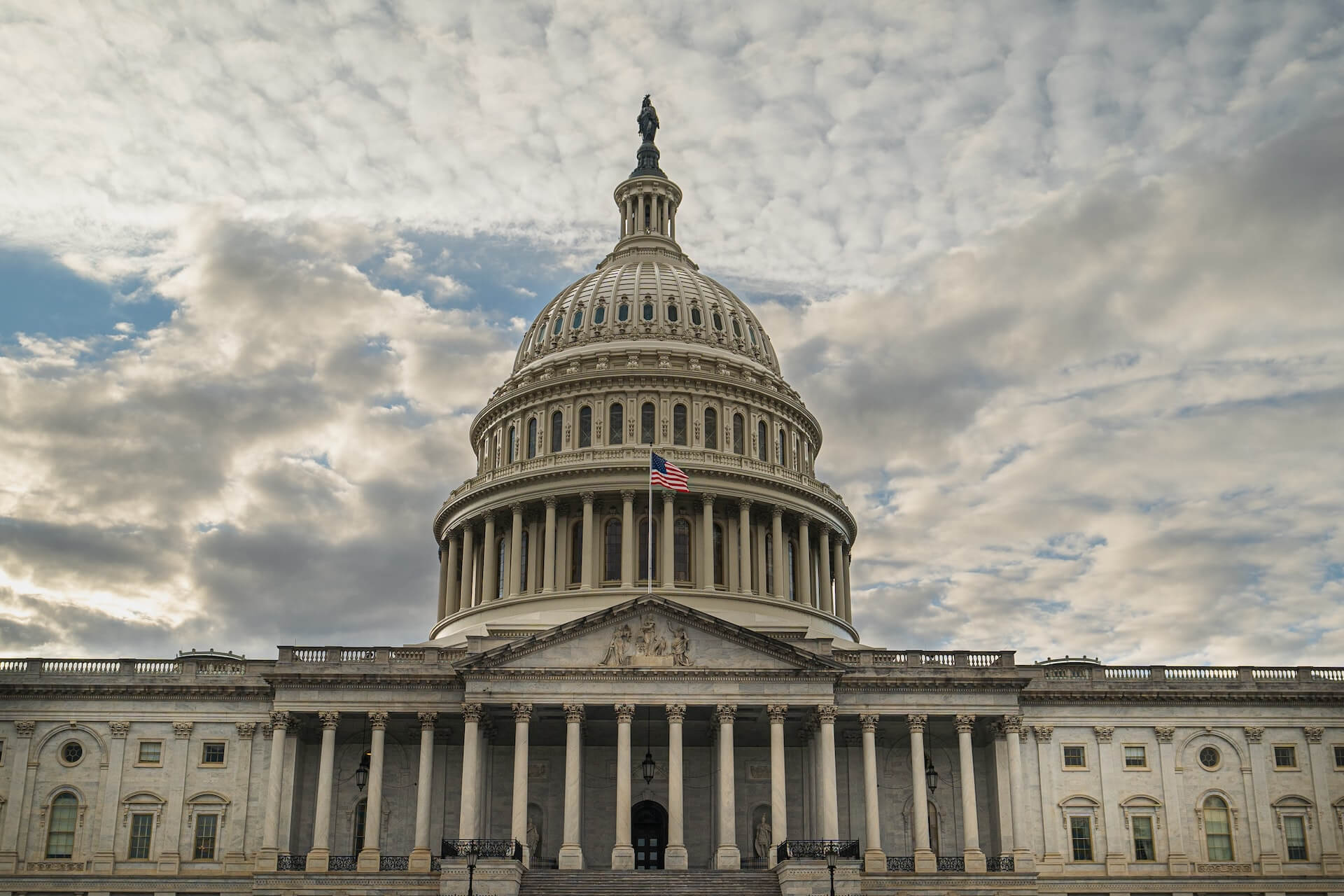
United States Capitol Building exterior and Peace Memorial

One week after the Restaurant Revitalization Tax Credit Act introduction in the Senate, a companion bill is in play.

This time, the bill is a bipartisan effort. Representative Earl Blumenauer (D-OR) is the sponsor of HR 9574. Joining him are Reps. Brian Fitzpatrick (R-PA) and Dean Phillips (D-MN).

HR 9574 is nearly identical to the Senate version, S.5219. In fact, the only real difference relates to number of employees.

Restaurant Revitalization Tax Credit Act Summary

Just like the bill in Senate currently, the House of Representative bill proposes a $25,000 payroll offset for restaurants.

In terms of eligibility, HR 9574 is identical to S.5219: Restaurant Revitalization Fund applicants. More precisely, eligible applicants that applied for but didn’t receive an RRF grant.

Further eligibility requirements are as follows:

  • Restaurants with operating losses of at least 30 percent in 2020 and 2021 in comparison to 2019; or
  • restaurants with losses of at least 50 percent in either 2020 or 2021 in comparison to 2019.

If you’re familiar with the Senate’s version, which predates the House version by a week, you may be wondering about the difference between the two bills.

Well, it comes down to number of employees. For the Senate bill, restaurants with ten employees or fewer could be eligible for the maximum payroll tax credit. That credit, again, is up to $25,000 for 2023. For every employee over ten, the refund cap drops by $2,500.

However, the House bill approaches number of employees a bit differently. Restaurants with ten or fewer employees would receive the full $25,000 payroll tax offset. For restaurants with between 11 and 20 employees, the offset would be “partially refundable.”

A Lifeline

It’s likely that neither HR 9574 nor S.5219 will receive a vote until January 2023, at the earliest.

Of course, time is of the essence for our industry. This isn’t lost on Rep. Blumenauer—an author of the RESTAURANTS ACT of 2021—or his co-sponsors.

“Restaurants and their employees were hit harder than any other industry during the COVID-19 pandemic,” says Rep. Blumenauer. “The federal government has provided some help to these institutions through the Restaurant Revitalization Fund, legislation based on my RESTAURANTS Act. But the program has fallen short, with only one-third of all applicants receiving funding.”

To add to Rep. Blumenauer’s mention successful applicants, it’s estimated that more than 175,000 applicants haven’t received a grant.

Hope, as the saying goes, isn’t a strategy. But hopefully at least one of these bills is floored, voted on, and passed in January. Too many deserving restaurants have had to endure an agonizing series of RRF roller coasters.

To continue introducing bills—hope—just to watch them fail to go anywhere is becoming cruel at this point.

Image: Emily Studer on Unsplash

by krghospitality krghospitality No Comments

KRG Unveils 2023 Start-Up Guide

KRG Hospitality Unveils 2023 Restaurant Start-Up Cost Report + Checklist

2023 KRG Hospitality Start-up Costs Guide

KRG HOSPITALITY RELEASES FIFTH ANNUAL RESTAURANT START-UP COST REPORT + CHECKLIST

Toronto-based hospitality industry consulting firm with offices in key markets throughout Canada and the United States of America unveils their latest restaurant cost report, milestone checklist, and interactive hospitality calculator.

December 15, 2023 (TORONTO)—Today, KRG Hospitality unveils their 2023 Restaurant Start-up Cost Report + Checklist. The Toronto-based consulting firm specializes in startup restaurant and bar projects along with boutique hotels, experiential concepts, and entertainment venues. KRG also has offices in key markets throughout the United States of America.

For the past five years KRG has researched, reviewed, and published the annual start-up cost guide, one of the industry’s leading resources dedicated to restaurant project costing.

And each year this informative and transparent guide is used as a trusted budgeting tool by developers, lenders, contractors, consultants, and aspiring restaurateurs. The guide is founded upon KRG Hospitality’s proprietary database of previous project costs, which includes project data from restaurants, bars, and cafes developed over the past 24 months.

Further, this annual KRG Hospitality also includes a start-up checklist that identifies an array of crucial milestones: KRG president Doug Radkey has identified 500 unique tasks that must be completed for a successful restaurant opening.

This year’s checklist reveals a number of these crucial tasks. Updated for 2023, the guide also includes the interactive KRG Hospitality Calculator.

The costs to start a restaurant have been on a steady rise over the past 5 years. Major drivers are increases in inflation, interest, labor, construction, equipment. Of course, there are also the unique materials required to deliver a scalable, sustainable, memorable, profitable, and consistent on-premise, off-premise, or hybrid-style concept.

Drawing upon this comprehensive guide, an industry-leading expert has analyzed the information and provided a succinct and user-friendly summary of the findings for each major start-up category. This isn’t simply a couple of pages identifying a few costs. Rather, the fifth annual guide is a deep dive that provides real insight into what to expect in 2023.

The Checklist

As stated, there are 500 unique tasks an operator needs to complete over the course of developing and opening the doors to their concept.

To make it simple to navigate, the 2023 checklist is organized into sections: Planning & Admin, the Support Team, Site Development, Operations Development, Brand Development, and Team Development.

From starting off with the targeted, customized, and in-depth feasibility to planning and executing the soft opening, KRG identifies dozens of key milestones in this year’s guide.

Download your copy of the 2023 KRG Hospitality Restaurant Start-up Cost Report + Checklist today! Click here.

About KRG Hospitality

KRG Hospitality is a storied and respected agency with proven success over the past decade, delivering exceptional and award-winning concepts throughout a variety of markets found within Canada, the United States, and abroad since 2009. Specializing in startups, KRG is known for originality and innovation, rejecting cookie-cutter approaches to client projects. The agency provides clients with a clear framework tailored to their specific projects, helping to realize their vision for a scalable, sustainable, profitable, memorable, and consistent business. Learn more at KRGHospitality.com. Connect with KRG Hospitality and the Bar Hacks podcast on social: KRG Twitter, Bar Hacks Twitter, KRG Media Twitter, KRG LinkedIn.

Disclaimer

While using this guide helps develop a rough preliminary financial and strategic milestone plan, it is strongly recommended that you seek professional expert advice to provide you with a more precise, project specific estimate as each concept and market will be slightly different. KRG Hospitality Inc. is not responsible for any project that is not currently under contract within the company.

Image: KRG Hospitality
by David Klemt David Klemt No Comments

Top 10 US Metro Areas by Inflow, Q3 2022

US Metro Areas with Greatest Outflow and Inflow, Q3 2022

by David Klemt

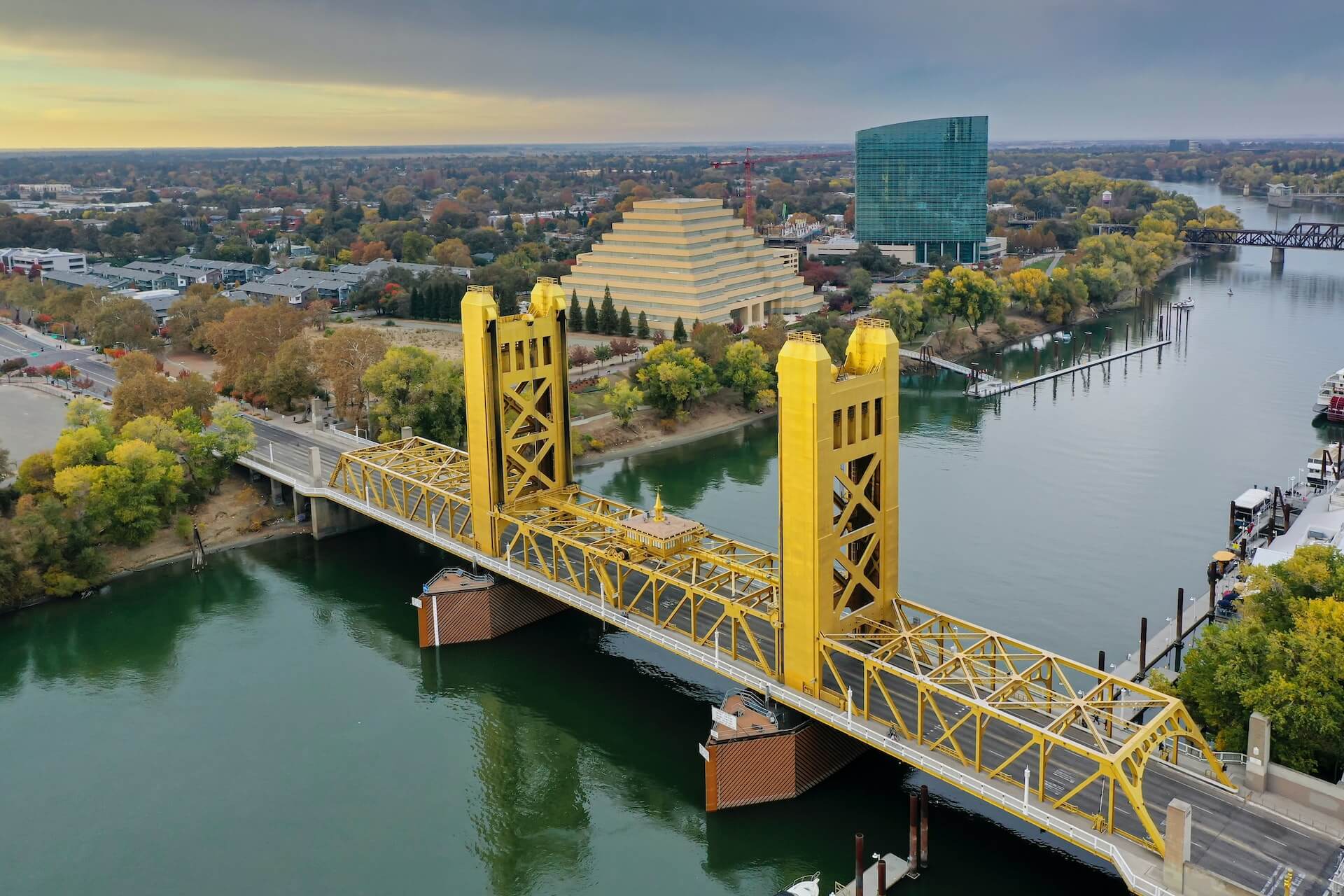
Tower Bridge in Sacramento, California

Real estate brokerage Redfin identifies the top ten American cities in terms of inflow and outflow, according to Q3 data.

Interestingly, a quarter of people appear to be searching for homes in cities different from where they currently live. Also compelling: one state, per the brokerage’s data ending in the month of October, is a clear favorite.

Obviously, this is important data for operators to have. When it comes to labor and guest pool changes, inflow and outflow information can be quite useful.

Top Inflow Cities: August to October 2022

Review the list below to see the metro areas experiencing the greatest inflow.

  1. Orlando, Florida
  2. Dallas, Texas
  3. North Port, Florida
  4. Cape Coral, Florida
  5. Phoenix, Arizona
  6. Tampa, Florida
  7. San Diego, California
  8. Miami, Florida
  9. Las Vegas, Nevada
  10. Sacramento, California

Did you spot the big trend? The state of Florida represents 50 percent of the list. Per Redfin‘s interpretation of the data, home buyers want leave expensive coastal cities behind.

Interesting to us in particular, two cities—Las Vegas and Orlando—are key KRG Hospitality markets. Also interesting is that Nevada and Florida are on the back half of Forbes’ best cities for starting a business in 2023.

However, we’ve seen strong hospitality industry recovery in Las Vegas this year. In fact, even the entertainment industry in Las Vegas is exploding. Additionally, we continue to gain clients in Orlando.

Top Outlow Cities: August to October 2022

Below are the metro areas seeing the greatest outflow.

  1. Philadelphia, Pennsylvania
  2. Seattle, Washington
  3. Denver, Colorado
  4. Detroit, Michigan
  5. Chicago, Illinois
  6. Boston, Massachusetts
  7. Washington, DC
  8. New York, New York
  9. Los Angeles, California
  10. San Francisco, California

If we compare Redfin’s Q2 data to the list above, it’s mostly the same. In fact, the top four outflow cities are identical. Spots five through nine are simply a reshuffling of Q2 and Q3 data.

However, Minneapolis, number ten in Q2, is replaced by Philadelphia in Q3. According to Redfin data, those Philly residents searching for homes elsewhere are showing interest in Salisbury, Maryland.

Consider how expensive it can be to move to and live in LA and San Francisco. It makes sense that California is the only state with two cities on the list above, doesn’t it?

Per Redfin, San Francisco residents are searching Sacramento and Seattle. Those in LA are looking at San Diego and Las Vegas.

Takeaway

It’s important to know where people are moving to and what cities they’re leaving behind. And it’s interesting to get a data-driven view of which states may be best for starting a business.

However, it’s far more useful to know how feasible a given ZIP code may be for a specific concept. So, while these types of lists are helpful, they’re not as practical as a targeted feasibility study.

Moreover, the dust doesn’t appear to have settled when it comes to migratory patterns of home buyers. It’s quite possible that Redfin’s 2023 inflow and outflow data will change once again in Q1 and Q2.

Image: Stephen Leonardi on Unsplash

by David Klemt David Klemt No Comments

Is Restaurant Revitalization Back?

Restaurant Revitalization Back on the Table?

by David Klemt

US Capitol Building and cloudy sky

After watching the Restaurant Revitalization Fund die a slow, painful death earlier this year, three senators are trying to help the industry again.

Three Democratic senators seem to think that the RRF battle isn’t over. Senators Ben Cardin (D-MD), Sherrod Brown (D-OH), and Patty Murray (D-WA) are trying once again to help RRF applicants. As a refresher, Sen. Cardin is among the original RRF legislation authors.

Last Thursday, the senators introduced the Restaurant Revitalization Tax Credit Act. Now, before we get into the details, it appears this bill is a stop-gap of sorts. A statement from Sen. Murray suggests as much.

Per a statement from Sen. Muray, the “Restaurant Revitalization Fund left too many behind. I believe we need to replenish the Fund and will keep pressing to do so. Until that happens, bills like the Restaurant Revitalization Tax Credit Act will help keep restaurants afloat.”

It’s safe to say a significant number of operators prefer replenishment of the RRF to a tax credit. However, this could represent a step in the right direction.

The Restaurant Revitalization Tax Credit Act

For those with an interest in dissecting the bill, the text in its entirety is here.

In summary, here’s what Sens. Cardin, Brown, and Murray want to see become law: a payroll offset of $25,000. Of course, it’s not that simple—there are requirements and nuances.

First, the only eligible restaurants are RRF applicants who didn’t receive a grant. Second, the restaurant must prove:

  • operating losses of at least 30 percent in 2020 and 2021 in comparison to 2019; or
  • losses of at least 50 percent in either 2020 or 2021 in comparison to 2019.

Additionally, applicants must have been operating at least as far back as March 14, 2020. There’s also a payroll tax requirement: the applicant restaurant must have paid the taxes in at least two quarters in 2021. But wait—it doesn’t end there.

Restaurants with ten or fewer employees could offset a maximum of $25,000 in payroll taxes for the entirety of 2023. However, for every employee over ten, the refund cap drops by $2,500.

So, this bill appears to target very small operations for assistance. Assistance, we can only hope, that’s meant to help until the Senate and House replenish the RRF.

After all, Sen. Murray did say this bill—”bills like,” to be precise—is meant to “help keep restaurants afloat.”

It’s difficult to view this effort through anything but a skeptical lens given what happened earlier this year. And hope, as the saying goes, isn’t a strategy. But I suppose this bill represents a glimmer of hope that the estimated 175,000-plus RRF applicants who never received a grant may still get the help they deserve.

Image: J. Amill Santiago on Unsplash

by David Klemt David Klemt No Comments

Leadership Facepalm, Part Three

Leadership Facepalm, Part Three

by David Klemt

Frustrated man sitting on couch

We almost got to next year without another viral leadership facepalm moment but then an Olive Garden manager sent a memo.

In case you’re unaware of the now-infamous Olive Garden memo, here’s a recap:

  • Zero tolerance for calling off.
  • Sick team members must come in and prove they’re ill.
  • If someone’s dog dies, they must bring the dead animal in to prove its death.
  • Family emergencies are not private and must come with an explanation.

The manager who authored the memo also takes time to boast about their perfect attendance record.

For the curious, the first entry in our leadership facepalms is here. Part two is here.

The Letter

Below you’ll find the letter, addressed to “ALL Team Members.” To read it in its entirety, click here.

“Our call offs are occurring at a staggering rate. From now on, if you call off, you might as well go out and look for another job. We are no longer tolerating ANY excuse for calling off. If you’re sick, you need to come prove it to us. If your dog died, you need to bring him in and prove it to us.”

I highly doubt that’s Olive Garden or Darden policy.

“If its a ‘family emergency’ and you can’t say, too bad. Go work somewhere else. If you only want morning shifts, too bad go work at a bank. If anyone from here on out calls out more than ONCE in the next 30 days you will not have a job.”

It doesn’t get any better when the manager brings up their own track record:

“Do you know in my 11.5 years at Darden how many days I called off? Zero. I came in sick. I got in a wreck literally on my to work one time, airbags went off and my car was totaled, but you know what, I made it to work, ON TIME! There are no more excuses.”

Interestingly, the manager implies they’re speaking for all the leaders:

“Us, collectively as a management team have had enough.”

A Breaking Point

First, I’m not pretending a staggering amount of operators, leadership teams, and team members aren’t at their breaking points. The labor shortage and staffing struggles are a real crisis in our industry (and others, of course).

Second, I’m not suggesting that operators and their teams aren’t justified in their frustration and anger.

If we’re to accept just this year’s reporting alone, it appears many people are comfortable being rude to service workers. It’s a disturbing trend, and it’s motivating people to leave public-facing roles. As they’re leaving, many are swearing off the hospitality industry entirely.

Third, I think the memo above highlights our need to address mental health in this industry. Sure, it’s easy to write this manager off as a jerk and terrible leader. But what if we look at this through the lens of stress?

The memo could easily be the manifestation of a breaking point. It’s also possible the entire management team was behind this email.

Damage Done

Let’s look at this situation solely as an example of poor judgment and leadership. Imagine the damage it could do to any restaurant or bar, chain or independent.

What do you think a memo like this does to the ability to recruit? To retain? How does such an email do anything but exacerbate labor problems?

Darden, Olive Garden’s parent, went into crisis management mode when this memo went viral. It appeared on Reddit, was picked up by news outlets and other websites, and exploded.

Ultimately, Darden terminated the manager to whom the memo is attributed: “We strive to provide a caring and respectful work environment for our team members. This message is not aligned with our company’s values. We can confirm we have parted ways with this manager.”

The Olive Garden location in Kansas where this situation took place may recover. They’re a large chain, people tend to have short memories for news, and regulars will likely stay loyal.

But what if this occurred at an independent restaurant? The damage could be irreparable.

Work Culture

Now, it should be obvious that from a simply operational standpoint, this situation highlights an unhealthy work environment and culture. That should go without saying.

So, instead I want to say something else.

Operators need to check in with their team members. Leaders, front of house, back of house—everyone. Stress levels are reaching breaking points and every one of your team members needs to know they matter, they’re safe, and they’re supported.

Check in. Survey your team. Be empathetic. And if you’re an operator, you need a support system of your own.

Being a leader doesn’t mean being infallible. It’s not poor leadership or weakness to admit you need help.

Image: Nik Shuliahin 💛💙 on Unsplash

by David Klemt David Klemt No Comments

Starting a Business? Consider These States

Want to Open a Business in 2023? Consider These States

by David Klemt

Philadelphia skyline at sunset

If you’re considering opening a restaurant, bar, nightclub, eatertainment venue, or hotel in 2023, you should consider these states.

As it turns out, according to Forbes, one state is the home to a major KRG Hospitality market: Philadelphia.

Per Forbes Advisor, Pennsylvania is among the top five states for starting a new business next year. In fact, the Keystone State ranks number four.

To make their list, Forbes analyzed all 50 states through the lens of five categories:

  • Business costs
  • Business climate
  • Economy
  • Financial accessibility
  • Workforce

Within those categories, Forbes examined 18 metrics. The result, as already stated, is that just three states rank ahead of Pennsylvania for this Forbes list.

Top 25 States to Start a Business in 2023

Below you’ll find how the top half of the list shakes out. Indiana, Colorado, and North Dakota claim the top positions. A low cost of living and “a business-friendly climate” put Indiana in the number-one spot.

One interesting reason that Pennsylvania ranks so highly comes down to funding for entrepreneurs. Per Forbes, “total small business loan funding in Pennsylvania is double that of the national average.”

  1. Washington
  2. West Virginia
  3. Rhode Island
  4. Idaho
  5. Utah
  6. Wisconsin
  7. South Carolina
  8. Virginia
  9. Hawaii
  10. Mississippi
  11. Missouri
  12. New Hampshire
  13. Massachusetts
  14. California
  15. Connecticut
  16. Delaware
  17. Ohio
  18. Illinois
  19. Montana
  20. North Carolina
  21. South Dakota
  22. Pennsylvania
  23. North Dakota
  24. Colorado
  25. Indiana

However, the list above is interesting for another reason: the recent addition of consultant Kim Richardson to the KRG Hospitality team. Not only is Kim representing our Philadelphia, Pennsylvania, office, she’s our rep for the Northeastern region of the United States.

That means she’s serving Connecticut, Delaware, Maine, Massachusetts, New Hampshire, Maryland, New Jersey, New York, Pennsylvania, Rhode Island, and Vermont. Or, put another way, Kim is representing KRG in six states on the list above. (Pennsylvania is in bold above, while the other Northeastern states on the list she’s representing are in italics).

Proceed with Caution

Now, a word of reason and caution. Just because someone tells you that a particular state or city is the best place for your business doesn’t mean success will follow automatically.

It really doesn’t matter how great the idea for your concept happens to be—long-term success in this industry takes hard work. And that work starts with the planning phase.

So, no, you can’t just throw a dart at the Northeastern states or a map of one of the states on this list and open your restaurant, bar, or hotel there. Site selection involves more than contacting a commercial real estate agent, viewing a few locations, and signing a lease.

There’s a long list of tasks that you must complete in the planning stage before you ever open your doors. An in-depth feasibility study, a KRG Hospitality specialty, identifies the best location for a specific concept. In actuality, the feasibility study includes several smaller tasks that must be completed.

Again, this is simply to determine the best place for a particular concept. There are many other tasks you must complete, each of which KRG is here to help you accomplish.

So, while this list is interesting, there’s much more for your consideration.

The Bottom 10

Since I know you’re curious, below you’ll find the ten states that represent the tail end of the Forbes list:

  1. New York
  2. New Mexico
  3. Vermont
  4. Michigan
  5. Oregon
  6. Florida
  7. Nevada
  8. Kentucky
  9. Oklahoma
  10. Kansas

Now, another word of caution. These states rounding out the list of 50 doesn’t mean they’re “the worst” for starting a business.

In fact, we’ve had great success in Florida, as one example. So, take this list with a grain of salt: there’s much more to consider for a hospitality concept to give it the best odds of success in any market.

Image: Dan Mall on Unsplash

by David Klemt David Klemt No Comments

5 Books to Read this Month: December 2022

5 Books to Read this Month: December 2022

by David Klemt

Flipping through an open book

This month’s engaging and informative book selections will help you hone your culinary, cocktail, and operational skills to dial in your business.

To review November’s book recommendations, click here.

Let’s jump in!

The Book of Cocktail Ratios: The Surprising Simplicity of Classic Cocktails

Understanding recipe ratios will help any bar professional produce balanced, delicious, and memorable cocktails. In fact, getting a grasp on ingredient ratios is a fundamental bartender skill, and it’s crucial to the guest experience.

Author Michael Ruhlman organizes The Book of Cocktail Ratios into five cocktail families. And interestingly, Ruhlman makes a bold claim: many popular cocktails are actually the same cocktail—adjusting the ratios makes them seem different. Grab this book here.

Chef’s PSA: How Not to be the Biggest Idiot in the Kitchen

Look, most of us have been in at least one situation or new workplace where we may have felt like the biggest idiot there. It’s not a pleasant feeling, but at least it’s a feeling we can get over.

This collection of “culinary truisms” aims to set new chefs up for their first steps into a new kitchen: “This book is filled with short little lessons or PSA’s that every cook needs to know to get along successfully in the kitchen. The great thing about this book is that it is a guide for you early in your career and later when you are developing others.” Pick up Chef’s PSA here.

Jacques Pépin Art Of The Chicken

Chef Jacques Pépin loves chicken. In fact, Chef Pépin loves chickens so much that he doesn’t just honor them in the kitchen, they’re the subject of his paintings as well.

Not only will you find beautiful illustrations in Jacques Pépin Art Of The Chicken, you’ll learn about Chef Pépin’s journey through the culinary world. And, of course, there are recipes to learn. Purchase via Amazon here.

The Death of Demographics: Valuegraphic Marketing for a Values-Driven World

Regular listeners of the Bar Hacks podcast will recognize author and speaker David Allison. He has, after all, been a guest twice, appearing on episode 46 and episode 67.

The Valuegraphics Project founder’s latest book, The Death of Demographics, is available in hardcover, paperback, and Kindle formats. From Amazon: “By focusing on deep values rather than surface habits or traits, valuegraphics uncover what drives and unites us. Based on decades of behavioral science research, adding valuegraphics to your insights can improve your marketing effectiveness by a factor of eight or more.” Purchase this book here.

The Business Scaling Blueprint: Building a Foundation to Grow Your Brand

Author and business mentor Tony DiSilvestro has started more than 30 businesses over the course of 30 years. As a mentor, he shares the lessons he’s learned with CEOs and entrepreneurs, and now he’s sharing his experience in book form. The Business Scaling Blueprint is, as the name implies, a practical path toward growing brands.

As a business owner, operators need to grow and scale their restaurants, bars, and hotels. Even if there’s no intention to expand to a multi-location or multi-concept business, growth and scalability are crucial to any business. Available for pre-order on Amazon.

Image: Mikołaj on Unsplash

by David Klemt David Klemt No Comments

SevenRooms and CSV form Partnership

SevenRooms and Competitive Social Ventures form Partnership

by David Klemt

The word "play" painted on a wall

Guest experience and retention platform SevenRooms will kick off 2023 with a partnership with Competitive Social Ventures.

This new partnership is yet another example of SevenRooms’ continuous growth. For technology in general and our industry in particular, this is excellent news.

Consider how long it has taken, up until recently, for hospitality to embrace tech innovations. Navigating tech solutions can be daunting. Equally intimidating can be the cost of implementing new tech in a restaurant, bar, or hotel.

Watching a tech platform continue to innovate and grow, therefore, is good news for operators and their teams.

SevenRooms traces their founding to 2011. In comparison, many “solutions” never escape the vaporware stage, existing only on paper. With more than a decade of operation under its belt, SevenRooms is established and positioned for longevity.

In other words, the platform is worthy of operator consideration and investment. We make no secret of our preference for SevenRooms at KRG Hospitality. Unless they prove we should think otherwise, the platform is our favorite tech-based guest retention solution.

Beyond functionality, ease of use, and effectiveness, the company’s continuous growth motivates our support. Look at how SevenRooms grew in 2021 alone:

The platform also started 2022 with the hiring of a chief revenue officer, Brent-Stig Kraus.

Social Entertainment

With its headquarters in Alpharetta, Georgia, Competitive Social Ventures blends sports, socializing, and entertainment.

In fact, the company refers to the brands it has brought to market as “competitive socializing entertainment concepts.”

Last year, CSV brought Fairway Social Alpharetta and Roaring Social Alpharetta to market. The former focuses on sports simulators. Roaring Social, on the other hand, delivers a speakeasy experience combined with bowling.

Arriving in 2023, the real estate holding company plans to launch Pickle & Social concepts throughout the Metro Atlanta. As the name suggests, the concept features indoor and outdoor pickleball courts. Guests will also have access to table tennis. And like Fairway Social and Roaring Social, Pickle & Social will feature live music and an elevated F&B experience.

CSV already makes use of SevenRooms’ reservation and guest data management tools. Going into 2023, this partnership will evolve into review aggregation, marketing automation, and table waitlist management. The latter makes it easier for any concept to handle walk-ins as painlessly as possible.

Most importantly, the partnership with SevenRooms empowers CSV to pursue their growth plans. While the growth of SevenRooms is impressive and confidence-inspiring, their commitment to client growth is the real story here.

When choosing their tech stack, operators need to know the relationship is mutually beneficial. In fact, they need to be confident that each platform is here for long-term success.

In fact, operators should look at every relationship through this lens: Is every partner working to help you grow?

Image: Ben Hershey on Unsplash

by David Klemt David Klemt No Comments

Stand Out with Weird Holidays: Dec. 2022

Stand Out with Weird Holidays: December 2022

by David Klemt

Stay Weird neon sign with purple background

Want to stand out from from other restaurants and bars in your area? Then commit to keeping it weird.

Several “holidays” are set against every date on the calendar, and December is no exception. These holidays range from mainstream to “weird.” For example, I’m sure you’re familiar with Hanukkah, Christmas, Kwanzaa, and a little event we call New Year’s Eve.

Pay attention to the “weird” or unique holidays to raise eyebrows, carve out a niche for your restaurant or bar, and attract more guests. Why do what everyone else is already doing?

Of course, you shouldn’t try to celebrate every holiday, weird or otherwise. And this month’s list in no way includes every odd holiday.

Focus on the days that are authentic to your brand; resonate with your guests; and help you grab attention on social media.

For November’s list, click here.

December 5: Bathtub Party Day

So, technically this day is about encouraging people to take a bath rather than a shower. However, this can be a great day for celebrating gin and prohibition-era cocktails.

Why gin in particular? For many, winter is gin season. Additionally, when people think of prohibition they tend to think of “bathtub gin.”

December 6: World Trick Shot Day

This is another holiday that celebrates something specific. In the case of World Trick Shot Day, it’s the basketball trick shot.

However, not every venue has basketball available to their guests. Many eatertainment venues do, but the same can’t be said for every restaurant or bar. But if your business has other bar games on offer, you can certainly adapt this holiday to encourage your guests to take their best shots.

December 8: National Pretend to be a Time Traveler Day

Yes, Halloween is over. That doesn’t mean people won’t dress up and have some fun. From Doctor Who to Marty McFly, there are plenty of characters, movies, and TV shows out there your guests can use as inspiration to celebrate this holiday.

December 11: International Mountain Day

Our mountains are incredible, powerful, and crucial resources. So, on this holiday, highlight brands from mountainous regions and those committed to sustainability efforts.

December 12: Gingerbread House Day

This one can get messy but it can also draw in a lot of guests. There are a few ways to go about celebrating Gingerbread House Day, of course. One way I can think of is to encourage your guests to come by and help decorate a large gingerbread version of your restaurant or bar.

December 16: National Ugly Christmas Sweater Day

Fine, this isn’t exactly the weirdest holiday out there. At this point, the ugly Christmas/holiday sweater is a movie and television show trope. That doesn’t make it any less fun.

Come up with your own twist to bring guests through your doors this National Ugly Christmas Sweater Day. That can mean creating a particular theme for ugly sweaters, for example.

December 21: Phileas Fogg Win A Wager Day

When I came across this holiday I knew I’d be including it on this list. The name of the day is ridiculous, and the specificity is impressive. How could I resist?

This holiday, should you choose to accept celebrating it, is dedicated to Phileas Fogg. Who’s that? Fogg is the character in Around the World in Eighty Days who accepts the challenge referenced in the book’s title.

December 22: National Re-gifting Day

People participate in a lot of holiday gatherings throughout December. Many take place before the start of Hanukkah or Christmas Day.

That means a lot of people get gifts before December 22 that they’d perhaps rather not keep. So, encourage your guests to roll in on National Re-gifting Day for a drink, a bite, and an exchange of gifts.

December 23: National Pfeffernüsse Day

No, this isn’t a weird holiday—it’s mostly a fun word to say: “pfeffernüsse.” For non-German speakers, that’s probably a “weird” word. Most importantly, it’s a delicious, spiced cookie that makes for a great treat or fun interpretation as a holiday season cocktail.

December 30: No Interruptions Day

We all need time to disconnect, to log off and be unreachable. Your restaurant or bar is the perfect place for people to hit “do not disturb” on their devices and escape before New Year’s Eve.

Image: Dan Parlante on Unsplash

by David Klemt David Klemt No Comments

The NRA’s 2023 Culinary Trend Forecast

The National Restaurant Association’s 2023 Culinary Trend Forecast

by David Klemt

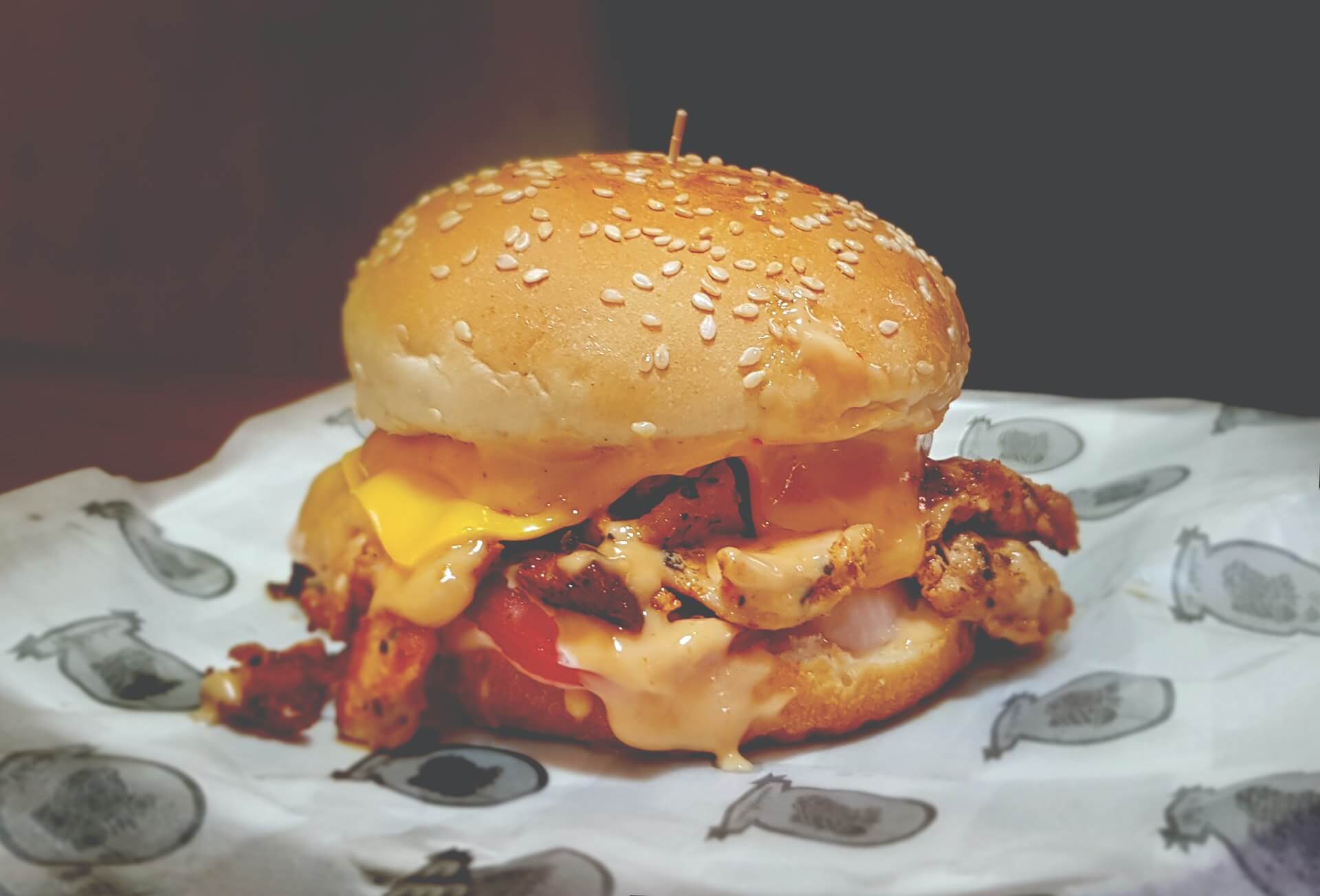
Cheesy chicken sandwich on paper wrapper

Ahead of the beginning of a new year, the National Restaurant Association unveils their culinary trend predictions for 2023.

The report is the result of a collaboration between the NRA, Technomic, and the American Culinary Federation (ACF).

For those unfamiliar, Technomic is at the forefront of foodservice trend tracking, industry research, and analysis. Likewise, the ACF is a premier industry organization. Tracing its founding to 1929, the ACF promotes “the professional image of American chefs worldwide through education of culinarians at all levels.”

To predict what will be “hot” next year, the NRA, Technomic, and ACF sent the 17th annual What’s Hot survey to thought leaders and chefs. In direct partnership with the Technomic Menu Research & Insights Division, the NRA predicted the top menu trends from 110 items spanning 11 categories.

Now, this isn’t a full dive into the report in its entirety. Rather, we strongly encourage our readers to download a copy of What’s Hot 2023 Culinary Forecast for themselves and their teams.

What readers will find below are the top 10 trends for 2023. Additionally, we’ll share the top three macro trends for next year, as forecast by the NRA and their partners.

More than Food

Somewhat surprisingly, the NRA’s top-ten list of culinary trends isn’t just a list of food items. Instead, this forecast paints a picture of where restaurants are heading in 2023.

While there are some specific cuisine predictions, the NRA’s top culinary predictions show us, in part, how consumers want to experience the restaurants they visit.

  1. Southeast Asian cuisines (examples: Vietnamese, Singaporean)
  2. Zero waste/Sustainability/Upcycled foods
  3. Globally inspired salads
  4. Sriracha variations
  5. Menu streamlining
  6. Flatbread sandwiches/Healthier wraps
  7. Comfort fare
  8. Charcuterie boards
  9. Fried chicken sandwiches and Chicken sandwiches “3.0” (example: fusion of flavors)
  10. Experiences/Local culture and community

As we can see, operators and consumers expect tighter, more concept-specific menus. Also, comfort foods; shareable (and “Instagrammable”) items like charcuterie boards; and items that show local and global influences may be hot in 2023.

One can consider, then, streamlining their menu to include their top sellers along with local and/or global flavors authentic to their brand.

Below, readers will see that three of the trends above make up the NRA’s top-three 2023 macro trends:

  1. Menu streamlining
  2. Comfort fare
  3. Experiences/Local culture and community

Operator and Consumer Behavioral Shifts

Looking at the macro trends, it’s reasonable to believe the past few years will influence 2023 heavily.

Operators are dealing with inflation, higher costs for everything, labor shortages. Further, according to Datassential, more than a third of American operators are experiencing low traffic and sales levels.

We can expect these issues to follow us into 2023, at least for Q1 and Q2. Therefore, the NRA’s macro trends forecast makes sense. Streamlining menus often leads to streamlining the back and front of house. In turn, doing so can lower costs and boost staff retention.

On the consumer side, it appears comfort foods, chicken sandwiches, and experiences are driving visits and online orders. These are, as we all know, behavioral shifts we can trace back to the start of the pandemic.

We always suggest proceeding with caution, logic, and data when considering embracing trends. Missing out on trends can be just as costly as latching onto a trend too late.

That said, the macro trends certainly seem reasonable. Only time will tell, but the NRA’s 2023 forecast certainly contains several items operators and their teams should give serious consideration.

Image: Arabi Ishaque on Unsplash

by David Klemt David Klemt No Comments

169 Grants May be the End of the RRF

169 Grants May be the End of the RRF

by David Klemt

Empty, broken plate on floor

UPDATE: According to some sources, the report of $180 million in “leftover” RRF money are inaccurate. The disbursement of $83 million represents the final release of RRF funds.

The $83 million in grants going out this week to 169 recipients may be the end of the Restaurant Revitalization Fund in its entirety.

Unfortunately, it’s possible last week’s awards represent the final grants. This, despite the Government Accountability Office (GAO) finding $180 million in funds in July.

As far as the sources of these funds, that topic remains a bit vague.

However, the story is that more than $150 million are the result of clawbacks. More than a third, if reporting is accurate, is the result of recipients or financial institutions returning grants. Reports indicate another $24 million come from the SBA setting aside $24 million for litigation.

Per the National Restaurant Association months ago, the American Rescue Plan Act of 2021 does not include a provision for a litigation fund. Therefore, the NRA called for the SBA to disburse that money to RRF applicants.

What we do know is that last week’s RRF grant recipients should be receiving their funds this week. According to the SBA, 169 recipients were awarded a portion of $83 million in RRF money.

Again, that’s money the GAO found back in July. It’s also less than half of the reported $180 million the government agency found this summer.

Given the fact that the SBA announced a disbursement of just 46 percent of the “leftover” funds, many believed another round was in the works. Sadly, that may not be the case. It’s possible—and increasingly likely, regrettably—that the rest of the $180 million in funds won’t go to grant applicants.

Now, I want to be clear on one important point: I’m relieved for the 169 grant recipients. I truly hope the funds arrive in time to help them and their teams.

While I’ll feel disappointment if a second round of the $180 million never materializes, I’m happy for those who received a portion of the $83 million awarded last week.

Frustration

So, where does the industry go from here? The failure of Congress to replenish the RRF left a reported 150,166 applicants with zero assistance. According to Nation’s Restaurant News, it would have taken $41 billion to award each applicant a grant. Obviously, $180 million was never going to serve to help that many applicants.

Frustratingly, the answer to the question above appears to be: Move forward on our own. And that unsatisfactory answer has flooded with me opinions.

One opinion? Our industry, it seems, is always left to fend for itself. Despite the millions of people hospitality employs, lawmakers and politicians don’t seem willing to assist us—and therefore their constituents—in meaningful ways.

Another opinion? Perhaps we need to build a more powerful lobby to have our voices heard. Such an effort began in earnest to support the RRF. However, too many elected officials were comfortable refusing to replenish the fund.

A third opinion was shaped by Eileen Wayner, CEO of Tales of the Cocktail. As a guest on the Bar Hacks podcast she addressed the perception of operators and hospitality workers as being adaptable and resilient.

While those characteristics can be admirable, Wayner expressed something I think we all feel: Sometimes, we’re tired of being resilient. Sometimes, we’re tired of being expected to adapt. There are times our industry needs help.

When you’re constantly seen as resilient, people believe you don’t need assistance. What we’ve seen with the RRF and its failed replenishment is that too many people with the power to help can write us off. “They’re resilient,” they say. “They’ll figure it out. They’ll be fine.”

Well, we’re not all “fine.” We needed help, and we deserved it.

Image: CHUTTERSNAP on Unsplash

by David Klemt David Klemt No Comments

$28.82 per Hour for NYC Delivery Workers?

$28.82 per Hour for NYC Delivery Workers?

by David Klemt

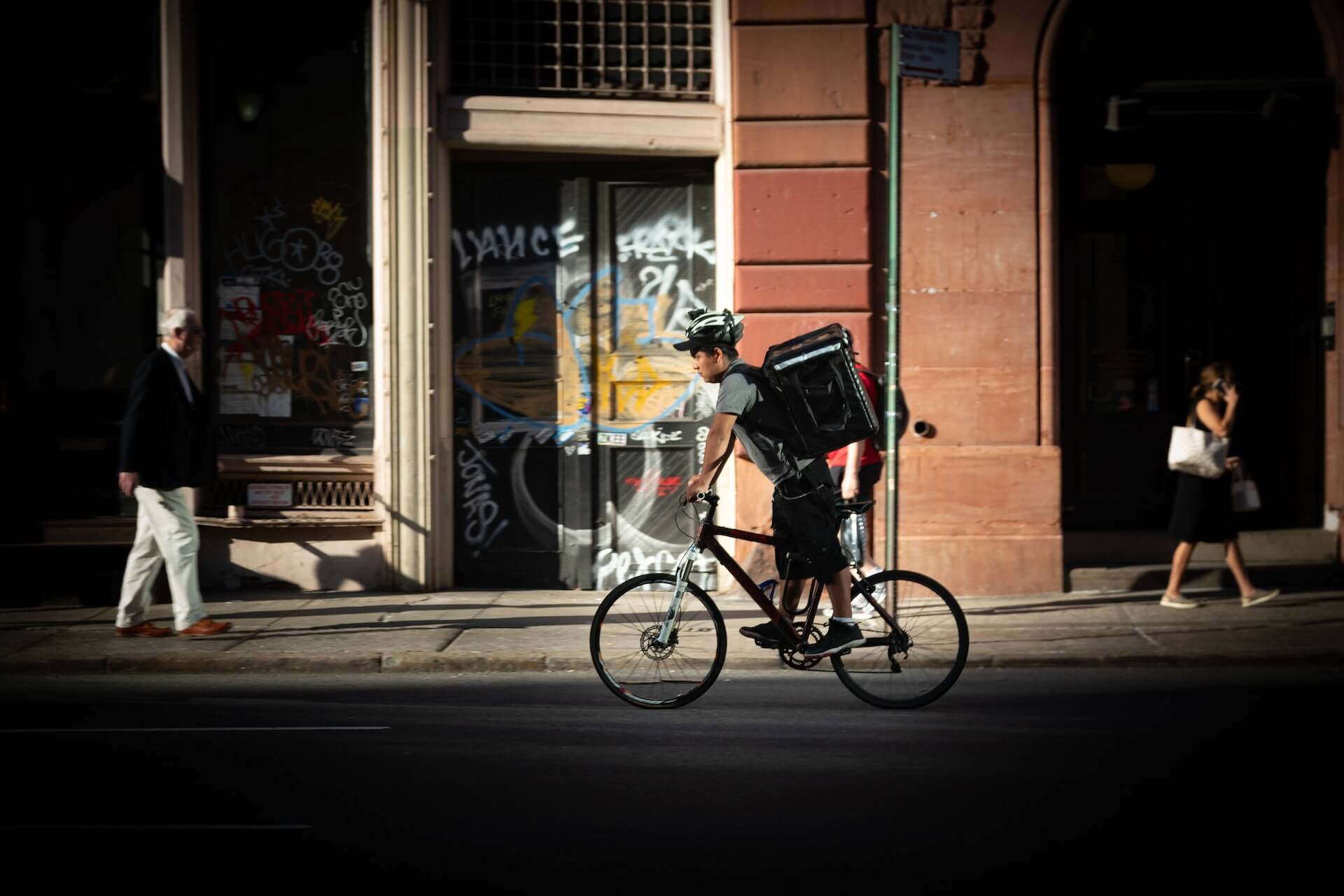
Delivery worker on bicycle on city street

In response to the New York City Council’s proposal of $23.82 per hour for delivery workers, some “deliveristas” are asking for more.

Now, before we proceed, no, this isn’t a re-run of an article from last week. This isn’t a case of déjà vu—it’s the evolution of a news story that’s developing rapidly.

So, how much more do delivery workers in NYC want? Well, they’re after a significant bump over the council’s minimum hourly wage proposal.

Requesting that the NYC Council more accurately account for deliverista expenses, some delivery workers are asking for $28.82 per hour.

Early last week, a group consisting of Los Deliveristas Unidos and the Worker’s Justice Project members came together. They gathered at New York City Hall to make their stance on the NYC Council’s minimum wage proposal.

As the deliveristas see it, an increase from $23.82 to $28.82 more accurately reflects their operating expenses. The argument is compelling when one considers costs beyond fuel.

Asking for More

After all, not every delivery worker in NYC (and other markets) uses a car, truck or SUV to make deliveries. That should explain the use of the term “delivery worker,” not “delivery driver.” Some deliveristas ride motorcycles, mopeds, or bicycles. I’m willing to bet some even use scooters, rollerblades, or skateboards.

Using any mode of transportation as a delivery worker comes with requirements, both legal and practical. For example, deliveristas must maintain insurance, maintain their transportation, and purchase and maintain safety equipment.

And yes, that safety equipment is crucial. According to some reports, around a third of NYC those who deliver on two wheels have been injured on the job. Tragically, 33 delivery workers have been killed since 2020. In fact, NYC says delivery workers have the highest injury rate.

Another interesting development may seem semantic. However, when one takes time to truly consider the point it’s rather poignant.

In asking for the proposal of $23.82 to rise by $5 by 2025, are asking for a living wage. Not minimum wage, as the proposal frames the hike, but a living wage.

One worker, Antonio Solís, as quoted by The City, a non-profit NYC news publication, explained: “We are asking the city to make a $5 adjustment, to go that extra mile to ensure we get to a living wage.”

A Request, not a Rejection

It’s also important to note that NYC’s delivery workers aren’t rejecting the council’s minimum wage proposal. Rather, the request is that the council considers updating their proposal ahead of a December 16 public hearing on the matter.

So far, companies like DoorDash, Grubhub, and Uber Eats haven’t released much in the way of statements. However, there have been reports quoting a handful of representatives. In pushing back against the proposal, they’ve mentioned increased costs; reduced deliveries; and the possibility of “locking out” deliveristas if delivery demand is low at a given time.

Should legislation go into effect after the public hearing, it’s likely we’ll see lawsuits from the delivery companies.

Image: Patrick Connor Klopf on Unsplash

by David Klemt David Klemt No Comments

SBA Releases 46% of Held RRF Funds

SBA Releases 46% of Held RRF Funds

by David Klemt

Single one-hundred-dollar bill

After receiving pressure from members of Congress and scrutiny from the industry and media, the SBA has released some RRF funds.

This comes after several months of inaction from the Small Business Administration.

The amount released on Wednesday, November 23 isn’t insignificant. However, the SBA disbursed less than half of the RRF money they’re sitting on.

Still, the news is welcome, particularly to the RRF applicants who finally received a grant.

$180 Million in RRF Funds

Several months ago, the Government Accountability Office (GAO) investigated the handling of the Restaurant Revitalization Fund. Back in July, the fruits of that investigation came to light: $180 million of the $28.6 billion in RRF funding had not been disbursed.

Further, it was reported in back August that the SBA was partnering with the Department of Justice to “formulate a plan on how to distribute” the money.

Now, nearing the end of November, it appears the SBA and DoJ have finalized a plan. Two days ago, on the eve of Thanksgiving, the SBA released $83 million of the $180 million that was discovered in July of this year. If every applicant received the same amount, that works out to $491,124 per grant.

With any hope, this means the remaining $97 million will go to deserving grant applicants very soon.

Where did the Money Go?

We don’t yet know which RRF grant recipients received a portion of the $83 million released this week.

What we do know is:

  • 169 applicants received this week’s grants;
  • applicants were selected by the order in which they applied for grants in 2021;
  • each recipient was alerted about their grant award this week;
  • the recipients are expected to actually receive the money some time next week;
  • grant recipients have until March 2023 to spend the funds; and
  • the recipients won’t have to repay the money if they spend it on “approved purchases.”

It’s logical that the disbursement of the $97 million in remaining RRF grants will follow the same procedure.

Statements on this Week’s Developments

This week, both the Small Business Administration and National Restaurant Association made statements about the release of $83 million in RRF funds.

“This week, the U.S. Small Business Administration (SBA) began distribution of returned funding in the Restaurant Revitalization Fund (RRF) program, following the program’s closure in June 2021. In doing so, the SBA worked with the advice of the Department of Justice on a plan to distribute the remaining funds, approximately $83 million,” reads a press release from the SBA.

“In addition to other SBA assistance programs, the RRF has helped more than 100,000 restaurants and other food and beverage business owners survive the pandemic,” continues the administration’s statement.

Sean Kennedy, executive vice president of public affairs for the NRA, said the following about this week’s disbursement:

“The SBA’s action represents the final chapter of our nearly three-year effort to secure dedicated federal pandemic relief dollars for local restaurants. Today’s announcement is great news for those 169 operators fortunate enough to receive an RRF grant, but hundreds of thousands more are struggling with uncertainty.

“We must continue to look forward because the enormous challenges of the industry will continue beyond today. From the recruitment of employees to the constantly rising costs for food, running a restaurant right now is a daily struggle. There are steps the government can take to support restaurants in every community, and we will continue to press for solutions at the federal, state, and local level.”

Image: AR on Unsplash

by David Klemt David Klemt No Comments

Merchants Support Credit Card Act

100s of Merchants Support Credit Card Competition Act

by David Klemt

Customer paying via Square terminal

Perhaps at least somewhat unsurprisingly, support for the Credit Card Competition Act is growing rapidly among merchants.

In fact, 1,802 merchants are making their position on the bill clear. Those hundreds of merchants drafted, signed, and sent a letter to the House and Senate.

The crux of that letter? To tell our lawmakers to support and pass the Credit Card Competition Act.

To view the letter, sent by the Merchants Payments Coalition (MPC), please click here. For the bill and its status, follow this link.

The Credit Card Competition Act: A Quick Summary

According to the MPC, credit and debit card transactions just in the US reached $3.49 trillion in 2021. Along with those transactions came $77.48 billion in merchant fees—just for Visa and MasterCard.

Why call those out those two processors in particular? Well, it’s because they’re behind about 576 million credit cards. Oh, and they also control 87 percent of the processing market.

In the span of just one decade, Visa and MasterCard swipe fees have risen 137 percent. So, it’s not surprising that merchants are supportive of the Credit Card Competition Act.

There are, indeed, restaurant and hospitality groups attached to the MPC’s letter to Congress. Taking a quick glance, Denny’s franchisees, Dutchman Hospitality Group, and Mandalay Hospitality Group are among the signees.

Obviously, this makes sense—swipe fees are among the highest costs operators face every day.

Where’s this Bill Currently?

It shouldn’t be too shocking to find that this has yet to make much progress. The bill’s sponsors, Sens. Richard Durbin (D-IL) and Richard Marshall (R-KS), introduced it in the senate at the end of July.

Three months later, October 28, an attempt was made to include the bill in the National Defense Authorization Act (NDAA). For those who are unfamiliar, the NDAA is known as a “must-pass” bill. After all, it specifies the US Department of Defense’s (DoD) budget and expenditures each year.

Along with a reported 900 other “riders,” Sens. Durbin and Marshall tried to get their bill passed within the NDAA. Unfortunately for the senators and supporters of the bill, the NDAA vote was pushed until the middle of November…which we’re now past.

Of course, the US did just undergo a mid-term election cycle. So, I suppose it’s reasonable to be a bit more patient with the Senate and the progress of this bill.

Those who work in or support our industry can make their opinion of this bill known. Just follow this link to the National Restaurant Association Credit Card Competition Act portal.

Image: Clay Banks on Unsplash

by David Klemt David Klemt No Comments

$23.82 Minimum Wage for Delivery Workers?

$23.82 Minimum Wage for Delivery Workers in NYC?

by David Klemt

Red "New York" sign on building

With a public hearing on the docket for December 16, the New York City Council is proposing “fairer pay for delivery workers.”

The move is a year in the making. Last year, the NYC Council approved legislation with the goal of improving delivery worker pay and working conditions.

Now, the council is moving to increase minimum wage for the 60,000-plus delivery workers in the city.

At the risk of coming across as pessimistic, the legislation is likely to be unpopular with third-party delivery services. After all, when NYC and San Francisco passed laws to cap third-party delivery commissions, the big services filed lawsuits.

So, again, increasing the minimum wage for delivery workers in NYC will probably not go down well with companies like Uber, DoorDash, and Grubhub.

It’s possible we’ll find out before the end of this year. After the public hearing, the NYC Council will consider public comments. Then, the council could move forward and enact the legislation.

What’s in the Proposal?

Should the rule go into effect after the public hearing on December 16, minimum wage would rise to $17.87 per hour for third-party delivery workers. By April 1, 2025, that rate would increase to $23.82.

“This new proposed minimum pay rate would help ensure a fairer pay for delivery workers for third-party apps, providing more stability for 60,000 workers across our city,” says New York City Mayor Eric Adams.

According to reports, Brooklyn Borough President Antonio Reynoso is in favor of the legislation as well.

“It’s absolutely unacceptable that the restaurant delivery workers who provide for so many in this city are not justly compensated for their time, reimbursed for their expenses or provided essential benefits,” says Reynoso.

So, how did the council arrive at the $23.82 per hour figure? Well, we actually have that information:

  • $19.86, which matches standards set by the New York City Taxi and Limousine Commission for ride-hail drivers;
  • $2.26 for expenses delivery workers incur; and
  • $1.70 for worker’s compensation.

Why Legislate Delivery Worker Pay?

It appears the main reason is an incredibly simple one. In short, third-party delivery workers aren’t making minimum wage in NYC.

Per the Department of Consumer and Worker Protection (DCWP), delivery workers average less than the city’s $15 minimum wage. With tips, they’re averaging $14.18. And without tips? As one can imagine, the hourly rate plummets: $7.09 per hour.

According to the DCWP, the average hourly expense a delivery worker incurs is $3.06. So, that drives their hourly pay to $11.12 with tips, $4.03 without.

In an argument likely to be cited in any lawsuit filed by DoorDash (or at least shared in a public statement), the company claims its delivery workers make almost $29 per hour.

Clearly, there’s a discrepancy somewhere. Either delivery drivers are woefully underpaid for the service they provide or multiple researchers are misinterpreting hourly pay data.

Several sources have cited a statement made by a DoorDash representative about the NYC Council’s proposal:

“Dashing allows so many across New York City to earn when, where and how often they choose,” says the rep. “Unfortunately, the proposed rule does not appropriately account for this flexibility or that Dashers are able to choose which deliveries they accept or reject.”

Their statement continues, addressing a possible rise in costs and drop in orders:

“Failing to address this could significantly increase the costs of delivery, reducing orders for local businesses and harming the very delivery workers it intends to support.”

Why Should I Care if I Don’t Operate in New York City?

We’ll see—quickly, apparently—if this proposal becomes law. Should that happen, there’s reason to assume similar proposals will pop up in other cities and states.

We’ll also see whether or not third-party delivery companies file lawsuits in response. They’ve done so for commission caps, after all.

At any rate, this is one to watch. Similar legislation could be coming to your market.

Image: Nik Shuliahin 💛💙 on Unsplash

by David Klemt David Klemt No Comments

Traffic Up but Margins Thinner

Traffic Up but Margins Thinner

by David Klemt

Chef checking tickets

The One Table 2022 report from Datassential focuses on the state of the operator and what the industry can expect moving forward.

This informative report shares survey results from 801 operators across America. While some of the findings are positive, it’s clear many operators are enduring significant challenges.

For some, traffic and sales are up. However, that’s not the situation others find themselves in.

To download and review the Datassential One Table 2022, please click here.

The Respondents

For this report, Datassential shares the survey answers from 801 respondents.

Most survey respondents are independent operators. In fact, they account for 71 percent of the participants. Making up the rest of the field are chain operators (15 percent) and franchise operators (14 percent).

As far as segment types, the majority of survey participants operate in the fast-casual space (18 percent). Unsurprisingly, fine dining is the smallest group of respondents at six percent. Thirteen percent operate midscale restaurants, and 12 percent are at the helm of casual-dining concepts. Somewhat surprisingly, just ten percent of participants operate QSRs.

Interestingly, the service format is fairly even among survey participants. Fifty-three percent of operators are full-service and 47 percent are limited-service.

Similarly, survey respondents represent the country’s regions pretty evenly:

  • South: 30 percent
  • Midwest: 29 percent
  • Northeast: 21 percent
  • West: 20 percent

In terms of market type, most respondents operate in the suburbs (49 percent). Following somewhat closely are urban-market operators, at 31 percent. Just 20 percent of survey participants operate in rural markets.

Traffic, Sales and Margins

At first glance, Datassential’s survey reveals positive news.

Now, I’m sure people find the terms “pandemic, “pre-pandemic,” and “post-pandemic” exhausting at this point. However, there’s no denying we continue to feel the aftershocks sent through the industry by the pandemic.

So, how do things look now in comparison to pre-pandemic traffic and sales levels?

First, the positives. Nearly half of survey respondents—47 percent—say their traffic is up in comparison to where it was pre-pandemic. Add to that the 14 percent who say their traffic is the same and 61 percent of operators appear to be in good shape.

In terms of sales, 51 percent of survey participants have good news. That news is that their sales are higher in comparison to pre-pandemic levels. Again, add the 14 percent who don’t see any change. So, that’s 65 percent of operators who appear to be performing well.

But with the good there’s bad. Unfortunately, 39 percent of respondents report lower traffic than pre-pandemic levels. And sales are lower than they were before the pandemic for 35 percent of survey participants.

Operator margins are lower for all respondents. Generally speaking, the profit margin for operators before the pandemic sat at 21 percent. Now, the average is 13 percent. QSRs and fast-casual restaurants are a bit higher among survey respondents: 17 percent and 15 percent, respectively.

On paper things do look up for many operators. However, the industry is still suffering, with a third struggling to rise to even pre-pandemic levels of traffic and sales.

Image: Daniel Bradley on Unsplash

by David Klemt David Klemt No Comments

Is There Demand for Non-alcohol?

As the Holidays Approach, is There Demand for Non-alcohol?

by David Klemt

Friends toasting with pink drinks

There’s no denying that non-alcohol is a growing beverage category, but does the data support the hype and operator consideration?

A report by behavioral research firm Veylinx offers compelling insight into non-alcohol and consumers.

By now, there’s really no excuse for failing to give non-alc serious consideration. When planning menus, operators should treat non-alc as much more than an afterthought.

Admitting fully that I’m repeating myself, giving alcohol-free beverages the same attention as their full-proof counterparts is crucial. Doing so is smart business; non-alc is capable of driving traffic and revenue.

And then there’s the guest experience element of the non-alc equation. Hospitality is about service, about ensuring every guest is comfortable. Giving guests who are abstaining from alcohol consumption a different experience than others isn’t hospitality—it’s alienation. Not only is that the antithesis of hospitality, it’s bad business.

Reviewing Veylinx data shows that non-alc is worthy of operators’ time and consideration. In my opinion, it’s even more important that non-alc menus and offerings be dialed in now. After all, the end-of-year holidays on our doorsteps.

The infamous Busiest Bar Night of the Year is nearly here. From November 23 through New Year’s Eve, people will be meeting up with family and friends. Many will also be seeking an escape from the stress of those gathering and the holidays.

Non-alcohol by the Numbers

One of the most important points made by Veylinx is this: Abstinence from alcohol isn’t limited to “social media” events like Dry January and Sober October.

Rather, consumers are choosing to abstain from alcohol throughout the year for myriad reasons. Specifically, Veylinx data reveals that more than 75 percent of Americans have abstained from alcohol consumption at some point for at least one moment.

Further, 46 percent of Americans plan to reduce their consumption of alcohol “right now.” As in, the holidays may be upon us but they’re actively working on a plan to drink less, not more.

Two major factors motivating this behavioral change are mental well-being and physical health. In service of those factors, more than half of LDA drinkers in America plan to replace beverage alcohol with non-alc beverages.

Interestingly, Veylinx finds that these consumers will pay more for non-alc alternatives in comparison to the general population.

Drilling down further, this shift in consumer behavior appears to be driven by a handful of consumer types:

  • 21- to 35-year-old consumers;
  • “light” drinkers; and
  • consumers who have set aside alcohol consumption for one month or more.

Speaking of the first group, demand for RTDs is 48 percent greater in comparison to those aged 35 or older. Add CBD to RTD and the demand among the 21 to 35 cohort grows by 18 percent.

However, not all non-alc growth comes from the 21-to-35 group. Non-alc beverages with mood boosters see an increase in demand from the 35-plus group of 29 percent.

In short, if an operator is ignoring the non-alc consumer, they’re harming their own business and reputation. Alcohol-free RTDs, cocktails, beer, and wine are growing.

Savvy operators will leverage that growth.

Image: Helena Yankovska via Unsplash

by David Klemt David Klemt No Comments

These are the Happiest Provinces in Canada

These are the Happiest Provinces in Canada

by David Klemt

Newfoundland and Labrador during daytime

If you’re wondering which province in Canada is the happiest, Statistics Canada has the answer—and the happiest may surprise you.

Of course, those who live and work in the happiest province won’t find it shocking. After all, they’re largely happy to be there.

However, if you expect the happiest province to be the home of Toronto, Vancouver, Montreal or Canada… Well, you’re in for a surprise.

Earlier this week we took a look at the happiest cities and states in America. Congratulations Fremont, California, and Hawaii, respectively. To learn where 181 other cities and 49 states rank, please click here.

The Happiness Survey

Or more accurately, the “life satisfaction” survey. For this survey, that’s what Statistics Canada reveals: life satisfaction.

Interestingly, the survey is very simple. Apparently, Statistics Canada simply asked participants to rate the satisfaction of living in their province, zero through ten. For this survey, zero is least satisfied, ten is most.

Ages 15 through 75 (and older) were able to participate. The survey was also broken down to gauge the satisfaction of men and women.

Before we jump into the breakdown of province satisfaction or happiness, some good news. Reviewing the Statistics Canada data, most participants across all age groups are happy. In fact, age groups 65 to 74 and 75-plus appear to be happiest.

On the other side, ages 15 to 54 had the most people who rated their life satisfaction between zero and five. Even so, just over 20 percent of survey respondents rated their satisfaction a five or less.

So, on the whole, Canadians seem satisfied or happy with their lives, regardless of the province in which they live. Personally, I find that to be great news.

The Happiest Province

Okay, let’s dive into the reason you’re here: to learn which province is the happiest.

  1. Newfoundland and Labrador
  2. Prince Edward Island
  3. Quebec
  4. New Brunswick
  5. Manitoba
  6. Alberta
  7. Saskatchewa
  8. Nova Scotia
  9. Ontario
  10. British Columbia

The above rankings are determined by the percentage of survey respondents who rated their life satisfaction eight, nine or ten. So, if you’re in Newfoundland and Labrador, Prince Edward Island or Quebec, wow—you’re apparently one incredibly happy person.

Conversely, below you’ll find the rankings as determined by the largest percentage of respondents who rated their satisfaction a five or lower. As you’ll find, the list below isn’t simply the inverse of the one above.

  1. Ontario
  2. British Columbia
  3. New Brunswick
  4. Alberta
  5. Nova Scotia
  6. Prince Edward Island
  7. Manitoba
  8. Saskatchewa
  9. Quebec
  10. Newfoundland and Labrador

As far as Canada overall, the results of this particular survey are positive. Just 19.4 percent of survey respondents rated their satisfaction or happiness zero through five. And only 28.9 percent provided a rating of six or seven.

More than half of Canadians, 51.7 percent, rate their lives an eight, nine or ten. That’s some great and welcome news.

Image: Erik Mclean on Unsplash

by David Klemt David Klemt No Comments

The Most-stressed Cities in the US

These are the Most-stressed Cities in the US

by David Klemt

Deflated smiley face balloon in street

There’s a simple argument to be made that one characteristic the happiest cities share is being among the least stressful to live.

Yesterday we took a look at the happiest cities in the US, according to WalletHub analysis. Click here in case you haven’t yet read that article.

Today, let’s check out the most- and least-stressed cities in America. As with their happiest and least-happy cities list, WalletHub ranks 182 cities based on stress levels.

Of course, “least stressed” doesn’t mean “stress-free.” Nor should it—some stress is good for us. After all, stress can push us to perform our best, bring out our problem-solving creativity, and even energize us.

The rankings below may surprise you. Like me, you may even find yourself raising an eyebrow and disagreeing with some of them.

However, it’s a compelling list worth reviewing if you’re an operator, leadership team member, hospitality professional, or in the site-selection portion of opening a restaurant or bar.

The Top 25 Cities of Stress

When determining their results, WalletHub ranked 182 cities according to four main categories. Those categories are: work stress; financial stress; family stress; and health and safety stress. The categories consist of 40 key metrics in total.

I think it’s safe to assume that no city wants to be in the top 25 of this list, or even the top 50. Neither, I’m certain, does any city want to wear the crown of “Most Stressed US City.”

Unfortunately, someone must be number one. Below, the top 25 “Cities of Stress,” per WalletHub:

  1. Cleveland, Ohio
  2. Detroit, Michigan
  3. Gulfport, Mississippi
  4. Baltimore, Maryland
  5. Philadelphia, Pennsylvania
  6. Memphis, Tennessee
  7. New Orleans, Louisiana
  8. Birmingham, Alabama
  9. Louis, Missouri
  10. Toledo, Ohio
  11. Augusta, Georgia
  12. Jackson, Mississippi
  13. North Las Vegas, Nevada
  14. San Bernadino, California
  15. Fayetteville, North Carolina
  16. Akron, Ohio
  17. Wilmington, Delaware
  18. Houston, Texas
  19. Montgomery, Alabama
  20. Shreveport, Louisiana
  21. Cincinnati, Ohio
  22. Newark, New Jersey
  23. Mobile, Alabama
  24. Columbus, Georgia
  25. Indianapolis, Indiana

Alas (I don’t get to use this word much), Ohio has four cities on this list. In fact, the Buckeye State has two cities in the top ten.

Of course, Ohio isn’t the only state with multiple cities in the top 25 stressed cities. Alabama has three cities among the top 25. Also, Mississippi and Louisiana each have two cities on this part of the list, unfortunately.

Cities 26 Through 91

As you’ll see below, Ohio shows up a couple of times in this portion of the list. However, so do a handful of other states.

For example, ten Texas cities land on this part of the list. That means Texas has 11 cities among the “top” half of the most-stressed US cities.

  1. Baton Rouge, Louisiana
  2. Las Vegas, Nevada
  3. Huntington, West Virginia
  4. Springfield, Missouri
  5. Dover, Delaware
  6. Norfolk, Virginia
  7. Milwaukee, Wisconsin
  8. Chicago, IL
  9. Newport News, Virginia
  10. Washington, DC
  11. Dallas, Texas
  12. Richmond, Virginia
  13. Tulsa, Oklahoma
  14. Chattanooga, Tennessee
  15. Bridgeport, Connecticut
  16. San Antonia, Texas
  17. Atlanta, Georgia
  18. Glendale, Arizona
  19. New York, New York
  20. Tucson, Arizona
  21. Columbia, South Carolina
  22. Columbus, Ohio
  23. Knoxville, Tennessee
  24. New Haven, Connecticut
  25. Brownsville, Texas
  26. Rochester, New York
  27. Casper, Wyoming
  28. Vancouver, Washington
  29. Oklahoma City, Oklahoma
  30. Jacksonville, Florida
  31. Corpus Christi, Texas
  32. Charleston, West Virginia
  33. Henderson, Nevada
  34. Phoenix, Arizona
  35. Modesto, California
  36. Wichita, Kansas
  37. Winston-Salem, North Carolina
  38. Little Rock, Arkansas
  39. Moreno Valley, California
  40. Louisville, Kentucky
  41. Stockton, California
  42. Spokane, Washington
  43. Fresno, California
  44. Miami, Florida
  45. Kansas City, Missouri
  46. El Paso, Texas
  47. Salem, Oregon
  48. Hialeah, Hawaii
  49. Los Angeles, California
  50. Fort Smith, Arizona
  51. Fort Worth, Texas
  52. Denver, Colorado
  53. Arlington, Texas
  54. Buffalo, New York
  55. Greensboro, North Carolina
  56. Bakersfield, California
  57. Fort Wayne, Indiana
  58. Providence, Rhode Island
  59. Tacoma, Washington
  60. Port St. Lucie, Florida
  61. Lewiston, Maine
  62. Laredo, Texas
  63. Cape Coral, Florida
  64. Grand Prairie, Texas
  65. Garland, Texas
  66. Aurora, Colorado

Cities 92 Through 137

This is where things begin to turn around, at least mathematically. This is the “bottom” half of the list.

Or, to phrase it another way, this section starts identifying the least-stressed cities in America.

  1. Portland, Oregon
  2. Ontario, California
  3. Lubbock, Texas
  4. Reno, Nevada
  5. Huntsville, Alabama
  6. Sacramento, California
  7. Amarillo, Texas
  8. Albuquerque, New Mexico
  9. Tampa, Florida
  10. Long Beach, California
  11. Colorado Springs, Colorado
  12. Fontana, California
  13. Tallahassee, Florida
  14. Las Cruces, New Mexico
  15. Worchester, Massachusetts
  16. Orlando, Florida
  17. West Valley City, Utah
  18. Fort Lauderdale, Florida
  19. Peoria, Arizona
  20. Riverside, California
  21. Mesa, Arizona
  22. Nashville, Tennessee
  23. Des Moines, Iowa
  24. Nampa, Idaho
  25. Tempe, Arizona
  26. Irving, Texas
  27. Oakland, California
  28. Grand Rapids, Michigan
  29. Charlotte, North Carolina
  30. Rancho Cucamonga, California
  31. Boston, Massachusetts
  32. Pittsburgh, Pennsylvania
  33. Honolulu, Hawaii
  34. Oceanside, California
  35. Pearl City, Hawaii
  36. Anchorage, Alaska
  37. Warwick, Rhode Island
  38. Virginia Beach, Virginia
  39. Cheyenne, Wyoming
  40. Petersburg, Florida
  41. Chesapeake, Virginia
  42. Billings, Montana
  43. Lexington-Fayette, Kentucky
  44. Durham, North Carolina
  45. Santa Ana, California
  46. Jersey City, New Jersey

Cities 138 through 182

Finally, we reach what cities, according to WalletHub analysis, experience the least amount of stress.

  1. Salt Lake City, Utah
  2. Aurora, Illinois
  3. Santa Clarita, California
  4. Glendale, California
  5. Manchester, New Hampshire
  6. Paul, Minnesota
  7. Garden Grove, California
  8. Pembroke Pines, Florida
  9. Yonkers, New York
  10. Chandler, Arizona
  11. Oxnard, California
  12. Juneau, Alaska
  13. Anaheim, California
  14. Santa Rosa, California
  15. Chula Vista, California
  16. Charleston, South Carolina
  17. Raleigh, North Carolina
  18. San Francisco, California
  19. Huntington Beach, California
  20. Omaha, Nebraska
  21. San Diego, California
  22. Gilbert, Arizona
  23. Scottsdale, Arizona
  24. Rapid City, South Dakota
  25. Austin, Texas
  26. Seattle, Washington
  27. Minneapolis, Minnesota
  28. Missoula, Montana
  29. Boise, Idaho
  30. Nashua, New Hampshire
  31. Plano, Texas
  32. Cedar Rapids, Iowa
  33. Lincoln, Nebraska
  34. Portland, Maine
  35. Irvine, California
  36. Burlington, Vermont
  37. Sioux Falls, South Dakota
  38. Bismarck, North Dakota
  39. San Jose, California
  40. Columbia, Maryland
  41. Fargo, North Dakota
  42. Overland Park, Kansas
  43. Madison, Wisconsin
  44. South Burlington, Vermont
  45. Fremont, California

Twelve of the cities on this part of the list are in California. Further, the least-stressed city in California: Fremont. If you read yesterday’s article, you know that WalletHub ranked Fremont, California, the happiest city in the US.

Image: Nathan Dumlao on Unsplash

by David Klemt David Klemt No Comments

Which Cities and States are the Happiest?

Which US Cities and States are the Happiest?

by David Klemt

Yellow smiley face ball

As an entrepreneur and operator evaluating a market for a first location or expansion, it can help to know where people are happiest.

Equally as helpful: Knowing the cities and states that are the least happy. Not, necessarily, so an operator can avoid these markets.

Rather, one’s concept may be a ray of stress-free sunshine for a given community. Providing a great workplace with a positive culture can work wonders for both the happiest and least-happy places. And as the cornerstones of the communities they serve, restaurants and bars can improve their guests’ quality of life.

We’ve looked at the US cities with the greatest inflow and outflow (which can reveal happiness levels), as identified by Redfin. And we’ve checked out the best US retirement cities, researched by Clever.

Now, we’re taking a look at which US cities and states are the happiest and least happy, according to WalletHub. In case you’re unaware, personal finance site WalletHub researches a vast array of topics. You can browse them here.

Happiest Cities

While determining which are happiest, WalletHub identified the happiest 182 cities. Obviously, that’s a far cry from how many cities are in the US.

According to one source, there 19,495 cities, towns, and villages across the country (per data from 2018). Of those, 4,727 cities have populations of 5,000 or more. A total of 310 cities have populations of at least 100,000, and only ten are home to one million people or more.

So, living in any of the 182 cities WalletHub suggests one is pretty happy. However, these are the ten happiest cities, in descending order:

  1. Fremont, California
  2. Columbia, Maryland
  3. San Francisco, California
  4. San Jose, California
  5. Irvine, California
  6. Madison, Wisconsin
  7. Seattle, Washington
  8. Overland Park, Kansas
  9. Huntington Beach, California
  10. San Diego, California

As you can see, six of the 10 cities are in California. In fact, 29 of the 182 cities on this list are located in the Golden State.

To create their list, WalletHub analyzed several metrics that make up three main categories: emotional and physical well-being; work environment; and community and environment.

Fremont, CA, is number one for emotional and physical well-being. The top spot for work environment goes to San Francisco, CA. And the number-one city for community and environment is Casper, Wyoming, which is number 79 on the list overall.

Least-happy Cities

Again, understanding that there are more than 19,400 cities, towns, and villages in the US alters the context of this list a bit.

Living and operating in one of these 182 cities indicates a person is living in a happy city. Basically, it isn’t the worst place to live if it’s on this list.

At any rate, let’s look at the 10 cities that make up the bottom of WalletHub’s list. Or, the “least-happy” cities, at least as far as these rankings are concerned.

  1. Detroit, Michigan
  2. Gulfport, Mississippi
  3. Memphis, Tennessee
  4. Huntington, West Virginia
  5. Montgomery, Alabama
  6. Cleveland, Ohio
  7. Augusta, Georgia
  8. Fort Smith, Arizona
  9. Mobile, Alabama
  10. Shreveport, Louisiana

Happiest States

WalletHub also ranked 50 states to determine the happiest and least happy. I checked, and, yep, that’s all of ’em! I will say it’s a bit disappointing they didn’t include Puerto Rico, but it isn’t the 51st state (yet).

WalletHub focused on 30 metrics to rank the states, which make up three main categories: emotional and physical well-being; work environment; and community and environment.

In descending order, the happiest states in America are:

  1. Hawaii
  2. Maryland
  3. Minnesota
  4. Utah
  5. New Jersey
  6. Idaho
  7. California
  8. Illinois
  9. Nebraska
  10. Connecticut

Hawaii doesn’t just take the top spot overall, it also claims number one for emotional and physical well-being. Utah takes first for work environment, and community and environment.

Rounding out the “happiest half” of the US are:

  1. Virginia
  2. South Dakota
  3. North Dakota
  4. Massachusetts
  5. New Hampshire
  6. Iowa
  7. Delaware
  8. Florida
  9. Georgia
  10. North Carolina
  11. Wisconsin
  12. Washington
  13. New York
  14. Maine
  15. Wyoming

Least-happy States

Conversely, the following are the least-happy states, starting with the unhappiest:

  1. West Virginia
  2. Louisiana
  3. Arkansas
  4. Kentucky
  5. Alabama
  6. Mississippi
  7. Oklahoma
  8. Tennessee
  9. New Mexico
  10. Missouri

Filling out the least-happy half of the country are:

  1. Alaska
  2. Michigan
  3. Ohio
  4. Indiana
  5. Texas
  6. Nevada
  7. Vermont
  8. South Carolina
  9. Kansas
  10. Arizona
  11. Colorado
  12. Montana
  13. Rhode Island
  14. Pennsylvania
  15. Oregon

In terms of the three metrics WalletHub analyzed, West Virginia is ranked last for emotional and physical well-being. Unfortunately, Mississippi is last for work environment. And Texas comes in last for community and environment.

Image: chaitanya pillala on Unsplash

by David Klemt David Klemt No Comments

Why is the SBA Sitting on RRF Funds?

Why is the SBA Sitting on Tens of Millions in RRF Funds?

by David Klemt

Pile of $100 bills

Three months after the revelation that the SBA is sitting on $180 million in RRF funds, we’re wondering why they still aren’t disbursing the money.

Oh, and a handful of American lawmakers have the same question. In fact, two members of the House and two senators are requesting a plan from the SBA.

The patience of Representatives Earl Blumenauer (D-OR) and Brian Fitzpatrick (R-PA) appears to be at its end. So, too, the willingness for Senators Kyrsten Sinema and Roger Wicker (R-MS) to simply wait and see.

So, the bipartisan lawmakers are playing hardball, sending a strongly-worded letter to the Small Business Administration.

$180 Million in Available Funds

As it turns out, there are are tens of millions of dollars in unallocated Restaurant Revitalization Funds. Months ago, the Government Accountability Office (GAO) investigated the RRF situation.

Back in July, the fruits of the investigation came to light: of the $28.6 billion in the RRF, $180 million have not been disbursed. Further, it was reported in August that the SBA was working the Department of Justice to “formulate a plan on how to distribute” the money.

It’s now November and…there’s no news. Well, there’s news, but it’s that four bipartisan lawmakers are demanding answers and action from the SBA.

Look, $180 million is a far cry from the $40 billion our industry needed and deserved to have approved to replenish the RRF. Indeed, if every dollar of this “found” money is distributed to RRF applicants, just 0.44 percent would receive a grant.

However, nearly $200 million in funds can still help some operators. There’s simply no excuse for the SBA failing to disburse the funds six months after the GAO made their discovery.

Clearly, several lawmakers agree with this assessment.

Lawmakers Seek Action from the SBA

Earlier this week, Reps. Blumenauer and Fitzpatrick, and Sens. Sinema and Wicker, sent a letter to the SBA. Not only are they seeking action from the SBA, they’re seeking a plan by next week.

“We request the SBA provide Congress with a detailed plan and timeline to distribute unobligated RRF funding as well as detailed information regarding the agency’s progress in retrieving misallocated funds and distributing those funds to eligible applicants no later than Monday, November 14, 2022,” reads the letter.

Further, the lawmakers make their position clear: “It is inexcusable for the Small Business Administration to not dispense every single available dollar to help as many of our nation’s still struggling main street businesses.”

According to reports, the lawmakers who penned the letter are working with the Independent Restaurant Coalition and National Restaurant Association. Reporting states that the IRC and NRA endorse the letter sent by the lawmakers this week.

As of the publication of this article, the SBA has issued no response. Unfortunately, that’s not exactly surprising. After all, they’ve been silent on this topic for months.

Image: Giorgio Trovato on Unsplash

by krghospitality krghospitality No Comments

2023: Year of the POS Systems?

2023: Year of the POS Systems?

by David Klemt

SpotOn POS system on laptop

Image from SpotOn press release

According to SpotOn, the industry could be in for a tech revolution next year as independent operators pursue more powerful POS solutions.

The results of a survey conducted by the cloud-based POS platform are rather revealing. In an effort to better understand where the industry is heading, SpotOn surveyed 300 independent and small-chain restaurant operators.

Both full-service and limited-service (LSR) concept operators participated in this SpotOn survey. Intended to identify the challenges operators face currently, the results reveal much more.

Below, the picture these survey results paint for the industry.

Legacy vs. Innovation

This isn’t the first time I’ve stated the following: Our industry hasn’t been the fastest to implement new technology.

However, we did appear to turn that around in 2021. Now, heading into 2023, our industry may be pursuing cutting-edge tech solutions even more fervently. Today’s guest expects more tech, and your team likely wants access to more modern tech that makes their jobs easier.

Per SpotOn’s survey, 81 percent of independent operators still use so-called “legacy” POS systems. These are “traditional” systems from companies that have been around for quite some time.

It’s not difficult to understand why the vast majority of independent operators continue using legacy systems:

  • Investing in a new platform requires expenditures of money and time.
  • Introducing a new POS platform requires staff training.
  • Staff need to grow adept at using the new system.
  • It can be daunting to research the available platforms and implementing change.

So, independent and small-chain operators have a choice to make: Stick with the familiar or invest in the future. Change can not only be intimidating, it can be expensive.

However, it seems that most operators are ready to throw comfort to the wayside and embrace innovation.

State-of-the-art Benefits

Should the SpotOn survey prove to be accurate snapshot of the industry, 75 percent of operators will implement new tech next year. According to SpotOn, this is largely in response to growing labor challenges, such as scheduling and retention.

The restaurant, bar, nightclub, and food truck platform found that operators are spending as much as 20 hours per week on administrative tasks. State-of-the-art POS systems can slash those hours by:

  • streamlining operations;
  • making scheduling simpler;
  • calculating tips and payout for payroll; and
  • managing overtime, an increasingly common task.

More modern POS platforms can automate labor management tasks, saving operators time, money, and frustration. Automation and streamlining give operators something invaluable: time.

In particular, innovative and helpful tech solutions provide an operator with time to focus on growing their business. When weighing whether to keep a familiar but less feature-rich POS system or invest in a modern platform that seamlessly integrates many solutions, ask yourself a couple important questions:

  • What’s my time worth?
  • What am I focusing on every day?
  • Am I growing my business or stagnating?
  • Is my current POS system helping or hindering my team?
  • Does my POS system streamline and automate any tasks?

Image: SpotOn

Top