Food hall

by David Klemt David Klemt No Comments

Canadian Trends 2023: Technomic

Canadian Trends 2023: Technomic

by David Klemt

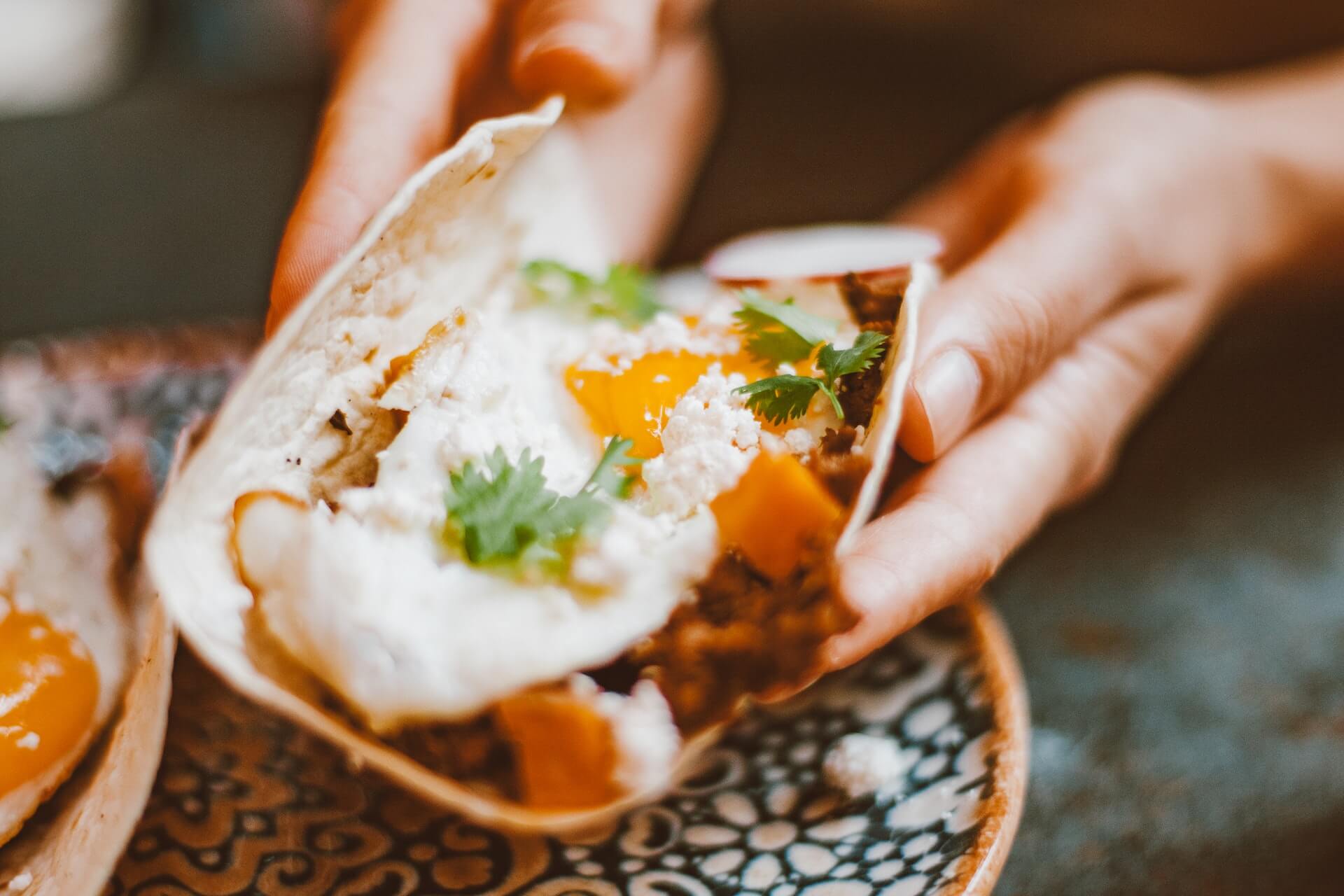
Tortilla with beans, cotija cheese and egg

Restaurant, bar, and hotel operators will find this year’s data-driven trend predictions from Technomic for 2023 insightful.

Interestingly but perhaps not surprisingly, some operators may be looking beyond North America for inspiration.

Per Technomic, Central and South American cuisines could influence menus in Canada this year. Other food trends that might take hold are “retro” health items, and all manner of pickled foods.

Of course, not every Canadian trend prediction involves F&B. According to Technomic, tech and the guest experience will play important roles.

To review last year’s Technomic predictions, click here. Now, let’s jump into Technomic’s 2023 predictions.

Guest Experience

Certainly, the guest experience should always be top of mind for operators, their leadership teams, and their staff.

In this instance, Technomic isn’t suggesting that the guest experience in general will be a trend. Obviously, with as important as it is to the success of any business, it’s a cornerstone.

Rather, Technomic predicts that guests will continue to feel the need to rein in their spending due to ricing costs and prices. However, the foodservice research firm also believes there’s still heavy desire for social interaction.

So, both those financial and social influences translate to the following: overdelivery.

Operators and their teams must ensure they position their brands well; make guests feel special every visit; and really dial in the guest experience. Specifically, Technomic suggests focusing on younger generations and menus with at least a couple specialty items that aren’t easy for a guest to replicate at home.

In other words, do whatever it takes to entice guests with memorable experience and quality menu items, and keep them coming back for more.

Technology

Multiple industry sources believe that 2023 is the Year of Tech for the hospitality industry. In particular, some sources believe that POS systems will receive significant attention from operators looking to upgrade.

Compellingly, Technomic sees the situation a bit differently. In particular, they’re suggesting that QR code menus may find themselves on the sidelines. Traditional menu, according to Technomic, will make their comeback this year.

Also making a (possible) resurgence? Per Technomic, in-person ordering for carryout and in-person dining.

As far as tech innovations that Technomic expects to take off this year, they see the following as standouts:

  • loyalty programs;
  • enhanced/upgraded cooking equipment;
  • automated inventory software/platforms; and
  • digital menu boards for back of house.

Culinary

As hinted at above, Central and South American cuisines are expected to take off in Canada, per Technomic.

The research firm provides specific—and delicious—examples:

  • Honduras: Baleadas tacos
  • Dominican Republic: Wasakaka sauce
  • El Salvador: Curtido slaw or relish
  • Peru: Aji amarillo and rocoto peppers
  • Bolivia: Saltenas, similar to empanadas

Another culinary trend Technomic predicts will perform well in Canada? Pickled everything.

Okay, maybe not everything. However, Technomic expects “pickling, fermenting, dehydrating and freeze-drying” to “increasingly pop up on menus.” The firm expects that operators will offer a wide range of “unusually pickled items outside of the typical veggies, including proteins and seeds.”

So, if you’re an operator reading this, it may be time to motivate your back-of-house staff to get creative with their pickling ideas.

Finally, pandemic-driven, health-based trend foods like turmeric and ginger may start to fade in popularity. Instead, predicts Technomic, items with “classic” health descriptors such as “natural,” “real,” “free,” “reduced,” and “lower” will get attention from guests looking to eat and drink healthier.

For your own copy of this Technomic report in its entirety, click here.

Image: Roman Odintsov on Pexels

by David Klemt David Klemt No Comments

Minimum Wage Rises for Most of USA

Minimum Wage Rises for Most of USA

by David Klemt

Closeup of Ben Franklin on $100 bill

More than half of the states across America are either now seeing a boost to minimum wage or plan to increase the hourly minimum by the middle of this year.

In total, minimum wage is up in 27 states. However, the rise isn’t yet in place in a handful of states, including Nevada.

Now, the federal minimum wage still has yet to go up. That rate remains at $7.25 per hour, where it has been since 2009. For the curious, if a person works 40 hours per week and is compensated at the federal minimum rate, that’s just over $15,000 per year—before taxes.

Per Motley Fool: “If we factor in inflation, [federal minimum wage] would have had to grow to $10.20 to let people buy the same amount of goods and services today [as in 2009]. In real terms, the current minimum wage has shrunk by almost 30% since it was set.”

You’ll see below that I didn’t list the increases for tipped workers. As an operator, you should already be well aware of the minimum rate your tipped workers must be paid. In all likelihood, your suite of software is already updated to the current requirements (but check yourself to be certain).

The list will provide an idea of what you’re up against. It’s difficult to recruit rock stars if you’re unable to offer wages above minimum wage, never mind at minimum wage.

Today, for most workers, the minimum isn’t going to cut it. So, when you’re looking at what you can offer, keep in mind the minimum wage for both tipped and un-tipped workers in your area.

Also, know what other operators are paying. To remain competitive, consider what else you can offer, including your values and culture.

States Increasing Minimum Wage

Below, the states with an increase to the minimum wage. Rather than organize the list by hourly rate or rate of increase, I set it up alphabetically.

  1. Alaska: $10.85 per hour
  2. Arizona: $13.85 per hour
  3. California: $15.50 per hour
  4. Colorado: $13.65 per hour
  5. Connecticut: $15 per hour (June 1)
  6. Delaware: $11.75 per hour
  7. Florida: $11 per hour (September 30)
  8. Hawaii: $12 per hour
  9. Illinois: $13 per hour
  10. Maine: $13.80 per hour
  11. Maryland: $13.25 per hour
  12. Massachusetts: $15 per hour
  13. Michigan: $10.10 per hour (could rise further; lawsuit pending)
  14. Minnesota: $8.63 per hour (small employer); $10.59 per hour (large employer)
  15. Missouri: $12 per hour
  16. Montana: $9.95 per hour
  17. Nebraska: $10.50 per hour
  18. Nevada: $11.25 per hour (July 1)
  19. New Jersey: $14.13 per hour
  20. New Mexico: $12 per hour
  21. New York: $14.20 per hour (excluding some areas); $15 per hour for fast food workers
  22. Ohio: $10.10 per hour
  23. Rhode Island: $13 per hour
  24. South Dakota: $10.80 per hour
  25. Vermont: $13.18 per hour
  26. Virginia: $12 per hour
  27. Washington: $15.74 per hour

Among the states on the list above, four are lifting minimum wage to at least $15. Those states are Connecticut, Massachusetts, California, and Washington. Additionally, the minimum wage is $15 per hour in parts of New York.

Interestingly, employers in Nevada can reduce the minimum wage by one dollar if they pay qualifying health insurance. In such a case, the hourly minimum will be $10.25.

Only one of these states, Montana, will remain under $10.

Cities, Counties, Districts

As stated above, some parts of New York have a minimum wage higher than $14.20.

There are also cities, counties, and districts boosting the minimum wage.

  • Denver, Colorado: $17.29 per hour
  • Long Island, New York: $15 per hour
  • New York City, New York: $15 per hour
  • Washington, DC: $16.50 per hour
  • Westchester County, New York: $15 per hour

Overall, more than half the country either already increased the minimum wage or will do so later this year.

Image: Adam Nir on Unsplash

by krghospitality krghospitality No Comments

Dynamic Pricing or Dynamic Menus?

Dynamic Pricing or Dynamic Menus?

by Doug Radkey

Two sportbikes racing

A key phrase used throughout 2022 was “the new normal.” In 2023, a key term you will likely hear a lot is “dynamic pricing.”

What is dynamic pricing? It can get quite complex, but the global consulting company, McKinsey, defines dynamic pricing as “the (fully or partially) automated adjustment of prices.”

The term is not entirely new to hospitality. Hotels and the overall travel industry have used modules of the pricing model for years. But for restaurants and even bars, yes, it is something new.

It is also a model getting a lot of attention of late, which begs the following question: Why?

As the bar and restaurant industry recovers from the effects of the pandemic, a dynamic pricing model that optimizes revenue opportunities may seem quite attractive. After all, our industry is looking to rejuvenate its sales to pre-pandemic levels.

Essentially, a dynamic pricing model within this industry would work like this: increase prices when demand is up (peak periods), decrease prices to draw guests in when demand is down (off-peak times).

But should this be a model that disrupts the industry in 2023 and into 2024?

While I am all for a little disruption, the industry needs to tread carefully through this potential transition to dynamic pricing (or perhaps just around the phrase itself) that’s based on demand levels.

Guest Experiences

We all know (or should know) that we do not sell a product. What we sell is an experience.

If we can create a positive, memorable guest experience first and foremost, the revenue will follow.

While hotels and travel, as examples, have boasted “positive financial results” over the years through their different approaches to dynamic pricing (while still trying to focus on the end-user guest experience), independent bar and restaurant brands must be careful not to create a hostile brand perception.

Why? Because many consumers view changing prices based solely on levels of demand as being unfair.

Being unfair will certainly create a negative guest experience and/or brand perception. The hotel and airline industries have been able to navigate this perception successfully by offering alternatives. For example, different rooms and amenities or less convenient flight times at different price points. Essentially, companies in lodging and travel provide options and flexibility before customers make the choice to spend.

What about rideshare and surge pricing as another example? Many of you reading this have likely been burned by surge pricing as a consumer, which can be by definition a form of dynamic pricing.

Have you ever tried to book a rideshare during peak periods in a major market? What would normally be a $20 ride is suddenly $40 to $60 (or more) because of their dynamic pricing model.

What did I do in this situation during a recent business trip? I walked another 25 feet up to the cab staging area of the airport and got my ride for $25.

The end results? I had a negative customer experience with the rideshare company, first and foremost. Additionally, that negative experience drove me to the competition. The key here is I was given a choice.

Now let’s switch that scenario to a restaurant.

The Restaurant Scenario

You book a table at your favorite restaurant and order that incredible steak dinner you always enjoy. But instead of it being $50 like you have grown accustomed to, it is now $75 or more. How are you as a consumer going to feel about this new price just because you visited your favorite spot during a “peak period” on a Saturday night? Were you given a choice before the spend?

Of course, this can work in the opposite direction: ordering a meal during a non-peak time and getting it for a cheaper price, thereby getting a discount.

But should we be confusing our customers based on their chosen, convenient time to visit your restaurant or bar? Should you also focus on “discounting” to drive people to your business?

I have even seen recommendations for offering an increased price for peak period but using what was the previous regular price during the non-peak times, labeling the normal price a “discount.”

Should we be framing our regular priced menu options as a discount just so we can charge and make more during a peak period? Is this being fair and ethical to your loyal customers? Should we be going down this road?

With this model (and the phrase “dynamic pricing”), which is based on demand, it is very easy to see how you can quickly confuse or alienate your loyal guests. Unless the industry in its entirety migrates over to this demand-driven model, a similar scenario as outlined above can play out for you and your guests.

Without extremely strong but transparent communication systems in place (which will be a challenge in itself), it is safe to assume that they will likely visit another restaurant up the street and/or provide negative feedback because they feel your pricing model is confusing or unfair.

Dynamic Menus

The phrase that is much more simplified and will be more easily embraced by both operators and guests is “dynamic menu.”

So, what’s the difference?

While it is still by definition “the (fully or partially) automated adjustment of prices,” it is not based on demand throughout the day. Rather, pricing is based on simple supply chain and operational cost adjustments.

According to the National Restaurant Association:

  • 95 percent of restaurants have recently had significant supply delays or shortages of key food items; and
  • 75 percent of restaurants have had to change their menu because of supply chain issues.

With a more dynamic menu, you can adjust pricing to suit those changes accordingly, through the lens of real-time ingredient cost, labor costs, productivity levels, and even the availability of certain menu items.

This simply means that the incredible steak dinner a guest has always enjoyed at your place is perhaps now $53 instead of $50 because the price of beef went up the past week or month. This ensures that as an operator, you will have a minimal gap between your theoretical and actual food costs.

Again, this should work both ways, meaning if the price of beef has gone down, so too should the price.

This means that your guests are paying an accurate value for each item, based on your intended sales mix and contributions, without a loss in margin on your end or negative experience on the guest end.

This means that everything on your menu is “market price” or MP. Where have we seen that before…?

Market Price

We all know restaurant menus will commonly deduct a price and replace it with the term “market price” (often abbreviated to “MP”). This means the price of the menu item depends on the market price of the ingredients, and the price is available upon request. It has been used for years for seafood in particular—most notably lobsters and oysters—in many restaurants.

Therefore, this pricing model is not entirely new. So, why should it stop at just high-priced seafood?

The reason many operators would use the abbreviated MP was because they did not want to reprint menus every single day as the prices fluctuated greatly.

As we move towards digitally savvy restaurant operations, implementing integrated technology and menus, we can begin to find alternatives and ensure that we are actively pricing our menus accordingly based on the market (and overhead costs) to strengthen top- and bottom-line results.

Knowledge is Power

To make a dynamic menu work, whether you’re a QSR, sports bar, casual-dining or fine-dining concept, or any other category of bar or restaurant, you need to know your target customers, provide a targeted menu, and know your numbers (the data).

Curating and engineering a menu should be a simplified process. To be honest, this should have been streamlined prior to the pandemic.

Your menu should be developed based on data, consumer sentiment, regional ingredients, regional suppliers, and local talent within the confines of the overall concept. Food and beverage programs should be developed with thought, care, speed, precision, execution, and last-but-not-least: consistent profits in mind.

Keeping menus “small” (10 to 12 or even 15 items at maximum) will be the new threshold of a successful, more profitable operation. This size of menu will allow bars and kitchens to operate more efficiently; keep inventory costs both low and controlled; control training and labor costs; and provide guests with the most flavorful and exciting items that they truly want.

Be Nimble

You also want to provide menu flexibility by continually reviewing your supply chain. Maintaining a strong personal relationship with your suppliers is imperative. You must also review your costs and inventory on a daily and weekly basis to make dynamic menus work.

To keep inventory, purchase orders, and potential waste to a minimum, it will be crucial that you to ensure your menu is small but innovative. The only way to accomplish this is through effective data management.

However, the new challenge for many independent brands is making data timely, relevant, digestible, and actionable for operators and their leadership teams. The ability to collect, interpret, and effectively react to key datapoints is going to be crucial for anyone who wants to implement a dynamic menu, and for moving forward in general.

At the end of the day, profiting from a dynamic menu is all about making decisions based on accurate cost and productivity data. Of course, there’s only one way to obtain data: embrace technology and create strategic clarity around it.

The Tech Stack

The key to successfully implementing a dynamic menu is integrating a stack of technology that provides real-time data and trend reports.

From point-of-sale software and reports to accounting software, inventory and recipe management software, and invoice management software or a suite that includes all of the above that’s integrated and working together, you can obtain real-time data to adjust your pricing based on real-time ingredient and productivity costs on a daily or weekly basis.

You want seamless movement of data from front- to back-of-house that will position you to make decisions and have a more complete picture of inventory stock levels, costs, and ordering needs, plus itemized sales, contribution margins, and productivity levels.

In Summary

While we must find ways to be innovative, potentially price-gouging our guests during peak periods and discounting during slow periods is not the way for this industry to recuperate and build loyal customers.

Building a strong brand through the creation of memorable experiences and by building connection with your community along with strategic planning, effective marketing, the elements of culture, and efficient operations, you can build sustainable revenue and profit channels.

By following a more dynamic menu approach within your operations, you can still maintain transparency with your guests with less challenging communication methods, remain a fair and well-respected brand within your community, and improve your margins by three to five percent or more with the right people and systems in place.

That sounds like a pretty good deal to me. The question here remains: Are you Team Dynamic Pricing or Team Dynamic Menus?

Image: Joe Neric on Unsplash

by David Klemt David Klemt No Comments

Celebrating the Baltic Porter

Celebrating the Baltic Porter

by David Klemt

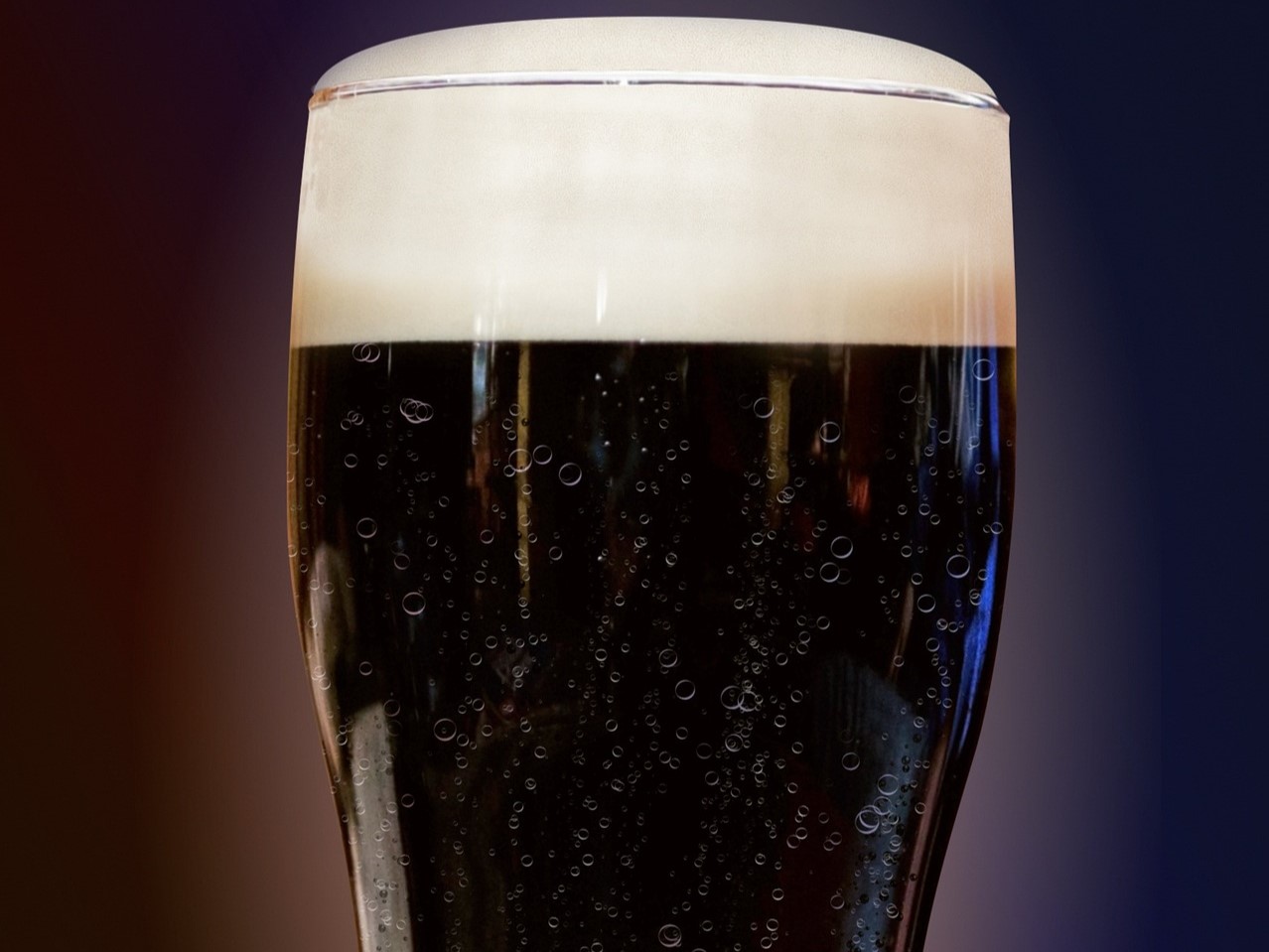
Closeup of dark beer with foamy head

In just over two weeks we celebrate a rich, dark beer style with sweet malty characteristics that traces its history back to the 18th century.

Once a favorite among the working class in London, Baltic Porter is seeing a resurgence. This is, unsurprisingly, driven largely by interest from the craft beer world.

Tracing its own history to 2016, Baltic Porter Day celebrates its namesake beer. The beer holiday takes place every third Saturday in January. So, this year we celebrate Baltic Porter Day on January 21.

That should give operators enough time to prepare. One of the best ways to drive interest in this holiday—and beer style in general—is to look into local breweries. Craft breweries, brewpubs, and microbreweries around the world release Baltic Porters to celebrate this holiday.

Locality and hyper-locality are, as we know, important to many guests. That makes it a smart move to develop relationships with local brewers, distillers, farmers, vintners, etc.

Operators who don’t yet have those relationships need to commit to changing that this year. And, hey, Baltic Porter Day is an excellent reason to begin that change and approach local brewers.

What’s Baltic Porter?

In the 1700s, high-hop Pale Ale wore the beer crown in England. However, some small breweries made a run at the throne. They wanted to see a dark beer on top.

So, according to some beer historians, brewers looking to take on Pale Ale began with sweet brown beer. The beer was higher-hopped, dark, and higher alcohol with cocoa, chocolate, and coffee notes.

Porter was born, named for the working class people who embraced it: dock and street workers.

Eventually, the production and reach of Porter of small brewers was overtaken by larger breweries. This is largely due to maturation time, which translates to higher costs; it can take six to twelve months for a Porter to mature.

Over time, Porter found its way to Northern Europe, including Estonia, Latvia, and Lithuania. Those three countries are known as the Baltic states.

Brewers in those countries tried their hand at Porter production. Importantly, Baltic state brewers put their own spins on Porter. Notably, they replaced ale yeast with lager yeast.

Additional changes include replacing British hops with Baltic hops, and blending pale and dark malts. Baltic brewers roasted the malts in a drum kiln. The invention, created by Daniel Wheeler, allowed brewers to roast malts without burning them.

The Baltic Porter was born.

Characteristics of Baltic Porter

Curious operators and teams can find the official Beer Judge Certification Program guidelines for the this style here.

As a quick summary, the following are keys to Baltic Porter:

  • Appearance: Opaque dark brown to dark reddish-copper. Not black in appearance.
  • Aroma: Rich, malty sweetness with some dark malt characteristics. No hops on the aroma.
  • Flavor: A roasted but not burnt flavor. Rich, malty sweetness. Caramel, nuttiness, toffee, molasses. Dried fruit and alcohol.
  • Mouthfeel: Medium to medium-high carbonation keeps the beer from feeling “heavy” on the tongue. Smooth but full-bodied.
  • Finish: Licorice or roast coffee.

Since this beer tends to range in ABV from 6.5 to 9.5 percent, it’s wise to serve this beer with food. Think hearty fare, like barbecue, chili, and burgers, and Gouda as a cheese pairing.

Of course, local brewers should be able to offer up their own ideas for food pairings. After all, they know their beer better than anyone else.

As some sources note, people often serve Baltic Porter in a snifter. However, a pint glass is perfectly acceptable for this beer style.

Image: Peter Fischer from Pixabay

by David Klemt David Klemt No Comments

Program for Unique Holidays: January 2023

Program for Unique Holidays: January 2023

by David Klemt

"Think about things differently" neon sign

Do you want to stand out from from other restaurants and bars in your area? Change how you think about holiday promotions.

Several holidays are set against every date on the calendar, and January is no exception. These holidays range from mainstream to esoteric.

Pay attention to the “weird” or unique holidays to raise eyebrows, carve out a niche for your restaurant or bar, and attract more guests. Why do what everyone else is already doing? Why program only around the same holidays as everyone else?

Of course, you shouldn’t try to celebrate every holiday, strange or otherwise. Focus on the days that are authentic to your brand; resonate with your guests; and help you grab attention on social media.

You’ll find suggestions for promotions below. However, the idea behind our monthly holiday promotions roundup is to inspire you and your team to get creative and come up with unique programming ideas.

For our December 2022 holidays list, click here.

January 5: National Whipped Cream Day

There’s a ton you can do with whipped cream when it comes to your F&B. From garnishing shots to piling it on desserts, whipped cream is just a fun time.

This is also the perfect holiday for party spots to offer Whipshots or feature whipped cream-flavored vodkas.

January 6: National Technology Day

There are several ways to approach programming for this day. To focus on one, this would be a great day to highlight your cool bar tech. One item that comes to mind is the Ripple Maker.

For those unfamiliar, this is a device that prints images on top of frothy or foamy drinks via food-safe media. Ripple’s next-gen device, the Ripple Maker Pro II, is available now.

January 7: Old Rock Day

The purpose of this holiday is to celebrate the planet. Earth is an “old rock,” after all. Two programming ideas that come to mind are: celebrating classic rock; showcasing spirits that have been on the market for decades (or even centuries).

January 10: National Cut Your Energy Costs Day

By now we all know that sustainability and responsible business practices matter to many guests. National Cut Your Energy Costs Day is a great time highlight your own eco-friendly policies, potentially raising money for “green” causes.

January 11: Learn Your Name in Morse Code Day

If you want to have some fun with your guests, print an LTO menu with F&B item names in Morse code. Include descriptions that aren’t in Morse code that give guests an idea of what to expect from each item.

There are several Morse code translators online, like this one.

January 17: National Bootlegger’s Day

This is the holiday to celebrate brands or cocktails that:

  • survived prohibition;
  • were created during prohibition; or
  • produce or feature moonshine.

January 20: Penguin Awareness Day

Are you aware of penguins? You’re not? That’s odd.

Anyway, there’s an almost startling amount of cocktails with “penguin” in their name. So, why not create an LTO menu of “penguin” cocktails? Bonus points if some proceeds can go to a penguin-focused charity.

January 21: Squirrel Appreciation Day

Do you appreciate squirrels? Well, you should—it’s believed they plant three billion oak trees every year.

Now, I bet you can guess what I’m going to suggest: celebrating the classic Pink Squirrel. And why not? It has been around since the 1940s and is an icon, after all. If you really want to go all out, slap some foods into a Jell-O mould and get crazy.

January 29: National Puzzle Day

As with other holidays, there are a few ways to celebrate National Puzzle Day. You can provide guests some small puzzles to keep them busy (and keep them at your restaurant or bar for longer). Alternatively, get your hands on a very challenging puzzle, set it up on a card table, and encourage guests to work on it together. Or even ask guests to bring in their own puzzles.

January 31: National Backward Day

Programming for this holiday can be as simple as printing your menu backwards. Of course, you can also get much more immersive—it’s all in the details and recognizing opportunities to help guests walk away with memories.

Image: Ivan Bertolazzi on Pexels

by David Klemt David Klemt No Comments

Top Ten 2022 KRG Hospitality Articles

Top Ten 2022 KRG Hospitality Articles

by David Klemt

Social media likes graffiti

As we head into a promising new year of opportunities and growth, we want to take a look back at our most popular articles of 2022.

Before we jump in, we also want to thank you for your support. We greatly appreciate our readers, newsletter subscribers, clients, and partners.

Let’s all do what it takes to crush 2023!

US Senate Fails to Replenish the RRF

After conflicting reports and speculation, the US Senate has finally voted this week on replenishing the Restaurant Revitalization Fund.

Last week, multiple sources reported that the Senate would hold their RRF vote this week. Just days ago, several outlets sounded the alarm, reporting that the vote would be pushed to next week. The reason, these sources provided, was the Senate’s scramble to repackage and hold another vote on aid for Ukraine.

Senator Rand Paul (R-KY) blocked the bill that would provide $40 billion in defense and humanitarian aid. Unsurprisingly, it was also Sen. Paul who objected to $43 billion in emergency funding last August, killing that RRF replenishment effort.

Today, on the Senate floor, Sen. Paul repeatedly derided the replenishment of the RRF as a “bailout.” Additionally, he asked, “Where’s the emergency?”

So, one can infer that the impending closure of an estimated 50 percent of RRF applicants—88,500—isn’t an emergency to the Kentucky senator. Simple math shows that if each of those applicants has just ten employees, that’s a loss of 885,000 jobs.

Read this article in its entirety by clicking here.

SBA Releases 46% of Held RRF Funds

As it turns out, reports that the Government Accountability Office found $180 million in unspent Restaurant Revitalization Fund money were inaccurate. So, the $83 million the SBA disbursed before Thanksgiving was the entirety of the funds the GAO found.

This week, both the Small Business Administration and National Restaurant Association made statements about the release of $83 million in RRF funds.

“This week, the U.S. Small Business Administration (SBA) began distribution of returned funding in the Restaurant Revitalization Fund (RRF) program, following the program’s closure in June 2021. In doing so, the SBA worked with the advice of the Department of Justice on a plan to distribute the remaining funds, approximately $83 million,” reads a press release from the SBA.

“In addition to other SBA assistance programs, the RRF has helped more than 100,000 restaurants and other food and beverage business owners survive the pandemic,” continues the administration’s statement.

Click here to read this article in its entirety.

Hotels, Guest Data and Guest Expectations: A Chat with SevenRooms

People are eager to get back out there and hotels, of course, play a crucial role in their travel plans. However, we’re not engaging with the same guests we were pre-pandemic.

No, today’s guest demands more from the hotels and resorts they select. And a key to delivering on guest demands is collecting guest data.

But while operators know they’re supposed to be collecting guest data, there’s some uncertainty about what to actually do with it. Enter: SevenRooms.

More accurately, meet Austen Asadorian of SevenRooms. Not only can he address meeting guest demands through tech, he can address how to use guest data responsibly and effectively.

To read this article, please follow this link.

8 Glendalough Distillery Cocktail Recipes

Offer your guests something different for your St. Patrick’s Day promotion with Glendalough Distillery cocktail recipes.

Without a doubt, you should have plenty of the expected Irish whiskeys on hand. However, Glendalough Distillery Double Barrel, Pot Still, Wild Gin, and Rose Gin are extraordinary Irish whiskeys and gins.

Each spirit the distillery crafts honors the art of Irish distillation, a craft that stretches back centuries. What’s more, each whiskey Glendalough crafts is single malt—there are no light-bodied blends in their lineup.

To learn more, check out episode 71 of the Bar Hacks podcast with Glendalough Distillery co-founder and national brand ambassador Donal O’Gallachoir.

Sláinte!

Click here for these creative drink recipes.

7 Coffee Liqueurs You Need to Know

Whether you and your bar team are making Espresso Martinis, riffing on classics or creating something new, consider these coffee liqueurs.

National Espresso Martini Day takes place on Tuesday, March 15. Leading up to this bar holiday, the cocktail is experiencing yet another resurgence.

In fact, this cocktail more than any other seems to maintain an enviable rate of “surging back” in popularity. Maybe it’s time to just admit that it’s a modern classic people love to hate…but still order and enjoy.

To learn which brands you need to know, click here.

Delivery and Takeout Food Trends for 2021: Canada

Patrons, analysts and experts have spoken: delivery and takeout will remain standards in the new era of hospitality.

Analysts and experts have spoken with data, and consumers have spoken with their dollars.

But there’s another consequential voice that matters when it comes to delivery: that of the operator.

There’s no denying that the operator is shoved aside in the third-party delivery relationship. At the very least, that’s the overwhelming perception. Once an operator signs on with such a service, their guest data becomes the delivery company’s data.

Whatever company owns the data owns the guest, their journey and engagement, and the targeted marketing efforts. That means a restaurant or bar’s guests receive offers and promotions for their competitors.

In short, third-party delivery platforms disrupt the guest journey.

However, there are some data the third-party delivery services do share. As we saw midway through 2020, for example, Uber Eats and Grubhub released the top orders and other useful information in publicly available reports. Some of the services also release end-of-year or year-in-review reports, as SkipTheDishes did for Canada.

To read this article, follow this link.

Container Kitchens: The New Footprint

In some cases, a smaller restaurant footprint is attractive to operators. This is due in part to guest behavior we’ve seen since 2020. That is, guests haven’t been able to or felt comfortable with dining indoors at restaurants.

Then, of course, there’s the cost factor. A smaller footprint, generally speaking, equals lower initial investment and rent. An operator with a new concept can use a container before investing in a brick-and-mortar location.

Other benefits relate to market testing; expansion; virtual and ghost kitchen operations; and delivery and pickup.

Operators looking to expand or add retail, along with QSRs, are showing interest in Make My Ghost Kitchen’s containers. One explanation for the interest is simple: containers are highly mobile.

An operator sends their kitted out container to a potential market. They open up shop and test the viability of their concept. If the reaction is less than desirable, they move the container to another market.

For example, one client set up a container complete with a delivery window. In just six hours they sold 3,600 burgers.

Learn more—click here.

How to Address Temporary Restaurant and Bar Closures: 5 Social Media Examples

There are a few reasons a F&B business will have to close due to the Covid-19 outbreak: official mandate, reduced indoor and outdoor dining capacities, and voluntary temporary closures.

Mandated closures are, on the surface, straightforward. Government officials decree that certain types of businesses must close their doors by a specific date and time, and owners are expected to comply.

Closures induced by capacity restrictions are less straightforward. It has become woefully apparent that most lawmakers don’t understand (or don’t care) that at a certain threshold, reducing indoor and outdoor dining capacities is as good as forcing a restaurant or bar to close; the value proposition of remaining open simply isn’t there.

A voluntary temporary closure can come about because of capacity limitations, but they can also be the result of other factors. A significant workforce reduction, lack of traffic, rising costs of goods, or an internal Covid infection.

The stark reality is that the likelihood today’s operators are going to have to craft social media posts and emails announcing temporary (and possibly extended) closures is anything but slim.

Click here for these social media messaging examples.

Developing a Bar Concept w/ Sensory Experiences

Owning a bar is a dream for most that must be met with the right research, planning, and mind-set.

One’s market will, and must, define the concept. To be successful, you must be open to building a venue the market both wants and needs.

Concept development is giving your ‘idea’, both soul and character. A bar’s concept is the lifeline of its brand and longevity in the market. It makes your venue stand apart from the competition, and it’s ultimately your bar’s unique selling proposition.

Have you ever walked into a bar and been confused about its identity? The interior doesn’t match the beverage offerings, the social media experience doesn’t reflect the actual experience, and even the music doesn’t seem to match the vibe of the bar.

This is what happens when there isn’t a clear and detailed concept development plan in place, and it is a sure fire way to be just average at best.

Read this article here.

Creating Restaurant Brand Ambassadors

Ask nearly every restaurant owner what their number one, long-term marketing ‘program’ or tactic is, and most will say effective word of mouth. This can be great until it starts to fizzle down or another new restaurant opens up down the street resulting in the competition becoming the new talk of the town.

Instead of shooting into the wind and hoping ‘word of mouth’ with deliver desirable long-term results, restaurateurs need to embrace a program that is an extension of word-of-mouth marketing, by developing what is called ‘brand ambassadors.’

A brand ambassador will positively represent and promote a restaurant’s venue. They will embrace the company values, vision, mission, and culture. They will strengthen a restaurant’s identity within the community by providing additional visibility and overall awareness.

Yes, word of mouth happens organically over time because of excellent food, drink, service, and experiences, don’t get me wrong. But what if there was a way to double-down and create multiple micro-communities and multiple levels of ambassadors to promote a restaurant’s brand?

That’s where an ambassador program comes in.

To read on, click here.

Image: George Pagan III on Unsplash
by David Klemt David Klemt No Comments

Top 2022 Grubhub & Uber Eats Drinks

Top 2022 Grubhub and Uber Eats Drink Orders

by David Klemt

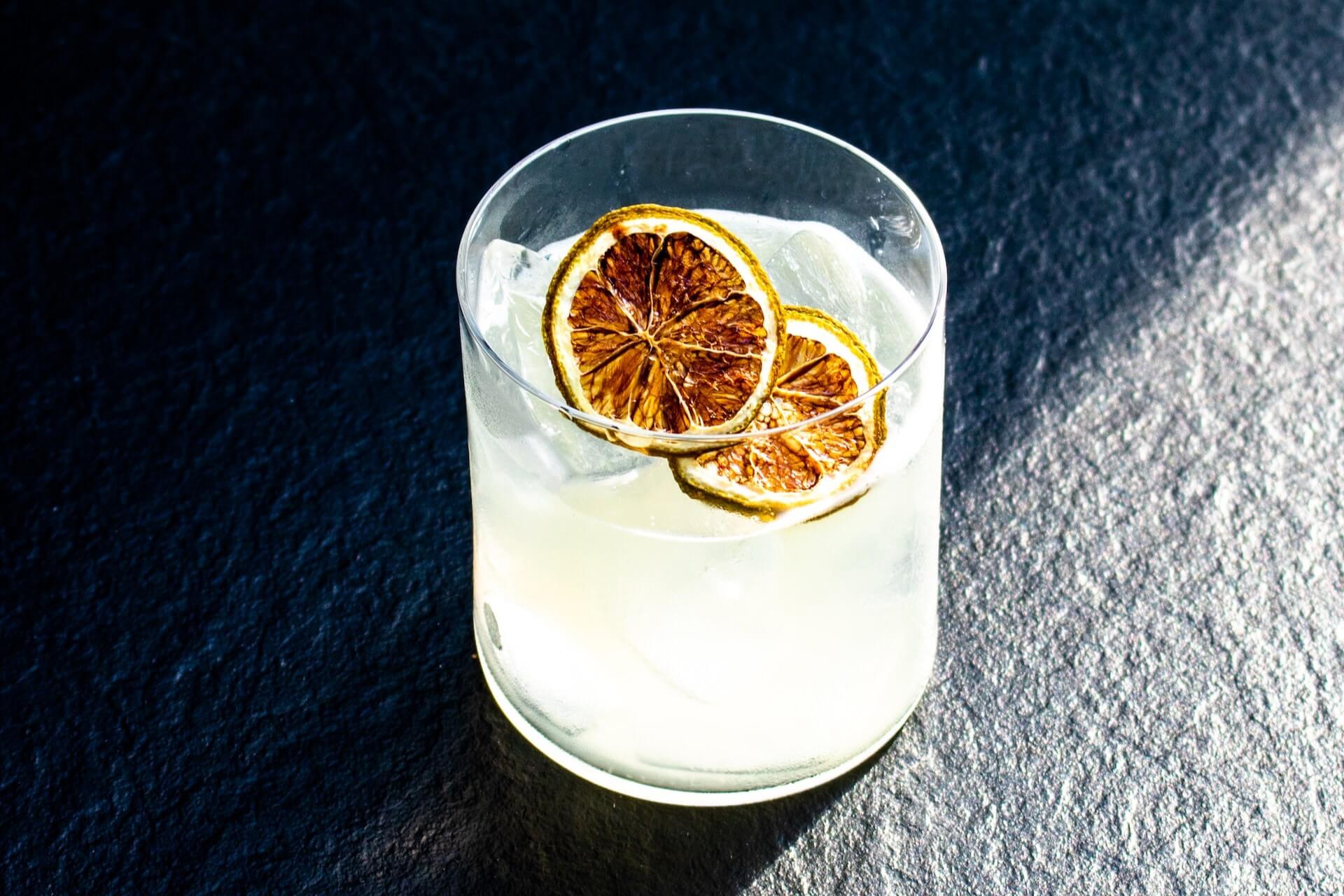
Margarita with dehydrated citrus garnish

The year-end Grubhub 2022 Delivered and 2022 Uber Eats Cravings reports identify this year’s delivery order drink trends.

Last week, we dove into Grubhub and Uber Eats’ top food orders. If you haven’t already, read that article here.

This week we’re going to check out what drinks were most popular in 2022 for both platforms.

Top Grubhub Coffee Orders

People are still working from home, full- or part-time. So, it makes sense that consumers are placing coffee orders for breakfast, snack, and lunch dayparts.

  1. Iced Coffee
  2. Hot Coffee
  3. Iced Caramel Coffee
  4. Iced French Vanilla Coffee
  5. Frozen Coffee

Top Grubhub Milk Alternatives

Of course, with coffee orders come milk orders. And as you’re probably well aware, milk alternatives are only growing more popular with consumers.

So, below are the top milk alternatives among 2022 Grubhub users.

  1. Oat Milk
  2. Almond Milk
  3. Coconut Milk
  4. Soy Milk
  5. Cashew Milk

As a possible explanation for the dominance of oat milk, sustainability could be a driver. According to available data, producing a pound of oats is much more sustainable than producing one pound of almonds.

It’s believed that oats are more favorable when it comes to basically every measure of sustainability.

Top Grubhub Alcohol Orders

I can’t say that I’m shocked to find the Margarita is the top cocktail order. It is, after all, the long-reigning Queen of Cocktails.

  1. Beer
  2. Margarita
  3. Hot Sake
  4. Piña Colada
  5. White Wine (Sauvignon Blanc)

I’ll admit that I’m slightly surprised that a red wine isn’t among the top five.

Top Uber Eats Alcohol Orders

Interestingly—perhaps a bit frustratingly—Uber Eats took a different approach to identifying their top drinks.

Rather than dedicating space solely to alcohol orders, their top drinks are part of combinations. As in, the “most frequently paired food + alcohol” combos.

So, here’s their list in its entirety:

  1. Steak + Margaritas
  2. Pizza + White Claw
  3. Burritos + Margaritas
  4. Chicken + Sangria
  5. Wings + Beer

However, there’s another drink in the Uber Eats “most unexpected food combos” section:

  • Ham + Cream Cheese
  • Fruit Roll Up + Hot Cheetos
  • Pickles + Whipped Cream
  • Popcorn + Pickle Juice
  • Dark Chocolate + Tomato Salad
  • Pizza + Applesauce
  • Sushi + Ranch
  • Peanut Butter + Pizza
  • Cheese + Martinis
  • Watermelon + Mustard

Therefore, we can reasonably extrapolate that the top 2022 Uber Eats alcohol orders are the Margarita, White Claw, Sangria, beer, and Martini.

Takeaway

If we compare reports and look for similarities, we see that two drinks are at the top: beer and Margaritas.

Both make sense. Beer, in can, bottle, and growler forms, travels very well. That makes beer ideal for delivery where it’s legal.

And as far as Margaritas go, there’s a wide array of canned options available. Again, canned cocktails travel well for delivery. Of course, restaurants and bars can also obtain the equipment to prebatch and package their signature Margaritas.

Ideally, your POS system can run reports to identify which drink orders are most popular for your delivery customers. Also ideal: operators should take as much control over their business as they can, implementing direct delivery as long as it’s feasible.

So, look into direct delivery, run your reports, and take more control while reducing costs.

Image: Edward Howell on Unsplash

by David Klemt David Klemt No Comments

Canada’s Single-use Plastics Ban

How Canada’s Single-use Plastics Ban Affects Operators

by David Klemt

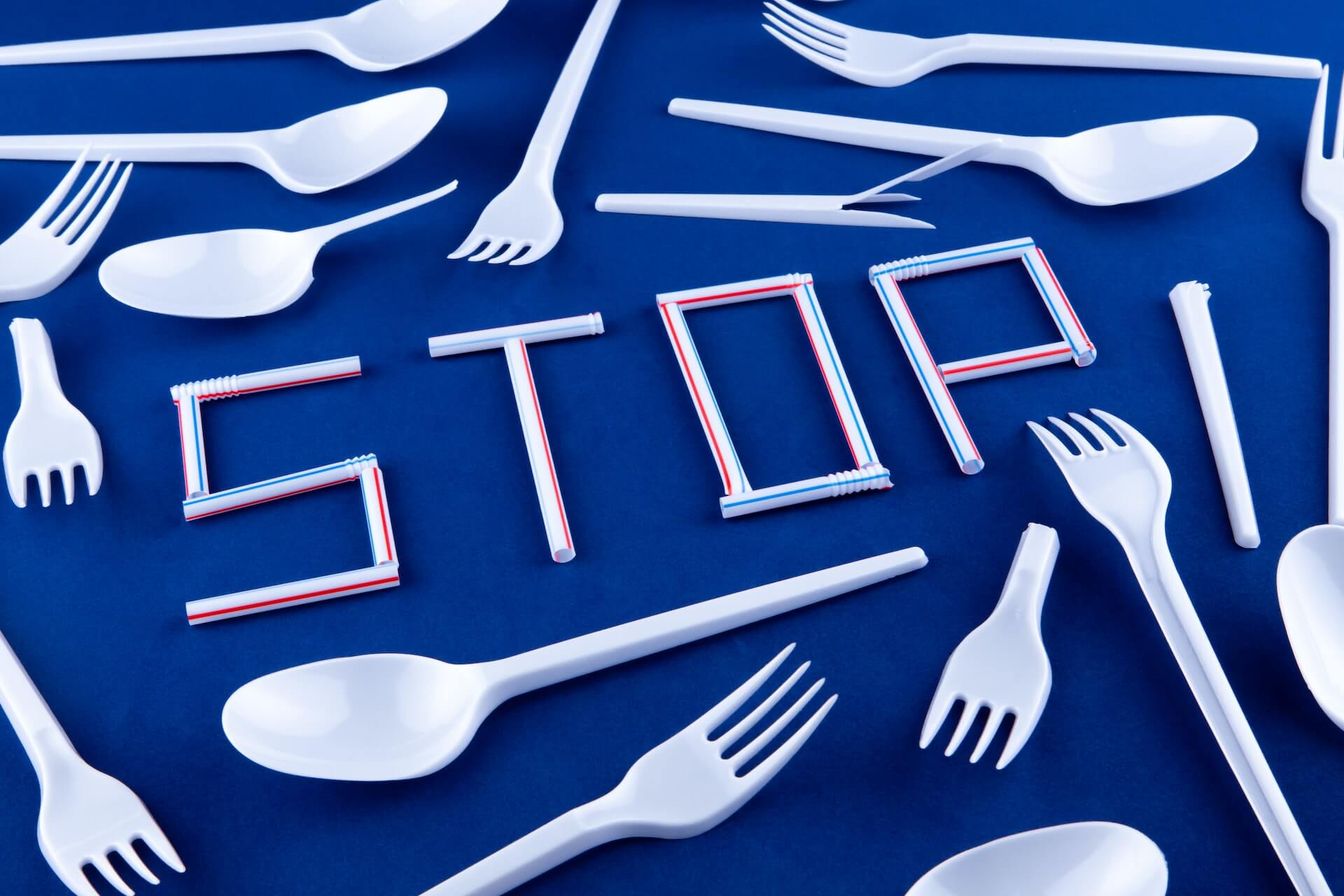
Single-use plastic straws and utensils

With a few exceptions, Canada’s ban on the manufacture, importation, and sale of single-use plastics is now officially in effect.

However, that doesn’t mean restaurant and bar operators need to worry about current inventories just yet. While the Single-use Plastics Prohibition Regulations are in effect, operators have a year to deplete their stocks.

SUPPR is a crucial element of Canada’s overall plan to combat pollution and reach a goal of zero plastic waste by 2030. The single-use plastics ban was announced in June of this year.

“We promised Canadians we would deliver a ban on single-use plastics. Today, that’s exactly what we’ve done,” said Minister of Environment and Climate Change Steven Guilbeault the day SUPPR was announced. “By the end of the year, you won’t be able to manufacture or import these harmful plastics. After that, businesses will begin offering the sustainable solutions Canadians want, whether that’s paper straws or reusable bags. With these new regulations, we’re taking a historic step forward in reducing plastic pollution, and keeping our communities and the places we love clean.

Now, six months later, it’s the law of the land.

What’s Banned?

Essentially, Canadian operators must evaluate everything they use for delivery and takeout or pickup. If any items are single-use plastic, they must be gone by December 2023.

Per SUPPR, the manufacture, importation, and sale of the following is prohibited:

  • Checkout bags designed to carry purchased goods from a business and typically given to a customer at the retail point of sale.
  • Cutlery includes:
    • knives
    • forks
    • spoons
    • sporks
    • chopsticks
  • Foodservice ware designed for serving or transporting food or beverage that is ready to be consumed, and that:
    • contains
      • expanded polystyrene foam
      • extruded polystyrene foam
      • polyvinyl chloride
      • carbon black
      • an oxo-degradable plastic
    • are limited to the following items
      • clamshell containers
      • lidded containers
      • boxes
      • cups
      • plates
      • bowls
  • Ring carriers are flexible and designed to surround beverage containers in order to carry them together.
  • Stir sticks designed to stir or mix beverages, or to prevent a beverage from spilling from the lid of its container.
  • Straws include:
    • straight drinking straws, and
    • flexible straws, which have a corrugated section that allows the straw to bend, packaged with beverage containers (juice boxes and pouches)

For accuracy, the above comes from the Government of Canada website directly, unedited.

What does this mean for Operators?

Again, operators in Canada don’t need to toss their current stock of the above items.

However, Restaurants Canada does recommend that operators contact suppliers and customers if they import, export, or sell prohibited items currently.

The single most important thing for operators to do now is research single-use plastic alternatives. Items need testing as changes will affect F&B items and the guest experience.

Of course, it’s possible an operator’s current supplier already offers alternatives to single-use plastics. That could prove convenient but costs, supply chain reliability, and impact on menu items need careful consideration.

Sustainability and responsible practices are no longer just conversation topics within the industry. As of this week, in Canada, they’re the only way forward.

Image: Volodymyr Hryshchenko on Unsplash

by David Klemt David Klemt No Comments

Canada’s Top 2022 DoorDash Orders

Canada’s Top 2022 DoorDash Orders

by David Klemt

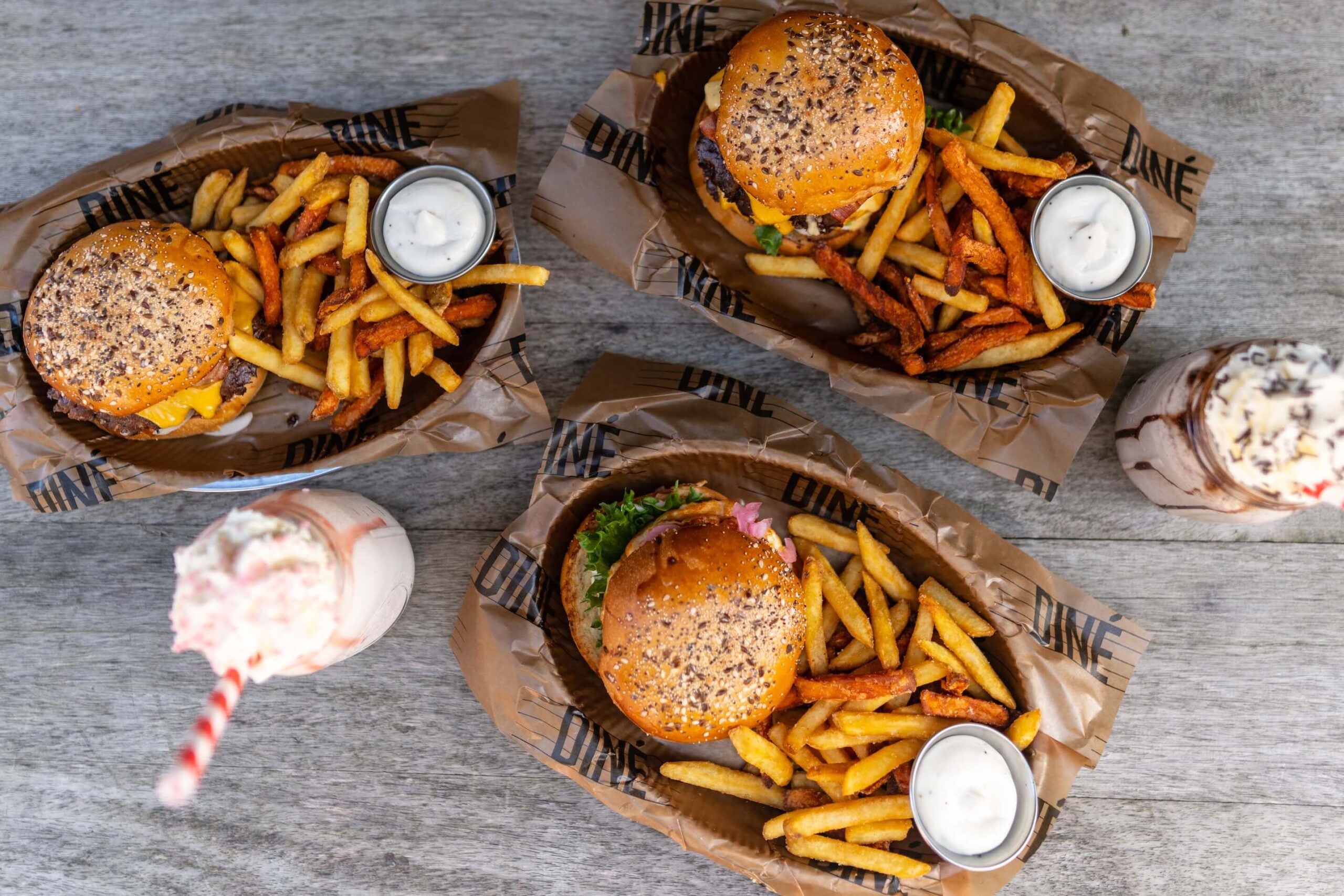
Burgers, French fries and milkshakes

Operators curious about the most popular delivery items in 2022 will be happy to learn that DoorDash’s year-end report is ready for viewing.

Those who want to compare it to predictions from several sources earlier this year can click here. The DoorDash Canada report can also be compared to consumer trends in Canada revealed back in October.

Before we jump in, I’m not detailing the DoorDash report in its entirety here. To review the entire report, please click here.

Instead, I’ll be sharing the top takeaways in terms of top menu items; top cuisines; and top items by province.

Speaking of provinces, a word to New Brunswick, Newfoundland and Labrador, Northwest Territories, Nova Scotia, Nunavut, Prince Edward Island, and the Yukon. Please don’t break out the pitchforks and come for me for not including you in this article. DoorDash’s report only covers data from six provinces—I didn’t leave you out intentionally.

Top DoorDash Cuisines in Canada

  1. American
  2. Mexican
  3. Japanese
  4. Thai
  5. Mediterranean
  6. Indian
  7. Chinese
  8. Italian
  9. Korean
  10. Filipino

Top DoorDash Items in Canada

  1. Burgers & Fries
  2. Fried Chicken
  3. Poutine
  4. Sushi Rolls
  5. Chicken Wings
  6. Burritos
  7. Chicken Rice Bowl
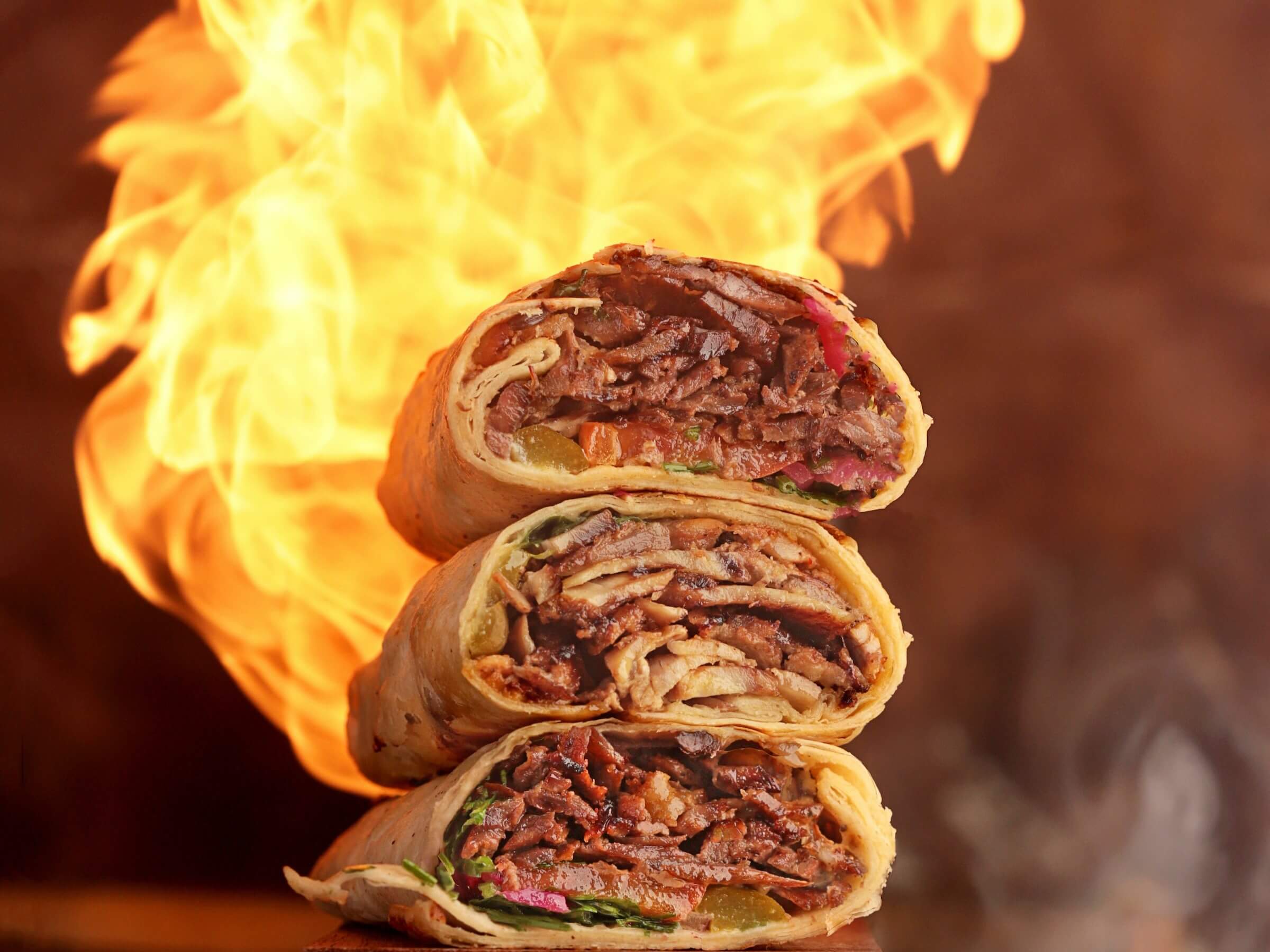
  8. Shawarma Wraps
  9. Curry
  10. Pad Thai

I think there’s one key takeaway that stands out in regards to this list. Notably, it appears that while chicken isn’t number one, it’s undeniably popular amongst Canadian DoorDash users.

In fact, according to DoorDash data, chicken reigns supreme in British Columbia. When you reach the province-specific sections below, you’ll see how powerful the cravings in BC are for chicken.

Top DoorDash Late-night Items

Again, chicken rules the DoorDash roost in this category.

  1. Chicken Nuggets
  2. Fries
  3. Poutine
  4. Chicken Wings
  5. Chicken Burgers
  6. Apple Pie
  7. Cheeseburger
  8. Spinach & Cheese Dip
  9. Chocolate Fudge Sundae
  10. Crispy Chicken

Top DoorDash Items: British Columbia

  1. Burrito Bowl
  2. Szechuan Chicken Lettuce Wraps
  3. Butter Chicken
  4. California Roll
  5. Crispy Chicken Sandwich
  6. Tofu Bowl
  7. Chocolate Chip Cookies

Top DoorDash Items: Ontario

  1. Cheeseburger
  2. Coffee
  3. Burrito Bowls
  4. Chicken Shawarma
  5. Crispy Chicken
  6. Bagels
  7. Pad Thai
  8. Beef Patty
  9. Pizza
  10. Onion Rings

Top DoorDash Items:Alberta

  1. Spinach and Cheese Dip
  2. Chicken Cheddar Sandwich
  3. Chilli Chicken
  4. Kale Salad
  5. Margarita Pizza
  6. Hot Apple Turnover

Top DoorDash Items: Québec

  1. Poutine
  2. Cappuccino
  3. Pad Thai
  4. Steak and Cheese
  5. Croissant
  6. Dumplings
  7. Chips
  8. Tacos

Top DoorDash Items: Saskatchewan

Interestingly, a beverage item holds the top spot in Saskatchewan.

  1. Bubble Tea
  2. Pepperoni Pizza
  3. Pork Bun
  4. Crispy Pork
  5. Garlic Bread
  6. Pasta

Top DoorDash Items: Manitoba

  1. Fries
  2. Butter Chicken
  3. Red Velvet Cake
  4. Poke Bowl
  5. Shawarma Wrap

As I stated in Wednesday’s article detailing Grubhub and Uber Eats’ reports for the US, we believe operators should take as much control over their restaurants and bars as possible. At KRG Hospitality, that means implementing direct delivery if it makes sense: ease of use, delivery capabilities, favorable costs, etc.

It’s also helpful to know what consumers in your area are craving and ordering. Such information can provide a useful baseline for many concepts’ menu development.

Image: John Fornander on Unsplash

by David Klemt David Klemt No Comments

Grubhub and Uber Reveal Top 2022 Items

Grubhub and Uber Reveal Top 2022 Items

by David Klemt

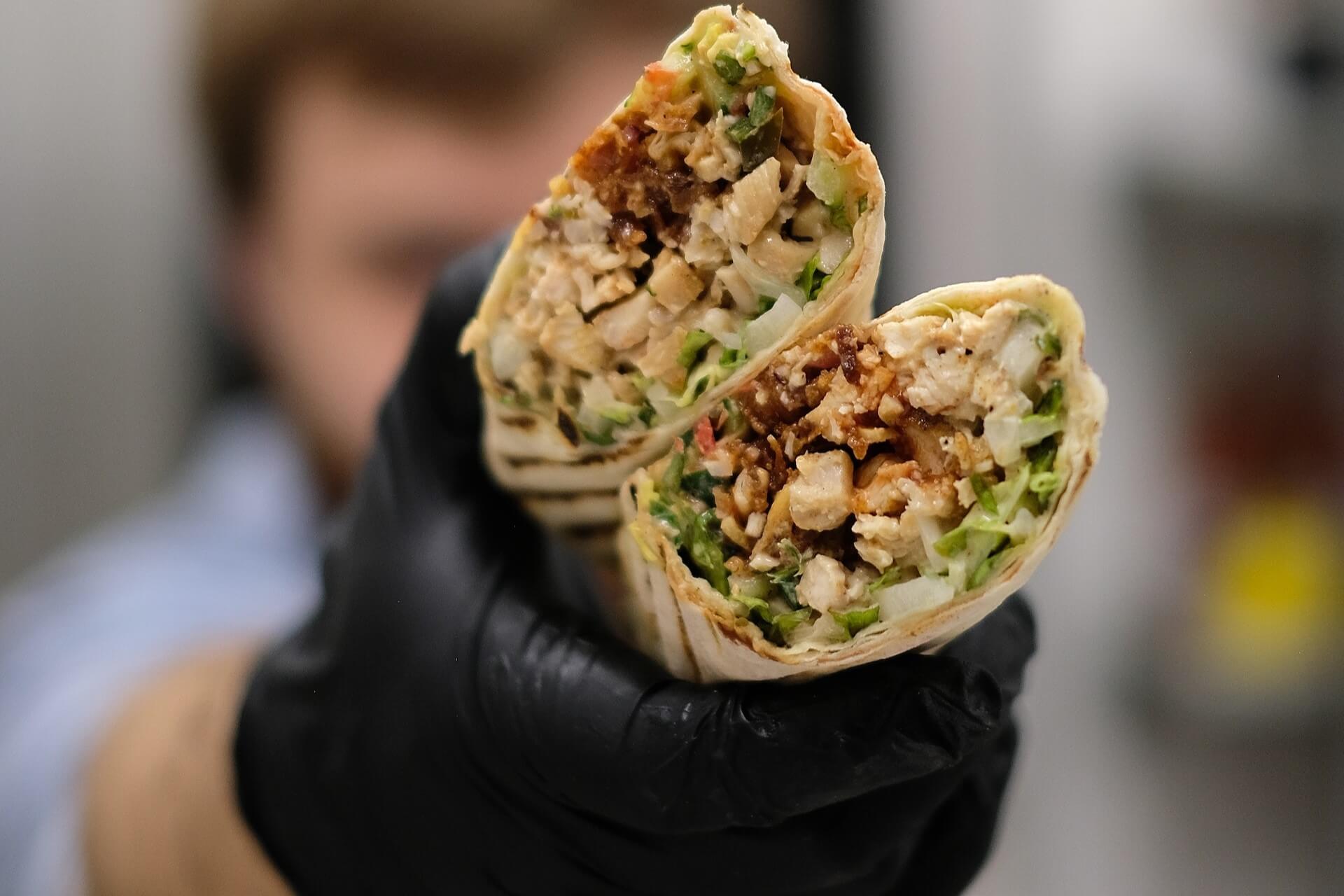
Chef pointing burrito halves toward camera

Grubhub’s 2022 Delivered and Uber Eats’ 2022 Uber Eats Cravings reports are live and there’s one surprise that’s immediately evident.

The top food item lists for both platforms make one thing clear right away: the chicken sandwich is no longer sitting on its throne.

Instead, as far as the data for these two delivery powerhouses show, there’s a new food item king. More compellingly, this menu item holds the throne on both platforms.

Now, I’m not suggesting the fried chicken sandwich is in the dungeon. In fact, the popular sandwich causing “wars” in the QSR space is still holdings it own. Indeed, the sandwich is still in the top five overall at Uber Eats.

Shockingly, it’s not in the top five overall at Grubhub. However, the fried chicken sandwich is among the top five Grubhub lunch and late-night orders.

So, which menu item wears the crown for 2022 in the kingdoms of Grubhub and Uber Eats? The burrito.

That’s awesome news for most operators. Much like the humble but mighty chicken sandwich, concepts can put their signature spin on a burrito. In fact, most concepts can put multiple signature spins on the new king of delivery items. One way to approach this would be to create a permanent signature and then seasonal LTOs.

Top 10 Grubhub Items

In 2022, the fried chicken sandwich only clinches the number seven spot at Grubhub.

Just like Uber Eats, cheeseburgers and pizza outperform the chicken sandwich.

  1. Burrito (bowl or regular)
  2. Cheeseburger
  3. Cheese Pizza
  4. Pad Thai
  5. Chicken Quesadilla
  6. California Roll
  7. Fried Chicken Sandwich
  8. Caesar Salad
  9. Chicken Tikka Masala
  10. Boneless Wings

Top 5 Grubhub Breakfast Items

  1. Sausage, Egg + Cheese Sandwich
  2. Donuts
  3. Sausage Burrito
  4. Bagel with Cream Cheese
  5. Muffins

Top 5 Grubhub Lunch Items

  1. Burrito
  2. Cheeseburger
  3. Fried Chicken Sandwich
  4. Cheese Pizza
  5. Chicken Quesadilla

Top 5 Grubhub Late-night Items

  1. Chicken Quesadilla
  2. Fried Chicken Sandwich
  3. Cheeseburger
  4. Mozzarella Sticks
  5. Cheese Pizza

As we see, the chicken quesadilla does some heavy lifting at Grubhub. The item holds the number five spot overall, at lunch, and during the late-night daypart.

Top 10 Uber Eats Combos

For their 2022 report, Uber Eats takes a different approach than Grubhub. Instead of just listing individual items, the platform identifies their top combos.

  1. Burrito + Cheese
  2. French Fries + Salt
  3. Cheeseburger + Diced Onions
  4. Chicken Sandwich + Fries
  5. Breakfast Sandwich + American Cheese
  6. Soup + Bread
  7. Pancakes + Sausage
  8. Pizza + Mozzarella
  9. Salad + Balsamic Vinaigrette
  10. Quesadilla + Sour Cream

Most “Unexpected” Uber Eats Combos

  • Ham + Cream Cheese
  • Fruit Roll Up + Hot Cheetos
  • Pickles + Whipped Cream
  • Popcorn + Pickle Juice
  • Dark Chocolate + Tomato Salad
  • Pizza + Applesauce
  • Sushi + Ranch
  • Peanut Butter + Pizza
  • Cheese + Martinis
  • Watermelon + Mustard

To read both reports in their entirety, click here for Grubhub and here for Uber Eats. There are more insights, including beverages and beverage combos.

Of course, longtime readers and our clients know where we stand on third-party delivery platforms. Ideally, operators should take as much control over their business as they can. For us, that means implementing direct delivery as long as it’s feasible and incurs lower costs than third-party.

We view delivery platform reports as menu development resources. It’s always wise to keep up to date on consumer and food trends, after all.

Image: Kamila Bairam on Pexels

by David Klemt David Klemt No Comments

The Major Milestones You Must Reach

The Major Milestones You Must Reach to Open a Restaurant

by David Klemt

2023 KRG Hospitality Milestone Checklist

Opening a restaurant is no small task, with projects requiring the completion of 500 unique tasks before welcoming guests.

KRG Hospitality president Doug Radkey identified these tasks several years ago. The commitment to systematically accomplish these tasks is a cornerstone of our approach to all projects.

Our feasibility studies, branding, concept and brand development, and programming are unique and customized to every client. However, the journey from idea to grand opening is a path dotted by hundreds of waypoints.

There’s a reason we call our project plans Roadmaps to Success: we’re here to help guide our clients to and through each waypoint on the map.

Below you’ll find just 50—just a tenth—of the unique tasks we at KRG believe you must complete before your grand opening. You’ll find more than 80 tasks in the brand-new 2023 KRG Hospitality Restaurant Start-up Cost Report + Checklist.

Both the list below and the checklist included in our free Restaurant Start-up Cost Report download will give you an idea of what we work on with each of our clients. These tasks should also highlight the enormity that is taking your concept from idea to brick and mortar.

To download your free copy of our 2023 Restaurant Start-up Cost Report + Checklist, click here.

Planning & Admin Tasks

  • Complete your project feasibility study.
  • Develop your concept and brand plan.
  • Develop and test a layout/drawing.
  • Complete a strategic business plan.
  • Complete a marketing and tech stack plan.
  • Finalize your start-up budget.
  • Analyze and secure necessary funding.

The Support Team Tasks

You’ll need to secure:

  • Business insurance broker
  • Business and liquor license attorney
  • Restaurant and bar consultant
  • Project manager
  • General contractor and trades
  • Mentor or coach

Site Development Tasks

When it comes to these tasks, you may have an idea of roughly what to expect.

For example, one necessary task is…securing your property of choice. Another task to cross off or set a check next to? Signing the lease.

But there are other tasks you may not anticipate or think of when planning to open a restaurant:

  • Submit drawings to municipality.
  • Start and manage project renovations.
  • Set a SMART opening date proposal.
  • Set up and submit deposits for utilities.
  • Develop your service sequence (flow).

You’ll also need to source the following:

  • Exhaust hood supplier
  • Millworker and specialty supplier
  • Interior and exterior signage company
  • Grease trap cleaning
  • Used oil pickup/recycling
  • Exhaust hood cleaning

Operations Development Tasks

  • Complete a kitchen workflow plan.
  • Complete service sequence analysis.
  • Source take-out container suppliers.
  • Secure security, sound, and video, plus applicable licenses.
  • Secure point-of-sale and tech Systems.
  • Develop recipe books for kitchen and bar.
  • Develop package of standard operating procedures.

Brand Development Tasks

Developing your brand involves much more than choosing a logo and colors.

Consider every design and service element a branding opportunity. Your brand development tasks will include developing:

  • your core statements;
  • graphic design/branding kit;
  • website and social media accounts;
  • a promo video strategy;
  • a “coming/opening soon” plan; and
  • your media strategy for the launch.

You’ll also need to:

  • complete the F&B concept stage;
  • complete the F&B testing stage;
  • source menu cover supplier (for dine-in version)
  • complete a photo shoot; and
  • plan for and execute a soft opening.

Team Development Tasks

  • Develop your staff hiring strategy.
  • Plan for and complete HR and compliance forms.
  • Develop onboarding manuals.
  • Source staff uniform suppliers.
  • Promote job fair or interview dates.
  • Hold a staff orientation night.
  • Execute a staff-building exercise shift.
  • Create a brand ambassador program.

Image: KRG Hospitality

by David Klemt David Klemt No Comments

Restaurant Tax Credit Support Grows

Bipartisan Effort for Restaurant Revitalization Tax Credit Grows

by David Klemt

United States Capitol Building exterior and Peace Memorial

One week after the Restaurant Revitalization Tax Credit Act introduction in the Senate, a companion bill is in play.

This time, the bill is a bipartisan effort. Representative Earl Blumenauer (D-OR) is the sponsor of HR 9574. Joining him are Reps. Brian Fitzpatrick (R-PA) and Dean Phillips (D-MN).

HR 9574 is nearly identical to the Senate version, S.5219. In fact, the only real difference relates to number of employees.

Restaurant Revitalization Tax Credit Act Summary

Just like the bill in Senate currently, the House of Representative bill proposes a $25,000 payroll offset for restaurants.

In terms of eligibility, HR 9574 is identical to S.5219: Restaurant Revitalization Fund applicants. More precisely, eligible applicants that applied for but didn’t receive an RRF grant.

Further eligibility requirements are as follows:

  • Restaurants with operating losses of at least 30 percent in 2020 and 2021 in comparison to 2019; or
  • restaurants with losses of at least 50 percent in either 2020 or 2021 in comparison to 2019.

If you’re familiar with the Senate’s version, which predates the House version by a week, you may be wondering about the difference between the two bills.

Well, it comes down to number of employees. For the Senate bill, restaurants with ten employees or fewer could be eligible for the maximum payroll tax credit. That credit, again, is up to $25,000 for 2023. For every employee over ten, the refund cap drops by $2,500.

However, the House bill approaches number of employees a bit differently. Restaurants with ten or fewer employees would receive the full $25,000 payroll tax offset. For restaurants with between 11 and 20 employees, the offset would be “partially refundable.”

A Lifeline

It’s likely that neither HR 9574 nor S.5219 will receive a vote until January 2023, at the earliest.

Of course, time is of the essence for our industry. This isn’t lost on Rep. Blumenauer—an author of the RESTAURANTS ACT of 2021—or his co-sponsors.

“Restaurants and their employees were hit harder than any other industry during the COVID-19 pandemic,” says Rep. Blumenauer. “The federal government has provided some help to these institutions through the Restaurant Revitalization Fund, legislation based on my RESTAURANTS Act. But the program has fallen short, with only one-third of all applicants receiving funding.”

To add to Rep. Blumenauer’s mention successful applicants, it’s estimated that more than 175,000 applicants haven’t received a grant.

Hope, as the saying goes, isn’t a strategy. But hopefully at least one of these bills is floored, voted on, and passed in January. Too many deserving restaurants have had to endure an agonizing series of RRF roller coasters.

To continue introducing bills—hope—just to watch them fail to go anywhere is becoming cruel at this point.

Image: Emily Studer on Unsplash

by David Klemt David Klemt No Comments

Top 10 US Metro Areas by Inflow, Q3 2022

US Metro Areas with Greatest Outflow and Inflow, Q3 2022

by David Klemt

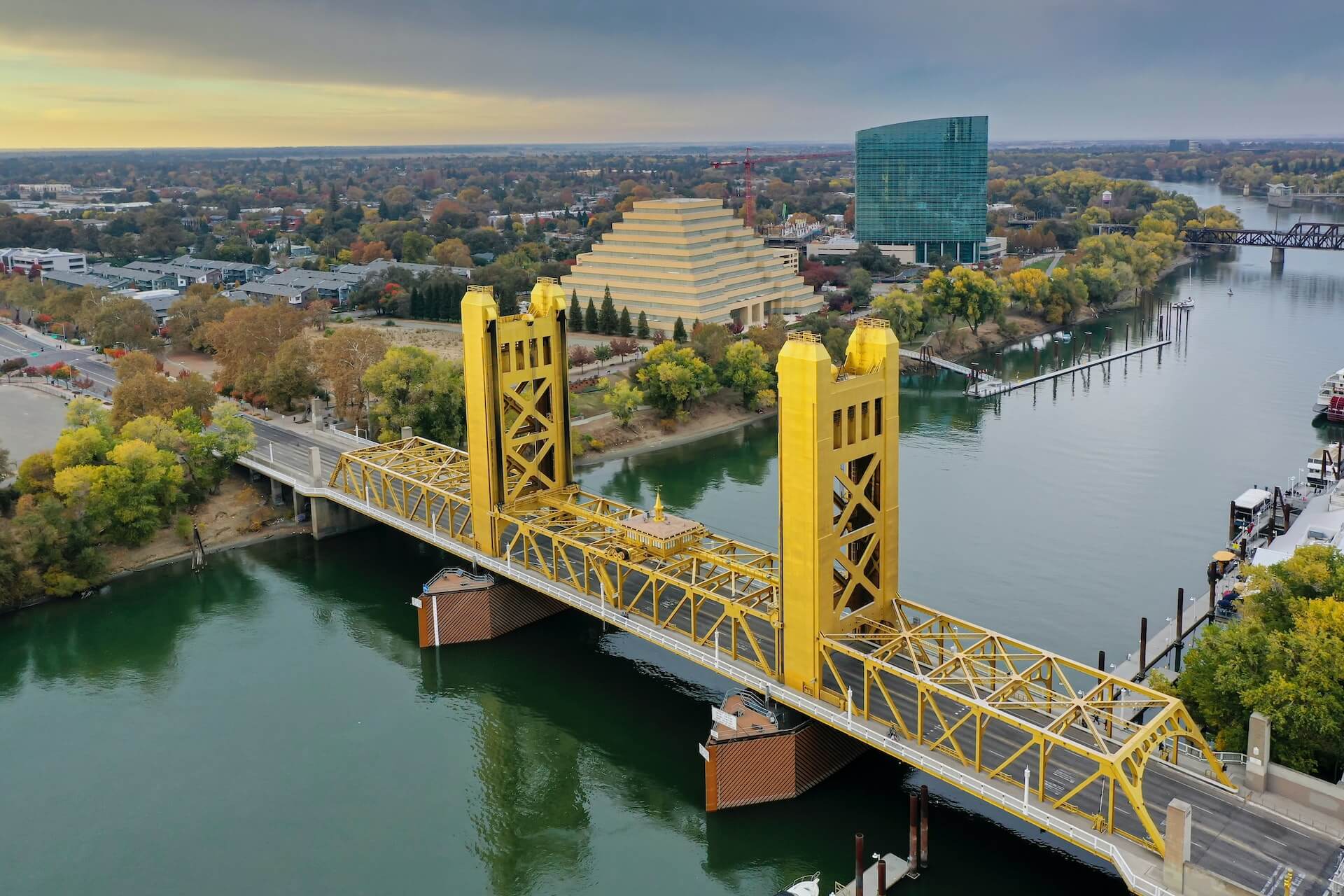
Tower Bridge in Sacramento, California

Real estate brokerage Redfin identifies the top ten American cities in terms of inflow and outflow, according to Q3 data.

Interestingly, a quarter of people appear to be searching for homes in cities different from where they currently live. Also compelling: one state, per the brokerage’s data ending in the month of October, is a clear favorite.

Obviously, this is important data for operators to have. When it comes to labor and guest pool changes, inflow and outflow information can be quite useful.

Top Inflow Cities: August to October 2022

Review the list below to see the metro areas experiencing the greatest inflow.

  1. Orlando, Florida
  2. Dallas, Texas
  3. North Port, Florida
  4. Cape Coral, Florida
  5. Phoenix, Arizona
  6. Tampa, Florida
  7. San Diego, California
  8. Miami, Florida
  9. Las Vegas, Nevada
  10. Sacramento, California

Did you spot the big trend? The state of Florida represents 50 percent of the list. Per Redfin‘s interpretation of the data, home buyers want leave expensive coastal cities behind.

Interesting to us in particular, two cities—Las Vegas and Orlando—are key KRG Hospitality markets. Also interesting is that Nevada and Florida are on the back half of Forbes’ best cities for starting a business in 2023.

However, we’ve seen strong hospitality industry recovery in Las Vegas this year. In fact, even the entertainment industry in Las Vegas is exploding. Additionally, we continue to gain clients in Orlando.

Top Outlow Cities: August to October 2022

Below are the metro areas seeing the greatest outflow.

  1. Philadelphia, Pennsylvania
  2. Seattle, Washington
  3. Denver, Colorado
  4. Detroit, Michigan
  5. Chicago, Illinois
  6. Boston, Massachusetts
  7. Washington, DC
  8. New York, New York
  9. Los Angeles, California
  10. San Francisco, California

If we compare Redfin’s Q2 data to the list above, it’s mostly the same. In fact, the top four outflow cities are identical. Spots five through nine are simply a reshuffling of Q2 and Q3 data.

However, Minneapolis, number ten in Q2, is replaced by Philadelphia in Q3. According to Redfin data, those Philly residents searching for homes elsewhere are showing interest in Salisbury, Maryland.

Consider how expensive it can be to move to and live in LA and San Francisco. It makes sense that California is the only state with two cities on the list above, doesn’t it?

Per Redfin, San Francisco residents are searching Sacramento and Seattle. Those in LA are looking at San Diego and Las Vegas.

Takeaway

It’s important to know where people are moving to and what cities they’re leaving behind. And it’s interesting to get a data-driven view of which states may be best for starting a business.

However, it’s far more useful to know how feasible a given ZIP code may be for a specific concept. So, while these types of lists are helpful, they’re not as practical as a targeted feasibility study.

Moreover, the dust doesn’t appear to have settled when it comes to migratory patterns of home buyers. It’s quite possible that Redfin’s 2023 inflow and outflow data will change once again in Q1 and Q2.

Image: Stephen Leonardi on Unsplash

by David Klemt David Klemt No Comments

Is Restaurant Revitalization Back?

Restaurant Revitalization Back on the Table?

by David Klemt

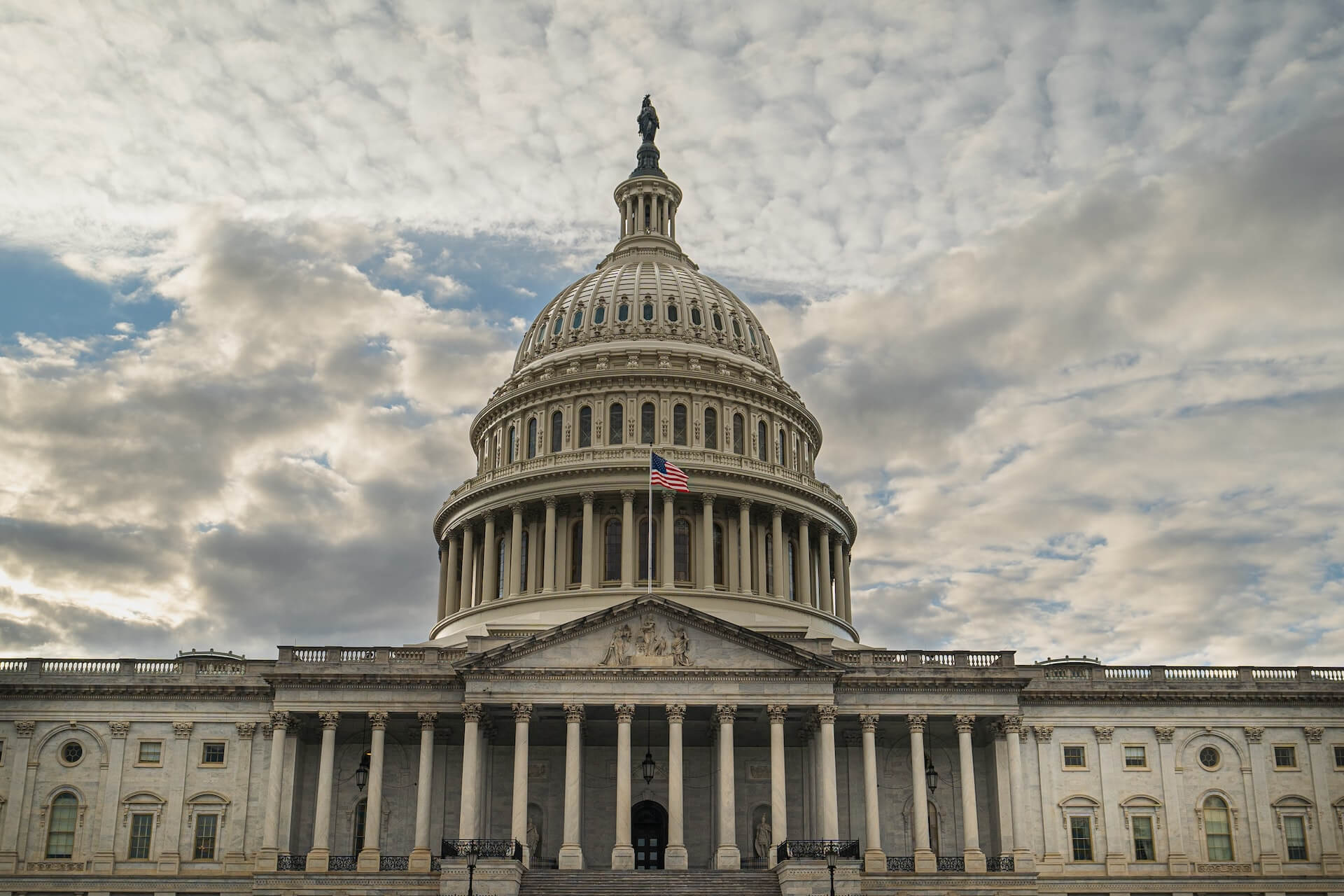
US Capitol Building and cloudy sky

After watching the Restaurant Revitalization Fund die a slow, painful death earlier this year, three senators are trying to help the industry again.

Three Democratic senators seem to think that the RRF battle isn’t over. Senators Ben Cardin (D-MD), Sherrod Brown (D-OH), and Patty Murray (D-WA) are trying once again to help RRF applicants. As a refresher, Sen. Cardin is among the original RRF legislation authors.

Last Thursday, the senators introduced the Restaurant Revitalization Tax Credit Act. Now, before we get into the details, it appears this bill is a stop-gap of sorts. A statement from Sen. Murray suggests as much.

Per a statement from Sen. Muray, the “Restaurant Revitalization Fund left too many behind. I believe we need to replenish the Fund and will keep pressing to do so. Until that happens, bills like the Restaurant Revitalization Tax Credit Act will help keep restaurants afloat.”

It’s safe to say a significant number of operators prefer replenishment of the RRF to a tax credit. However, this could represent a step in the right direction.

The Restaurant Revitalization Tax Credit Act

For those with an interest in dissecting the bill, the text in its entirety is here.

In summary, here’s what Sens. Cardin, Brown, and Murray want to see become law: a payroll offset of $25,000. Of course, it’s not that simple—there are requirements and nuances.

First, the only eligible restaurants are RRF applicants who didn’t receive a grant. Second, the restaurant must prove:

  • operating losses of at least 30 percent in 2020 and 2021 in comparison to 2019; or
  • losses of at least 50 percent in either 2020 or 2021 in comparison to 2019.

Additionally, applicants must have been operating at least as far back as March 14, 2020. There’s also a payroll tax requirement: the applicant restaurant must have paid the taxes in at least two quarters in 2021. But wait—it doesn’t end there.

Restaurants with ten or fewer employees could offset a maximum of $25,000 in payroll taxes for the entirety of 2023. However, for every employee over ten, the refund cap drops by $2,500.

So, this bill appears to target very small operations for assistance. Assistance, we can only hope, that’s meant to help until the Senate and House replenish the RRF.

After all, Sen. Murray did say this bill—”bills like,” to be precise—is meant to “help keep restaurants afloat.”

It’s difficult to view this effort through anything but a skeptical lens given what happened earlier this year. And hope, as the saying goes, isn’t a strategy. But I suppose this bill represents a glimmer of hope that the estimated 175,000-plus RRF applicants who never received a grant may still get the help they deserve.

Image: J. Amill Santiago on Unsplash

by krghospitality krghospitality No Comments

KRG Hospitality Adds to Team

KRG Hospitality Enters New Era of Growth with Addition to Team

by David Klemt

KRG Hospitality Licensing Program logo

Kim Richardson joins the KRG Hospitality team, representing Philadelphia and the Northeastern US region via the agency’s new license program.

PHILADELPHIA, PA—KRG Hospitality today announces an exciting new addition to the consulting agency’s team. Following several years of success, KRG is now entering a new phase of growth.

Kim Richardson, who has more than 23 years of experience in the hotel and restaurant industry, will represent KRG at the agency’s Philadelphia office. Further, Richardson will be KRG’s representative for the Northeastern region of the United States, serving Connecticut, Delaware, Maine, Massachusetts, New Hampshire, Maryland, New Jersey, New York, Pennsylvania, Rhode Island, and Vermont.

As the newest member of the KRG team, Richardson is excited to bring all her hospitality industry knowledge and experience to the Philadelphia area. From Five Diamond Hotels to brick-and-mortar restaurants, she has had her hands in the Philadelphia hospitality scene since moving to the city in 2003. With an admiration for the industry since a very young age, she has a passion for all things hospitality. Most importantly, Richardson brings with her a passion and eagerness to help grow the industry and lead others to success.

“There’s nothing more rewarding than understanding a client’s dream, perfecting it, and bringing that vision to life,” says Richardson.

This exciting new addition to the KRG team represents the launch of the agency’s new licensed consultant program. KRG operates in several key markets—Toronto, Las Vegas, Calgary, Vancouver, Philadelphia, Nashville, Orlando, and the Caribbean—and is planning to add more partners as regional representatives throughout 2023.

“As we move forward from the pandemic era, we look forward to positioning the brand for continued and further success,” says KRG Hospitality president Doug Radkey. “Creating a licensed consultant program provides us the opportunity to reach a wider audience, provide additional value and support for our clients, and help push this exciting industry forward.”

About KRG Hospitality

KRG Hospitality is a storied and respected agency with proven success over the past decade, delivering exceptional and award-winning concepts throughout a variety of markets found within Canada, the United States, and abroad since 2009. Specializing in startups, KRG is known for originality and innovation, rejecting cookie-cutter approaches to client projects. The agency provides clients with a clear framework tailored to their specific projects, helping to realize their vision for a scalable, sustainable, profitable, memorable, and consistent business. Learn more at KRGHospitality.com. Connect with KRG Hospitality and the Bar Hacks podcast on social: KRG Twitter, Bar Hacks Twitter, KRG Media Twitter, KRG LinkedIn.

Image: KRG Hospitality

by David Klemt David Klemt No Comments

The NRA’s 2023 Culinary Trend Forecast

The National Restaurant Association’s 2023 Culinary Trend Forecast

by David Klemt

Cheesy chicken sandwich on paper wrapper

Ahead of the beginning of a new year, the National Restaurant Association unveils their culinary trend predictions for 2023.

The report is the result of a collaboration between the NRA, Technomic, and the American Culinary Federation (ACF).

For those unfamiliar, Technomic is at the forefront of foodservice trend tracking, industry research, and analysis. Likewise, the ACF is a premier industry organization. Tracing its founding to 1929, the ACF promotes “the professional image of American chefs worldwide through education of culinarians at all levels.”

To predict what will be “hot” next year, the NRA, Technomic, and ACF sent the 17th annual What’s Hot survey to thought leaders and chefs. In direct partnership with the Technomic Menu Research & Insights Division, the NRA predicted the top menu trends from 110 items spanning 11 categories.

Now, this isn’t a full dive into the report in its entirety. Rather, we strongly encourage our readers to download a copy of What’s Hot 2023 Culinary Forecast for themselves and their teams.

What readers will find below are the top 10 trends for 2023. Additionally, we’ll share the top three macro trends for next year, as forecast by the NRA and their partners.

More than Food

Somewhat surprisingly, the NRA’s top-ten list of culinary trends isn’t just a list of food items. Instead, this forecast paints a picture of where restaurants are heading in 2023.

While there are some specific cuisine predictions, the NRA’s top culinary predictions show us, in part, how consumers want to experience the restaurants they visit.

  1. Southeast Asian cuisines (examples: Vietnamese, Singaporean)
  2. Zero waste/Sustainability/Upcycled foods
  3. Globally inspired salads
  4. Sriracha variations
  5. Menu streamlining
  6. Flatbread sandwiches/Healthier wraps
  7. Comfort fare
  8. Charcuterie boards
  9. Fried chicken sandwiches and Chicken sandwiches “3.0” (example: fusion of flavors)
  10. Experiences/Local culture and community

As we can see, operators and consumers expect tighter, more concept-specific menus. Also, comfort foods; shareable (and “Instagrammable”) items like charcuterie boards; and items that show local and global influences may be hot in 2023.

One can consider, then, streamlining their menu to include their top sellers along with local and/or global flavors authentic to their brand.

Below, readers will see that three of the trends above make up the NRA’s top-three 2023 macro trends:

  1. Menu streamlining
  2. Comfort fare
  3. Experiences/Local culture and community

Operator and Consumer Behavioral Shifts

Looking at the macro trends, it’s reasonable to believe the past few years will influence 2023 heavily.

Operators are dealing with inflation, higher costs for everything, labor shortages. Further, according to Datassential, more than a third of American operators are experiencing low traffic and sales levels.

We can expect these issues to follow us into 2023, at least for Q1 and Q2. Therefore, the NRA’s macro trends forecast makes sense. Streamlining menus often leads to streamlining the back and front of house. In turn, doing so can lower costs and boost staff retention.

On the consumer side, it appears comfort foods, chicken sandwiches, and experiences are driving visits and online orders. These are, as we all know, behavioral shifts we can trace back to the start of the pandemic.

We always suggest proceeding with caution, logic, and data when considering embracing trends. Missing out on trends can be just as costly as latching onto a trend too late.

That said, the macro trends certainly seem reasonable. Only time will tell, but the NRA’s 2023 forecast certainly contains several items operators and their teams should give serious consideration.

Image: Arabi Ishaque on Unsplash

by David Klemt David Klemt No Comments

169 Grants May be the End of the RRF

169 Grants May be the End of the RRF

by David Klemt

Empty, broken plate on floor

UPDATE: According to some sources, the report of $180 million in “leftover” RRF money are inaccurate. The disbursement of $83 million represents the final release of RRF funds.

The $83 million in grants going out this week to 169 recipients may be the end of the Restaurant Revitalization Fund in its entirety.

Unfortunately, it’s possible last week’s awards represent the final grants. This, despite the Government Accountability Office (GAO) finding $180 million in funds in July.

As far as the sources of these funds, that topic remains a bit vague.

However, the story is that more than $150 million are the result of clawbacks. More than a third, if reporting is accurate, is the result of recipients or financial institutions returning grants. Reports indicate another $24 million come from the SBA setting aside $24 million for litigation.

Per the National Restaurant Association months ago, the American Rescue Plan Act of 2021 does not include a provision for a litigation fund. Therefore, the NRA called for the SBA to disburse that money to RRF applicants.

What we do know is that last week’s RRF grant recipients should be receiving their funds this week. According to the SBA, 169 recipients were awarded a portion of $83 million in RRF money.

Again, that’s money the GAO found back in July. It’s also less than half of the reported $180 million the government agency found this summer.

Given the fact that the SBA announced a disbursement of just 46 percent of the “leftover” funds, many believed another round was in the works. Sadly, that may not be the case. It’s possible—and increasingly likely, regrettably—that the rest of the $180 million in funds won’t go to grant applicants.

Now, I want to be clear on one important point: I’m relieved for the 169 grant recipients. I truly hope the funds arrive in time to help them and their teams.

While I’ll feel disappointment if a second round of the $180 million never materializes, I’m happy for those who received a portion of the $83 million awarded last week.

Frustration

So, where does the industry go from here? The failure of Congress to replenish the RRF left a reported 150,166 applicants with zero assistance. According to Nation’s Restaurant News, it would have taken $41 billion to award each applicant a grant. Obviously, $180 million was never going to serve to help that many applicants.

Frustratingly, the answer to the question above appears to be: Move forward on our own. And that unsatisfactory answer has flooded with me opinions.

One opinion? Our industry, it seems, is always left to fend for itself. Despite the millions of people hospitality employs, lawmakers and politicians don’t seem willing to assist us—and therefore their constituents—in meaningful ways.

Another opinion? Perhaps we need to build a more powerful lobby to have our voices heard. Such an effort began in earnest to support the RRF. However, too many elected officials were comfortable refusing to replenish the fund.

A third opinion was shaped by Eileen Wayner, CEO of Tales of the Cocktail. As a guest on the Bar Hacks podcast she addressed the perception of operators and hospitality workers as being adaptable and resilient.

While those characteristics can be admirable, Wayner expressed something I think we all feel: Sometimes, we’re tired of being resilient. Sometimes, we’re tired of being expected to adapt. There are times our industry needs help.

When you’re constantly seen as resilient, people believe you don’t need assistance. What we’ve seen with the RRF and its failed replenishment is that too many people with the power to help can write us off. “They’re resilient,” they say. “They’ll figure it out. They’ll be fine.”

Well, we’re not all “fine.” We needed help, and we deserved it.

Image: CHUTTERSNAP on Unsplash

by David Klemt David Klemt No Comments

Why is the SBA Sitting on RRF Funds?

Why is the SBA Sitting on Tens of Millions in RRF Funds?

by David Klemt

Pile of $100 bills

Three months after the revelation that the SBA is sitting on $180 million in RRF funds, we’re wondering why they still aren’t disbursing the money.

Oh, and a handful of American lawmakers have the same question. In fact, two members of the House and two senators are requesting a plan from the SBA.

The patience of Representatives Earl Blumenauer (D-OR) and Brian Fitzpatrick (R-PA) appears to be at its end. So, too, the willingness for Senators Kyrsten Sinema and Roger Wicker (R-MS) to simply wait and see.

So, the bipartisan lawmakers are playing hardball, sending a strongly-worded letter to the Small Business Administration.

$180 Million in Available Funds

As it turns out, there are are tens of millions of dollars in unallocated Restaurant Revitalization Funds. Months ago, the Government Accountability Office (GAO) investigated the RRF situation.

Back in July, the fruits of the investigation came to light: of the $28.6 billion in the RRF, $180 million have not been disbursed. Further, it was reported in August that the SBA was working the Department of Justice to “formulate a plan on how to distribute” the money.

It’s now November and…there’s no news. Well, there’s news, but it’s that four bipartisan lawmakers are demanding answers and action from the SBA.

Look, $180 million is a far cry from the $40 billion our industry needed and deserved to have approved to replenish the RRF. Indeed, if every dollar of this “found” money is distributed to RRF applicants, just 0.44 percent would receive a grant.

However, nearly $200 million in funds can still help some operators. There’s simply no excuse for the SBA failing to disburse the funds six months after the GAO made their discovery.

Clearly, several lawmakers agree with this assessment.

Lawmakers Seek Action from the SBA

Earlier this week, Reps. Blumenauer and Fitzpatrick, and Sens. Sinema and Wicker, sent a letter to the SBA. Not only are they seeking action from the SBA, they’re seeking a plan by next week.

“We request the SBA provide Congress with a detailed plan and timeline to distribute unobligated RRF funding as well as detailed information regarding the agency’s progress in retrieving misallocated funds and distributing those funds to eligible applicants no later than Monday, November 14, 2022,” reads the letter.

Further, the lawmakers make their position clear: “It is inexcusable for the Small Business Administration to not dispense every single available dollar to help as many of our nation’s still struggling main street businesses.”

According to reports, the lawmakers who penned the letter are working with the Independent Restaurant Coalition and National Restaurant Association. Reporting states that the IRC and NRA endorse the letter sent by the lawmakers this week.

As of the publication of this article, the SBA has issued no response. Unfortunately, that’s not exactly surprising. After all, they’ve been silent on this topic for months.

Image: Giorgio Trovato on Unsplash

by David Klemt David Klemt No Comments

Credit Card Competition Act, Take Two

Credit Card Competition Act, Take Two

by David Klemt

American Express charge cards

As we approach Election Day on November 8, it’s important to keep in mind that the Credit Card Competition Act of 2022 is still in play.

In fact, reports predict that another attempt to pass the bipartisan bill will take place in November. If reports are accurate, Senators Dick Durbin (D-IL) and Roger Marshall (R-KS) will try to include the bill in the National Defense Authorization Act (NDAA).

Now, that sentence and strategy may have you scratching your head. What, you may be asking yourself, do credit card fees have to do with defense spending?

Well, not much, truthfully. But you’re probably well aware that politicians will try to amend bills in bids to pass legislation they want. The common term for such a provision is “rider.”

It’s not difficult to understand why the Credit Card Competition Act has gone nowhere when we view Sens. Durbin and Marshall’s rider tactic.

Earlier this month, the senators attempted to include their bill within the NDAA. The reason is simple: the bill specifies the US Department of Defense’s (DoD) budget and expenditures each year. In other words, this is a “must-pass” bill.

However, Sens. Durbin and Marshall aren’t the only senators sponsoring bills. And they’re certainly not the only senators attempting to attach riders to the NDAA.

“It’s a bold strategy, Cotton.”

I will say, at least Sen. Durbin’s effort to attach the Credit Card Competition Act rider to the NDAA is somewhat related to the DoD.

You see, he and Sen. Marshall tried to tack on two amendments to push their bill through. The first amendment theorizes that veterans are being hurt by credit card fees. According to the senators, when military veterans make purchases at a military commissary, they are sometimes subjected to surcharges related to merchant interchange fees.

The second amendment brings the US Treasury Department and US Defense Department into the mix. This effort directs the departments to research just how much veterans are paying (annually, one would assume) in surcharges, and which companies these fees benefit. Then, the departments are to issue this report to Congress.

So, hey, points for attempting to make including the Credit Card Competition Act of 2022 relate to the NDAA for FY 2022. Of course, other senators are attempting to include their own riders. Should reporting prove accurate, some 900 amendments have been proposed. Supposedly, a few dozen might just make it.

This strategy didn’t work this month because the NDAA vote isn’t taking place in October. Instead, the plan is for the vote to take place sometime mid-November, when the US Senate reconvenes.

To learn more about the Credit Card Act of 2022, click here. If it’s a bill you support, let your elected officials know. Should you oppose the bill, let that be known to lawmakers as well.

Image: CardMapr.nl on Unsplash

by David Klemt David Klemt No Comments

F&B in Canada: Top Menu Items

F&B in Canada: Top Menu Items

by David Klemt

Closeup of hands holding burger

Those wondering what food and beverage menu items are performing best among consumers throughout Canada need wonder no more.

And why is that? Well, Restaurants Canada has the answers, revealing the top ten food and top ten beverage items.

Further, the organization compares each item’s performance. In this instance, Restaurants Canada analyses the percentage of orders that contained each food or beverage item from January to April 2022 in comparison to 2019.

These insights (and many more) are available in Restaurants Canada’s 2022 Foodservice Facts report. In fact, you can find our reviews of several of the restaurant advocacy group’s report topics via the links below:

For your own copy of this year’s Foodservice Facts report, click here.

Top 10 Canadian Drink Menu Trends

As you’ll see below, coffee is outperforming nearly every other beverage category. Specifically, Hot coffee is at the top, while Iced or frozen coffee is ranked third.

Unsurprisingly, Carbonated soft drinks / Pop / Soda split the two coffee categories. According to Restaurants Canada, the Carbonated soft drink category can credit its performance in large part to QSRs.

  1. Milk: 1.8% (2019) to 1.8% (2022)
  2. Iced tea: 2.9% (2019) to 1.6% (2022)
  3. Milkshakes / Smoothies: 2.1% (2019) to 2.0% (2022)
  4. Fruit juice: 3.8% (2019) to 3.0% (2022)
  5. Hot tea: 5.5% (2019) to 4.5% (2022)
  6. Alcohol beverages: 5.1% (2019) to 5.7% (2022)
  7. Water: 6.6% (2019) to 5.0% (2022)
  8. Iced or frozen coffee: 5.3% (2019) to 7.5% (2022)
  9. Carbonated soft drinks / Pop / Soda: 19.7% (2019) to 20.2% (2022)
  10. Hot coffee: 40.9% (2019) to 41.9% (2022)

Compellingly, Alcohol beverage performance in restaurants fluctuated by age group between 2021 and 2022. Alcohol order shares in restaurants, per Restaurants Canada:

  • Legal drinking Age (LDA) to 34: 46% (2021) to 43% (2022)
  • 35 to 49: 17% (2021) to 21% (2022)
  • 50-plus: 37% (2021) to 36% (2022)

Alcohol order shares in bars, according to Restaurants Canada:

  • LDA to 34: 35% (2021) to 35% (2022)
  • 35 to 49: 17% (2021) to 19% (2022)
  • 50-plus: 49% (2021) to 47% (2022)

Overall, the 35 to 49 age group appears to be consuming less alcohol in bars and restaurants in comparison to the LDA to 34 and 50-plus cohorts.

Top 10 Canadian Food Menu Trends

As Restaurants Canada notes, the Sandwich / Sub category has grown in 2022. Interestingly, the category just below it in growth, Chicken, is partially responsible for boosting Sandwich / Sub performance.

As far as entrees or “main attractions,” the Burger category remains at the top, beating out Breakfast, Sandwich / Sub, Chicken, and Pizza menu items.

  1. Cake / Squares / Muffins: 3.7% (2019) to 3.3% (2022)
  2. Salad: 4.3% (2019) to 3.8% (2022)
  3. Donuts / Beignets: 3.0% (2019) to 3.8% (2022)
  4. Breads: 4.3% (2019) to 3.4% (2022)
  5. Pizza / Panzerotti / Calzone: 4.1% (2019) to 4.3% (2022)
  6. Chicken: 7.6% (2019) to 8.5% (2022)
  7. Sandwich / Sub: 8.0% (2019) to 8.5% (2022)
  8. Breakfast: 10.8% (2019) to 11.4% (2022)
  9. Burger: 9.0% (2019) to 10.9% (2022)
  10. French fries / Potato / Sweet potato / Onion rings: 15.0% (2019) to 16.1% (2022)

Image: Nathan Dumlao on Unsplash

by David Klemt David Klemt No Comments

Members of Congress Send Letter to SBA

Members of Congress Send Letter to SBA Regarding $180 Million

by David Klemt

United States Capitol Building and Capitol Grounds

More than 70 members of Congress are urging the Small Business Administration to act quickly to fund eligible RRF applicants.

This news comes on the heels of the findings of the Government Accountability Office’s investigation into the RRF. As you may recall, the GAO discovered $180 million in unobligated funds.

In response, 73 representatives and senators sent the SBA a letter. Sen. Catherine Cortez Masto (D-NV) and Rep. Earl Blumenauer (D-OR) are leading the effort to quickly and fairly distribute the $180 million.

At the start, members of Congress ask that the SBA take immediately action. Also, that the SBA give priority consideration to RRF applicants who didn’t receive funds even though they were awarded grants.

By the way, that’s about 7,000 applicants.

Unfortunately, the recently passed Inflation Reduction Act of 2022 doesn’t include funds to replenish the RRF. And while $180 million is nowhere near the $42-43 billion our industry needs and deserves, it’s something. In fact, it’s a reason to keep pushing Congress to do the right and responsible thing.

Interestingly, the letter sent to the SBA also urges the clawing back of funds for various reasons. One social media user, in response to the letter, suggested auditing the recipients. Presumably, this would also lead to a clawback and, in turn, the further awarding of grants.

Key Segments of the Letter

“Last month, the Government Accountability Office (GAO) released a report titled Restaurant Revitalization Fund: Opportunities Exist to Improve Oversight that stated that as of as of June 2022, $180 million of RRF funding was unobligated. As you know, about 177,000 restaurants that applied to the program did not receive awards. While we understand the remainder of the funding will not reach every business that applied, it is imperative that the SBA distribute every dollar to help as many struggling restaurants as is feasible.

“In addition to these actions, we are also urging that SBA take action to recover funds that have been awarded to ineligible applicants, were found to be accepted fraudulently, or could otherwise be returned. For example, the aforementioned GAO report states that SBA does not require recipients to report their operating status, despite the statute requiring that businesses that permanently close to return the unused funds to SBA. SBA has itself identified potentially ineligible recipients, such as clubs and hotels that failed to meet statutory eligibility criteria. Money recovered from fraudulent and ineligible businesses can subsequently be used to help
fund the many businesses who were unable to receive grants. We urge you to take action on this matter and provide us with detailed information on the amount of funding that may be recovered as well as SBA’s progress in doing so.”

Image: Francine Sreca from Pixabay

by David Klemt David Klemt No Comments

Breakdown: How Senators Voted on RRF

Breakdown: How Senators Voted on RRF

by David Klemt

U.S. Capitol Building exterior, cloudy blue skies

After a year of waiting, we now know the fate of the Restaurant Revitalization Fund: a 52 to 43 vote that saw RRF replenishment fail on the Senate floor.

Last Thursday, the US Senate voted to debate the Small Business COVID Relief Act of 2022 (S.4008). A filibuster put an end to this effort to replenish the RRF.

To be blunt, this is a disgrace. Eligible RRF applicants have been awaiting needed and deserved grants for a year. We were left out of Build Back Better, we were left out of the $1.5 trillion omnibus spending bill passed in March.

A contributing factor to why this is so disappointing is the passing of S.3811. Of particular note, 32 of the senators who voted against $40 billion for American restaurants and bars voted in favor of $40 billion for supplemental aid for Ukraine.

Now, I’m not saying that Ukraine doesn’t deserve our support. Likewise, I’m not saying that we shouldn’t have voted to provide the war-torn country $40 billion in aid.

However, I am saying that I find it indefensible that dozens of our senators would send that kind of money overseas, then turn around and deny relief for American businesses.

In one moment we have senators saying America needs to come first. They then proceed to turn their backs on hard-working Americans.

Nay Votes

Unfortunately, 43 senators—all Republican—voted against the Small Business COVID Relief Act of 2022. Therefore, they voted against replenishing the RRF.

However, that doesn’t mean all Republican senators voted against the bill. Indeed, four Republicans voted with their Democrat and Independent peers.

  • Barrasso (R-WY)
  • Blackburn (R-TN)
  • Boozman (R-AR)
  • Braun (R-IN)
  • Burr (R-NC)
  • Capito (R-WV)
  • Cornyn (R-TX)
  • Cotton (R-AR)
  • Cramer (R-ND)
  • Crapo (R-ID)
  • Cruz (R-TX)
  • Daines (R-MT)
  • Fischer (R-NE)
  • Graham (R-SC)
  • Grassley (R-IA)
  • Hagerty (R-TN)
  • Hawley (R-MO)
  • Hoeven (R-ND)
  • Hyde-Smith (R-MS)
  • Inhofe (R-OK)
  • Johnson (R-WI)
  • Kennedy (R-LA)
  • Lankford (R-OK)
  • Lee (R-UT)
  • Lummis (R-WY)
  • McConnell (R-KY)
  • Moran (R-KS)
  • Paul (R-KY)
  • Portman (R-OH)
  • Risch (R-ID)
  • Romney (R-UT)
  • Rounds (R-SD)
  • Rubio (R-FL)
  • Sasse (R-NE)
  • Scott (R-FL)
  • Scott (R-SC)
  • Shelby (R-AL)
  • Sullivan (R-AK)
  • Thune (R-SD)
  • Tillis (R-NC)
  • Toomey (R-PA)
  • Tuberville (R-AL)
  • Young (R-IN)

Yea Votes

It’s important to remember that the Small Business COVID Relief Act of 2022 was a bipartisan effort. Sens. Ben Cardin (D-MD) and Roger Wicker (R-MS) introduced the bill, which included $40 billion for the RRF and $8 billion for other businesses.

Four Republican senators and two Independents voted in the affirmative with all Democrats.

  • Baldwin (D-WI)
  • Bennet (D-CO)
  • Blumenthal (D-CT)
  • Blunt (R-MO)
  • Booker (D-NJ)
  • Cantwell (D-WA)
  • Cardin (D-MD)
  • Carper (D-DE)
  • Casey (D-PA)
  • Cassidy (R-LA)
  • Collins (R-ME)
  • Coons (D-DE)
  • Cortez Masto (D-NV)
  • Duckworth (D-IL)
  • Durbin (D-IL)
  • Feinstein (D-CA)
  • Gillibrand (D-NY)
  • Hassan (D-NH)
  • Heinrich (D-NM)
  • Hickenlooper (D-CO)
  • Hirono (D-HI)
  • Kaine (D-VA)
  • Kelly (D-AZ)
  • King (I-ME)
  • Klobuchar (D-MN)
  • Leahy (D-VT)
  • Lujan (D-NM)
  • Manchin (D-WV)
  • Markey (D-MA)
  • Menendez (D-NJ)
  • Merkley (D-OR)
  • Murkowski (R-AK)
  • Murphy (D-CT)
  • Murray (D-WA)
  • Ossoff (D-GA)
  • Padilla (D-CA)
  • Peters (D-MI)
  • Reed (D-RI)
  • Sanders (I-VT)
  • Schatz (D-HI)
  • Schumer (D-NY)
  • Shaheen (D-NH)
  • Sinema (D-AZ)
  • Smith (D-MN)
  • Stabenow (D-MI)
  • Tester (D-MT)
  • Warner (D-VA)
  • Warnock (D-GA)
  • Warren (D-MA)
  • Whitehouse (D-RI)
  • Wicker (R-MS)
  • Wyden (D-OR)

Not Voting

Three Democrat and two Republican senators didn’t vote on S.4008.

  • Brown (D-OH)
  • Ernst (R-IA)
  • Marshall (R-KS)
  • Rosen (D-NV)
  • Van Hollen (D-MD)

Yay Votes for Ukraine, Nay Votes for RRF

The following senators, all Republican, voted to send $40 billion in aid to Ukraine.

The same day, they voted against $40 billion to replenish the RRF, voting against American restaurants and bars.

  • Barrasso (R-WY)
  • Burr (R-NC)
  • Capito (R-WV)
  • Cornyn (R-TX)
  • Cotton (R-AR)
  • Cramer (R-ND)
  • Cruz (R-TX)
  • Daines (R-MT)
  • Fischer (R-NE)
  • Graham (R-SC)
  • Grassley (R-IA)
  • Hoeven (R-ND)
  • Hyde-Smith (R-MS)
  • Inhofe (R-OK)
  • Johnson (R-WI)
  • Kennedy (R-LA)
  • Lankford (R-OK)
  • McConnell (R-KY)
  • Moran (R-KS)
  • Portman (R-OH)
  • Risch (R-ID)
  • Romney (R-UT)
  • Rounds (R-SD)
  • Rubio (R-FL)
  • Sasse (R-NE)
  • Scott (R-FL)
  • Scott (R-SC)
  • Shelby (R-AL)
  • Sullivan (R-AK)
  • Thune (R-SD)
  • Tillis (R-NC)
  • Toomey (R-PA)
  • Young (R-IN)

Image: PartTime Portraits on Unsplash

by David Klemt David Klemt No Comments

8 Glendalough Cocktail Recipes for St. Patrick’s Day and Beyond

Offer your guests something different for your St. Patrick’s Day promotion with Glendalough Distillery cocktail recipes.

Without a doubt, you should have plenty of the expected Irish whiskeys on hand. However, Glendalough Distillery Double Barrel, Pot Still, Wild Gin, and Rose Gin are extraordinary Irish whiskeys and gins.

Each spirit the distillery crafts honors the art of Irish distillation, a craft that stretches back centuries. What’s more, each whiskey Glendalough crafts is single malt—there are no light-bodied blends in their lineup.

To learn more, check out episode 71 of the Bar Hacks podcast with Glendalough Distillery co-founder and national brand ambassador Donal O’Gallachoir.

by David Klemt

Glendalough Distillery Wild Gin Irish gin

8 Amazing Irish Whiskey and Gin Cocktails

Below, eight refreshing and sophisticated drink recipes made with Glendalough whiskeys and gins. Sláinte!

Glendalough Distillery Double Barrel Single Malt Irish Whiskey

The Lough Inn

This highball is made with Glendalough Double Barrel, a single-grain Irish whiskey aged in ex-bourbon barrels before being finished in Oloroso sherry casks.

  • 2 oz. Glendalough Double Barrel Single Grain Irish Whiskey
  • 1 oz. Spiced honey syrup (see note)
  • 1 oz. Fresh lemon juice
  • Soda to top
  • Lemon wheel or slice to garnish
  • Mint leaf to garnish
  • 1 cup Honey for spiced honey syrup
  • 0.5 cup Water for spiced honey syrup
  • 4 Cinnamon sticks for spiced honey syrup
  • 1 pod Star anise for spiced honey syrup

Add ice to a highball glass, then add first three ingredients. Top with soda water. Garnish with lemon wheel or slice and freshly torn mint leaf.

For spiced honey syrup: Add honey, water, cinnamon sticks, and star anise to pot. Bring to a boil, then stir. Strain into container.

Glendalough Distillery Pot Still single malt Irish whiskey

Pot Still Highball

Deceptively simple to build, this cocktail highlights the terroir of the land surrounding Glendalough Distillery.

  • 1.5 oz. Glendalough Pot Still
  • Soda to top
  • Grapefruit peel to garnish
  • Mint leaf to garnish (freshly torn and slapped, of course)

Prepare a highball glass with an ice shard, spear or cylinder. Pour in Glendalough Pot Still whiskey, then top with soda. Glendalough Distillery recommends a 1:2 ratio, Pot Still to soda. Garnish with mint leaf.

Glendalough Distillery Wild Gin Negroni cocktail

Glendalough Negroni

The foraged botanicals in Glendalough Wild Gin add even more complexity and depth to the classic Negroni. In fact, the flavors work so well this recipe maintains the Negroni’s crucial 1:1:1 ratio.

Prepare an Old Fashioned with ice. Add first three ingredients to glass in the above order. Add more ice if necessary. Stir, express orange peel, and place as garnish.

Glendalough Distillery Wild Gin Irish gin

Glendalough Wicklow 75

Bubbles make everything better and everyone happier.

Add all ingredients to shaker. Add ice and shake until well chilled. Strain into Champagne flute, top with Prosecco, and garnish with lemon twist.

Glendalough Distillery Rose Gin Irish gin and cocktails

Glendalough Rose G&T

This simple classic receives a huge visual and aromatic boost from Glendalough Rose Gin.

  • 2 oz. Glendalough Rose Gin
  • Tonic to top (the higher the quality, the better)
  • Lime slice
  • Mint leaves

Add ice to glass, then add Rose Gin. Top with tonic, and garnish with lime slice and mint leaves.

Glendalough Distillery Rose Gin Fizz

Glendalough Rose Gin Fizz

One way to elevate the highball is to use a striking pink-hued Irish gin.

  • 1.5 oz. Glendalough Rose Gin
  • 0.5 oz. Elderflower liqueur
  • Raspberry & Lime sparkling water to top
  • Lime wheel to garnish

Add ice (spear, shard or cylinder for impact), Rose Gin, and liqueur to highball glass. Stir, then add sparkling water to top. Garnish with lime wheel.


View this post on Instagram


A post shared by Glendalough US (@glendaloughus)

Glendalough Rose Collins

Boost the classic Collins with Glendalough’s striking rose-petal gin.

  • 1.5 oz. of Glendalough Rose Gin
  • 1 oz. of Lemon juice (freshly squeezed)
  • 0.5 oz. of Sugar syrup (1:1 ratio, hot water to sugar)
  • Soda to top
  • Lemon peel to garnish
  • Cherry to garnish

Combine first three ingredients in a shaker with a cup of ice. Place an ice shard, spear or cylinder to a highball glass. Shake until well chilled, then strain into glass. Top with soda, and garnish with lemon peel and cherry.

Glendalough Distillery Rose Gin Hibiscus Rose

Glendalough Hibiscus Rose

Refreshing and flavorful, the hibiscus tea syrup plays incredibly well with Glendalough Rose Gin.

  • 1.5 oz. Glendalough Rose Gin
  • 0.5 oz. Hibiscus tea syrup (see note)
  • 0.5 oz. Lemon juice (fresh squeezed)
  • Prosecco to top
  • Dehydrated lemon wheel to garnish
  • Rose petals to garnish
  • 33 oz. Water for hibiscus tea syrup
  • 16 oz. Sugar for hibiscus tea syrup

Add first three ingredients and ice to a shaker. Shake until well chilled and double strain into a coupe.  Top with Prosecco, and garnish with dehydrated lemon wheel and rose petals.

For the hibiscus tea syrup: Steep seven hibiscus tea bags in 33 ounces of water for 15 minutes. Add 16 ounces of sugar.

Images & Recipes: Glendalough Distillery

Related Reading

Work with Us

Click the image below to partner with us on your project.

Client Intake Form - KRG Hospitality

by krghospitality krghospitality No Comments

House Passes $1.9B Covid Relief Bill, RRF

House Passes $1.9B Covid Relief Bill, RRF

by David Klemt

US Capitol Building Dome

The Senate version of the American Rescue Plan Act of 2021 is through the House, awaiting the signature of President Joe Biden.

Once the bill is signed by the president, it will be the law of the land.

That means our industry is finally receiving at least a portion of the relief it so desperately needs. After nearly a year of campaigning and fighting, the Restaurant Revitalization Fund (RRF) is a reality.

Restaurant Revitalization Fund

Managed by the Small Business Administration properly, the RRF is a critical lifeline for small- and mid-sized operators.

The SBA will prioritize women- and veteran-owned and operated businesses for the first 21 days. Economically and socially disadvantaged businesses will also receive priority.

Maximum grant amounts are $5 million per individual restaurant or $10 million per restaurant group.

Eligible Expenses

Importantly, eligible expenses fall between February 15, 2020 through December 31, 2021.

Eligible expenses include but are not limited to:

  • payroll and benefits;
  • mortgage (no prepayment);
  • rent (no prepayment);
  • utilities, maintenance;
  • supplies (including PPE and cleaning materials);
  • food;
  • operational expenses;
  • covered supplier costs (as defined by the SBA under the PPP program); and
  • sick leave.

American Rescue Plan Provisions

Of course, the RRF is just a small portion of the American Rescue Plan. The bill includes many provisions for national Covid-19 testing and vaccine distribution.

States and local governments receive $20 billion to assist low-income households with rent, utility bills, and back rent. There’s an increase to benefits of 15 percent through September for those on food stamps.

Also, the Emergency Injury Disaster Loan (EIDL) program receives $15 billion, which will help small business owners.

The $300-per-week federal boost to unemployment benefits remains the same rather than climbing to $400 per week.

Crucially, the bill waives the first $10,200 of unemployment benefits from 2020. That amount rises to $20,400 for married couples. To receive the waiver, a household must have an adjusted gross income of $150,000. That AGI is the same for individual and combined households.

Individuals with an AGI of up to $75,000 will receive stimulus payments of $1,400. That amount phases out completely at $80,000 for individuals, $160,000 for couples.

What’s Next

The SBA is responsible creating and implementing the RRF application process.

For now, it’s wise for operators to calculate their grant amounts:

  • Open prior to 2019: 2019 revenue minus 2020 revenue minus PPP loans.
  • 2019 opening: Average of 2019 monthly revenues times 12 minus 2020 revenues.
  • 2020 opening: Eligible to receive funding equal to eligible expenses incurred.

Since the SBA is the agency overseeing the $28.5 billion RRF, it’s a good idea to monitor their site for pertinent dates, details and requirements.

Image: Joshua Sukoff on Unsplash

Top