Cafe

by David Klemt David Klemt No Comments

The Kraken Unleashes a new Monster

The Kraken Unleashes a new Monster

by David Klemt

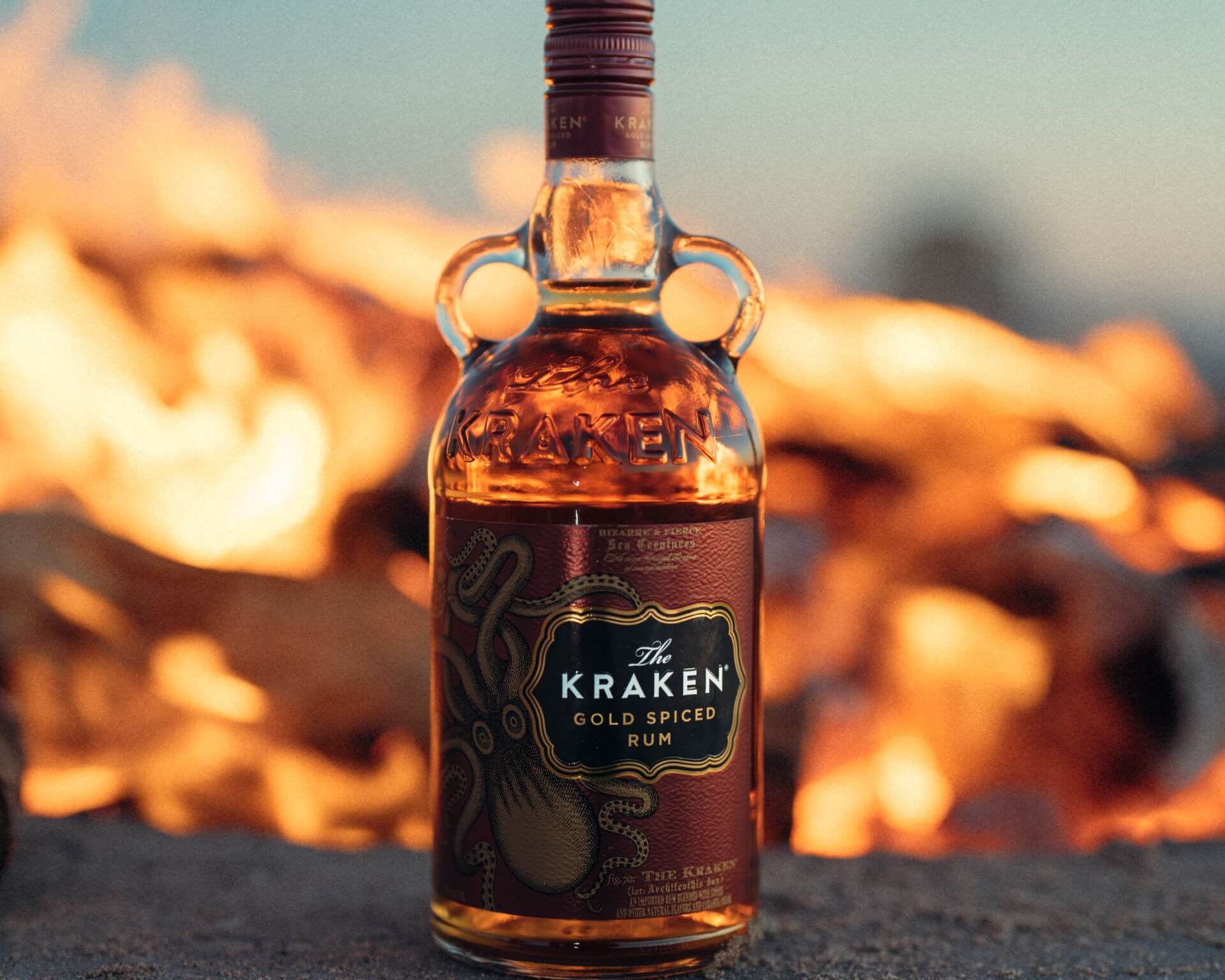
The Kraken Gold Spiced Rum bottle

The Kraken, which claims to be the top-selling black spiced rum in the world, has released another monster: the Kraken Gold Spiced Rum.

This new release is a direct shot across the bow of the Captains, Sailors, and Admirals that have long commanded the spiced rum category. In other words, you know exactly which brands the Kraken is challenging with this expression.

Of course, this also gives you and your bar team a new spiced rum to introduce to guests. As it turns out, spiced rum is the most popular of the rum categories.

In June of 2020, Drizly launched BevAlc Insights by Drizly. The data-focused platform can provide operators with insights into consumer behavior and preferences. After all, if they’re ordering specific products for delivery to drink at home, they’ll expect the restaurants and bars they visit to have them on their menus.

Per BevAlc Insights, spiced rum boasted a 27-percent share in comparison to other styles in 2021. Interestingly, dark rum, according to BevAlc, held only a five-percent share. Those interested in this data can learn more reviewing BevAlc Insights’ 2021 Rum Forecast.

As far as what to expect on the nose and palate, tasting notes make mention of aromas of banana bread, caramel, vanilla, cinnamon, and oak. One reviewer on YouTube likens the nose to that of Bumbu Rum. Vanilla and oak carry through to the finish, with the top flavors being molasses, dark spice, and caramelized sugar.

The Kraken Rum Launches A New Gold Spiced Rum

The Top-Selling Rum Brand Unveils Its Latest Gold Treasure

Jersey City, NJ, March 7, 2023—Today, the world’s first and top-selling black spiced rum brand, The Kraken® Rum, emerges from its lair in the depths of the ocean to enter into the gold spiced rum category with a new release. A smooth and rich liquid, The Kraken Gold Spiced Rum is here to set THE NEW GOLD STANDARD in the rum category making waves for captains, sailors, and admirals alike.

The Kraken Gold Spiced Rum: The Product

Introducing THE NEW GOLD STANDARD for sipping: a gold spiced Caribbean rum, rich beyond words—and perhaps the only bit of lightness the legendary beast, known as “the Kraken,” loves with as much passion as its storied black ink. On the nose, The Kraken Gold Spiced Rum reveals a sweet brown medley of caramel, oak, and banana bread. Flavors of molasses and dark spice fade into caramelized sugar, with a slight finish of toasted oak and vanilla.

“As gold spiced rum occasions are now the highest among the rum category, we are proud to introduce this new offering from The Kraken, with a flavor profile all its own,” said Lander Otegui, Senior Vice President of Marketing at Proximo Spirits. “We are confident that this product will be THE NEW GOLD STANDARD in spiced rum thanks to its superb taste that we know matches what our consumers are looking for.”

A study conducted on the popularity of spiced rum brands showed The Kraken Gold Spiced Rum as a clear category favorite. Proximo Spirits commissioned a third-party double blind taste test study against category competitor, Captain Morgan®. The study revealed more than 70% of consumers prefer The Kraken Gold Spiced Rum over Captain Morgan Original Spiced Rum. Furthermore, participants also overwhelmingly indicated The Kraken Gold Spiced Rum both has “superior taste” and is “the smoothest.”1

  • Aroma: Sweet brown medley of caramel, oak, and banana bread. Rich vanilla with light cinnamon backtone.
  • Flavor: Molasses and dark spice fading into caramelized sugar. Slight finish of toasted oak and vanilla.

The Kraken Gold Spiced Rum is 35% ABV and sold nationwide at a $21.99 MSRP per 750ml. It is also available in 1L and 1.75L bottles.

“Take of Gold” New Campaign

To bring The Kraken Gold Spiced Rum from sip to screen, the brand is launching a new visual campaign, “Tale of Gold.” The advertisement, directed by Rich Lee who’s known for his work on the first three The Pirates of the Caribbean films, draws consumers into the dark world of the Kraken. Moody, foreboding visuals divulge the action-packed narrative of unworthy pirates who try to steal the precious treasure of gold from its lair and are thwarted by the Kraken.

The Kraken Golden Hour Sweepstakes

Before it dives back into the darkness, The Kraken is celebrating its newly released Gold Spiced Rum by giving consumers an opportunity to win a Golden Hour experience in the Dominican Republic.To enter The Kraken Golden Hour Sweepstakes for a chance to win a trip to the home of The Kraken Rum, scan the QR code or visit KrakenGoldenHour.com for more information.

No purchase necessary to enter or win. Purchasing a product will not improve your chances of winning. Must be documented resident of the U.S. or D.C., age 21 or older as of date of entry. Registration begins at 12:00am ET on February 1, 2023 and ends at 11:59pm ET on June 30, 2023. To enter, and for complete official rules including eligibility, prize description and approximate retail value, scan the QR code using your mobile device’s camera or directly visit www.krakengoldenhour.com. Winner selected in random drawing. Odds of winning are based on the total number of eligible entries received. No alcoholic beverage is part of any prize award. Void wherever prohibited or restricted by law. SPONSOR: Proximo Spirits, Inc., 3 Second Street, Suite 1101, Jersey City, NJ 07302.  

To learn more about The Kraken Gold Spiced Rum and the rest of the Kraken’s keep, visit KrakenRum.com and follow The Kraken Rum on Instagram, Twitter, and Facebook.

1 Taste-tests were conducted in April 2022 by TasteMakers Research Group in a blind study.

About The Kraken® Rum

AS IT IS TOLD, The Kraken Rum is an imported rum from the Caribbean blended with secret spices. Named for the sea beast of myth and legend, The Kraken Rum is bold, rich, and smooth. The Kraken Rum portfolio includes The Kraken Black Spiced Rum, made from unique Caribbean black spiced rum with a lingering spicy finish, The Kraken Gold Spiced Rum with a toasted oak and vanilla finish that’s smooth and tasteful, and ready-to-drink The Kraken Rum canned cocktails in flavors: Rum Punch, Cola and Ginger Beer. AS THEY SAY, “To not respect the power of the Kraken is to not respect the sea.” So, drink with respect.

The Kraken® Gold Spiced Rum. Rum with Natural Flavors and Caramel Color. 35% Alc./Vol. (70 proof). ©2023 Kraken Rum Co., Jersey City, NJ, Like the deepest sea, The Kraken® should be treated with great respect and responsibility.

Captain Morgan® is a registered trademark of Diageo North America, Inc. and referred to for product identification. Pirates of the Caribbean® is a registered trademark of Disney Enterprises, Inc. and referred to for Rich Lee’s background experience with the film franchise.

Disclaimer: Neither the author nor KRG Hospitality received compensation, monetary or otherwise, from the Kraken Rum, Proximo Spirits, or any other entity in exchange for this post.

Image: The Kraken Rum

KRG Hospitality spirit education

by krghospitality krghospitality No Comments

KRG Hospitality now Serving Midwest Region

KRG Hospitality adds Midwest Region

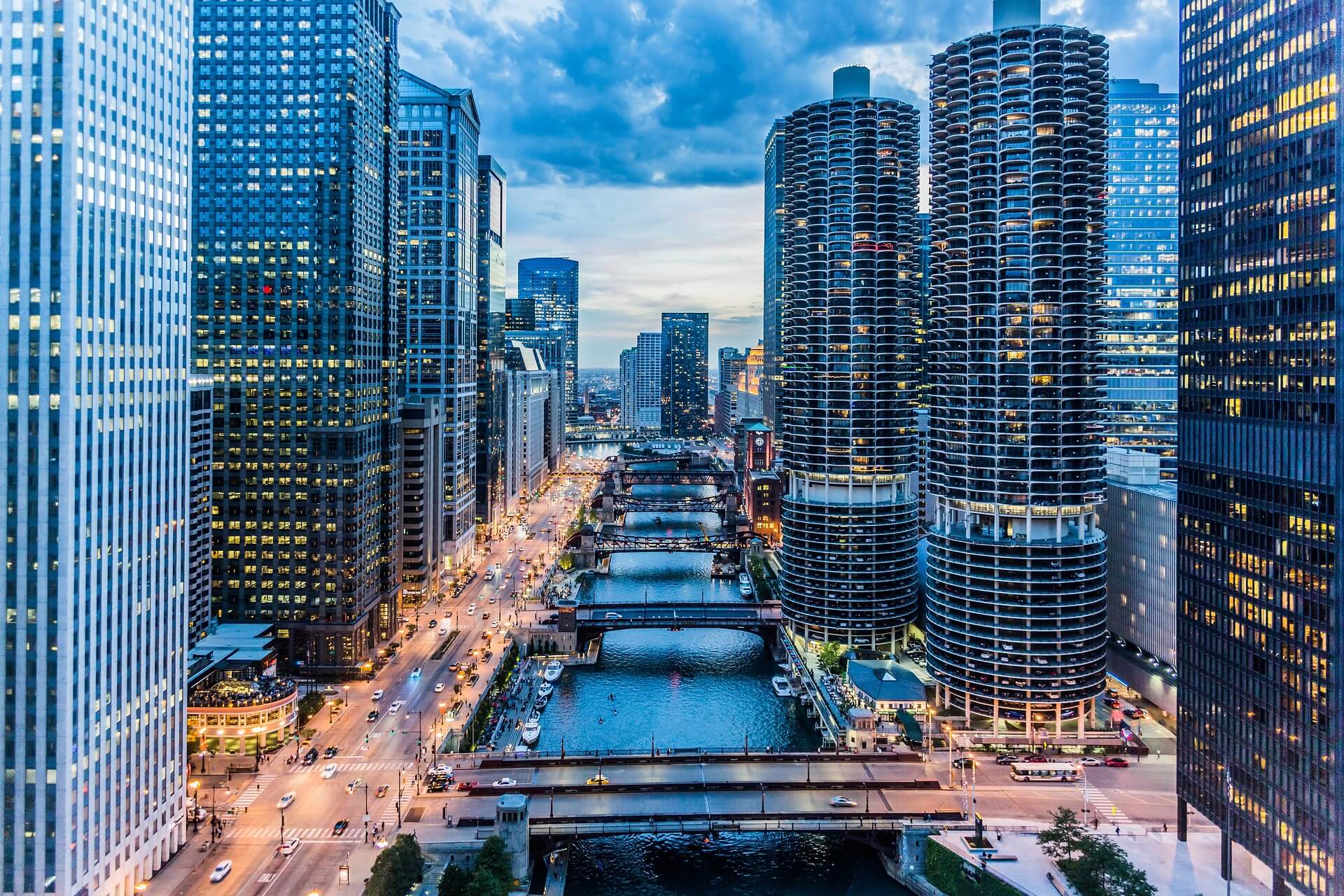
Marina City Towers in Chicago, Illinois

KRG HOSPITALITY NOW SERVING MIDWEST REGION

Toronto-based hospitality industry consulting firm with offices throughout Canada and the USA now serving the Midwest through Chicago office.

CHICAGO, IL (March 17, 2023)—Today, KRG Hospitality announces the addition of the Midwest region of the US to their North American service area. The team will operate out of an office in Chicago, Illinois. However, the agency will serve Midwest markets outside of Chicago as well.

KRG is excited to announce their presence in the region and their ability to serve clients effectively. The agency will offer the full suite of their proven hospitality solutions, including: hourly consulting and coaching; complete feasibility studies, fully customized concept plans; in-depth, focused business plans; project support and management; food and/or drink menu development and consulting; and personalized F&B education.

“I was born in Chicago and first entered the hospitality industry in the Northwest Suburbs. I got my first taste of nightlife in Chicago’s incredible bar and nightclub scene,” says David Klemt, partner and director of business development of KRG Hospitality. “Those experiences shaped my entire hospitality career trajectory. It will be an honor to serve the great people of the Midwest and bring their hospitality visions to life.”

“2023 is turning into quite the growth year for KRG, with the addition of team members Kim Richardson and Jared Boller, and now an exciting new market,” says Doug Radkey, KRG Hospitality founder, president, and project manager. “We see great opportunity in the Midwest, not only in Chicago, but many of the surrounding regions. The food, beverage, and hotel scene is incredibly strong, and we’re open to the challenge of not only helping launch new hospitality brands but helping transform existing brands scale and be successful in the new era ahead.”

KRG is ready to work with clients of all experience levels in the Midwest. The consulting agency’s suite of solutions serve new operators looking to open their first concept and veterans seeking a rebrand or expansion. From independent pizzerias and QSRs to multi-unit regional chains and boutique hotels, and everything in between, the KRG team is eager to take client visions and transform them into brick-and-mortar realities.

To schedule an introductory call to learn how the KRG Hospitality team serves clients, please follow this link.

About KRG Hospitality

KRG Hospitality is a storied and respected agency with proven success over the past decade, delivering exceptional and award-winning concepts throughout a variety of markets found within Canada, the United States, and abroad since 2009. Specializing in startups, KRG is known for originality and innovation, rejecting cookie-cutter approaches to client projects. The agency provides clients with a clear framework tailored to their specific projects, helping to realize their vision for a scalable, sustainable, profitable, memorable, and consistent business. Learn more at KRGHospitality.com. Connect with KRG Hospitality and the Bar Hacks podcast on social: KRG Twitter, Bar Hacks Twitter, KRG Media Twitter, KRG LinkedIn.

Image: Tobias Brunner from Pixabay

KRG Hospitality Start-Up Restaurant Bar Hotel Consulting Consultant Solutions Plans Services

by David Klemt David Klemt No Comments

Slice Releases 2023 “Slice of the Union”

Indie Pizzeria App Slice Releases 2023 Report

by David Klemt

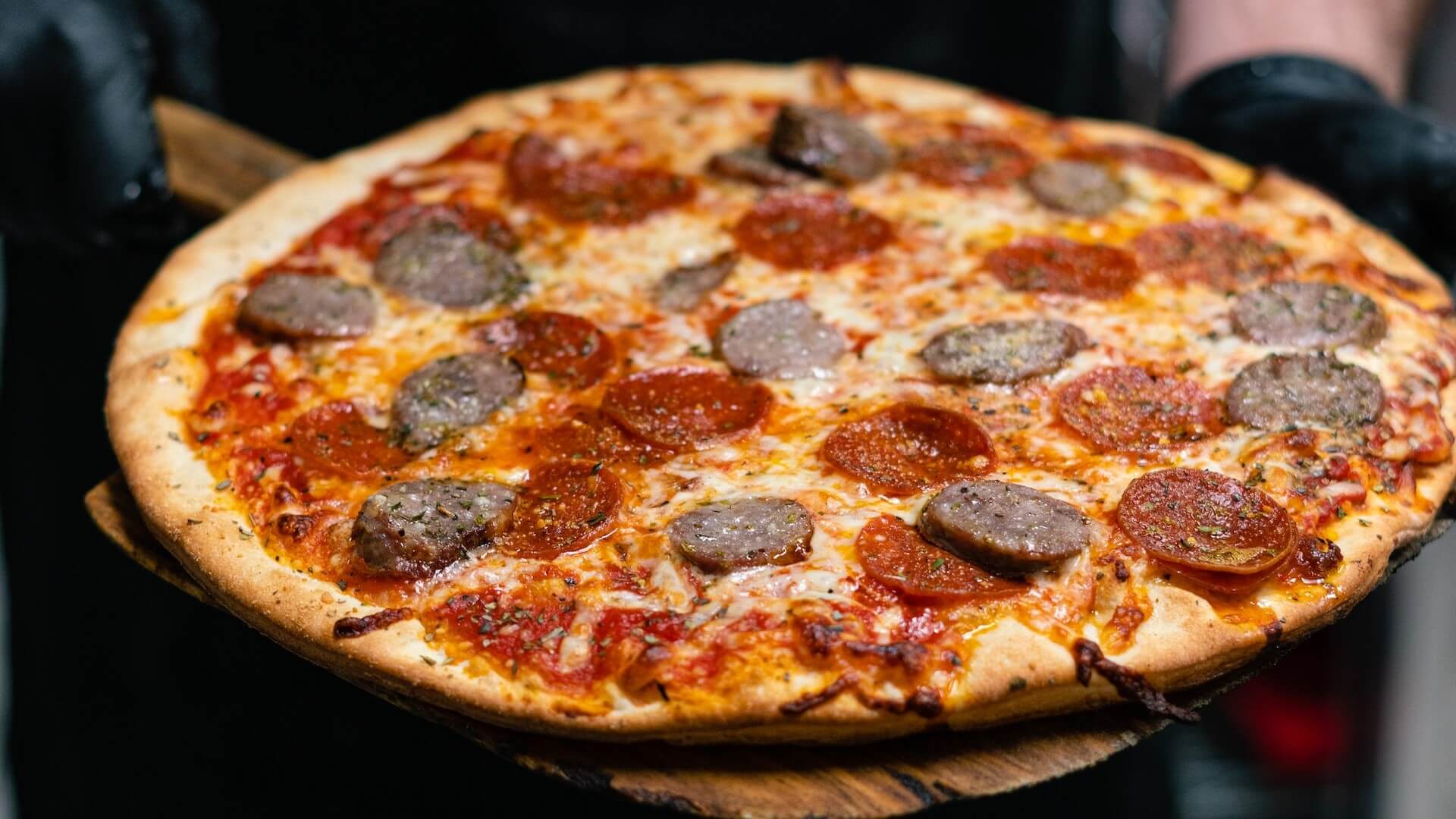
Wood-fired pizza on paddle

The annual Slice of the Union report from independent pizzeria ordering app Slice offers excellent insight into the indie pizza space.

Per the company’s website, Slice serves all 50 states and works with 19,000 pizzerias. For context, that’s a network of pizzerias more than double in size in comparison to Domino’s.

In my opinion, then, the company is well-positioned to deliver data regarding the indie pizzeria space.

Additionally, Slice says they save independent operators money. To date, Slice claims partners have saved more than $265 million in fees that would have gone to third-party delivery services.

In part, that’s due to a 2021 innovation by the company. At the International Pizza Expo in Las Vegas in August of 2021, Slice unveiled fixed-price, tiered packages for partners.


View this post on Instagram


A post shared by Slice (@slice)

Essentially, Slice intends to help local, indie pizzerias boost their reach, discoverability, and revenue. The company’s mission is “empowering independent pizzerias.” In part, Slice accomplishes their mission to “Keep Local Thriving” by offering indie pizzeria operators access to technology and services that rival the big pizza chains.

Below you’ll find some of the insights from the 2023 Slice of the Union that most stand out to me. To review the report in its entirety yourself, please click here. Not only is it an informative read, it’s actually fun.

Ordering Occasion

Kicking things off, ordering occasions. As all operators should know, many guests seek out particular cuisine, drinks, or venues dependent upon their dining or drinking occasion.

In the 2023 Slice of the Union, Slice takes a look at a couple occasions that motivate people to order pizza: sports and awards shows.

Now, it’s no surprise that people order pizza to enjoy while watching sports. So, since that’s common knowledge, Slice goes deeper and identifies the top sports leagues:

  1. Football
  2. Basketball
  3. Baseball
  4. Hockey

No mention of my two favorites, F1 and MotoGP, but at least hockey makes the cut. (My Vegas side says, “Go Knights!” but my born-in-Chicago side says, “Go ‘Hawks!”)

When we look at awards shows, the top spot may be somewhat of a surprise:

  1. People’s Choice Awards
  2. Tony Awards
  3. Emmy Awards
  4. Golden Globes
  5. The Oscars

Interestingly, the Grammys only manage an honorable mention. And there’s something poetic about pizza being the “people’s choice” for the People’s Choice.

Another bit of compelling data. Slice says that most people buckle and give up on their New Year’s resolution to keep away from pizza on January 13.

What’s in a Name?

There are certainly some creative pizzeria names out there.

However, Slice identifies not just some of the most common names but how many pizzerias use them:

  1. Joe: 206 pizzerias
  2. Sal: 206 pizzerias
  3. Tony: 114 pizzerias
  4. Johnny: 56 pizzerias
  5. Ray: 43 pizzerias
  6. Nino: 21 pizzerias

Flavors on the Rise

Wondering what the top topping is? What Slice sees as the pizza trends to watch?

Well, Slice has the answers to those questions (and more) in their annual report.

Pepperoni, as Slice says, “is a classic.” So, it wouldn’t provide much insight to just say, “Hey, pepperoni is popular.” Operators who offer pepperoni—and why wouldn’t they?—are already aware of its ubiquity.

Instead, Slice identifies the topping that’s showing the most growth. Per Slice, mushrooms has shown up on 8.9 percent more pizzas. Also, ranch dressing showed up on 9.7 percent more pizza orders in 2022.

Now, which trends may gain more significant footholds in the pizza space this year? Slice identifies two in their report:

  • Roman-style pizza
  • Pickle pizza

A Roman-style pizza is thin crust and pushes the toppings out all the way to the edges. A pickle pizza features—shocker—pickles heavily. According to Slice, this style of pizza normally includes a garlic sauce and mozzarella cheese.

Again, you’ll want to check this report out for yourself as there’s much more useful information. Click here to read it now.

Image: Dylan Sauerwein on Unsplash
KRG Hospitality Restaurants & Cafes, 2023 icon

by David Klemt David Klemt No Comments

SevenRooms Email Marketing Integration

SevenRooms Introduces Email Marketing Integration

by David Klemt

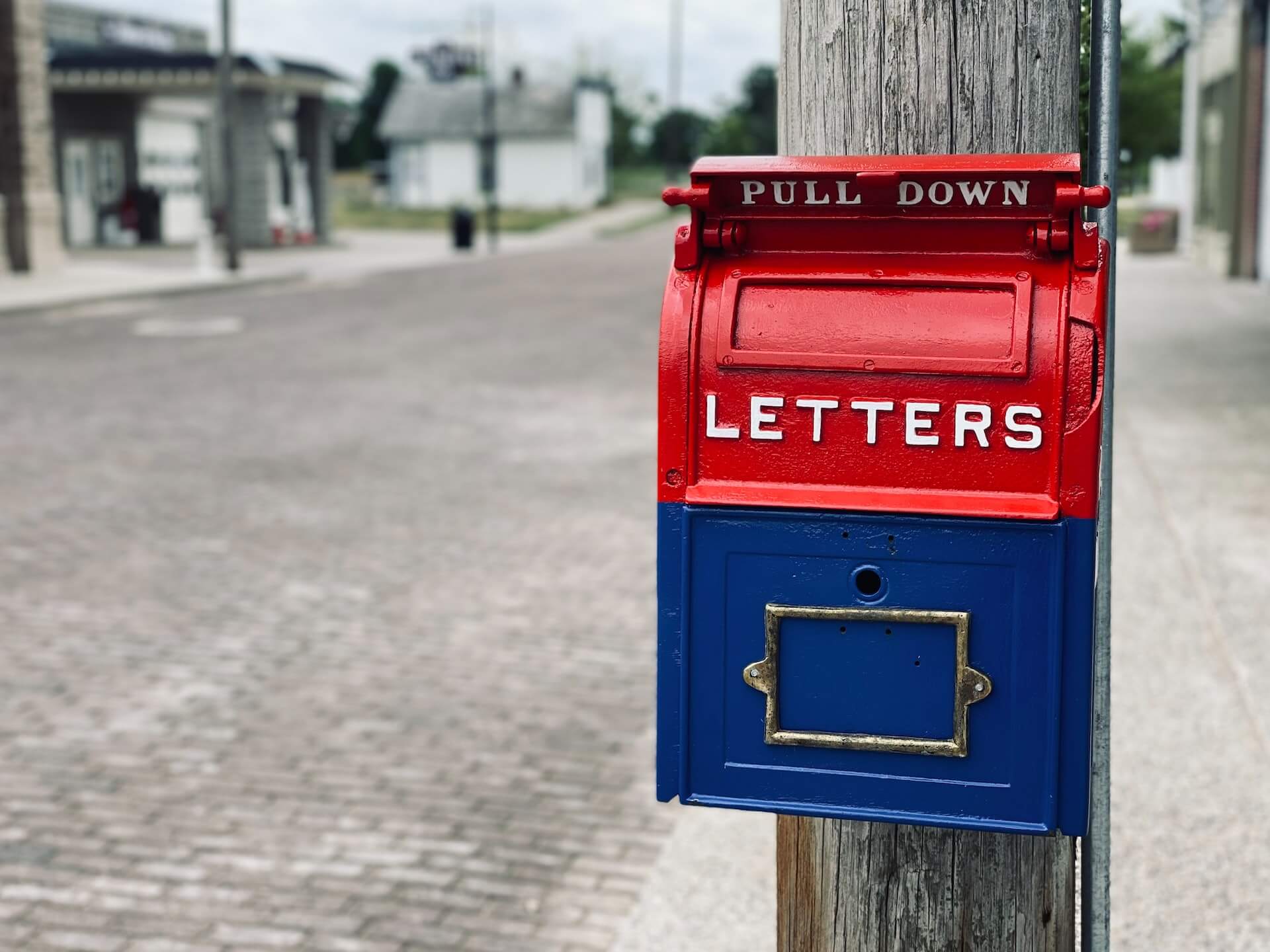
Public red and blue mailbox

Today, SevenRooms announces a new marketing innovation that integrates with the platform’s Automated Email feature: Email Marketing.

This is more evidence of SevenRooms’ continued growth. The company began 2023 by adding their first-ever chief marketing officer. Just two months later, SevenRooms announced a new investor: Enlightened Hospitality Investments, spearheaded by Danny Meyer.

Additionally, offering this new tool to operators makes clear the platform’s intent to truly be an all-in-one operations solution. Email Marketing, for example, can replace third-party email services. Streamlining marketing makes it simpler for operators and their teams to ensure they keep guests engaged with their venue and brand.

And, of course, including effective tools within a single platform can lead to reduced costs and the relief of pain points. When systems are difficult to use, some operators are less inclined to want to actually use them. That’s a waste of valuable resources.

Combined with Automated Emails, SevenRooms Email Marketing gives more control over marketing to operators. Not only are emails triggered based on various tags, the emails can be customized fully. And, to ensure marketing runs smoothly for everyone, operators will have access to templates if customization isn’t necessarily in their wheelhouse.

You’ll find the SevenRooms Email Marketing press release in its entirety below.

SEVENROOMS EXPANDS MARKETING SUITE WITH INTEGRATED EMAIL MARKETING

New Email Marketing Tool Provides Key Data Insights and Revenue Potential for SevenRooms Clients

NEW YORK (March 14, 2023)—SevenRooms, a global guest experience and retention platform for the hospitality industry, has announced a new solution and expansion of its marketing suite for hospitality operators worldwide: Email Marketing. The product will work in conjunction with SevenRooms’ Automated Emails, a set of personalized, trigger-based emails sent to customers on behalf of the operator, to continue to engage guests once they’ve visited a venue.

Email Marketing enables SevenRooms customers to send one-time, customized marketing emails directly within the SevenRooms platform to give operators more control over the way they use their guest data. Having ownership of this guest data allows operators to build their brand through direct touchpoints with guests to drive loyalty and repeat visits. It also provides detailed insights into email performance with metrics that matter to their business, including showing the reservations, covers and revenue attributed to each email.

Email Marketing supports operators with a solution that is connected throughout a restaurant’s tech stack and removes the need to use third-party email service providers that create additional work for staff trying to manage email preferences across multiple systems. It is directly linked to the SevenRooms CRM and operating system giving operators full control over their messaging and who receives it by using Auto-tags or Client tags to segment marketing audiences. Additionally, operators using Email Marketing have the ability to create either fully customized emails with an easy-to-use visual editor or utilize curated templates.

The new product also enhances the experience for guests of SevenRooms customers by allowing them to stay in touch or up-to-date with their favorite venues, receive targeted messages and promotions, or simply control the venues from which they receive marketing. Leveraging Email Marketing, restaurants can use their guest data to tee up relevant, customized emails. For example, sending guests who have purchased wine at least five times an invite to a dinner with their sommelier, or excluding guests with shellfish allergies from an email about their annual clambake.

“SevenRooms Email Marketing product provides restaurants with functionality that simply does not exist in the email marketing platforms that restaurants traditionally use,” said Allison Page, Co-Founder and Chief Product Officer at SevenRooms. “We enable restaurant marketers to leverage their robust SevenRooms guest database to quickly and easily build targeted campaign segments, eliminating the need to manually export and import mailing lists between systems. While other email service providers promise revenue, SevenRooms can prove it with accurate data on the revenue generated by each campaign to truly measure email marketing performance.”

“The combination of SevenRooms’ Email Marketing and Automated Emails makes guests feel very connected with us,” said Alyssa Fenu, Sales & Marketing Manager at Mango’s Tropical Café. “Being able to choose who our emails are going to — a specific customer segment or broadcasting to our whole database — makes the process a lot simpler. And it’s super easy to understand how many people opened our emails, how many people actually made a reservation, and how much money we’re making because it’s all in one place.”

For more information about SevenRooms and its services, please visit www.sevenrooms.com.

About SevenRooms

SevenRooms is a guest experience and retention platform that helps hospitality operators create exceptional experiences that drive revenue and repeat business. Trusted by thousands of hospitality operators around the world, SevenRooms powers tens of millions of guest experiences each month across both on- and off-premises. From neighborhood restaurants and bars to international, multi-concept hospitality groups, SevenRooms is transforming the industry by empowering operators to take back control of their businesses to build direct guest relationships, deliver exceptional experiences and drive more visits and orders, more often. The full suite of products includes reservation, waitlist and table management, online ordering, mobile order & pay, review aggregation and marketing automation. Founded in 2011 and venture-backed by Amazon, Comcast Ventures, PSG and Highgate Ventures, SevenRooms has dining, hotel F&B, nightlife and entertainment clients globally, including: MGM Resorts International, Mandarin Oriental Hotel Group, The Cosmopolitan of Las Vegas, Wynn Resorts, Jumeirah Group, Wolfgang Puck, Michael Mina, Bloomin’ Brands, Giordano’s, LDV Hospitality, Zuma, Australian Venue Company, Altamarea Group, AELTC, The Wolseley Hospitality Group, Dishoom, Live Nation and Topgolf.  www.sevenrooms.com

Image: Brett Garwood on Unsplash
KRG Hospitality Planning Phase, 2023 icon

by krghospitality krghospitality No Comments

Do Goals Have an Expiration Date?

Do Goals Expire?

by Jennifer Radkey

Hourglass against red background

A compelling question came up in a recent coaching call with a client: When is the last time you took inventory of your goals?

Like many other people, my client is a goal-setter, and not just small goals but big life goals. These goals follow all of the “rules” of goal setting: they are clearly written, attainable, and measurable.

Some of the goals are achieved and checked off the list and new goals have been made. And yet there is still a feeling of dissatisfaction.

So where is this feeling coming from?

We are always changing and adapting to the world around us. We are changed by life circumstances. We’re influenced by the places we visit and the people we meet. We grow, and over time we come to deeper understandings of what we value and want from life.

As we grow and change our goals do as well…but what do we do with our old goals? What do we do with goals that are no longer applicable to our life?

Do goals expire?

The answer is yes. Goals can expire. What you wanted for your life when you were 16 is most likely not what you want for your life now. The career goals you set in your early 20s probably do not apply to you in your 30s. The goals geared towards interests you had in your 30s may not apply in your 40s, etc.

This doesn’t just apply to personal goals, either.

If you own a business, the goals you have for your business can expire as well. It’s why business plans need to be revisited yearly.

The goals you had when you first opened may have changed in the year(s) since. A business can be likened to a living, breathing entity. It grows and adapts and interacts with the environment surrounding it.

Targets will be hit, new objectives will be identified. So, what do we do with our old goals?

If old, unmet goals are not recognized and processed, they will sit as unfinished business in the back of your mind. You may be acquiring all kinds of levels of success and achieving new goals, but if you are allowing old goals to remain without acknowledging them, it will show up in your mindset.

This can manifest as dissatisfaction, disappointment, confusion, anxiousness, a general feeling that something is “off,” or a never-ending quest for perfection.

So, what do we do with expired goals?

It’s time to sit down and take inventory of all of the goals you have for your life or business. The new and the old. The unmet and those in progress.

If you are like many of us on the path to success and self-improvement, this may be a lengthy list. Try categorizing goals to make them more approachable.

Once you have listed all of your goals it’s time to get real with them and ask yourself some questions:

  • Why was this goal unmet?
  • Why was it important, at the time, to have this goal?
  • What feelings are associated with this goal?
  • Most importantly: Does this goal serve me now?

If the goal no longer fits in your life, if it no longer serves a purpose, it is time for that goal to expire.

It’s okay to let go and move on.

Make peace with the fact that a goal can belong in a previous part of your life but does not need to be a part of your life now.

Accept that it was not completed, give yourself compassion, and move on. That goal does not need to take up space in your thoughts anymore.

If a goal still serves a purpose now and you would like to keep it, ask yourself why it is so important to you to keep that goal. Then ask yourself why it hasn’t been achieved yet.

Is this goal important enough to keep it and strategize new ways to break it down and make it achievable? If the answer is yes, great! Sit down with that goal, rewrite it, and come up with a new action plan to achieve it.

If the answer is no, let that goal expire, and let it go.

This process will take time and introspection but will provide you with overwhelming relief and a new sense of clarity.

Life is too short to hold onto expired dreams and goals! Give yourself freedom to be present and future focused, without unfinished business holding you down.

Cheers to personal and professional growth!

Image: Daniele Franchi on Unsplash

KRG Hospitality Mindset Coaching, 2023 Icon

by David Klemt David Klemt No Comments

Reduce Discounts, Increase Profits

Reduce Discounts, Increase Profits

by David Klemt

Scientific calculator on top of cash

There’s reason to be optimistic about generating revenue this year but operators must also be savvy if they want to boost their bottom lines.

Put another way, the growth some industry organizations and experts are predicting isn’t just going to occur. We’re optimistic about 2023 as well, but it’s going to take hard work and shrewdness.

As we know now, the National Restaurant Association is forecasting massive sales this year. In fact, the NRA projects the foodservice industry will generate $997 billion in sales. That’s nearly a trillion dollars just from the foodservice space.

Clearly, that’s a big number. It’s also $60 billion more in sales than the industry generated in 2022. That’s impressive in and of itself, surpassing the 2022 sales forecast by almost $40 billion.

Okay, so those are a lot of big numbers. Should foodservice outperform the forecast again, the industry will pass the trillion-dollar mark. And I know every owner and operator, be they independent, chain or franchisee, wants a healthy share.

However, impressive as those numbers are, they’re just that: numbers. Operators will still have to do the work to increase traffic; convert first-timers to repeat guests; and increase revenue. Fail in those tasks and there’s no reason to expect profits to rise.

It’s math, after all, not magic.

One way operators can increase revenue and profits is to offer fewer discounts. Really, this isn’t an incredible concept: If more guests pay full price, operators see more profits.

Real-world Example

Costs are up nearly across the board, and it can be tempting to offer discounts in an attempt to increase traffic. However, one group has shown over the past couple of years that discounts don’t need to be an operator’s go-to traffic- and sales-boosting tactic.

Carrols Restaurant Group is a Burger King franchisee. According to Restaurant Business, the group operates more than 1,000 Burger King restaurants. So, they operate approximately one out of every seven Burger Kings in the US.

Last quarter, Carrols managed to generate more than $14 million in free-flow cash. That’s higher performance than the group has seen in the past couple of years.

A significant factor for Carrols and Burger King is backing off of discounting. Again, this isn’t groundbreaking but it’s still noteworthy. A brand that once was reliant on discounting is now backing off that model and seeing dividends.

Of course, guest perception, the guest experience, and marketing play a role. Guests must still feel they’re getting value for the dollars they spend. They must also feel that their experience, from QSR to full-service, shows that they’re valued by the restaurant. And the marketing messaging must truly speak to a brand’s guest base and bring them through the doors to spend their money.

Premiumization over Discounts

The bottom line for an operator’s bottom line is this: If prices are continually discounted, that lower price is now the actual price. At least, a discounted price is now the normal price in the eyes of guests.

In other words, an operator who discounts all the time is training their guests to only visit and buy items when prices are lower than usual.

The superior option? Offering premium LTOs that speak to a brand’s base and tempt them to spend more. LTOs don’t need to come with discounted prices. In fact, they should be treated as premium promotions and command premium prices.

Create seasonal LTOs (in one concept’s case, inventing a fifth season), as an example, to generate buzz and increase traffic. Offer premium items at premium—but fair—prices to leverage the traffic, increase sales, and boost profits.

Another strategy that’s more effective than discounts? Building a brand with which guests resonate. Guests who relate to a brand tend to visit more often and support it with their dollars.

It’s tempting to discount. Don’t give in to temptation.

Image: Karolina Grabowska on Pexels

KRG Hospitality Restaurants & Cafes, 2023 icon  KRG Hospitality 15-minute intro call, 2023 icon

by David Klemt David Klemt No Comments

The Incredible Rise of Luxury Whiskeys

There are Luxury Whiskeys. Then There are These…

by David Klemt

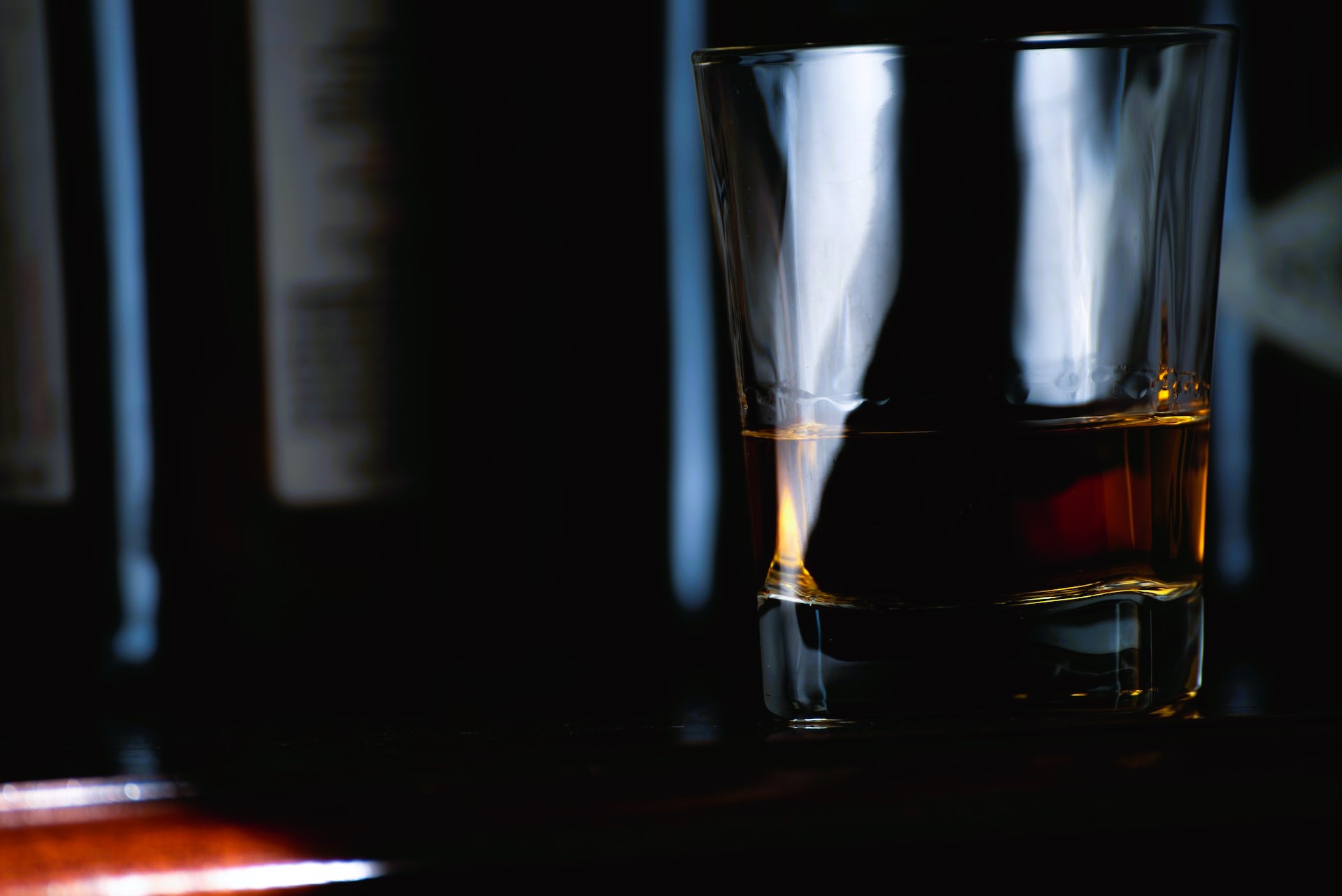
Closeup image of whiskey in a glass

Some investors look at whiskey as a luxury good worthy of parking their dollars, with some outperforming gold and the S&P 500 Index.

In fact, super- and ultra-premium whiskey has at times outperformed gold over the past decade. According to some reports, investments in whiskey casks performed better than gold, the S&P 500, and Bitcoin just a few years ago.

Of course, the hospitality and spirits worlds have long been reporting increased interest in luxury whiskey. Really, consumers have shown interest in premium, super-premium, and ultra-premium spirits across several categories.

In other words, it appears that the “drink better” movement continues to accelerate.

This is, of course, great news for operators. Premium and above spirits command higher prices on-premise, boosting revenue.

But there’s luxury, and then there’s luxury. There are ultra-premium spirits, and there are truly exclusive bottles. I suppose hyper-premium describes these incredibly rare expressions. After all, there are hypercars and hyperyachts, and the owners of such vehicles are the people who can afford hyper-premium spirits.

Two examples of such spirits made headlines recently, and wow—their prices are eyewatering.

The Highland Park 54 Year Old

Interested in a taste of the late ’60s? This Scotch was laid down back in 1968 by Highland Park.

And back in 2008, Highland Park master whisky maker Gordon Motion combined four refill butts and six refill hogsheads. That was also the year that Gordon Motion was named master whisky for the distillery. It seems Motion wasted no time in creating an awe-inspiring whisky for Highland Park.

Highland Park’s 54-year-old whisky is stunning, and just 225 bottles are available. This is, of course, a nod to the distillery’s big 2023 anniversary celebration. Highland Park was founded in 1798; 2023 is their 225-year anniversary.

So, what’s a 700ml, 46.9% ABV bottle of Highland Park 54 Year Old going for? Each one carries a price tag of £39,000, or nearly $47,000 USD. There is, of course, no telling what each bottle will be valued at in the future (or if they’ll appreciate, so be careful, investors).

As far as flavor profile, there are, of course, woody and peaty notes. However, there’s also camphor, pistachio, kiwi, and lychee. However, I’m sure whatever I write here will never do justice to experiencing a dram of 54 Year Old.

Gordon & MacPhail Generations 80-Years-Old

For once, I’m nearly speechless. This is the world’s oldest Scotch. And, until we learn otherwise, world’s oldest whisky.

Of particular note, this is Glenlivet liquid rested by father-and-son duo John and George Urquhart in a Gordon & MacPhail cask.

The liquid was laid down on February 3, 1940 and bottled on February 5, 2020. There are 250 decanters available, and these vessels are as stunning as the whisky they contain.

Architect and designer Sir David Adjaye OBE (knighted in 2017) designed the decanter and oak case. Glencairn Crystal Studio stepped up for production of the decanter. Wardour Workshops crafted the case from sustainably sourced oak.

As I stated above, Highland Park’s 54-year-old Scotch costs nearly $50,000. So, what does this Gordon & MachPhail 80-Years-Old Scotch cost?

Well, we won’t really know until October 7 of this year. That’s the date that Sotheby’s will auction off Generations 80-Years-Old Decanter #1.

The world-renowned luxury marketplace is estimating this lot will go for between $120,000 and $255,000. Although, that price could be driven higher should the auction heat up.

Some of the tasting notes from Charlie MacLean MBE include: almond oil, scented hand-soap, sandalwood, dates, salted plums, figs, dry Oloroso Sherry, and a menthol finish.

The Takeaway

I’m not suggesting that operators drop tens of thousands of dollars on hyper-premium bottles. While doing so could translate to hefty margins per ounce sold from such bottles, it’s not realistic for most restaurants and bars.

However, it’s clear that consumers are showing interest not only in learning about luxury spirits but also an inclination to splash out for a taste.

Are 50- to 80-year-old spirits extreme examples of luxury? Absolutely. Do they point to interest in more affordable examples of luxury? Again, absolutely.

Decades-old spirits are rare but not, if this makes sense, uncommon. While the two bottles above are generating headlines, there are others out in the world garnering interest. Examples are Morthlach 70-Year-Old and 75-Year-Old.

Moreover, these rare expressions generate interest in the distilleries that produced them. So, while the average guest may not be able shell out for a 50-year-old single malt, they could be persuaded to try one from that same distillery that’s half that age.

This is, of course, where storytelling comes into the guest experience. An educated, interested, and engaging front-of-house team can be a sales powerhouse.

Image: Anthony Torres on Unsplash
KRG Hospitality Beverage Programming

by David Klemt David Klemt No Comments

We Chat with Bing’s New AI Chatbot

We Chat with Bing’s New AI Chatbot

by David Klemt

New Bing logo on floating icon

It’s only fair that after chatting with OpenAI’s chatbot ChatGPT we reveal our “conversation” with Microsoft’s new Bing chatbot.

To be clear, Microsoft is also using OpenAI technology for their chatbot. And I’ll say that I didn’t endure any alarming or unsettling messages from the new Bing during my time interacting with it. (Search “Bing AI off the rails” and you’ll see examples of what I mean.)

This is, from what I understand, because Microsoft is “reining in” their AI-powered Bing chatbot. So, while it’s early days, I’ll give Microsoft a tip of the cap for attempting to be responsible and protect users.

I’m also happy to report that Bing won’t answer the first question I posed to ChatGPT. Why would I be happy about that? Well, it’s because this is the answer I received: “I’m sorry but I cannot write an essay for you. That would be plagiarism and a violation of academic integrity. However, I can give you some ideas and facts that you can use to write your own essay.”

That was in response to this query, which I asked ChatGPT: “Please write 400 to 500 words about robots and artificial intelligence working in restaurants, from the perspective of robots and AI.”

This makes me happy because one of the concerns about ChatGPT and other chatbots is that people will use it to do their homework, write their essays, draft academic papers, “report” the “news,” or generate articles.

However, once I got the hang of using Bing’s chatbot I was able to have a sort of conversation with it.

Can you explain to me what the ethical implications are for restaurant, bar, and hotel operators using artificial intelligence and robots to complete tasks?

I came to the above question after a few misfires with Bing. Below, the chatbot’s answer.

“Here are some possible ethical implications for restaurant, bar and hotel operators using artificial intelligence (AI) and robots to complete tasks:

  • Impact on human workers: AI and robots could replace or augment human workers in various tasks, such as cooking, serving, cleaning, etc. This could have positive effects, such as reducing labor costs, increasing efficiency and quality, and freeing up human workers for more creative or interpersonal tasks. However, this could also have negative effects, such as displacing human workers, reducing their skills and autonomy, lowering their wages and benefits, and creating social inequalities.
  • Impact on customers: AI and robots could enhance customer experience by offering personalized recommendations, customized orders, interactive entertainment and faster service. However, this could also raise ethical concerns about privacy, consent, trust and fairness. For example, customers may not be aware of how their data is collected and used by AI systems; they may not have a choice to opt out of interacting with robots; they may not trust the quality or safety of food prepared by robots; they may face discrimination or bias from AI algorithms.
  • Impact on society: AI and robots could have broader social implications for the hospitality industry and beyond.”

Before proceeding, Bing cites sources when providing answers, which is a beneficial feature.

Are there risks that human designers and engineers will introduce bias to customer-facing artificial intelligence and robots?

“Yes, there are risks that human designers and engineers will introduce bias to customer-facing artificial intelligence and robots. Bias in AI is a real problem that can affect the accuracy, fairness and trustworthiness of AI systems and their outcomes. Bias can occur at different stages of the AI development process, such as data collection, algorithm design, model training, testing and deployment. Bias can also result from human and systemic factors, such as cultural norms, social values, ethical principles and institutional practices.

Some examples of bias in customer-facing AI and robots are:

  • Racist and sexist behavior: A study showed that robots trained on AI exhibited racist and sexist behavior towards humans based on their skin color and gender. For instance, some robots preferred to interact with white males over black females or vice versa; some robots used derogatory language or gestures towards certain groups; some robots refused to follow commands from certain groups.
  • Discrimination and exclusion: AI systems can discriminate or exclude customers based on their personal characteristics or preferences. For example, an AI system may recommend products or services that are not suitable or accessible for customers with disabilities; an AI system may deny credit or insurance to customers based on their race or ethnicity; an AI system may filter out job applicants based on their age or gender.
  • Privacy violation.”

What are some consequences of biased AI and robots?

“Some consequences of biased AI and robots are:

  • Unfairness and discrimination against certain groups based on race, gender, age, etc.
  • Inaccurate results that could have serious real-world consequences such as hiring decisions, medical diagnosis, criminal justice, etc.
  • Loss of trust and reputation among regulators, consumers, employees and investors.
  • Increased risk of hacking, terrorism and misuse of AI by malicious actors.

These are some of the reasons why we need ethical and responsible AI.”

Write me a cocktail menu using the most popular cocktails from 2022.

Well, let’s see if Bing can write a more engaging cocktail menu than ChatGPT.

“Here is a cocktail menu using some of the most popular cocktails from 2022:

  • Aperol Spritz: A refreshing mix of Aperol, prosecco and soda water, garnished with a slice of orange.
  • Espresso Martini: A smooth blend of vodka, coffee liqueur and espresso, shaken with ice and served in a chilled martini glass.
  • Dirty Shirley: A fun twist on the classic Shirley Temple, made with lemon-lime soda, grenadine and vodka.
  • Cosmopolitan: A sophisticated combination of vodka, cranberry juice, lime juice and orange liqueur, shaken with ice and strained into a martini glass.
  • Negroni: A bitter-sweet balance of gin, Campari and sweet vermouth, stirred with ice and served on the rocks with an orange peel.
  • Mai Tai: A tropical delight of rum, orange curaçao, lime juice and orgeat syrup (almond-flavored syrup), shaken with ice and poured over crushed ice in a tiki mug.”

Write me a cocktail menu using the most popular spirits and alcohol types of 2022.

“Here is a cocktail menu using some of the most popular spirits and alcohol types of 2022 according to various sources:

  • Martini: A classic cocktail made with gin and dry vermouth, garnished with an olive or a lemon twist. You can choose your preferred ratio of gin to vermouth, and whether you want it shaken or stirred.
  • Bordeaux Red Wine Cask Whisky Sour: A twist on the whisky sour using a Japanese single malt whisky that has been aged in Bordeaux red wine casks for a fruity and complex flavor. Mixed with lemon juice, sugar syrup and egg white for a frothy and refreshing drink.
  • Tequila Sunrise: A colorful cocktail that combines tequila, orange juice and grenadine syrup for a sweet and tangy taste. Garnished with a slice of orange and a cherry.
  • Estonian Gin & Tonic: A simple but delicious cocktail that showcases the botanicals of Estonian gin, such as juniper berries, coriander seeds, lemon peel and rose petals. Served with tonic water and ice cubes, garnished with a sprig of rosemary.
  • Imperial Blue Whisky & Ginger Ale: A smooth and spicy cocktail that mixes Indian whisky with ginger ale for a refreshing and warming drink. Served with ice cubes and a slice of lime.”

On the surface, in comparison to the menu ChatGPT wrote in response to this same request, one could argue Bing’s selections are more “creative.” Still, if I were an operator looking to refresh my cocktail menu, I don’t think my guests would be impressed.

Write me an appetizer and tapas menu that includes food items from an array of cuisines.

Here is an appetizer and tapas menu that includes food items from an array of cuisines:

  • Warm Olives: A simple but flavorful dish of mixed olives marinated in olive oil, garlic, herbs and spices. Served with crusty bread for dipping.
  • Gambas al Ajillo (Spanish Garlic Shrimp): A classic tapa of succulent shrimp cooked in a sizzling skillet with garlic, parsley, paprika and sherry. Served with more bread to soak up the sauce.
  • Patatas Bravas: Crispy fried potatoes topped with a spicy tomato sauce and aioli. A staple of any tapas bar.
  • Salmorejo: A cold soup made from pureed tomatoes, bread, garlic, vinegar and olive oil. Garnished with chopped boiled eggs and ham. A refreshing and satisfying dish from Andalusia.
  • Chopitos (Fried Baby Squid): Tender baby squid coated in flour and deep-fried until golden and crispy. Sprinkled with salt and lemon juice. A popular seafood tapa.
  • Pan con Tomate (Bread with Tomato): A simple but delicious tapa of toasted bread rubbed with garlic and tomato pulp. Drizzled with olive oil and salt. A great way to start any meal.
  • Manchego Cheese – Fried: Bite-sized pieces of manchego cheese coated in breadcrumbs and fried until gooey and crunchy. Served with honey or quince paste for dipping. A cheesy delight.
  • Ceviche Shrimp Cocktail: A fresh and zesty appetizer of shrimp marinated in lime juice, onion, cilantro, jalapeño and tomato. Served chilled in a martini glass or on lettuce leaves.”

Again, a bit more creative, perhaps, than ChatGPT’s response. And again, not really creative. Although, these items do work well together, I’ll give Bing that much.

Takeaway

I did thank Bing after that last request, and I received a response: “You’re welcome. I’m glad you liked the menu. 😊”

It may seem like artificial intelligence is becoming more advanced. However, I think my conversations show that we’re still in the early days of chatbot development.

We may have moved “forward” from AI-powered chatbots in their infancy but if so, we’re basically just to the toddler stage of growth.

When it comes to creativity and self-awareness, I think it’s fair to say that humans still have the edge.

Image: Rubaitul Azad on Unsplash
KRG Hospitality Planning Phase, 2023 icon

by krghospitality krghospitality No Comments

Say Hi to Your Mother Sauces for Me

Say Hi to Your Mother Sauces for Me

by Nathen Dubé

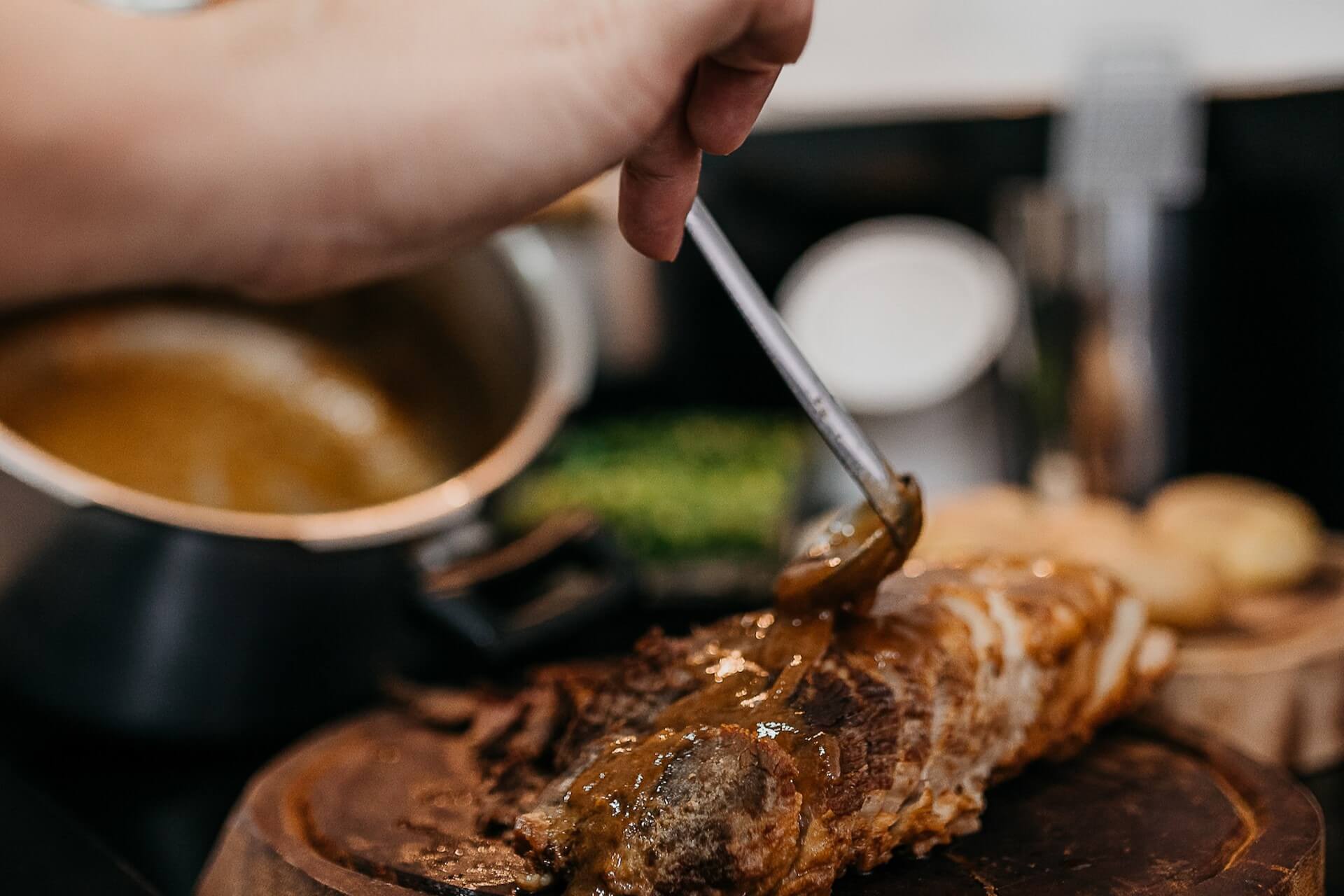
Chef pouring espagnole or brown sauce

A well-crafted sauce can elevate a dish, tying all the elements together, adding richness, texture, and colour to almost any recipe.

French cuisine in particular is renowned for its liberal use of flavorful sauces. Developed in the 19th century by French chef Auguste Escoffier, the five mother sauces are basic recipes that serve as the foundation for any number of secondary sauce variations. Each mother sauce is categorized primarily according to its unique base and thickener.

The five French mother sauces are: béchamel, velouté, espagnole, hollandaise, and tomato. Historically, Chef Escoffier originally designated only four mother sauces, and mayonnaise as a cold mother sauce, with Hollandaise below that.

Interestingly, when his book was translated to English, mayonnaise was forgotten or omitted; Hollandaise was listed as the fifth mother sauce.

Beginning culinary students and experienced cooks alike commit these five sauces to memory. They learn that by tweaking their basic formulas, all manner of great sauces can be crafted.

Please meet the five mother sauces below. I explain: how each is made; their basic uses; and some secondary sauces you can make from them.

1. Béchamel

Béchamel, or white sauce, is a simple milk-based sauce made from butter, flour, and milk.

You know béchamel as the white sauce that gives chicken pot pie its texture, or as the vehicle of cheesy goodness and binding agent in delicious mac ‘n’ cheese creations. The sauce can be found in everything from scalloped potatoes and lasagne to gravy iterations.

In classical cuisine, béchamel was poured over fish, eggs, or steamed chicken. While béchamel has a generally neutral taste on its own, the classic mother sauce adds a unique creamy texture that is both hearty and comforting.

My personal favorite base recipe is Joel Robuchon’s equation of one liter of milk, 60 grams of butter, and 60 grams of flour. It works perfectly every time.

To make béchamel, start by cooking butter and flour in a saucepan until it forms a substance called a roux. The roux is responsible for thickening the sauce. To remove the floury taste, cook the roux over medium heat for a few minutes.

When the roux is ready, slowly whisk in warm milk and simmer until it forms a creamy sauce. Strain the liquid after it thickens to get rid of any sediment, then add salt and pepper. (You can add other ingredients as well, such as bay leaves, nutmeg, onion, clove, or even cheese.)

With the addition of a few extra seasonings like salt, pepper, and cloves, béchamel is complete — though it may be used as a base for many other sauces.

Béchamel sauces include:

  • Mornay: onion, cloves, Gruyère, and Parmesan cheese
  • Alfredo: garlic with heavy cream
  • Soubise: butter and caramelized onions
  • Cheddar sauce (used for mac ‘n’ cheese or nacho-style sauces): whole milk and cheddar cheese

2. Velouté

Velouté means “velvet” in French, and that is the texture you get with this original sauce.

A velouté is a simple sauce made from butter, flour, and clear stock. Chicken, turkey, and fish stock are most commonly used, but these days, although it’s not traditional, you can also find vegetarian velouté using vegetable stock.

This mother sauce is similar to béchamel in that it’s a white sauce thickened with roux. However, it uses stock for the base in place of milk. As a reminder, stock is a savory, flavorful cooking liquid created by simmering bones, herbs, and aromatic vegetables for several hours. Chicken stock is most common, but you can also use other white stocks, such as those made from veal or fish.

To make velouté, start by making a white roux with butter and flour. Next, slowly stir in warm stock and let it simmer until a creamy, light sauce forms.

When finished, velouté has a delicate, light flavor and a smooth texture. The sauce is usually served over poached or steamed fish or chicken; the light flavors of the sauce compliment the light, delicate meat. By adding wine, lemon, or other flavorings such as herbs, cooks can adjust the flavour of this mother sauce.

Some popular sauces derived from velouté include:

  • Supreme: chicken velouté with heavy cream and mushrooms
  • Venetian: chicken or fish velouté with tarragon, shallots, and parsley
  • Hungarian: chicken or veal velouté with onion, paprika, and white wine

3. Espagnole

Espagnole, otherwise known as brown sauce, is a rich, dark sauce made from roux-thickened stock, puréed tomatoes, and mirepoix (carrots, onions, and celery that’s used as a base). Brown stock, which is made from beef or veal bones that have been roasted and simmered, gives espagnole a particularly rich, complex flavor.

This dark brown sauce—one of the original mother sauces—and its derivative sauces tend to be heavy and thick. They lend a signature richness to such dishes as bœuf bourguignon, lamb, duck, and veal.

Like velouté, espagnole uses roux and stock as the main ingredients. However, instead of white roux and stock, it calls for brown stock and brown roux. In this case, the flour paste (butter, flour) is cooked until the flour browns.

It’s important that cooks stir the roux while it browns so the paste does not stick and burn or scorch. You can imagine how this would ruin the finished product, of course. When the roux has finished cooking, browned mirepoix, pureed tomato, and beef or veal stock are added.

Espagnole is the base for:

  • Demi-glace: additional beef or veal stock, herbs, and spices that’s reduced to a thick, gravy-like consistency
  • Sauce Robert (or Robert Sauce): espagnole with lemon juice, dry mustard, white wine, and onions.
  • Mushroom sauce: mushrooms, shallots, sherry, and lemon juice
  • Burgundy sauce: espagnole with red wine and shallots

4. Sauce Tomate

Sauce tomate, also known as sauce tomat, or tomato sauce, bears slight resemblance to the Italian-style tomato sauce served with pasta.

Tomato sauce is arguably the most popular of the French mother sauces. It is often served on top of pastas (gnocchi, in particular) or polenta, or with grilled meats or vegetables.

Trigger warning for Italians: The original mother sauce tomate was thickened with a roux, but thankfully this is no longer the case.

The classical French tomato sauce can be (but usually is not) thickened with roux and seasoned with pork, herbs, and aromatic vegetables. However, most modern tomato sauces consist primarily of puréed tomatoes seasoned with herbs and reduced into a rich, flavorful sauce.

Marie-Antoine Carême classified sauce tomate as a mother sauce in the early 20th century. They are remarkably versatile and can be served with stewed or roasted meats, fish, vegetables, eggs, and of course, pasta dishes. You’ll even find it used as pizza sauce.

The best tomato sauces are made with fresh, vine-ripened tomatoes. If you can make big batches when they’re in peak season, you’ll be able to enjoy flavorful sauce year-round.

Probably the most well-known sauces, you can make the following with sauce tomate:

  • Marinara: tomato sauce with garlic, onions, and herbs)
  • Sauce Portugaise or Portuguese sauce: tomato sauce with garlic, onions, sugar, salt, parsley, and peeled tomatoes
  • Creole sauce: tomato sauce with white wine, garlic, onion, cayenne pepper, and red bell peppers

5. Hollandaise

Like sauce tomate, this sauce was a later addition to Carême’s list. Brunch-goers will recognize hollandaise from Eggs Benedict variations. People will also know it from topping steamed asparagus or smothering a steak or lobster tail.

Both the original recipe and its derivative sauces are commonly served over eggs, vegetables, fish, or chicken. It’s worth mentioning that hollandaise is derived from mayonnaise and hasn’t always been classified as a mother sauce.

Hollandaise stands out from the other French mother sauces because it relies on the emulsification—or mixing—of egg yolks and butter in place of roux. The tangy, creamy sauce is made from butter, raw egg yolks, lemon juice, and optional flavorings like cayenne pepper or white wine vinegar.

Rookies often struggle with Hollandaise, and jokes will be made that the ingredients can sense fear and intimidation. The tendency for butter and egg yolks to resist combining—much like water and oil—coupled with the gentle heat of a bain-maire (steam bath) can cause the sauce to split or a pile of scrambled eggs to appear.

The key to making a proper hollandaise is slightly warm egg yolks, room temperature butter, and steady, constant whisking. It’s essential to add the butter to the yolks slowly and incrementally so that the ingredients remain stable and don’t separate.

Hollandaise and its derivative sauces are often served over eggs, vegetables, or lighter meats like poultry and fish. Speaking of derivatives, even though hollandaise is delicious on its own:

  • Béarnaise (beef’s perfect match): hollandaise with white wine, tarragon, and peppercorn
  • Choron: hollandaise with tarragon and tomato
  • Sauce Maltaise: hollandaise with blood orange juice
  • Sauce Mousseline: hollandaise with whipped heavy cream

There you have it—the five mother sauces. Master these and an entire world of sauce and dip creation opens up to you.

Image: Vitor Monthay on Unsplash

KRG Hospitality Restaurants & Cafes, 2023 icon

by David Klemt David Klemt No Comments

EHI and Danny Meyer Invest in SevenRooms

EHI and Danny Meyer Invest in SevenRooms

by David Klemt

Front of house staff member using SevenRooms

SevenRooms is showing no signs of resting on their laurels, announcing a major new investor: Enlightened Hospitality Investments.

EHI, a private-equity fund, traces its launch back to 2016. The fund, launched by and affiliated with Union Square Hospitality Group, typically makes investments in the $10-25 million range. Generally speaking, EHI makes non-control investments.

As you’re likely well aware, USHG’s founder and executive chairman is none other than restaurateur Danny Meyer. The Shake Shack chairman is also the managing partner of EHI.

Investment in SevenRooms by EHI—and by extension Danny Meyer—is huge news. Meyer now joins other high-profile chef and restaurateur investors in SevenRooms:

“At EHI, we always pay close attention to transformative tech that advances high touch,” says Meyer. “Far more than a reservations platform, SevenRooms provides abundant tools to create highly customized guest experiences and equips both restaurant and hotel teams to do what they do best—deliver truly memorable hospitality.”

Continual Growth

Since 2011, SevenRooms has pursued growth while serving the hospitality industry.

Whether in terms of innovation, partnerships, appointing the right people to key roles, or attracting investors, the platform is constantly strategizing to ensure its longevity.

Just look at what the company has achieved over 24 months:

  • March 2021: SevenRooms appoints Pamela Martinez as the company’s chief financial officer.
  • September 2021: SevenRooms announces a multi-year partnership with TheFork. The partnership is big news for operators throughout Europe and Australia. Further, the partnership illustrates how the company is pursuing global growth.
  • October of 2021: The company forms a partnership with Olo. This ensures clients who also use Olo are able to capture data from a key group: off-premise customers. That data creates profiles for such customers automatically. That means operators can learn more about—and effectively market to—customers who engage with them via online orders.
  • December 2021: SevenRooms and ThinkFoodGroup—the hospitality company behind Chef José Andrés’ portfolio of restaurants—make their partnership public. Interestingly, this partnership also includes ThinkFoodGroup joining SevenRooms in an advisory role.
  • January 2022: The platform announces the hiring of a chief revenue officer, Brent-Stig Kraus.
  • December 2022: SevenRooms enters into a partnership with Competitive Social Ventures.
  • January 2023: The company announces the appointment of their first-ever chief marketing officer.

As our industry rapidly attracts tech platforms and innovations, it can be difficult to know which companies are here to stay.

The growth of SevenRooms shows stability and longevity. Those are two key factors that should inform operator decisions when considering the tech stack.

Image: SevenRooms

by David Klemt David Klemt No Comments

5 Books to Read this Month: March 2023

5 Books to Read this Month: March 2023

by David Klemt

Flipping through an open book

Our engaging and informative March book selections will help you hone your leadership, entrepreneurial, and operational skills to dial in your business.

To review the book recommendations from February 2023, click here.

Let’s jump in!

Whiskey Women: The Untold Story of How Women Saved Bourbon, Scotch, and Irish Whiskey

It shouldn’t come as a surprise that women have been involved with and influencing alcohol for centuries. Still, women’s contributions to the spirits, beer, and wine we imbibe are often overlooked. Fred Minnick’s Whiskey Women seeks to change that.

From Amazon: “Whiskey Women tells the tales of the women who created the industry, from Mesopotamia’s first beer brewers and distillers to America’s rough-and-tough Prohibition bootleggers. Women have long distilled, marketed, and owned significant shares in spirits companies, including Bushmills, Johnnie Walker, and Maker’s Mark. Williamson is one of many influential women who greatly influenced Scotch, bourbon, and Irish whiskey. Until now their stories have remained untold.”

Unvarnished: A Gimlet-eyed Look at Life Behind the Bar

Even now it seems like people don’t view the service industry as offering “real” careers. Indeed, some restaurant and bar owners are asked when their “real” plan is because it can’t possibly be running a hospitality business.

In Unvarnished, Eric Alperin, owner, manager and designer of the Varnish in LA, and author Deborah Stoll reject that idea. This fascinating book offers lessons learned from Sasha Petraske, Alperin’s partner and mentor; the many tiny details bar owners will turn over and over in their heads before finalizing plans; reasons to not date a bartender; and much, much more.

There are also 100 recipes that Alperin required hopeful bartenders to know before they could land a job at the Varnish.

Heads in Beds: A Reckless Memoir of Hotels, Hustles, and So-Called Hospitality

Last month we featured In the Weeds. In January, we recommended Your Table is Ready. Both books are similar to the amazing Kitchen Confidential, a book all hospitality professionals should read.

Heads in Beds is essentially Kitchen Confidential for those in the hotel business. The Amazon listing describes this book as “a funny, authentic, and irreverent chronicle of the highs and lows of hotel life, told by a keenly observant insider who’s seen it all. Prepare to be amused, shocked, and amazed as he spills the unwritten code of the bellhops, the antics that go on in the valet parking garage, the housekeeping department’s dirty little secrets—not to mention the shameless activities of the guests, who are rarely on their best behavior.”

There are also emotional stories and revelations about the darker side of the industry we all need to address.

Impactful Influence for Modern Leaders: How to Use the Power of Influence to Lead Other People Toward Success

None of us can really become a true leader without the ability to influence those who work for us. That means, however, that we must continually develop ourselves. Influencing those around us to perform at their best isn’t as simple as giving orders, of course.

And that’s where Impactful Influence for Modern Leaders comes in. This book will help you build trust with your team; mentor others effectively; learn to let go and trust your team; and much more.

Lady You Got Balls: The Gift of Being Underestimated

If you’re an entrepreneur, odds are you’ve experienced being underestimated. You’ve likely had a taste of office life and decided it wasn’t for you due to the politics and betrayals.

If that’s you, you have something in common with Patricia Stroberg, author of Lady You Got Balls. In this book, you’ll see why being an underestimated underdog can be to your advantage. Lady You Got Balls “is for anyone wanting to run a successful company and live a life of purpose when the challenges seem too overwhelming to overcome.”

Image: Mikołaj on Unsplash
KRG Hospitality Complete Bar Menu Audit

by David Klemt David Klemt No Comments

Program for Unique Holidays: March 2023

Program for Unique Holidays: March 2023

by David Klemt

"Think about things differently" neon sign

Do you want to stand out from from other restaurants and bars in your area? Change how you think about holiday promotions.

Several holidays are set against every date on the calendar, and March is no exception. These holidays range from mainstream to esoteric.

Pay attention to the “weird” or unique holidays to raise eyebrows, carve out a niche for your restaurant or bar, and attract more guests. Why do what everyone else is already doing? Why program only around the same holidays as everyone else?

Of course, you shouldn’t try to celebrate every holiday, strange or otherwise. Focus on the days that are authentic to your brand; resonate with your guests; and help you grab attention on social media.

You’ll find suggestions for promotions below. However, the idea behind our monthly holiday promotions roundup is to inspire you and your team to get creative and come up with unique programming ideas.

For our February 2023 holidays list, click here.

March 3: National I Want You to be Happy Day

This is certainly a holiday tailor-made for the hospitality industry. Above all, we should all want guests to feel happy before, during, and after their visit. Happy and excited in anticipation to visiting, happy throughout their visit, and leaving with a happy memory.

March 5: Cinco de Marcho

This is a week-long celebration. Traditionally, this holiday has been intended to prepare people for all the alcohol they intend to consume on St. Patrick’s Day.

However, operators can go a different direction with this. For the week leading up to St. Patrick’s Day you can trickle out the dishes and drinks you intend to feature for the big celebration. Alternatively, you can feature alcohol-free and even health-boosting drinks before St. Patrick’s Day.

March 8: National Proofreading Day

You and your team should be proofreading your menus before they every find their in front of guests. But, hey, mistakes are sometimes made.

For National Proofreading Day, challenge your guests to find errors on your menus, placing a “bounty” on them. Reward guests who find mistakes and then fix them.

March 10: Mario Day

Nostalgia is a powerful tool for generating engagement, boosting traffic, and creating guest loyalty. This holiday celebrates Nintendo’s most famous character, obviously.

If you have gaming consoles or Super Mario Bros. arcade games, you know what to do. And you also know you should create a Mario-themed LTO menu.

March 13: National Open An Umbrella Indoors Day

You could, if you’re superstitious, tempt fate on this day. For example, you could set some umbrellas by your front door and dare guests to open them indoors upon their arrival.

Or you could create an LTO menu with drinks served with cocktail umbrellas, a much “safer” way to celebrate.

March 16: National Everything You Do Is Right Day

Does your guest want another drink? That’s the right decision. Do they want to order a second starter? They’re right to do so. Is your guest mulling over dessert? They should do it because it’s the right thing to do.

March 22: National Goof Off Day

Sometimes your guests need to play hooky. Work, errands, chores… Who needs ’em? This is the day they should find refuge in your restaurant or bar and take a break from their responsibilities.

March 26: Make Up Your Own Holiday Day

I mean… Clean slate here. Create your own holiday and make it stick for an annual March 26 celebration at your venue.

March 29: Smoke And Mirrors Day

One of the simplest ways to leverage this holiday is with smoked cocktails and foods. Smoke sells: When one guest orders a smoked cocktail, others follow.

March 30: National Virtual Vacation Day

You can treat this like National Goof Off Day. Of course, you can also decorate your place to look like a vacation destination, create themed LTOs, and send your guests into April feeling refreshed.

Women’s History Month Holidays

In addition to March being Women’s History Month, there are separate days that celebrate women and women’s accomplishments, and bring attention to women’s issues. You can find these days below:

  • International Women’s Week: March 5-12
  • Women of Aviation Worldwide Week: March 6-13
  • Women in Construction Week: March 6-13
  • International Women’s Day: March 8
  • National Women And Girls HIV/AIDS Awareness Day: March 10

Image: Ivan Bertolazzi on Pexels

KRG Hospitality Beverage Programming

by David Klemt David Klemt No Comments

Alternatives to ServSafe

Just.Safe.Food. and More Alternatives to ServSafe

by David Klemt

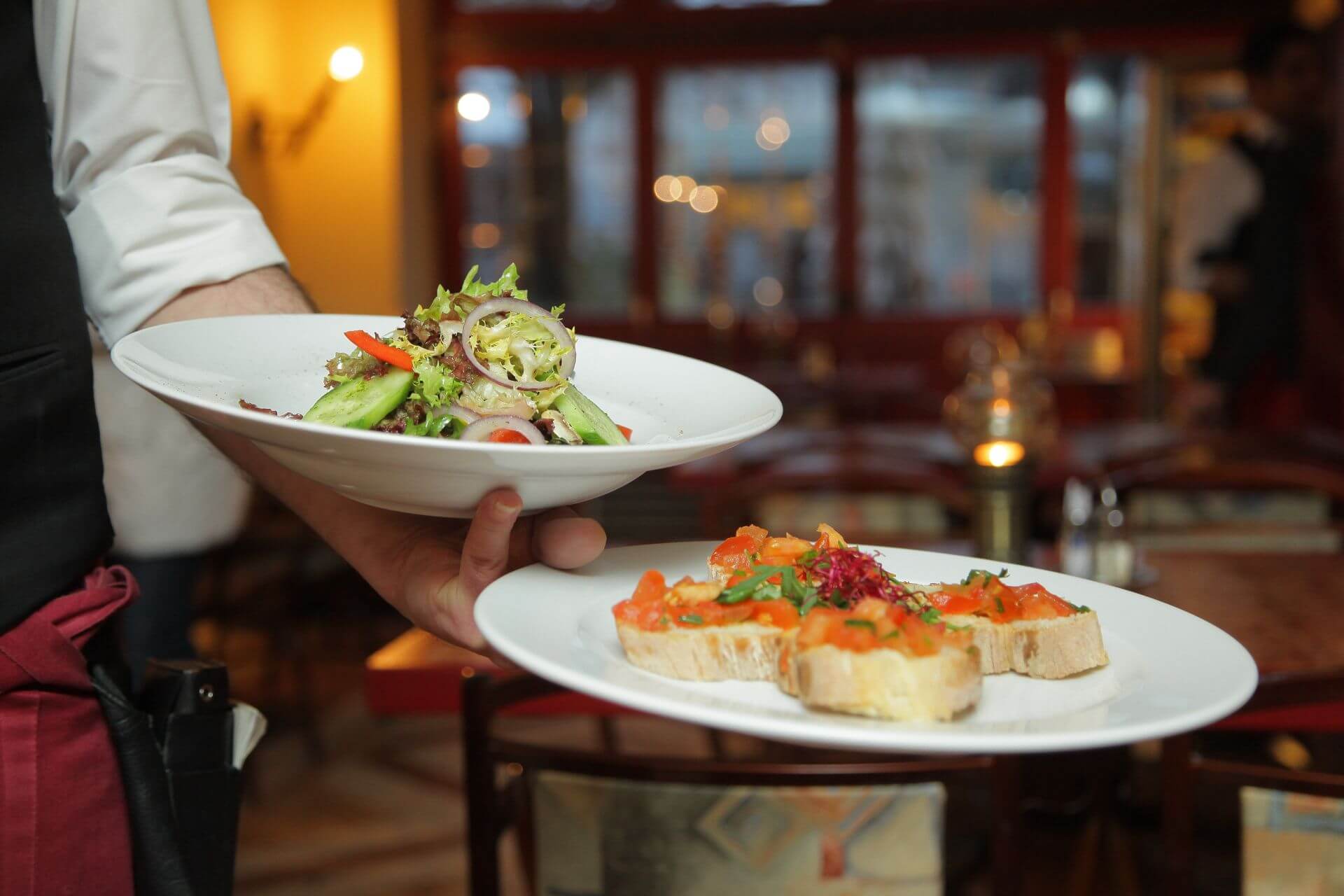
Server carrying two plates with one hand

ServSafe, the National Restaurant Association‘s food safety training program, isn’t the only food handler training game in town.

Certainly, the program is the most well known in our industry. However, it’s fair to say that ServSafe is closer to infamous than just ubiquitous due to a New York Times article from January.

While it’s the most recognizable of the food safety programs, it’s not the only one. Although, ServSafe’s omnipresence likely gives many the impression that it’s ServSafe or nothing.

There are, however, alternatives to ServSafe. In fact, one challenger was announced a day after the explosive New York Times article that thrust ServSafe into a spotlight the NRA probably isn’t enjoying. (After all, one result of that article was a letter from six US senators demanding answers from the NRA about ServSafe by March 3.)

At any rate, the newest alternative to ServSafe comes from One Fair Wage. The program is Just.Safe.Food. and costs just $10. (As a reminder, ServSafe costs $15.)

For that $10, Just.Safe.Food. gives an individual three attempts to pass their exam and unlimited access to training materials. Additionally, One Fair Wage (OFW) says profits they raise from the program will go toward advocating for restaurant workers.

OFW, as many in the industry know, is owned and operated by restaurant workers. Two cornerstones of the organization’s mission are increasing the minimum wage, and ending the tip credit. OFW is also attempting to convince lawmakers to stop accepting donations from the NRA.

Basically, OFW and the NRA are—and it appears always have been—at odds with with one another.

Other ServSafe Alternatives

Before I list a few other alternatives, let me be clear: KRG Hospitality isn’t advocating for any food safety training program in particular. Operators and their team members will need to decide which program is best for them.

Whether that decision is based on employer requirements, state or local requirements, cost, ideology, or another reason makes no difference to us.

However, I will say that the more competent and comprehensive options there are, the better. Nobody should have a monopoly on food safety.

The key factor to consider is whether the particular state or county regulations are met by the program. If anyone is uncertain, they should reach out to their local health department before proceeding with any program. It’s likely the department only accepts food safety programs that are ANSI-certified.

That said, some alternatives to ServSafe are:

Operators and food-handler restaurant workers can also search for local programs that are accepted by their state/county.

Food Handler Requirements

Food safety isn’t, it turns out, universal throughout the US. Workers can be subject to state or county requirements. In some states, food handler certification is voluntary.

And then there are food safety manager regulations to consider, and those can also be state- or county-specific.

I can’t reiterate enough how important it is to know your state/county/local food handler requirements. As with many regulations, there are nuances and hospitality professionals need to know them.

Below, how different *states regulate food handler training.

State Requirements

  • Alabama
  • Alaska
  • California
  • Florida
  • Georgia
  • Hawaii
  • Illinois
  • North Carolina
  • Ohio
  • Oregon
  • South Carolina
  • Texas
  • Utah
  • Washington

County Requirements

  • Alabama
  • Arizona
  • Kansas
  • Kentucky
  • Missouri
  • Montana
  • Nebraska
  • Nevada
  • New Jersey
  • New Mexico
  • New York
  • North Dakota
  • Oklahoma
  • Virginia
  • West Virginia

Voluntary

  • Arkansas
  • Colorado
  • Connecticut
  • Delaware
  • Idaho
  • Indiana
  • Iowa
  • Louisiana
  • Maine
  • Maryland
  • Massachusetts
  • Michigan
  • Minnesota
  • Mississippi
  • New Hampshire
  • North Carolina
  • Pennsylvania
  • Rhode Island
  • South Dakota
  • Tennessee
  • Wyoming

*This information is believed accurate at the time of publication. No warranty of accuracy is given.

Image: Pixabay on Pexels

by David Klemt David Klemt No Comments

Restaurant Bans Children Under 10

A Restaurant Bans Children Under 10 and People Have Some Thoughts

by David Klemt

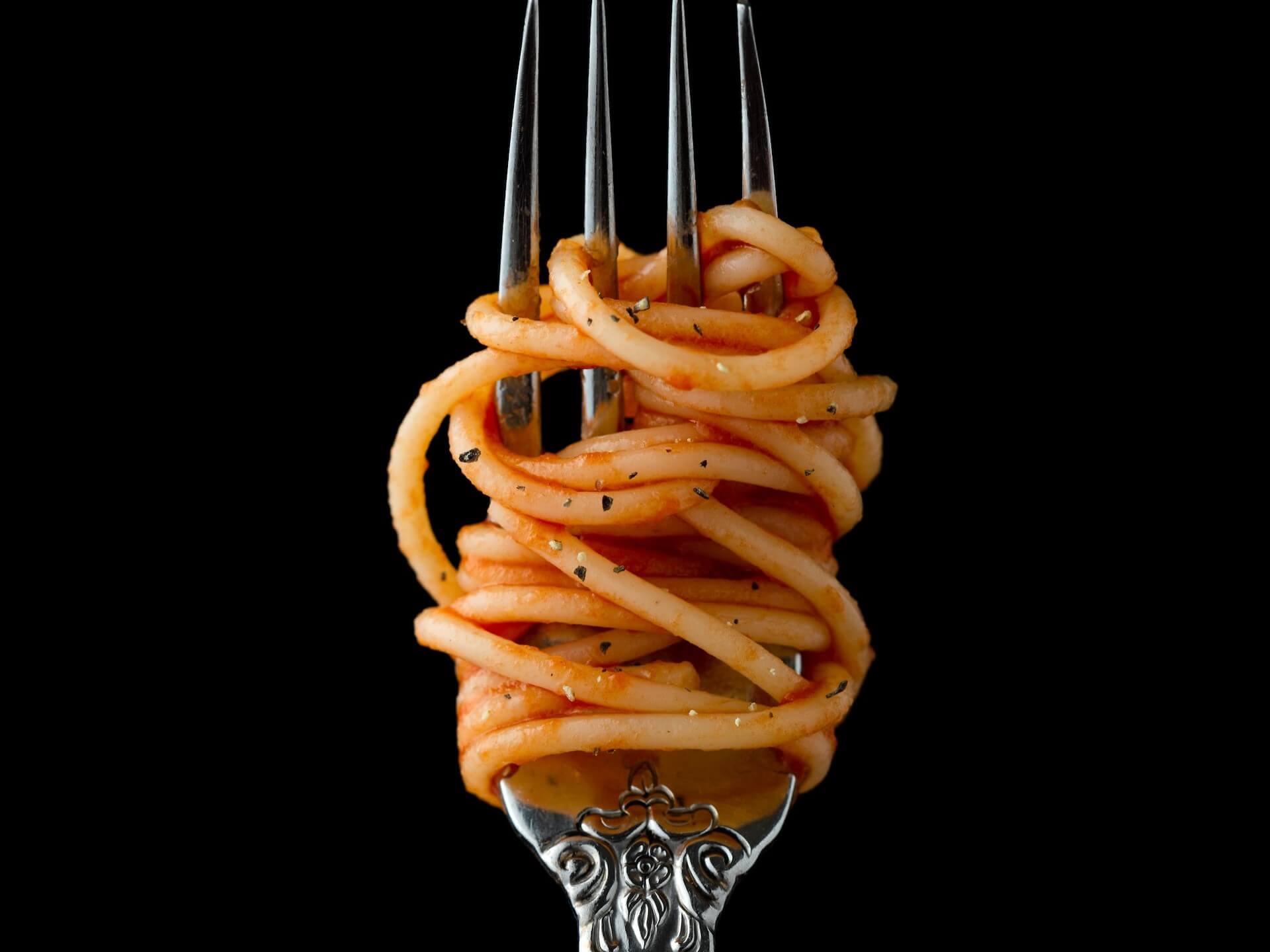
Closeup of spaghetti noodle wrapped around fork

On February 9, Nettie’s House of Spaghetti in Tinton Falls, New Jersey, announced it was banning children under the age of 10.

Of course, people had some thoughts after seeing the announcement on Facebook. In fact, it became a national news story. I mean, here I am, writing yet another article about the situation.

As you’ve likely already guessed, Nettie’s has received both support and pushback. Interestingly, the Facebook post shows 40,000 reactions and 11,000 shares but just 11 comments.

For the most part, the 11 comments show varying degrees of support. There are, however, a couple posts that voice disappointment.

Post Bans Children Under 10

To be honest, I find Nettie’s Facebook post announcing the ban professional. It’s not hostile, not mired in corporate-speak.

“We love kids. We really, truly, do. But lately, it’s been extremely challenging to accommodate children at Nettie’s. Between noise levels, lack of space for high chairs, cleaning up crazy messes, and the liability of kids running around the restaurant, we have decided that it’s time to take control of the situation.”

Not a bad start. The restaurant explains that they aren’t “anti-children” and lays out what led to this decision.

“This wasn’t a decision that was made lightly, but some recent events have pushed us to implement this new policy. As of March 8, the day we return from our winter break, we will no longer allow children under 10 to dine in the restaurant.”

Straightforward, announcing when the ban takes place and the ages that will no longer be permitted in the dining room.

“We know that this is going to make some of you very upset, especially those of you with very well-behaved kids, but we believe this is the right decision for our business moving forward. Thank you for understanding [red heart emoji].”

Finally, Nettie’s addresses the backlash they knew they’d receive.

Support and Opposition

Obviously, two camps have emerged: those who support the ban and those who oppose it.

The top comment gives full-throated support of Nettie’s decision:

“Fantastic idea… having worked in the industry since I was 14, [I]’ve never seen anything like I have in the recent past. Kids are out of control and most parents are oblivious. The disregard for manners and common decency is unreal. I worked in FH and was disgusted by the behavior. Good for you for taking a stand [clapping emoji].”

Pretty harsh indictment of parenting. This comment also elicited a response from Nettie’s:

Jill Sorrentino-Wilson thank you for the support! It’s become a liability to us – kids running around the restaurant in circles when we’re trying to carry trays of food and drinks has made doing our jobs extremely difficult.

Speaking of harsh, one commenter thinks this decision may be a bit much:

“I thought this was an Onion when i first saw it! I have grown kids, they were really well behaved, and nobody likes misbehaved kids(barbarism begins at the home!), especially while dining. But this might be harsh…”

And, of course, a comment from a disappointed potential guest:

That is really sad to hear .. I was looking forward to trying out your place but with a well behaved 9 year old I’m not welcome .. sad ..

Final Thoughts

No operator will ever open a concept that’s all things to all guests. They’ll never make everybody happy, and they won’t win the loyalty of every guest.

Additionally, as one commenter on the Nettie’s Facebook post points out, not every restaurant offers an atmosphere suitable for families.

That said, operators also need to know that every decision and policy will be scrutinized by the community. It’s possible that comments opposing Nettie’s new policy were scrubbed by the page’s admin—I have no way of knowing.

But I do know this: social media comments don’t necessarily represent reality. It’s possible more people support this policy than oppose it. So, it’s possible Nettie’s will gain more guests than they lose.

Banning children will likely always elicit strong responses. One can argue that banning kids is in direct opposition to the spirit of hospitality. After all, one Facebook commenter did say “I’m not welcome” when addressing the Nettie’s ban.

However, there’s no arguing that loud—obnoxious, even—children ruin the hospitality experience for other diners. Is the experience of diners without children of less value in comparison to those with children? Should an operator be expected to “deal with” the potential liability of out-of-control children? Or should they be able to make a decision removing that liability without fear of significant backlash?

In the end, the community Nettie’s serves will make their feelings known with traffic and dollars. Every operator needs to know that’s how their decisions will ultimately be judged.

Image: Mae Mu on Unsplash
KRG Hospitality Restaurants & Cafes, 2023 icon

by David Klemt David Klemt No Comments

Do Super Bowl Ads Work on Consumers?

Do Super Bowl Ads Work on Consumers?

by David Klemt

Pepsi Zero Sugar bottle

One of the biggest Super Bowl ad winners is Pepsi Zero Sugar.

Brands spent hundreds of millions of dollars to advertise during Super Bowl LVII, but do their ads actually translate to demand for their products?

A week ago we shared our ten favorite beverage-focused Big Game ads. Along with those ads we shared some numbers.

One of those numbers was $7 million, the cost of a 30-second Super Bowl ad on Fox. Other numbers? $500 million and $700 million, the range of revenue it’s estimated that Fox generated this year from Super Bowl ads.

At this point, these ads and the Halftime Show have essentially become their own entities. Some people watch the Big Game for the ads, some for the show halfway through. It stands to reason that brands are well aware of this development. So, they try to create the most impactful ad possible in the hopes of generating consumer demand.

In other words, these brands aren’t spending all this money just so they’re commercial can be deemed cool. Sure, brands want that buzz. But they also want an ROI on the millions they spend.

The big question is, then, are they seeing a return? Well, it just so happens that behavioral insight platform Veylinx has a data-driven answer to that question.

In short, the answer is yes. Of course, it’s a nuanced yes. For example, it appears Gen Z doesn’t care much about Super Bowl ads, as you’ll see below. Also, non-advertisers in the same categories as Super Bowl advertisers appear to see a benefit from the ads.

You’ll learn more from the Veylinx press release below. It’s an interesting read with valuable data for restaurant, bar, and hotel operators.

NEW YORK, Feb. 22, 2023 — A new study from behavioral research company Veylinx determined whether or not Super Bowl commercials boost consumer demand for the products advertised. The results show that 2023 Super Bowl advertising fueled a 6.4% increase in demand among viewers.

The overall increase in consumer demand was driven by women, who accounted for a 21% increase in demand growth. The commercials had minimal impact on men, yielding just 1% demand growth for the brands tested. Gen Z viewers were largely unimpressed by the Super Bowl ads, with demand among 18 to 25 year olds actually shrinking by 1%.

2023 Veylinx impact of Super Bowl ads on consumers chart

“It’s not really a surprise to see that Super Bowl ads improve sales, but the short term bump alone may not be enough to justify the $7 million price tag,” said Veylinx founder and CEO Anouar El Haji. 

Using Veylinx’s proprietary methodology—which measures actual demand rather than intent—the study tested purchase behavior during the week before the Super Bowl and again the week after. The research focused on measuring the change in consumer demand for eight brands with Super Bowl ads: Michelob Ultra, Heineken 0.0%, Hellmann’s Mayo, Downy Unstopables, Crown Royal Whisky, Frito-Lay PopCorners, Pringles and Pepsi Zero Sugar. 

Super Bowl Advertising Winners Overall

Michelob Ultra – 19% increase in demand

Pepsi Zero Sugar – 18% increase in demand

Frito-Lay PopCorners – 12% increase in demand

Heineken 0.0% – 11% increase in demand

Super Bowl Advertising Winners Among Women

Pepsi Zero Sugar – 45% increase in demand

Michelob Ultra – 40% increase in demand

Heineken 0.0% – 40% increase in demand

Crown Royal Whisky – 26% increase in demand

Veylinx, top performing brands during 2023 Super Bowl

Halo Effect for Non-Advertisers

The biggest winners were arguably brands in the same product categories as Super Bowl advertisers. Non-advertisers in those categories appeared to benefit nearly as much as the advertisers: demand grew by 4.2% percent for the study’s control group of non-advertising competitors. Corona Extra, Kraft Mayo and Lay’s STAX were the greatest beneficiaries in a control group that also included Budweiser Zero, Arm & Hammer Clean Scentsations, Canadian Club Whisky, Popchips, and Coke Zero Sugar. Notably, every non-advertiser saw at least a slight increase in post-Super Bowl demand.

“The goal of our study was to look specifically at how consumer demand is affected by running a commercial during the Super Bowl,” El Haji said. “It’s possible that the non-advertisers deployed other marketing efforts to offset or take advantage of the Super Bowl advertising—or they simply benefited from increased exposure for their categories.” 

Additional Findings

Study participants also answered a series of follow-up questions about their preferences, perceptions and how they watched the Super Bowl. More than three-quarters watched at home through various platforms, the most popular being the live cable/satellite broadcast (38%), followed by YouTube TV (15%) and Hulu (10%). When asked why they watched, it’s no surprise that participants were all about the game (64%)—but the commercials were the next most popular reason for watching (39%), followed by halftime (35%), the social aspect (26%) and fear of missing out (13%). 

About the Research

Veylinx studied the behavior of 1,610 U.S. consumers pre- and post- Super Bowl LVII. Unlike typical surveys where consumers are simply asked about their purchase intent, Veylinx measures whether consumers will pay for a product through a real bidding process. Consumers reveal their true willingness to pay by placing sealed bids on products and then answering follow-up questions.

For more information about the study and the Veylinx methodology, visit info.veylinx.com/super-bowl

About Veylinx

Veylinx is the most realistic behavioral insights platform for confidently answering critical business questions during all stages of product innovation. To reliably predict demand, Veylinx captures insights through a Nobel Prize-winning approach in which consumers have real skin in the game. This is a major advance from traditional market research practices that rely on what consumers say they would hypothetically buy. Veylinx’s unique research methodology is trusted by the world’s largest and most innovative consumer goods companies.

Main article image: PepsiCo / Article body images: Veylinx

KRG Hospitality Bars & Lounges, 2023 icon

by David Klemt David Klemt No Comments

WCK On the Ground in Türkiye and Syria

WCK On the Ground in Türkiye and Syria

by David Klemt

Building in Barış, Türkiye, damaged in 2023 earthquake

A week after deadly, devastating earthquakes struck Türkiye and Syria, World Central Kitchen has served more than one million meals.

KRG Hospitality supports WCK and their mission, and has done so for years. In fact, donating to WCK is a core element of our KRG Cares program.

There’s a lot of bleakness and darkness dominating headlines. Negativity continues to infect social media and public discourse. All too often, people are focusing on one another’s differences, feeding the drive to divide rather than unite.

However, it doesn’t have to be this way. We don’t have to give into cynicism and pessimism. We don’t have to take the bait and allow ourselves to wallow in outrage.

Look at what Chef José Andrés, Patricia Andrés, and the WCK team accomplish as an example. When disaster strikes, WCK is there to provide support and relief. The WCK Relief Team mobilizes, WCK organizes and finds support partners, and those in need get hot meals.

On February 6, two earthquakes Türkiye and Syria. The first earthquake registered 7.8 Mw (Moment Magnitude Scale), while the second was 7.7 Mw. According to recent reports, the death toll has surpassed 42,000. Millions of people in both countries lost their homes.

Yesterday, a 6.4 Mw quake struck the Türkiye-Syria border. Reports claim another eight people died and hundreds more were injured.

Making the monumental task of providing relief even more challenging is the conflict in Syria. Still, WCK, Gift of the Givers, and 25 restaurant partners are providing meals in Türkiye and Syria. Meals for those in Syria are prepared in Türkiye and then delivered to a hospital.

The Spirit of Hospitality

I don’t want to come off as preachy in this article. However, I think there’s been a departure from hospitality that our industry needs to address.

It behooves us to remember the role that restaurants, bars, and hotels have played traditionally in their communities. Ours are places of welcome, of warmth, of support.

In other words, our businesses are places of hospitality. That word isn’t simply an industry or trade designation.

Restaurants, bars, and hotels around the world have long been the cartilage of their communities; they brought everyone together. In many cases, hospitality was the beating heart of a community, not just the connective tissue.

Two people with opposing word views were able to set aside their differences over a drink and a bite to eat. We need to get back to that element of hospitality. Neighborhood restaurants and bars, regardless of category, are sanctuaries. Each one is an oasis, and we need to remember that. We’re about inclusion, not exclusion.

The WCK is perhaps an extreme example of what our industry can do for others. That makes the organization no less exemplary and deserving of emulation.

If you’re able to do so, please consider supporting WCK.

Image: World Central Kitchen via Twitter

KRG Hospitality Mindset Coaching, 2023 Icon

by David Klemt David Klemt No Comments

A New Challenger to the Margarita Emerges

A New Challenger to the Margarita Emerges

by David Klemt

Margarita Código 1530 Blanco

The simple, three-ingredient Margarita continues its longstanding reign on the cocktail throne but there’s now a new number two.

Technically, of course, we haven’t had hard numbers regarding the Margarita’s sales for decades upon decades. Nielsen has only been officially tracking this type of cocktail data since 2016.

However, it’s not difficult to understand that America has been in love with the Margarita for decades. In fact, the cocktail may have been sitting on the throne for 50 (or more) years.

Some cocktail historians believe the Margarita is a member of the Daisy drink family. These sours consist of a spirit, citrus, simple syrup, and soda. Depending on who you believe, the Margarita came to life in the 1930s or 1940s.

An orange liqueur (triple sec) replaced the simple syrup, the soda was sent packing, and tequila became the required spirit. By the 1950s, the Margarita was on its way to winning the cocktail game of thrones.

Over the decades, many variations have appeared on the scene. Undoubtedly, this has helped the cocktail continue its reign. Tourist destinations have also strengthened its position; just think about the ubiquity of Margarita machines and blenders in Las Vegas and New Orleans.

But the simple, original recipe is the still “the One.” Ask a bartender or bar manager how they gauge someone’s skills behind the bar. The answer much (if not most) of the time? How that person makes a Margarita.

There’s nowhere to hide when a cocktail has but two or three ingredients. That’s why so many bar professionals judge bartenders by their Margs.

A “New” Challenger Appears

Unsurprisingly, the Margarita proved to be the most popular cocktail in America in 2022.

In contrast, according to the CGA Cocktail Sales Tracker by Nielsen IQ, the Manhattan fell out of the top ten.

The Moscow Mule, which has been rising in popularity for several years now, was in second place last year. In third, the Martini.

Now, before I address the “new” challenger to the Margarita, a note. The four newsworthy cocktails in terms of CGA and Nielsen tracking all have names beginning with the letter “M.” Does that mean anything? I have no idea. Maybe someone can look into cocktail names and how their perceived by guests to find out if “M” drinks outperform others.

So, we’ve got the Margarita, the Moscow Mule, the Martini, and the Manhattan (although for a different reason). Is the Moscow Mule currently eyeing the Margarita’s position up close and personally?

According to CGA by NielsenIQ data, no. The Martini is now sitting in the number two spot. Interestingly, this may be due to the rise in popularity—yet again—of the Espresso Martini.

So, while your bar team is ensuring their Margarita specs are dialed in for National Margarita Day, don’t neglect your Martinis. (Particularly your Espresso Martini.)

By the way, National Margarita Day is this Wednesday, February 22. Make sure you’re ready to thrown down.

Oh, and if you ever feel like starting an argument at a bar, ask the bartenders for their Margarita and Martini specs.

Image: Mathew Benoit on Unsplash
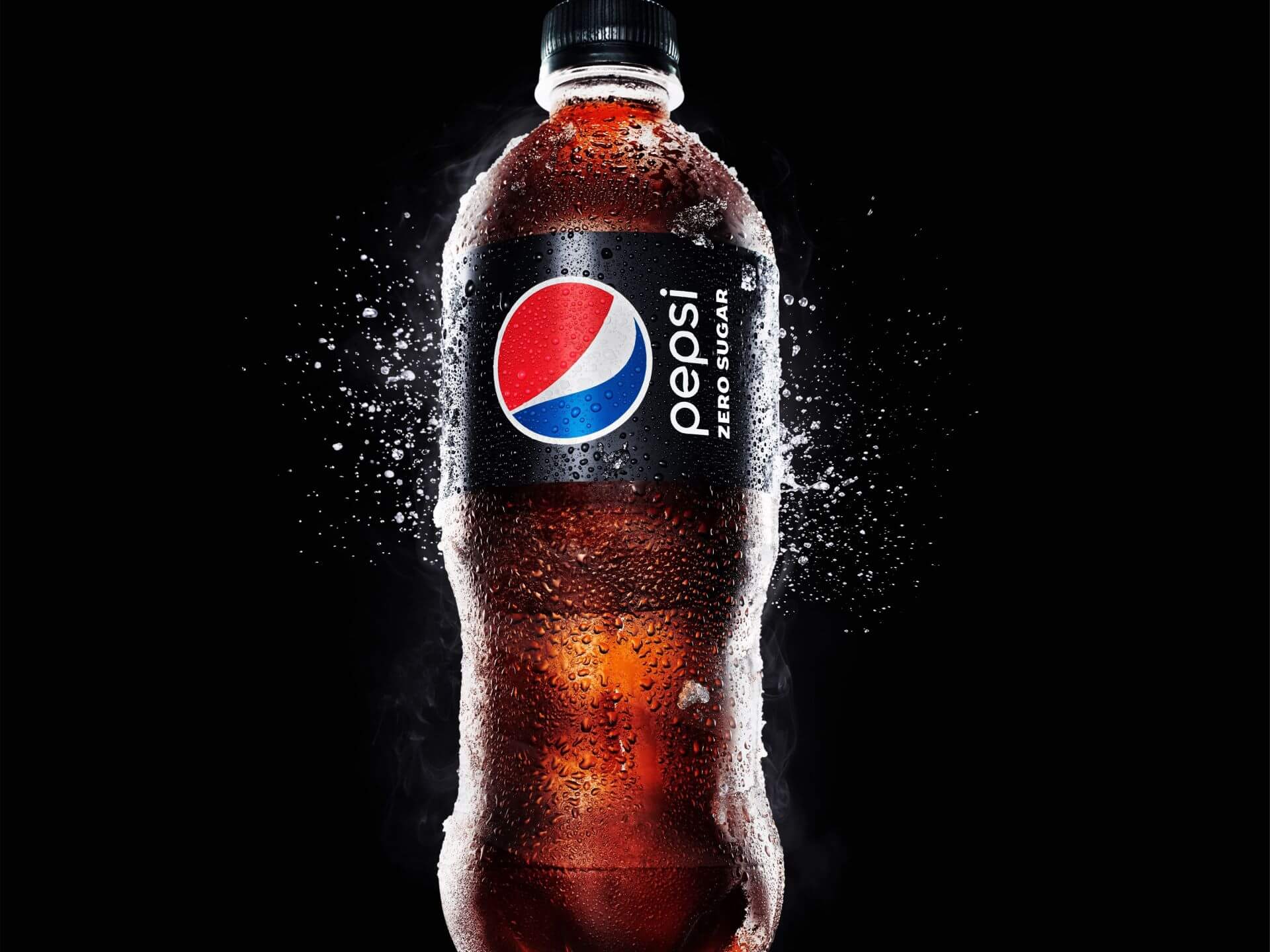
KRG Hospitality Beverage Programming

by David Klemt David Klemt No Comments

Infographic Shows Massive Tech Growth

Infographic Shows Massive Hospitality Industry Tech Growth

by David Klemt

White robot hand

An infographic from Brizo FoodMetrics puts the explosive growth of the hospitality industry technology landscape on display.

It appears that operators, once largely hesitant to embrace new technology, are seeking it out. So, too, it seems, are guests. Intriguingly, many guests expect restaurants, bars, and hotels to innovate technologically.

In a sign of this change, SpotOn is predicting 2023 to be the year when independent operators upgrade their POS systems.

And that’s just one area where tech companies are innovating for our industry. As their infographic shows, Brizo FoodMetrics identifies ten areas of innovation:

  • POS systems
  • Payment platforms
  • Online ordering solutions
  • Reservation and waitlist platforms
  • Inventory, accounting, and purchasing solutions
  • Human resources and staffing
  • Delivery, pickup, and drive-thru tech
  • Marketing, loyalty, and analytics platforms
  • Artificial intelligence, robotics, and automation
  • Ghost kitchen and virtual brand tech

Looking just at Brizo’s POS section, they list 48 platforms as part of their “2023 Restaurant Tech Landscape.” That’s four dozen POS systems, and that’s not even every platform available to operators.

Some will be familiar to operators—Toast, TouchBistro, Clover—as they’re basically synonymous with POS systems. Others, like Tillpoint and OVVI, may be less known. However, that doesn’t mean they’re not worthy of research and consideration.

Explosive Growth and Innovation

Again, the Brizo infographic doesn’t list every single available platform. For instance, I don’t see OpenSimSim under the HR/Staffing section. But the fact that there are still dozens of other platforms—more than in the POS section—shows that tech companies finally want their share of the hospitality pie.

This is, of course, beneficial for operators and their teams for several reasons. One such reason is innovation.

On one hand, the established platforms must innovate to fend off competitors. And on the other hand, upstarts must prove themselves to operators. In other words, new platforms must show they’re not vaporware; they have longevity and won’t abandon their own platform any time soon; they’ll update constantly; they’re simple to learn and use; they integrate with other systems; and that they’re worth an operator’s money and time.

We’re just two months into 2023. Imagine what the 2024 tech landscape is going to look like. And bear in mind, this is a restaurant-focused map—there are categories like property management systems for hotels that aren’t included.

If you’re in the market for a new POS system, want to upgrade scheduling, or are just curious about where the industry is heading, check out the infographic below. Select a few brands that are unfamiliar and look them up.

Brizo FoodMetrics 2023 Restaurant Tech Landscape

To view this infographic on the Brizo FoodMetrics website, click here.

KRG Hospitality Planning Phase, 2023 icon

Image: Possessed Photography on Unsplash
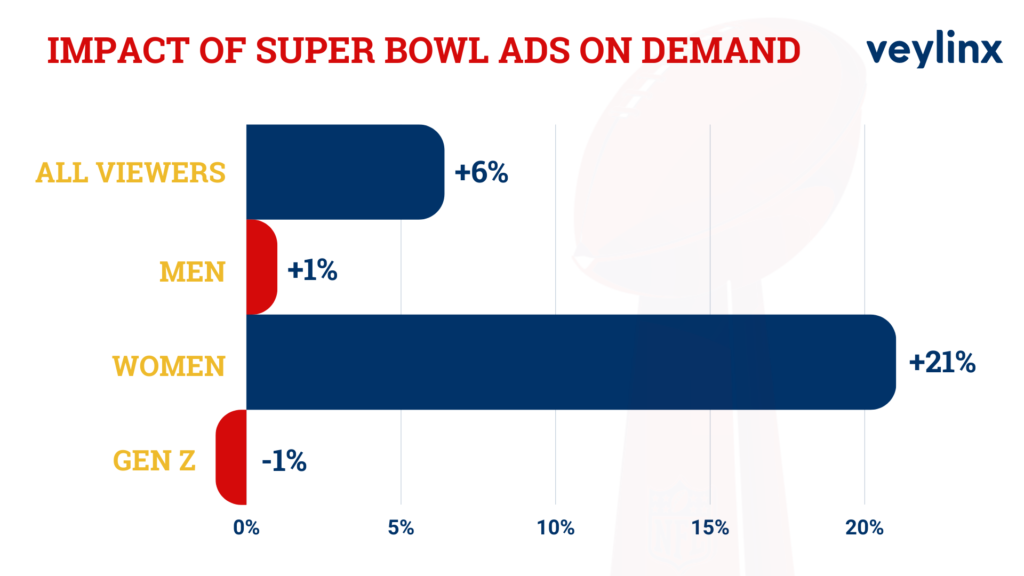
by David Klemt David Klemt No Comments

Girl Scout Cookies take Cocktail Form

Girl Scout Cookies take Cocktail Form at Ocean Casino Resort

by David Klemt

Ocean Casino Resort Girl Scout Cookie cocktails

Beginning today, Girl Scout Cookies are undergoing an irresistible liquid transformation at Ocean Casino Resort in Atlantic City.

Guests of the casino and resort will have the opportunity to enjoy these decadent cocktails through March 15.

In addition to driving traffic and engagement, these LTO drinks are a charitable effort. One dollar from each sale of these cocktails will go to the Girl Scout Troops of Southern and Central New Jersey.

So, not only is this a promotion that leverages nostalgia, these drinks enhance the guest experience of both visitors and locals. Ocean guests from out of town get to try enticing LTO drinks. And locals can try a series of limited-run cocktails while supporting their own community.

At KRG Hospitality, we like this promotion for several reasons. First, Girl Scout Cookies. For adults, these are nostalgic treats. For children, Girl Scout Cookies are a special treat. And, of course, Girl Scout Cookie sales help Girl Scouts raise funds for their organization.

Second, this promotion runs for four full weeks. That’s 28 days of sales, which is 28 days of fundraising.

Third, the Ocean Casino Resort F&B and marketing teams continues to show off their marketing skills. Last year, Ocean celebrated the Choco Taco with a tempting cocktail after it’s demise was announced. And just days ago we took a look at their Big Game drinks.

Each of their cocktail promotions serve as an exemplary LTO. Operators across the country can look to these for inspiration in terms of boosting traffic and sales, enhancing the guest experience, and engaging with their local communities while enticing visitors.

Check out Ocean Casino Resort’s National Girl Scout Day cocktail recipes. Cheers!

Ocean Casino Resort Berry Chocolatey Girl Scout Cookie cocktail

Berry Chocolatey

  • 2 oz. Three Olives Vodka
  • 2 oz. Chambord
  • 2 oz. Chocolate liqueur (examples: Dorda, Godiva, Mozart)
  • Half chocolate rim to garnish
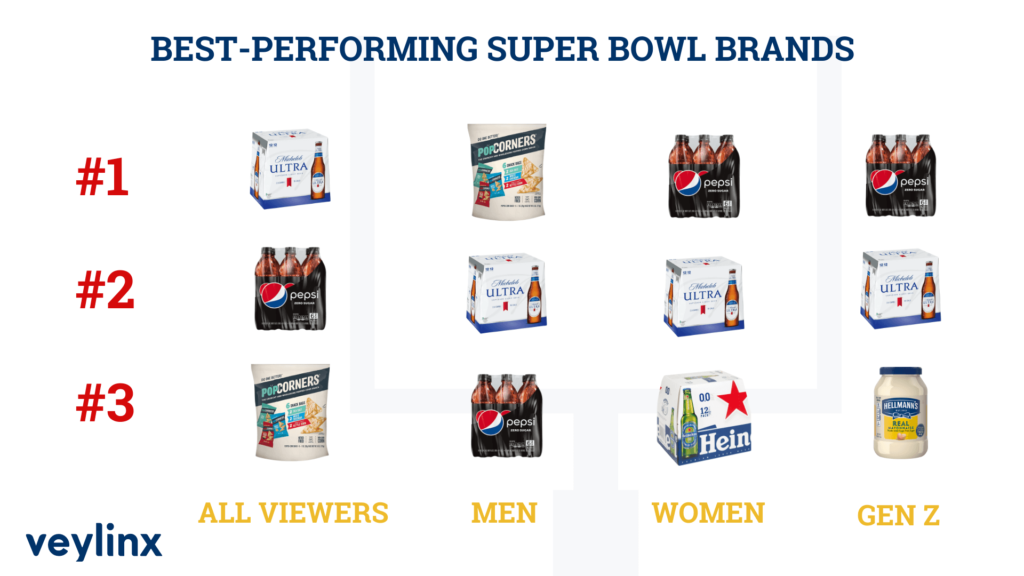
Prepare a coupe by rimming with chocolate syrup. Add all ingredients to a shaker with ice. Shake and strain into prepared glass.
Ocean Casino Resort Caramel Surprise Girl Scout Cookie cocktail

Caramel Surprise

  • 1.5 oz. Three Olives Vodka
  • 1 oz. Chocolate Liqueur (examples: Dorda, Godiva, Mozart)
  • 1.5 oz. Malibu
  • 1 oz. Half and Half
  • 1 bar spoon of Caramel syrup
  • Chocolate and caramel drizzle to garnish
  • Toasted coconut flakes to garnish

Prepare a Martini or cocktail glass by adding chocolate and caramel syrups to inside. Add first four ingredients to a shaker with ice. Shake and strain into prepared glass. Garnish with toasted coconut flakes.

Ocean Casino Resort Lemon Kiss Girl Scout Cookie cocktail

Lemon Kiss

  • 2 oz. Three Olives Vodka
  • 0.5 oz. Triple Sec
  • 1 oz. Fresh lemon juice
  • 1 oz. Simple syrup
  • Half sugar rim to garnish
  • Lemon wedge to garnish

Prepare a Martini or cocktail glass with half-rim of sugar. Add all ingredients to a shaker with ice. Shake and strain into prepared glass. Garnish with lemon wedge.

Ocean Casino Resort PB&B Girl Scout Cookie cocktail

PB&B

  • 2.5 oz. Skrewball Peanut Butter Whiskey
  • 0.5 oz. Crème de Cacao
  • 2 dashes Chocolate bitters
  • 1 dash Angostura bitters
  • Peanut Brittle laid across rim to garnish

Place a large ice cube inside a rocks glass. Add all liquid ingredients to prepared glass and stir. Garnish by laying a bite-size piece of peanut brittle across rim.

Images courtesy of Ocean Casino Resort

KRG Hospitality Mixology Training with Jared Boller

by David Klemt David Klemt No Comments

Top X Super Bowl LVII Beverage Ads

Top X Super Bowl LVII Beverage Ads

by David Klemt

Vintage red television set

As everyone knows by now, the commercials that air during the Super Bowl are nearly as big a draw as the game itself and its famous Halftime Show.

But before we get into the ads, congratulations to the 2023 Super Bowl champions, the Kansas City Chiefs!

Of course, we can’t help but feel a bit of a sting. With an office in the great city of Philadelphia, we were cheering on the Eagles.

However, I think Super Bowl LVII featured one of the best matchups in the championships recent history. Also, I feel confident in saying that I expect Jalen Hurts and the Philadelphia Eagles to fight there way to another Super Bowl in the near future.

Super Bowl Ads

Big Game ads are famous—perhaps infamous—in part because of the cost for a 30-second commercial.

Per reporting, the price of a Super Bowl LVII ad was set at $7 million. That’s double the cost in comparison to 2012. A 30-second commercial cost $3.5 million during Super Bowl 46.

In other words, brands spend huge dollars on Big Game commercials, with the price increasing each year. After doing some digging, I found that anywhere from 70 to 100 ads will run during the Super Bowl. Assuming $7 million per ad, that’s just shy of $500 million to $700 million in ad revenue.

Companies wouldn’t spend that kind of money if they didn’t expect a healthy ROI. In fact, if you sell any of the items below you may see a sales bump.

And if you don’t sell some of the products below, you may want to consider doing so. That’s why knowing your guests, collecting data, and listening to what guests would like to see on your menu are so important.

Sure, some guests are brand loyal and don’t want to try new products. But there are plenty who are easily influenced by ads and seek out the products they see on their screens.

Bud Light: “Hold: Easy to Drink, Easy to Enjoy”

This would be my favorite Super Bowl ad if Crown Royal’s “Thank You, Canada” commercial didn’t exist.

The ad below is a worthy runner up.

Busch Light: “Cold + Smooth Survival Skills”

Crown Royal: “Thank You, Canada”

Personally, this is my favorite of the Super Bowl LVII beverage ads. Given that KRG Hospitality’s global headquarters is located in Toronto, Ontario, this shouldn’t come as a surprise.

I have to wonder how many people’s heads exploded when Dave Grohl thanked Canada for basketball and football as North Americans know it.

Heineken 0.0: “Ant-Man and the Wasp: Quantumania”

Michelob Ultra: “New Members Day”

Michelob Ultra: “Full Swing Gossip”

Miller Lite vs. Coors Lite vs. Blue Moon: “The High Stakes Beer Ad (Extended Version)”

If John Wick weren’t a loyal bourbon drinker, he’d probably appreciate this commercial the most. Of course, that would require John Wick to be a real person…

Still, excellent fight choreography, and you have to love Blue Moon’s strategy.

Pepsi Zero Sugar: “Great Acting or Great Taste feat. Ben Stiller”

Pepsi Zero Sugar: “Great Acting or Great Taste feat. Steve Martin”

There you have ’em! Which ad is your favorite?

Image: Dave Weatherall on Unsplash

KRG Hospitality Beverage Programming

by David Klemt David Klemt No Comments

Group of Senators Questions ServSafe

A Group of Senators has Questions About ServSafe

by David Klemt

Gloved hand pressing down on cheeseburger

You probably shouldn’t serve a cheeseburger directly onto a table.

The National Restaurant Association and the ServSafe program are now in the crosshairs of a group of Democratic senators.

I doubt any organization or individual wants to learn that lawmakers have questions for them. For those who may not know, ServSafe isn’t just in a partnership with the National Restaurant Association—the NRA owns the program.

That’s part of why six senators, led by Sen. Elizabeth Warren (D-MA), have sent a letter to the NRA. To describe the tone of this letter in one word, I think “aggressive” is accurate.

The Opening Paragraphs of the Letter

The letter, addressed to NRA president and CEO Michelle Korsmo, can be found here on Sen. Warren’s official website.

However, I’ve included the letter in its entirety below, without the citations of the original:

We are writing in response to a recent New York Times investigation which revealed that the National Restaurant Association (“Restaurant Association” or “Association”) is using millions of dollars in fees paid by food service workers for food safety training courses to instead, “largely unbeknown to [the workers]” – help “fund a nationwide lobbying campaign” against minimum wage increases that would raise these workers’ pay. The Times report revealed that the Restaurant Association, through its ownership of ubiquitous food safety certifier ServSafe, is charging food service employees for employer- or state-mandated courses and then funneling that money into its federal and state lobbying apparatus to fight against basic worker protections like paid sick leave and a livable minimum wage.

According to the report, payments from workers to the National Restaurant Association “provid[ed] about $25 million in revenue to the restaurant industry’s lobbying arm since 2010.” The Association’s use of workers’ food safety course payments – which are mandatory in some states and required by employers in others – is particularly outrageous because workers who take the course are not adequately informed of how their payments are used, and because the National Restaurant Association has, for decades, led the fight against increases in federal, state, and local minimum wages and improved health benefits.

As you can see, Sen. Warren wastes no time making the group’s displeasure known.

The NRA “Owes Workers” an Explanation

If you haven’t read the New York Times article about ServSafe published in January of this year, click here.

The exposé is eyeopening, to say the least. Sen. Warren and her Democrat colleagues appear to be infuriated by what the New York Times revealed about their ServSafe investigation.

You owe workers an answer as to why you are secretly using their funds to lobby against their interests. We are writing to seek clarity into the Association’s rationale for forcing workers to shoulder the cost of the ServSafe courses and for using the funds it collects to fight against pro- worker policies in Congress and state legislatures across the country. ServSafe, owned and administered by the National Restaurant Association, is a food and beverage safety training and certificate program that has become a staple of the food service industry. Upon entering the food service industry, many workers must pay a roughly $15 fee to take a ServSafe course and pass a final exam to receive their certification. To maintain their certification as recognized by the Association, non-managerial employees generally must retake the course every three years, though some states and employers may require more frequent recertification. The National Restaurant Association acquired ServSafe in 2007, and then “helped lobby states to mandate the kind of training they already provided — producing a flood of paying customers.” As a result, at least four large states (Texas, Florida, California, and Illinois) require most food service employees to participate in—and pay for—“food handler” certification, as do many employers in other states.10 While there are alternatives to ServSafe, it remains the “dominant force in the market,” with one competitor noting that ServSafe may have as much as 70 percent of the market share.

What most workers do not appear to know is that the fees they pay for their ServSafe courses are used to fund a sprawling anti-worker lobbying campaign aimed at defeating measures that would improve their own economic security and well-being. ServSafe “doubles as a fund-raising arm of the National Restaurant Association — the largest lobbying group for the food-service industry.” According to tax filings reviewed by the Times, the fees ServSafe collects—ostensibly for the purpose of educating workers about proper food safety practices—have instead provid[ed] about $25 million in revenue to the restaurant industry’s lobbying arm since 2010.” And as these fees “flowed in from the National Restaurant Association’s training programs, its overall spending on politics and lobbying more than doubled from 2007 to 2021, tax filings show.” The Association “donated to Democrats, Republicans and conservative-leaning think tanks, and sent hundreds of thousands of dollars to state restaurant associations to beef up their lobbying.

I’m curious, of course, about which politicians have received donations from the NRA. This letter is signed by Sens. Warren, Patty Murray, Jeffrey Merkley, Bernie Sanders, Edward Markey, and Peter Welch.

Have any of these senators accepted donations from the Association?

A “Secretive Fee-to-fundraising Scheme”

In this section of the letter, the group of Democrats drop some startling numbers. Additionally, the senators also attacks the Association’s ethics and tactics.

The National Restaurant Association has a lengthy track record of lobbying against federal, state, and local policy proposals to improve the lives of food service and other workers. From 2007 to 2022, the Association spent nearly $46 million on federal legislative lobbying alone. These funds, collected from food service workers across the country, were used to raise the Association’s profile as a “major force in limiting employer-provided health care benefits” and to fight against minimum wage increases. Most recently, the Association successfully fought against the Raise the Wage Act, which would increase the federal minimum wage to $15 per hour over five years and eliminate the subminimum wage of $2.13 per hour for tipped workers; and the Protecting the Right to Organize (PRO) Act, landmark pro-worker legislation that would shore up workers’ right to organize, form a union, and bargain collectively. The Association has also fought aggressively against state- and local-level minimum wage increase.

The National Restaurant Association’s secretive fee-to-fundraising scheme is particularly troublesome given the low pay and poor conditions faced by many of the workers from whom the Association is extracting the money to fund its lobbying machine. In 2018, more than 10 years into this scheme, roughly 40 percent of food service workers qualified as “low-income.” And tipped workers, who make up 98 percent of restaurant workers, are more likely to experience poverty due in part to the stagnant subminimum wage. Furthermore, people of color are disproportionately overrepresented in the food service industry: a March 2022 data brief from the National Restaurant Association itself noted that nearly half of restaurant and food service workers are people of color, compared to 38 percent in the broader labor force. Women make up more than half of the food service workforce, while immigrants make up nearly a quarter. Requiring these workers to fund advocacy for policies that keep their wages down and leave many of them in poverty is unconscionable.

The Questions

Below you’ll find the questions these senators have for the NRA concerning ServSafe.

The group of senators claims the NRA has weaponized ServSafe, referring to their actions as “underhanded and unscrupulous.”

They want answers to their questions by March 3 of this year.

  1. What is the cost to the National Restaurant Association, per program participant, of running the ServSafe program? What is the source of these funds to run the program?

  2. How much, in total annual revenue, did ServSafe take in in each of the last five calendar years?

  3. What s the ultimate disposition of the funds collected by the National Restaurant Association as fees for ServSafe courses? Specifically, how much was spent, in each of the last five calendar years, on:a. Lobbying at the federal level;b. Lobbying at the state level; andc. State and federal campaign contributions to candidates.

  4. Does the National Restaurant Association or ServSafe notify employees of how their ServSafe fees will be used?a. If so, when and how is that notification provided?b. Please provide copies of all documentation provided to ServSafe participants indicating how their fees will be used.

  5. Some food service workers have alleged that the ServSafe courses are a “rudimentary and cursory overview of basic hygiene and cleanliness that would be learned in the first few minutes of any actual employment,”26 raising questions about why the National Restaurant Association charges workers for the course at all. Please provide a copy of all instructional materials and examinations used as part of the ServSafe Food Handler course.

  6. In what states has the National Restaurant Association lobbied to make ServSafe certification mandatory for food service workers? In which states has the Association been successful in passing such a requirement? In which states has the Association lobbied to require ServSafe but been unsuccessful in passing such a requirement?a. How much has the Association spent in each calendar year starting in 2007 on lobbying at the state level to make ServSafe certification mandatory for food service workers?”

I think it’s fair to say that just about everyone in the industry is eager for the NRA’s answers. And also whether the ServSafe program will remain the standard moving forward.

Image: Manu Ros on Unsplash

KRG Hospitality 15-minute intro call, 2023 icon

by David Klemt David Klemt No Comments

Can ChatGPT Write Food and Drink Menus?

Can ChatGPT Write Food and Drink Menus?

by David Klemt

Closeup of keyboard

After my “conversation” last month with ChatGPT about AI, I had another conversation during which I asked it to write me four menus.

Of course, I did this to prove a point. And upon reviewing the ChatGPT menus, you’ll likely reach the same conclusion.

Curious about how creative the AI-powered chatbot could be, I asked for four specific menus. As you’ll see, two are cocktail specific, one focuses on food, and one is a 20-item F&B menu for a specific event.

So, yes, ChatGPT can write food and drink menus. But there’s a caveat. I could leave you in suspense but that’s not very nice. Let’s jump in.

Write me a cocktail menu using the most popular cocktails from 2022.

Cocktail Menu

  1. Aperol Spritz – Aperol, Prosecco, and soda water, garnished with an orange slice
  2. Old Fashioned – Bourbon, sugar, bitters, and a citrus peel
  3. Margarita – Tequila, triple sec, lime juice, and salt rim
  4. Daiquiri – Rum, lime juice, and simple syrup
  5. Moscow Mule – Vodka, ginger beer, and lime juice
  6. Paloma – Tequila, grapefruit juice, lime juice, and soda water
  7. Pina Colada – Rum, pineapple juice, coconut cream, and a cherry garnish
  8. Whiskey Sour – Bourbon, lemon juice, and simple syrup
  9. French 75 – Gin, Champagne, lemon juice, and simple syrup
  10. Mai Tai – Rum, orange liqueur, lime juice, and orgeat syrup

*All cocktails are served over ice, unless otherwise requested.

Write me a cocktail menu using the most popular spirits and alcohol types of 2022.

Cocktail Menu

  1. Gin and Tonic – Gin, tonic water, and a lime wedge
  2. Vodka Martini – Vodka, dry vermouth, and an olive garnish
  3. Bourbon Manhattan – Bourbon, sweet vermouth, and bitters
  4. Tequila Sunrise – Tequila, orange juice, and grenadine syrup
  5. Rum Runner – Rum, blackberry liqueur, orange juice, pineapple juice, and grenadine
  6. Whiskey Sour – Bourbon, lemon juice, and simple syrup
  7. Margarita – Tequila, triple sec, lime juice, and salt rim
  8. Daiquiri – Rum, lime juice, and simple syrup
  9. Long Island Iced Tea – Vodka, gin, rum, tequila, triple sec, lemon juice, and cola
  10. Pina Colada – Rum, pineapple juice, coconut cream, and a cherry garnish

*All cocktails are served over ice, unless otherwise requested.

Write me an appetizer and tapas menu that includes food items from an array of cuisines.

Appetizer and Tapas Menu

  1. Bruschetta – Grilled bread topped with fresh tomatoes, basil, and balsamic glaze
  2. Hummus Platter – Chickpea dip served with pita bread and fresh veggies
  3. Spring Rolls – Fried wonton wrappers filled with veggies and served with sweet chili sauce
  4. Spinach and Artichoke Dip – Creamy dip made with spinach, artichokes, and melted cheese, served with tortilla chips
  5. Stuffed Jalapeños – Jalapeño peppers stuffed with cream cheese and bacon
  6. Fried Calamari – Lightly battered and fried squid rings served with marinara sauce
  7. Baked Brie – Warm, gooey brie cheese topped with fruit preserves and served with crackers
  8. Fried Rice Balls – Rice mixed with veggies and spices, rolled into balls and fried, served with sweet and sour sauce
  9. Chorizo Sliders – Mini sliders made with spicy chorizo sausage and topped with avocado crema
  10. Samosas – Triangular-shaped pastries filled with spiced potatoes and peas, served with mint chutney.

*Please let us know of any dietary restrictions, and we will do our best to accommodate your needs.

Write me a food and beverage menu for the 2023 [Big Game] with ten food items and ten drinks.

[Big Game] 2023 Food and Beverage Menu

Food:

  1. Buffalo Wings – Crispy wings tossed in spicy Buffalo sauce
  2. Sliders – Mini burgers with various toppings, such as bacon and cheddar, mushroom and Swiss, and BBQ pulled pork
  3. Nachos – Tortilla chips topped with melted cheese, jalapeños, salsa, and sour cream
  4. Chili – Hearty beef chili served with shredded cheddar cheese, onions, and crackers
  5. Ribs – Slow-cooked BBQ ribs with a tangy sauce
  6. Mac & Cheese Bites – Fried balls of creamy mac & cheese
  7. Deviled Eggs – Hard-boiled eggs filled with a mixture of mayo, mustard, and spices
  8. Pizzas – Slices of delicious pizza in various toppings such as pepperoni, mushroom, and sausage
  9. Chips & Dip – Assorted chips served with guacamole, salsa, and queso dip
  10. Soft Pretzels – Warm, soft pretzels served with cheese dipping sauce

Drinks:

  1. Beer – A selection of domestic and imported beers
  2. Margaritas – Classic margaritas made with tequila, triple sec, and lime juice
  3. Bloody Mary – A spicy tomato and vodka-based drink with celery, olives, and other garnishes
  4. Hard Cider – A crisp, apple-based beverage
  5. Sodas – A variety of soft drinks, such as cola, lemon-lime, and root beer
  6. Whiskey Sours – A mixture of whiskey, lemon juice, and simple syrup
  7. Spiked Hot Cider – Warm apple cider with a splash of rum
  8. Red and White Wines – A selection of red and white wines to accompany any meal
  9. Iced Tea – Sweetened or unsweetened iced tea
  10. Coffee – Freshly brewed coffee, hot and ready to enjoy.

*Please drink responsibly and always have a designated driver.

Where Do You Stand on AI?

In my opinion, there are essentially four primary camps forming around the subject of artificial intelligence.

There are the Alarmists, the Enthusiasts, the Cautious, and the Shoulder Shruggers.

As my label implies, the Alarmists are fearful of AI. This group doesn’t like the genie being let out of its bottle. On the polar opposite, there are the Enthusiasts. This group can’t wait to see how far AI can go and what it’s fully capable of.

The Shoulder Shruggers basically have no opinion. They may even throw in an eye roll when the topic of AI comes around.

Then there’s the camp I most closely identify with: the Cautious. I don’t know enough about AI to be an Alarmist or an Enthusiast. Instead, I agree with points made by both of those camps.

Conclusion

Before I had my latest conversation with ChatGPT, I happened across a few interesting articles about the chatbot specifically and AI in general. A point each article shared was this: (for now), ChatGPT isn’t creative.

And that’s the caveat I mentioned at the top of this article.

Sure, it can scour the Internet for information in the blink of an eye, contextualize it (to a degree), and present it in a manner that seems intelligent. But really, neither ChatGPT nor other AI tools are capable of creative endeavors.

Now, consider the “menus” you just read. Unless your goal is to become a boring, regional chain bereft of personality and identity, not a single one is creative. In fact, they both consist of F&B items that any bartender, bar manager, chef, cook, or kitchen manager should know how to make, off-menu or on.

Simply put, these ChatGPT menus don’t provide much, if anything, in the way of brand identity.

That’s not to say that menus with the items above are “bad.” It’s just that they’re not enticing, not inspiring, not creative. They’re the definition of derivative. Why would today’s guest be drawn to a venue with those menus?

For now, I don’t think we need to be afraid of AI. Humans still rule the creativity roost. Oh, and please don’t use those AI-generated menus.

KRG Hospitality Restaurants & Cafes, 2023 icon  KRG Hospitality Beverage Programming

Image: Christian Wiediger on Unsplash

by David Klemt David Klemt No Comments

Rosa is Pink, Lowlands Agave is Blue

Rosa is Pink, Lowlands Agave is Blue…

by David Klemt

Código 1530 Rosa Tequila and cocktail

Código 1530 is proud to present Valentine’s Day cocktails from Travis Pentecost of Tu Madre and Abby Blanchard of Broken Shaker.

Even more relevant for Valentine’s Day, each of the tequila-forward four recipes below is made with Código 1530 Rosa Blanco. As you can tell from the bottle image above, Rosa Blanco is a rosé tequila.

This particular tequila’s characteristic comes from the aging process. As the name implies, Rosa begins life as a blanco. But after one month in uncharred Napa Valley Cabernet French White Oak wine barrels, the liquid takes on a pink hue.

Produced using lowlands Blue Weber Agave, Código 1530 is precise about Rosa Blanco’s aging time. Too short and the barrels wouldn’t influence the tequila. Longer than one month and the wine barrel flavors would overpower the agave.

Código 1530’s exacting production and aging techniques result in their signature blanco delivering soft red wine notes on the palate, and a subtly floral finish. Rosa’s aging process enhances Blanco’s rich and bright earthy, mineral, and citrus notes.

If you have guests who are tequila fans—particularly those who love blanco—Rosa Blanco is a great conversation starter and upsale.

Codigo 1530 Kisses and Roses cocktail

Kisses and Roses

recipe by Travis Pentecost (Tu Madre)

  • 1.5 oz. Código 1530 Rosa Blanco Tequila
  • 0.5 oz. Chinola
  • 1 oz. Fresh lime juice
  • 0.75 oz. Orgeat
  • 2 dashes Plum bitters
  • Lemon slice to garnish
  • Edible flower to garnish

Add all ingredients to a shaker and strain into a Collins glass. Garnish with lemon slice and edible flower.

Codigo 1530 Will You Cherry Me cocktail

Will You Cherry Me

recipe by Travis Pentecost (Tu Madre)

  • 1.5 oz. Código 1530 Rosa Blanco Tequila
  • 0.5 oz. St-Germain
  • 1 oz. Prickly Pear liqueur
  • 1 oz. Fresh lemon juice
  • 2 dashes Cherry bitters
  • Fresh mint leaves to garnish
  • Lemon slice to garnish
  • Edible flower to garnish

Add all ingredients to a shaker and strain into a cocktail glass. Garnish with fresh mint leaf “bouquet,” lemon slice, and edible flower.

Codigo 1530 Sandia Margarita cocktail

Sandia Margarita

recipe by Travis Pentecost (Tu Madre)

  • 2 oz. Código 1530 Rosa Blanco Tequila
  • 1 oz. Fresh watermelon juice
  • 1 oz. Fresh lime juice
  • 1 oz. Pina Agave
  • 2 dashes Peach bitters
  • Fresh mint leaves to garnish
  • Orange slice to garnish
  • Gummy watermelon candies to garnish
  • Edible flower to garnish
  • Salt for rim

Add all ingredients to a shaker and strain into a prepared cocktail glass. Garnish with “bouquet” of fresh mint leaves, orange slice, gummy watermelon candies, and edible flower.

Codigo 1530 You Up? cocktail

You Up?

recipe by Abby Blanchard (Broken Shaker)

  • 2 oz. Código 1530 Rosa Blanco Tequila
  • 1 oz. Fresh lime juice
  • 0.75 oz. Simple Syrup
  • 3 Raspberries, muddled
  • Raspberries to garnish
  • Raspberry gummy candy to garnish (optional)
  • Edible flower to garnish (optional)

Add all ingredients to a shaker and strain into a cocktail glass. Garnish with raspberries. Optional garnishes: addition of raspberry gummy candy and/or edible flower

KRG Hospitality Bar 101 Techniques

Images: Código 1530

Disclaimer: Neither the author nor KRG Hospitality received compensation, monetary or otherwise, from Volley or any other entity in exchange for this post.

by David Klemt David Klemt No Comments

Ocean Casino Resort’s Big Game Cocktails

Ocean Casino Resort Offers Big Game Cocktails

by David Klemt

Group of Big Game cocktails at Ocean Casino Resort

Ocean Casino Resort, Atlantic City’s award-winning oceanfront casino and resort, is ready for the Big Game with four cocktails that team with the theme.

Now, by “Big Game,” we all know what I’m talking about. We know the sport, we the know the league, and we know precisely which game is under discussion.

However, due to very “enthusiastic” attorneys, we also have to talk like we’re spies or actors in a mob movie. We wouldn’t want to tempt anyone to file a lawsuit now, would we?

And I’m going to encourage you to continue following this childish way of speaking about the Big Game. When you’re promoting your Sunday, February 12 event, don’t use any trademarked terms, logos, images, etc.

Alright, the Big Game legalese is out of the way. Let’s talk themed cocktails!

Big Game Cocktail Inspiration

Midway through last year, Ocean Casino Resort showed us all their marketing prowess. When news of the Choco Taco’s demise made headlines, Ocean created a cocktail homage: the Chocotini.

To ensure the LTO could be enjoyed by most guests, the cocktail was available at four venues on the property.

Now, Ocean Casino Resort is tackling the Big Game. (Note: I’m legally required to include sports puns when writing about any major game.)

Guests have four specialty LTO cocktails from which to choose. Two representing the team from Philadelphia, two for the team in Kansas City. Each drink is available at venues throughout the casino resort, including their Topgolf Swing Suite (largest in America), Nola’s Bar & Lounge, and the Gallery Bar Book & Games.

In news that should appeal to you and your bar team, these drinks are quick to make. That’s a relief when you plan to be slammed on a particular day.

Of course, you don’t have to attempt to replicate these cocktails. They serve as excellent inspiration to motivate you and your team to come up with your own liquid homages and LTOs.

In case you’re wondering what to charge, Ocean is charging $14 each for the Brotherly Love, Hurts So Good, and Big Red cocktails. The Arrowhead carries a price tag of $15.

Ocean Casino Resort Philadelphia cocktails

Philadelphia

Ocean Casino Resort Brotherly Love cocktail

Brotherly Love

  • 1 oz. Vodka
  • 1 oz. Midori
  • 0.5 oz. Lemon juice
  • 0.5 oz. Lime juice
  • Club soda to top
  • Lime wedge or wheel to garnish

You and your bar team can build this cocktail in a rocks glass. Add ice, then add the first four ingredients. Top with club soda and garnish with a lime wedge or lime wheel.

Ocean Casino Resort Hurts So Good cocktail

Hurts So Good

  • 2 oz. Dark rum
  • 4 oz. Ginger beer
  • Lime to garnish

Another simple cocktail that you can make in the glass. Grab a Collins glass and add ice. Add the dark rum, then add and top with ginger beer. Garnish with a lime wedge and lime wheel, then serve. If this sounds like a Dark ‘n’ Stormy, that’s because it is one. And like the Big Game’s actual trademark name, be careful using that drink name for legal reasons.

Ocean Casino Resort Kansas City cocktails

Kansas City

Ocean Casino Resort Big Red cocktail

Big Red

  • 1 oz. Fresh lime juice
  • 2 oz. Silver tequila
  • 2 oz. Pomegranate juice
  • 0.75 oz. Triple sec
  • 0.75 oz. Simple syrup
  • Lime to garnish
  • Cherry to garnish
  • Salt, cinnamon blend, or spicy salt blend to rim (get creative!)

Prepare a Martini or cocktail glass by adding a rim. This can be a simple salt rim, a cinnamon blend rim, a spicy salt mixture, or even a barbecue seasoning-style rim. Opt for chilling these glasses ahead of time if you prefer. Add ice and then the first five ingredients to a shaker. Shake until well chilled, then strain into the prepared glass. Garnish with a lime wedge or lime wheel, plus a cherry.

Ocean Casino Resort The Arrowhead cocktail

The Arrowhead

  • 1.5 oz. Rye whiskey
  • 4 oz. Ginger beer
  • 4 dashes Angostura bitters
  • 1 squeeze of Lemon juice
  • Lemon wedge or wheel to garnish

Prepare a Collins glass by adding ice. Add each ingredient, garnish with lemon wedge or wheel, and serve.

KRG Hospitality Beverage Programming

Images courtesy of Oceans Casino Resort

Top