Hospitality news

by David Klemt David Klemt No Comments

Datassential Ranks Food-forward Cities

Datassential Ranks America’s Most Food-forward Cities

by David Klemt

San Francisco skyline and bay at night

Let’s take a look at food and beverage intel platform Datassential’s ranking of the 158 most food-forward cities in America as 2023 comes to a close.

We are, in part, reviewing this list because of Wallethub’s “Best Foodie Cities in America” report. You can find our thoughts on that ranking here.

To summarize, however, Wallethub prioritizes “wallet-friendliness,” or “the best and cheapest” cities for foodies. In contrast, Datassential’s ranking is a scientific attempt to quantify the “food-forward” status of a given city.

“It’s the diversity of cuisines, the prevalence of emerging foods and flavor trends and residents’ appetite for varied menus, that make a city food forward,” writes Samantha Des Jardins, content marketing manager at Datassential.

We at KRG Hospitality are big fans of Datassential and find the company to be a credible source of industry insight. Earlier this year they tackled video versus static photography, and the flavors and menu items they predicted would be big in 2023.

To review Datassential’s ranking and download the full list for yourself, click here.

The Top 25 Food-forward Cities

Alright, I know why you’re here. Below, you’ll find the highest-ranked cities on the Datassential list.

(Note: Due to the scoring, some cities are tied in terms of overall points. Where this is the case, it has been noted.)

  1. San Francisco, California
  2. Los Angeles, California
  3. Miami, Florida
  4. Washington, DC
  5. San Diego, California
  6. New York, New York
  7. Houston, Texas
  8. Monterey, California
  9. Las Vegas, Nevada
  10. Austin, Texas
  11. Sacramento, California
  12. West Palm Beach, Florida
  13. Atlanta, Georgia
  14. Dallas, Texas (tie with Atlanta)
  15. Albuquerque, New Mexico
  16. Phoenix, Arizona
  17. Portland, Oregon
  18. Palm Springs, California
  19. Seattle, Washington
  20. Orlando, Florida
  21. Denver, Colorado (tie with Orlando)
  22. Honolulu, Hawaii (tie with Orlando and Denver)
  23. Salt Lake City, Utah
  24. Tampa, Florida
  25. Fresno, California (tie with Tampa)

So, the top tenthe entire top 25, reallyare most likely not much of a surprise. When I talk about cities as the “usual suspects” for rankings like these, I’m talking about New York, LA, San Francisco, Miami, etc.

However, not every usual suspect is among the top 25. Notably, Chicago just fails to make the cut, earning number 26 on this list. In fact, five “big cities” are absent from Datassential’s top ten: Dallas, Phoenix, San Antonio, Chicago, and Philadelphia.

Another interesting detail? Whereas Orlando holds the number-one spot on Wallethub’s list, it’s number 20 on Datassential’s ranking.

Of their respective top tens, the two lists have just five cities in common: Miami, San Francisco, San Diego, Las Vegas, and Austin.

Methodology

Since the two lists are vastly different when we contextualize what they quantify, it should come as no surprise that Datassential and Wallethub’s methodologies are likewise dissimilar.

Whereas Wallethub scored affordability, and diversity, accessibility, and quality, Datassential weighed different metrics.

For their “Most Food-forward Cities in US,” Datassential scored the following:

  • Race to 90;
  • Ethnic restaurant diversity; and
  • Trend-forwardness.

During Datassential’s annual State of the Menu webinar, Jack Li, executive chairman, board of directors explained each of these metrics.

Race to 90

The number different cuisine types required in a particular metro area before reaching 90 percent of restaurants.

For the curious, Miami is the most-diverse city by this metric.

Ethnic Restaurant Diversity

Datassential asks the following question to measure this metric: What is the proportion of ethnic restaurants compared to all restaurants in a metro area?

Trend-forwardness

Based on a dataset developed by Datassential which tracks a number of points, from food and drink items to flavors, keywords, and beyond.

The company continuously polls consumers by ZIP code to measure consumer knowledge of upcoming trends, then aggregates the ZIP codes to measure a metro area.

The Bottom Eleven

Why am I listing the bottom eleven rather than bottom ten? There’s a tie for number 149 among these 158 cities.

There are nearly 800 cities in the US with populations of 50,000 or more. Therefore, it’s reasonable to argue that even the bottom of this list boast respectable food scenes.

  1. Youngstown, Ohio
  2. Rockford, Illinois
  3. Peoria, Illinois
  4. Johnstown, Pennsylvania
  5. Billings, Montana
  6. Traverse City, Michigan
  7. Sioux Falls, South Dakota
  8. La Crosse, Wisconsin
  9. Green Bay, Wisconsin
  10. Fargo, North Dakota
  11. Wausau, Wisconsin

In case you’re wondering, Datassential and Wallethub’s lists don’t share any bottom ten (or eleven) cities.

So, there you have it: San Francisco earns the top spot among Datassential’s food-forward cities. And Wausau earns number 158, which is still notable.

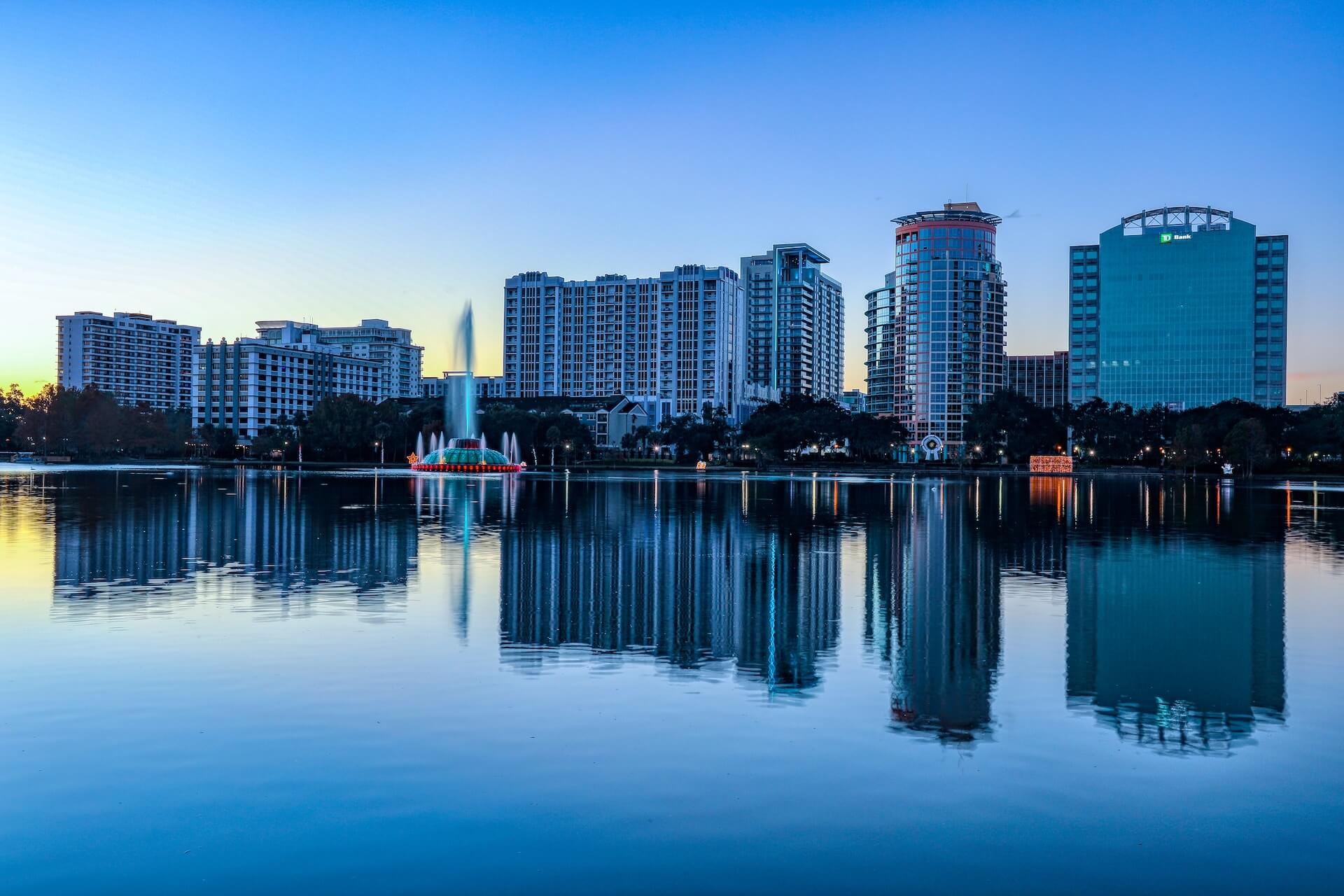
Image: Daiwei Lu on Unsplash

Bar Nightclub Pub Brewery Winery Property Development Drawings

by David Klemt David Klemt No Comments

Wallethub Ranks the Best Foodie Cities in the US

Comparing 182 cities across more than two dozen “food-friendliness” indicators, Wallethub has revealed their rankings for America’s best foodie cities in 2023.

Why 182 cities? Wallethub started with 150 of America’s most-populous cities. Then, they added “at least two” of the most-populous cities in each state.

Regarding the ranking itself, Wallethub compared the cities against two key measures: affordability, and diversity, accessibility, and quality. Those two measures consist of 28 key indicators, including:

  • cost of groceries;
  • restaurant meal cost;
  • sales tax;
  • food tax;
  • restaurants per capita;
  • ratio of full-service to fast-food restaurants; and
  • restaurant diversity.

Using a 100-point grading system, affordability was worth up to 30 points. Simple math shows diversity, accessibility, and quality indicators were worth up to 70 points.

Further, Wallethub valued indicators anywhere from half-weight (international grocery stores per capita) to triple weight (restaurants per capita).

Now, it’s important to contextualize Wallethub’s use of the word “foodie city” here. For their ranking, the company is identifying “the best and cheapest” cities for consumers for whom eating is an experience, hobby, and/or lifestyle.

“These wallet-friendly cities cater to diners who prefer to cook at home, explore the local flavors or both,” reads their post, which can be reviewed in its entirety here.

by David Klemt

Eola Lake Park in Orlando, Florida

The Top 25

So, per Wallethub, the cities below are the top 25 among the 182 “best foodie cities in America in 2023.”

  1. Orlando, Florida
  2. Portland, Orgeon
  3. Sacramento, California
  4. Miami, Florida
  5. San Francisco, California
  6. Tampa, Florida
  7. San Diego, California
  8. Las Vegas, Nevada
  9. Austin, Texas
  10. Seattle, Washington
  11. Denver, Colorado
  12. Atlanta, Georgia
  13. Los Angeles, California
  14. Chicago, Illinois
  15. Richmond, Virginia
  16. Pittsburgh, Pennsylvania
  17. Washington, DC
  18. St. Louis, Missouri
  19. Houston, Texas
  20. New York, New York
  21. Oakland, California
  22. Phoenix, Arizona
  23. Santa Ana, California
  24. Grand Rapids, Michigan
  25. Cincinnati, Ohio

Interestingly, you’ll find the “usual” foodie scene suspects on this list. However, a mere handful of those cities are ranked in the top ten: Miami, San Francisco, and Las Vegas.

Chicago (14), Los Angeles (13), and New York (20) don’t make the three or five. In fact, they’re out of the top ten entirely here.

If affordability is a major factor here, it raises an eyebrow that Miami is among the top five foodie cities. After all, sources show the cost of living in the city is 20 percent higher than the national average. The cost of living in San Francisco is nearly 80 percent higher.

At any rate, Orlando, per Wallethub’s methodology, is the number-one foodie city in America.

Compelling Comparisons

With the top 25 foodie cities out of the way, let’s check out a few other interesting comparisons.

Cost of Groceries

Lowest-cost cities, in descending order:

  1. Brownsville, Texas
  2. Corpus Christi, Texas
  3. Laredo, Texas
  4. Fayetteville, North Carolina
  5. Austin, Texas

The cities with the highest cost of groceries are Honolulu and Pearl City in Hawaii.

Restaurants per Capita

The cities with the most restaurants per capita, again in descending order:

  1. Miami, Florida
  2. Orlando, Florida
  3. Las Vegas, Nevada
  4. San Francisco, California
  5. Los Angeles, California

It’s important to note each of the cities on this list is, per Wallethub, tied for first place.

The city with the fewest restaurants per capita is Pearl City, Hawaii.

Ratio, FSR to Fast Food Restaurants

On this list, the five cities with the highest ratio of full-service restaurants to their fast-food counterparts (yes, in descending order):

  1. Cape Coral, Florida
  2. Santa Rosa, California
  3. Portland, Maine
  4. Burlington and South Burlington, Vermont

That leaves the city with the lowest ration, which is Jackson, Mississippi.

The Bottom Ten

Now that we know which cities Wallethub identifies the best foodie cities in the US, let’s take a look at the bottom of their list.

  1. Augusta, Georgia
  2. Fontana, California
  3. Jackson, Mississippi
  4. Moreno Valley, California
  5. Mobile, Alabama
  6. Montgomery, Alabama
  7. West Valley City, Utah
  8. Nampa, Idaho
  9. Shreveport, Louisiana
  10. Pearl City, Hawaii

Personally, I find the data regarding restaurants per capita and the FSR to fast-food ratio the most useful.

To review this report in its entirety, including Wallethub’s methodology, please click here.

Image: Mick Haupt on Unsplash

Related Reading

Work with Us

Click the image below to work with us on starting, stabilizing, or scaling your hospitality concept.

Client Intake Form - KRG Hospitality

by David Klemt David Klemt No Comments

Ontario Updates Employment Standards Act

Ontario Updates Employment Standards Act

by David Klemt

Daytime photo of the Toronto, Ontario, Canada, skyline

Yesterday, Ontario, Canada’s government tabled updates to the province’s Employment Standards Act meant largely to protect restaurant and hospitality workers.

These explicit protections are known as Bill 79, Working for Workers Four Act, 2023.

Interestingly and timely, the updates seem to be, at least in part, a direct response to technological developments.

For example, Bill 79 addresses digital payment apps and artificial intelligence. I’ll expand on that below.

These updates certainly appear to have been drawn up to protect restaurant workers specifically, and hospitality professionals overall.

An End to Unpaid Trial Shifts

One of the most significant updates addresses hours and pay.

It likely shouldn’t have to be said but, according to Ontario law, an employee must be paid for all the hours they work. This includes trial shifts.

Specifically, the new legislation expressly prohibits unpaid trial shifts.

Pooling Tips

Employers in Ontario are well within their rights to share in pooled tips. That is, if the employer is performing the same tasks as staff.

However, there’s now an update to this practice within the Employment Standards Act.

If any employer intends to share in a tip pool, they must make this clear and inform staff.

Speaking of Tips…

For the most part, digital payment platforms bring with them transaction fees. This includes fees for restaurant workers to get their tips.

“We’re seeing apps that are taking a cut every time…a worker accesses their tips, and that’s not acceptable,” says Piccini.

So, moving forward, employees who are paid tips via direct deposit will have more control. The updates to the Employment Standards Act now state that employees paid this way can choose where their tips will be deposited.

Deducting Wages

Per multiple studies, one in 20 diners has dined and dashed. Apparently, it has been common practice for some employers to deduct wages in response.

Personally, I think it’s ridiculous for any employers to pass a business loss on to their workers. That’s neither good leadership, ethical, or a healthy work culture. I’m not saying I’m surprised it happens; I’m disgusted that it still happens.

Now, the practice of penalizing employees monetarily for guests dining and dashing is prohibited specifically. Will that stop it from happening? Probably not, although perhaps it will happen much less moving forward.

This also includes language that makes it illegal to deduct pay from employees due to customer “gassing and dashing.” For anyone wondering, gas theft affected Ontario businesses to the tune of $3 million CAD in 2022.

Artificial Intelligence

Some employers, as many job hunters are aware, use artificial intelligence during the hiring process.

Now, these employers will have to disclose their use of AI in job listings. In theory, this update addresses privacy and data collection concerns.

Further, job listings will now have to include salary ranges. Also, employers are now prohibited from requiring work Canadian work experience in their job listings or on their application forms.

To review Bill 79 in its entirety, click here.

Image: mkdrone_ on Unsplash

Bar Nightclub Pub Brewery Operations Standard Operating Procedures SOP

by David Klemt David Klemt No Comments

The Pinnacle Guide Launches

New Global Bar Recognition System, the Pinnacle Guide, Launches

by David Klemt

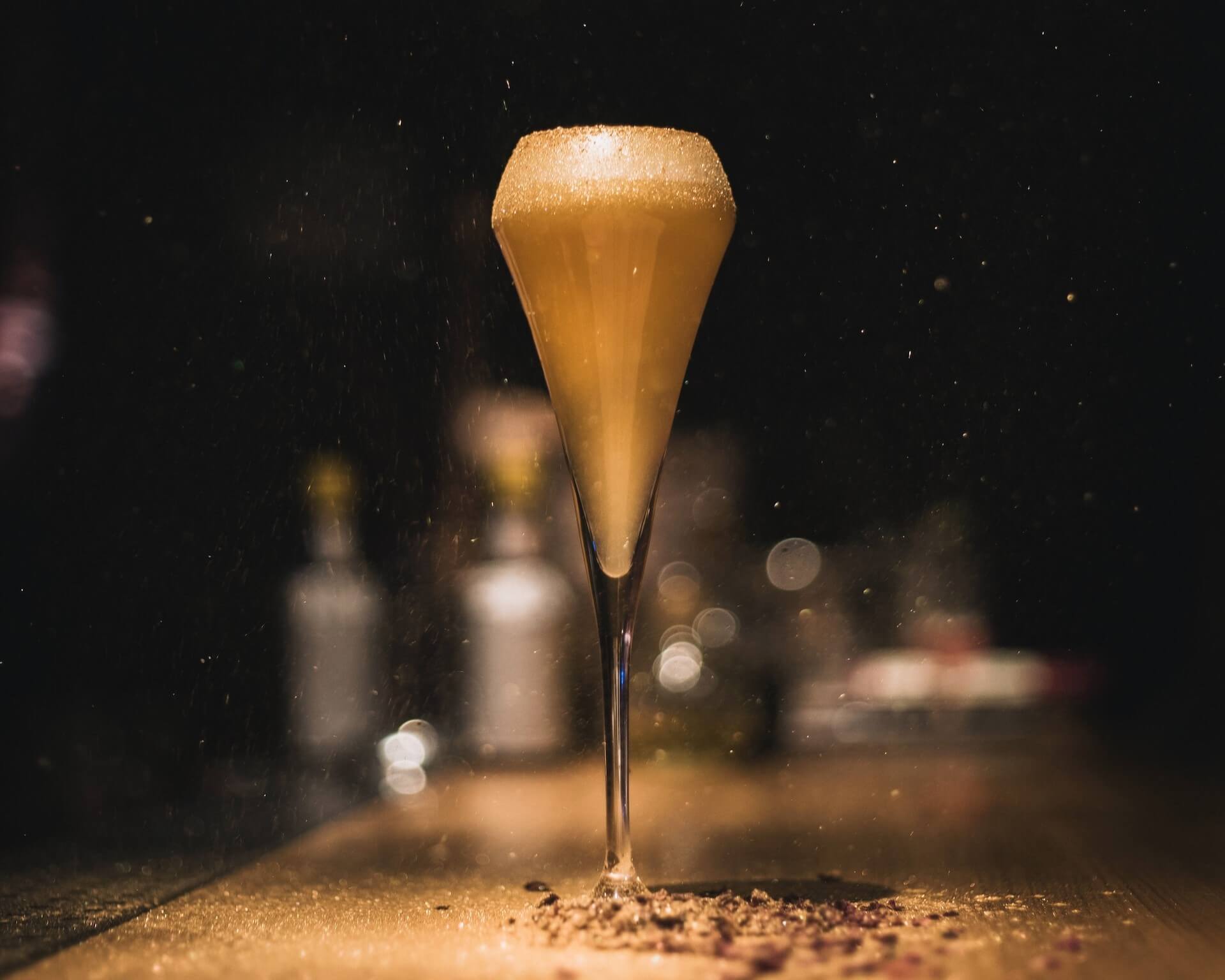
Golden cocktail in Champagne flute on bar top

Today’s the day that the passionate minds behind London Cocktail Week launch “the Michelin Guide” for bars, open to venues across the globe.

Open to submissions as of today, the Pinnacle Guide is open to any bar in the world. Compellingly and refreshingly, the Guide’s system intends to maximize transparency and minimize subjectivity.

Further, the process begins with the self-nomination of a venue. Truly, this is open to any bar, anywhere.

Two of the team’s founders are recent Bar Hacks podcast guests. On episode 105, Hannah Sharman-Cox and Siobhan Payne explain the Pinnacle Guide ahead of its launch today. You can listen to their episode below.

Dan Dove, owner and operator of Global Bartending, completes the Pinnacle Guide’s founder trio. Speaking of trios, Global Bartending’s areas of expertise are strategy, talent, and events.

I’m likely not the only person who has wondered why the Michelin Guide has yet to recognize bars. Now, I’m grateful they haven’t done so.

That’s not a dig at the Michelin Guide. However, the organization’s expertise is restaurants, not bars. It’s far more appropriateand more crediblethat passionate people dedicated to and enamored with bars are launching this recognition system and platform.

The Process

So, what are you in for when you nominate your bar? The process is quite straightforward.

Simply speaking, the

  • Front of house
  • Drinks program(me)
  • Look and feel
  • Staff
  • Operations
  • Community

Once someone who self-nominates their bar completes and submits their application, the anonymous review part of the process begins.

As this step’s phrasing suggests, anonymous reviewers will visit the venue. These reviewers could be industry professionals. They may be passionate, educated consumers whose opinions are valued and trusted.

Either way, they’ll have been vetted, tested, and completed the Pinnacle Guide Reviewer Training Programme.

For even more information, click this link. You’ll find a series of the Pinnacle Guide Round Table Discussions recordings that dive deep into the system as well.

Interestingly, the founders of the Pinnacle Guide believe undergoing the self-nomination process may also help operators enhance or refine their operation:

“Beyond being a measure of excellence, this transparent and detailed approach is also designed to give venues pause for thought on where they may have room for improvement, with the ambition of elevating the industry by encouraging higher standards across the globe.”

Moreover, the Pinnacle Guide doesn’t pit operator against operator, team against team. Should a bar be recognized by the Guide, they’ll be awarded at least one PIN. A single PIN identifies a bar as Excellent. Two carries the Outstanding designation, and three means a venue is Exceptional.

Receiving a PIN doesn’t mean a bar has beaten out another venue to be recognized; that operation stands on its own as one of the best in the world.

Are You Ready?

Thousands of owners and operatorsand the teams that bring their visions to life every daydeserve acknowledgement for meeting the demands this industry makes of them.

From empowering their teams and serving as the backbone of their communities to delivering world-class service and pairing unforgettable experiences with incredible, welcoming atmospheres, hospitality is chock-full of people whose daily contributions should be recognized.

So, to any operator anywhere in the world, if you believe your team has earned at least one Pinnacle Guide PIN, this is your day. However, carve out some time to truly sit with the application and consider your team and venue.

The Pinnacle Guide is a long time coming. Let’s give it the respect it deserves.

Image: Jakub Dziubak on Unsplash

by David Klemt David Klemt No Comments

US Restaurant Employment Still Short

US Restaurant Employment Creeping Toward February 2020 Levels

by David Klemt

Restaurant door handle that says "push"

Keep pushing. We have work to do to reach February 2020 employment levels.

After what appeared to be a strong September 2023, restaurants and bars saw a decline of 7,500 jobs in the month of October.

In fact, the strong numbers from September were notably weaker once revised. After revisions, eating and drinking businesses added 48,300 jobs, not the nearly 61,000 from preliminary reports.

Importantly, a correction in employment numbers for August 2023 has revealed further declines. Initially, reports stated that restaurants had added 14,400 jobs. Unfortunately, the corrected number showed that restaurants shed 9,300 positions.

However, context is important. Notably, the unemployment rate in the US has remained under four percent for nearly 24 months. As of the latest reporting by the US Bureau of Labor Statistics, unemployment is at 3.9 percent.

Numbers by Restaurant Category

The data in this subsection comes from the National Restaurant Association. As the NRA notes, this information is based on data from September 2023.

These numbers should provide further context for restaurant and bar’s current situation. Some restaurant categories are struggling more than others to reach or surpass pre-pandemic levels of employment.

Below, employments numbers for September 2023 in comparison to February 2020.

  • Full-service: -214,000 jobs
  • Quick-service and Fast Casual: +128,000 jobs
  • Bars and Taverns: +50,000 jobs
  • Cafeterias and Buffets: -36,600 jobs
  • Catering and Mobile Food Service: +14,900
  • Snack and Non-alcohol Beverage Bars: +107,000 jobs
  • Foodservice Contractors: +15,100 jobs

As you can see, full-service restaurants are struggling the most to reach pre-pandemic employment numbers. However, QSRs and bars have surpassed that milestone.

By the Numbers

Below, the change in employment in each state and Washington, DC. The time period the data span runs from September 2019 to September 2023*.

  • Alabama: -5,700 (-3.4%)
  • Alaska: +100 (+0.4%)
  • Arizona: +18,200 (+7.6%)
  • Arkansas: +7,900 (+8.1%)
  • California: +32,700 (+2.2%)
  • Colorado: +9,100 (+3.8%)
  • Connecticut: -1,200 (-1.0%)
  • Delaware: +2,500 (+6.4%)
  • District of Columbia: -2,500 (-4.5%)
  • Florida: +35,200 (+4.4%)
  • Georgia: +21,800 (+5.5%)
  • Hawaii: -4,900 (-6.9%)
  • Idaho: +7,000 (+11.5%)
  • Illinois: -11,000 (-2.3%)
  • Indiana: +7,900 (+3.2%)
  • Iowa: -200 (-0.2%)
  • Kansas: +4,800 (+4.7%)
  • Kentucky: -400 (-0.2%)
  • Louisiana: -9,000 (-5.2%)
  • Maine: -4,000 (-7.9%)
  • Maryland: -16,700 (-8.0%)
  • Massachusetts: -15,600 (-5.6%)
  • Michigan: -21,400 (-6.3%)
  • Minnesota: -9,000 (-5.2%)
  • Mississippi: -1,700 (-1.7%)
  • Missouri: -3,500 (-1.5%)
  • Montana: +4,500 (+10.7%)
  • Nebraska: +600 (+0.8%)
  • Nevada: +22,300 (+16.7%)
  • New Hampshire: -1,500 (-2.9%)
  • New Jersey: +7,400 (+2.7%)
  • New Mexico: +3,100 (+4.2%)
  • New York: -10,000 (-1.4%)
  • North Carolina: +12,900 (+3.3%)
  • North Dakota: -100 (-0.3%)
  • Ohio: -6,300 (-1.4%)
  • Oklahoma: +3,600 (+2.5%)
  • Oregon: -2,000 (-1.2%)
  • Pennsylvania: -5,600 (-1.3%)
  • Rhode Island: -2,000 (-4.3%)
  • South Carolina: +1,000 (+0.5%)
  • South Dakota: +3,100 (+9.4%)
  • Tennessee: +8,000 (+3.0%)
  • Texas: +74,200 (+6.6%)
  • Utah: +12,900 (+12.0%)
  • Vermont: -1,000 (-4.7%)
  • Virginia: -100 (-0.0%)
  • Washington: +3,900 (+1.5%)
  • West Virginia: -2,600 (-4.6%)
  • Wisconsin: -8,100 (-3.8%)
  • Wyoming: -100 (-0.5%)

Ups and Downs

First, the less-positive news: restaurant employment is below pre-pandemic levels in more than half of the country. Including Washington, DC, 27 states are still lagging behind September 2019.

However, in some cases the change is negligible.
For example, Wyoming is down just 0.5 percent, and Virginia is down just 100 jobs or 0.00033 percent. Of the 27 states seeing declines, 20 are down less than five percent in comparison to September 2019.

Of course, it’s important to note that Hawaii, Michigan, and Massachusetts are down more than five percent.

So, to the good news. Two dozen states are enjoying restaurant and bar employment above September 2019 levels.

Four states are up more than ten percent. Nevada is leading the way, up 16.7 percent. Next is Utah, up 12 percent. Following in third is Idaho, up 11.5 percent.

Takeaways

Restaurant employment’s pre-pandemic peak was in February 2020. As of the most-current data, we’re down 14,000 jobs.

According to the most recent data, restaurants and bars employ 12.32 million people in the US. While we have yet to reach the 12.34 million that were employed in February 2020, we’re not far off. We still have reason to be positive about recovery.

The larger threat looming over operators is rising costs. Additionally, depending on the source, a recession is either a possible or current threat.

Of course, there’s still increasing demand from consumers to gather at restaurants and bars. So, again, there’s reason to remain positive.

This is all to say that numbers without deeper understanding and nuance only provide surface context. They can make us panic or breathe a sigh of relief, seemingly at the drop of a hat. We can either worry that we haven’t reached the pre-pandemic milestone, be positive that we’ll reach that number in the near future, or decide that perhaps that metric shouldn’t be the primary one by which we measure recovery.

In short, operators positioning themselves for long-term success understand their market, their teams, and their guests; focus on staff and guest retention; develop community engagement and support; and have strategic clarity.

*Sources: US Bureau of Labor Statistics, National Restaurant Association

Image: Tim Mossholder on Unsplash

Bar Nightclub Pub Brewery Winery Staff Talent Consulting

by David Klemt David Klemt No Comments

DoorDash Names 2023 Global F&B Trends

DoorDash Names 2023 Global F&B Trends

by David Klemt

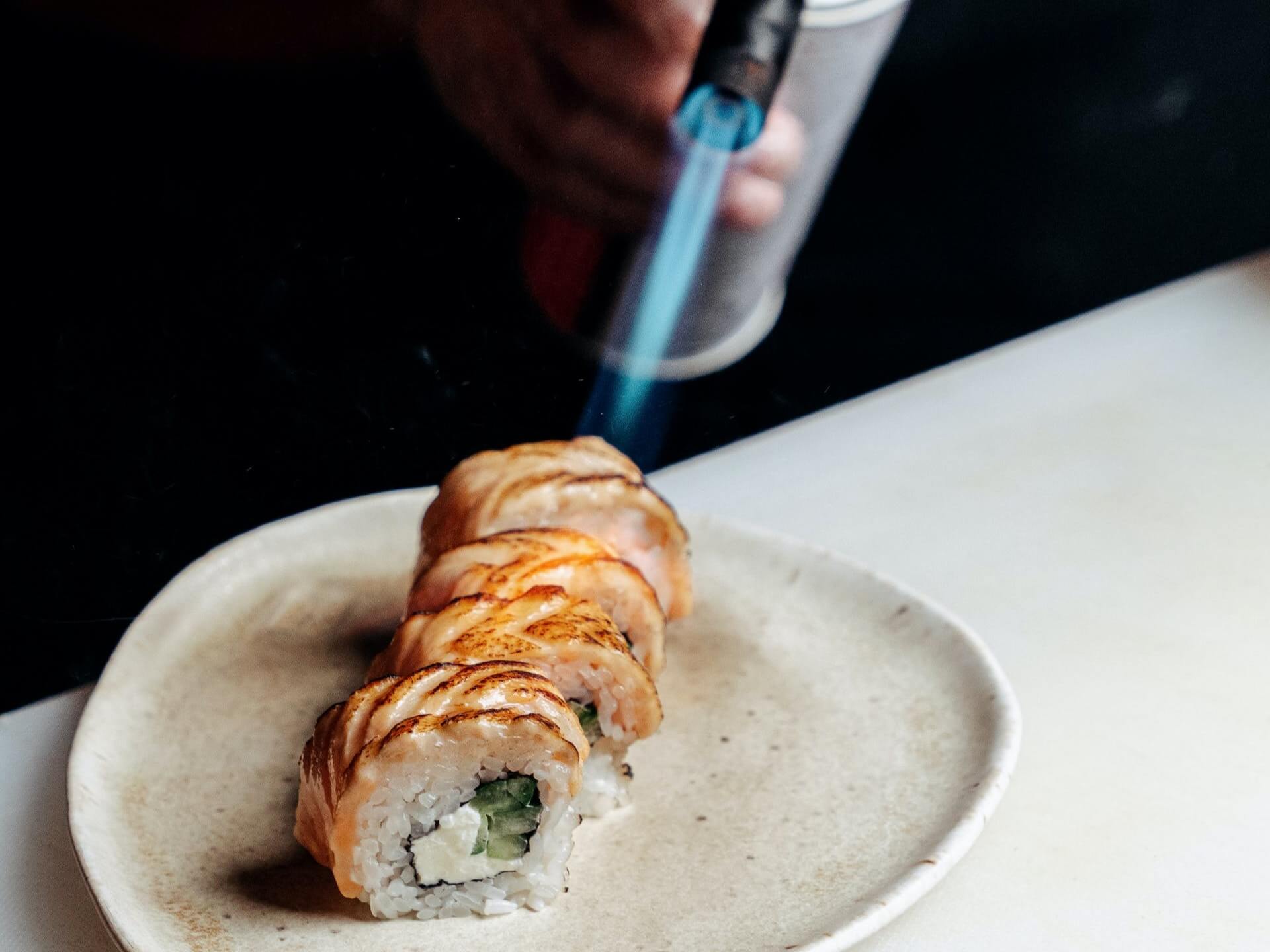
Chef torching salmon sushi

As we get close to winding down 2023 and welcoming 2024, DoorDash takes a shot at identifying the global F&B trends to watch.

This is an exciting and insightful time of year for our industry. In the last quarter, different sources start publishing their data-backed F&B predictions for the year ahead.

Take, for example, Technomic’s Global, Canadian, and American trend predictions for 2023. Oh, and don’t worry—we’ll be taking a look at their predictions for 2024 soon.

Today, however, we’re checking in on DoorDash. Admittedly, I’m not the biggest fan of third-party delivery. It’s no secret I favor direct delivery for operators.

There’s no denying, though, that third-party delivery companies have access to valuable data. From the top food and drink orders to the dayparts seeing the most delivery and pickup order growth, they can help operators see shifts in consumer behavior.

So, I’m happy to take a look at what food trends DoorDash thinks operators should watch moving forward.

Before we jump in, I’m happy that DoorDash includes this cautionary statement in their article: “Finally, always consider whether or not a trend actually fits in at your restaurant.”

At KRG Hospitality, we couldn’t agree more. Jumping on every trend, as tempting as that may be, is unwise and can do harm than good. So, while the lists below identify trends that are gaining traction currently, operators need to be discerning.

Food Trends

Let’s start with a trend multiple sources identified toward the end of 2022 that appears to still be on an upward trajectory: pickles.

Seriously, it seems that people can’t get enough pickles. Pickle pizza appears to the current darling when it comes to this food trend. Speaking of pizza, DoorDash sees square pizzas as a trend to watch.

Another trend that multiple sources have been keeping tabs on is chimichurri. According to DoorDash, this condiment is finding its way onto all manner of food item.

Other food trends that operators should be aware of are bowls (deconstruct a sandwich, burrito, etc., and you have a bowl); oyster mushrooms subbing in for meat; higher-end tinned fish; and gluten-free menu options.

To be honest, I don’t think that last one is just a trend. At this point, offering gluten-free options or entire menus is mainstream.

Now, there are two more food trends I want to address separately. One, smaller menus. This is a trend I believe most operators can and should get behind. Shrinking a menu can result in lower food and labor costs, and a happier team. Making a menu smaller can also make a restaurant more nimble and engaging as LTOs may have more impact.

And then there’s aburi sushi, which is presented after the top of the fish is torched. This gives sushi a smoky flavor and brings in a different texture element.

To be fair, I’ve expected this to take off for the past several years. Now, it appears it’s taking hold and moving from fad to trend.

TikTok Trends

Yes, we have to talk about TikTok. There’s no question that the platform is a trend-producing powerhouse.

Clearly, TikTok has an influence on food trends. If you want to know what your younger guests want to try, check TikTok. The same goes for your guests who are highly engaged with social media influencers.

Below, the trends DoorDash sees taking hold.

  • Chopped sandwiches. Do you have sandwiches on your menu? Can your guests watch as your team makes them? You may want to create a chopped version of your signature or best-selling sandwich.
  • Pasta salad summer. Apparently, this summer was the Summer of Pasta Salad. Specifically, pasta salads made with fresh ingredients, and made without ingredients like mayonnaise.
  • Cottage cheese. According to DoorDash, TikTokers are putting cottage cheese in scrambled eggs, adding it to pasta sauce, and using it to make cheese toasts. I’ve personally tried the TikTok trend of using cottage cheese to make nacho cheese sauce.

One word of caution: TikTok trends come and go in the blink of an eye. So, operators need to hop on trends that work with their restaurant or bar before they’re already out of favor. It’s a daunting task.

To review this DoorDash report in its entirety, including beverage and grocery trends, follow this link.

Image: Ivan Samkov on Pexels

Bar Nightclub Pub Brewery Menu Development Drinks Food

by David Klemt David Klemt No Comments

2023 DoorDash Ordering Trends

2023 DoorDash Ordering Trends: Canada & US

by David Klemt

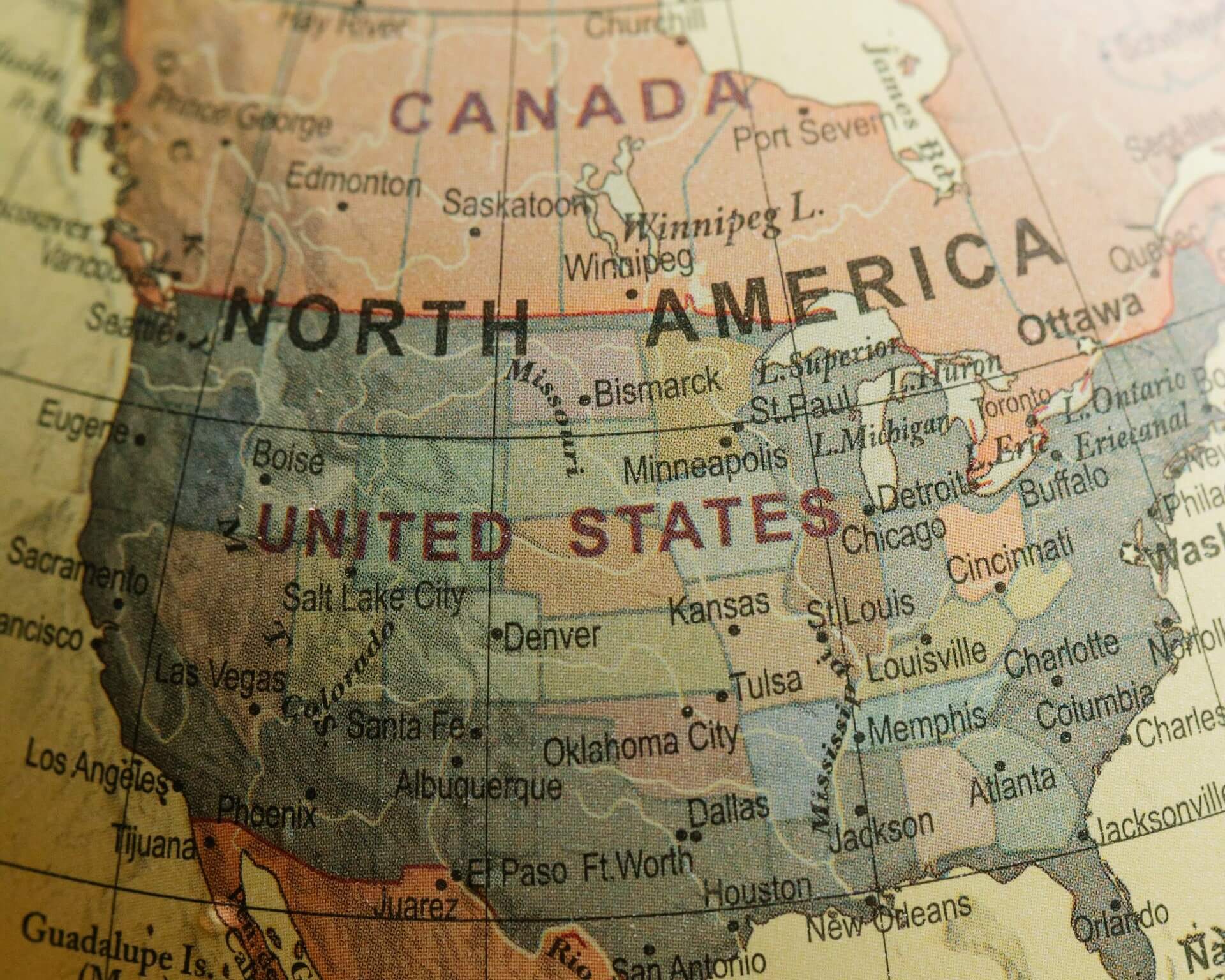
Canada and the United States of America on a globe

After checking out this year’s annual Cravings Report we’re turning our attention to the 2023 DoorDash restaurant ordering trends reports.

Luckily, there are two reports available from DoorDash: one that focuses on Canada, and one for the US.

These two countries are, of course, KRG Hospitality’s primary markets. So, the data in these DoorDash reports is relevant and compelling for our current and future clients.

Perhaps unsurprisingly, Canadian and American DoorDash users are somewhat similar by a few metrics. However, where there are differences they’re fairly glaring.

For example, 78 percent of Canadian DoorDash survey respondents picked up a takeout order from a restaurant in the month prior to being surveyed. That number is 76 percent for American survey respondents.

Regarding in-person restaurant dining, 62 percent of respondents had done so the month prior. Among American survey respondents that number is 61 percent.

But when it comes to placing an order for delivery we see a notable difference. For Canada, 58 percent of survey respondents had ordered delivery. That number jumps to 77 percent among Americans.

This tells me a few (fairly obvious) things. Generally speaking, it appears consumers in Canada and America—according to DoorDash—prefer delivery and takeout to in-person dining. Going further, it seems that overall, Canadians prefer pickup or takeout to delivery. However, Americans seem to place delivery and pickup orders at nearly identical rates.

If it’s true that consumers favor delivery or takeout to in-person dining currently, there could be a couple of simple reasons. First, convenience.

Second, fees. It’s possible that today’s consumer perceives delivery fees are lower than in-person dining fees, unfortunately. If that’s the case, third-party delivery services can exploit this perception.

More Similar than Different

In comparing both DoorDash reports, I find that Canadian and American consumers who use DoorDash are rather similar.

Survey respondents in both countries indicate that Friday is the most popular day of the week to order food. Further, 6:00 PM is the most common local time to place orders in both countries.

And when it comes to the fastest-growing dayparts for order placement? In both Canada and the US it’s late-night and breakfast. Although, I most note that both dayparts are growing faster in Canada.

Nearly half of American respondents and a little over half of Canadian respondents indicate they want to try new restaurants and dishes.

Definitely not surprisingly, consumers in both countries primarily focus on menu selection and pricing when seeking a new restaurant to try. In fact, these numbers are identical for Canadians and Americans, at 55 percent and 51 percent, respectively.

Top Canadian Food Orders

When we look at the top items ordered via DoorDash, we don’t find anything out of the ordinary.

  1. Burgers
  2. Fries
  3. Pizza
  4. Salad
  5. Sandwiches

Looks like standard fare and comfort foods to me. This tells me that operators who have these items on their menus need to ensure they’re of the highest quality to stand out from other restaurants and bars.

Top American Food Orders

Interestingly but not too surprisingly, the list below is quite similar to the list above.

  1. French fries
  2. Burgers
  3. Tacos
  4. Salad
  5. Pizza

With the exception of tacos and sandwiches, the list is nearly identical.

Hey, who wants to debate whether tacos and sandwiches are in the same food family?

I encourage you to review both reports in their entirety for yourself. For the Canadian Edition of DoorDash’s report, click here. And click here for the US edition.

Image: Lara Jameson on Pexels

Bar Pub Brewery Nightclub Club Nightlife Technology Plan Tech Stack

by David Klemt David Klemt No Comments

2023 Cravings Report: “The Most” Orders

2023 Uber Eats Cravings Report: “The Most…” Orders

by David Klemt

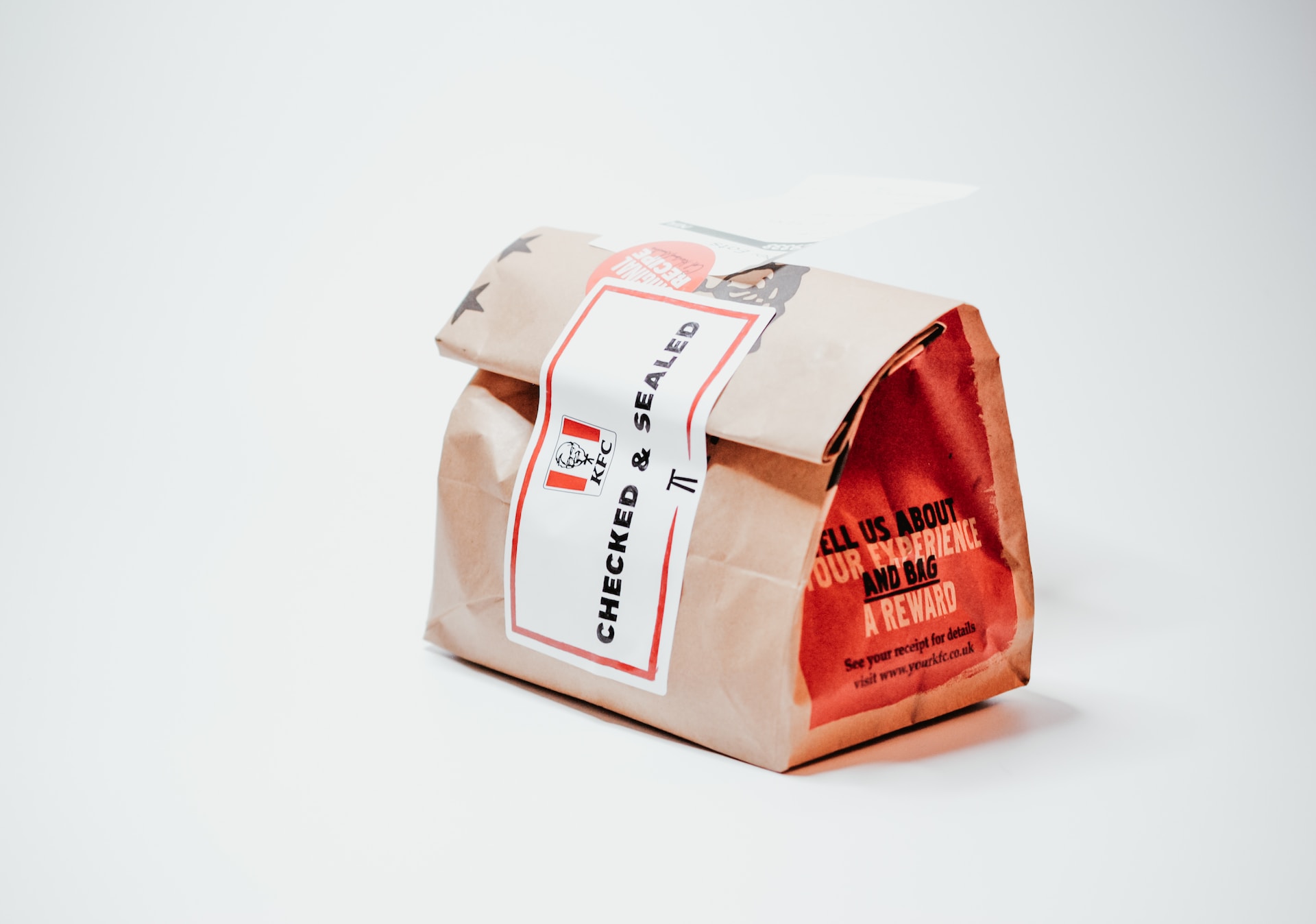
Kentucky Fried Chicken packaged for delivery or pickup

Let’s take a look at the top orders, delivery requests, order combinations, surprising pairings, and more from the 2023 Uber Eats Cravings Report.

It appears that the chicken sandwich dominance we’ve seen over the years is winding down. At least, that seems to be the case among Uber Eats users.

As you’ll see below, not only is the chicken sandwich not the most popular item, it’s not even among the top five. It does edge out the cheeseburger and wings among the most popular combos, but it doesn’t outperform French fries and salt as a combo.

Another eyebrow-raising detail? Pizza doesn’t show up anywhere among the most ordered items, most popular combos, or even the most surprising combos.

Now, if you’re curious about the 2022 Uber Eats Cravings Report, you’re in luck. You can click here for the top food orders from that report, and here for the top beverage orders.

The Most…Ordered Items

  • French fries
  • Garlic naan
  • Pad Thai
  • Miso soup
  • California roll

Am I the only one who expected to see burgers, chicken sandwiches, and pizza on this list?

The Most…Popular Combos

  1. Burrito bowl + cheese
  2. French fries + salt
  3. Chicken sandwich + shredded lettuce
  4. Cheeseburger + mustard
  5. Wings + ranch

Fairly standard, really. Every one of these orders makes complete sense. Now, the category coming up next…it’s a different story.

However, before we move on, let’s compare these items to those found on the 2022 Uber Eats Cravings Report.

Interestingly, the number-one item is nearly identical: burrito + cheese. And French fries + salt is the second most-popular item on both lists.

The Most…Surprising Combos

  1. Steak + jelly
  2. Cottage cheese + mustard
  3. Condensed milk + avocado
  4. Seaweed + pasta sauce
  5. Butter + pickled onions

I really have nothing to say after reviewing this short list. I mean…hey, do your thing, everyone. Make your order yours.

To the operators out there, be ready for some odd order combos.

The Most…Popular Requests

  1. No onions
  2. Dressing on the side
  3. Ranch
  4. Extra soy sauce
  5. Spicy
  6. Sauce on the side
  7. No lettuce
  8. No jalapenos
  9. Extra gravy
  10. No slaw

Looking at the top request, Uber Eats has a theory as to what’s driving it: the return to the office.

People, it appears, are self-conscious about their breath in an in-person, face-to-face setting.

The Most…Popular Food and Alcohol Combos

  1. Ribeye + Vodka
  2. Cheeseburger + Frozen Margarita
  3. Chicken + Frozen Piña Colada
  4. Lobster tail + Apple whiskey
  5. Tamales + Daiquiris

Last year’s report reveals the following combos:

  1. Steak + Margaritas
  2. Pizza + White Claw
  3. Burritos + Margaritas
  4. Chicken + Sangria
  5. Wings + Beer

Overall, a lot of change from the 2022 Cravings Report to this year’s report.

Image: Nik on Unsplash

Bar Nightclub Pub Brewery Menu Development Drinks Food

by David Klemt David Klemt No Comments

New Review Platform Rejects Negativity

It’s Good: New Review Platform Rejects Negativity

by David Klemt

"Just be nice" sign on wall with graffiti

Combine equal parts incredible team of founders, love for food and travel, and respect for an expression that we should all adhere to more closely, and you get a new review platform.

The expression from which this team derives their platform’s ethos?

“If you don’t have something good to say, don’t say it at all.” But how can a review platform embody that age-old expression?

Well, it turns out that answer is rather simple: by refusing to allow negative reviews. That’s the foundation of how It’s Good plans to operate.

That is, of course, quite the departure from Yelp, Google Reviews, Tripadvisor, and other review platforms. In my experience, Yelp draws the ire of most operators. Obviously, it doesn’t help Yelp’s reputation among operators that people can review bomb a venue rather easily, among other issues.

On It’s Good, there’s no “star” ratings system. Negative comments? The platform is “not even built for” those, according to co-founder John Legend.

“Either you recommend [a place or experience] or you don’t,” says Legend, elaborating further on It’s Good.

The team of founders also includes Kevin Auerbach (who comes from Apple), Meghan Raab (from Snap), and director and photographer Mike Rosenthal.

With Auerbach and Raab guiding what is likely a top-notch engineering team, It’s Good should be simple and fun to use.

The User Experience

At the moment, It’s Good is an invite-only platform. According to articles online, Legend and Rosenthal have been working on the app for four years.

So, the initial idea is to lay the user foundation ahead of its public launch. Logical, since it would be challenging to sift through recommendations without a core user group populating the app first.

“Our mission is to be your go-to place for saving & sharing your most favorite places to eat and drink. Trustworthy recommendations for you, by you – from the people you know or admire, all in one beautiful space,” reads the waitlist confirmation email I received from Shirene Niksadat, It’s Good head of community.

Interestingly, one of the motivating factors behind this platform is Legend himself. Apparently, he’s a go-to source for recommendations amongst his friends.

“My friends always reach out to me for ‘my list’ of restaurants in the cities I’ve visited,” Legend is quoted as saying on the It’s Good website.

From what I can gather, the platform will allow people to find new restaurants, bars, and experiences via location-based and themed lists. I’m sure there’s more functionality, but the main takeaways are:

  • organized recommendations;
  • personalized recommendations from trusted sources and friends; and
  • recommendations that answer a simple question: Is this place or experience good?

“We believe a restaurant rec from 1 trusted friend is more valuable than recs from 10,000 strangers,” says the It’s Good site, right at the top.

That should give us all an idea of how this platform will operate, and what to expect when it goes live for the general public.

Obviously, I can’t provide a review of this review platform. But I can say that I’m looking forward to my opportunity to take it for a spin.

To get your name on the waitlist, click here.

Image: A A on Unsplash

KRG Hospitality Start-Up Restaurant Bar Hotel Consulting Consultant Solutions Plans Services

by David Klemt David Klemt No Comments

Restaurant Fees Facing FTC Scrutiny

Restaurant Fees Facing FTC Scrutiny

by David Klemt

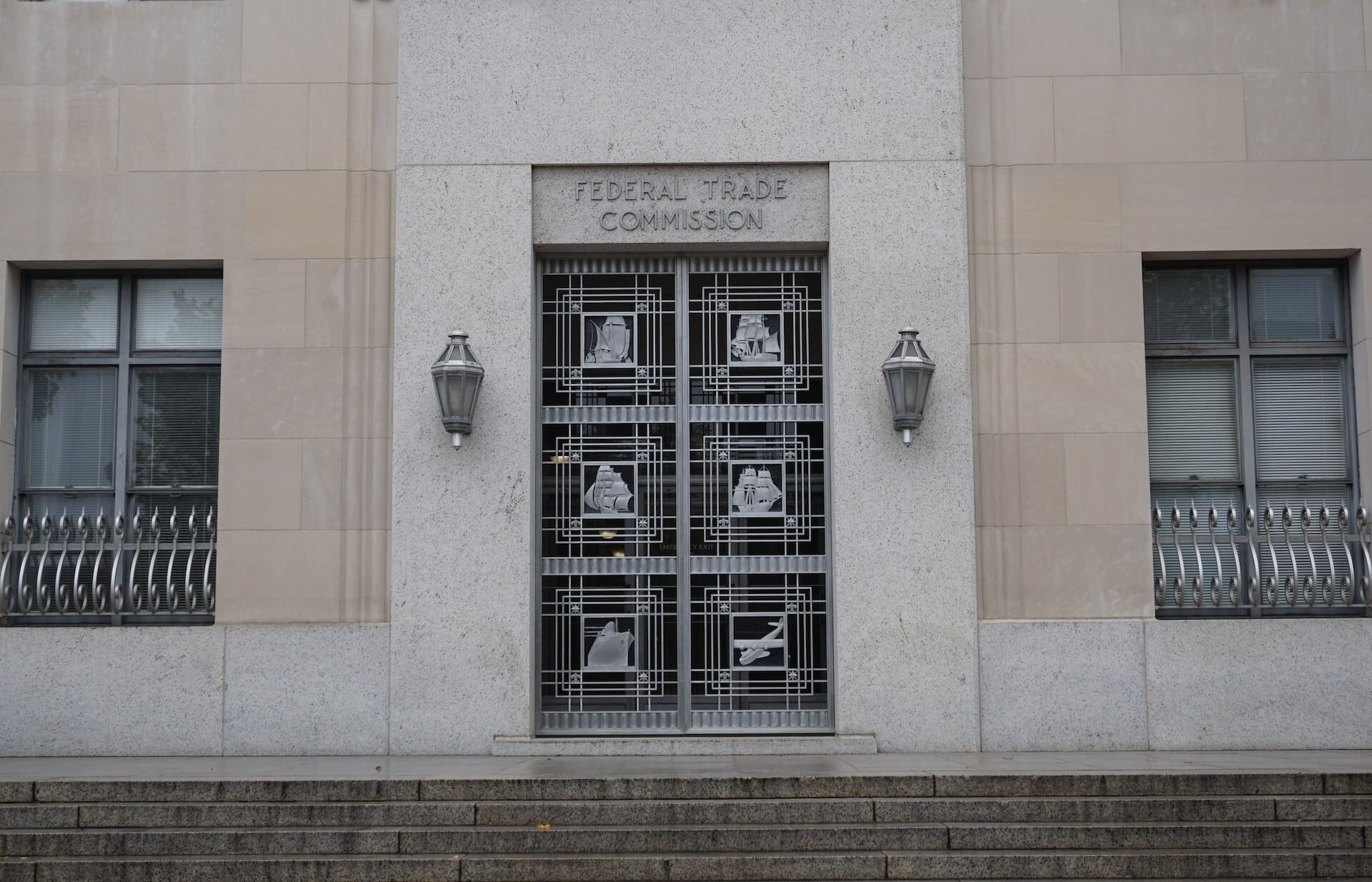
The Federal Trade Commission Building in Washington, DC

The focus on rising costs and hidden or “junk” fees over the past few years is bringing the Federal Trade Commission’s attention to the restaurant space.

Really, it was only a matter of time. Consumers are quite clearly fed up with being hit with unexpected fees. Whether purchasing concert tickets or popping into a QSR for a quick bite, they’re over the perceived nickel and diming.

That’s to say nothing of the other businesses that consumers feel are going too far with fees.

However, much of the public conversation about junk fees revolves around restaurants, and in some instances bars, as well. A common refrain on social media and online communities is, to paraphrase, “Just tell tell us what it costs on the menu!”

Of course, there are consumers who don’t want businesses to raise their prices at all. There’s no reasoning with these people, and they see all increases and fees—even those that aren’t hidden or bogus—as ripoffs.

But there are those who understand the challenges operators are facing. Understandably, these people just want transparency. And they want to have a clear idea of what it will cost to dine and drink somewhere before they plan their visit or are handed their check.

These consumers now have allies in state and federal governments.

FTC Focuses In

Some people may be surprised to learn that the FTC’s focus on junk fees isn’t entirely new. In fact, the agency has been digging into this topic for nearly a year.

Last November, the FTC asked for the public for their opinions on deceptive and unfair practices. Specifically, practices that relate to junk fees. Per the FTC, American consumers are paying tens of billions of dollars in junk fees annually.

According to the agency, they received 12,000 comments.

Now, with the support of the White House, one would assume, the FTC is asking for public input again. This time, the agency is seeking comments about a rule their proposing to address junk fees.

Last week, both the White House and FTC proposed rules that will make it mandatory for businesses to disclose all fees up front. Additionally, the White House wants to curtail “excessive” bank fees for basic services.

Put simply, the FTC’s proposal will ban hidden fees, require transparency regarding all fees, and allow the agency to impose penalties.

And now, after zeroing in on airlines, landlords, utilities, entertainment, and banking, the FTC is looking at hospitality.

Restaurants Under Scrutiny

As they did in November of last year, the FTC is once again asking for the public to comment on fees. This time, however, restaurants have been included by the agency.

To be sure, this focus isn’t exactly new. Washington, DC, for example has addressed junk fees in the restaurant space. As with other jurisdictions that have tackled this topic, restaurants must be conspicuous and make guests aware of all fees before their checks arrive. Additionally, operators must be clear about their intended use for fees.

In Washington, DC, a violation of these rules can lead to a $5,000 fine for a first-time offense. That penalty can rise to $10,000 for additional violations.

California has also passed Senate Bill 478, signed into law by Governor Gavin Newsom. This law, which also targets hidden fees, takes effect on July 1, 2024.

Most likely, the FTC is seeking comment to make adjustments to their proposed junk fee rule in order to include restaurants. From what I’ve seen, restaurant delivery fees in particular are drawing the ire of consumers and attention of state and federal agencies.

“All too often, Americans are plagued with unexpected and unnecessary fees they can’t escape. These junk fees now cost Americans tens of billions of dollars per year—money that corporations are extracting from working families just because they can,” says Lina M. Khan, FTC Chair.

Consumers will have 60 days to submit their comments to the FTC.

Takeaway

Proactive operators who haven’t already done so should make their in-person dining and delivery fees obvious.

Best practices for fee transparency include highlighting them on menus; announcing them via table tents or talkers; including fees on websites; and including a notice or disclaimer on reservation pages.

However, operators should avoid viewing being transparent about fees through a lens of compliance. Rather, being clear and upfront with guests is just good business. In fact, it’s in keeping with the spirit of hospitality and service.

If the final experience a guest has with a restaurant is being unpleasantly surprised by their check due to junk fees, how should be expected to respond? Their perception of the venue or brand will plummet, and they won’t return. How long can a restaurant sustain that guest reaction before the damage is irreparable and an operator has to close their doors?

Operators are being asked to thread a needle every day. Costs are rising and there are only so many solutions available to most operators that can keep their doors open, keep guests and staff happy, and pull the business toward long-term success.

To be clear, fees are generally fine—if consumers feel they know what to expect ahead of their visit. Nobody wants to be surprised, and that shouldn’t be difficult to understand.

So, operators need to be transparent about fees. They need to consider dynamic pricing for menus. That requires an absolute understanding of costs, guest tolerances for pricing, and the market.

The payoff, however, is happier guests who are far more likely to return for in-person dining and to place delivery or takeout orders. Savvy operators will put the work in now to get ahead of the junk fee fallout.

Image: Ian Hutchinson on Unsplash

KRG Hospitality Start-Up Restaurant Bar Hotel Consulting Consultant Solutions Plans Services

by David Klemt David Klemt No Comments

These are the 50 Best Bars of 2023

These are the 50 Best Bars of 2023

by David Klemt

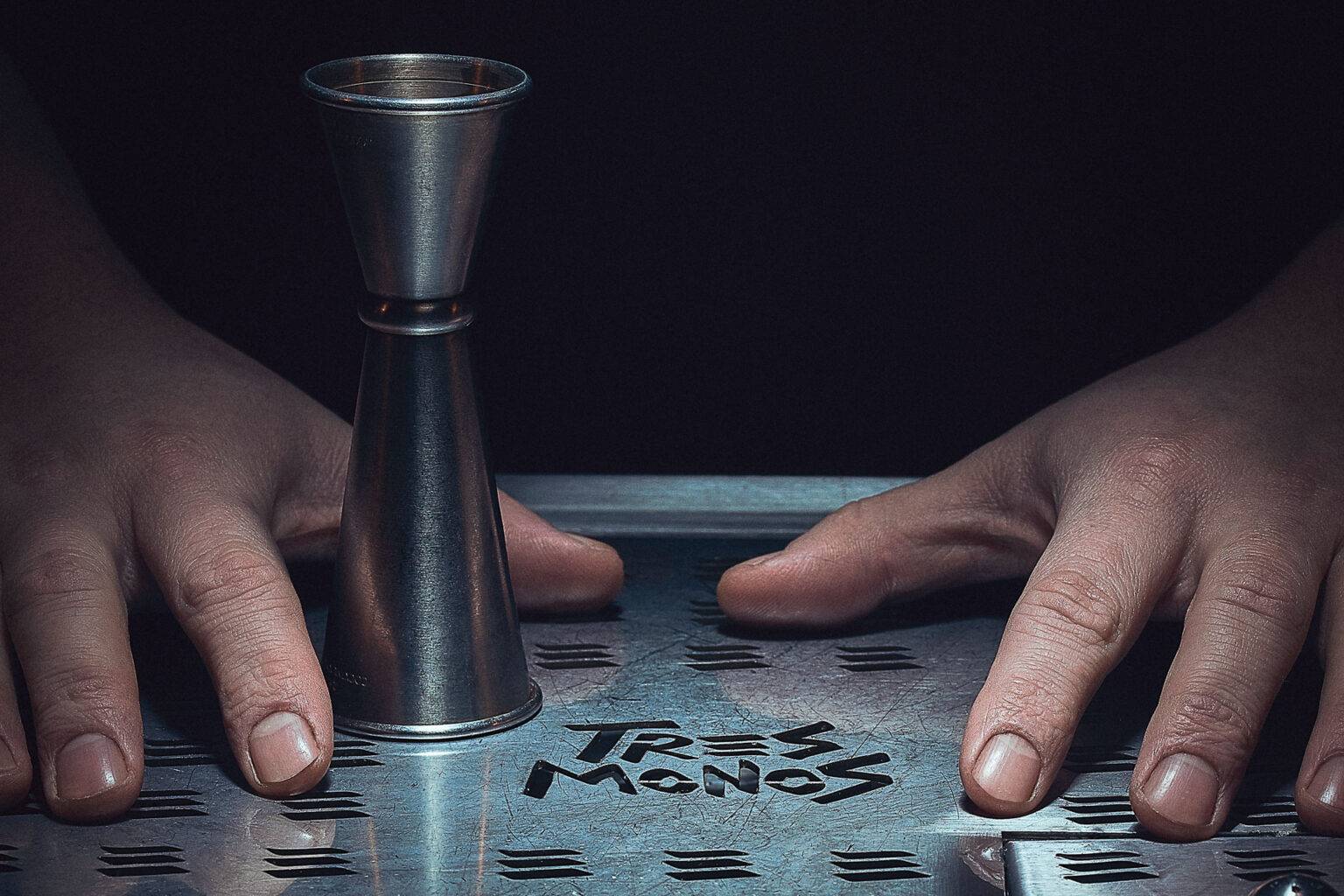
Tres Monos bar in Buenos Aires, Argentina

Tres Monos in Buenos Aires is number 11 and the winner of the Michter’s Art of Hospitality Award.

According to the World’s 50 Best, these stunning examples of operations, service, and atmosphere from around the globe are the best bars of 2023.

For the first time, the incredible collection of bars was revealed during a ceremony in Singapore. I watched this year’s ceremony via the World’s 50 Best Bars live stream and the energy was palpable just through the screen. We’ll have to consider attending the 2024 ceremony in person.

The 50 bars that have earned placement on this list should serve as inspiration for operators and hospitality professionals throughout the world. Whether considering operations, service, building a top-performing team, menu, design, or atmosphere, these bars are reaping the rewards of hard work and a commitment to hospitality.

As we’ve had the incredible honor of speaking with a number of the bars on this year’s list for our Bar Hacks podcast, we’ve linked a few of the bars below to their episodes.

The Numbers

The 15th edition of World’s 50 Best Bars ranks bars in 28 cities from around the globe.

Among individual cities, London claims the most bars on this year’s list with five. Further, two of those bars are in the top ten.

Mexico City is home to four bars on the list, while New York boasts three, plus the winner of the Altos Bartenders’ Bartender Award. These two cocktail bar titans will go head to head for some time from what I can see, and we’re all the better for this friendly rivalry.

Overall, the UK is home to six venues on the 2023 list. Also performing well are the US and Italy, with each claiming five bars on the 2023 list. With four bars, each in Mexico City, Mexico also does very well for 2023.

This year’s host city, Singapore, boasts three bars, along with the Bar Design Award recipient. Greece also earns three spots, with one bar taking home the Legend of the List Award. There are three bars on the list in Argentina as well, all in Buenos Aires. One of these bars offers such outstanding service that it’s this year’s Michter’s Art of Hospitality Award recipient.

Another country with three bars on the list is Spain. Not only can the country now boast about being home to the bar holding the number one spot, it’s also where number four is located. Oh, and the number four bar just happens to be last year’s top bar in the world. Clearly, Barcelona is staking a claim to the Cocktail Capital of the World.

Sadly, Canada isn’t represented on this year’s list. However, Civil Liberties in Toronto does hold the number 73 spot.

Congratulations to the bars and their teams on the 2023 list, and the individual award winners! Cheers!

The World’s 50 Best Bars 2023

  1. Galaxy Bar (Dubai, United Arab Emirates)
  2. Jewel of the South (New Orleans, Louisiana, United States of America)
  3. Atlas (Singapore)
  4. The Clumsies (Athens, Greece)
  5. Locale Firenze (Florence, Italy)
  6. Baltra Bar (Mexico City, Mexico)
  7. L’Antiquario (Naples, Italy)
  8. Carnaval (Lima, Perú)
  9. 1930 (Milan, Italy)
  10. Scarfes Bar (London, England, United Kingdom)
  11. Mimi Kakushi (Dubai, United Arab Emirates)
  12. Panda & Sons (Edinburgh, Scotland, United Kingdom)
  13. The Cambridge Public House (Paris, France)
  14. Bar Benfiddich (Tokyo, Japan)
  15. The SG Club (Tokyo, Japan)
  16. 🔶🟥🔵 A Bar with Shapes for a Name (London, England, United Kingdom)
  17. Argo (Hong Kong, China)
  18. Freni e Frizioni (Rome, Italy)
  19. Sago House (Singapore)
  20. Röda Huset (Stockholm, Sweden)
  21. Florería Atlántico (Buenos Aires, Argentina)
  22. Wax On (Berlin, Germany)
  23. Satan’s Whiskers (London, England, United Kingdom)
  24. Katana Kitten (New York, New York, United States of America)
  25. CoChinChina (Buenos Aires, Argentina)
  26. Baba Au Rum (Athens, Greece)
  27. Café La Trova (Miami, Florida, United States of America)
  28. Caretaker’s Cottage (Melbourne, Victoria, Australia)
  29. Hanky Panky (Mexico City, Mexico)
  30. Drink Kong (Rome, Italy)
  31. Coa (Hong Kong)
  32. Mahaniyom Cocktail Bar (Bangkok, Thailand)
  33. Zest (Seoul, South Korea)
  34. Overstory (New York, New York, United States of America)
  35. Salmon Guru (Madrid, Spain)
  36. Maybe Sammy (Sydney, New South Wales, Australia)
  37. Jigger & Pony (Singapore)
  38. BKK Social Club (Bangkok, Thailand)
  39. Line (Athens, Greece)
  40. Tres Monos (Buenos Aires, Argentina)
  41. Himkok (Oslo, Norway)
  42. Alquímico (Cartagena, Colombia)
  43. Tayēr + Elementary (London, England, United Kingdom)
  44. Licorería Limantour (Mexico City, Mexico)
  45. Little Red Door (Paris, France)
  46. Connaught Bar (London, England, United Kingdom)
  47. Paradiso (Barcelona, Spain)
  48. Handshake Speakeasy (Mexico City, Mexico)
  49. Double Chicken Please (New York, New York, United States of America)
  50. Sips (Barcelona, Spain)

2023 Awards

  • Roku Industry Icon Award: Renato “Tato” Giovannoni
  • Rémy Martin Legend of the List: The Clumsies; Number 47 (Athens, Greece)
  • Best Bar in Australasia (sponsored by Naked Malt): Maybe Sammy; Number 15 (Sydney, New South Wales, Australia)
  • Best Bar in Asia (sponsored by Torres Brandy): BKK Social Club, Number 13 (Bangkok, Thailand)
  • Best Bar in Europe (sponsored by Perrier): Sips; Number 1 (Barcelona, Spain)
  • Best Bar in the Middle East and Africa (sponsored by Amaro Lucano): Mimi Kakushi; Number 40 (Dubai, United Arab Emirates)
  • Best Bar in North America (sponsored by Tia Maria): Double Chicken Please; Number 2 (New York, New York, United States of America)
  • Best Bar in South America (sponsored by Scrappy’s Bitters): Alquímico; Number 9 (Cartagena, Columbia)
  • Michter’s Art of Hospitality Award: Tres Monos; Number 11 (Buenos Aires, Argentina)
  • Best New Opening (sponsored by the London Essence Co.): Line; Number 12 (Athens, Greece)
  • Disaronno Highest New Entry: Zest; Number 18 (Seoul, South Korea)
  • Nikka Highest Climber: Himkok; Number 10, climbed 33 positions (Oslo, Norway)
  • Ketel One Sustainable Bar: Röda Huset; Number 31 (Stockholm, Sweden)
  • Altos Bartenders’ Bartender: GN Chan; Double Chicken, Please (New York, New York, United States of America)
  • Siete Misterios Best Cocktail Menu: The American Bar at Gleneagles; Book of Berries menu (Auchterarder, Scotland, United Kingdom)
  • Campari One to Watch: Lady Bee; Number 52 (Lima, Perú)
  • Bareksten Best Bar Design: Night Hawk (Singapore)
  • The Blend Scholarship: Apoorva Kohli (New Delhi, India) will intern at Sips (Number 1) in Barcelona and Alquímico (Number 9) in Cartagena in 2024.

Image: Tres Monos

KRG Hospitality. Bar Consultant. Nightclub. Lounge. Mixology. Cocktails.

by David Klemt David Klemt No Comments

Chicago to Phase Out the Tip Credit

Chicago to Phase Out the Tip Credit

by David Klemt

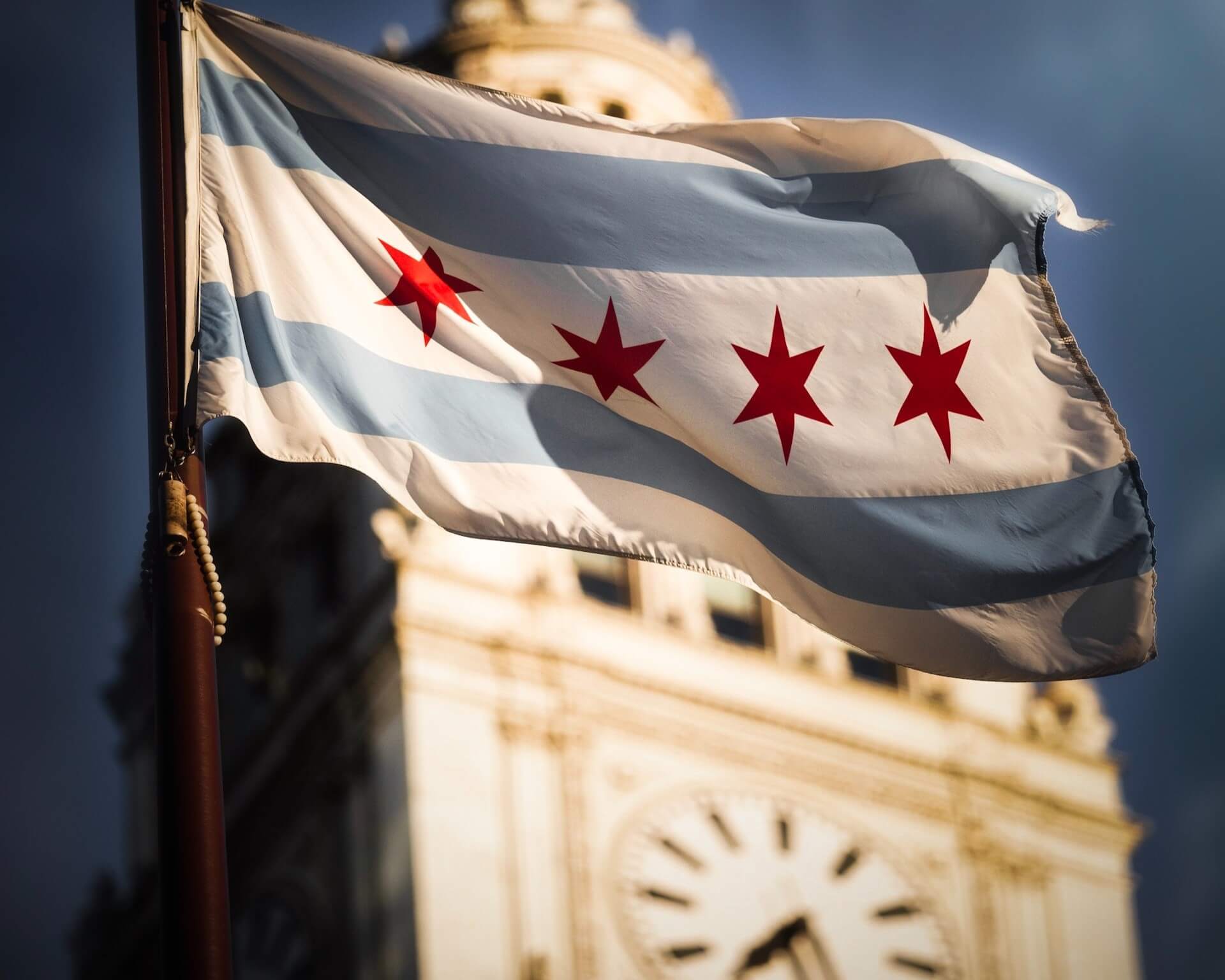
Closeup shot of the flag of the City of Chicago with Wrigley Building in background

In a move that some are celebrating and others claim will kill jobs, Chicago will phase out the tip credit incrementally by the year 2028.

Currently, pay for tipped workers amounts to 60 percent of the minimum wage. Starting next year, that will change.

Beginning July 1, 2024, tipped workers will earn eight-percent increases on an annual basis. This will continue until July 1, 2028. On that date, tipped workers must receive the full minimum wage.

Put another way, the city of Chicago will eliminate the tip credit entirely midway through 2028. To add clarification, this phasing out of the tax credit applies to all 77 of the city’s neighborhoods.

Overwhelmingly, Chicago’s City Council voted for the so-called “One Fair Wage Ordinance.” Thirty-six alderpeople voted “yea,” while just ten voted “nay.”

As one would expect, not everyone is happy that the ordinance was passed on Friday, October 6. Nor are they pleased that Mayor Brandon Johnson signed off on the bill a week ago today.

Specifically, Alderman Nicholas Sposato referred to the One Fair Wage Ordinance as a “job and business killer.”

Further, as reported by Restaurant Dive last week, the Illinois Restaurant Association opposes the decision to eliminate the tip credit in Chicago.

“We wholeheartedly disagree with the decision to move forward with the elimination of the tip credit,” Restaurant Dive reports a representative of the IRA saying in a statement emailed to the publication.

The National Restaurant Association also opposes the ordinance, reportedly vowing to fight any such legislation that introduced throughout the country.

However, One Fair Wage and the Service Employees International Union are celebrating the plan to phase out the tip credit. However, the SEIU would like the elimination to apply statewide.

A Compromise

Attempting to negotiate for legislation they found more palatable, the IRA had proposed a different approach.

Their version would have seen tipped workers make a minimum of $20.54 per hour. However, that ordinance would only have applied to restaurants that generate $3 million or more in annual revenue. Additionally, the IRA proposed tripling fines related to violations of the proposed ordinance.

Had that proposal been accepted, the pay situation would have been unchanged for tipped workers in smaller operations.

In the end, the IRA agreed to eliminating the tip credit over the course of five years to make the transition smoother for operators. This is due, in part, to the possibility of a two-year phasing out of the tip credit being passed by Chicago’s City Council.

The IRA, NRA, and others who oppose eliminating tip credits point to hardships on the operator side. Increased labor costs will lead to increases in menu prices, reductions in traffic and hours, the elimination of jobs, and, ultimately, the shuttering of many businesses.

However, those who support such ordinance point to the financial stability of vulnerable people, and those who work throughout the industry to earn a living wage.

The Future

While Chicago is the largest city in America to vote to eliminate the tip credit, it’s not the first pass such legislation.

The city joins Alaska, California, Minnesota, Montana, Nevada, and Oregon in doing so. Additionally, Washington, DC, will eliminate the tip credit fully by July 1, 2027. Phase one of DC’s tip credit elimination started May 1 of this year.

Of course, the news out of Chicago also comes on the heels of the FAST Act fight ending in California.

These developments beg the question: Which city or state will introduce legislation next, and how will it play out for workers and operators?

Image: Trace Hudson via Pexels

KRG Hospitality. Restaurant Business Plan. Feasibility Study. Concept. Branding. Consultant. Start-Up.

by David Klemt David Klemt No Comments

2023 World’s 50 Best Bars: 51 to 100

2023 World’s 50 Best Bars: 51 to 100

by David Klemt

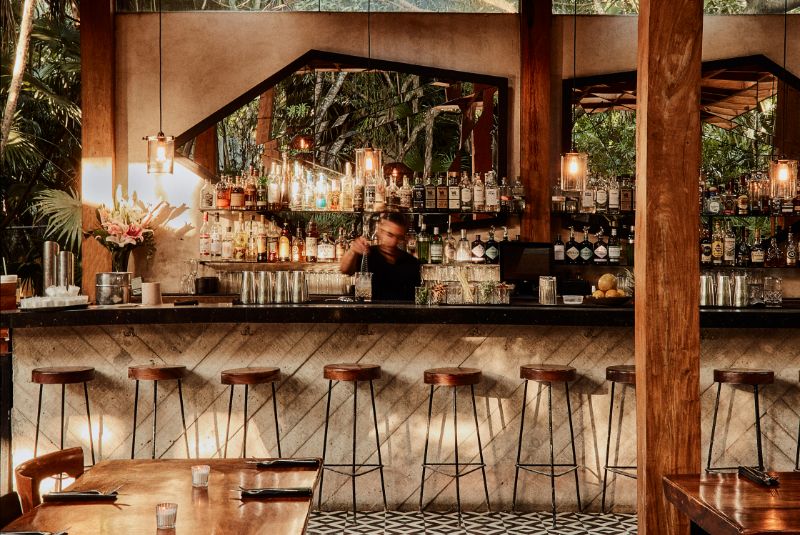
ARCA bar in Tulum, Mexico

ARCA in Tulum, Mexico

Check out the back half of the 2023 World’s 50 Best Bars list ahead of the one through 50 reveal taking place in Singapore on October 17.

In terms of single-country performance, the United States of America claims the most spots on this list with six. Unsurprisingly, four of these bars in New York. Rounding out the six American venues are one in Chicago and one in California.

However, in combination with Mexico and Canada, North America earns 11 places. Unfortunately, Canada earns just one spot with a bar in Toronto. Mexico City, however, is home to two of the best bars in North America (and the world).

It’s Europe as a whole, though, that boasts the most positions, with 17 bars on the list. Five of the 17 are in England.

Asia comes in second as a continent with 14 venues on the back half of the 2023 World’s 50 Best Bars. It should come as no surprise that Singapore claims five spots.

Congratulations to the bar teams below!

To review the 2022 51 to 100 list, click here.

The World’s 50 Best Bars 2023: 100 to 51

It’s only a matter of time until a number of these incredible venues break through to the top half of this list.

  1. Artesian (London, England, UK)
  2. Employees Only (New York, New York, USA)
  3. The Bar in Front of the Bar (Athens, Greece)
  4. Dark Side (Hong Kong)
  5. Lost & Found (Nicosia, Cyprus)
  6. Schofield’s (Manchester, England, UK)
  7. Sin + Tax (Johannesburg, South Africa)
  8. Tjoget (Stockholm, Sweden)
  9. Donovan Bar (London, England, UK)
  10. Maison Premiere (New York, New York, USA)
  11. Mirror Bar (Bratislava, Slovakia)
  12. Thunderbolt (Los Angeles, California, USA)
  13. Red Frog (Lisbon, Portugal)
  14. Ruby (Copenhagen, Denmark)
  15. Nouvelle Vague (Tirana, Albania)
  16. Camparino in Galleria (Milan, Italy)
  17. Svanen (Oslo, Norway)
  18. Native (Singapore)
  19. Kumiko (Chicago, Illinois, USA)
  20. Kaito del Valle (Mexico City, Mexico)
  21. La Sala de Laura (Bogotá, Colombia)
  22. High Five (Tokyo, Japan)
  23. Analogue Initiative (Singapore)
  24. Velvet (Berlin, Germany)
  25. Swift (London, England, UK)
  26. Bar Cham (Seoul, South Korea)
  27. Hope & Sesame (Guangzhou, Guangdong, China)
  28. Civil Liberties (Toronto, Ontario, Canada)
  29. Rayo (Mexico City, Mexico)
  30. Penicillin (Hong Kong)
  31. Barro Negro (Athens, Greece)
  32. Ergo (Dubai, UAE)
  33. Martiny’s (New York, New York, USA)
  34. Side Car (New Delhi, Delhi, India)
  35. Tropic City (Bangkok, Thailand)
  36. El Gallo Altanero (Guadalajara, Jalisco, Mexico)
  37. Nutmeg & Clove (Singapore)
  38. Manhattan (Singapore)
  39. Hero Bar (Nairobi, Kenya)
  40. Byrdi (Melbourne, Victoria, Australia)
  41. ARCA (Tulum, Quintana Roo, Mexico)
  42. 28 HongKong Street (Singapore)
  43. SubAstor (São Paulo, Brazil)
  44. Attaboy (New York, New York, USA)
  45. Tan Tan (São Paulo, Brazil)
  46. Vesper (Bangkok, Thailand)
  47. Lyaness (London, England, UK)
  48. The Bellwood (Tokyo, Japan)
  49. Lady Bee (Lima, Perú)
  50. Danico (Paris, France)

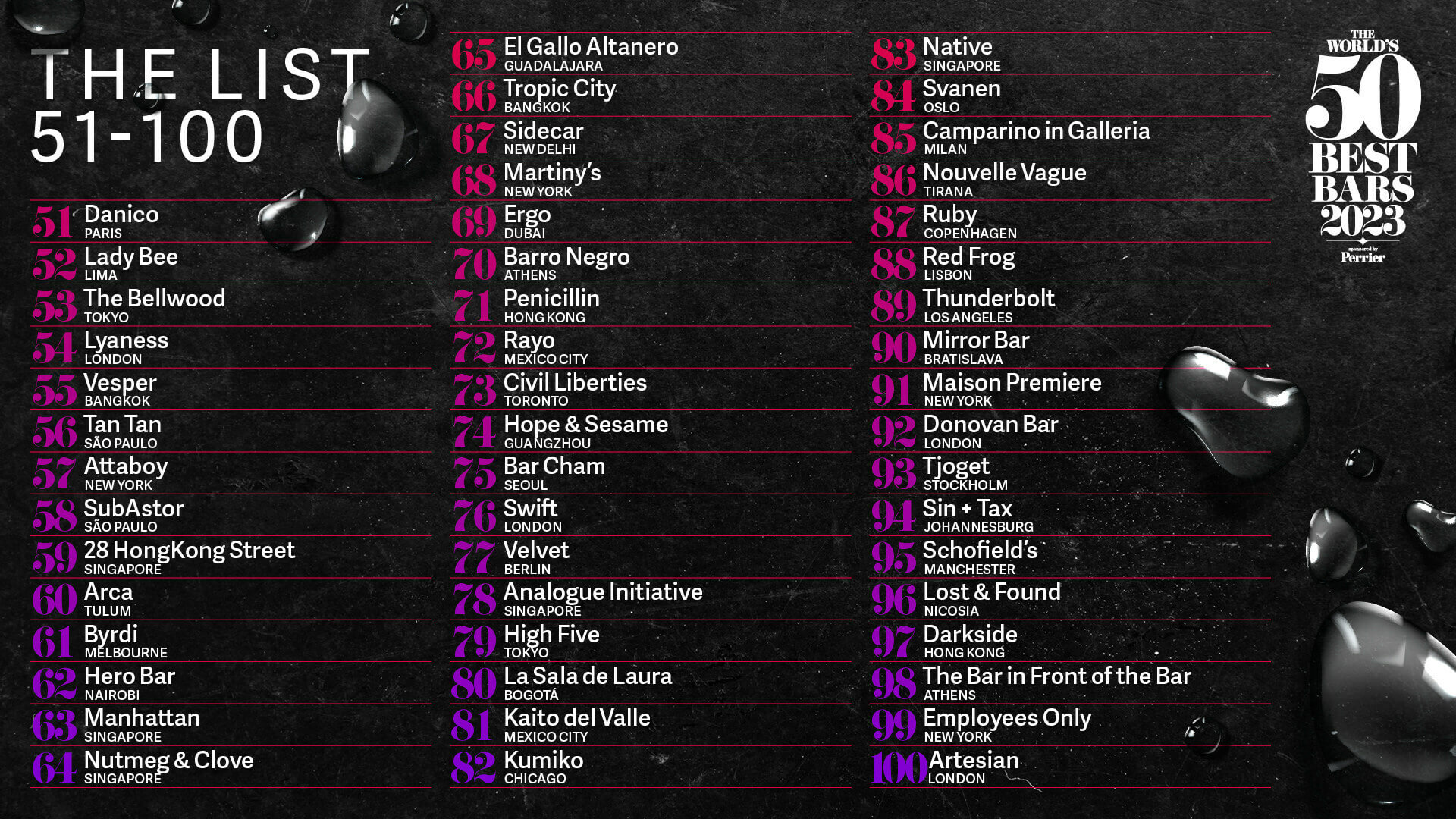
The World's 50 Best Bars 2023, numbers 51 to 100

2023 New Entries

Among these 50 bars are 14 new entries:

  • Lady Bee (No. 52)
  • Arca (No. 60)
  • El Gallo Altanero (No. 65)
  • Martiny’s (No. 68)
  • Ergo (No. 69)
  • Rayo (No. 72)
  • Civil Liberties (No. 73)
  • Bar Cham (No. 75)
  • Velvet (No. 77)
  • Kaito del Valle (No. 81)
  • Svanen (No. 84)
  • Nouvelle Vague (No. 86)
  • Mirror Bar (No. 90)
  • The Bar in Front of the Bar (No. 98)

Remember, the World’s 50 Best will reveal bars one through 50 in Singapore on October 17 at 8:25 PM UTC. Cheers!

Image: The World’s 50 Best Bars / ARCA

KRG Hospitality. Bar Consultant. Nightclub. Lounge. Mixology. Cocktails.

by David Klemt David Klemt No Comments

Brand Love: BrandVue’s 2023 Rankings

Brand Love: BrandVue’s 2023 Rankings

by David Klemt

Black and white image of a winners' podium under a spotlight

As we near the end of the year, Savanta has revealed their BrandVue’s Most Loved Eating Out Brands 2023 report, ranking 100 restaurant brands in America.

The B2B and B2C market consultancy has been publishing this report since 2019. Their fifth-annual report includes 16 categories, including ranking consumer opinion of third-party delivery services.

As a category, Burger boasts the greatest presence with 17 loved restaurant brands. In second is Italian or Pizza with 13 brands. With ten brands, Specialty comes in third as a category. Tied for fourth are Mexican and Chicken, featuring eight brands each.

Download the full report here.

Top Restaurant in Each Category

Below you’ll find the gold medalist in each category, in alphabetical order by restaurant type.

  • Asian: Panda Express
  • Burger: McDonald’s
  • Café or Bakery: Starbucks
  • Chicken: Chick-fil-A
  • Family Style: Cracker Barrel Old Country Store
  • Frozen Dessert: Cold Stone Creamery
  • Italian or Pizza: Olive Garden
  • Mexican: Taco Bell
  • Sandwich: Subway
  • Seafood: Red Lobster
  • Specialty: Krispy Kreme
  • Steak: Texas Roadhouse
  • Varied Menu: The Cheesecake Factory

Other Categories

There are a handful of other categories on the BrandVue list. Namely, Delivery, Sports Bar, and Meal-kit.

I’ve separated Delivery in particular because it doesn’t represent brick-and-mortar brands. Rather, these are third-party services.

For this year’s list, Savanta ranks five delivery services. Below, the top three:

  1. Caviar
  2. DoorDash
  3. UberEats

However, it’s important to note that DoorDash bought their one-time rival Caviar back in 2019. So, it’s really as though DoorDash claims two spots among the top three.

Of course, UberEats owns Postmates, which is among the five Delivery brands on this list. So is Seamless, owned by Grubhub. However, Grubhub itself doesn’t appear on this list.

The other two categories, Sports Bar and Meal-kit, count just one brand each among them: Buffalo Wild Wings and Plated, respectively.

Top 26 Restaurant Brands

Below, the top quarter of the 2023 BrandVue list. As you’ll see, the gold medalists among the top 25 are in bold.

Why did I decide to show the top 26 rather than the top 25? My reasoning is simple: one of the top 25 is a delivery service, not a brick-and-mortar restaurant.

  1. Domino’s (Italian or Pizza)
  2. Red Lobster (Seafood)
  3. Cold Stone Creamery (Frozen Dessert)
  4. Culver’s (Burger)
  5. Caviar (Delivery)
  6. Cinnabon (Specialty)
  7. Braum’s (Burger)
  8. Auntie Anne’s (Specialty)
  9. Wingstop (Chicken)
  10. Popeyes (Chicken)
  11. Wendy’s (Burger)
  12. Pizza Ranch (Italian or Pizza)
  13. Pizza Hut (Italian or Pizza)
  14. KFC (Chicken)
  15. The Cheesecake Factory (Varied Menu)
  16. Subway (Sandwich)
  17. In-N-Out Burger (Burger)
  18. Dunkin’ Donuts (Café or Bakery)
  19. Taco Bell (Mexican)
  20. Raising Cane’s (Chicken)
  21. Olive Garden (Italian or Pizza)
  22. Krispy Kreme (Specialty)
  23. Texas Roadhouse (Steak)
  24. McDonald’s (Burger)
  25. Starbucks (Café or Bakery)
  26. Chick-fil-A (Chicken)

Unsurprisingly, the top six spots go to gold medalists. In total, gold medalists claim seven slots amongst the top ten. Twelve of the top performers out of all 16 categories are in the top 25.

Interestingly, the list also puts America’s love for burgers, chicken, and pizza on full display. Of the top 25 most-beloved restaurant brands, five fall into the Burger category, and five fall into Chicken. Four slots belong to the Italian or Pizza category.

Notably, there are no Asian or Family Style restaurants among the top 26. However, I expect more Asian and Mexican restaurants to earn places in the top quarter over the next few years.

To see the full list of the 100 most-beloved restaurant (and delivery) brands in the US, click here.

Image: Joshua Golde on Unsplash

KRG Hospitality. Restaurant Business Plan. Feasibility Study. Concept. Branding. Consultant. Start-Up.

by David Klemt David Klemt No Comments

Taco Bell Racking Up Rewards Program Wins

Taco Bell Racking Up Rewards Program Wins

by David Klemt

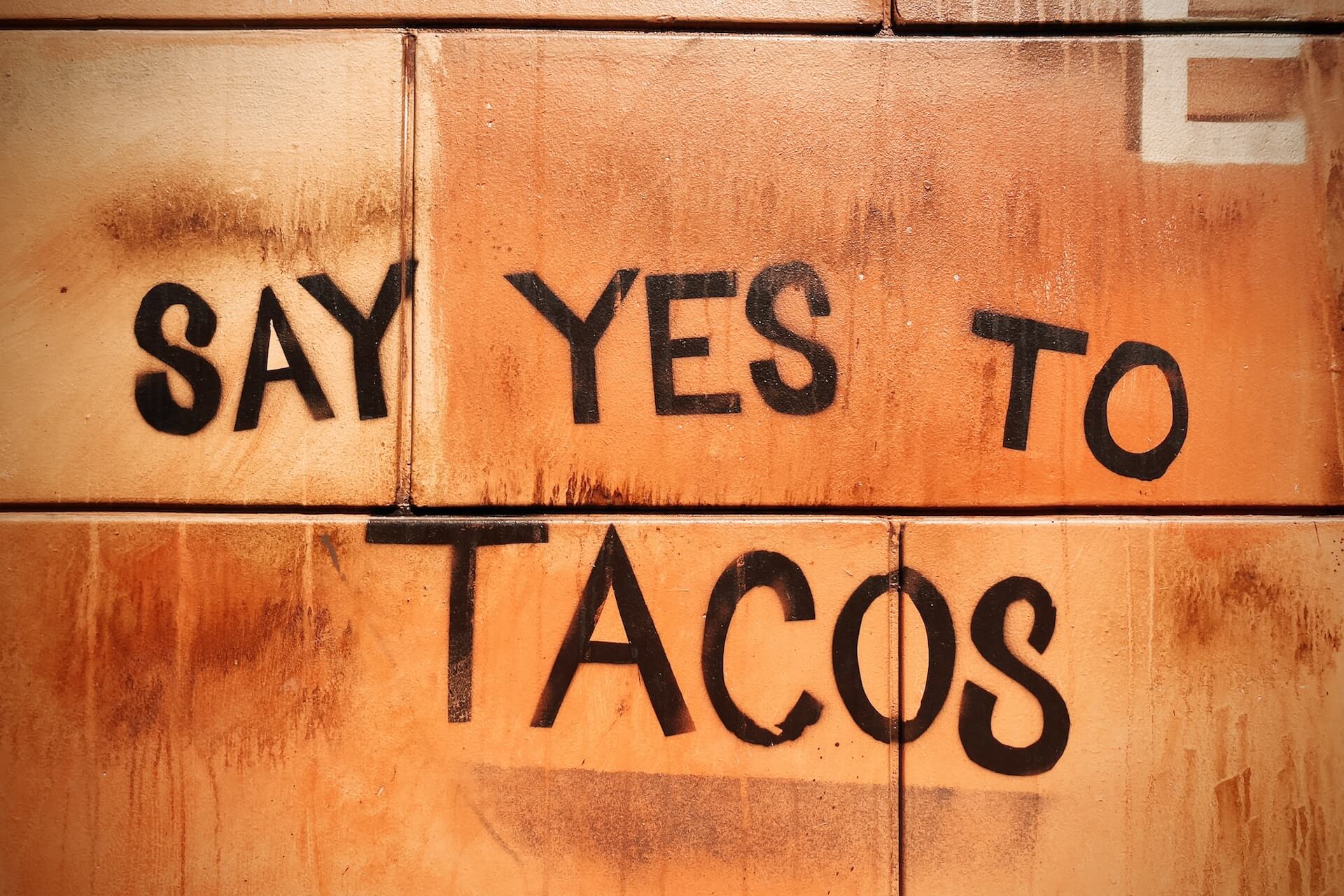
"Say yes to tacos" graffiti

Taco Bell, masters of the limited-time offer and loyalty program, continue to rack up wins with the return of a fan-favorite promotion, and more.

The fast-food giant operates more than 7,800 restaurants in the US alone. However, the company understands that sheer numbers aren’t enough to turn a profit.

Rather, Taco Bell continually proves they understand the power of promotions, loyalty, and LTOs.

The QSR routinely releases specialty items, then packs them away to generate buzz and traffic by making them available once again—for a limited time. Compellingly, Taco Bell also ties their LTOs to their loyalty program. Often times, the only way for guests to enjoy special perks and items is to be a Taco Bell Rewards member.

Not only does this help to engage existing members, this approach drives new program signups.

Case in point: the Taco Lover’s Pass.

National Taco Day Promotion

If you’re industry or a fan of Taco Bell, you should be aware of the Taco Lover’s Pass by now.

Tracing its genesis to 2021 in Arizona, the LTO pops up every now and then. In exchange for $10, those who grab a pass can get one free taco each day for 30 consecutive days.

Oh, and the pass is now only available via the Taco Bell app, and to members of the Taco Bell Rewards program. Again, this is an excellent way to boost engagement. Do guests want to take advantage of this LTO? Great—they’ll need to exchange their info and provide access to themselves to do so.

Normally, the Taco Lover’s Pass is available for purchase for just one day. However, this time around Taco Bell gave rewards members two days to snag one. This is likely due to a new menu item drop coming tomorrow.

For quite some time now, Taco Bell has been hinting that they’ll be making breakfast easier and better. And now we know how they plan to accomplish that goal.

Joining the Seasoned Beef Crunchy Taco, Seasoned Beef Crunchy Taco Supreme, Seasoned Beef Soft Taco, Seasoned Beef Soft Taco Supreme, Spicy Potato Soft Taco, Seasoned Beef Doritos® Locos Tacos, and Seasoned Beef Doritos® Locos Tacos Supreme on the Taco Lover’s Pass is the new Toasted Breakfast Taco.

Today, October 12 (a Taco Tuesday!), Taco Bell drops the Toasted Breakfast Taco, and holders of their coveted pass can grab one for free.

Clearly, Tuesdays are important to Taco Bell. Let’s not forget that they very publicly challenged the “Taco Tuesday” trademark, and very publicly celebrated its cancellation. So, launching an all-new item that will drive traffic to Taco Bell during the breakfast daypart makes perfect sense. The drop also further solidifies their branding and marketing.

Steal a Base…

…Steal a Taco. Not only is the Taco Lover’s Pass back, so is Taco Bell’s Major League Baseball promotion.

And, once again, it’s available only via the Taco Bell app, and only to Taco Bell Rewards members.

Focusing on the Fall Classic, “Steal a Base, Steal a Taco” is a collaboration between Taco Bell, the MLB, and Topps.

Starting October 27 (not a Tuesday), the first player to steal a base will earn the title Taco Hero. That player will also earn free Nacho Cheese Doritos® Locos Tacos for Taco Bell Rewards members.

Taking things further, however, is Topps. The iconic trading card brand has put a limited run of Topps TacoFractor cards into circulation. People who hold the card of the first player to steal a base during the 2023 World Series could win Taco Bell for life. For this promotion, that comes in the form of a digital $15,000 Taco Bell gift card.

Alternatively, the holders of Topps TacoFractor Wild Cards could win the big prize.

On October 10 (a Tuesday!), Taco Bell Rewards members will have the chance to score free Topps Chrome or Cosmic Chrome packs. This limited Tuesday Drop could lead to a Taco Hero card, which in turn can lead to winning Taco Bell for life.

Takeaway

Unquestionably, Taco Bell understands the power of marketing messaging, branding, promotions, and the LTO.

However, they also understand the need for loyalty and rewards programs to do more than just offer discounts and free menu items. A great loyalty program needs to be big, bold, and encourage constant engagement.

With that in mind, it’s more than likely time for most operators, regardless of size, to review and rethink their programs.

Image: Chad Stembridge on Unsplash

Bar Nightclub Pub Brewery Marketing Agency Team

by David Klemt David Klemt No Comments

Leisure and Hospitality Adds 96,000 Jobs

Leisure and Hospitality Adds 96,000 Jobs

by David Klemt

"Optimist" graffiti

Update: The figure of 61,000 restaurant and bar jobs was adjusted to 48,300 after revisions.

The latest report from the US Bureau of Labor Statistics reveals that the outlook looks promising for hospitality.

Put together, leisure and hospitality added 96,000 jobs in September. However, hospitality certainly leads the way according to the most recent report.

In particular, the news is wonderful for the restaurant and bar sector. Adding 61,000 jobs in September, “food services and drinking places” are back to February 2020 levels.

Put more simply, restaurants and bars are back to pre-pandemic employment numbers. It has taken more than three years, but we can finally breathe a collective (but cautious) sign of relief.

In fact, one in five jobs created in September was in a restaurant or bar. That’s incredible growth and welcome news.

But reaching this point hasn’t been easy. Operators, along with restaurant and bar workers, have clawed their way through the past several years.

The industry has changed, and operators need to avoid the temptation of regressing. Yes, employment levels are back to where they were before the pandemic. Worker and guest expectations will not return to where they were before February 2020. The changes are here to stay.

Lodging/Accommodation

Unfortunately, not every sector of hospitality is back to pre-pandemic employment levels.

First, the positive news. Lodging (or accommodation, if you prefer) did add jobs in September. Whereas restaurants and bars rose 61,000 jobs, lodging is up 16,000.

That’s good growth and reason to be optimistic regarding that sector. That’s where the good news ends when it comes to hard employment numbers.

On the negative side, lodging hasn’t yet returned to pre-pandemic employment levels. In fact, the sector is remains down by 217,000 jobs when compared to February 2020.

Should lodging/accommodation continue to add jobs at this pace, we could see a full recovery in Q4 2024.

However, the past few years have been an eyeopener for many lodging and accommodation operators. Many hotels, for example, have reduced the sizes of their teams.

It’s possible that as long as guest feedback remains positive, hotels and resorts will continue to operate with smaller teams. Indeed, technological innovations have made it simpler for mid- and large-scale properties to pare back labor.

Takeaway

While returning to pre-pandemic employment levels in restaurants and bars is great news, we must still be cautious.

This is a delicate situation, and one month of growth isn’t enough to shout, “We’re back!” There’s reason to be optimistic, to be sure, but adding jobs is just one part of an equation that features many variables.

For example, the unemployment level in the US remains unchanged at 3.8 percent.

So, be optimistic. Allow yourself to feel some hope. But be cautious. Continue to work toward empowering your teams, increasing traffic and revenue, mastering the guest experience, and achieving short- and long-term goals.

Image: George Pagan III on Unsplash

KRG Hospitality Start-Up Restaurant Bar Hotel Consulting Consultant Solutions Plans Services

by David Klemt David Klemt No Comments

Celebrating the Espresso Martini

Celebrate the Espresso Martini with Mr. Black

by David Klemt

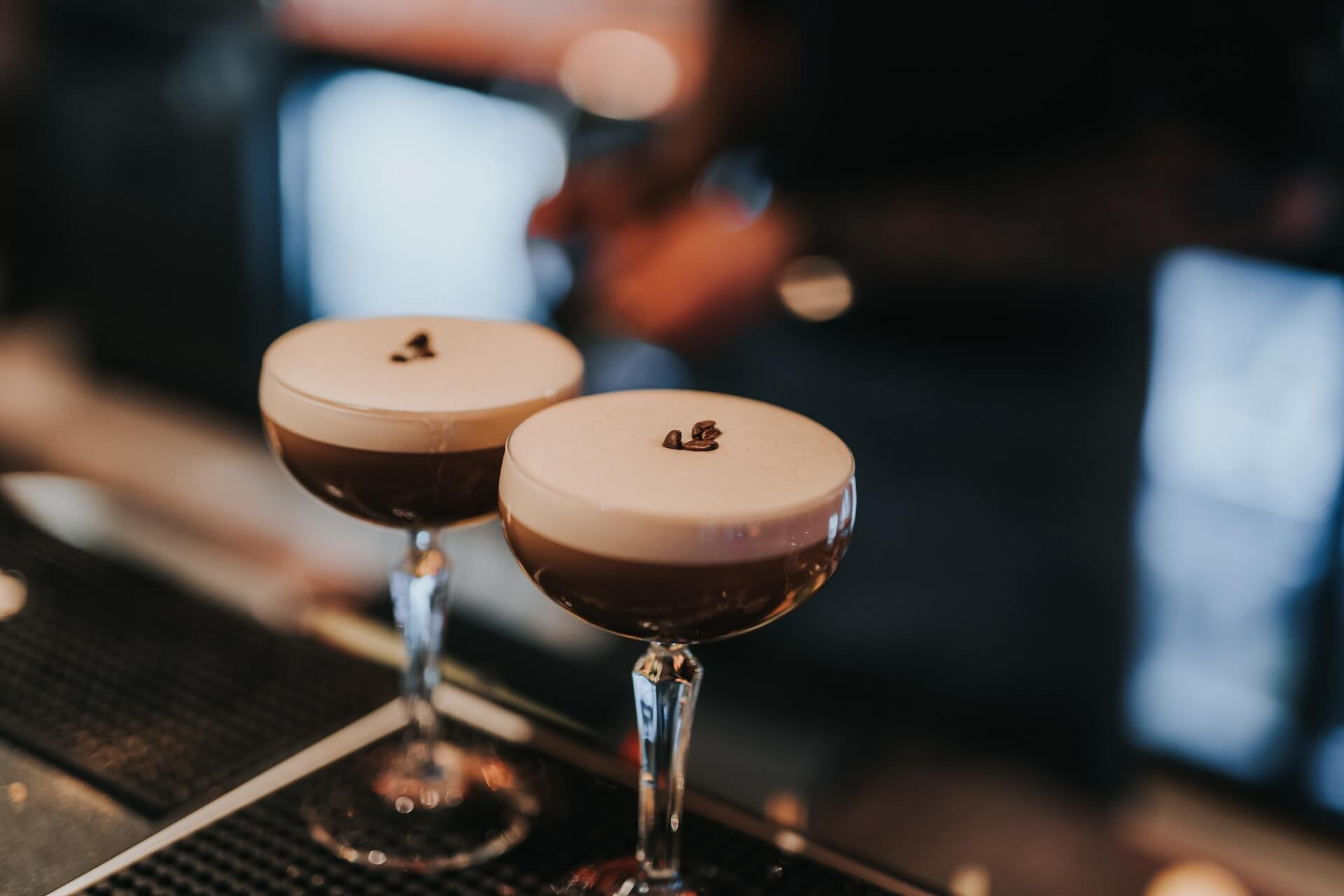
Two Espresso Martinis on a bar

For the second time in its brief but exciting history, Mr. Black Espresso Martini Fest is coming to bars throughout America.

Last year, 70 bars in eight cities across the US took part to celebrate the Espresso Martini. This year, participation more than doubles.

Fourteen cities in ten states will play host to more than 200 bars during the fest. For 2023, Austin, Boston, Dallas, Denver, Nashville, Phoenix, and Seattle are joining in on the fun.


View this post on Instagram


A post shared by Mr Black Spirits (@mrblackspirits)

I, for one, expect Espresso Martini Fest to have the same staying power as other cocktail celebrations. The inaugural event took place in 2016 in Australia. In 2018, the Fest spread to the UK. After launching in the US, the week-long event growth has doubled over the course of just one year.

Logically, Mr. Black Espresso Martini Fest should join the ranks of Negroni Week, Old Fashioned Week, and Bee’s Knees Week.

Now, I know I’ve called the Espresso Martini “the cocktail that won’t die.” And yes, I’ve pointed out that it’s not technically a Martini, and that many bartenders hate it for the time it can take to make. That doesn’t mean participating in Espresso Martini Fest is a bad idea.

This is a cocktail that guests enjoy. It’s a drink that generates headlines each year. And clearly it’s a beverage that can drive traffic and generate revenue. At the end of the day, participation is a smart move.

2023 Espresso Martini Fest Cities

Given that the Fest runs from October 9 to 15, it’s unlikely the organizers are still vetting venues for participation. However, at the time of this article’s publication, the portal appeared to be open. It’s a worth a shot if you want your bar to join Espresso Martini Fest!

At least you’re aware of the event now so you can prepare to sign up next year.

Bars in the following cities are taking part in this year’s Fest:

  • Austin, Texas
  • Boston, Massachusetts
  • Chicago, Illinois
  • Dallas, Texas
  • Denver, Colorado
  • Houston, Texas
  • Los Angeles, California
  • Miami, Florida
  • Nashville, Tennessee
  • New York, New York
  • Phoenix, Arizona
  • San Diego, California
  • San Francisco, California
  • Seattle, Washington

I certainly anticipate this list growing by at least 50 percent for 2024. Cheers!

Image: Krists Luhaers on Unsplash

KRG Hospitality. Bar Consultant. Nightclub. Lounge. Mixology. Cocktails.

by David Klemt David Klemt No Comments

SevenRooms Reveals Revenue Management Tool

SevenRooms Reveals Revenue Management Tool

by David Klemt

Closeup view of buttons on vintage, antique cash register

Just when you think SevenRooms is done launching new solutions for the year they announce a new tool that will excite operators.

That new tool is Revenue Management. Much more than “just another” plugin, SevenRooms Revenue Management is an engine.

This new engine is feature-rich and automates a number important tasks. In fact, one feature in particular has our attention: the “do-it-for-me” function.

What does that feature give operators the power to accomplish while saving time and labor costs? Below are just a handful of benefits:

  • party size recommendations
  • dining duration configurations
  • decrease last-minute cancellations via cancellation policy implementation
  • floor plan configuration recommendations

Should this automation feature prove easy to understand and use, we can see that this latest tool may become the most popular among SevenRooms users.

To learn more about Revenue Management, scroll down to the latest SevenRooms press release.

Growth Recap

Let’s take a look at just some of the growth SevenRooms has achieved over the course of just the past few years.

  • March 2021: SevenRooms appoints Pamela Martinez as the company’s chief financial officer.
  • September 2021: SevenRooms announces a multi-year partnership with TheFork. The partnership is big news for operators throughout Europe and Australia. Further, the partnership illustrates how the company is pursuing global growth.
  • October of 2021: The company forms a partnership with Olo. This ensures clients who also use Olo are able to capture data from a key group: off-premise customers. That data creates profiles for such customers automatically. That means operators can learn more about—and effectively market to—customers who engage with them via online orders.
  • December 2021: SevenRooms and ThinkFoodGroup—the hospitality company behind Chef José Andrés’ portfolio of restaurants—make their partnership public. Interestingly, this partnership also includes ThinkFoodGroup joining SevenRooms in an advisory role.
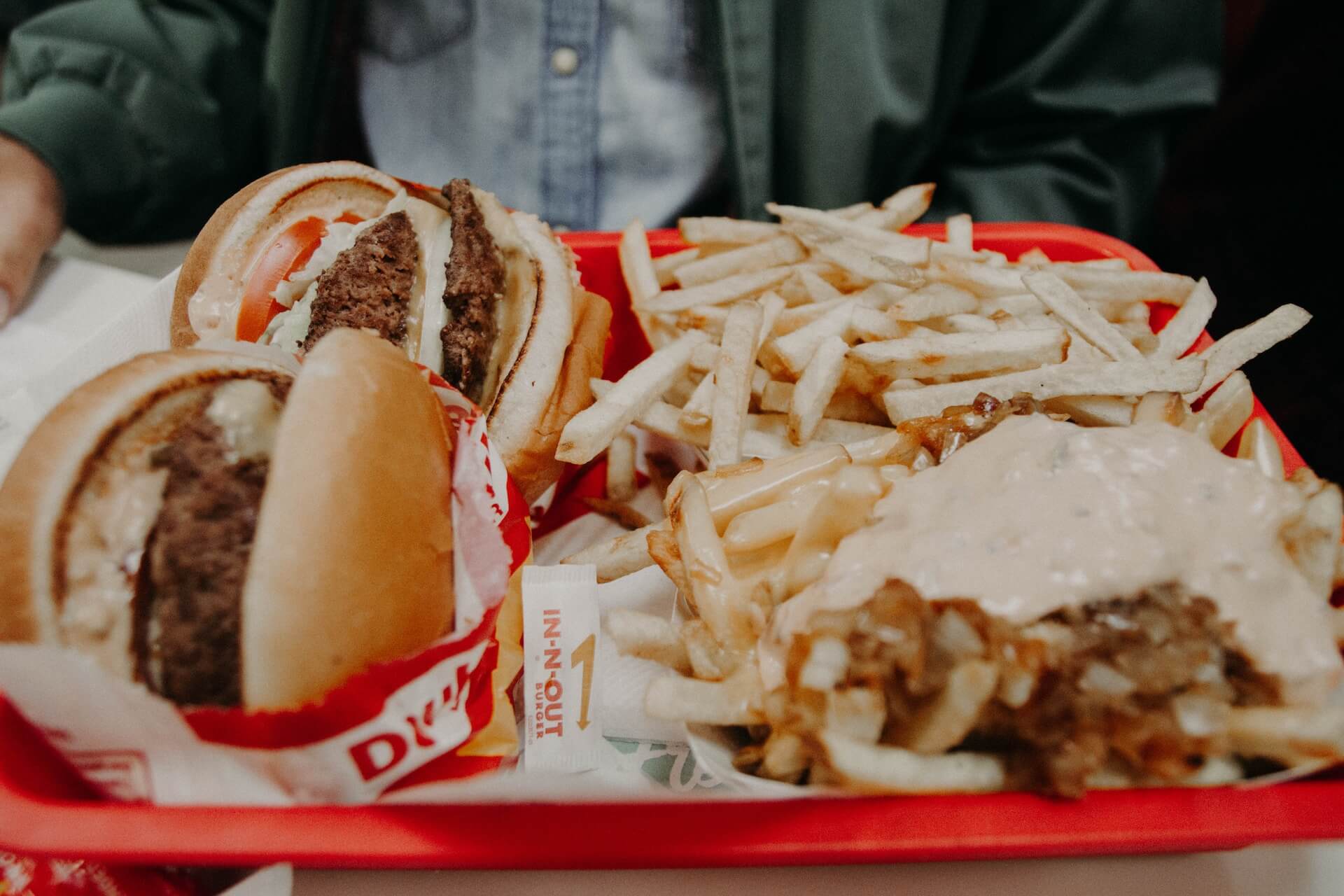
  • January 2022: The platform announces the hiring of a chief revenue officer, Brent-Stig Kraus.
  • December 2022: SevenRooms enters into a partnership with Competitive Social Ventures.
  • January 2023: The company announces the appointment of their first-ever chief marketing officer.
  • March 2023: SevenRooms announces that Danny Meyer and EHI are investors in the platform. Following that announcement, SevenRooms launches Email Marketing Integration less than two weeks later.
  • May 2023: The company drops their Pre-Shift tool. Two weeks after that launch, SevenRooms announces a new global partnership with Marriott.

Most platforms launch a new solution or announce new partnerships once or twice per year. Not SevenRooms. And it’s this constant growth that encourages us to recommend the platform to our clients.

SEVENROOMS LAUNCHES REVENUE MANAGEMENT TO HELP OPERATORS INCREASE SALES & PROFITABILITY

Automated revenue management solution will provide restaurants with the tools they need to optimize their operations and fill more seats, more often

NEW YORK (September 28, 2023) – SevenRooms, a guest experience and retention platform for the hospitality industry, today announced the launch of a new solution for restaurants: Revenue Management. The product serves as an engine for operators to generate more sales and profitability from the same seats, using data science to recommend how to optimize availability and increase table utilization.

To survive current economic conditions, restaurants need solutions that can save them time, reduce their labor costs and increase their sales and profits. Inspired by effective revenue management strategies long-used by the travel industry, Revenue Management extends this practice to the restaurant industry. The product automates these processes without the need for analysts, additional staff or high-priced consultants to manage changes, helping to:

  • Fill more seats, more often to increase sales by reducing the time seats sit empty
  • Save time and reduce burdensome labor costs by automating in-depth analysis, quickly making changes with a ‘do-it-for-me’ option
  • Provide operators with easy-to-digest insights along with ready-to-use actions that demystify proven steps taken by revenue leaders

Other systems on the market today may offer reporting on a handful of insights, but none help operators immediately action revenue-focused suggestions with a ‘do-it-for-me’ option that has an instant impact on their operations. Sample actions include recommendations on party size or dining duration configurations, when to institute cancellation policies to decrease last-minute cancellations, floor plan configuration recommendations and more. Diners also benefit, with more available reservations, a better dining experience (e.g. being sat on time and not being rushed out the door) and more unique experiences and offerings to choose from when dining out as operators have more time to focus on the guest experience.

Notably, Revenue Management also gives operators insights into how much demand was missed across booking channels by summarizing data on recent reservation attempts. This helps operators better manage these channels and optimize their books to offer more reservations across their most profitable channels.

“With Revenue Management, we are delivering on our promise to help operators make more money, providing a product that automatically executes on strategies used by the most successful hospitality brands throughout the world – without having to add team members or search out implementation experts,” said Angela DeFranco, VP of Product at SevenRooms. “This tool is both proactive and reactive, helping operators uncover untapped opportunities while simultaneously working to identify potentially harmful configuration issues that may restrict venues from maximizing sales and profitability. Today’s operators are busier than ever, and we are excited to bring Revenue Management to hospitality operators, helping them automatically fill more seats, more often while continuing to elevate their guest experiences.”

For more details on SevenRooms’ newest innovations, please visit sevenrooms.com/new.

About SevenRooms

SevenRooms is a guest experience and retention platform that helps hospitality operators create exceptional experiences that drive revenue and repeat business. Trusted by thousands of hospitality operators around the world, SevenRooms powers tens of millions of guest experiences each month across both on- and off-premises. From neighborhood restaurants and bars to international, multi-concept hospitality groups, SevenRooms is transforming the industry by empowering operators to take back control of their businesses to build direct guest relationships, deliver exceptional experiences and drive more visits and orders, more often. The full suite of products includes reservation, waitlist and table management, online ordering, mobile order & pay, review aggregation, email marketing and marketing automation. Founded in 2011 and venture-backed by Amazon, Comcast Ventures, PSG and Highgate Ventures, SevenRooms has dining, hotel F&B, nightlife and entertainment clients globally, including: Marriott International, MGM Resorts International, Mandarin Oriental Hotel Group, Wynn Resorts, Jumeirah Group, Hard Rock Hotels & Resorts, Wolfgang Puck, Michael Mina, Bloomin’ Brands, José Andrés Group, Union Square Hospitality Group, Australian Venue Company, Altamarea Group, AELTC, The Wolseley Hospitality Group, Dishoom, Live Nation and Topgolf. www.sevenrooms.com

Image: Erik Mclean via Pexels

Bar Pub Brewery Nightclub Club Nightlife Technology Plan Tech Stack

by David Klemt David Klemt No Comments

Canadians Preparing for NHL Opening Week

Canadians Preparing for NHL Opening Week

by David Klemt

Vintage tabletop hockey game toy

Now nobody can accuse me of showing any NHL teams favoritism. Go Knights Go!

As one should expect, Canadian hockey fans are preparing for the 2023-2024 NHL season opener, and those preparations include on-premise visits.

On Tuesday, October 10, three teams will face off to start the regular season.

First, the Nashville Predators take on the Tampa Bay Lightning. Then, the Chicago Blackhawks will face the Pittsburgh Penguins.

Finally, after raising their brand-new, first-ever Stanley Cup championship banner, which they won just six seasons after their founding, the fastest an expansion team has accomplished this feat, the Vegas Golden Knights will welcome the Seattle Kraken to T-Mobile Arena in Las Vegas.

According to on-premise data from CGA by NIQ, Canadian hockey fans are planning to celebrate the start of the season at bars and restaurants. That means operators have less than two weeks to finalize plans to attract these guests to their venues.

In particular, operators in four provinces need to ensure their NHL opening week plans and promotions are good to go. Per CGA’s data, consumers in Québec are showing the greatest interest in watching this season’s opening games in bars and restaurants. Following and driving on-premise interest are British Columbia, Ontario, and Alberta.

Of course, operators throughout the provinces who serve sports fans should be ready to welcome hockey fans.

For our Canadian readers, the Montréal Candiens will take on Toronto Maple Leafs on Wednesday, October 11. On that same day, the Ottawa Senators face the Carolina Hurricanes; the Edmonton Oilers face off against the Vancouver Canucks; and the Winnipeg Jets will battle the Calgary Flames.

Click here for the full opening week schedule.

Why Does this Matter?

I may catch some flack for this but technically, any bar with televisions events can be a sports bar.

Yes, I understand that’s a very simplistic view. And yes, of course that comes with the caveat that sports should be authentic to a given concept. Also, showing sports should take into account the expectations of bar or restaurant’s guests.

In other words, most bars and restaurants can benefit from sports but they’d likely be a hindrance to some high-end cocktail bars and fine-dining concepts.

With that out of the way, operators who want to establish themselves as the go-to spot for sporting events need to nail opening week. That means having all of their ducks in a row.

Do they have the proper business TV packages in place? Will promotions and programming appeal to the target audience? Are the screens and audio system high quality for the best viewing experience? Does the menu offer sports fans what they want for great value? Is the team pulling out all the spots to make viewing fun?

Regarding the menu, CGA by NIQ has a couple of valuable insights. First, beer is the top beverage alcohol category among those planning to celebrate NHL opening week on-premise. Second, among those who plan to consume spirits, tequila is the top pick. Sounds like offering beer and tequila shot pairings could perform well.

However, operators should certainly take into account their own data. What F&B items are selling the best? Which items performed the best this same time last year?

Between 15 and 16 million Canadians follow hockey. That’s a vast pool of potential customers to convert to loyal guests. The importance of becoming their sports home base, their third spot, cannot be overstated.

This coming opening week, lay the groundwork to become the go-to place for hockey fans, fantasy sports competitors, and sports bettors.

Image: cottonbro studio via Pexels

KRG Hospitality. Gaming. Entertainment. Consultant. Food Service. Bowling Alley. Golf. Simulator. Arcades. Eatertainment.

by David Klemt David Klemt No Comments

The Best Hotel in the World is in Italy

The Best Hotel in the World is in Italy

by David Klemt

The Passalacqua hotel on Lake Como in Italy

An intimate, 24-key property with extraordinary views of Lake Como holds the number-one spot on the first-ever World’s 50 Best Hotels list.

Unquestionably, every hotel on the list is incredible. Clearly, the World’s 50 Best is making their standards clear. Truly, I don’t envy the task the voters and academy chairs will face in organizing the 2024 list. (I do envy their travels and hotel stays, of course.)

Passalacqua, once a villa owned by a count, has earned the World’s 50 Best Hotels crown.


View this post on Instagram


A post shared by Passalacqua (@passalacqualakecomo)

Interestingly, a number of the hotels on the inaugural World’s 50 Best Hotels list are similar in size to Passalacqua, as far as number of keys goes. Like the number-one hotel, Aman Venice (no. 14) also has 24 keys. The Singita Lodges (no. 15) at Kruger National Park have 23 keys. Finally, Nihi Sumba (no. 18) has 27 keys, though they’re all separate villas.

Of course, Passalacqua also features separate buildings.

At the top of the property sits the Palazz, a decadent but elegant country home. Heading toward Lake Como from the Palazz, guests encounter the luxe Villa. Following are the bar, pool, fitness center, bocce court, tennis court, and acres of immaculate gardens. Overlooking the alluring waters of Lake Como is the Casa al Lago, literally “the House by the Lake.”

Through the Palazz, Villa, Casa al Lago, and seven acres of gardens, Passalacqua delivers a unique interpretation of luxury.

La Villeggiatura

I’m certain that when some people hear “best hotel” they immediately picture opulent temples built to deliver the highest level of hospitality to the elite among elite guests.

However, luxury, opulence, elegance, decadence… In the hospitality world, particularly in the five-star segment, there are multiple interpretations of those words.

On one end of the spectrum a concept can be ostentatious, pretentious. And on the other, an operator and their team can take great pains to ensure they deliver an experience that simply whispers luxury.

Passalacqua approaches luxury and indulgence with intention. There’s no question that the villa, built in the late 1780s for Count Andrea Lucini Passalacqua, is opulent. Villa Pasalacqua was put up for auction by its previous owner, an American banker, and purchased by the De Santis family in 2018. The family, who also operate the stunning, 84-key Grand Hotel Tremezzo, partnered with interior design studio BAMO for a three-year restoration. The results, of course, are breathtaking.

Breathtaking but restrained. Passalacqua’s guiding principle is to allow its guests to experience la villeggiatura. While some English speakers translate this concept to a vacation or getaway, it’s much more than that to Italians.

La villeggiatura, traditionally and to the Passalacqua team, means to leave one’s city home and travel for a stay in a country home, often for an entire season. The De Santis family delivers on this concept, adhering to their mission to ensure that Passalacqua guests feel as though their relaxing and recharging at their home in the country.

Considering what the collective at BAMO has to say about the property, the villa itself dictated that they honor la villeggiatura during the restoration of the property.

Quiet Luxury

Luxury and indulgence go beyond interior and exterior design, of course. Those elements are also about more than simply anticipating and catering to a certain level of guest’s every whim.

One of my favorite components of Passalacqua is the approach to food and beverage.

We’re talking about a property in Italy that has been ranked the best in the world; F&B must be part of the discussion.

The approach, according to Passalacqua, is to immerse guests in a feeling. That feeling is that they’re staying at their own country home or the elegant home of an Italian friend.

So, a guest may find their way to the kitchen. And that guest may find themselves chatting with the brigade, and then learning how to make pasta or tasting through wines that were just delivered.

Forget the chef’s table—this is an invitation to the chef’s home.

From what I can find, the F&B program at Passalacqua is incredible but unpretentious. It’s a carefree breakfast, an airy lunch with new friends, and an intimate yet convivial dinner with one’s favorite people.

This is quiet luxury and indulgence, and, to me, is what sets Passalacqua apart.

What World’s 50 Best Hotels Says

For further insight into why Passalacqua boasts the title of Best Hotel in the World, consider the following:

“Set within spectacular terraced gardens and unfolding over just 24 rooms in an 18th-century villa, Passalacqua is a showcase of the finest Italian craftsmanship in a sumptuous riot of ornate Baroque elegance. Ceiling carvings, original frescoes, Murano chandeliers and perfectly manicured gardens: it all comes together in a sublime retreat.

“The hotel is the creation of the De Santis family, whose history in hospitality is manifest throughout the Passalacqua operation. Each element of the hotel, from its lauded design to its formidable staff and breathtaking location, works in total symbiosis to earn the establishment the inaugural title of The World’s Best Hotel 2023.”

The World’s 50 Best Hotels continues:

“From its perch amid private grounds in Moltrasio, the hotel’s 24 rooms are spread out over three buildings: the main villa, the eight-room Palazz (housed in the former stables with giant original exposed beams) and the four-suite Casa al Lago down by the lake. Inside, Italian craftsmanship abounds with original frescoes and ceiling carvings that are further embellished with gilded mirrors, 19th-century portraits, lacquered antique tables, Murano chandeliers and Il Bronzetto light fittings. Outside, seven acres of perfectly manicured terraced gardens with olive groves, mimosa, roses and magnolia lead to the sexy pool terrace which is dotted with vibrant JJ Martin-designed parasols that add a cheeky, fashionable flair to the otherwise classic opulence.”

Congratulations to the owners and team behind Passalacqua! And congratulations to the 49 other spectacular hotels and resorts on the list.

Cheers!

Image: Stefano Anzini / Passalacqua

KRG Hospitality. Boutique Hotels. Resorts. Properties. Consultant. Feasibility Study. Business Plan

by David Klemt David Klemt No Comments

The World’s 50 Best Hotels: 2023

World’s 50 Best Reveals the top Hotels

by David Klemt

The Guildhall in London, England

The inaugural ceremony took place at Guildhall in London, England.

The World’s 50 Best launches their inaugural World’s 50 Best Hotels list and recognizes the finest hotels and resorts across six continents.

Mark Sansom, content director for the World’s 50 Best Bars, revealed this new list on episode 90 of the Bar Hacks podcast. That episode was published in January of this year.

Adding the World’s 50 Best Hotels to the World’s 50 Best portfolio makes perfect sense.

The organization first began ranking restaurants in 2002. In 2013, the World’s 50 Best Restaurants introduced regional lists, including Asia’s 50 Best Restaurants.

Then came the World’s 50 Best Bars in 2009. In 2012, the list celebrated its inaugural awards ceremony. The first regional list was launched in 2016, and North America’s 50 Best Bars was kicked off in 2022.

F&B, of course, pairs perfectly with travel. To have food, beverage, and travel under one umbrella shows the World’s 50 Best’s commitment to evolving and celebrating the best of hospitality as a whole.

As you’ll see below, this inaugural list is undeniably impressive. The World’s 50 Best Hotels have set an incredible standard with this list of properties.

That begs a question: If these are the winners for 2023, what amazing hotels and resorts will earn placements on the list in the coming years?

Congratulations to the first 50 winners to earn spots on the list!

The World’s 50 Best Hotels 2023: 50 to 11

  1. Hôtel de Crillon (Paris, France)
  2. Six Sense Ibiza (Portinatx, Ibiza, Spain)
  3. Equinox New York (New York City, New York, United States of America)
  4. The Savoy (London, England, United Kingdom)
  5. NoMad London (London, England, United Kingdom)
  6. The Oberoi Amarvilas (Agra, Uttar Pradesh, India)
  7. Atlantis the Royal (Dubai, United Arab Emirates)
  8. Badrutt’s Palace (St. Moritz, Switzerland)
  9. The Siam (Bangkok, Thailand)
  10. Eden Rock (St. Barths)
  11. Desa Potato Head (Seminyak, Bali, Indonesia)
  12. Hoshinoya Tokyo (Tokyo, Japan)
  13. Amangalla (Galle, Sri Lanka)
  14. The Newt (Bruton, England, United Kingdom)(winner of the Carlo Alberto Best Boutique Hotel)
  15. Soneva Jani (Maldives)
  16. Four Seasons Astir Palace (Athens, Greece)
  17. Cheval Blanc (Paris, France)
  18. Hotel Du Cap-Eden-Roc (Antibes, France)
  19. Gleneagles Hotel (Auchterarder, Scotland, United Kingdom)(featured on the Bar Hacks podcast)(winner of the Art of Hospitality Award)
  20. La Réserve (Paris, France)
  21. Park Hyatt Kyoto (Kyoto, Japan)
  22. Le Bristol (Paris, France)
  23. Capella Singapore (Singapore)
  24. Rosewood São Paulo (São Paulo, Brazil)
  25. The Maybourne Riviera (Roquebrune-Cap-Martin, France)
  26. Aman New York (New York City, New York, United States of America)
  27. Four Seasons Madrid (Madrid, Spain)
  28. Royal Mansour (Marrakech, Morocco)
  29. The Connaught (London, England, United Kingdom)
  30. Borgo Egnazia (Savelletri, Puglia, Italy)
  31. Le Sirenuse (Positano, Campania, Italy)
  32. Hotel Esencia (Tulum, Quintana Roo, Mexico)
  33. Nihi Sumba (Wanokaka, Sumba Island, Indonesia)
  34. Raffles Singapore (Singapore)
  35. Claridge’s (London, England, United Kingdom)
  36. Singita Lodges – Kruger National Park (Kruger National Park, South Africa)(winner of the Flor de Caña Eco Hotel Award)
  37. Aman Venice (Venice, Veneta, Italy)
  38. Chablé Yucatán (Chocholá, Yucatán, Mexico)
  39. The Calile (Brisbane, Queensland, Australia)
  40. Capella Bangkok (Bangkok, Thailand)(winner of the Nikka Best New Hotel Award)

The World’s 50 Best Hotels 2023: 10 to One

  1. Mandarin Oriental Bangkok (Bangkok, Thailand)
  2. Four Seasons Firenze (Florence, Tuscany, Italy)
  3. One&Only Mandarina (Puerto Vallarta, Jalisco, Mexico)
  4. Soneva Fushi (Maldives)(winner of the Lost Explorer Best Beach Hotel Award)
  5. La Mamounia (Marrakech, Morocco)
  6. Aman Tokyo (Tokyo, Japan)
  7. The Upper House (Hong Kong)
  8. Four Seasons Bangkok at Chao Phraya River (Bangkok, Thailand)
  9. Rosewood Hong Kong (Hong Kong)
  10. Passalacqua (Moltrasio, Como, Italy)

The Lodge at Blue Sky, a property in the Auberge Resorts Collection, in Park City, Utah, USA, earned the Lavazza One to Watch Award. Also, 28-year industry veteran Sonu Shivdasani OBE, the co-founder and CEO of Soneva, took home the SevenRooms Icon Award.

This year’s top hotel, Passalacqua, has been welcoming guests for barely a year. However, the property itself was built in the late 1700s for Count Andrea Lucini Passalacqua.

After undergoing a three-year restoration, the intimate hotel proudly offers guests stunning views of Lake Como. Owned by the family behind the 84-key Grand Hotel Tremezzo, Passalacqua features just 24 keys. The suites are spread out between the primary villa, the country-house-styled Palazz, and Casa al Lago, which is located close to the waters of Lake Como.

This is truly a deserving winner, an ultra-luxe but relaxing resort. Moreover, Passalacqua shows that a resort with just two dozen keys can compete against hotels several times its size.

Image: David Holbrook

KRG Hospitality. Boutique Hotels. Resorts. Properties. Consultant. Feasibility Study. Business Plan

by David Klemt David Klemt No Comments

Indies in the US & Canada: The Numbers

Independents in the US & Canada: The Numbers

by David Klemt

Canadian and America flags flying together

Operators who wonder how many independent restaurants there are throughout America and Canada finally have their answer thanks to Datassential.

The well-known food and beverage research and intelligence platform’s recent infographic reveals the state of indies in both countries.

For the purposes of their infographic, Datassential splits restaurants into two overarching categories. One major category is full-service restaurants, the other is limited-service.

From there, the platform organizes restaurants into five segments: casual, QSR, midscale, fast casual, and fine dining.

To my understanding, QSR and fast casual fall under Datassential’s limited-service designation. Casual, midscale, and fine dining are full-service restaurants.

To review the infographic yourself, please click here.

Number of Indie Restaurants: America

According to Datassential, there are 483,885 independent restaurants in the US.

Of those restaurants, 57 percent are full-service. It follows, then, that 43 percent are limited-service.

Close to half—44 percent—of full-service restaurants in the US boast more than five years of being open. Just a quarter of limited-service restaurants (26 percent) can claim the same.

This does, anecdotally, make some sense. QSRs and fast-casual brands have been on the rise over the past couple of years. In fact, some casual chains are developing and launching QSR brands off the strength of the category.

Finally, 21 percent of full-service restaurants in the US see annual sales under $500,000. That number climbs to 27 percent for limited-service restaurants.

Now, let’s take a look at independent restaurants in Canada.

Number of Indie Restaurants: Canada

Per Datassential, there are a total of 59,914 independent restaurants throughout Canada.

The split between full-service restaurants and limited-service restaurants is just about even. Fifty-one percent of indie restaurants in Canada are full-service. Forty-nine percent are limited-service operations.

A little under 40 percent of full-service independent restaurants in Canada (36 percent) can say they’ve been operating for more than five years. That number is 28 percent for limited-service restaurants.

Interestingly, just five percent of independent full-service restaurants in Canada bring in less than $500,000 in sales annually. That number jumps to 34 percent when we look at the limited-service category.

Indie Restaurants by Segment

The breakdown of the five Datassential independent restaurant categories is the same for America and Canada.

Most independent restaurants in either country are casual. Following, in descending order of number of restaurants, are QSR, midscale, fast casual, and fine dining.

For America, the numbers are as follows:

  • Casual: 37 percent
  • QSR: 34 percent
  • Midscale: 19 percent
  • Fast casual: 9 percent
  • Fine dining: 1 percent

And for Canada the breakdown is nearly identical:

  • Casual: 37 percent
  • QSR: 30 percent
  • Midscale: 18 percent
  • Fast casual: 14 percent
  • Fine dining: 1 percent

There are eight times as many independent restaurants in America as there are in Canada. But as you can see, the industry segmentation by country is nearly the same.

Future independent operators can look at this information a few different ways. They can choose to join the most popular segments and differentiate themselves from the competition. They can look for and fill a need for an indie fast-casual or fine-dining concept. Or they can shoot for the middle and go midscale, a segment that’s gaining traction across several hospitality industry sectors.

For you own copy of Datassential’s infographic, follow this link.

Image: chris robert on Unsplash

KRG Hospitality. Restaurant Business Plan. Feasibility Study. Concept. Branding. Consultant. Start-Up.

by David Klemt David Klemt No Comments

The Top-performing New Restaurant Type

The Top-performing New Restaurant Type

by David Klemt

A bowl of ramen with beers in the background

According to a midyear Yelp report, one category of new restaurant is experiencing a surge in growth across the US unlike any other.

No, it’s not ramen, as the image above suggests. Instead, it’s pop-up restaurants.

We can trace the growth of this category, at least on the operator side, to cost. Sure, pop-ups were popular before 2020. However, they grew even more popular during the pandemic.

One can argue the life cycle of the pop-up is fad to trend to cost-saving adaptation to proliferation.

There are even those who transform shipping containers into mobile, pop-up restaurants and bars. With the right permits and hookups (water, electricity, etc.), an operator can test a new market or an entirely new concept before committing fully to a brick-and-mortar location.

In other words, the pop-up simply makes sense for our industry. This category of restaurant (or bar) clearly doesn’t cost anywhere as much as its permanent brick-and-mortar counterparts, for one. Secondly, a pop-up doesn’t (shouldn’t, anyway) require more than a skeleton crew. And thirdly, they do seem to enjoy pops in interest whenever they come to a new market or new address.

There are, of course, other benefits. However, the low(er) cost is the most attractive element for most operators.

Keep in mind that Double Chicken Please started life as a pop-up cocktail concept. In fact, DCP is the current Best Bar in North America according to the World’s 50 Best Bars.

Covering more than 10,000 miles and serving over 1,200 cocktails, the DCP pop-up toured the US for three years before finding a brick-and-mortar home. And what a home. The concept is now a jewel in New York’s Lower East Side F&B crown.

Top Restaurant Types by Opening

According to Yelp, the following restaurant categories are experiencing the most growth.

The numbers below represent the changes in business openings from April 2021 to March 2022 in comparison to April 2022 to March 2023.

  • Pop-ups: +105 percent
  • Ramen: +45 percent
  • Noodles: +40 percent
  • Tacos: +28 percent
  • Chicken shops: +28 percent
  • Food stands: +23 percent
  • Japanese: +20 percent
  • Breakfast and brunch: +20 percent
  • Sushi: +13 percent
  • Steakhouses: +9 percent

As the numbers above show, the growth of pop-ups far exceeds that of any of the other categories. In fact, they’re growing by nearly three times that of the second-place category, ramen restaurants.

Make a Pop-up Work for You

For a pop-up to work the concept must be realized fully. The brand and its story must be communicated clearly.

And while the menus can perhaps change more easily, signatures should be dialed in to generate buzz.

At KRG Hospitality, our view of pop-ups is a popular one. We think they’re excellent branding tools and are a viable way for new operators to test the waters.

However, we believe that a successful pop-up should be paired with a fully customized feasibility study and in-depth concept development. Both are core services offered by KRG Hospitality, and both are specialties that set us apart.

They may be mobile, they may feel niche and “temporary” or experimental, but they’re still a business.

A pop-up can only transform into a brick-and-mortar concept with a shot at longevity if the operator treats it as a roving proving ground.

Image: Diego Lozano on Unsplash

KRG Hospitality Start-Up Restaurant Bar Hotel Consulting Consultant Solutions Plans Services

by David Klemt David Klemt No Comments

FAST Act Fight Appears to be Over

FAST Act Fight Appears to be Over

by David Klemt

Tray with In N Out burgers and French fries

Well, that was fast: If recent reports are accurate—and it appears they are—the battle over the FAST Act has come to a close.

Rather than fight on the ballot, fast-food chain operators and labor groups have struck a deal. Per some reports, this puts a halt to a referendum battle that could have cost more than $100 million in campaign funds.

On its face, the deal is quite simple. AB 257, known as the Fast Food Accountability and Standards Recovery—or FAST Act—is dead. That is, dead save for one provision: the creation of the Fast Food Council will move forward.

The council will have a total of eleven members. Nine will have the power to vote, two will be non-voting members. The breakdown will be as follows:

  • two representatives of the fast-food restaurant industry (2);
  • two franchisees or restaurant owners (2);
  • two restaurant employees (2);
  • two advocates for fast-food restaurant employees (2);
  • member of the public who is not affiliated with either side (1, will serve as chair); and
  • members from the Department of Industrial Relations and the Governor’s Office of Business and Economic Development (2, non-voting)

Their first meeting is on the schedule for March 15.

In exchange, fast-food workers will see the minimum wage bump up to $20 per hour should they be in the employ of a fast-food chain with more than 60 locations throughout the US. That pay rise will come in April 2024.

When it comes to further pay rises, the council has two options:

  • An annual wage increase of 3.5 percent; or
  • An increase based on average changes to the consumer price index each year.

As one might expect, the rise will be whichever number is lower.

What was AB 257?

To summarize, FAST would’ve done the following:

  • Establishes the Fast Food Council, ten members appointed by the Governor, the Speaker of the Assembly, and the Senate Rules Committee. The council will operate until January 1, 2029.
  • Defines “the characteristics of a fast food restaurant.”
  • Gives the Fast Food Council the authority to set “minimum fast food restaurant employment standards, including standards on wages, working conditions, and training.”
  • Provides the council the power to “issue, amend, and repeal any other rules and regulations, as necessary.”
  • Allows the formation of a Local Fast Food Council by a county, or a city that has a population of more than 200,000.

Click here to review the bill’s text in its entirety.

Why is this Important?

It’s entirely possible that similar bills will pop up in other states in the coming years.

If this result is anything go by, such bills may be used by QSR operators and labor groups as negotiating tactics. The most recent news regarding the FAST Act should have the attention of both operators and hospitality workers. In California alone, the pay rise is expected to affect at least 500,000 workers.

However, there is one provision of the FAST Act that workers may find less than encouraging. The deal that has been struck kills a notable provision: fast-food operators, at least in California, won’t be held legally responsible for labor violations that occur in franchise locations.

Operators in other states should keep an eye out for similar bills, as should all hospitality professionals.

Image: Kenny Eliason on Unsplash

Top